Day 22 Saturday March 28th (98 days to go) — We rented a car for our day in American Samoa. It was easy to rent ahead of time, and the rental office was across the street from the cruise terminal. Our plan was to drive from one end of the island to the other as the distance is only 36 miles. What we did not account for were the turns and uphill and downhills and a speed limit of 25mph.
The main road is highway 001 which goes from end to the other. We soon figured out that the above factors along with rain was going to cause us to change our plans. Despite the changes to our plans, it was a fun day driving the island and checking out the sites. Just beautiful scenery at every turn of the road.
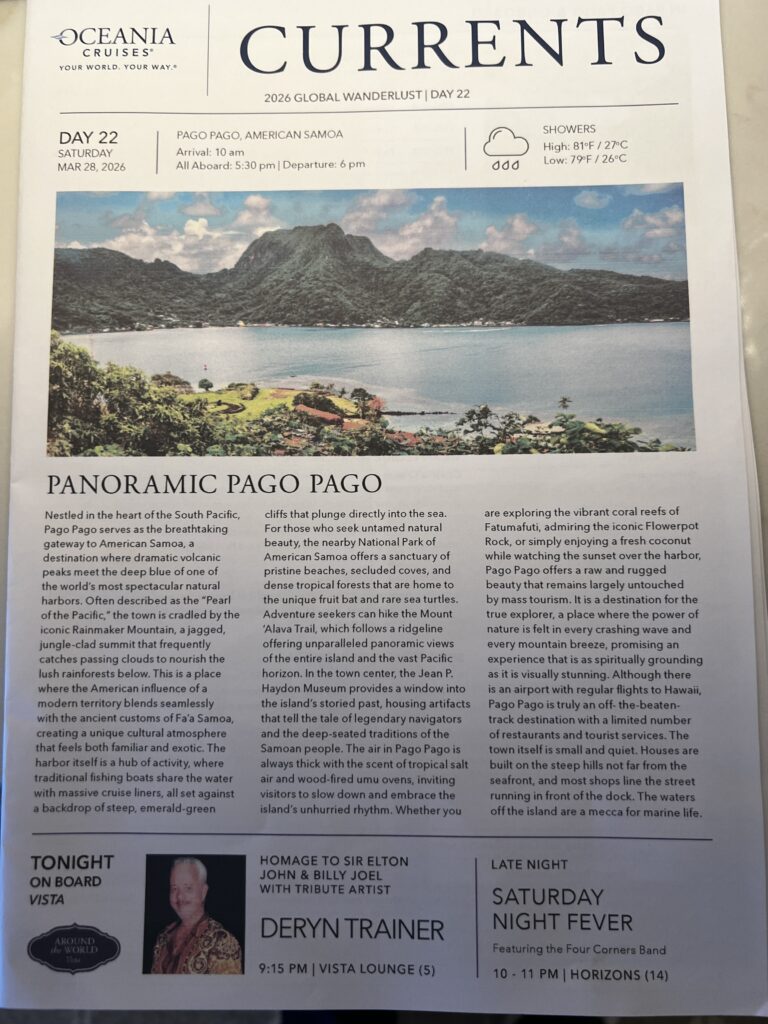
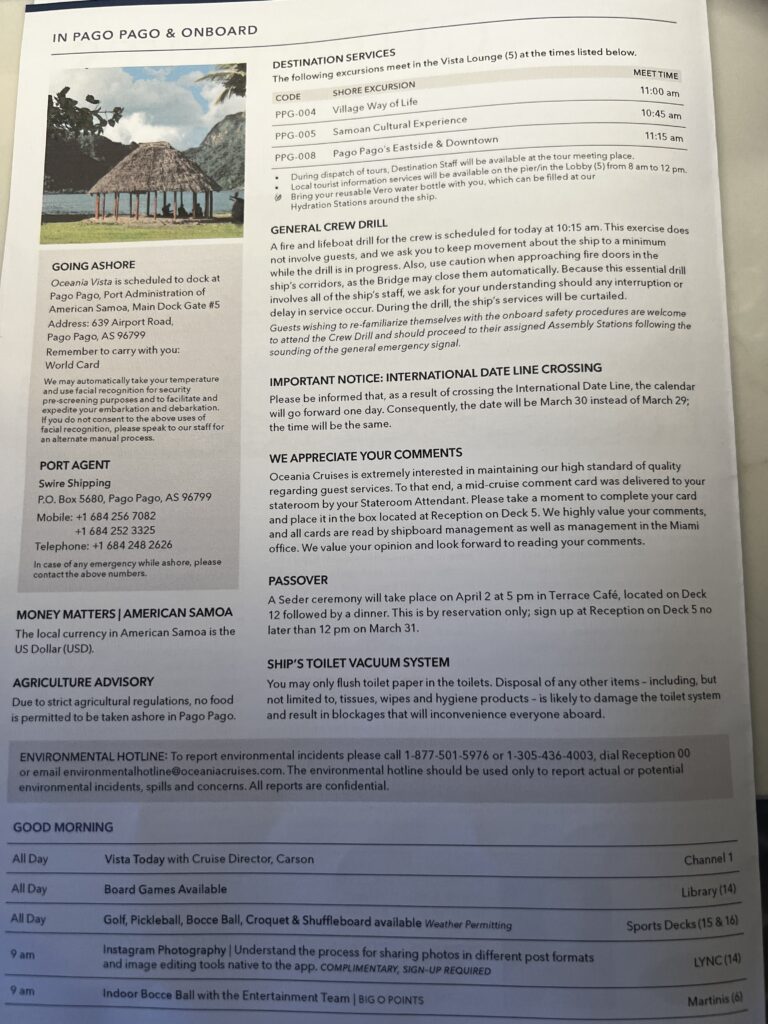
Currents for Pago Pago, American Samoa
Couple of wall signs in the port
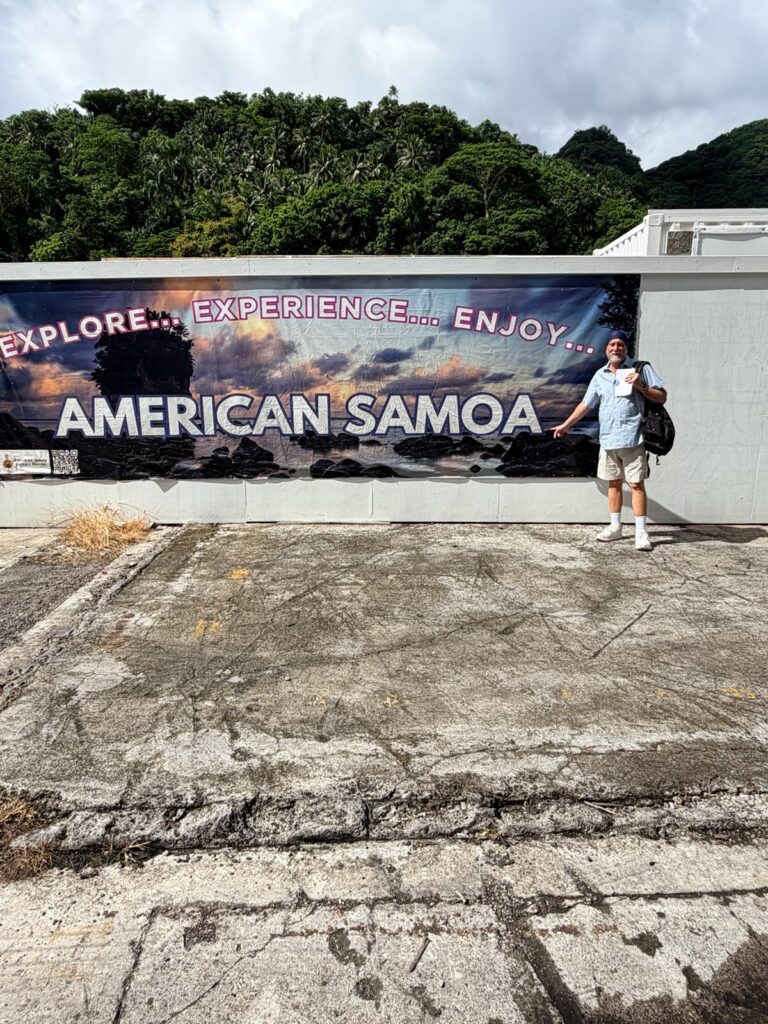
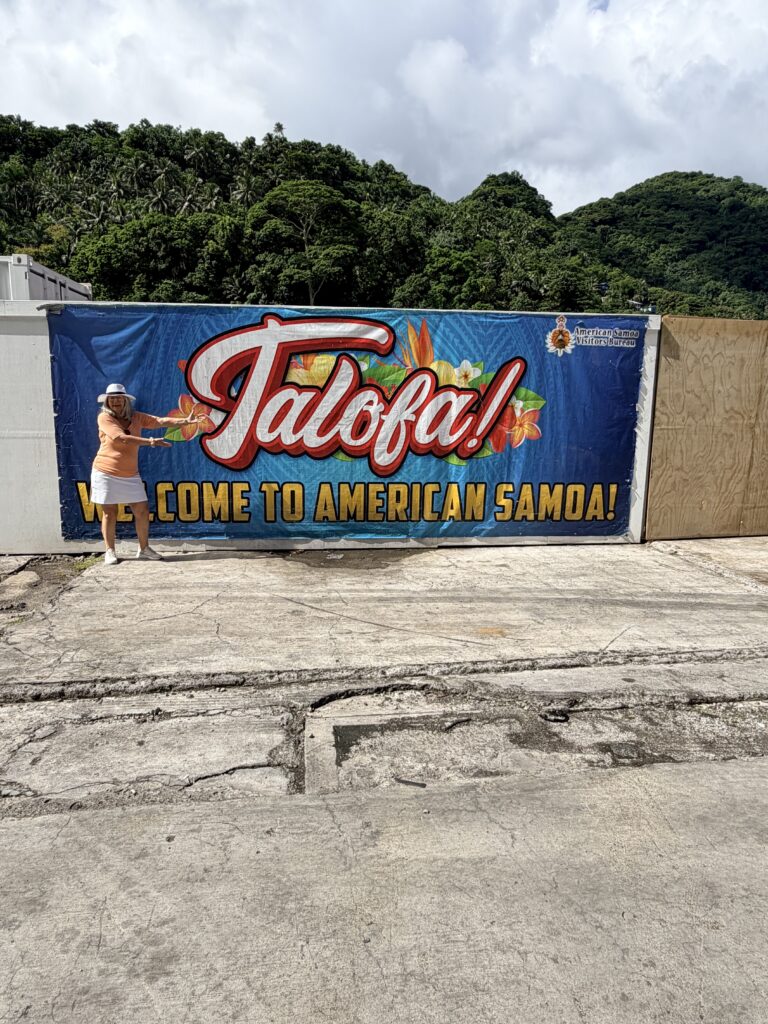
Getting ready to head out
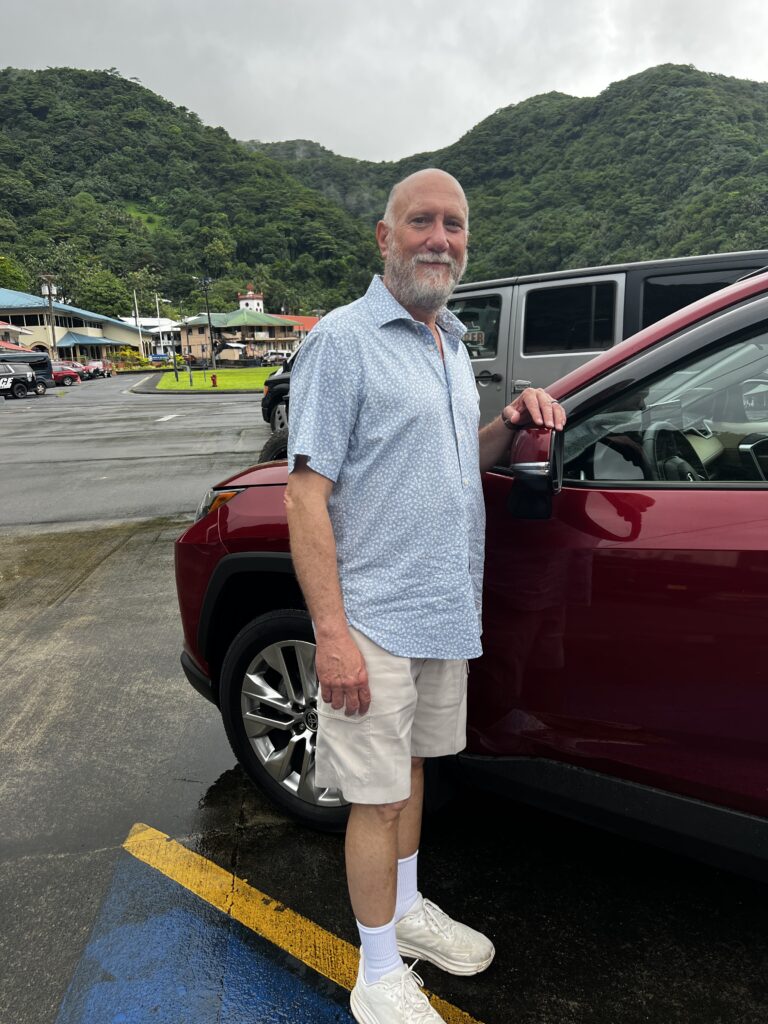
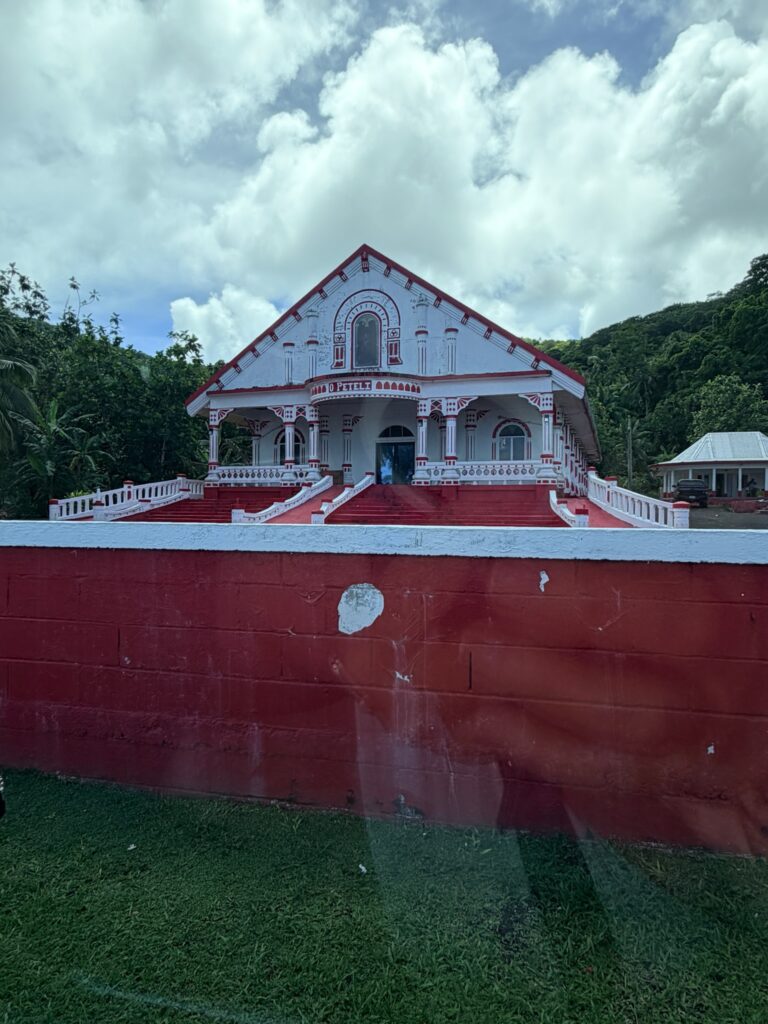
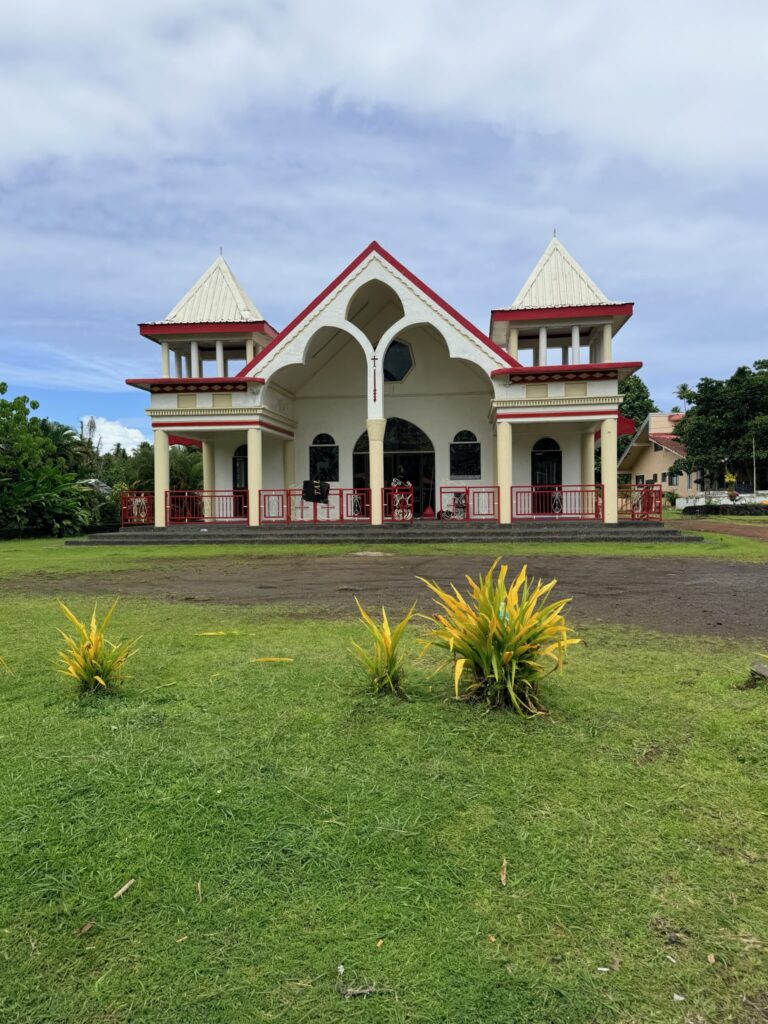
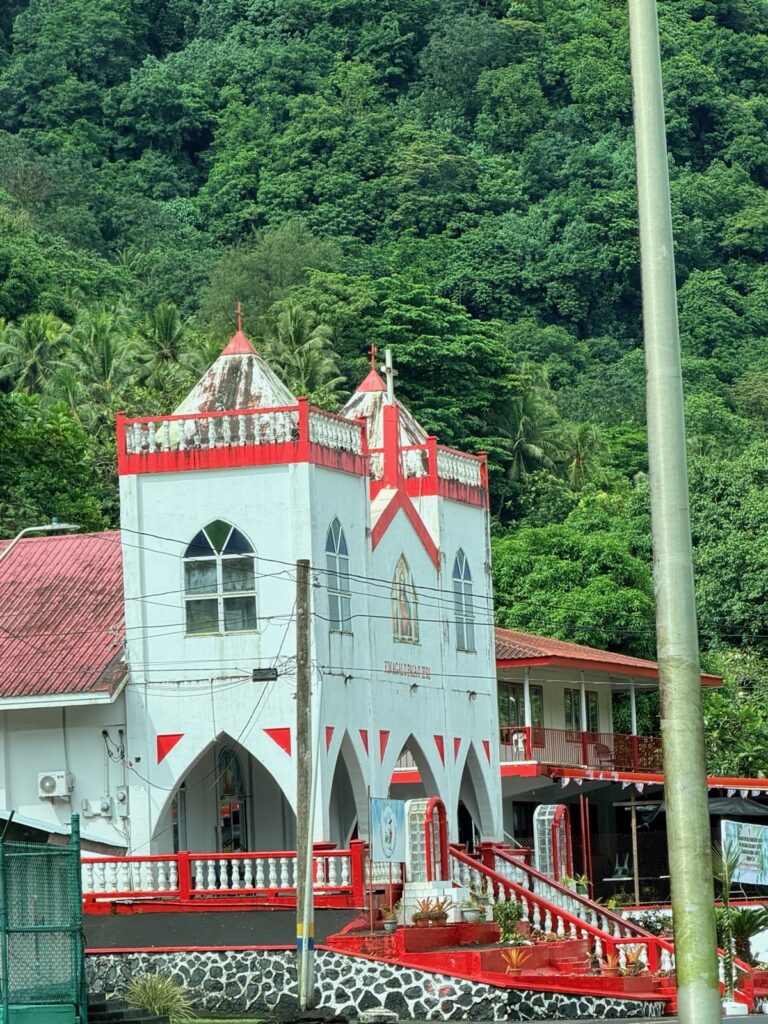
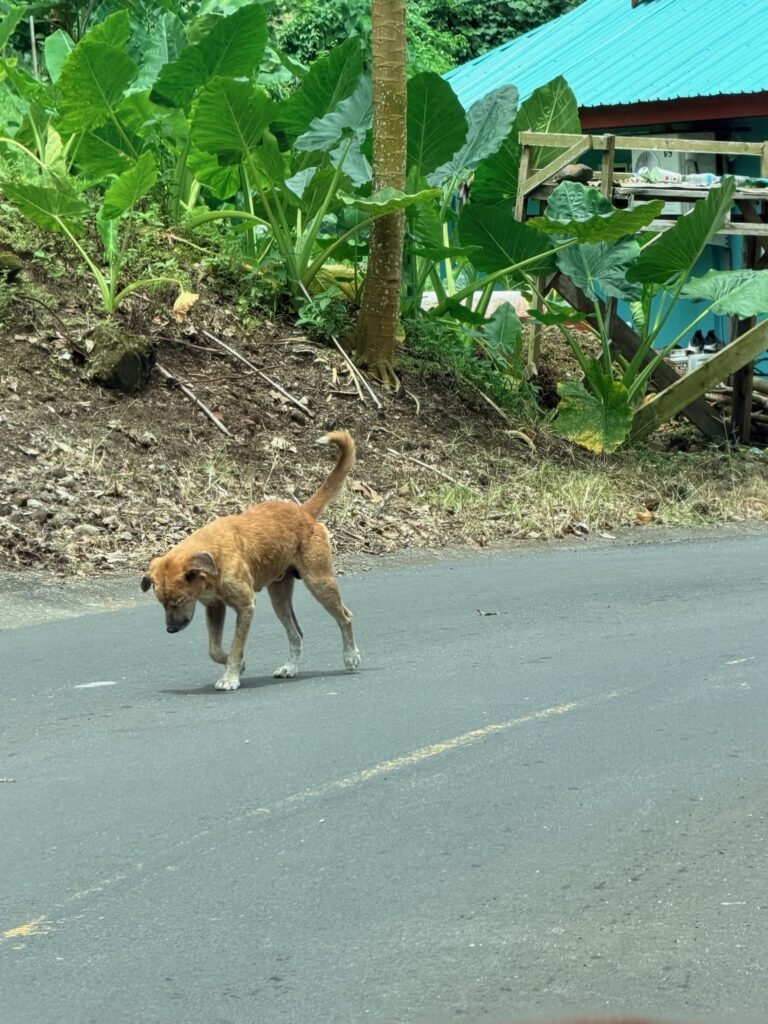
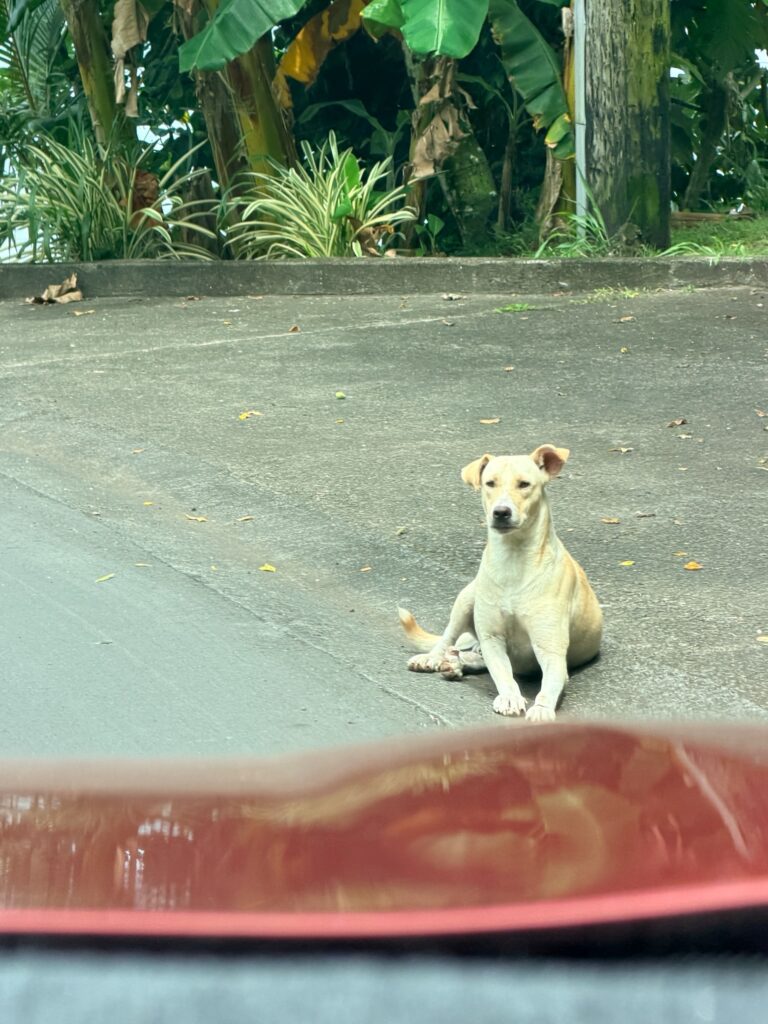
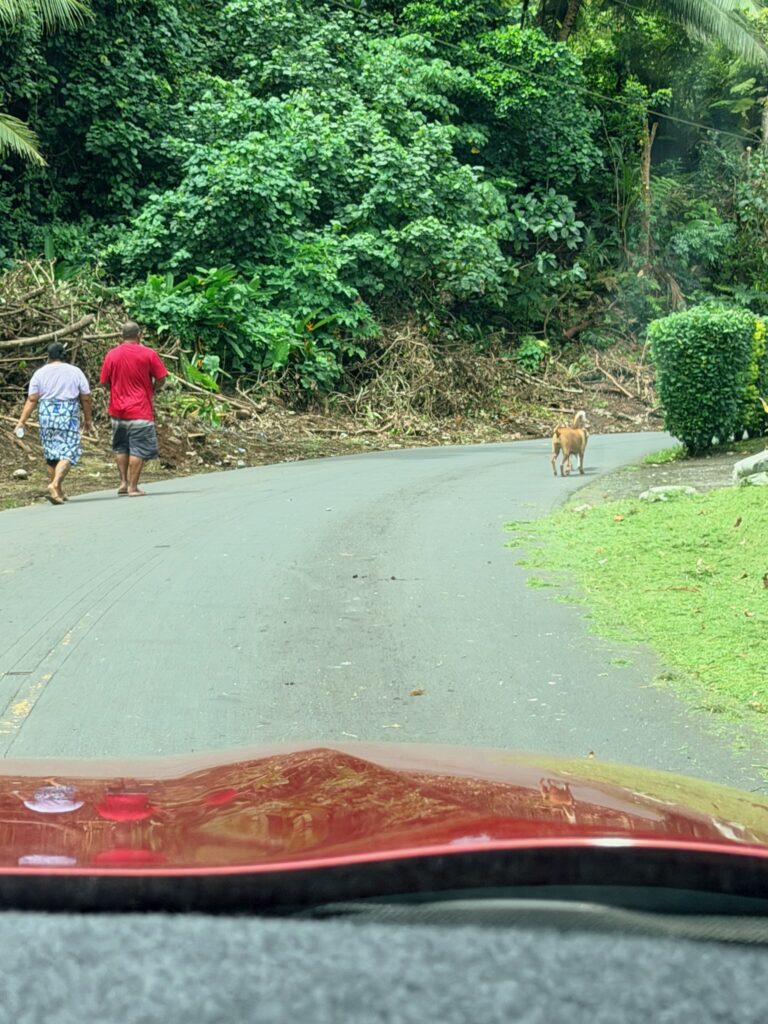
Besides the scenery, the number of churches and dogs on the island was quite remarkable. We laughed as we tried to decide if there were more churches or dogs 🙂
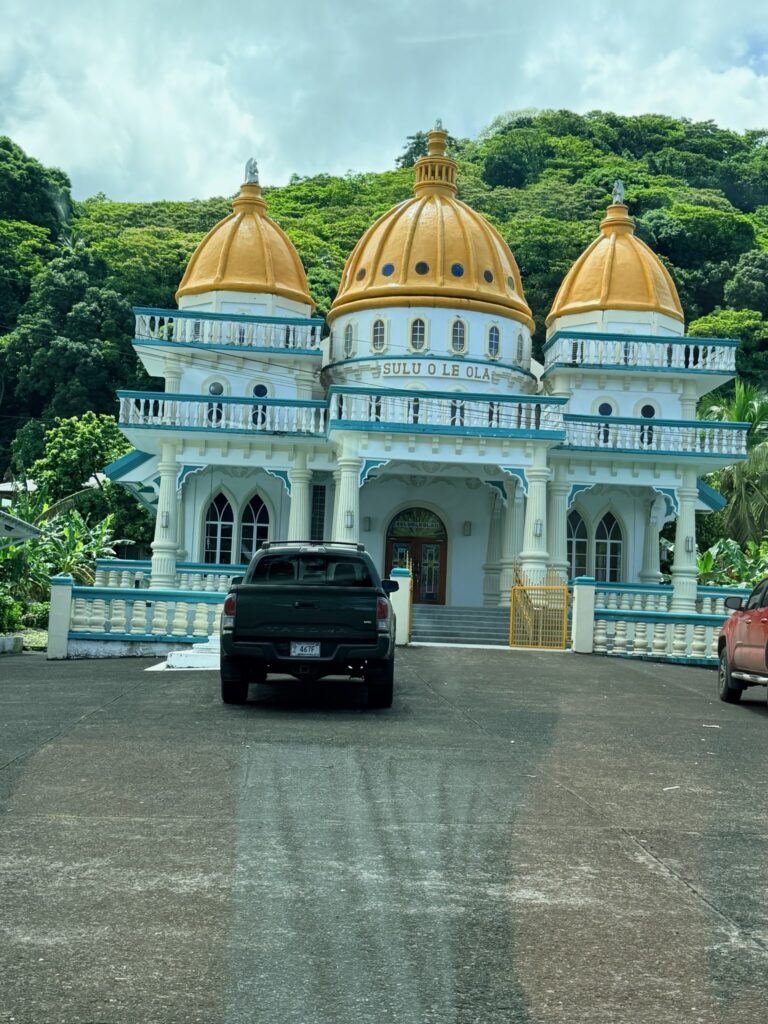
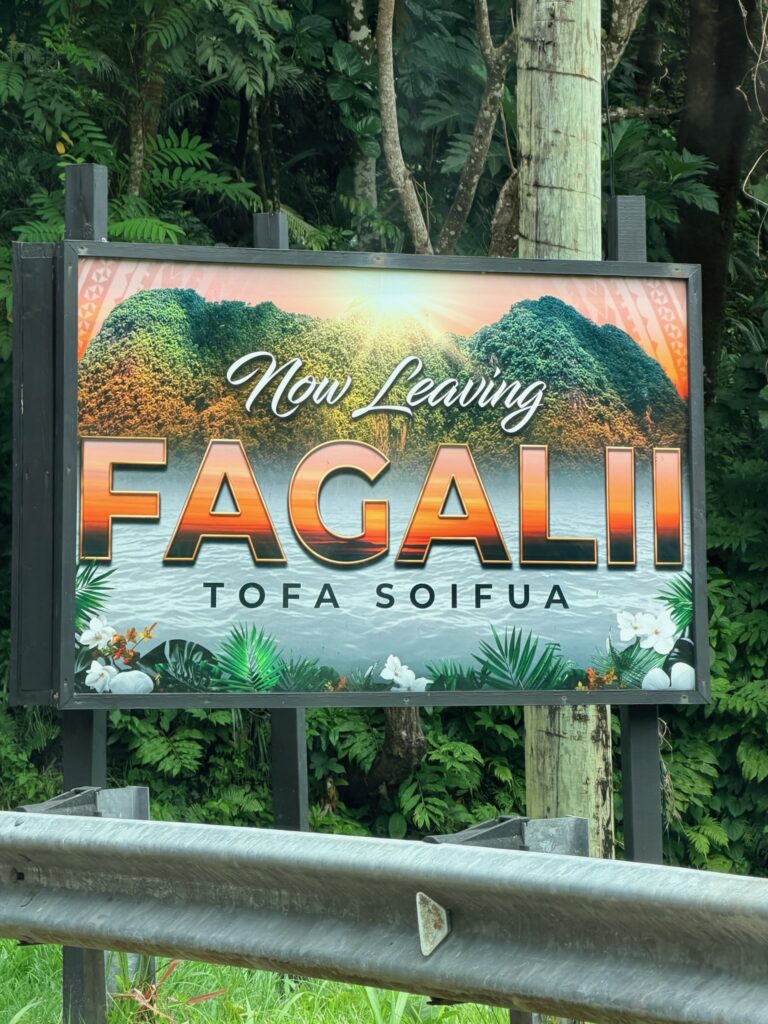
Each of the small towns or villages have beautiful signs when entering and exiting the towns
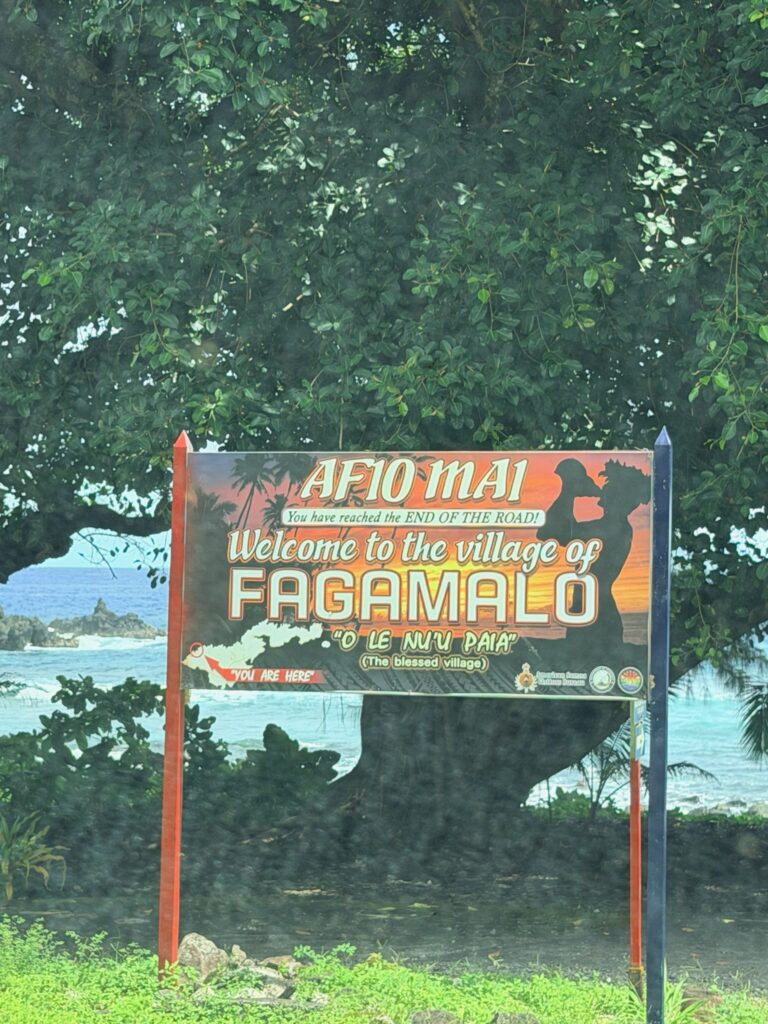
You have to laugh at the exit sign for this town as they were literally correct. It was the end of highway 001.
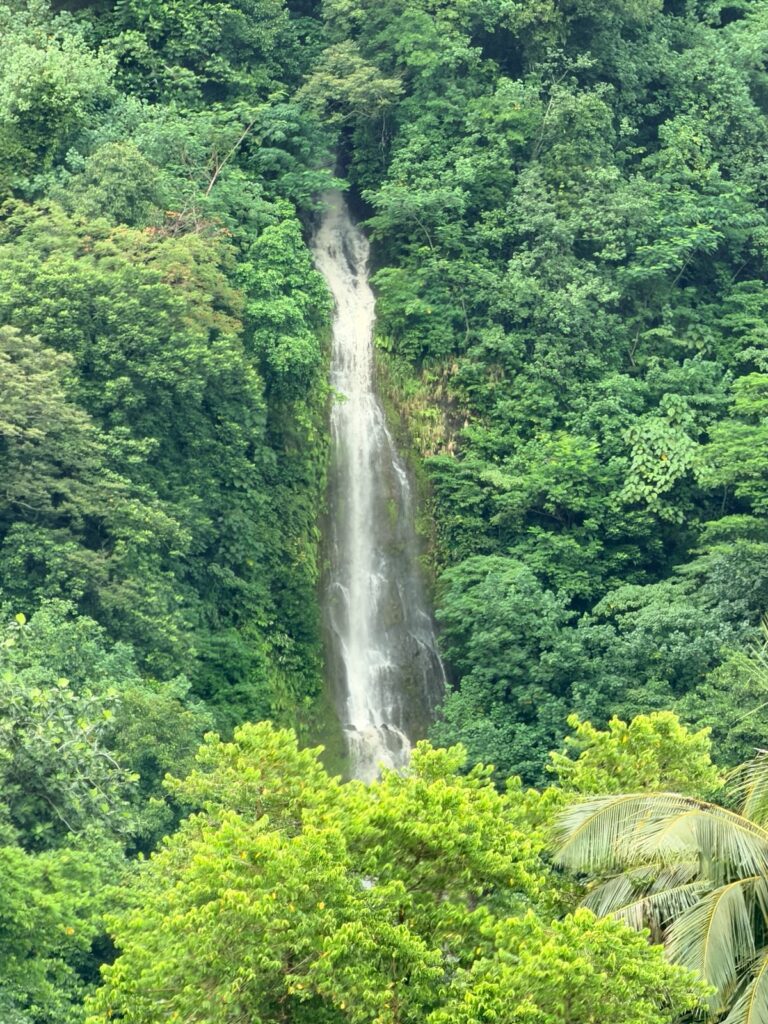
Check out these scenes on our drive to the end of one island. Like I said, every turn of the road produced just amazing scenery
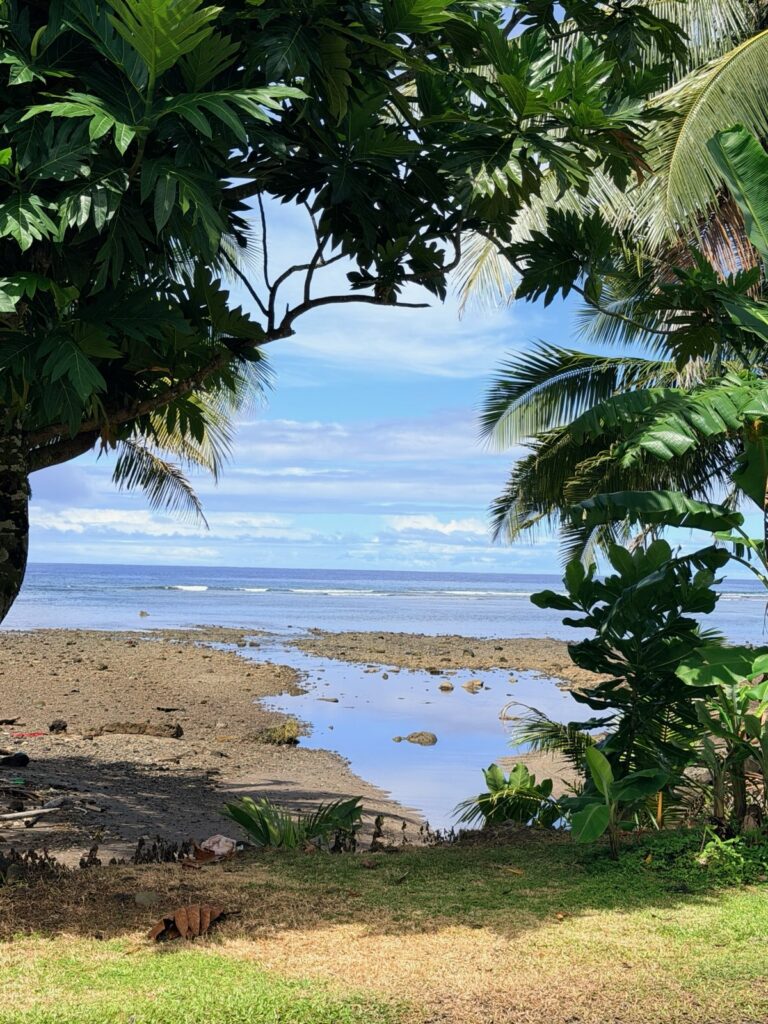
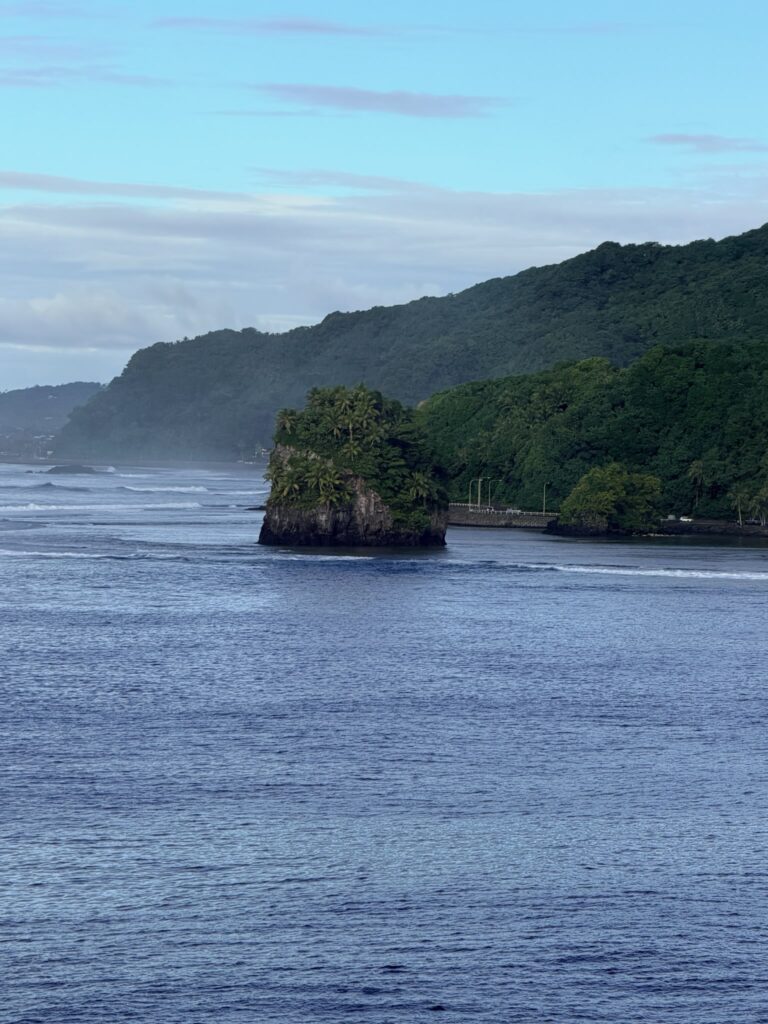
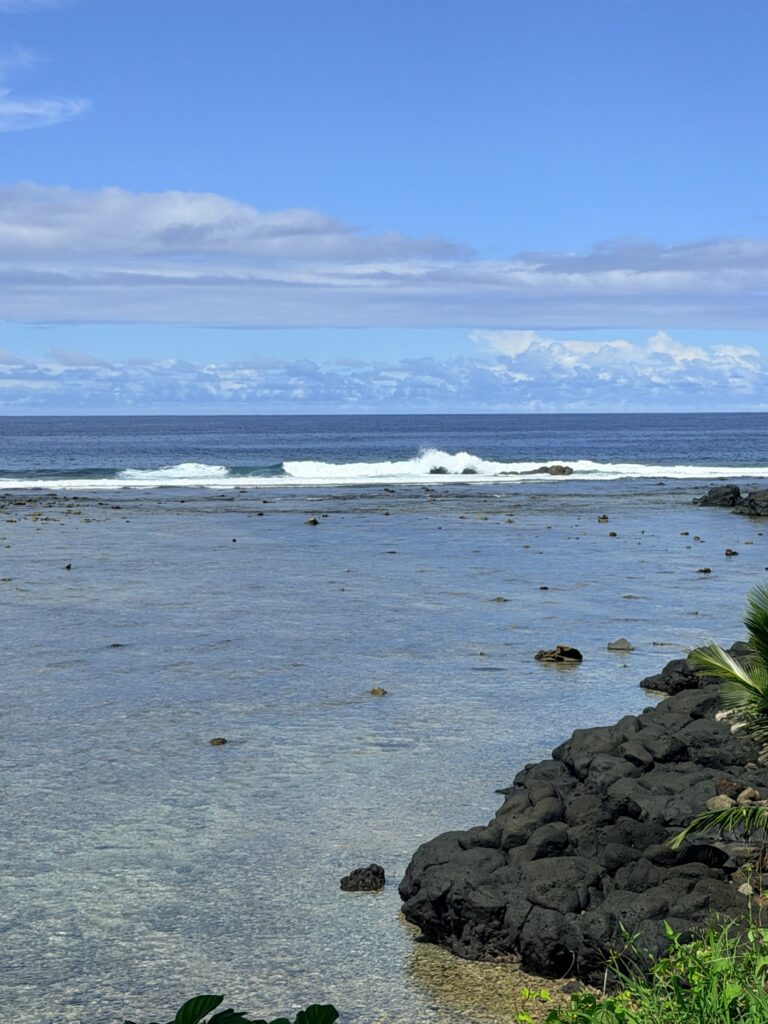
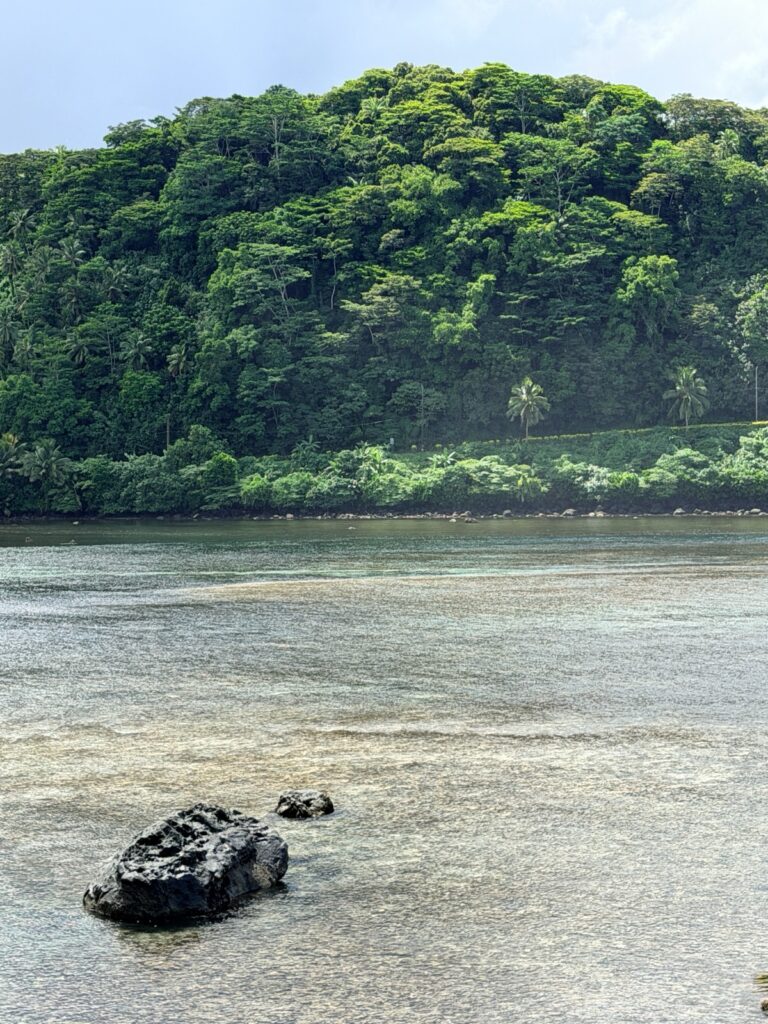
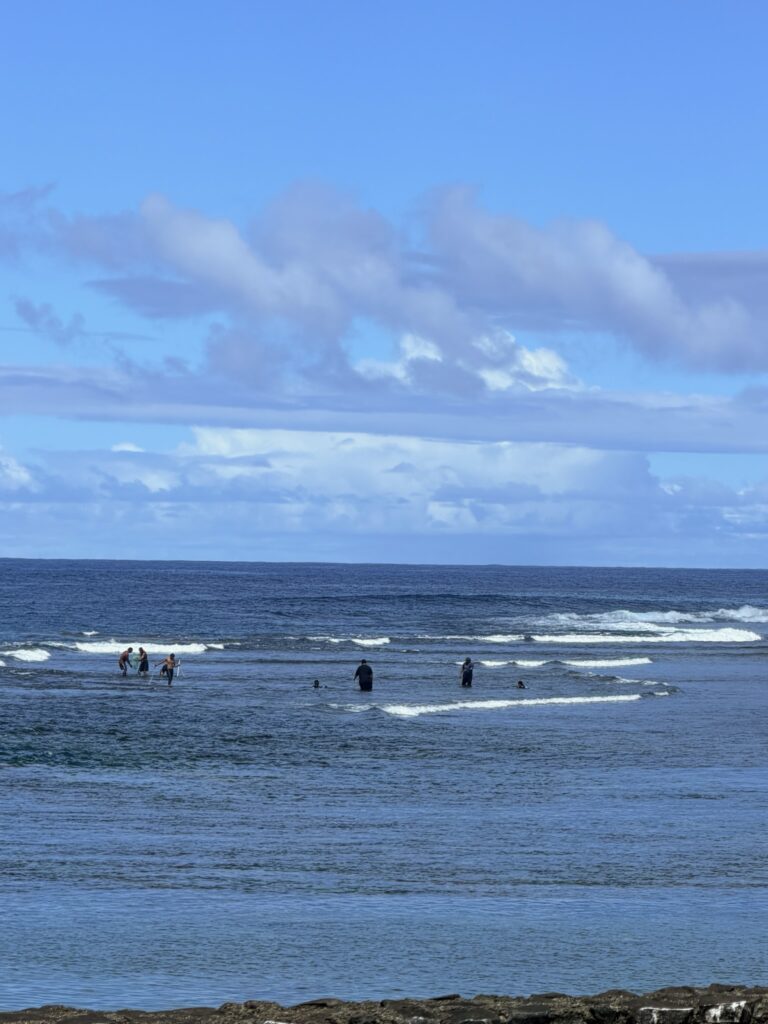
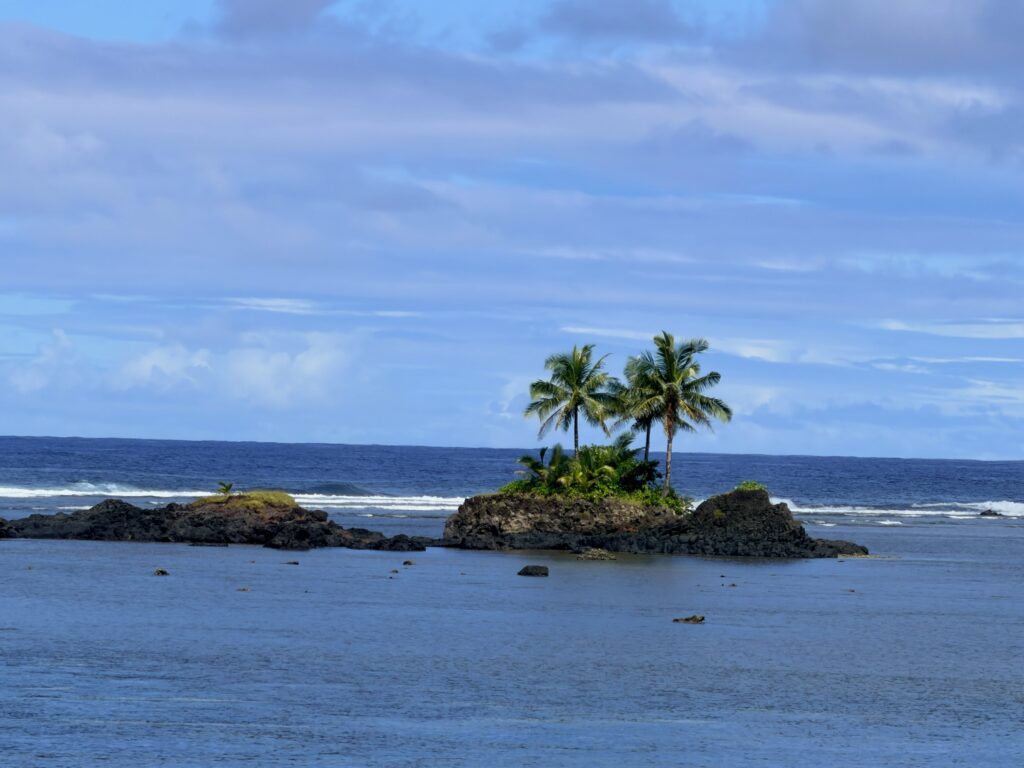
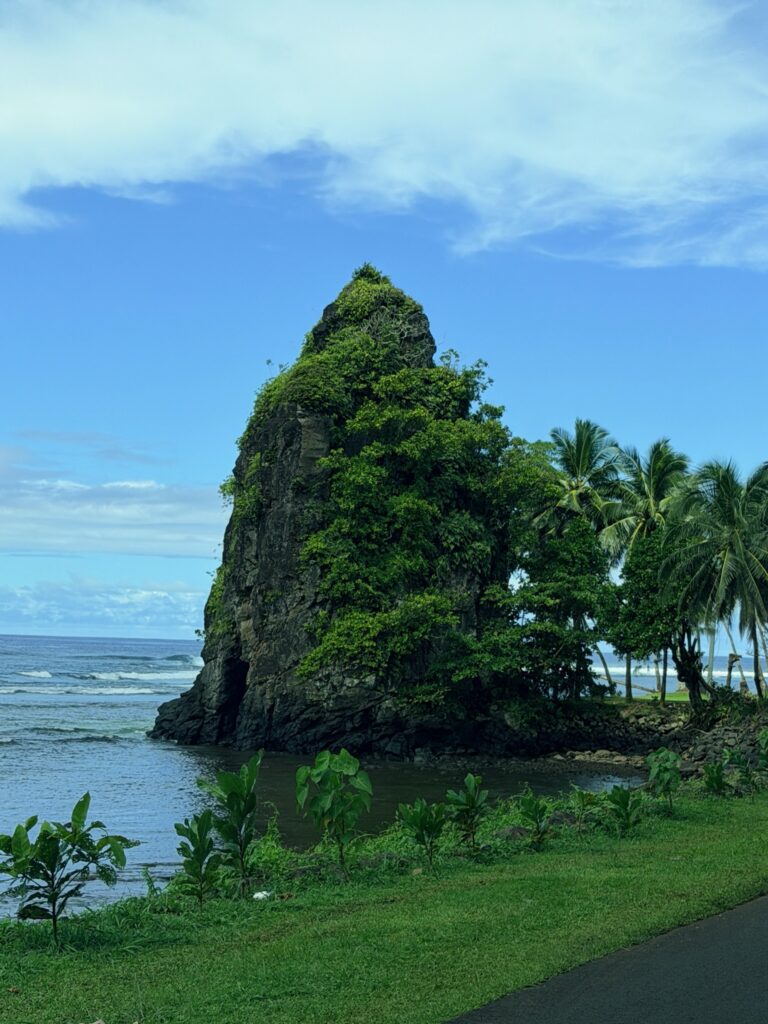
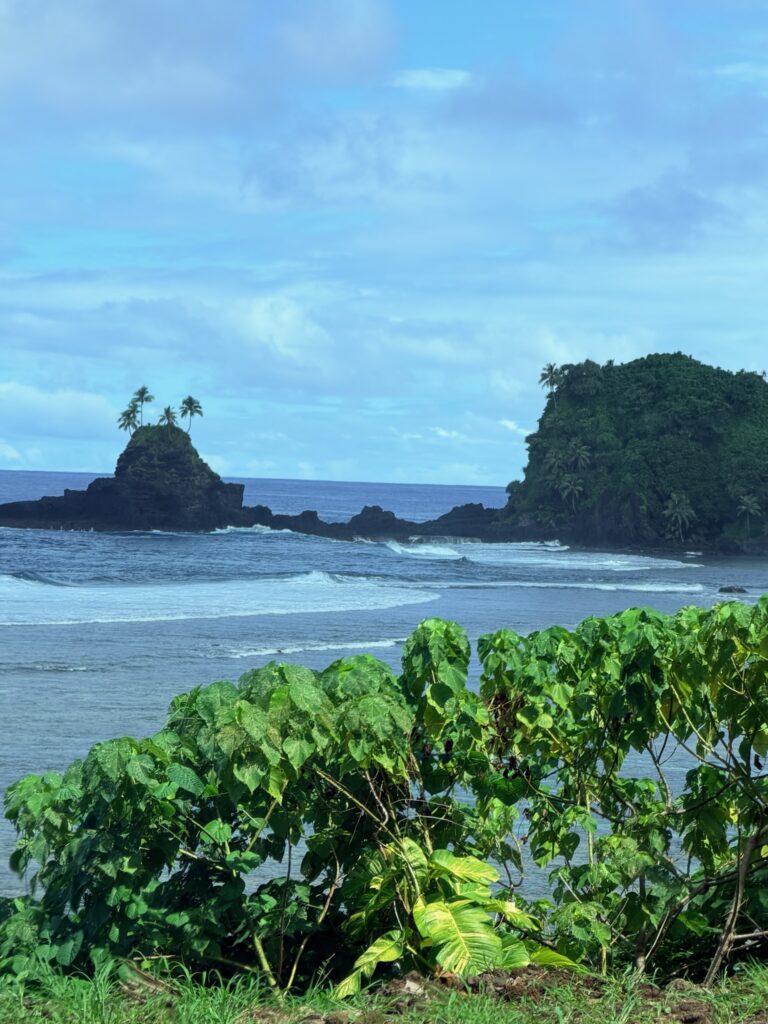
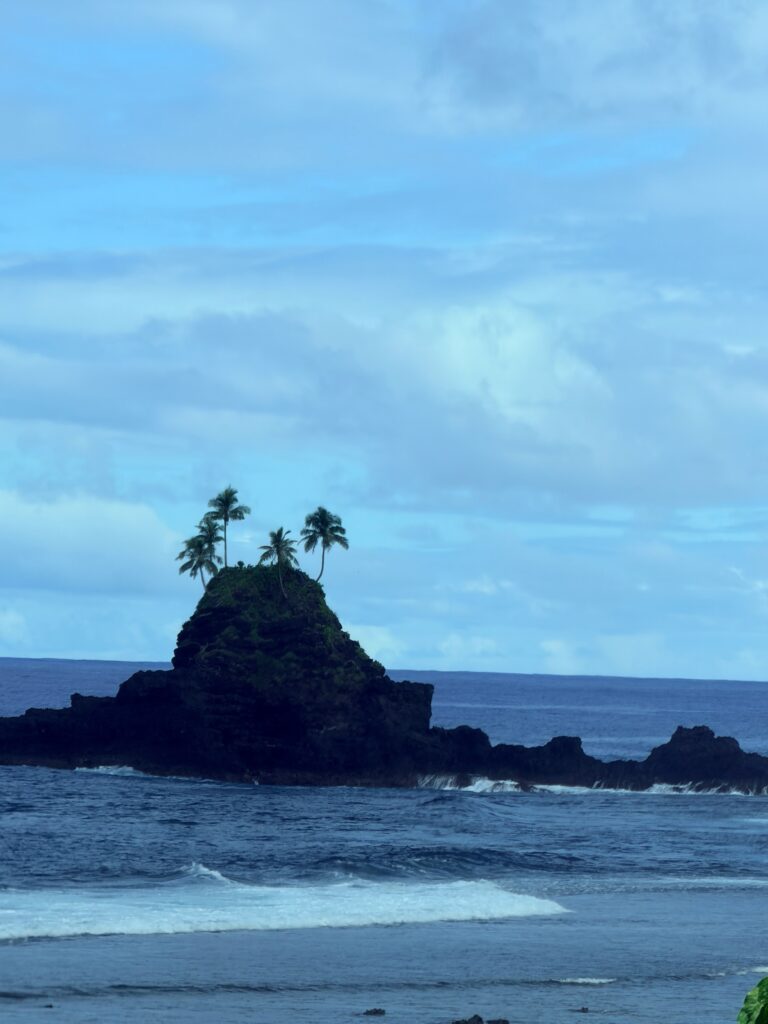
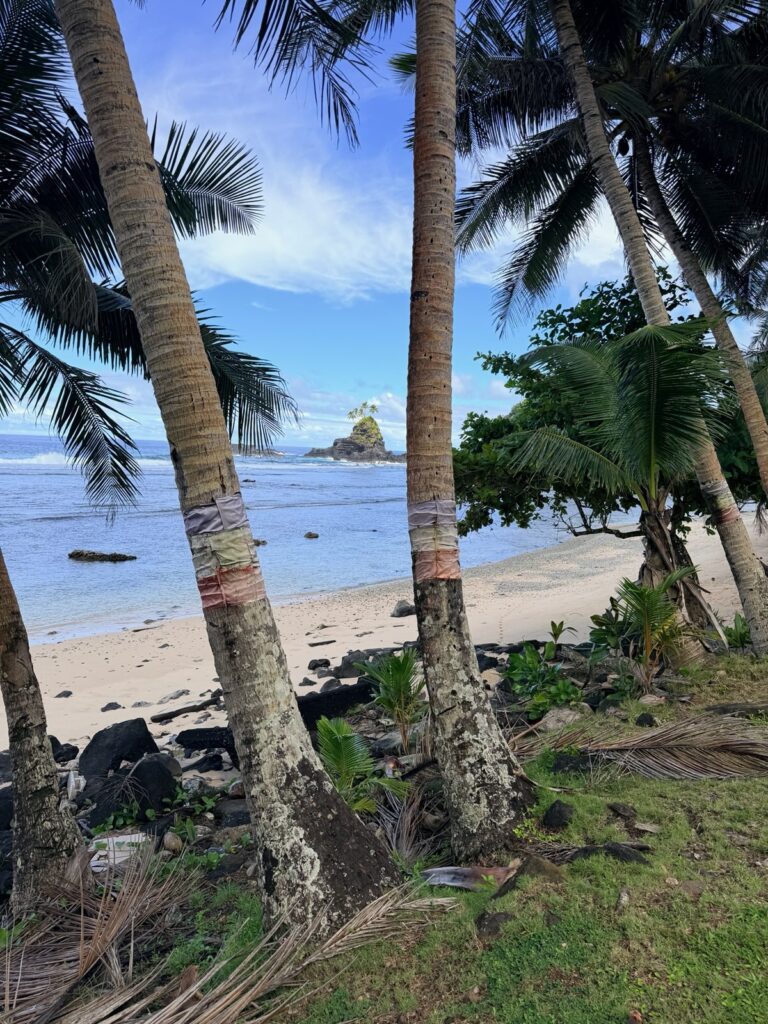
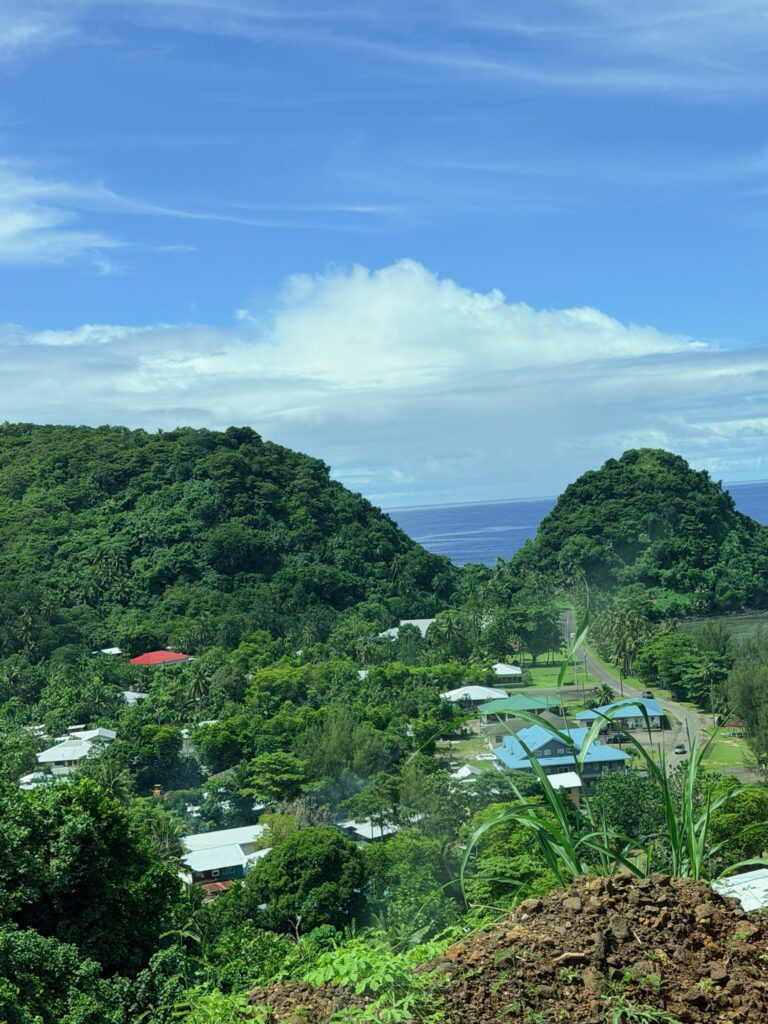
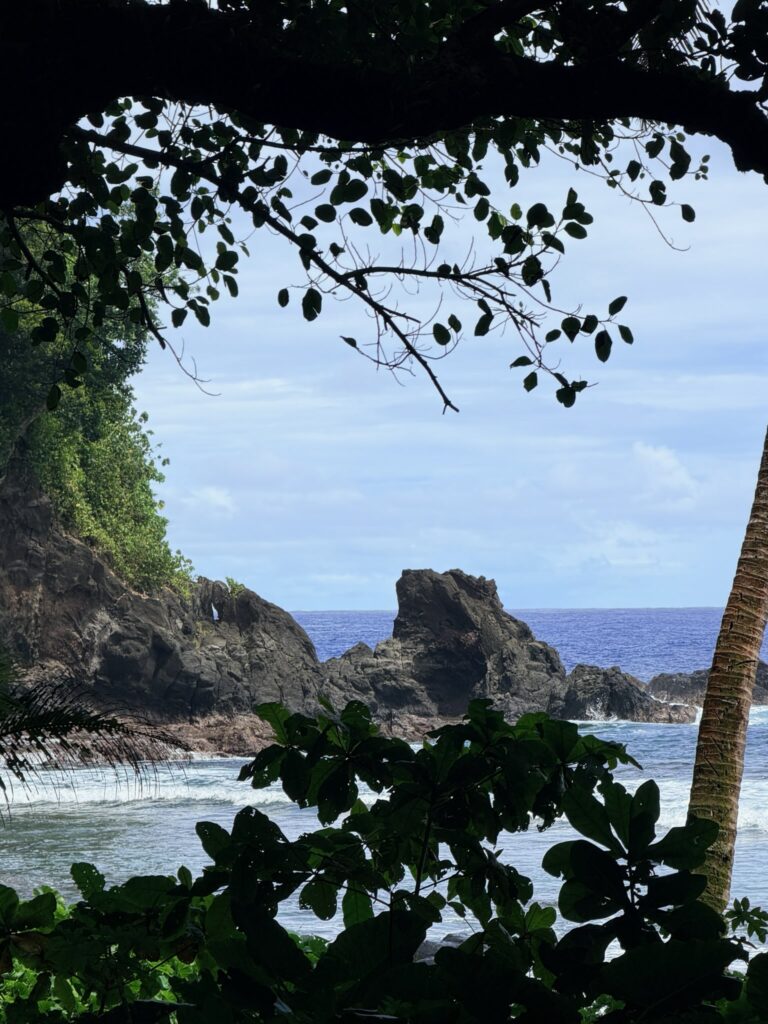
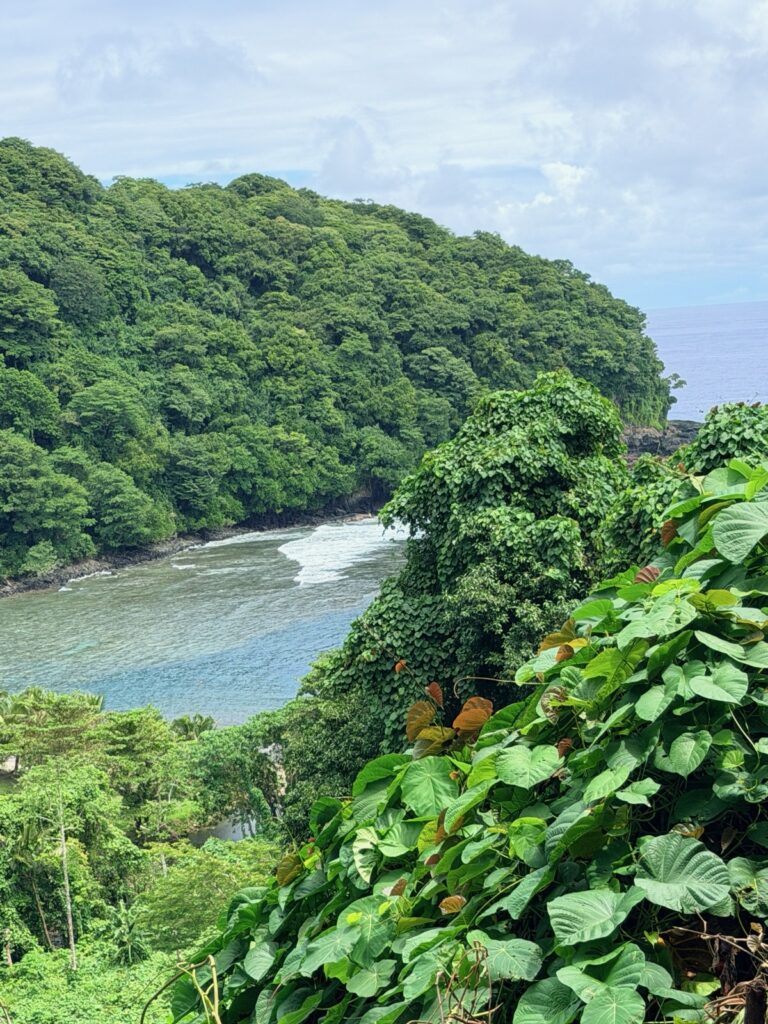
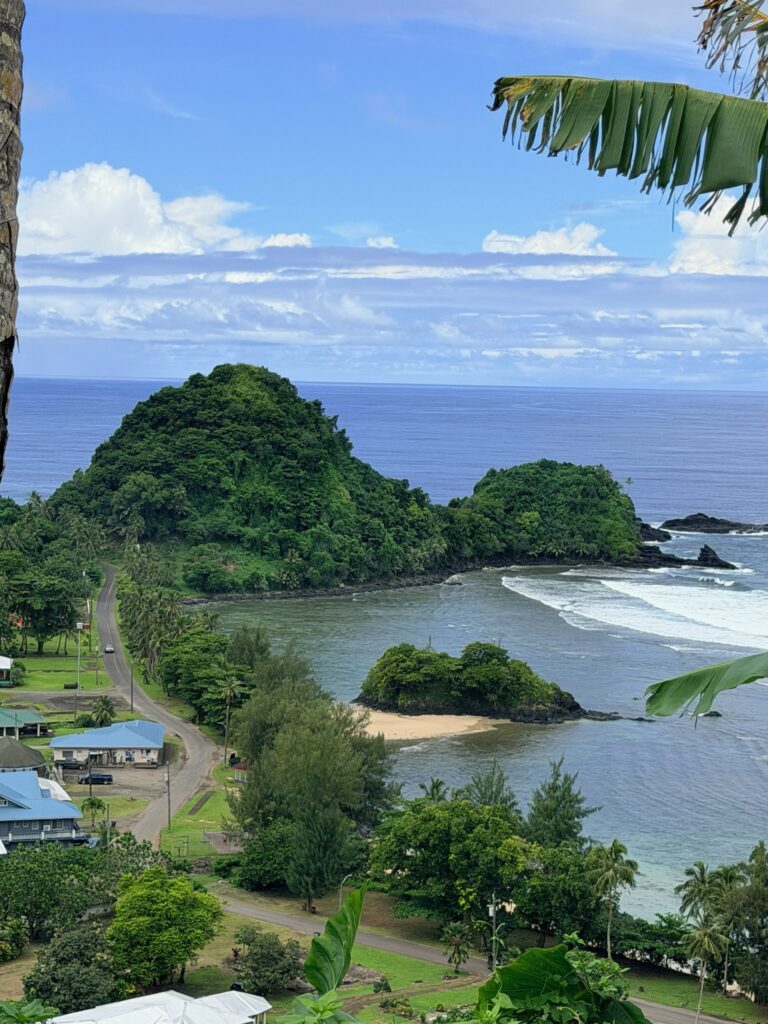
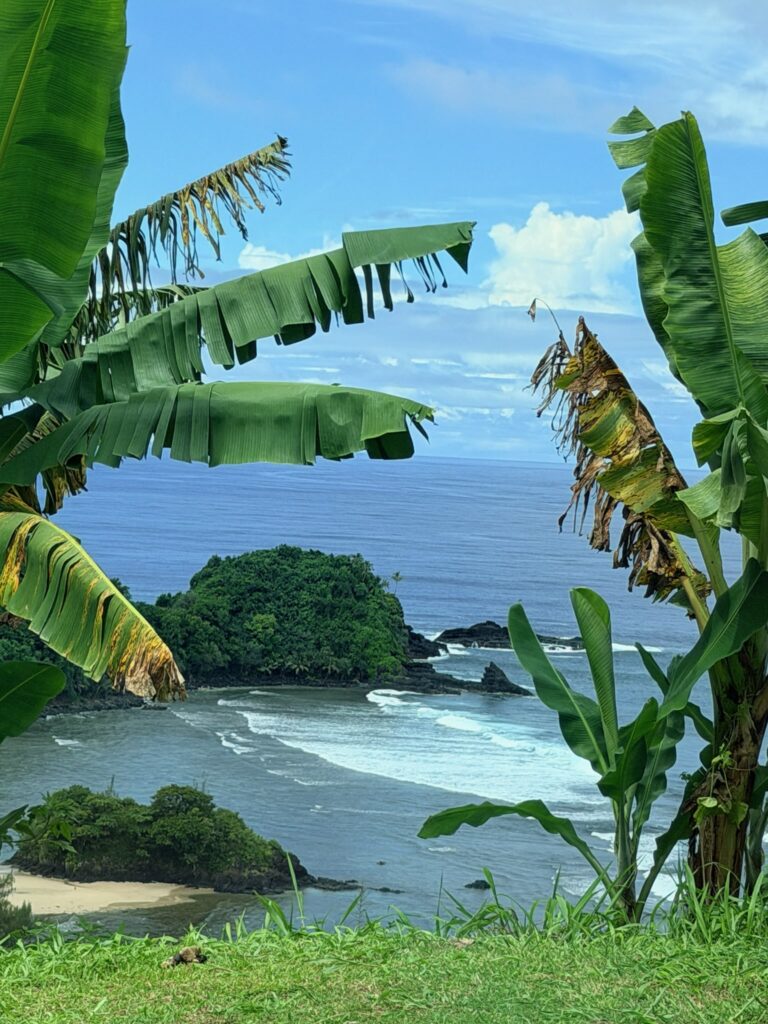
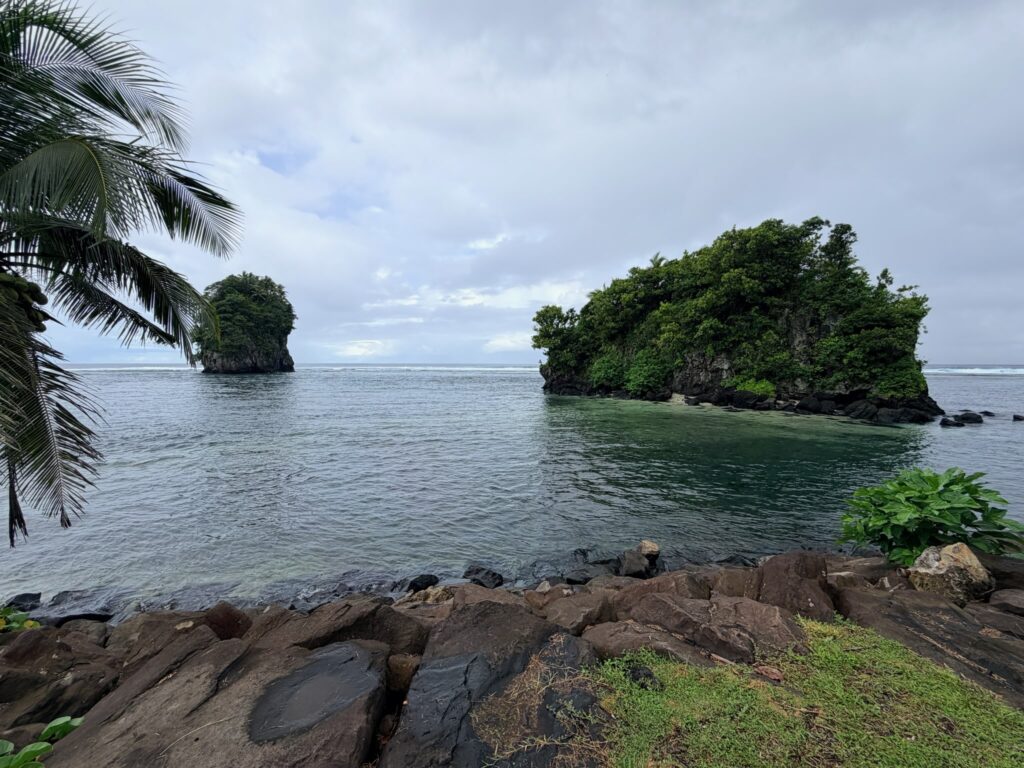
Perfect example of taking a curve in the road and this was facing us as we came out the curve
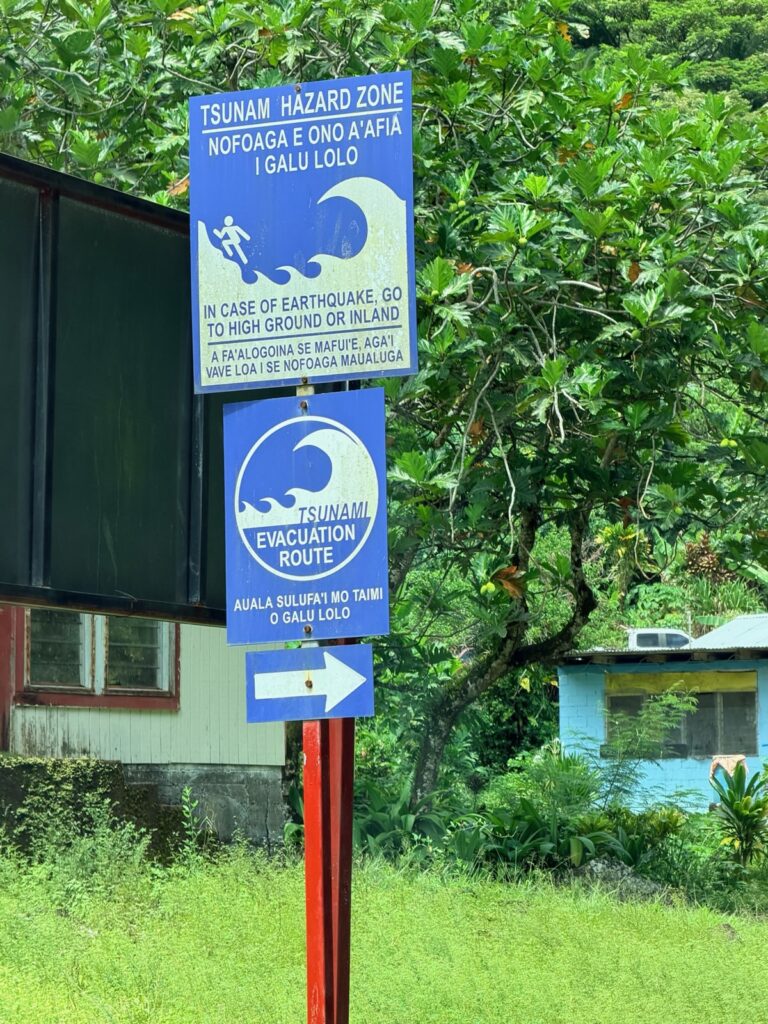
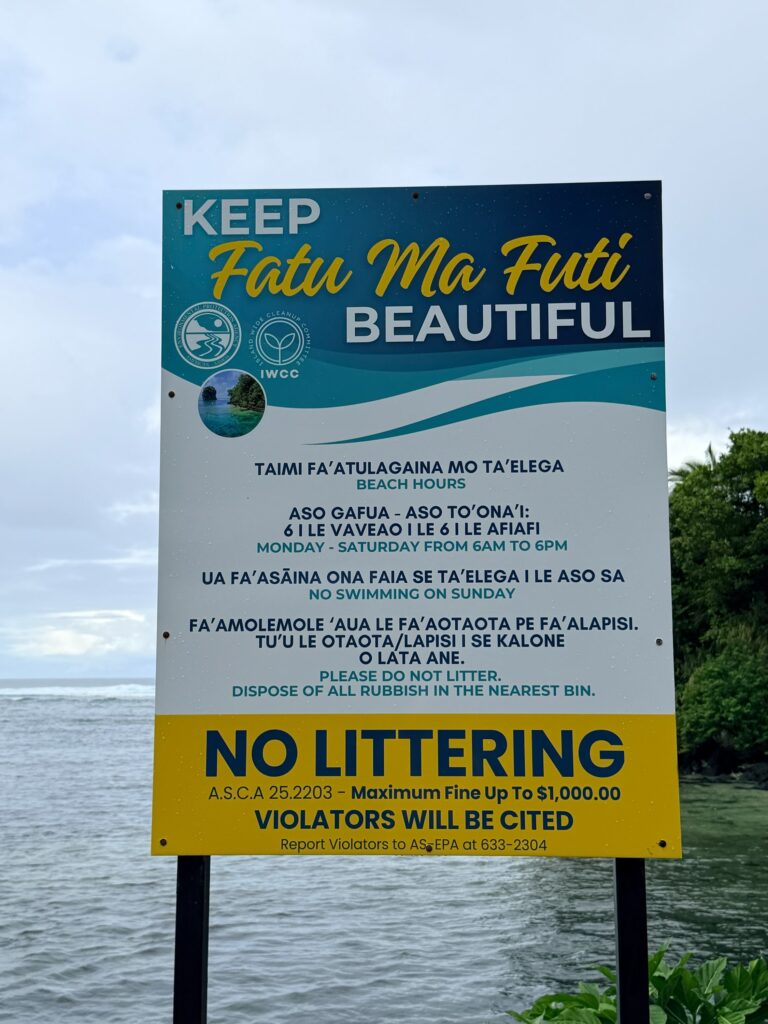
A couple of signs along the day’s drive
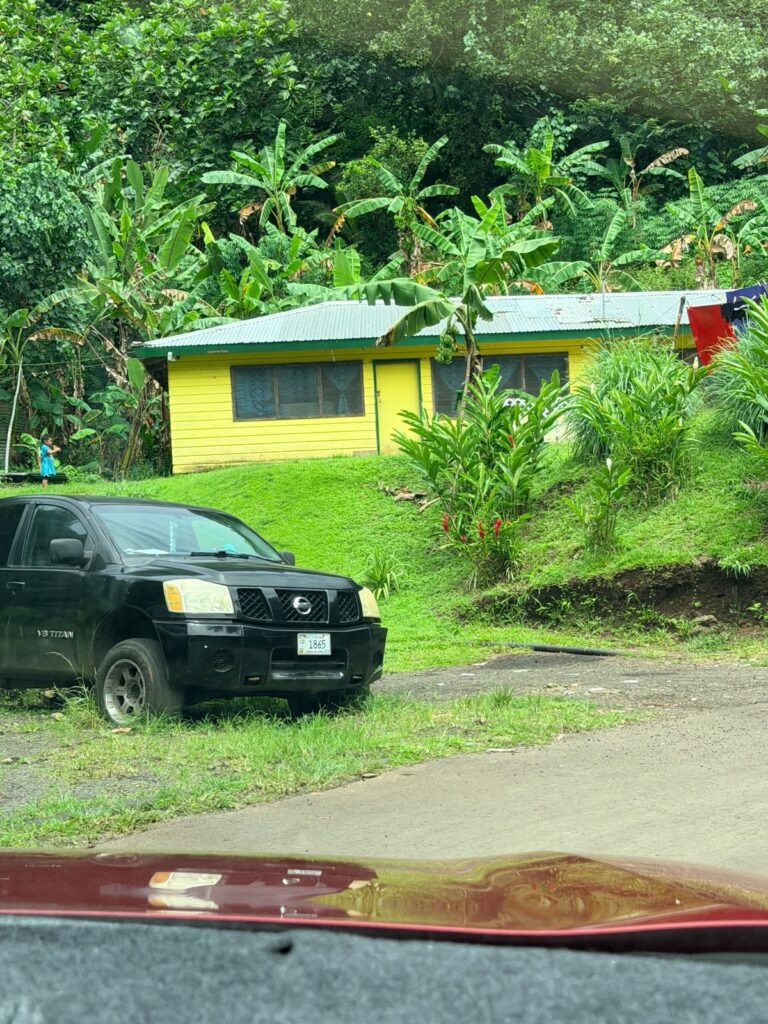
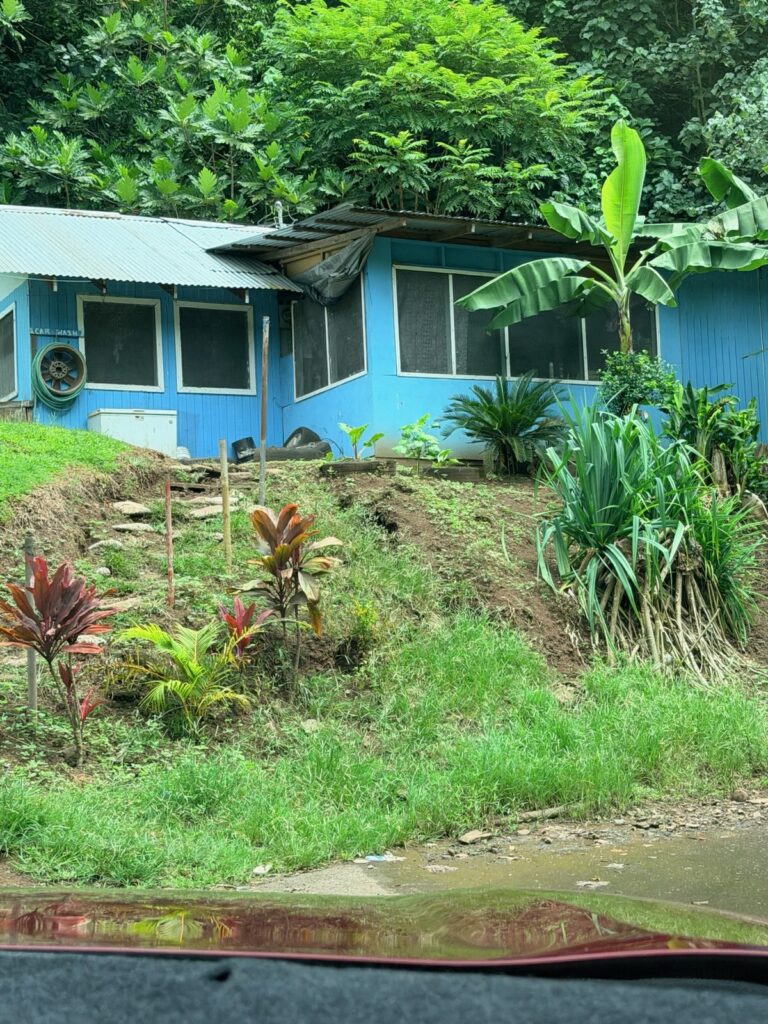
Some homes we captured along the way. We did not see many air-conditioned homes or buildings
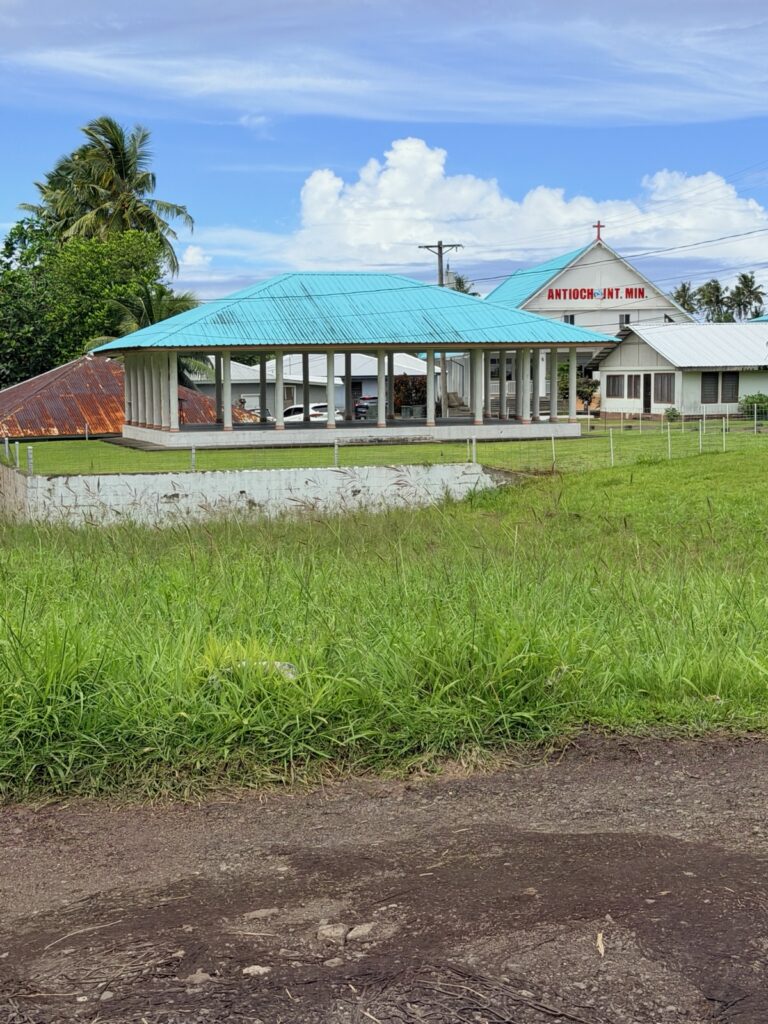
Each town had a pavilion like this in the town that we learned was used for gatherings of the town’s people. In Samoa each home had a pavilion in the front yard.
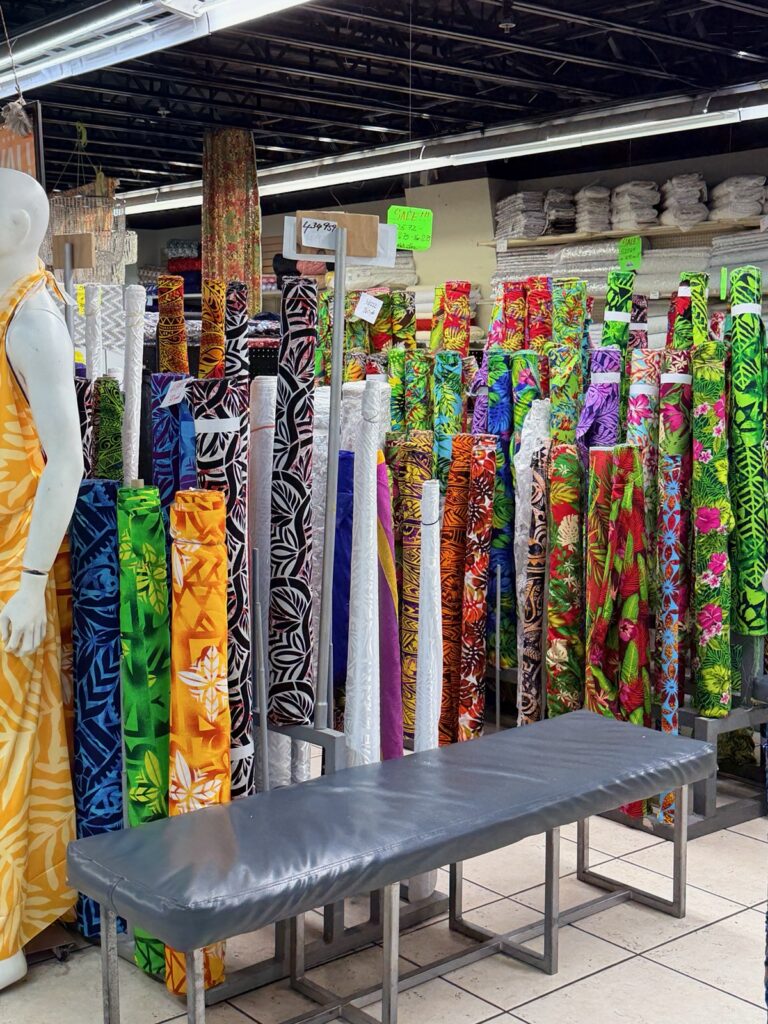
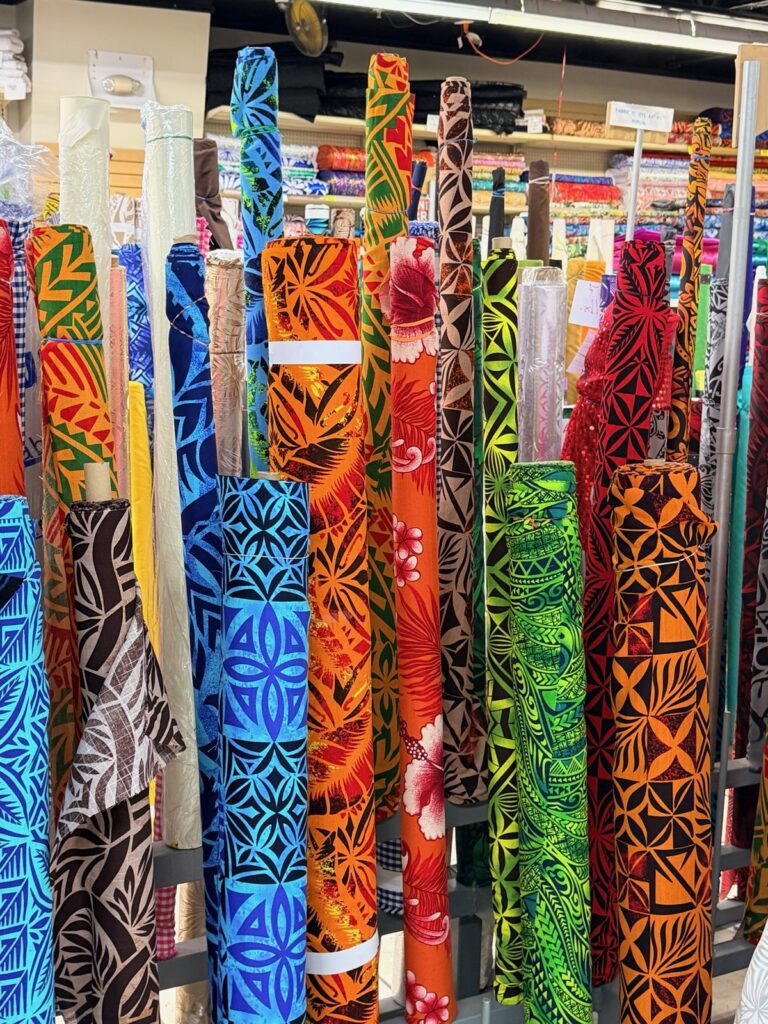
Fabrics sold in a local store that we visited
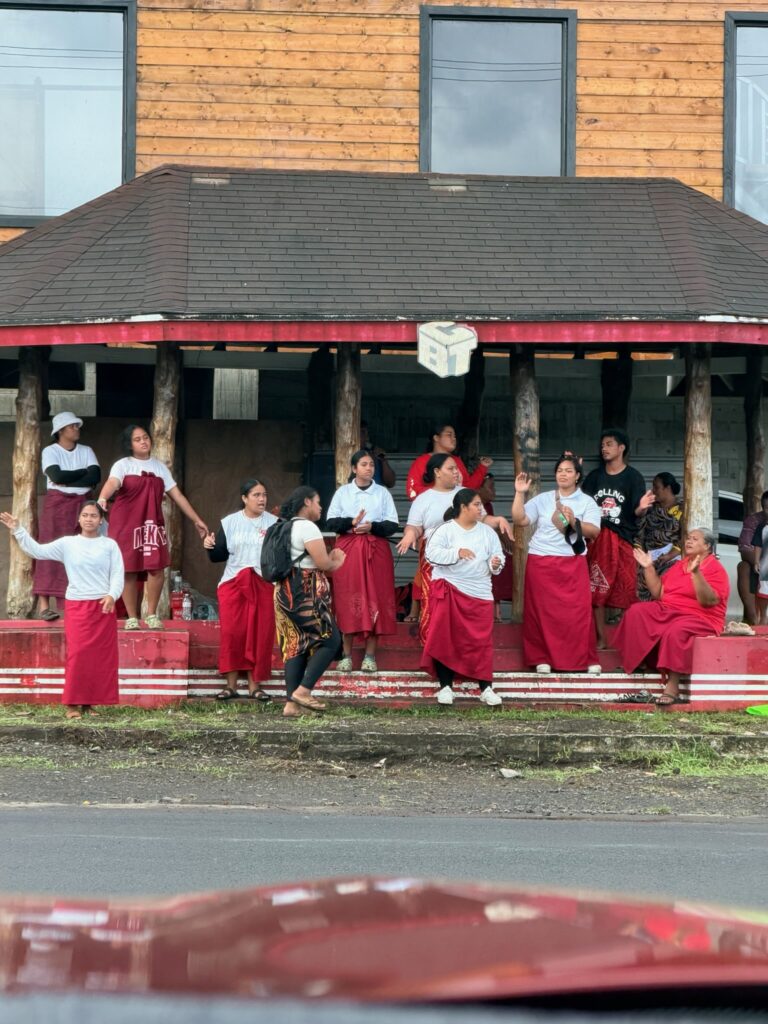
Since it was Saturday, many schools’ children were out raising money with car washes. As you would drive by, the kids were out singing and cheering and having fun.
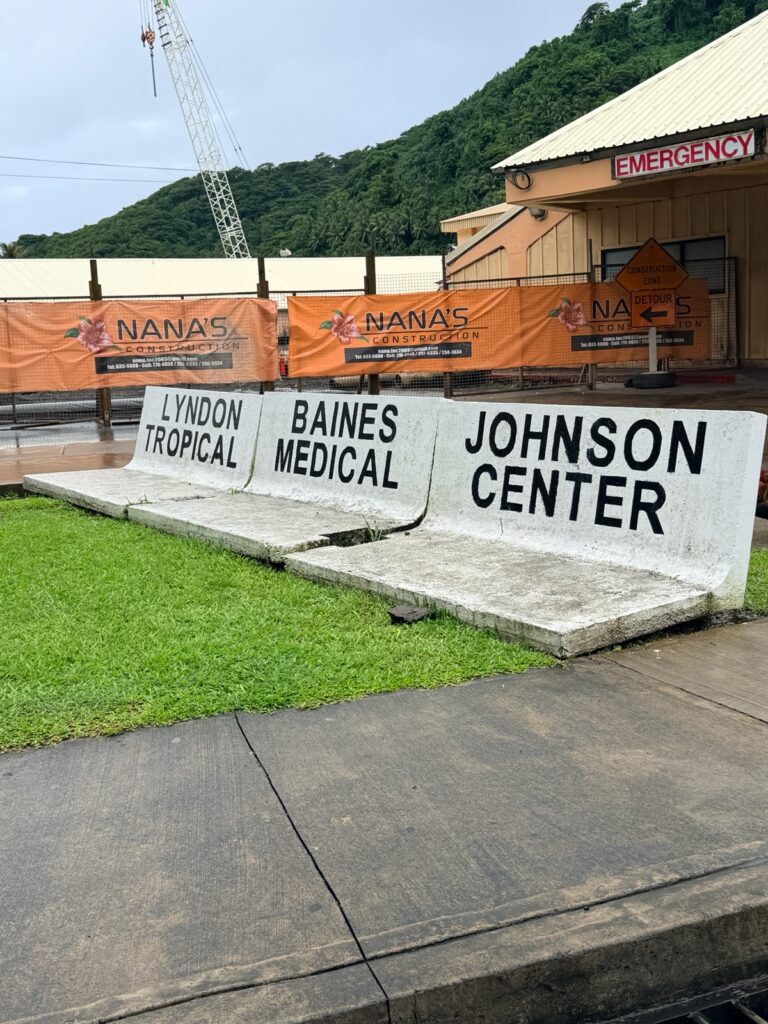
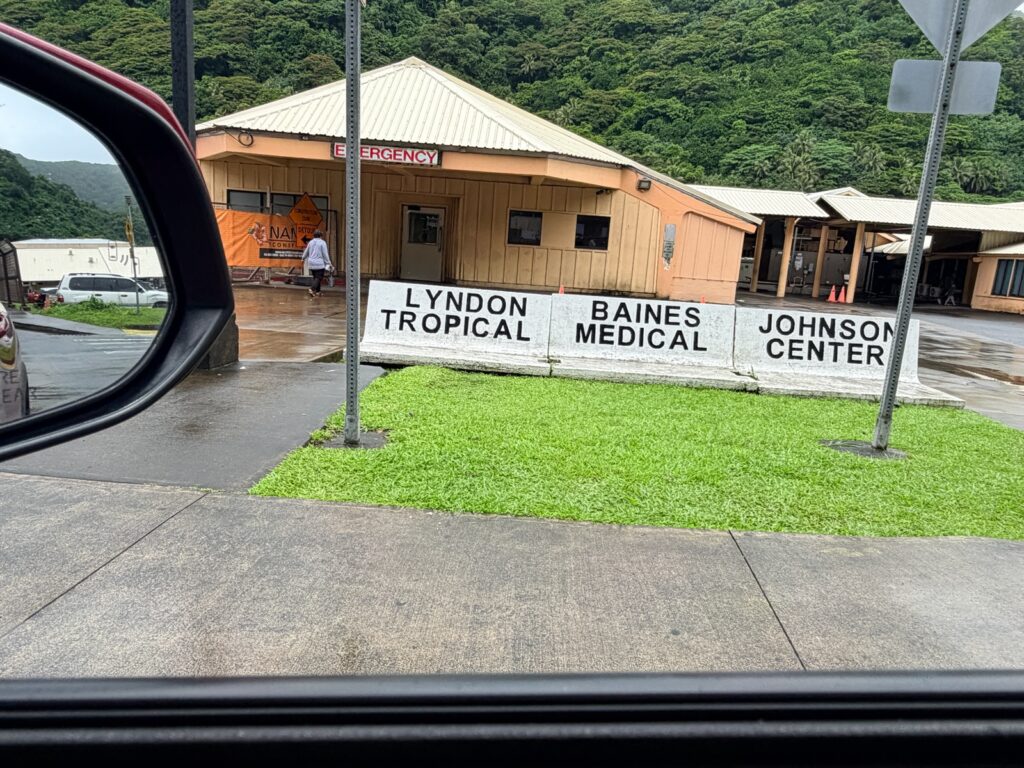
Of course being hospital people we had to check out the local hospital. We were happy to see that a new ER and additions to the hospital were being built. Actually, we were most happy that we were not involved in the construction of the new additions 🙂
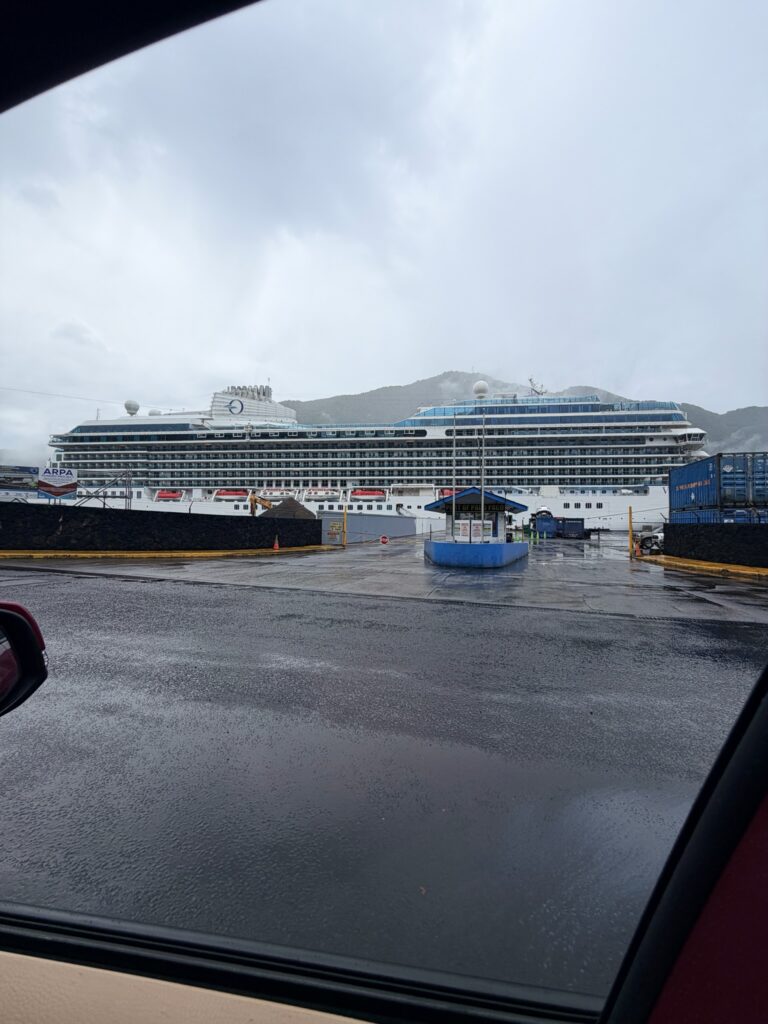
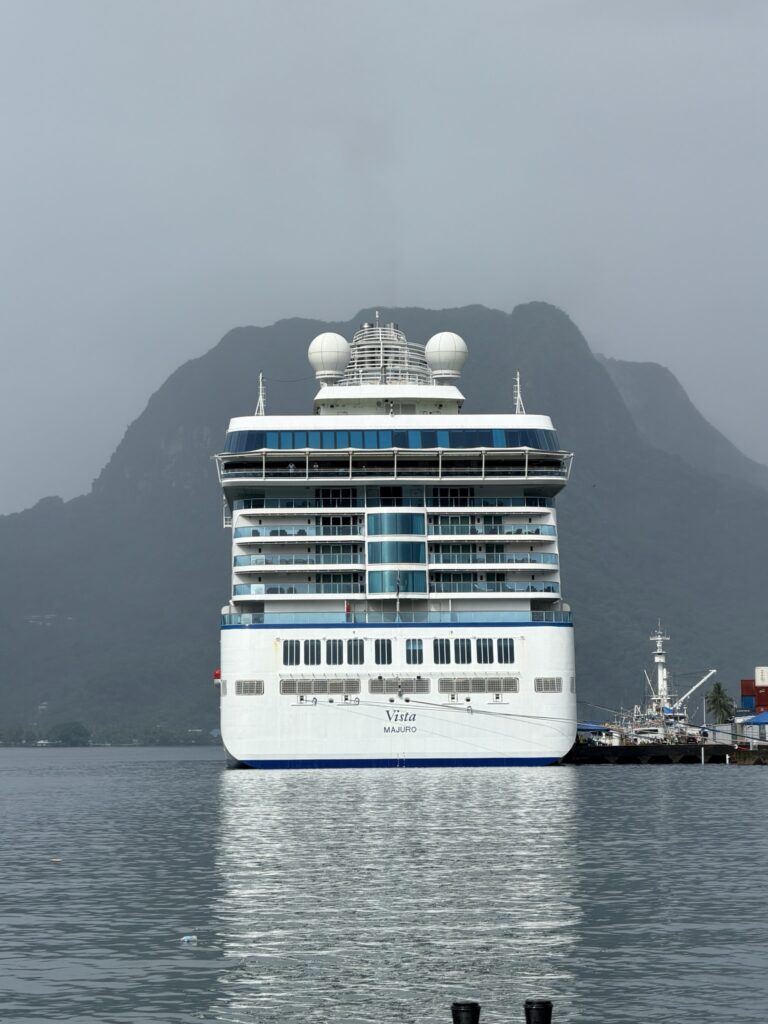
Driving back through the port, we caught a picture of The Vista
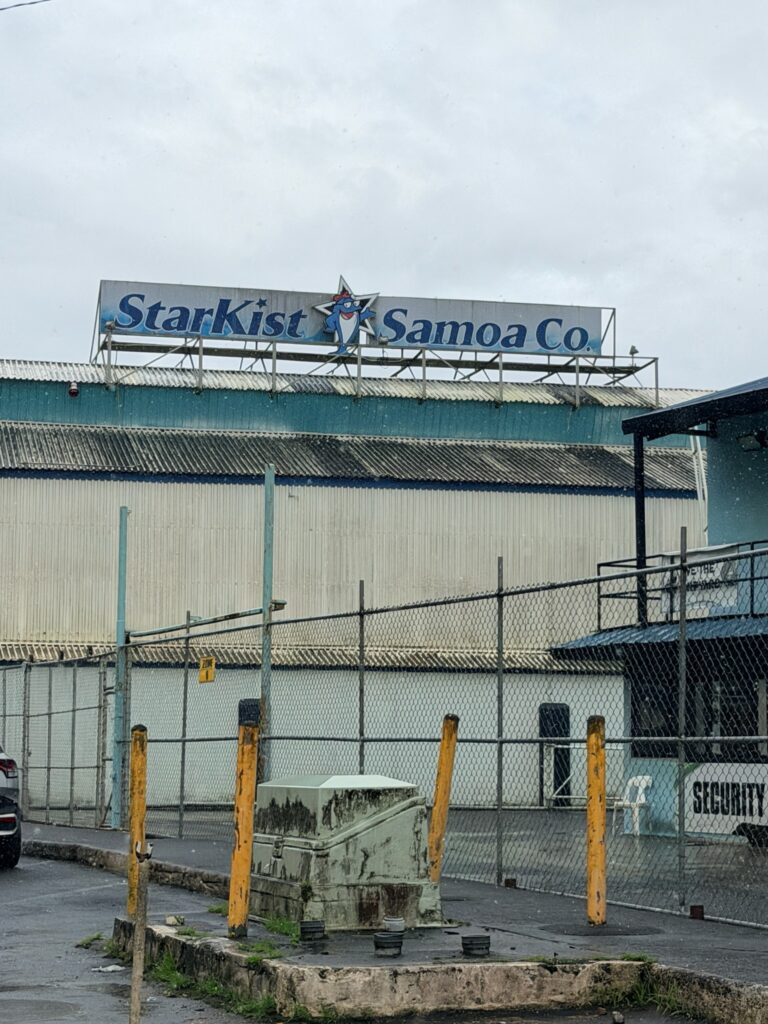
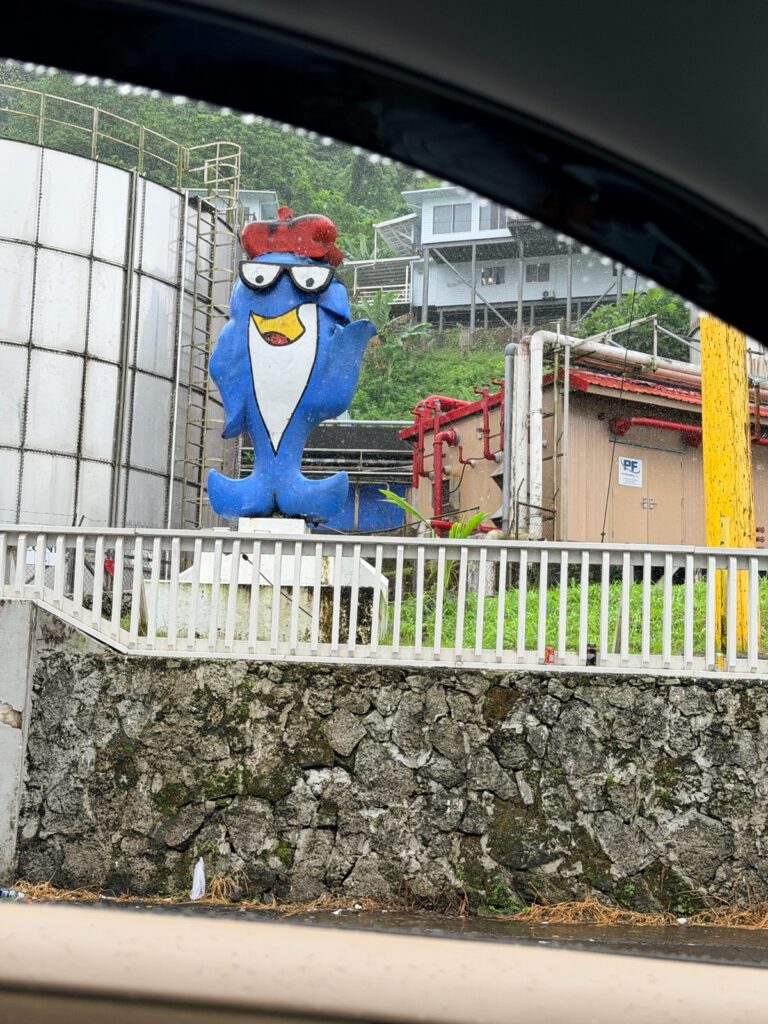
Driving back through the town heading to the other end of the island which we never got to, we did accomplish one goal which was to take a photo of the largest tuna producing factory in the United States.
After dropping off the car and walking back to the ship we came across this museum and decided to stop inside. It was a neat little museum, and we are glad that we stopped.
The Jean P. Haydon Museum is a museum in Pago Pago dedicated to the culture and history of the United States territory of American Samoa. It contains a collection of canoes, coconut-shell combs, pigs’ tusk armlets and native pharmacopoeia. It also houses exhibits on natural history, tapa making, traditional tattooing, as well as a collection of war clubs, kava bowls, and historic photographs. Constructed in 1913 as U.S. Naval Station Tutuila Commissary, the building was home to Tutuila Island’s Post Office from 1950 to 1971. The museum has displays of various aspects of the Samoan Islands’ culture and history. It is the official repository for collections of artifacts for American Samoa. Funded by the American Samoa Council on Arts, Culture and the Humanities, it is the venue used for numerous of the cultural resource activities in American Samoa.
It is named for the wife of Governor John Morse Haydon and former first lady of American Samoa, Jean P. Haydon of Seattle. She created a collection of Samoan artifacts inside the Government House on Mauga o Ali’i. She later moved this collection to its current location in 1972, when the museum was officially opened as the Jean Haydon Museum. (copied from Wikipedia)
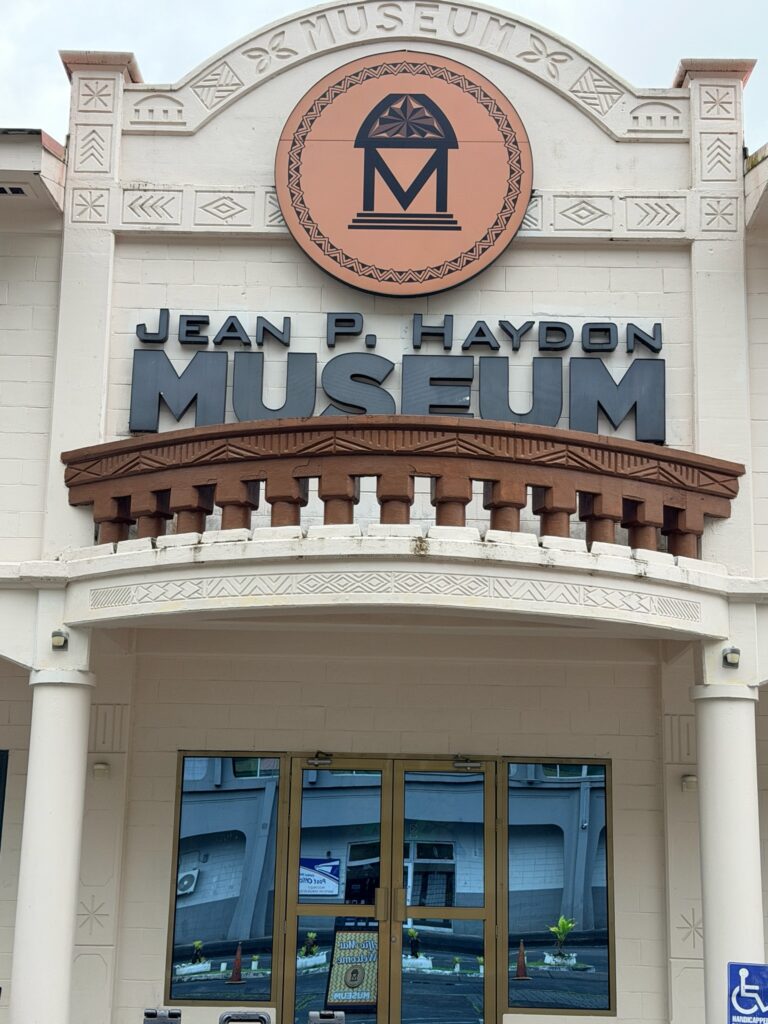
It houses artifacts of early Samoa, including the va’a and ‘alia (bonito and war canoes) that inspired the old name for the Samoan Islands, the Navigator Islands. It also houses coconut-shell necklaces, seashell and whales’ teeth necklaces, seed and fruit jewelry, pigs’ tusk armlets, fly-whisks, bamboo panpipes, stone tools, siapo cloth, and a variety of weapons.
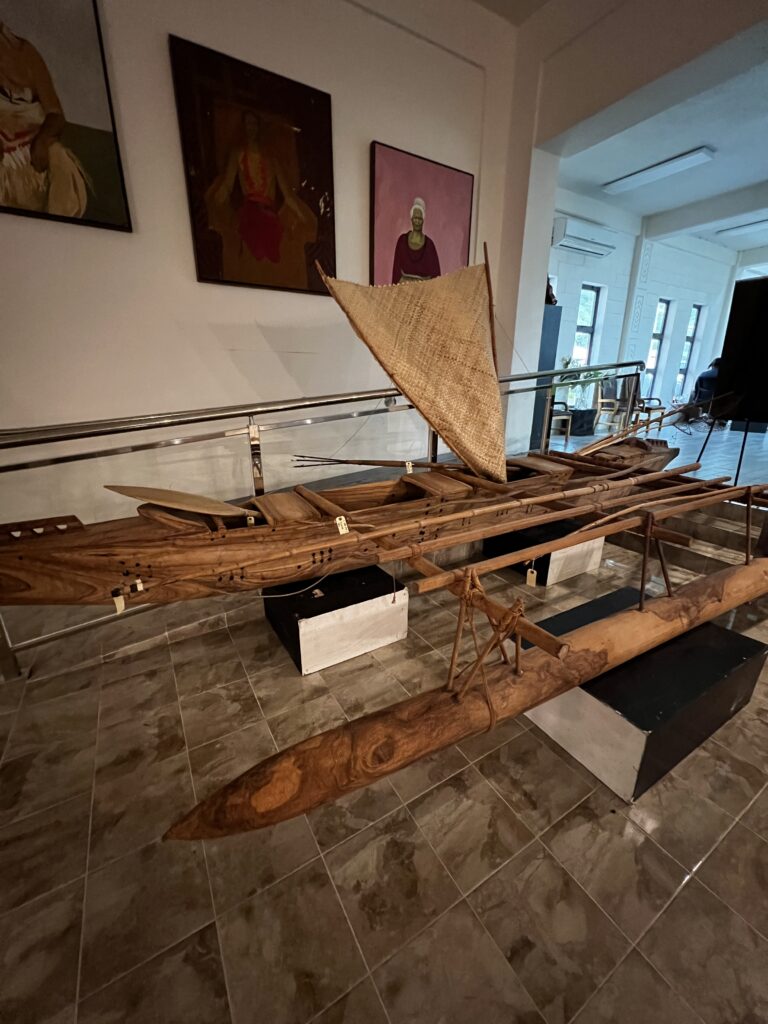
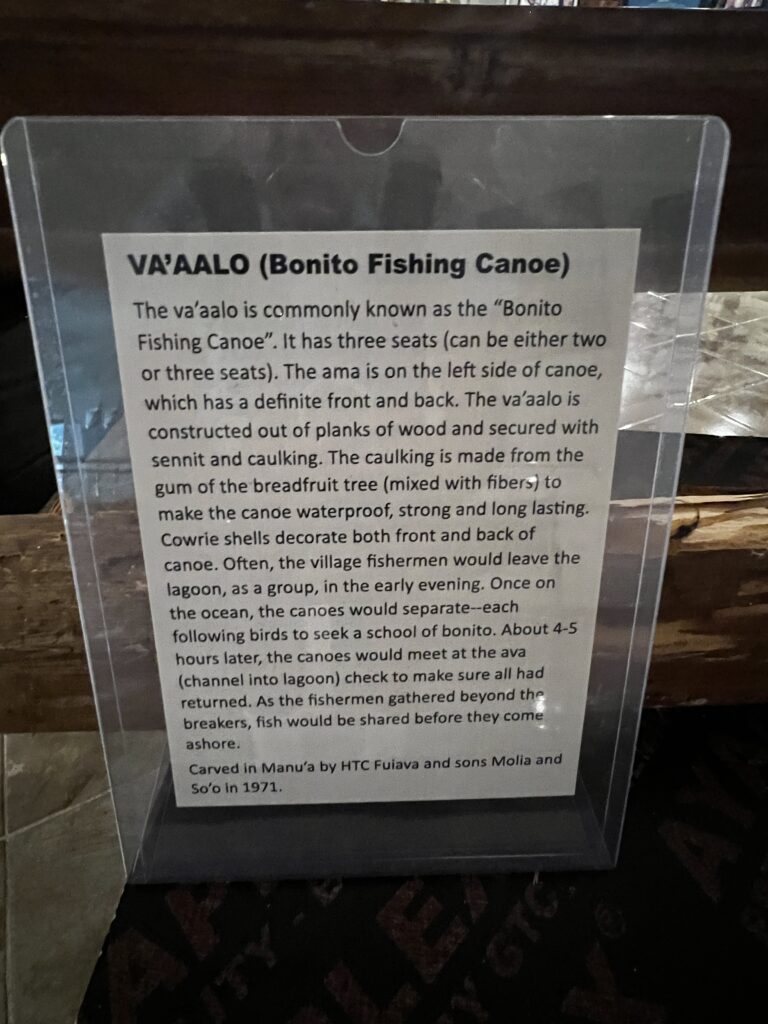
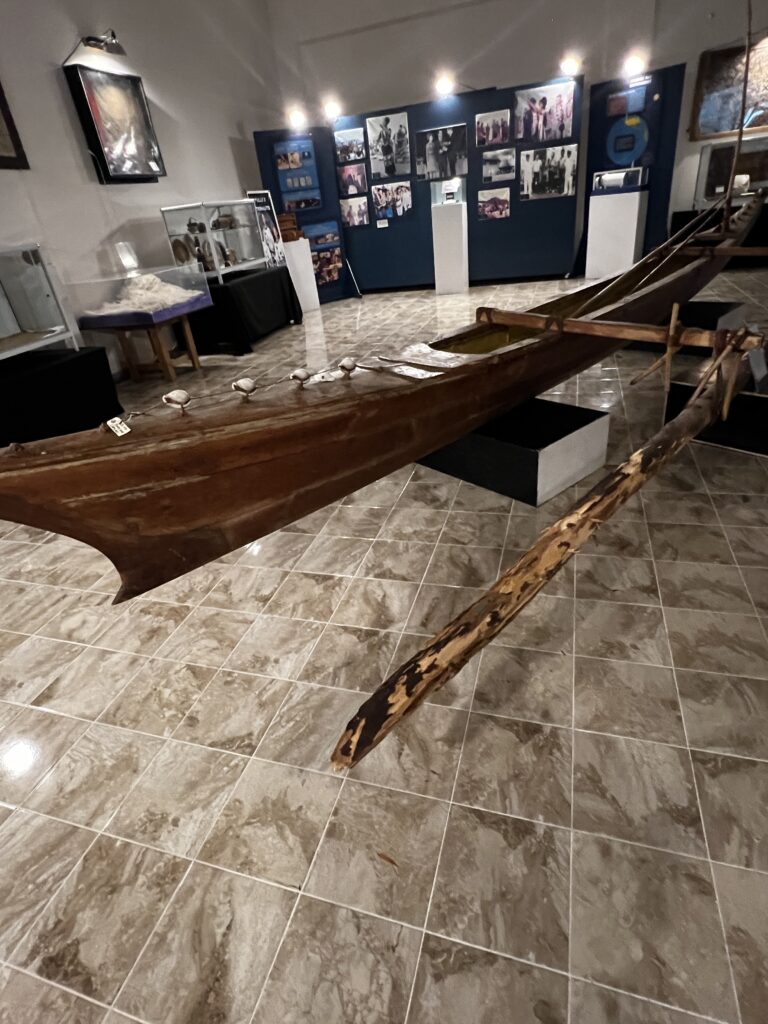
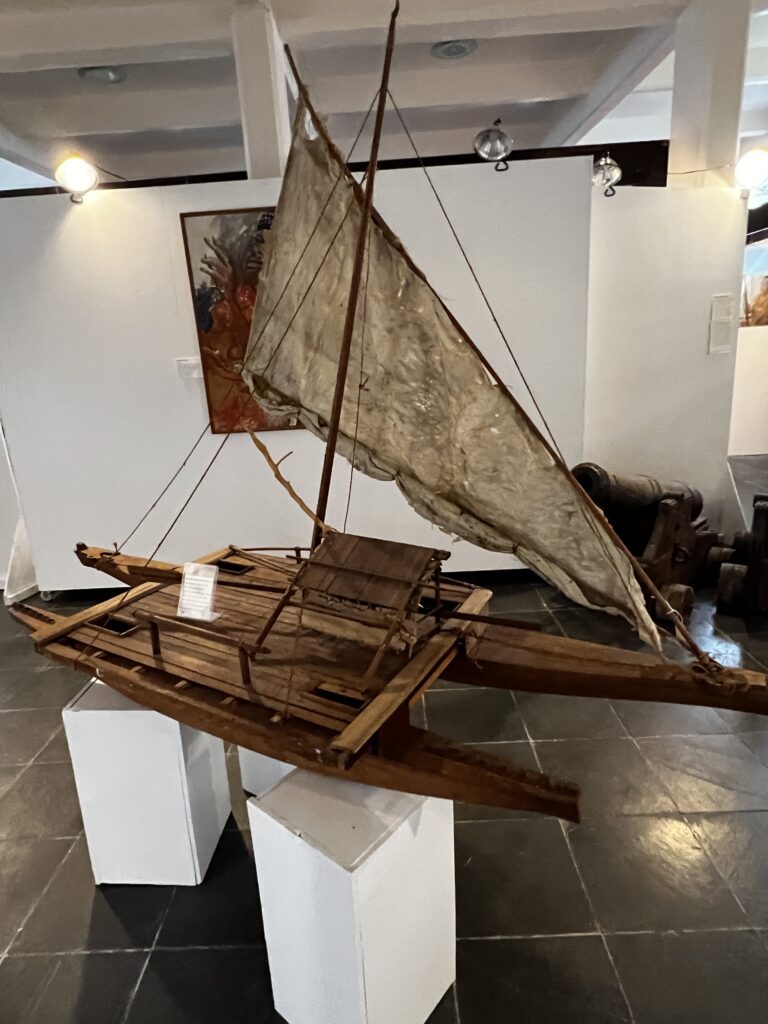
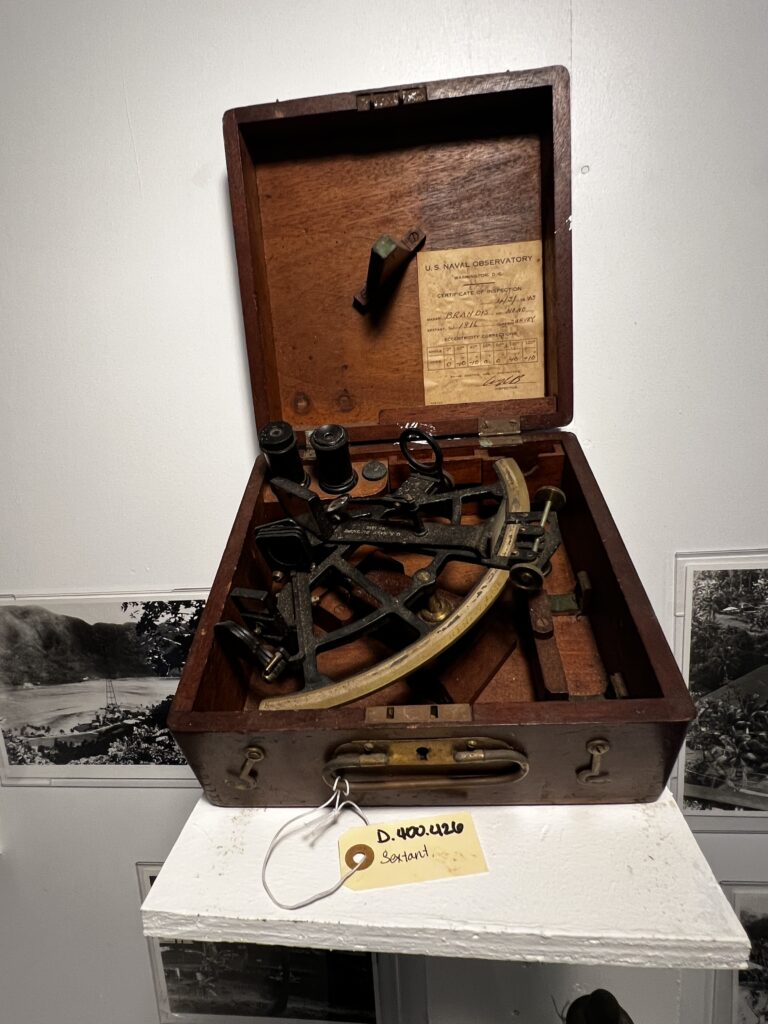
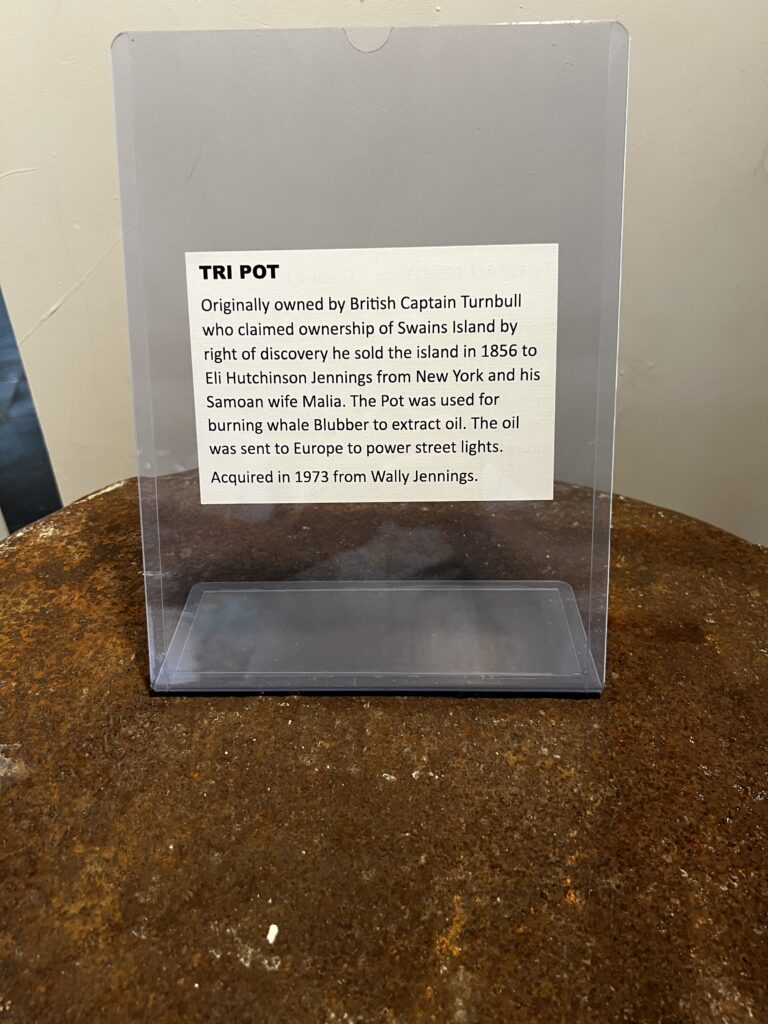
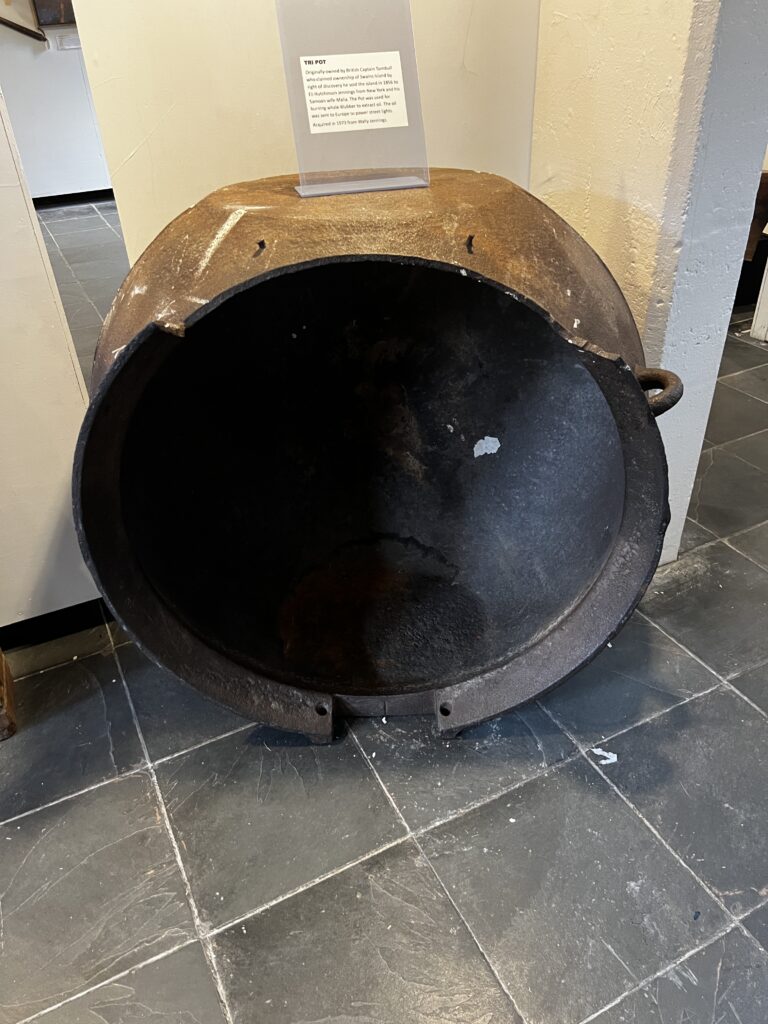
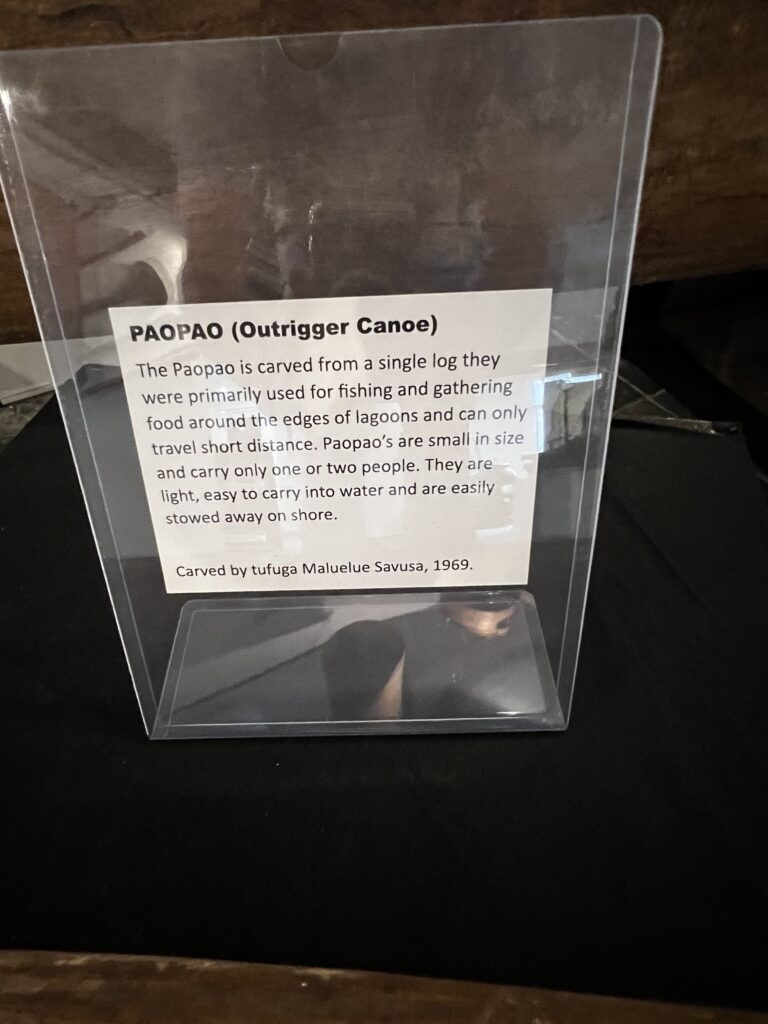
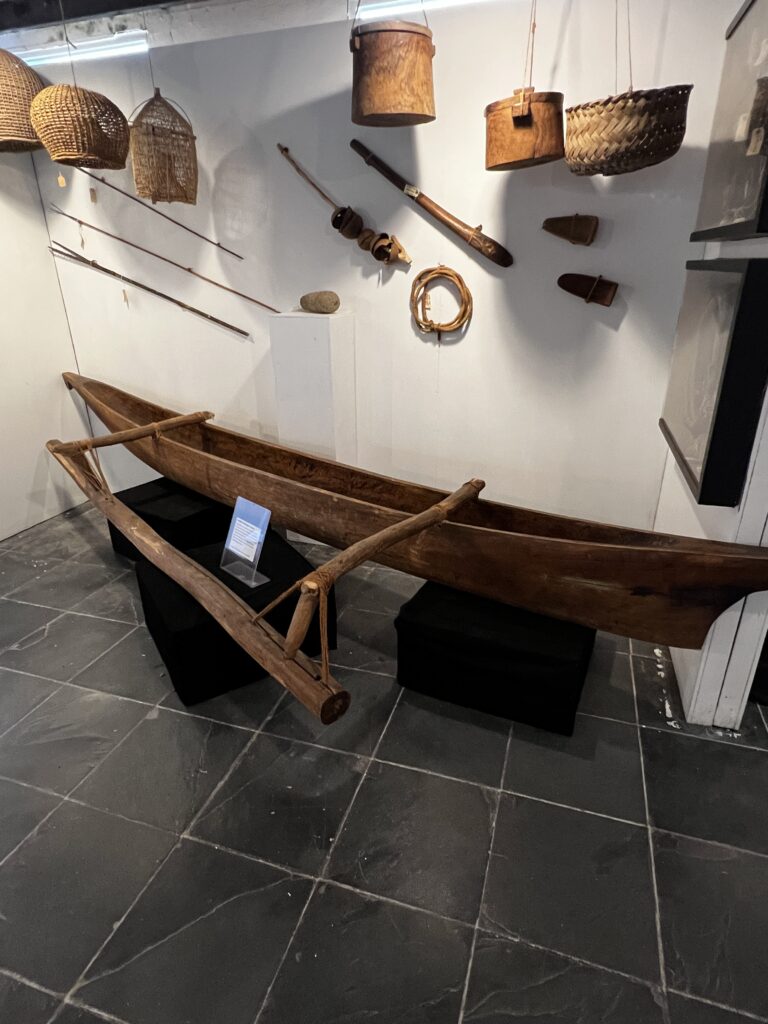
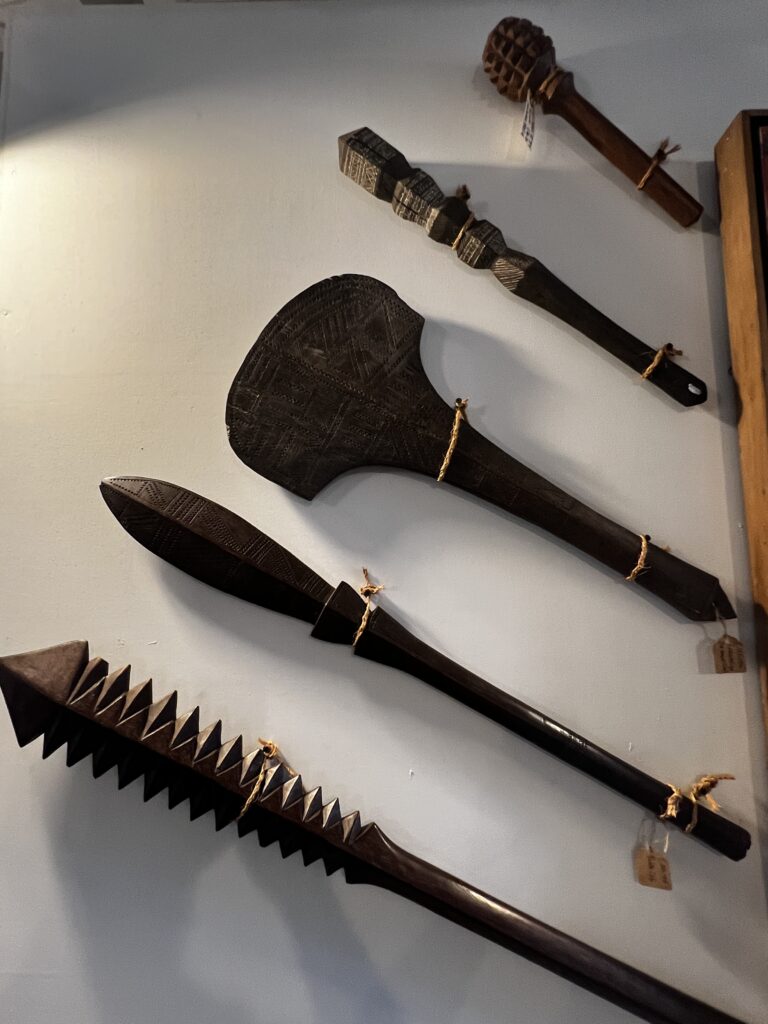
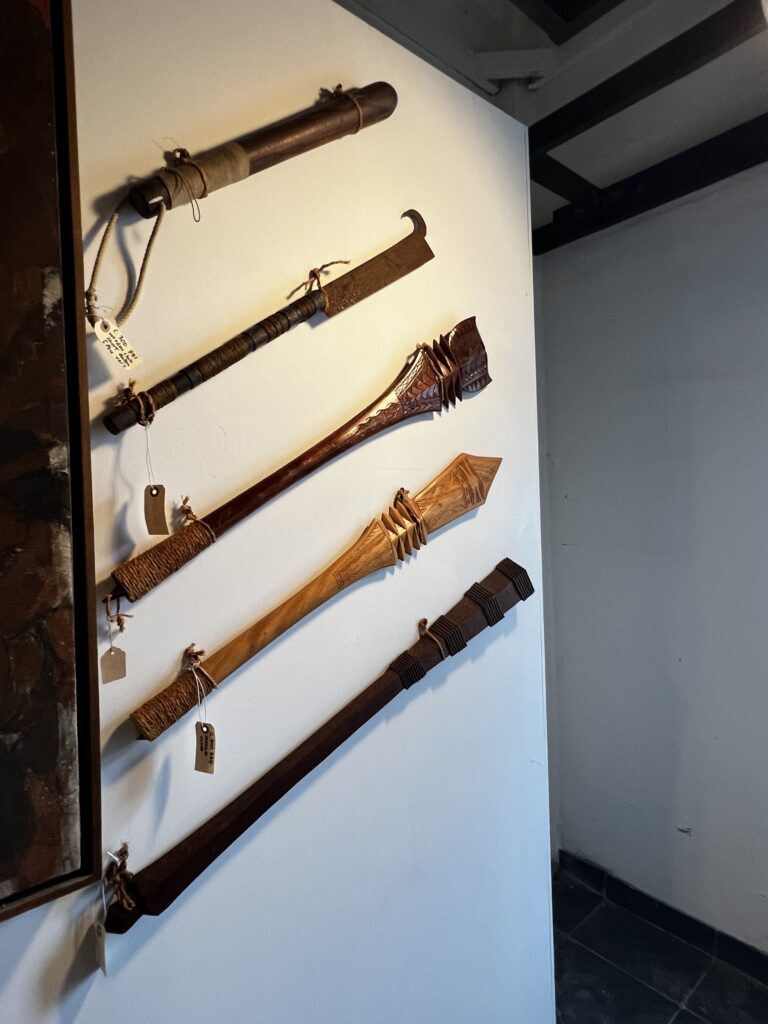
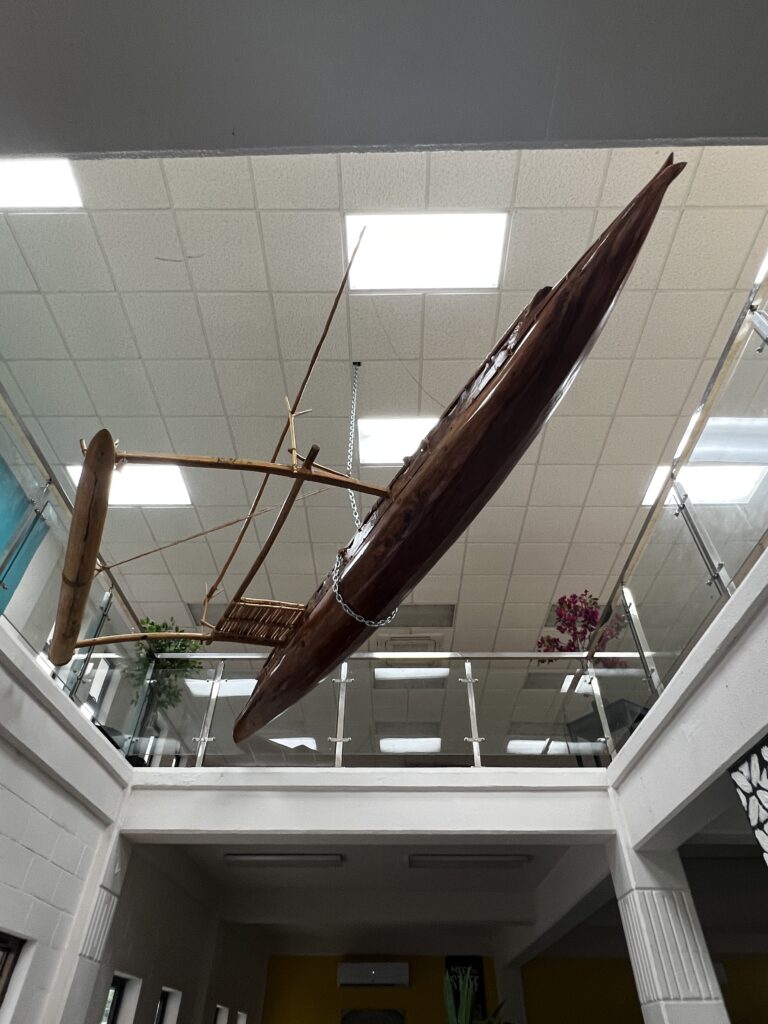
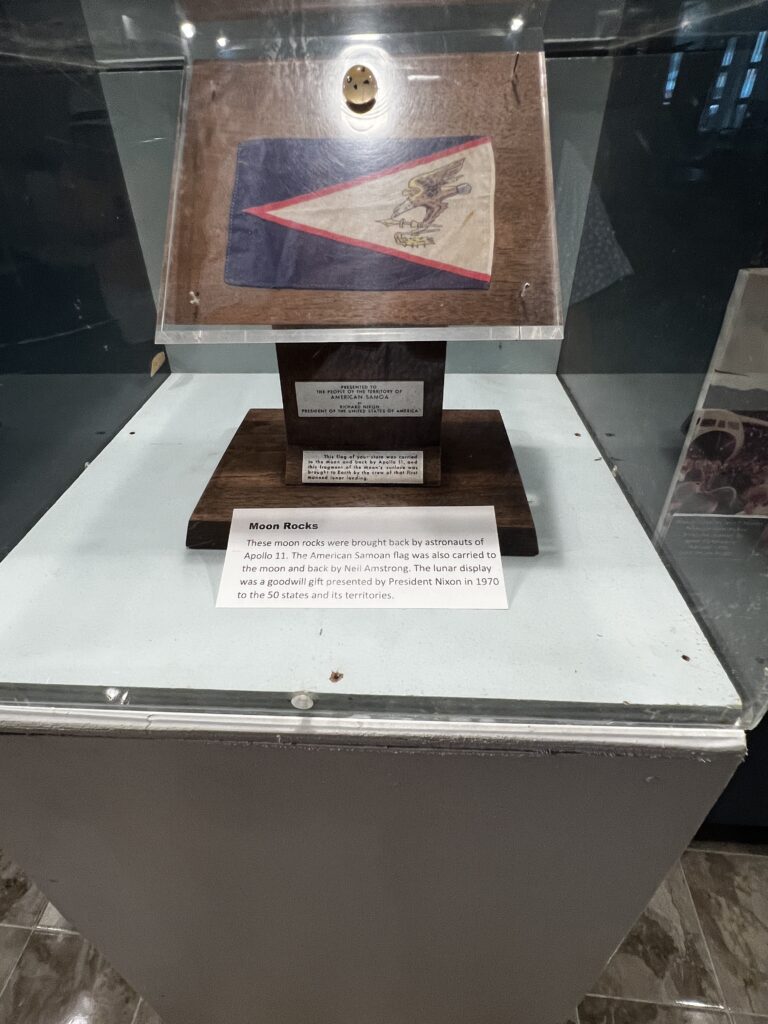
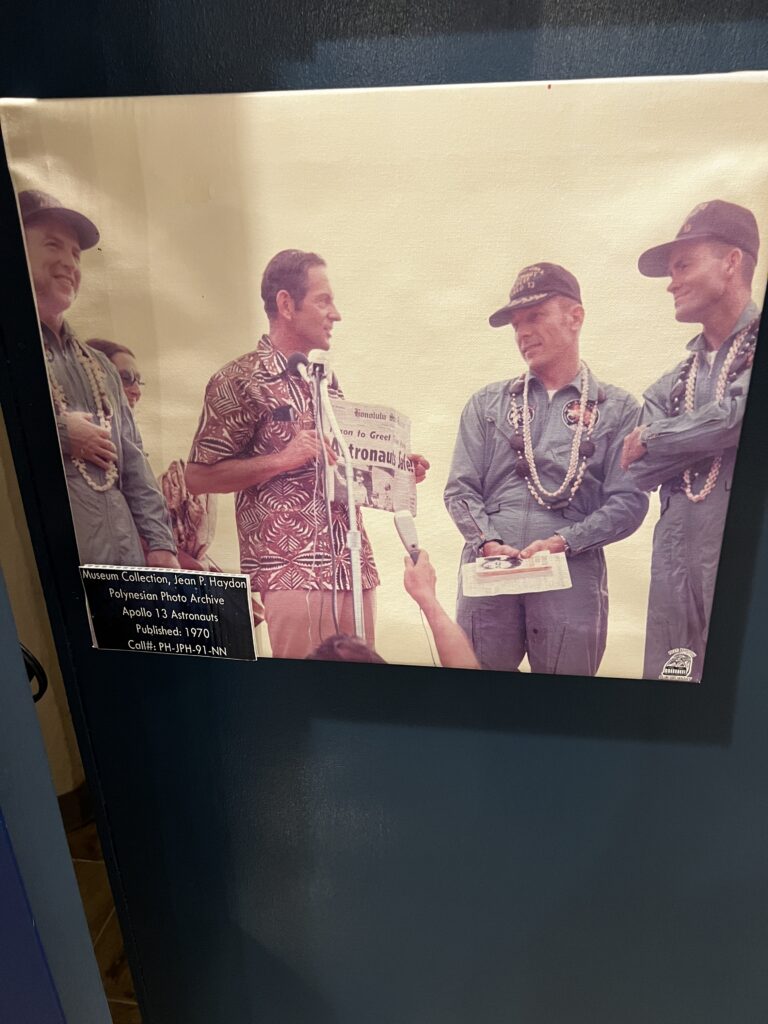
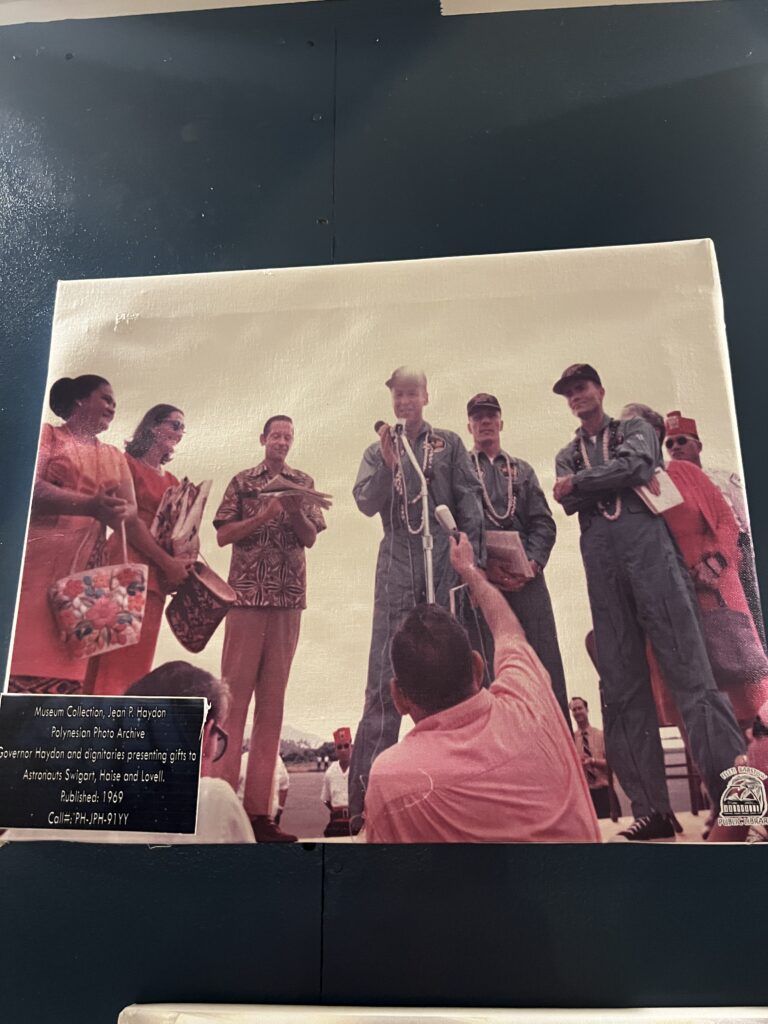
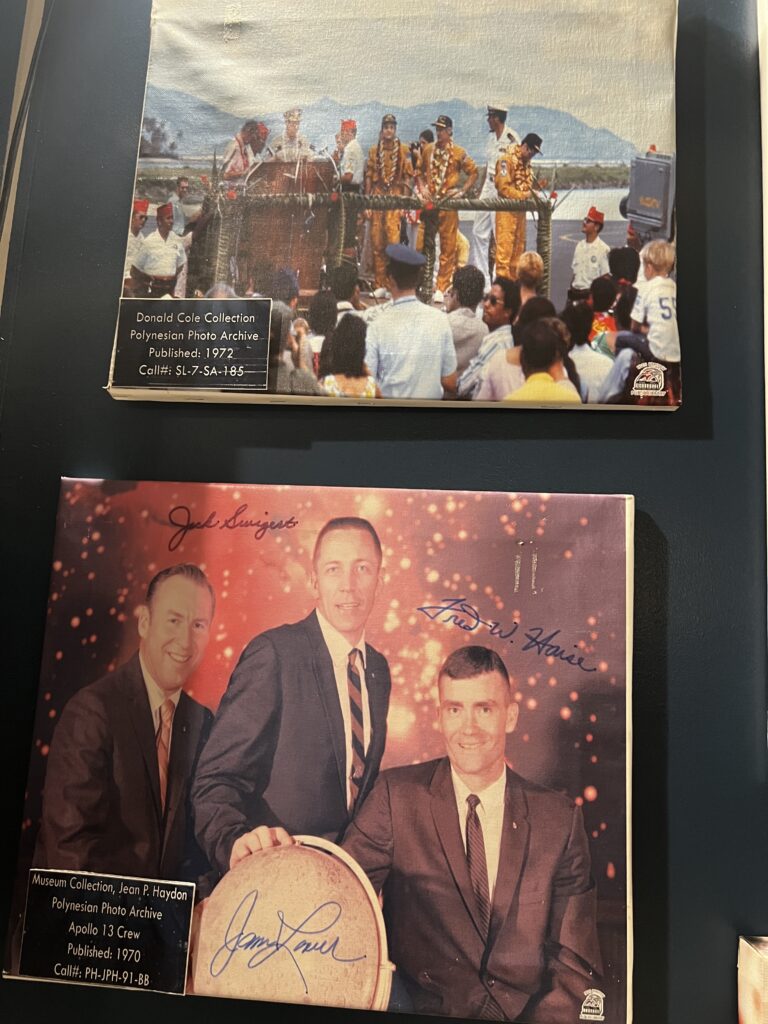
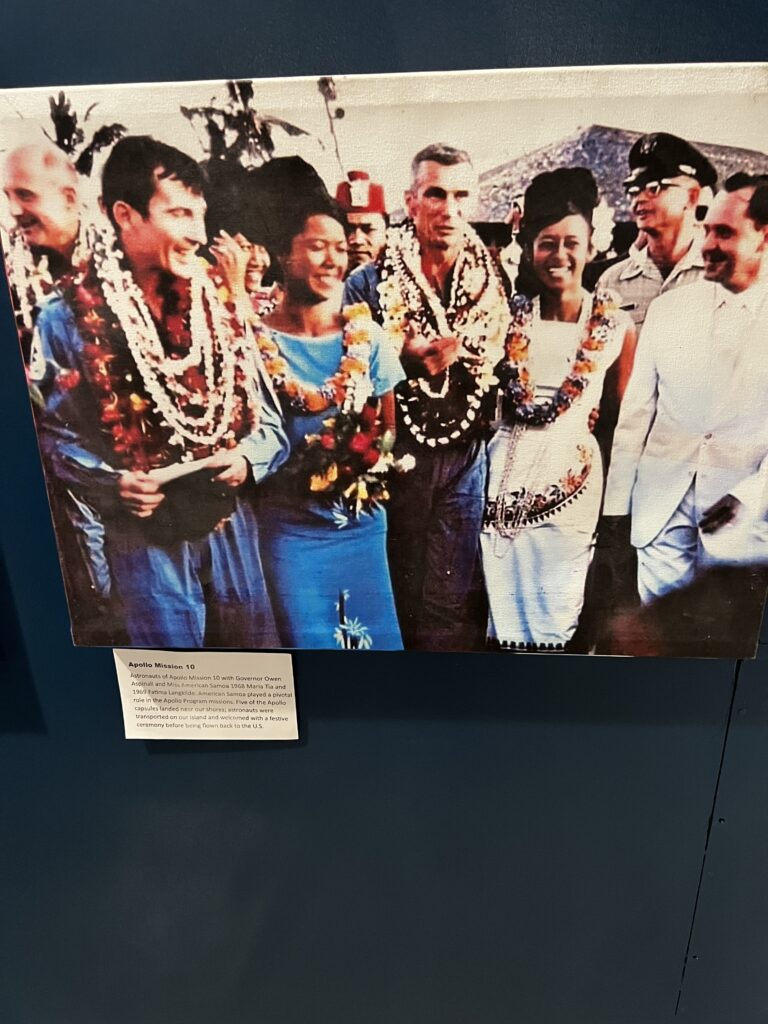
A portion of the museum is dedicated to the island’s history with the Apollo missions. Apollo 10, 12, 13, 14, and 17 landed in the waters near Tutuila upon their return to Earth. Lunar rocks brought from the Moon on Apollo missions are at display at the museum. The museum is also home to an American Samoa flag, which was brought to the Moon by Apollo 11 in 1969. The flag and Moon rocks were given as a gift to American Samoa by President Richard Nixon following the return of the Apollo missions.