
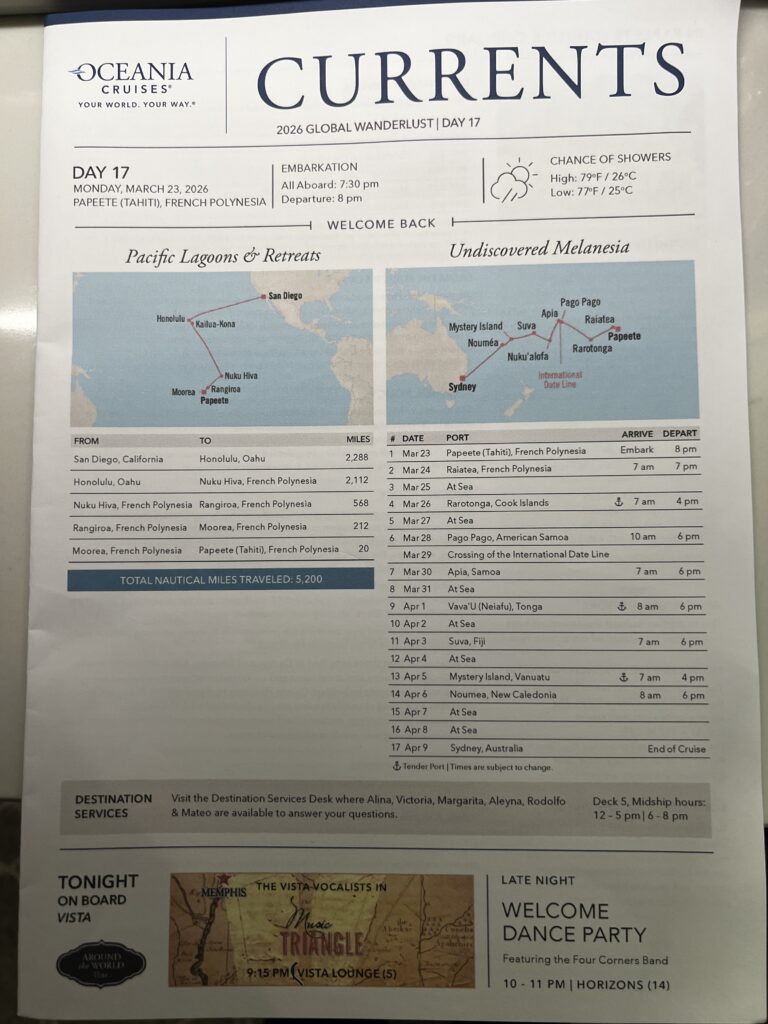
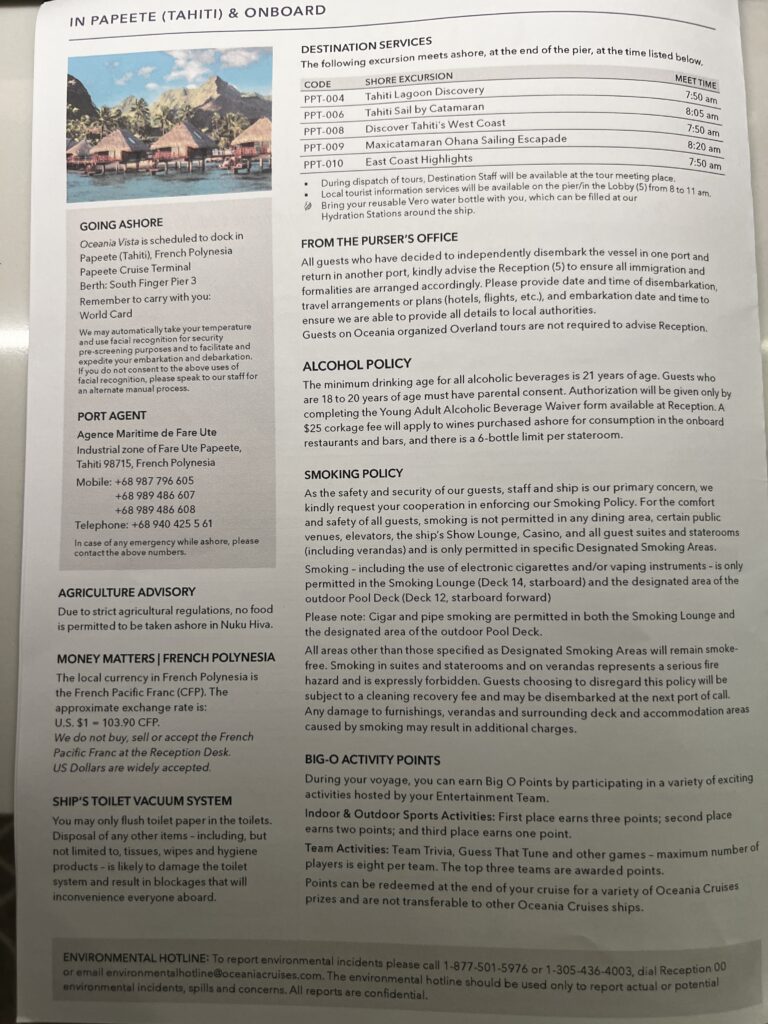
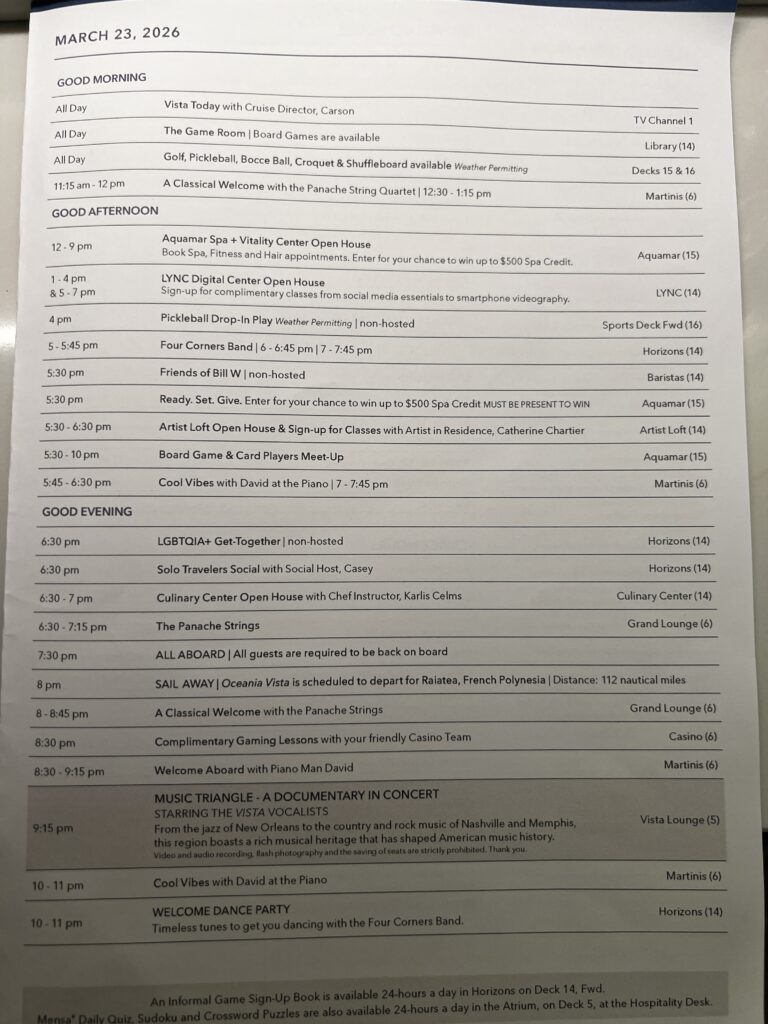
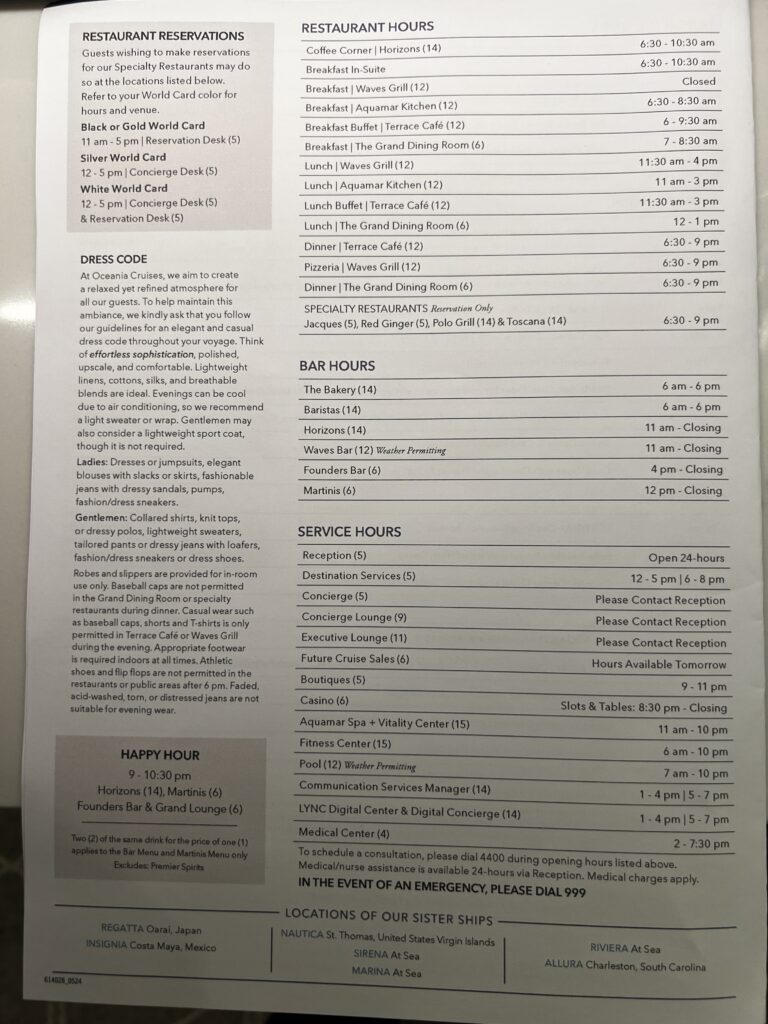
Day 17 Monday March 23rd — We left the Hilton Moorea Resort in a pouring rain and were brought to the ferry that would take us to Papeete. Despite the rough weather the ferry crossing was easy. The ferry was a huge catamaran, and the ride took us about 35 minutes. We arrived back at the cruise ship around 12:30 and grabbed a quick bite since we had a private tour with Natalia with Toursbylocals that started at 1:30 We could not remember what our tour was for the afternoon, but we later found out that it was a great choice. The tour circled the island of Tahiti and Natalia was a fantastic guide.
As we were getting into her car, there was a cruise passenger standing there looking for transportation to see the island. Natalia explained to her that the tour was private, but I said why not and we had Janet Zwar from Snohomish, WA join us on the tour. We enjoyed having her along for the afternoon.
This was the itinerary for our afternoon tour with Natalia.
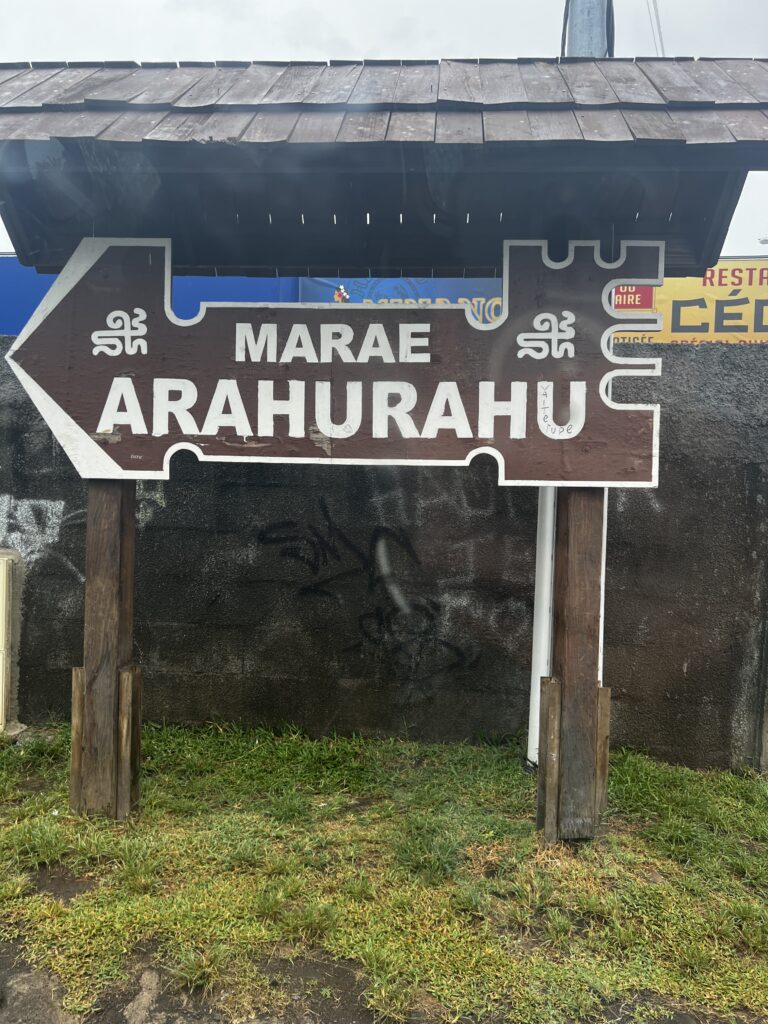
•Marae Arahurahu – 20 min driving, 15 min stop. A Polynesian sacred place full of legends and spiritism encircled with fruit trees and tropical plants.
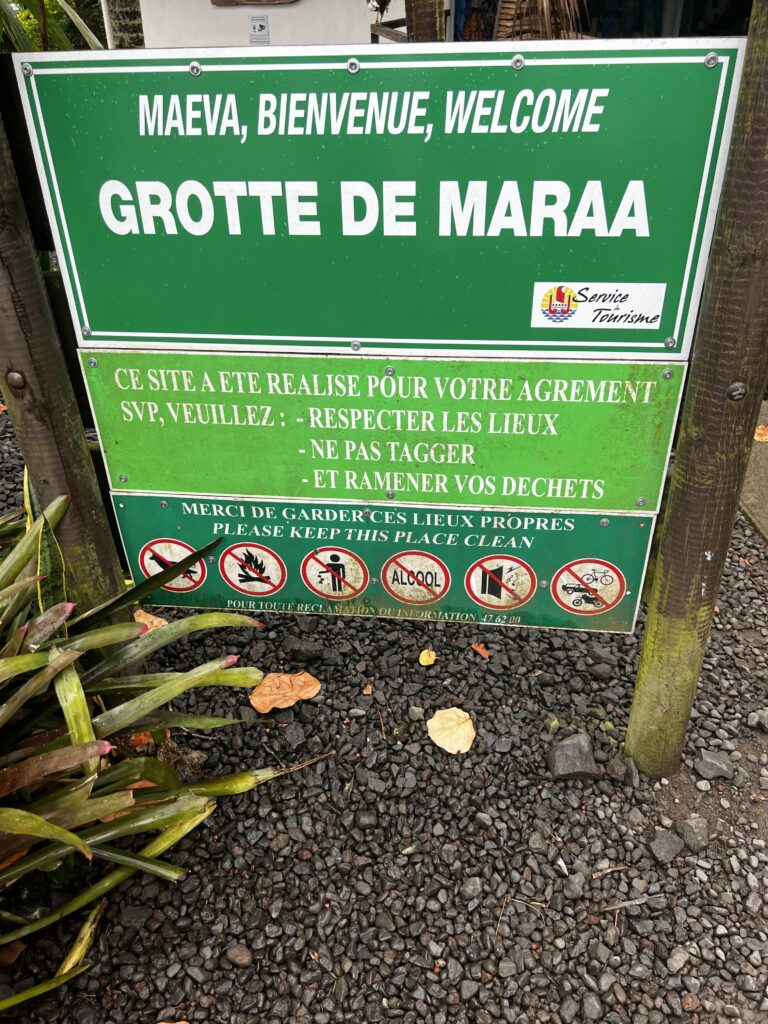
•Maraa grotto -15 min driving, 10 min stop. Picturesque cave with crystal water.
•Taharuu surf beach – 15 min driving, 15 min stop. Beautiful black sand surfer beach.
•Vaipahi water garden -10 min driving, 25 min walk. A pleasant walk through the tropical garden with water springs and ponds with lilies and lotuses.
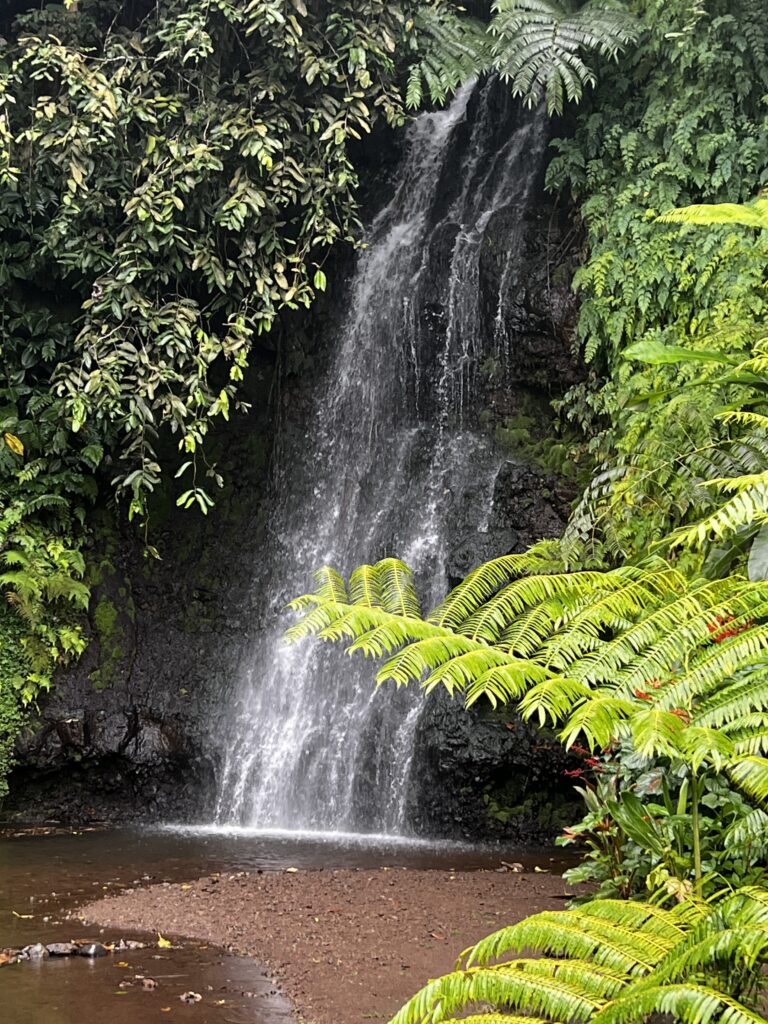
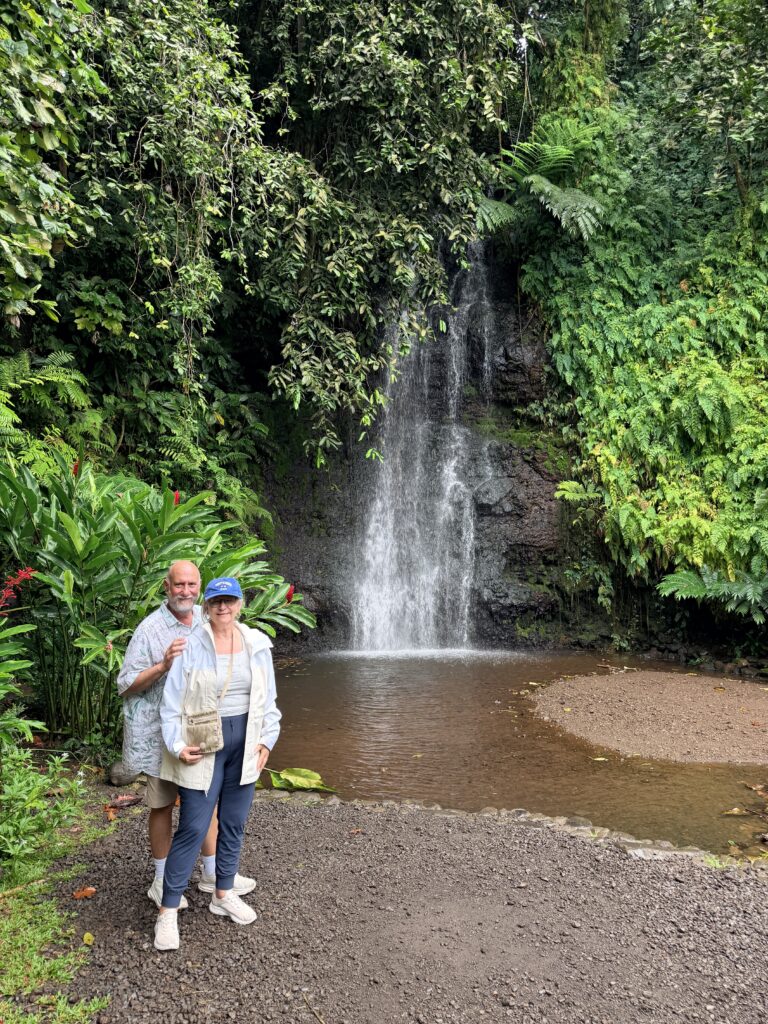
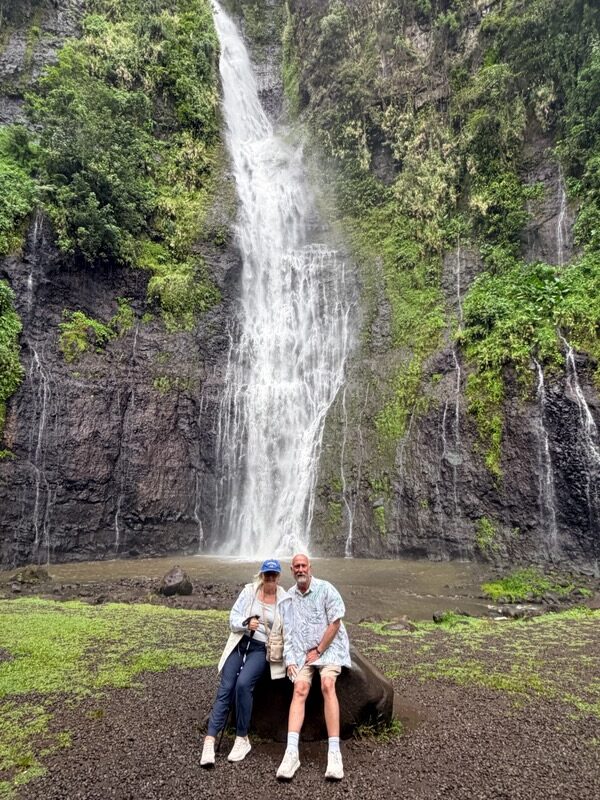
•Faarumai waterfall – 30 min driving, 20 min stop. One of the biggest waterfalls of Tahiti, pleasant walk following the shady path.
•Venus point – 20 min driving, 30 min stop. Black sand beach with the famous lighthouse and 4historical monuments, including the Bounty Stella and James Cook monument.
•Your ship – 30 min drive.
Our first stop was Arahurahu marae. It is an archeological site that was restored in 1953. It is a site that reflects part of the maohi culture that thrived in French Polynesia before the arrival of the first Europeans. Typical of the ancient cultural centers, there is a tahua (sacred square),a patu (surrounding wall), un ahu (altar), red unu dedicated to the taura (wooden sculptures dedicated to the guardian spirits). The site can be found in the valley of Tefa’aiti, a calm spot surrounded by pleasant countryside.
Arahurahu is the only marae — an ancient temple or meeting place — in all of Polynesia that has been fully restored, and it is maintained like a museum. Although not nearly as impressive as the great lagoonside maraes on Huahine and Raiatea, this is Tahiti’s best example of ancient Polynesian temples and meeting places, and its exhibit boards do a good job of explaining the significance of each part.
Marae temples are large, sacred outdoor spaces where ancient Polynesians performed religious ceremonies, social gatherings, and community rituals. These sites were of great spiritual significance and were used to honor gods, perform sacrifices, and celebrate important events such as births, deaths, and warrior victories. Marae were often aligned with powerful chiefs and their tribes, serving as a link between the physical and spiritual worlds.
Constructed from stones and coral, each Marae consisted of platforms and courtyards, with altars and statues dedicated to various deities. The design and scale of the Marae reflected the status of the chief or community that built it.
In ancient Polynesian society, Marae temples were more than just religious sites; they were also the center of political power and social organization. Chiefs, or ari’i, would gather with priests and the community to make decisions, conduct rituals, and uphold the law. The Marae served as places where traditions were passed down, and the gods were consulted to ensure the well-being of the people.
The priest, known as taura atua, played an important role in these ceremonies, acting as intermediaries between the gods and the people. Religious rituals, including offerings to the gods, were performed at the Marae to ensure protection, health, and prosperity for the tribe.
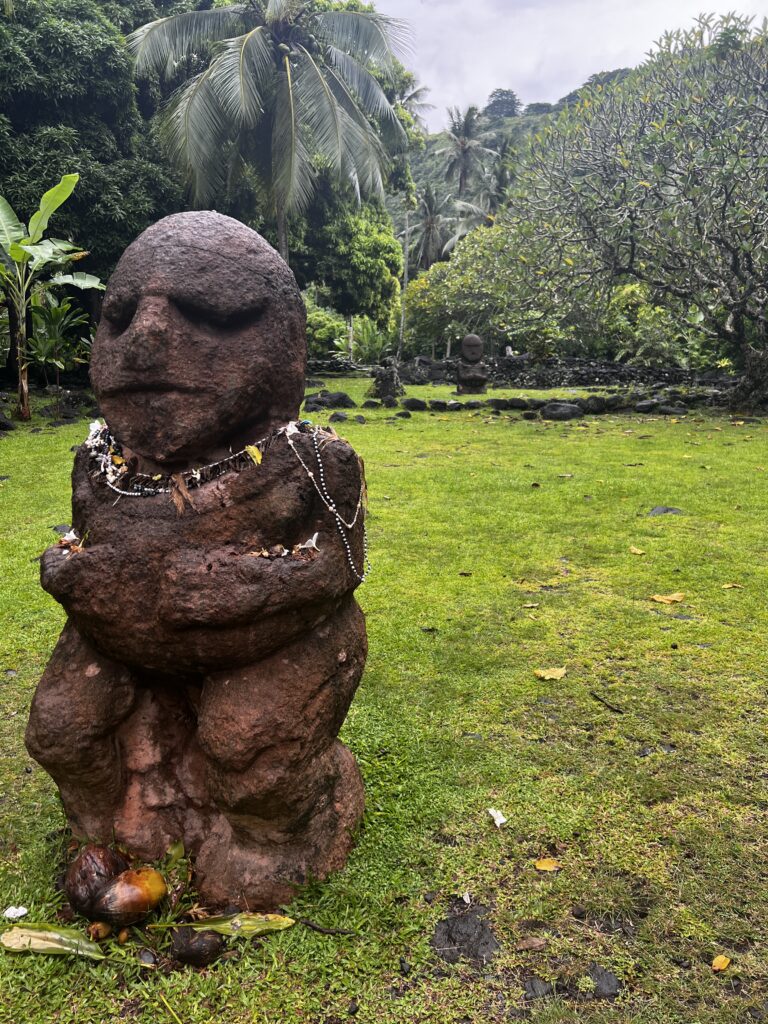
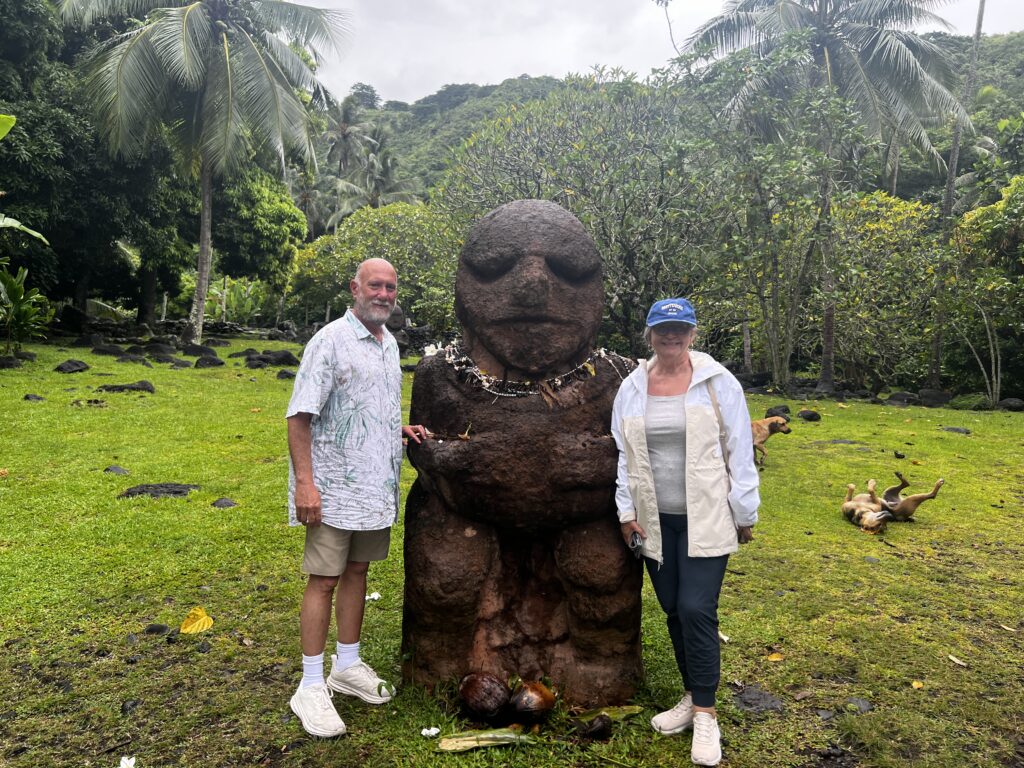
The Arahurahu on the Tahiti island is partially restored and has several ceremonial rectangular platforms with a raised altar (occasional human sacrifices as well). Two stone statues of guardians Tiki meet you at the entrance to the marae. The first tiki is a female tiki. You can see the male tiki further back in the photo.
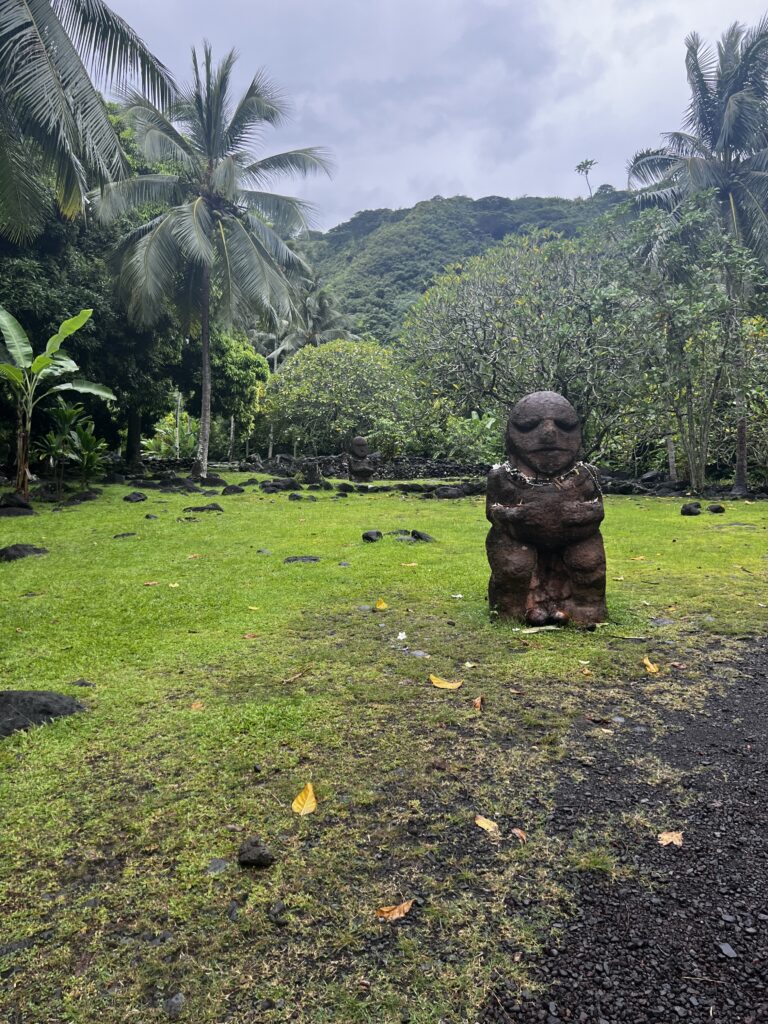
The female tiki has larger hips than the male tiki. Also, the ring around the tiki’s neck is a necklace of stone.
The tahua from beside the ahu. The Y-shaped object was the base for a small platform to place offerings on. There are mangoes here, scattered on the tahua and tahua walls, fallen from the trees.
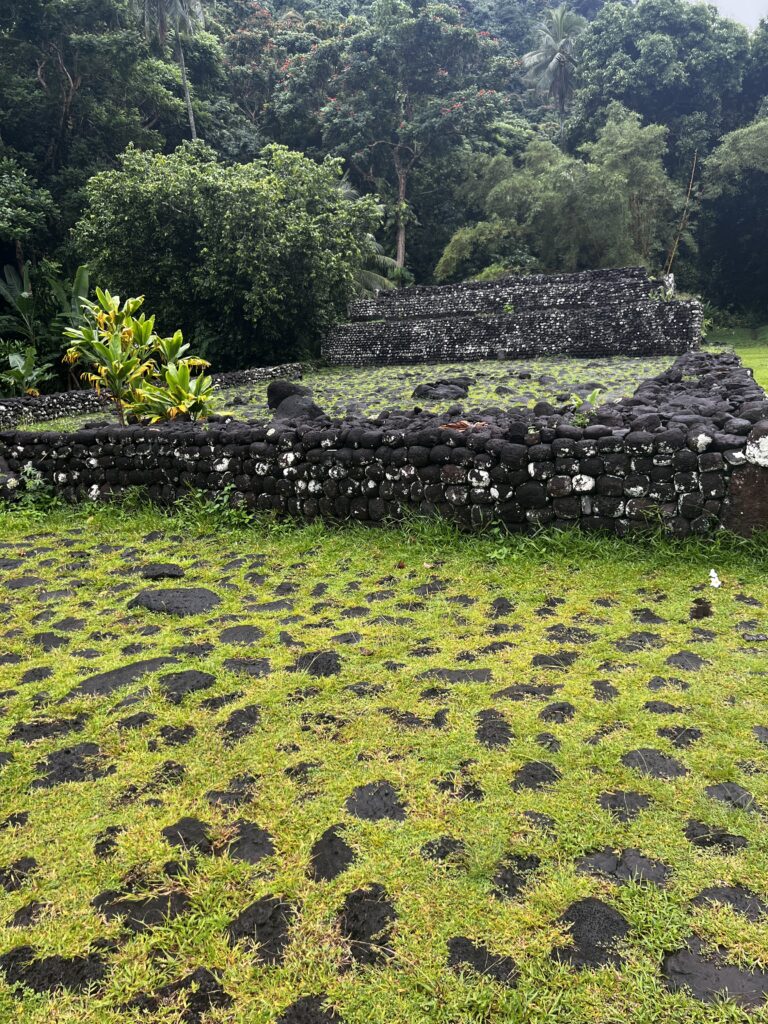
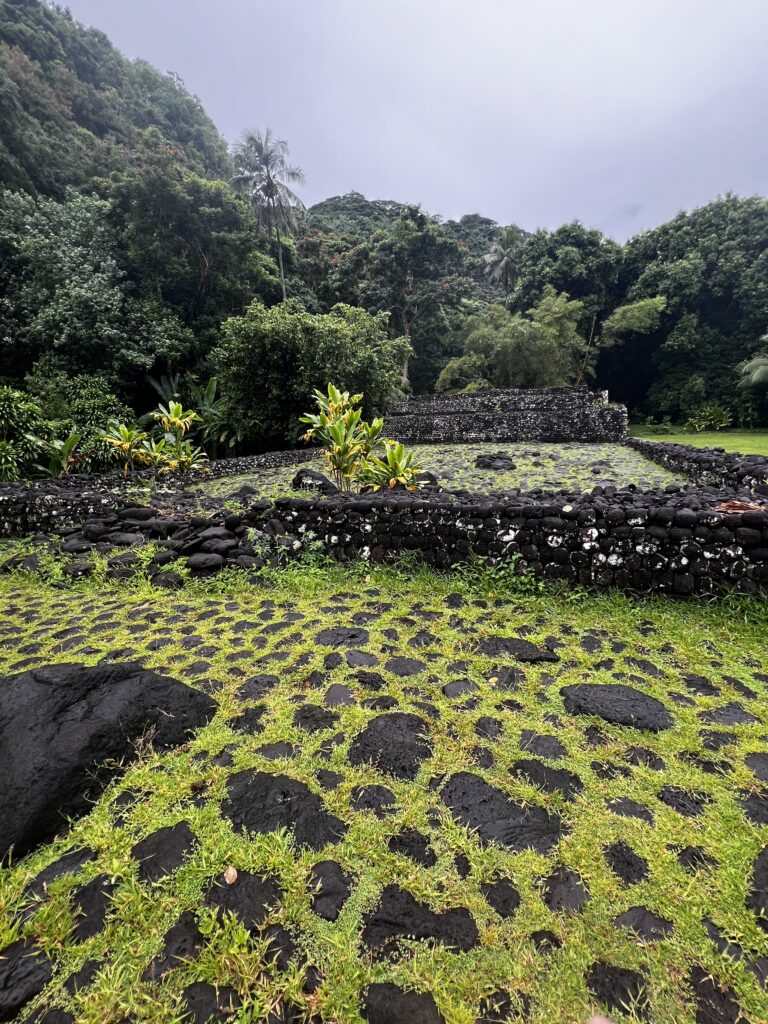
The image shows the traditional stone pathway onto the marae, all the way up to the tahua (sacred courtyard) and the ahu (altar).
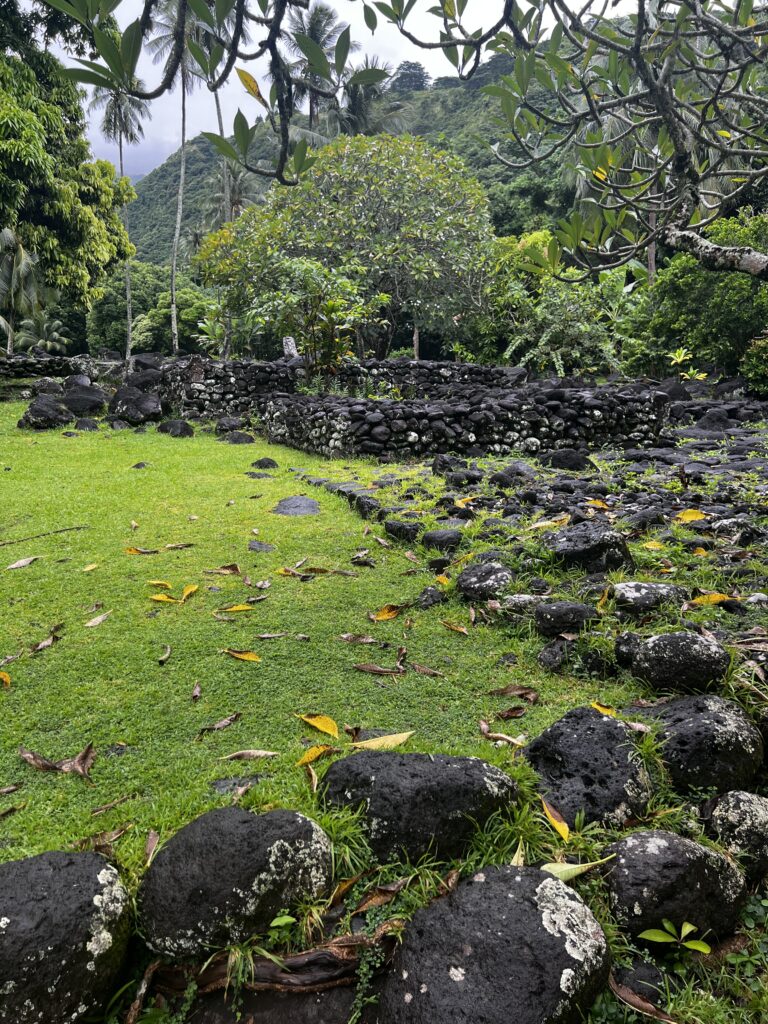
The whole raised square in front of the ahu is the tahua. No women were allowed on the tahua except for femal ari’i and their attendants. (Ari’i is chief, same as ariki in Easter Island and New Zealand). Only the priests and the ari’i were allowed on top of the ahu.
Large numbers of tropical fruit trees have been planted around the tahua. Different trees were planted to make the area dark and mysterious. These included miro, tou, tamanu, ‘aito and pua.
Tahiti’s Marae temples are deeply entwined with legends and spiritual beliefs that have been passed down through generations. One such legend speaks of the god Oro, the god of war and peace, who was often worshipped at the Marae. Oro was believed to have descended from the heavens on a rainbow, and many of the offerings at the Marae were made to seek his favor and protection in battle.
Another well-known legend is about the creation of the first Marae. According to the myth, the gods themselves built the first Marae, and the stones used were believed to have spiritual powers. This belief has continued through generations, with many locals still seeing Marae as places of powerful spiritual energy.
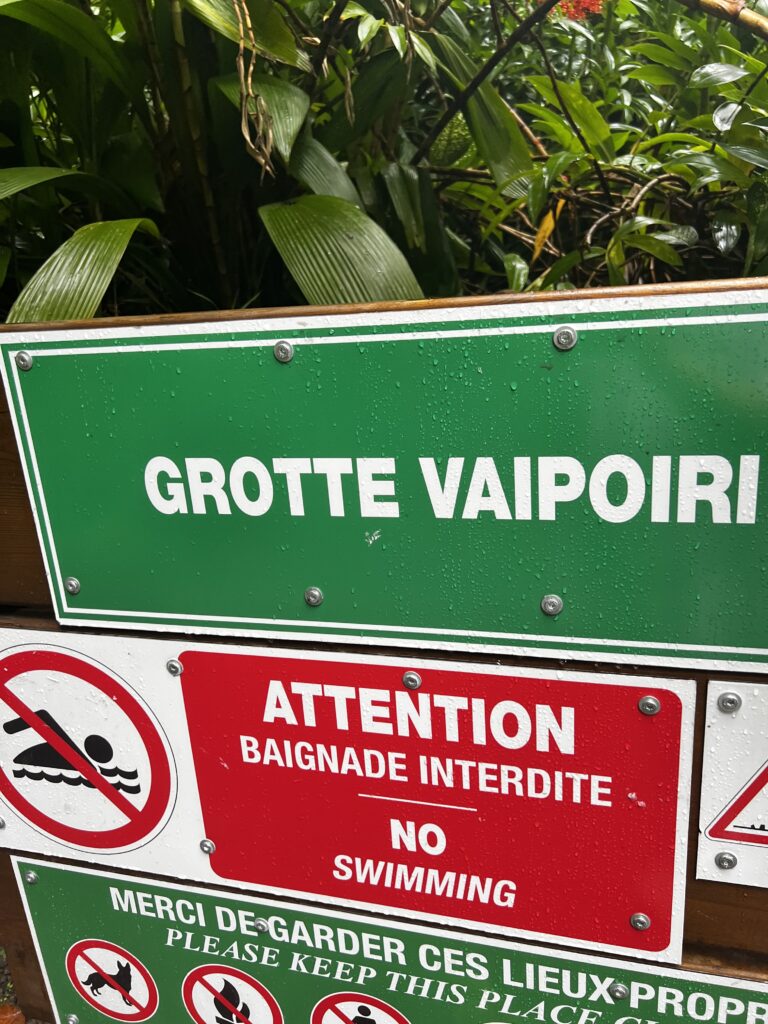
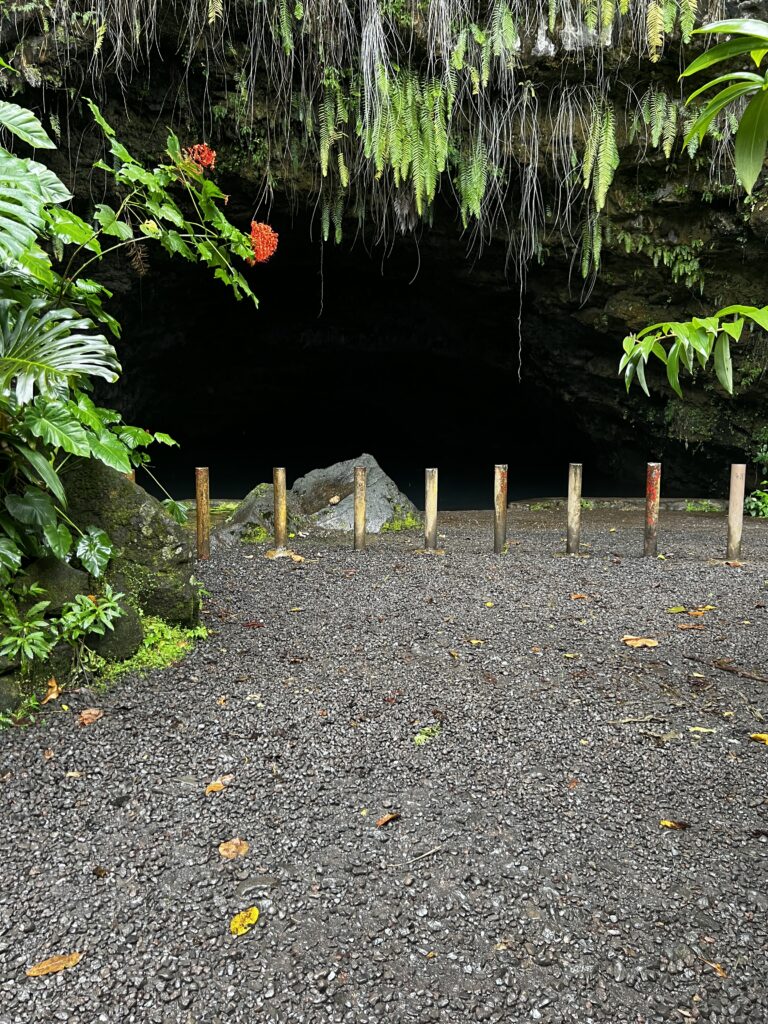
If you’re passing through Tahiti’s west coast, the Mara’a Caves is a nice little spot in Paea, easy to access and right by the roadside. Just a few minutes’ walk and you’ll find yourself in a peaceful, green setting. A refreshing little getaway for anyone visiting this must-see cave in Tahiti.
This is the first cave you’ll see upon arrival, and clearly the most impressive. Carved into the cliff, it features a pool of clear water at the back. The rock is covered in moss, and the reflection on the water makes the cave appear deeper than it really is. This optical illusion is created by the arched ceiling, which seems to slope downward toward the end of the cave. In reality, the cave stretches over 80 meters long, 30 meters wide at the entrance, and 10 meters high at its tallest point.
Unfortunately, swimming is not allowed, but it’s still a lovely spot to take a break, enjoy the cool air, or snap a few photos.
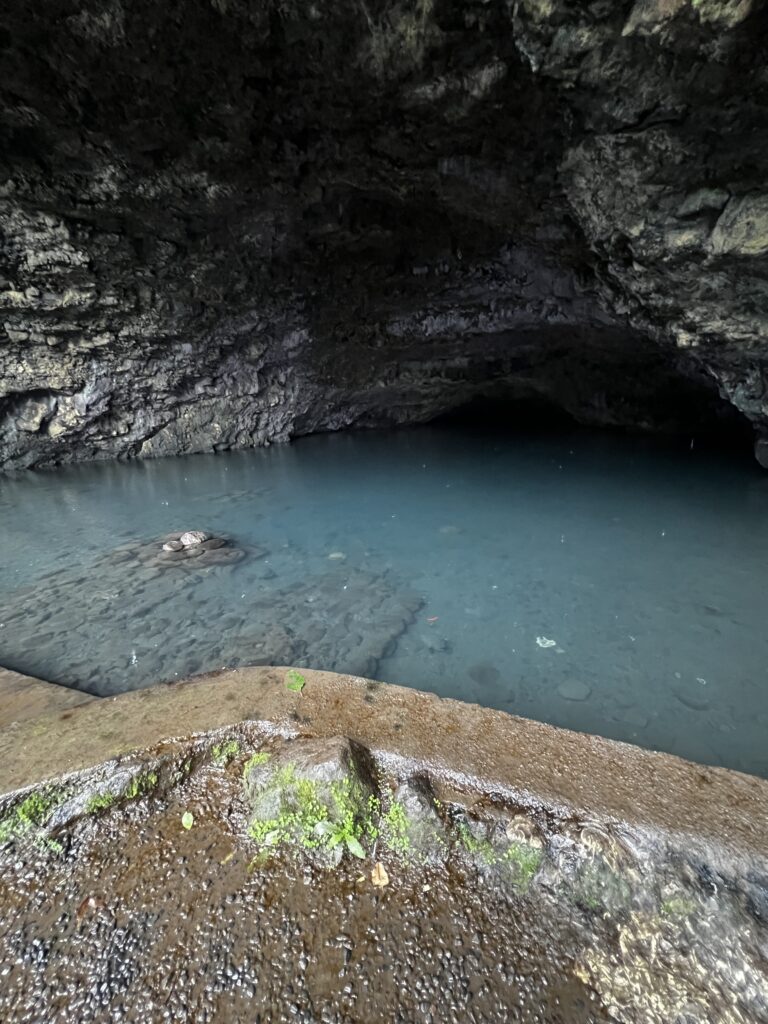
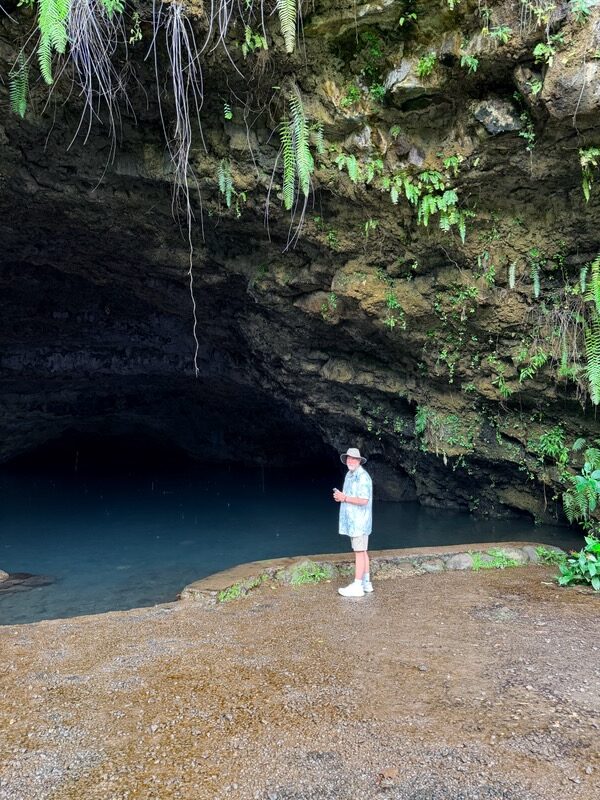
Photo that Jackie took to show the size of this cave with me in the picture to provide some perspective.
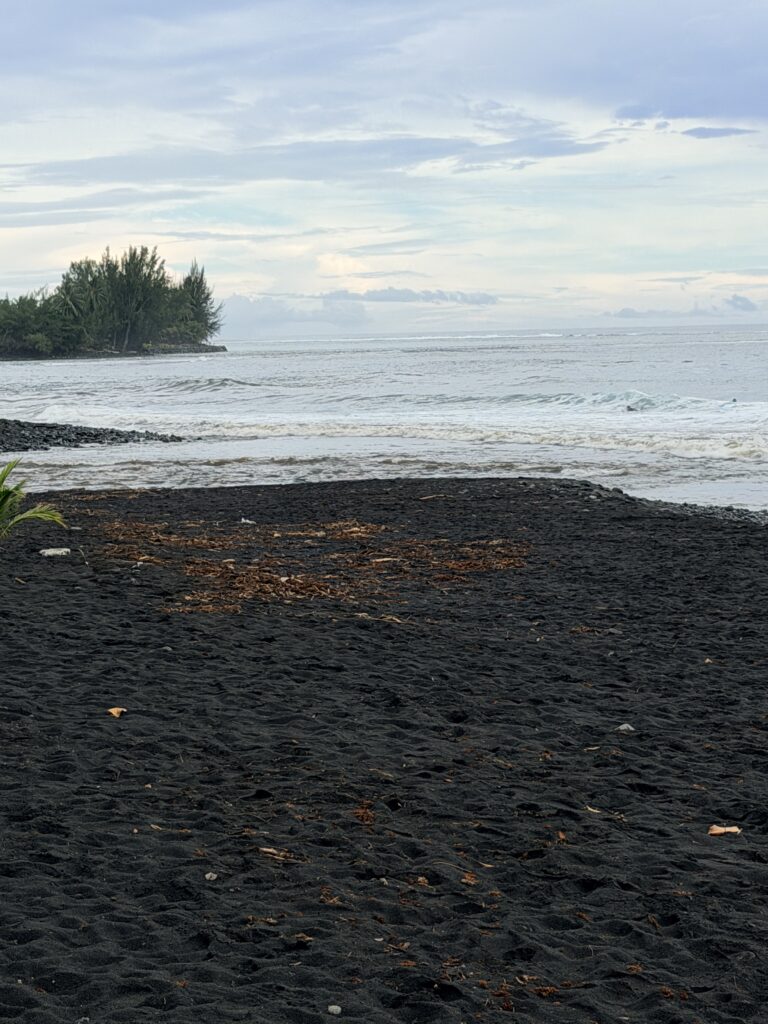
Taharu’u beach is a beautiful black sand beach located in the commune of Papara on Tahiti’s west coast.
It’s an ideal spot for both beginners and experienced surfers, as it’s a fairly protected site with good swimming and surfing conditions. In fact, it’s one of the best spots for learning to surf. A picnic area is available to all, as are outdoor sanitary facilities and showers.
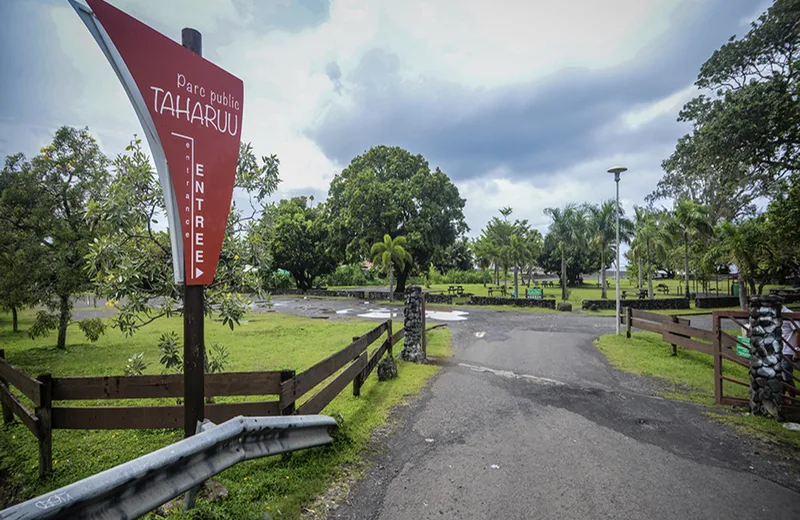
The sand was very soft and did not stick to the bottom of your shoes.
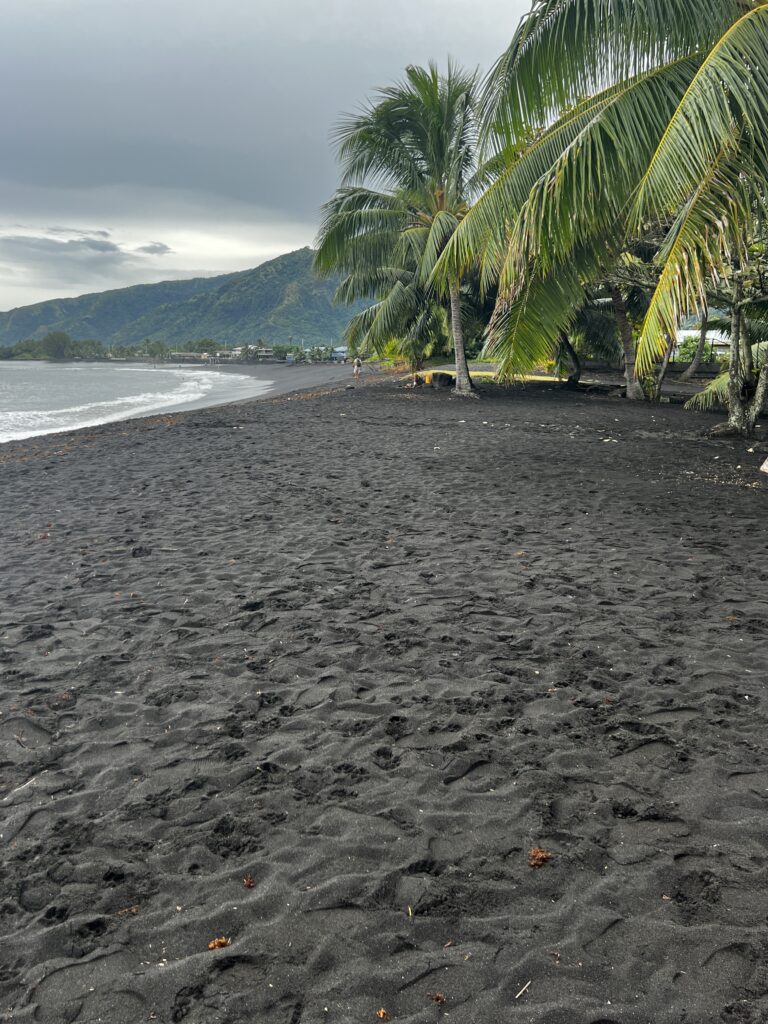
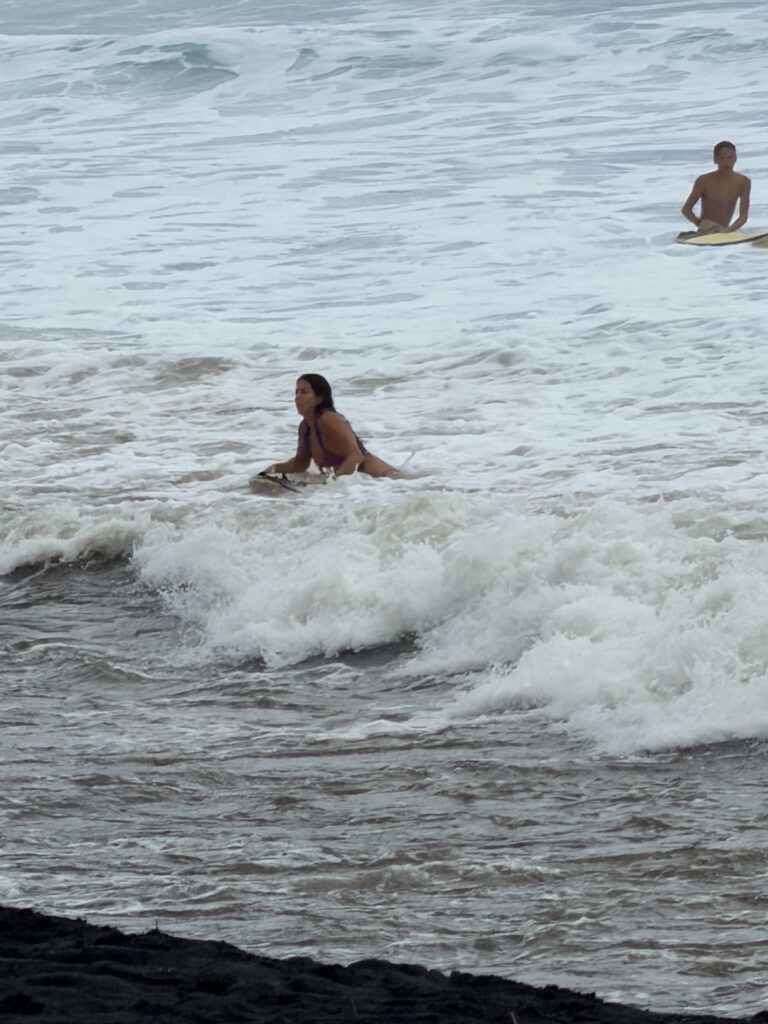
The magic of iPhone 17. Jackie took this photo and there were two people standing in the middle of the photo and she was able to clear them out of the picture.
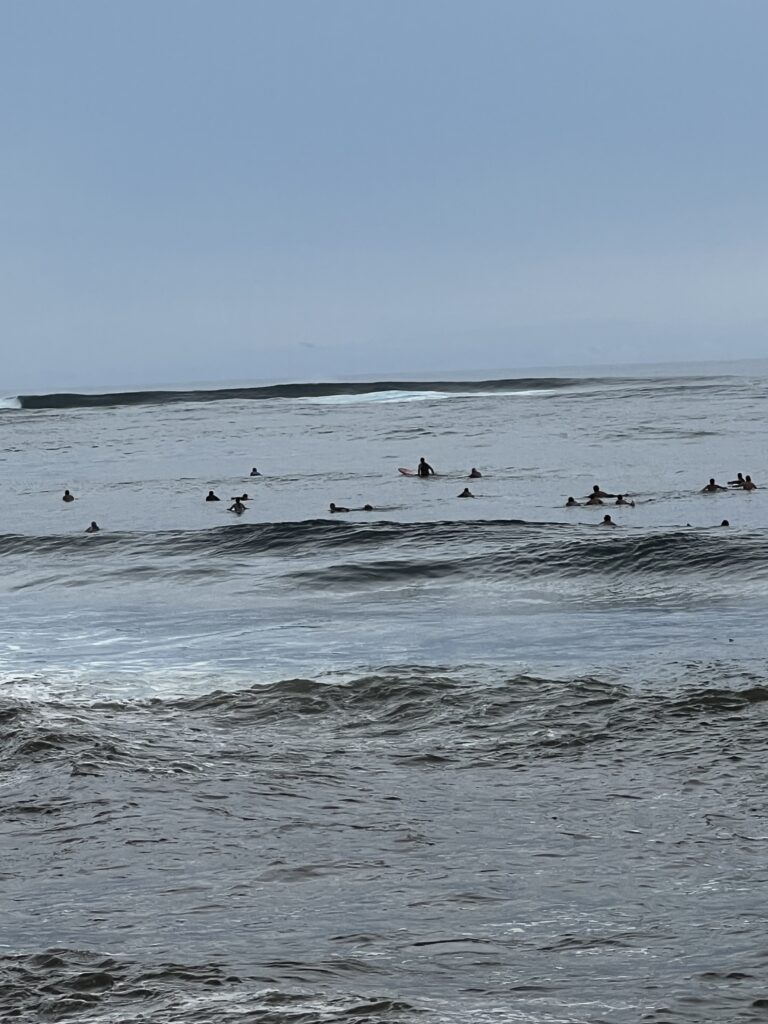
This is a mov file so I am unsure if it will work.
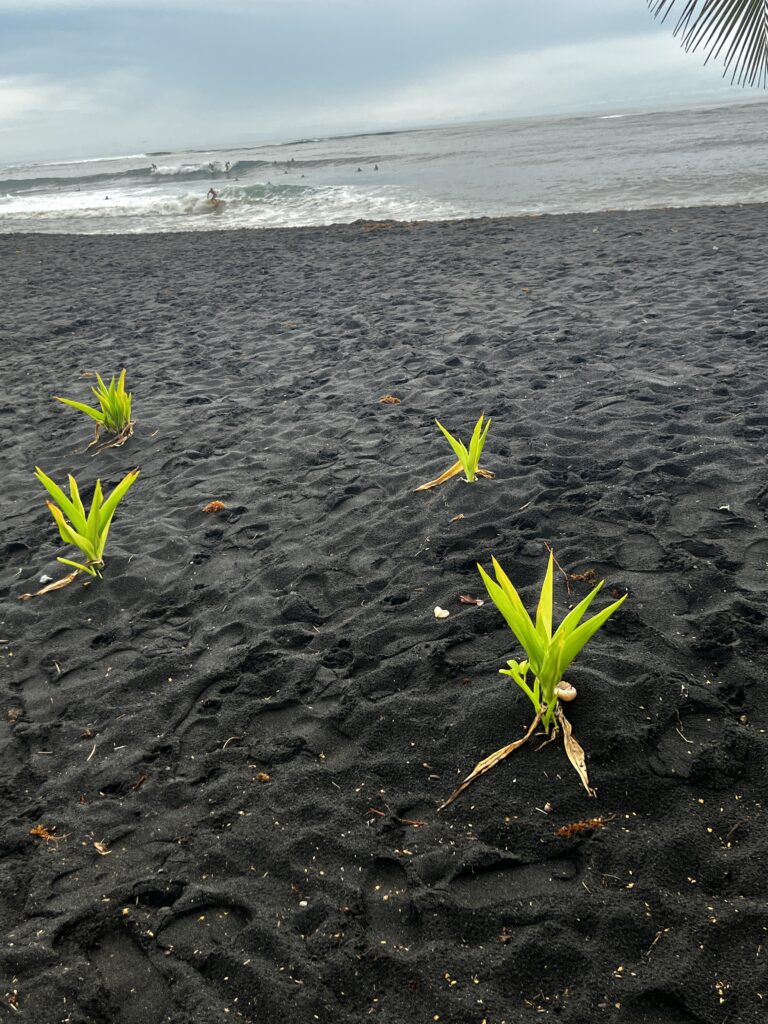
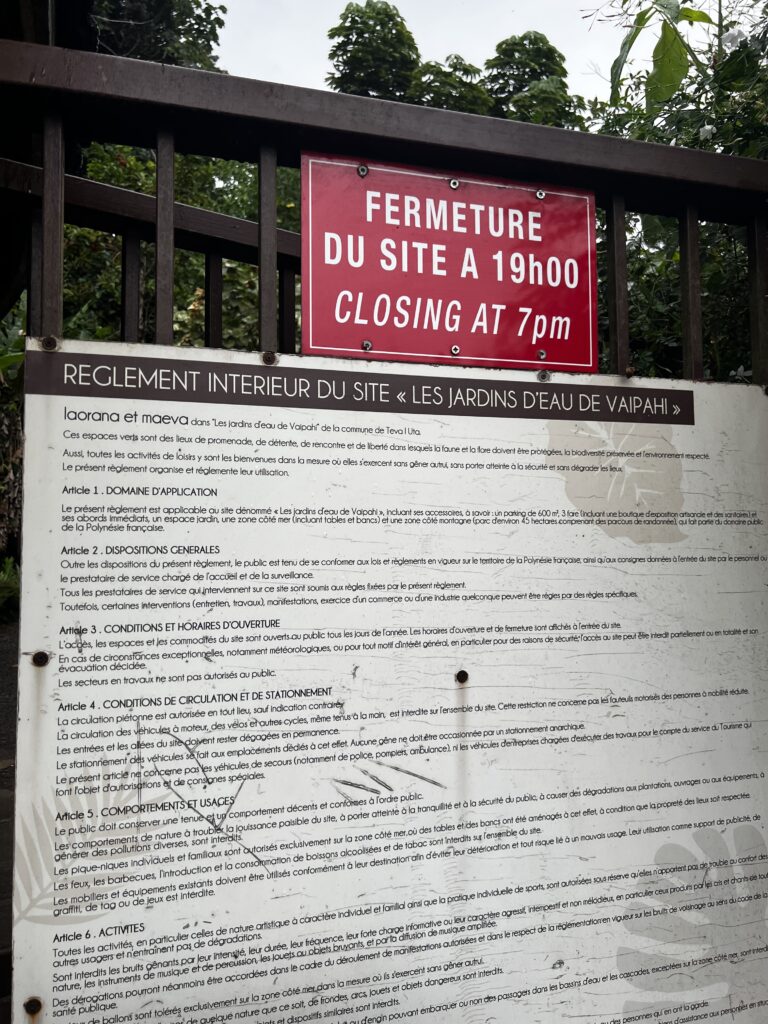
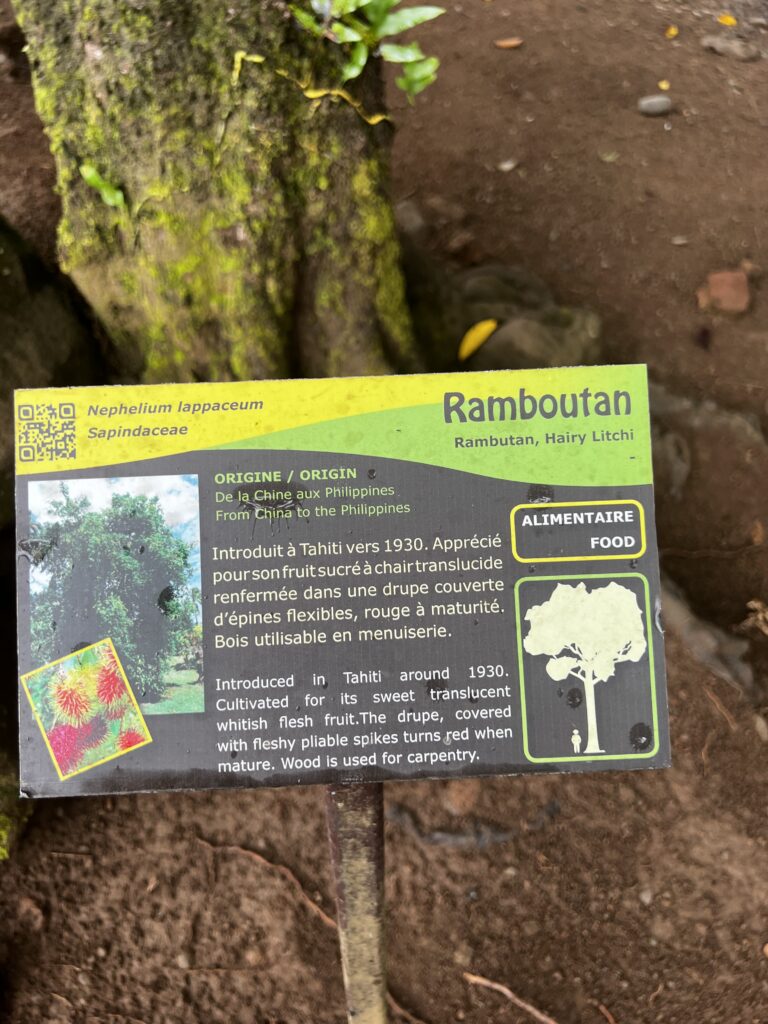
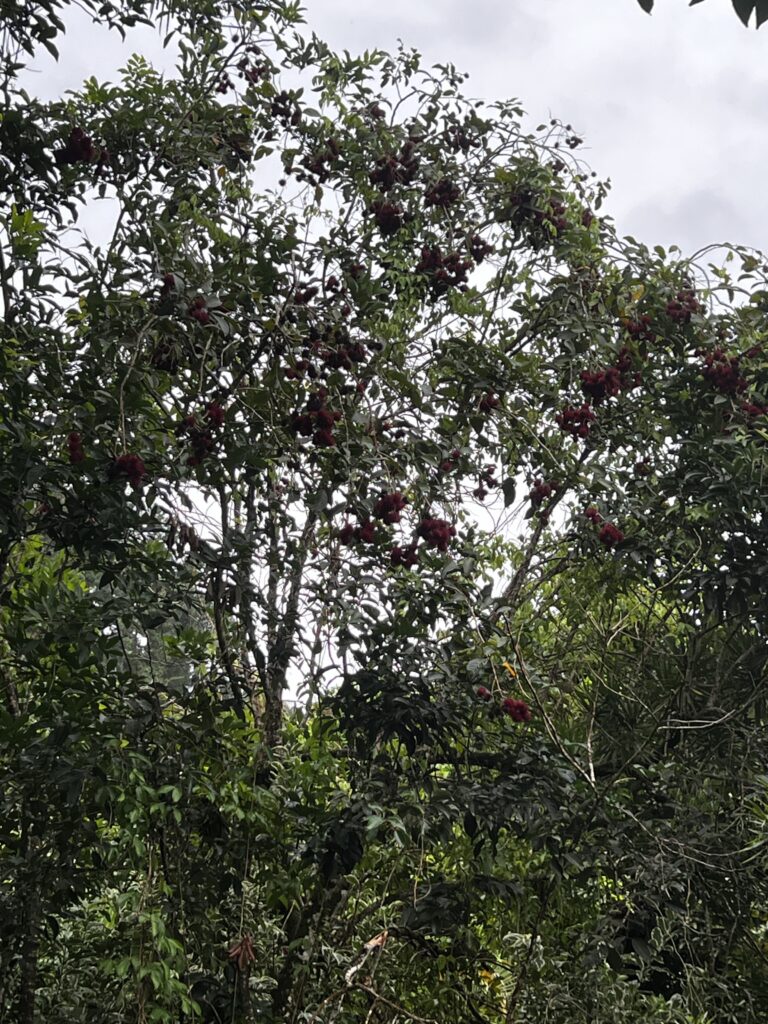
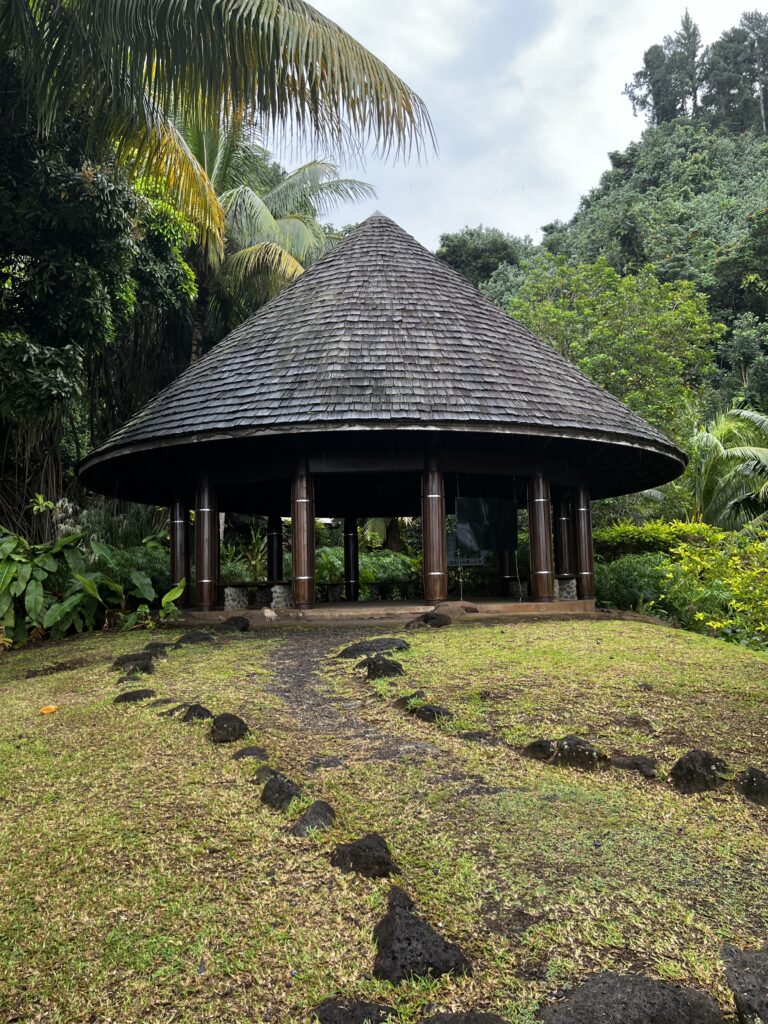
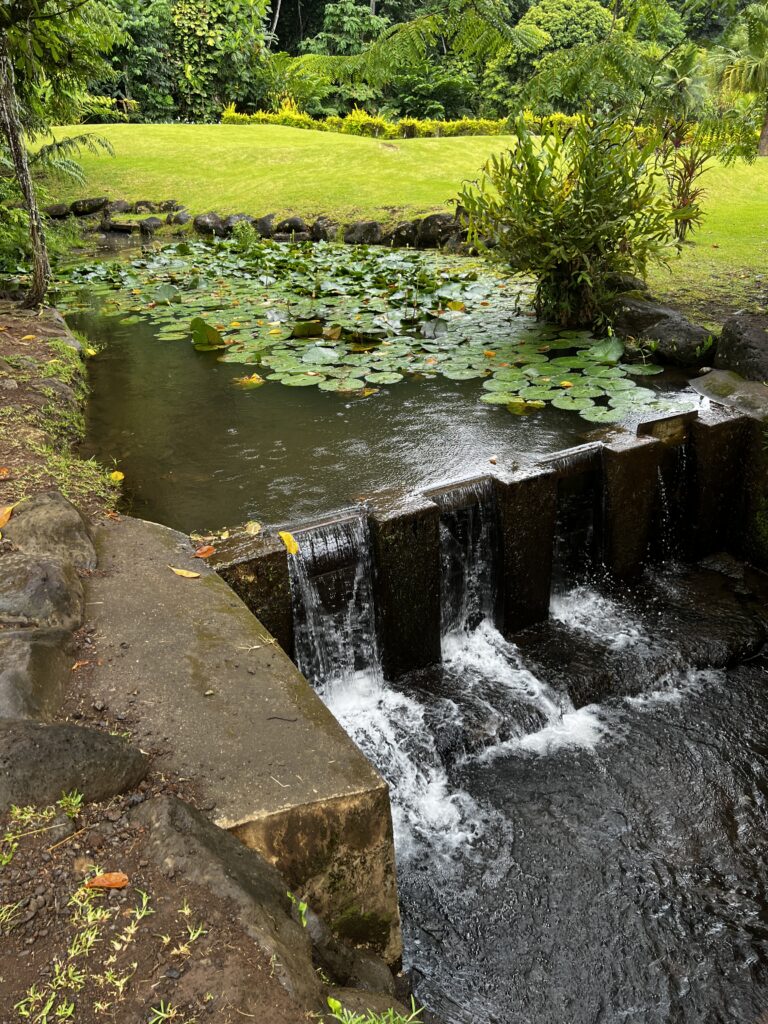
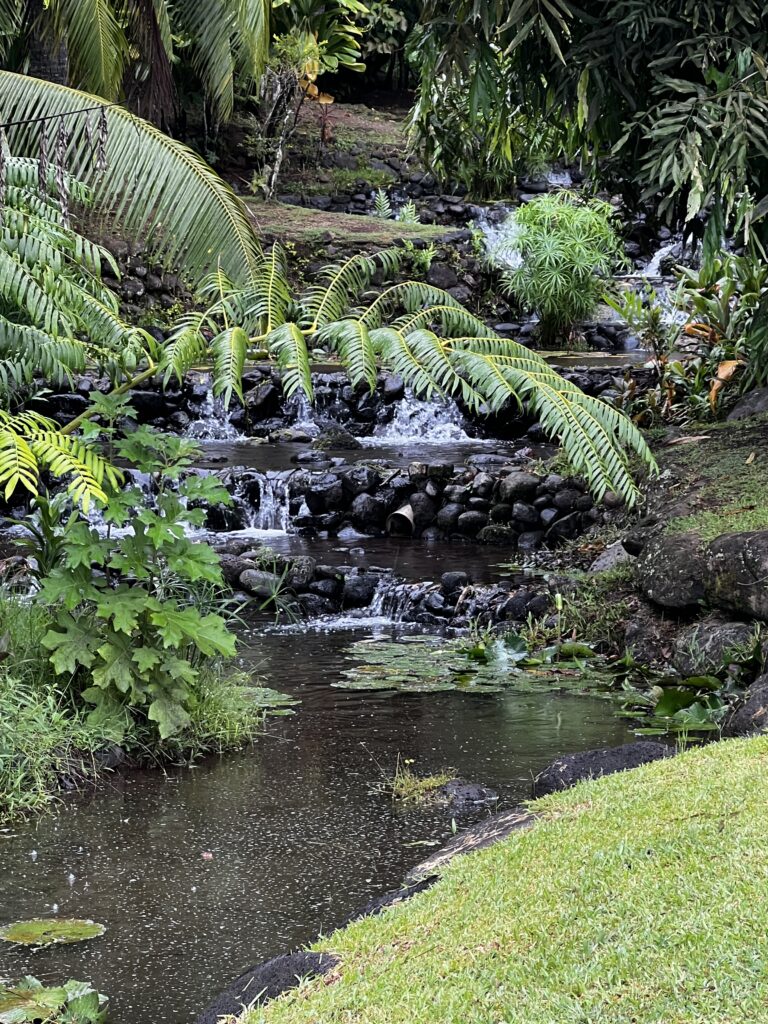
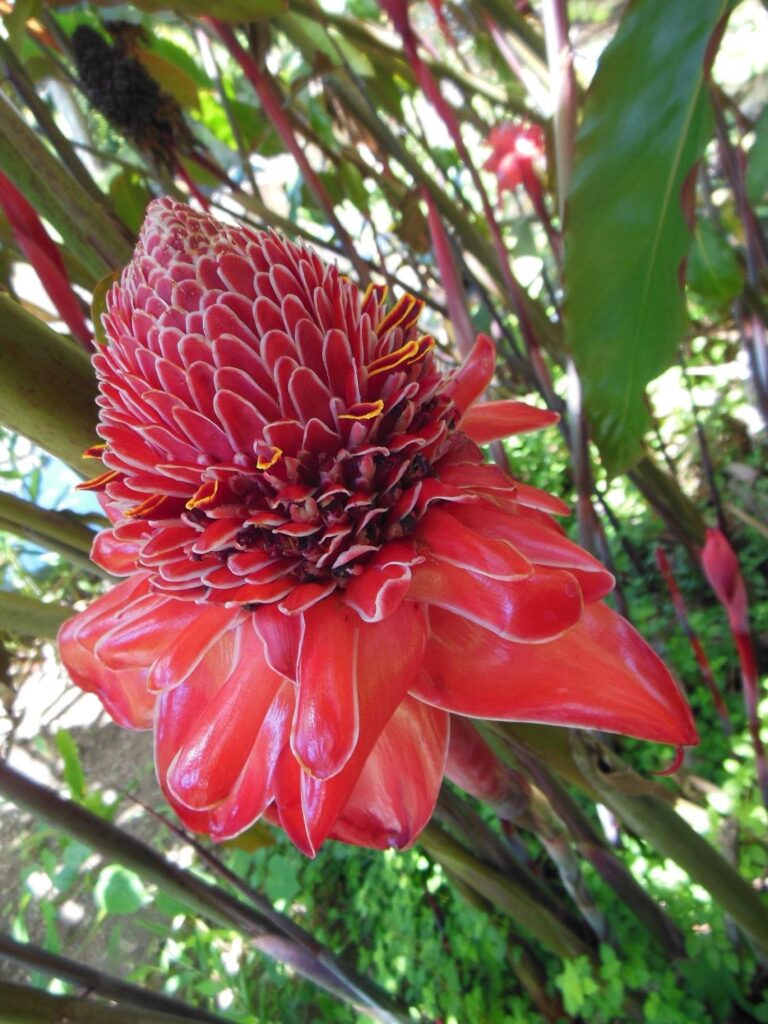
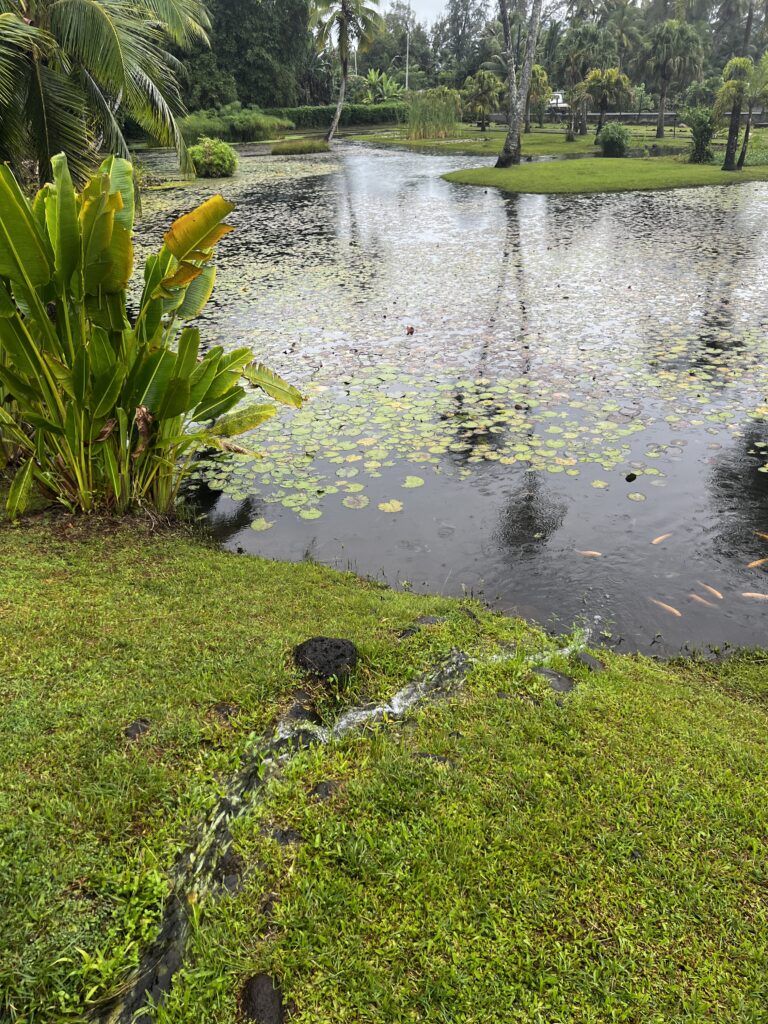
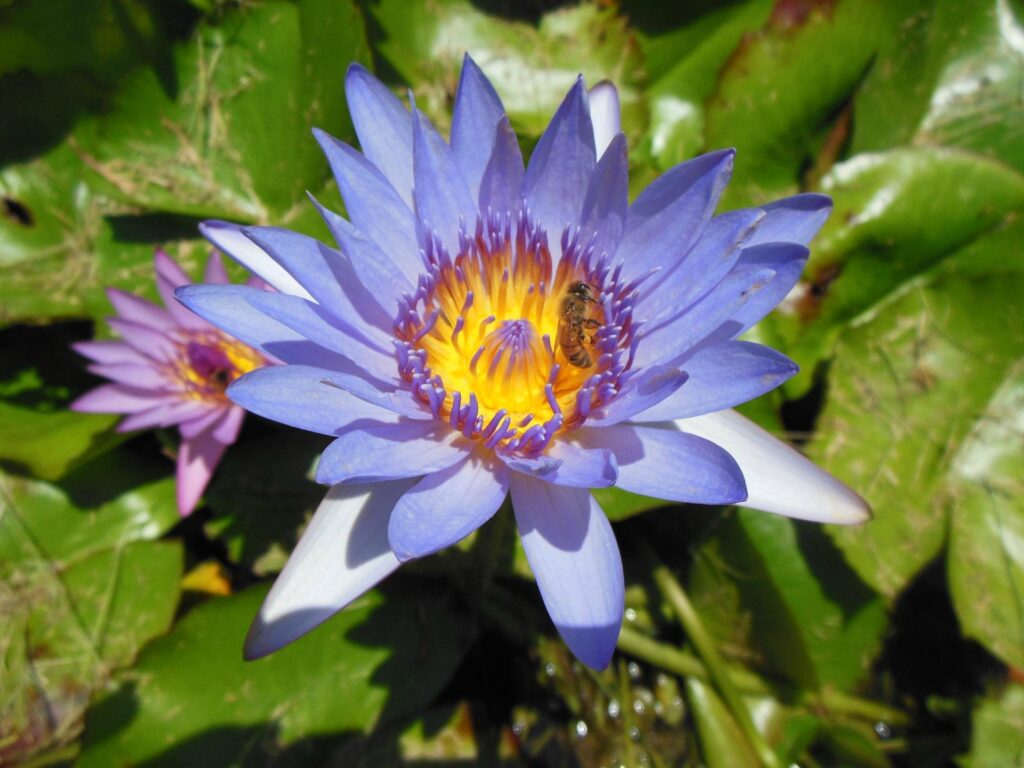
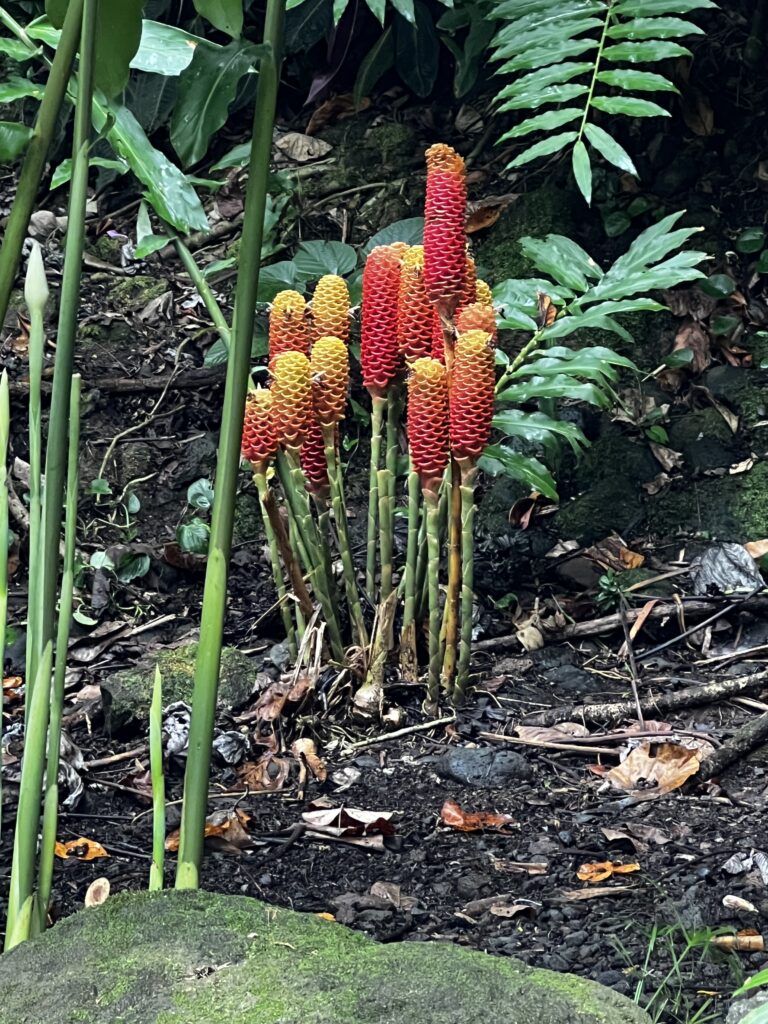
Located at a sacred site on Tahiti’s southern coast, between Mataiea and Papeari, the Vaipahi botanical garden offers a wide array of tropical flowers and plants, both local and foreign. As you walk around the garden, revel in the beauty of the flora and magnificent landscapes featuring springs, streams, pools and waterfalls. You will also learn that the waters of Vaipahi were originally a rite of passage to purify the deceased souls of the Great Teva, the island’s ancestral clan.
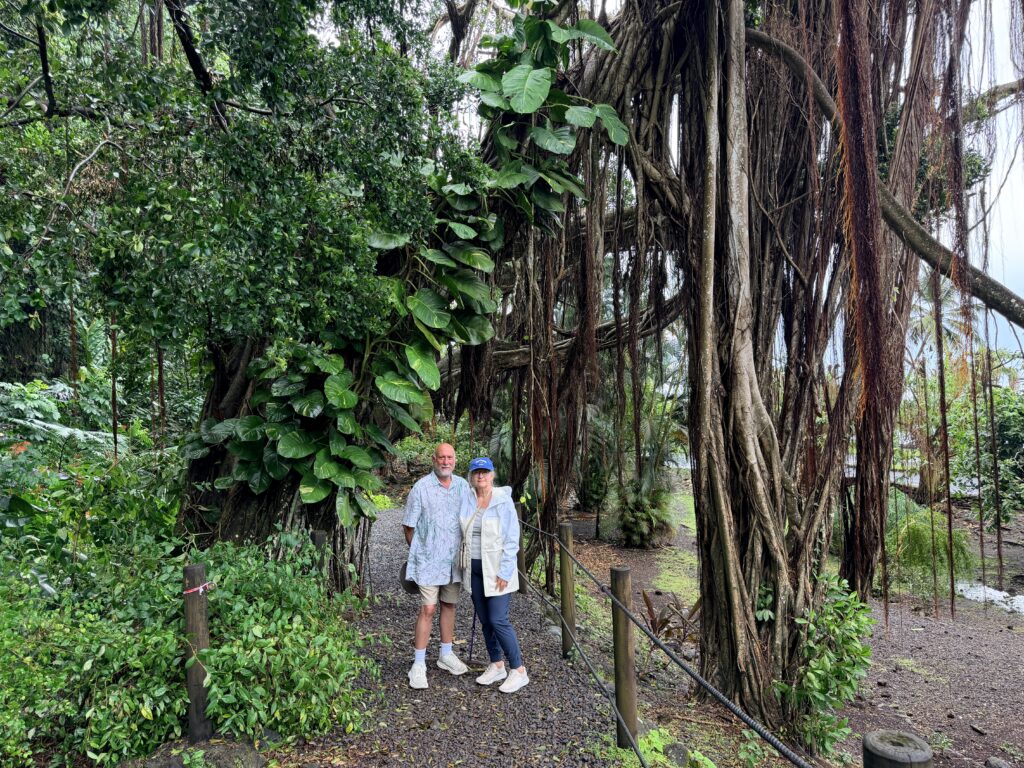
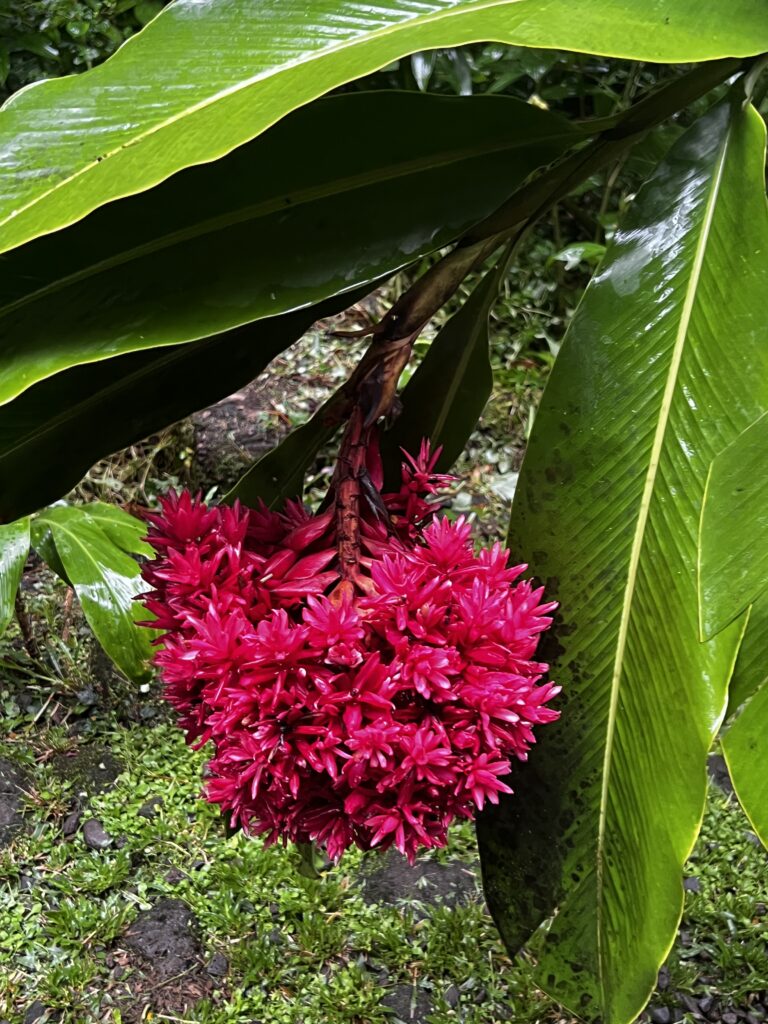
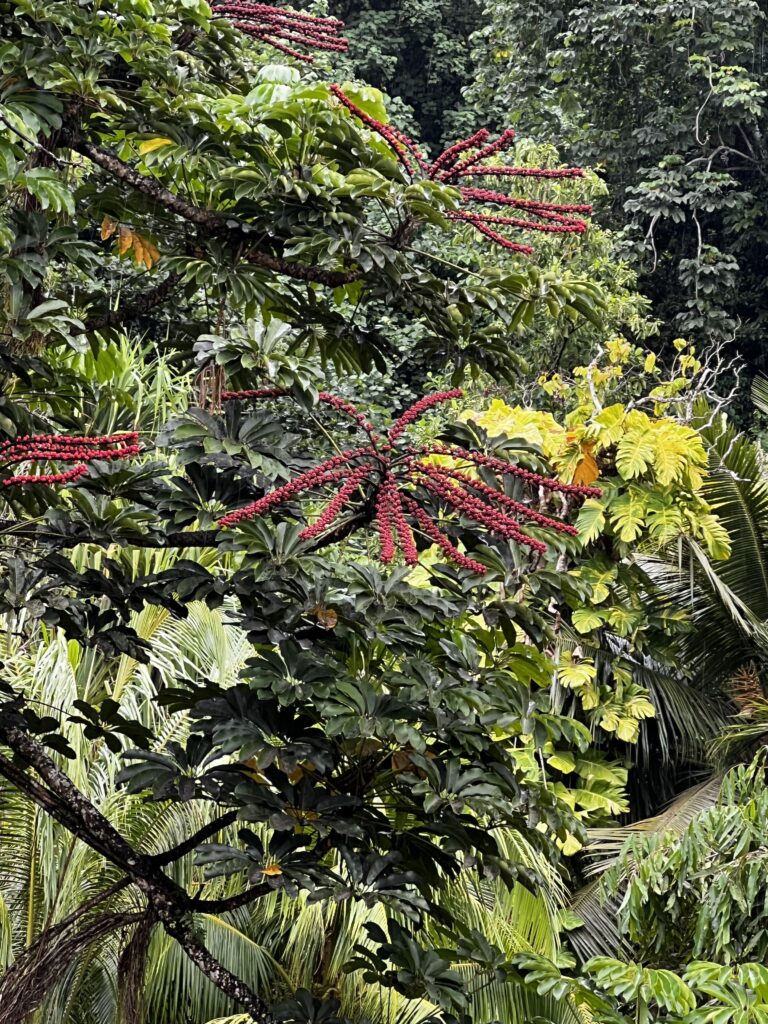
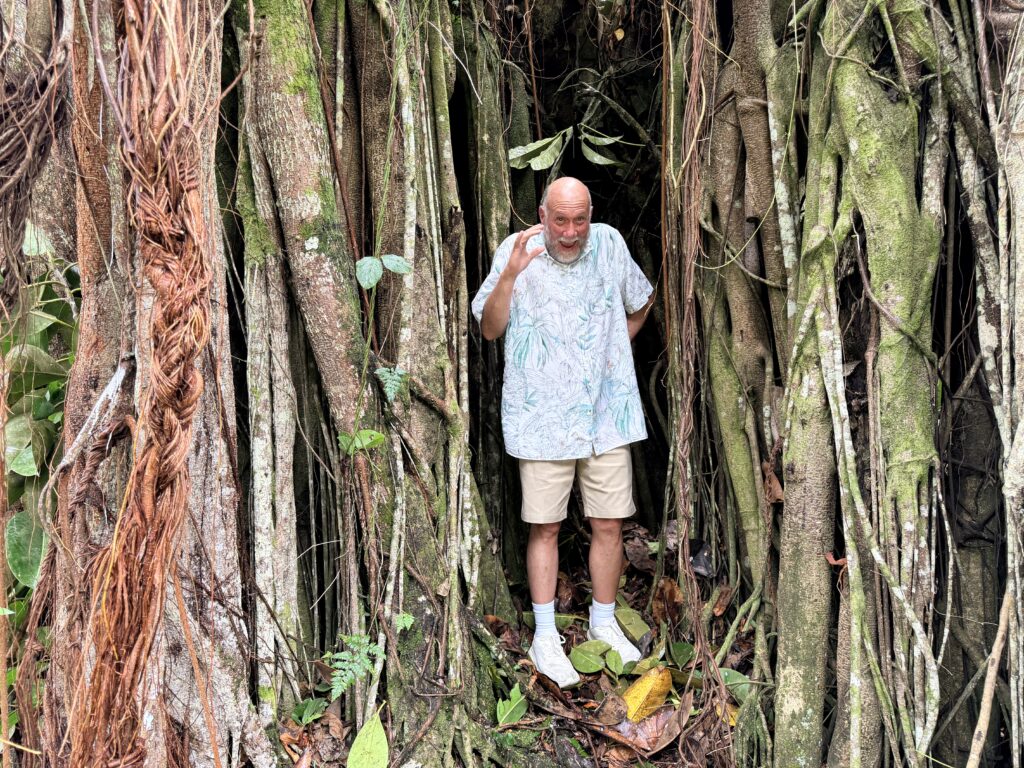
I think this is supposed to be an Indiana Jones scene 🙂
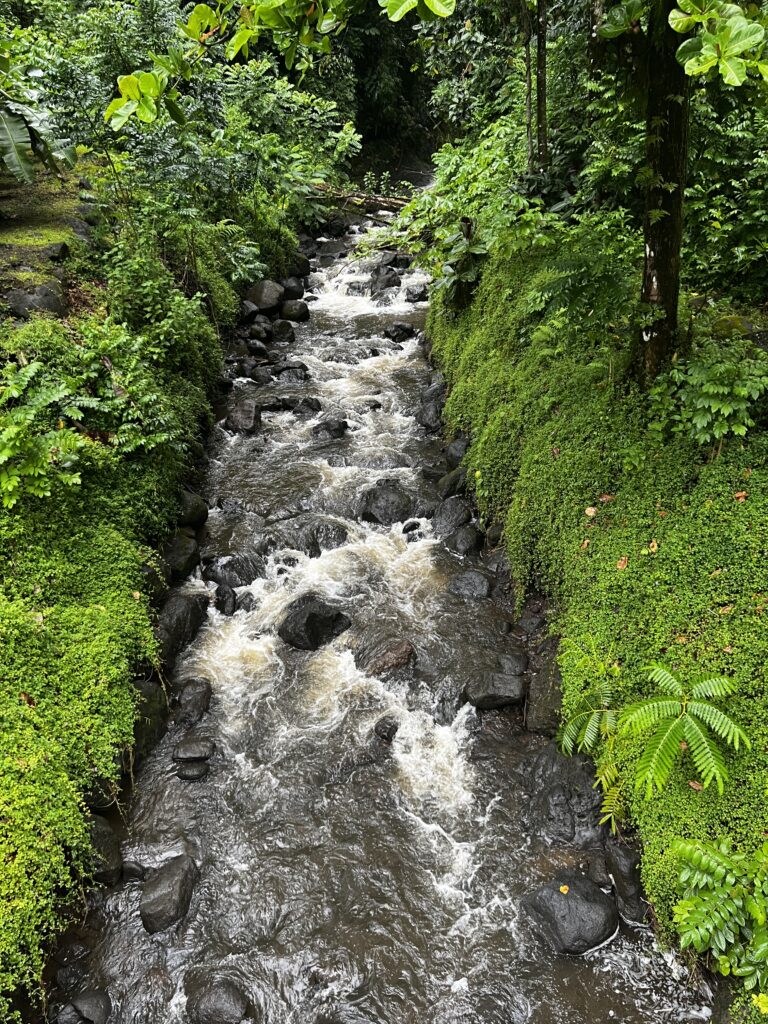
Faarumai waterfall — The 3 waterfalls in the Faarumai valley come from 3 different watersheds. The most accessible, just a few minutes’ walk away, is called Vaimahuta. It’s an 80-meter waterfall. The other two are Haamaremare Rahi, with a 100-metre waterfall, and Haamaremare Iti, with a 40-metre waterfall, located 20-30 minutes’ walk from the first. During heavy rains, the downward-flowing water forms rivers that fall in successive cascades. The basalt rock mountain has been damaged and collapsed in places, creating a horseshoe-shaped rock barrier.
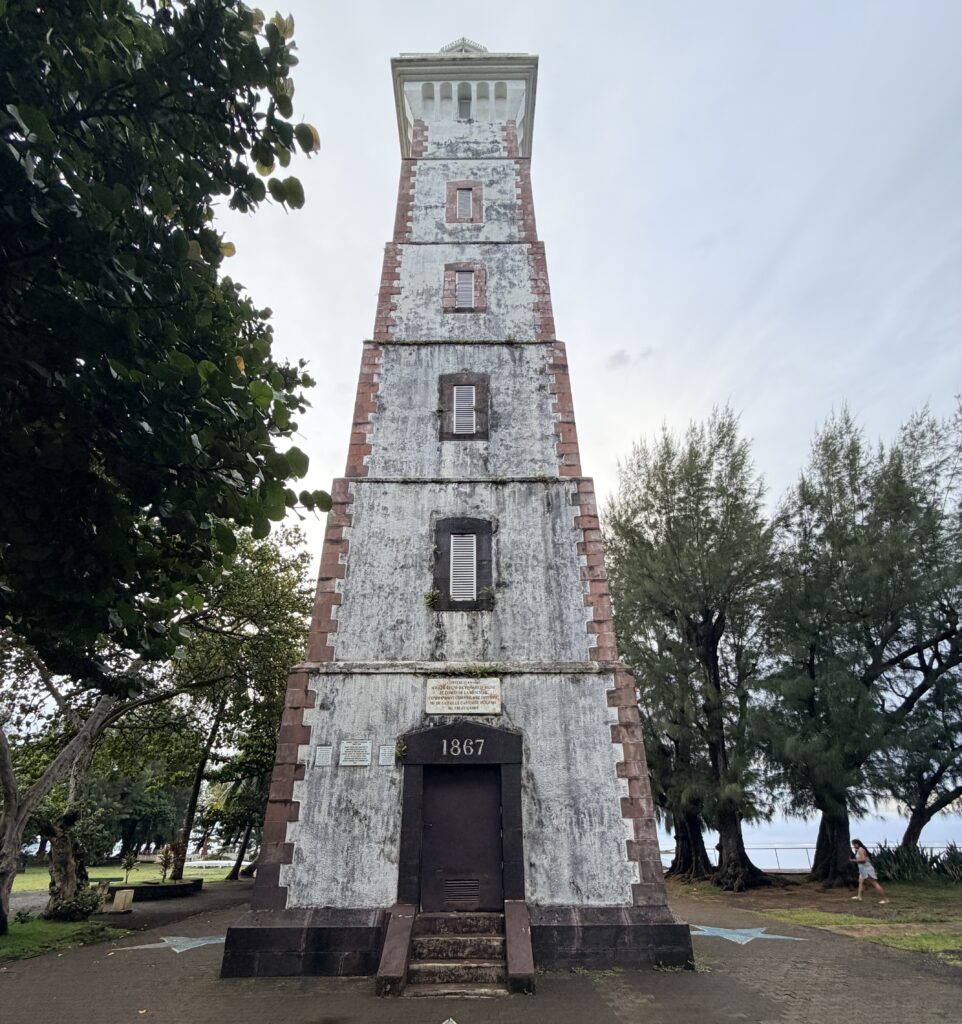
Point Venus is a peninsula on the north coast of Tahiti, the largest island in the Windward group of French Polynesia. It is in the commune of Mahina, approximately 8 km east of the capital, Pape’ete. It lies at the northeast end of Matavai Bay.
Surrounded by a beach of black sand, it happens to be the northernmost place of Tahiti. Venus Point owes its name to Captain James Cook, who originally came there to watch the transit of venus across the sun in 1769.
- April, 13th 1769: Captain James Cook arrived in Tahiti aboard de Endeavour in order to observe Venus’ transit, planned on June, 3rd. This expedition aimed at calculating the distance between the Sun and the Earth. Today, James Cook’s notes remain one of the mostprolific sources of information regarding past Polynesian society.
- March, 5th 1797: English missionaries from London Missionary Society (LMS) accosted in Matavai Bay aboard the Duff and settled in Point Venus.
- 1856: After an 1851 application, a sidereal lantern was built on the Point Venus site.
- August 1867: After having deposited an application to build a lighthouse on April, 12th 1864, it was finally build by August 1867 and comissionned on January, 1st.
- 1953: One floor was added to elevate the lighthouse and make it easier to be seen, and it was only electrified in 1973.
This lightouse remains the only one of Tahiti. Generally known as “Teara o Tahiti” in reo maohi, this square tower of 8 floors and 25 meters high, was edified of rubble stone and corals by Thomas Stevenson helped by masons coming from Mangareva.
For the little story, during the Second World War, Mahina’s citizens (the city where the lighthouse is located) painted coconut trees on their lighthouse in order to hide it and prevent the Japanese fleet from landing in Tahiti.
Fun fact, the lighthouse was so well hidden that even the guardian could not find when he had been drinking. Thus, he used to climb on coconut trees thinking that he was taking the stairs of the lighthouse.
After having been forsaken for about 50 years because of Papeete’s harbour development, the Point Venus regained popularity with foreigners and now attracts more and more tourists every year.
Today, the Point Venus lighthouse still operates and testifies of the evolution of the Pacific history. It is also used for aerial navigation as lenses for aerial clusters were added.
Point Venus, with its large beach of black sand, her emerald water, her mythical lighthouse and a long and a great history turns out to be a charming place, which you shall not miss during your trip. It is perfect for every kind of tourism, may you be keen on culture, sports or leisure.
Point Venus is the symbol of the encounter of Europeans and Polynesians, a place where you can wander, take a bath, surf or learn about Polynesian history.
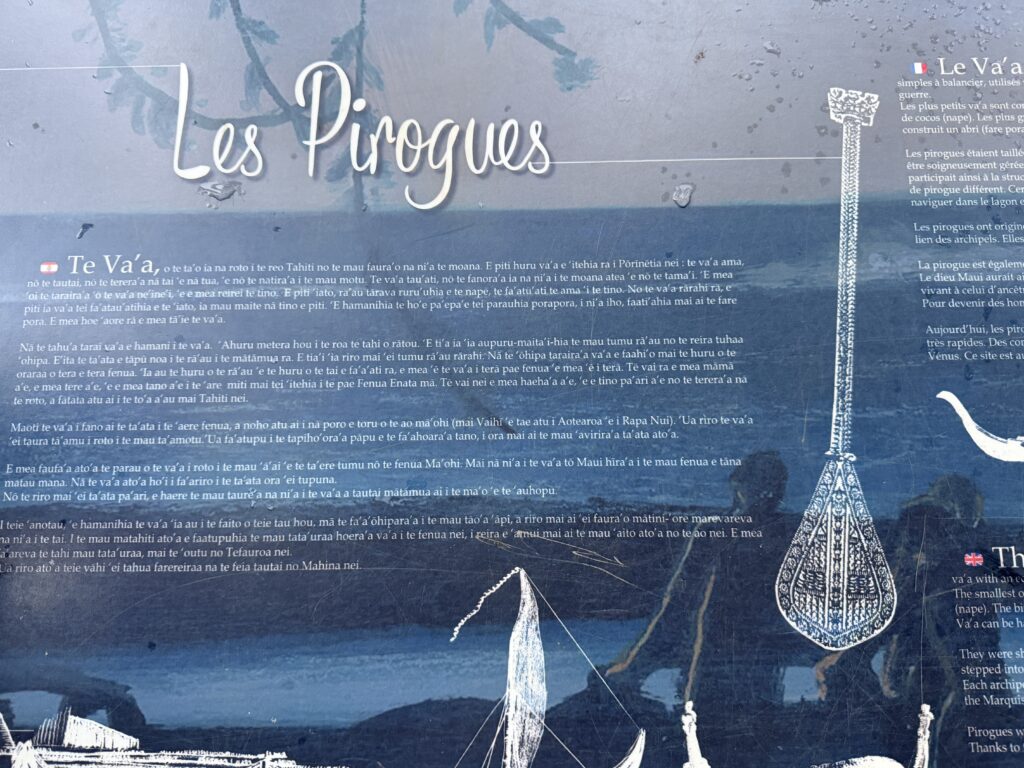
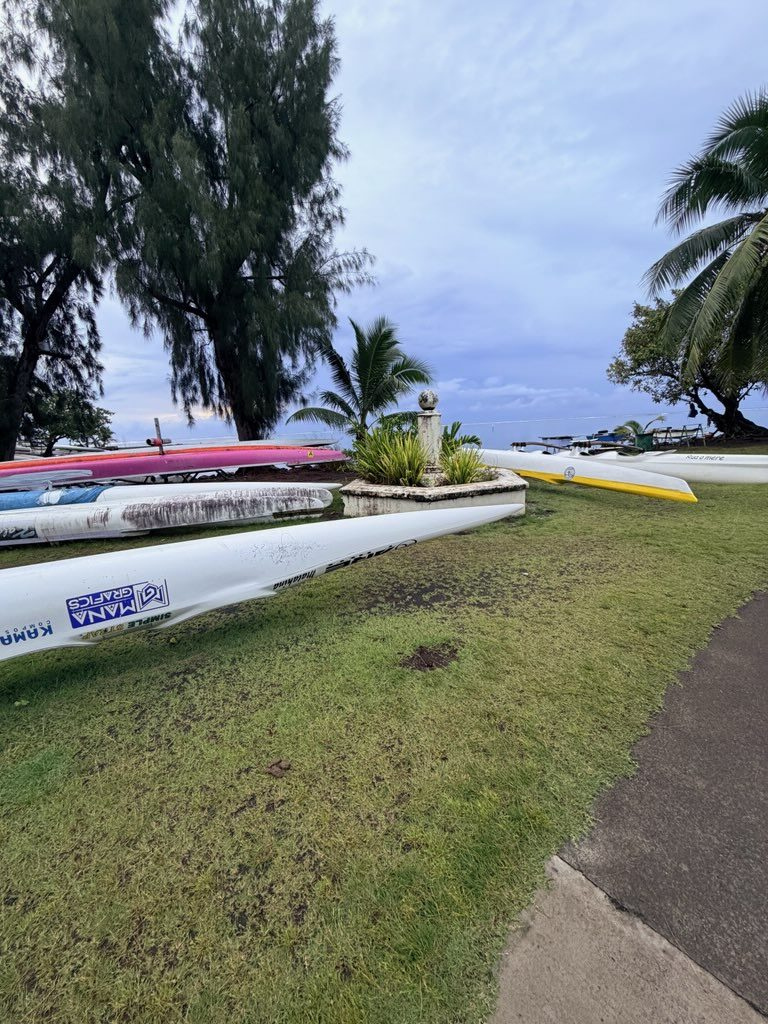
The area is a site where boaters will jump into the canoes and move around the bay
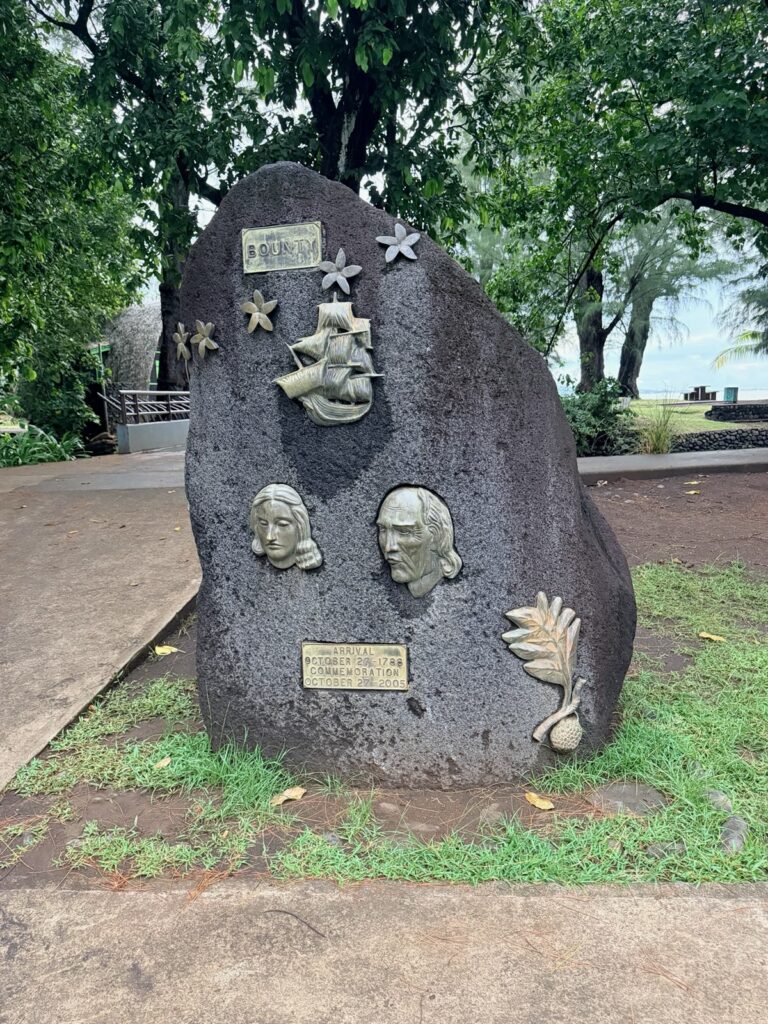
Small monument for The Mutiny on the Bounty.
A primary objective of James Cook‘s first voyage, in Endeavour, was to observe the 1769 Transit of Venus from the South Pacific. Tahiti, recently visited by Samuel Wallis in Dolphin, was chosen for the observations. Cook anchored in Matavai Bay on 12 April 1769 and established an observatory, and a fortified camp called “Fort Venus”, at Te Auroa, which they named “Point Venus”.
We were able to capture the sunset from Point Venus before heading back to the ship
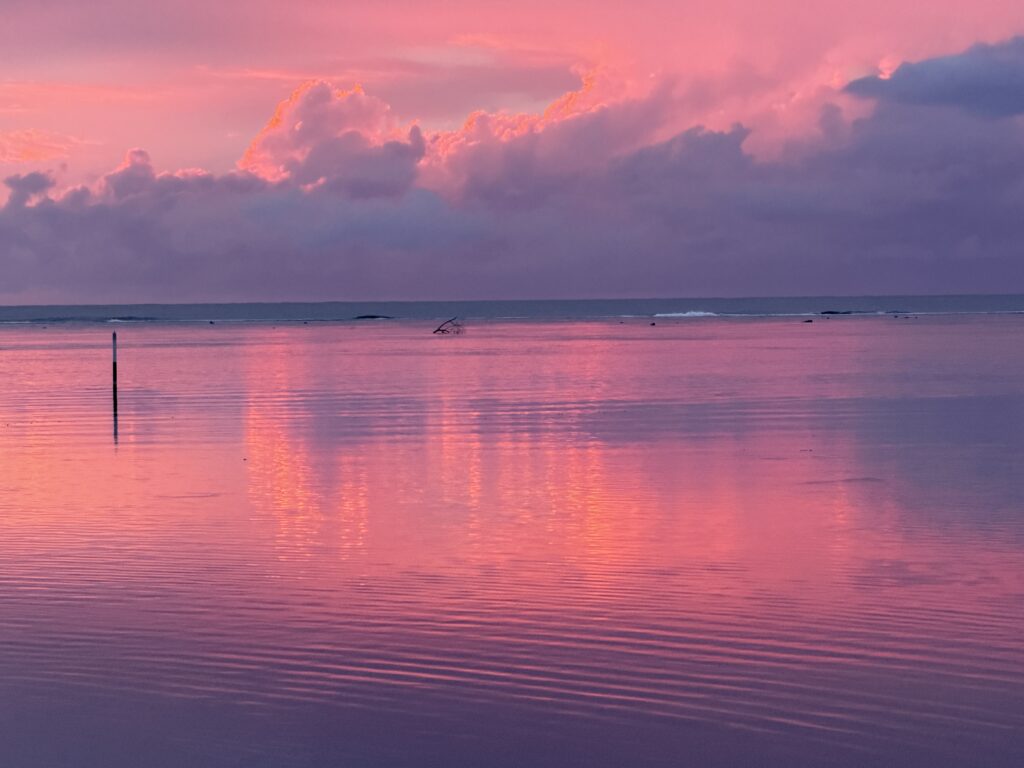
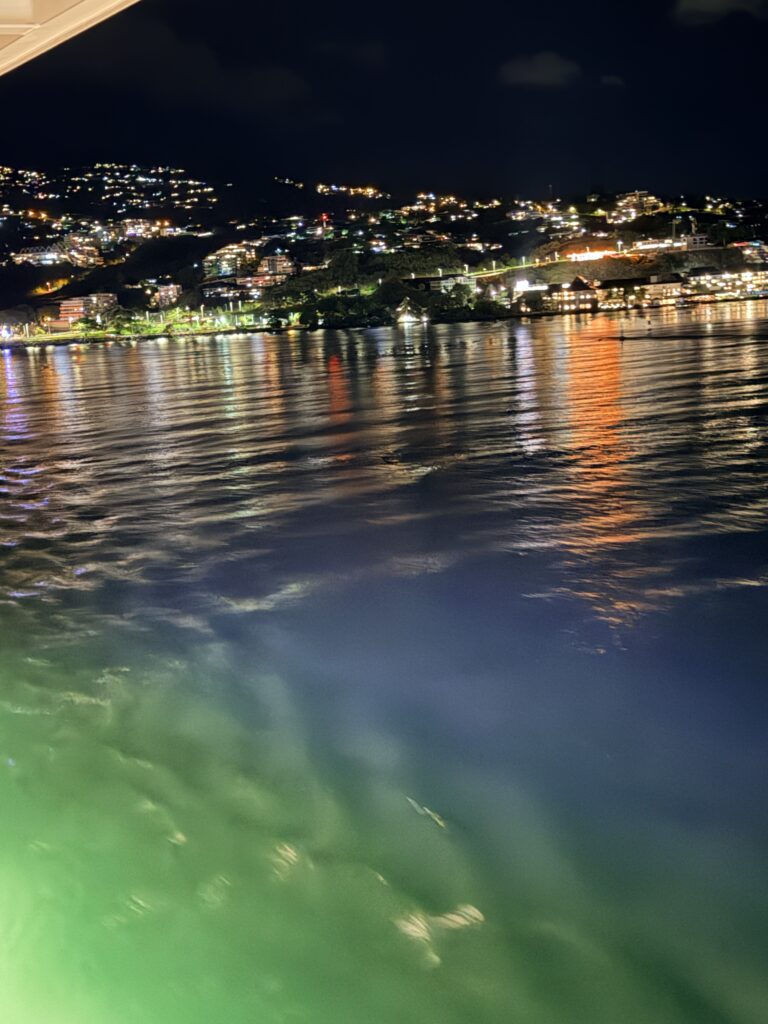
Photo of Tahiti as we sailed away

6 thoughts on “Day 17 March 23 – Papeete, Society Islands”
Lovely. The one time we were in Papeete, we stayed in town to explore, so it’s nice to see what we missed by staying in town. I love the clean-up tool on the iPhone … don’t have to always wait for people to clear out to take a landscape photo.
When Jackie showed me the feature, I was amazed….laughing
Interesting stone statue. He must have been to a Mardi Gras parade and caught some beads. Did you kill the dog? The dog is taking a nap or somebody did him in.
If I ever see this dog again, I will kill him
I was looking at your pictures again. I think the pictures are really beautiful.
Thank you, many of the pictures were taken by Jackie