
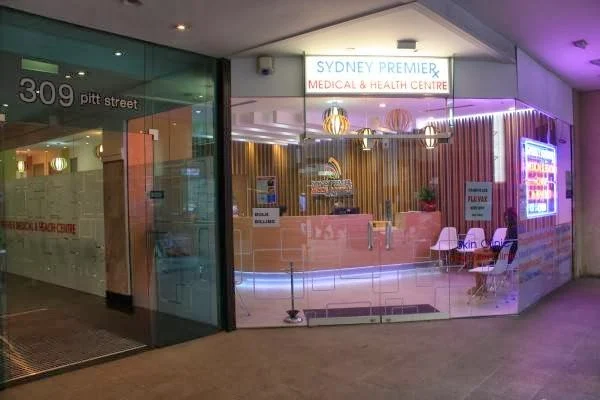
We started the day with Lane having a doctor’s appointment to try and determine what these bites were that had been driving me crazy since Papeete Tahiti. The office was nice and clean, staff also very nice as was the physician. Since Medicare does not work outside the US I had to pay $150 for the visit. The physician’s thoughts were that since I have allergies to Penicillin and Hydromorphone my immune system is probably sensitive to new agents. This meant since whatever bit me in Tahiti was not something I had not encountered before I am super sensitive to the bites. Again, super nice physician and his explanation would sound great to a non-healthcare person. To a healthcare professional, yeah right…..total BS 🙂 He had no clue what the bites were or have to resolve. Anyway, since the bites have started to disappear after I started passing Tea Tree Oil, I will continue to smell like a car air freshener until I feel comfortable that the bites will not return…..laughing. He did give me two prescriptions for Zyrtec and Methylprednisolone Ointment.
Below are photos as we walked the downtown area of Sydney following a map that Jackie found on Citymapper and GPS MyCity
Hungry Jack’s Pty Ltd. is an Australian fast food franchise of the Burger King Corporation. It is a wholly owned subsidiary of Competitive Foods Australia, with licensing from Restaurant Brands International, a privately held company owned by Jack Cowin. Hungry Jack’s owns and operates or sub-licenses all of the Burger King/Hungry Jack’s restaurants in Australia.
In 1970, Jack Cowin bought the rights to the Burger King franchise in Australia. However, he discovered that the name was already trademarked in Australia by Don Dervan, who had started a drive-in fast food takeaway restaurant business in Adelaide, South Australia in 1962; at the time were no legal obstacles to the name. Between 1962 and 1970, Don Dervan’s Burger King was selling over a million burgers a year in South Australia. By 1972, it employed more than 200 people in 17 restaurants in Adelaide and across Australia.
As a result, Burger King provided Jack Cowin with a list of possible alternative names derived from pre-existing trademarks already registered by Burger King and its then corporate parent Pillsbury that could be used to name the Australian restaurants. Cowin selected the “Hungry Jack” brand name, one of Pillsbury’s U.S. pancake mixture products, and slightly changed the name to a possessive form by adding an apostrophe and “s” to form the new name “Hungry Jack’s”. The first Australian franchise of Burger King Corporation was established in Innaloo, Perth, on 18 April 1971, under the auspices of Cowin’s new company Hungry Jack’s Pty Ltd.
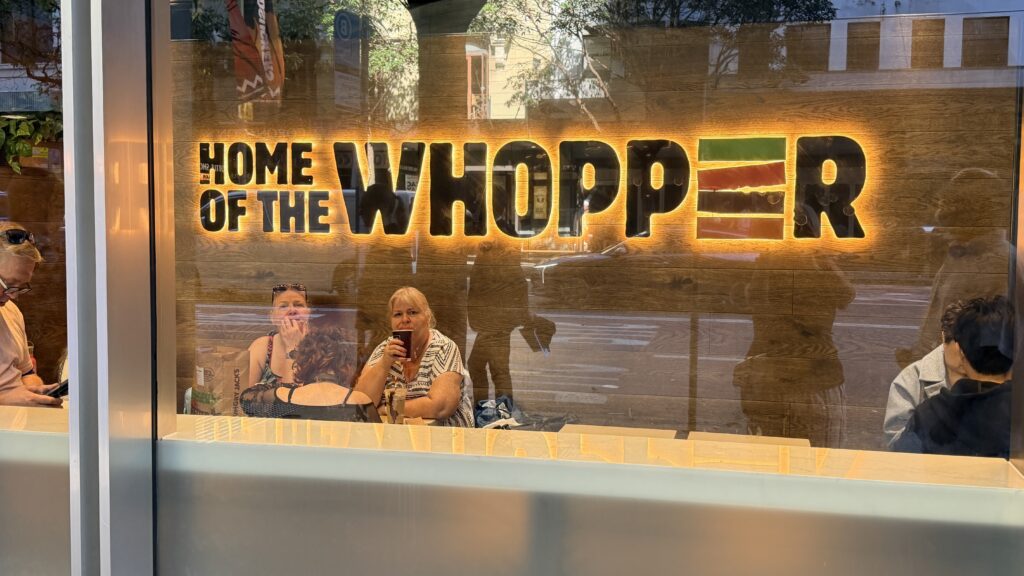
I don’t think the women enjoyed having their photo taken downing a whopper 🙂
The pharmacy I used to get the two prescriptions filled. The young pharmacist made my Faces Around the World section. She was a super nice young lady and I appreciated her speed in filling the prescriptions.
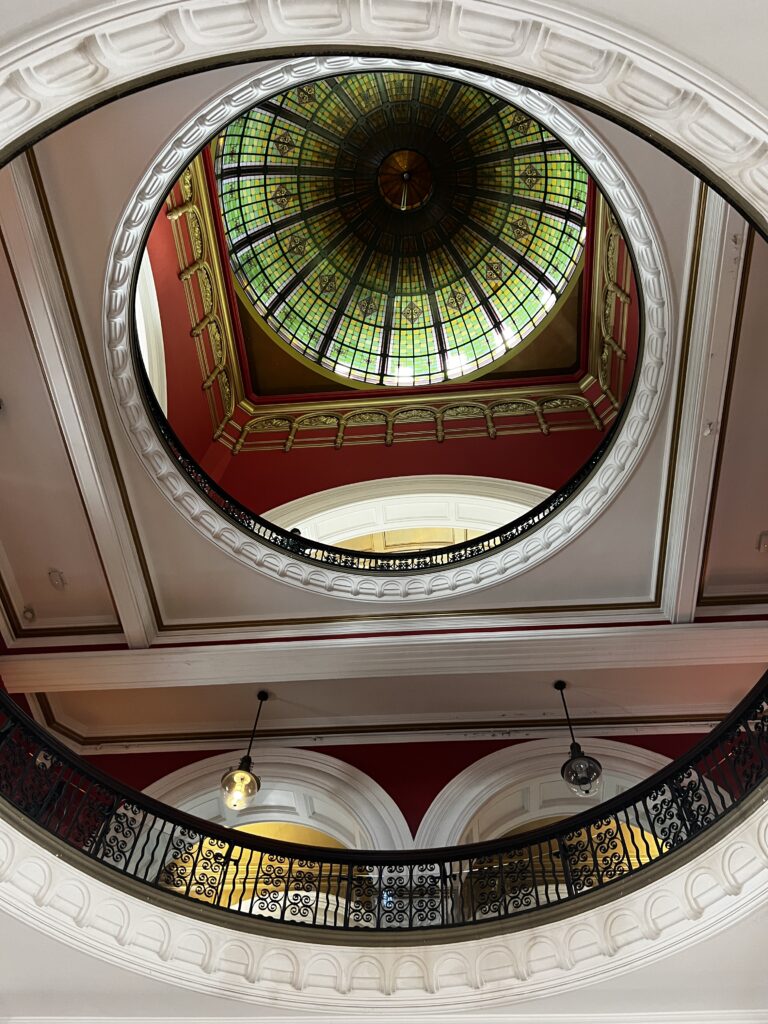
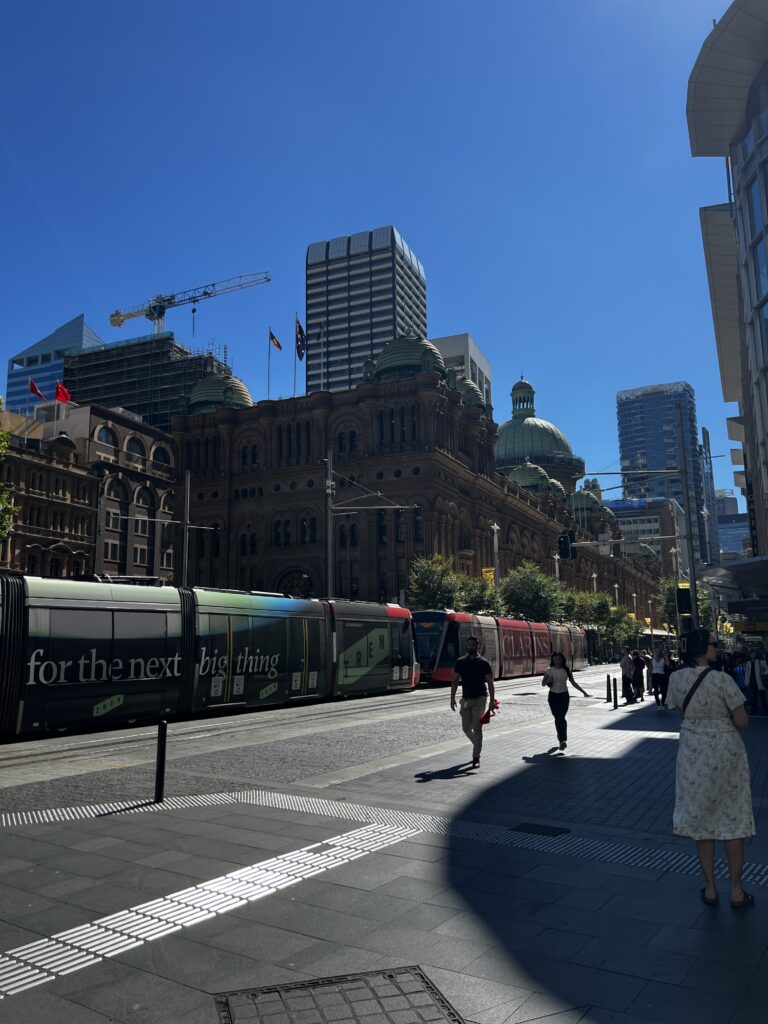
The Queen Victoria Building (QVB) is a heritage-listed late-19th-century building located at 429–481 George Street in the Sydney central business district, in the Australian state of New South Wales. Designed by the architect George McRae, the Romanesque Revival building was constructed between 1893 and 1898 and is 30 meters (98 ft) wide by 190 meters (620 ft) long. The domes were built by Ritchie Brothers, a steel and metal company that also built trains, trams and farm equipment. The building fills a city block bounded by George, Market, York, and Druitt Streets. Designed as a marketplace, it was used for a variety of other purposes, underwent remodelling, and suffered decay until its restoration and return to its original use in the late twentieth century. The property is co-owned by the City of Sydney and Link REIT, and was added to the New South Wales State Heritage Register on 5 March 2010.
Queen Victoria Building (QVB) – QVB
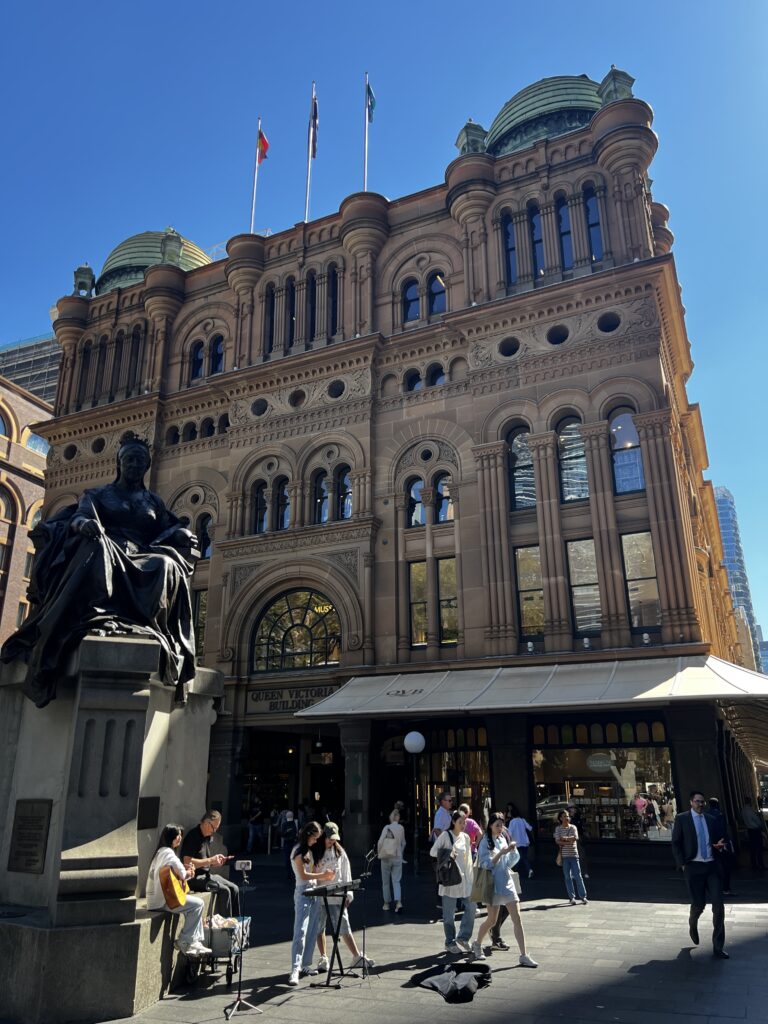
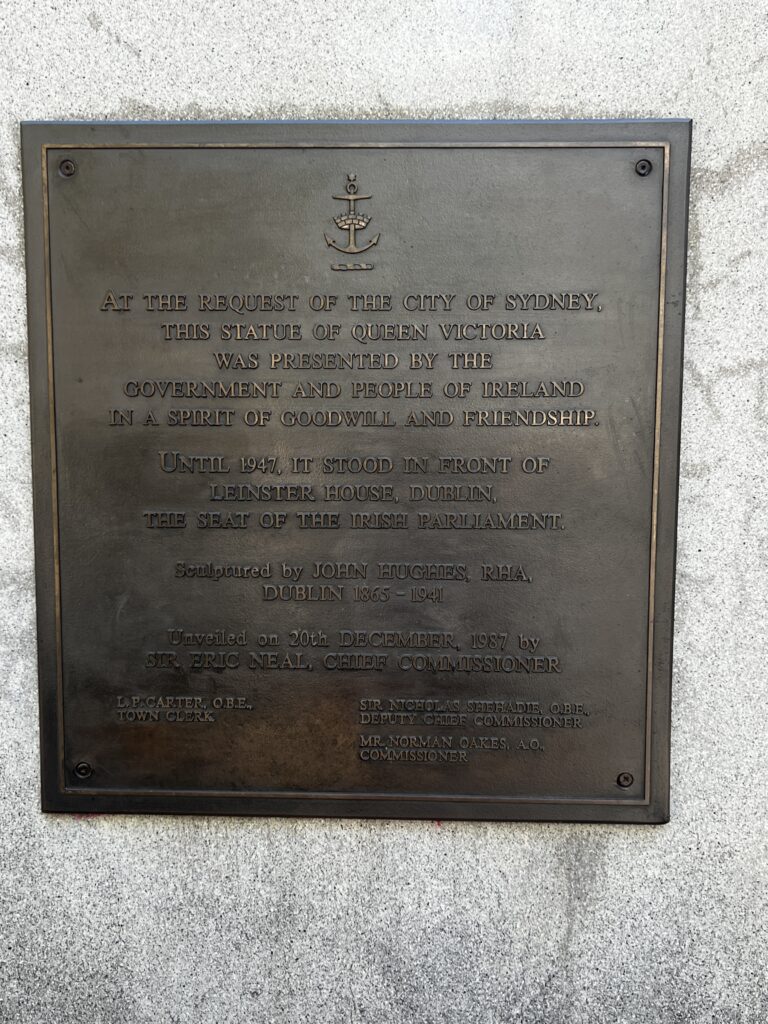
This place was huge and of course not for someone allergic to shopping malls after a physician just told me to stay away from anything I am allergic to…..laughing
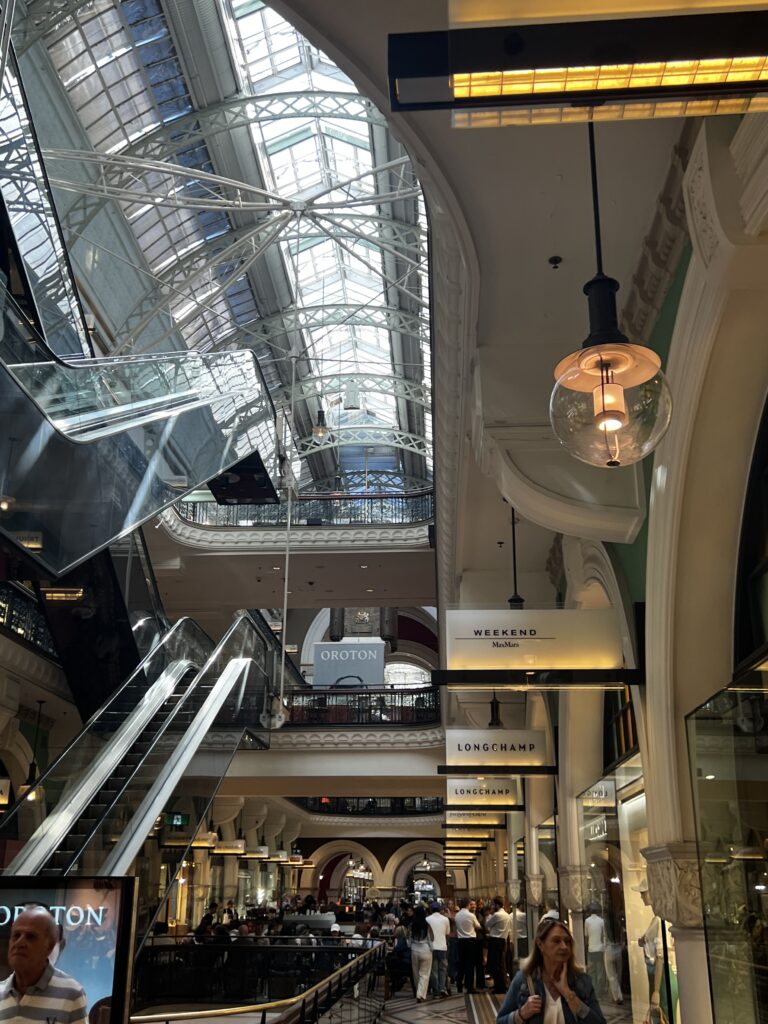
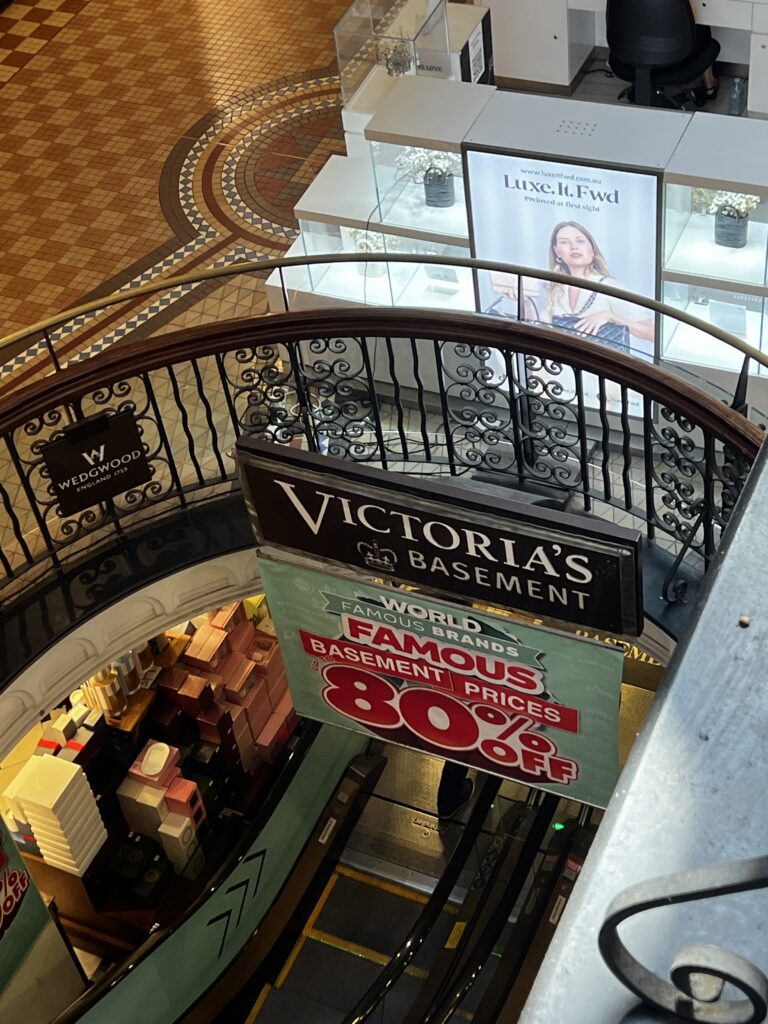
Bargain basement down there, maybe we should go down there 🙂
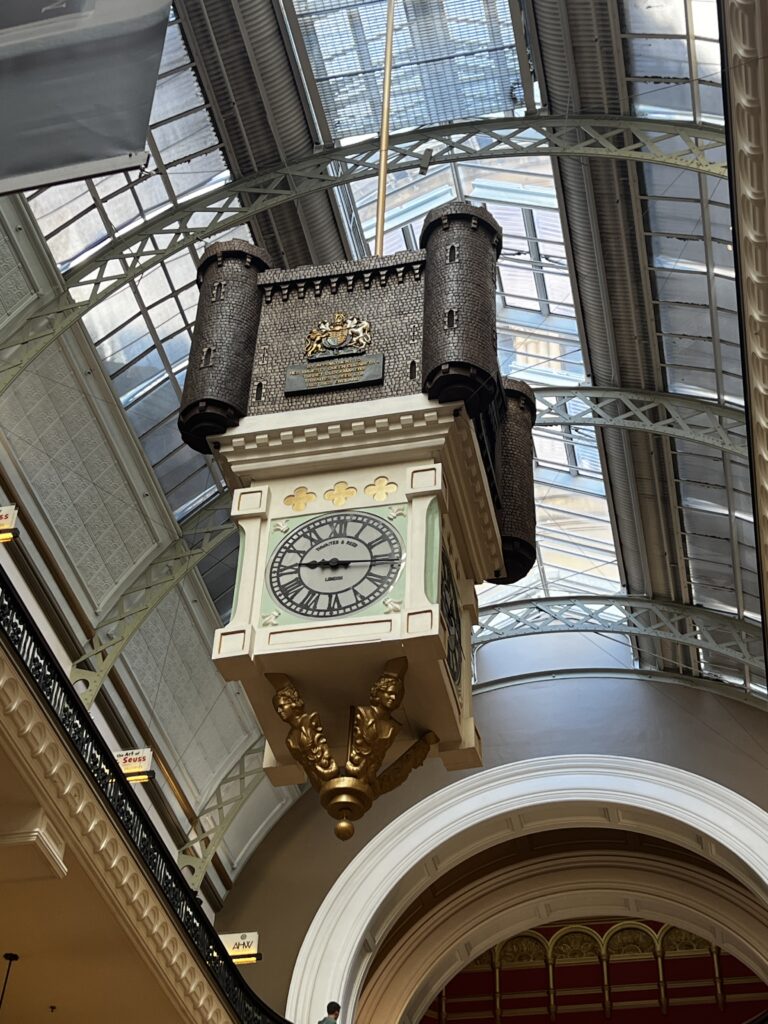
The domes were quite beautiful
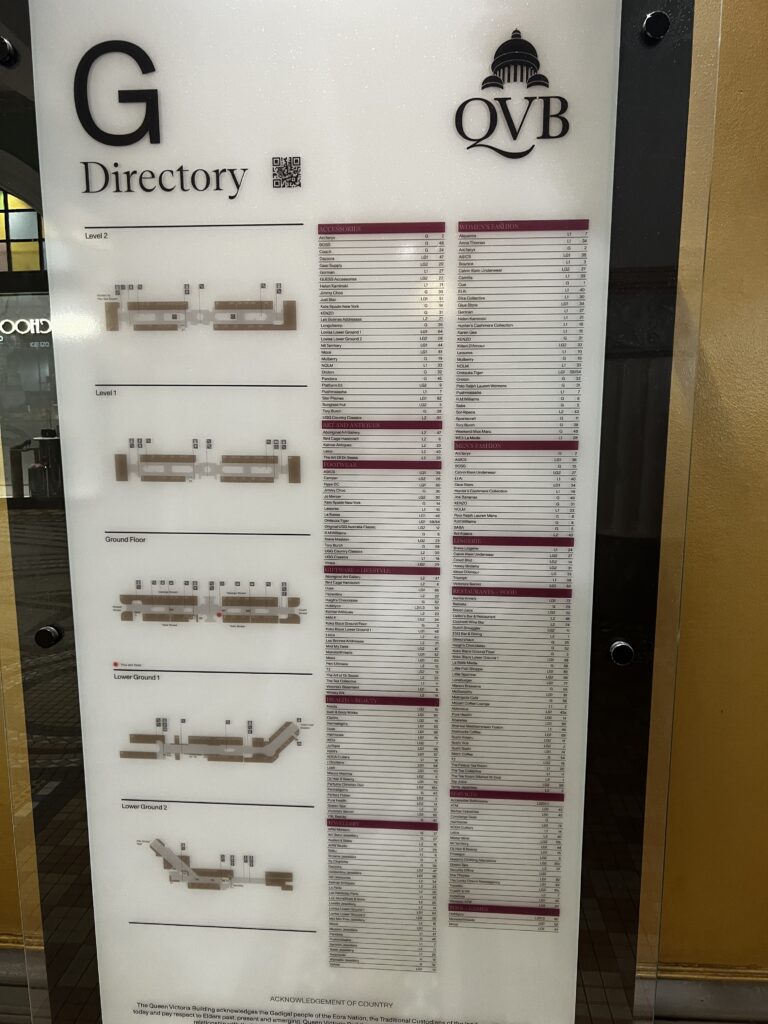
Look at all these stores!!!
A WHOLE city block for this shopping mall. Thank God we had other places to see because I could not even sit outside waiting because public cigar smoking is not allowed
This was located outside the shopping mall. I had to try it out 🙂
St Andrew’s Cathedral is a cathedral church of the Anglican Diocese of Sydney in the Anglican Church of Australia. The cathedral is the seat of the Anglican Archbishop of Sydney and Metropolitan of New South Wales.
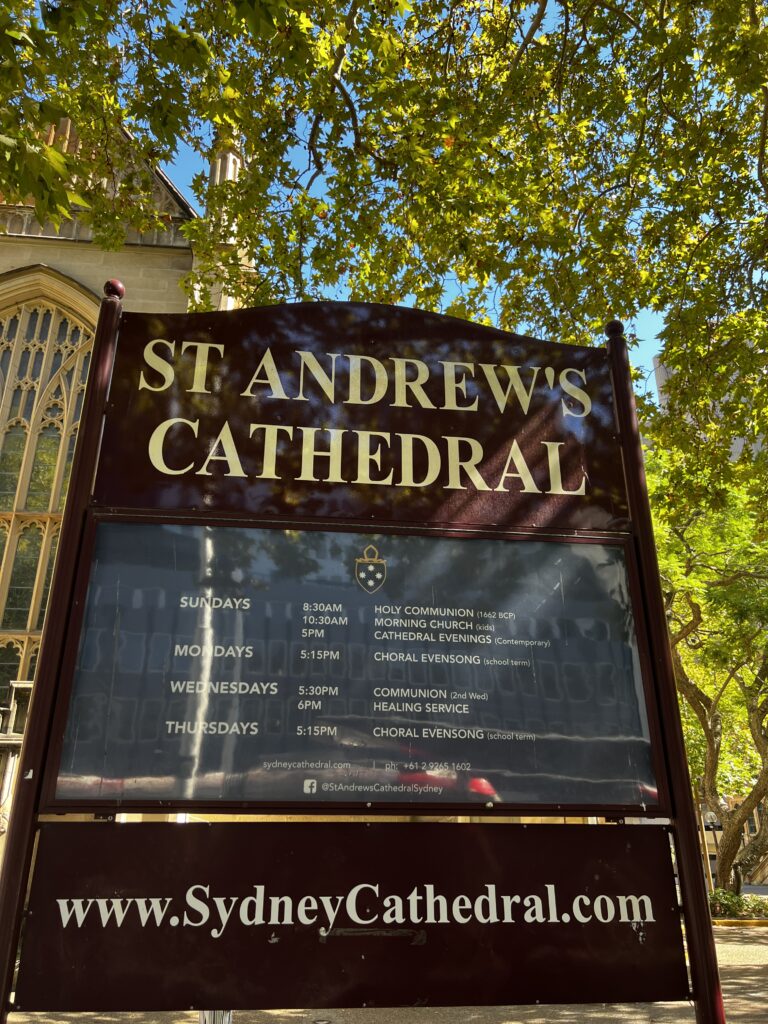
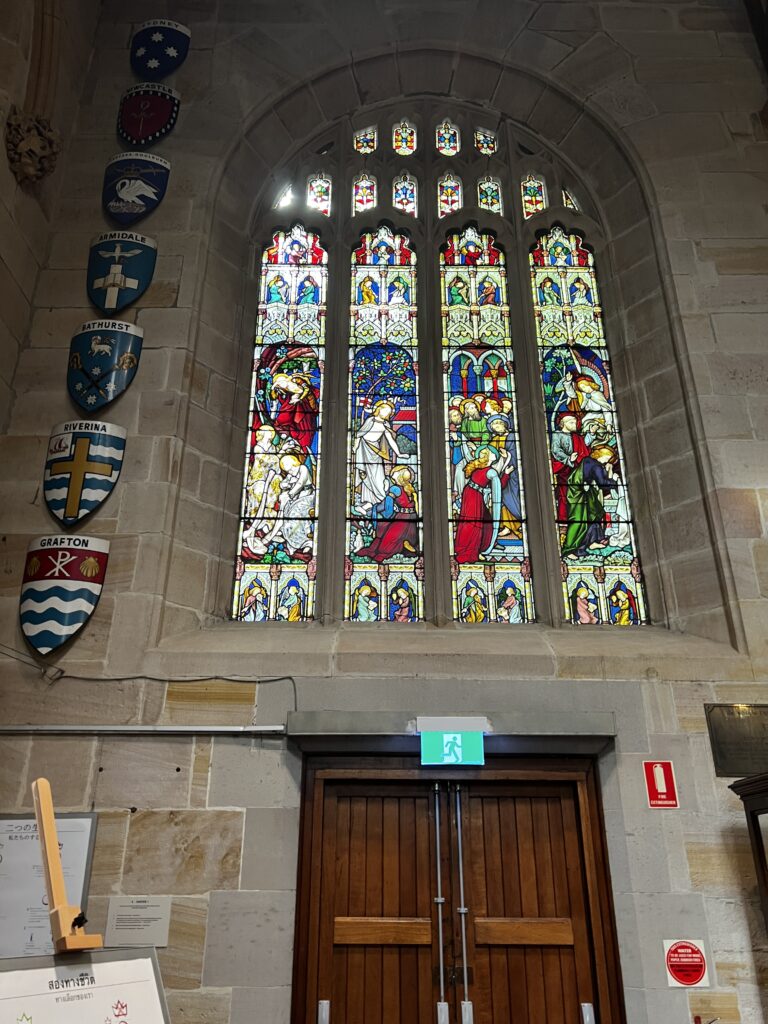
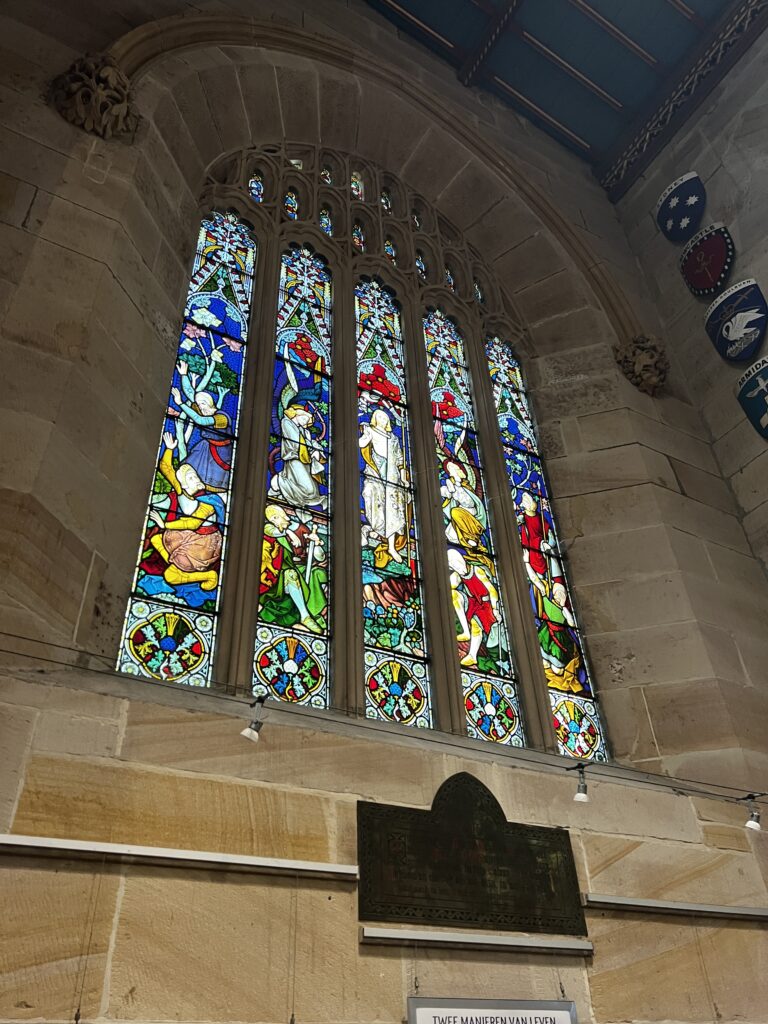
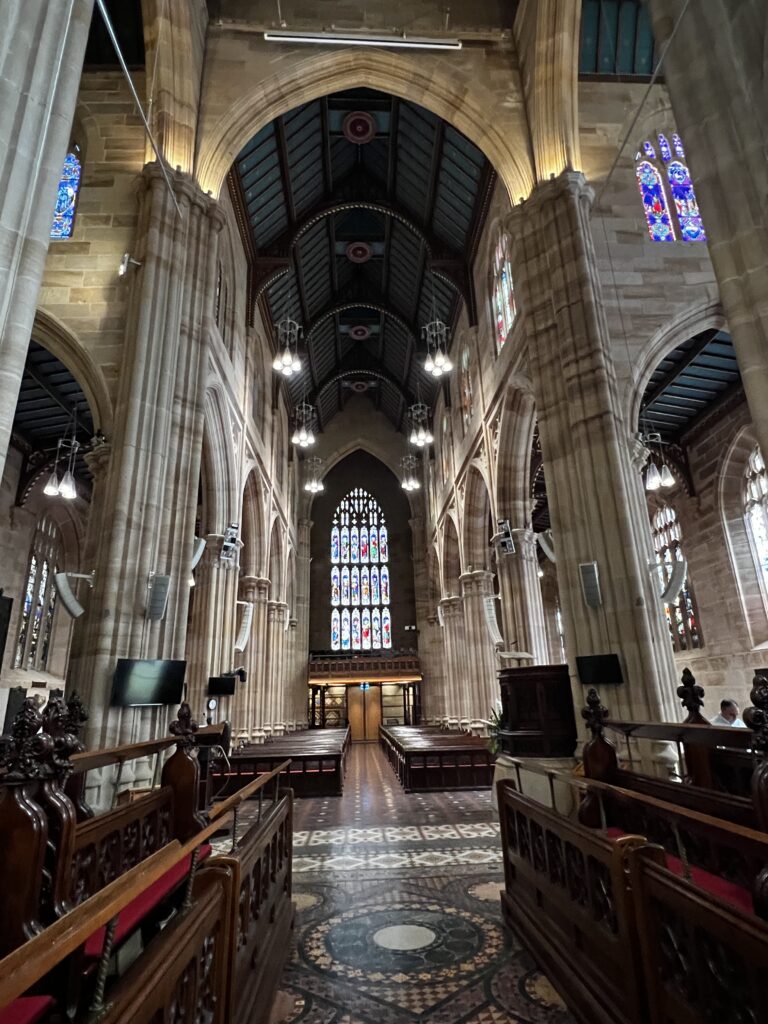
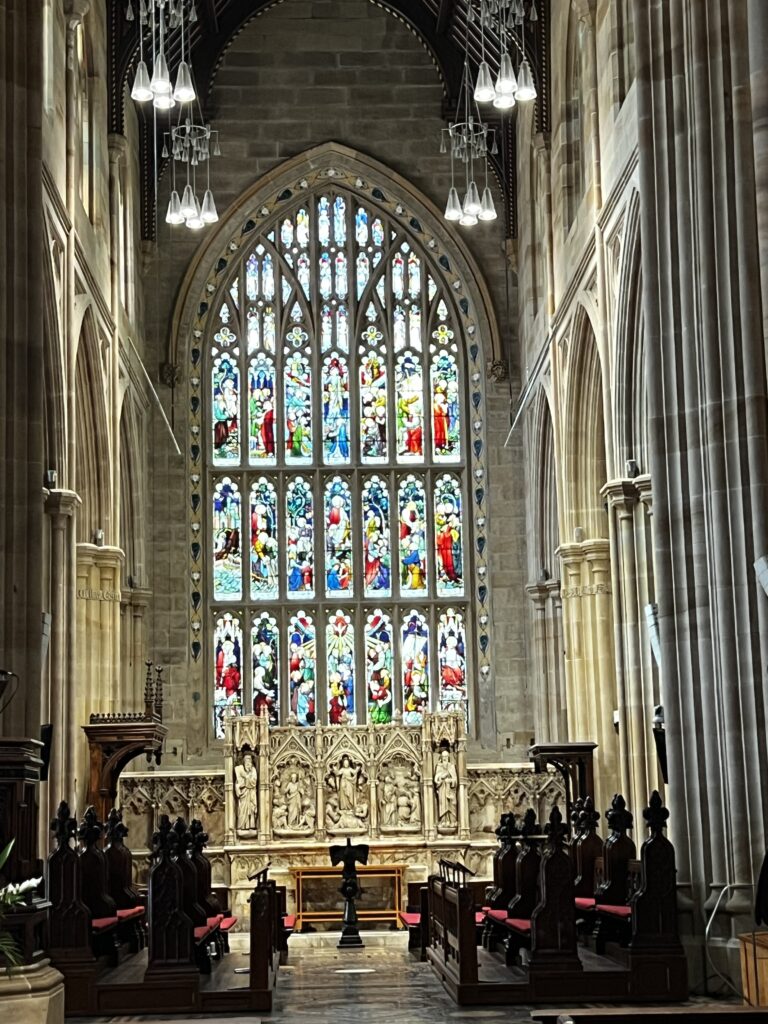
This church was amazing to visit. We could have easily spent 3-4 hours walking around gazing at the beautiful colored windows.
Below is the website for this church and it is an interesting read since the church was started in 1819.
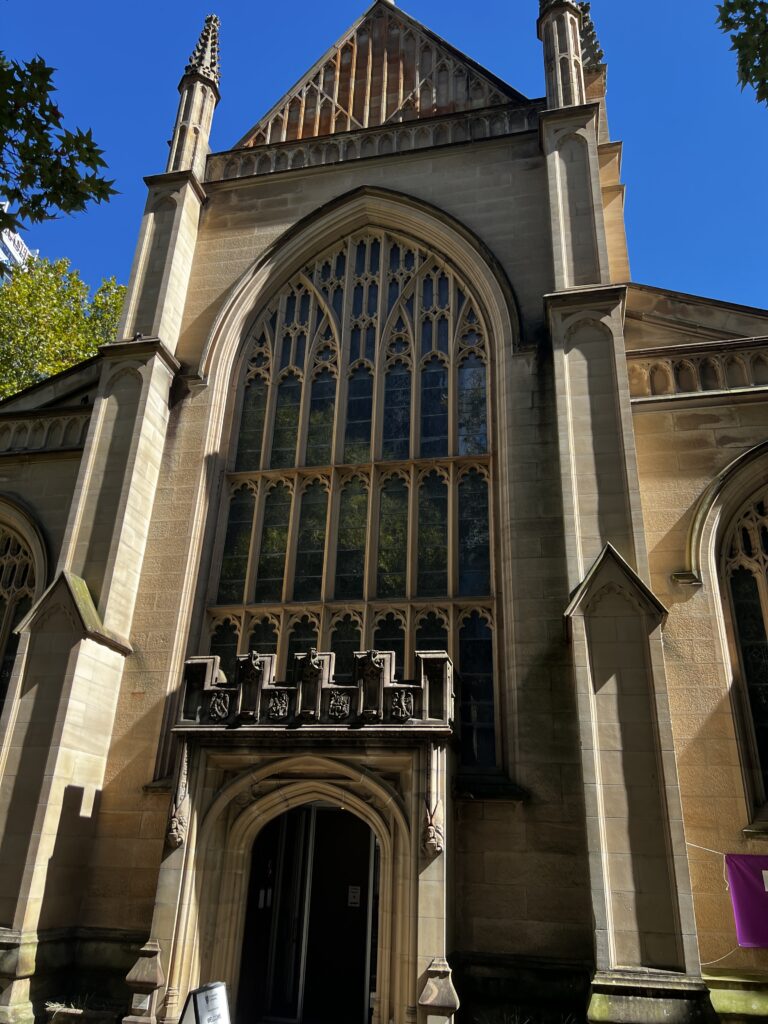
St Andrew’s Cathedral is one of the major Gothic buildings of Sydney and even though small in comparison to many cathedrals is well executed showing the hand of architect Blacket. It is a Gothic Revival cathedral in Sydney freestone of the late Colonial and Early Victorian periods. The exterior has weathered to a mellow warm brown colour which adds to the rich texture created by delicate Gothic windows, well-proportioned towers and buttressing and multiplicity of decorated pinnacles. The main roof is slate.
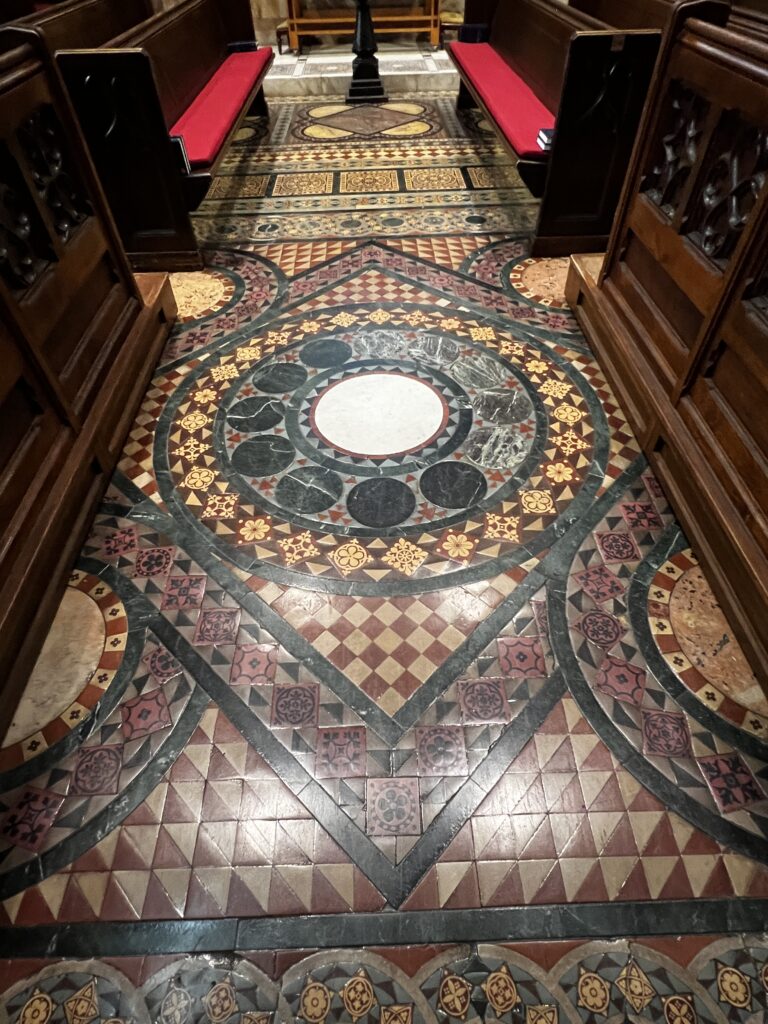
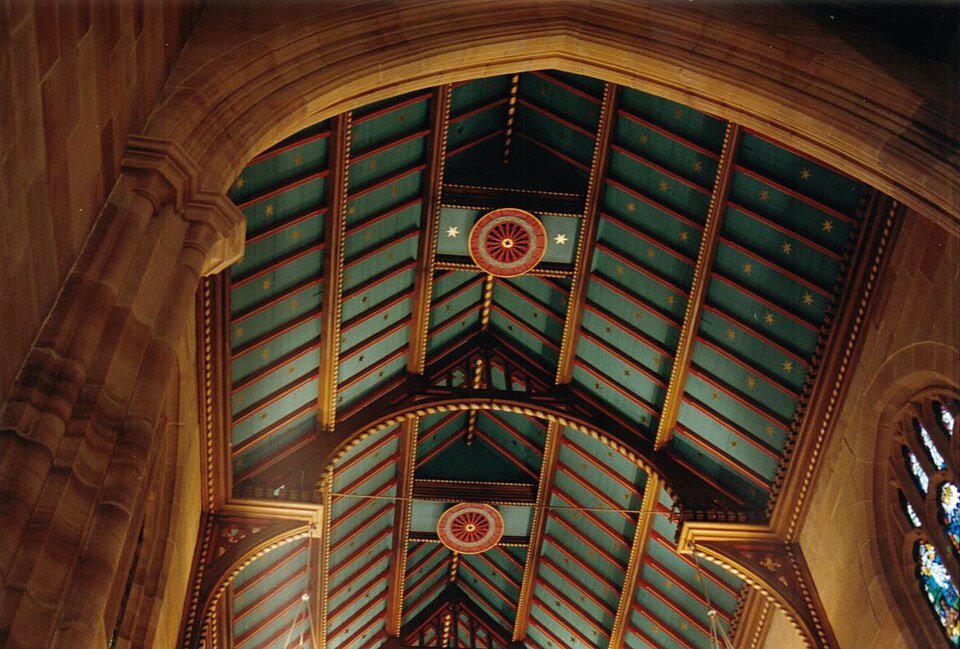
The cathedral has a largely tessellated tile floor with raised timber sections under most pews. The ceilings in the main space of the cathedral are stained and painted timber.
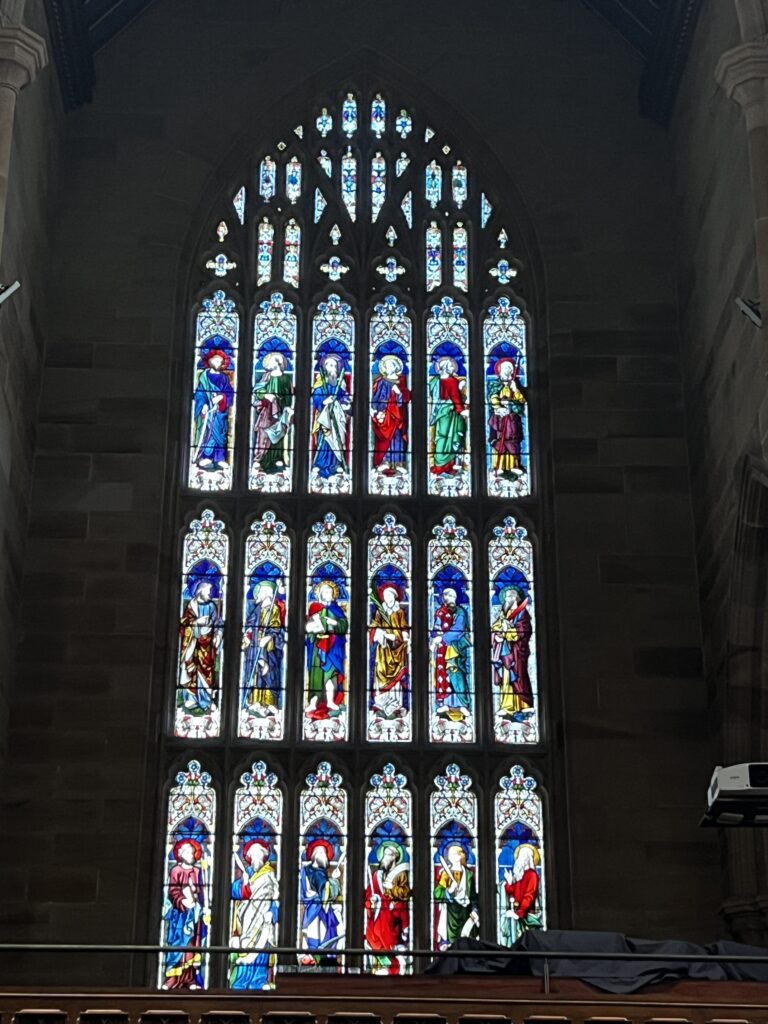
The windows fall into three classes, stained glass with their protective glazing, leaded light windows and plain windows or other miscellaneous windows. The building contains many fine stained glass windows by local stained glass artists including Ashwin and Falconer and Norman Carter.
The cathedral houses a collection of furniture, fixtures and fittings that date from the time of construction, the temporary cathedral and various significant changes. It also houses a large collection of memorials both as furnishings and fittings and in the form of plaques. The stone pulpit was a gift of merchant Robert Towns.
The lower stained-glass windows are one of the earliest complete cycles of glass by Hardman of Birmingham and demonstrate the skilful employment of primary colour, elegant design and narrational intelligence that is typical of the work of John Hardman Powell. They represent the life and the parables of Jesus.
The seven-light and four-tiered east window is a complex composition showing scenes in the life of Christ at which the Apostle Andrew was present, such as the Feeding of the Five Thousand. The west window has tiers of apostles.
This is facing the back of the church
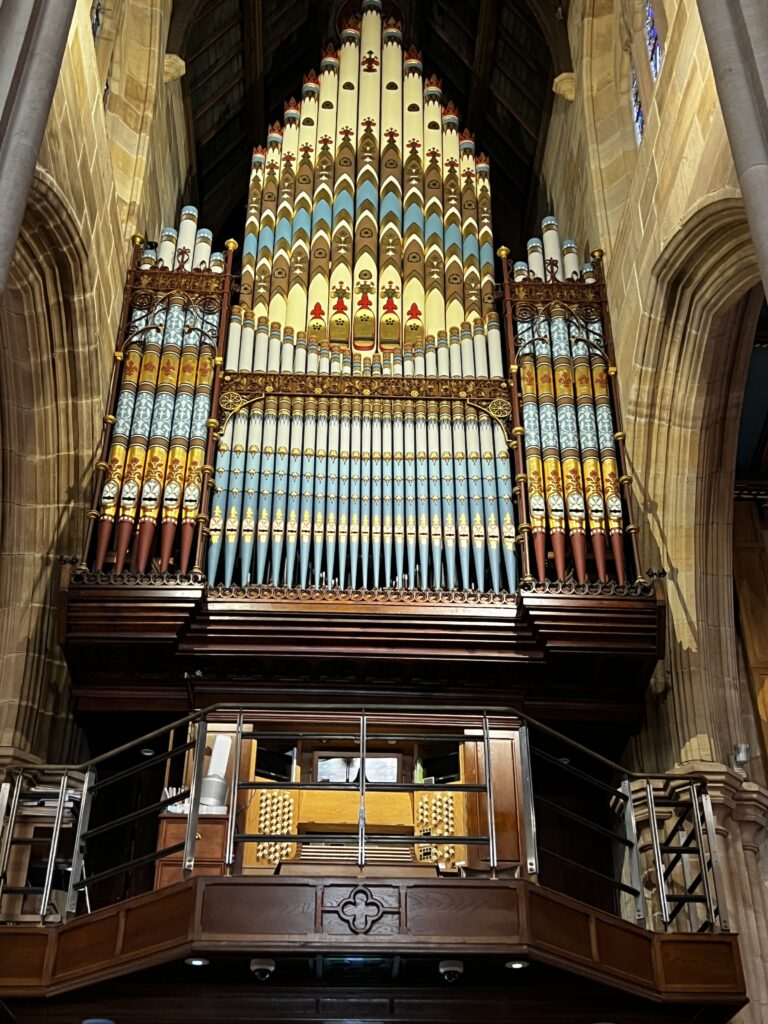
This original organ was built in 1866 with later additions and alterations. The most recent work on it was completed in 1998. The organ was restored to display the original highly colored decorations, including the unusual wrought iron framework.
There are regular Thursday afternoon recitals by Australian and international organists, commencing at 1:10 pm and usually lasting for 30 or 40 minutes. These recitals have been held for over 40 years.
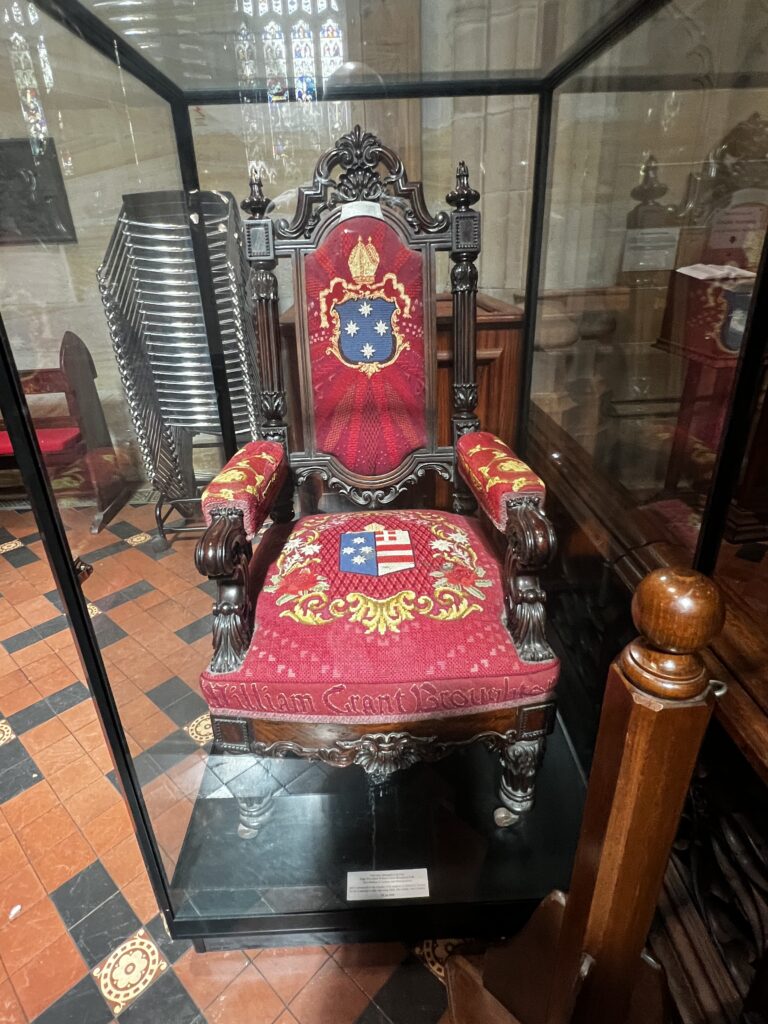
William Grant Broughton (22 May 1788 – 20 February 1853) was a British-born Anglican clergyman who served as the first and only Bishop of Australia. Broughton was born in London and began his career as a clerk at the East India Company, before graduating from Cambridge University and being ordained as a priest in 1818. He was appointed Archdeacon of the Colony of New South Wales and arrived in Australia in 1829. Upon the establishment of the Diocese of Australia in 1836, he was installed as the first Bishop of Australia. This is his original chair.
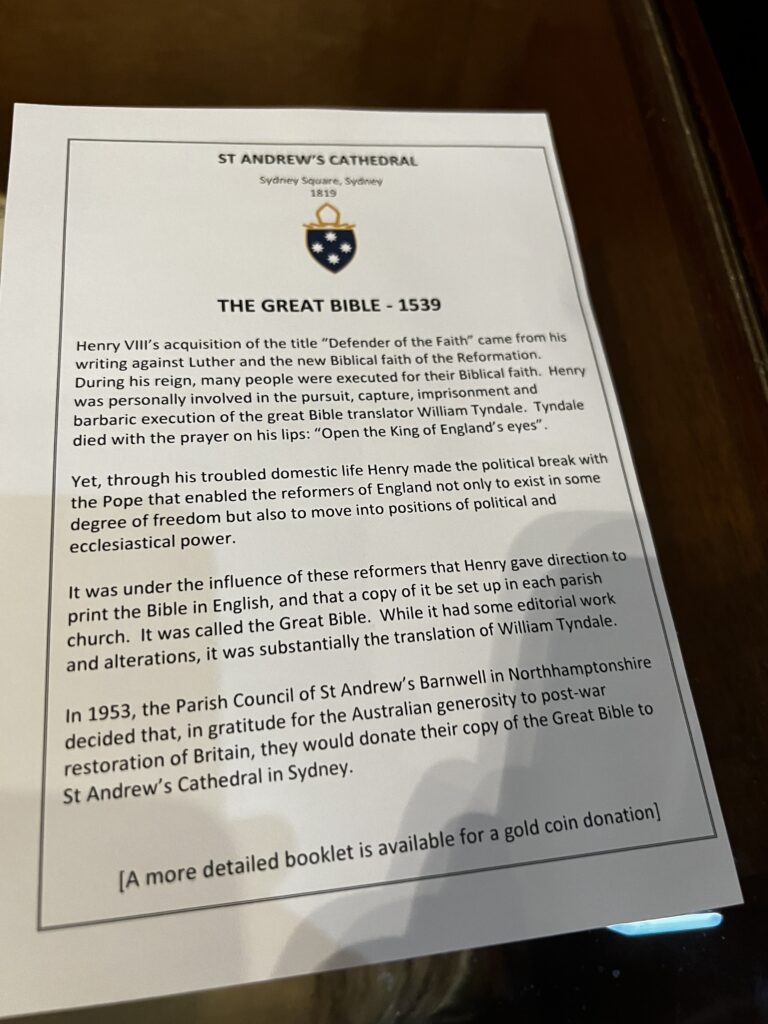
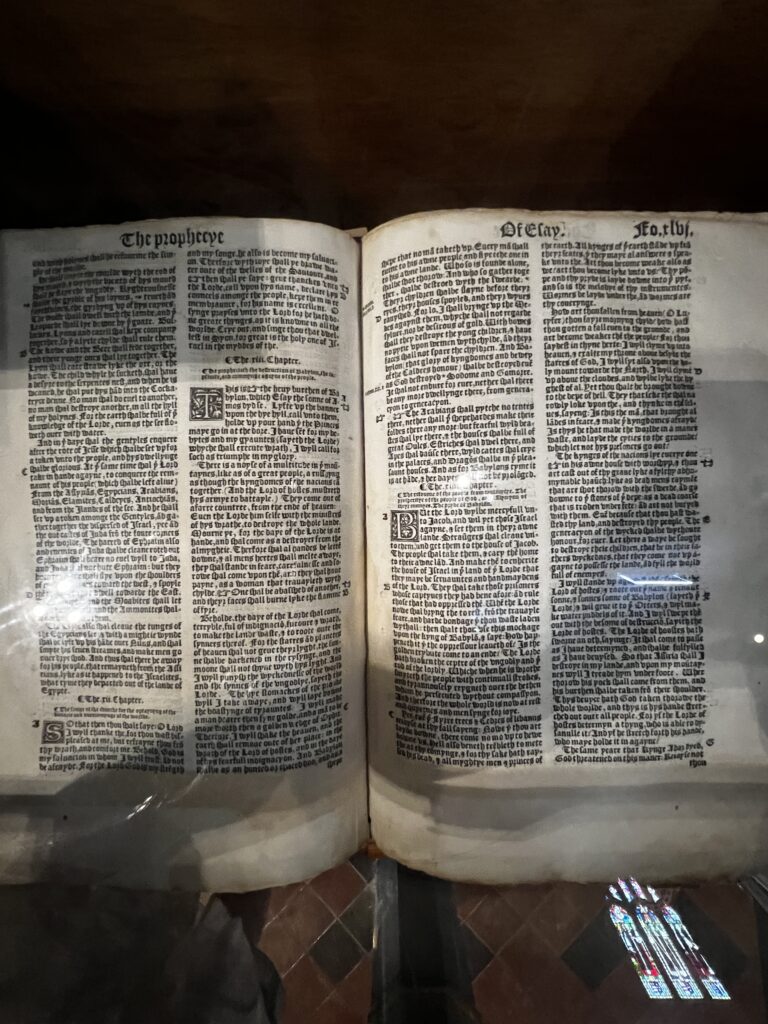
The Great Bible of 1539 was the first royally authorized edition of the Bible in English, authorized by King Henry VIII of England to be read aloud in the church services of the Church of England. It preceded the Authorized Version (AV), commonly known as the King James Version (KJV). The Great Bible was prepared by Myles Coverdale, working under commission of Thomas Cromwell, Secretary to Henry VIII and Vicar General. In 1538, Cromwell directed the clergy to provide “one book of the Bible of the largest volume in English, and the same set up in some convenient place within the said church that ye have care of, whereas your parishioners may most commodiously resort to the same and read it.”
The Great Bible includes much from the Tyndale Bible, with the objectionable features revised. As the Tyndale Bible was incomplete, Coverdale translated the remaining books of the Old Testament and apocrypha from the Latin Vulgate and German translations, rather than working from the original Greek, Hebrew and Aramaic texts. Although called the Great Bible because of its large size, it is known by several other names as well: the King’s Bible, because Henry VIII authorized and permitted it; the Cromwell Bible, since Thomas Cromwell directed its publication; Whitchurch’s Bible after its first English printer; the Chained Bible, since it was chained to prevent removal from the church. It has less accurately been termed Cranmer’s Bible, since although Thomas Cranmer was not responsible for the translation, a preface by him appeared in the second edition.
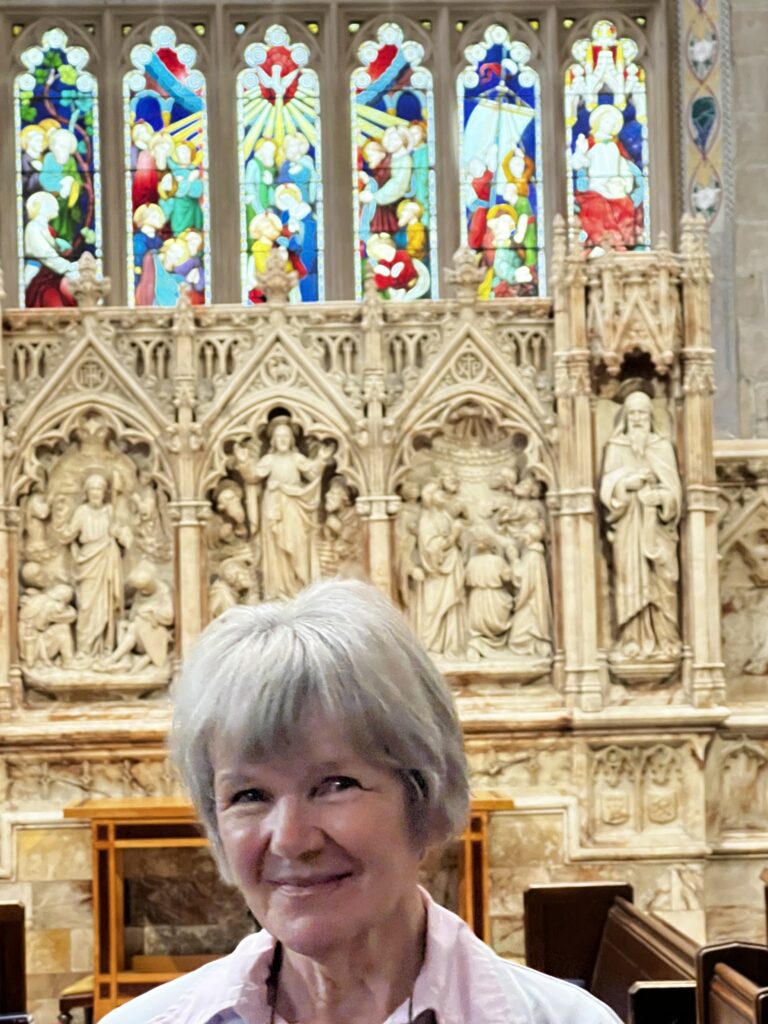
Ursula is a volunteer at the church who provided us a great deal of information. We enjoyed her company and I added her to my Faces Around the World Section. We laughed later on that if Joycelyn was with us, she would have never left this church speaking to this nice lady and saw nothing else in Sydney today.
Tile floors of the church
The church’s hammer beam ceiling. Check out the painted stars
Facing the front of the church
Video going from the back of the church down one side to the front
Video of the sculptured altar
Close up video of the sculptured altar
Spirals of the St. Andrew’s Church
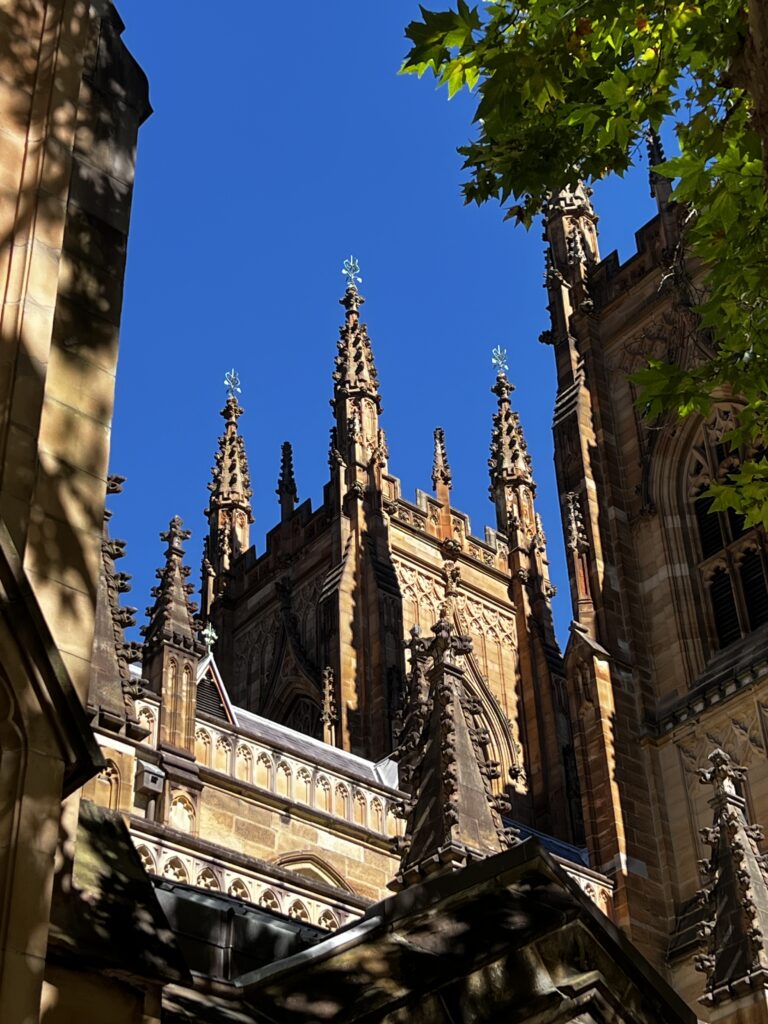
Our next stop was Hyde Park
Hyde Park, Sydney, is an urban park, of 16.2-hectare (40-acre), located in the central business district of Sydney, Australia. It is the oldest public parkland in Australia. Hyde Park is on the eastern fringe of the Sydney city centre and is approximately rectangular in shape, being squared at the southern end and rounded at the northern end. It is bordered on the west by Elizabeth Street, on the east by College Street, on the north by St James Road and Prince Albert Road and on the south by Liverpool Street.[2]
The park was designed by Norman Weekes, Sir John Sulman (1927 design resolution), Alfred Hook, W. G. Layton and I. Berzins and was built from 1810 to 1927. Historically, it has also been known as Sydney Common, Government Domain, The Common, The Exercising Ground, Cricket Ground and Racecourse. Hyde Park is owned by the City of Sydney and the Land and Property Management Authority, an agency of the Government of New South Wales. It was added to the New South Wales State Heritage Register on 13 December 2011.
It is the southernmost of a chain of parkland that extends north to the shore of Sydney Harbour via The Domain and Royal Botanic Garden. Around the park’s boundaries lie various buildings housing the Supreme Court of New South Wales, St James Church, Hyde Park Barracks and Sydney Hospital to the north, St Mary’s Cathedral, the Australian Museum and Sydney Grammar School to the east, the Downing Centre to the south, the David Jones flagship store and the CBD to the west. It is divided in two by the east–west running Park Street.
Hyde Park contains well-kept gardens and approximately 580 trees: a mixture of figs, conifers, palms, and other varieties. It is famed for its magnificent fig tree lined avenues. Sandringham Gardens sit on the eastern side of the park, close to the intersection of Park Street and College Street.
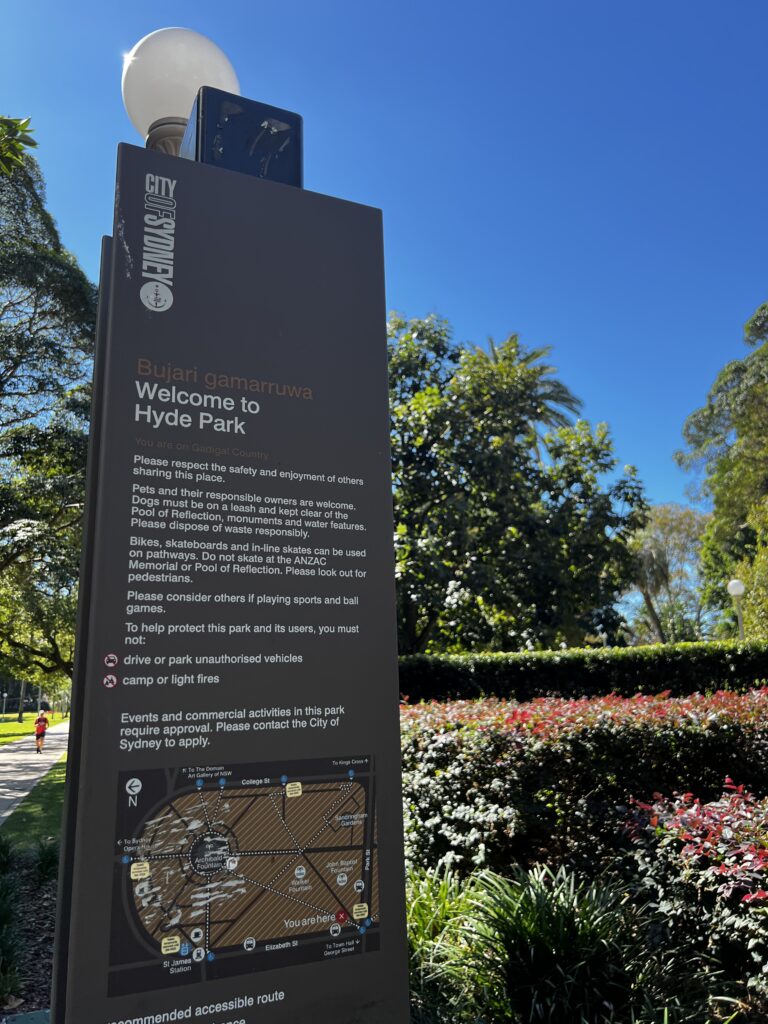
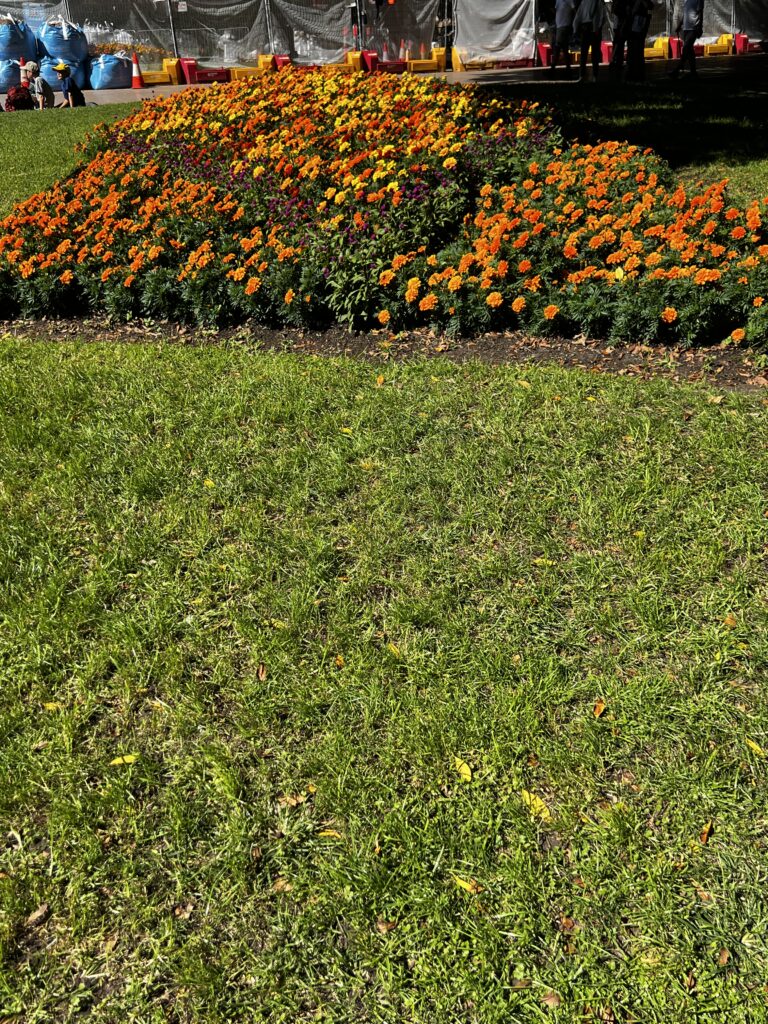
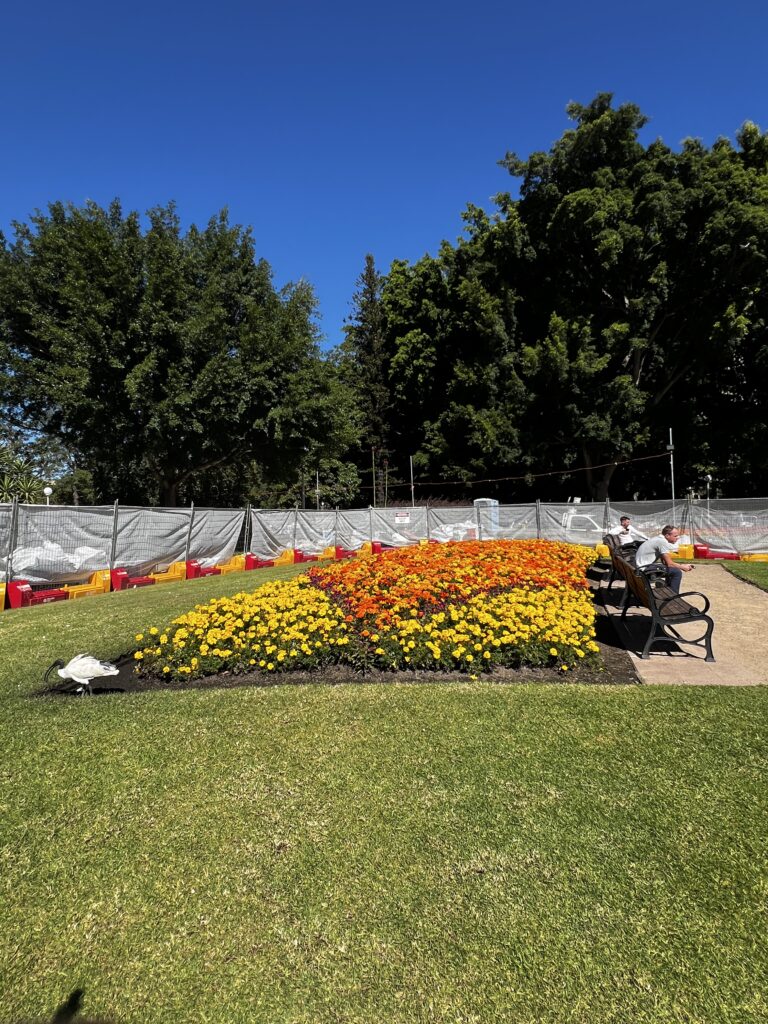
In the background is St. Mary’s Cathedral which was our next stop
A quick 360 video of Hyde Park
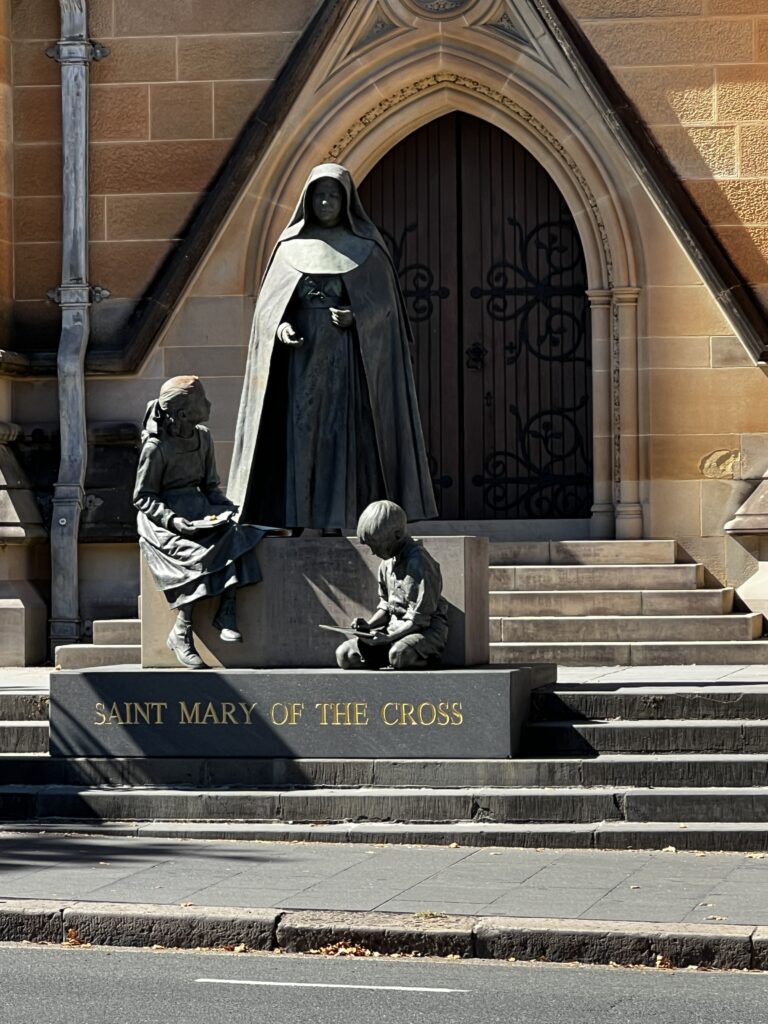
The Cathedral Church and Minor Basilica of the Immaculate Mother of God, Help of Christians, Patroness of Australia, locally known as Saint Mary’s Cathedral, is a Catholic basilica and the seat of the Archdiocese of Sydney. The cathedral is dedicated to the Blessed Virgin Mary under the venerated title of “Our Lady, Help of Christians” and Patroness of Australia.
Pope Pius XI raised the shrine to the status of Minor Basilica via the Pontifical decree Inter Potiores Sacras on 4 August 1932. Pope Benedict XVI made an Apostolic Visit to the shrine in 19 July 2008.
Click this link and you can get a full video of the cathedral which was unbelievable to visit.
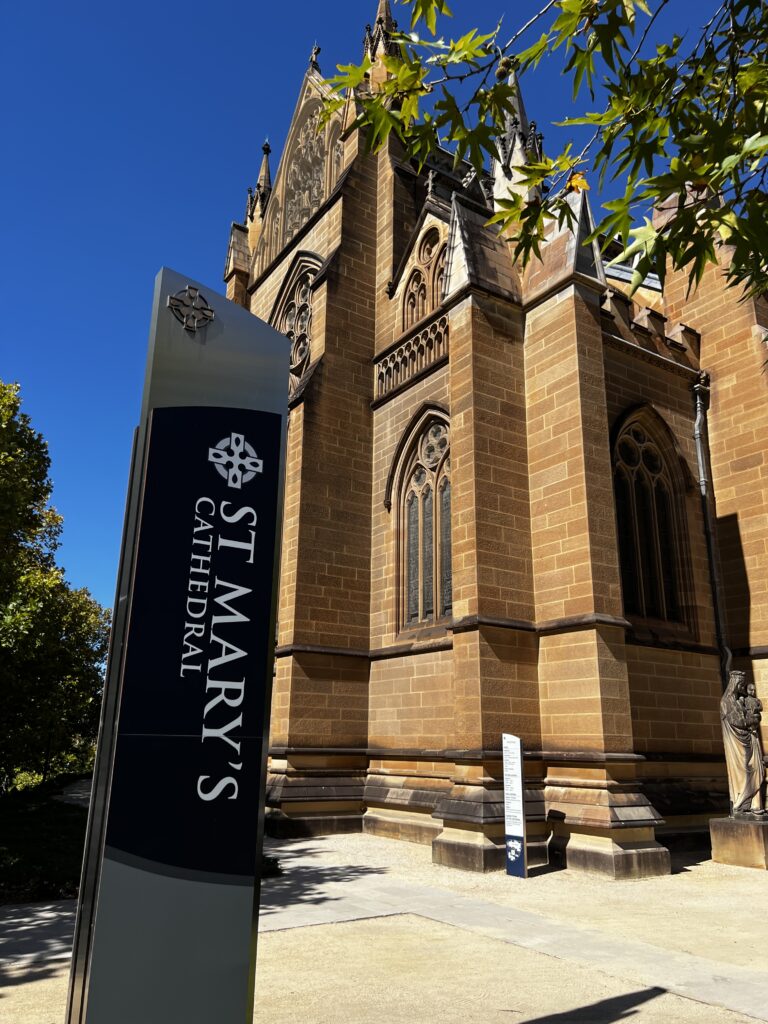
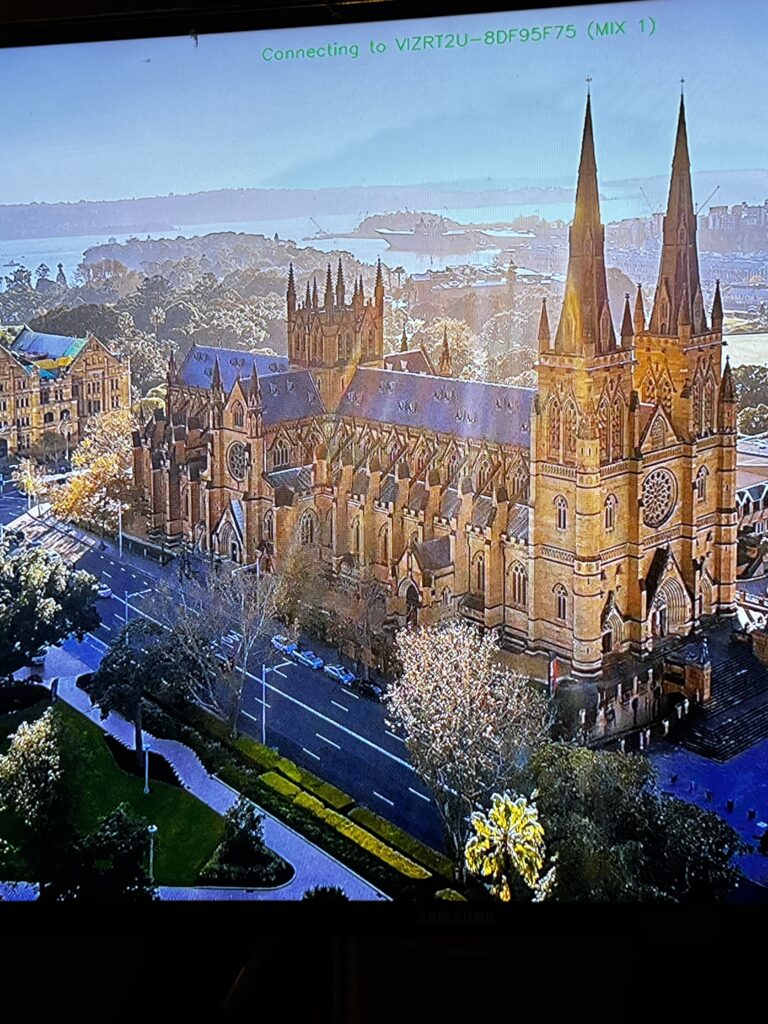
The lateral view of the building from Hyde Park is marked by the regular progression of Gothic windows with pointed arches and simple tracery. The upper roofline is finished with a pierced parapet, broken by decorative gables above the clerestorey windows, above which rises a steeply pitched slate roof with many small dormers in the French manner. The height of the roof is consistent along the full length of the cathedral and reaches 30.3 metres (99 ft) above the nave and choir. The roofline of the aisles is decorated with carved bosses between the sturdy buttresses which support flying buttresses to the clerestorey.
Facing Hyde Park, the transept provides the usual mode of public entrance, as is common in many French cathedrals, and has richly decorated doors which, unlike those of the main front, have had their carved details completed and demonstrate the skills of local craftsmen in both designing and carving in the Gothic style. Included in the foliate bosses are Australian native plants such as the waratah, floral emblem of New South Wales.
St Mary’s Cathedral is generally approached on foot from the city through Hyde Park, where the transept front and central tower rise up behind the Archibald Fountain. During the 20th century the gardeners of Hyde Park have further enhanced the vista by laying out a garden on the cathedral side of the park in which the plantings have often taken the form of a cross.
Despite the many English features of the architecture including its interior and chancel termination, the entrance façade is not English at all. It is a design loosely based on the most famous of all Gothic west fronts, that of Notre Dame de Paris with its balance of vertical and horizontal features, its three huge portals and its central rose window. There are two more large rose windows, one in each of the transepts. The French façade was, however, intended to have twin stone spires like those of Lichfield Cathedral, but they were not to be put in place until 132 years after the building was commenced.
The crossing tower, which holds the bells, is quite stocky but its silhouette is made elegant by the provision of tall crocketted pinnacles reaching 46 metres (151 ft) above the floor of the cathedral.[18] The completed spires of the main front enhance the view of the cathedral along College Street and particularly the ceremonial approach from the flight of stairs in front of the cathedral. Standing at 74.6 metres (245 ft), they make St Mary’s the fourth tallest church in Australia, after the triple-spired St Patrick’s Cathedral, Melbourne, St Paul’s Cathedral, Melbourne and Sacred Heart Cathedral, Bendigo.
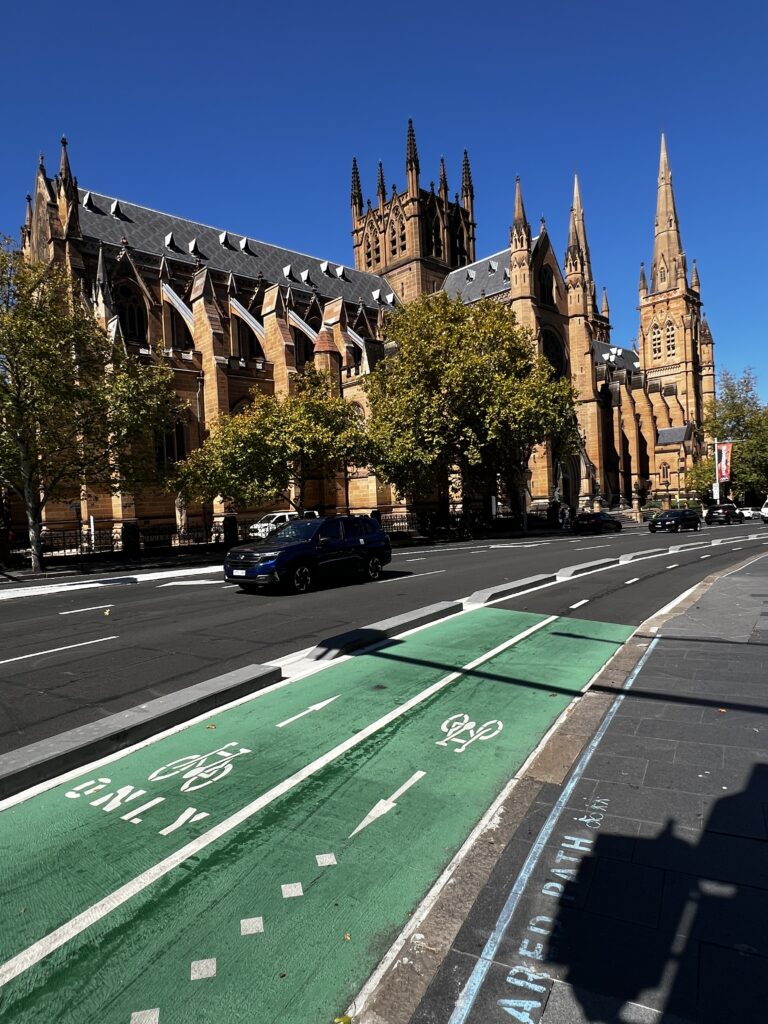
St Mary’s Cathedral is unusual among large cathedrals in that, because of its size, the plan of the city around it and the fall of the land, it is oriented in a north–south direction rather than the usual east–west. The liturgical East End is at the north and the West Front is to the south.
The plan of the cathedral is a conventional English cathedral plan, cruciform in shape, with a tower over the crossing of the nave and transepts and twin towers at the West Front (in this case, the south). The chancel is square-ended, like the chancels of Lincoln, York and several other English cathedrals. There are three processional doors in the south with additional entrances conveniently placed in the transept facades so that they lead from Hyde Park and from the presbytery buildings and school adjacent the cathedral.
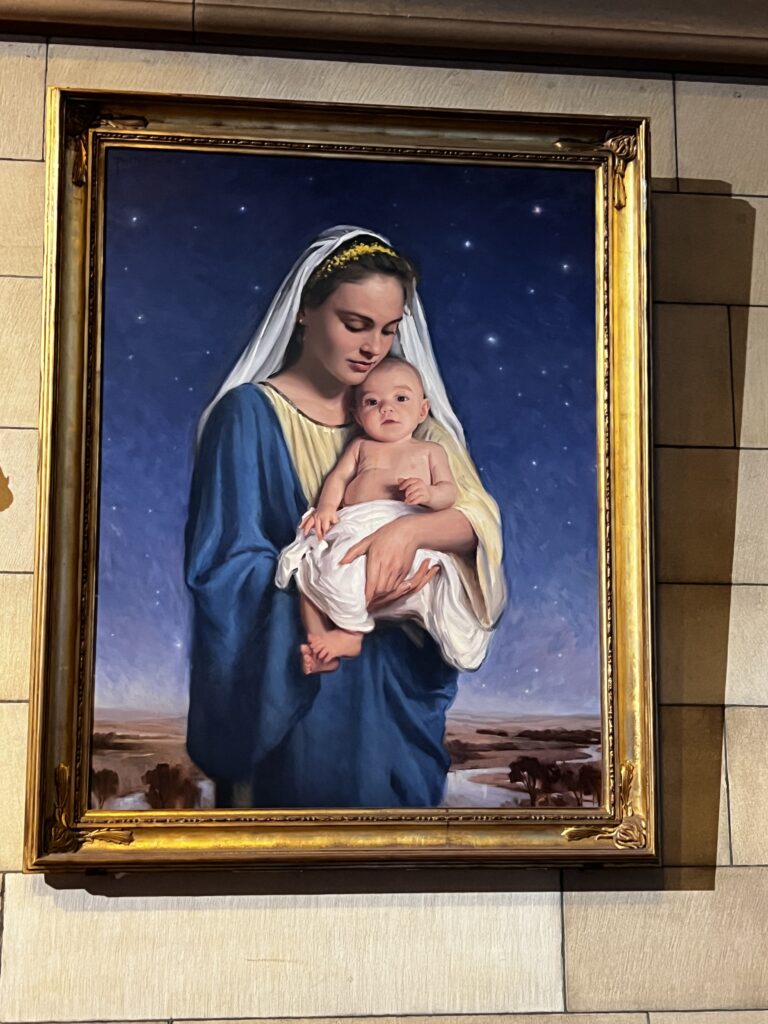
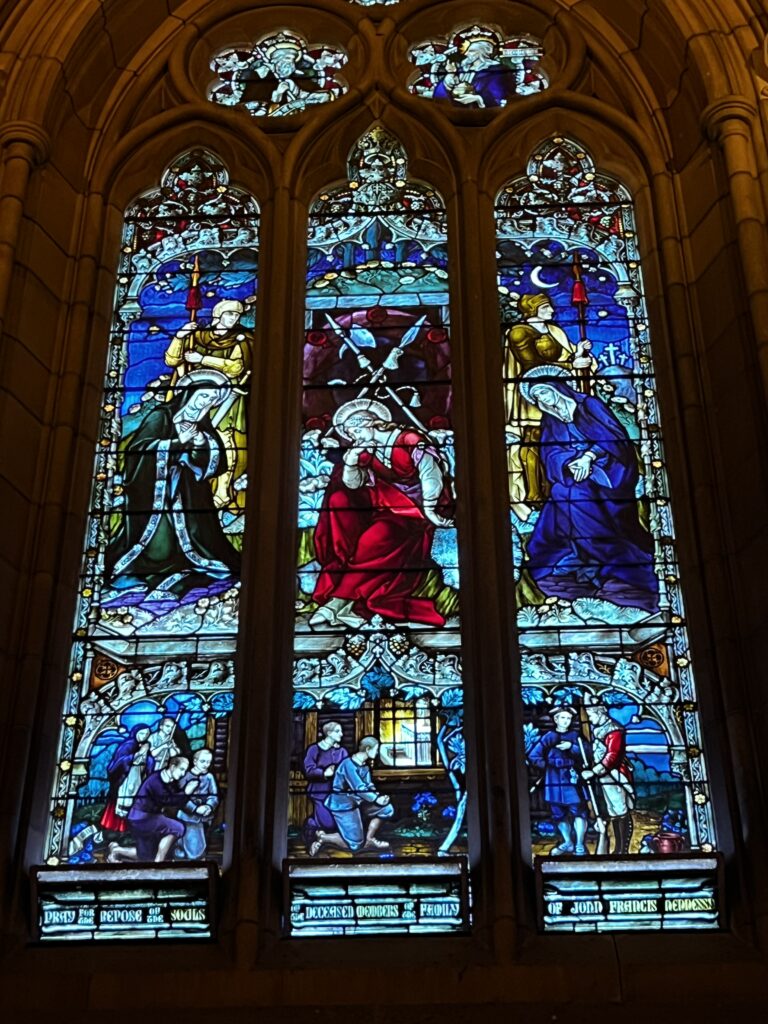
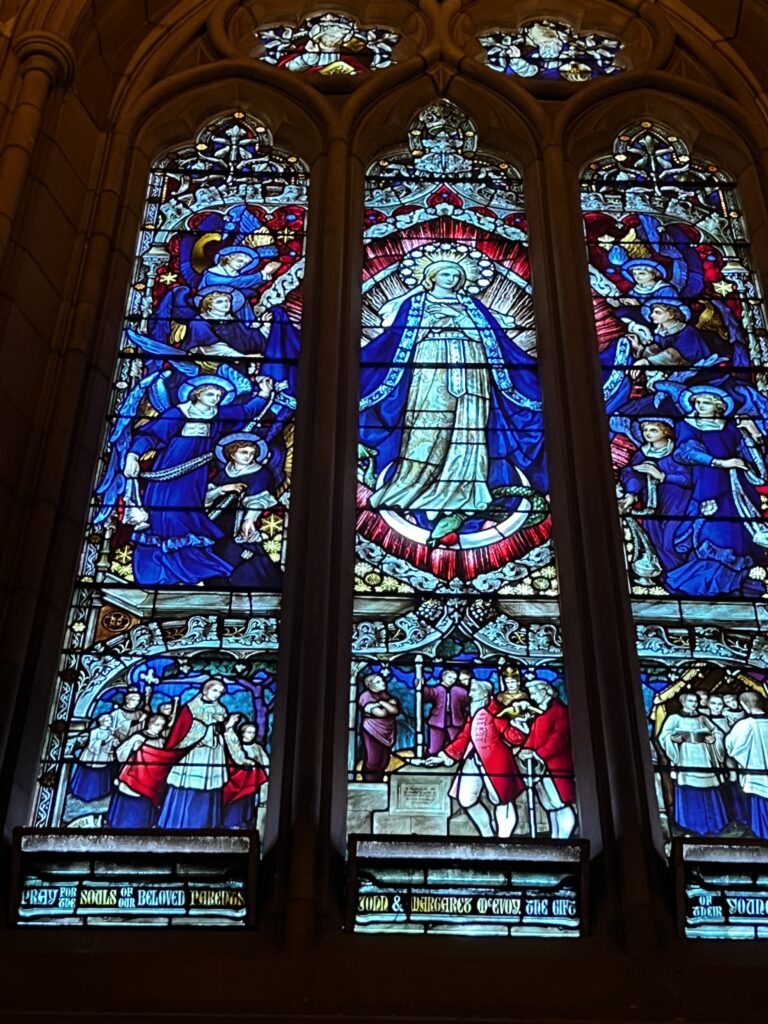
The cathedral’s stained glass is all the work of Hardman & Co. and covers a period of about 50 years.
There are about 40 pictorial windows representing several themes and culminating in the chancel window showing the Fall of Man and Mary, crowned and enthroned beside Jesus as he sits in judgement, pleading Jesus’ mercy upon Christians.
Other windows include the mysteries of the rosary, the birth and childhood of Jesus and lives of the saints. Stylistically, the windows move from the Gothic Revival of the 19th century to a more painterly and lavish style of the early 20th century.
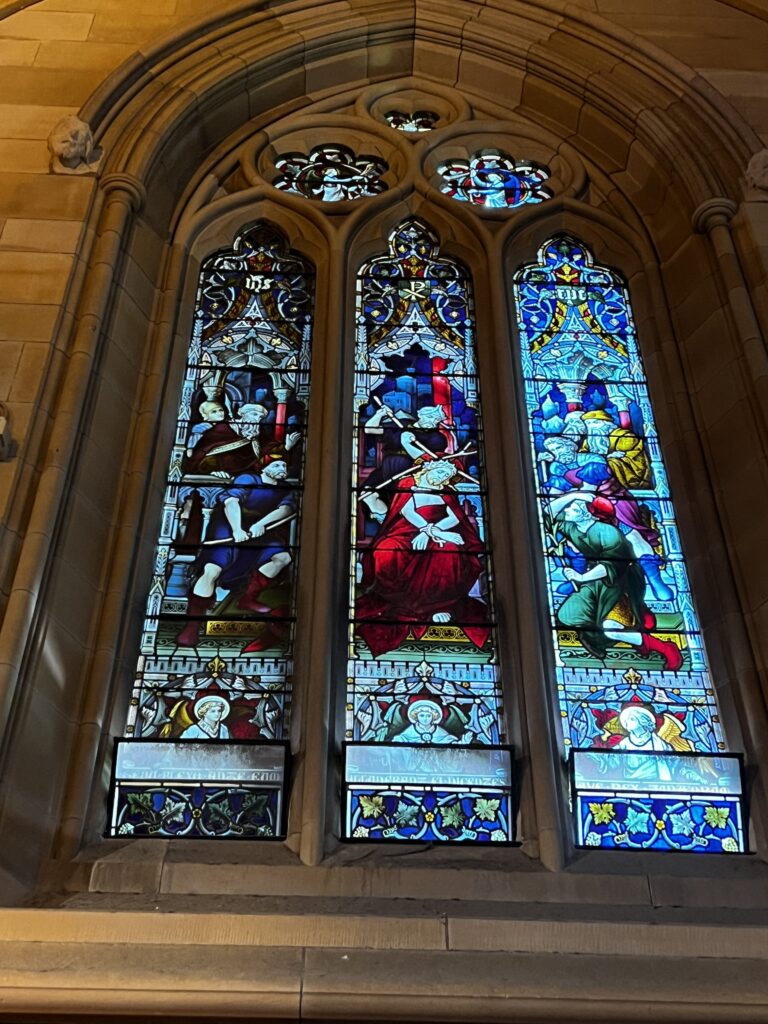
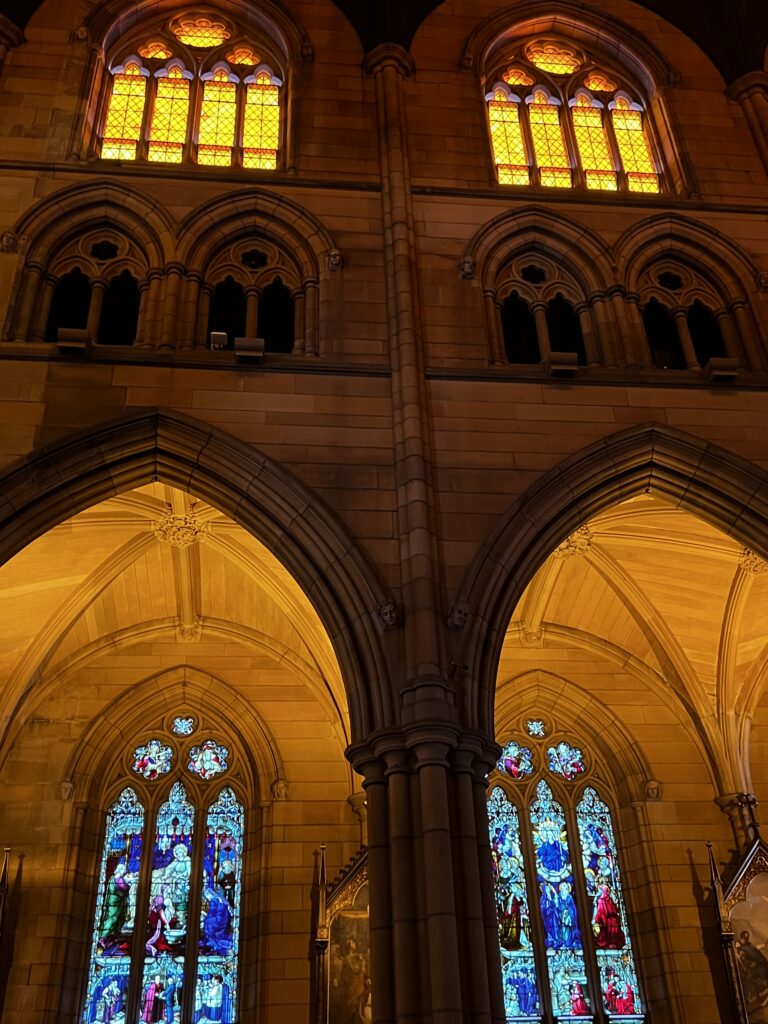
Because of the brightness of Australian sunlight, it was decided at the time of construction to glaze the clerestory with yellow glass. This glazing has darkened over the years, permitting little light to enter. The yellow glazing contrasts with the predominantly blue stained glass of the lower windows. To counteract the darkness, the cathedral installed extensive lighting in the 1970s, designed to give more-or-less equal illumination to all parts of the buildings. The interior is lit with a diffuse yellow glow, which, like the upper windows, is in contrast to the effects of the natural light which penetrates through the white areas of the stained glass. The installed lighting counteracts the pattern of light and shade that would normally exist in a cathedral of the Gothic style by illuminating most brightly those parts of the structure which would normally be subdued.
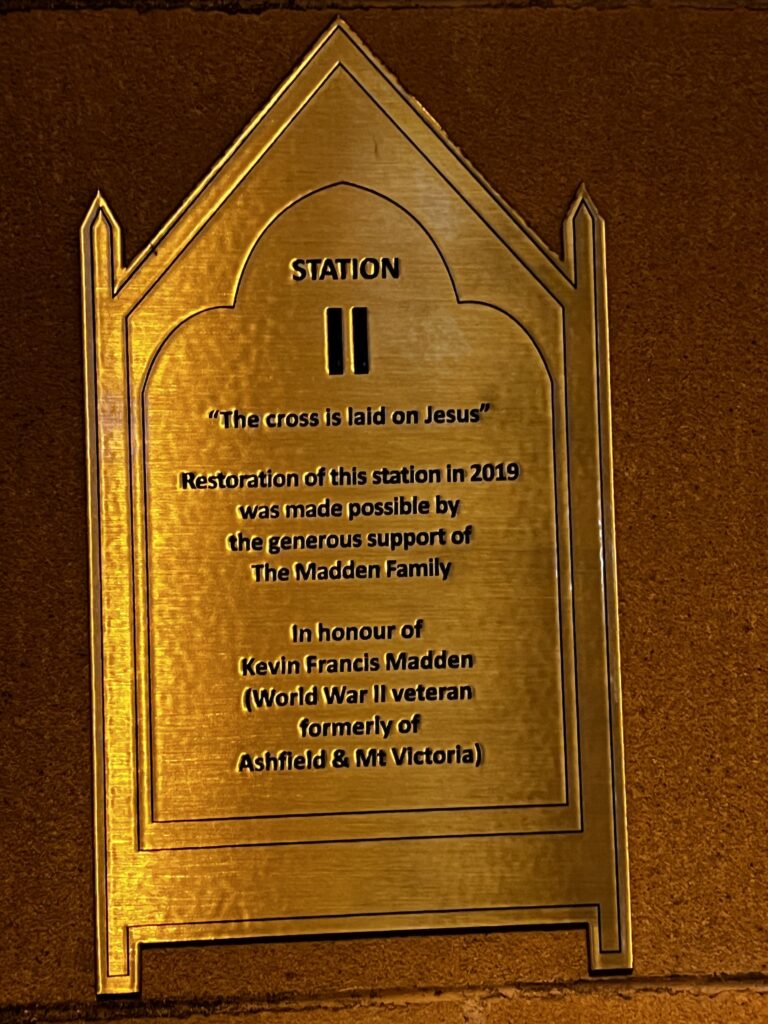
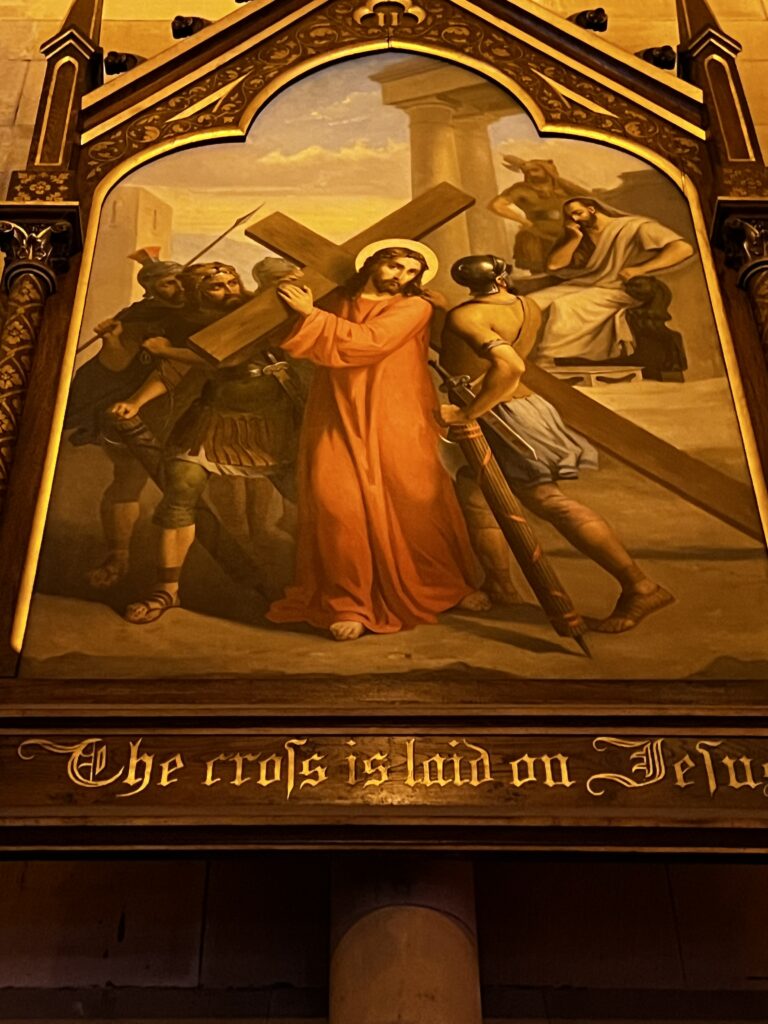
St Mary’s is full of treasures and devotional objects. Around the walls of the aisles are located the Stations of the Cross, painted in oils by L. Chovet of Paris and selected for St Mary’s by Cardinal Moran in 1885. Each station is identified by a plaque directly beneath painting.
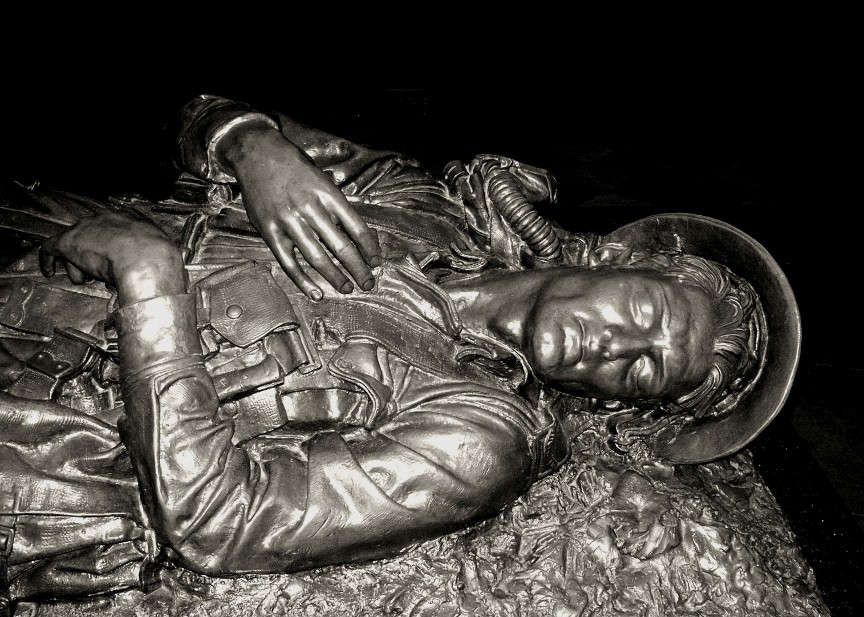
Located previously in the crypt, where it was touched in the evening by the setting sun, was the Grave of the Unknown Soldier, a realistic depiction of a dead soldier sculpted by George Washington Lambert. Although previously visible to the public from above, the tomb has now been moved into the aisle of the cathedral, to give the public greater access to it.
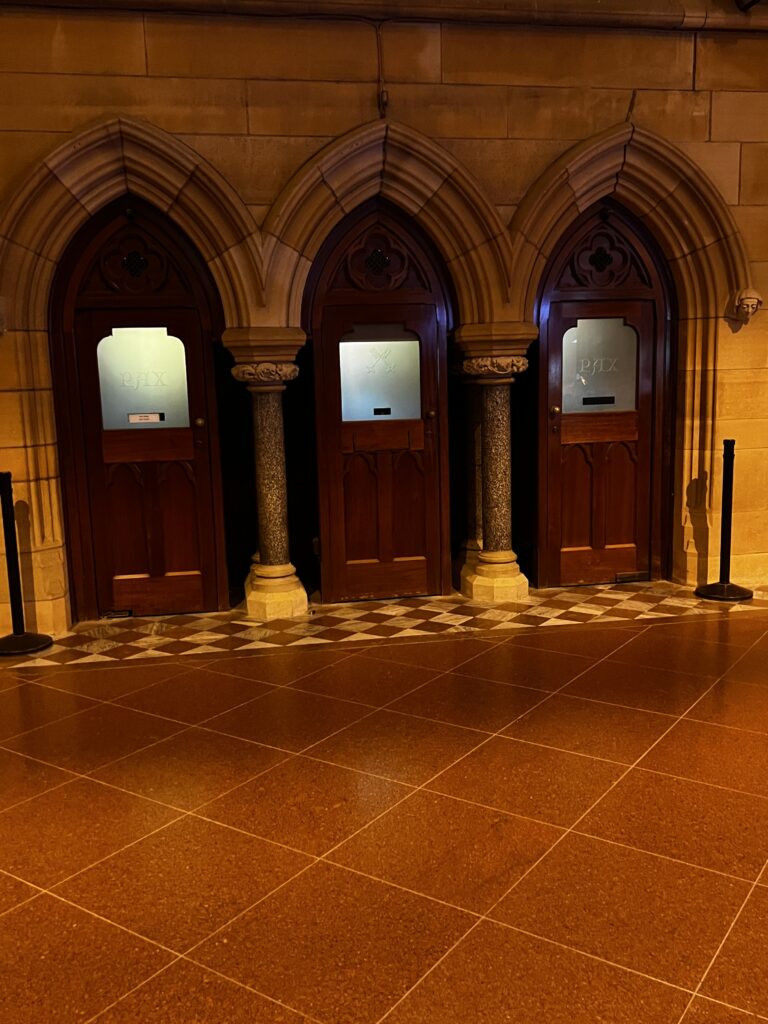
Confessionals
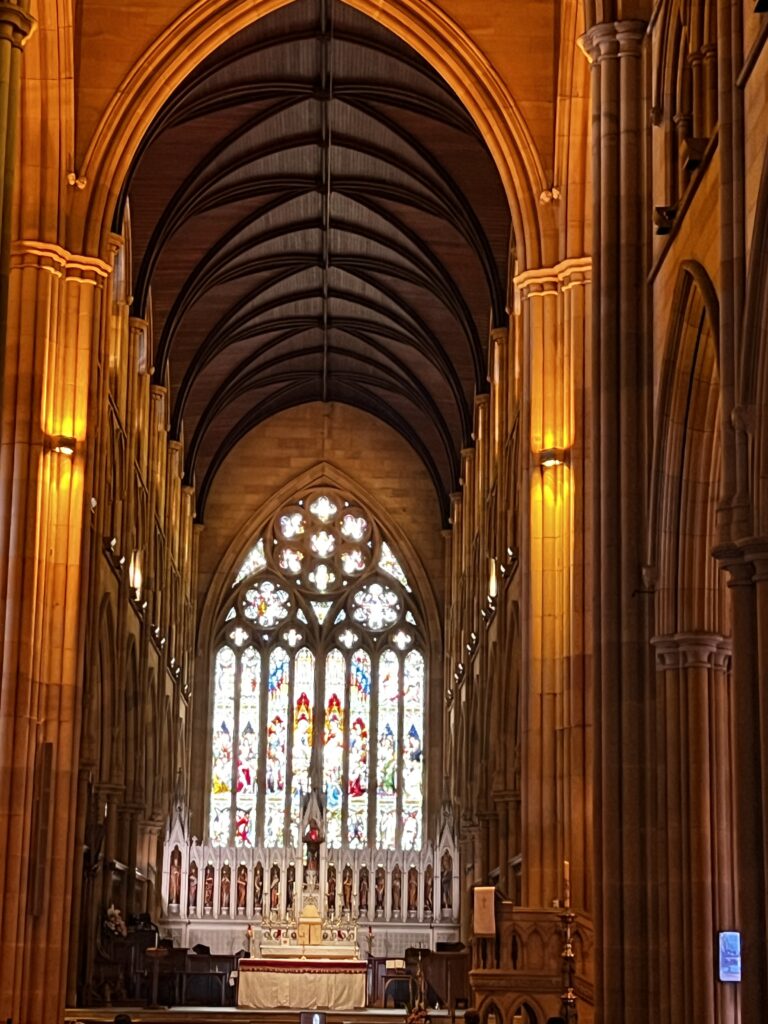
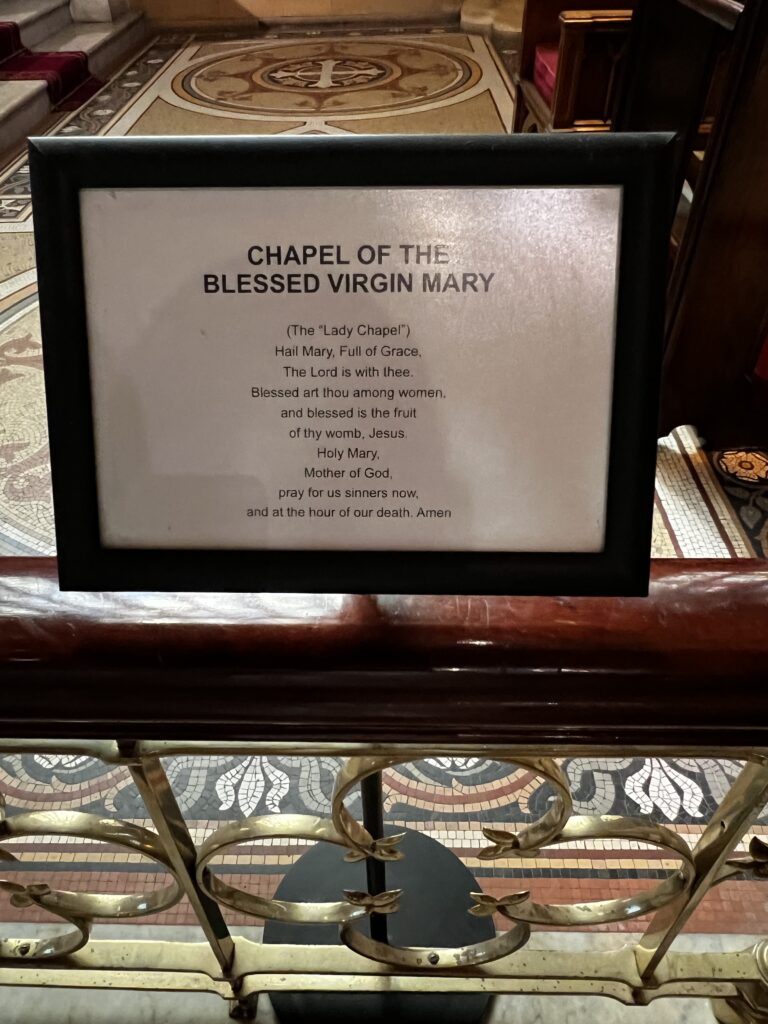
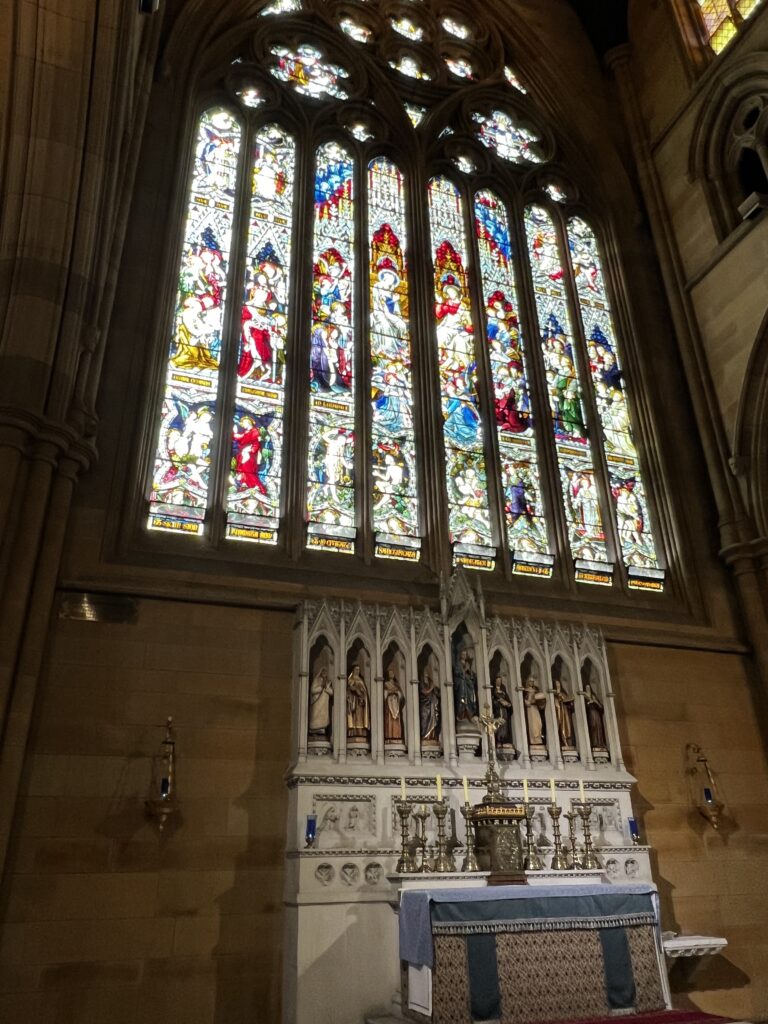
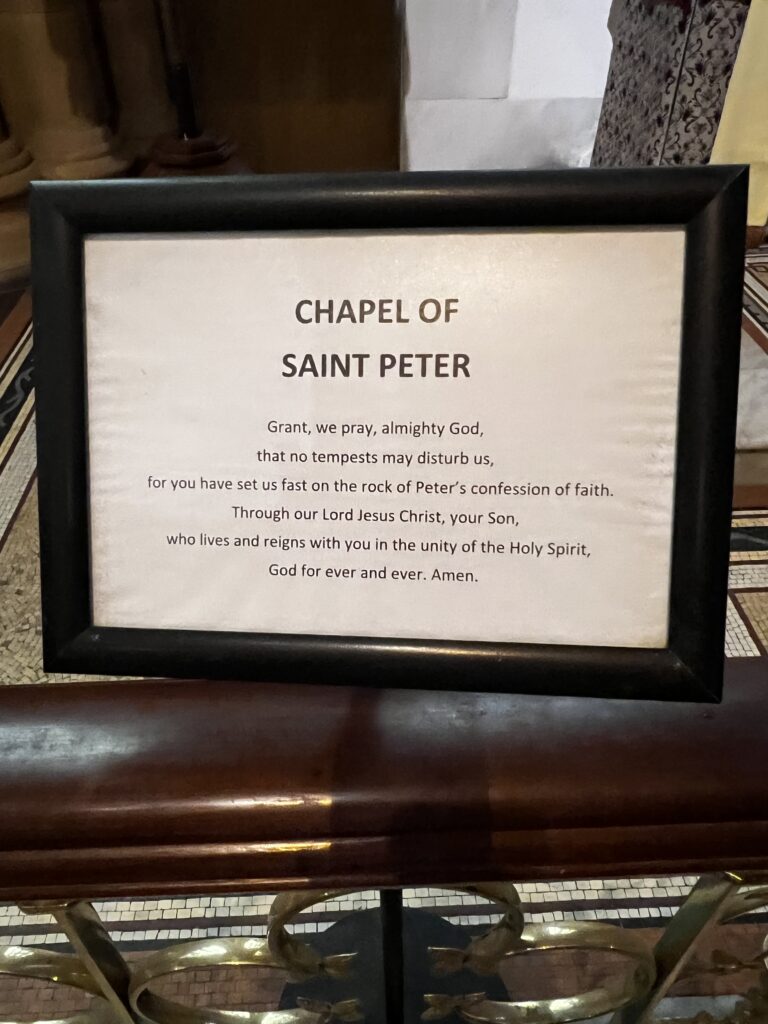
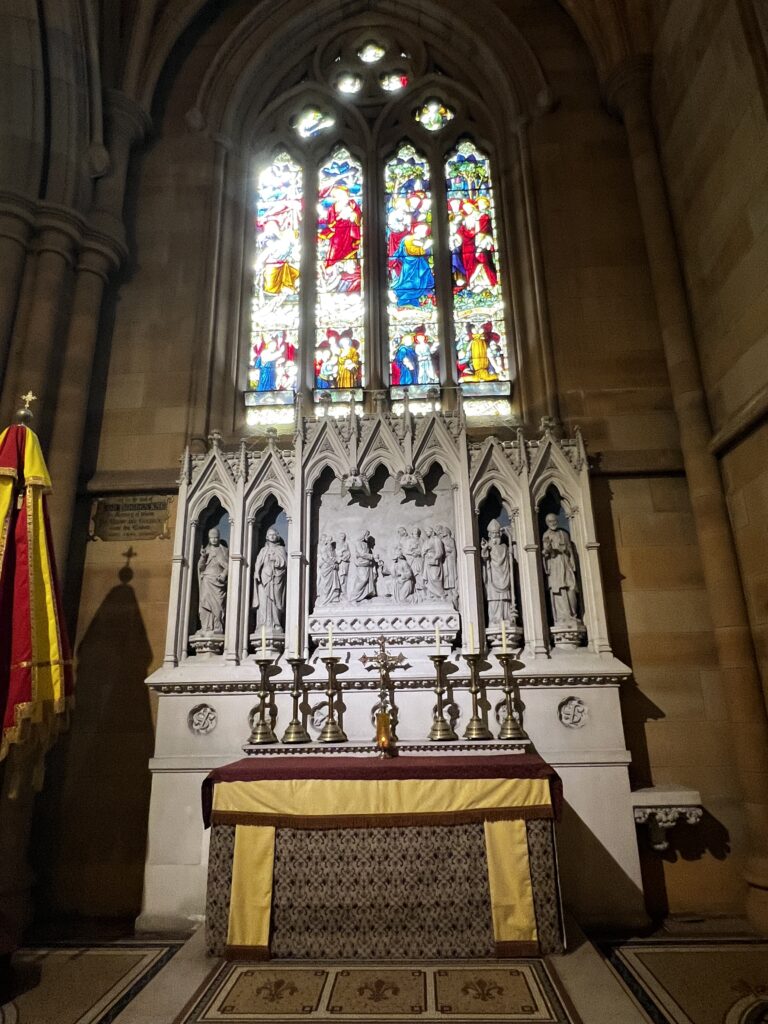
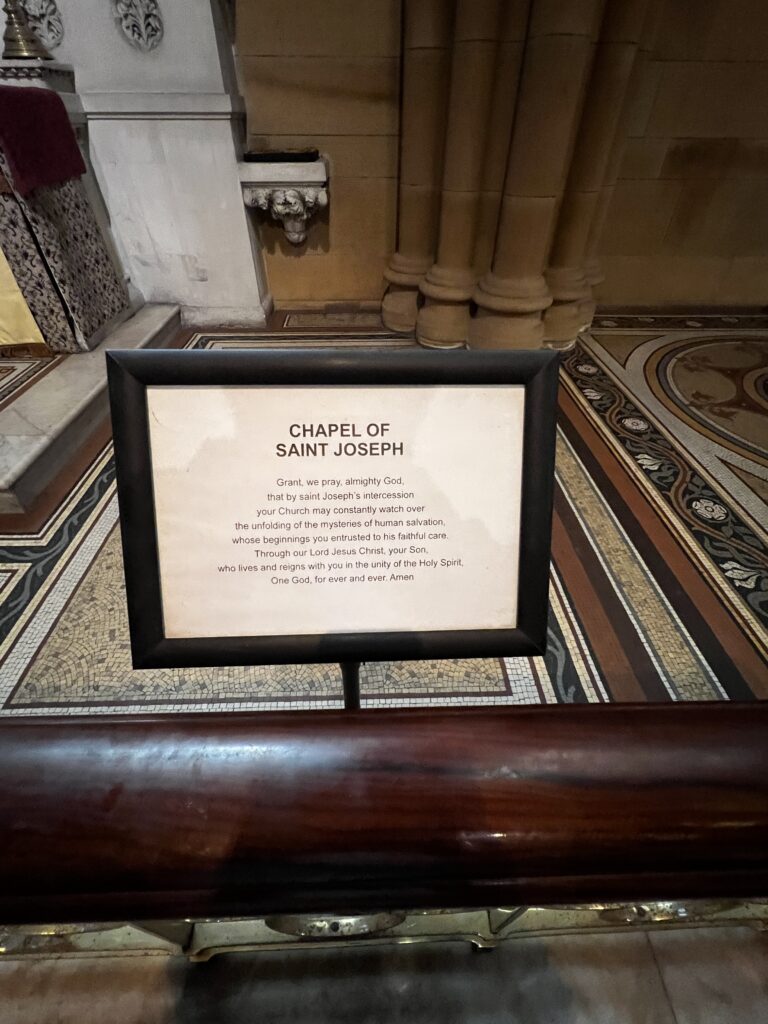
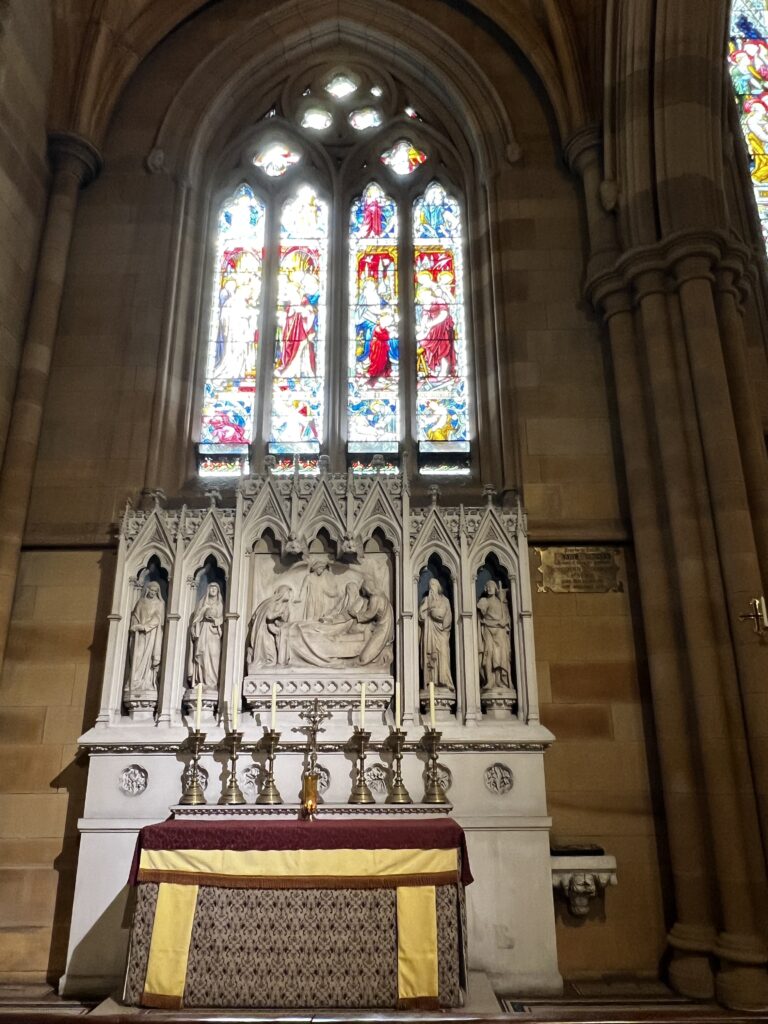
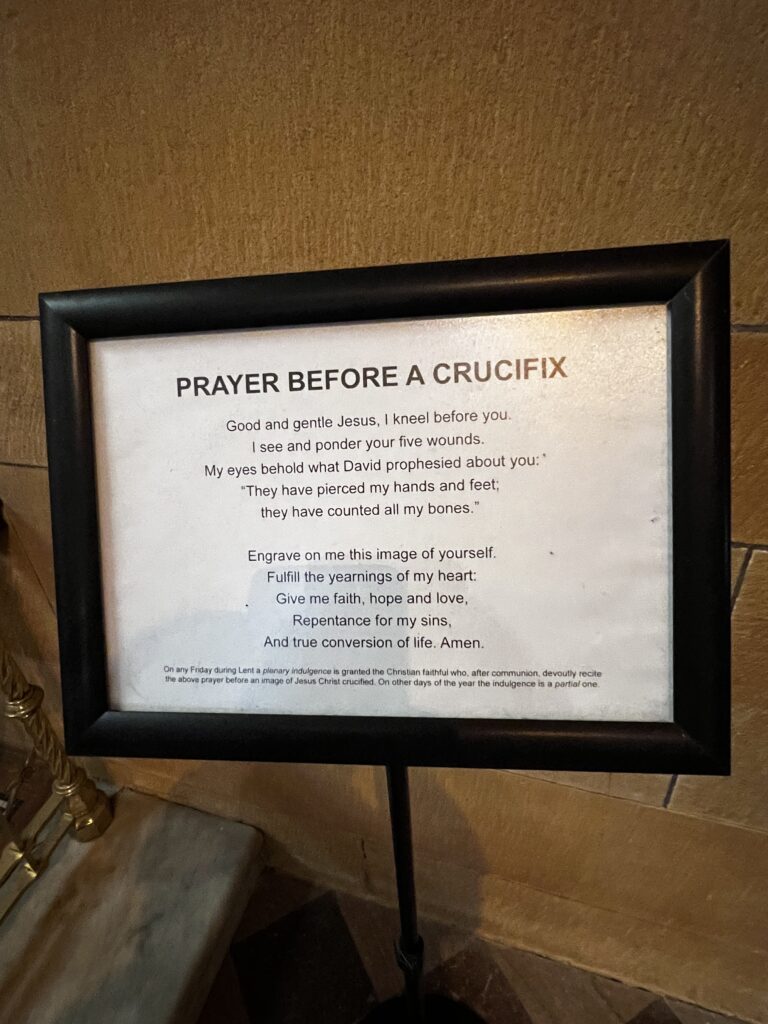
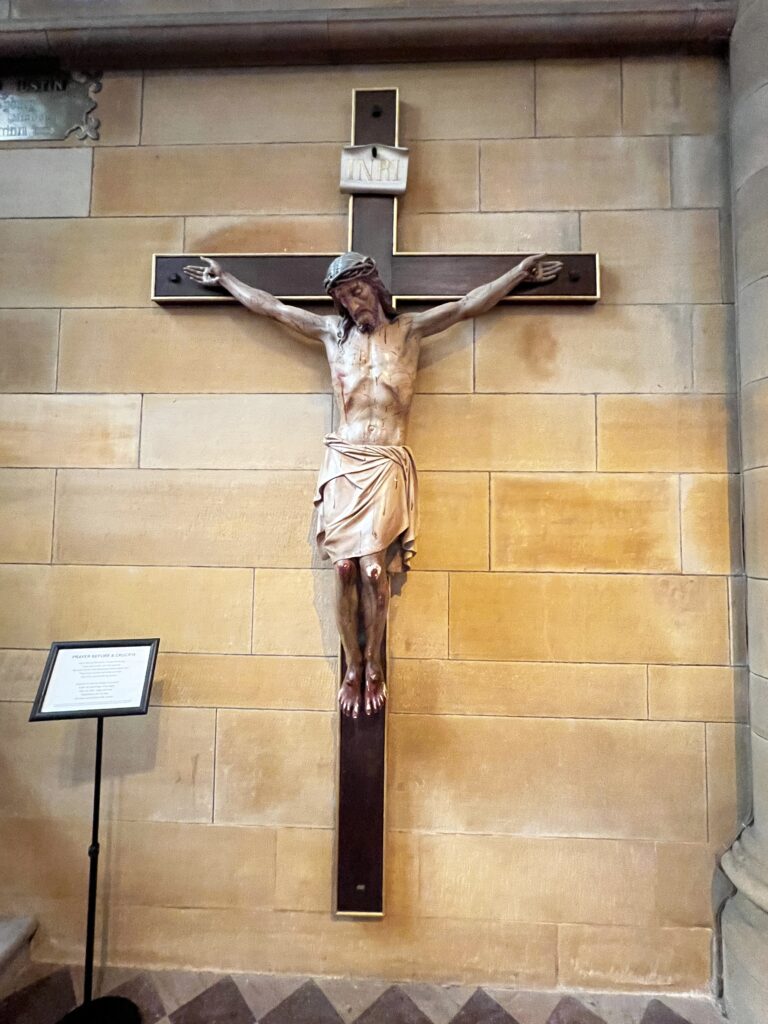
Trying to capture the yellow light throughout the cathedral
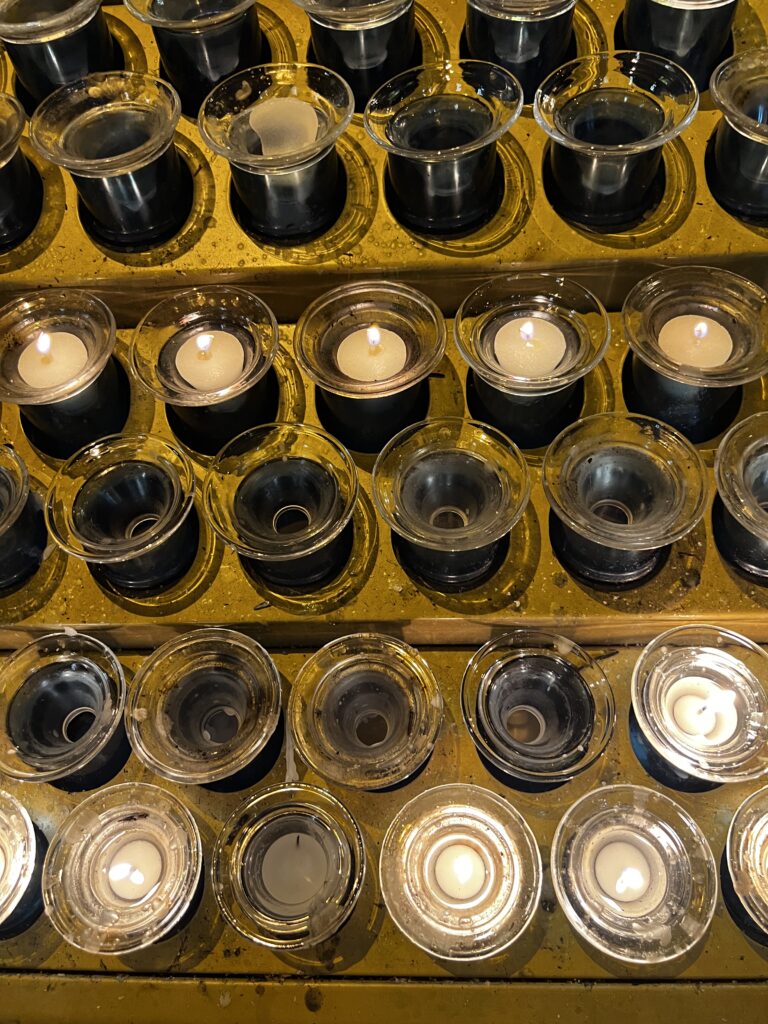
5 candles for Marie, David, Baby Aiden, Frip/Robert and the final one for our other deceased family members
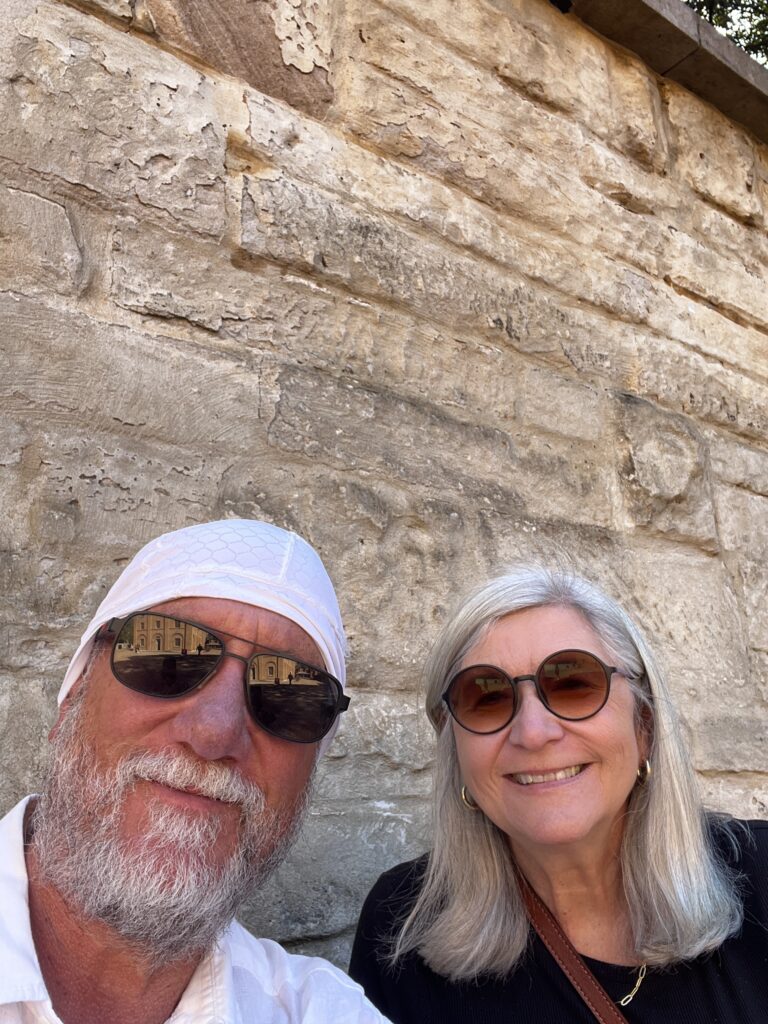
A brief stop so Jackie can map out the afternoon and for me to apply Tea Tree Oil to one remaining bug that is fighting the good fight to remain alive
The Sydney Mint in Sydney, New South Wales, Australia, is the oldest surviving public building in the Sydney central business district. Built between 1811 and 1816 as the southern wing of the Sydney Hospital, it was then known as the Rum Hospital. In 1854 a mint was established on the site with the hospital building used to house mint staff as well as providing a residence for the Deputy Mint Master. A coining factory was built at the rear. Both of these structures have exceptional heritage significance and have been associated with major events in the colonial history of New South Wales.
Located in Sydney’s central business district at 10 Macquarie Street, it is near many other famous Australian historical buildings including Hyde Park Barracks, St James’ Church and Parliament House. The building is now the head office of Museums of History NSW and is listed on the New South Wales State Heritage Register.
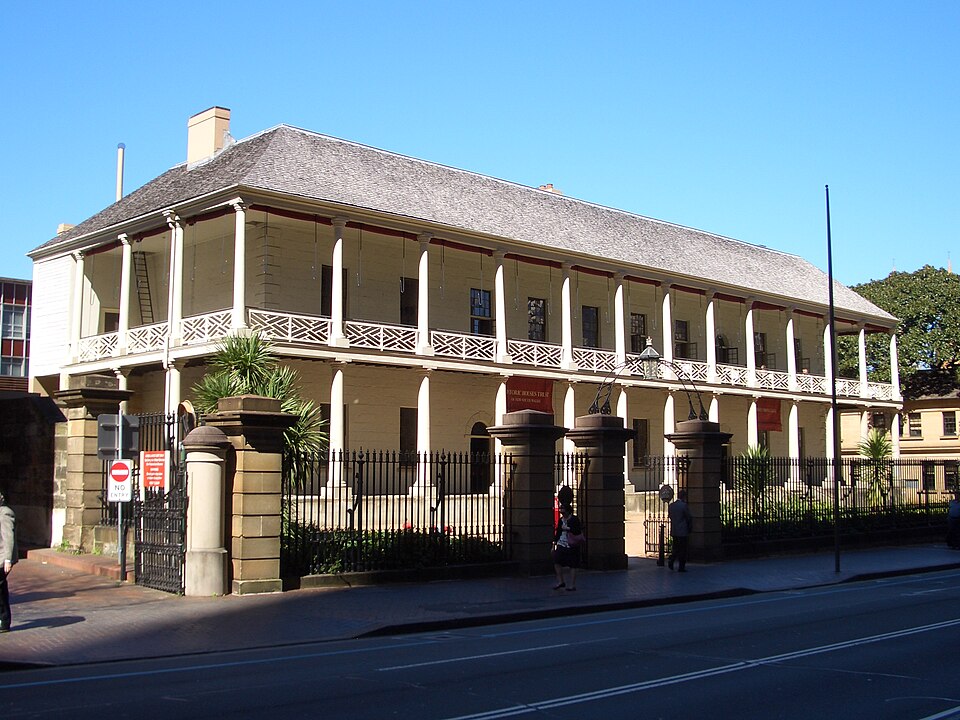
On the second floor of The Mint is a restaurant called Bullion where we decided to grab lunch
Bullion Bar and Dining – Cafe and Restaurant Sydney
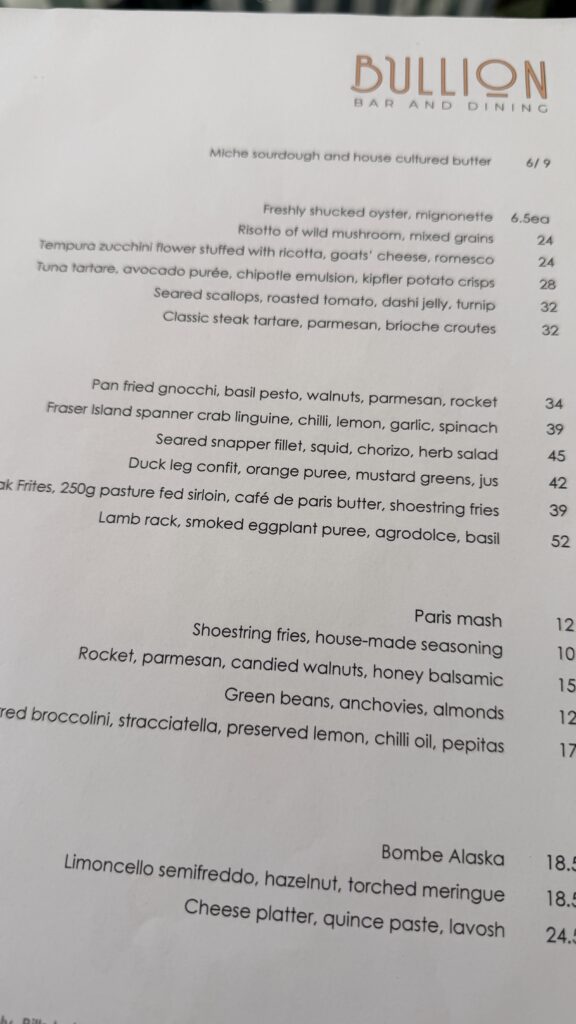
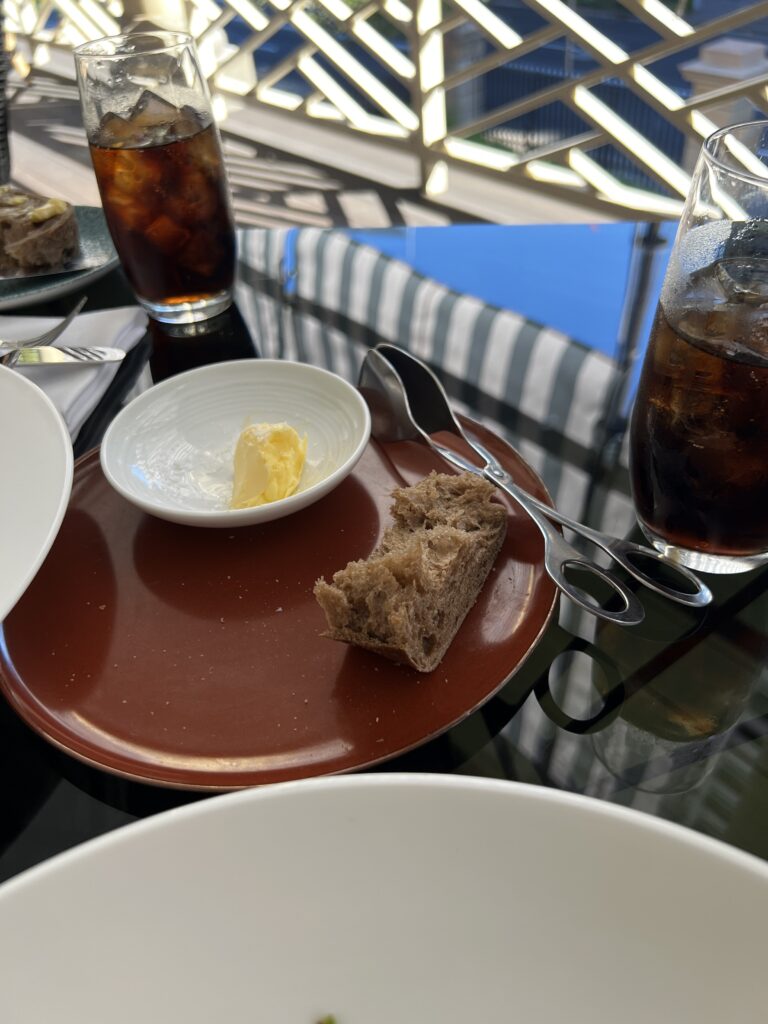
Started with sourdough bread which looked better before we tore into it 🙂
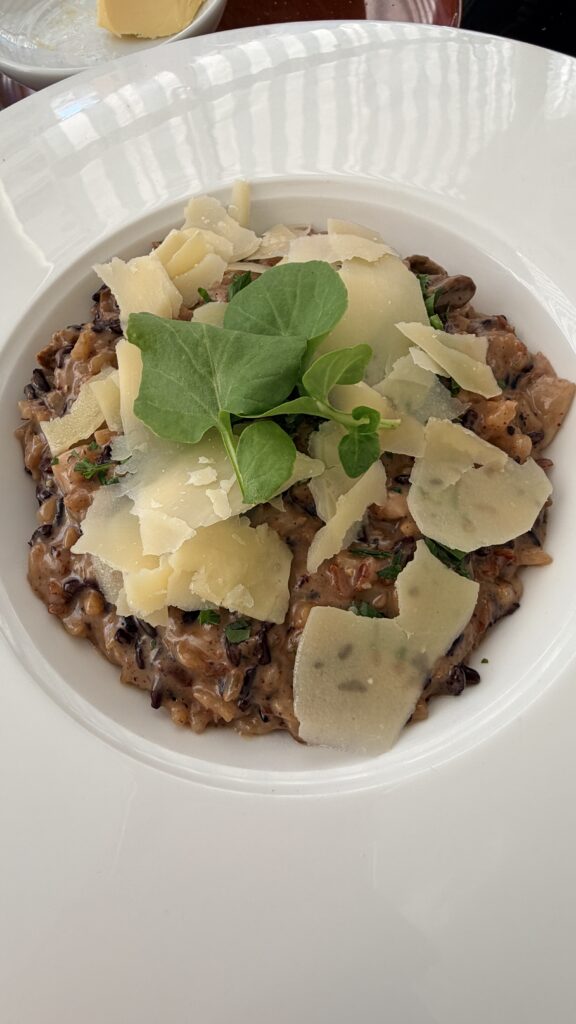
Jackie had risotto of wild mushroom
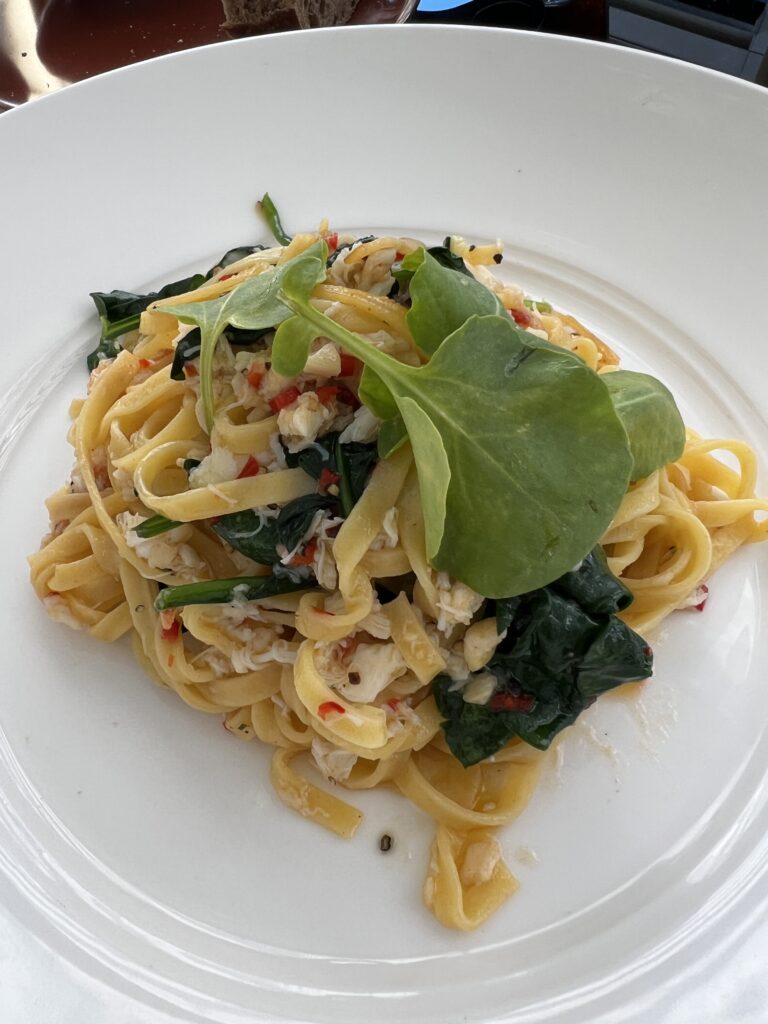
Lane had Fraser Island Spanner Crab with Linguine. I’m glad I took a photo before I started eating because there was nothing left when I finished.
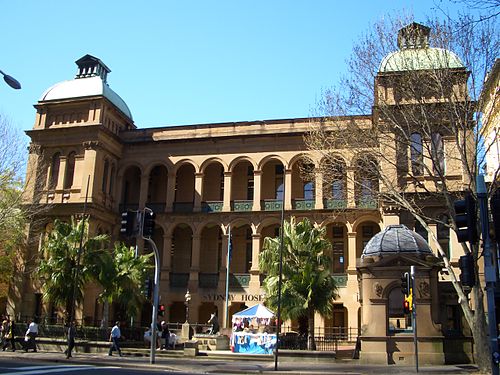
Sydney Hospital, historically known as the Rum Hospital, is a major hospital in Sydney, Australia, located on Macquarie Street in the Sydney central business district. It is the oldest hospital in Australia, dating back to 1788, and has been at its current location since 1811. It first received the name Sydney Hospital in 1881.
Currently the hospital comprises 113 inpatient beds. There are about 400 staff members. Specialist services attract patients from all over New South Wales. It specialises in ophthalmology and hand surgery and is a referral hospital for patients requiring these services. It also houses a rudimentary 6-bed Emergency Department.
Sydney Hospital became a teaching hospital of the University of Sydney in 1909. Sydney Hospital is associated with Sydney Medical School of the University of Sydney through the Discipline of Clinical Ophthalmology and Eye Health and Save Sight Institute. It is also the location of a number of research institutes associated with the University, including the Heart Research Institute, the Centenary Institute for Cancer Medicine and Cell Biology, the Kanematsu Memorial Institute of Pathology and the General Endocrinology Group.
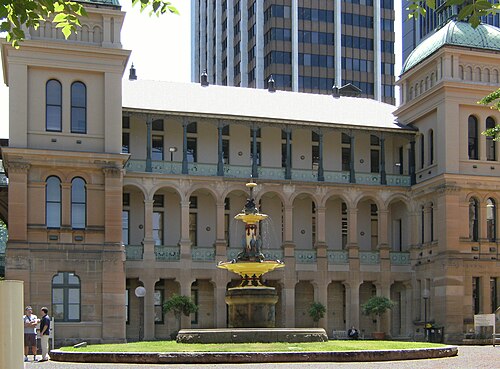
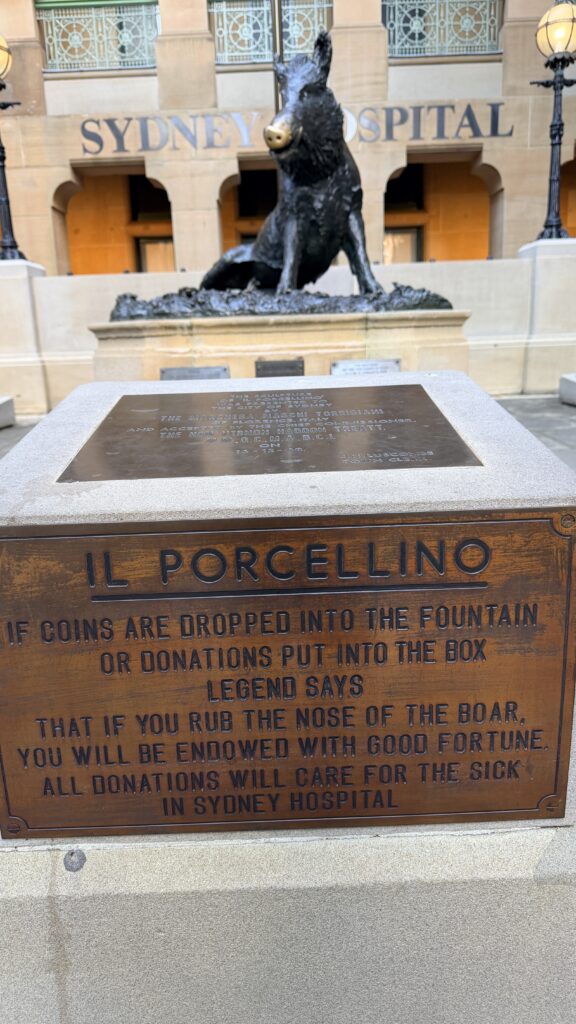
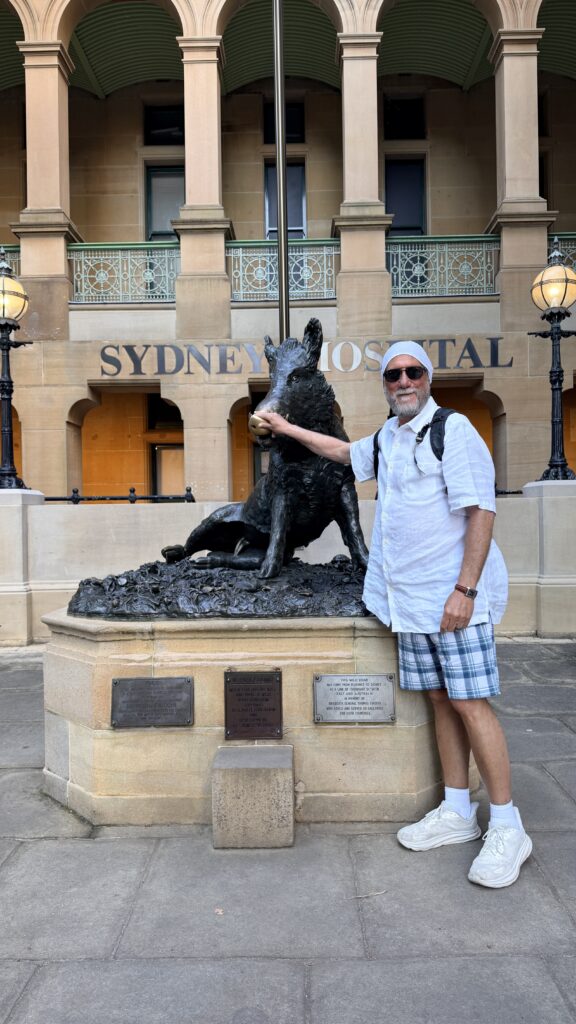
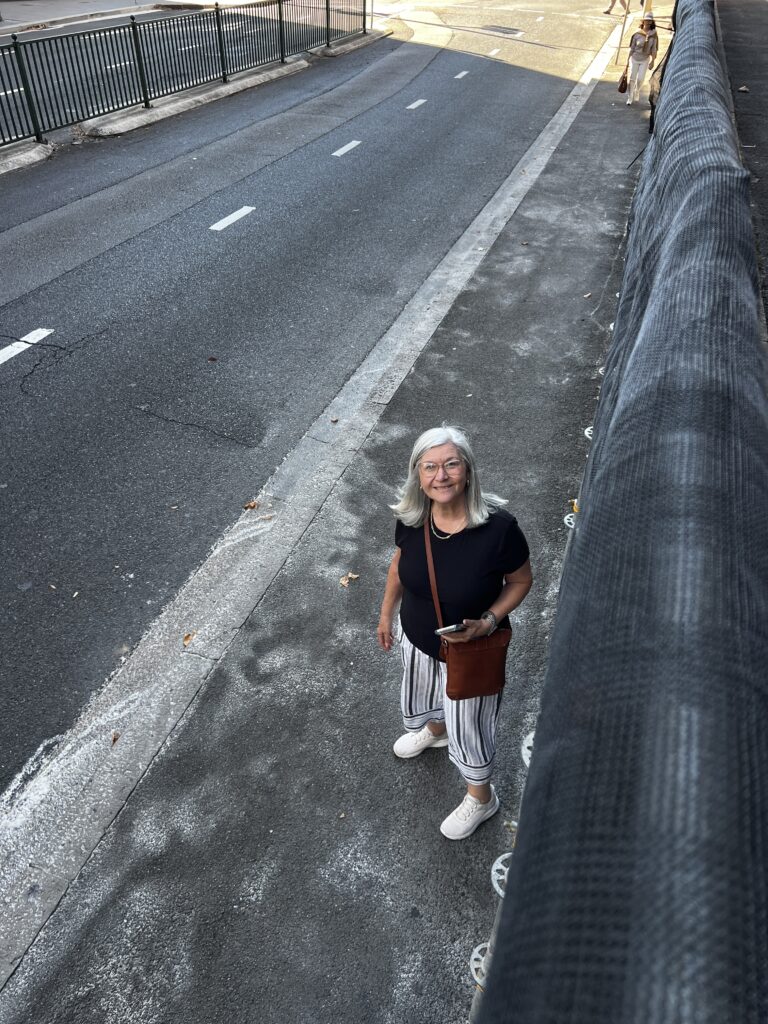
Jackie asked how many coins I tossed and I was not sure but I made sure it was enough that I would have bad fortune and not bust my ass walking around the city
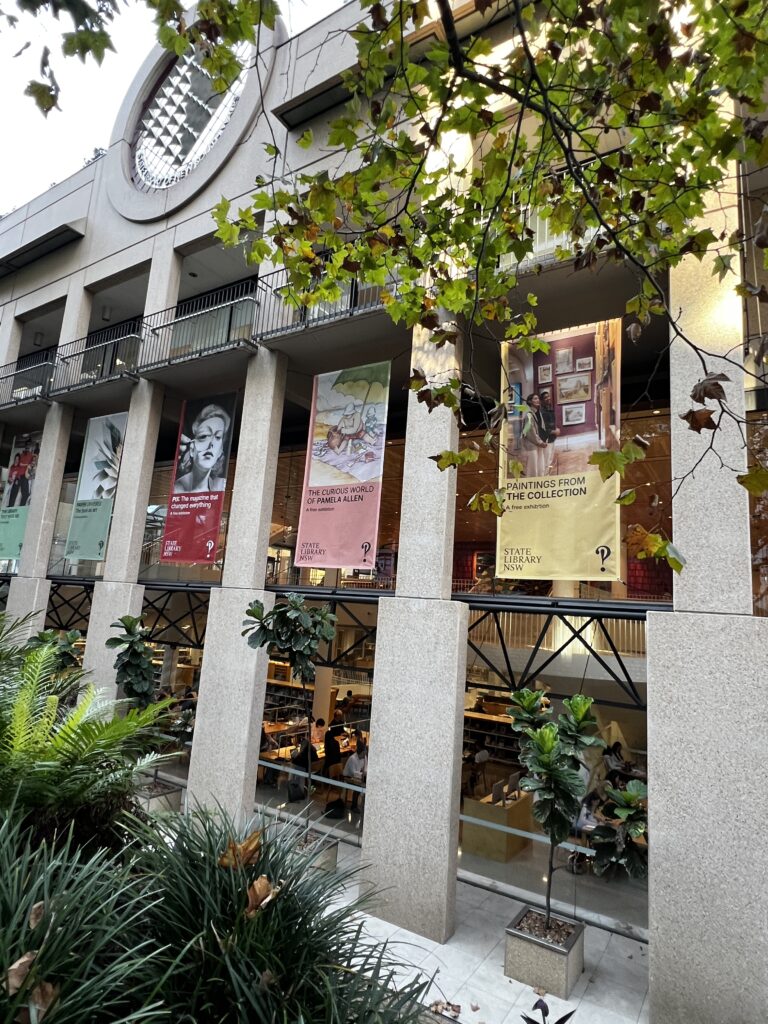
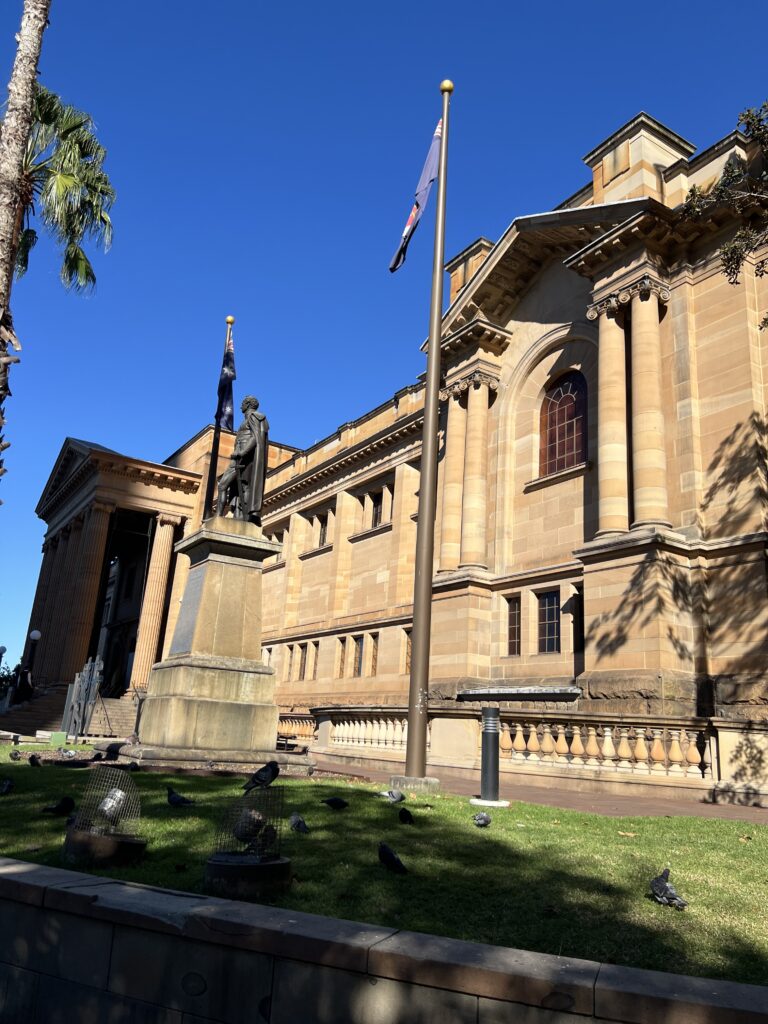
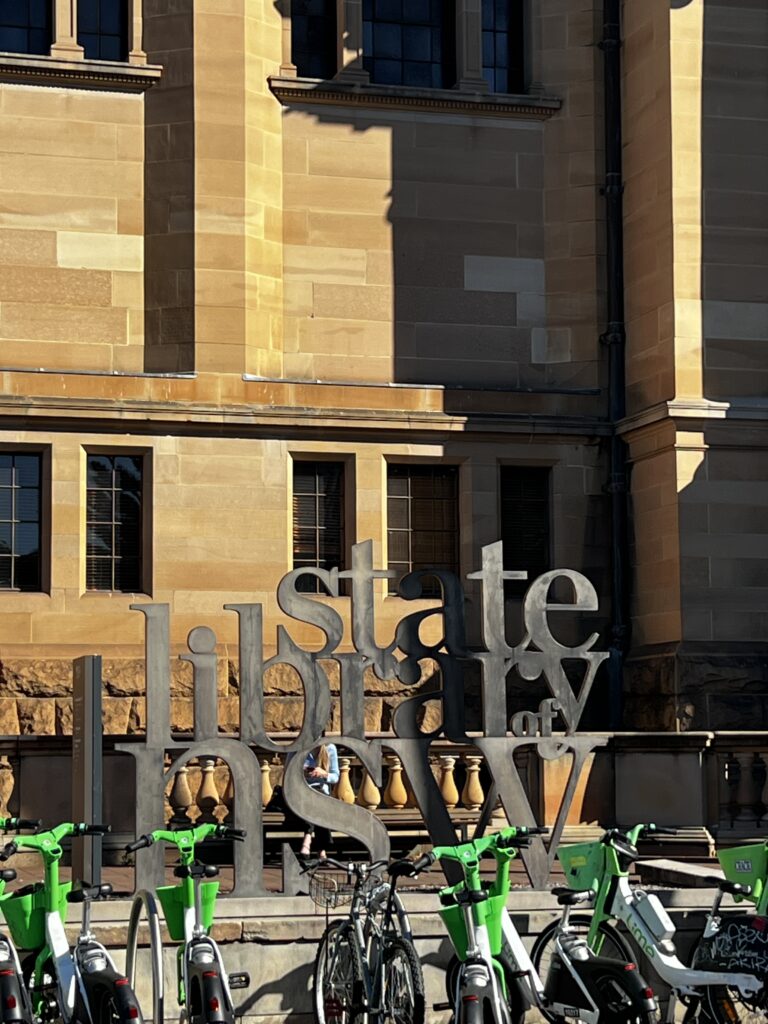
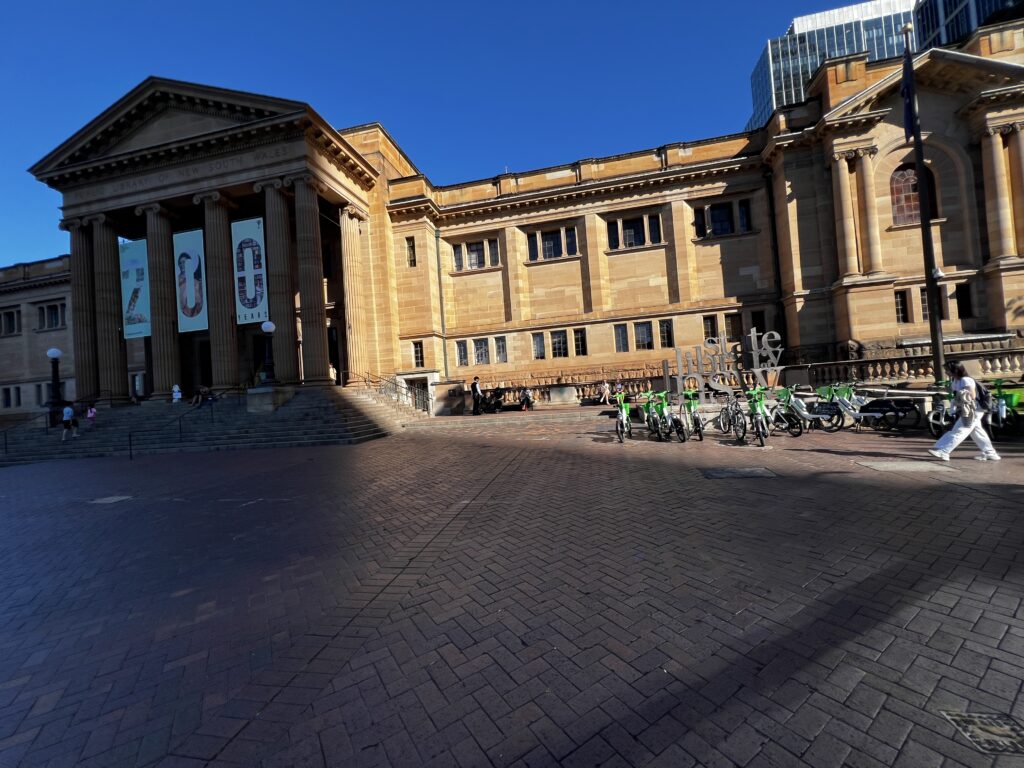
The State Library of New South Wales, part of which is known as the Mitchell Library, is a large heritage-listed special collections, reference and research library open to the public and is one of the oldest libraries in Australia. Established in 1869 its collections date back to the Australian Subscription Library established in the colony of New South Wales (now a state of Australia) in 1826. The library is located on the corner of Macquarie Street and Shakespeare Place, in the Sydney central business district adjacent to the Domain and the Royal Botanic Gardens, in the City of Sydney. The library is a member of the National and State Libraries Australia (NSLA) consortium.
The Justice and Police Museum is a heritage-listed former water police station, offices and courthouse and now justice and police museum located at 4–8 Phillip Street on the corner of Albert Street, in the Sydney central business district, New South Wales, Australia. It was designed by Edmund Blacket, Alexander Dawson and James Barnet and built from 1854 to 1886. It is also known as Police Station & Law Courts (former) and Traffic Court. The property is owned by the Department of Communities and Justice.
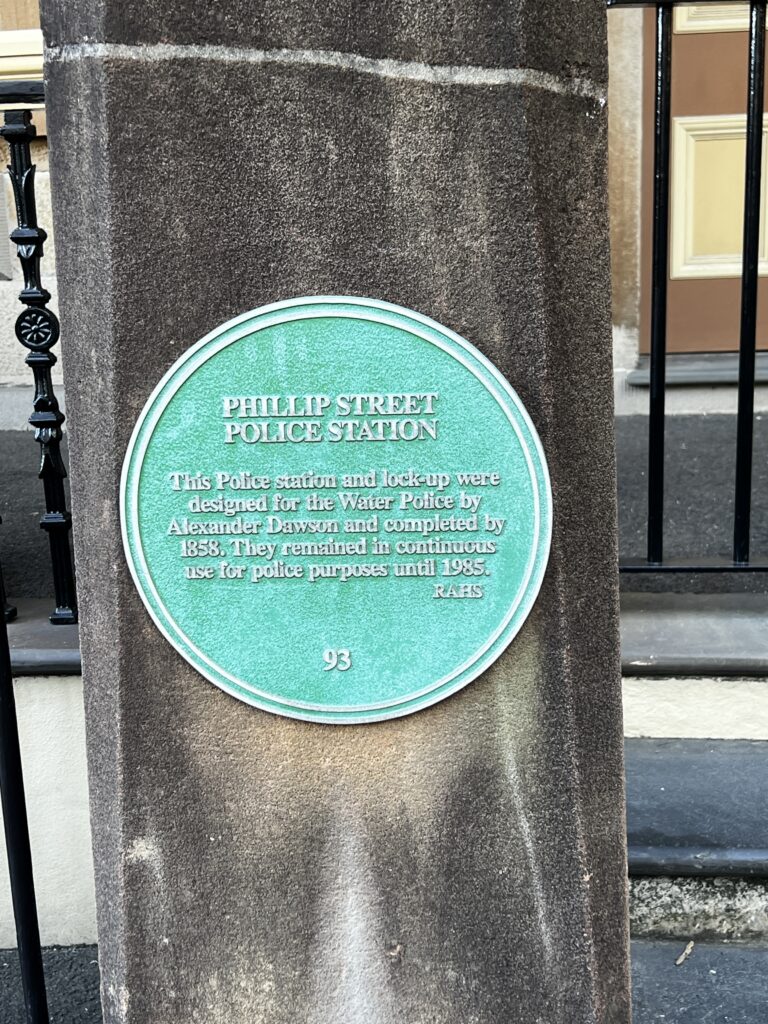
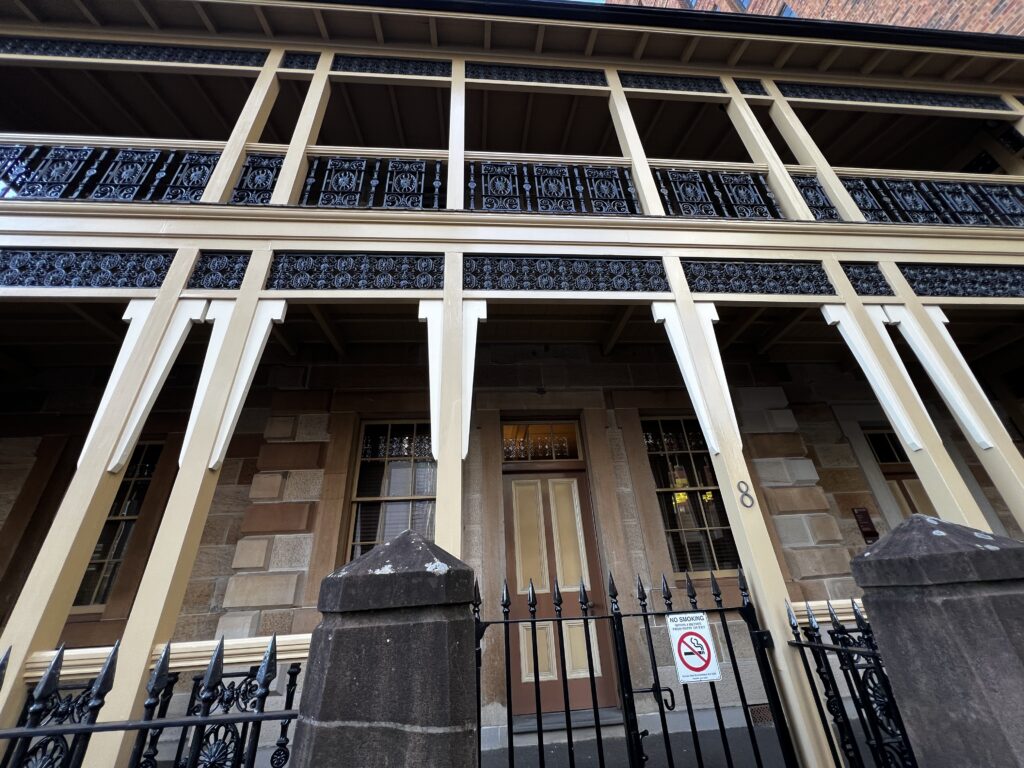
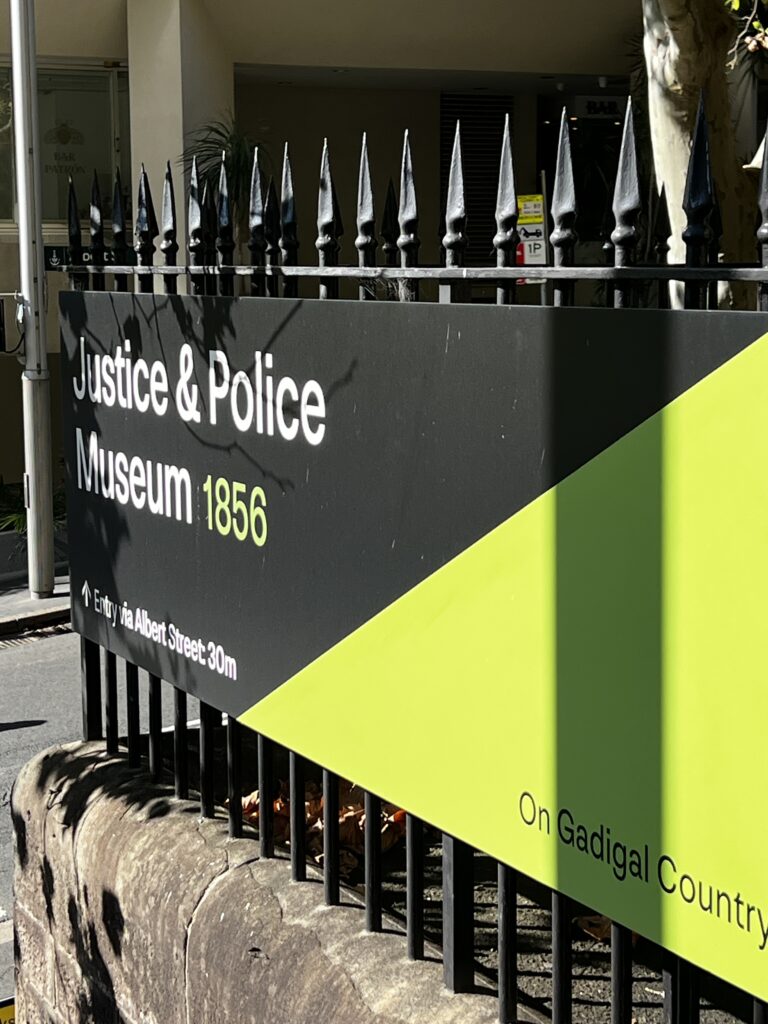
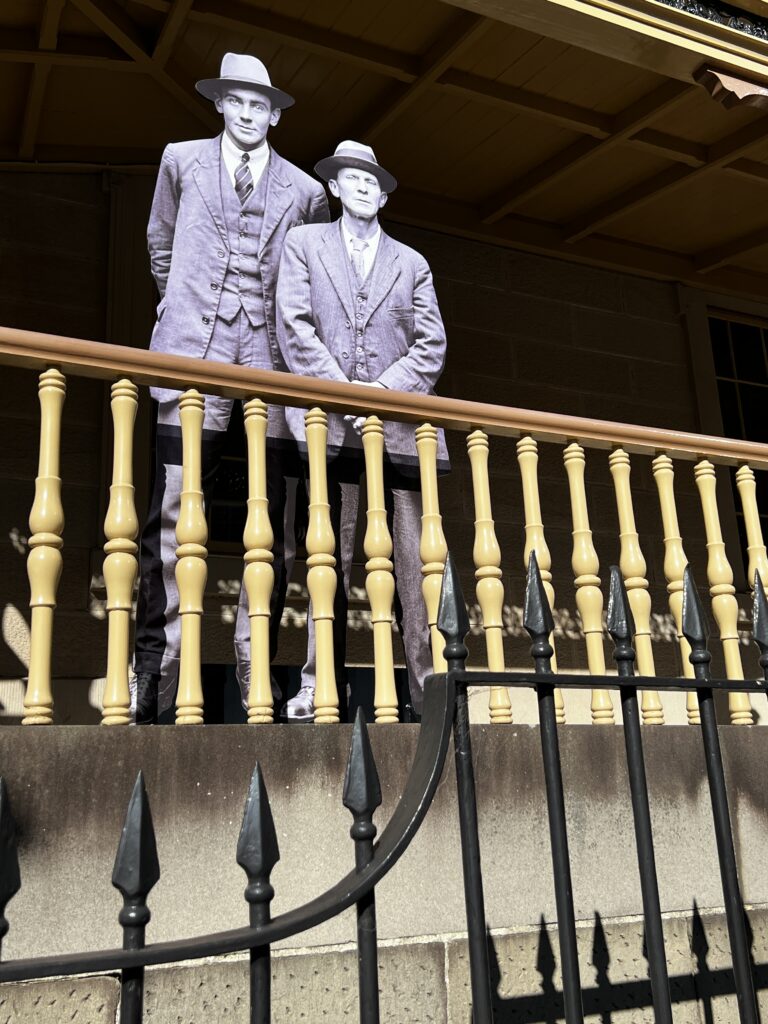
It was closed so we were unable to enter the museum
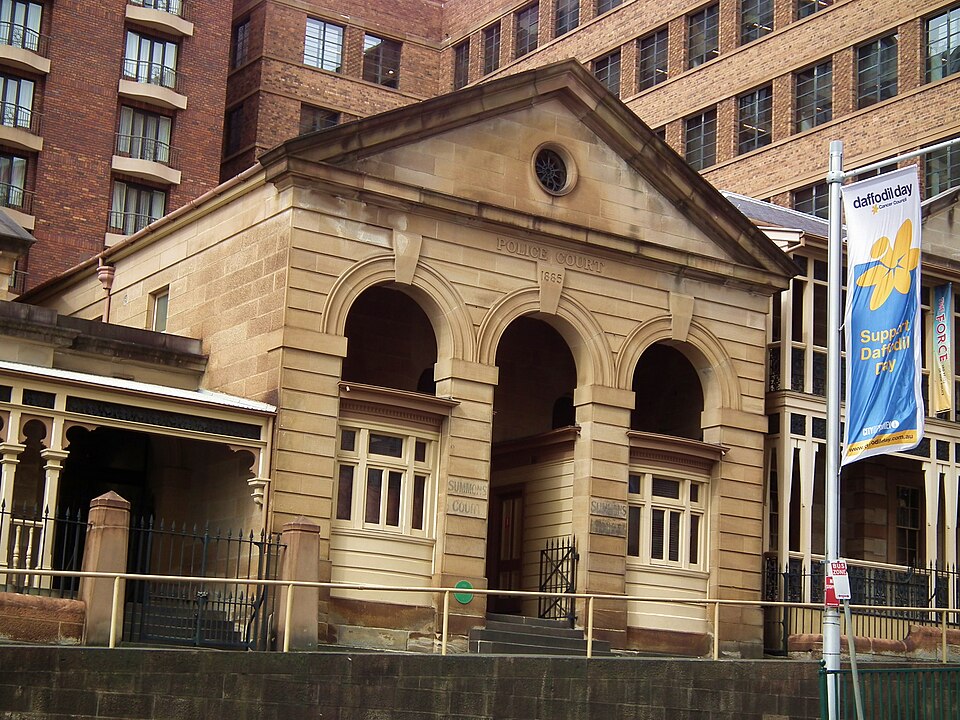
A criminal broke away from the police station but I quickly found her
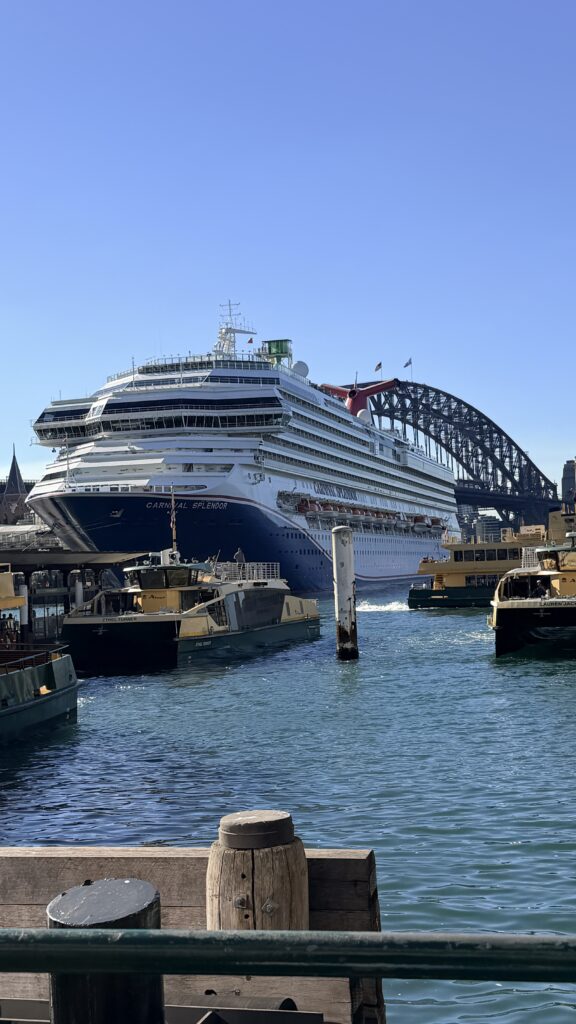
As we walked back to the hotel through the harbor area, we captured a photo of a Carnival cruise ship docked in the Circular Quay near the Sydney Harbor Bridge
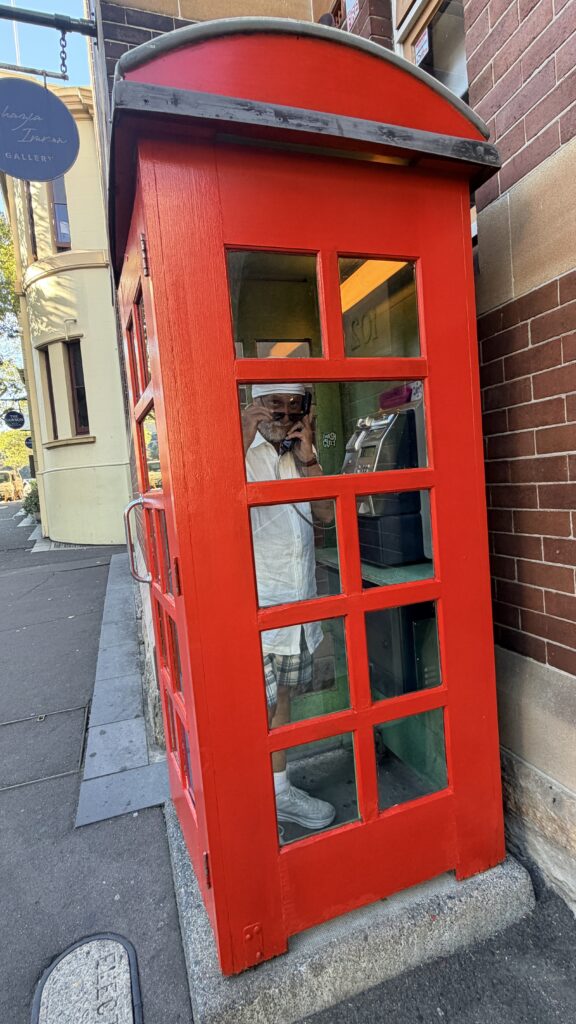
Saw this payphone booth and said sure why not use it
As we walked through the harbor area, I videoed this guy doing his thing
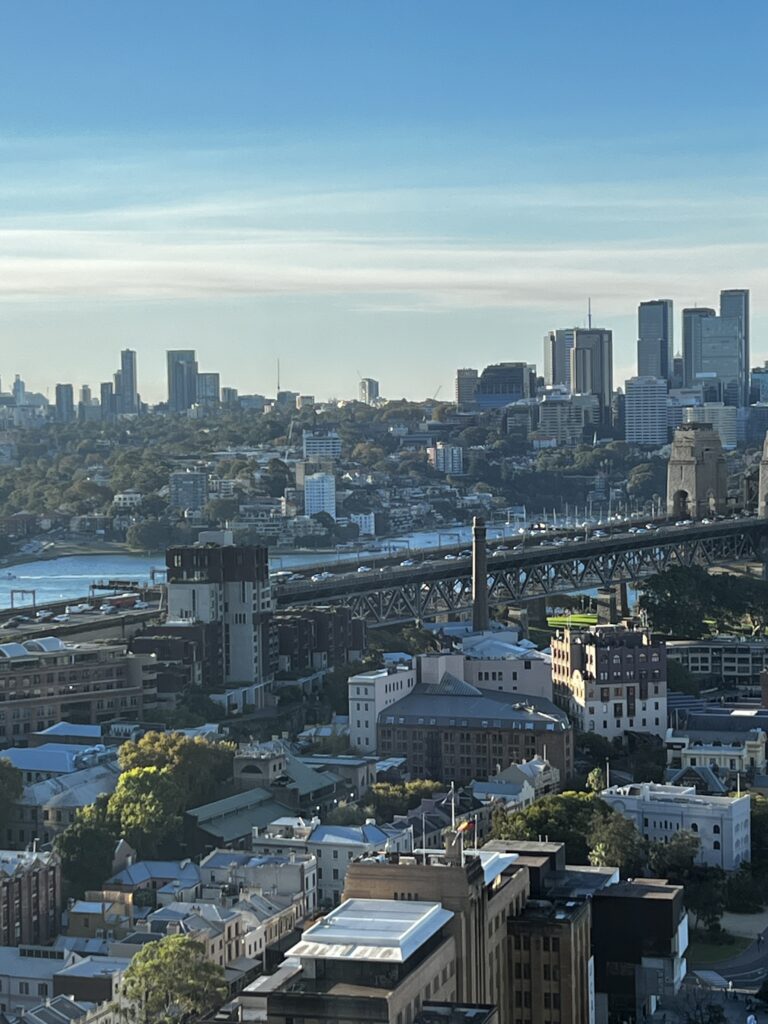
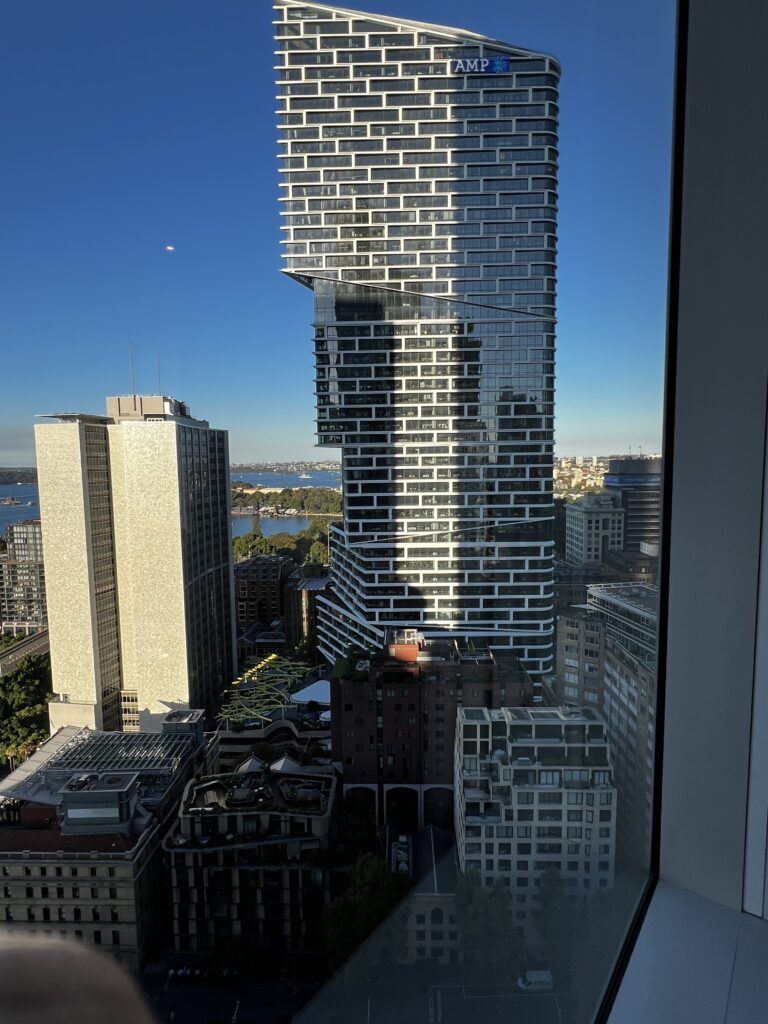
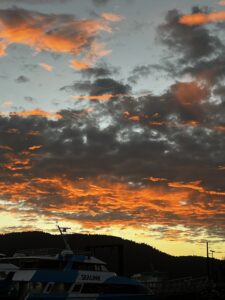
Views from the hotel room after we got back from our day of walking
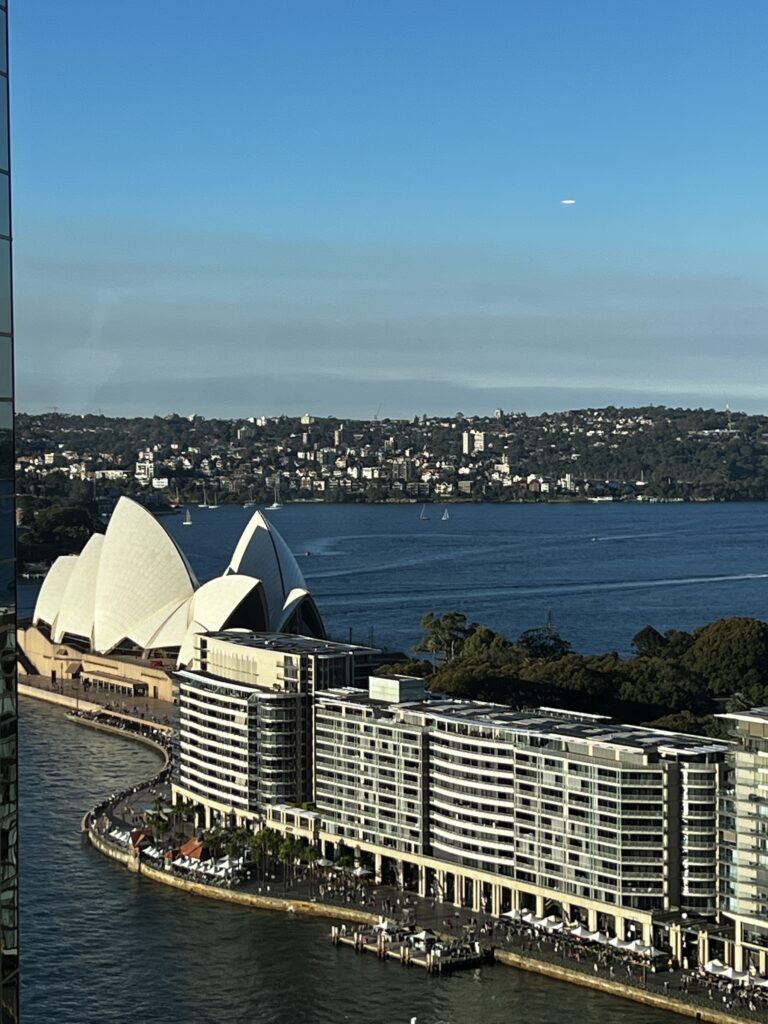
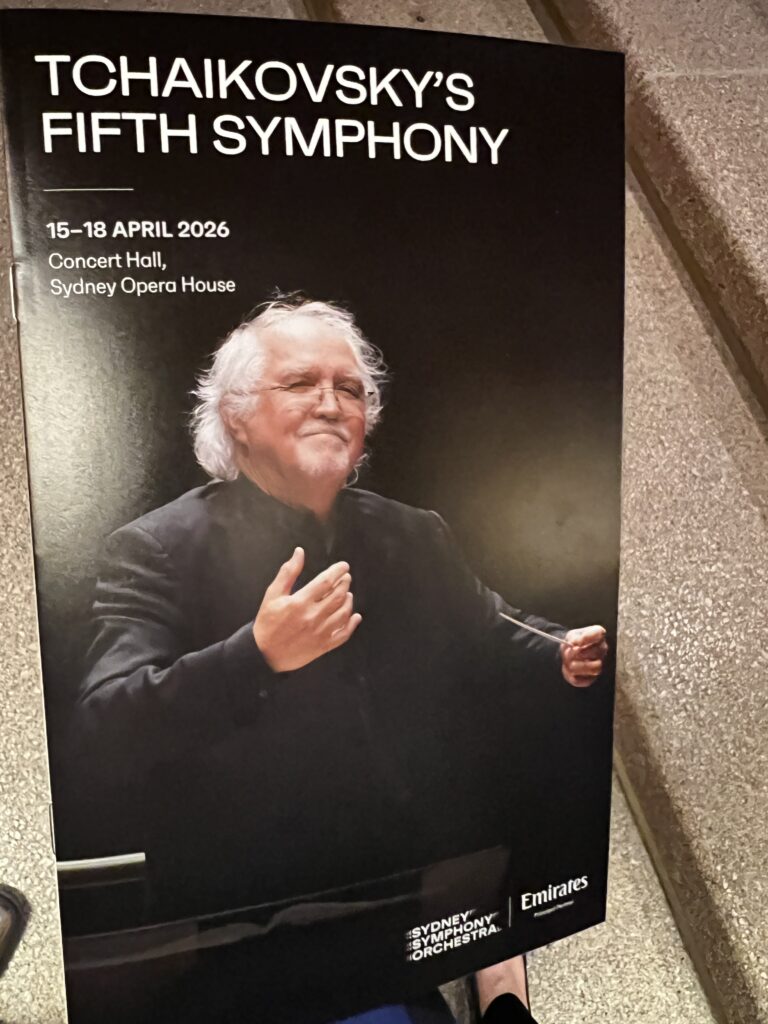
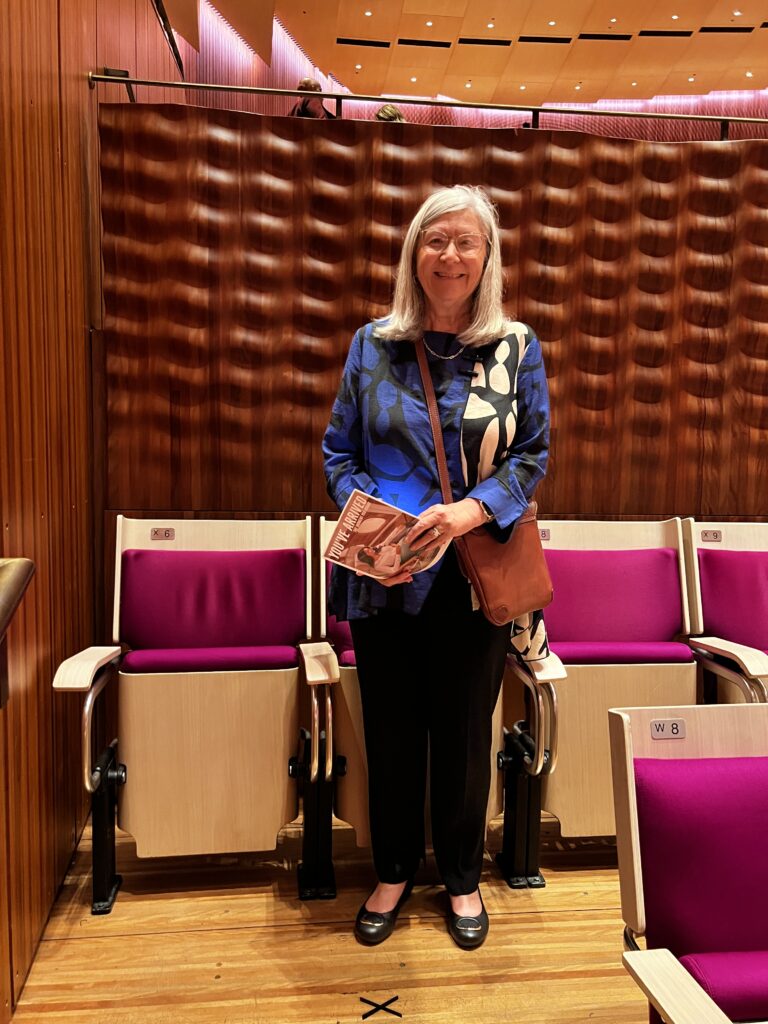
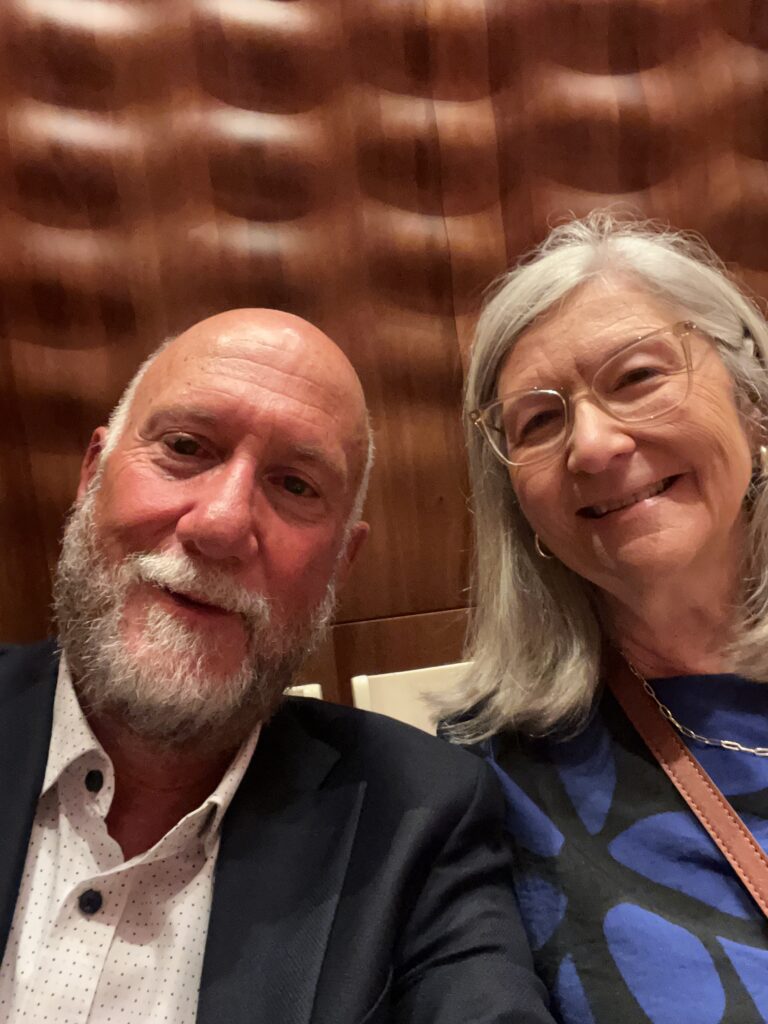
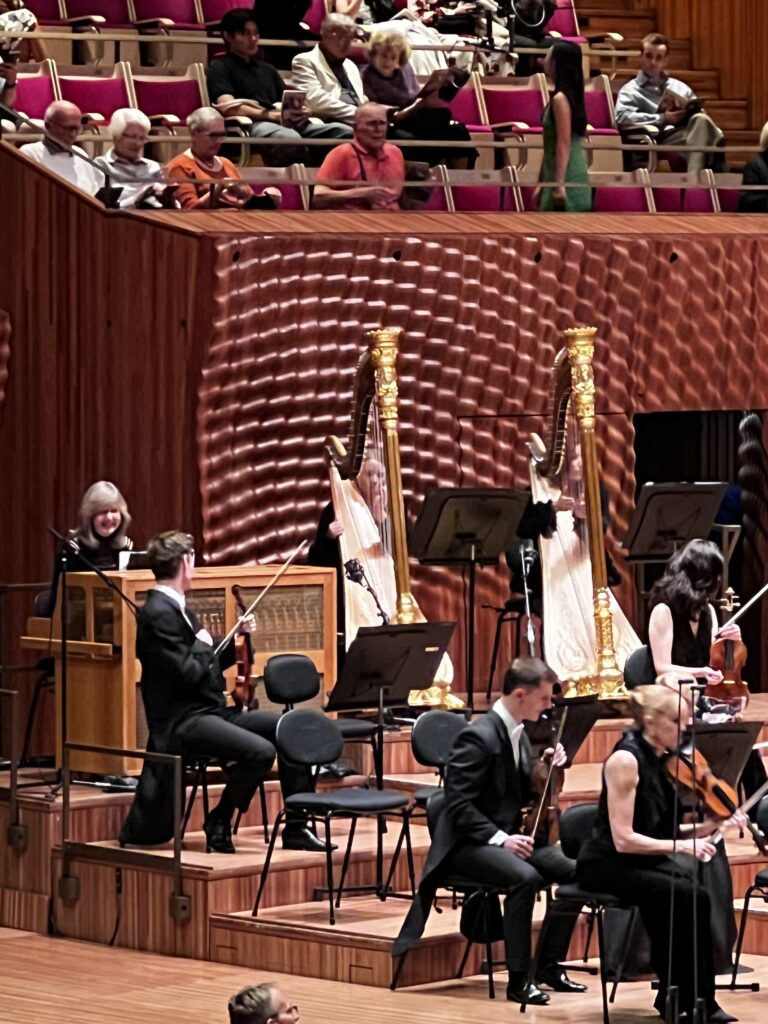
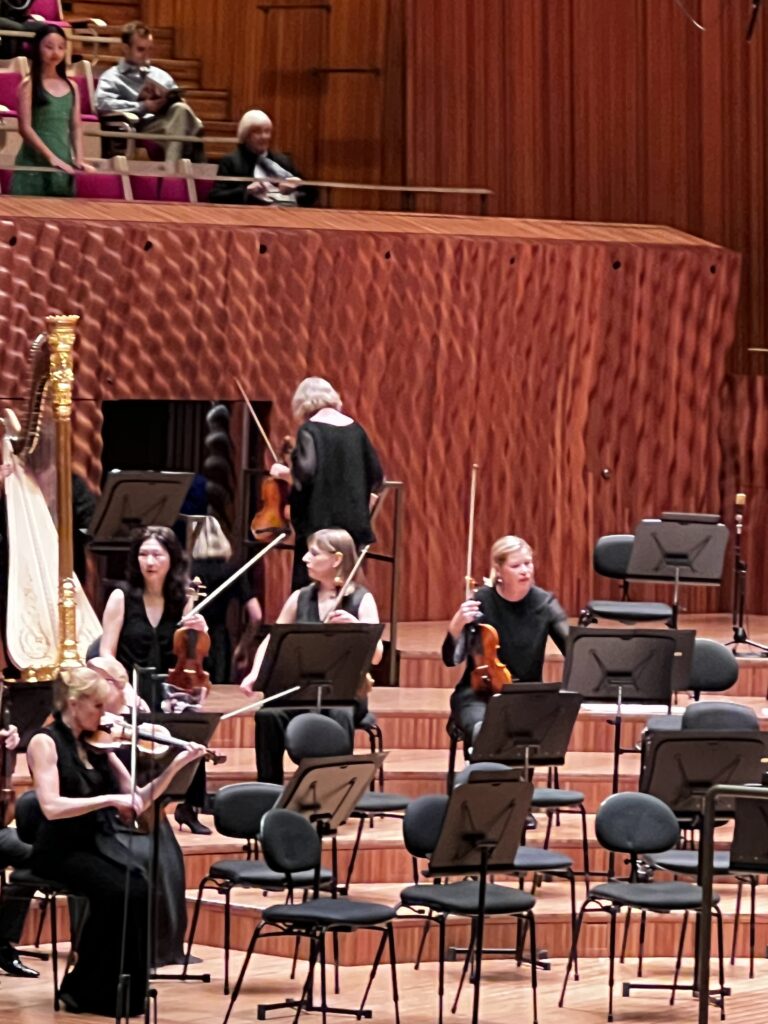
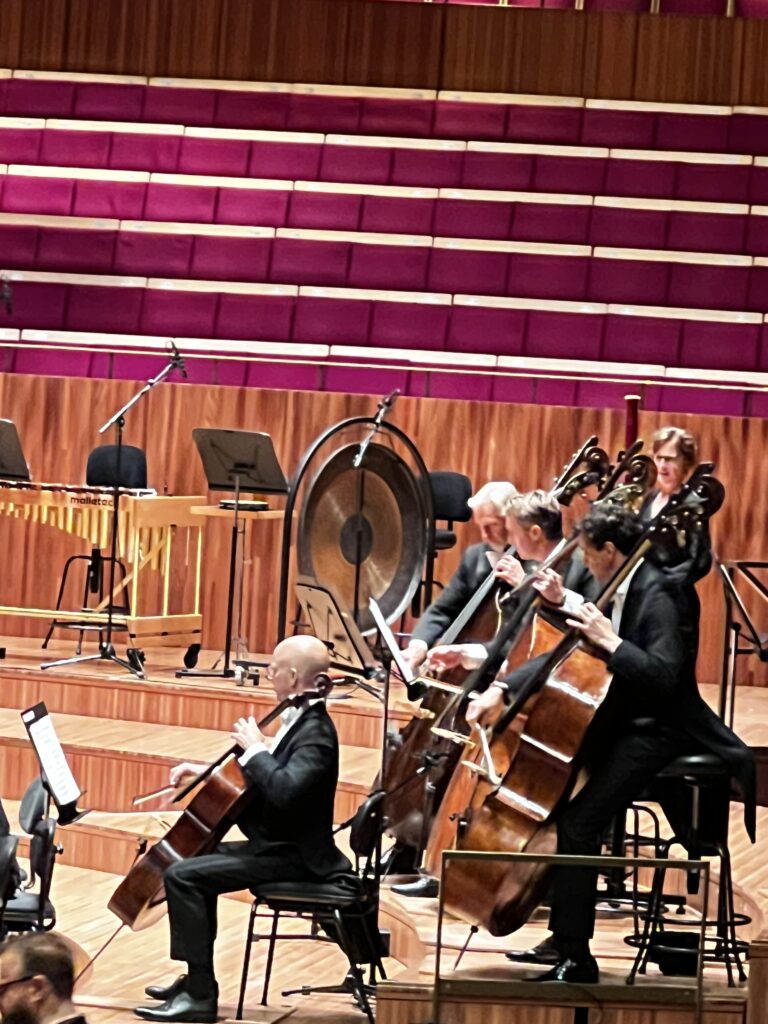
Tonight we attended a symphony at the Sydney Opera House. I joked about it on Facebook but I enjoyed my first symphony.
Video of the walk along the harbor to the Sydney Opera House
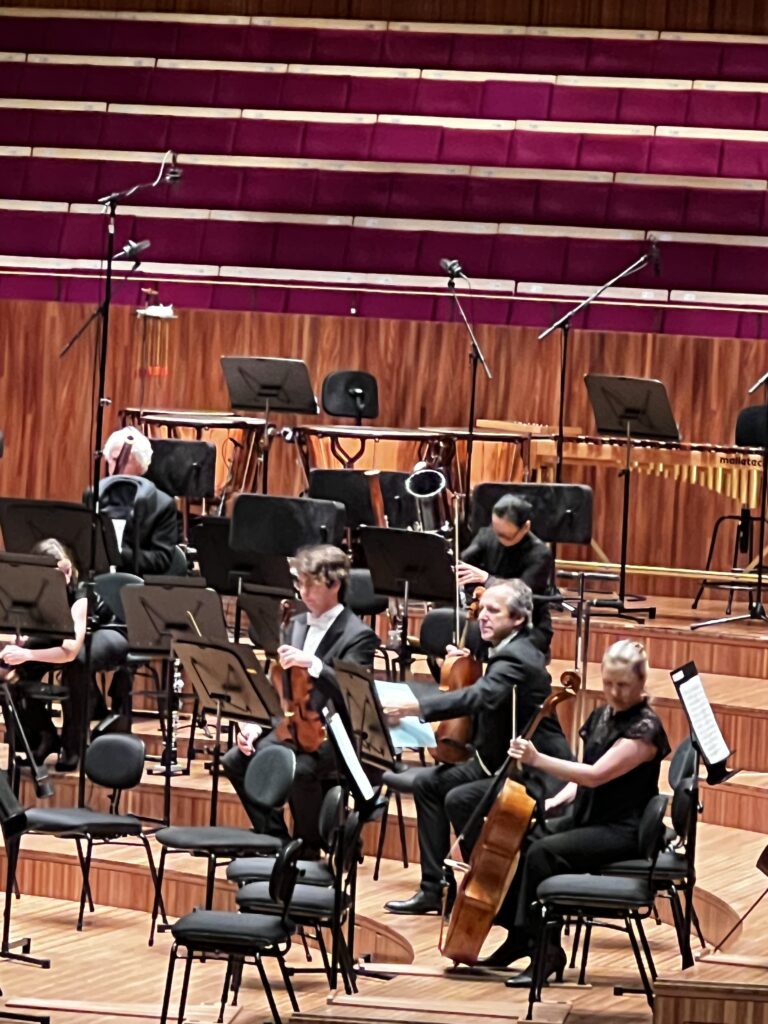
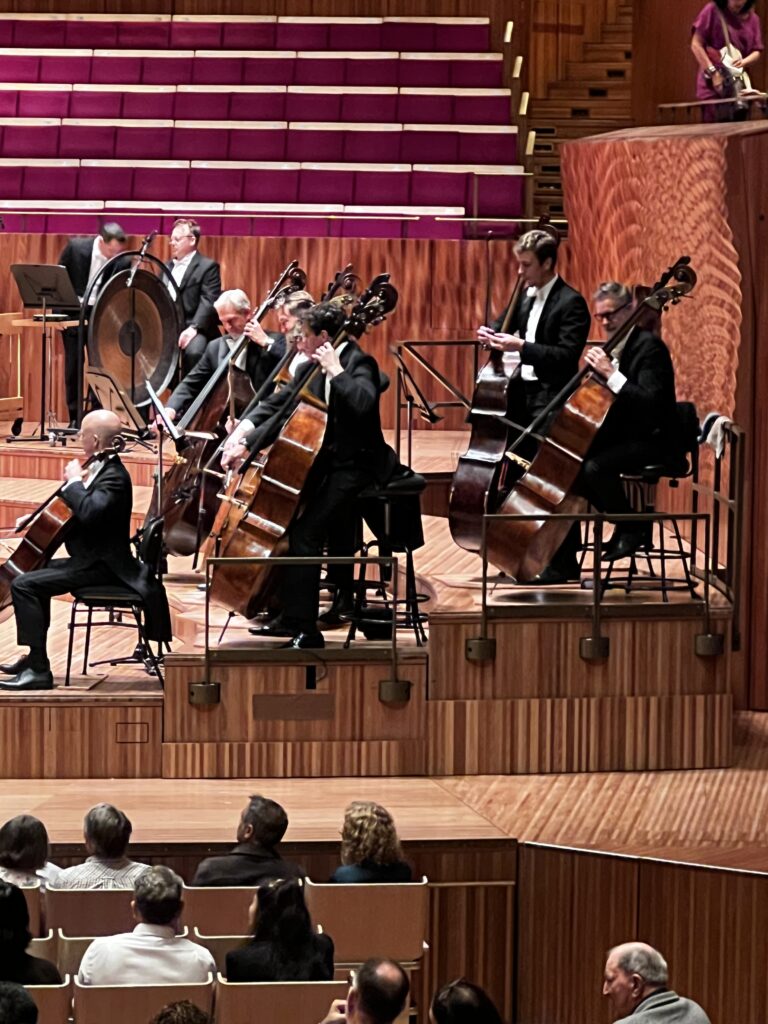
Tomorrow is another day of sightseeing in Sydney. Like I said last week we are here for three days and need three months
3 thoughts on “Day 40 April 15 – Sydney, Australia”
Great post. I didn’t know that Sydney had so much history and preserved architecture.
I did not know this either until we got here. It is an impressive city. Crazy it started with prisoners building it from the beginning. We visited the barracks but decided against posting the photos. Tough situation for those guys.
❤️