
Day 57 Sunday May 3rd (63 days to go) — I think Jackie mentioned in her Facebook post – a totally surprising day. Colombo, Sri Lanka did not disappoint and did indeed certainly surprise. We took a ship excursion and in about five hours covered so much ground with nonstop movement and action.
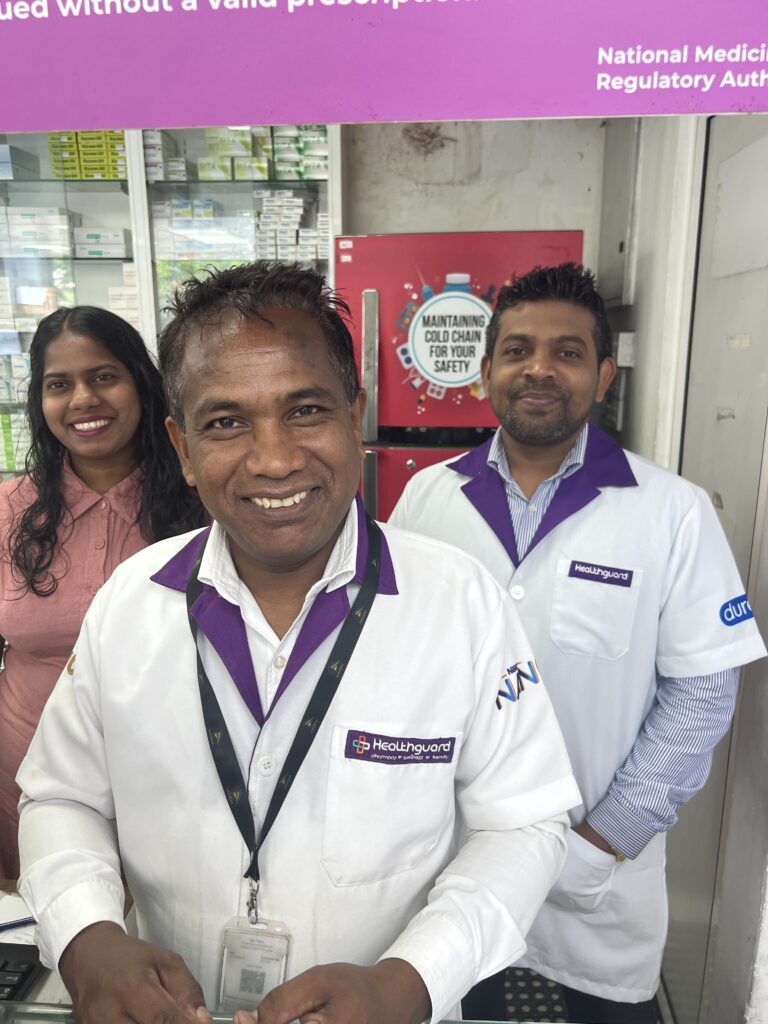
We started the morning by having breakfast and then grabbing an Uber to a pharmacy in search of Malarone for our Africa excursions. The wait for the Uber gave us a bad impression of what our day in Sri Lanka would be as we were badgered and pestered by taxi drivers (Tuk Tuk drivers) looking to sell us a tour. We had the ship excursion already scheduled for the afternoon and just needed a ride to this pharmacy. The pharmacy did not have any and the pharmacist said virtually impossible to locate in Sri Lanka. So, I asked him about some other meds that we needed and he worked with me while we discussed pharmacy education and career in Sri Lanka and in the states. We picked up a number of medications that I would expect to cost us easily $300 in the USA while the cost was $38.56 in Sri Lanka. The pharmacy is located next to a very nice-looking hospital. Below is a photo of the pharmacy staff with the pharmacist in the front. We are very grateful for their politeness and professionalism and also added their photo to the Faces Around the World section. Be sure to check out the section for Sri Lanka as we have some outstanding photos.
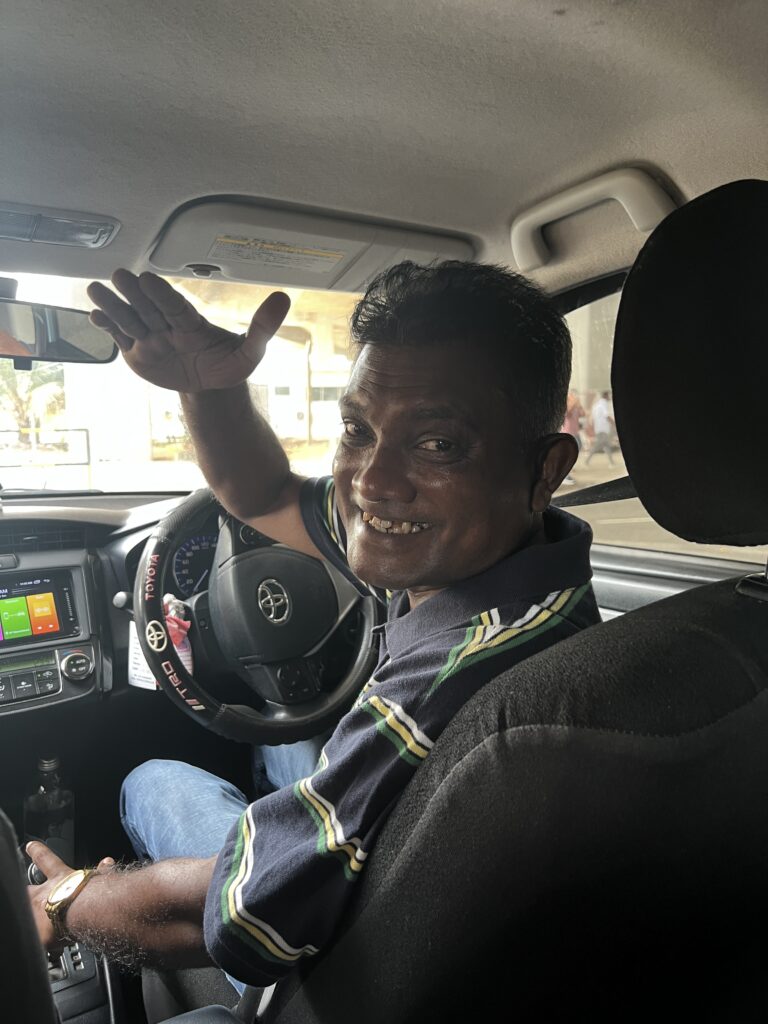
We had the Uber driver pick us up and bring us to the pharmacy. I asked him if he would be around in the area and I could order an Uber and he could by and pick us up when we were finished in the pharmacy. So, when we walked out the pharmacy Jackie said look, he is waiting for us!!!! I was looking all over, and he was right there parked in the front of the pharmacy. I asked him if we could pay him cash and he said yes if I would like to do that. When I asked him how much to take us back to the ship, he said same amount to come to the pharmacy. So, I looked up on the Uber app how much I had paid him and transitioned it over to US currency which came out to $2.38. I told Jackie I’m not paying this poor man $2.38 to take us back and I gave him $40 US which might have been a mistake because he was so happy and excited, he almost wrecked twice going back to the ship. 🙂 But it was a great ride back as we spoke to him about his family and he was so excited to tell us his son had earned his MBA. It was so nice to see his pride.
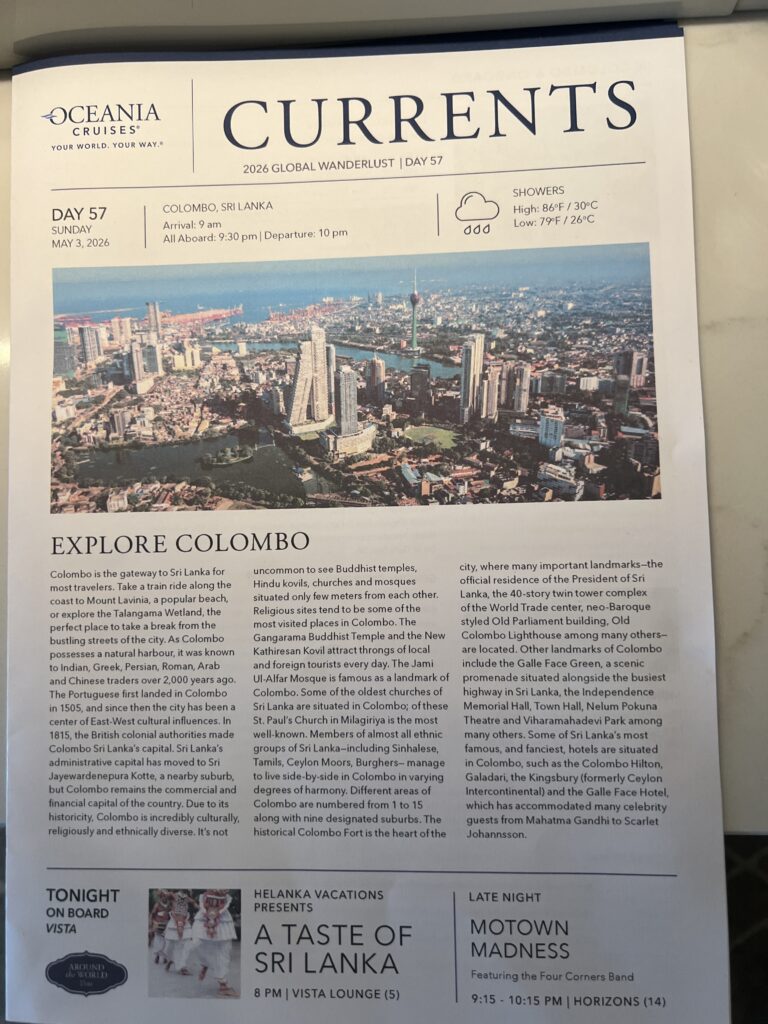
Lotus Tower, is a tower 350 m (1,150 ft) high, located in Colombo, Sri Lanka. It has been called a symbolic landmark of Sri Lanka. As of 2019, the tower is the tallest self-supported structure in South Asia; the second tallest structure in South Asia after the guy-wire-supported INS Kattabomman in India; the 11th tallest tower in Asia and the 19th tallest tower in the world. It was first proposed to be built in the suburb of Peliyagoda but later the Government of Sri Lanka decided to change the location. The lotus-shaped tower is used for communication, observation and other leisure facilities. Construction cost $104.3 million, funded by EXIM Bank of People’s Republic of China. The tower was opened to the public on the 16 September 2019 by President Maithripala Sirisena, seven years after the project.
Building a TV tower of one’s own country has always been the wish of the Sri Lankan people. Now that this dream is about to become a reality, all the people of Sri Lanka will be excited about it. Lotus TV Tower will provide more than 50 channels of TV and radio programs, and provide communication services for more than 20 telecom companies, which will greatly promote the development of Sri Lanka’s radio and television industry.
The Lotus TV Tower is a comprehensive entertainment center integrating conferences, exhibitions, hotels, catering, sightseeing and leisure. It will become an important tourist attraction and an international conference center in Colombo, a new landmark in Colombo, and a symbol of peace, development and prosperity in Sri Lanka. Sri Lanka is a Buddhist country. The shape of the lotus pagoda embodies the local people’s pursuit and yearning for the pure land, and implies a prosperous and peaceful future for Sri Lanka.
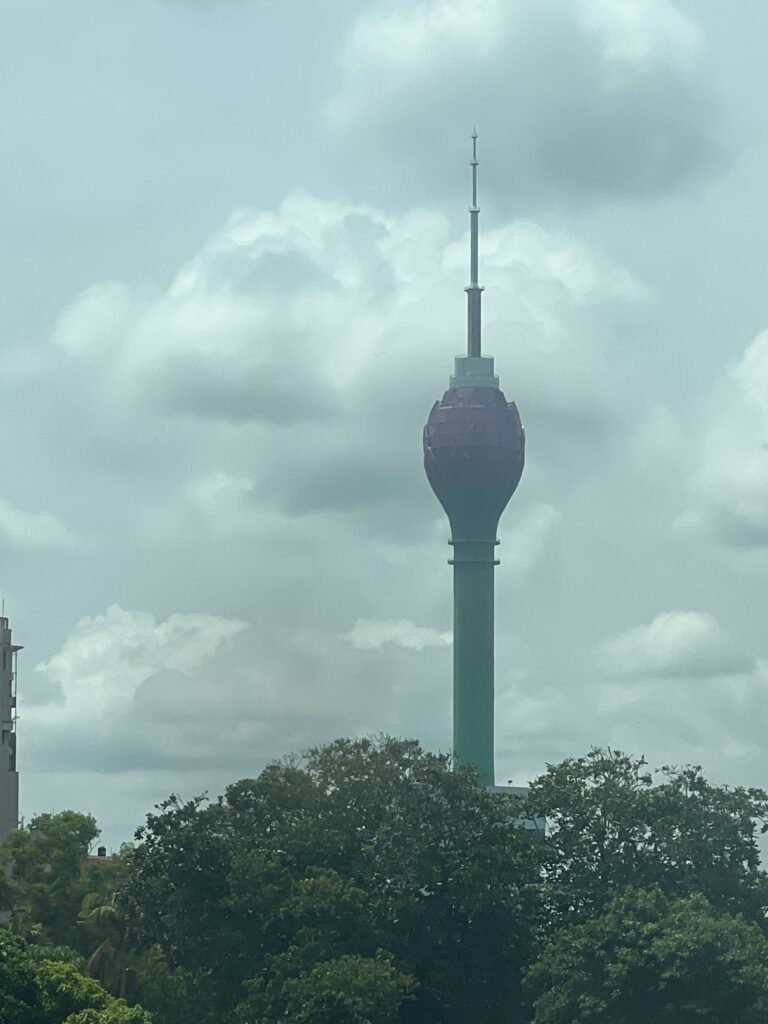
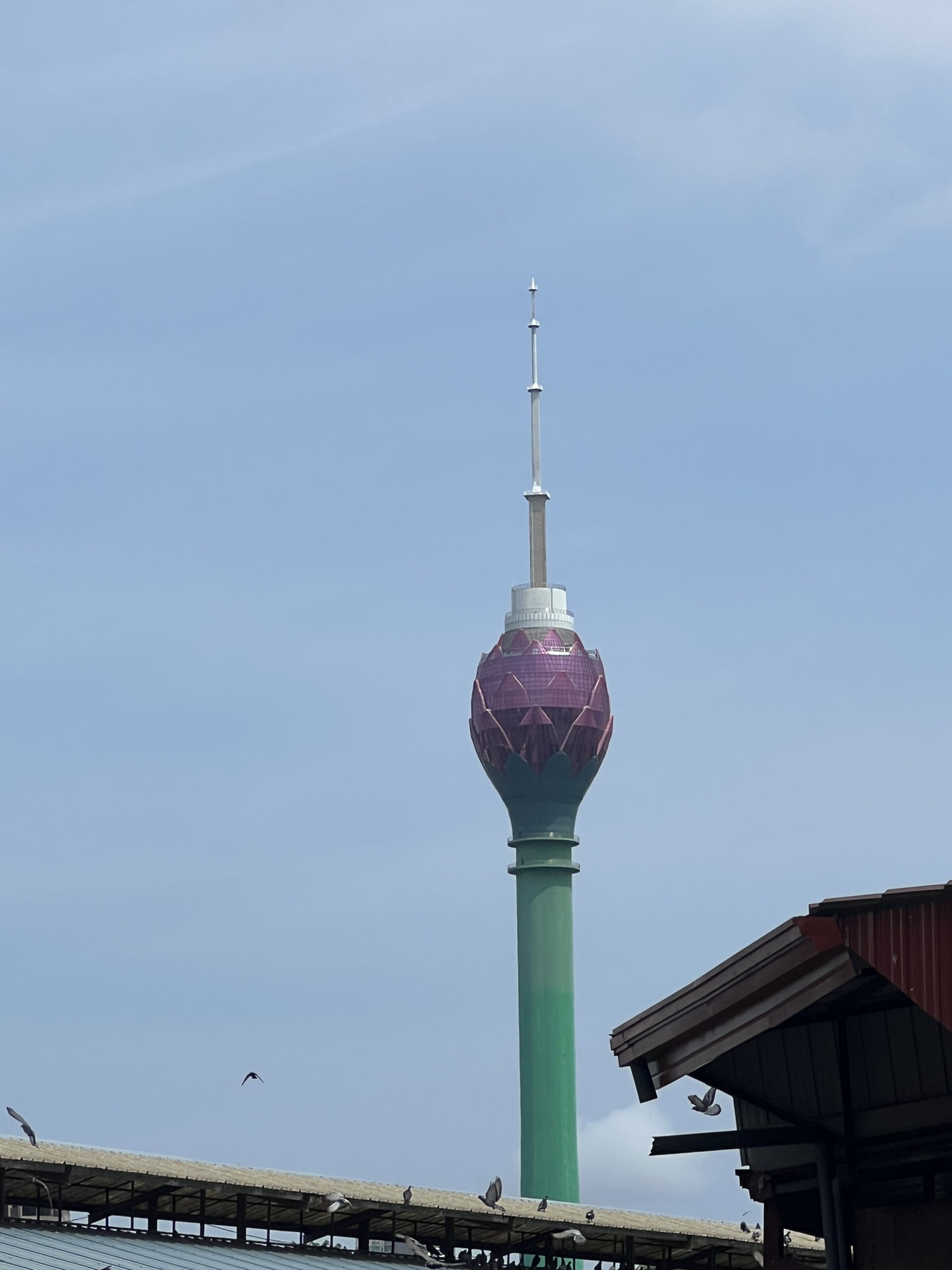
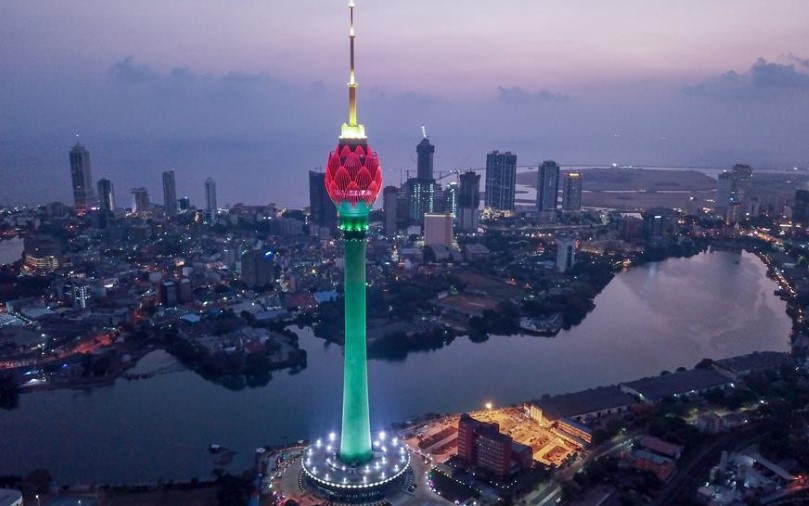
Some additional photos of the Lotus Tower that are stock photos I found on the internet
Lotus Tower and Beira Lake at night
Lotus Tower Observation Deck
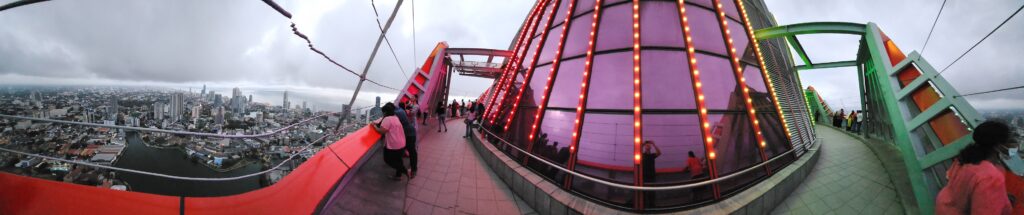
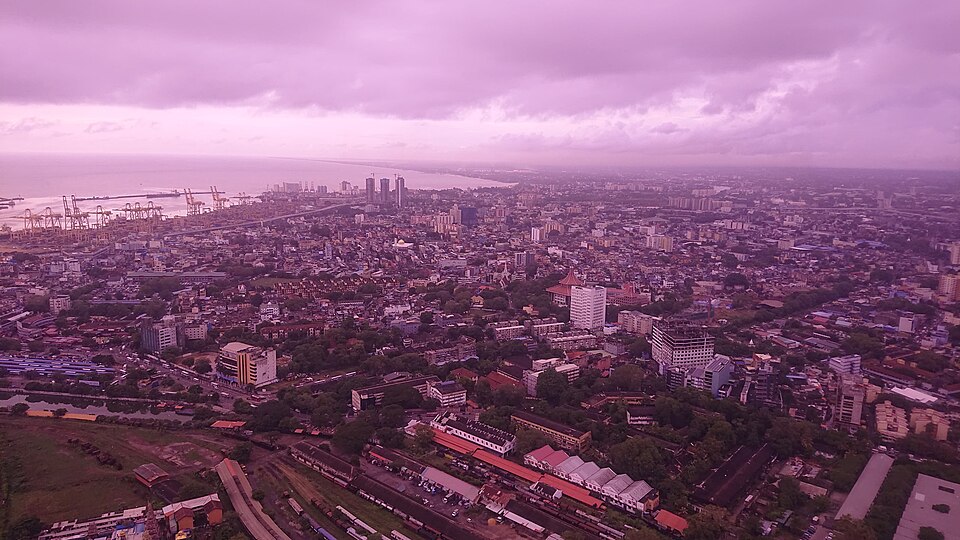
View of the Colombo City through the Pink-tinted glass of the Banquet Hall
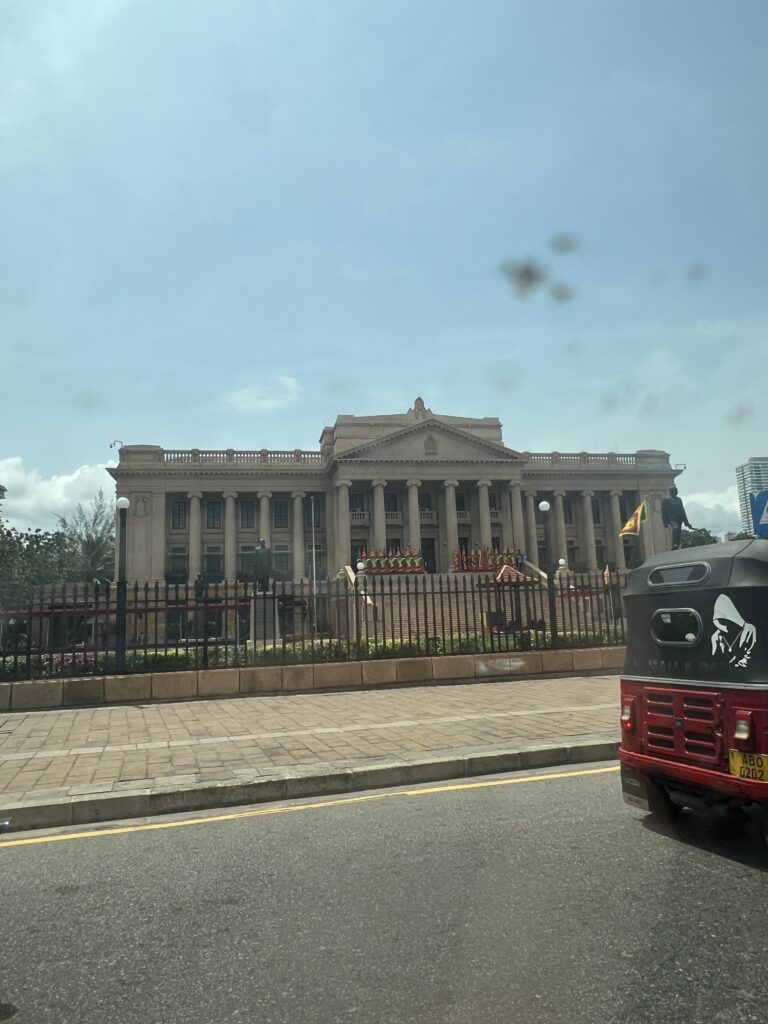
The Presidential Secretariat (Sinhala: ජනාධිපති ලේකම් කාර්යාලය, romanized: janādhipati lēkam kāryālaya) is the office of the President of Sri Lanka. It provides the administrative and institutional framework for exercising the duties, responsibilities and powers vested in the President by the Constitution. The Presidential Secretariat is located in the Old Parliament Building in Colombo.
The head of the Presidential Secretariat is the Secretary to the President (also known as the President’s Secretary), who is ex officio the most senior civil servant and head of the Sri Lanka Administrative Service. The current President’s Secretary is Nandika Sanath Kumanayake. The post has its roots from the post of Secretary to the Governors of Ceylon and thereafter the Secretary to the Governor-General of Ceylon.
The President of the Democratic Socialist Republic of Sri Lanka is the Head of the State, the Head of the Executive, Head of the Government and the Commander-in-chief of the Armed Forces. The office of the President “Presidential Secretariat”, provides the administrative and institutional framework for the exercise of the duties, responsibilities and powers vested in the President by the Constitution of Sri Lanka.
The present Presidential Secretariat is housed at the Old Parliament building at Galle Face. This magnificent edifice, which represents a most important institutional landmark in our country’s political progress, was built 82 years ago in “Ionic Style”, one of the five architectural orders of Parliament building in appearance, resembles the Parthenon, the chief temple of the Greek Goddess, Athene, on the hill of the Acropolis at Athens.
Duties
The President’s Office shall be concerned with the following aspects of governance:-
- Co-ordinating and reviewing the implementation of Government policy in all sectors;
- Monitoring progress in the implementation of specific projects and programmes;
- Addressing perceived public aspirations and grievances, and
- Maintaining a watching brief over the nation’s external relations.
We went back to the ship and ate lunch and then headed out at 1:30pm for our ship excursion. We were not expecting much, but it turned out to be a great four hours.
The Oceania excursion we selected was called “Capture the Moment in Colombo Tour”. The tour involved a strenuous walking portion of 2 1/2 miles in open air and crowded areas, with multiple transitions between busses, sites, monuments and tuk-tuks over gravel, sandy and uneven surfaces.
Drive to the city (approx. 15 minutes). Visit selected photo stops in and round Colombo, including key landmarks suitable for photography, and travel by tuk-tuk to designated locations that would include Pettah Bazaar, Khan Clock Tower, Hindu Temples, the Red Mosque, Fort Railway Station, Vihara Mahadevi Park, Independence Square, the Buddha Statue at the BMICH building and Galle Face Green (taking about 4 hours) before driving back to the pier (about 30 minutes).
The Pettah Market also called Manning Market is an open market in the suburb of Pettah in the city of Colombo, Sri Lanka.
The entrance to the Pettah Market is marked formally by a tall monument in the centre of a roundabout, known as the Khan Clock Tower which was built by the family of Framjee Bhickajee Khan, an eminent Parsi family from Bombay who used to have substantial business interests in the country and who also owned the Colombo Oil Mills.
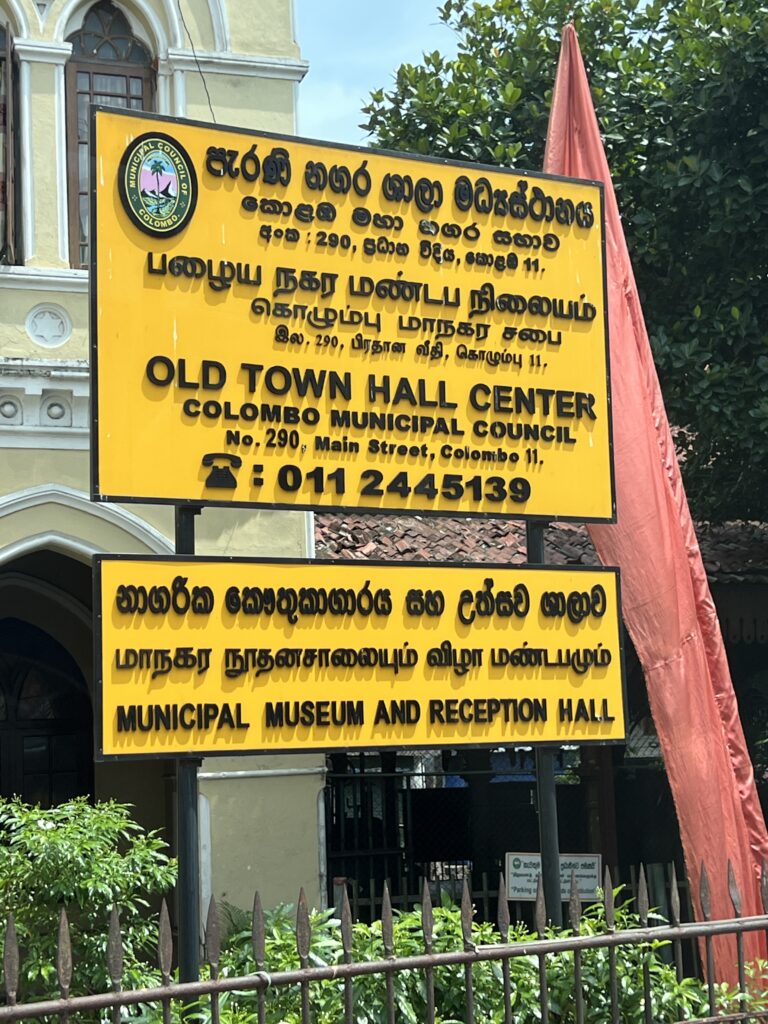
The Colombo Old Town Hall & Museum, which was built by the prominent Muslim Arasi Marikar Wapchie Marikar, is located at Kayman’s Gate, so named because the Dutch used to stock crocodiles at Beira Lake to prevent their slaves from escaping. Today the building acts as a post office on the ground floor, and as a museum on the upper floor. Outside, there is an exhibit of old steam engines.
Most of the businesses in Pettah are dominated by Muslim who specialize in trading of goods and the Tamil people who have migrated from India traders who specialize in gold and jewelry shops. At the end of Pettah is sea street which is Sri Lanka’s gold market where people from all around Sri Lanka come to purchase jewelry. It is a long street of jewelry shops with hundreds of shops next to one another. There are also some jewelry shops in main street Gaspa junction.
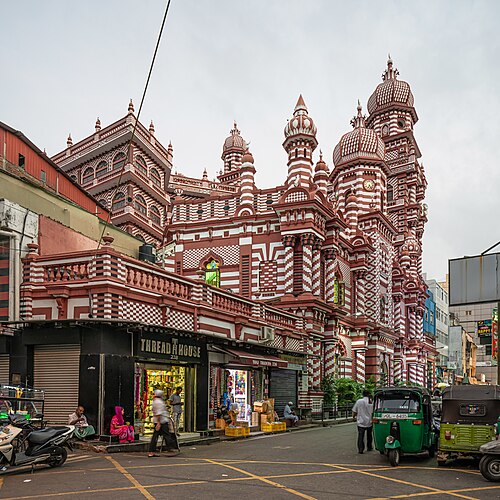
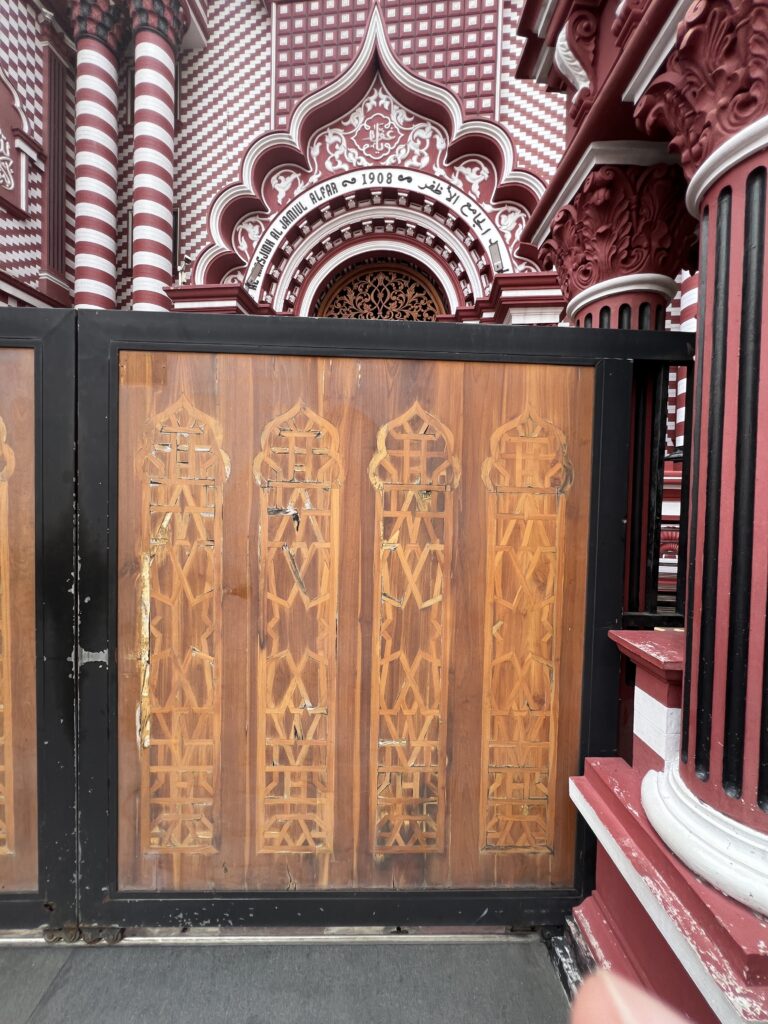
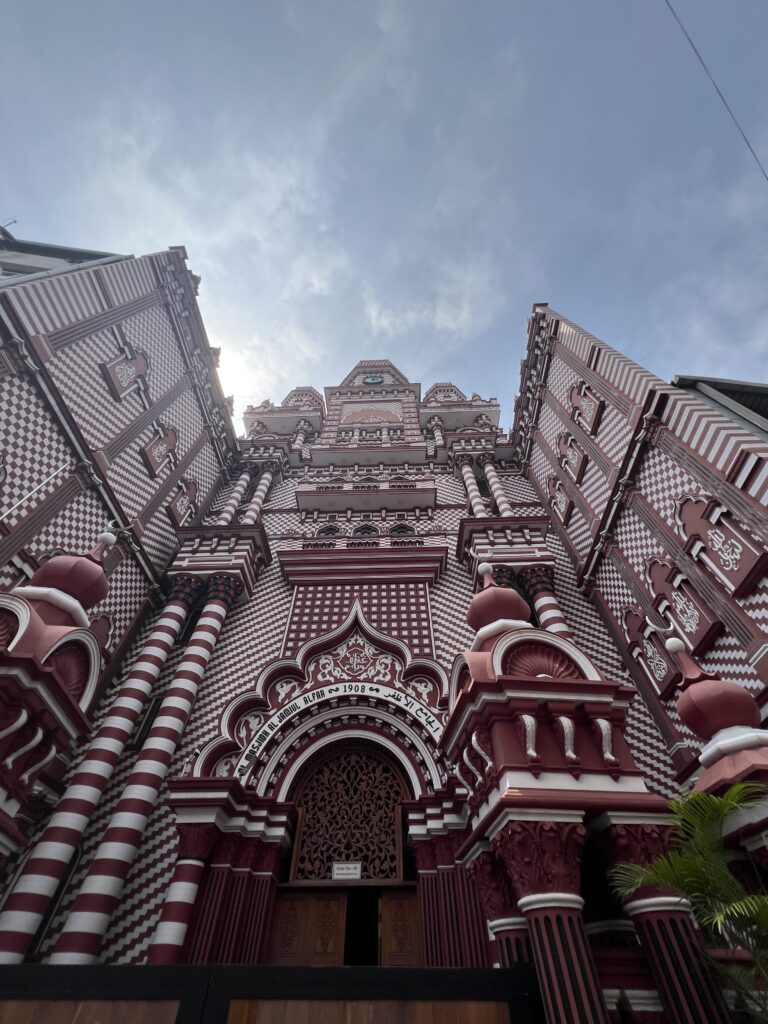
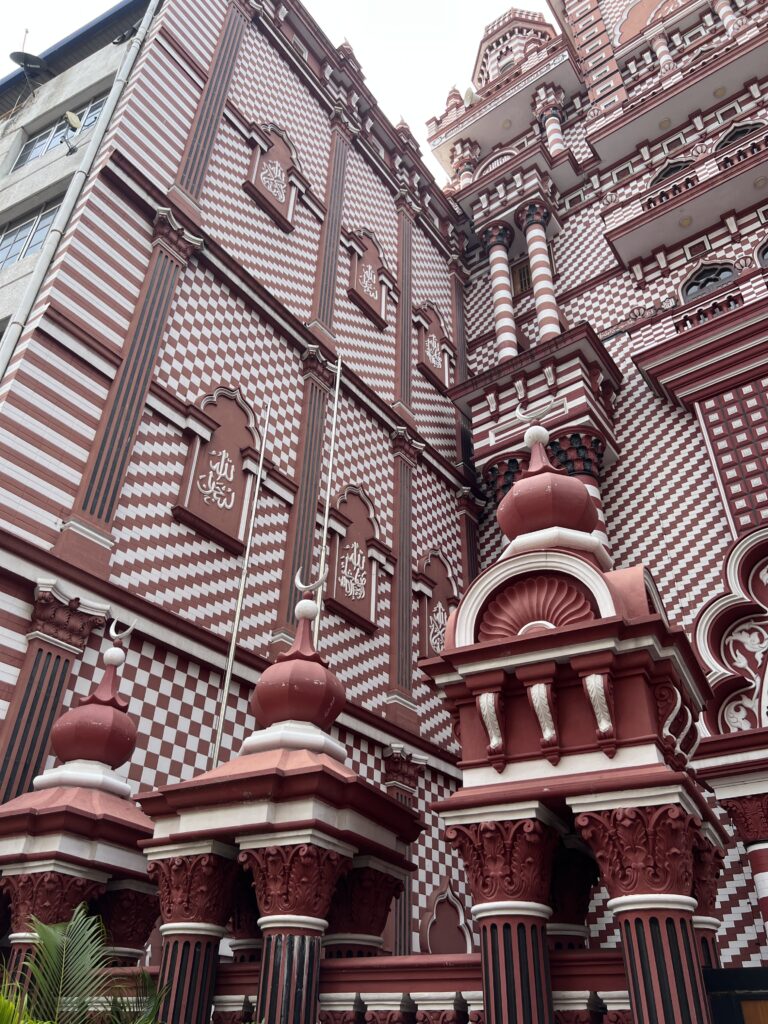
The most recognizable building in the Pettah Market is the candy-striped Jami Ul-Alfar Mosque (also known as The Red Mosque) which was built in 1909.
Pettah Market: Walk Through Colombo’s Most Hectic Shopping District
I am leaving this space pen in case I can ever find a suitable Wi-Fi location to upload a 40 second drive and walk through the Pettah Bazaar Market.
This is a video of a portion of the Pettah Market.
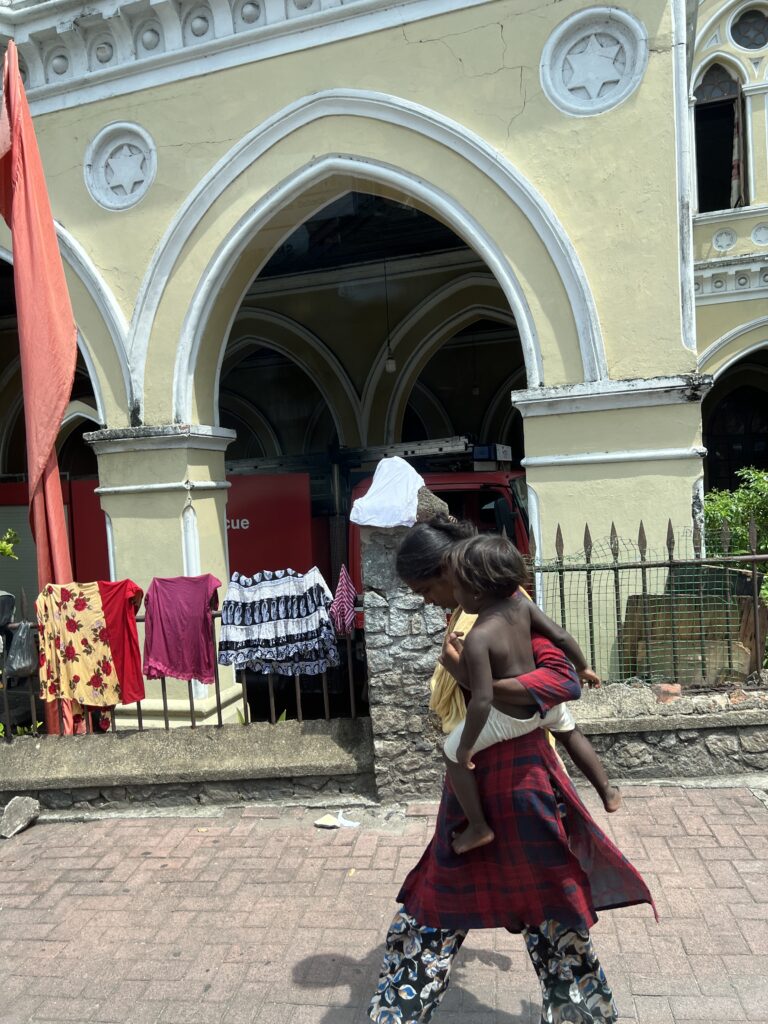
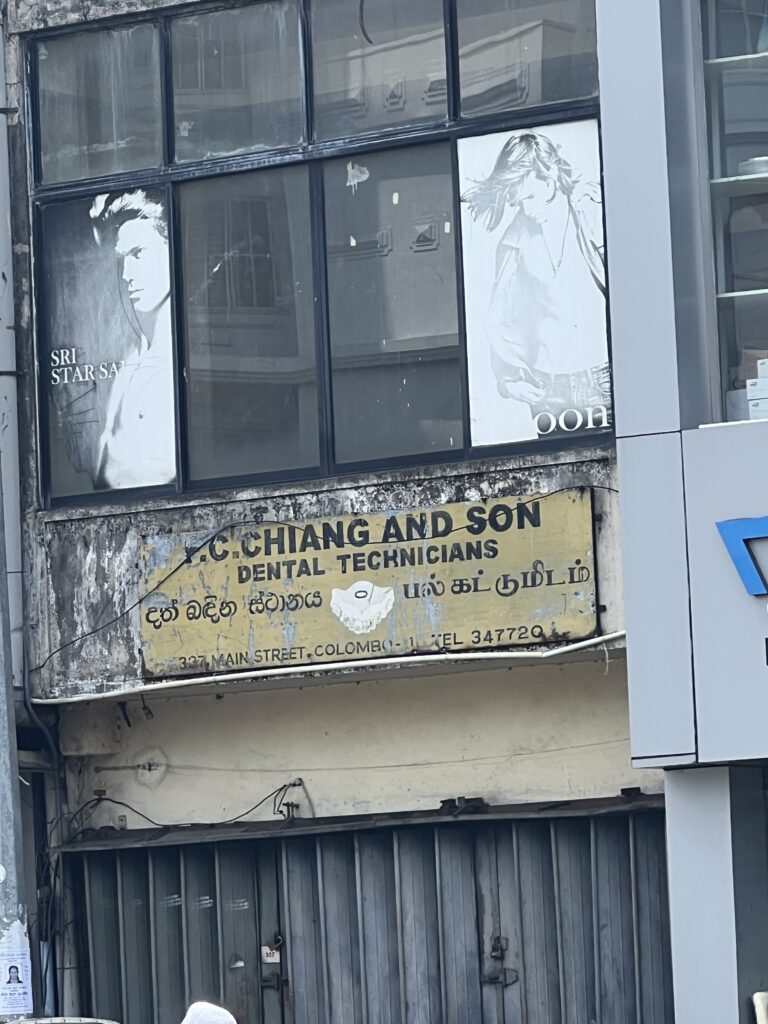
Photo for Leslie Juban, DDS
Right at the beginning of the walking tour, we came across a woman sitting under an umbrella working on shoes. The guide told us she keeps shoes useful and some of the shoes are from the same family and have been used for four generations of school children in the one family. If I can find someone in our group who took a photo I will place it here. It was very amazing to see her working on these shoes.
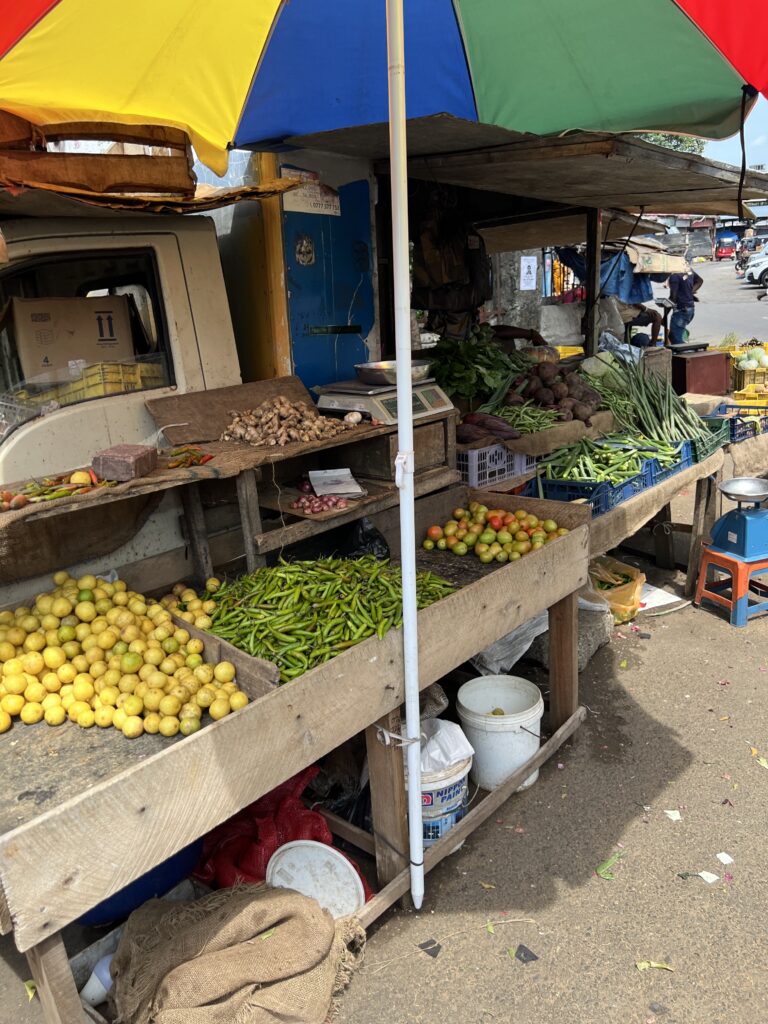
The tour was on Sunday and some of the stores were closed but we were able to visit some of the open spots selling fruits and vegetables at the start of the market.
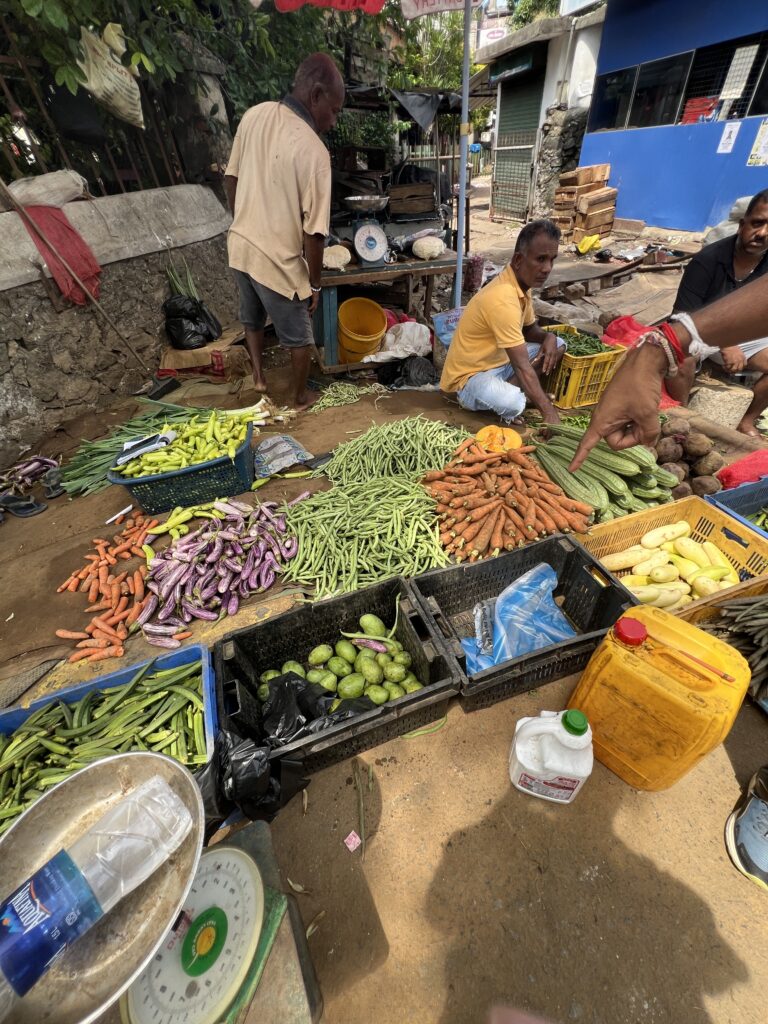
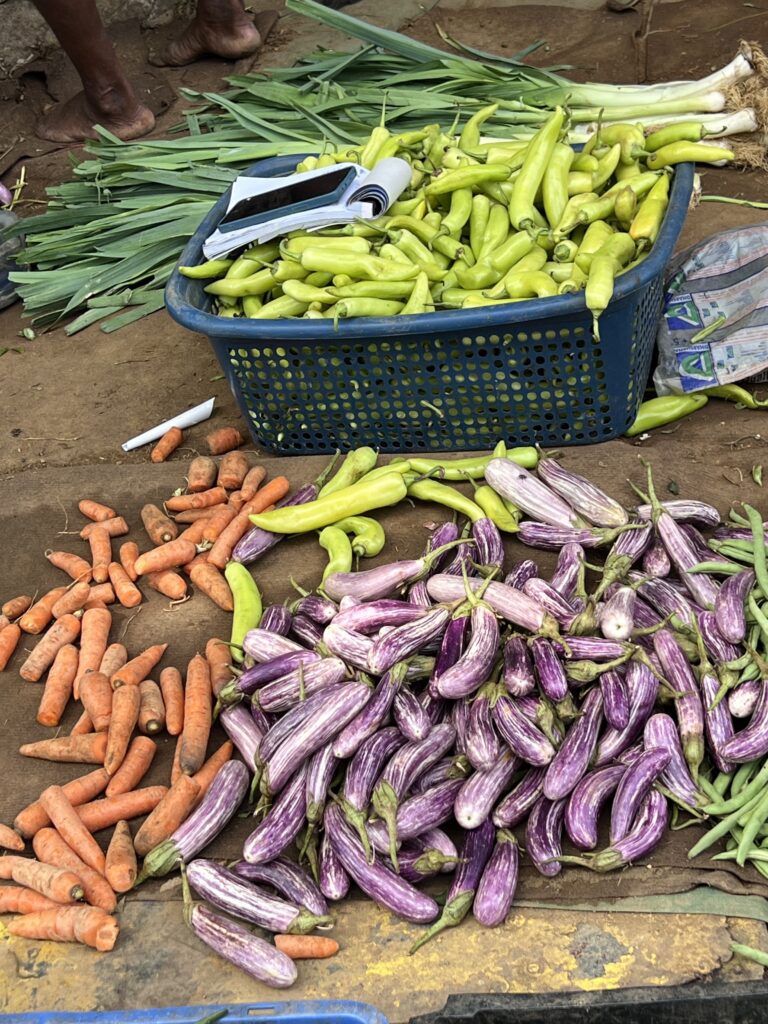
The green onion tops were huge
SANJEEVANI Grinding Mill
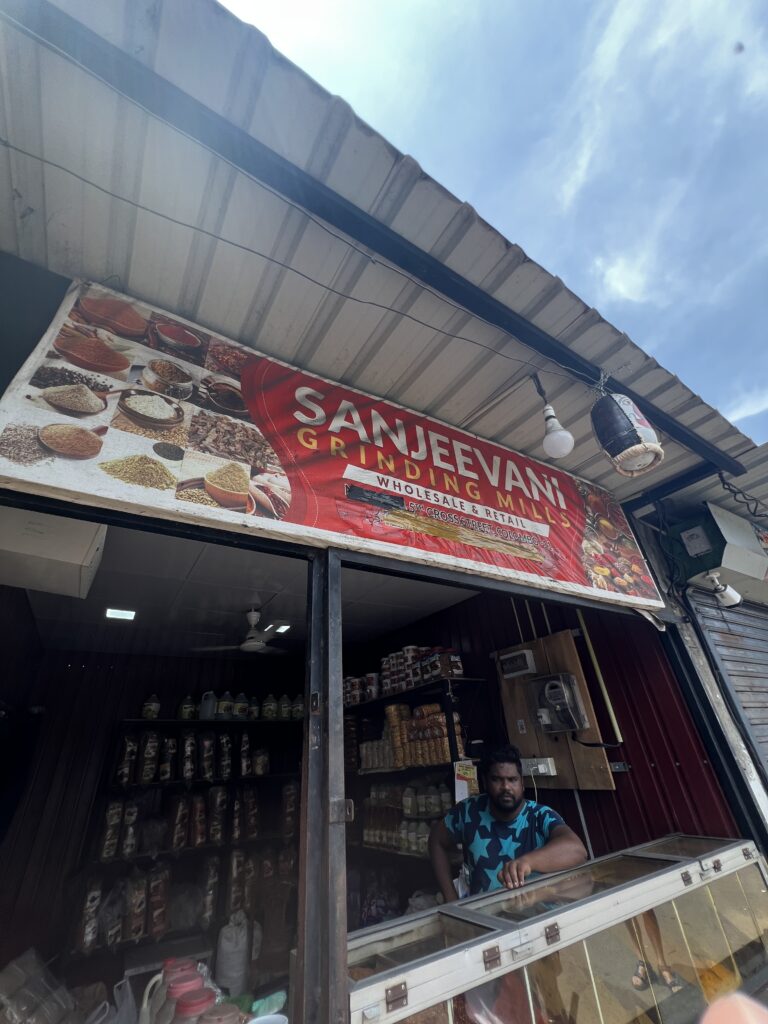
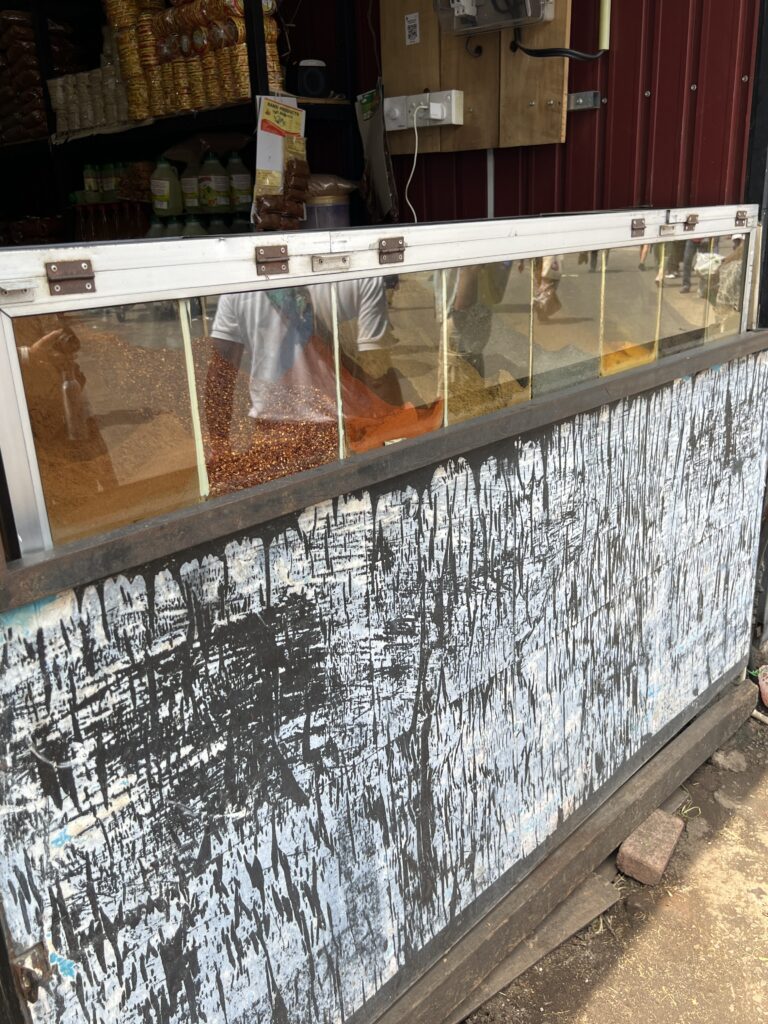
A little difficult to see but the spices have been grinded into fine powders.
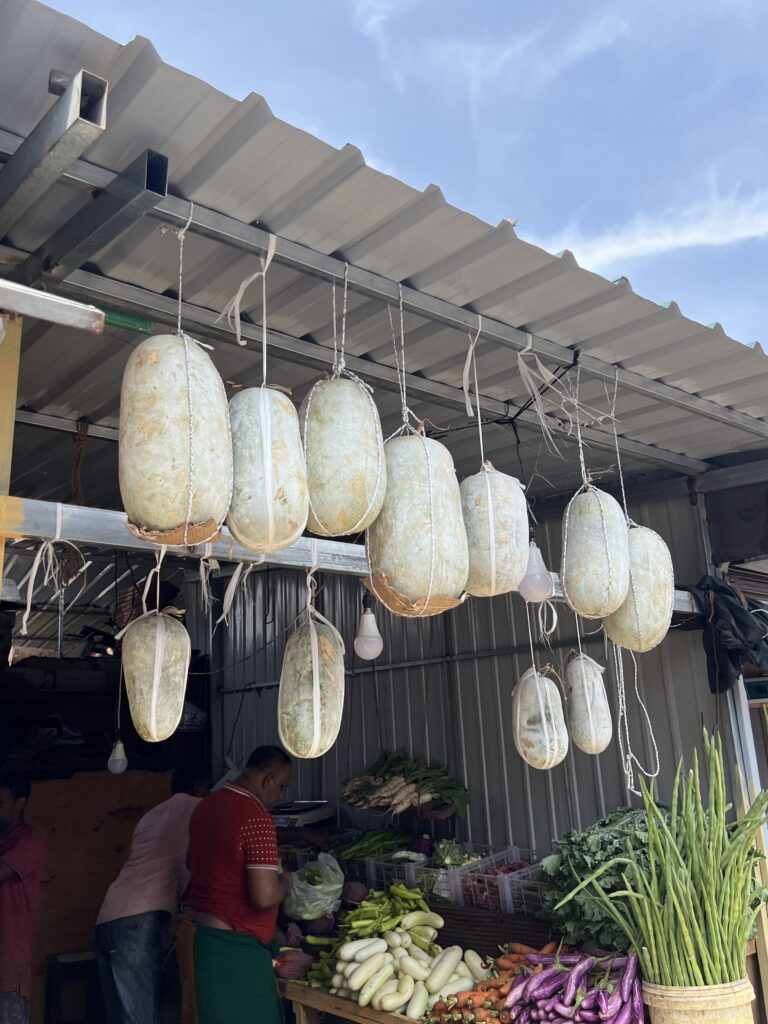
These large hanging fruits are not eaten but the insides are carved out and the outer shells are used to carry water.
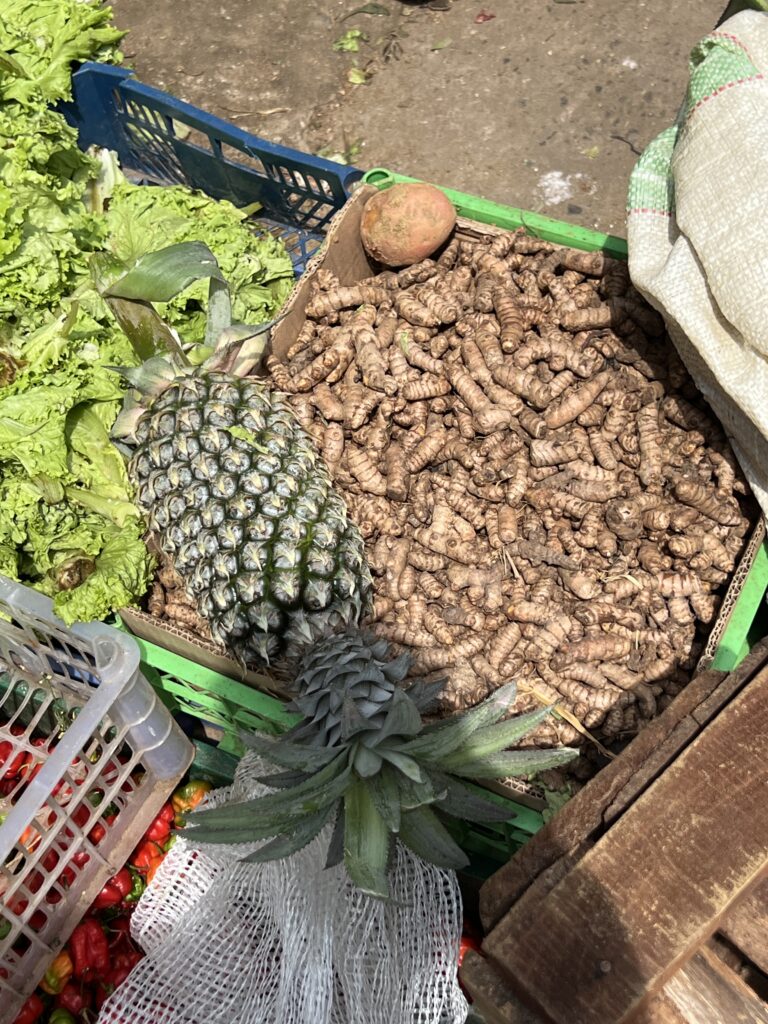
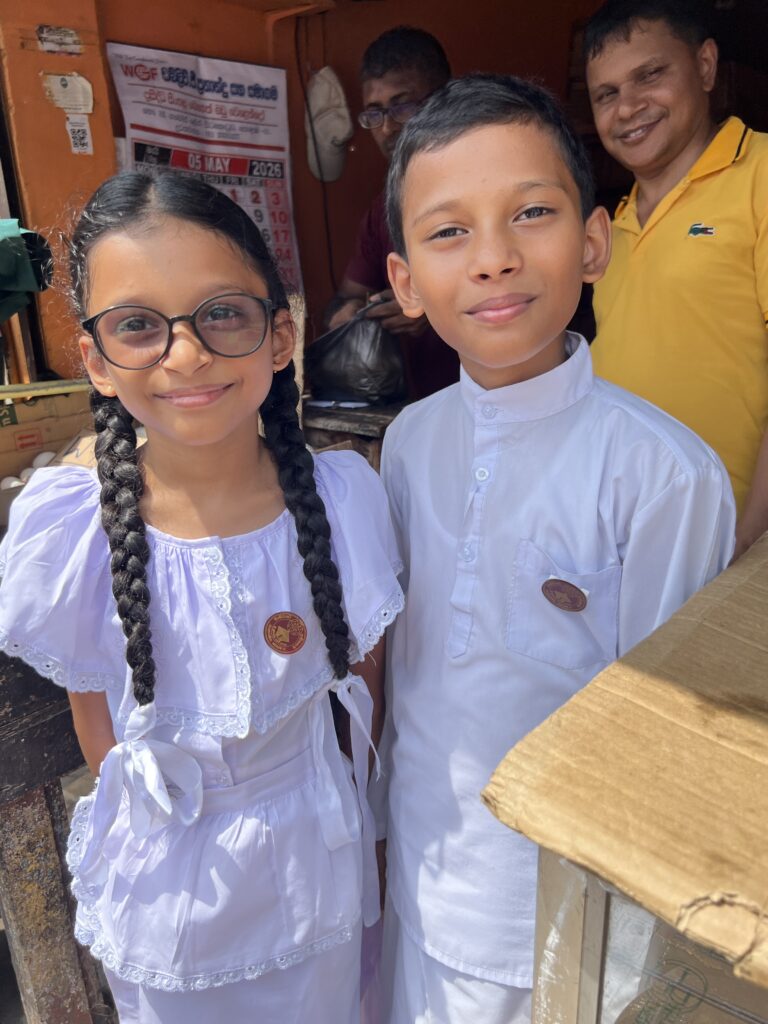
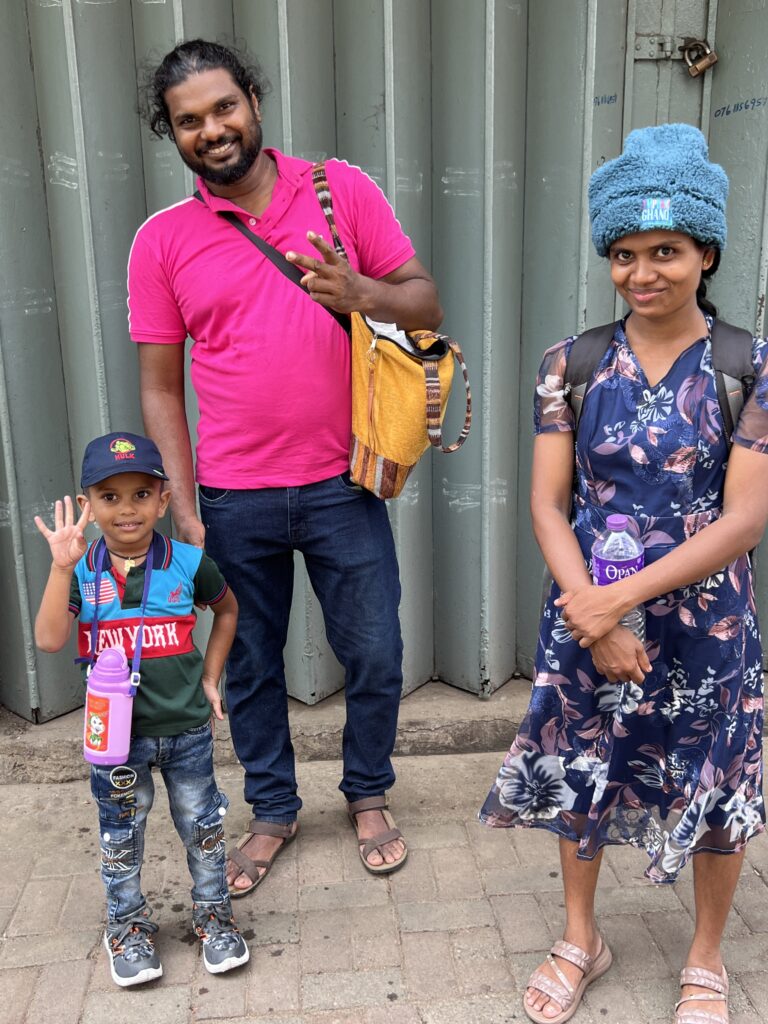
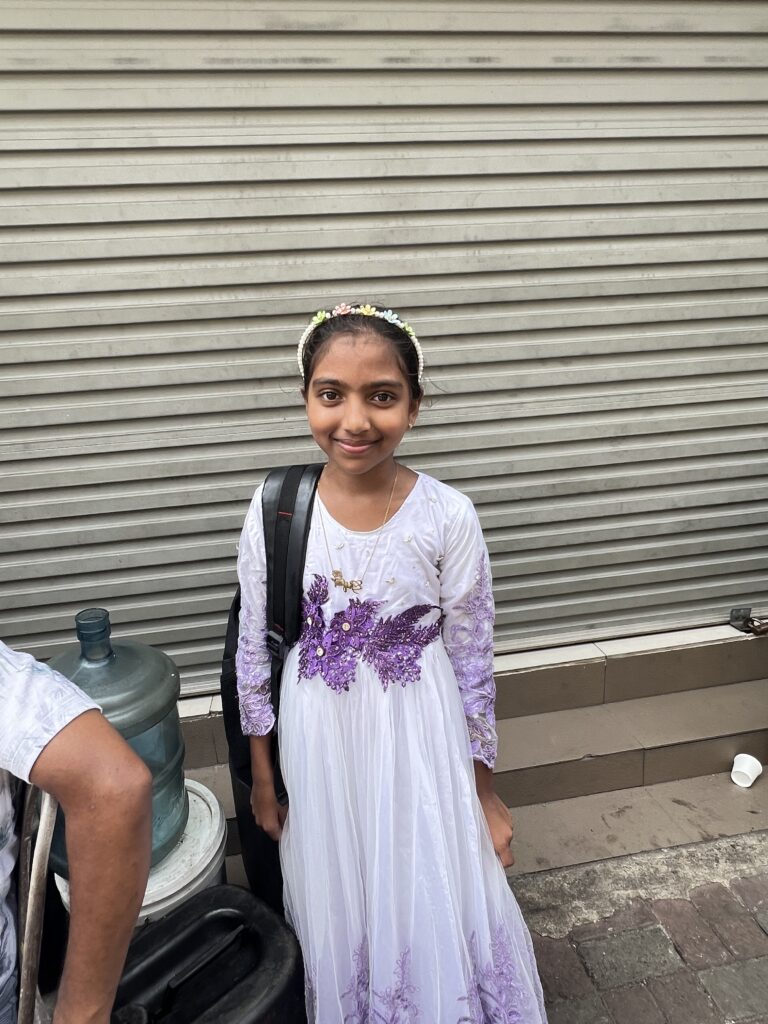
One of the great things about the tour was the ability to capture photos of the citizens. EVERYONE was so nice and excited to have their photos taken after being asked. The adults would encourage the young children to have their photos taken. Then, usually the children would ask me for my name and where I was from. It was extremely heartwarming to take these photos and many have been added to Faces Around the World section of the blog.
I love the little boy in this photo. I would count 1, 2, 3 and snap the photo. He heard me saying 1, 2, 3 and held up the number 4 on his hand.
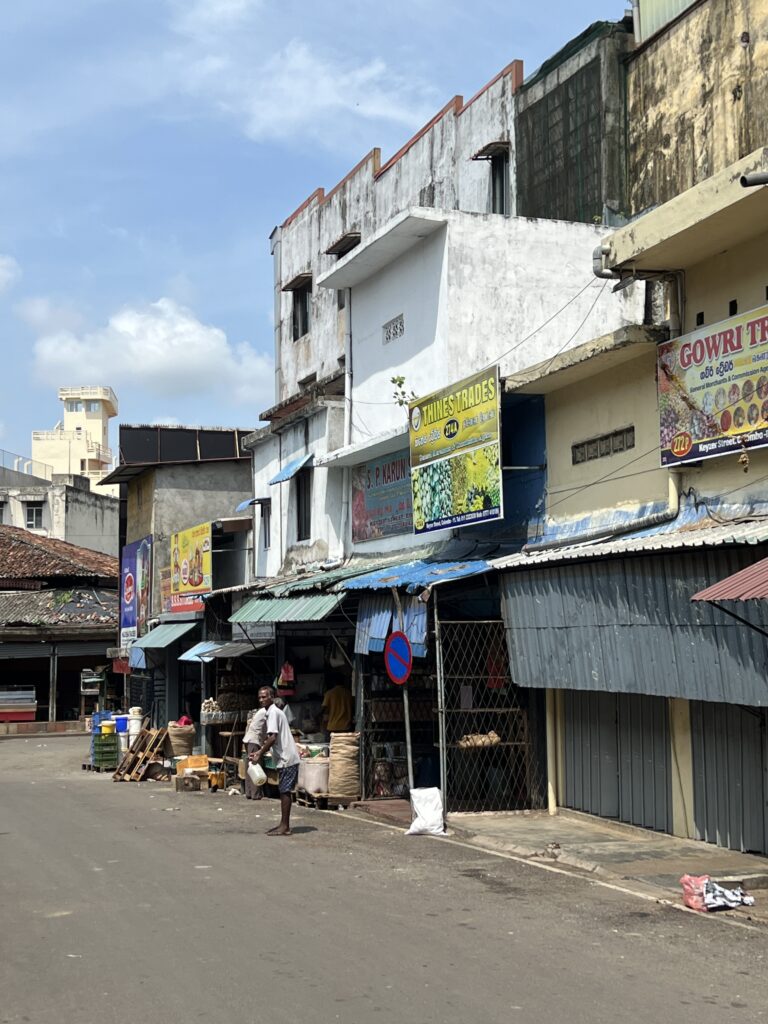
These next three photos show an electrical line that has fallen across the road. Originally the line was held up by pieces of wood that you can see lying on the road in the second photo.
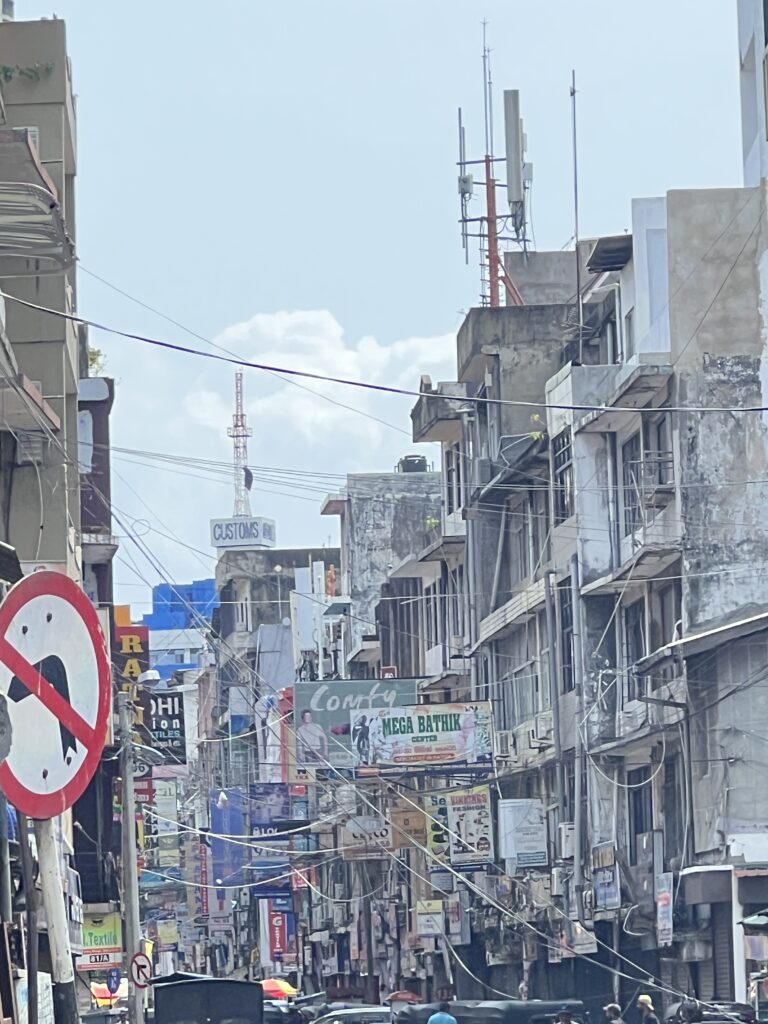
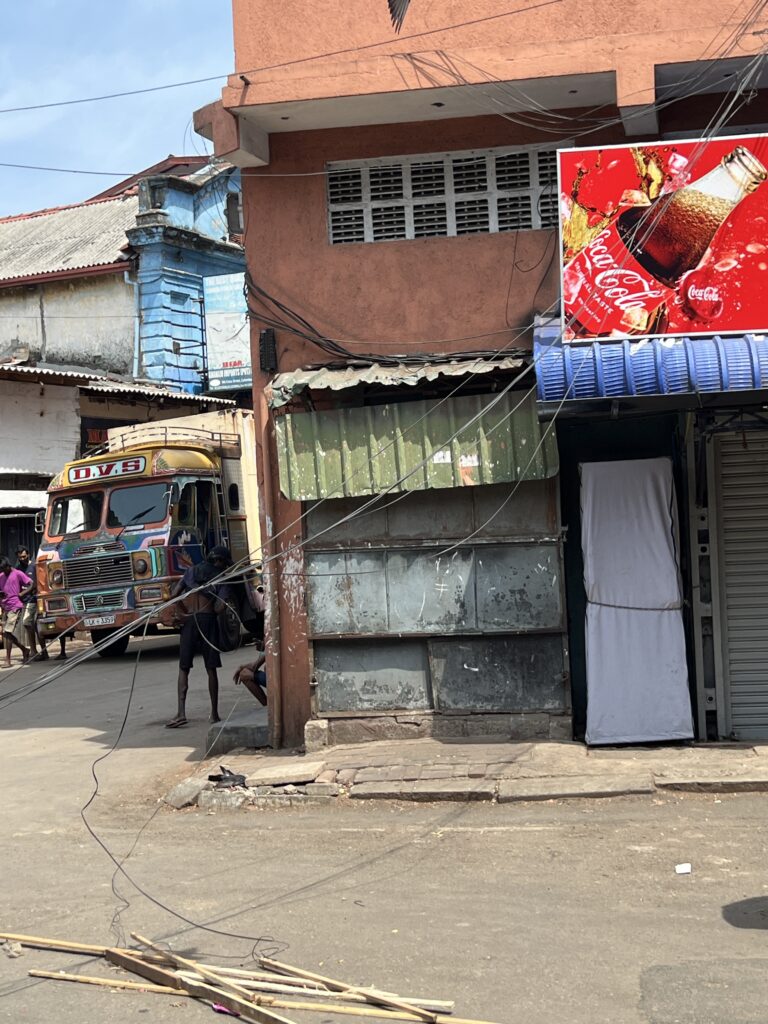
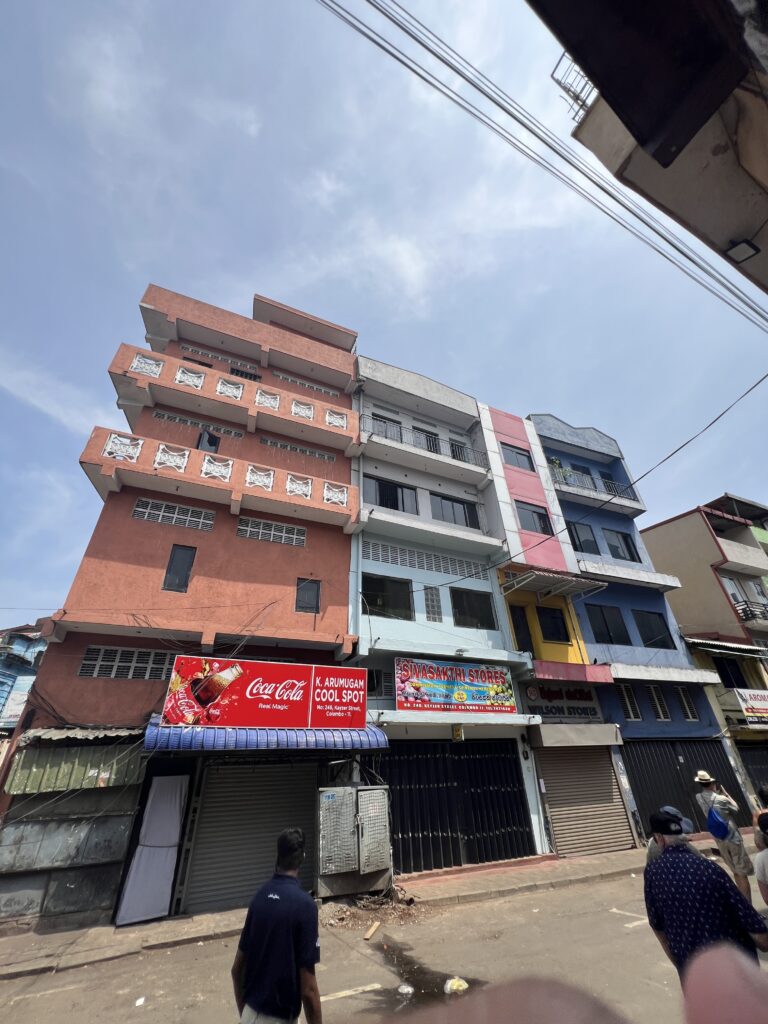
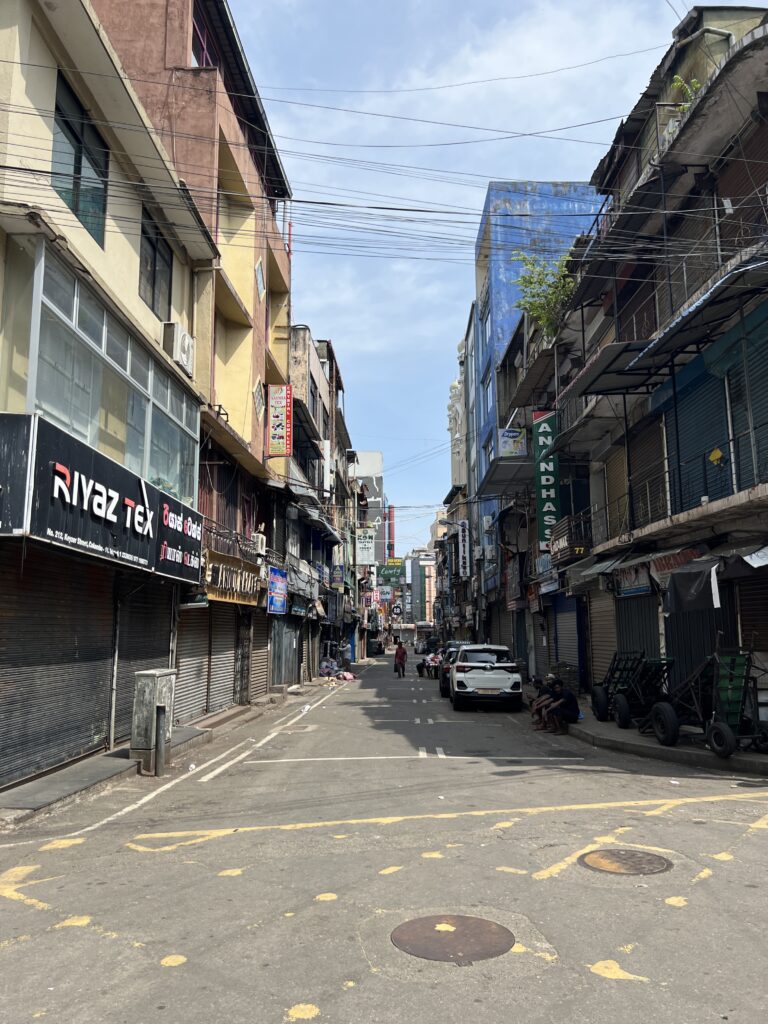
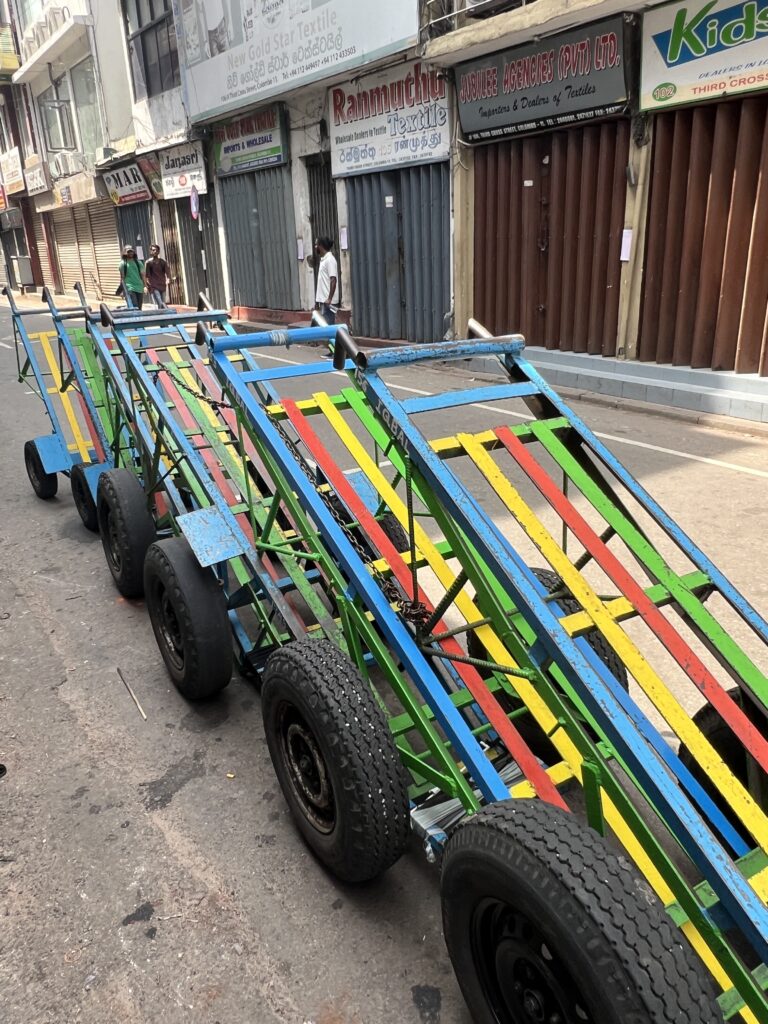
Colorful dollies waiting in the street to be used to carry items around the market
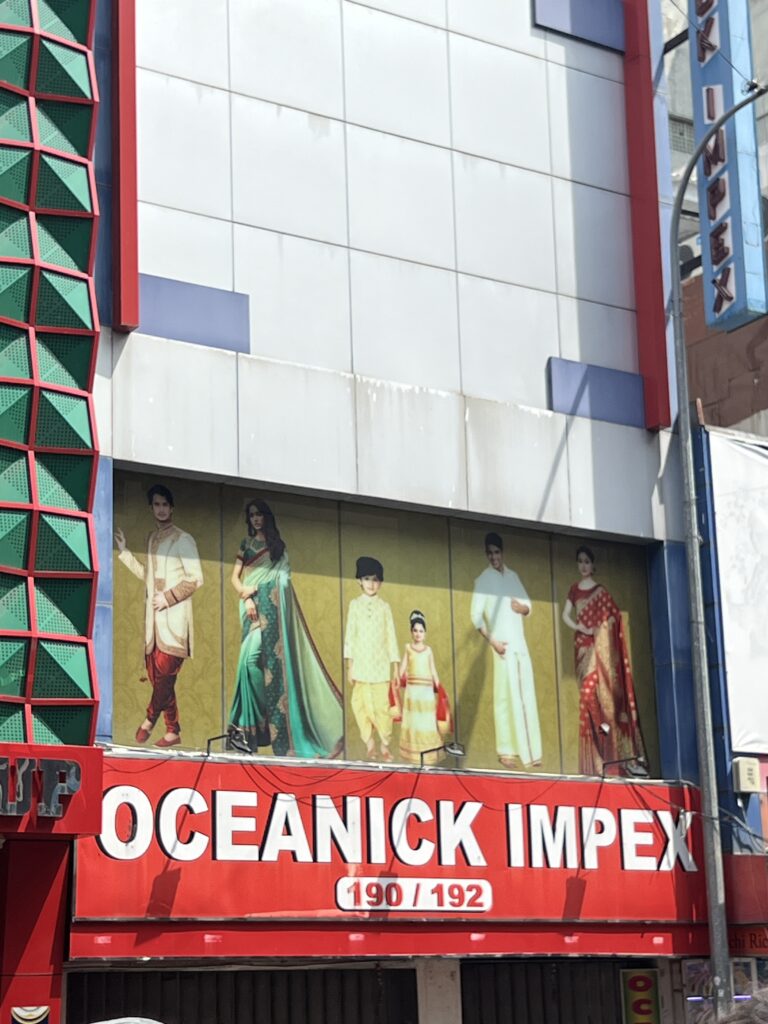
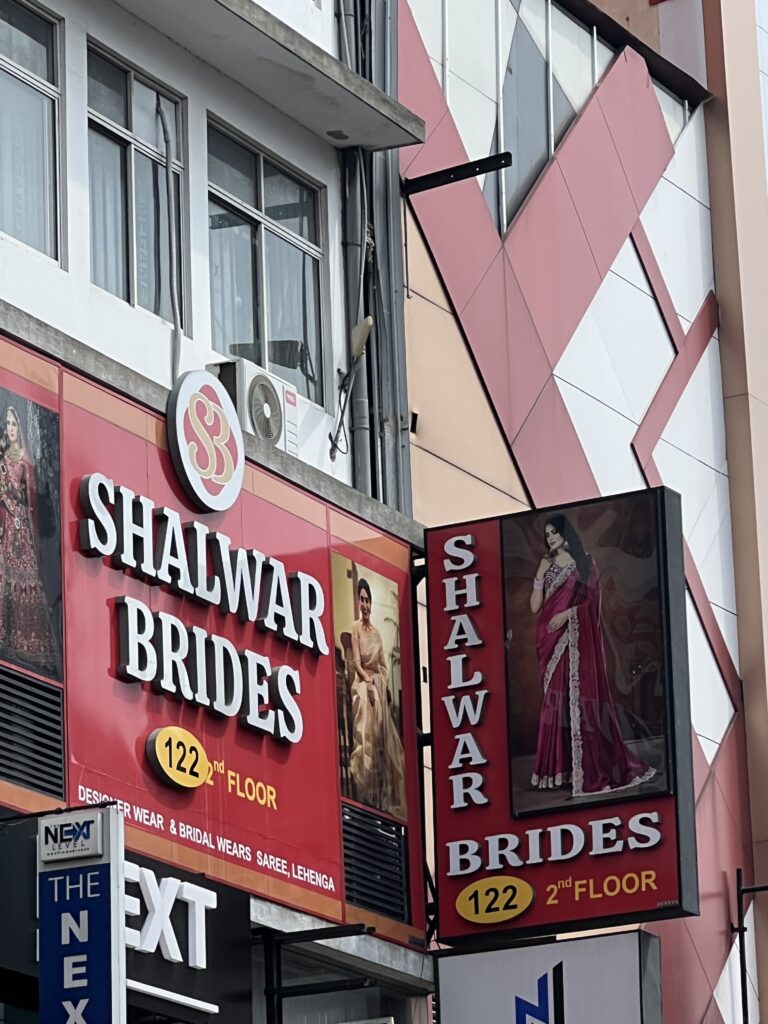
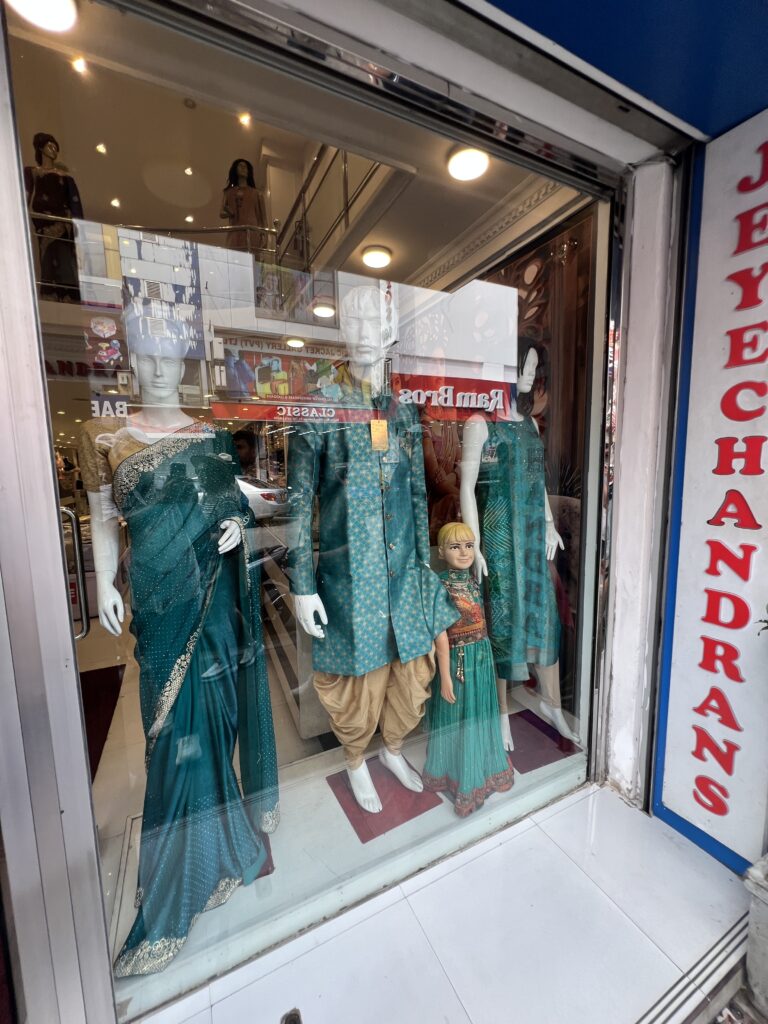
There were clothing stores. I am thinking it was good that we did not have time to shop in the stores as we would have been leaving with something.
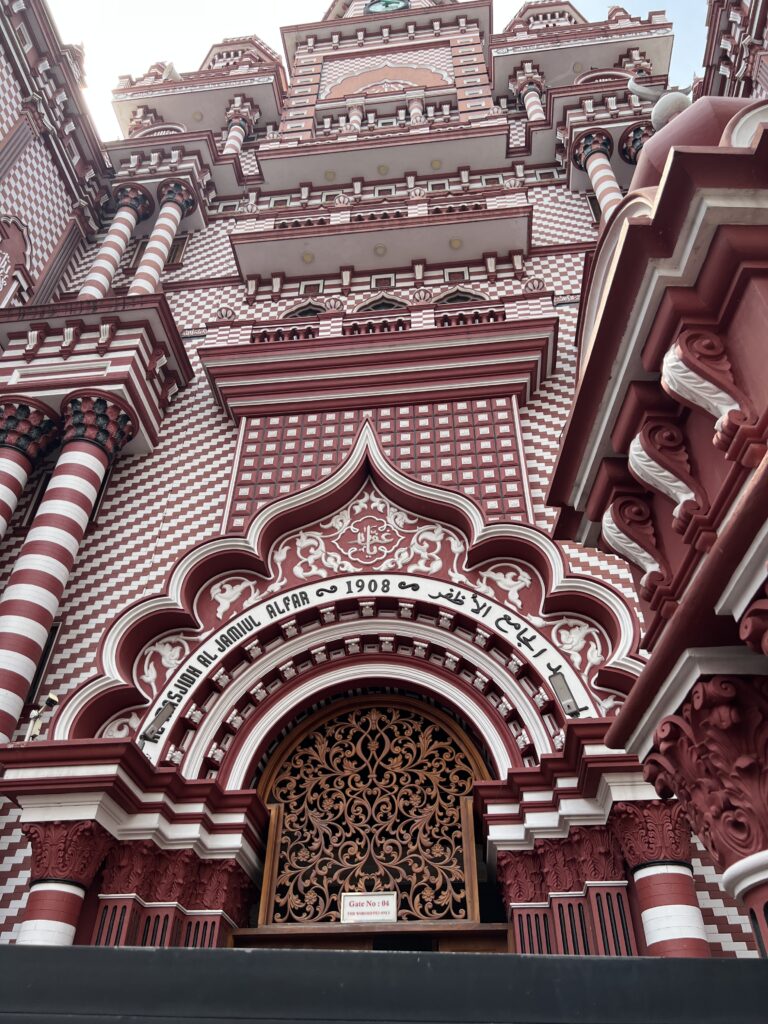
The Jami Ul-Alfar Mosque, widely known as the Red Mosque, is a historic landmark located in Pettah, Colombo, Sri Lanka, famously featuring striking red-and-white candy-striped brickwork. Built in 1908-1909 to serve the local Muslim community, this unique building blends Indo-Saracenic, Neo-Classical, and Gothic styles with domes designed to resemble pomegranates.
Construction of the Jami-Ul-Alfar Mosque commenced in 1908 and the building was completed in 1909. The mosque was commissioned by the local Indian Muslim community, based in Pettah, to fulfill their required five-times-daily prayer and Jummah on Fridays. The mosque’s designer and builder was Habibu Lebbe Saibu Lebbe (an unlettered architect), and was based on details/images of Indo-Saracenic structures provided by South Indian traders, who commissioned him. It is a hybrid style of architecture, that draws elements from native Indo-Islamic and Indian architecture, and combines it with the Gothic revival and Neo-classical styles. Originally it had the capacity for 1,500 worshippers although at the time only around 500 were attending prayers.
It is a distinctive red and white candy-striped two-story building, with a clock tower, and is reminiscent of the Jamek Mosque in Kuala Lumpur, Malaysia (constructed in 1910). Before other landmarks were built, some claim that the Jami Ul-Alfar Mosque was recognized as the landmark of Colombo by sailors approaching the port.
In 1975 the mosque, with the assistance of the Haji Omar Trust, purchased a number of the adjoining properties and commenced building an expansion to the mosque to increase its capacity to 10,000 worshippers.
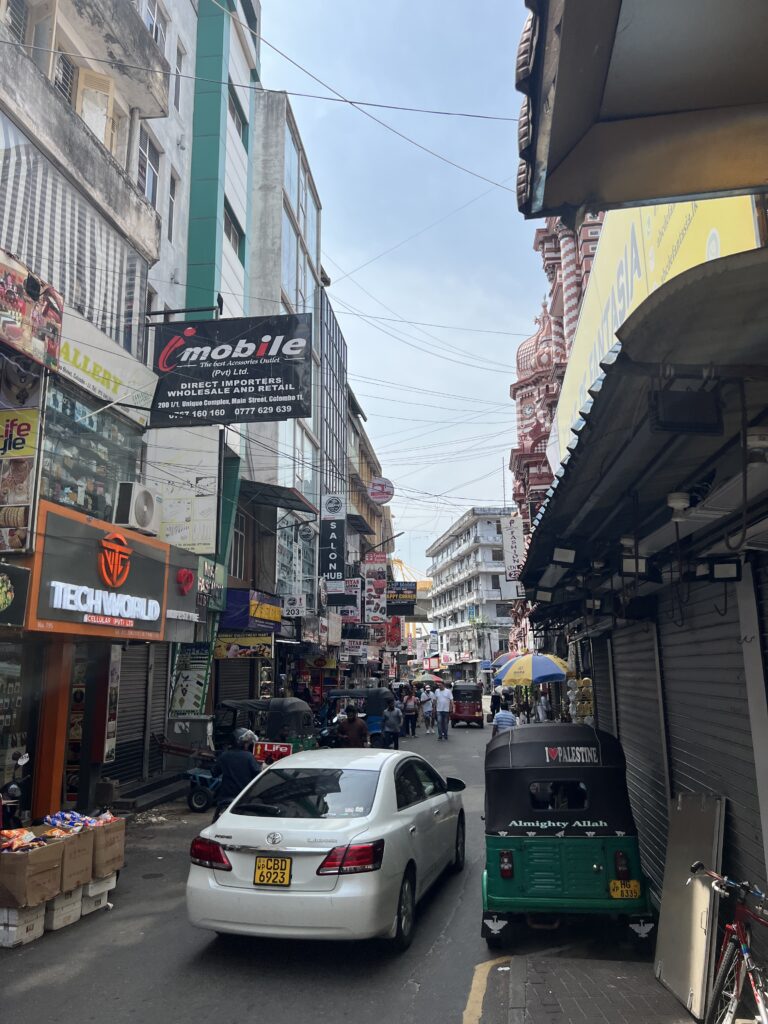
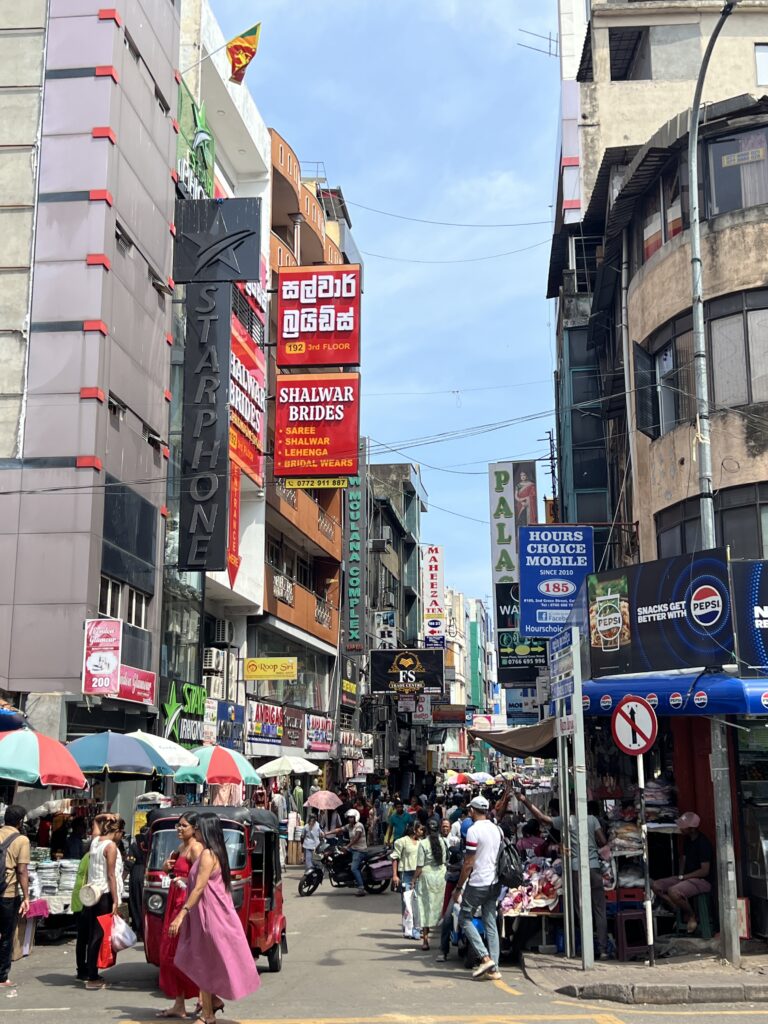
More photos of the market area.
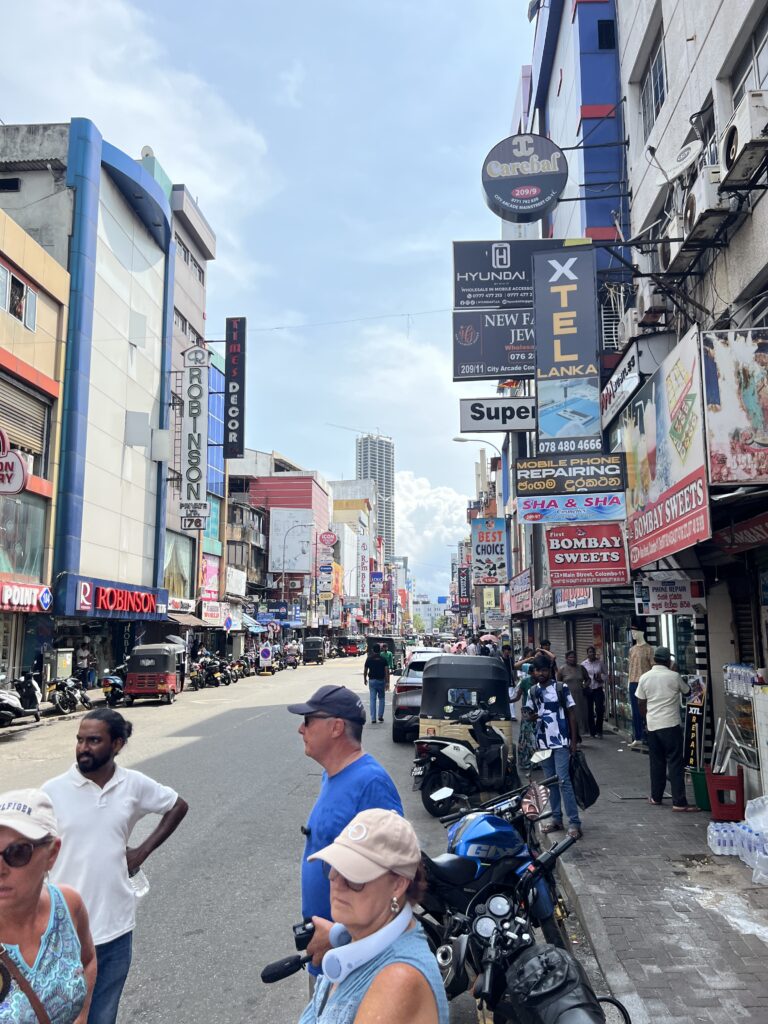
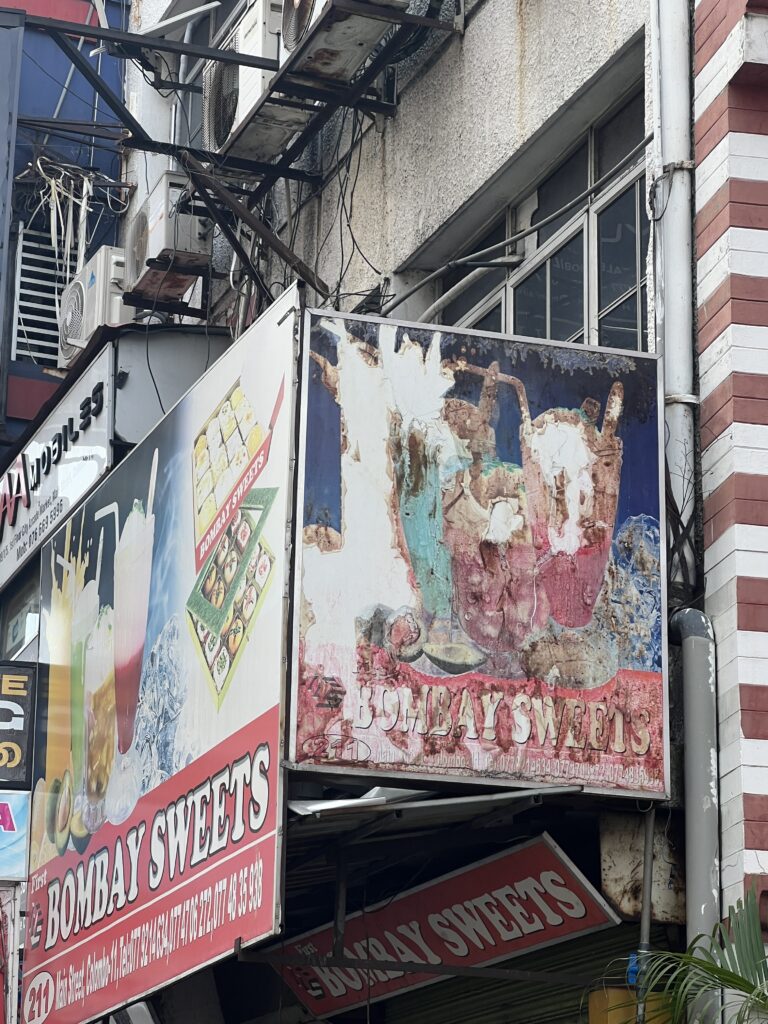
I think the ice cream and candy on the sign has melted
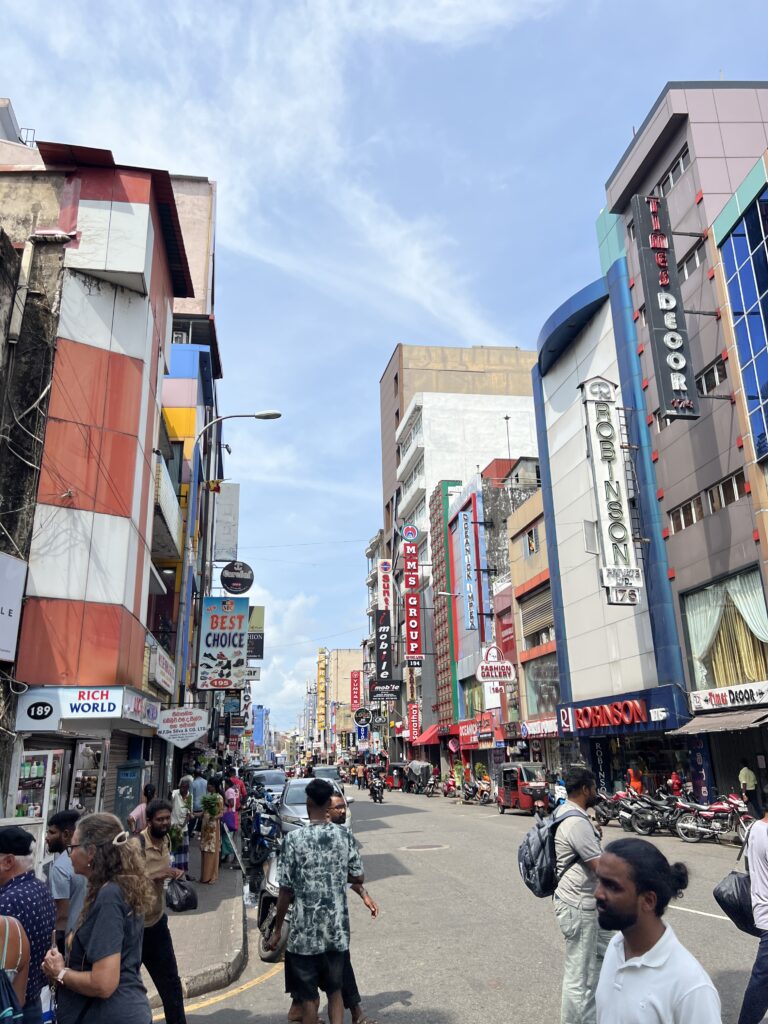
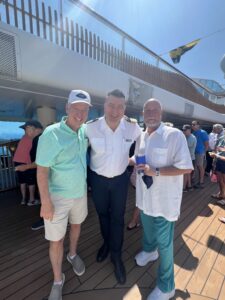
With our excursion were two men who walked along the group very inconspicuously. During the excursion I told Jackie that I don’t think the passengers in the excursion realize they were there to protect us. Not so much to protect us from violence but from aggravating and aggressive vendors. One of the two men can be seen in this photo with a white shirt and his hair in a bun.
Sri Kailawasanathan Swami Devasthanam Kovil, or simply the “Hindu Temple”
It is the oldest and largest Hindu temple in Colombo and is dedicated to the Gods Shiva and Ganesh. It has monumental towers, very elaborate with hundreds of colorful ornaments.
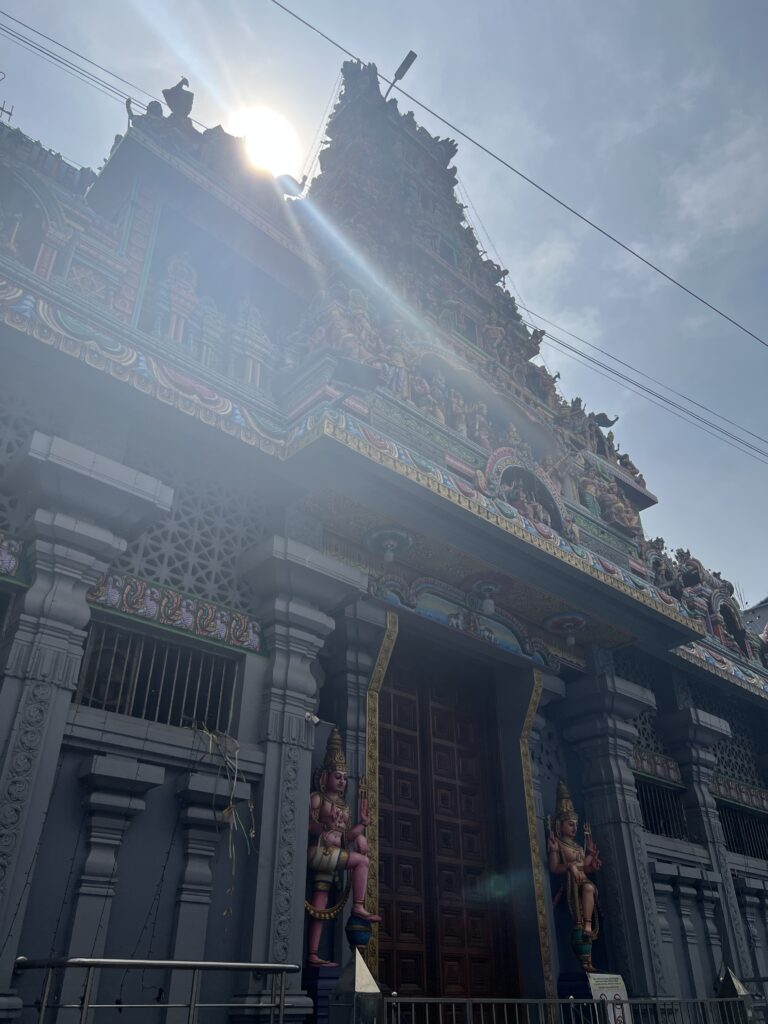
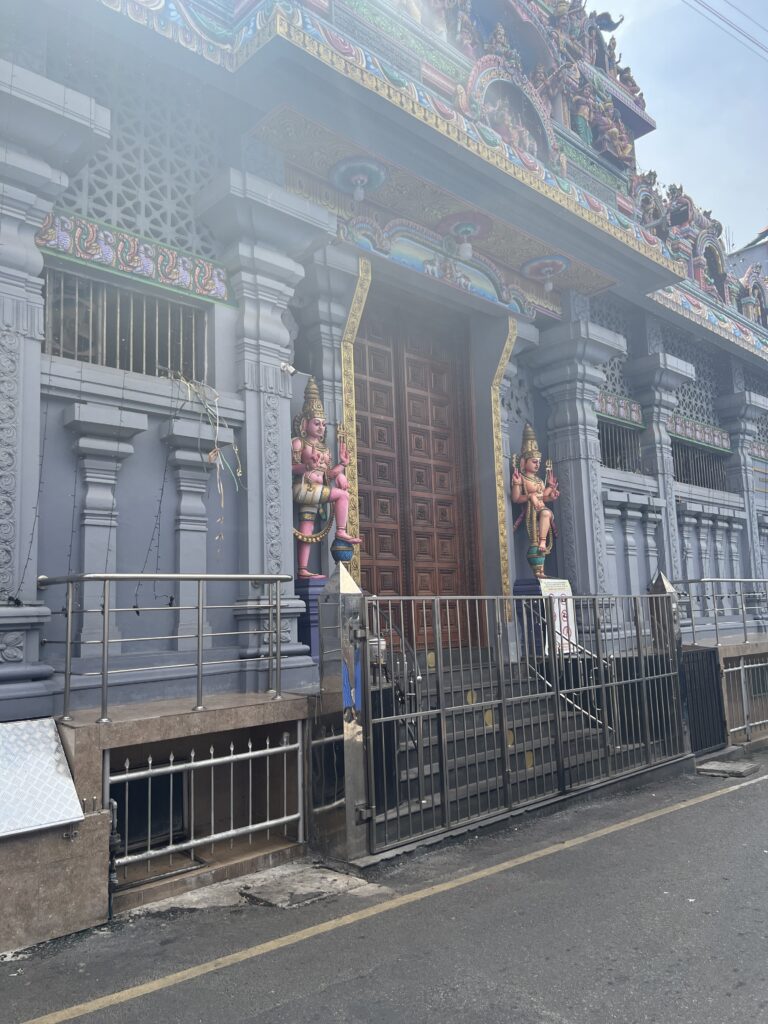
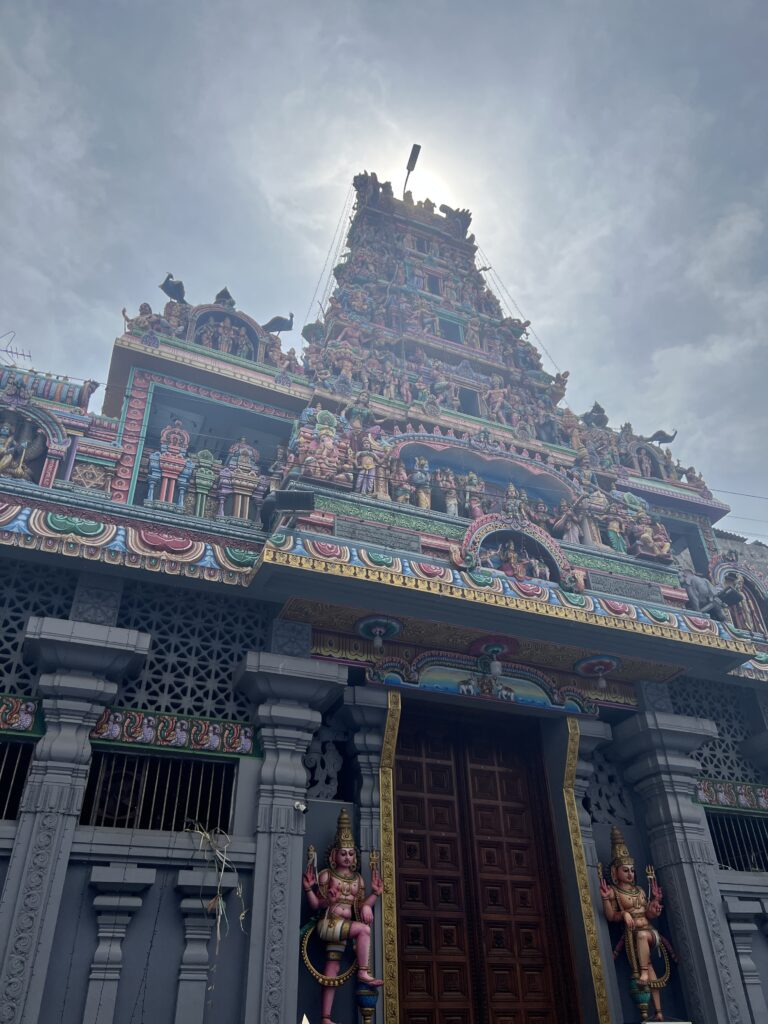
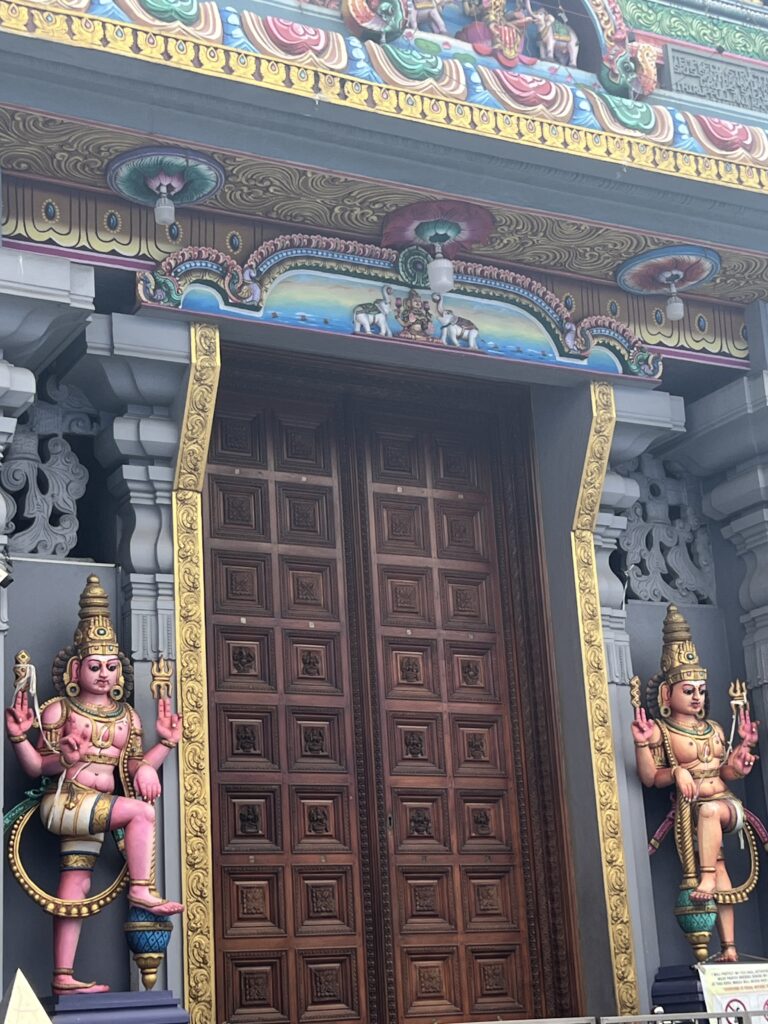
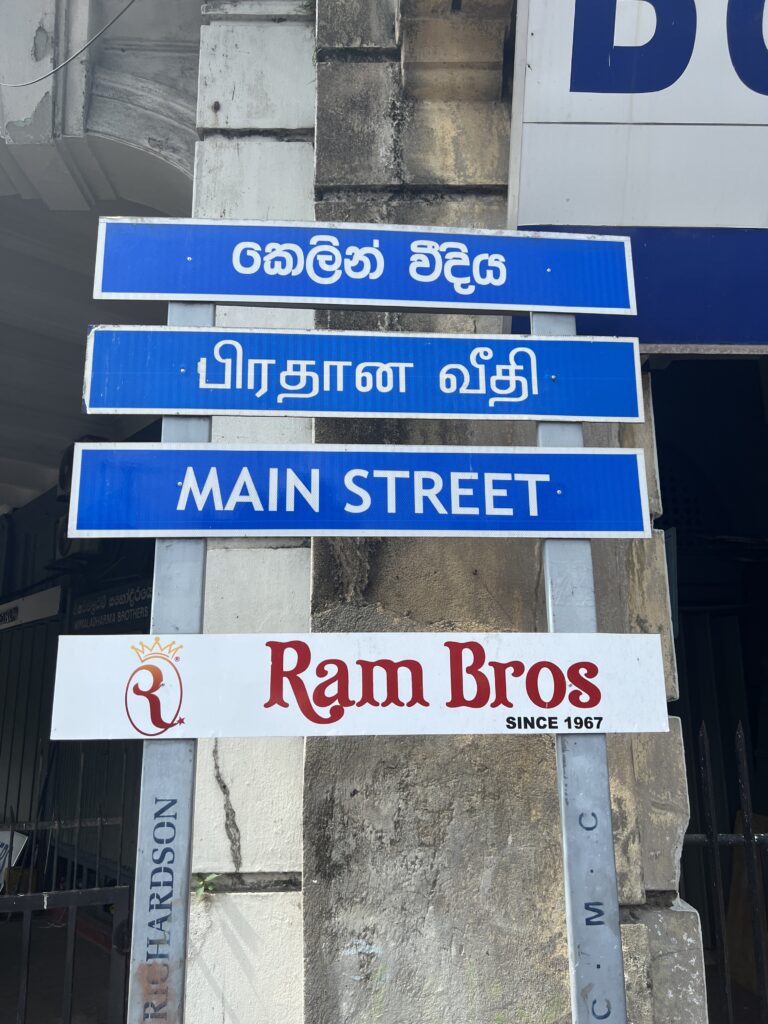
The sign at the end of our walking tour through the market, although it is actually recognized as the beginning of the Pettah Bazaar.
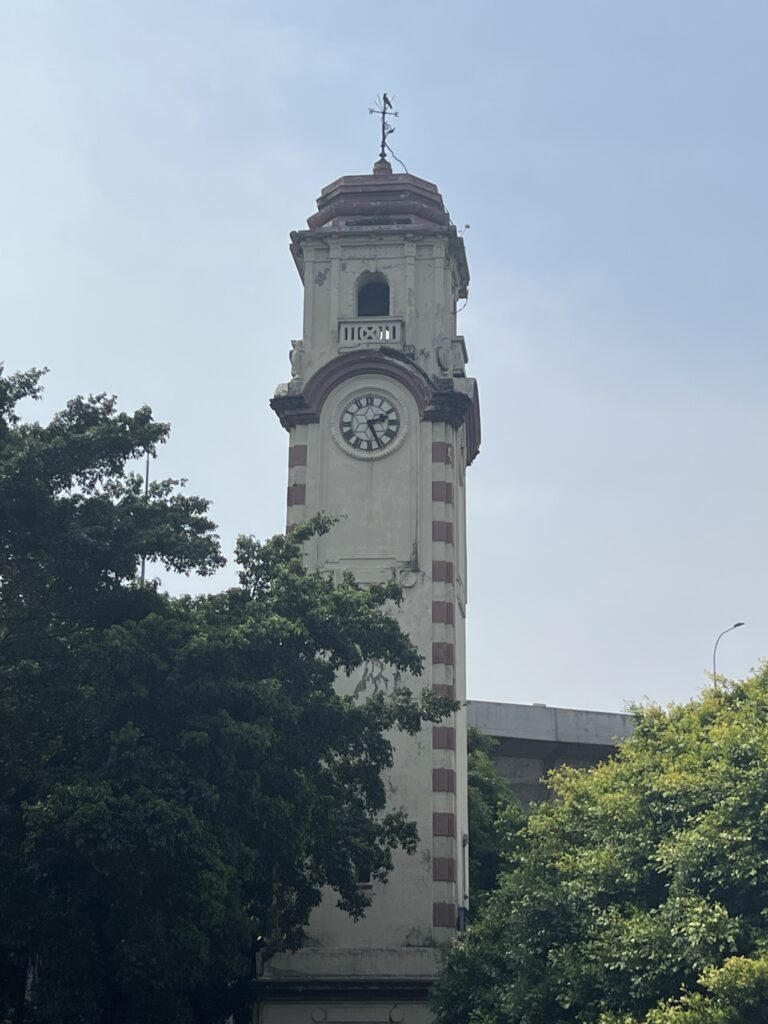
The Khan Clock Tower was built in Colombo, Sri Lanka by the Khan Family of Bombay. The Clock Tower is a popular landmark and marks the entrance to Pettah Market. The Clock Tower was built in the early 20th century by the family of Framjee Bhikhajee Khan. This Parsi family hailed from Bombay, India and also owned the famous Colombo Oil Mills as well as other business interests in Ceylon, as Sri Lanka was then called.
The clock tower also provided a working water fountain, but this no longer functions. The plate on the clock tower carries the inscription: “This clock tower and fountain was erected to the memory of Framjee Bhikhajee Khan by his sons Bhikhajee and Munchershaw Framjee Khan as a token of affectionate gratitude and dedicated through the Municipal Council to the citizens of Colombo on the fourth day of January 1923, the 45th anniversary of his death.”
The tower is roughly four stories high and is situated on a landscaped roundabout that marks the entrance to the famous market.
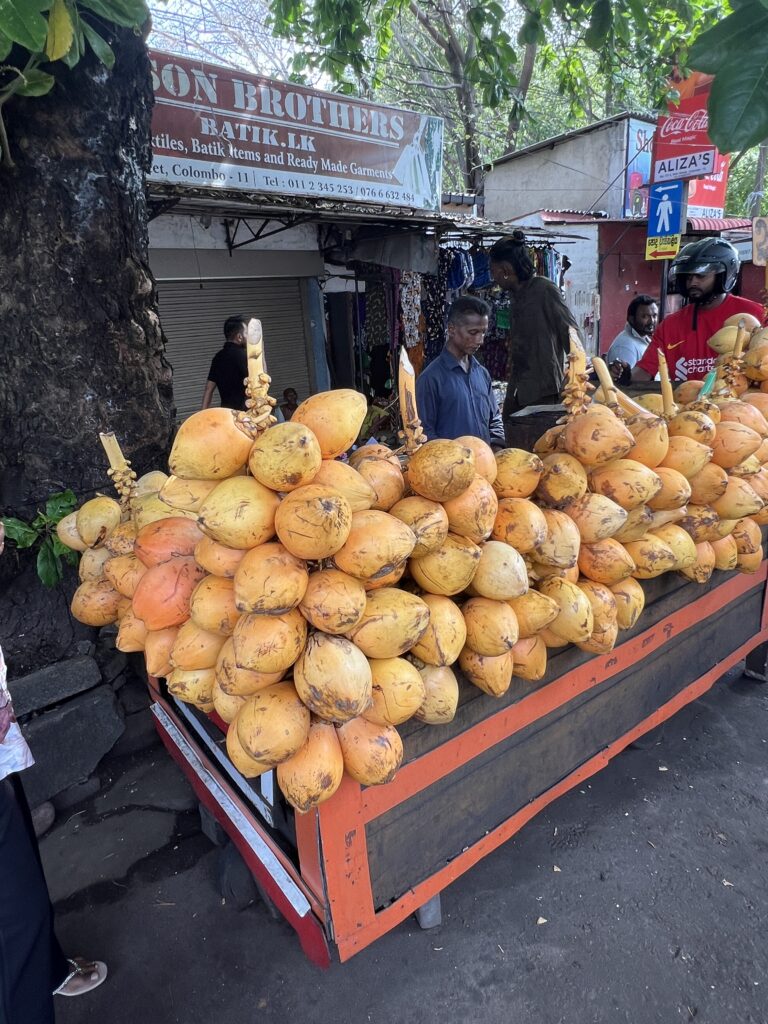
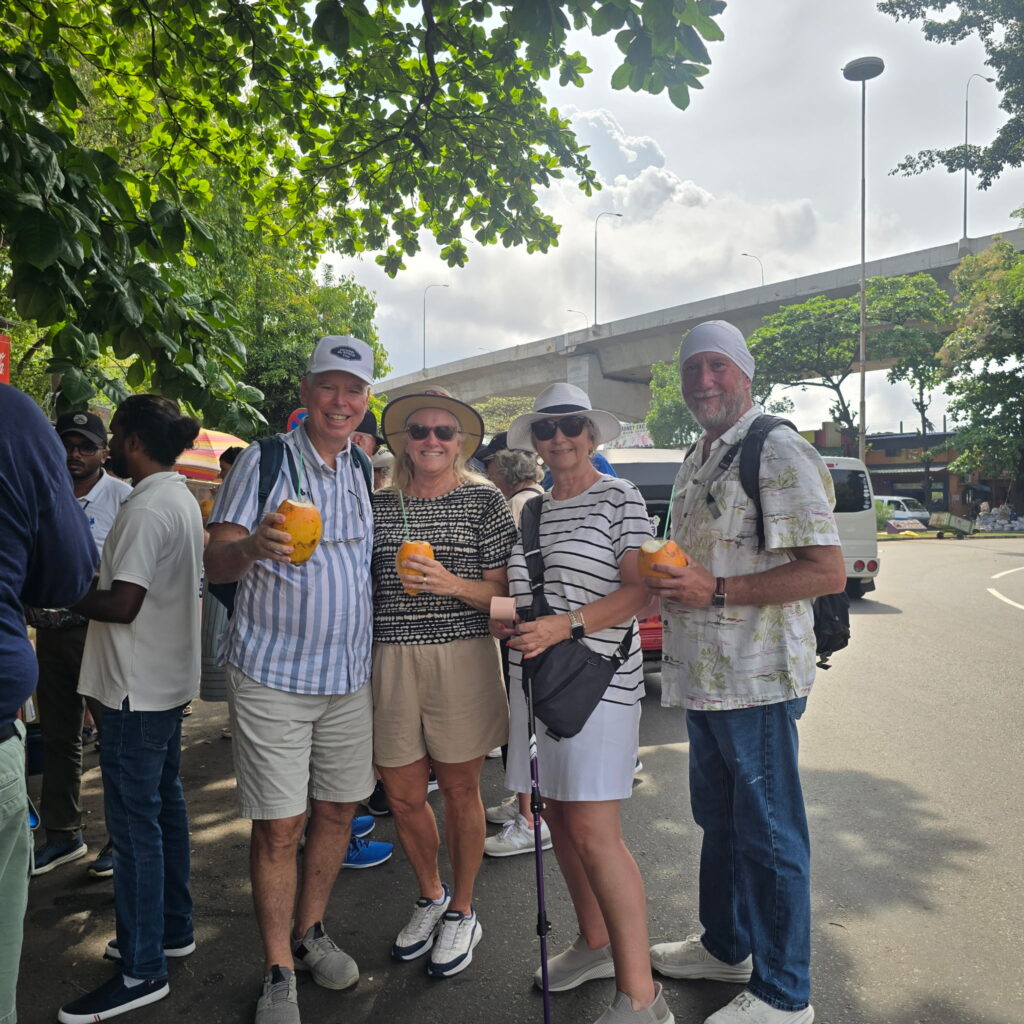
Our next stop as part of the excursion was to get each a coconut water drink. The drink was good, but I wanted a piece of coconut and broke a piece to eat. The coconut was not ripe and I ended up looking for a spot to spit it out in the street.
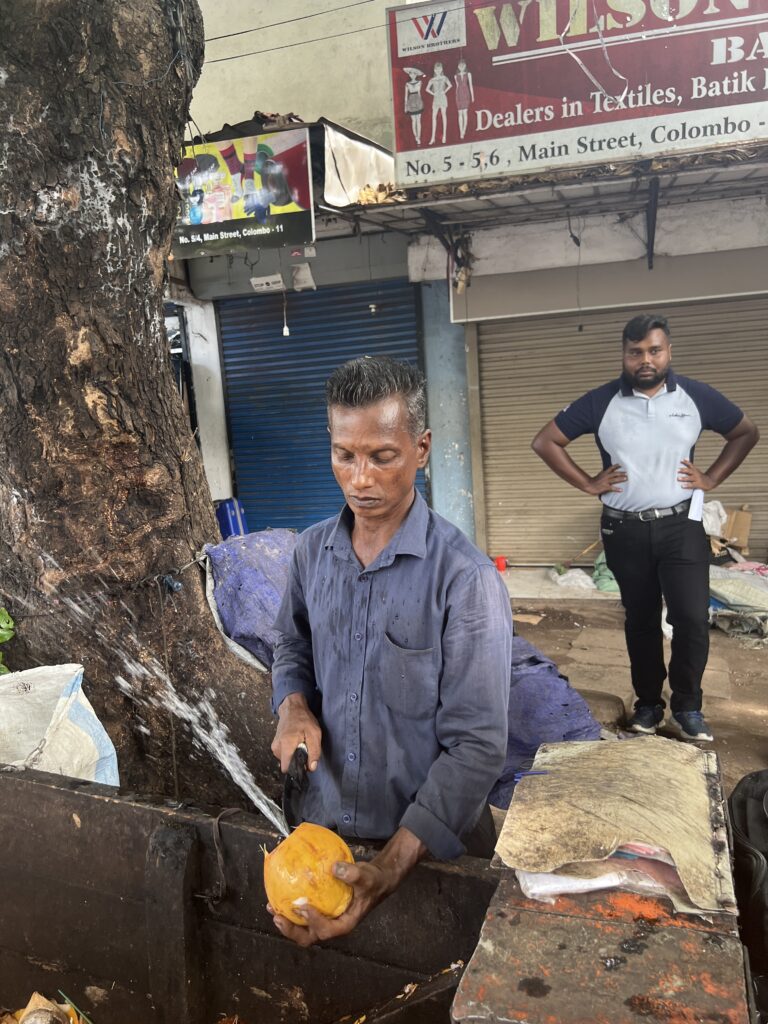
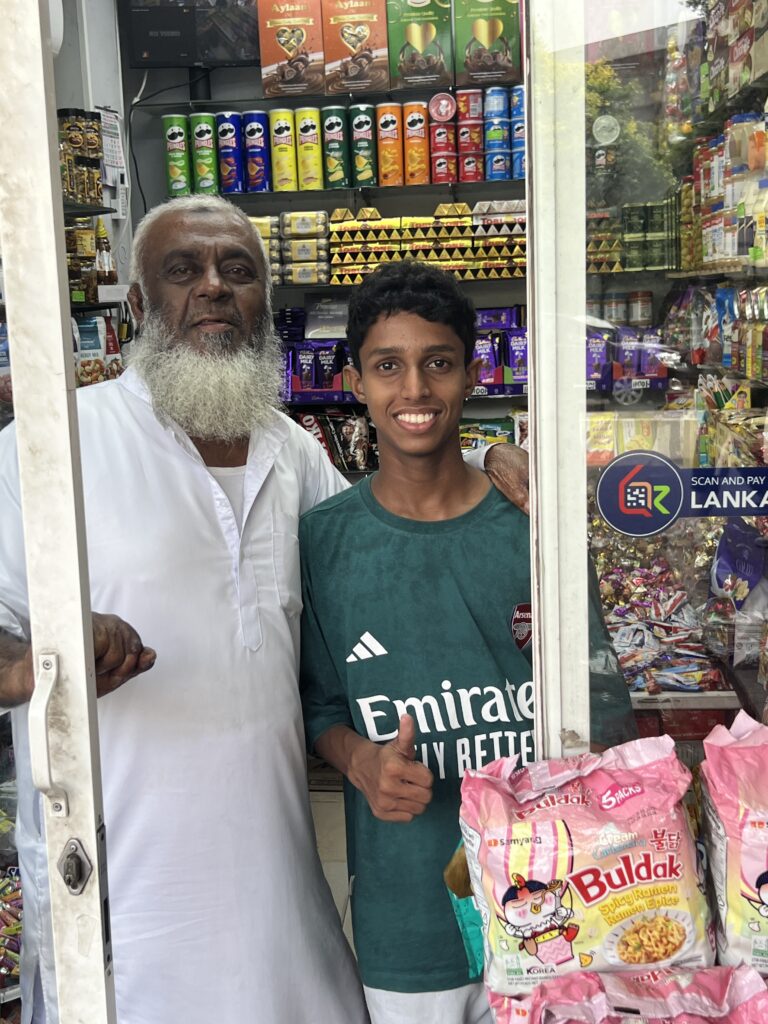
We really liked this photo I captured of the old man and young man
This guy told me to take his picture so I did 🙂
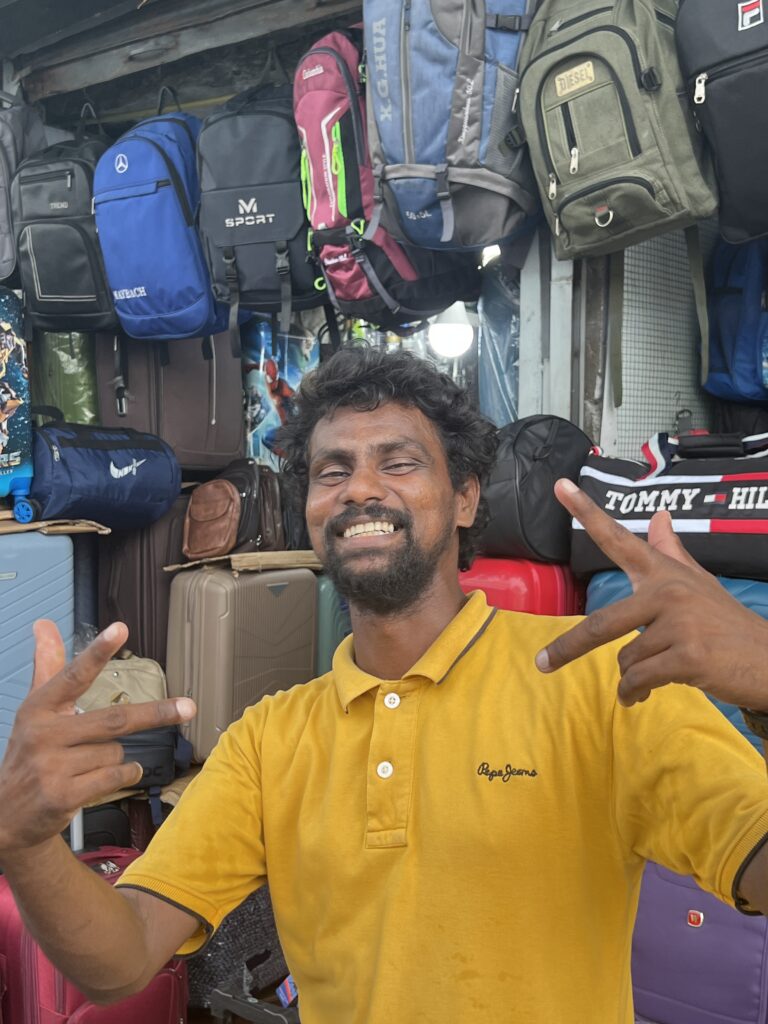
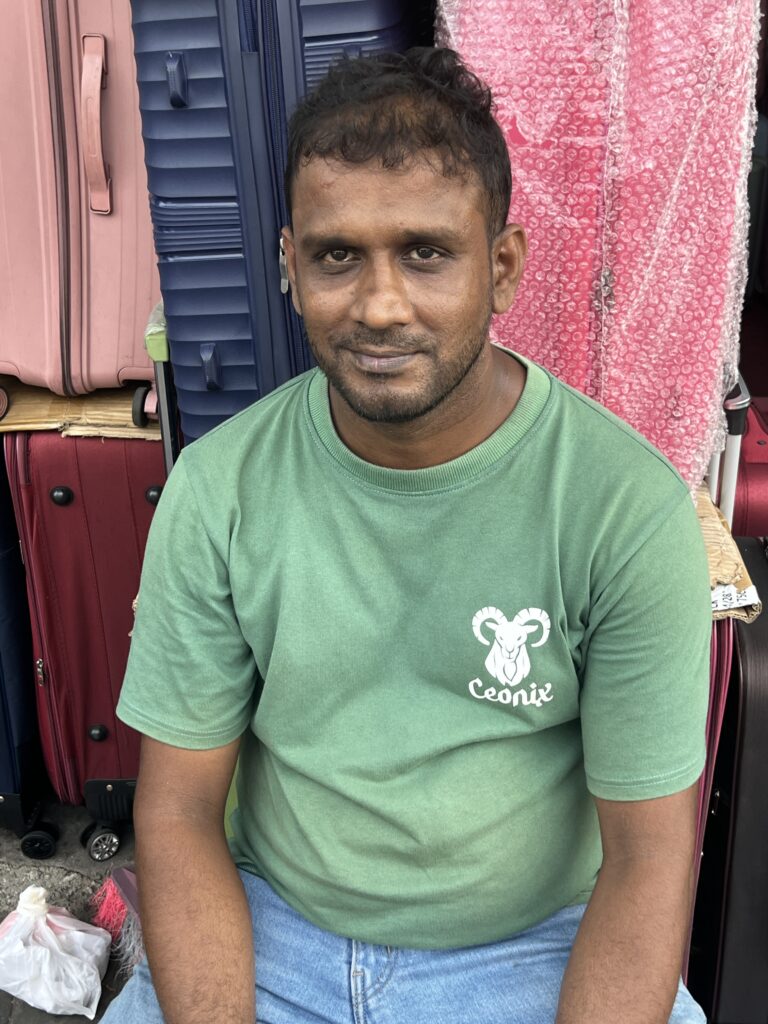
Then he said take picture of my friend, he got muscles
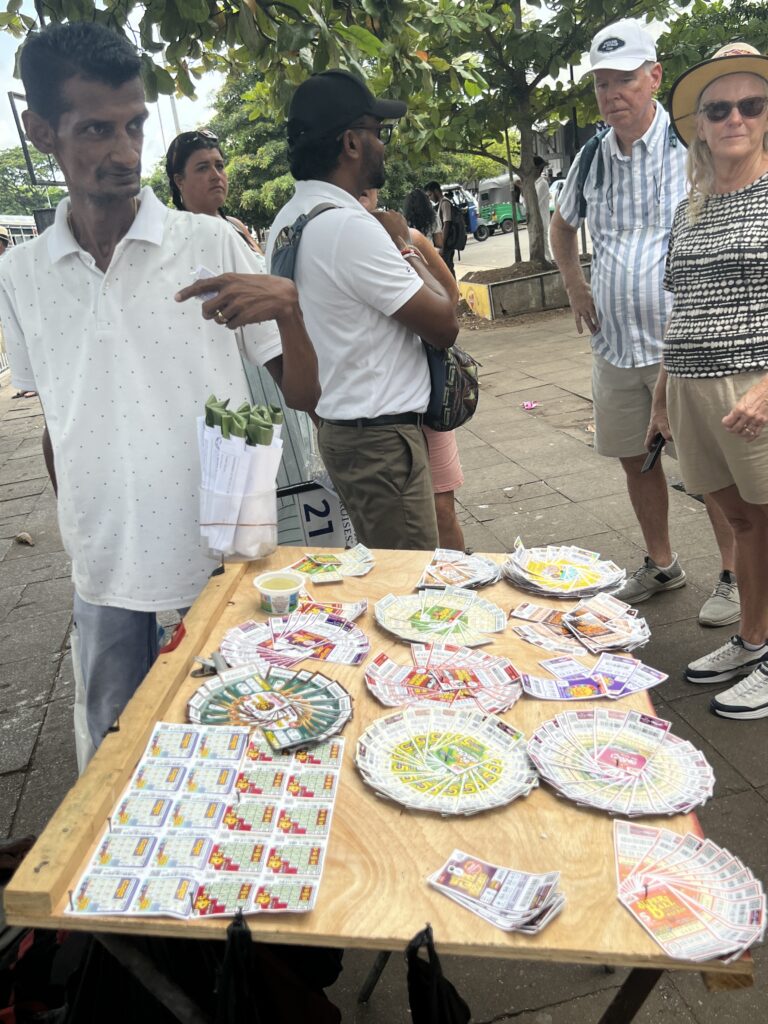
A table selling lottery tickets.
Fort railway station is a major rail hub in Colombo, Sri Lanka. The station is served by Sri Lanka Railways, with many inter-city and commuter trains entering each day. Fort Station is the main rail gateway to central Colombo; it is the terminus of most intercity trains in the country.
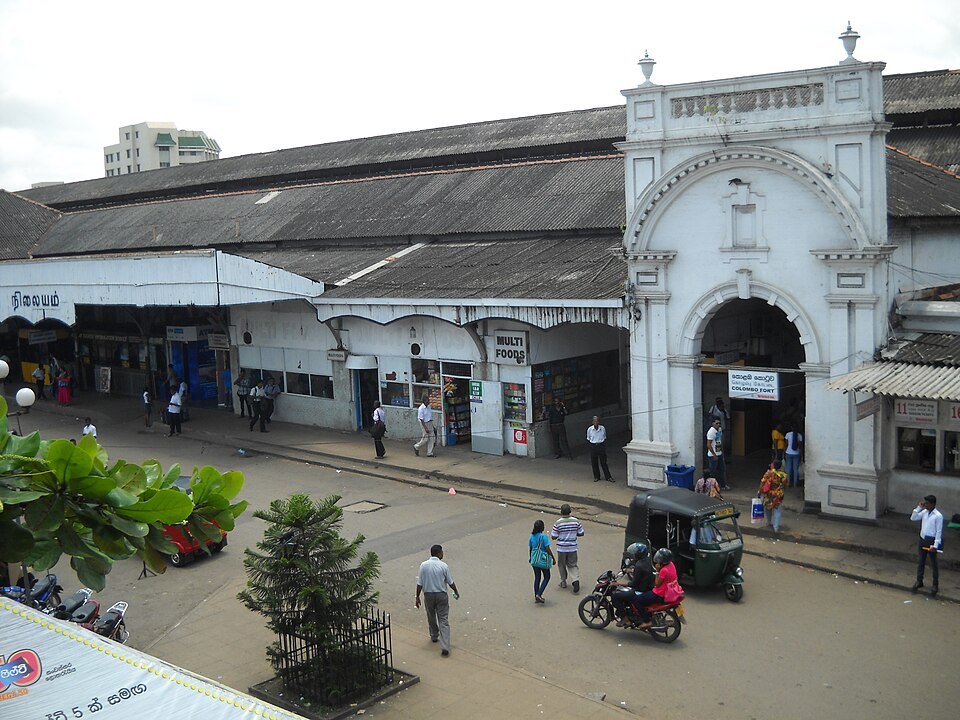
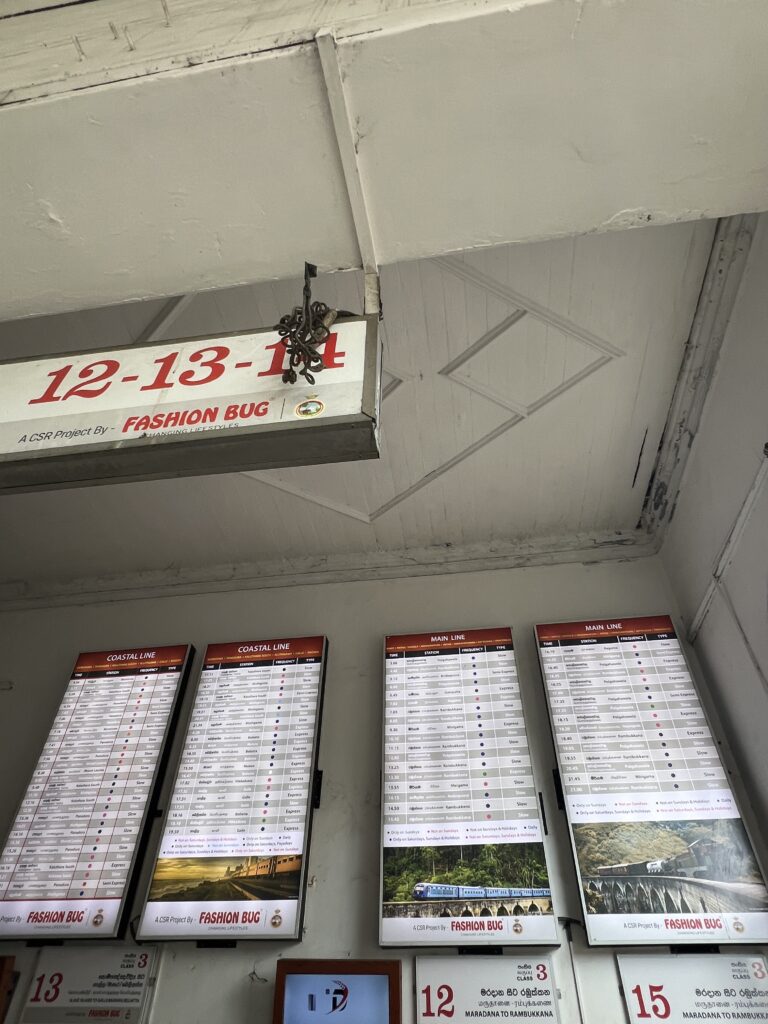
The present Fort Station was opened in 1917, as a new central station for Colombo. This has been constructed similar to Manchester Victoria station. The station was built on land reclaimed from the Beira Lake. This project was part of a scheme started in 1906 to reorganize the railway within Colombo, where Colombo Terminus Station was closed and replaced by the new Maradana Station. This was ceremonially opened by G.P. Green who was the General Manager at CGR. Fort was added in 1917 to serve the city center.
The station was bombed by the LTTE in 2008.
Fort Station is in the heart of the city, located next to Colombo Fort and Pettah and close to the meeting points of the A1 and A4 highways. The station provides access to businesses and offices in Colombo Fort, as well as the markets at Pettah.
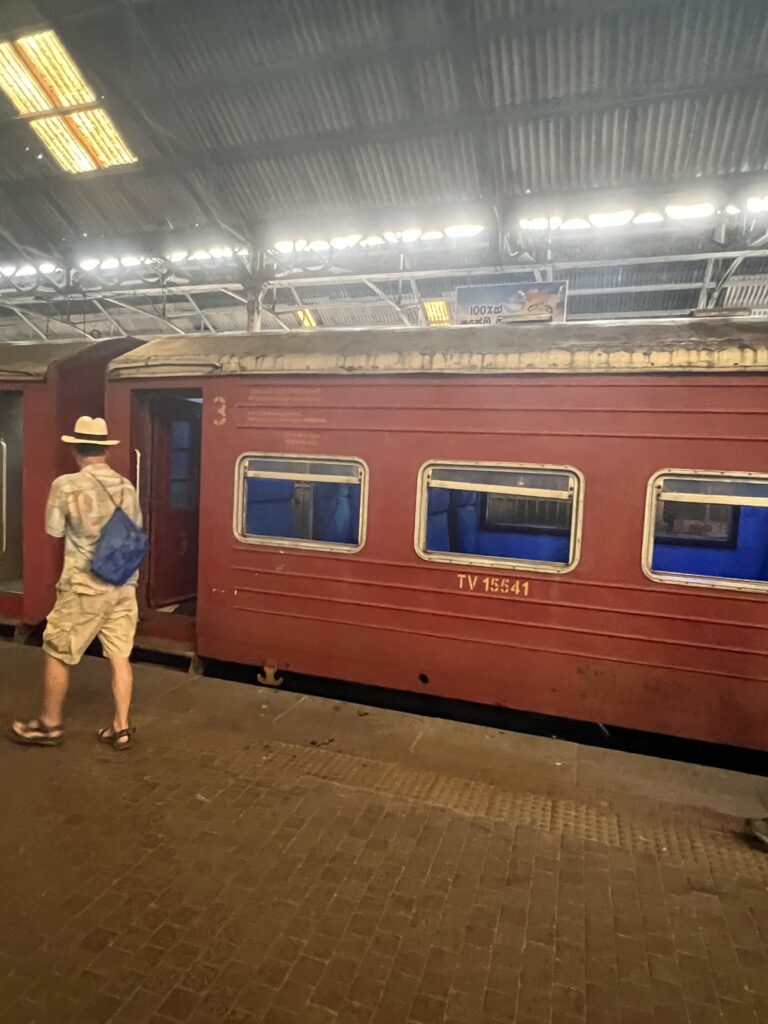
These red trains service the city of Colombo. If you notice…….no air conditioning in the train cars
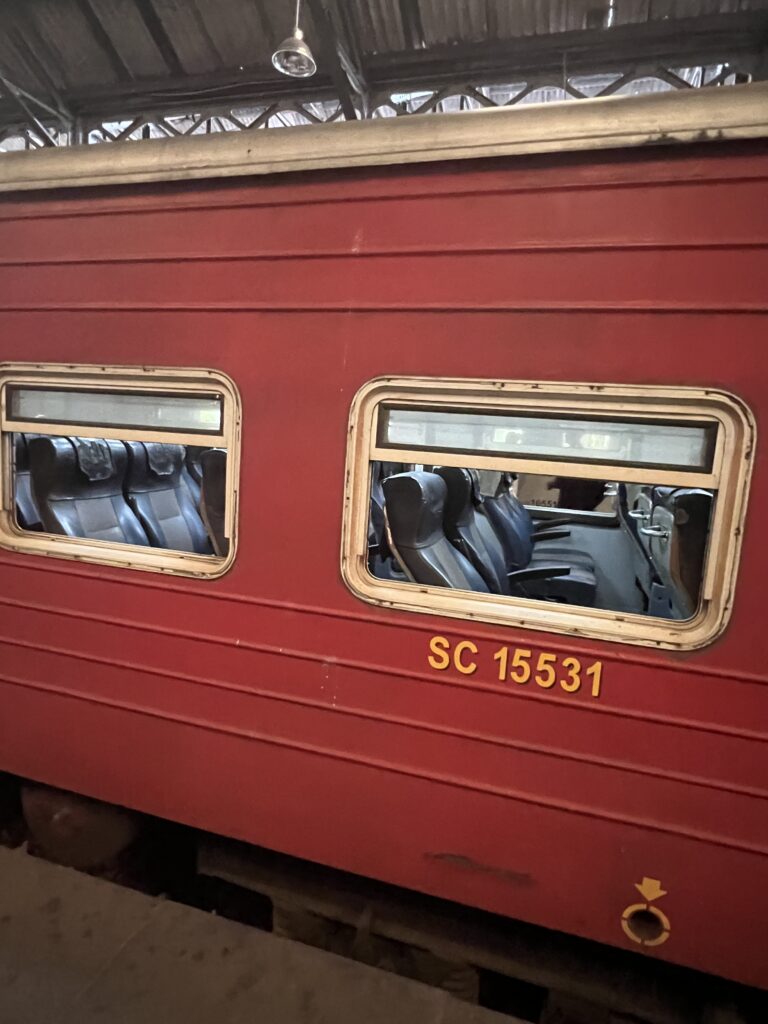
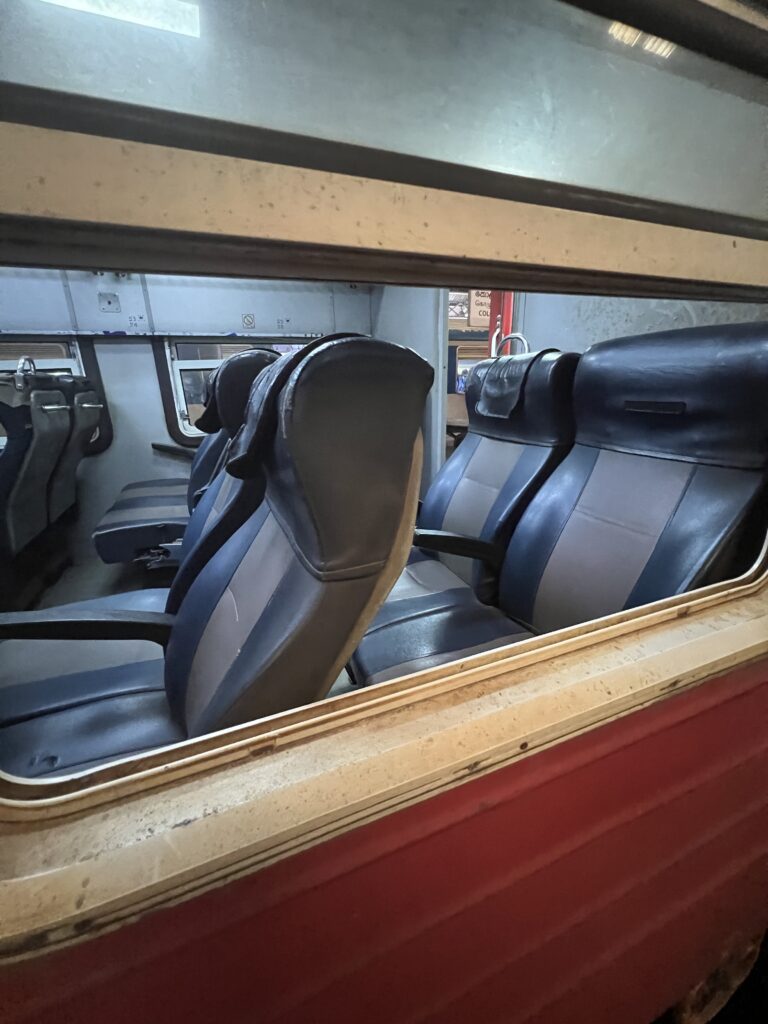
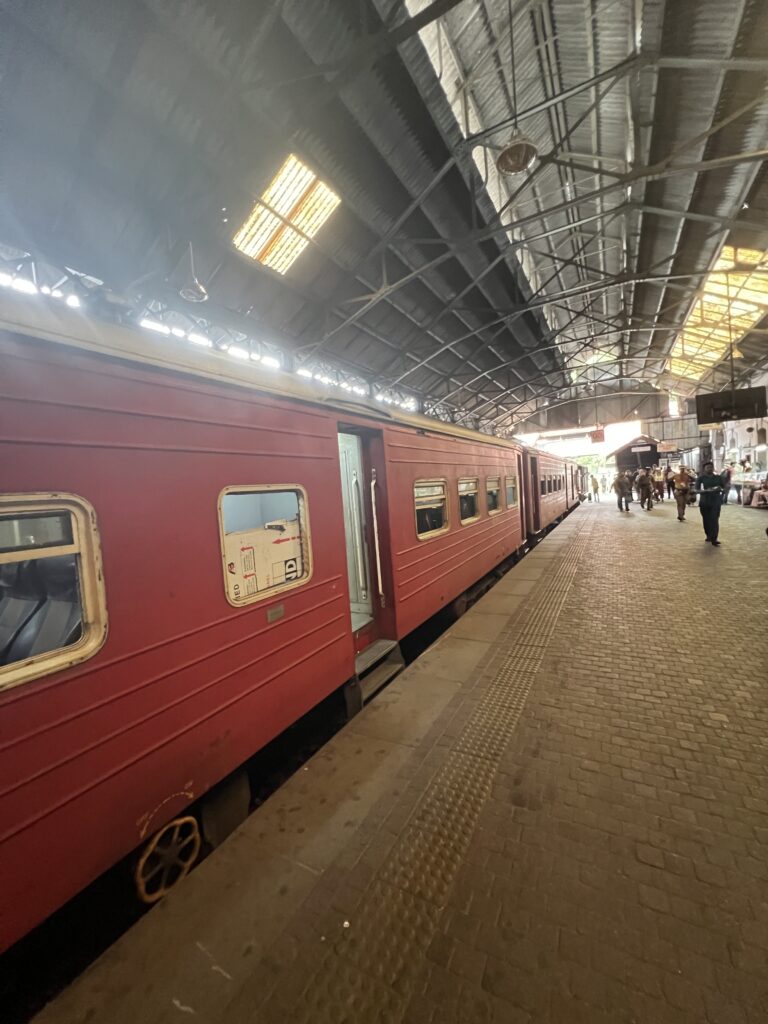
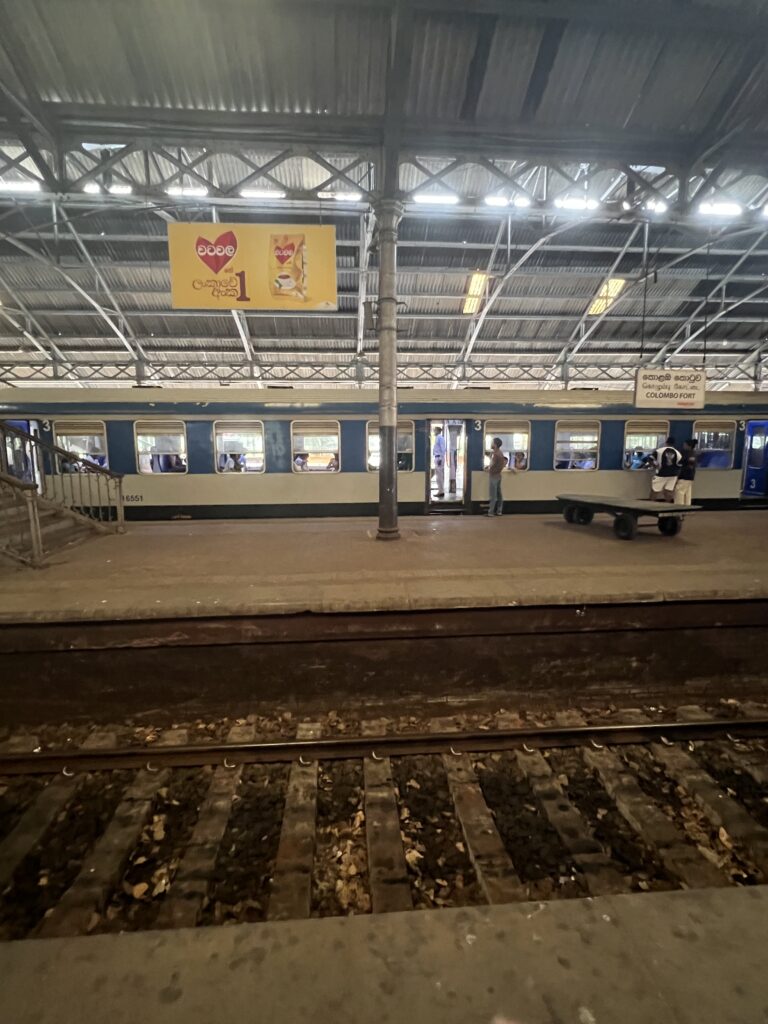
Across the tracks is a train that travels outside the city, but again no air conditioning
Walking out the train station I saw these ladies and young girls and I had to ask if I could take their picture. The photos did not come out like I wanted and I think that I missed a great opportunity for a fantastic photo.
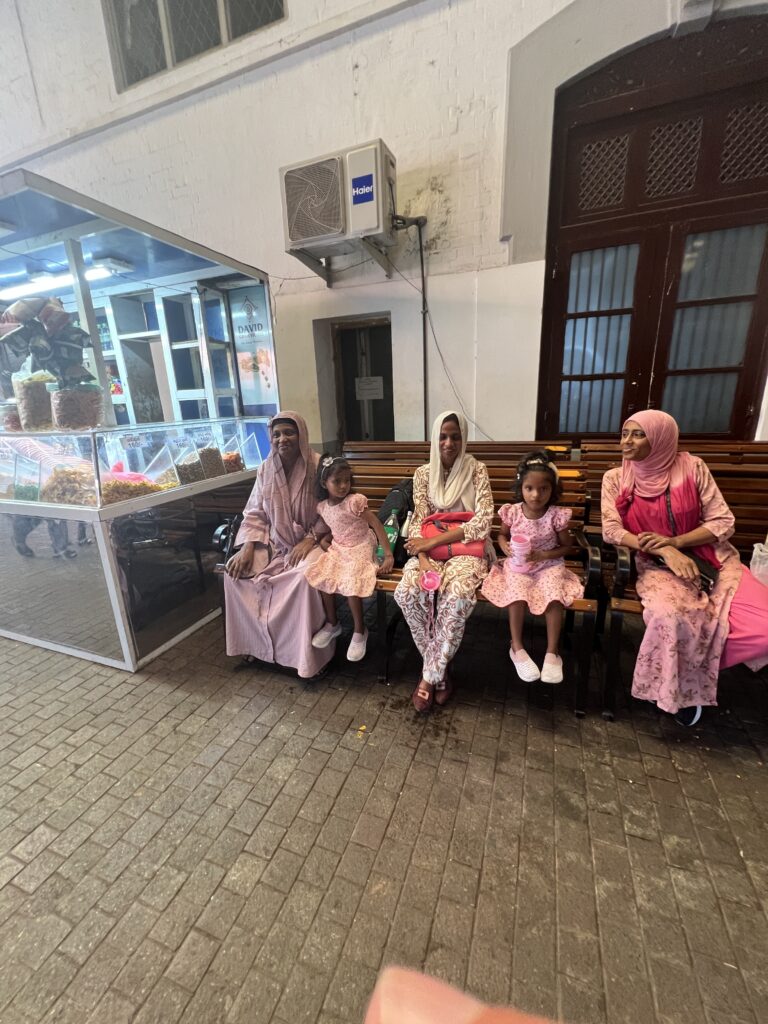
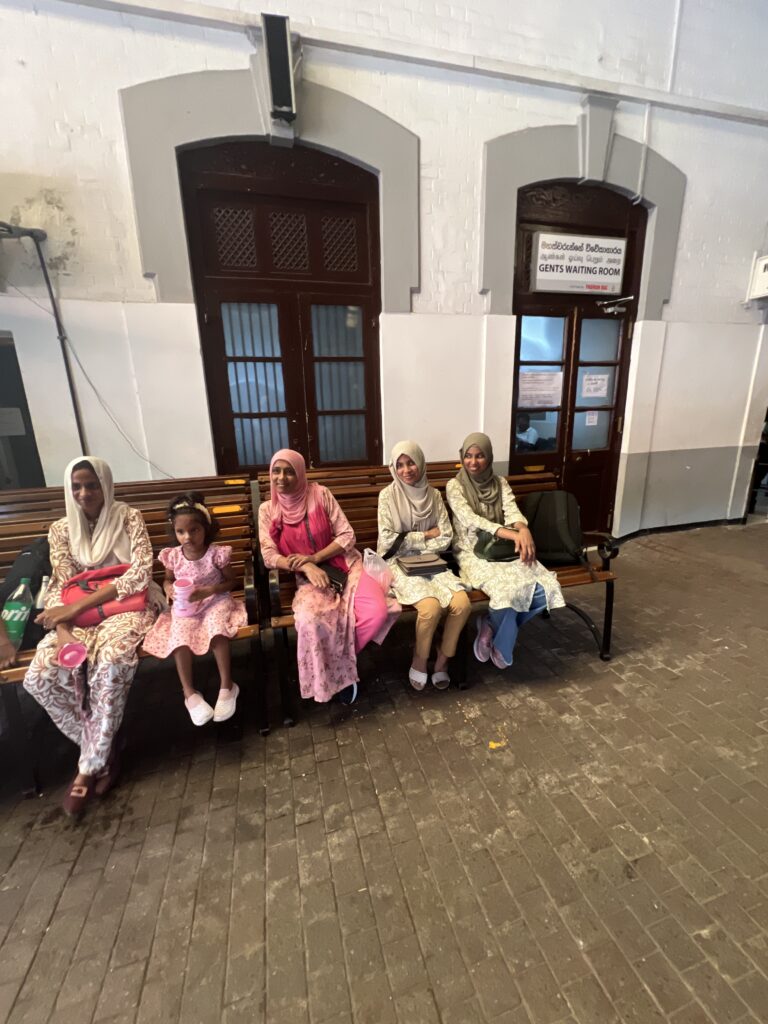
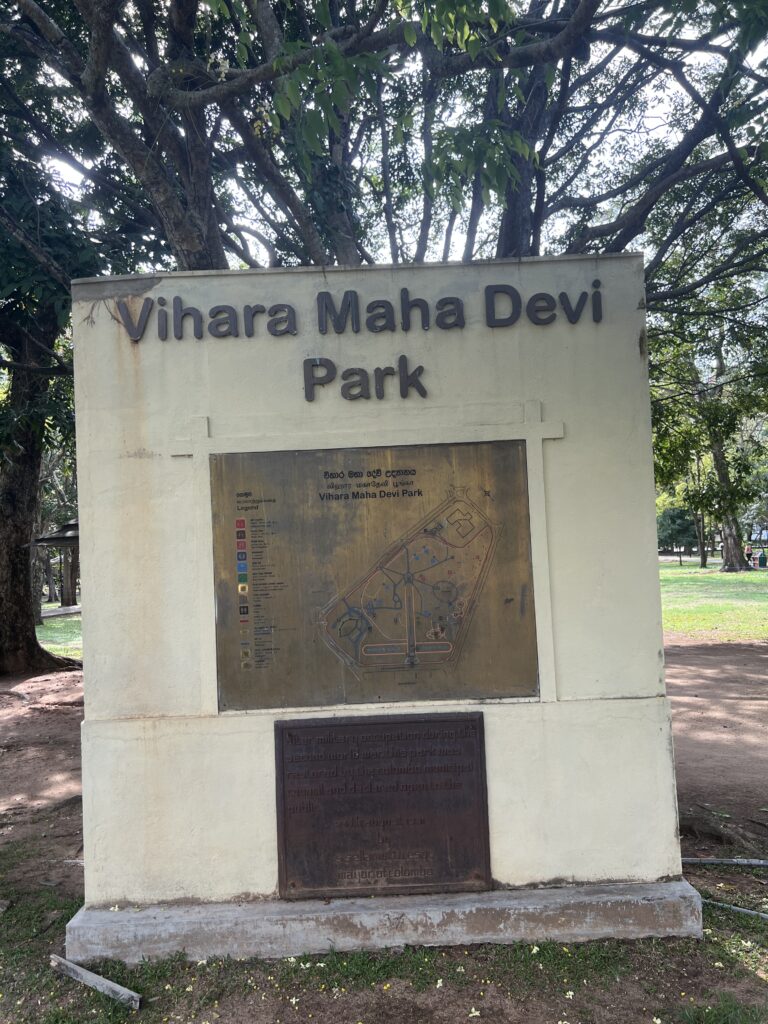
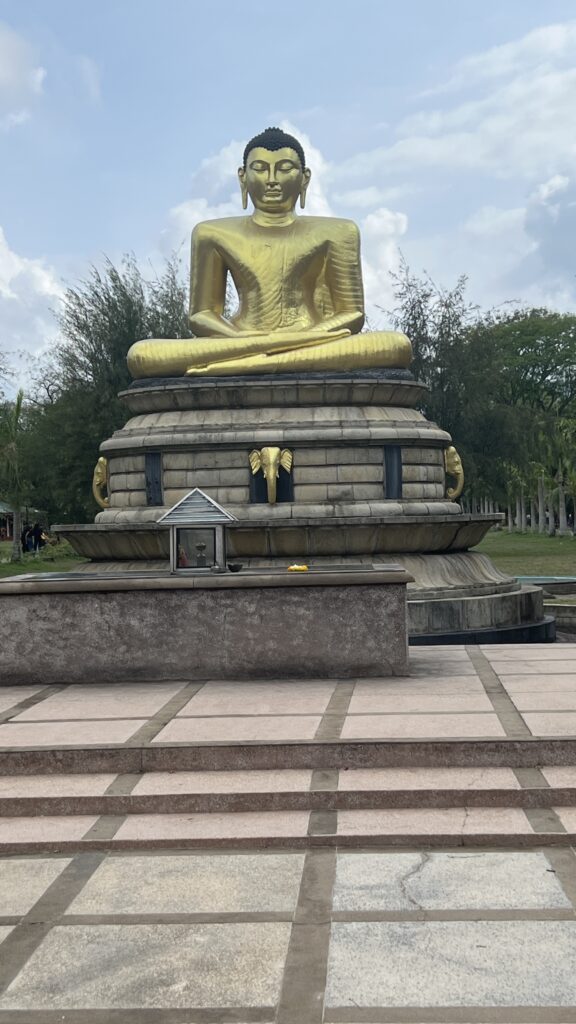
The Viharamahadevi Park (formerly Victoria Park) is a public park located in Colombo, next to the National Museum in Sri Lanka. It is the oldest and largest park of the Port of Colombo. Situated in front of the colonial-era Town Hall building, the park is named after Queen Viharamahadevi, the mother of King Dutugamunu. The park was built on land donated to the Colombo city by Charles Henry de Soysa during the British rule of Sri Lanka, and used to be named “Victoria Park” after Queen Victoria. During World War II it was occupied by the British Army with Australian 17th Brigade based at Victoria Park. After the war the park was restored and open to the public in 1951.
I place this photo before the close-up Buddha photo as a funny thing happened. You see the grass area with the cement around the grass? Well, Jackie and I along with John and Joan decided to sit there on the cement benches or we assumed it was cement benches to sit. This soldier dressed in camouflage came out of the trees and was telling us (not in English) that we could not sit in this area. Also, as John and Joan found out, no signs of affection and NEVER turn your back to the Buddha. Now, there are no signs pointing out any of this. 🙂
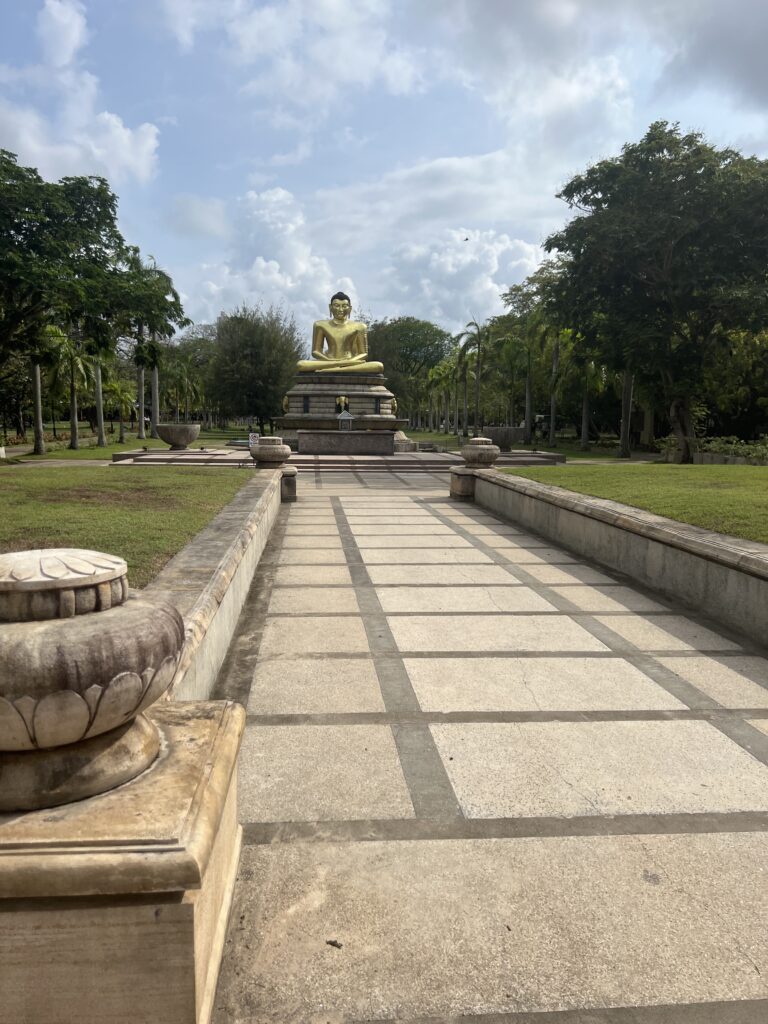
The park features include a huge Buddha statue which replaced the statue of Queen Victoria which originally stood there, and a series of water fountains. It also includes a mini zoo, a children’s play area and a BAC Jet Provost. There are Muscovy ducks in the park. They swim in the artificial lake and walk on the grass beside it.
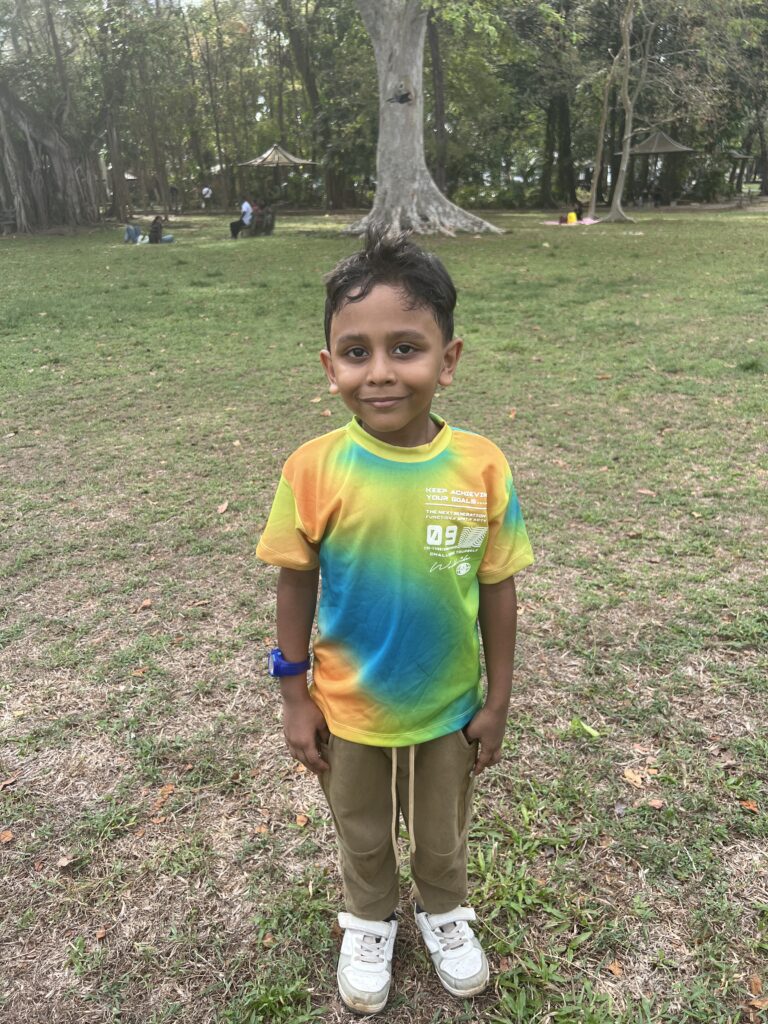
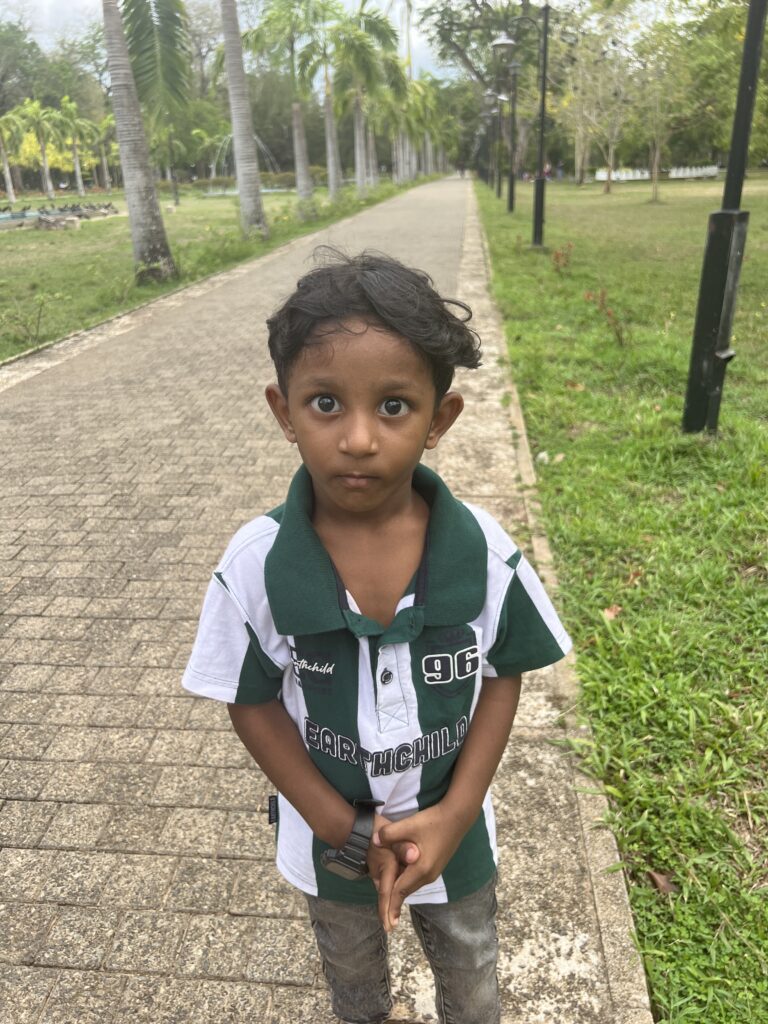
Two young boys in the park
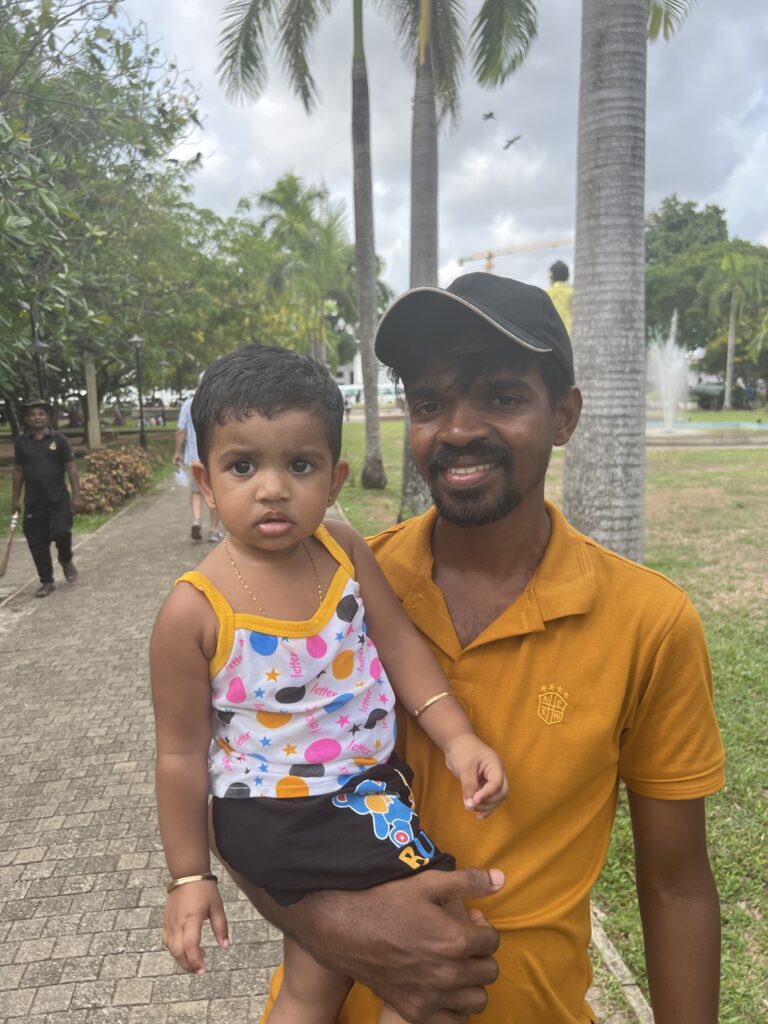
Father and young daughter in the park.
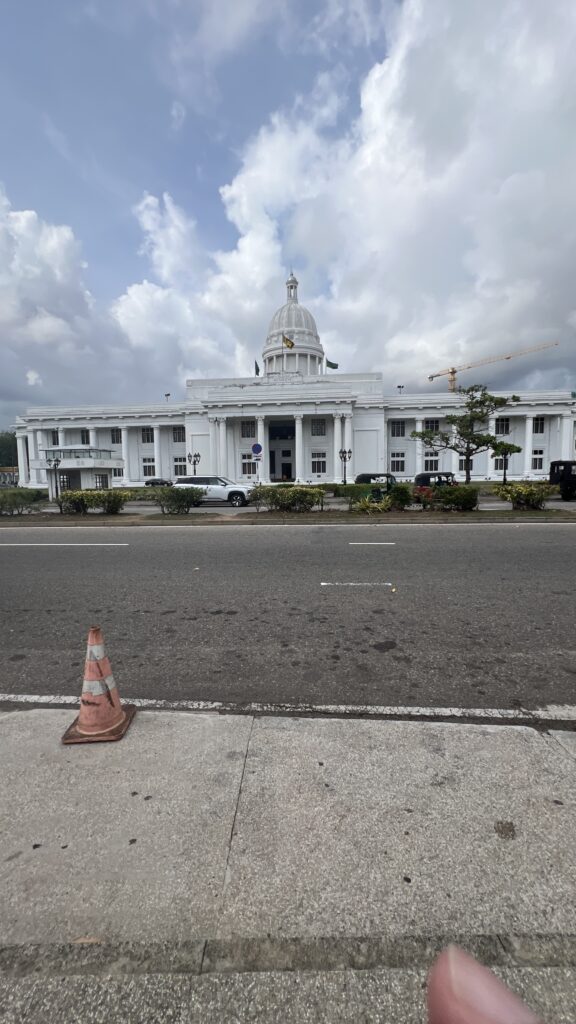
Across the street from the park is a large governmental office building designed as the US Capital Building
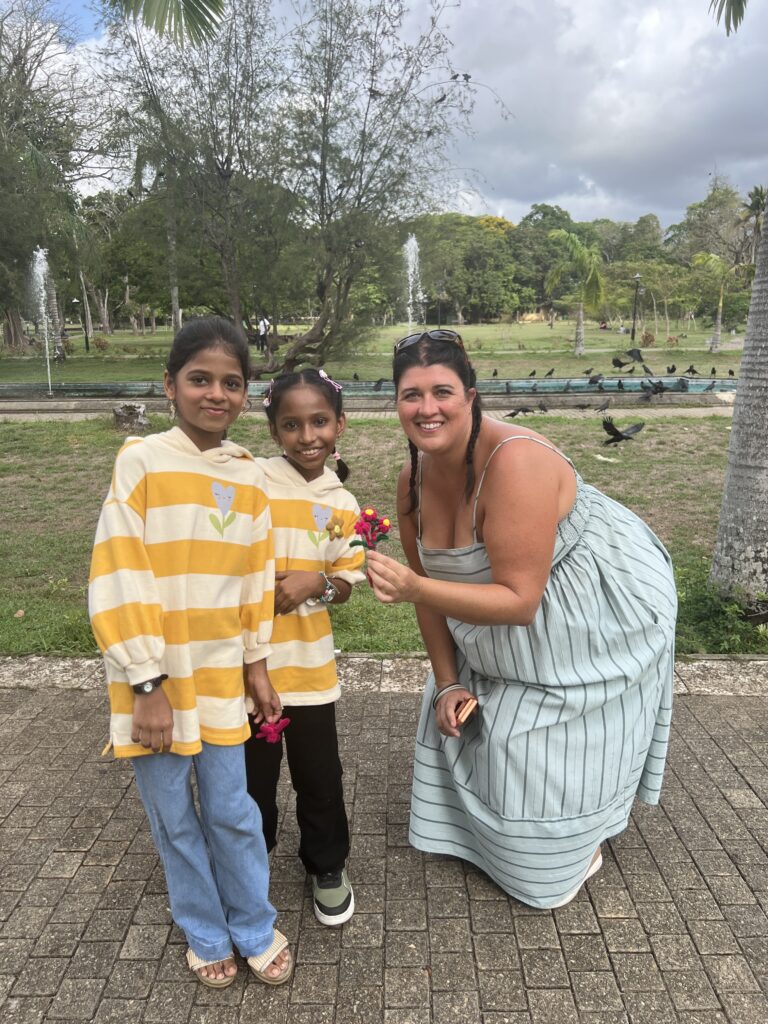
These young girls were sitting with their families having a picnic and when they saw the women in our group they ran up and gave the women flowers. Here is a photo I took of them with LeAnne, one of our passengers who has done a great job teaching other passengers some tricks to create videos.
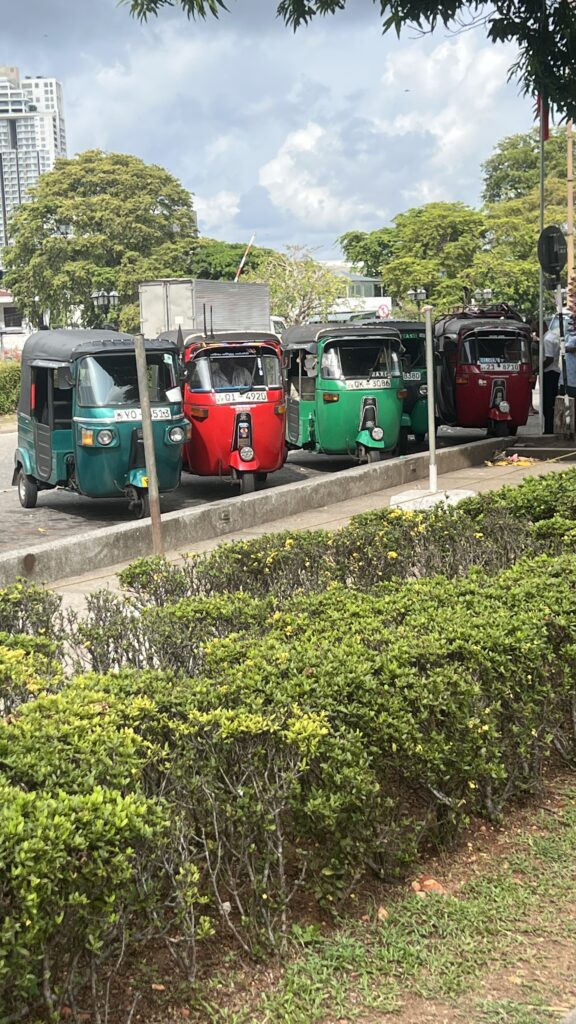
Tuk tuks are awaiting rides from the park
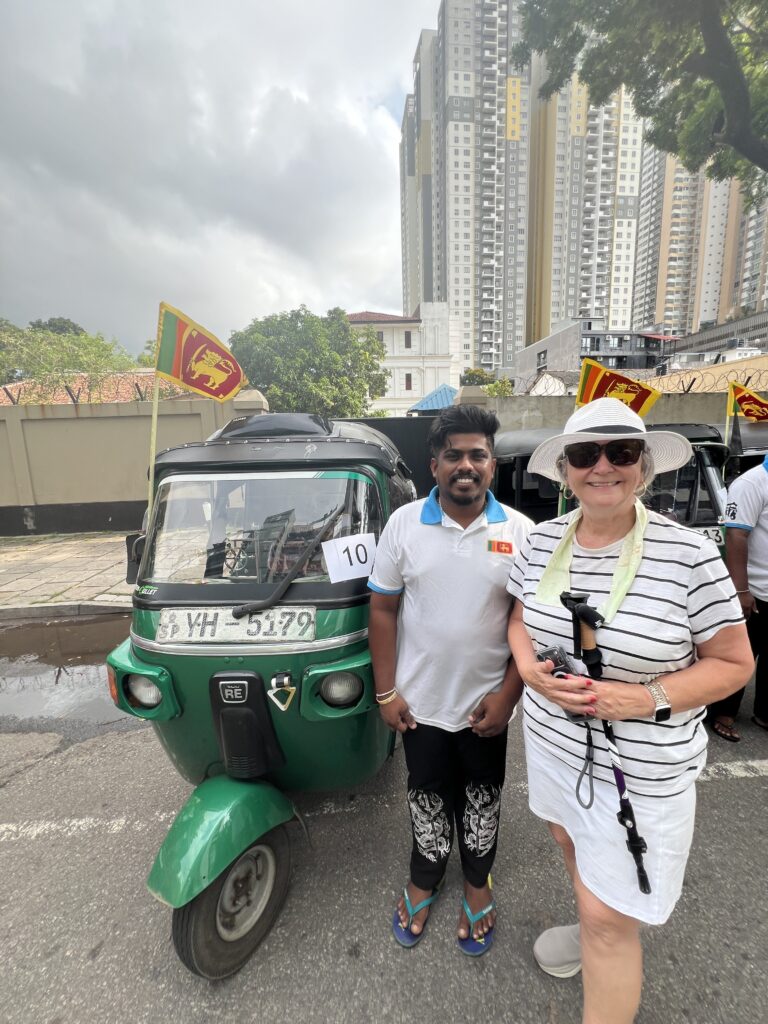
Jackie and our Tuk Tuk driver
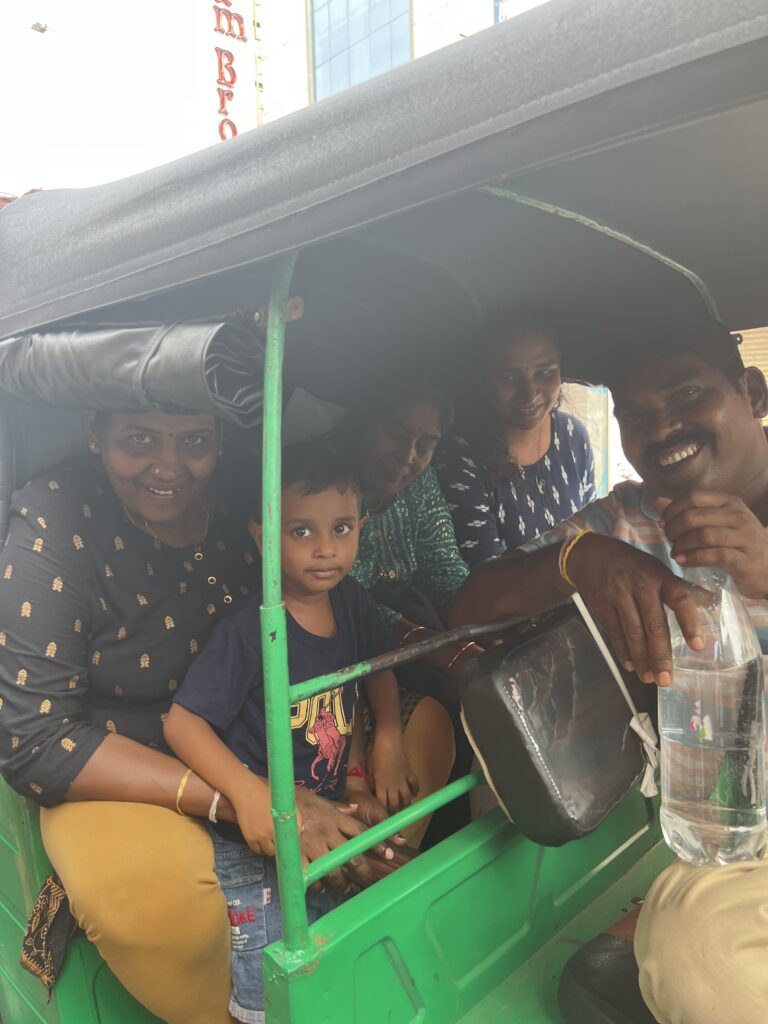
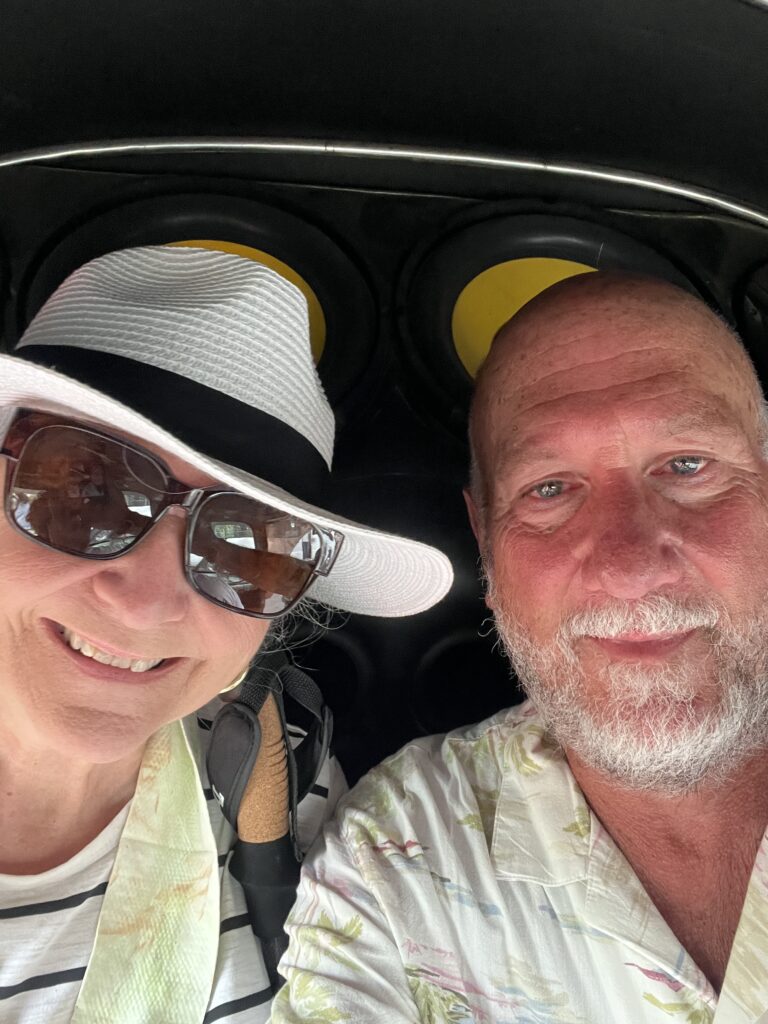
Sitting in the Tuk Tuk, which is not designed for anyone over 5″6″
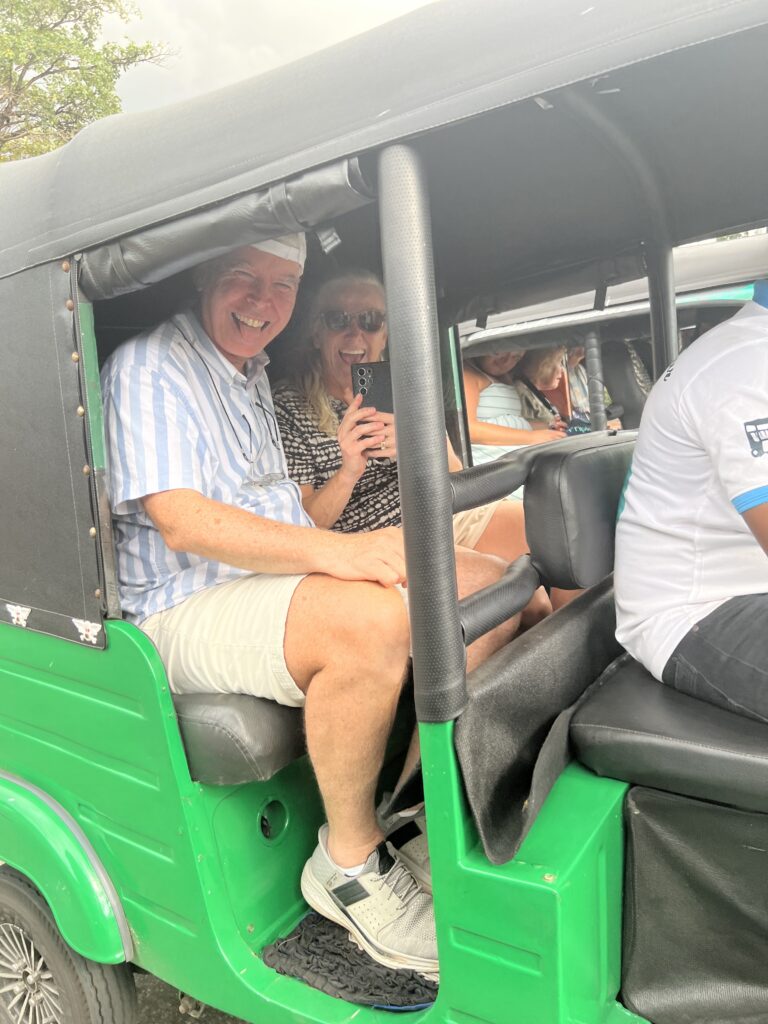
John and Joan Meyer in their Tuk Tuk as we are driving on the road
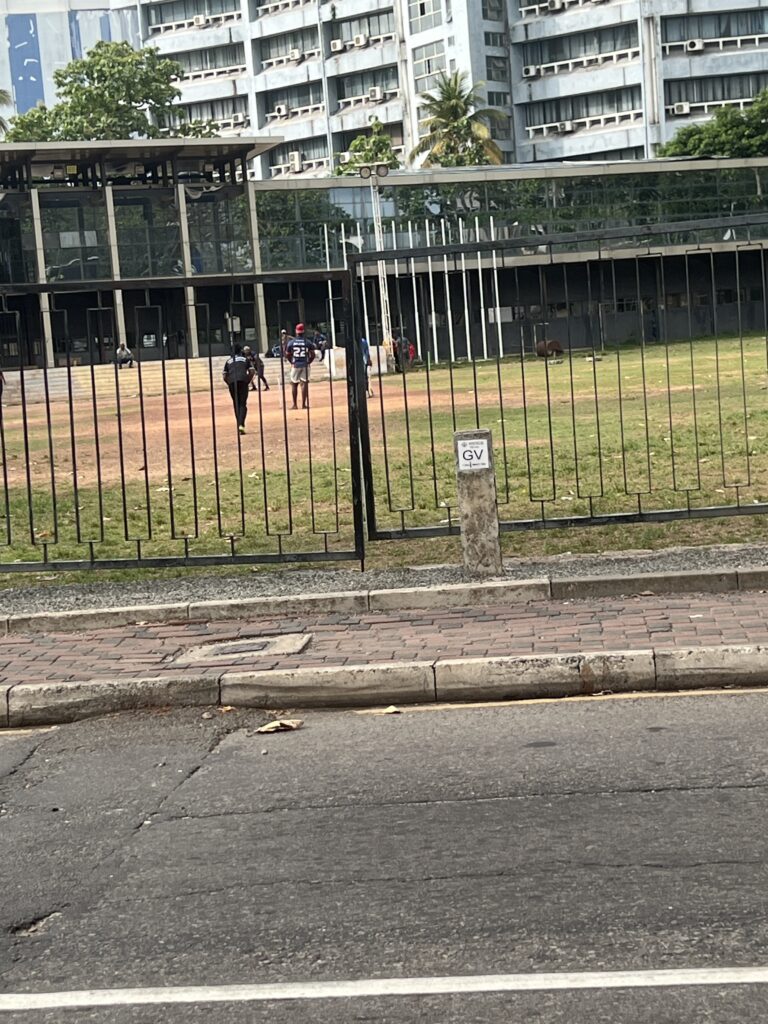
Kids playing cricket. I have some video of them but cannot upload the video
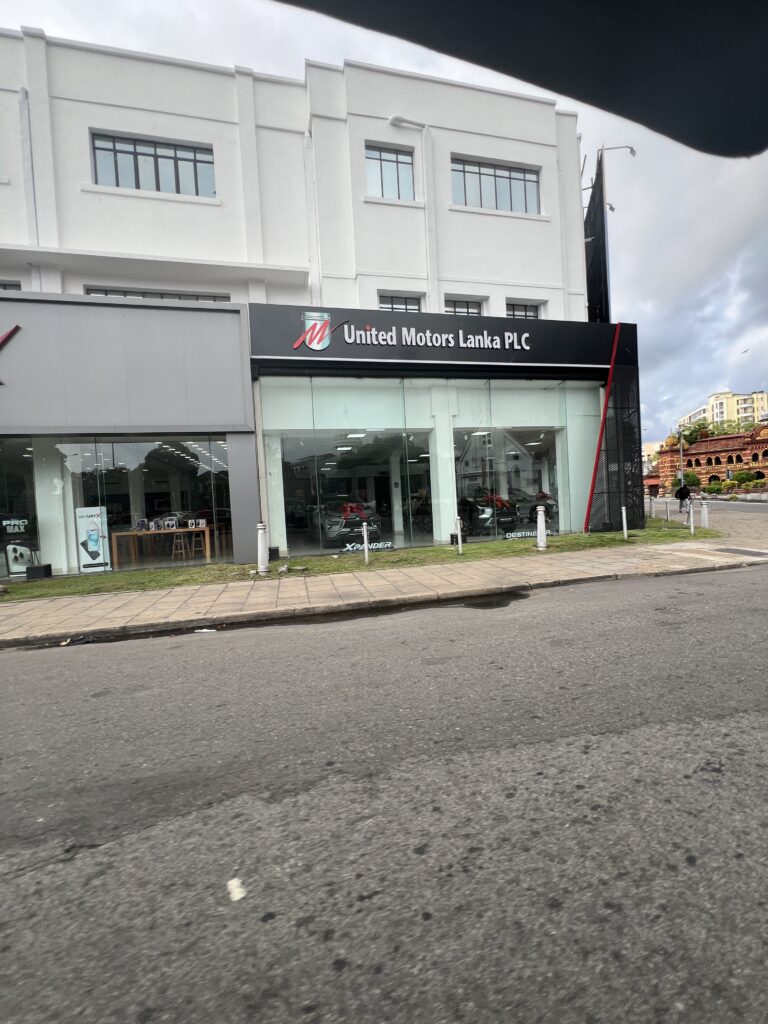
Victroriya Memoriyal Building
The Victoria Memorial Building (eye ward) was opened in 1903 as part of the National Hospital of Sri Lanka. The Building was built in commemoration of the Diamond Jubilee of Queen Victoria in 1897 and has followed the Indo Saracenic architecture. The use of red bricks and the arches is the fond works of Edward Skinner, the architect.
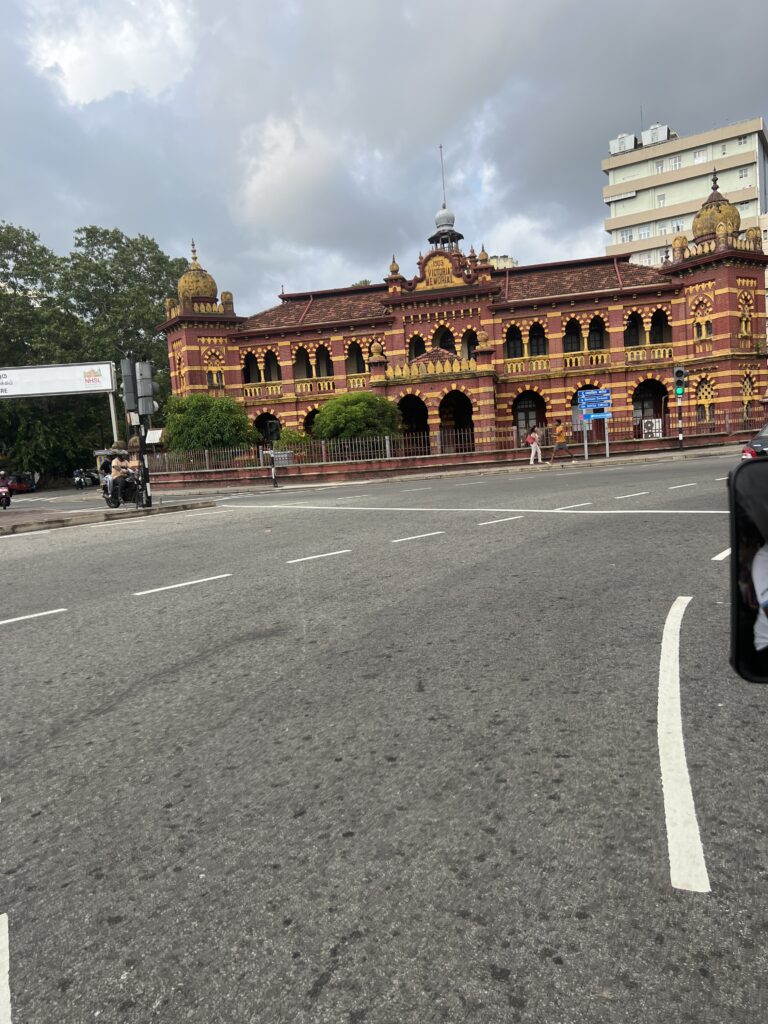
This is a theatre building in Colombo that we captured as riding in the Tuk Tuk
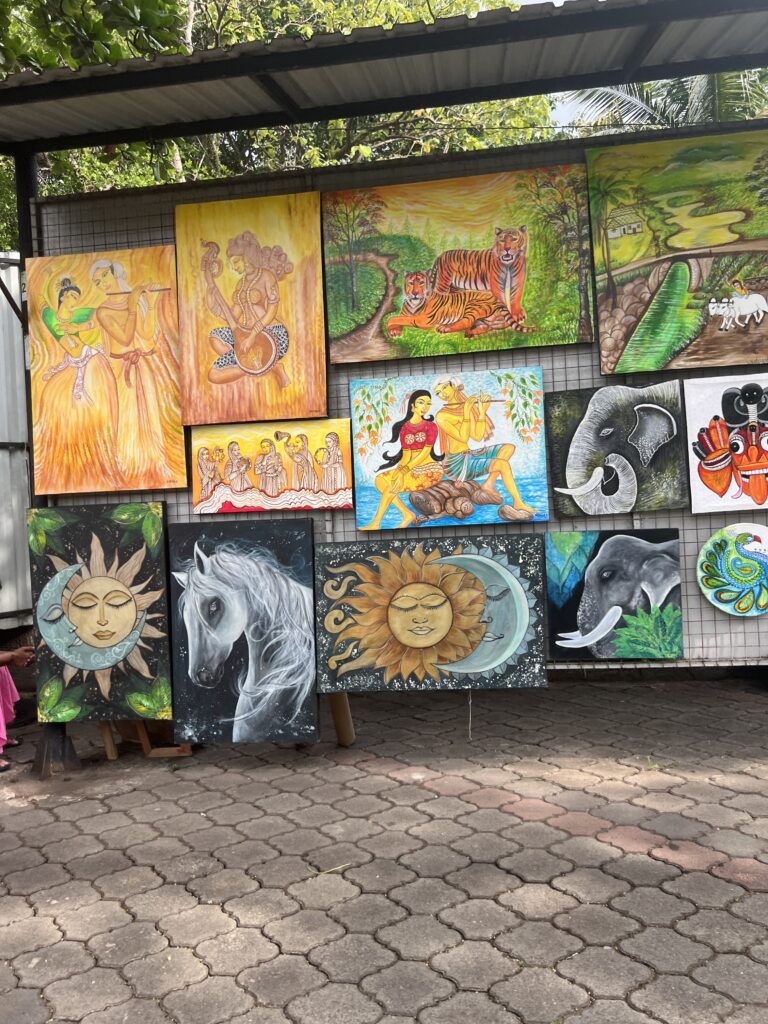
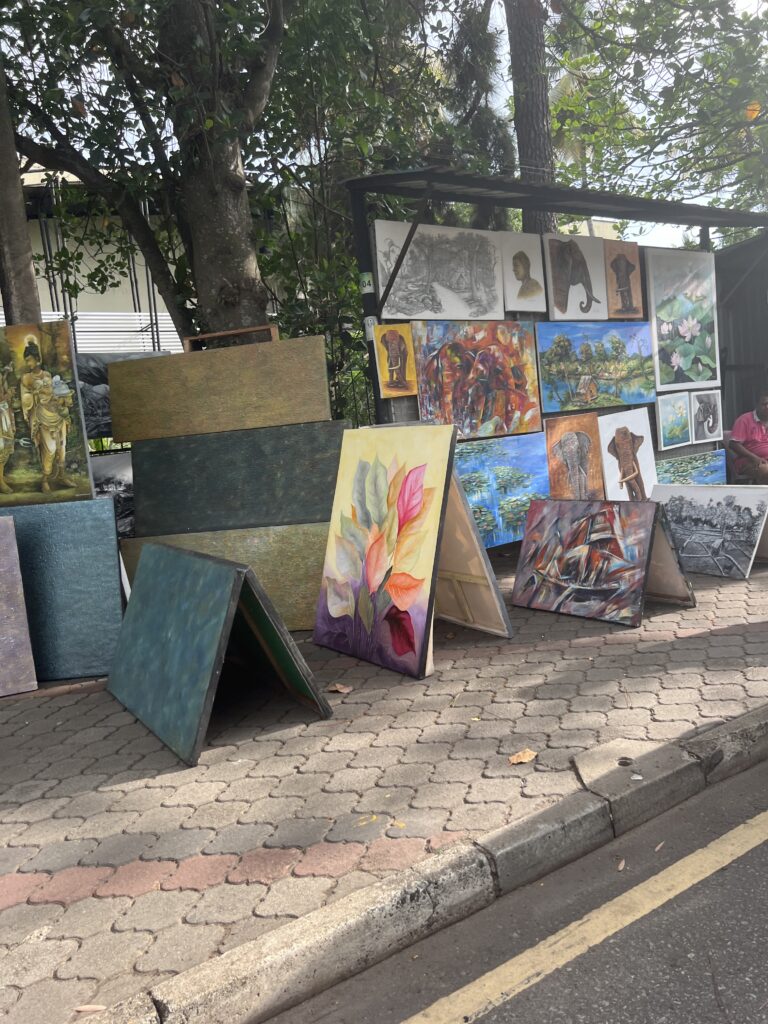
Artists selling their paintings on the streets
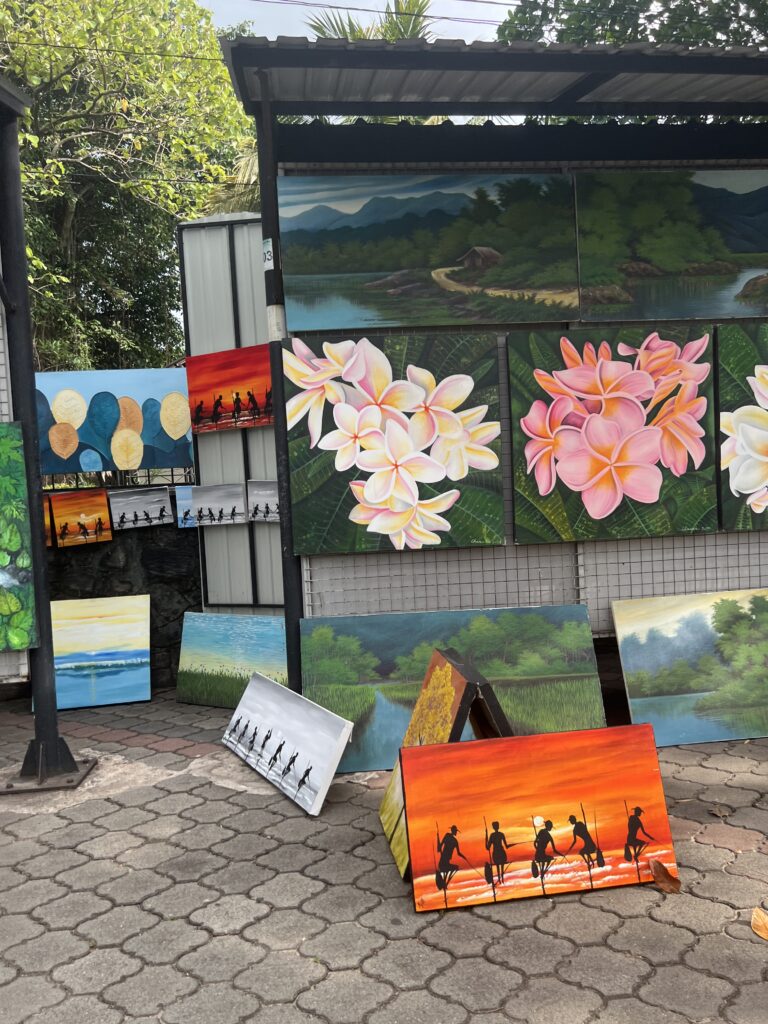
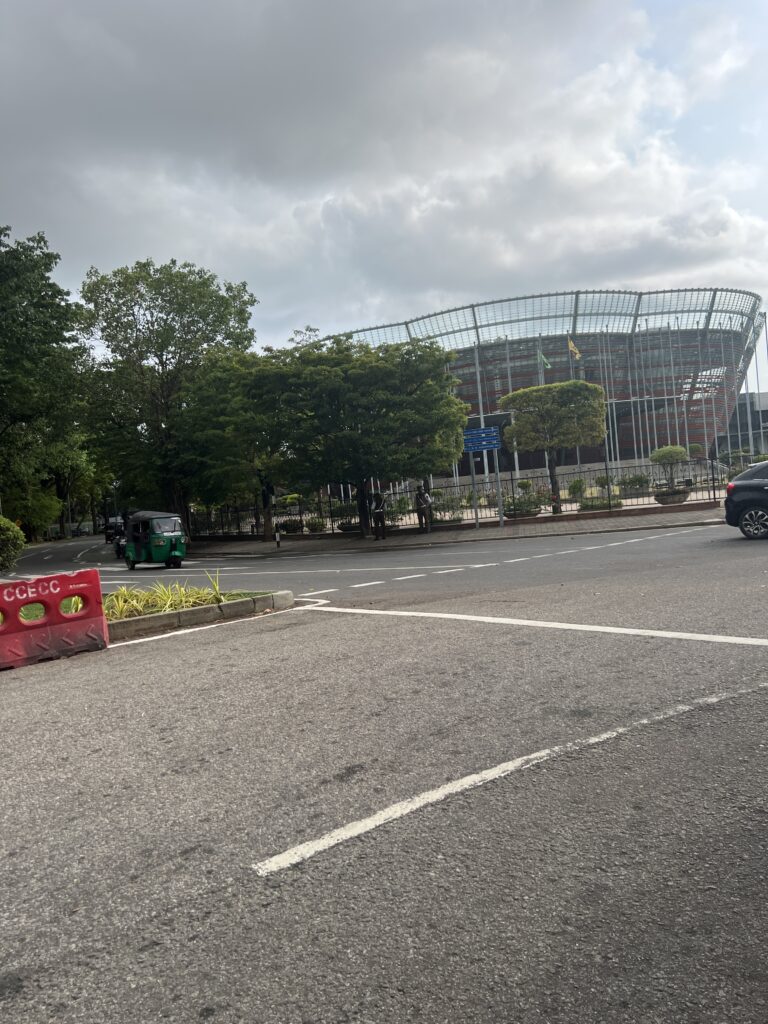
Jackie’s video as we are riding in the Tuk Tuk
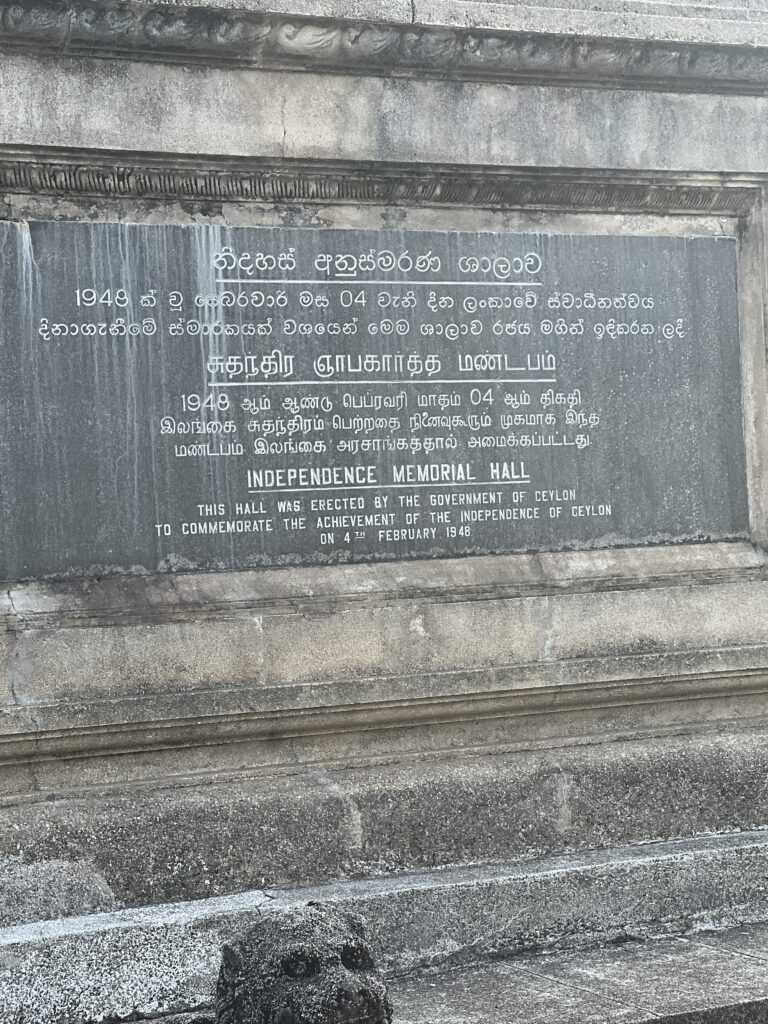
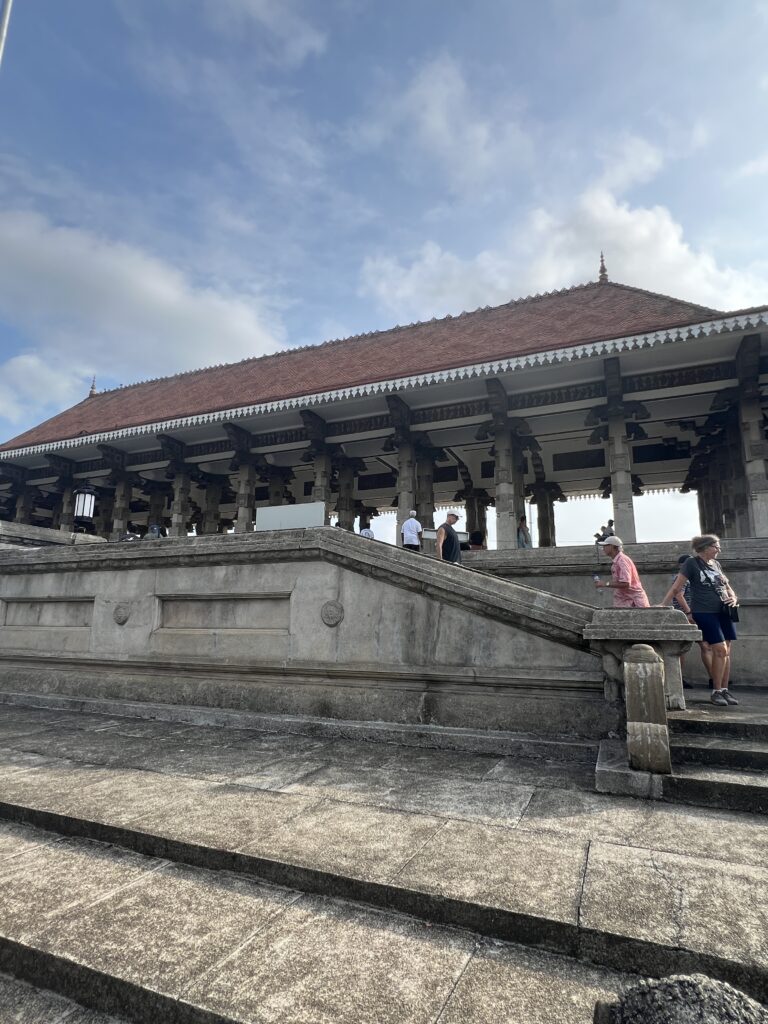
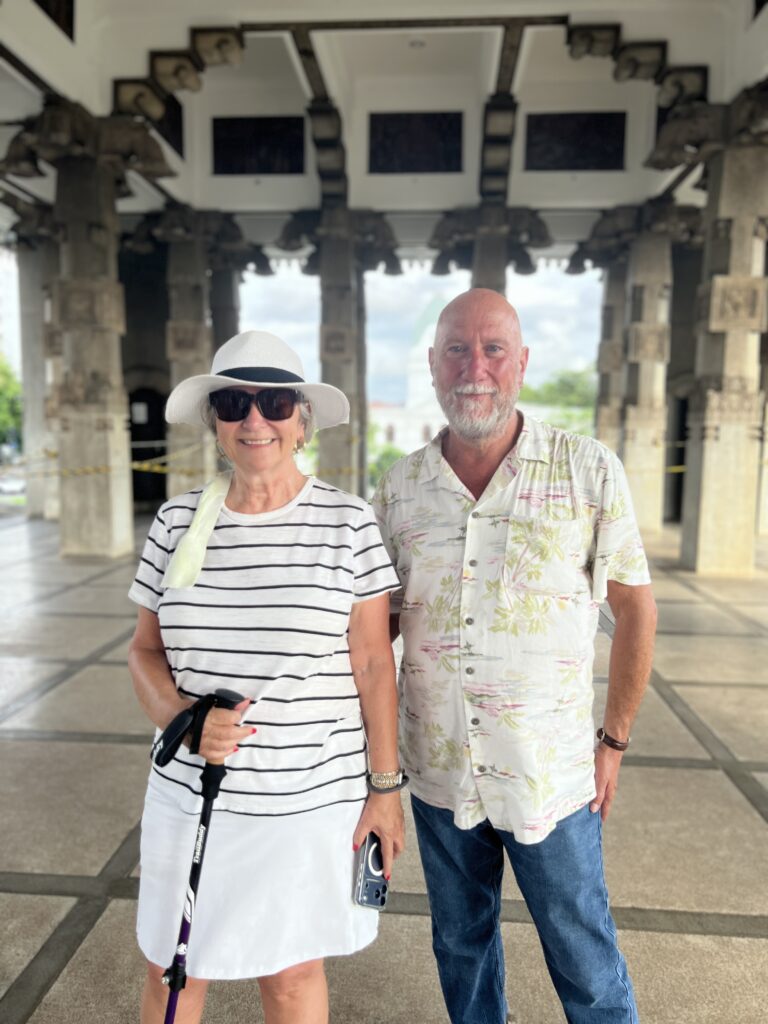
Independence Memorial Hall (also known as Independence Commemoration Hall) is a national monument in Sri Lanka built for the commemoration of the independence of Sri Lanka from British rule, with the restoration of full governing responsibility to a Ceylonese-elected legislature on 4 February 1948. It is located in Independence Square (formerly Torrington Square) in the Cinnamon Gardens, Colombo. It also houses the Independence Memorial Museum.
The monument was built at the location where the formal ceremony marking the start of self-rule, with the opening of the first parliament by Prince Henry, Duke of Gloucester occurred at a special podium on 4 February 1948.
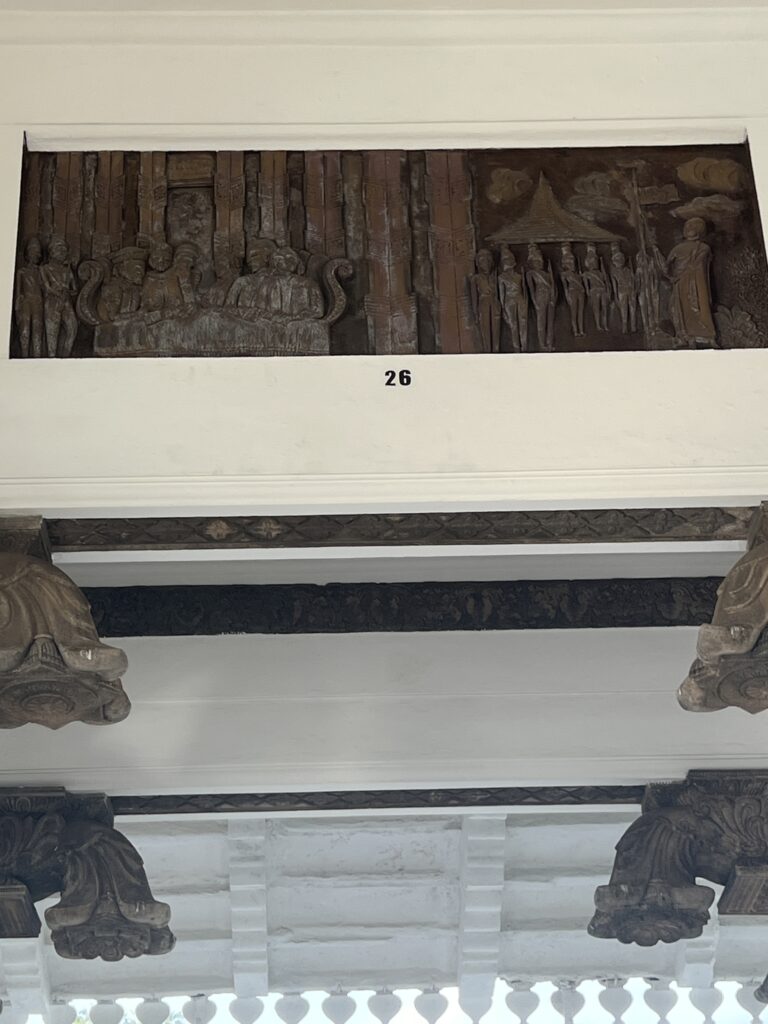
There are these carved into rocks all around the inside of the memorial, but we could not locate any identification of that each carving represented.
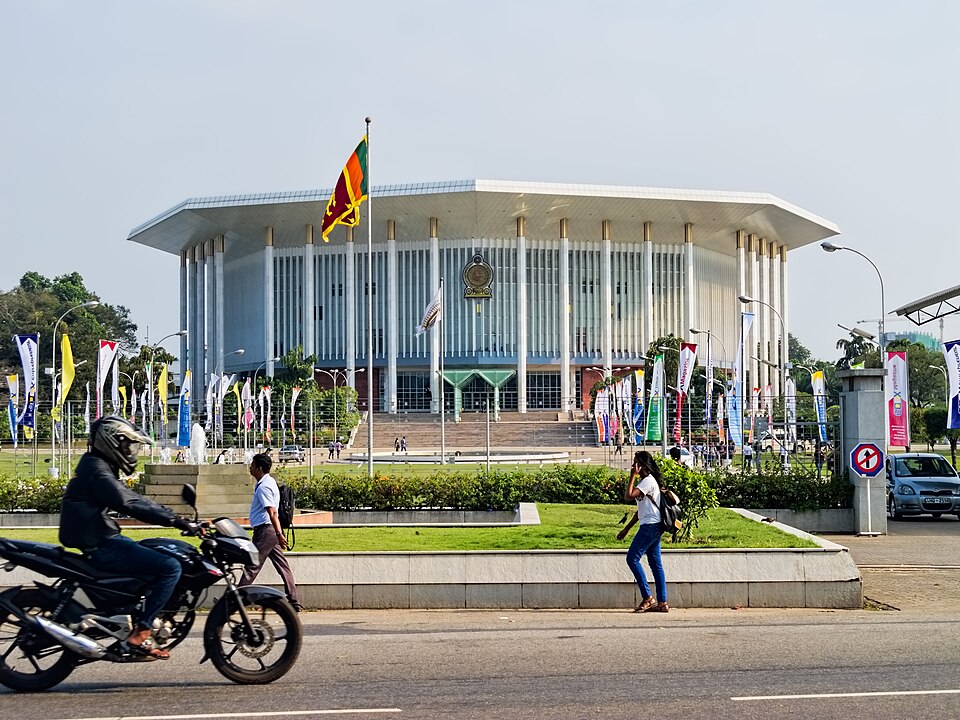
The Bandaranaike Memorial International Conference Hall (BMICH; Sinhala: බණ්ඩාරනායක ජාත්යාන්තර සම්මන්ත්රණ ශාලාව; Tamil: பண்டாரநாயக்க சர்வதேச மாநாட்டு மண்டபம்) is a convention center located in Colombo, Sri Lanka. Built between 1970 and 1973, the convention center was a gift from the People’s Republic of China in memory of Solomon Ridgeway Dias Bandaranaike, Prime Minister (1956–1959).
The construction of the hall was carried out by a joint Sri Lankan and Chinese workforce with a considerable portion of the building materials being imported from China.
In 1998 a small exhibition centre, the Sirimavo Bandaranaike Memorial Exhibition Centre, was built on the grounds as a gift from China.
Location: Situated on Bauddhaloka Mawatha, Colombo 07, directly in front of the main BMICH building.
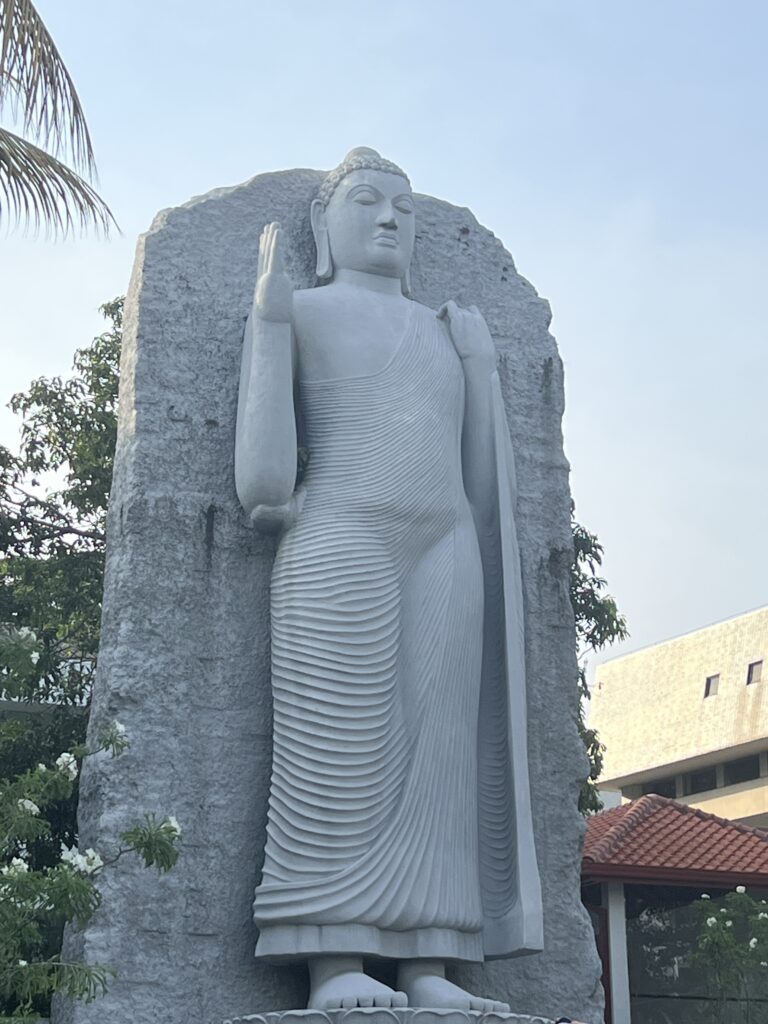
Significance: It is a full-size replica of the 5th-century Aukana Buddha statue in Anuradhapura.
Purpose: Built in 1970, the statue was constructed to allow residents and visitors in Colombo to worship and experience the serenity of the renowned ancient statue.
Features: The statue is in a standing, blessing posture (Asisa Mudra), reflecting the intricate carving of the original, including the detailed robes.
Atmosphere: It acts as a calm, spiritual landmark within the busy city, particularly highlighted during the Vesak festival with decorations.
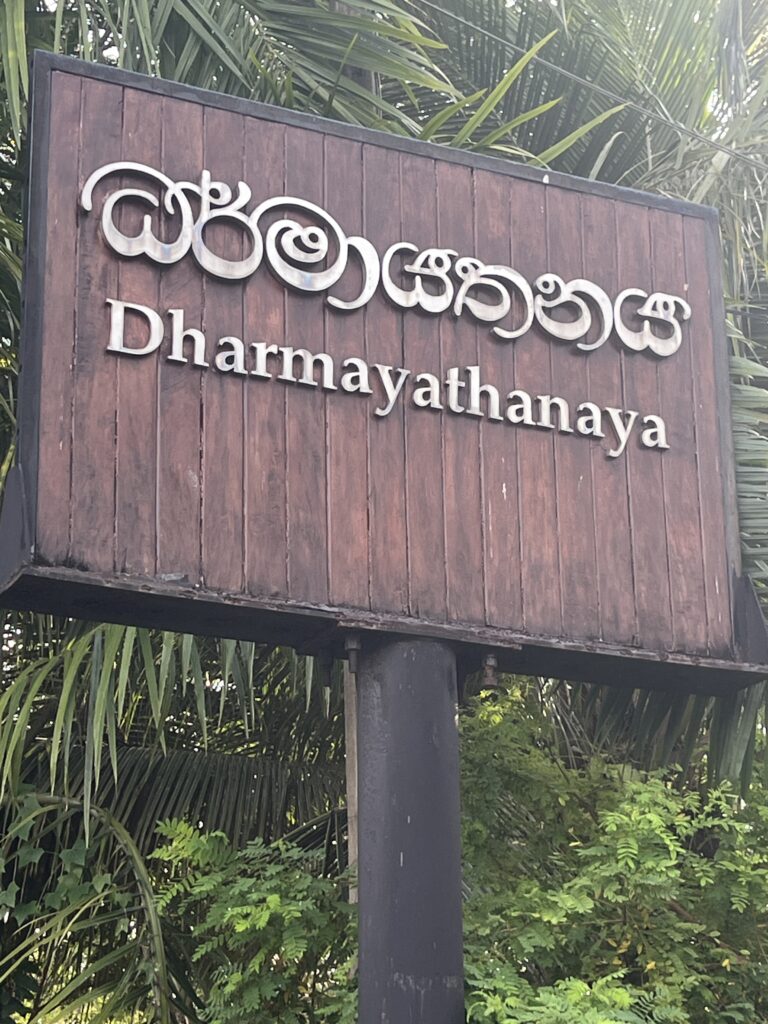
The Buddha statue located at the BMICH (Bandaranaike Memorial International Conference Hall) in Colombo is a prominent 40-foot (approx. 12-meter) tall, white standing replica of the ancient Aukana Buddha Statue.
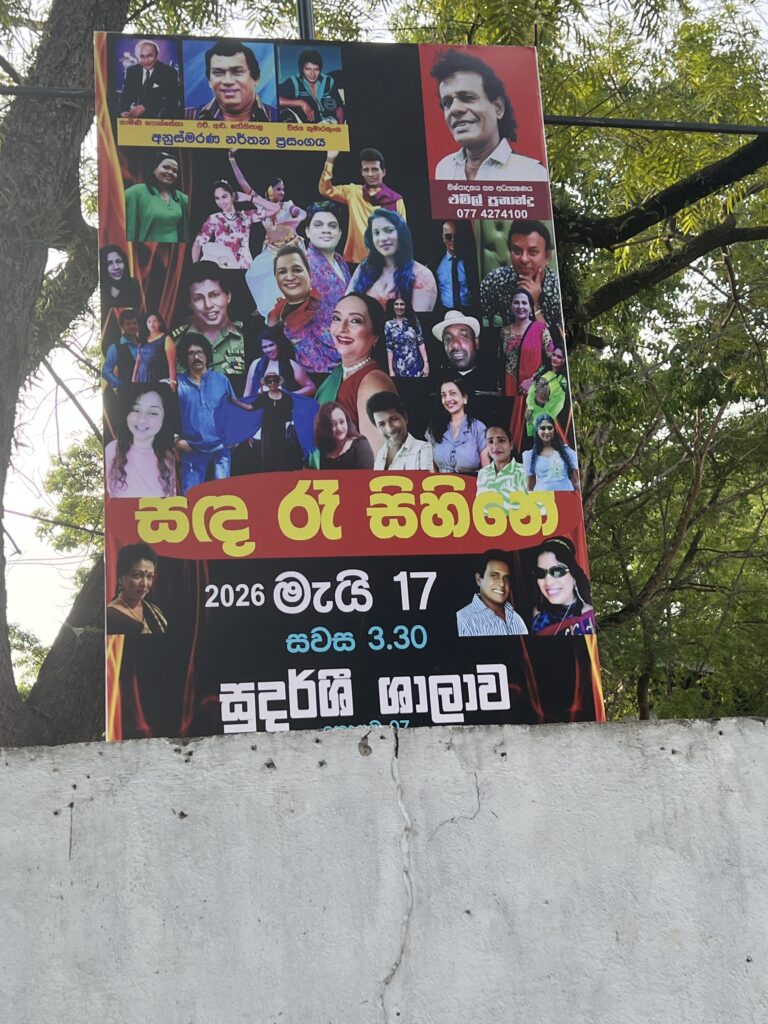
Board for an upcoming concert
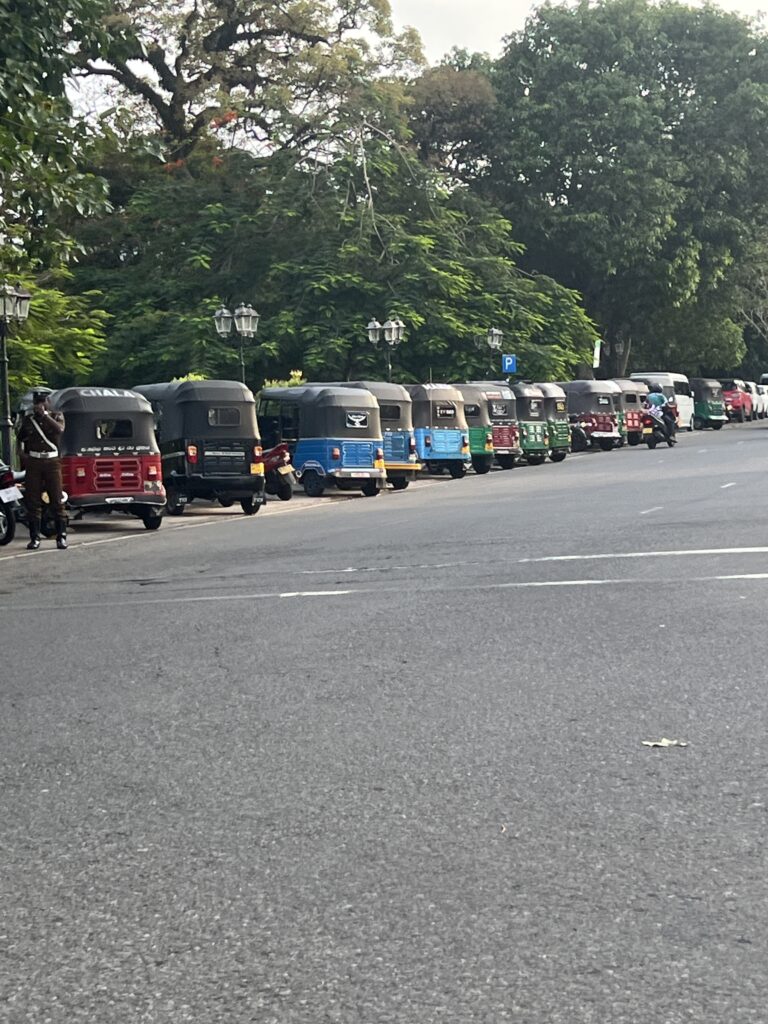
Row of Tuk Tuk. They are everywhere in the city
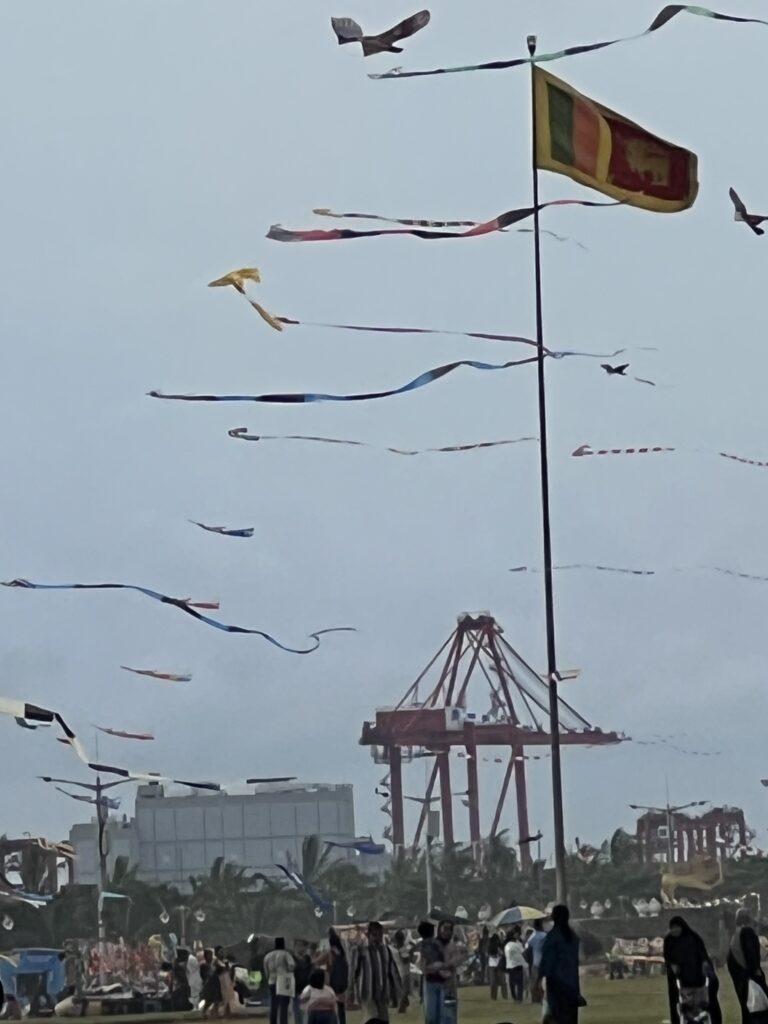
Our last stop for the day was the Galle Face Green Park
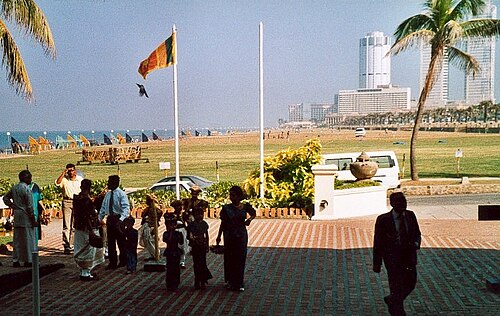
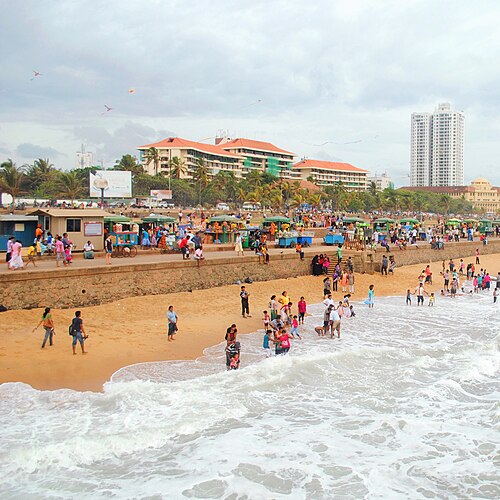
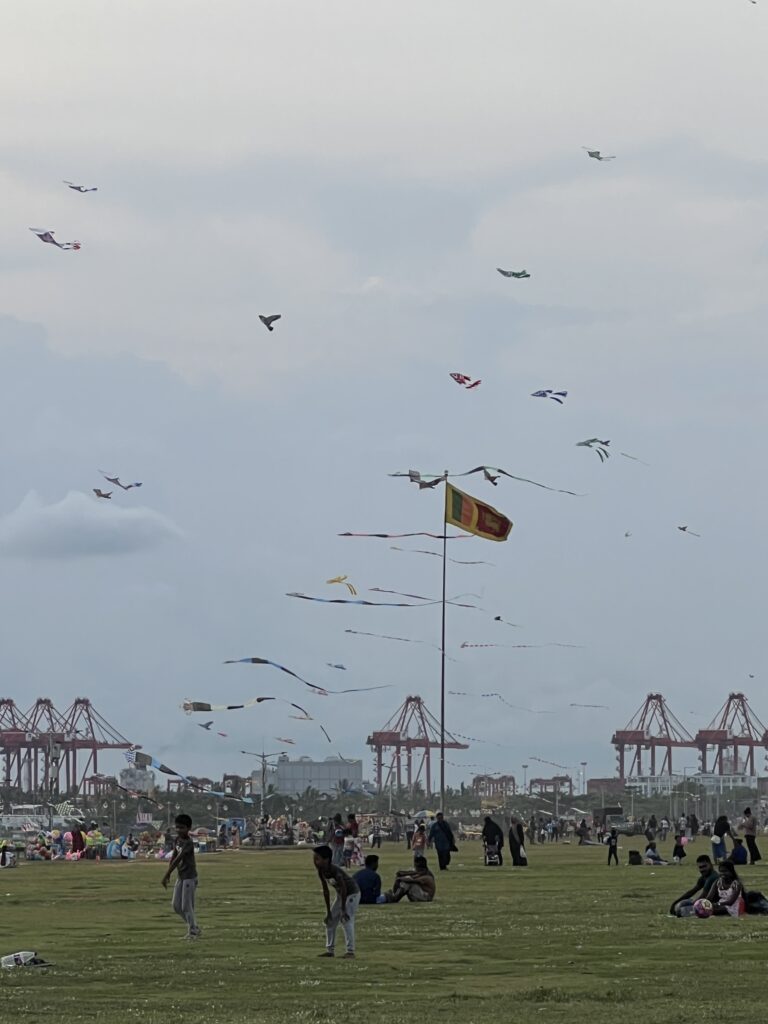
Galle Face Green is a 5 ha (12 acres) ocean-side urban park, which stretches for 500 m (1,600 ft) along the coast, in the heart of Colombo, the financial and business capital of Sri Lanka. The promenade was initially laid out in 1859 by Governor Sir Henry George Ward, although the original Galle Face Green extended over a much larger area than is seen today. The Galle Face Green was initially used for horse racing and as a golf course, but was also used for cricket, polo, football, tennis, and rugby.
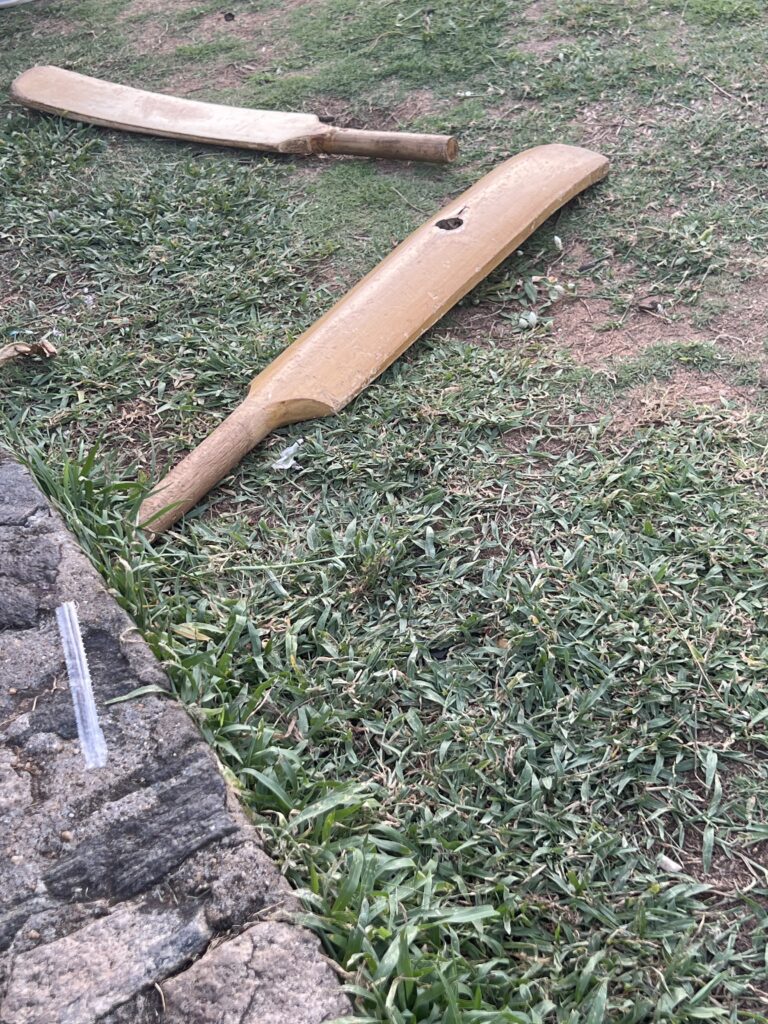
Some young boys were playing cricket with these cricket bats. It is always amazing to visit a beach in a Muslim country as the women wear Hijab or Burqas.
The Galle Face Green runs next to the Indian Ocean
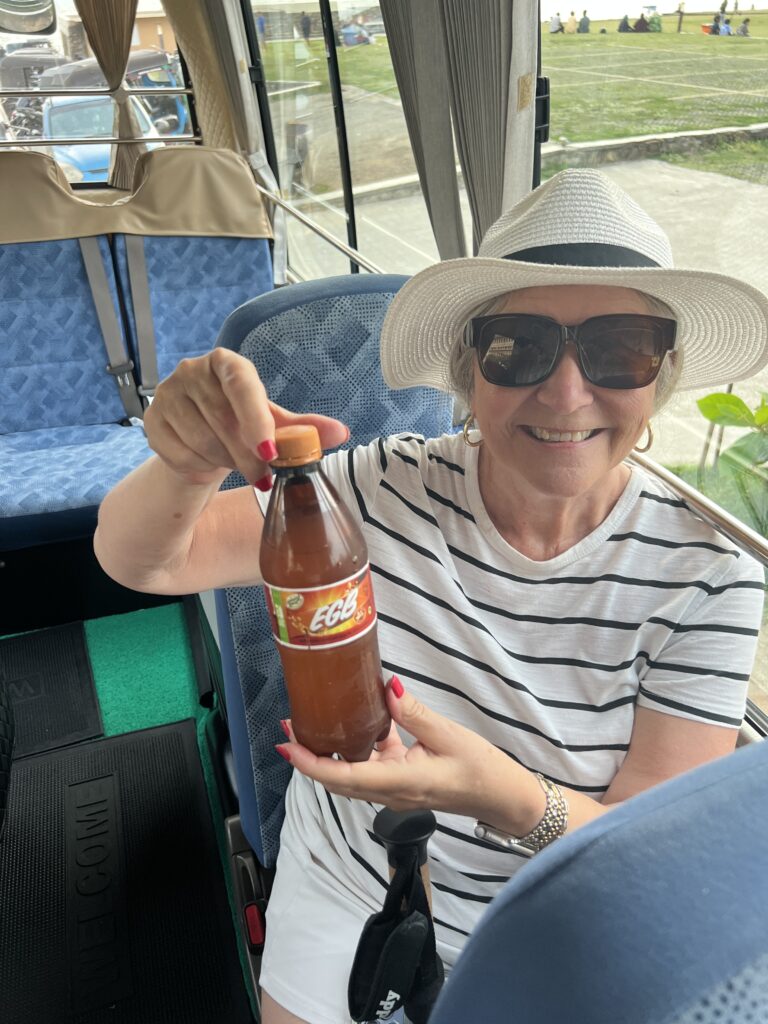
Elephant House Ginger Beer, or EGB as it is widely referred to, is a drink created from a recipe that is over a century old.
EGB – Elephant House Ginger Beer made with Natural Ginger
One thought on “Day 57 May 3 – Colombo, Sri Lanka”
Absolutely incredible! I love the pharmacy and taxi stories. 💟💟💟 The faces around the world is so endearing. They seem so happy and kind. Thank you for sharing!