
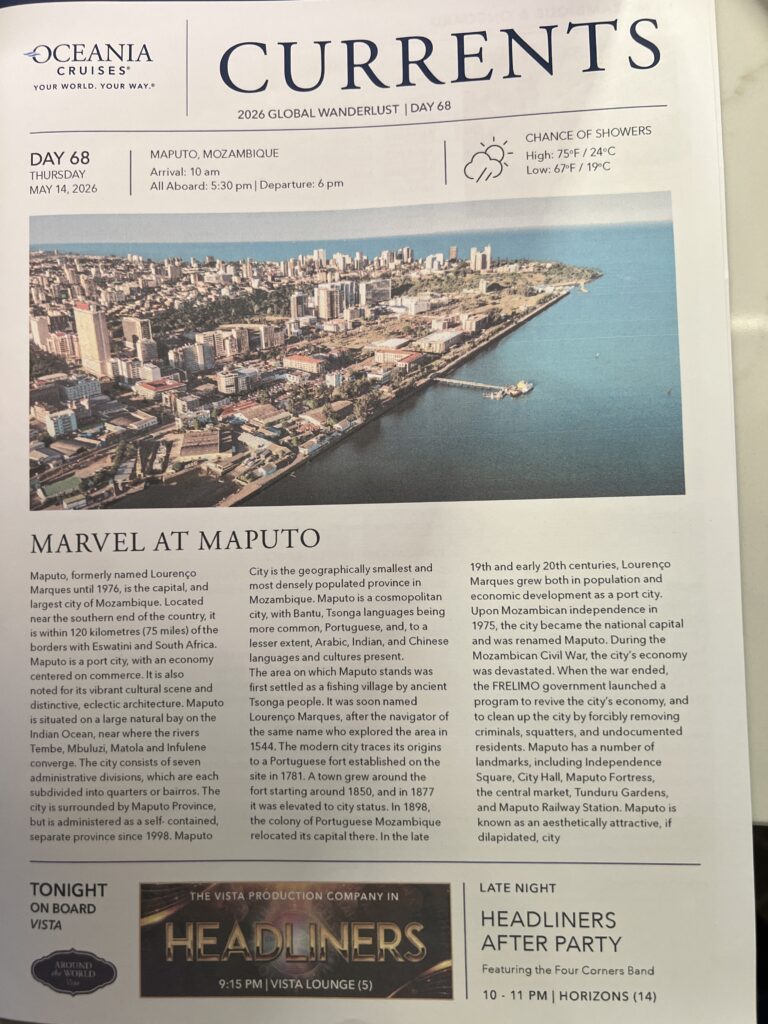
Day 68 Thursday May 14th — Another new port and unfortunately, another port that The Vista brought the rain. If we had not docked, I am thinking we would have missed this port because of the weather.
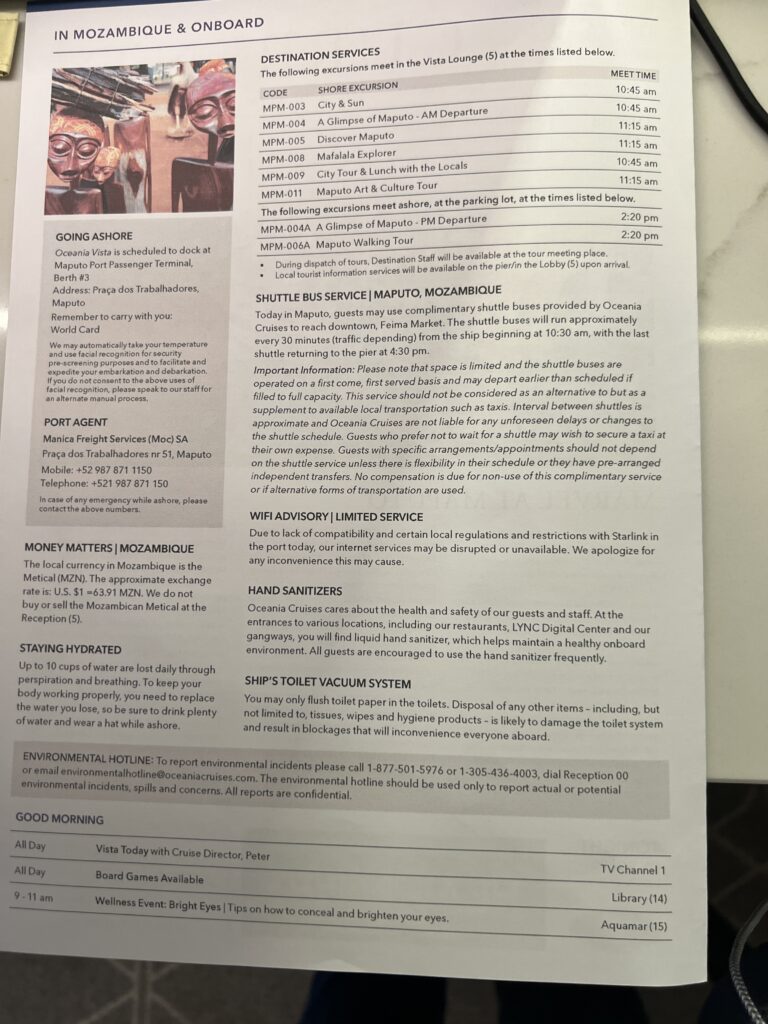
We took a ship excursion and our guide made the most of the time we had with him as the rains really placed a damper on our opportunities to see and participate at sites. On this excursion we visited an old train station, the Maputo Central Market, Iron House, Cathedral and the Maputo Fort. We were supposed to visit a botanical garden but had to skip this due to the rains. We drove pass a number of other sites but with the rain it was difficult to take any photos.
We were docked in an industrial port and we could see the city from our balcony. It was about 100-yard walk to the cruise terminal and passengers were wet before even starting their day in port.
I have to admit that we were skeptical about this port stop having heard past stories about Mozambique, but after being in the city for three hours we were disappointed that the rain forced us back to the ship and we could not return after our excursion. There was much that we missed and wanted to experience.


I copied this from The Broadway Elder Living and Rehabilitation Center. They do some great things for their residents and below is an example.
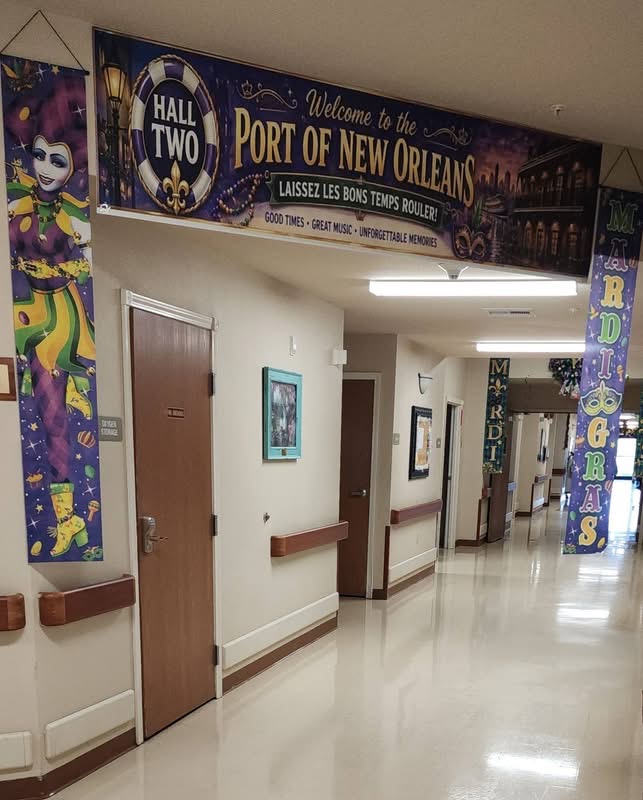
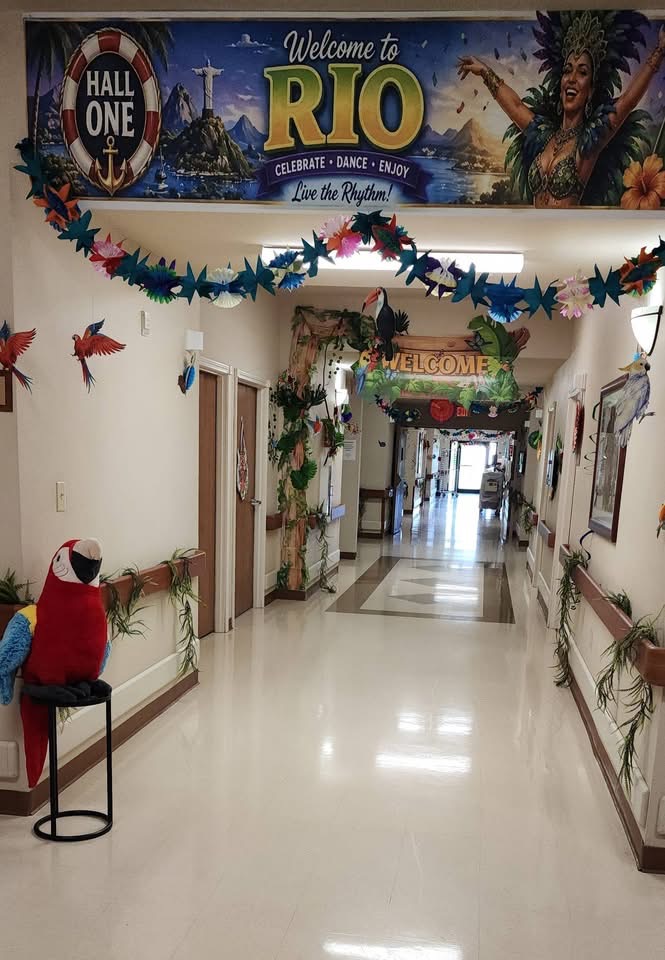
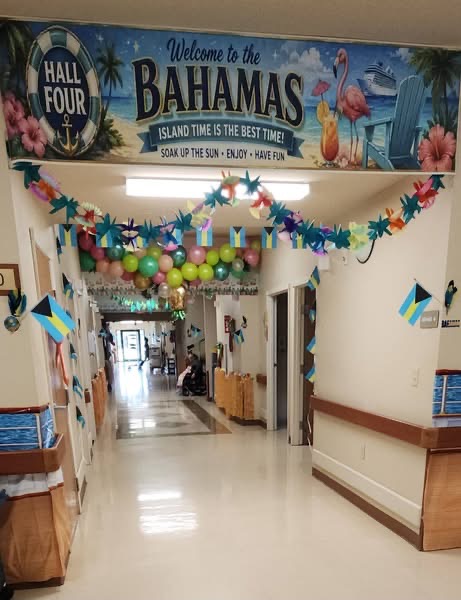
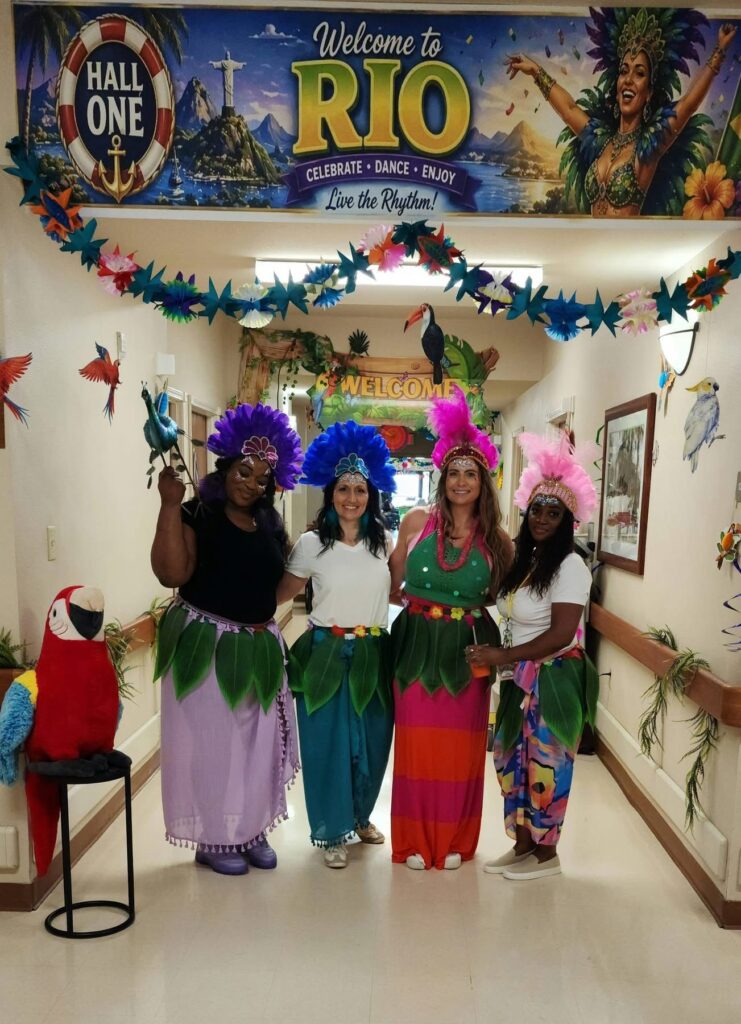
We are delighted to announce that National Nursing Home Week is off to a fantastic start. The Broadway Residents & Staff are currently on a cruise aboard the SS Broadway, visiting exciting destinations. Boarding passes and passports were issued and stamped. The week began with a lively Second Line parade from the French Quarter to the Port of New Orleans, drawing in crowds of participants and spectators. The Sail Away Party was successfully hosted on the Sheila Schouest Deck, featuring Tropical Fruit and Taz Lemonade. Our time in the Port of Rio Grande was truly unforgettable, with signature drinks, fresh fruit, sweets, and chips with salsa being served. On Wednesday, the Port of Jamaica awaits, promising great festivities. Thursday will feature our Annual Crawfish Boil, where prizes will be awarded for randomly selected items, so don’t forget your carry-on bags. The week’s festivities will continue on Friday at the Port of the Bahamas, with Broadway Smash Burgers on the menu. We invite you to join us for sunrise on the Deck of the SS Broadway.




Video of small fishing boats as we came into the port this morning. Sadly, this sunshine did not last much longer.
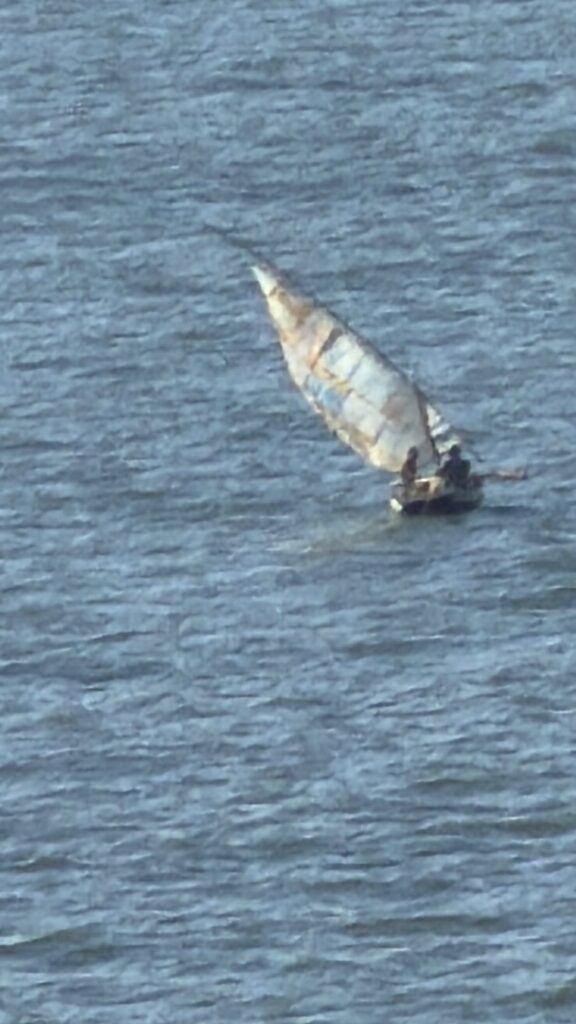
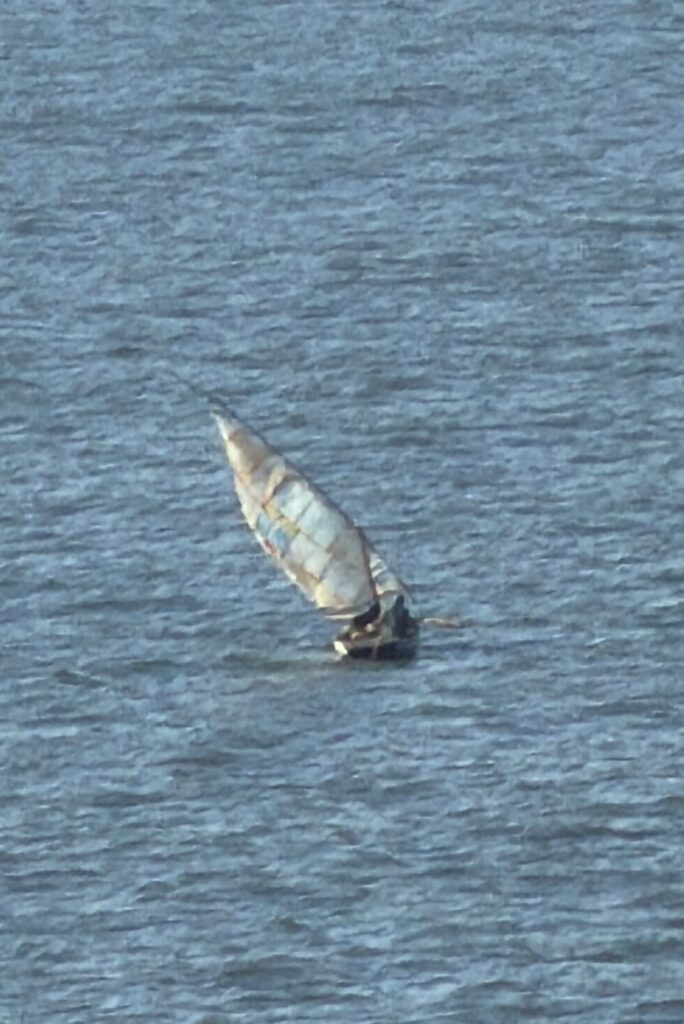
Jackie took this video of the men pulling up their nets. After 75 seconds of video and they were still pulling the nets, she stopped recording. I guess they fish with quarter mile nets. 🙂
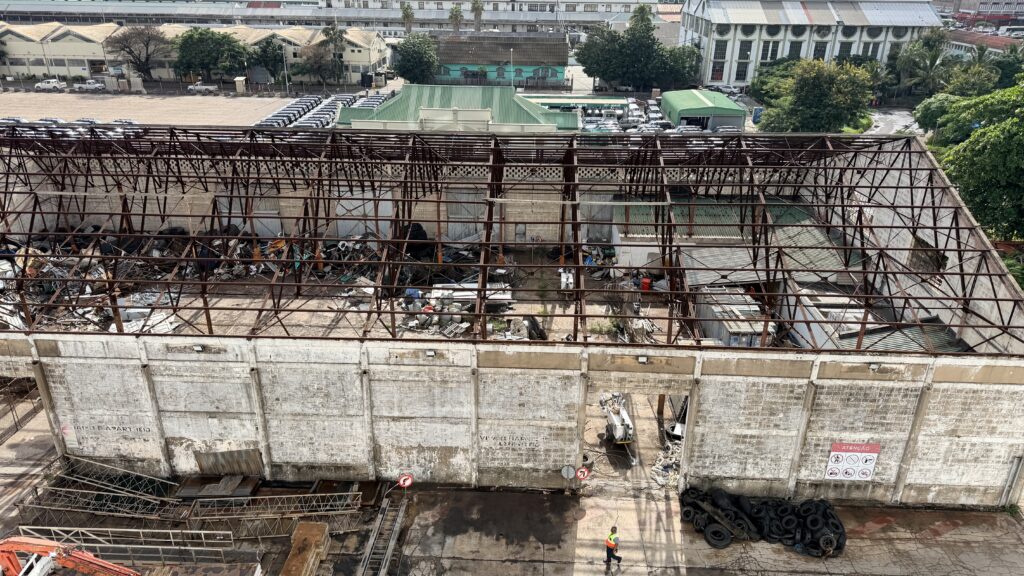
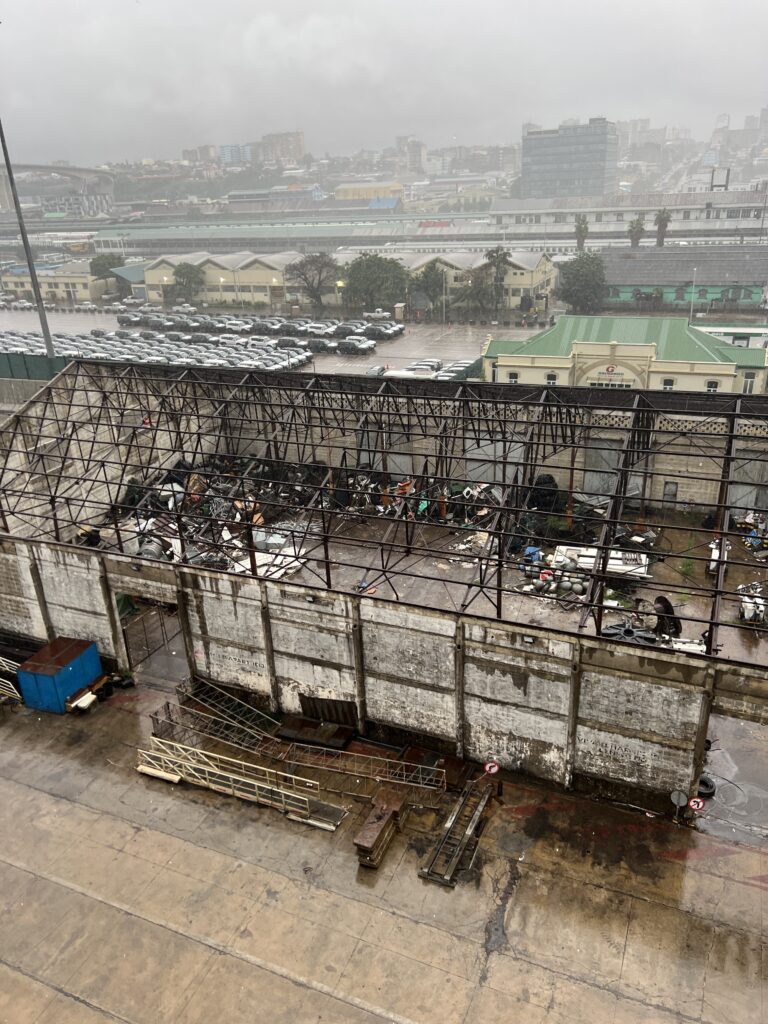
This building that we could see from our balcony had seen better days.
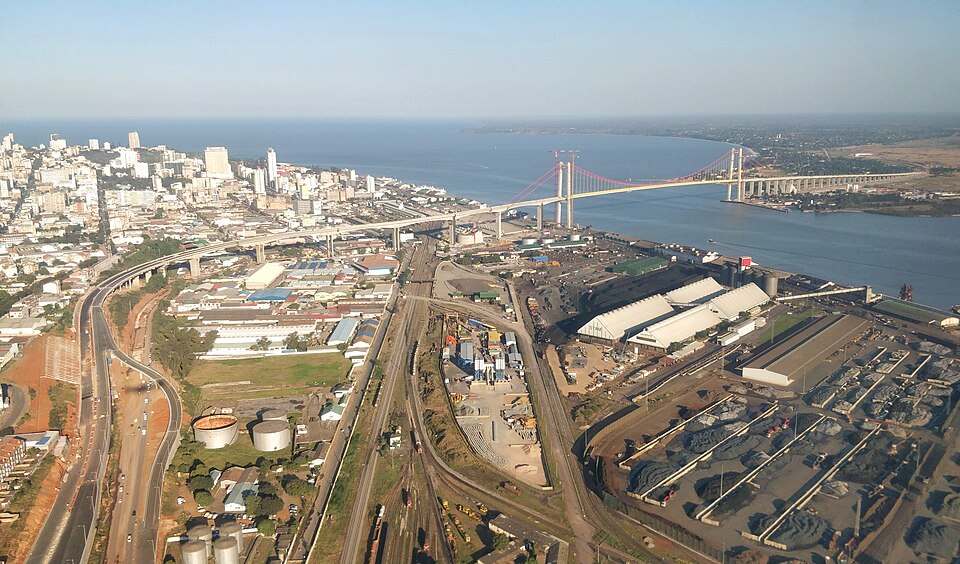
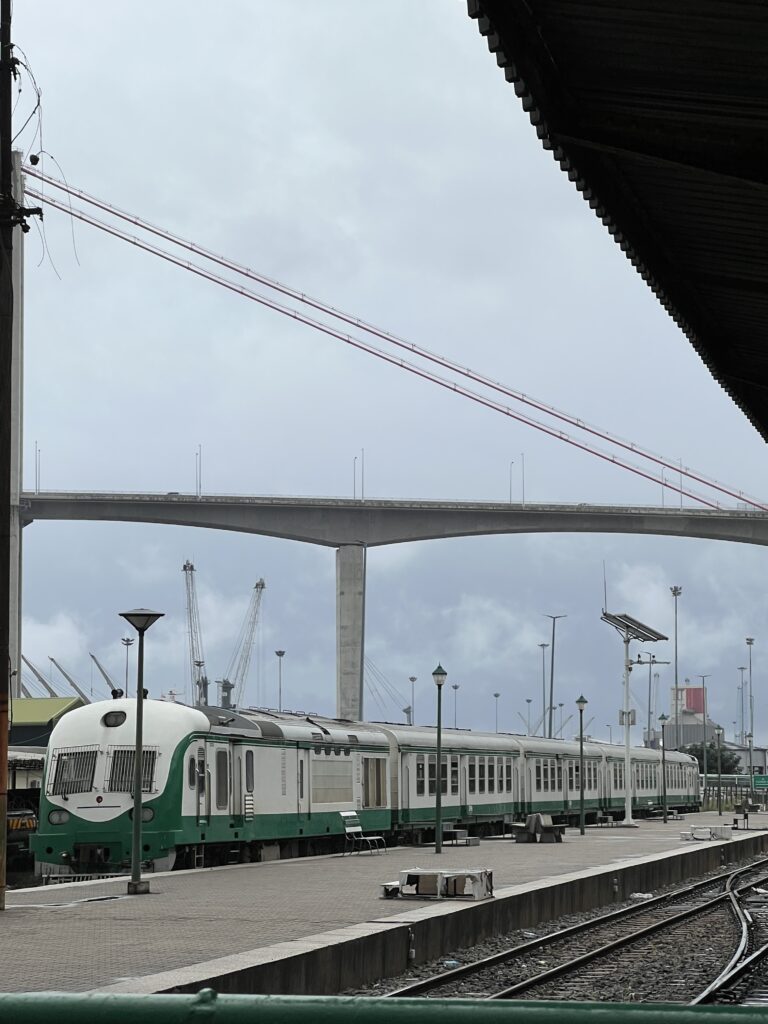
The Maputo–Katembe Bridge is the longest bridge in Maputo and the longest suspension bridge in Africa, spanning approximately 3 km (3,041 meters) across Maputo Bay. Opened in November 2018, it connects Maputo city to the Katembe district, significantly improving road connectivity between Maputo and South Africa.
Key Facts About the Bridge:
- Structure: It has a 680-meter main span, a 1,100-meter cantilever section, and 1,230-meter approach sections.
- Height: The two main towers stand 137 meters tall.
- Cost & Builder: Constructed by the China Road and Bridge Corporation at a cost of roughly \(\$785\) million, funded largely through loans from the Export-Import Bank of China.
- Impact: It replaced a slow ferry system, cutting crossing times to roughly 10 minutes.
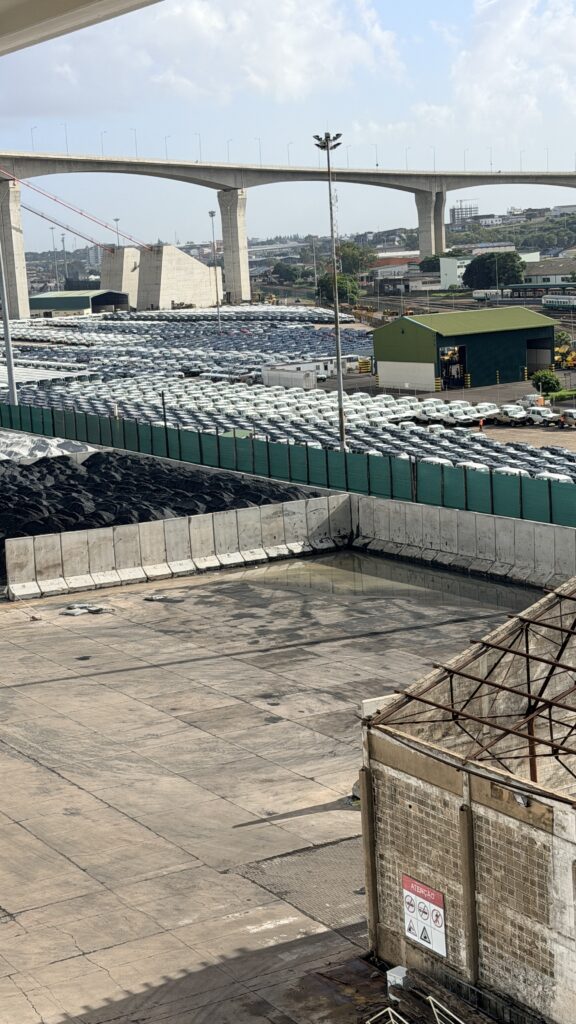
Couple stock photos about the bridge
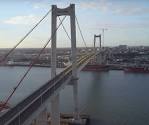
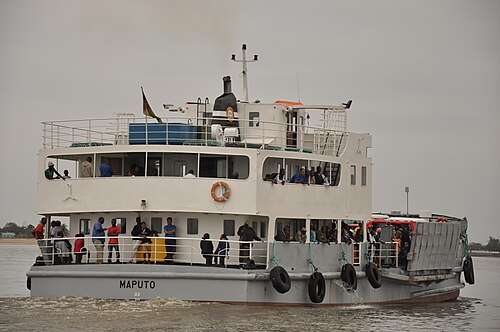
Previously, the direct (and fastest) connection was the ferry of the state shipping company Transmarítimo
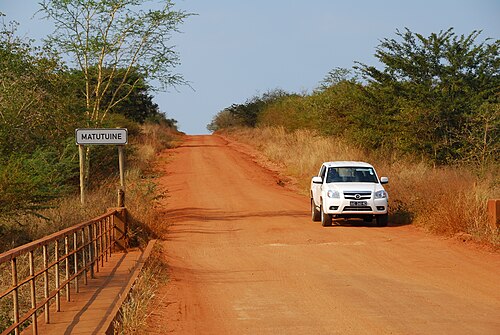
Previously, the road between Katembe and Boane to Ponta do Ouro was not asphalted, and could become impassable, especially in the rainy season.
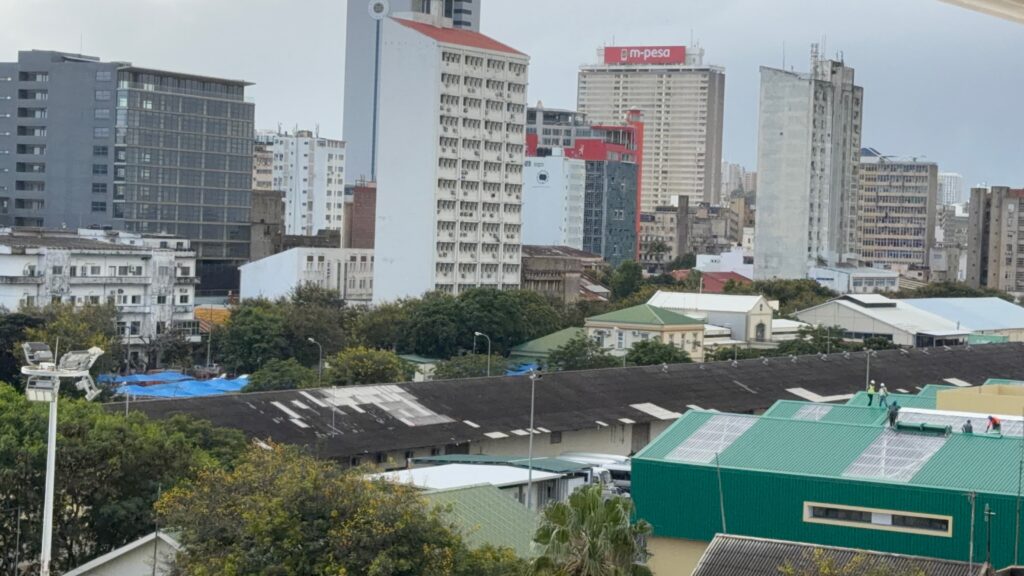
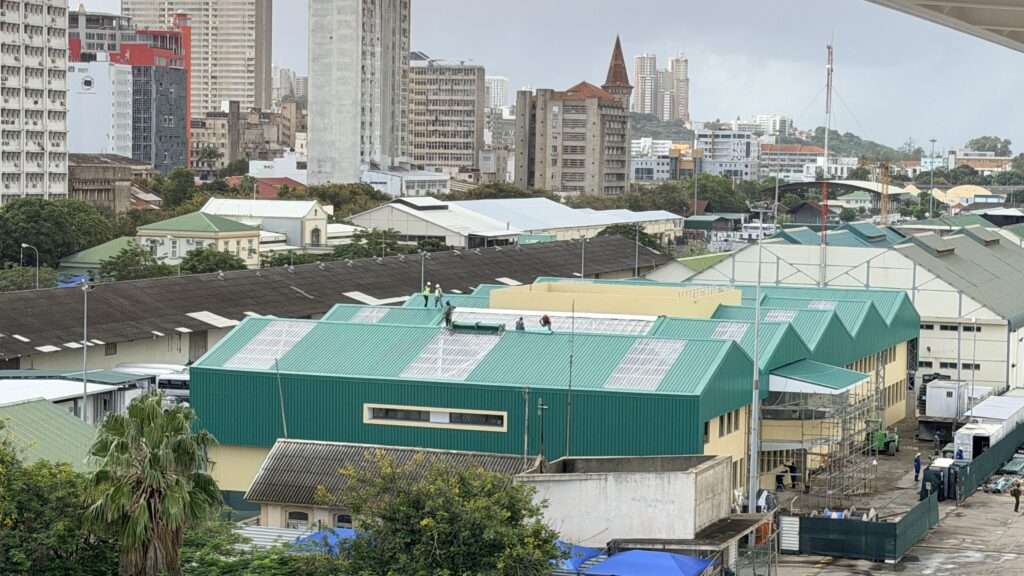
Couple of views from the city in the morning before the rains started
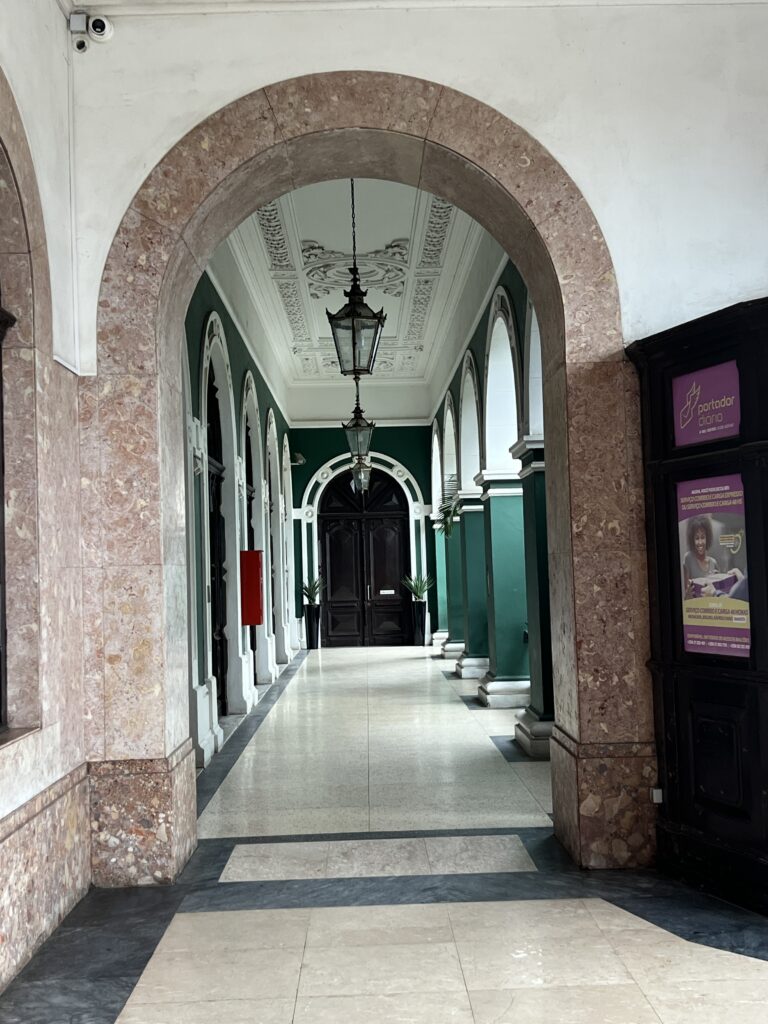
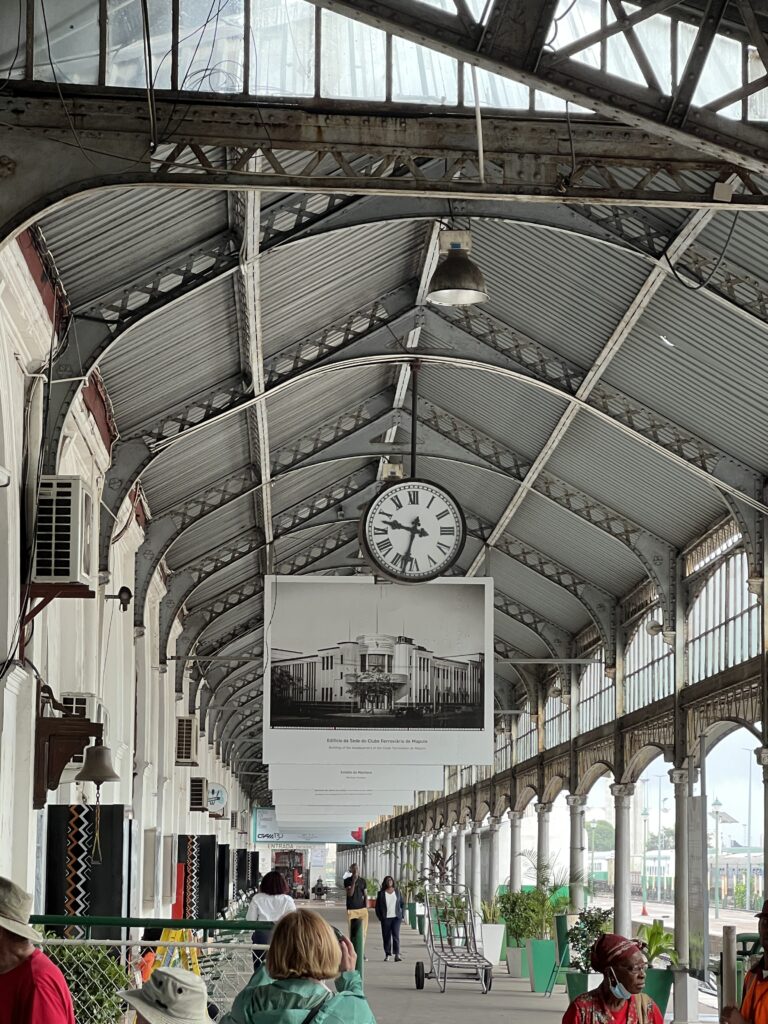
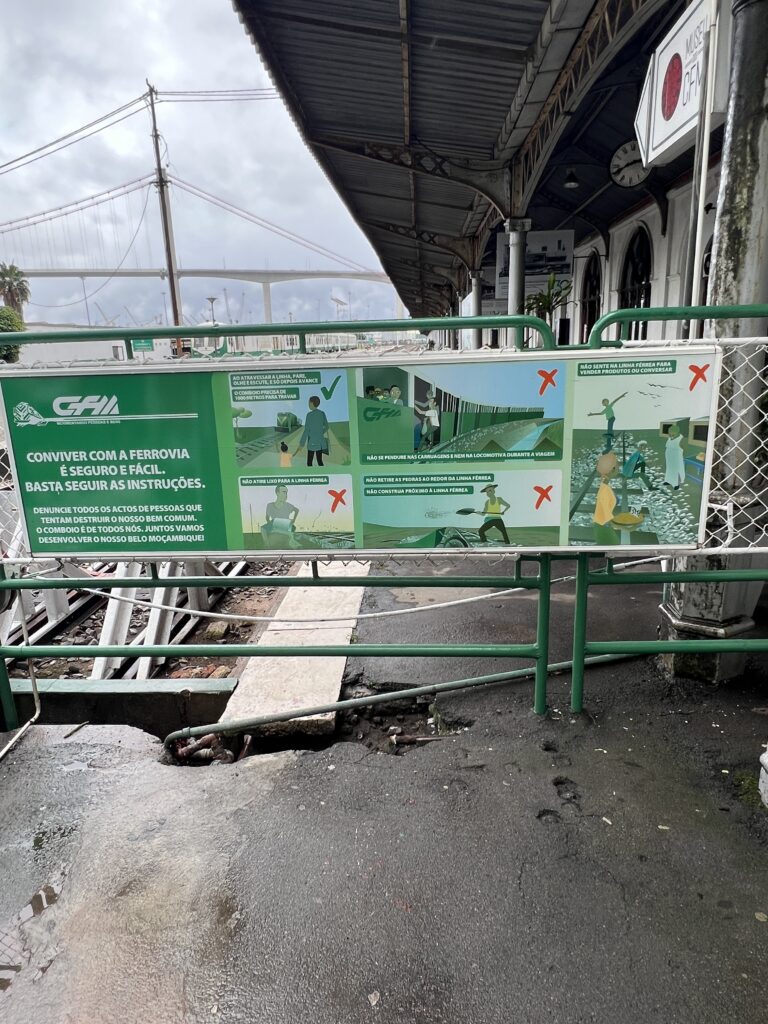
The Central Railway Station (Portuguese: Estação Central dos Caminhos de Ferro) is a historic train station in Maputo, Mozambique. Administered by Mozambique Ports and Railways, it is located on the CFM Sul line (now closed), which links to South Africa, Eswatini, and Zimbabwe. It was constructed from 1908 to 1916 in the Beaux-Arts style. Widely recognized for its attractiveness, the station has been ranked by international publications as one of the world’s most beautiful.
Stock photo as my photo in the rain does not come close to this photo
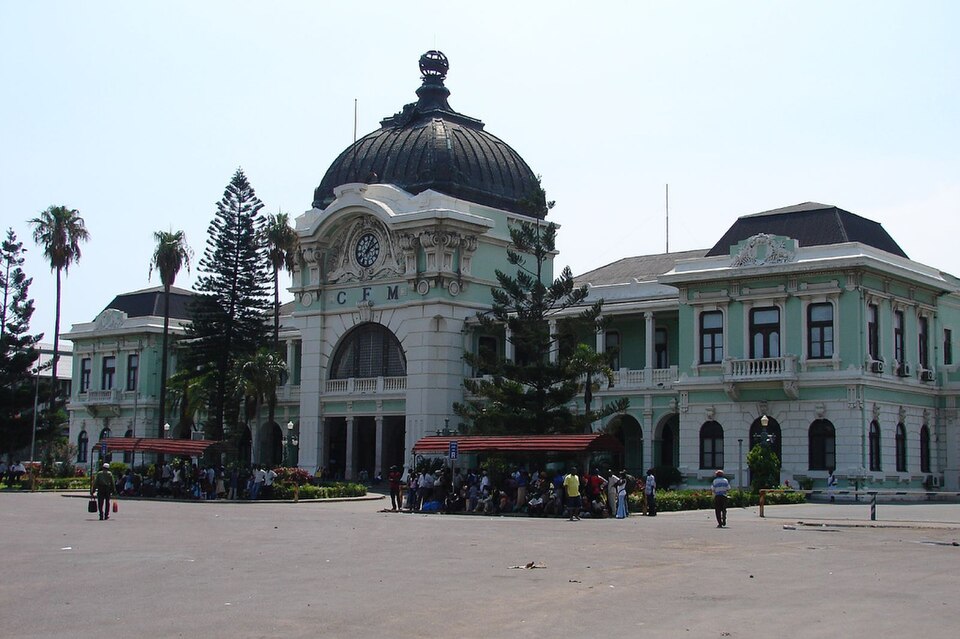
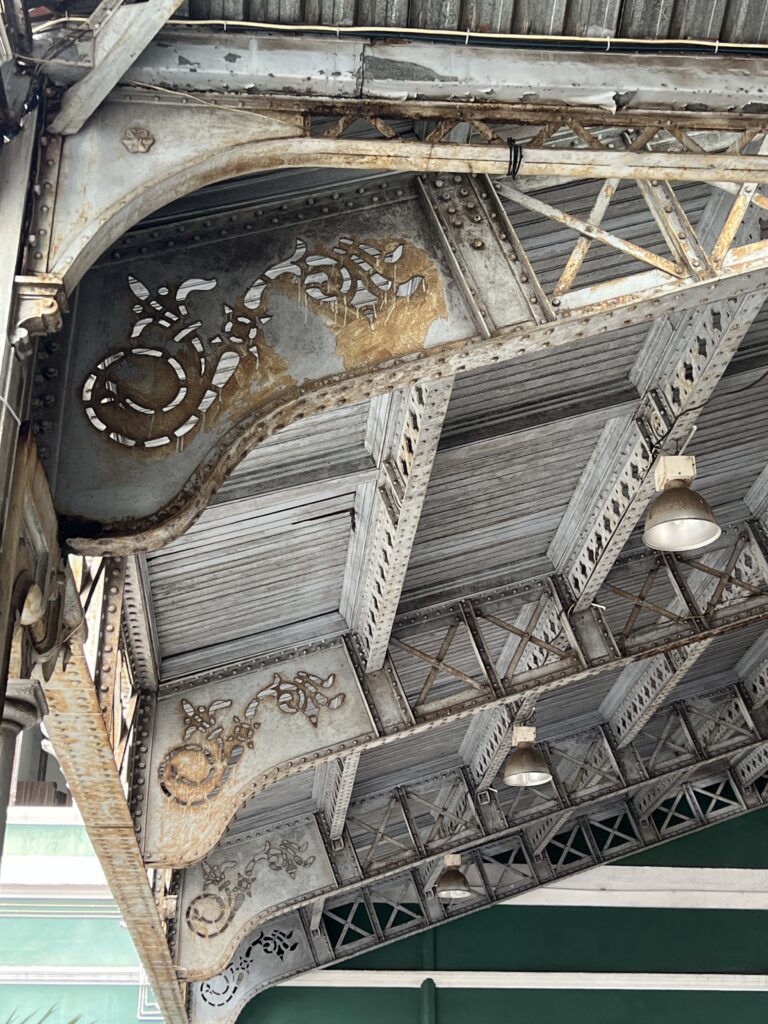
The initial plans for Central Railway Station were inspired by the old central terminus in Johannesburg, South Africa, but intended the station to have a grander facade. The building is of the Neoclassical Beaux-Arts style. At the center of the station’s grand facade is a tall arch, topped by the largest of the building’s three domes. The copper-clad semispherical central dome brings the building’s height to 51 m. The building’s two symmetrical sides connect the main tower to the building’s domed side towers through second-story verandas. Ornamental features including marble pillars and wrought iron latticework contribute to its aesthetic appearance.
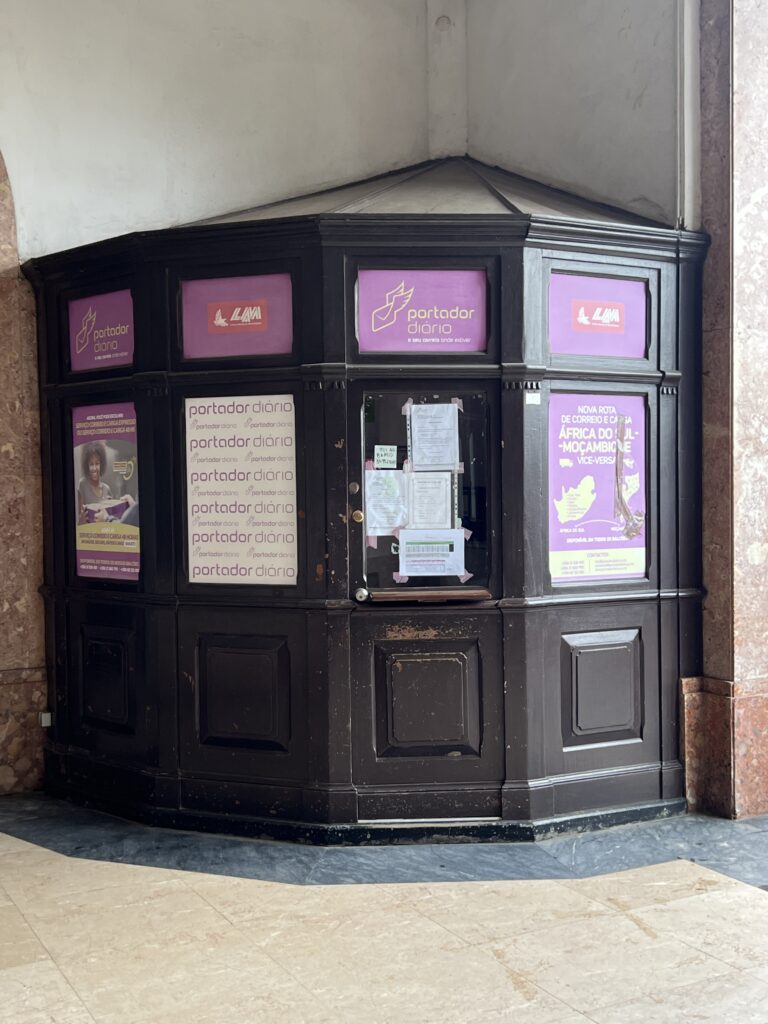
The Maputo Central Railway Station stands as one of the most remarkable architectural achievements on the African continent, a building where engineering ambition, colonial history and refined European design converge. Located prominently within the urban fabric of Maputo, it immediately commands attention through its scale, symmetry and distinctive silhouette, acting as both a gateway to the city and a symbol of its layered past.
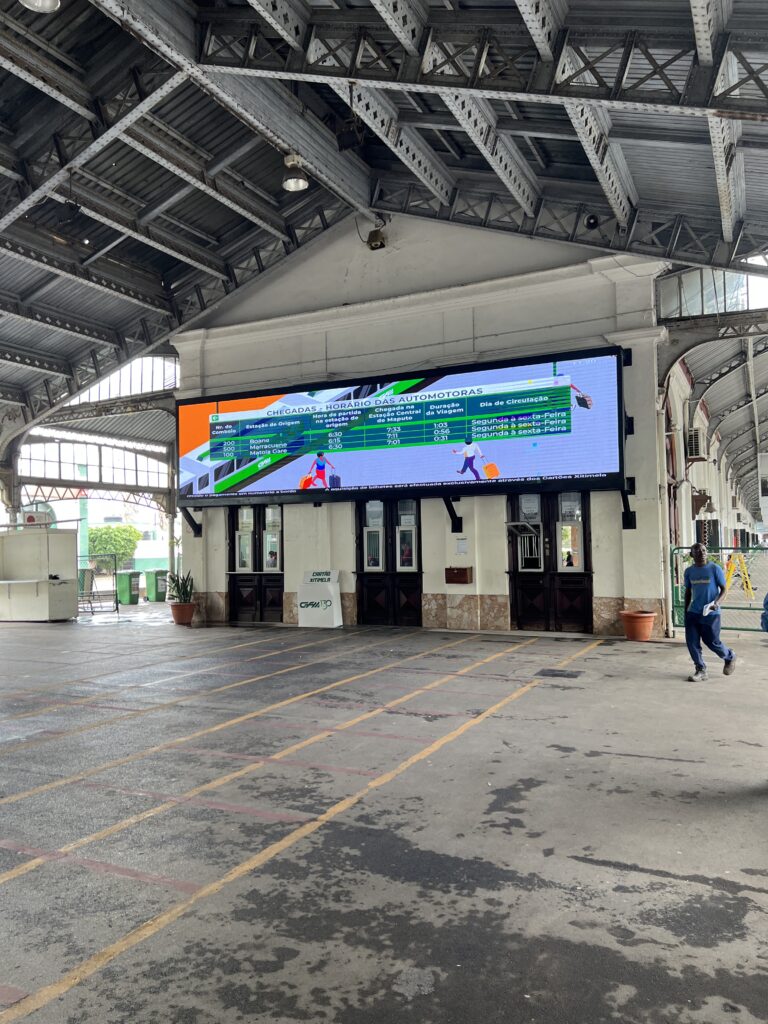
Large screen display for train times. Thankfully we did not take a train because the words are in Portuguese
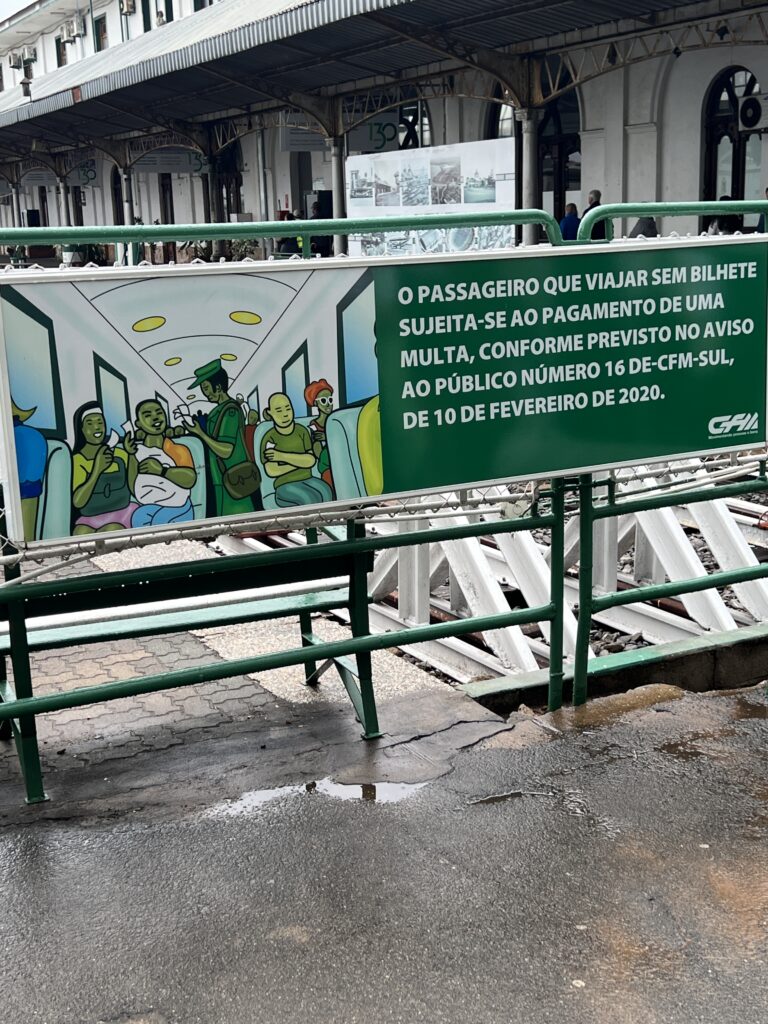
The Maputo Central Railway Station is a charming colonial-style train station that was named the third most beautiful in the world by Time magazine in 2015. Visitors can explore the building and tracks, learn about its history and that of Mozambique through various exhibits and informational displays. Outside, a bustling market has formed where buses drop off many passengers. Although lively outside, inside it is serene with occasional trains bringing life to the station.
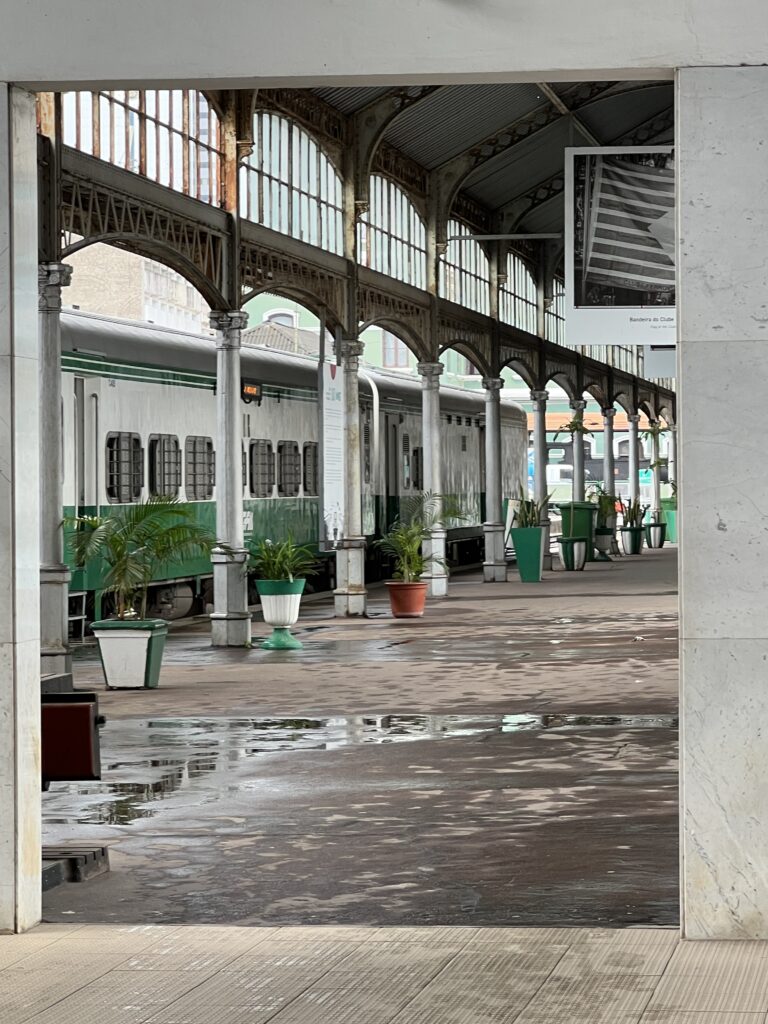
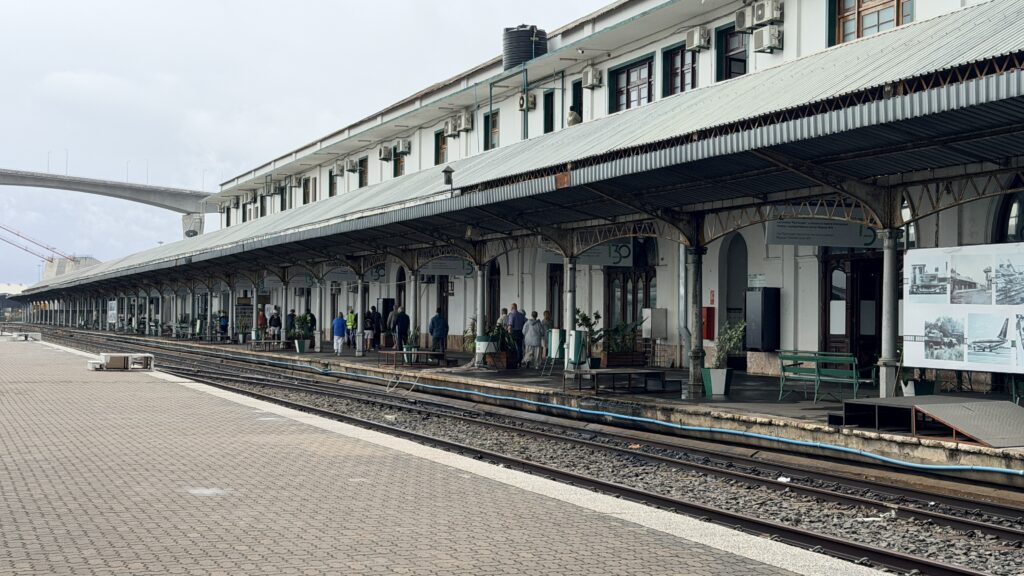
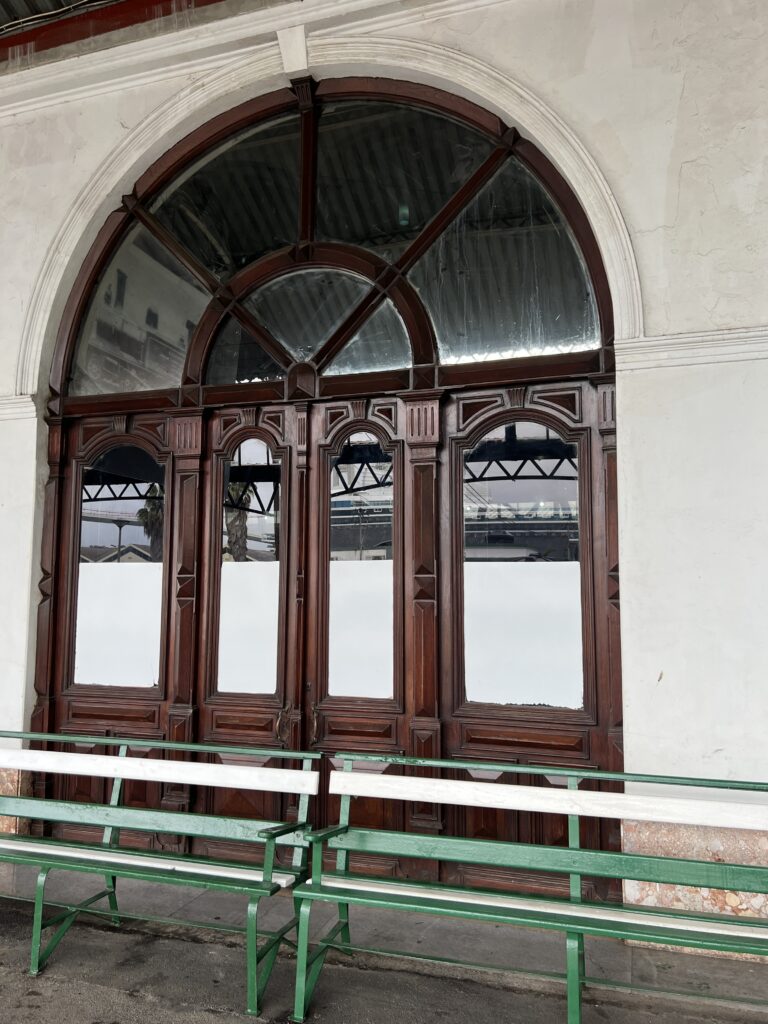
The old doors in the station are originals
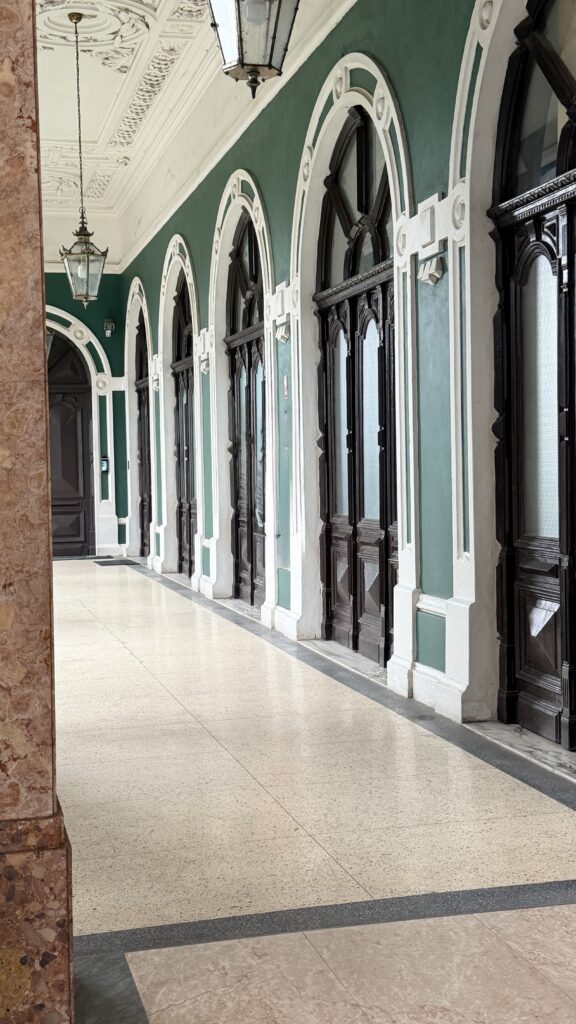
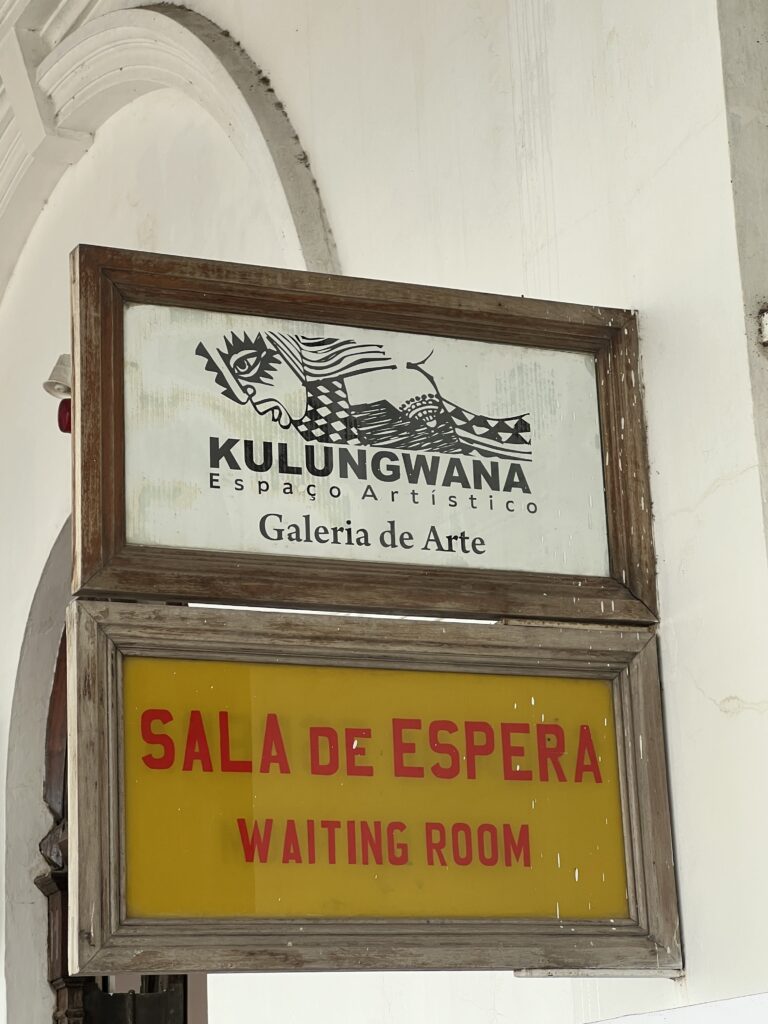
There is an art gallery that you can visit while waiting on your train
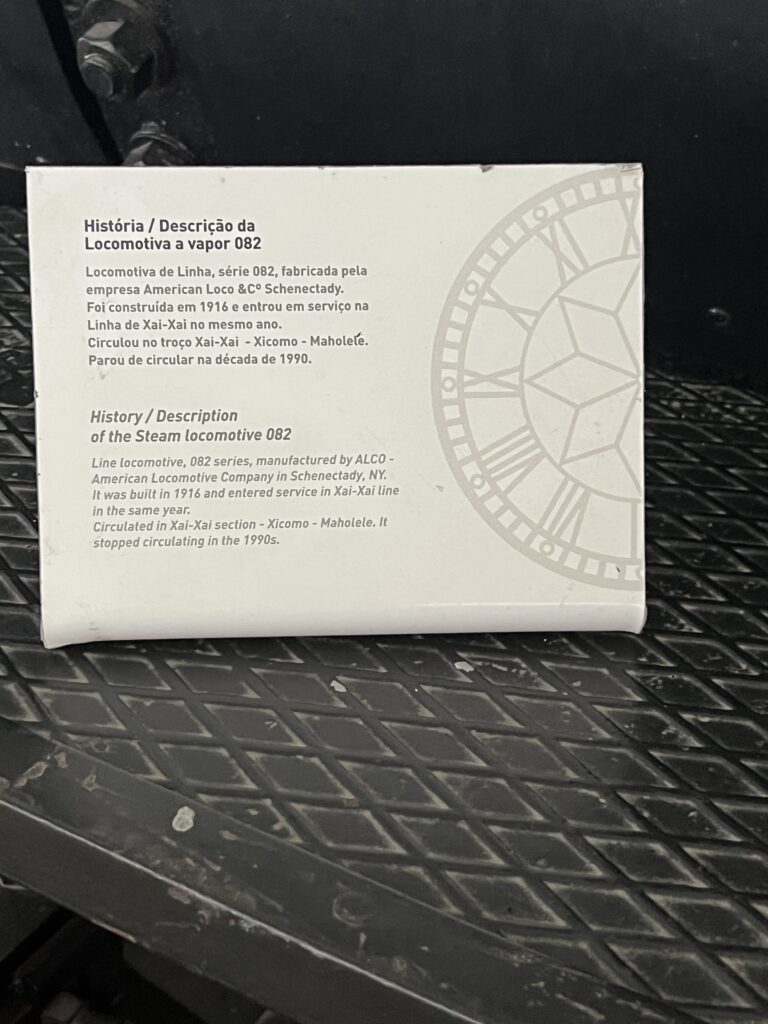
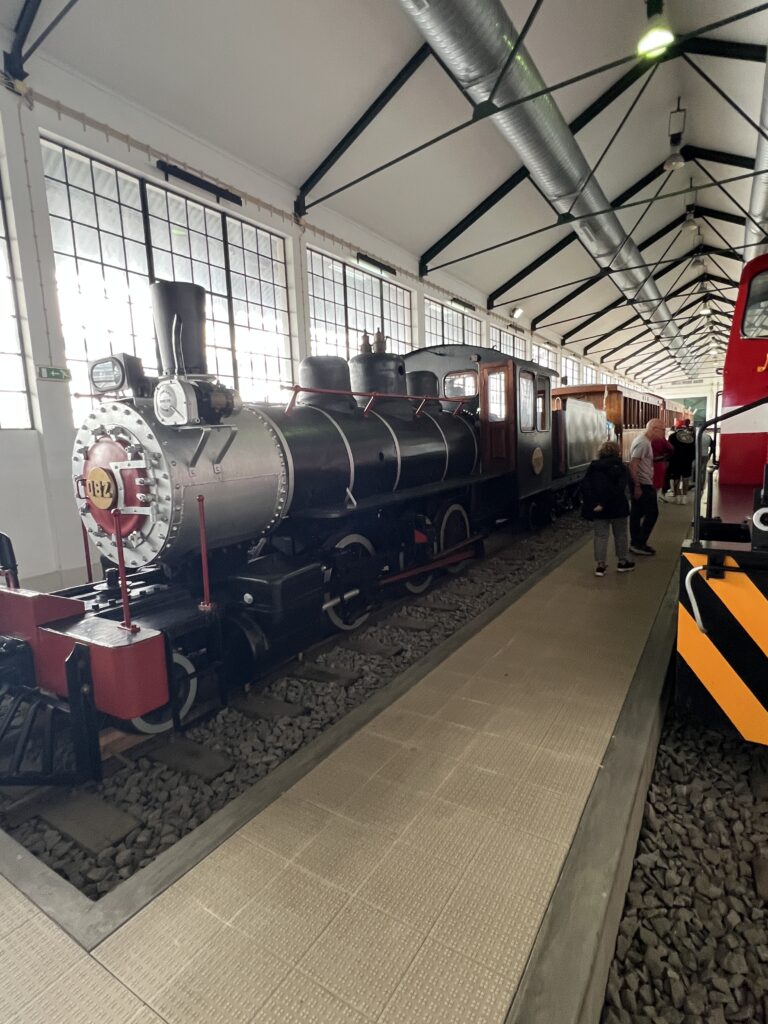
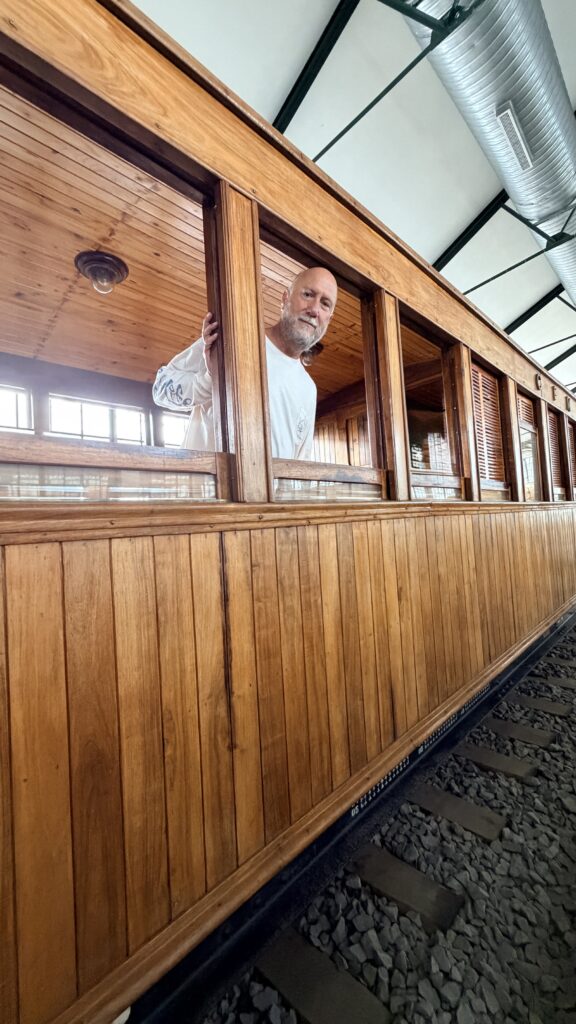
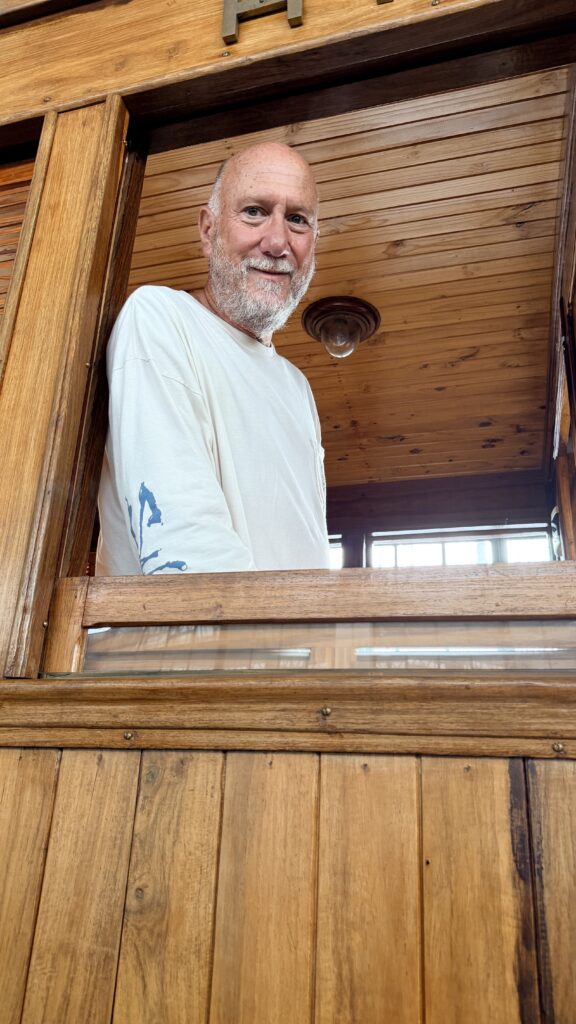
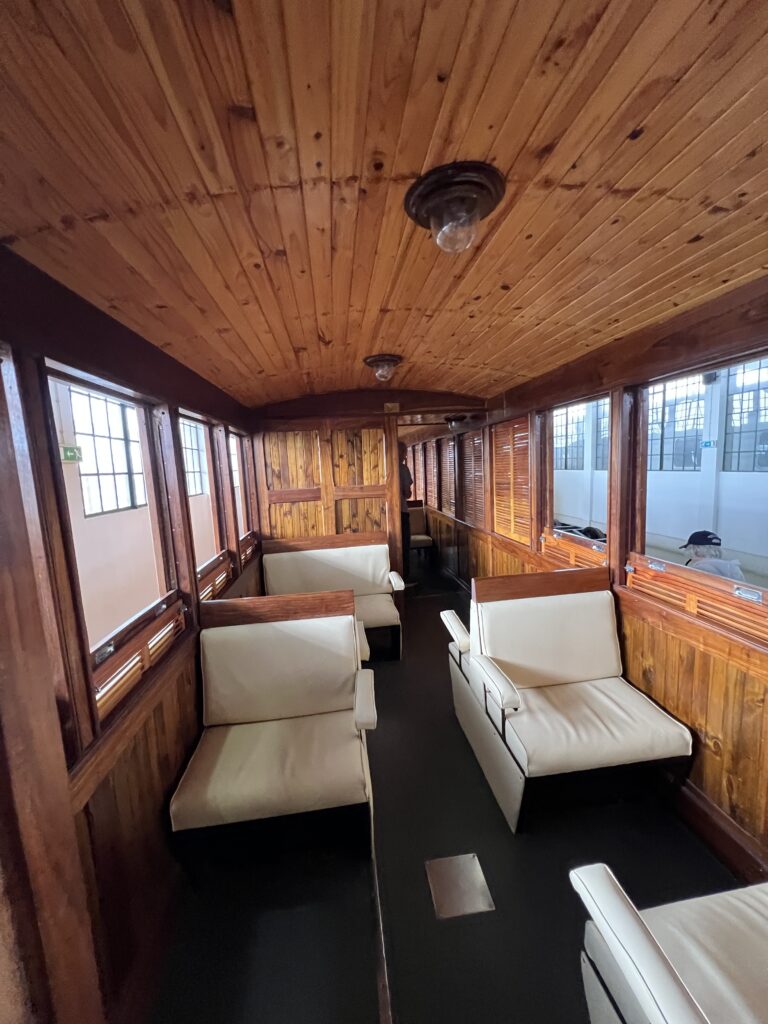
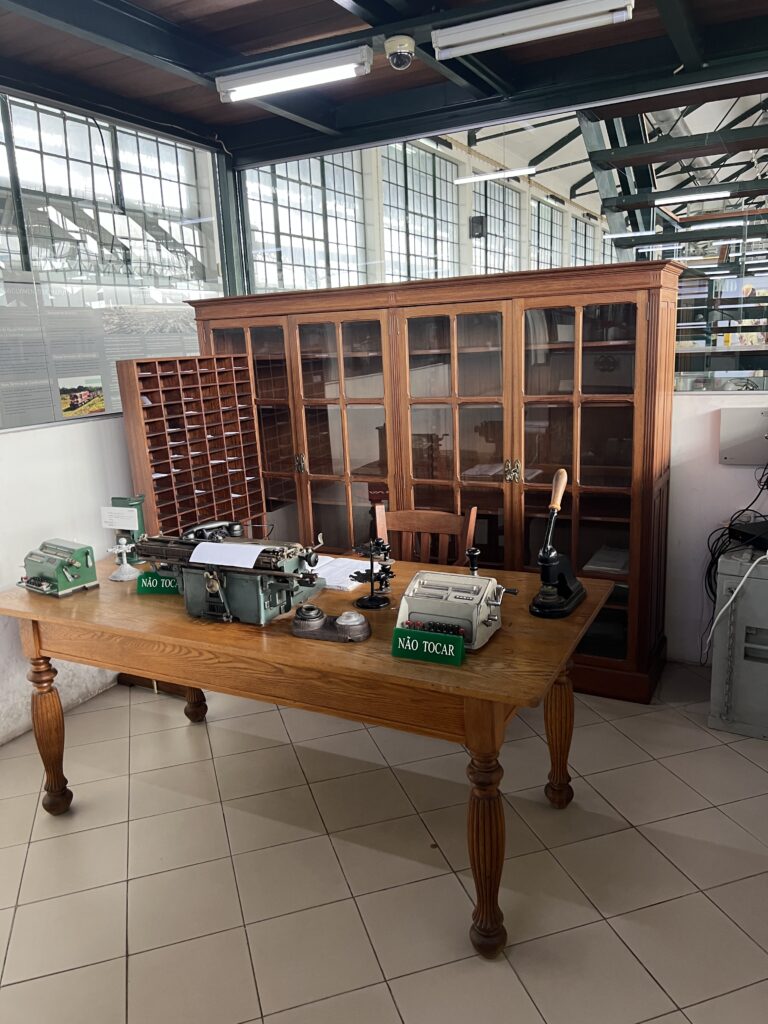
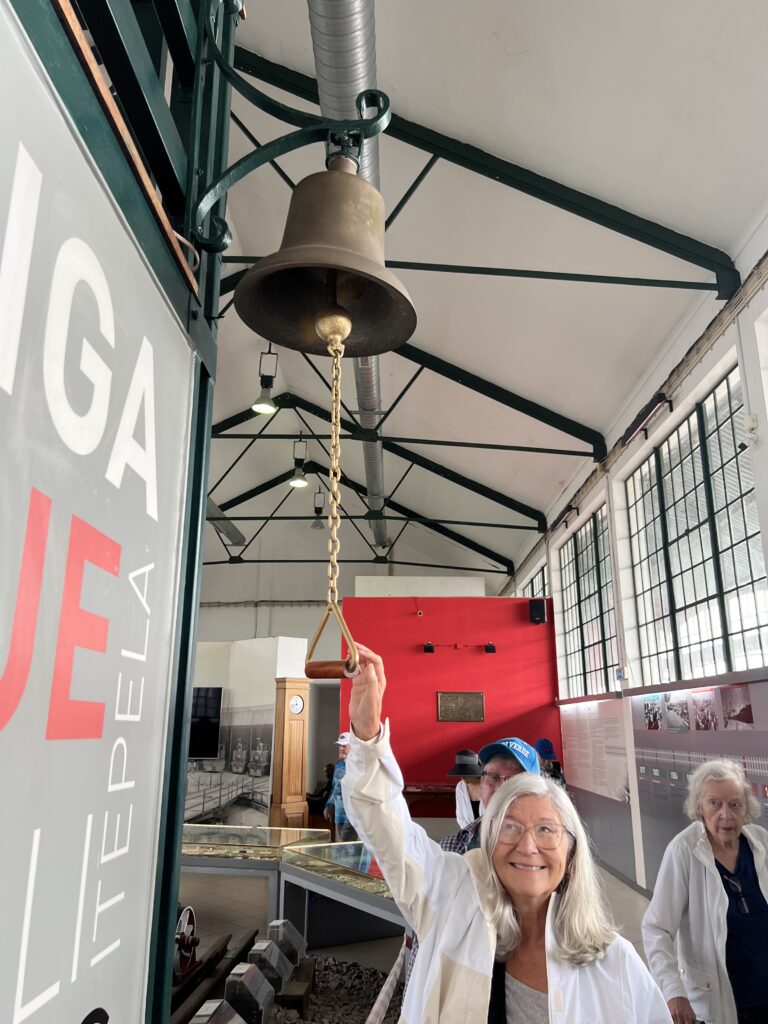
Always have THAT one person who has to ring the bell when they are not supposed to. No, it was not her, it was the man behind her…laughing
Train running as the ship prepares to leave Maputo
Start your dive into Maputo’s interesting historic downtown area, the Baixa, at the Maputo Central Market—a covered market built in 1901 inside a Portuguese colonial building. It can get hot and crowded inside, but it’s well worth a little bit of sweat to witness the near-constant buzz of activity from early morning to afternoon as vendors hawk everything from tropical fruits and vegetables to seafood, nuts (don’t miss the cashews), handmade batiks, wood carvings and other souvenirs. The only issue with this market are the people trying to sell you things that just hound you from the minute you walk towards the market to the minute you get back in your vehicle. We needed a magnet so I placed 5 $1 bills in my pocket so I would not pull out my wallet. Jackie found a magnet that maybe she liked and maybe she didn’t like it, but she had enough of the guy pestering her. He said $1 so I pulled the 5 bills out my pocket and the guy grabbed all five bills and hauled ass.
Entrance into the Central Market
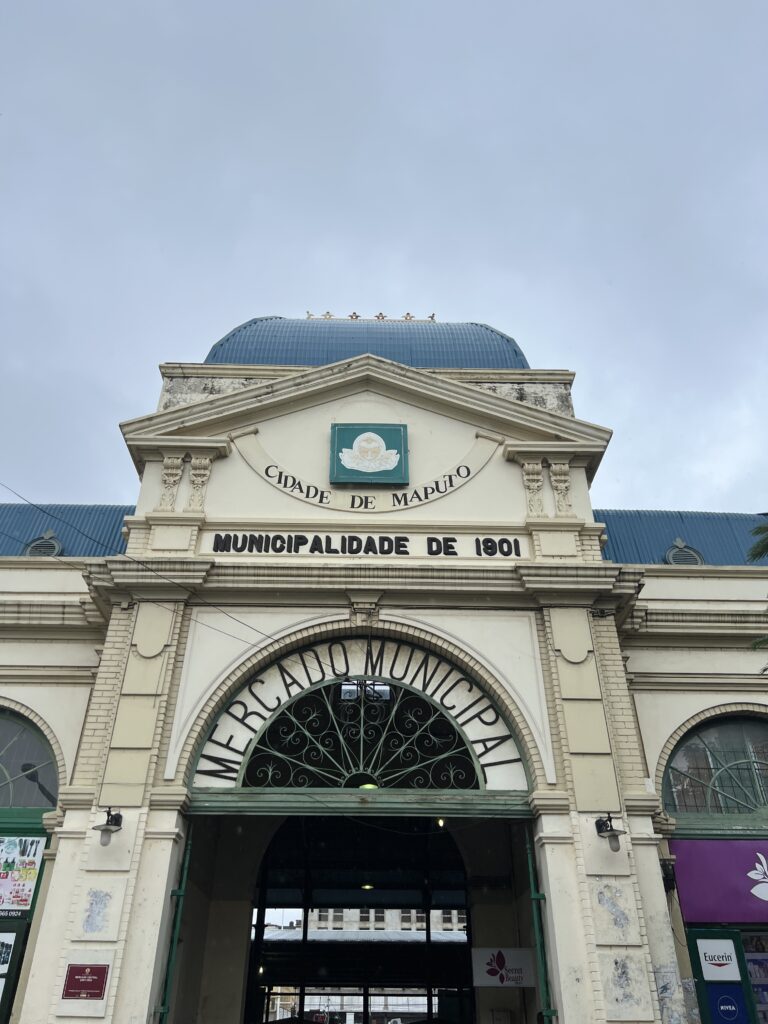
The market is also called the “Bazar da Baixa” (downtown bazaar).
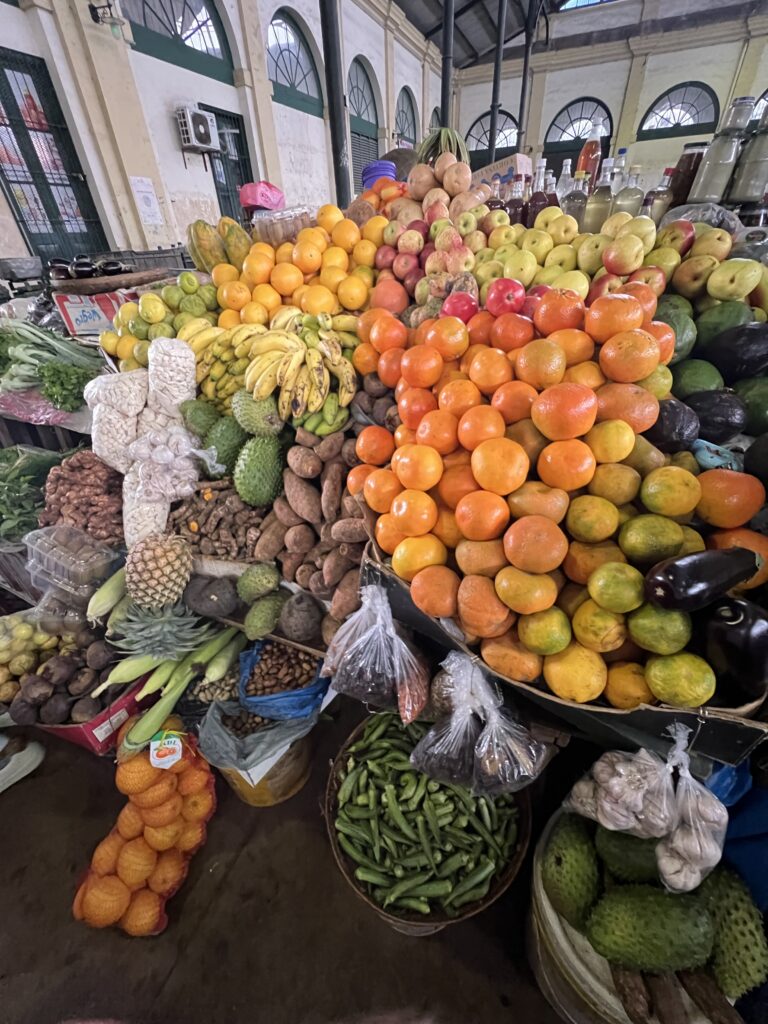
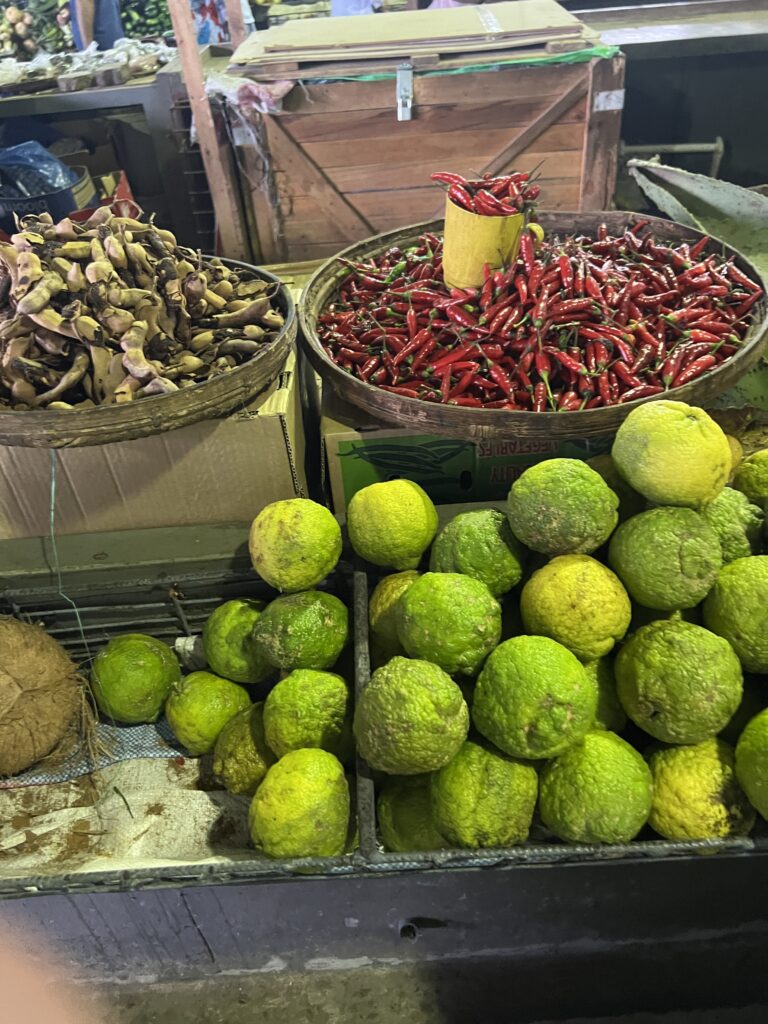
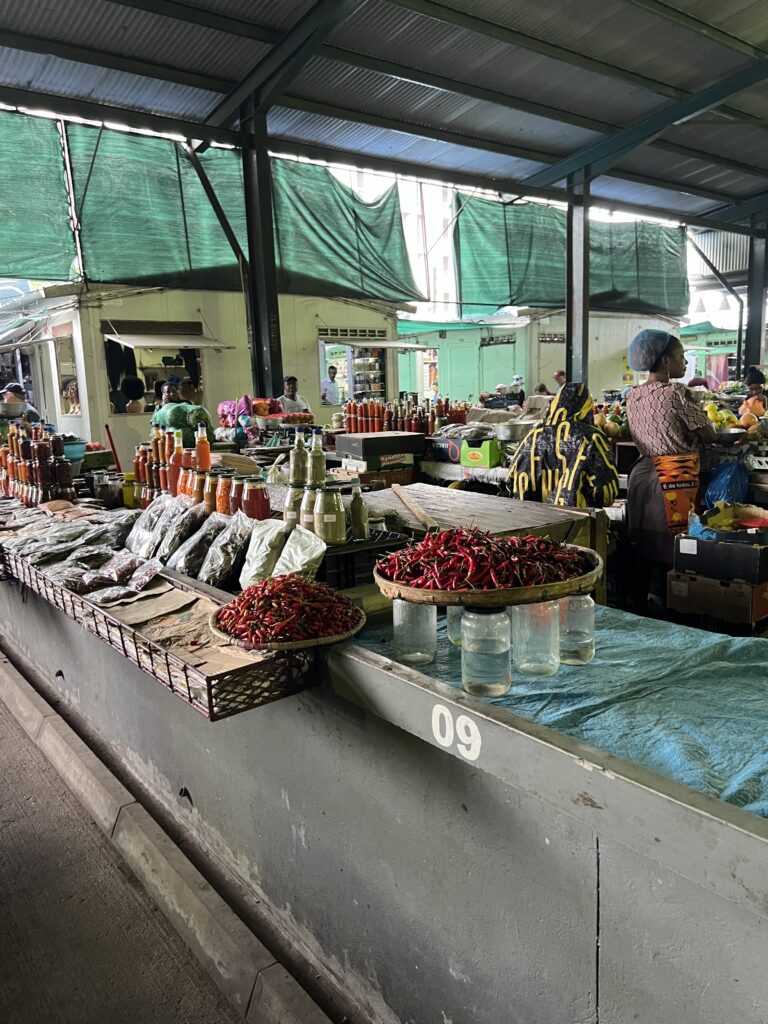
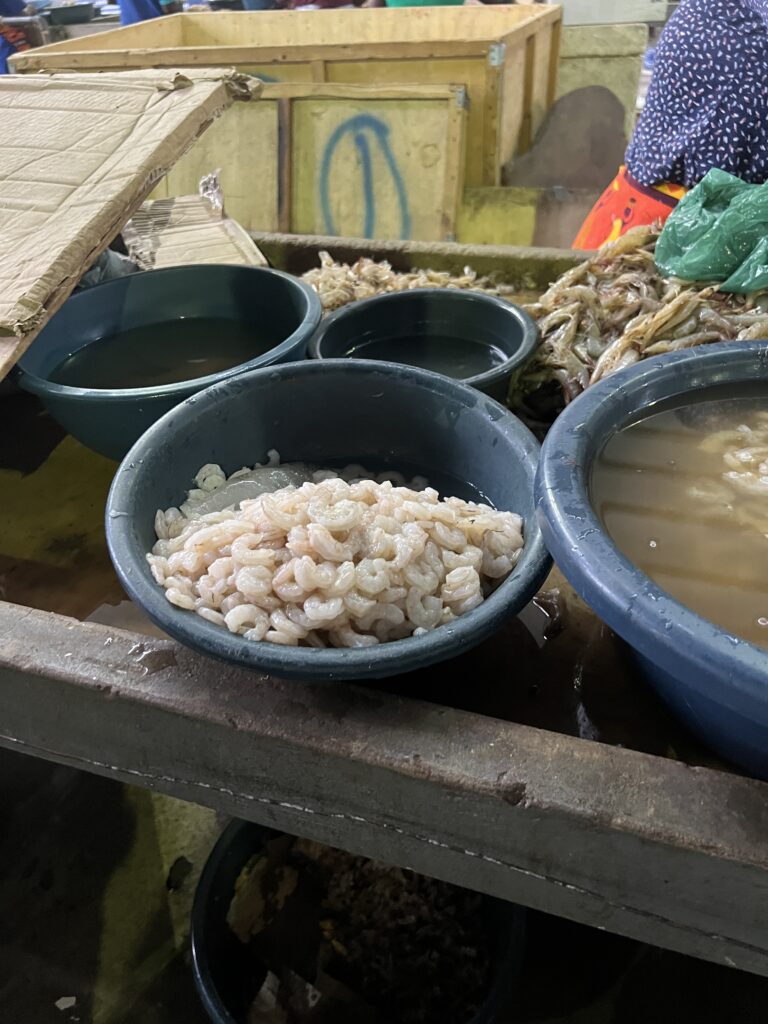
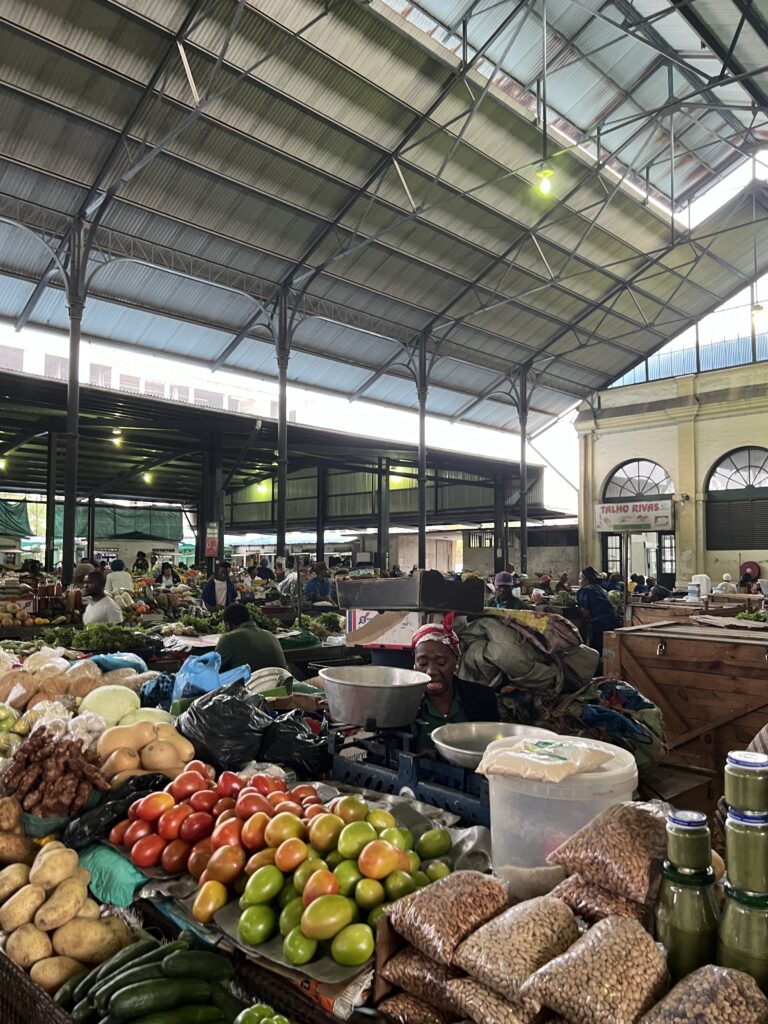
A few photos as we drove through the city. We had more photos but because of the rain we had to delete the photos.
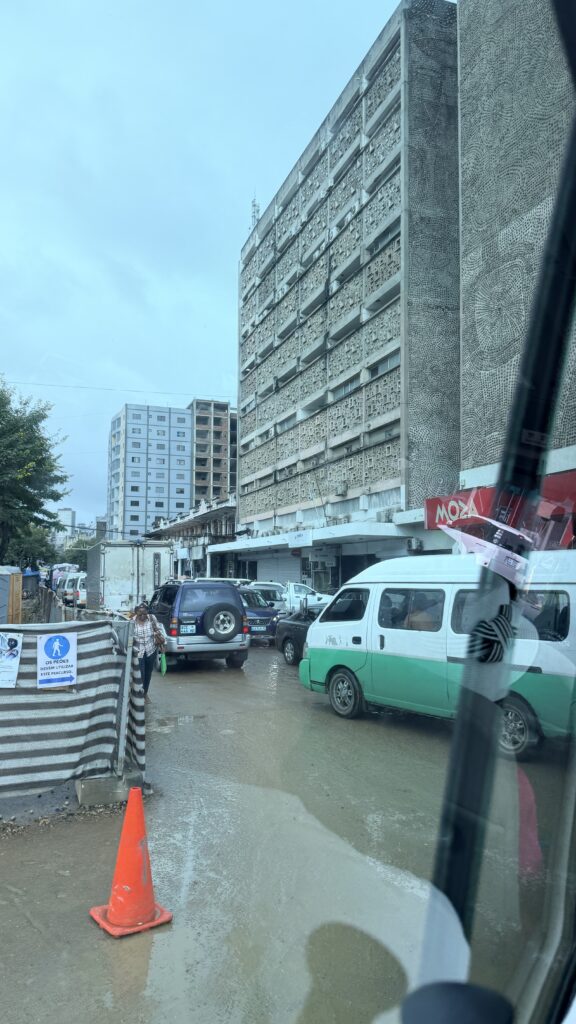
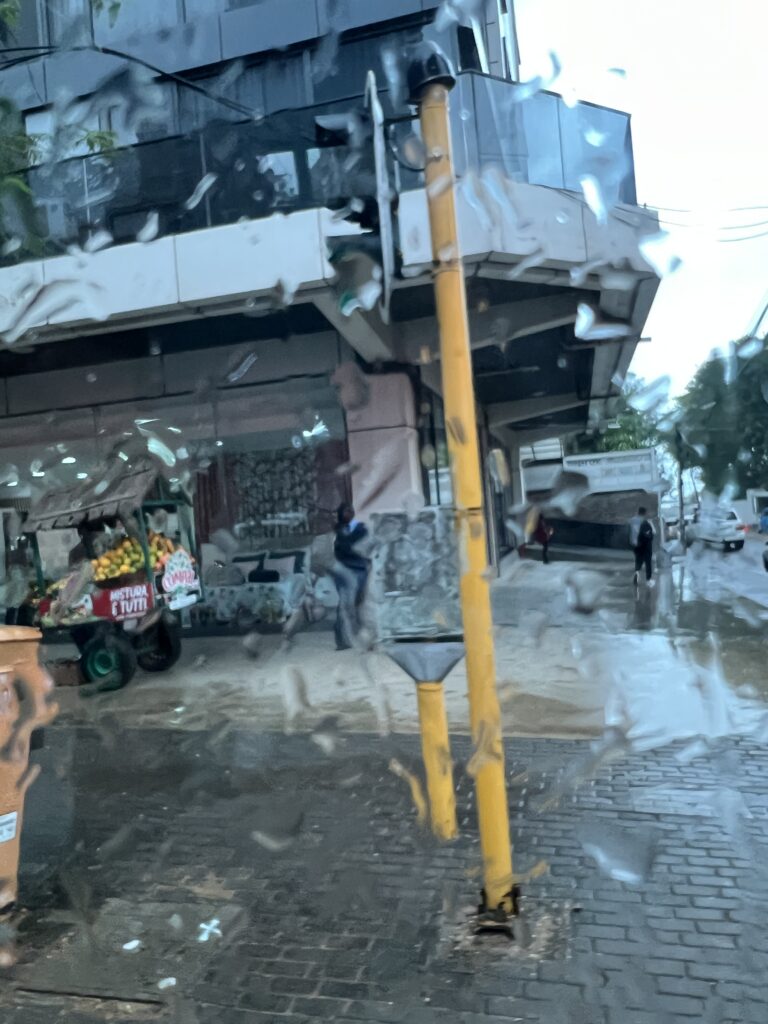
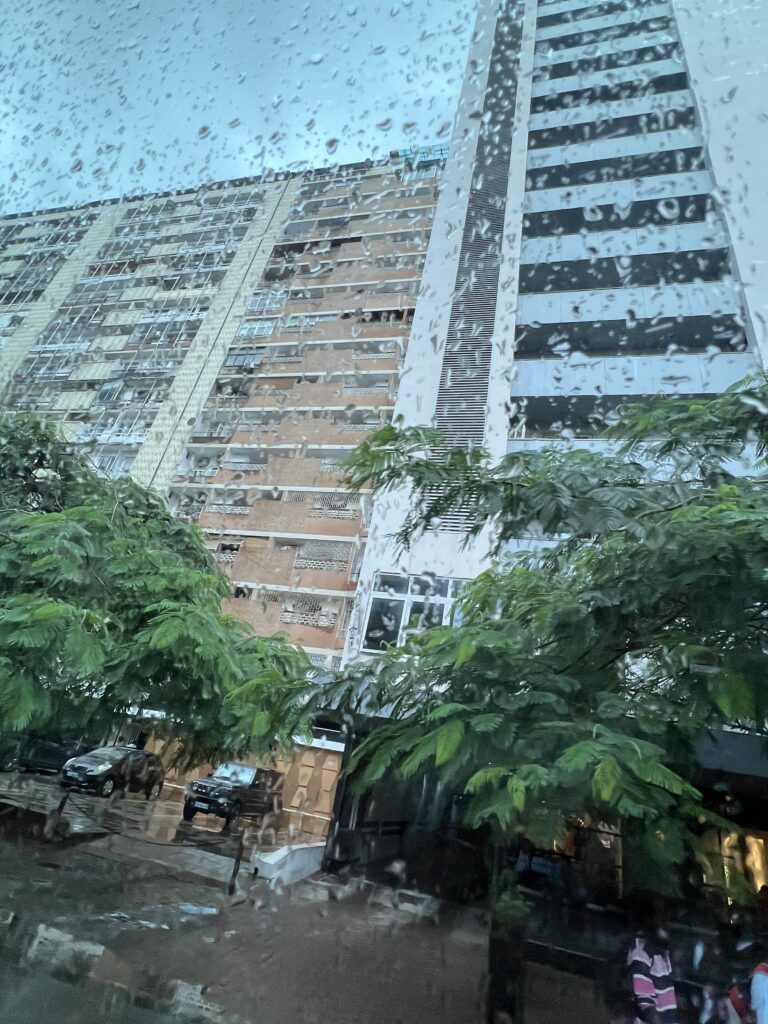
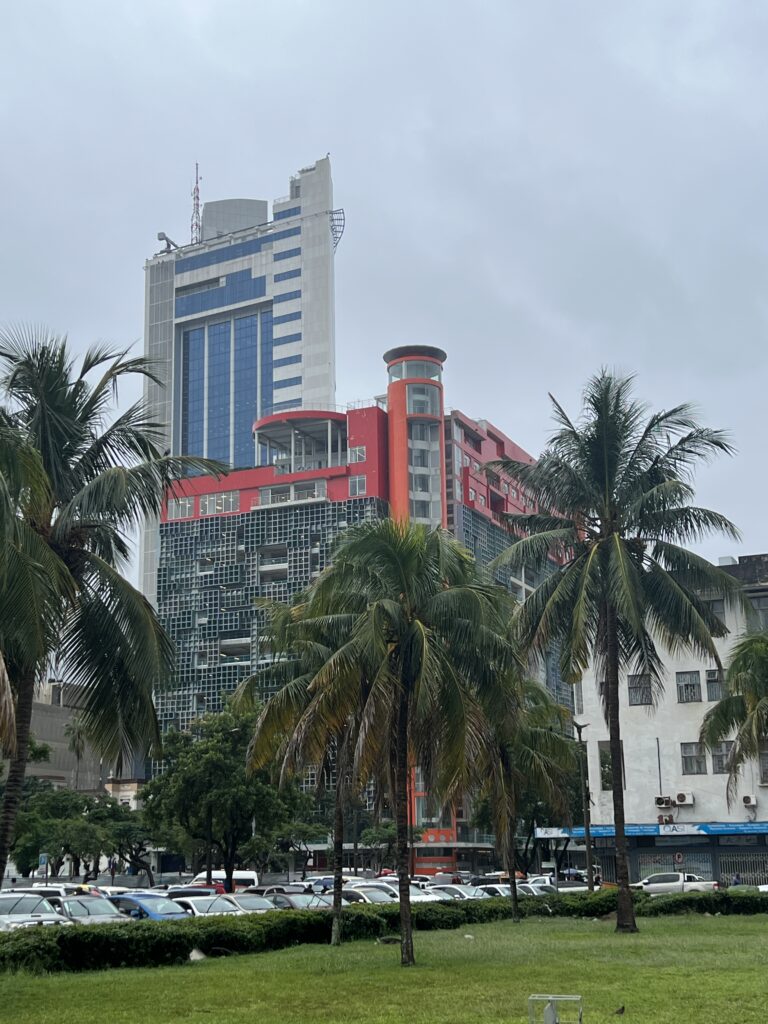
This is an apartment building
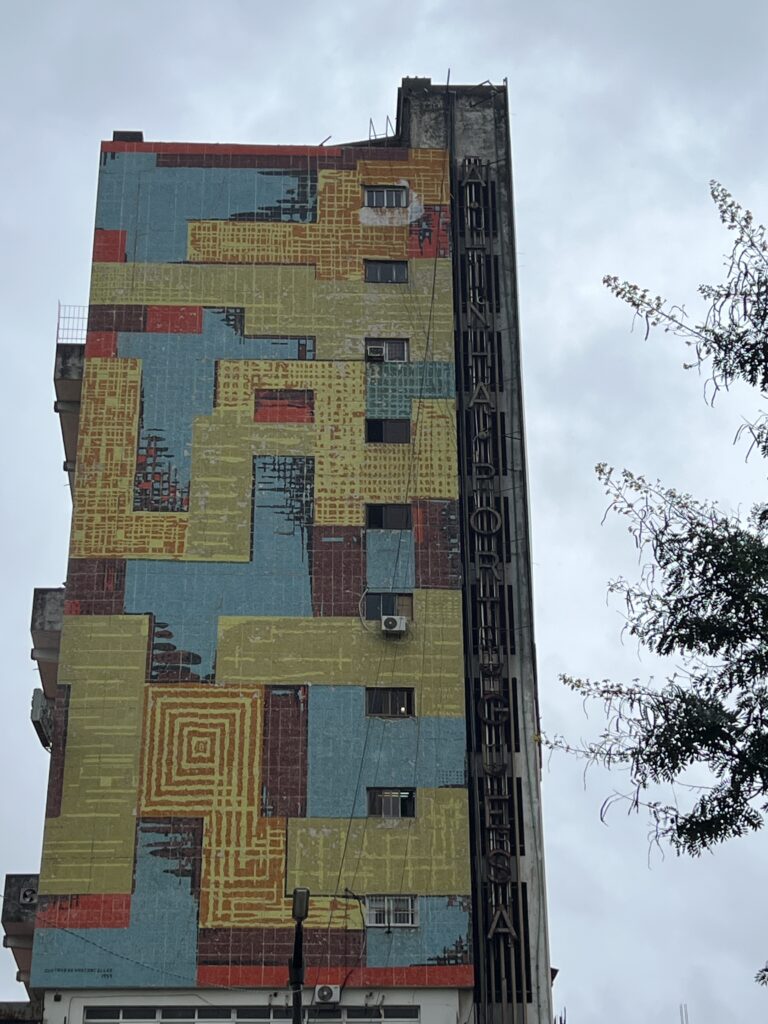
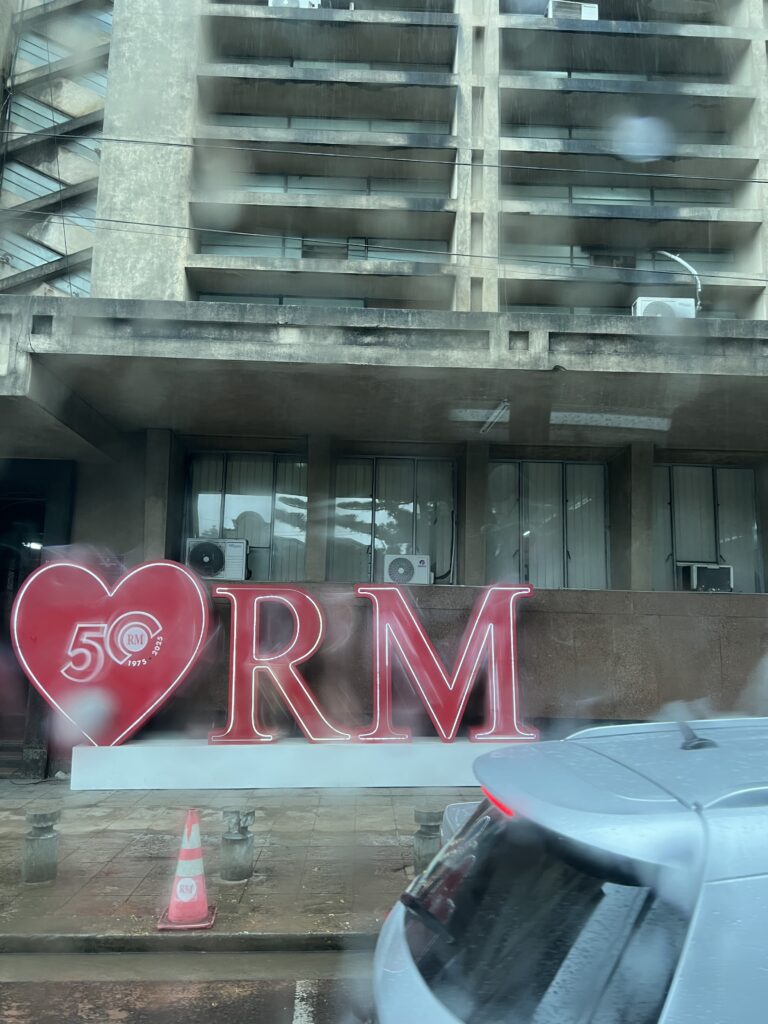
Rádio Moçambique is the state radio broadcaster of Mozambique. It operates three national radio networks, all coming out of Maputo, its capital.
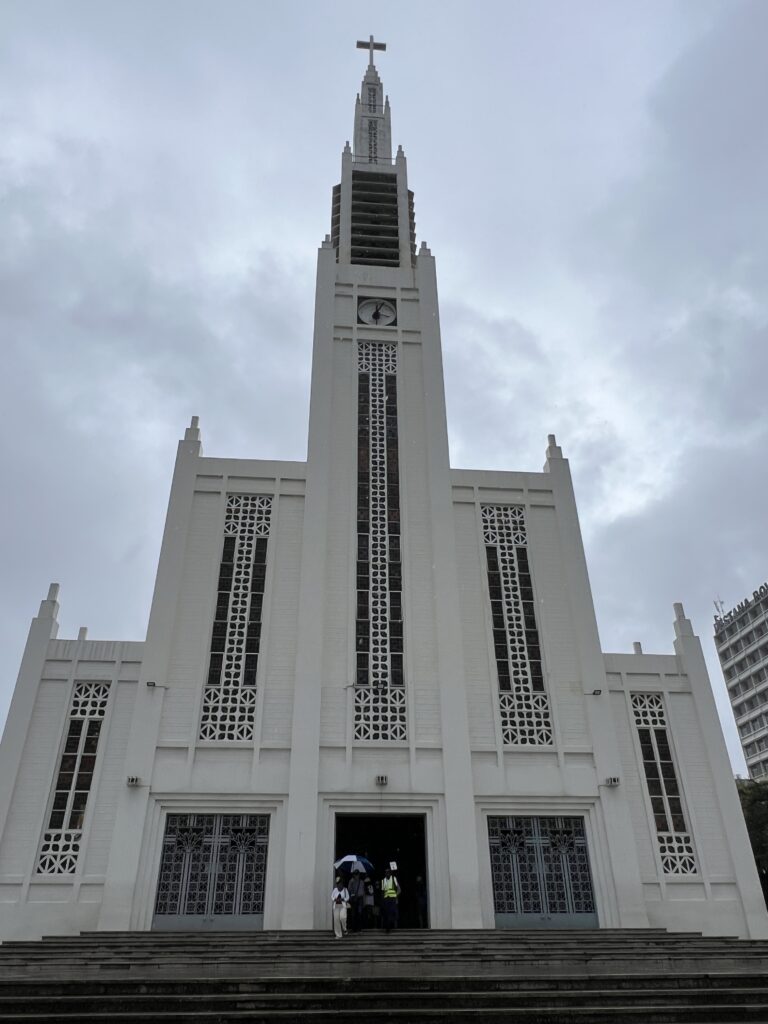
The Maputo Cathedral (officially the Cathedral of Our Lady of the Immaculate Conception) is a striking Roman Catholic cathedral located in downtown Maputo, Mozambique. Architect Marcial Simões de Freitas e Costa designed the iconic structure, which was completed in 1944. Its bold, soaring white concrete spires dominate the landscape around Independence Square, making it one of the most recognizable landmarks in the capital city.
The cathedral stands out due to its unique architectural composition and stark white exterior:
- Soaring Steeple: Features a prominent 61-metre-high front tower that symbolizes a cross from a distance.
- Art Deco Elements: Displays clean geometric lines, a minimalist facade, and sharp verticality typical of the 1930s and 1940s colonial architecture.
- Spacious Interior: Contains a vast, simple nave with beautiful stained glass windows that filter natural light into the sanctuary.
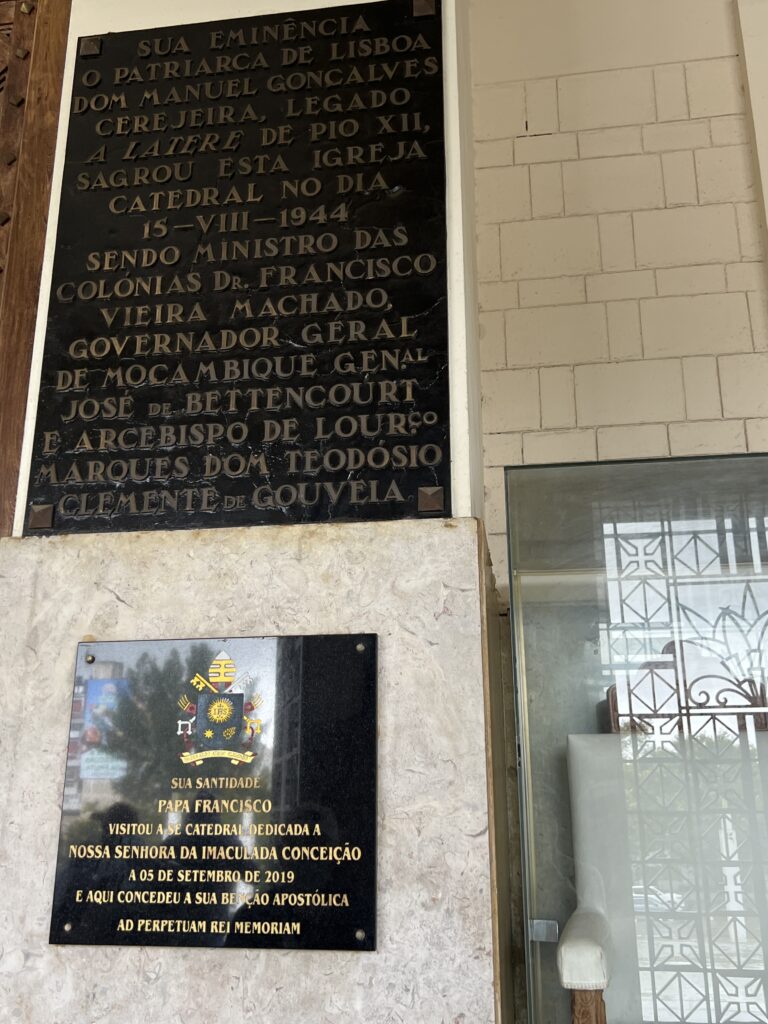
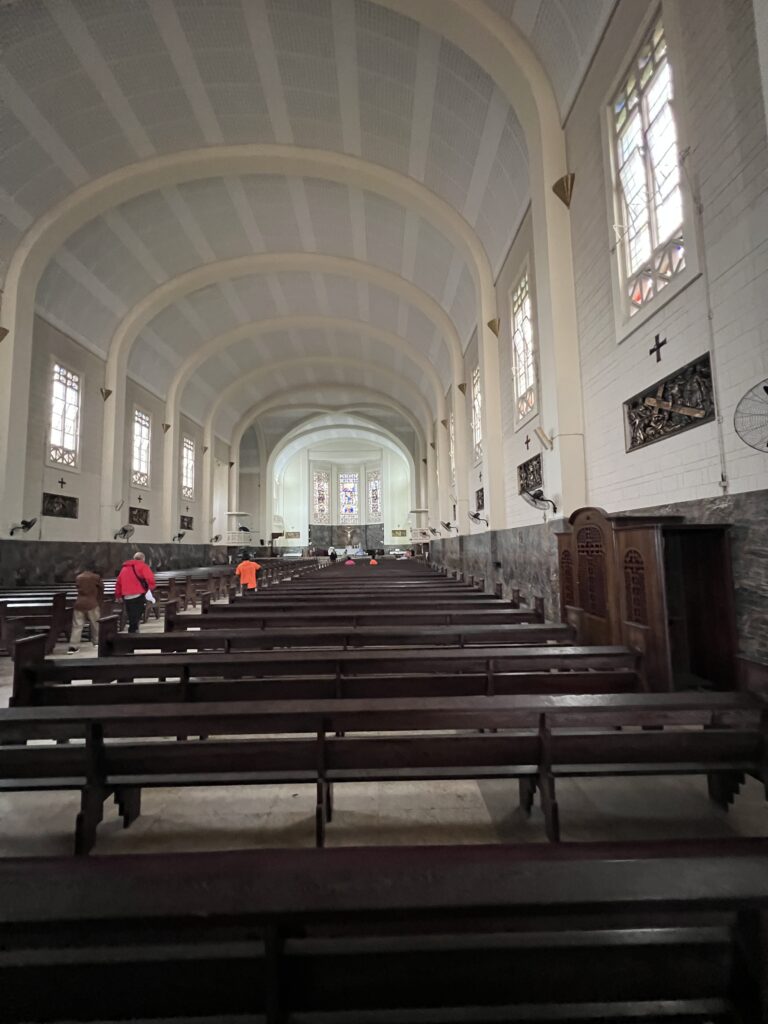
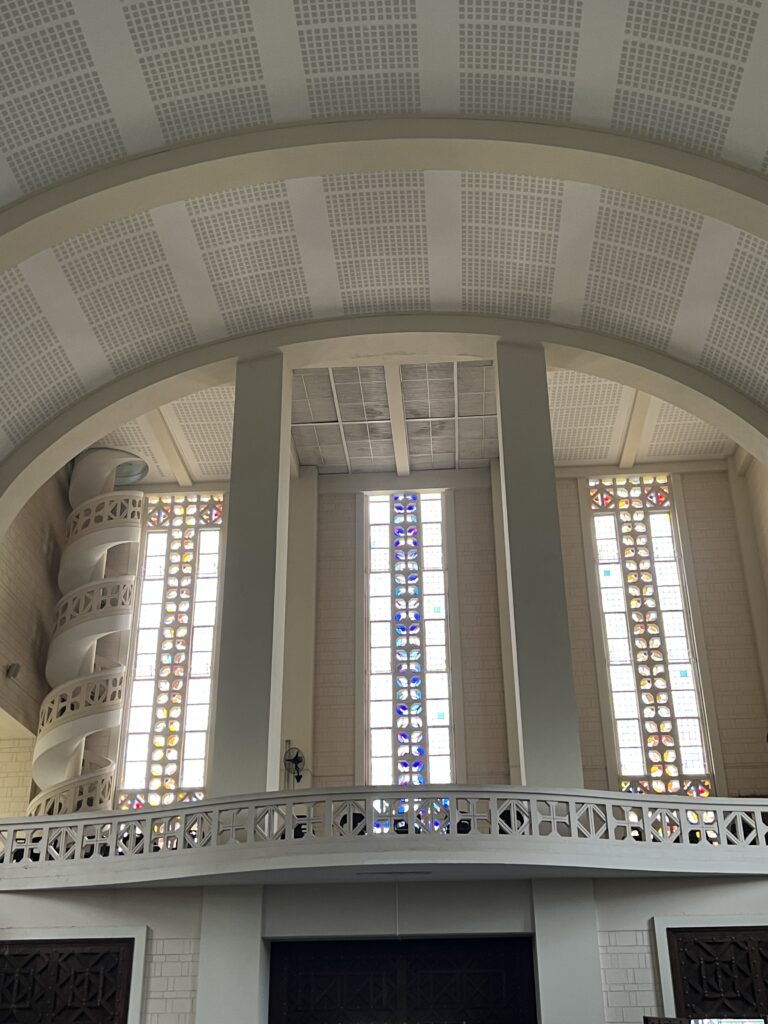
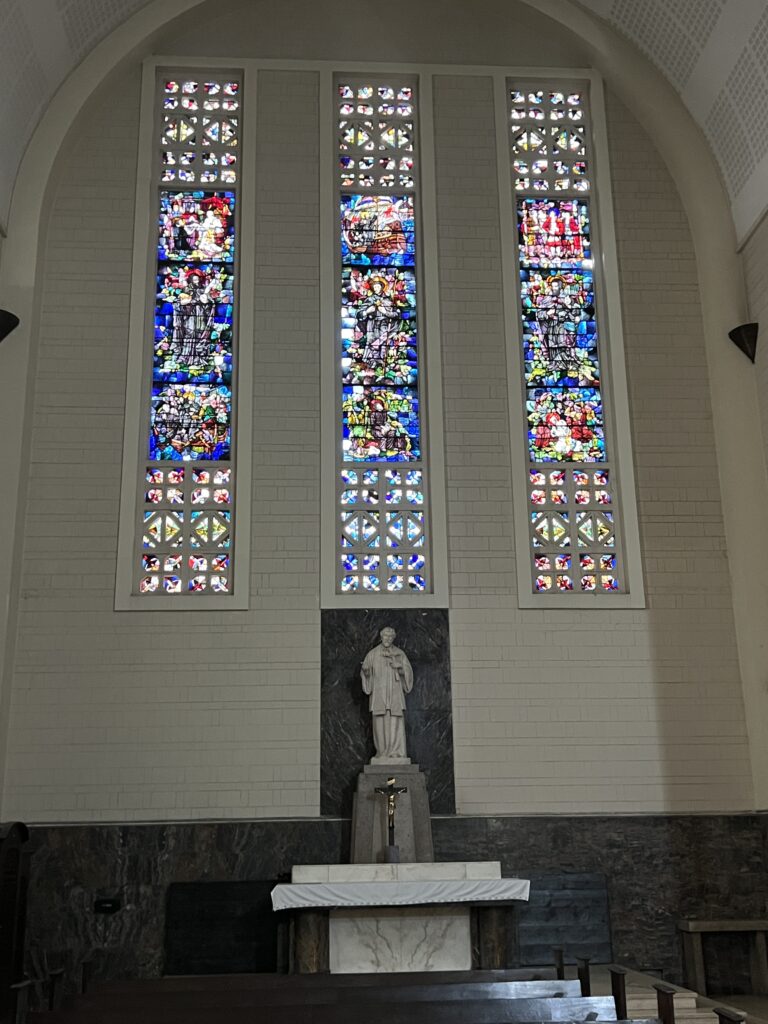
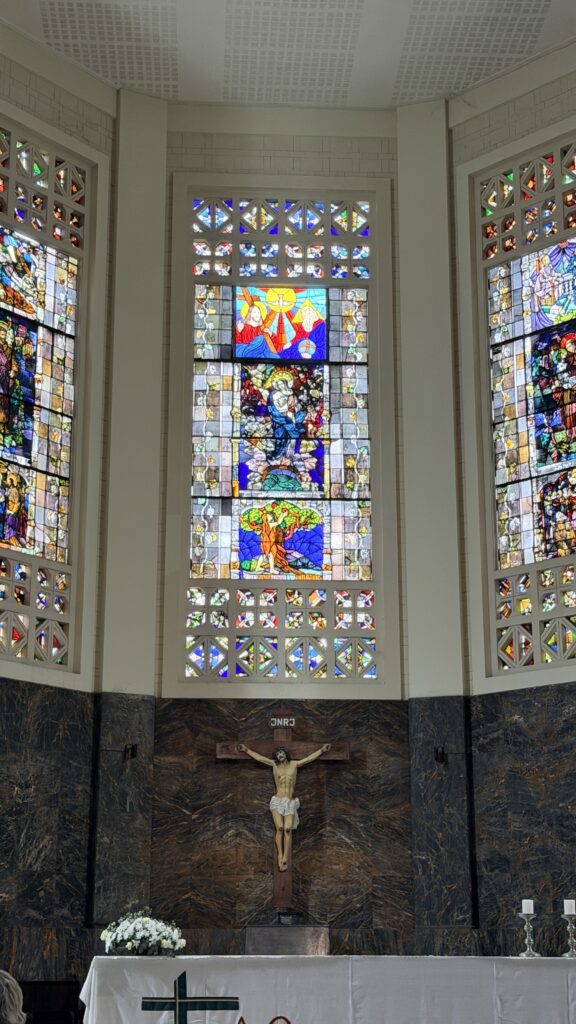
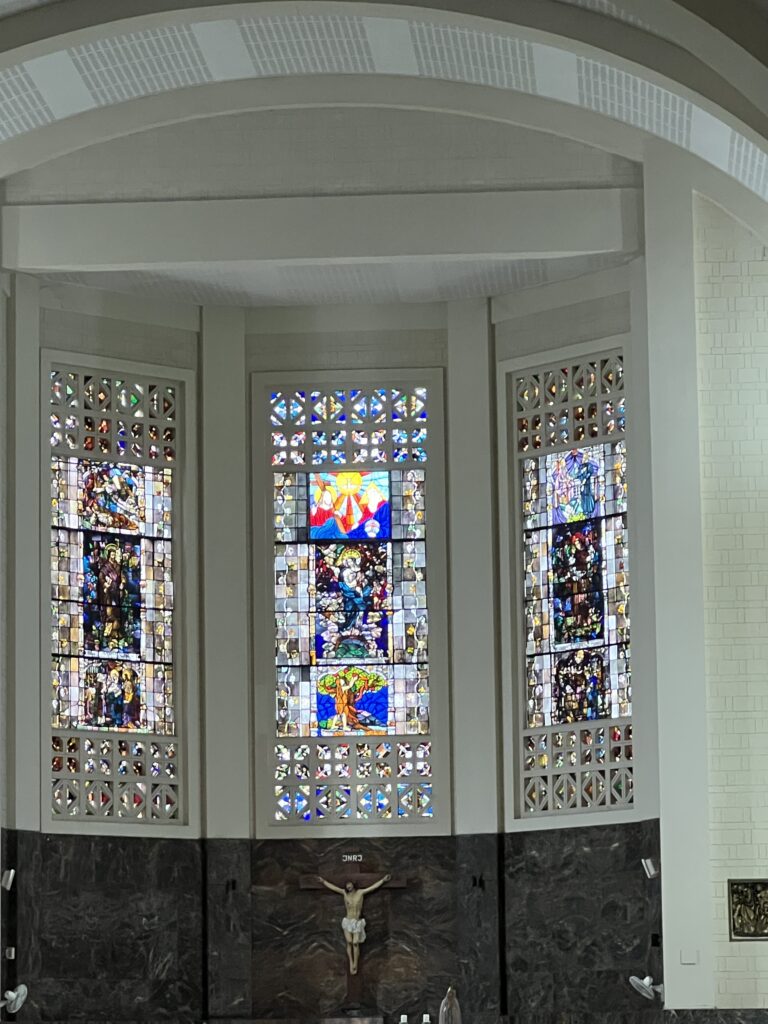
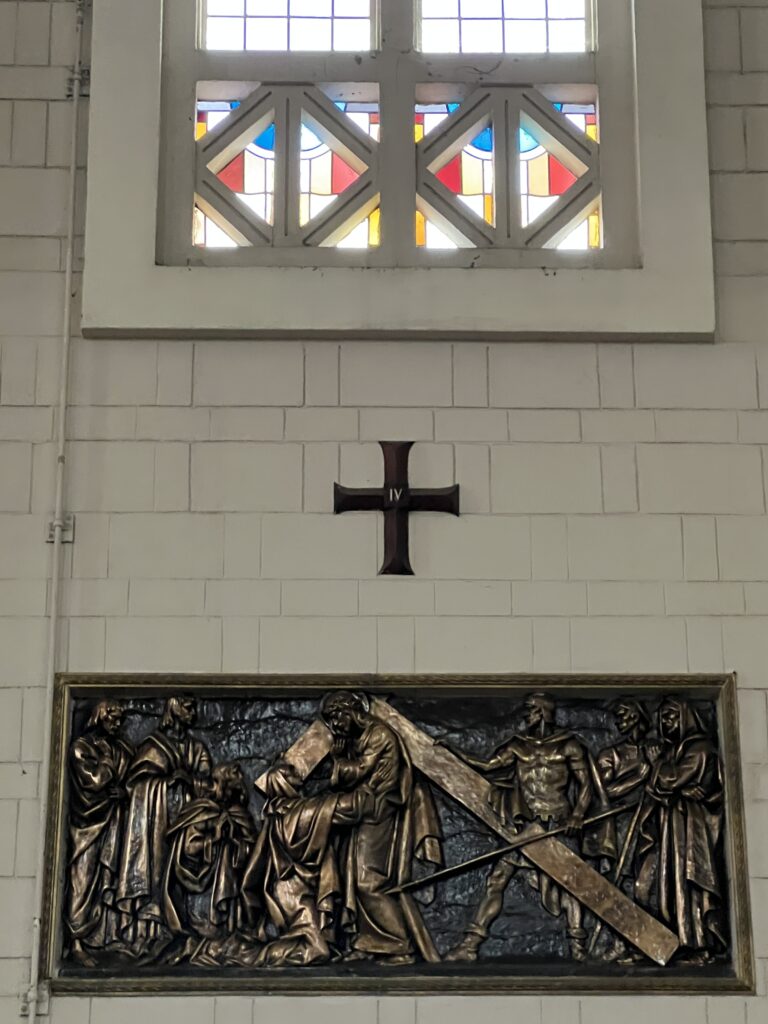
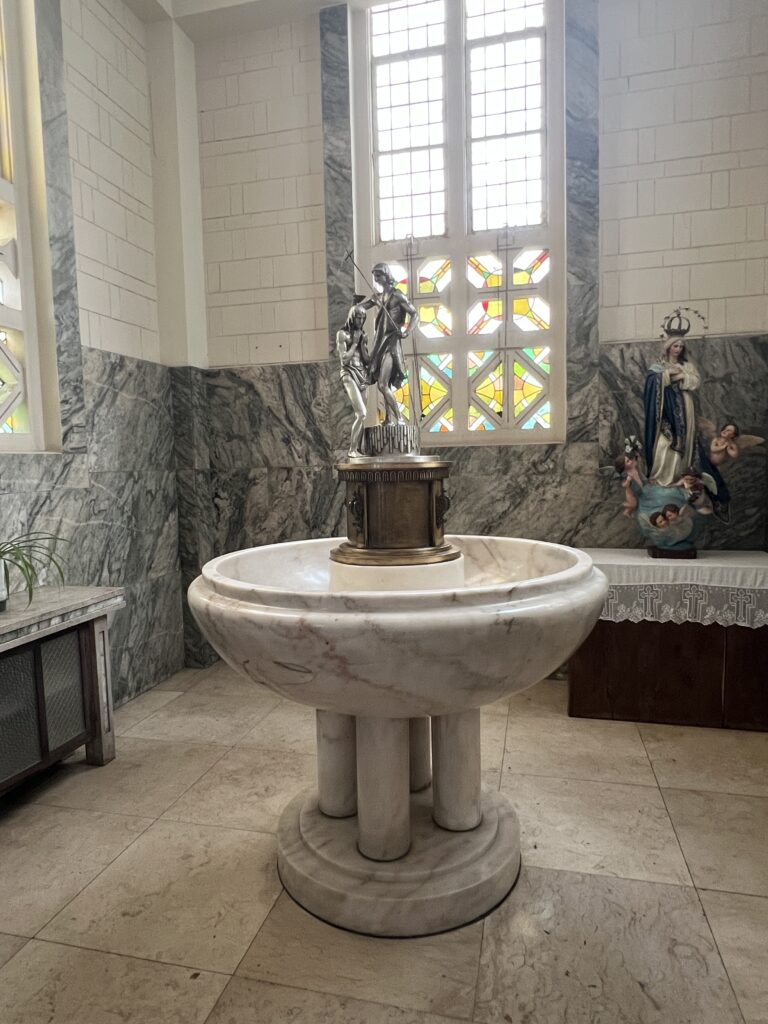
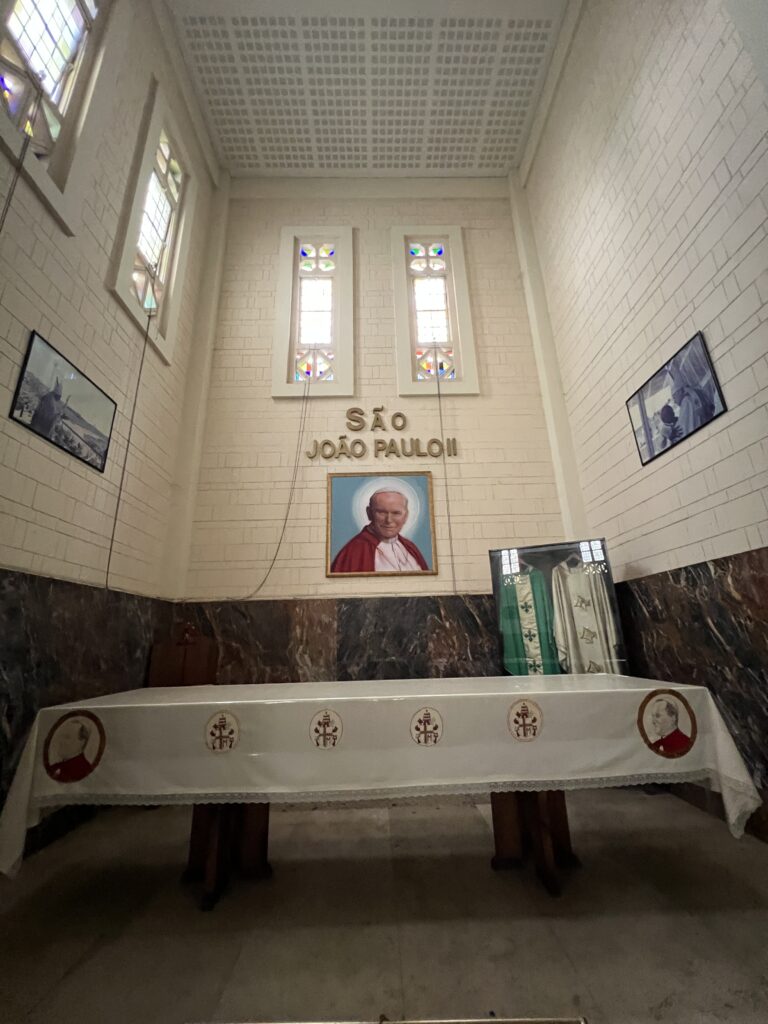
Pope John Paul II visited the Maputo Cathedral (Cathedral of Our Lady of the Immaculate Conception) in Mozambique during his apostolic journey to southern Africa between September 16 and 19, 1988. His visit, which took place during the height of a civil war, focused on delivering a message of hope and reconciliation to a nation facing severe conflict, food shortages, and displacement.
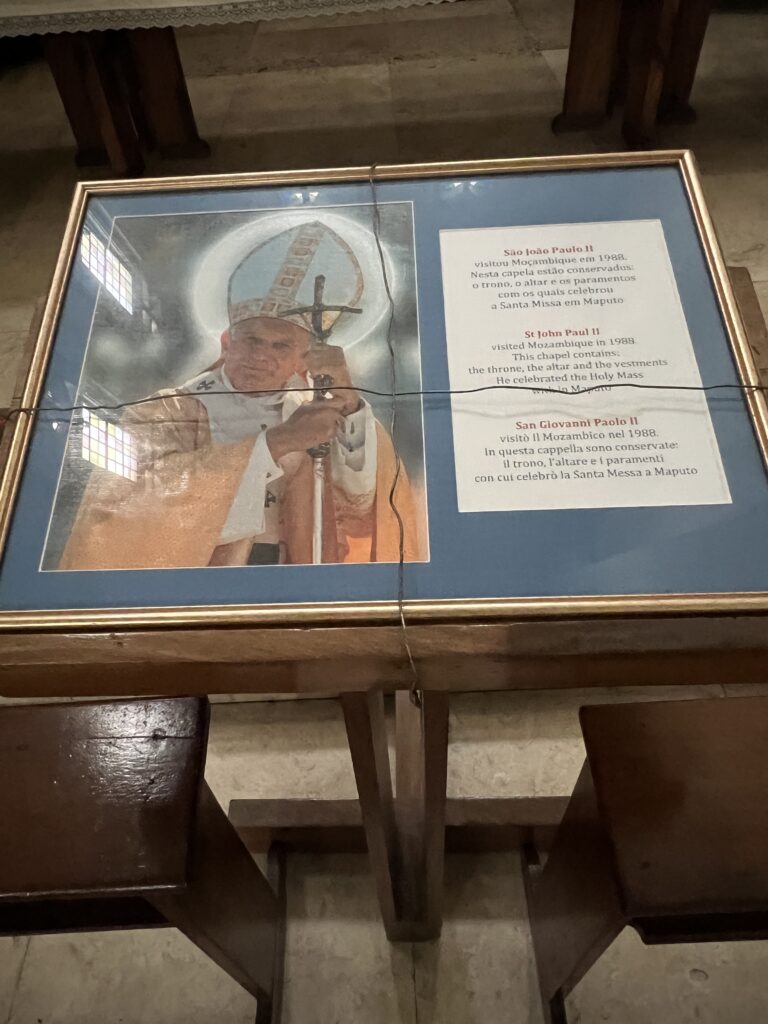
Context of the Visit: The 1988 visit was part of a five-nation African tour, highlighting the Church’s support for the Mozambican people during the 11-year war.
Significance: Pope John Paul II’s visit was seen as a major, deeply felt moment that marked the beginning of a conversation for peace, leading to the 1992 Rome Peace Agreement.
Legacy at the Cathedral: Inside the Maputo Cathedral, items and photos from Pope St. John Paul II’s visit are displayed alongside those of Pope Francis, who visited in 2019.
Pastoral Visit: During his stay, the Pope met with clergy, religious leaders, and citizens, offering blessings and encouragement.
The Casa de Ferro (English: Iron House) is a unique, historic prefabricated steel building located in Maputo, Mozambique. It is most famous for being designed by the legendary French engineer Gustave Eiffel (or his close associates) in Europe before being shipped piece by piece to Africa. The structure stands as a fascinating monument to colonial architectural experimentation and structural irony.
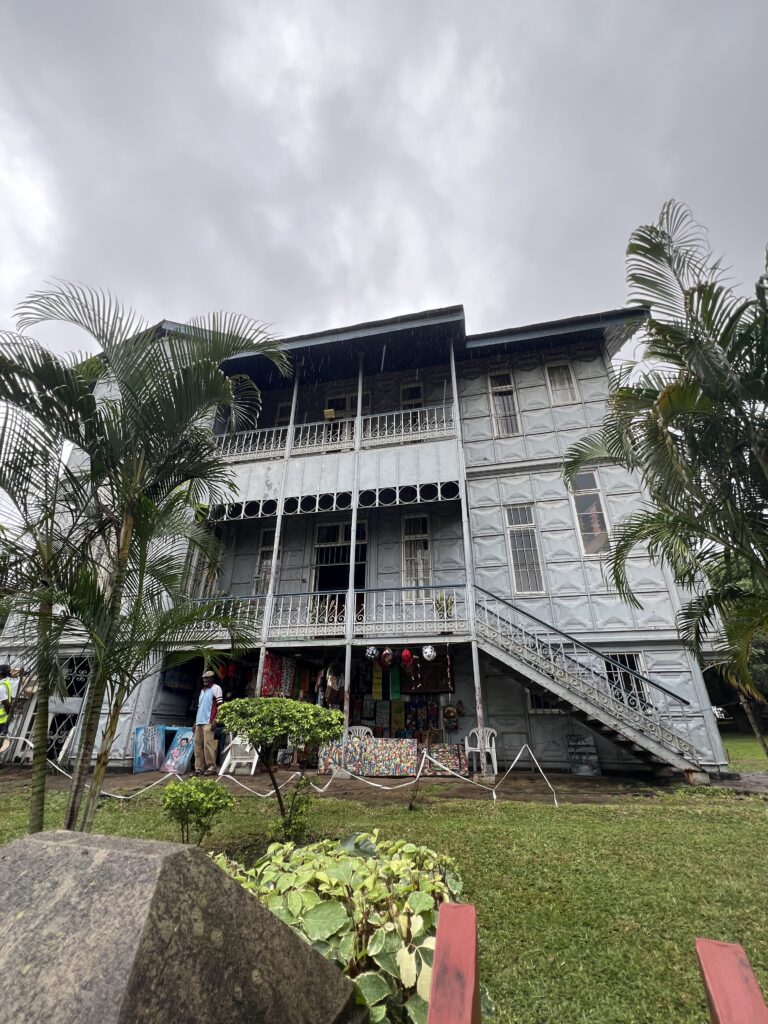
Origin: Prefabricated in Belgium in 1892 and purchased by the Portuguese colonial government.
Reassembly: Shipped across the ocean and put together using bolts on concrete foundations in Maputo (then named Lourenço Marques).
The Design Flaw: Intended to serve as the grand residence for the Portuguese Governor-General. However, Eiffel never visited Mozambique and failed to account for the tropical climate.
The “Giant Oven”: Because the walls, ceilings, and floors are entirely made of iron sheets, the building trapped intense heat. Internal temperatures frequently surpassed 44°C (111°F), making it completely uninhabitable for the governor, who refused to move in.
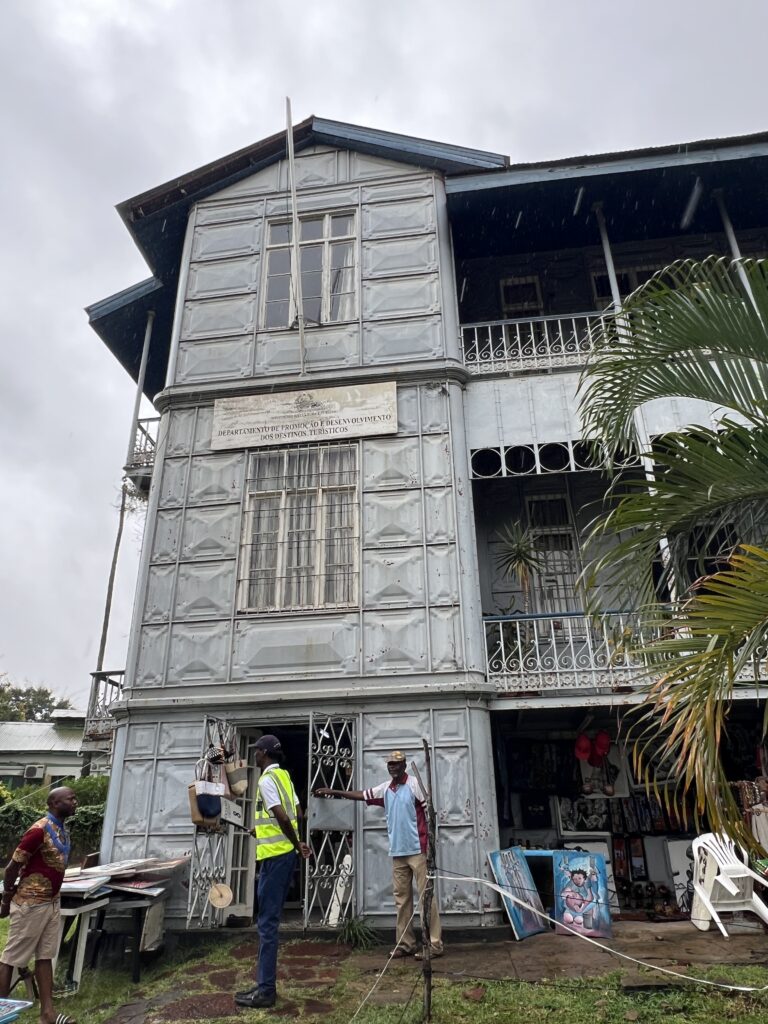
While the ground floor is occasionally air-conditioned, walking up to the second floor quickly demonstrates exactly why the governor never lived here.
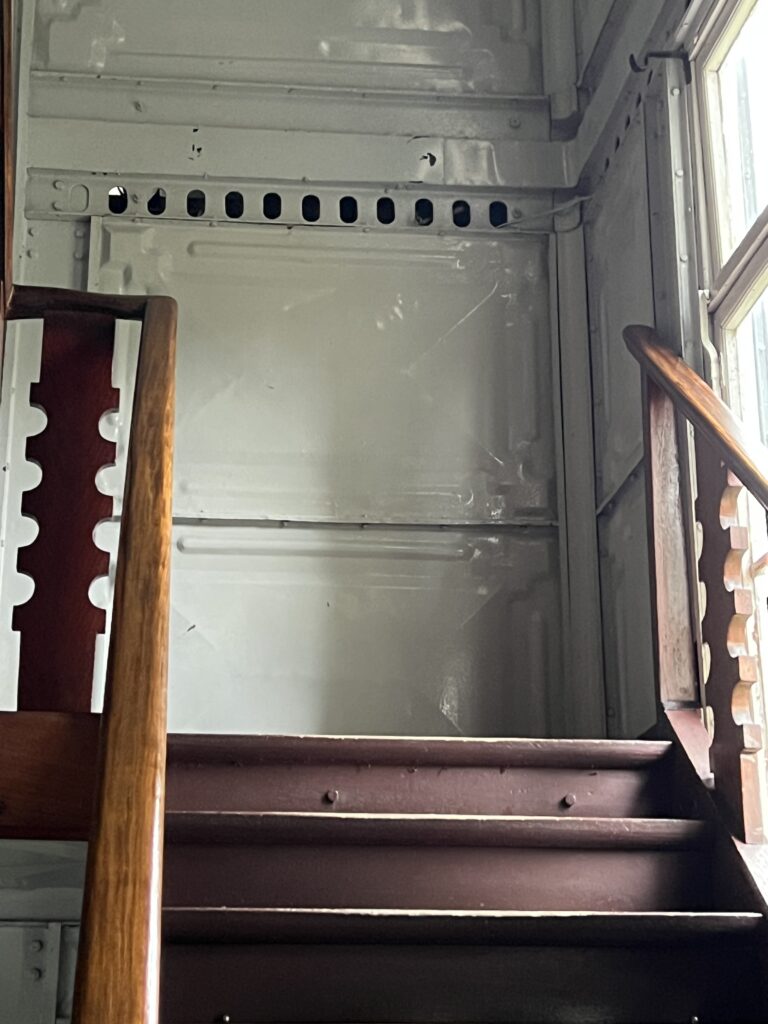
Jackie showing the walls were made out of metal
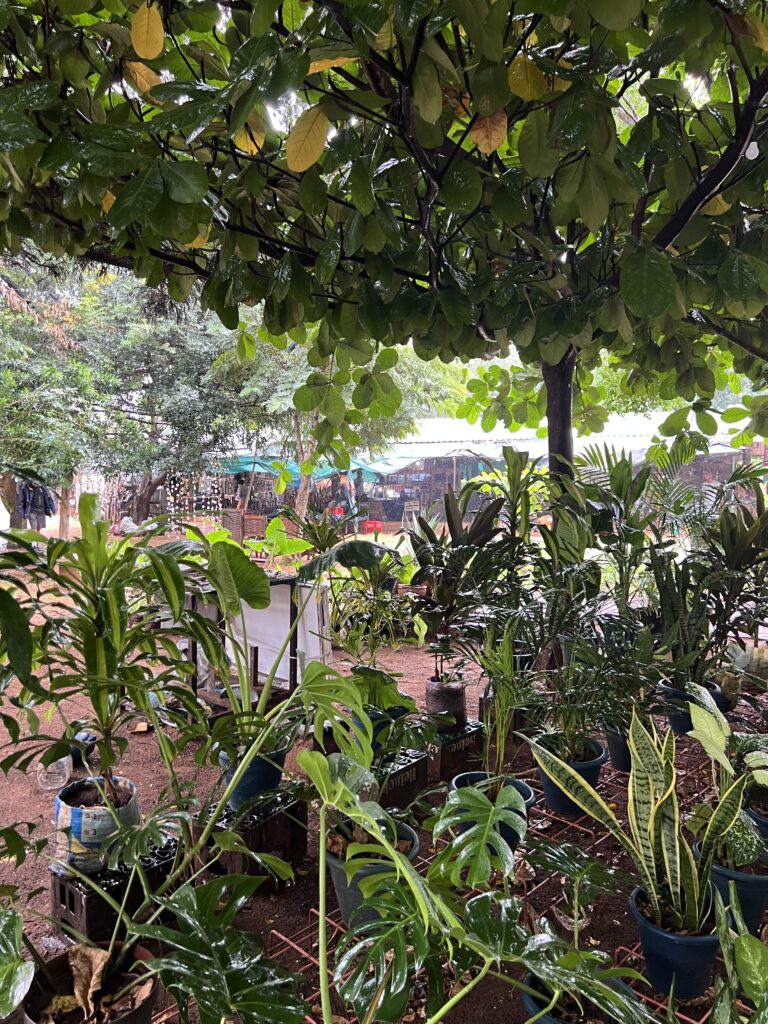
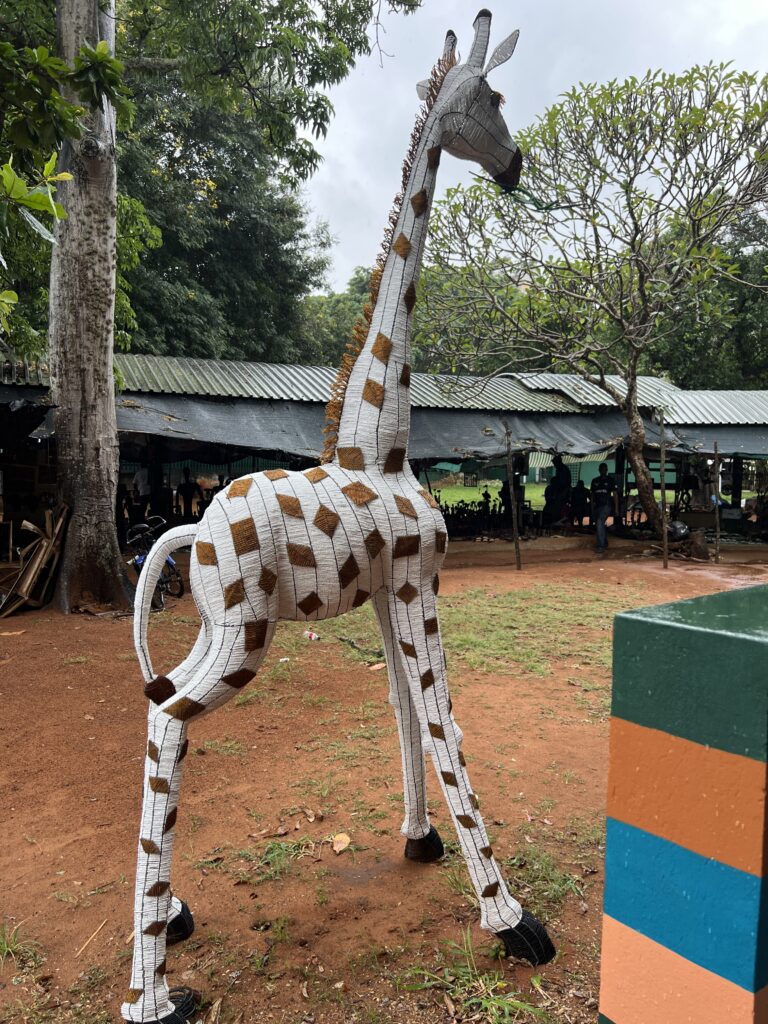
We visited a second market that was not covered and the rain was coming down hard. Jackie had wanted to buy something for a wall in the house so we left the van on a mission. She found what she was looking for, we made the deal and ran back to the van with five people in hot pursuit for us to buy more things.
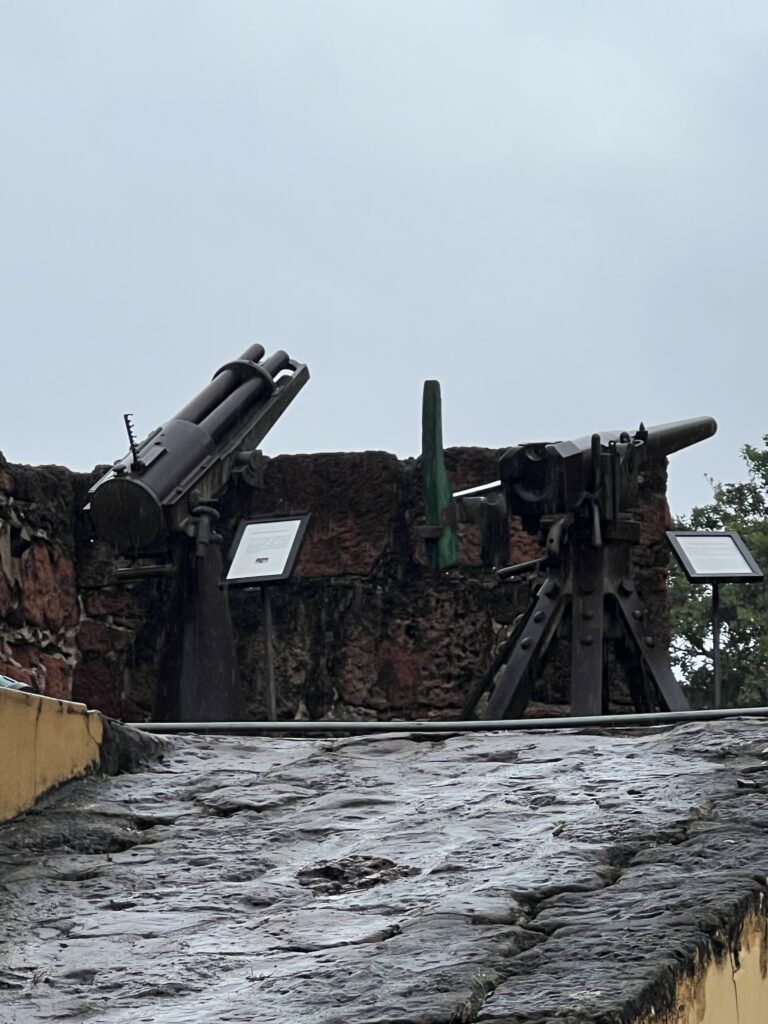
The Maputo Fortress (historically named Fort Nossa Senhora da Conceição) is a central historical landmark and military museum located at Praça 25 de Junho in Maputo, Mozambique. Built by the Portuguese starting in 1782, this distinctive reddish-stone masonry fort represents centuries of European colonial conflict, commercial maritime rivalries, and eventual African national resistance. Today, it is managed by the Eduardo Mondlane University and serves as an exhibition space that reclaims Mozambique’s independent narrative.
It has a square floor plan, built in reddish stone masonry. It has only one access gate that opens onto a central courtyard, also with a square layout, to which, in turn, the various rooms that make up the building open. In this courtyard currently stands the equestrian statue of Mouzinho de Albuquerque, which, before the Independence of Mozambique, stood in front of the Municipality of Lourenço Marques.
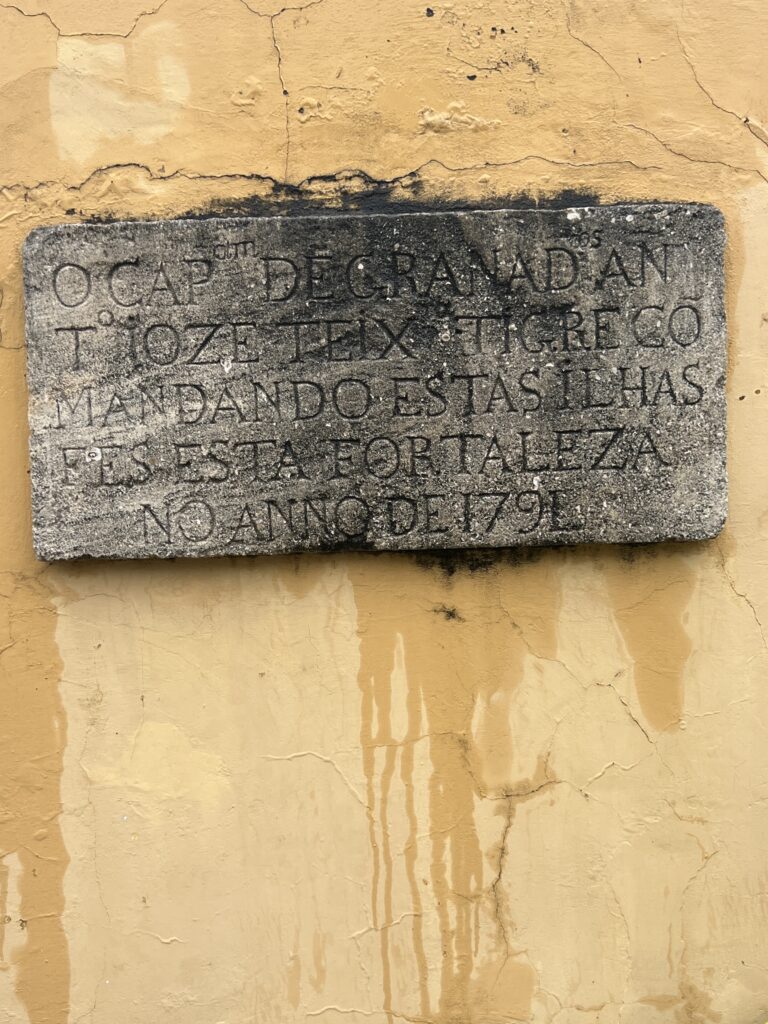
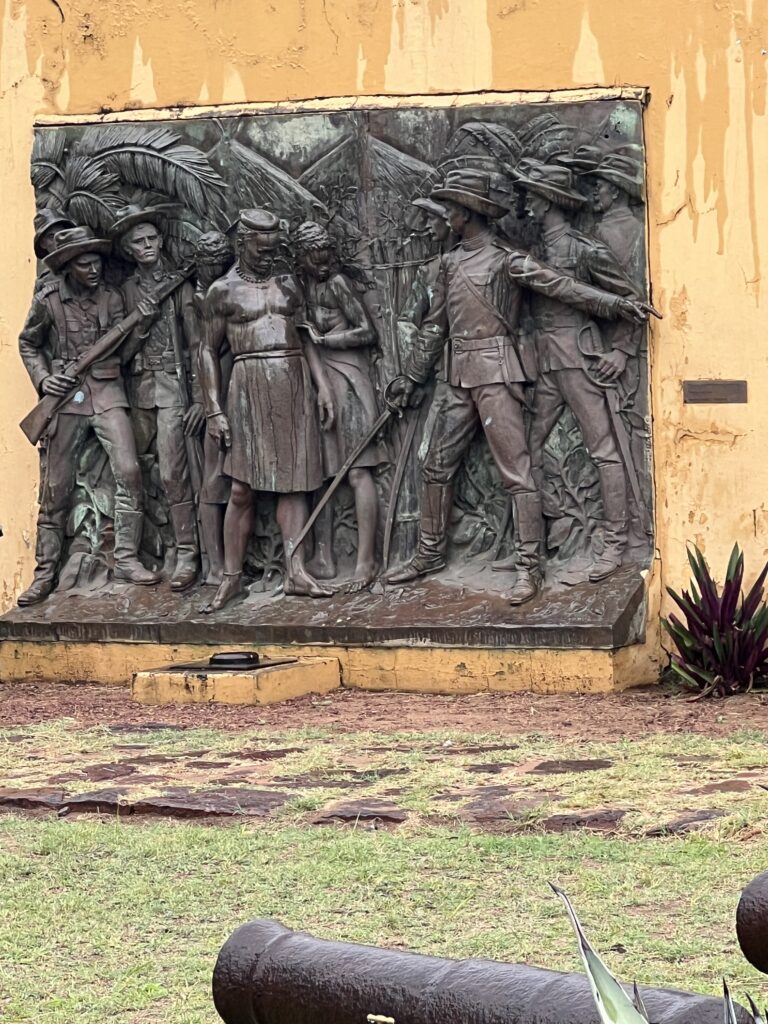
The Burial Chapel: Houses a wooden coffin containing the repatriated remains of Ngungunhane, the last emperor of the Gaza Empire. He was captured by the Portuguese in 1895 and died in exile, making his tomb a major symbol of national resistance. Here is a plaque on the fort walls illustrating his capture by the Portuguese.
It appeared there were no drains in the city and the water ran down the sides of the streets.
Photos and videos from the balcony after we returned from the excursion
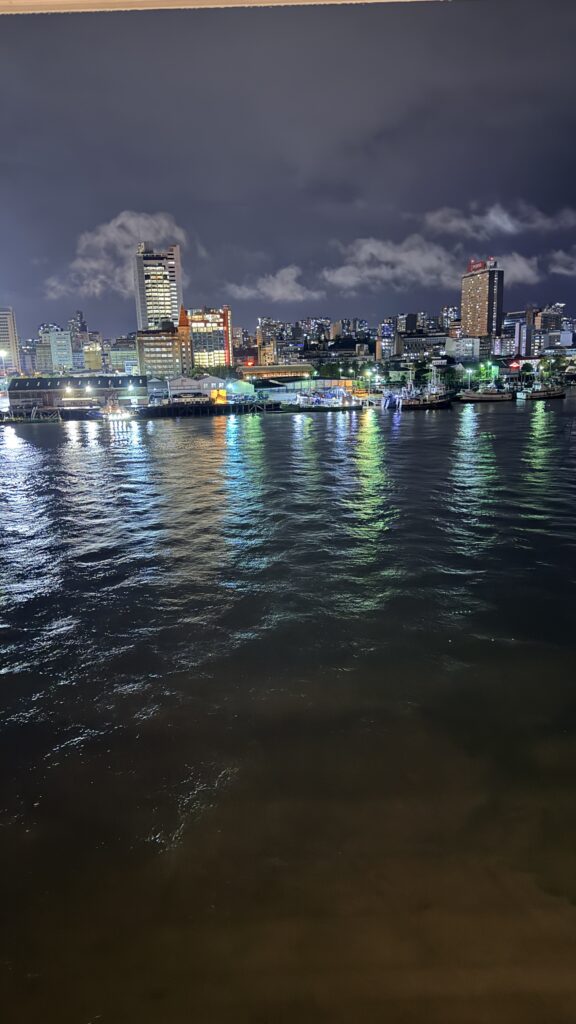
Photos tonight as we sail out of Maputo
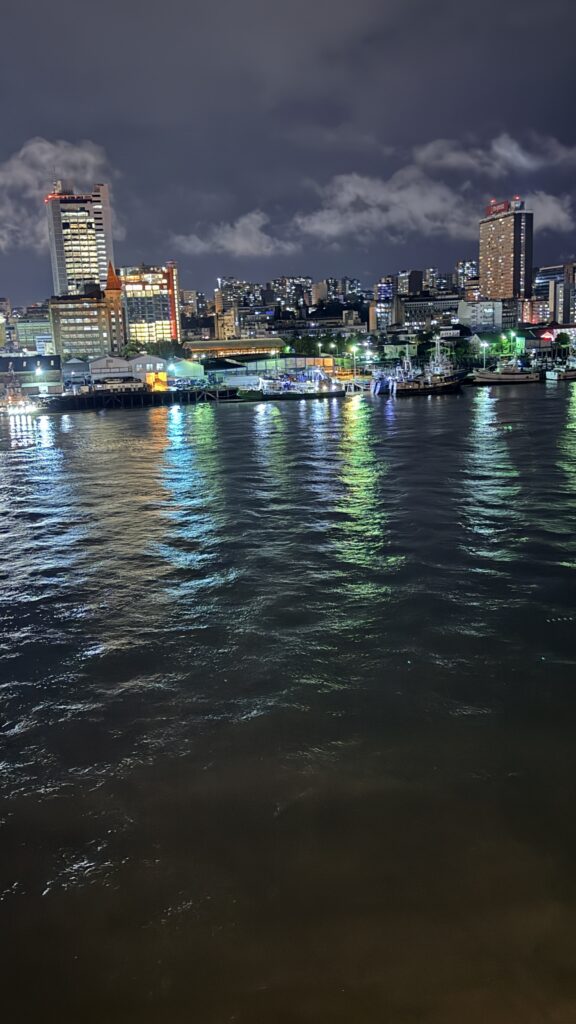
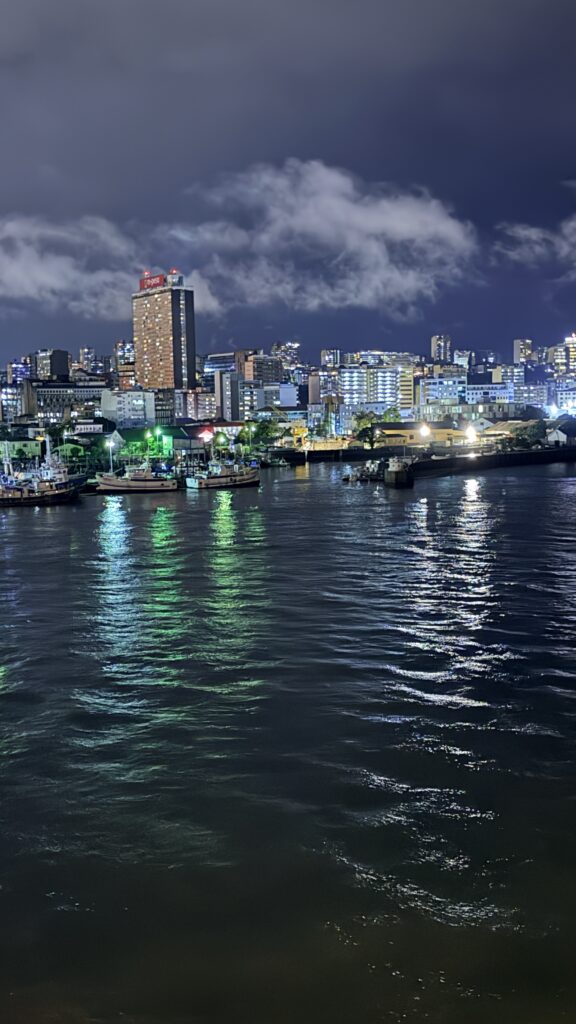
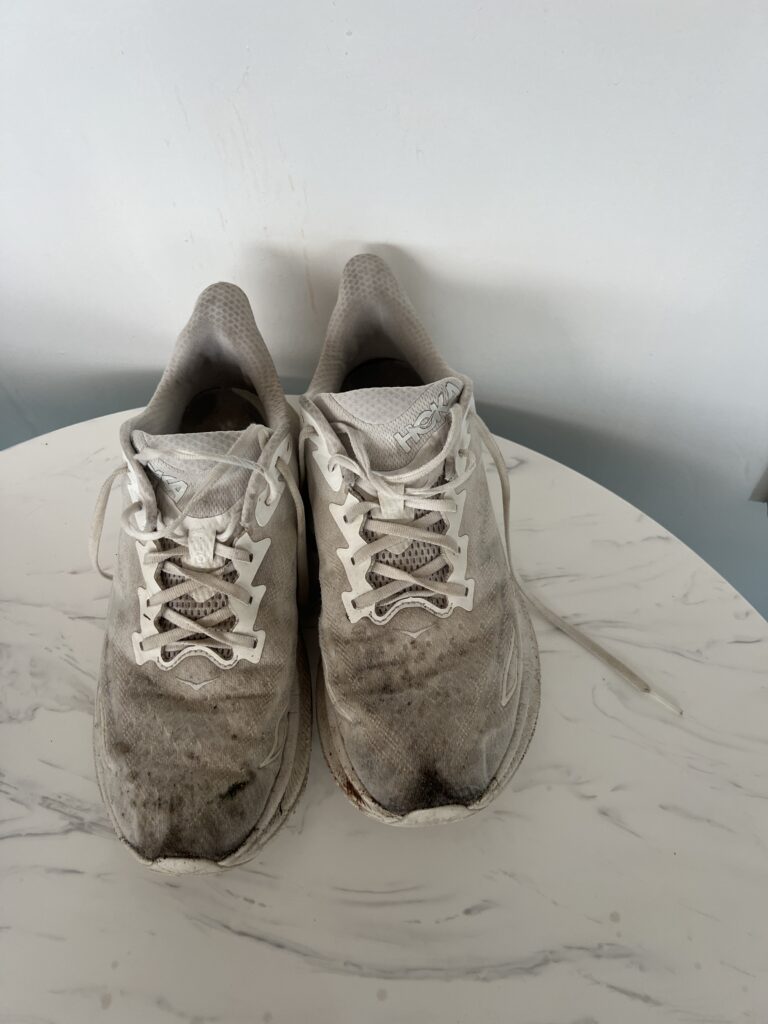
Shoes were white before the excursion (well maybe grey), but now there are just the right color for the upcoming safari
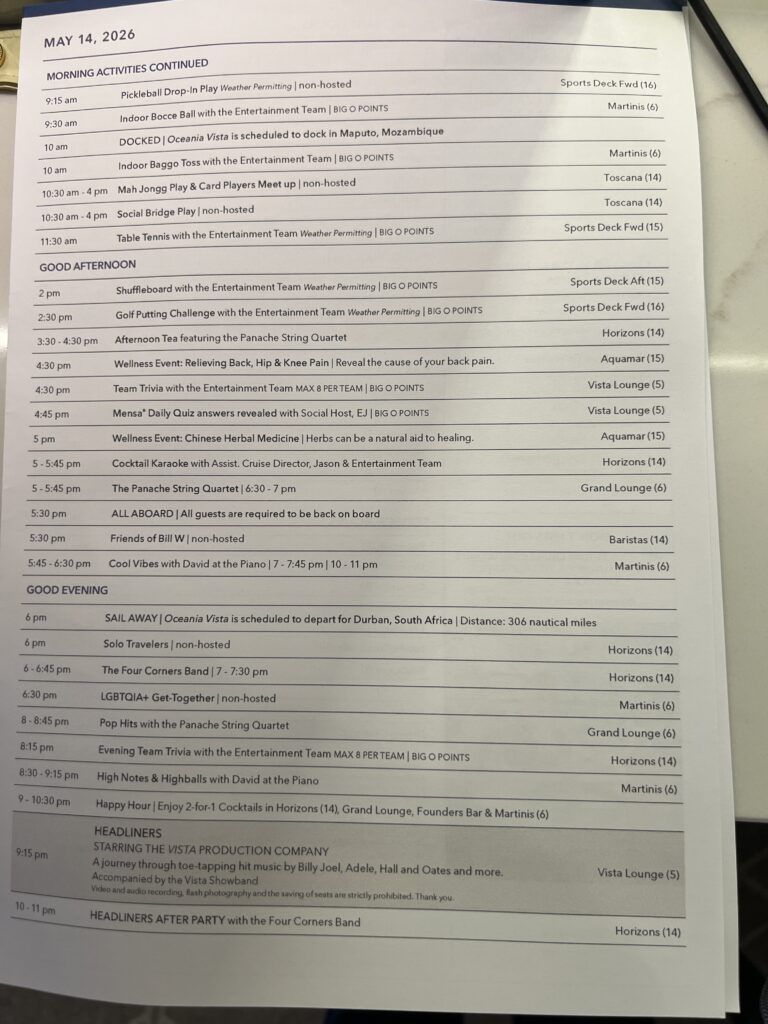
We are at sea tomorrow until 5pm when we arrive to Durban, South Africa. Then, the next morning (Saturday) at 8am we leave for our overland excursion to Chobe Game Lodge and Victoria Falls.



2 thoughts on “Day 68 May 14 – Maputo, Mozambique”
Just ignore the rain and visit all the hot spots you want to see unless you plan to go again which I doubt seriously.
Use a sharpi and paint your shoes black.