Day 100 Monday June 14th (20 days to go) — We took a ship excursion today from the port of Falmouth in Cornwall to the small city of St. Ives. The drive took about 90 minutes and we then had almost 2 hours to tour the small city on our own.
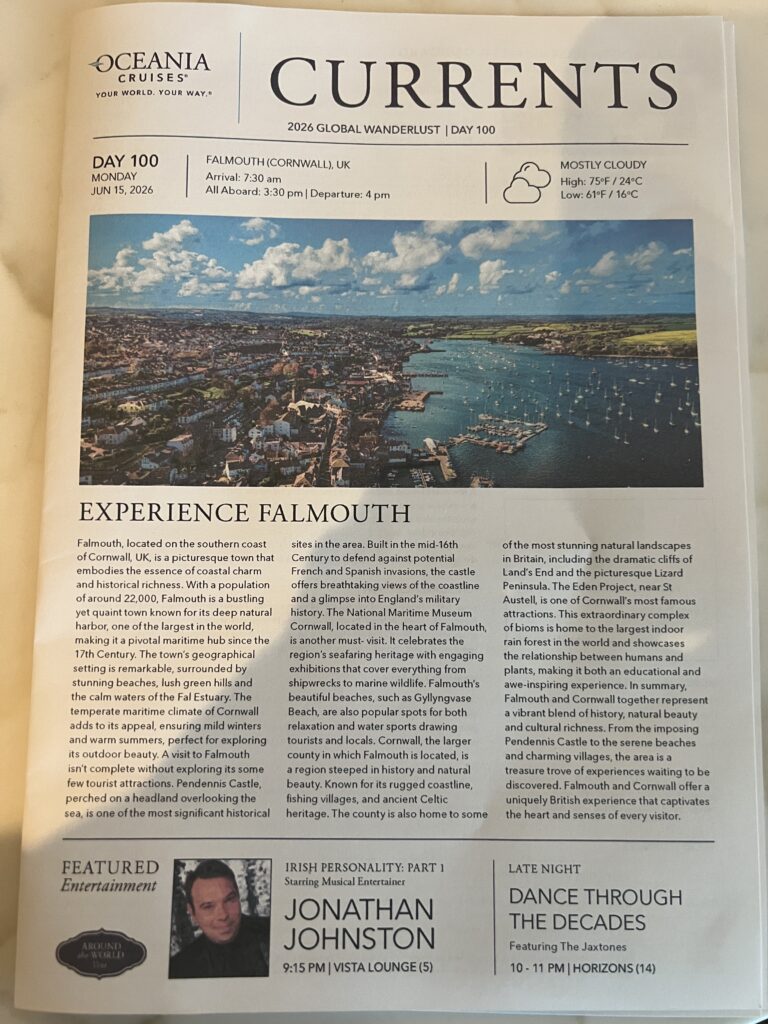
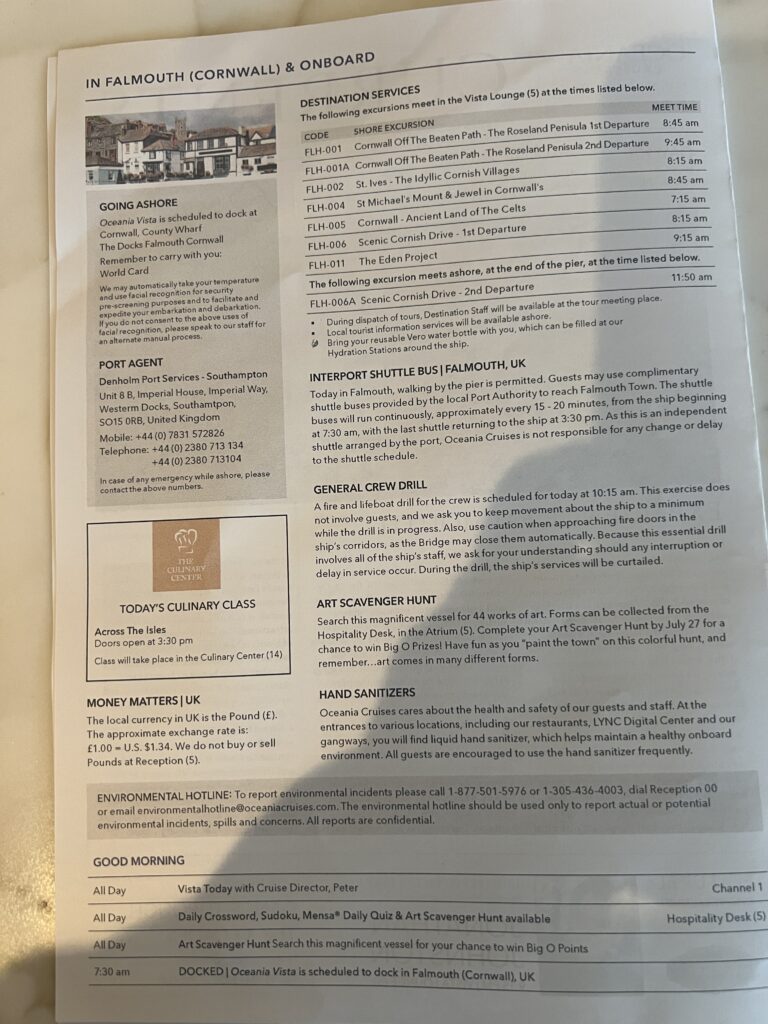
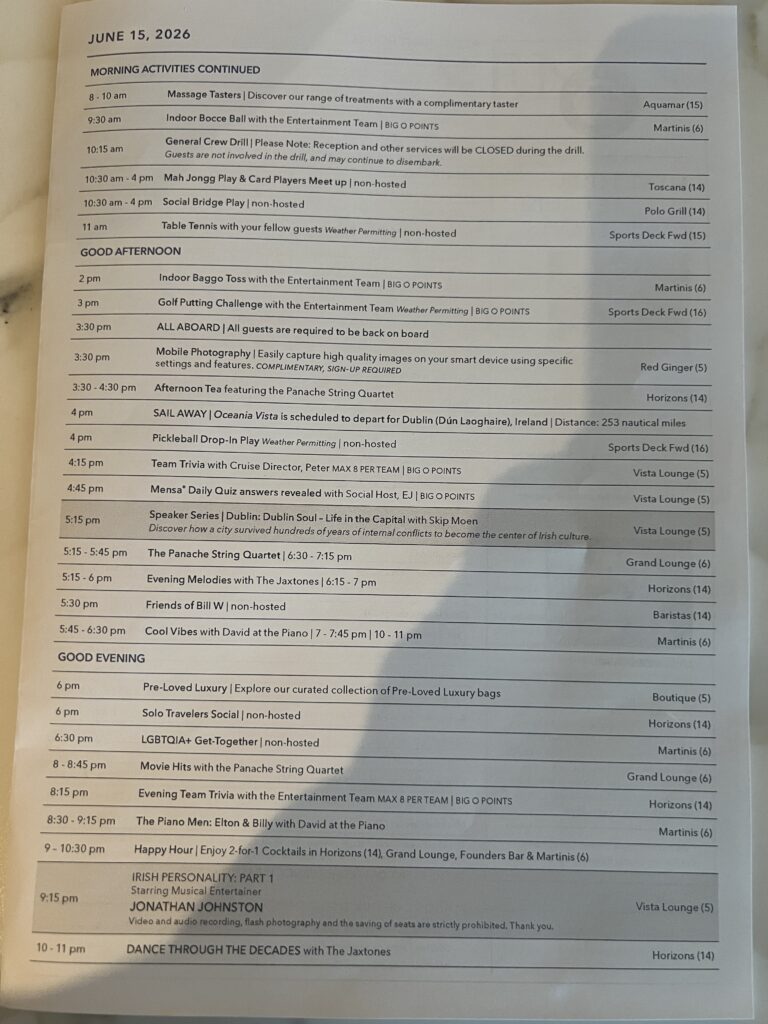

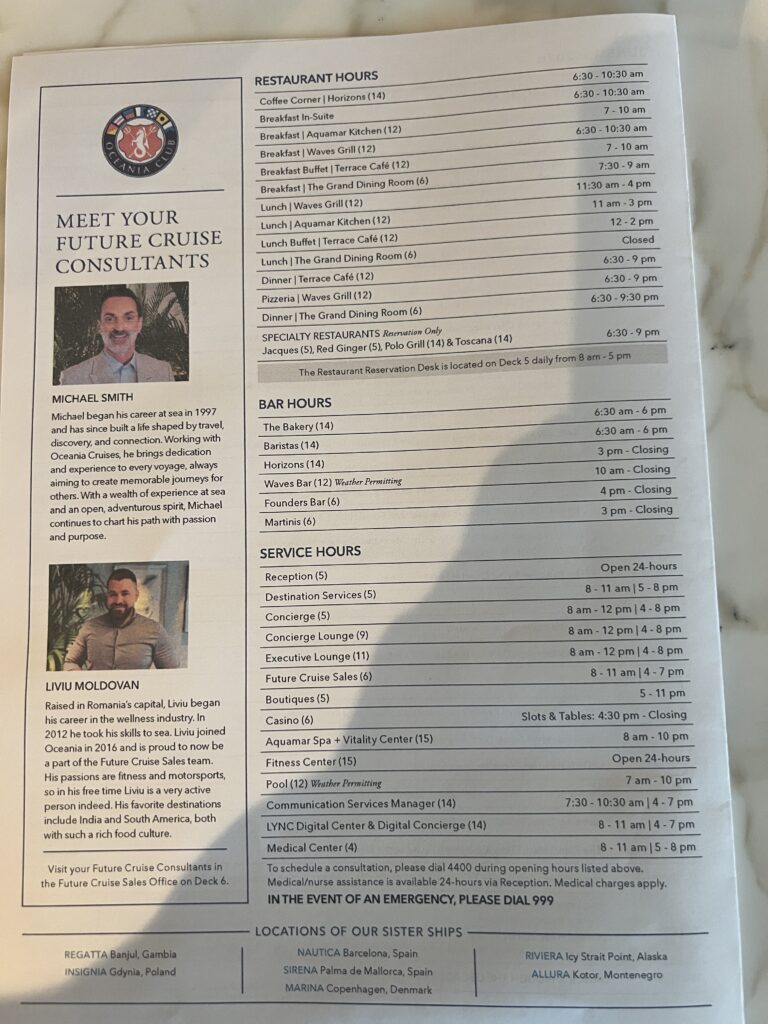
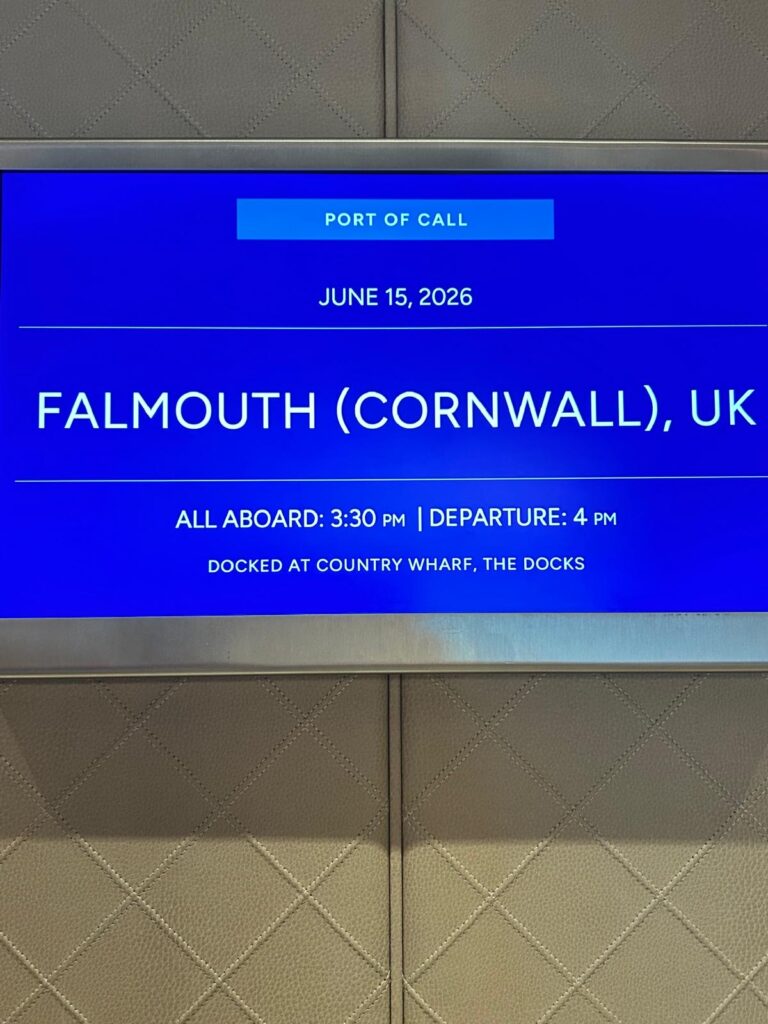
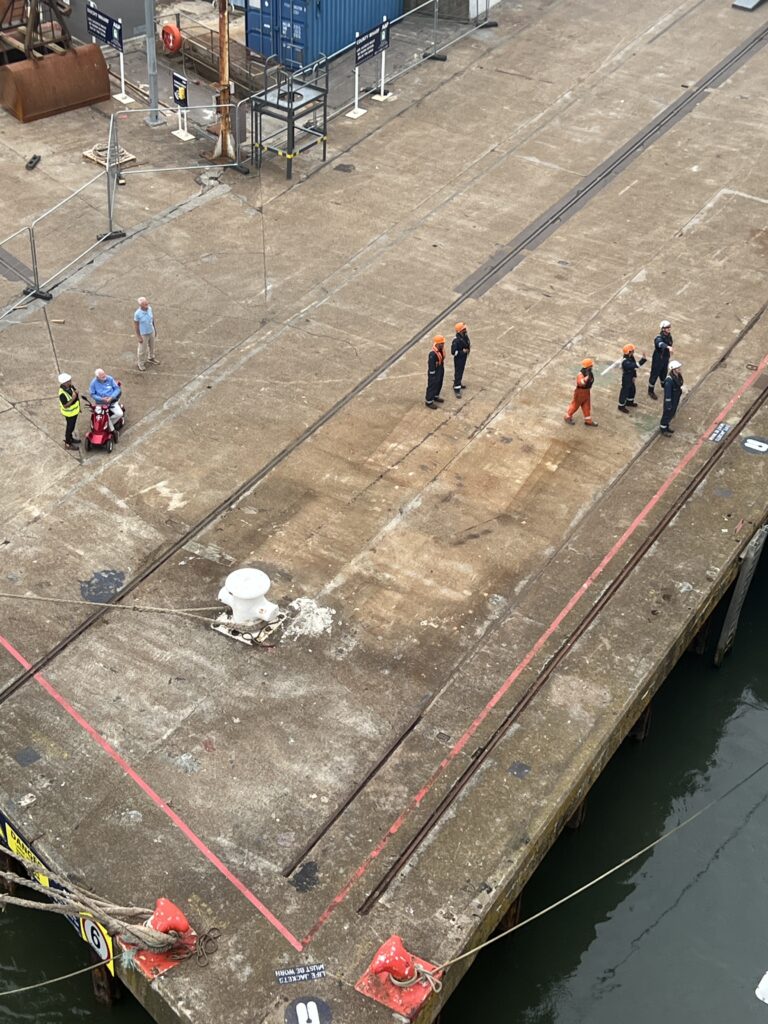
Video of the ship’s dock when we arrived in the morning. It was a pretty port but functional and easy to get off the ship and back on in the afternoon.
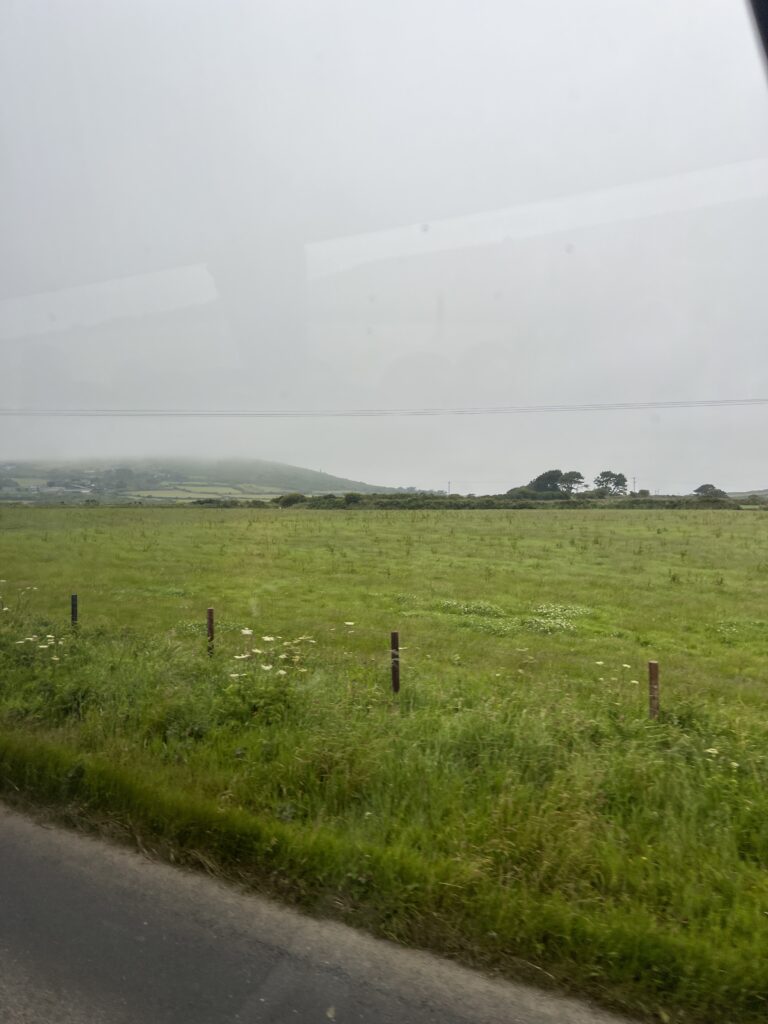
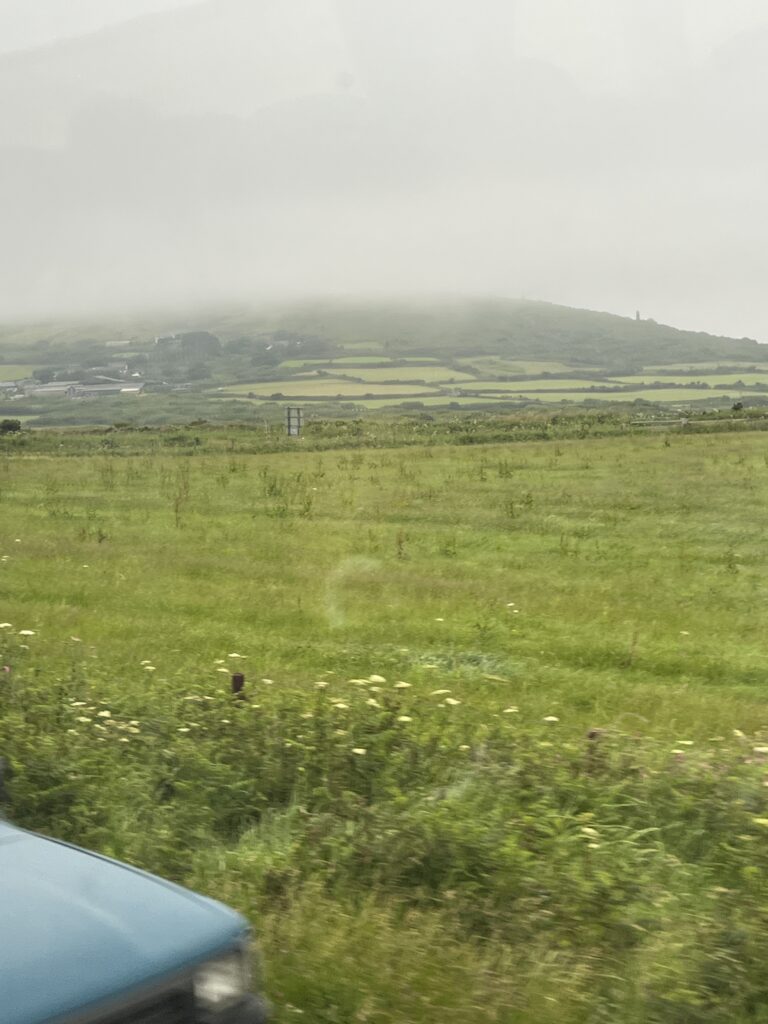
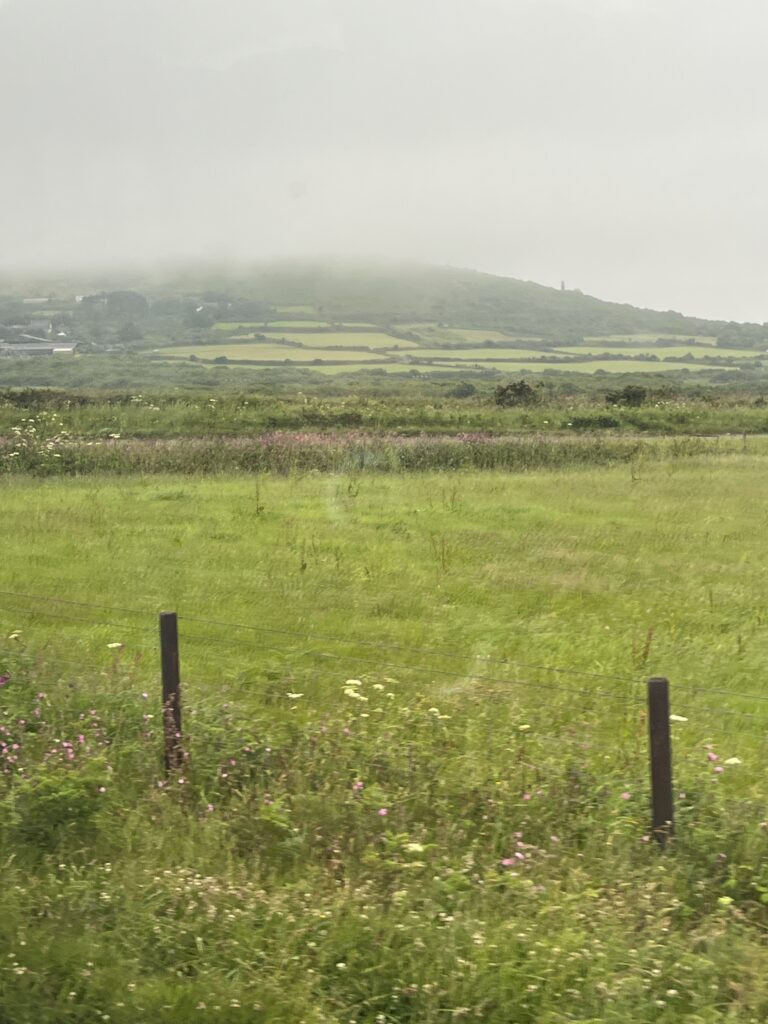
Videos and photos taken from the bus driving through small towns and of the countryside on the way to St. Ives
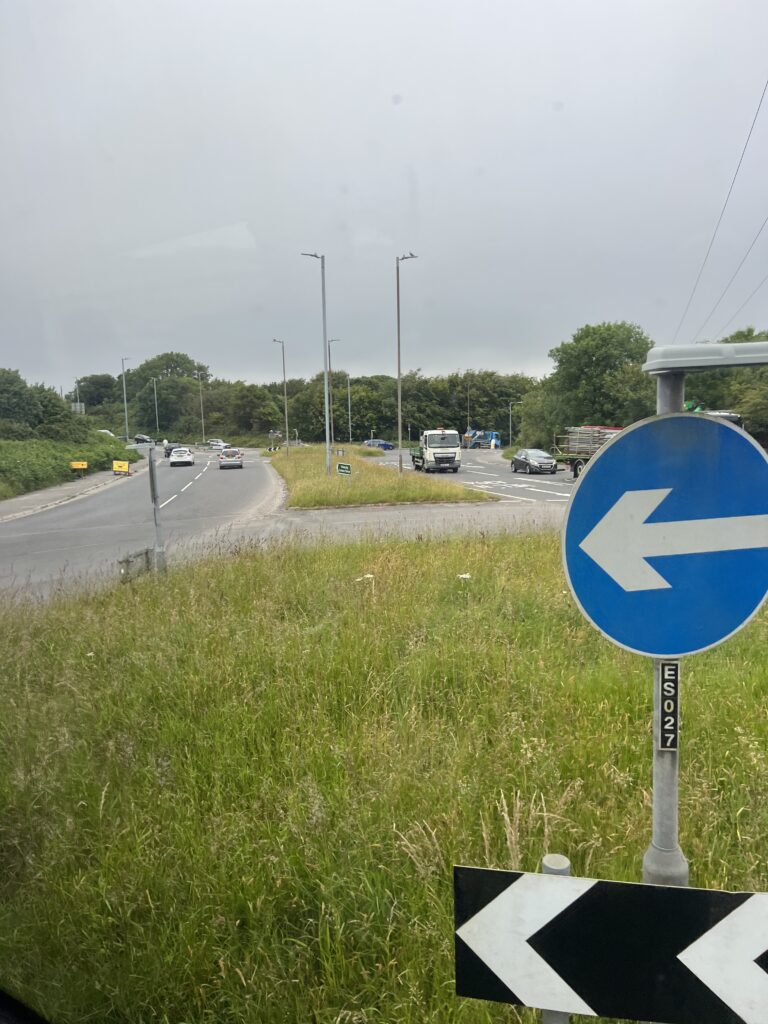
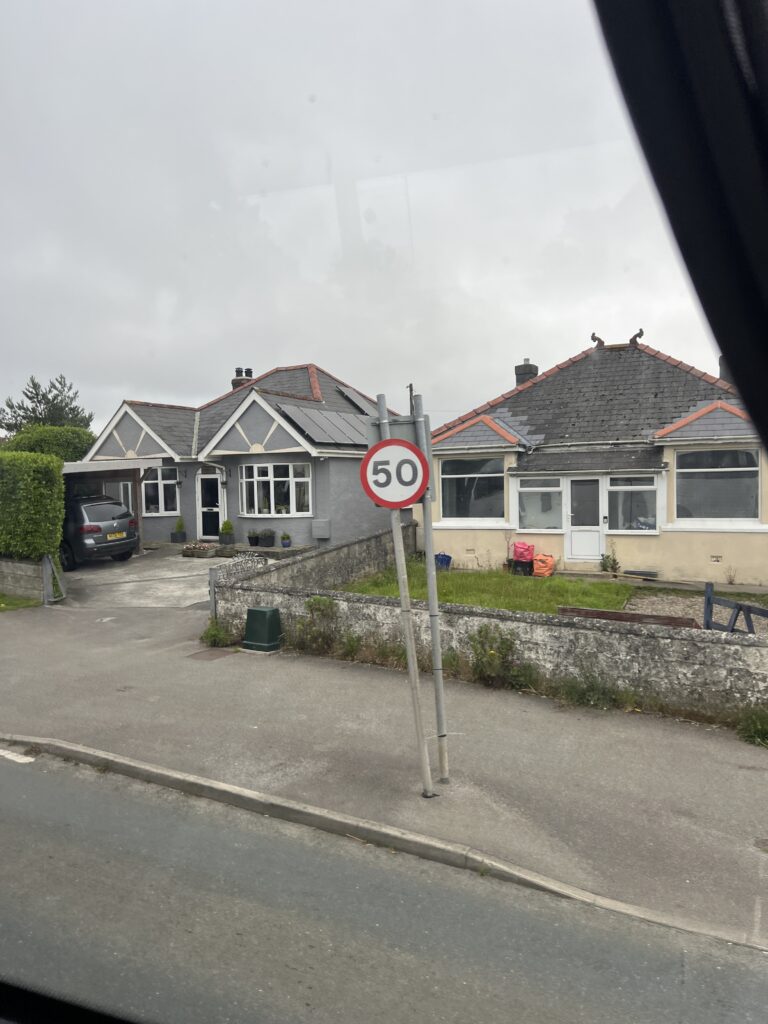
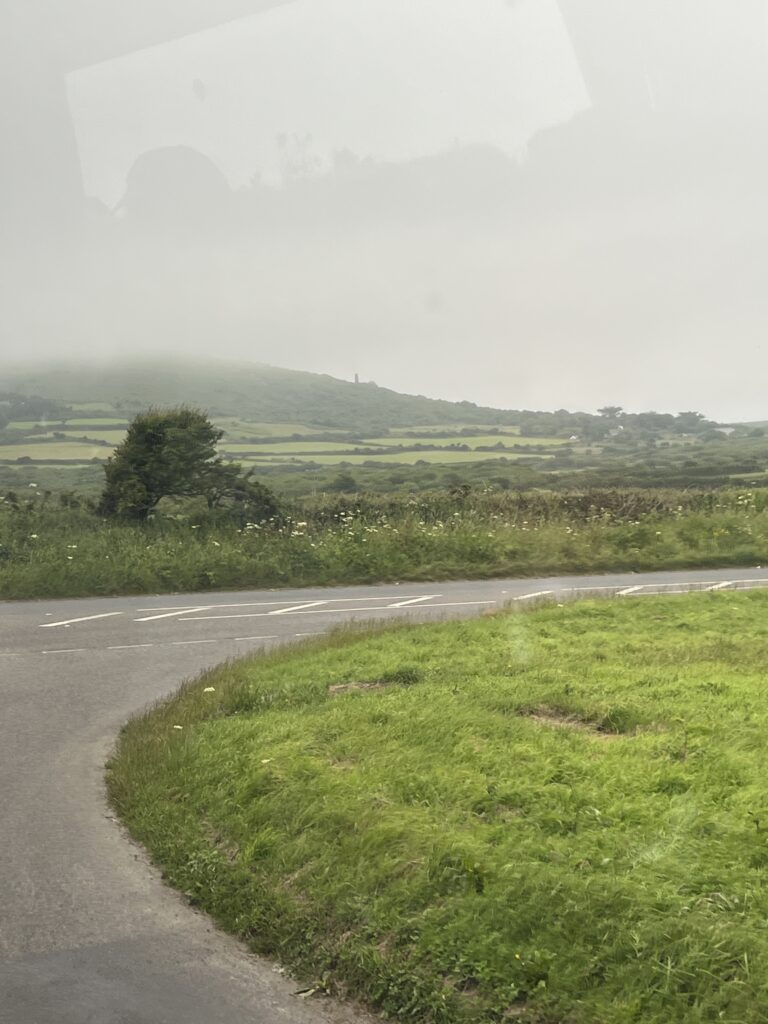
St Ives (Cornish: Porthia, meaning “St Ia’s cove”) is a seaside town, civil parish and port in Cornwall, England, United Kingdom. The town lies north of Penzance and west of Camborne on the coast of the Celtic Sea. In former times, it was commercially dependent on fishing. The decline in fishing, however, caused a shift in commercial emphasis, and the town is now primarily a popular seaside resort. It is notable in achieving the title of Best UK Seaside Town from the British Travel Awards in both 2010 and 2011. It was named best seaside town of 2007 by The Guardian newspaper.
St Ives has become renowned for its number of artists, and is home to the Tate St Ives gallery, among other artistic outlets.
The town was incorporated as a borough in 1639. As well as St Ives itself, the parish also includes Carbis Bay, Lelant and adjoining rural areas. At the 2021 census the population of the parish was 10,748 and the population of the St Ives built up area as defined by the Office for National Statistics was 5,410.
The origin of St Ives is attributed in legend to the arrival of the Irish saint Ia of Cornwall, in the 5th century. The parish church bears her name, and the name St Ives derives from it.
The Sloop Inn, which lies on the wharf was a fishermen’s pub for many centuries and is dated to “circa 1312”, making it one of the oldest inns in Cornwall.
In 1487 St Ives was granted a market charter by Henry VII, allowing it to hold a weekly market and two annual fairs. The town was the site of a particularly notable atrocity during the Prayer Book Rebellion of 1549. The English provost marshal, Anthony Kingston, came to St Ives and invited the portreeve, John Payne, to lunch at an inn. He asked the portreeve to have the gallows erected during the course of the lunch. Afterwards the portreeve and the Provost Marshal walked down to the gallows; the Provost Marshal then ordered the portreeve to mount the gallows. The portreeve was then hanged for being a “busy rebel”.
During the Spanish Armada of 1597, two Spanish ships, a bark and a pinnace, had made their way to St Ives to seek shelter from the storm which had dispersed the Spanish fleet. They were captured by the English warship Warspite of Sir Walter Raleigh leaking from the same storm. The information given by the prisoners was vital to learning the Armada’s objectives.
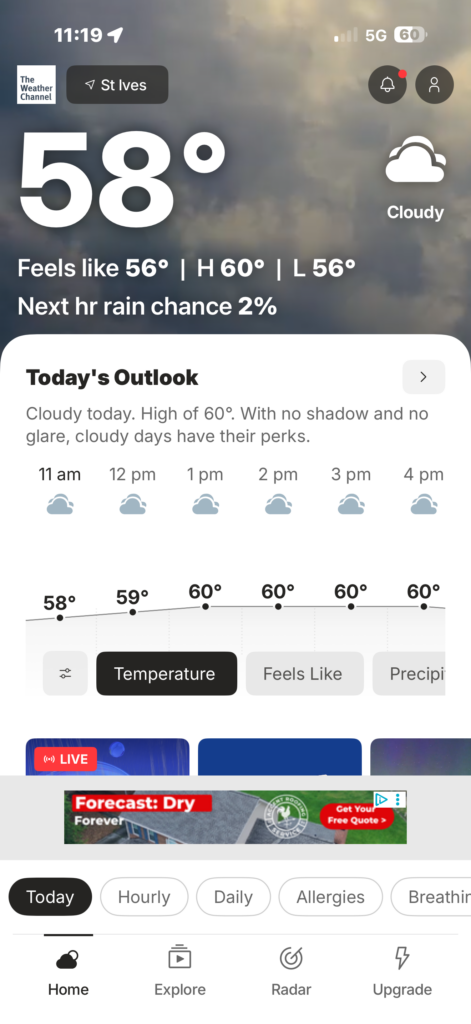
Check out this temperature in St. Ives and then begin viewing the photos and videos
Porthmeor Beach: A large, sweeping, Blue Flag-certified beach that faces the Atlantic Ocean. It is the premier spot for surfing, backed by the Tate St Ives gallery and the popular Porthmeor Cafe.
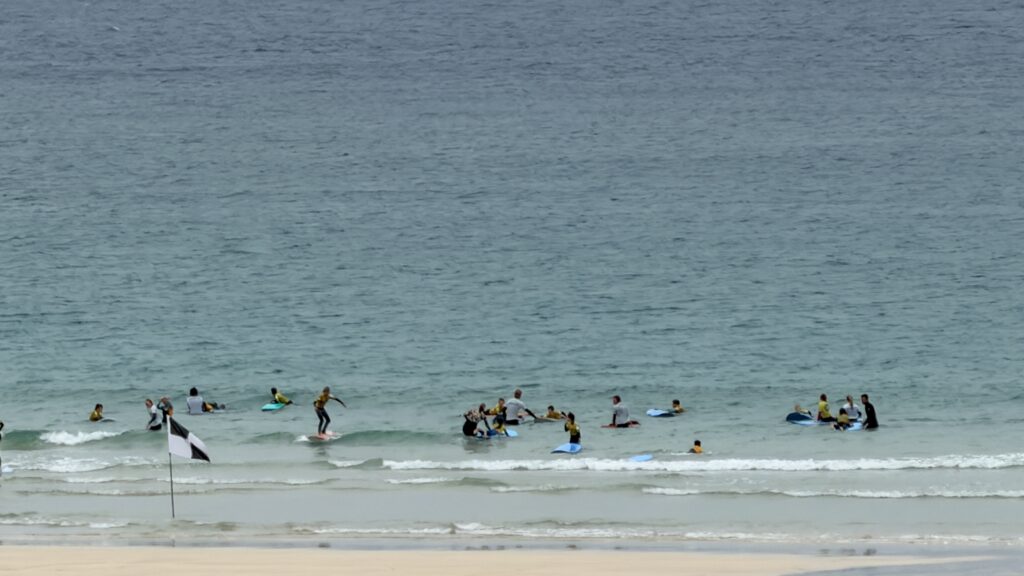
Surfing and swimming in 58 degree weather
Kids in surfing lessons classes
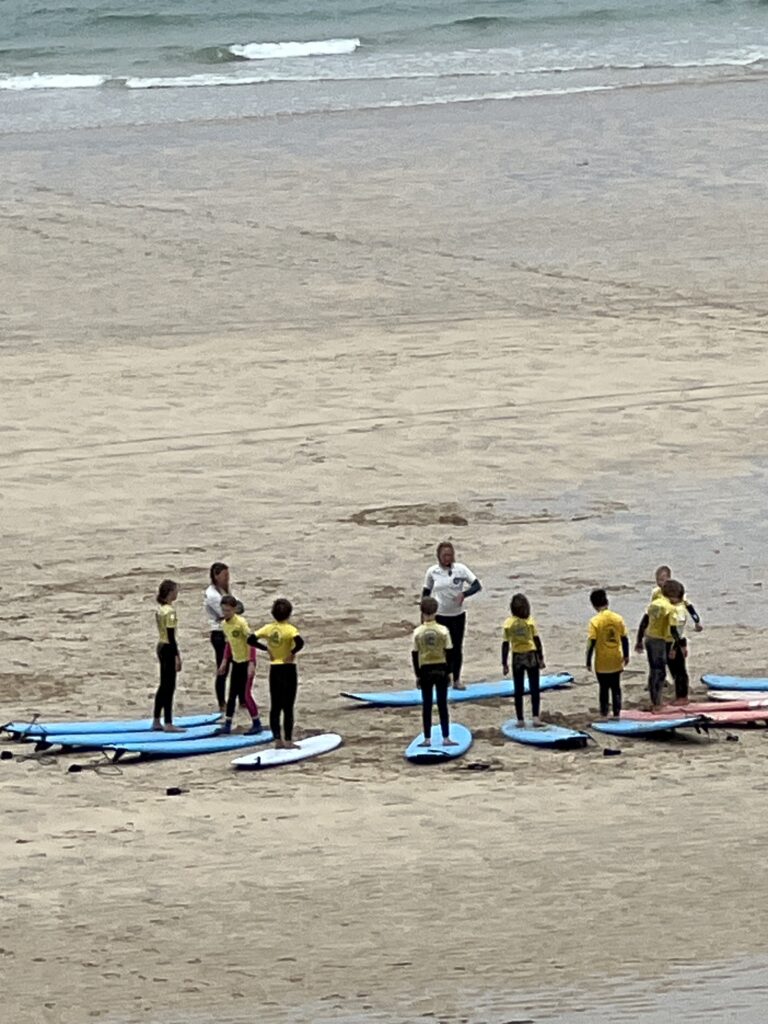
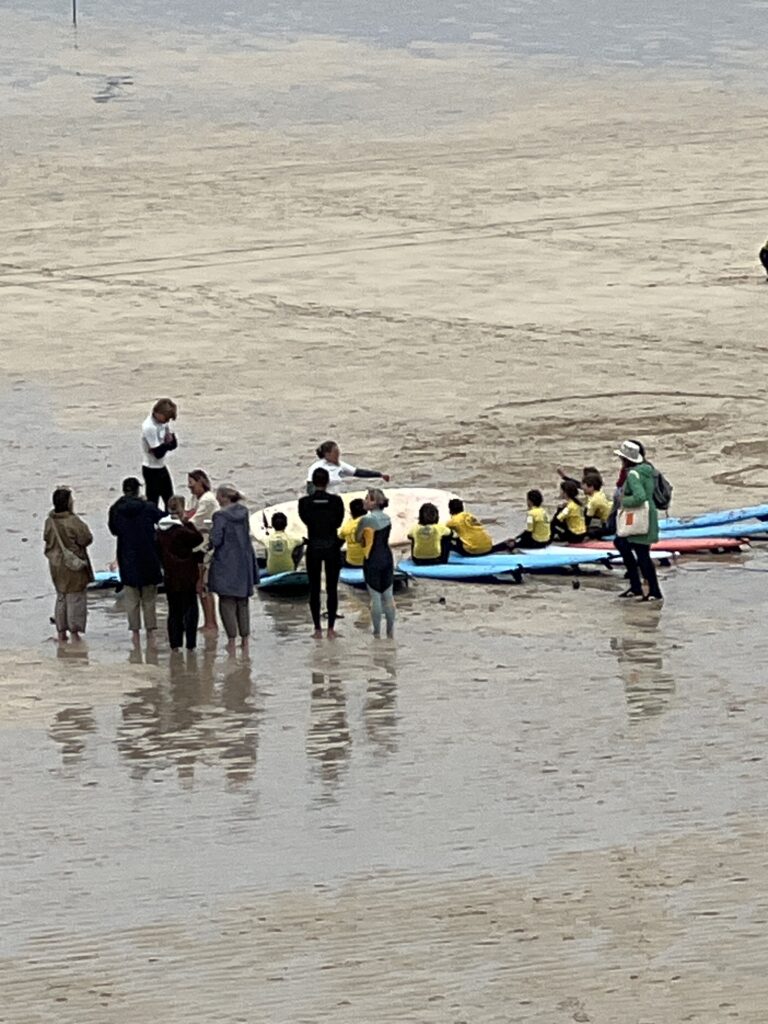
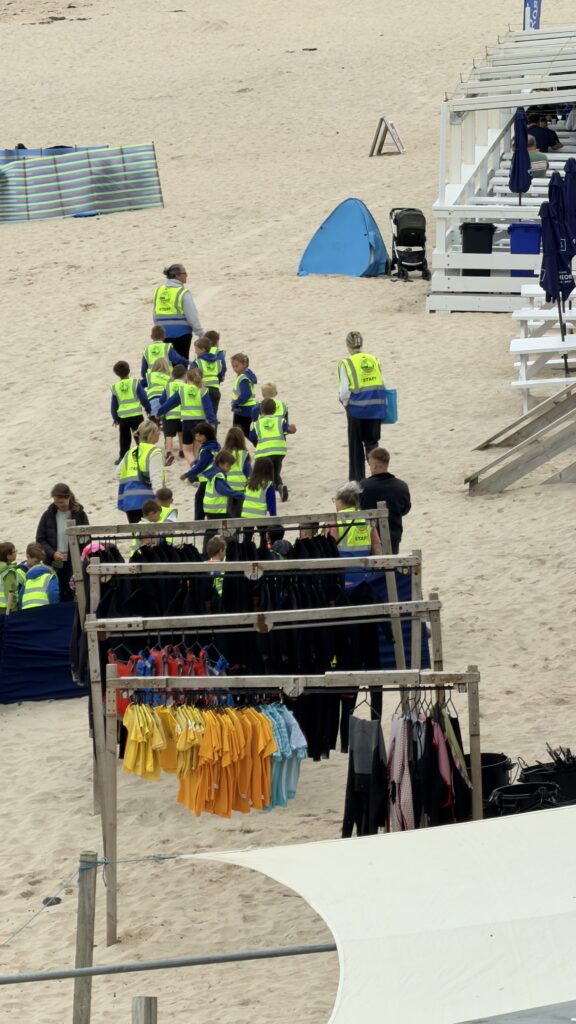
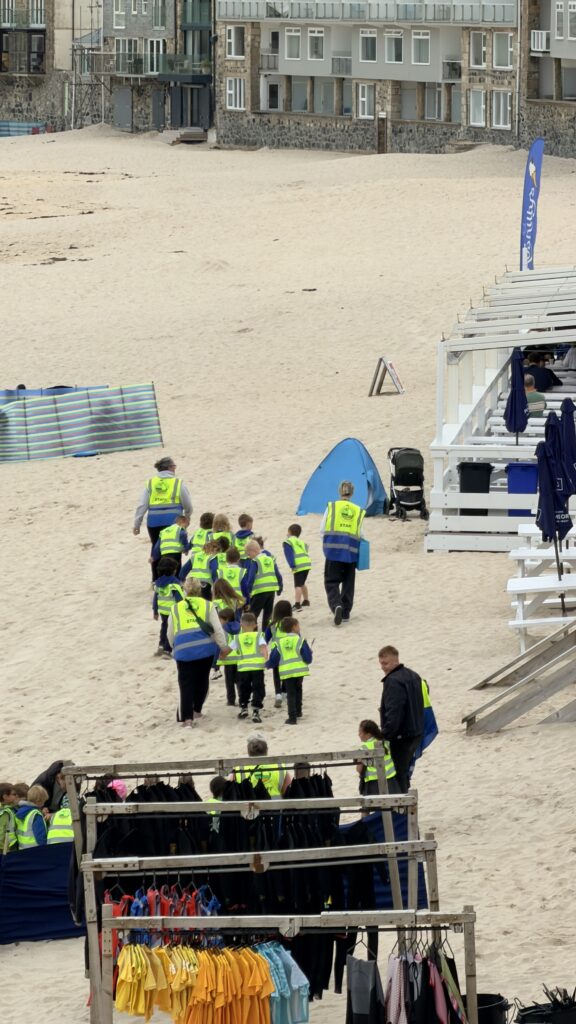
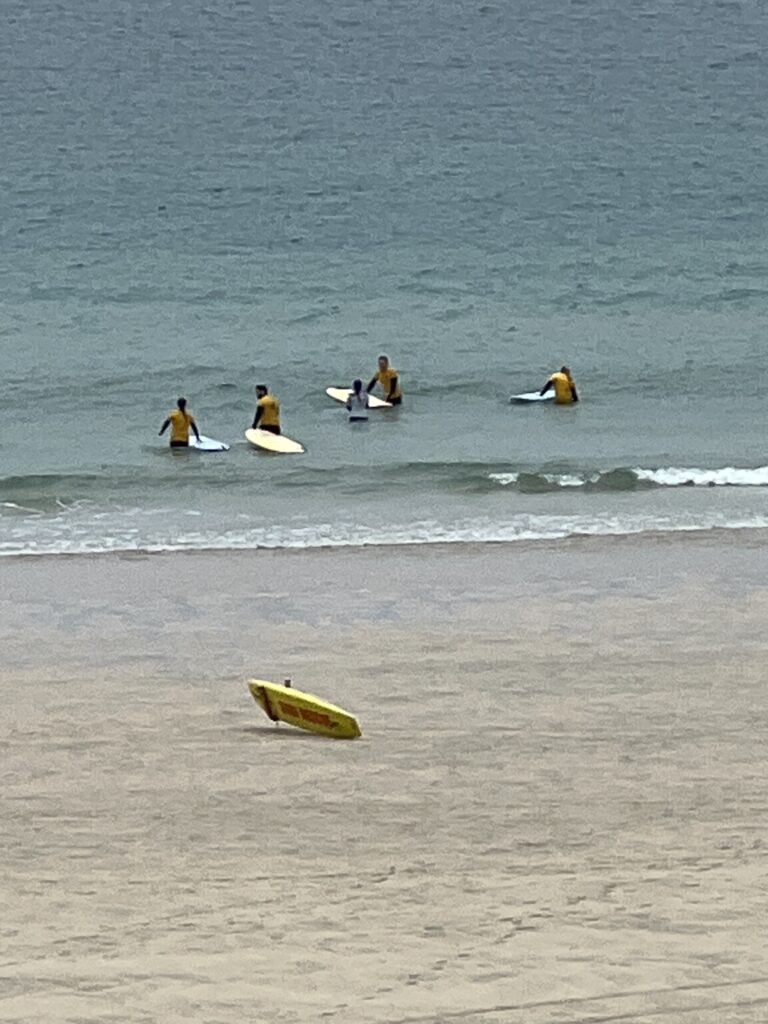
Beautiful beach scenery
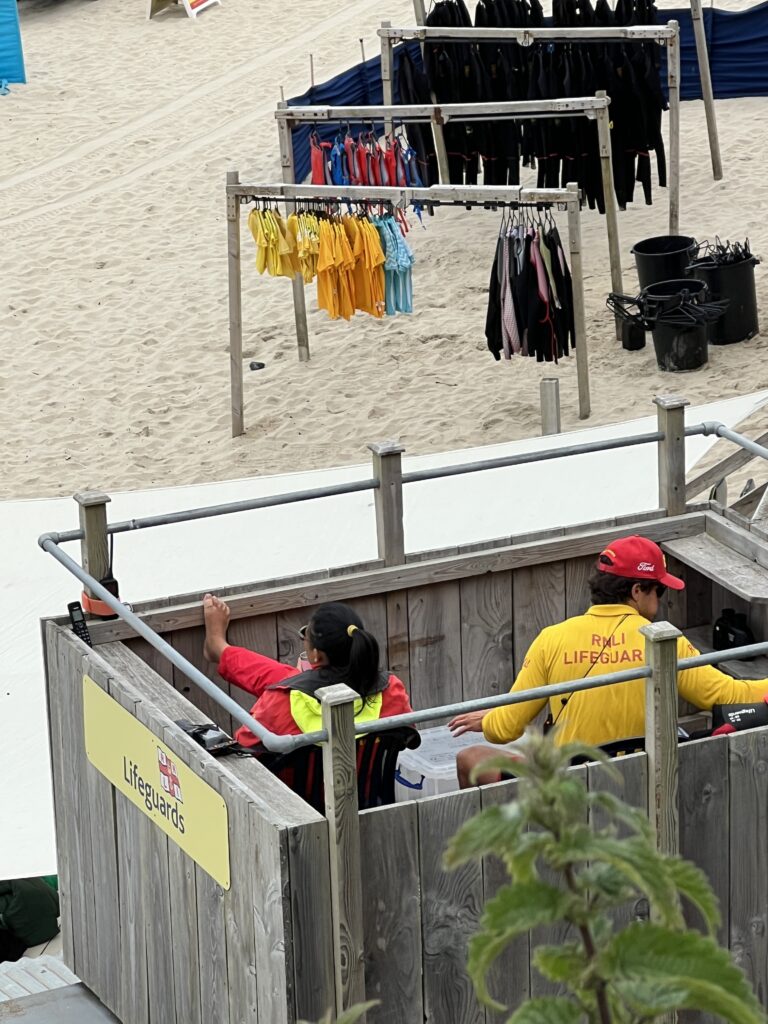
Life guards on duty
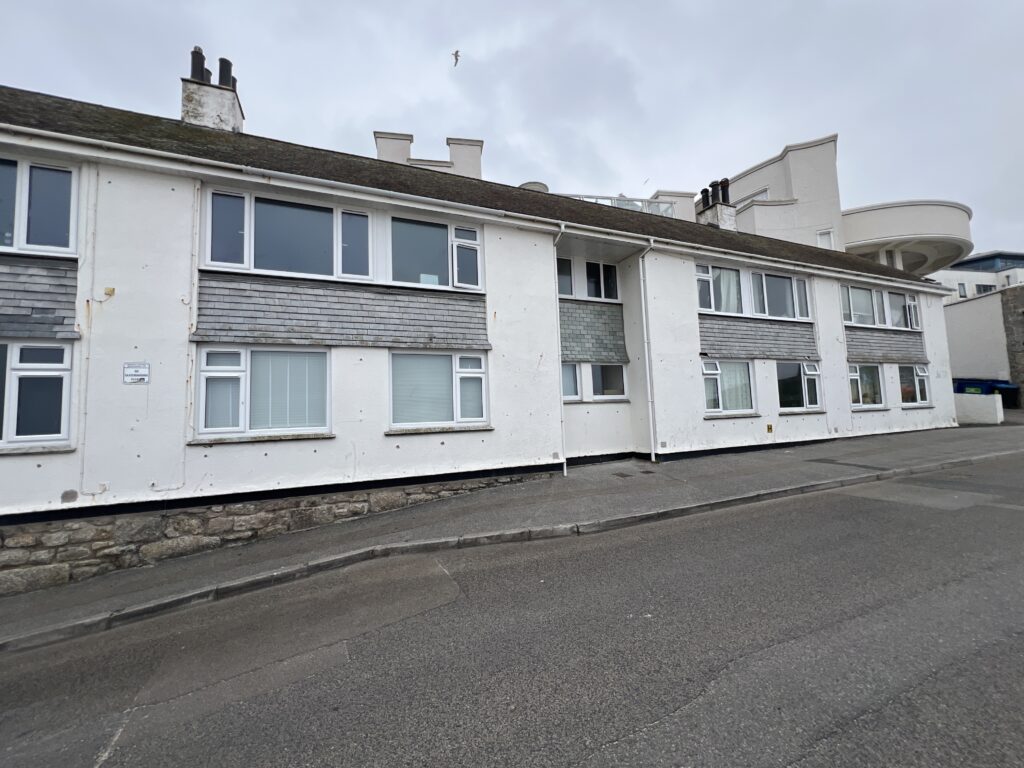
Apartments that overlook the beach
Founded in 1889, West Cornwall Golf Club is the oldest existing course in the County. Situated overlooking St Ives Bay and Hayle Estuary, the views are superb. The railway track runs alongside the course and the links land gives perfect golfing all year round.
Check out photos of the course on the club website: Home – WEST CORNWALL GOLF CLUB
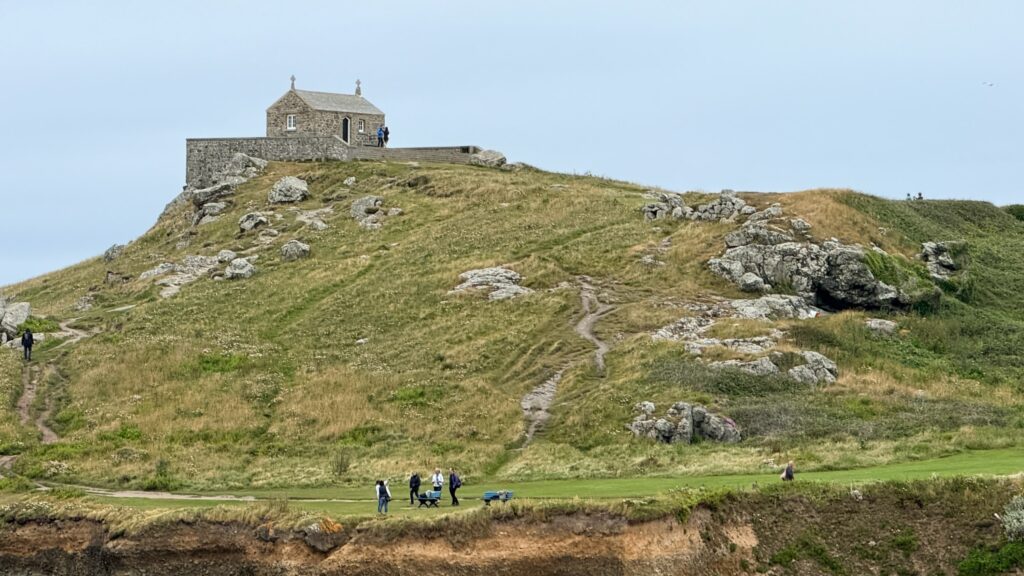
Leaving the beach, we walked into the town
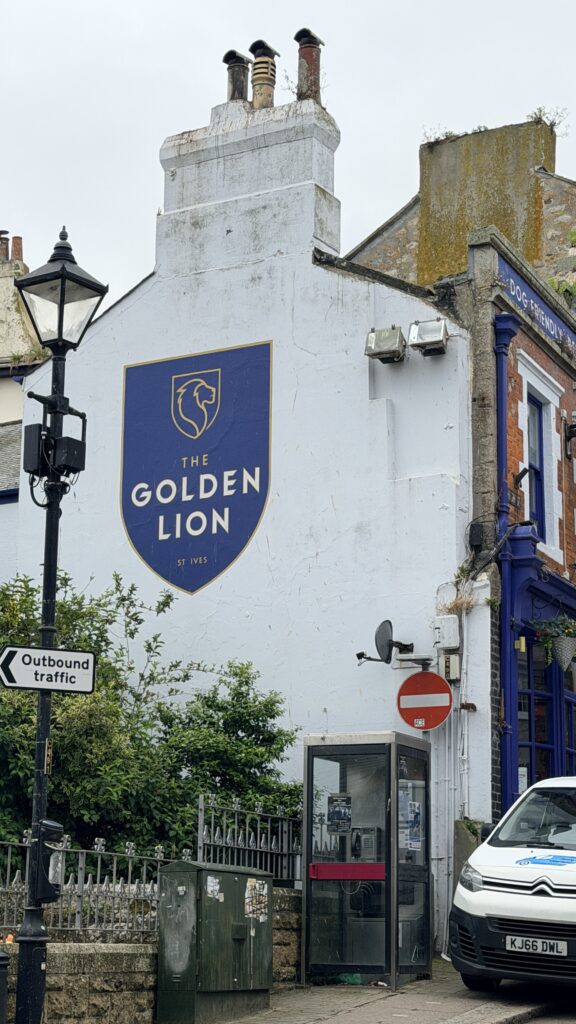
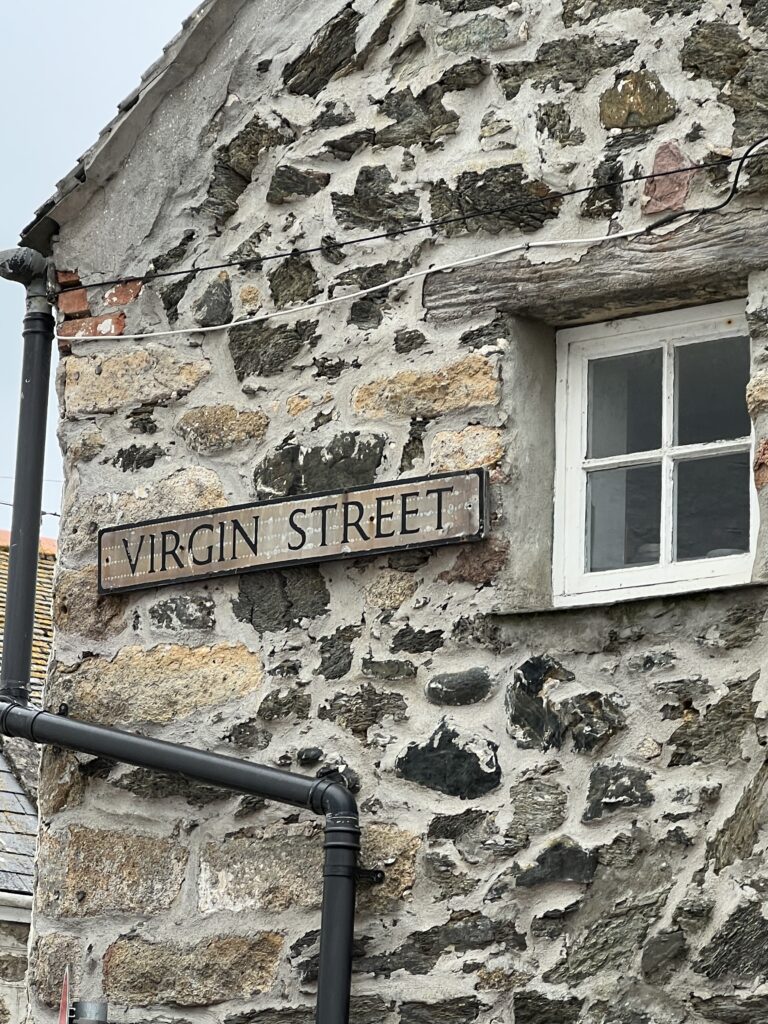
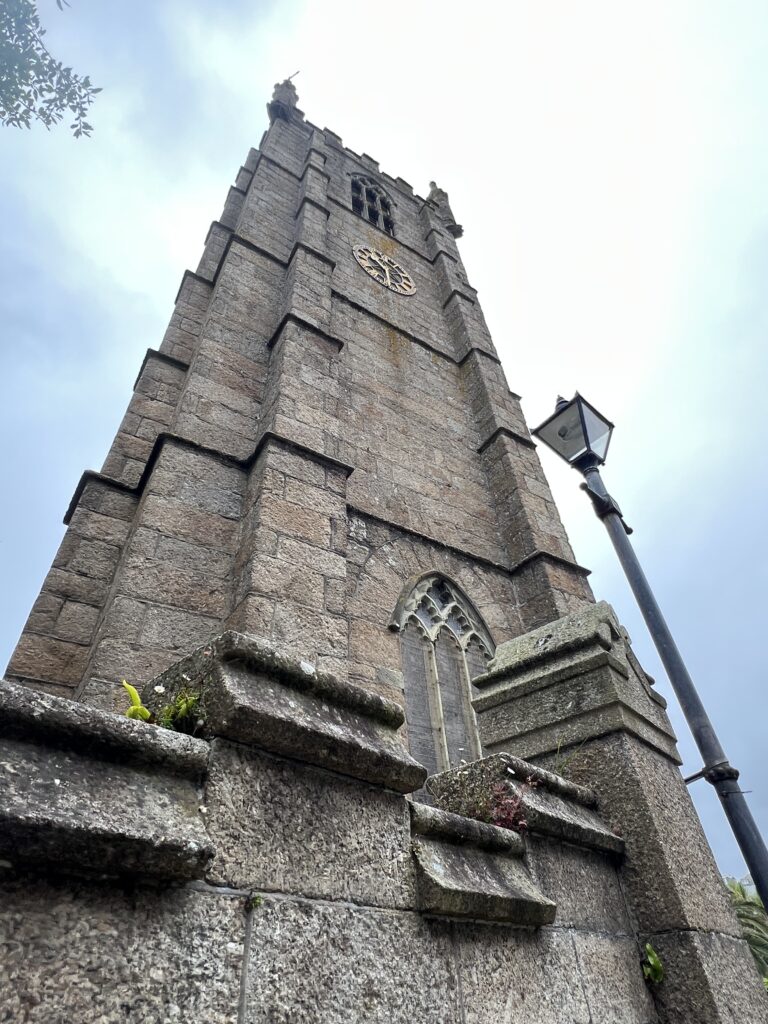
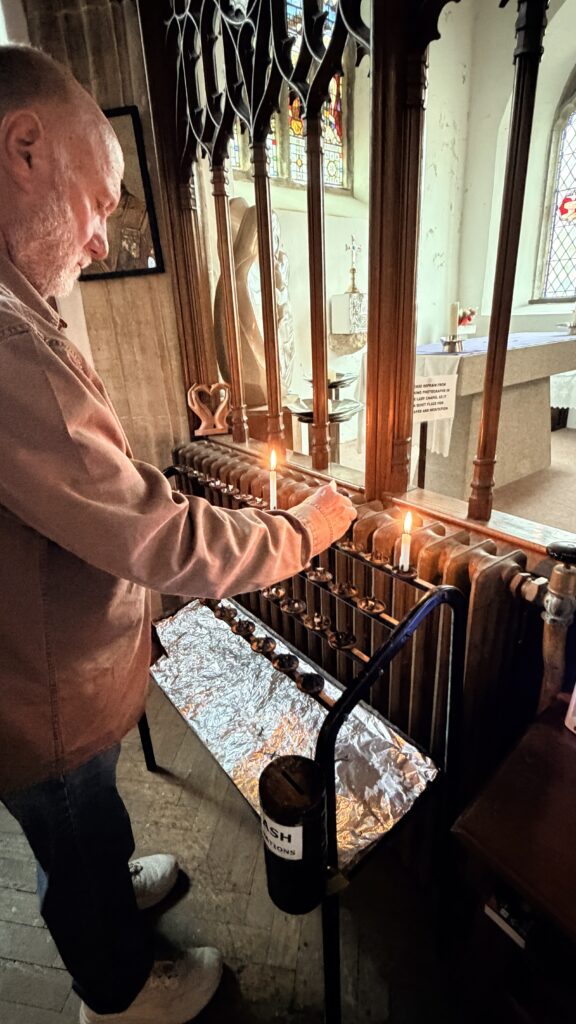
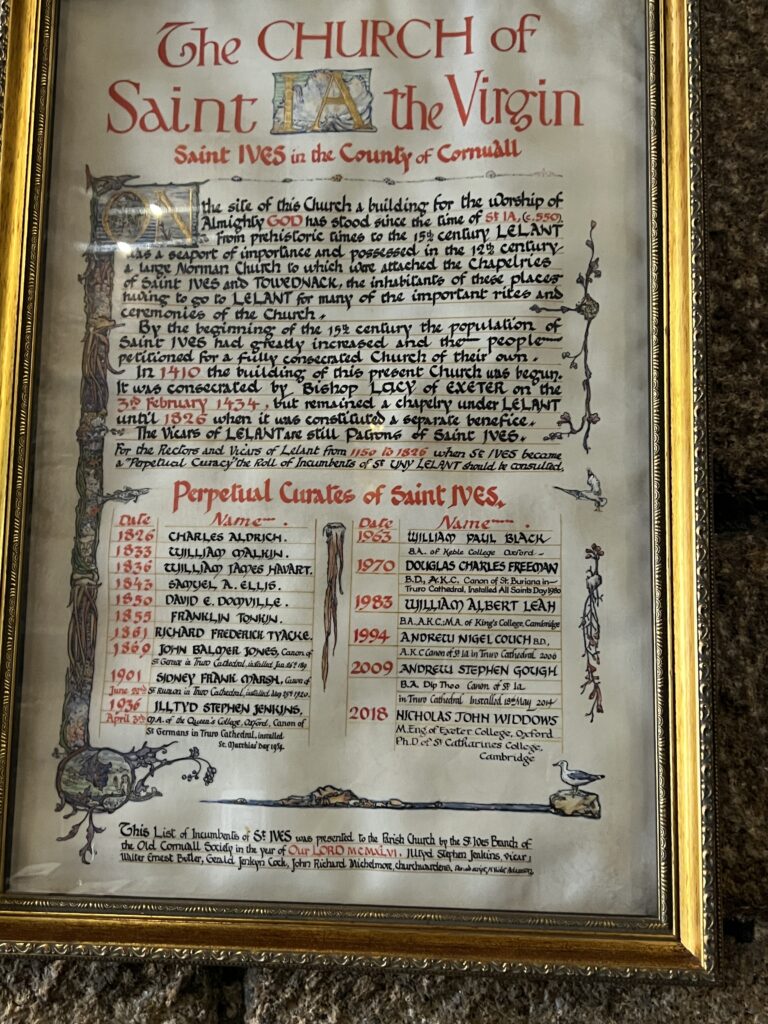
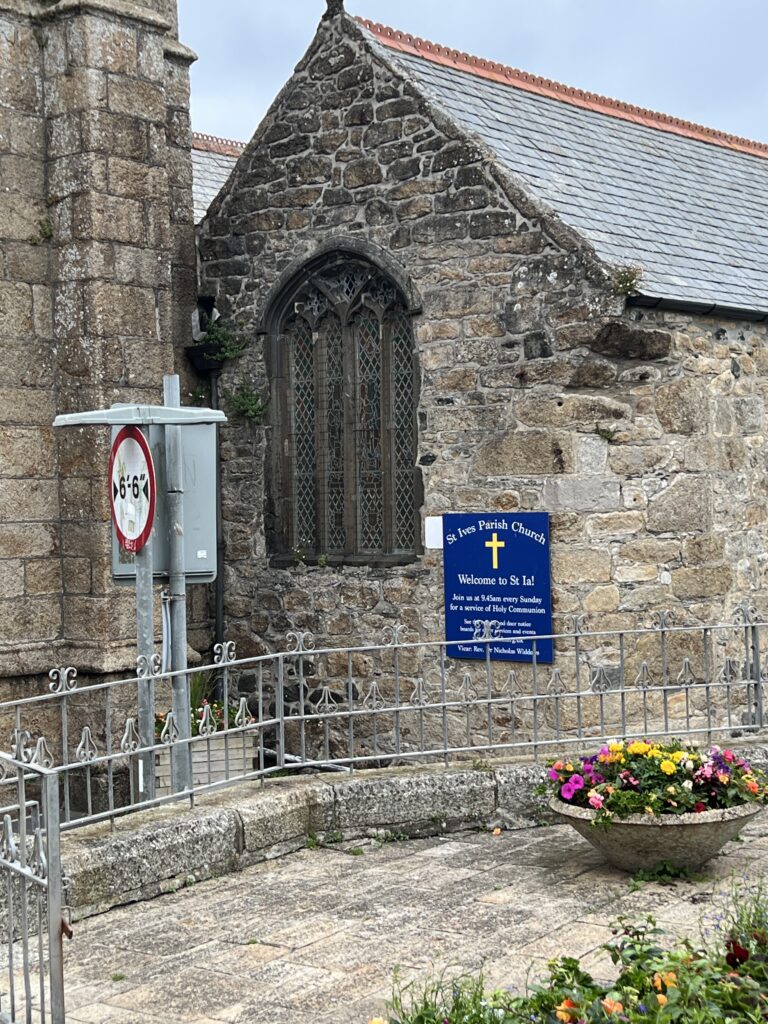
St Ia’s Church, St Ives, is a parish church in the Church of England in St Ives, Cornwall, UK. It is dedicated to Ia of Cornwall, a 5th- or 6th-century Irish saint, and is a Grade I listed building.
The church is dedicated to Ia the Virgin, also known as Ives, an Irish holy woman of the 5th or 6th century. The current building dates to the reign of King Henry V of England. It became a Church of England parish church in 1826. It was built between 1410 and 1434 as a chapel of ease: St Ives being within the parish of Lelant. The tower is of granite and of four stages (over 80 ft high): the church is large but not particularly high and built in a Devonian style rather than a Cornish one. An outer south aisle was added by the Trenwith family about 1500: this is now the Lady Chapel and contains a statue by Barbara Hepworth.
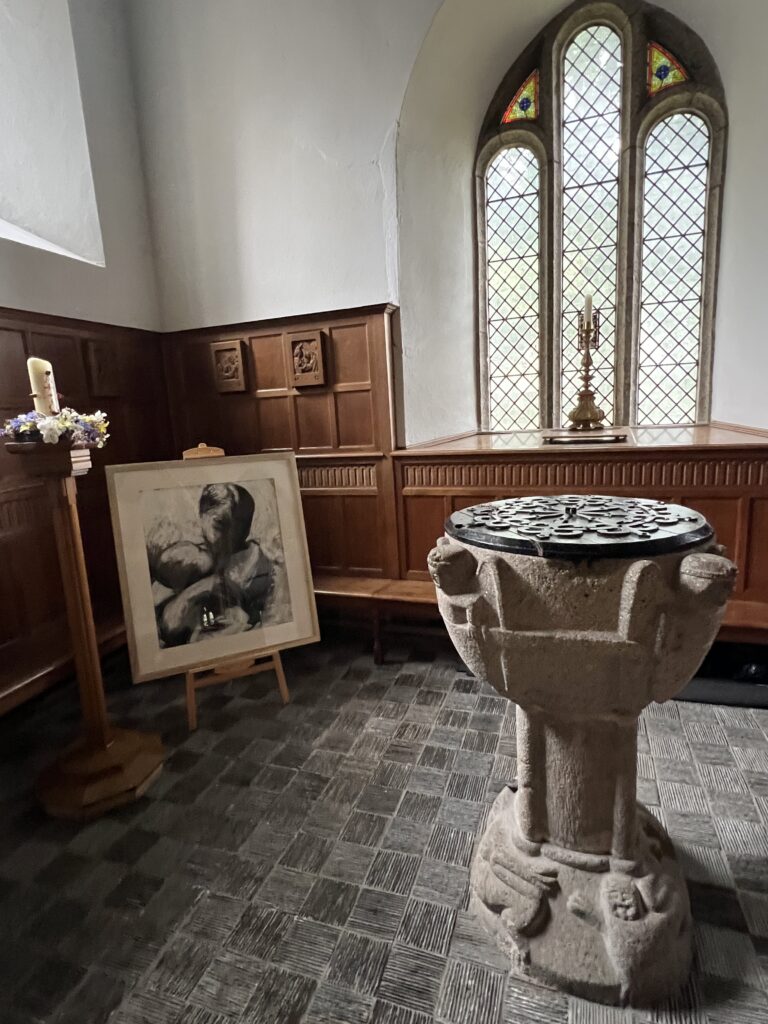
The font is of granite and most likely of the 15th century. It is carved with four angels holding shields. In the chancel, there are bench ends of the standard design and two other, complete benches. There is a brass to a member of the Trenwith family, 1463, and a monument to the Hitchens family by Garland & Fieldwick, 1815.
The church of St. Ives, a beautiful structure of the age of Henry V, with a lofty tower, is dedicated to St. Ia the Virgin; the edifice is well worthy of the observation of those who are curious in ecclesiastical architecture: the living is part of the vicarage of Uny Lelant, but has lately been endowed, by a grant from Queen Anne’s bounty, the maintenance of a perpetual curate; the present incumbent of the parish is Rev. Dr. Cardew, the curate is the Rev. C. Aldrich; the patronage of preferment is the diocesan bishop.–Pigot & Co.’s Directory of Cornwall, 1830
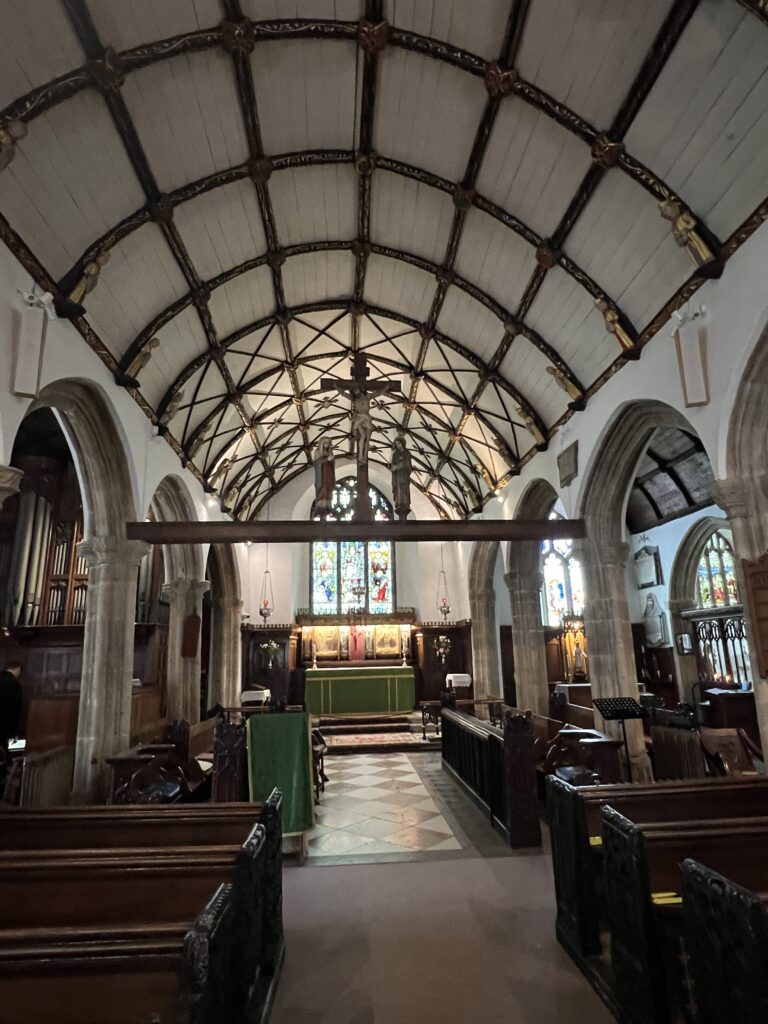
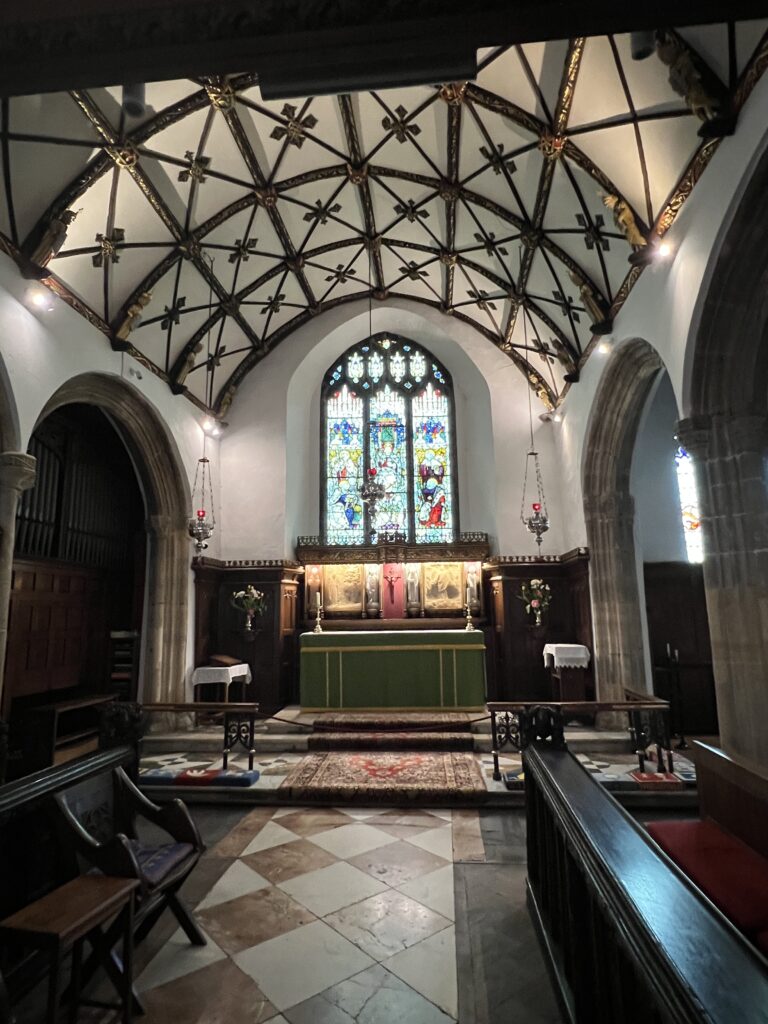
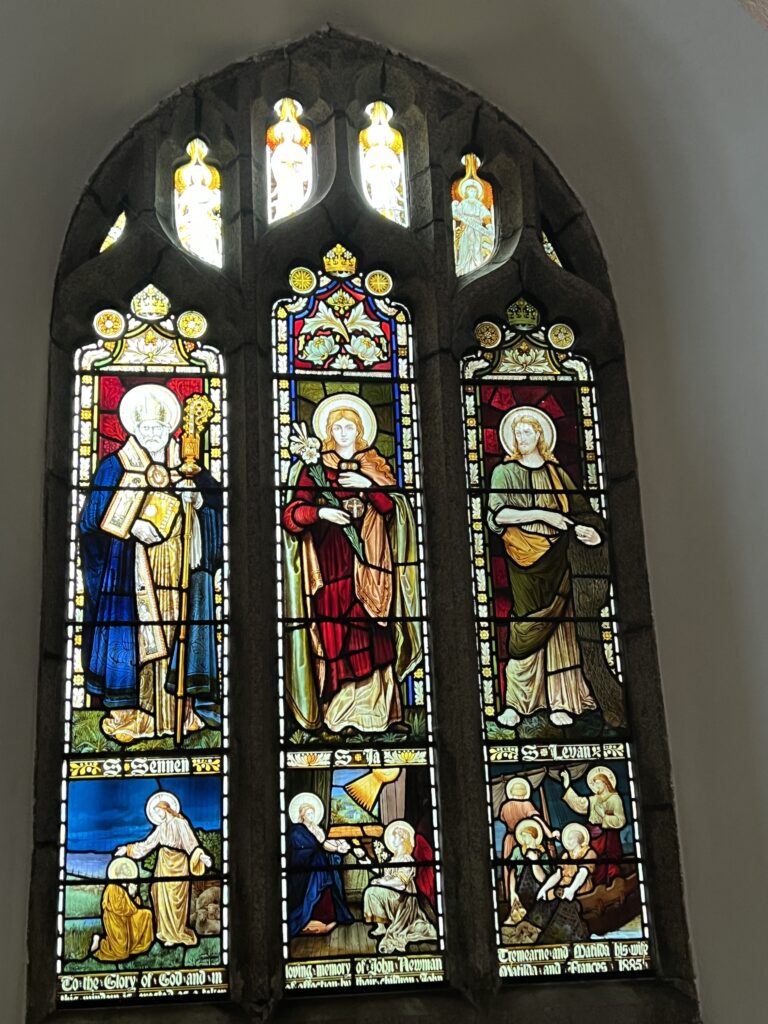
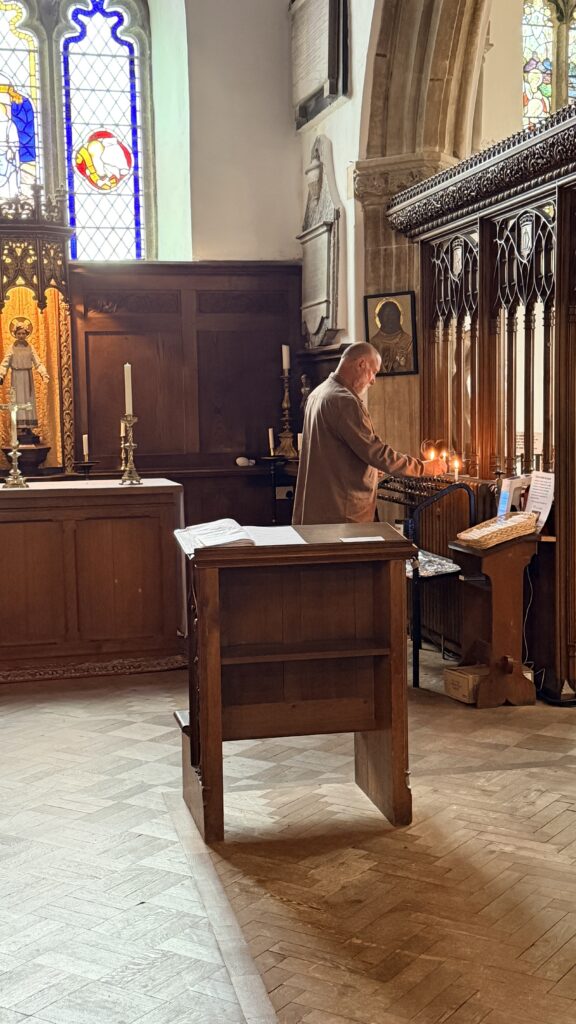
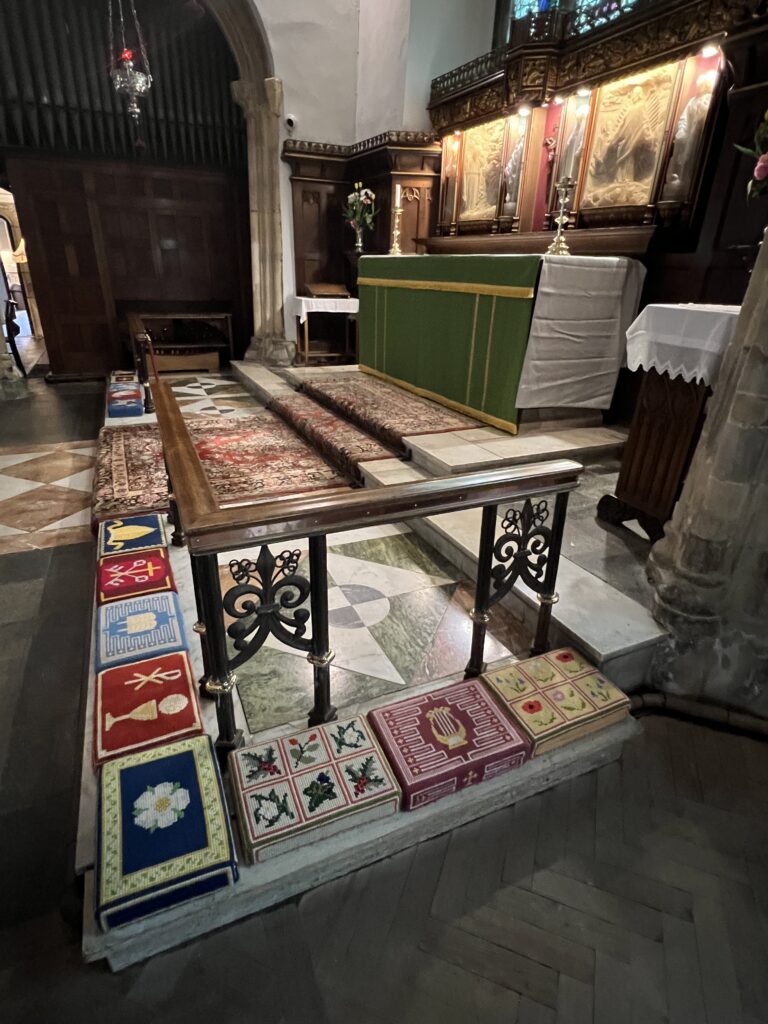
There are hand stitched kneelers that surround the altar for communion
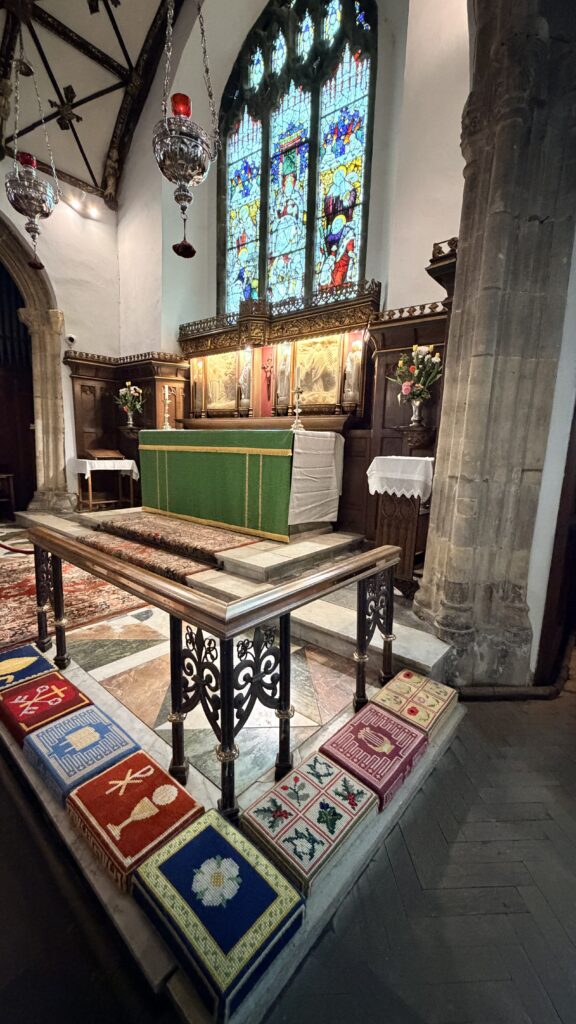
Looking out the front of the church
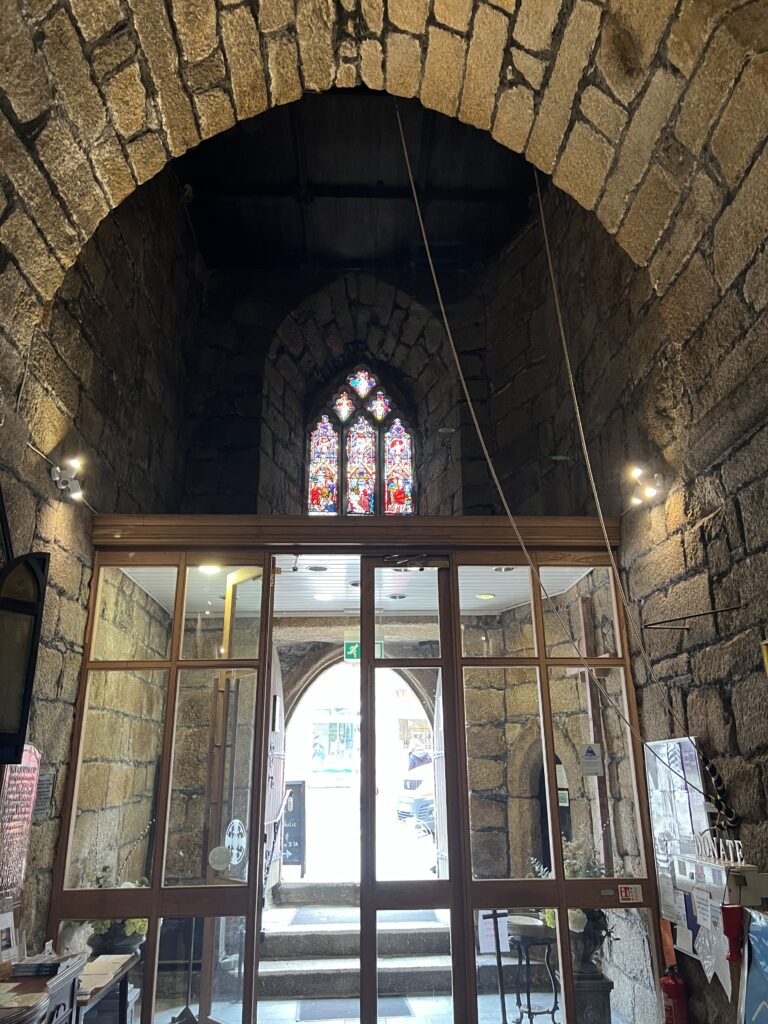
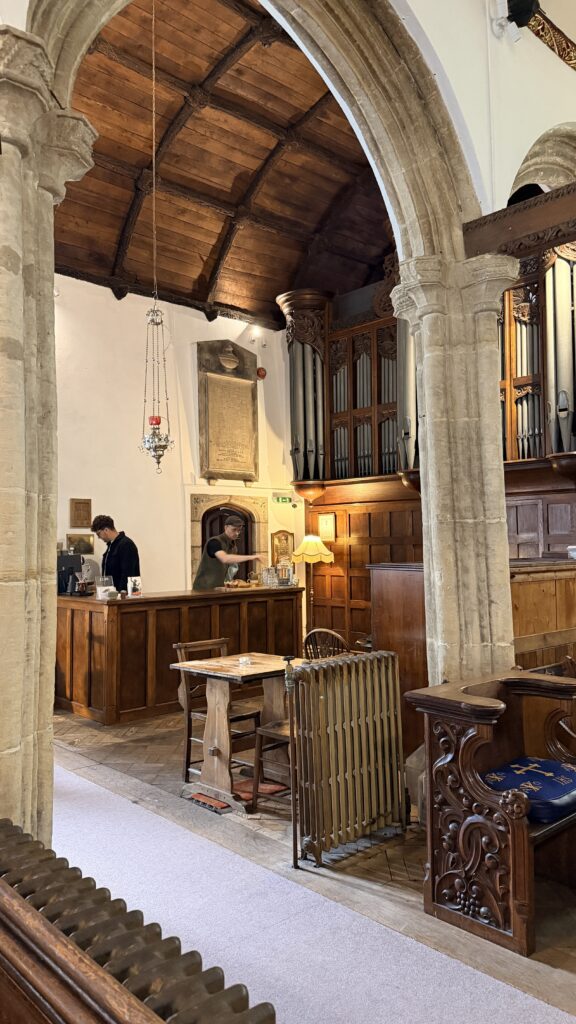
There is a cafe/coffee ship in the church
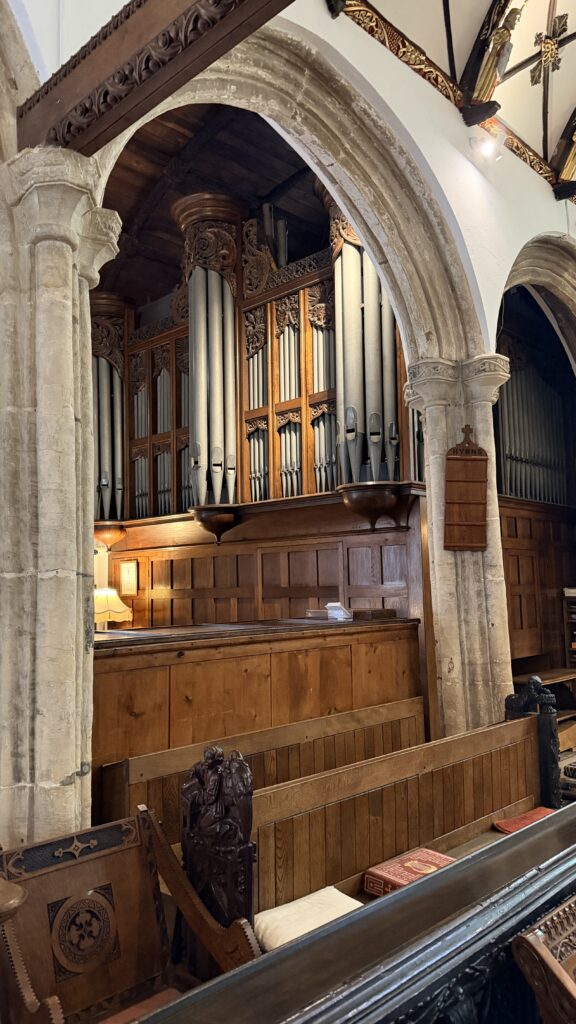
The church has a pipe organ dating from 1831. It has been restored by Telford and Telford in 1859 and by Hele & Co in 1907, and more recently by Lance Foy in 1993. A specification of the organ can be found on the National Pipe Organ Register
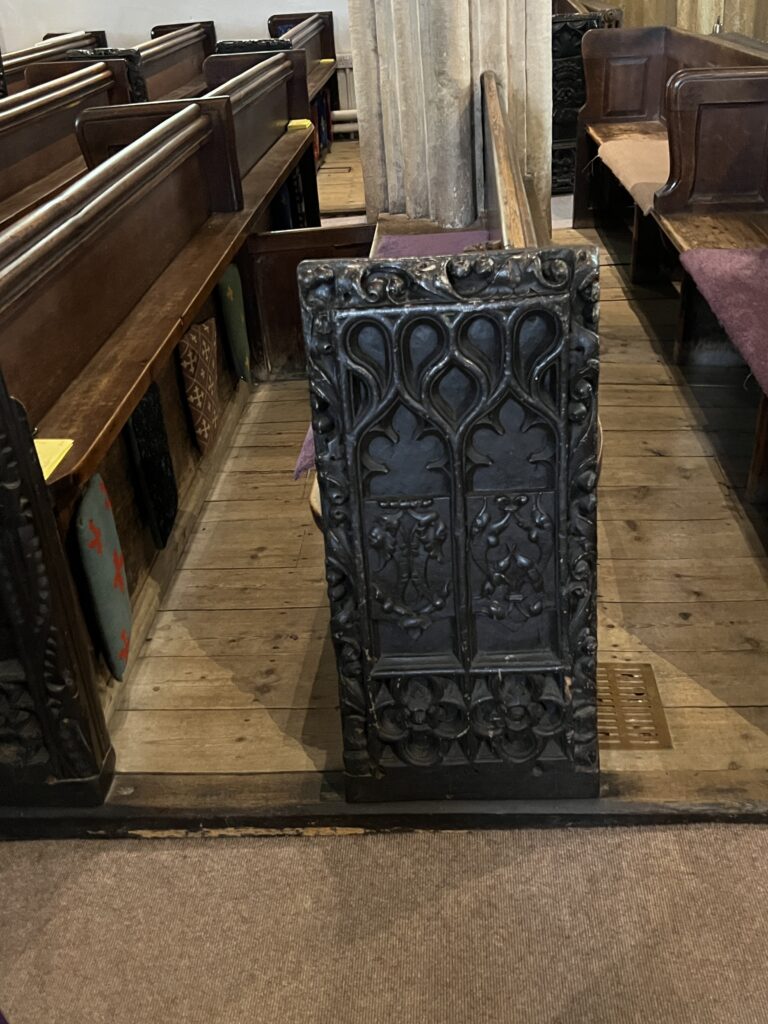
The ends of the pews were carved
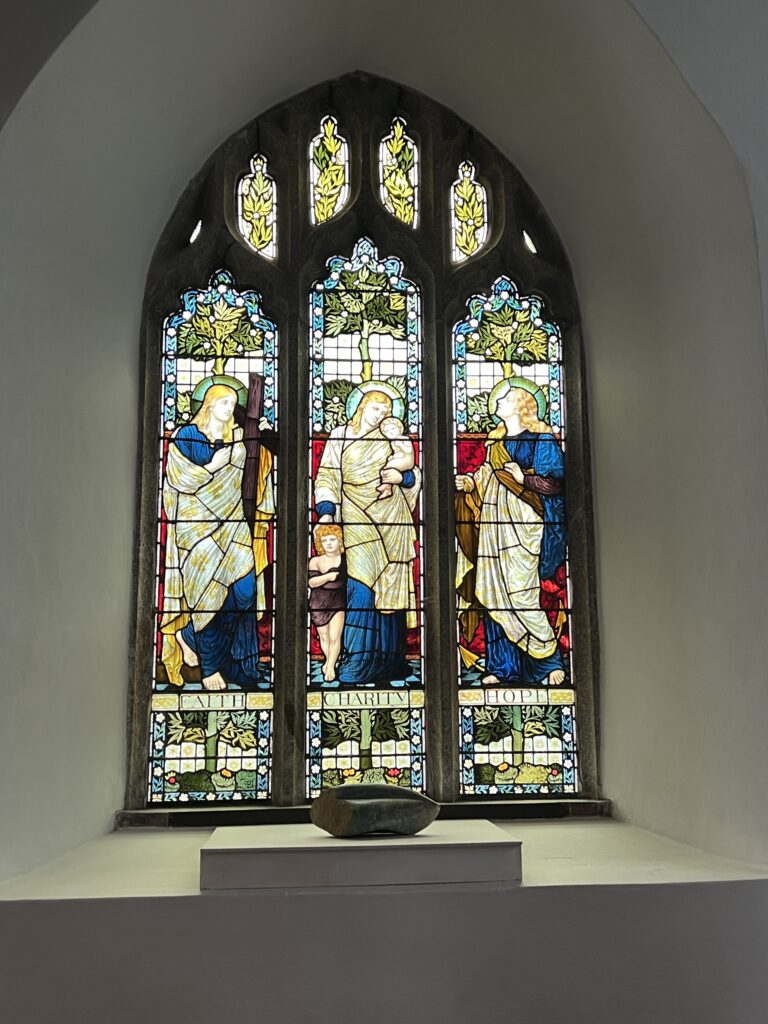
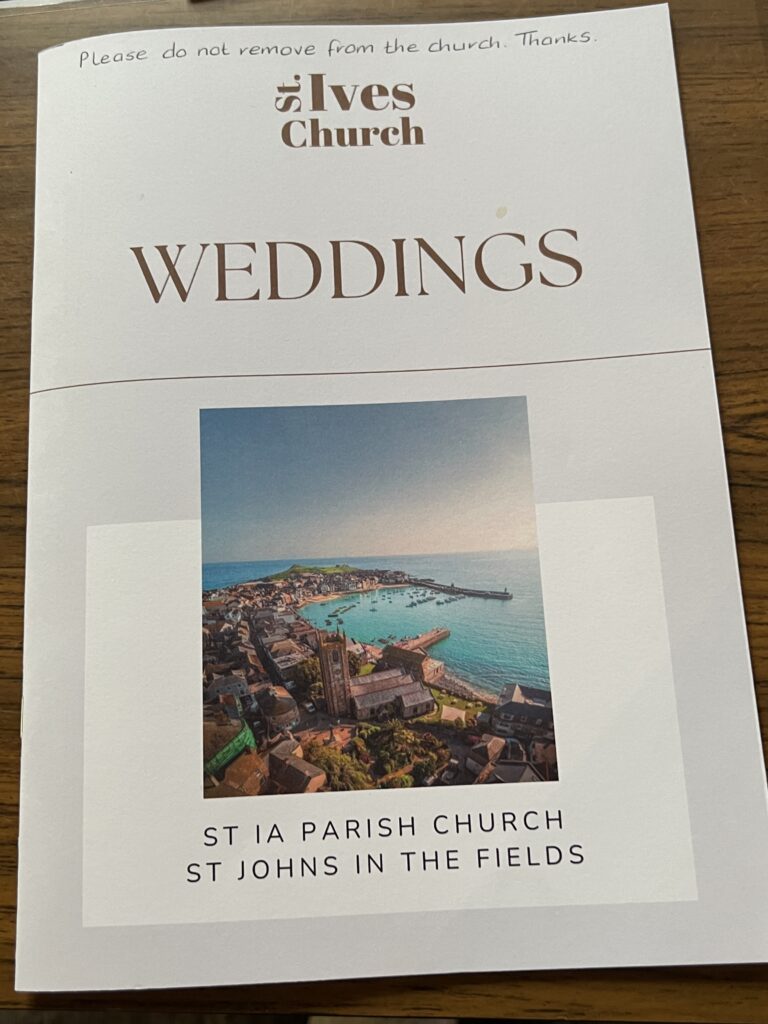
Booklet in the church
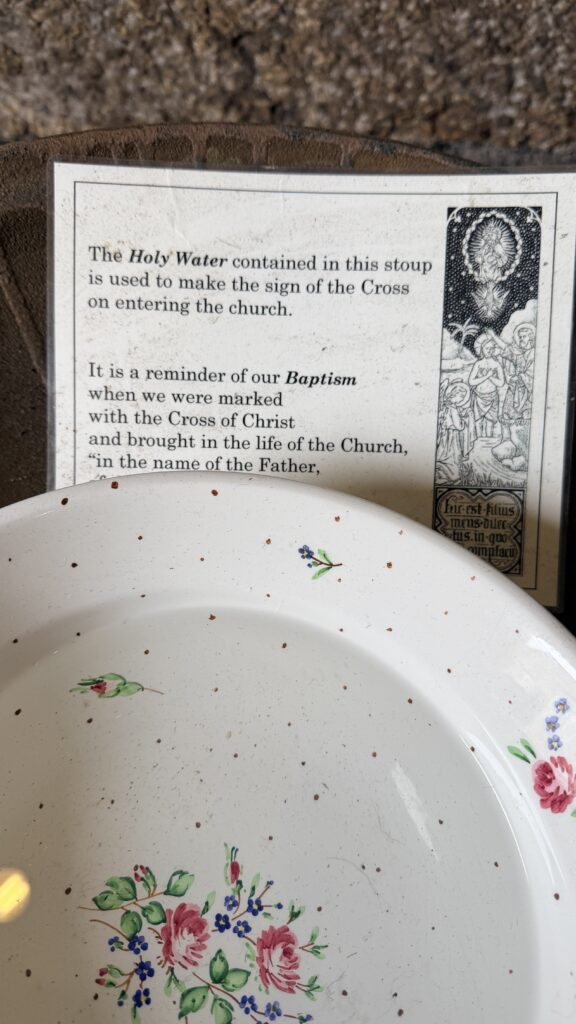
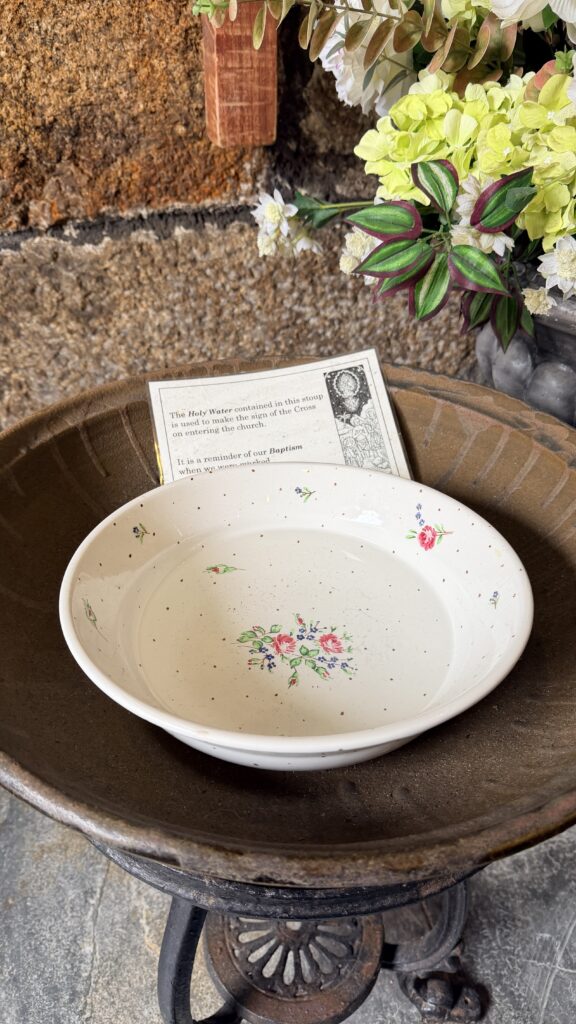
Baptismal area of the church
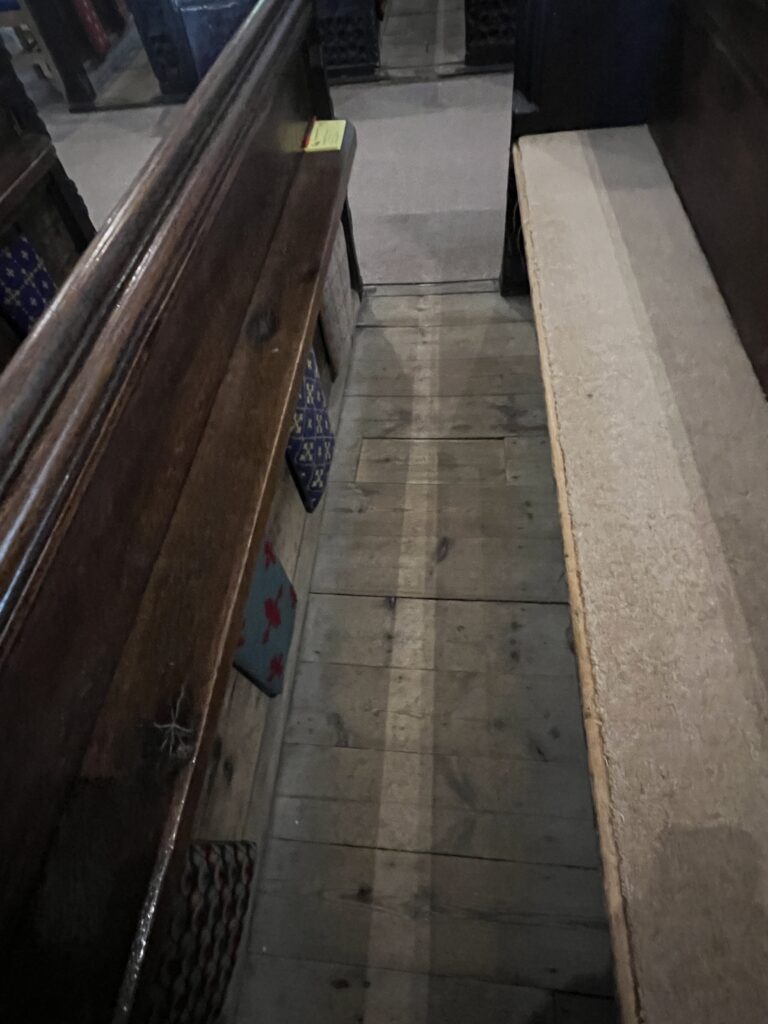
Floors in the church were wooden planks
Sign hanging near the entrance to the church
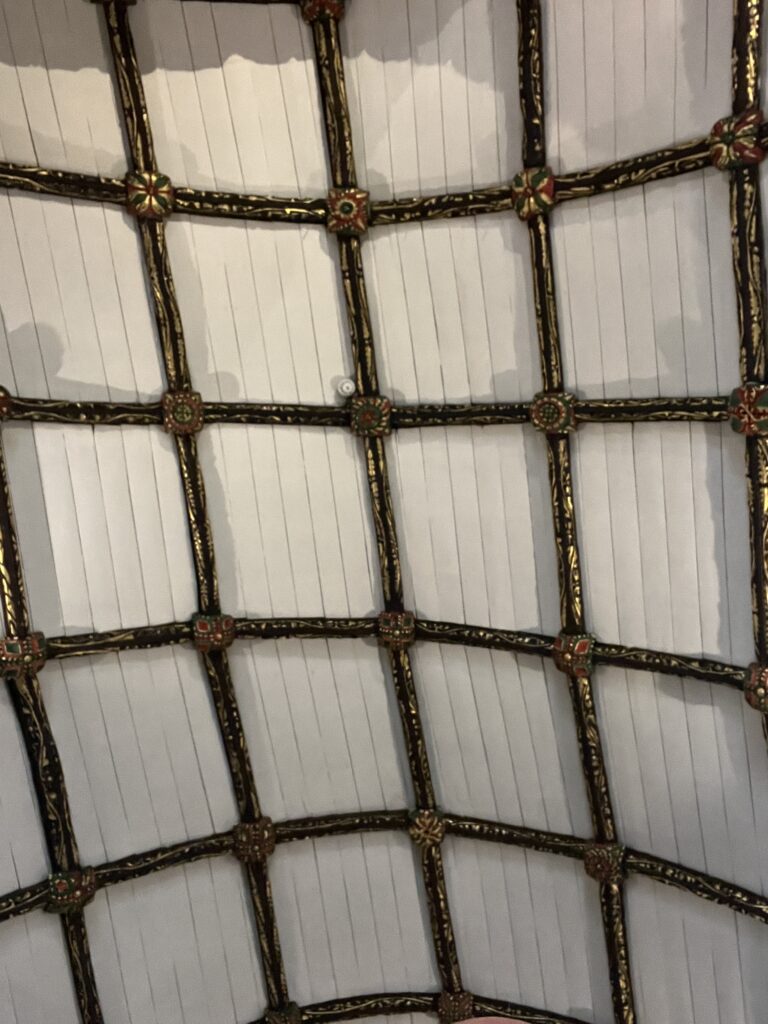
Church ceiling
The St Ives War Memorial in Cornwall, UK, stands in the Memorial Gardens at the top of St Andrew’s Street, directly opposite the historic Church of St Ia. It is a serene monument featuring a robust stone Celtic cross that commemorates the men and women who served in the World Wars.
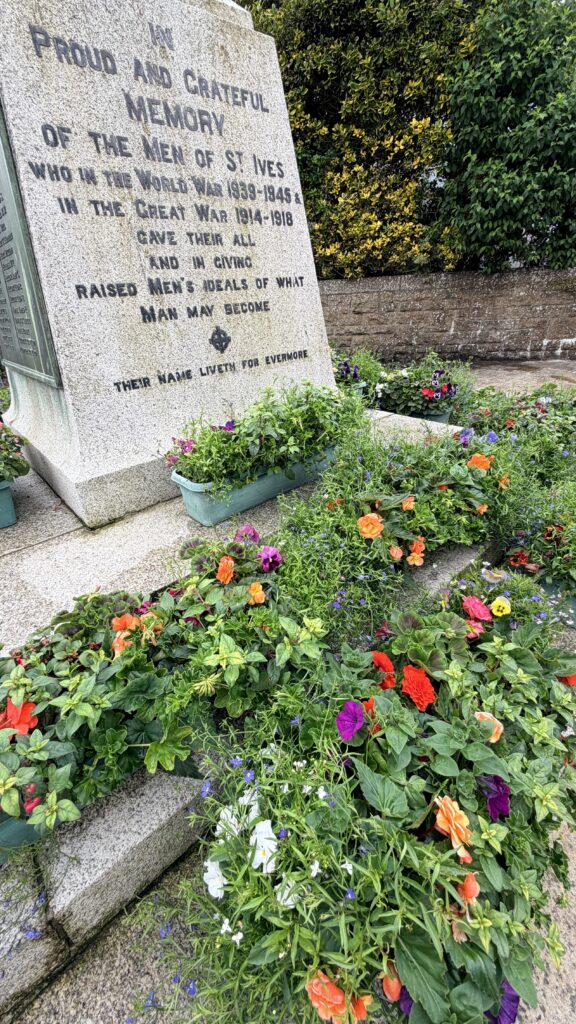
Location: St Andrews Street, opposite St Ia’s Parish Church.
Design: A classic Cornish Celtic wheel cross rising from a three-tiered base.History:
Dedicated on November 2, 1922 (to honour the fallen of WWI) and rededicated on October 29, 1950, after the names of WWII casualties were added.
Inscriptions: The reverse side is inscribed with the words “Lest We Forget”.
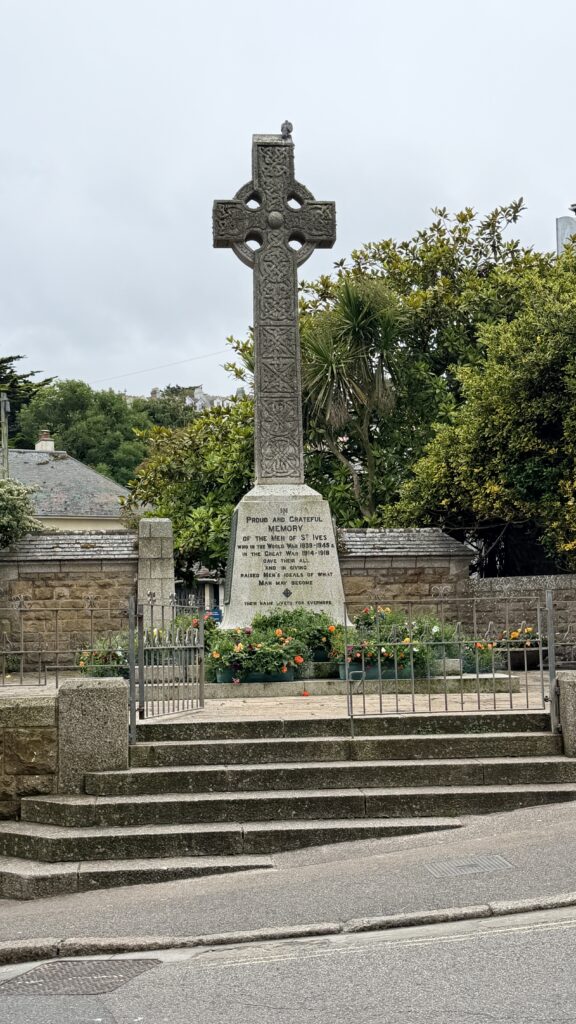
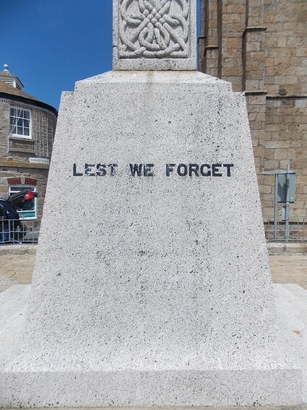
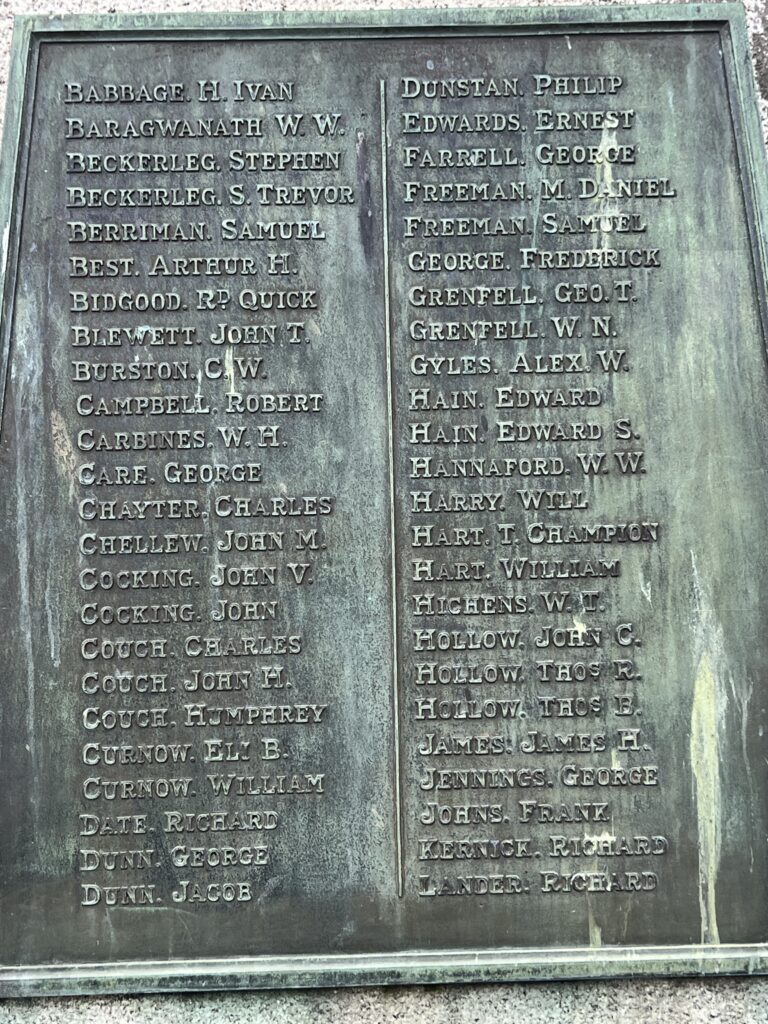
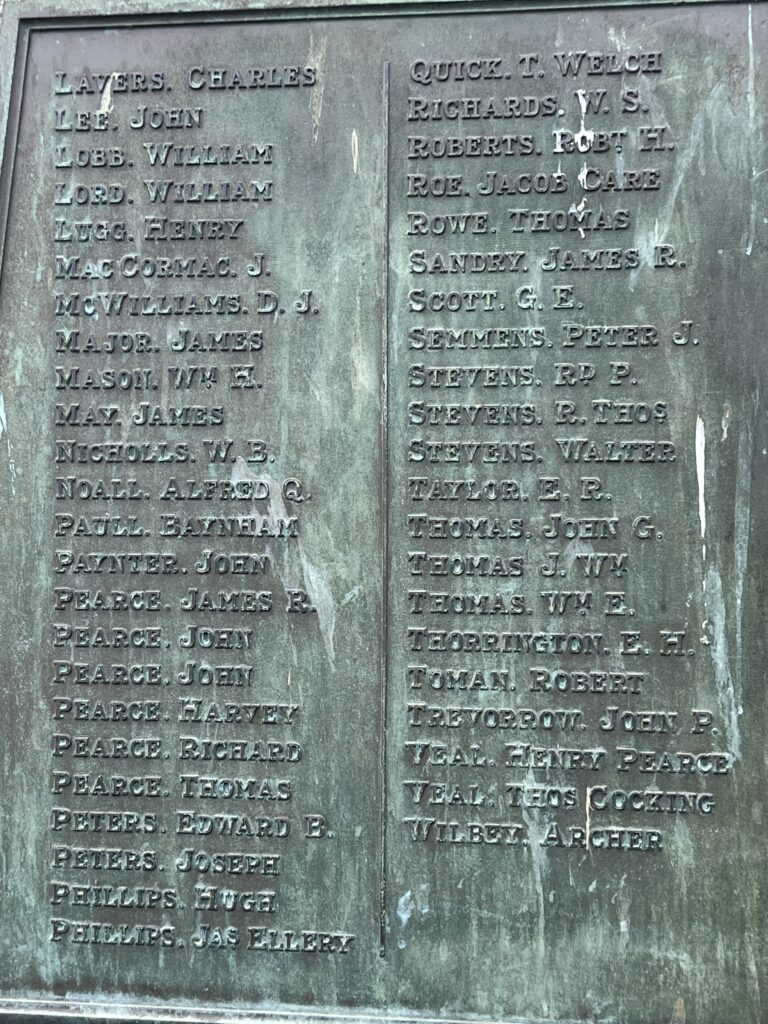
Bronze plaques on the base contain the names of local fallen heroes:
- First World War: 109 casualties.
- Second World War: 93 casualties.
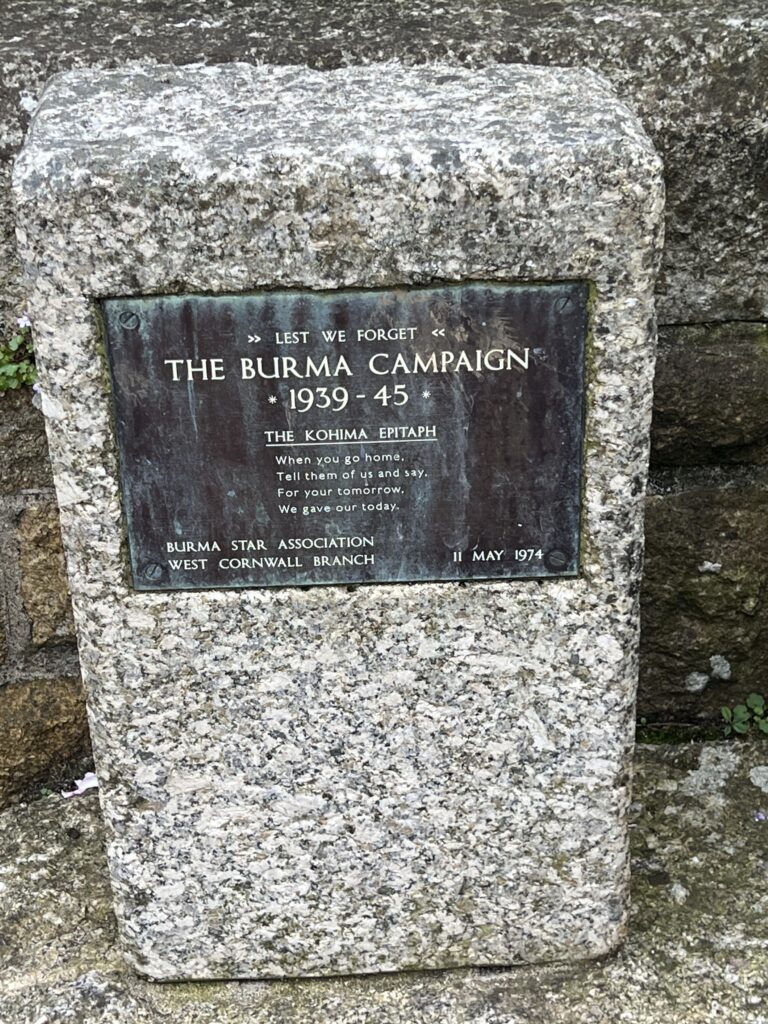
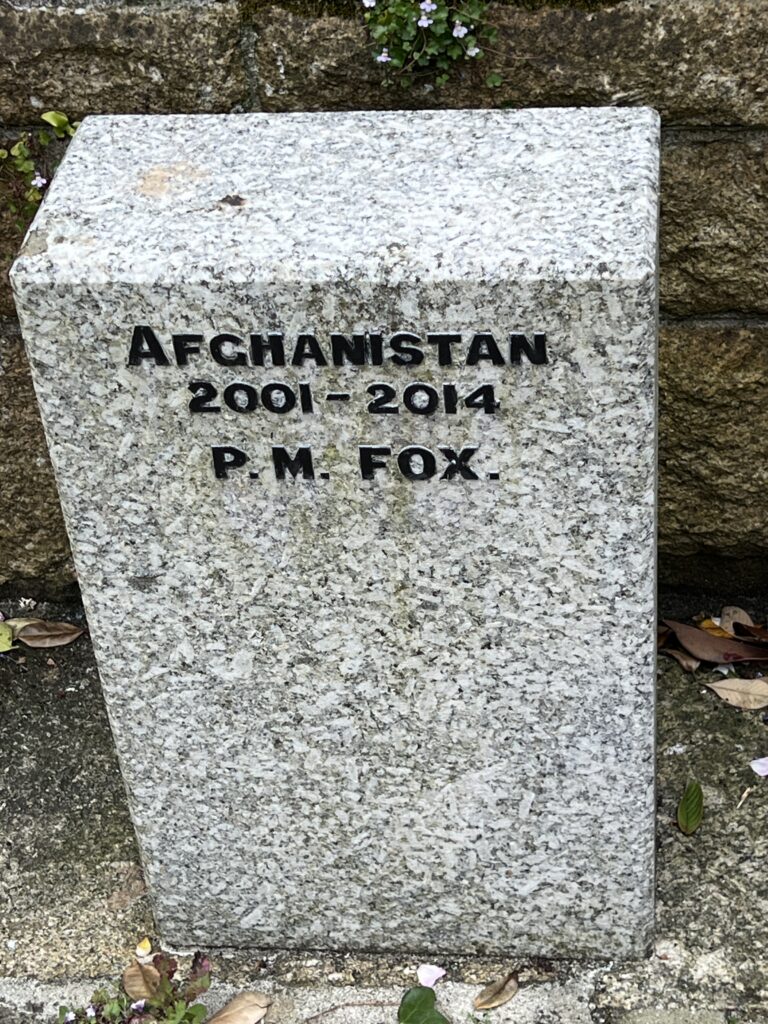
- There are also additional memorials nearby, including a Burma Star tribute.
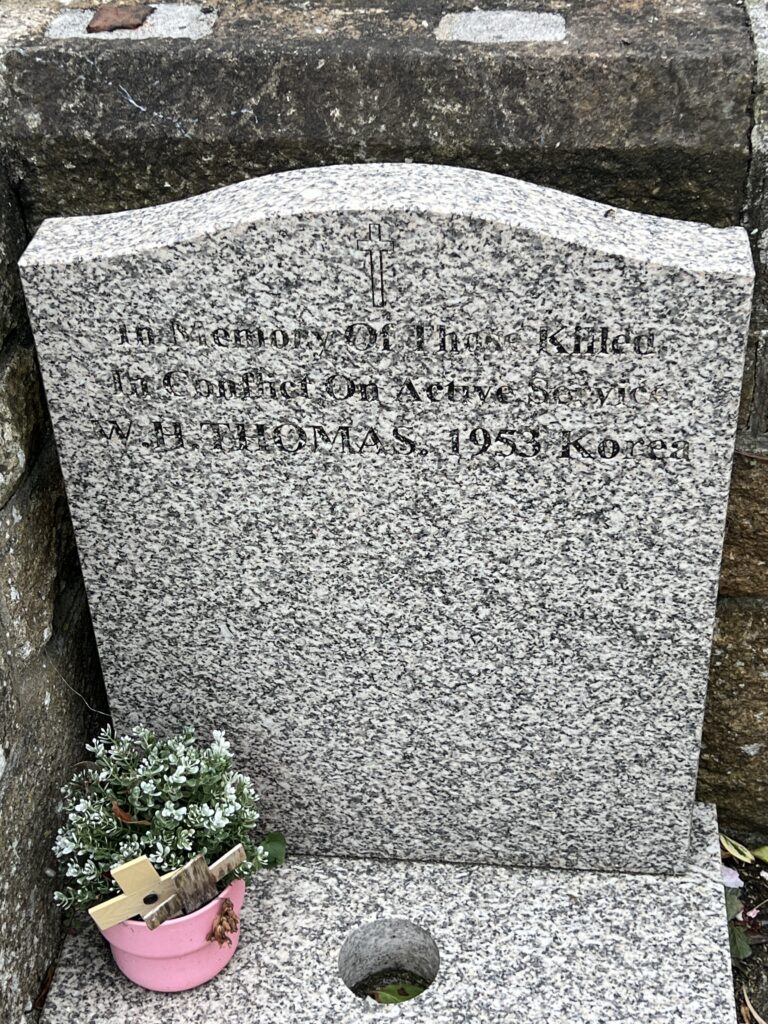
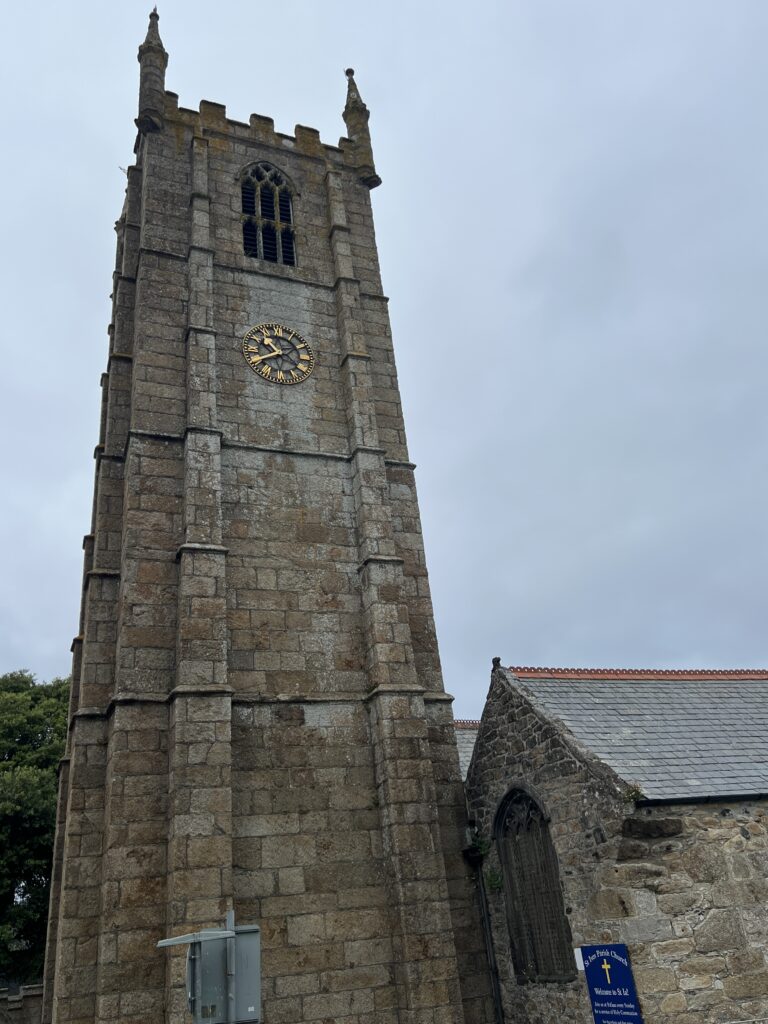
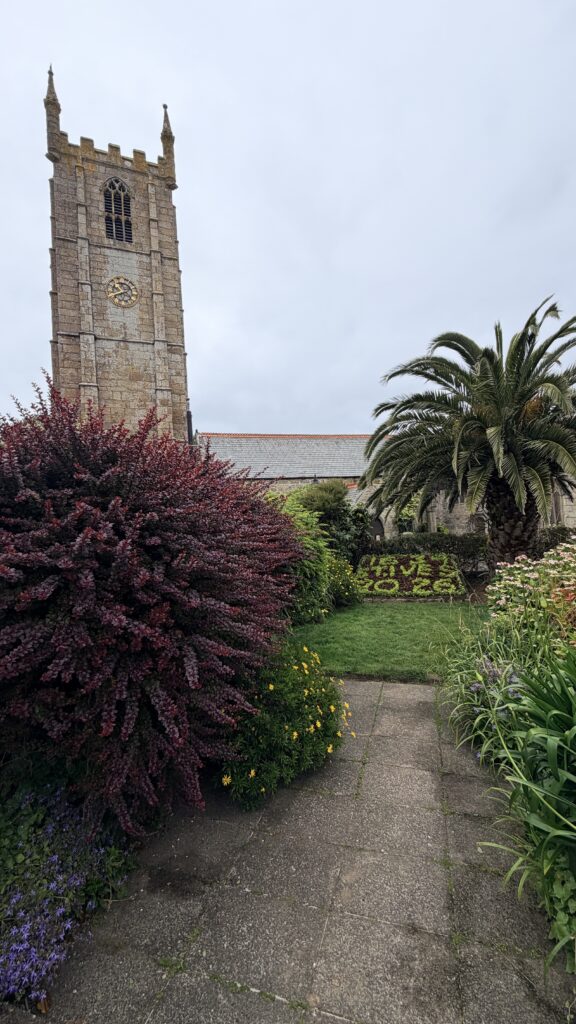
Garden in the memorial area
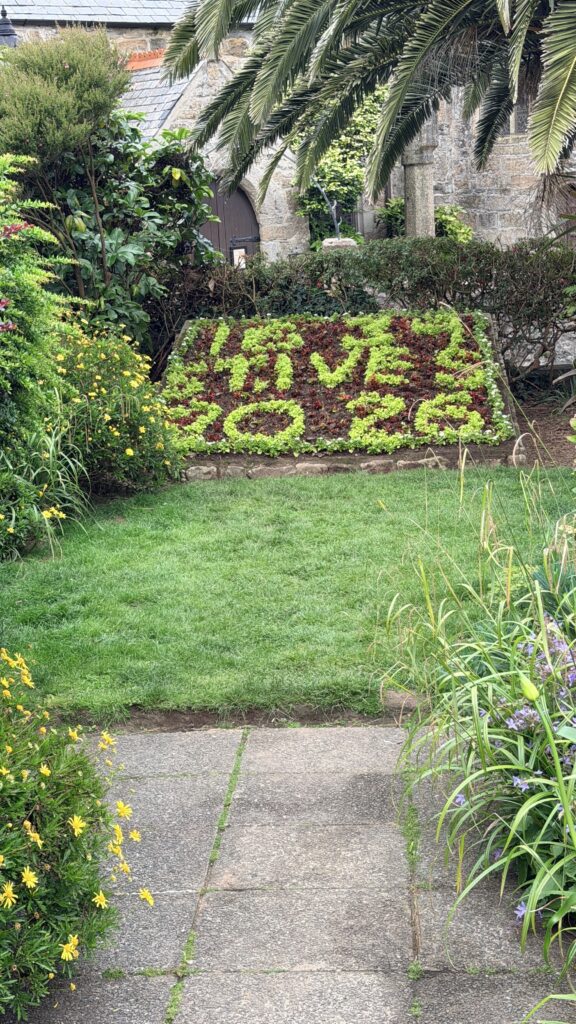
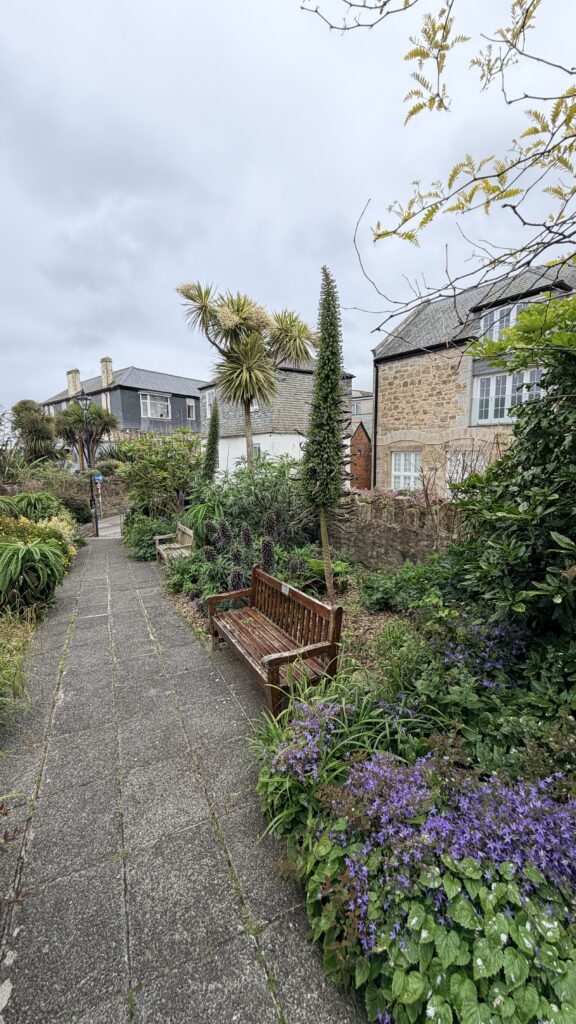
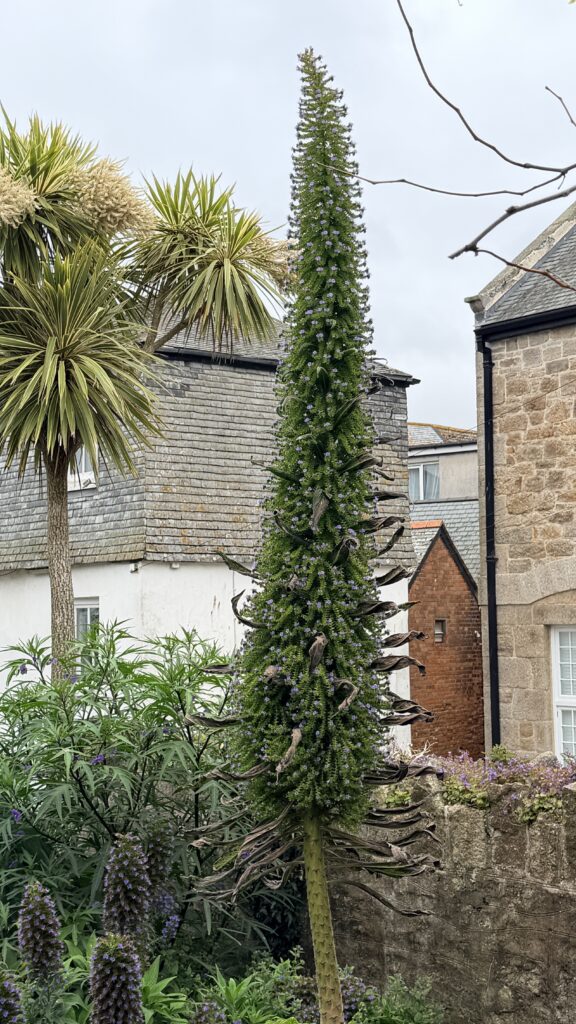
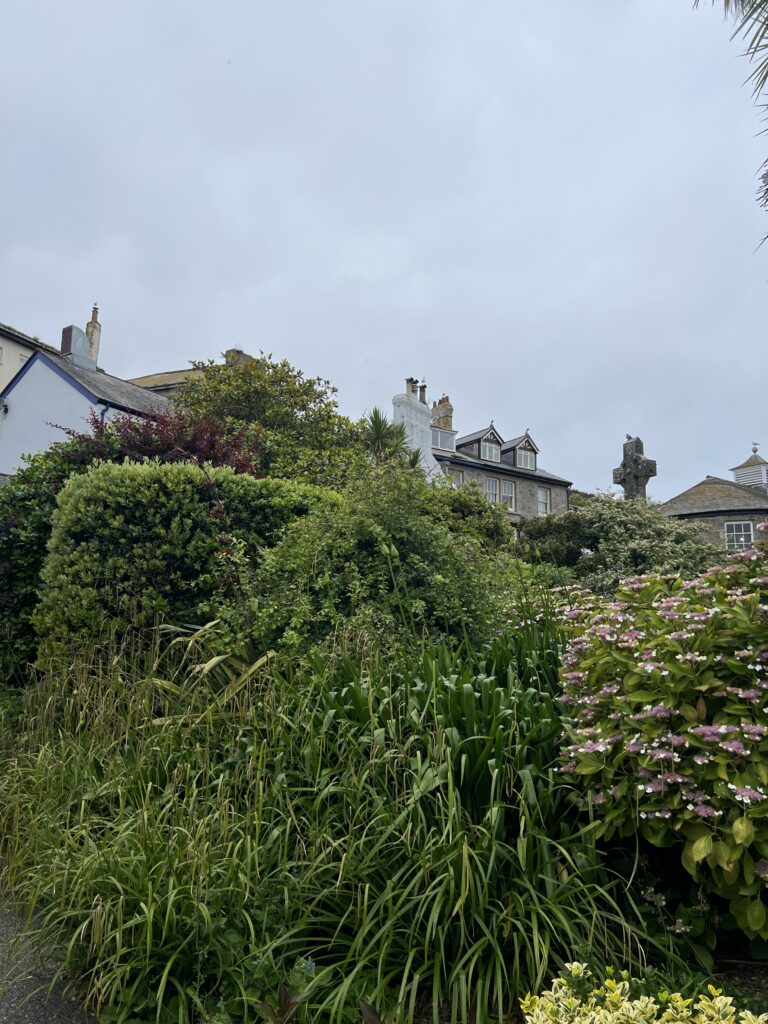
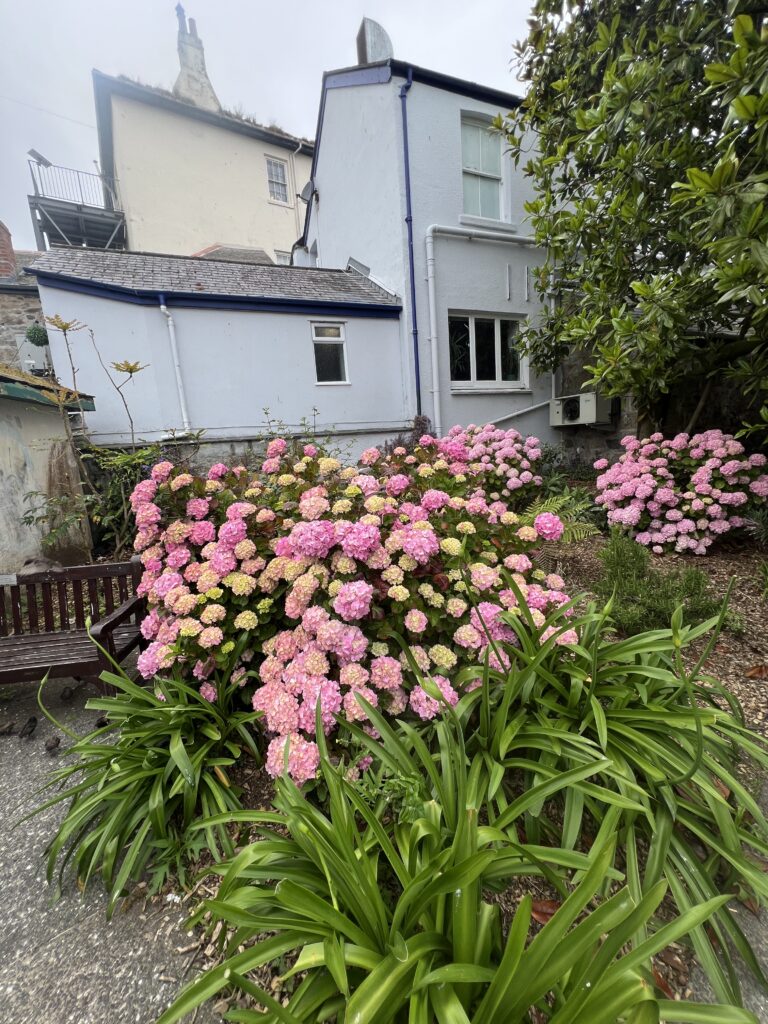
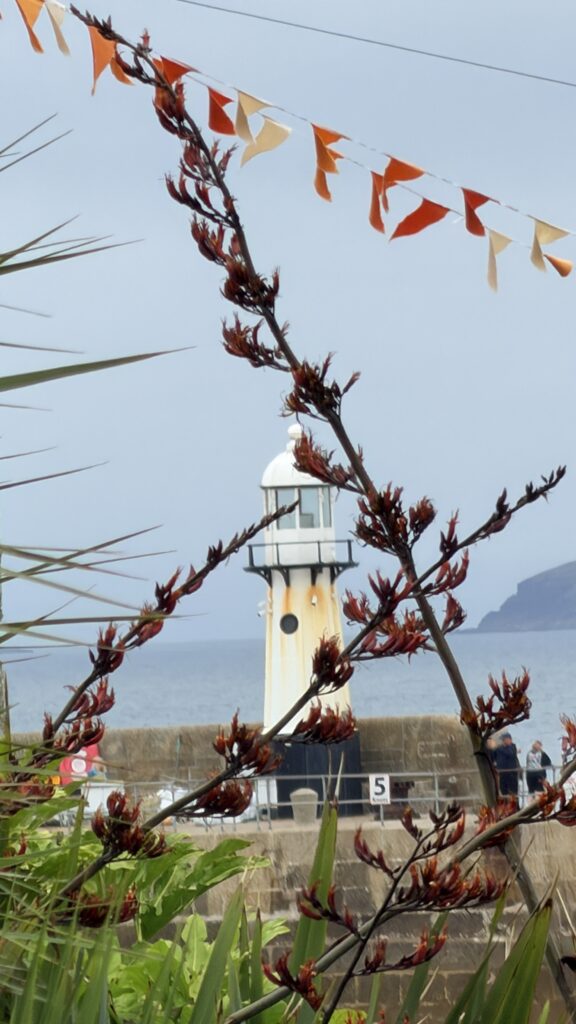
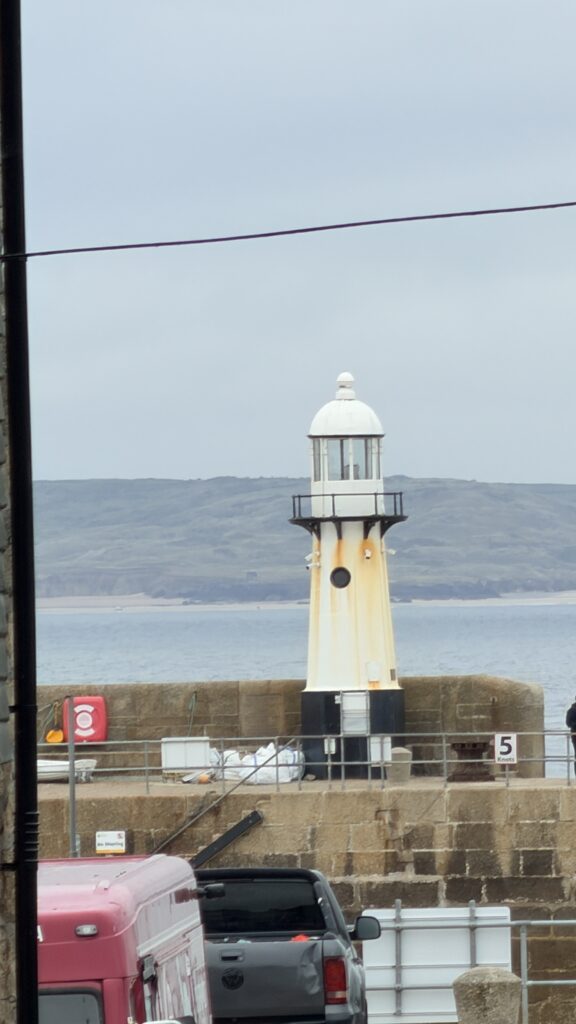
View of the lighthouse from the memorial garden
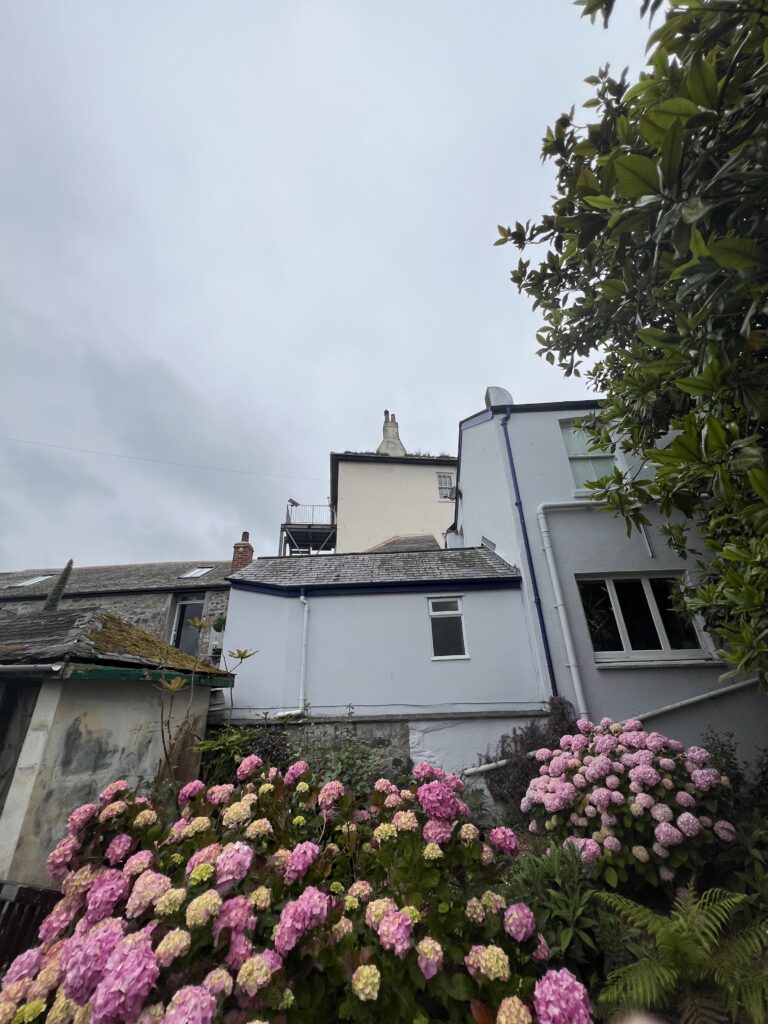
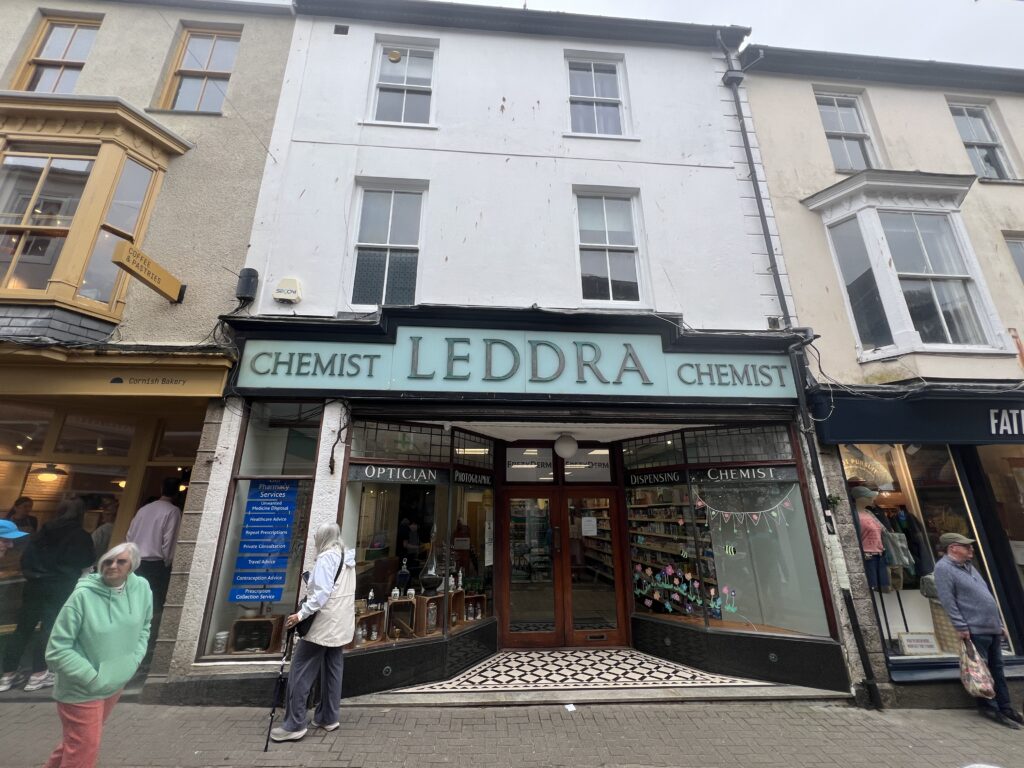
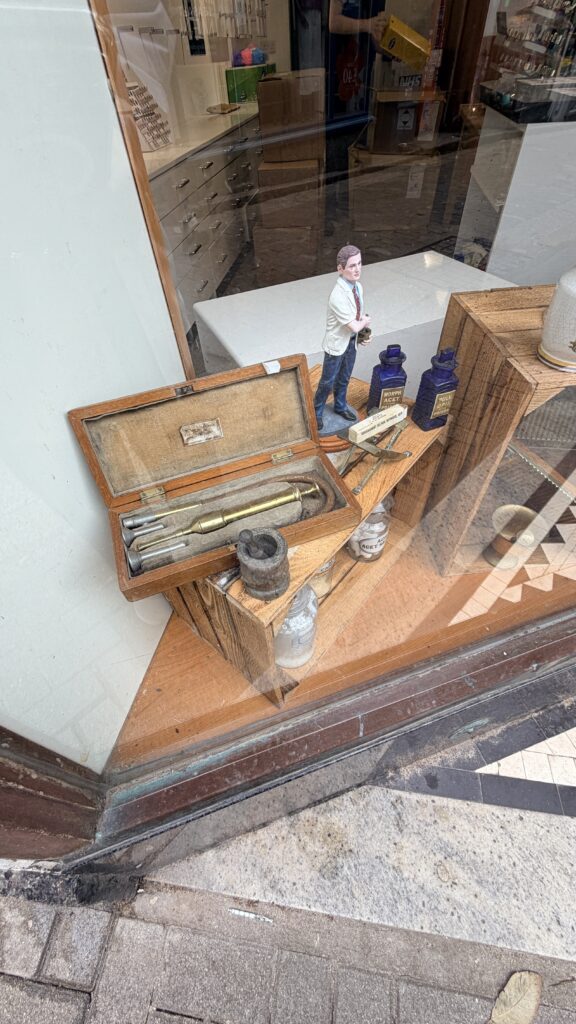
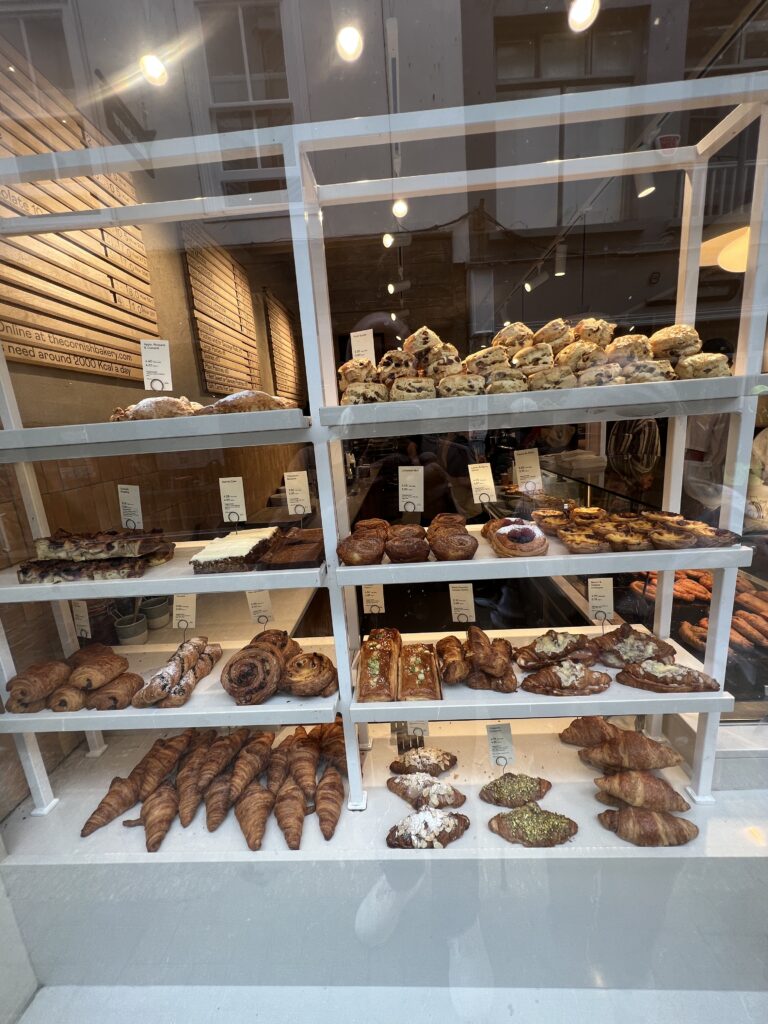
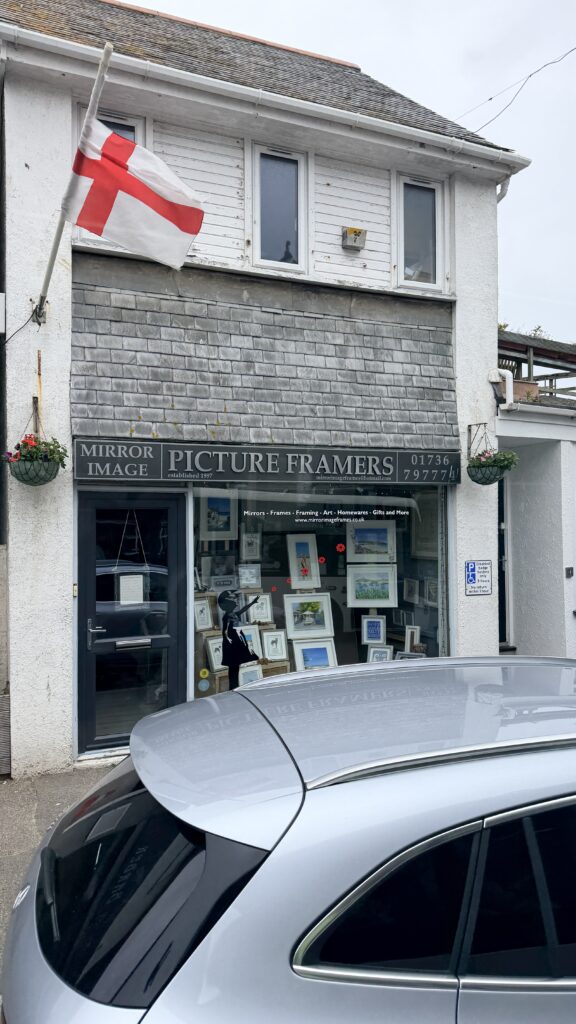
Walking down a wonderful street of shops and cafes
We walked back to the bus pickup point near the beach
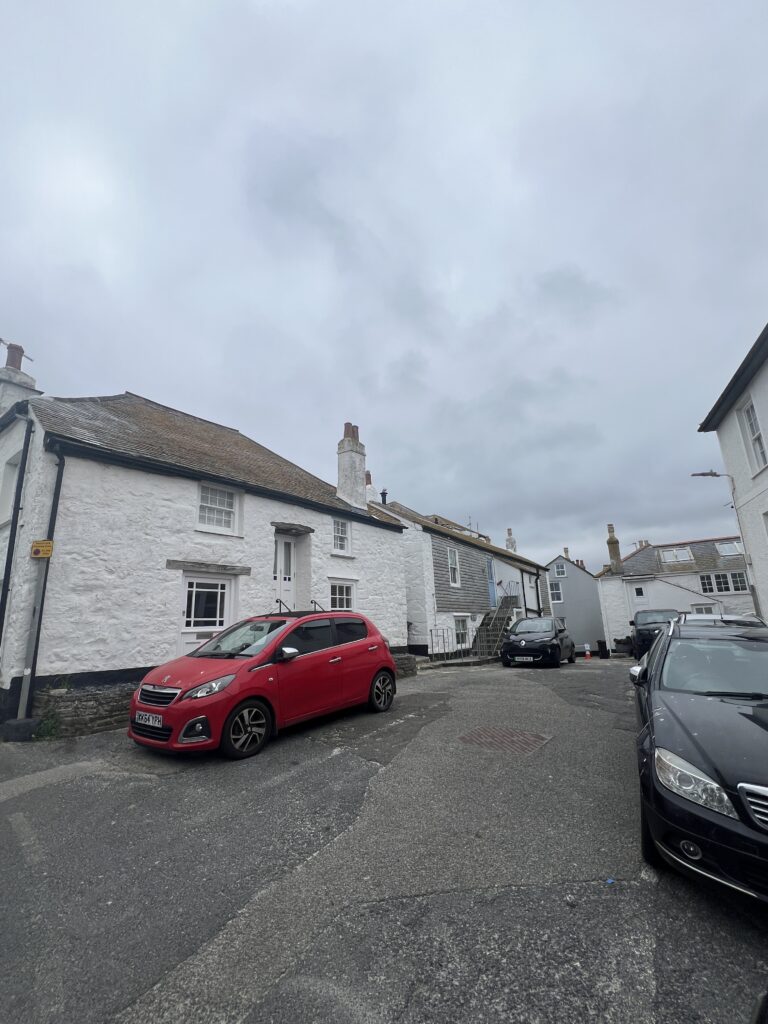
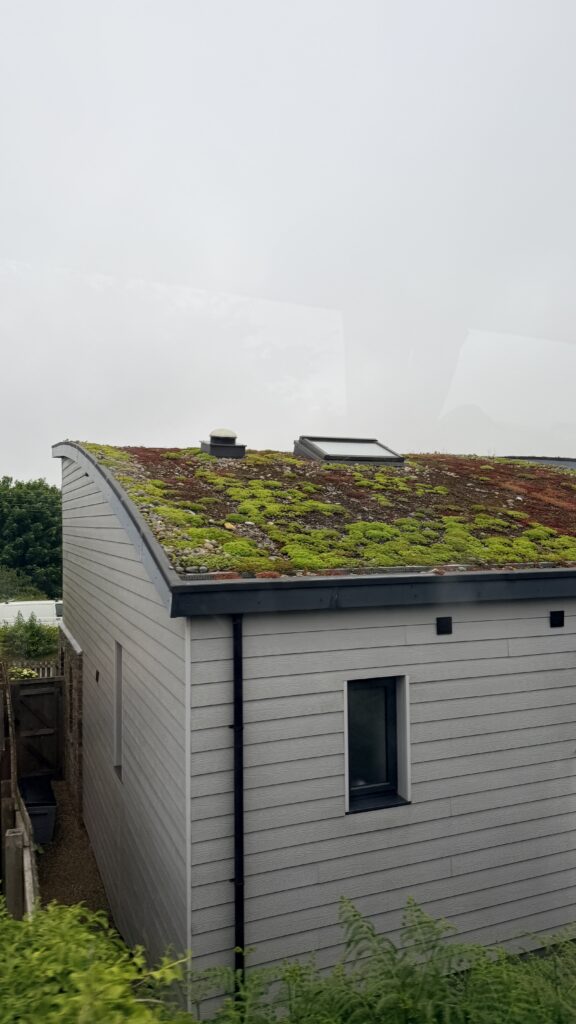
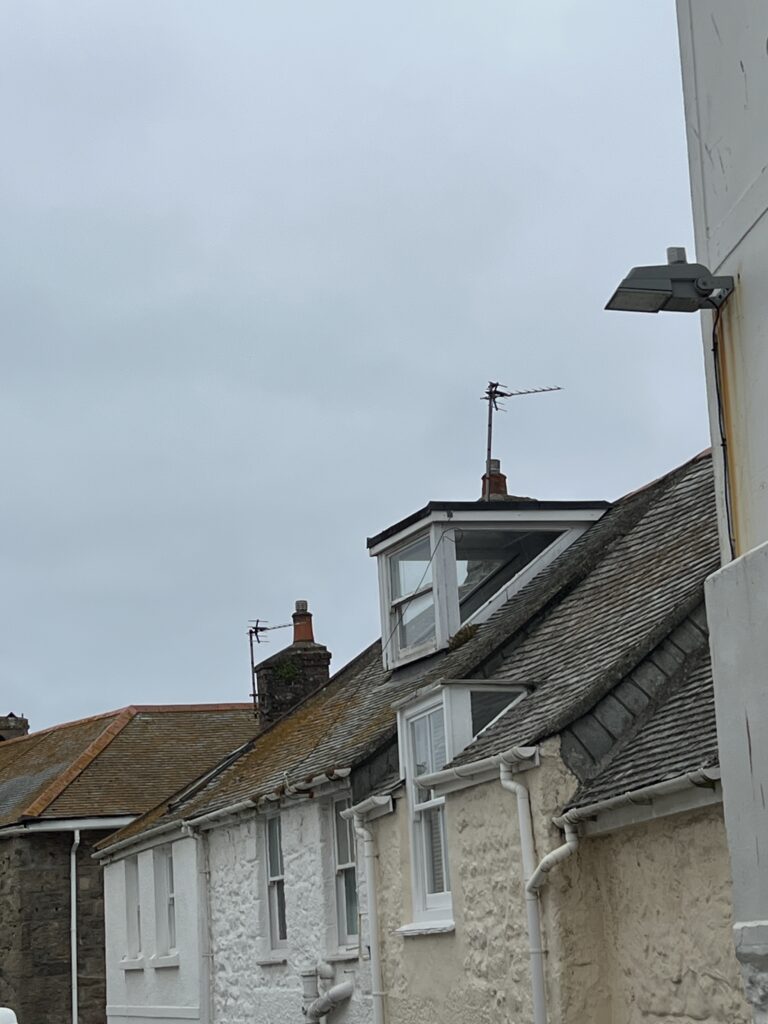
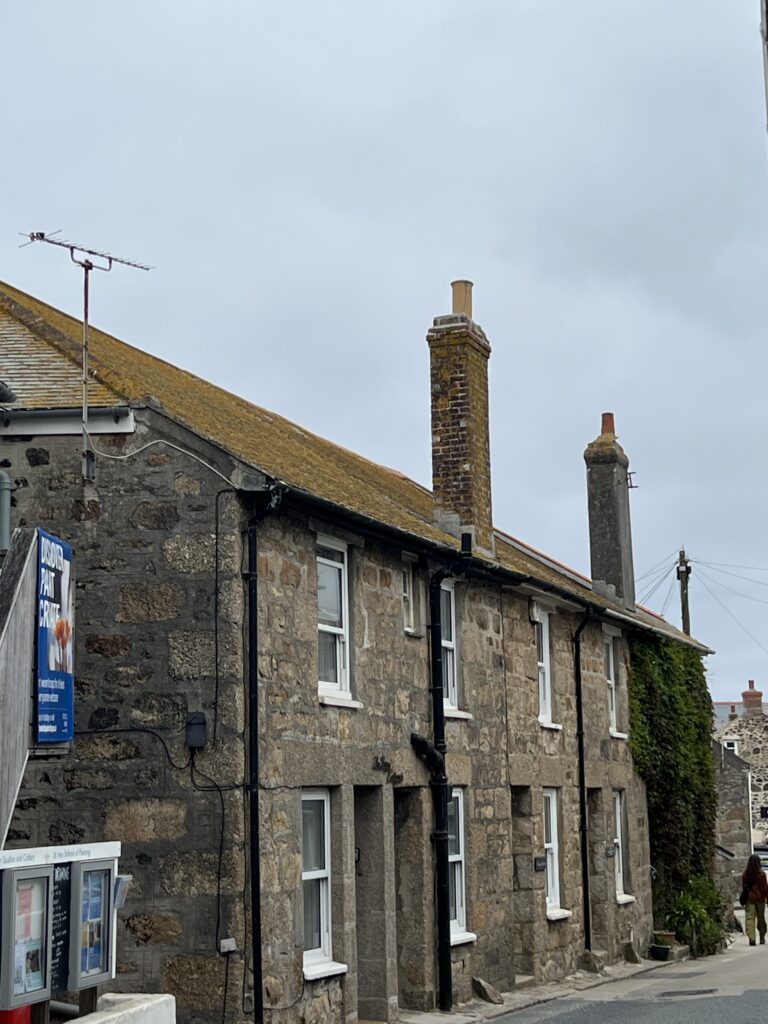
Grass or moss growing on the roof
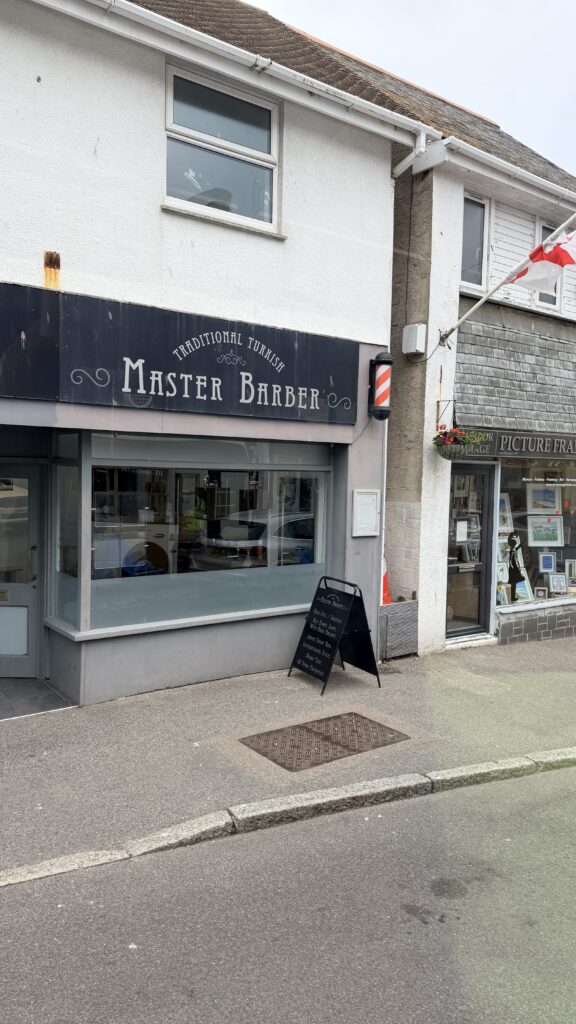
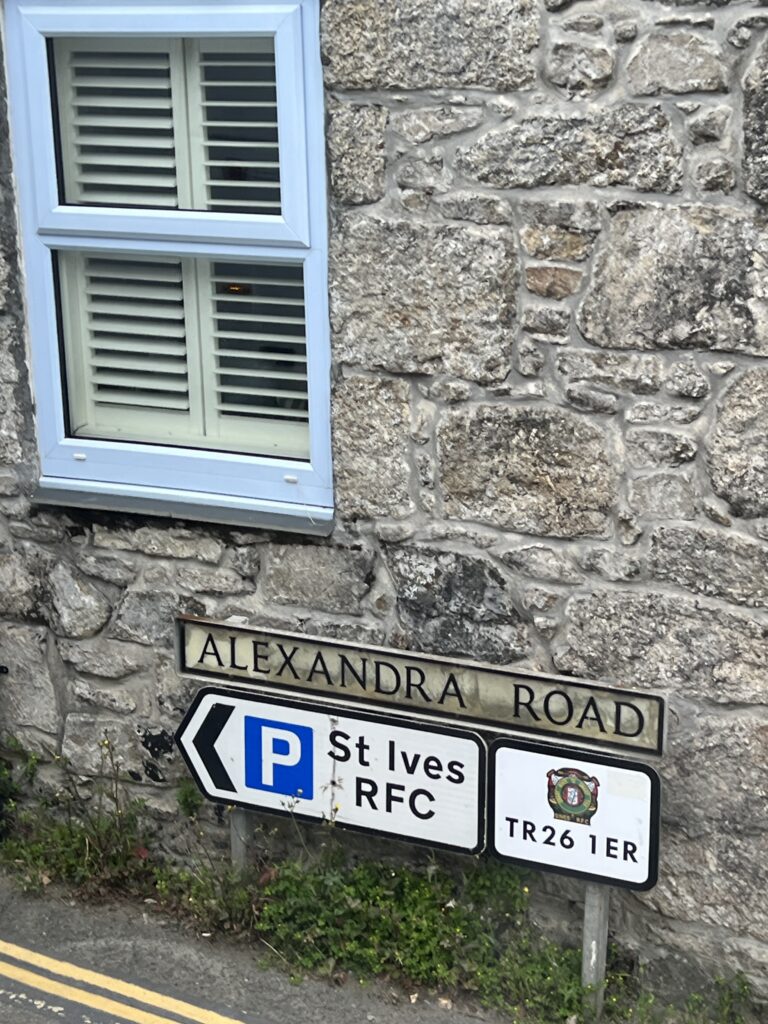
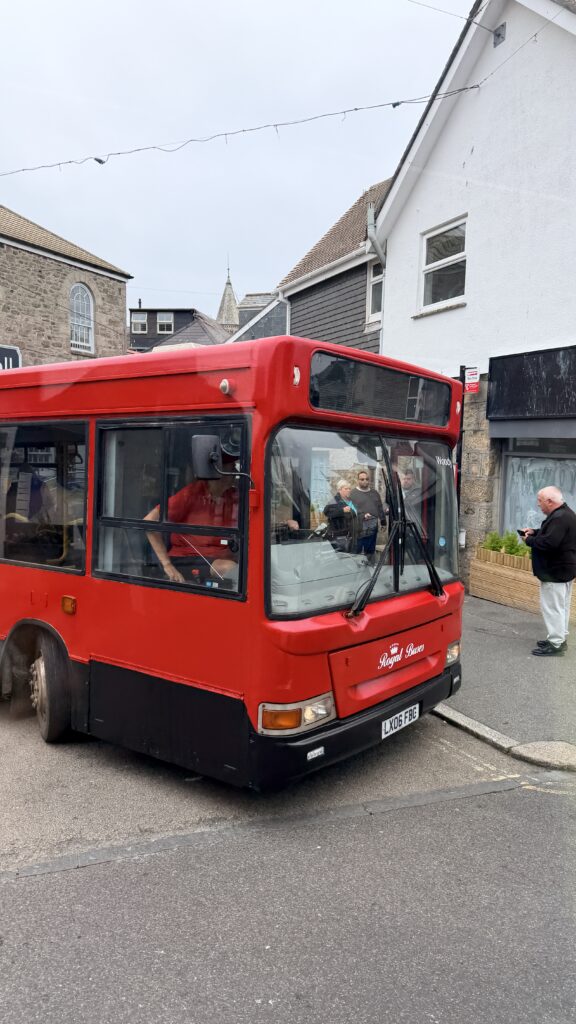
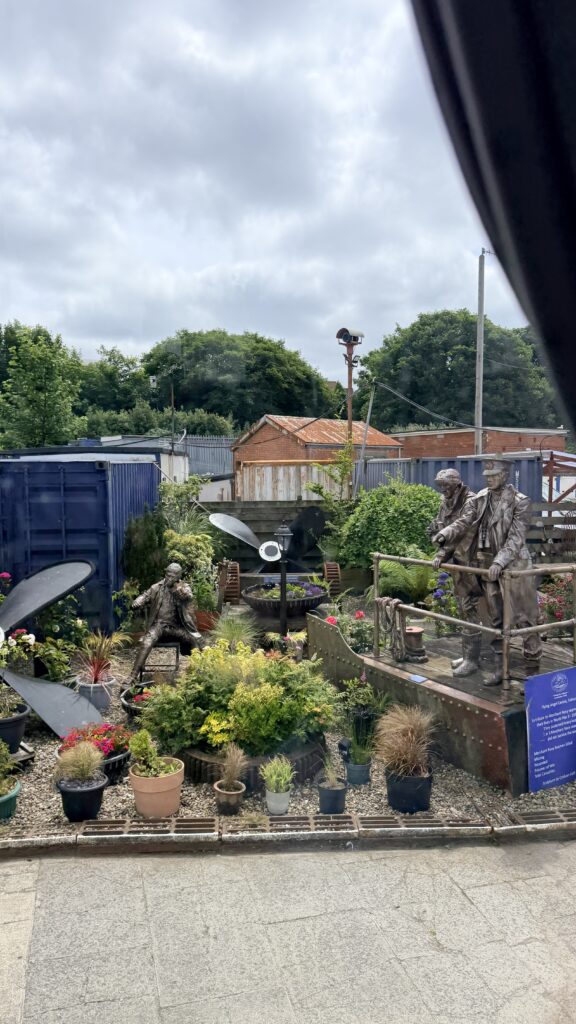
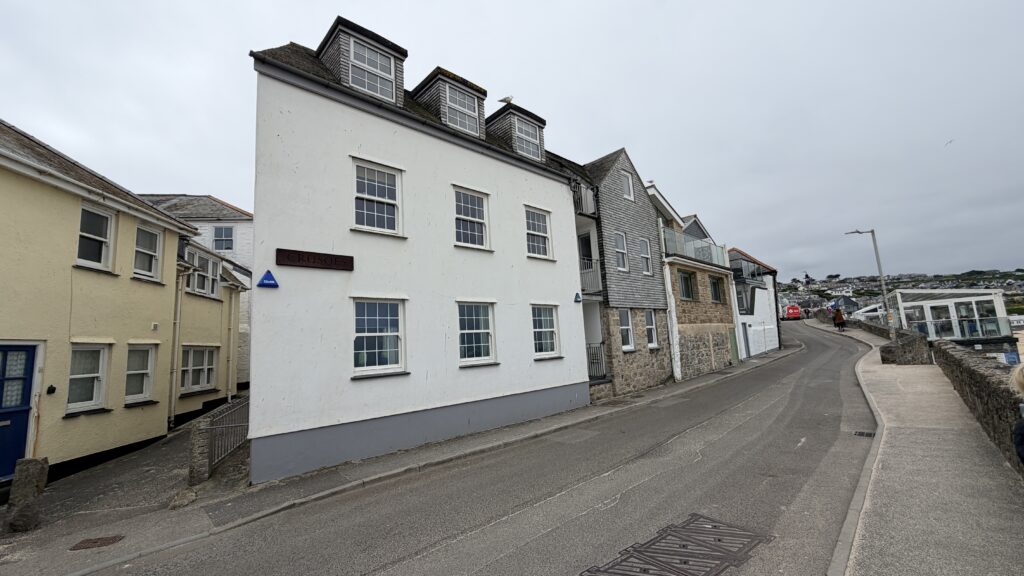
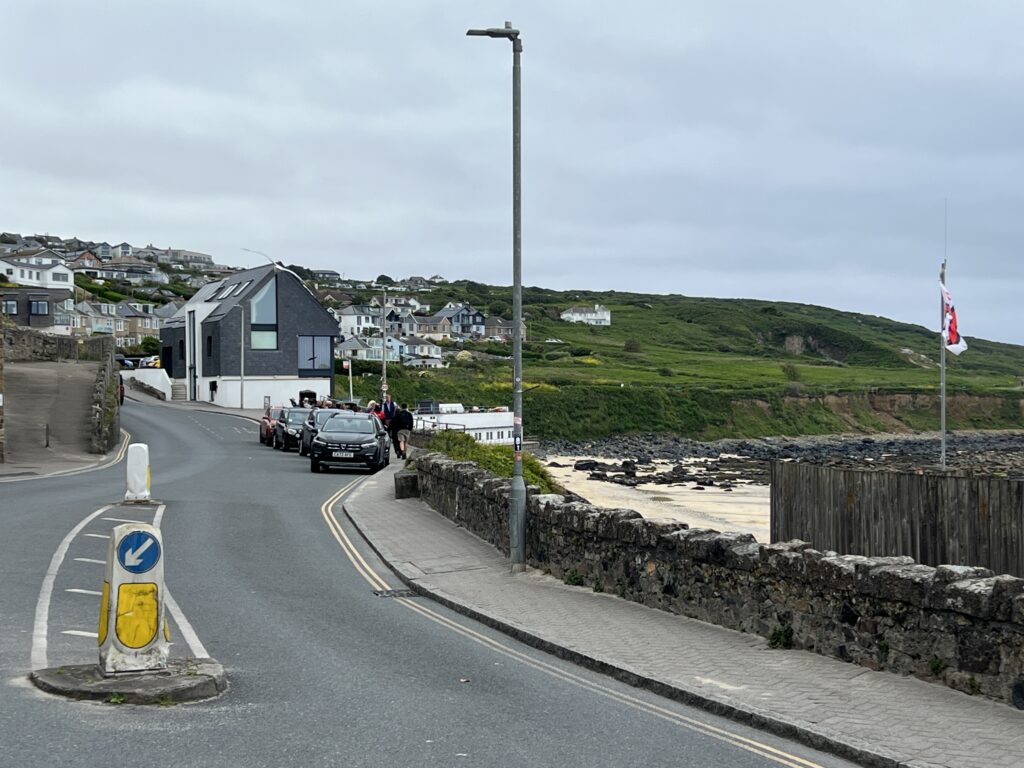
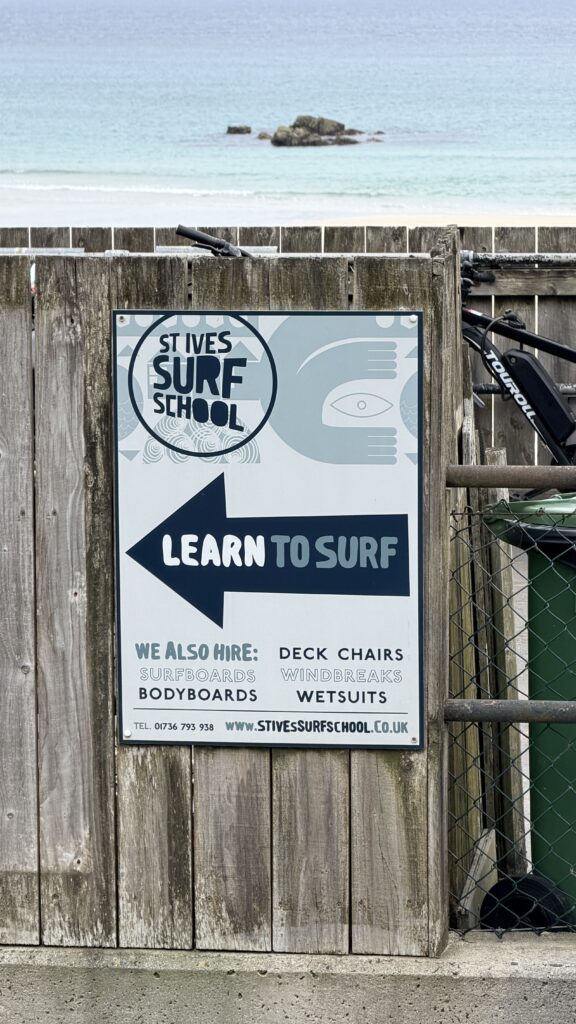
Cemetery across the street from the beach
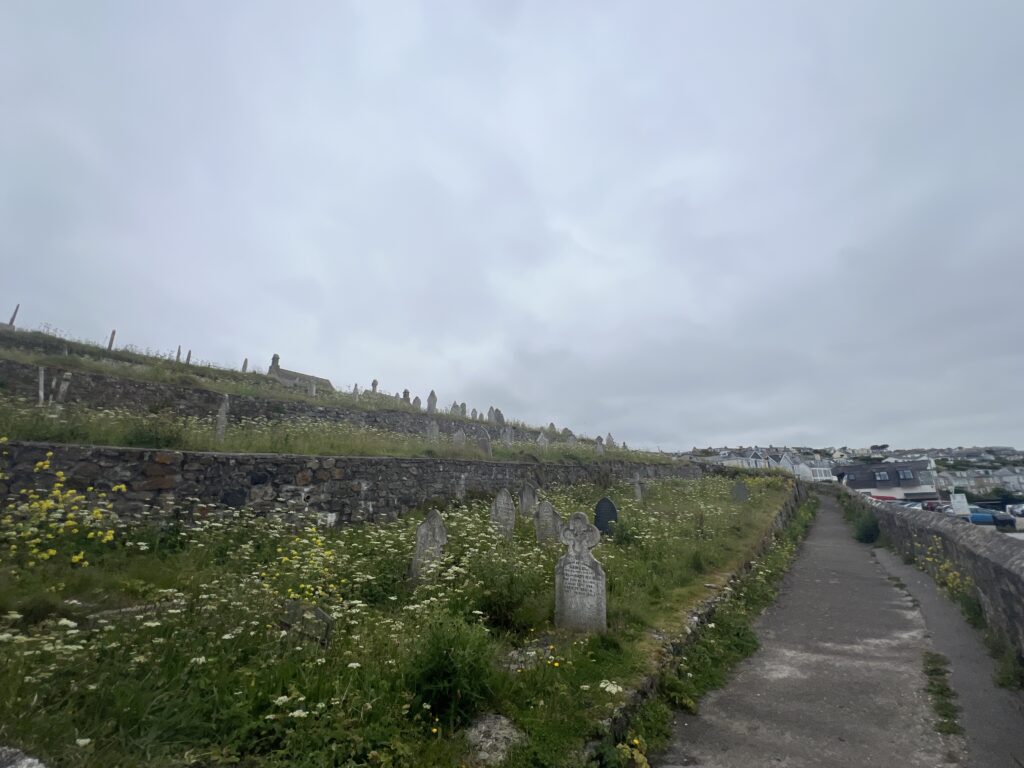
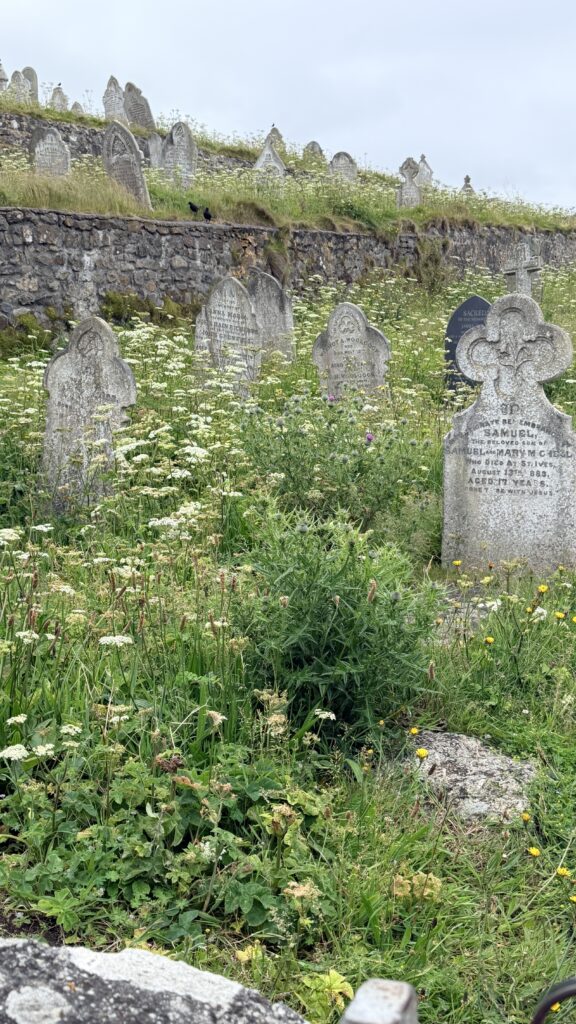
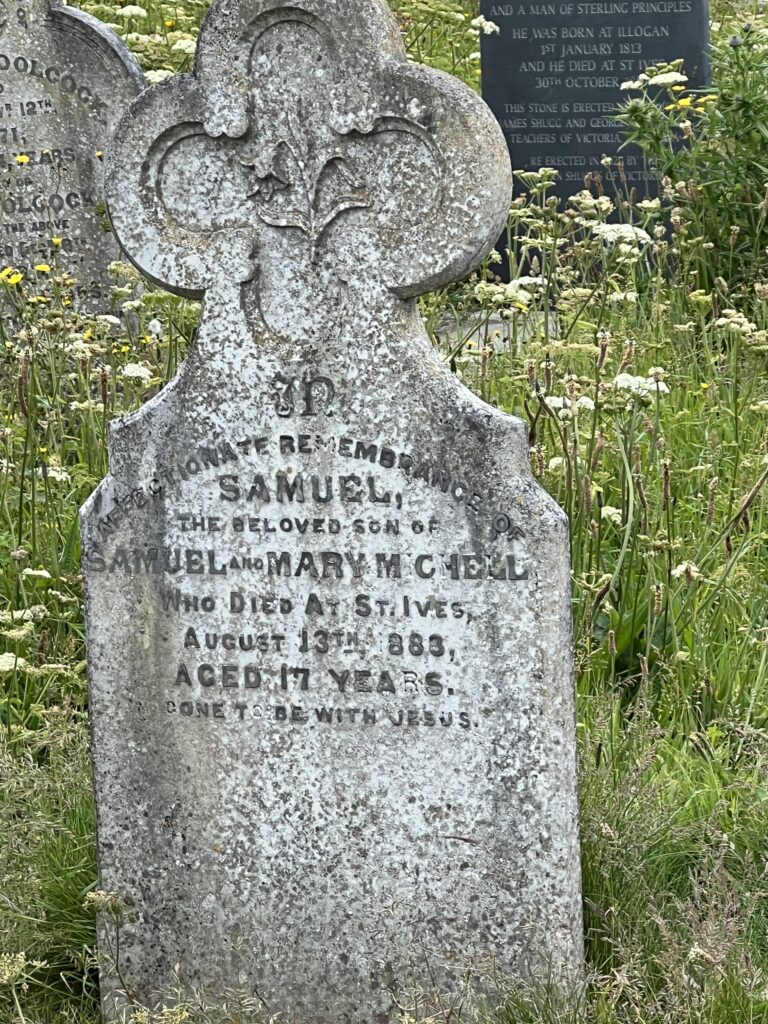
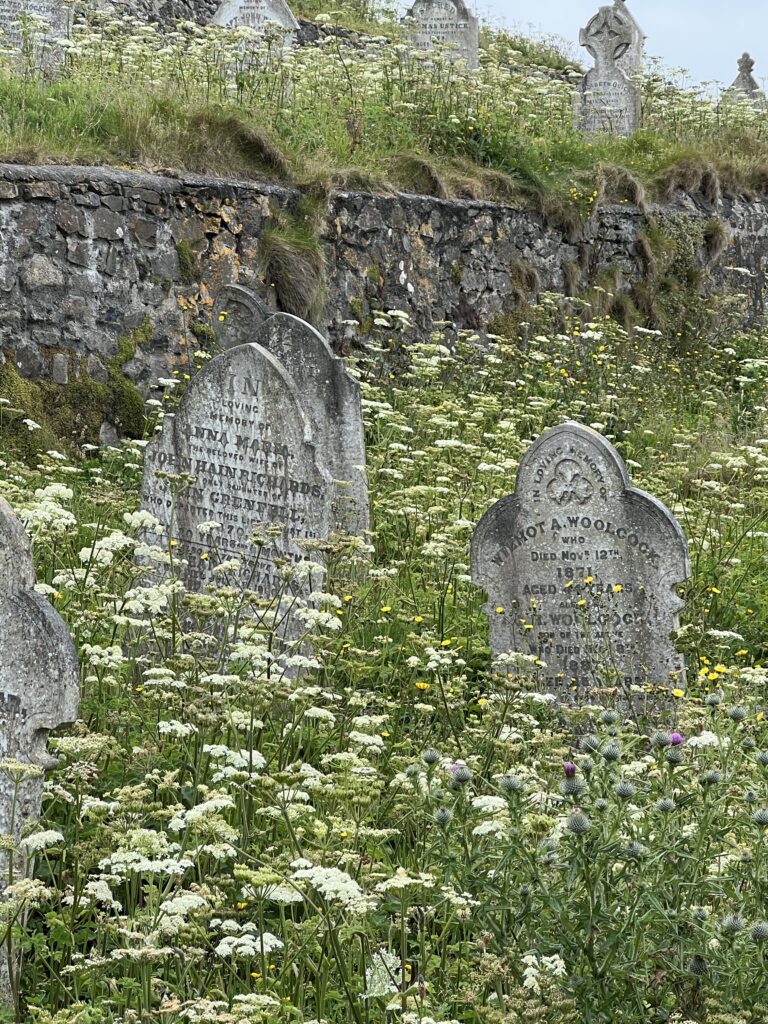
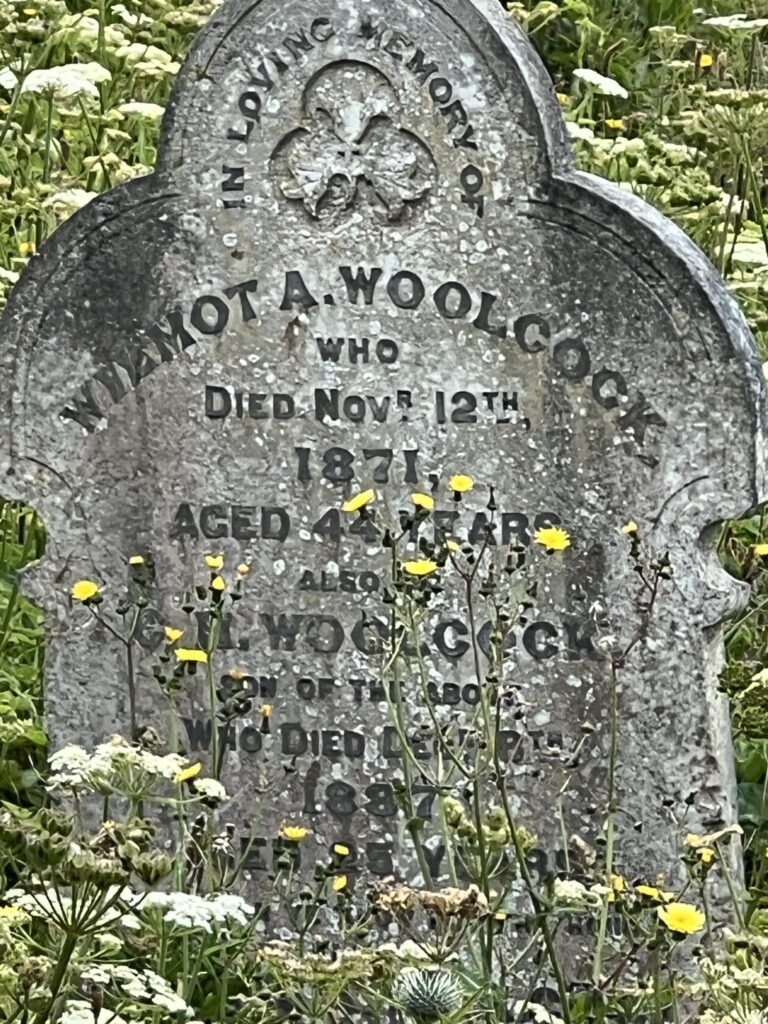
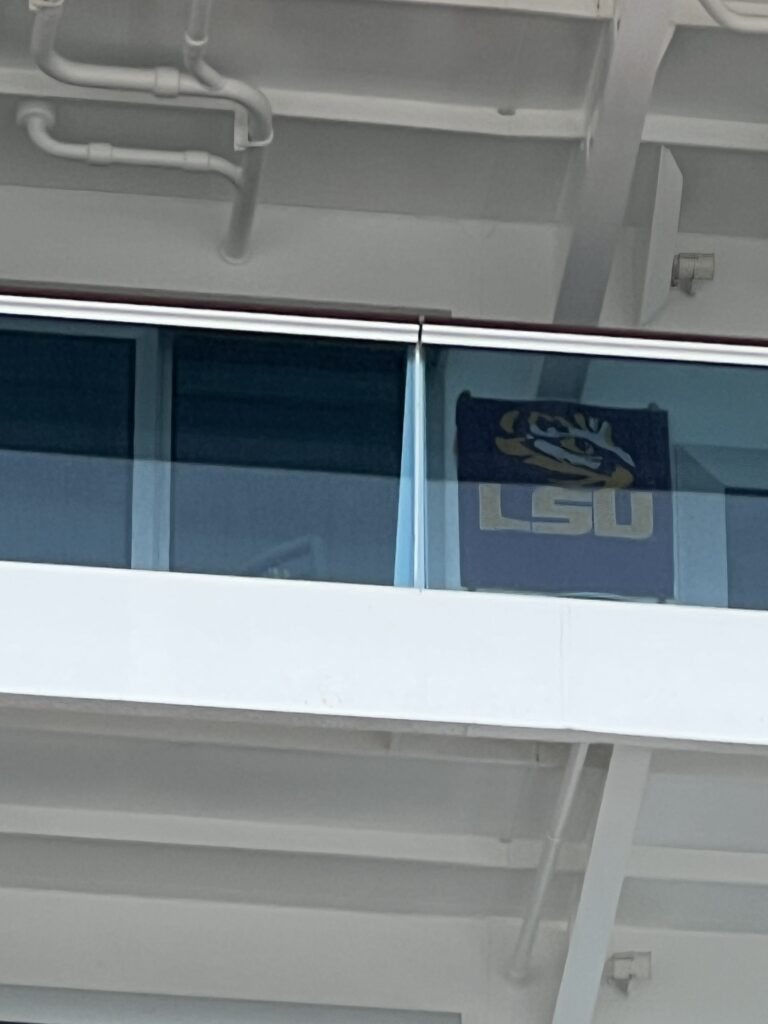
Photo of our balcony on the walk back to the ship
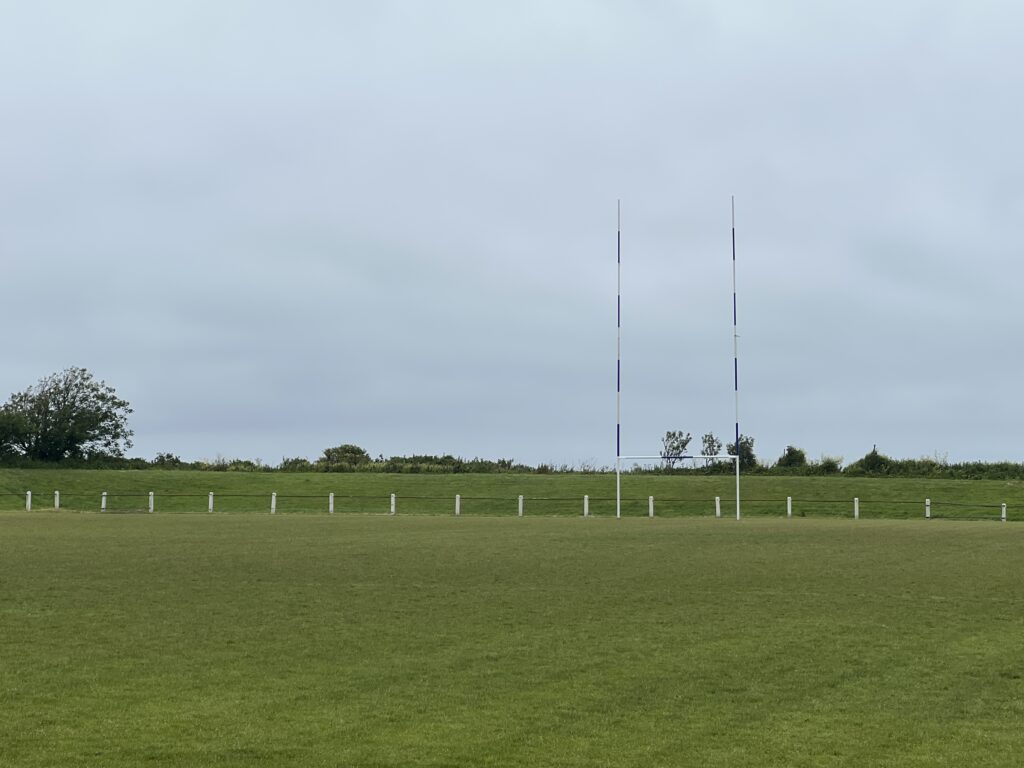
Rugby Field
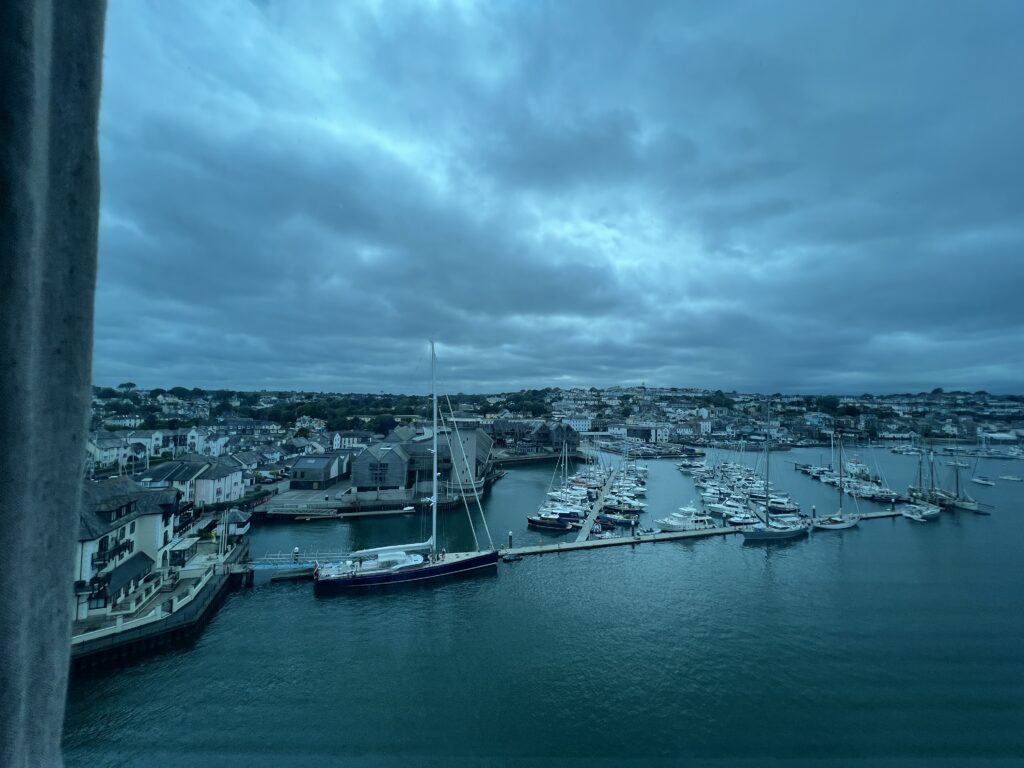
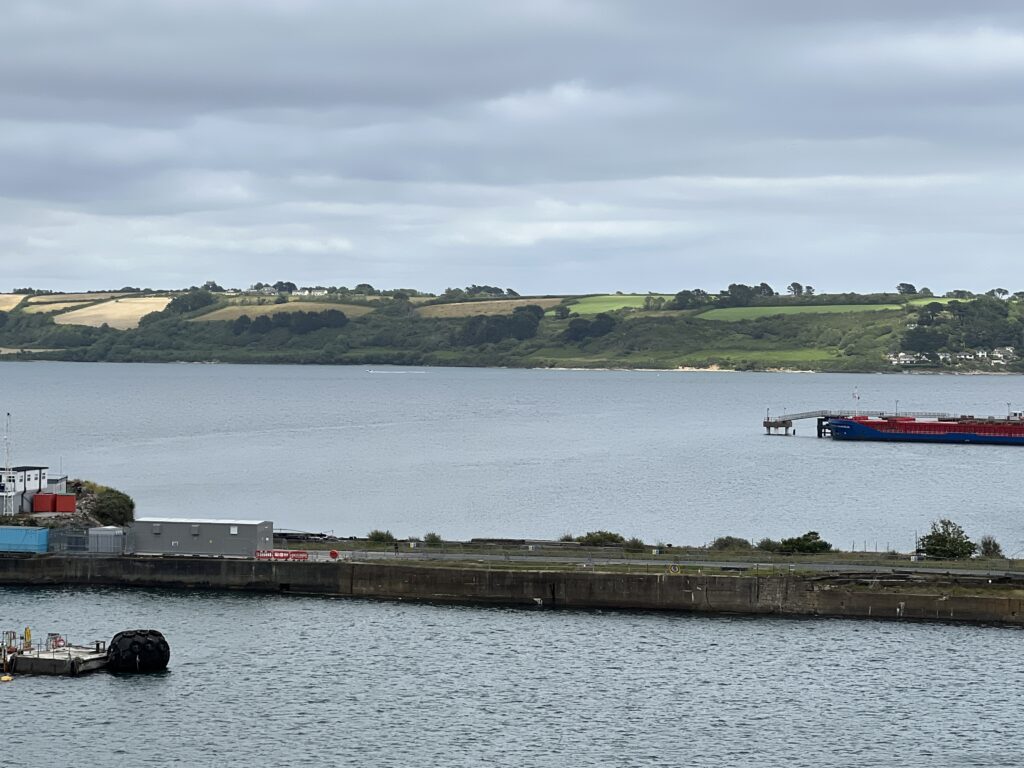
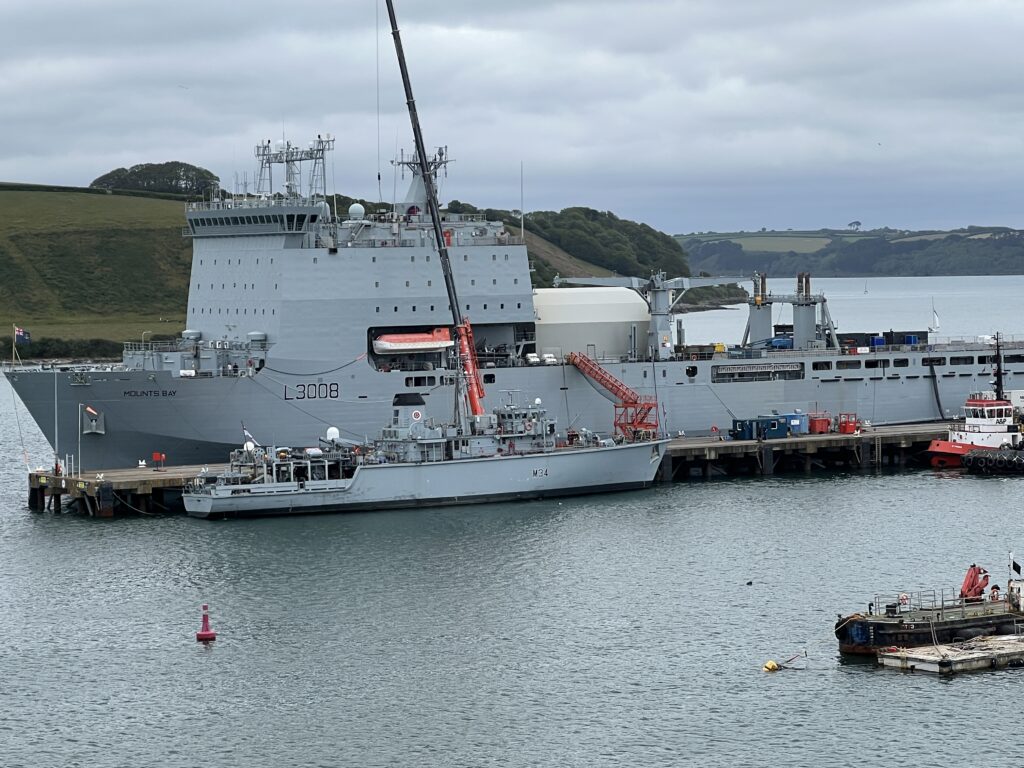
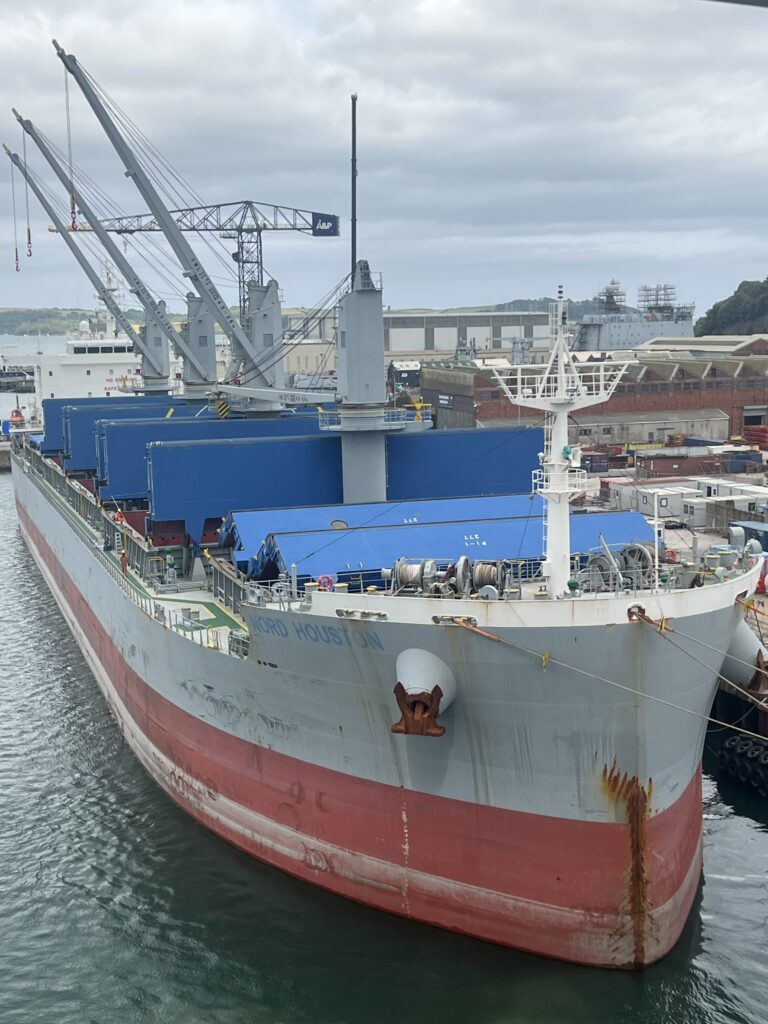
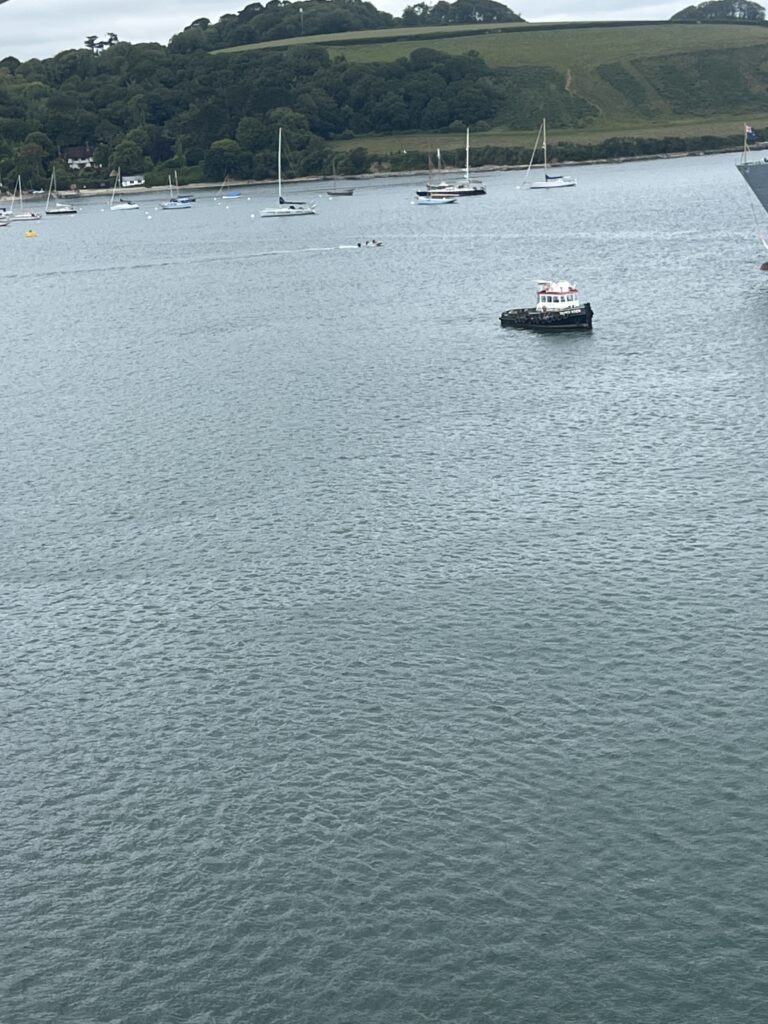
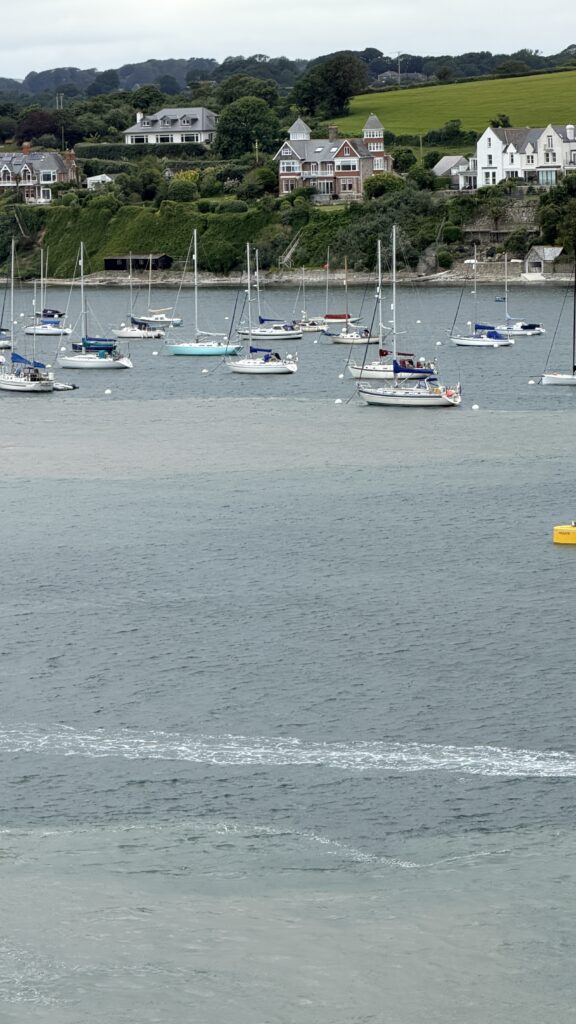
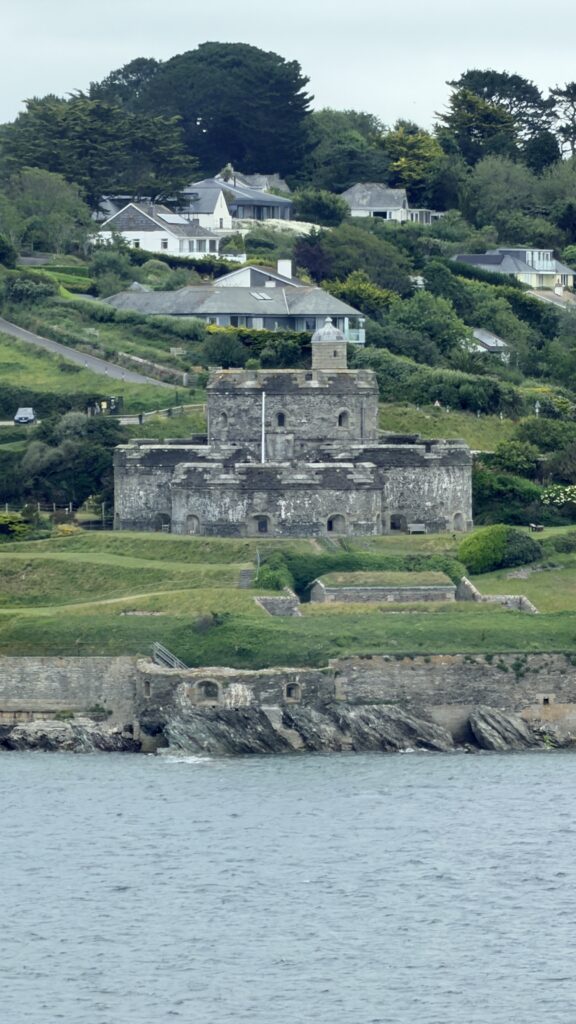
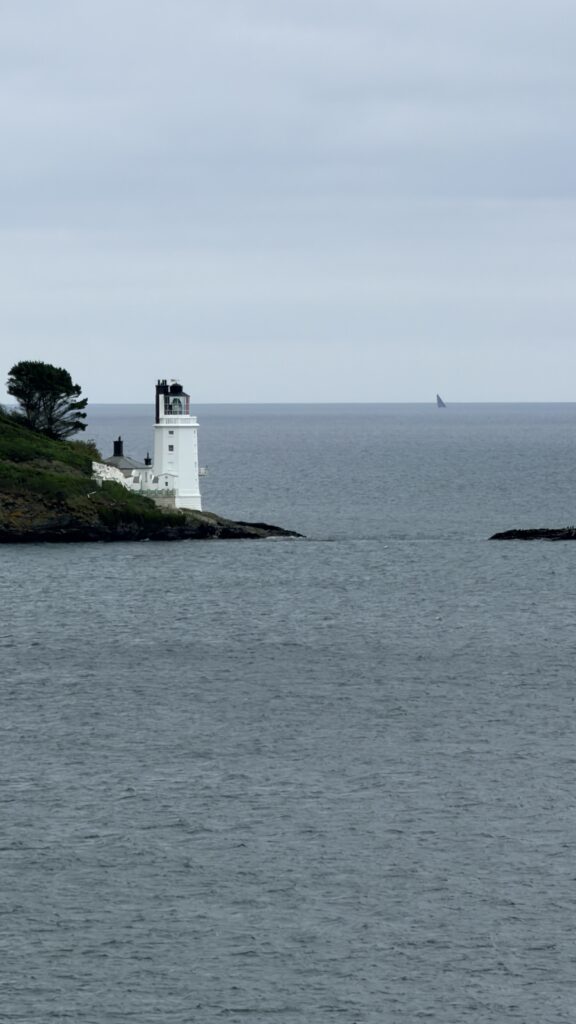
Our departure from Falmouth
Tomorrow we are in Dublin, Ireland