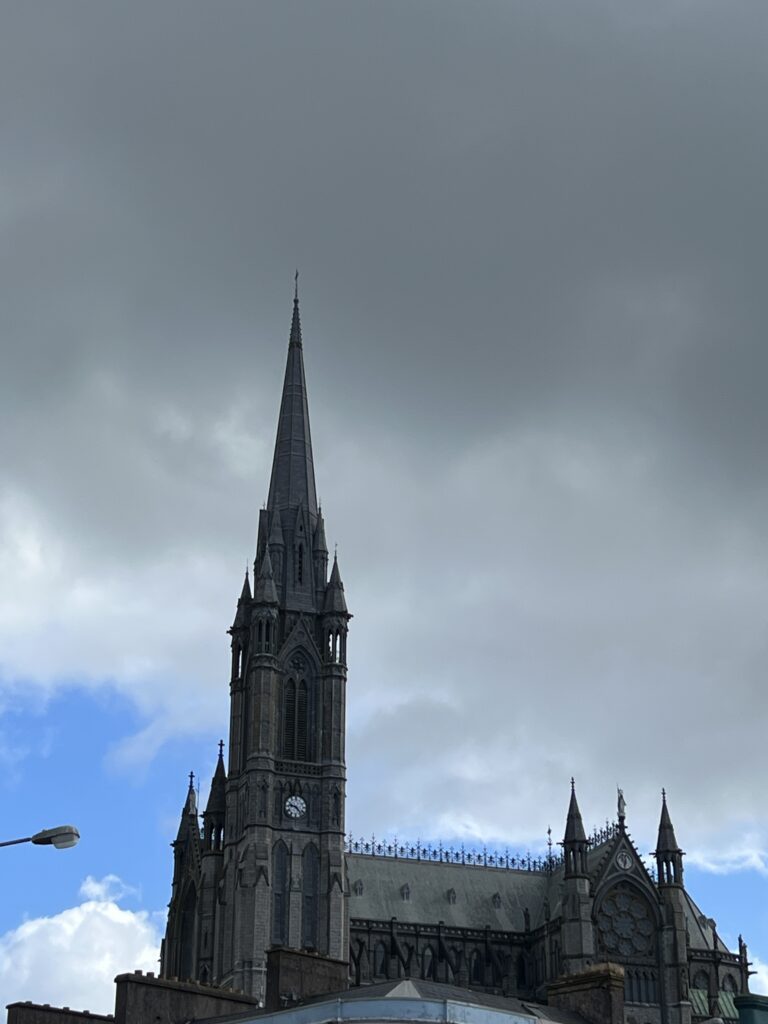
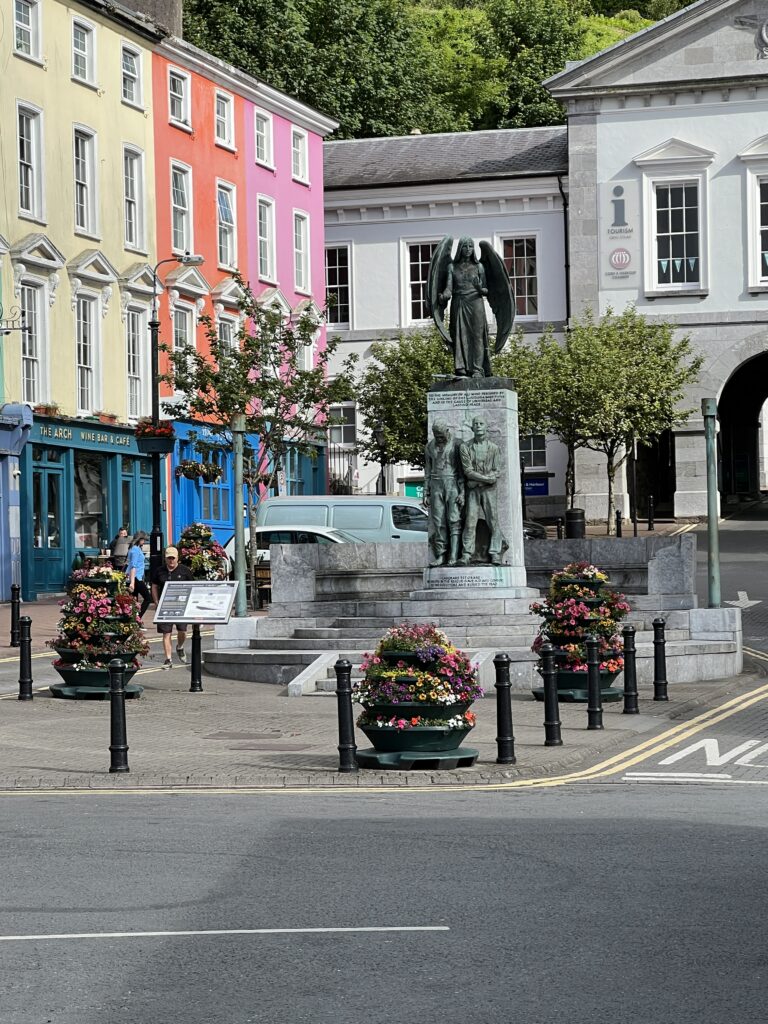
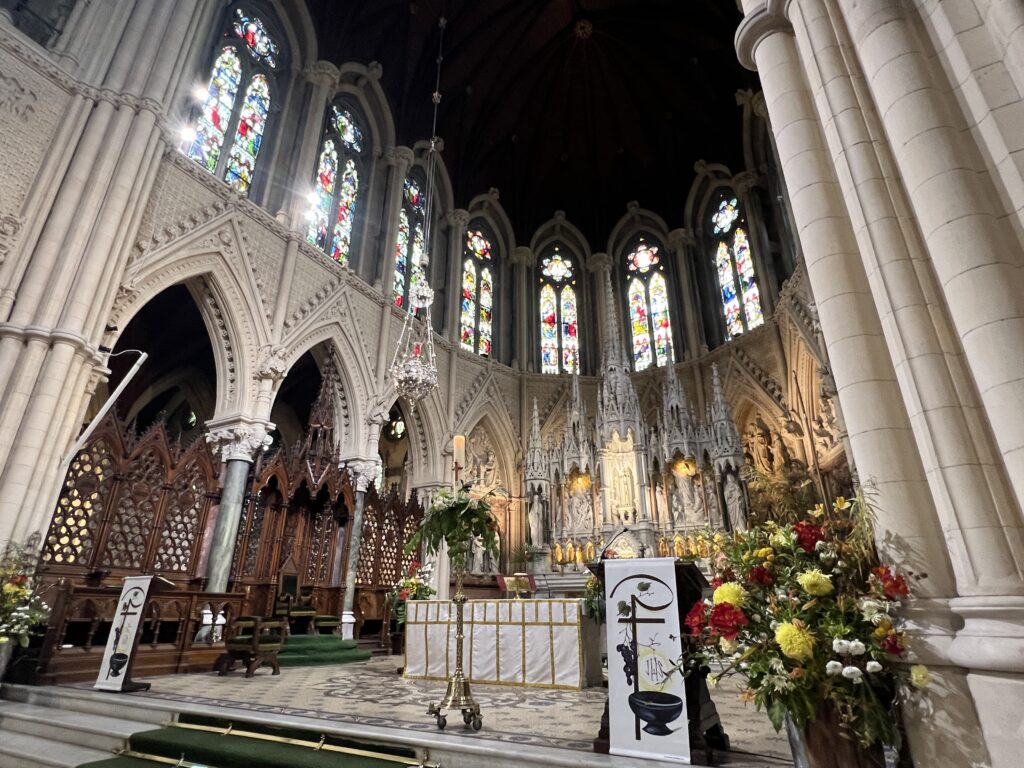
Day 102 Wednesday June 17th (18 days to go) — Today we did not have any booked excursions and hung around the port city of Cobh. It was an enjoyable day as we walked around the taking photos. The cathedral (St. Coleman’s Cathedral) in this city was remarkable. From the outside it looked really nice, but the inside was simply awesome. When we arrived, there was a mass, so we had to wait to take our photos and then a funeral was starting so left and walked around the city. There was never a level step as every step was either uphill or downhill. We will feel our legs tonight. 🙂
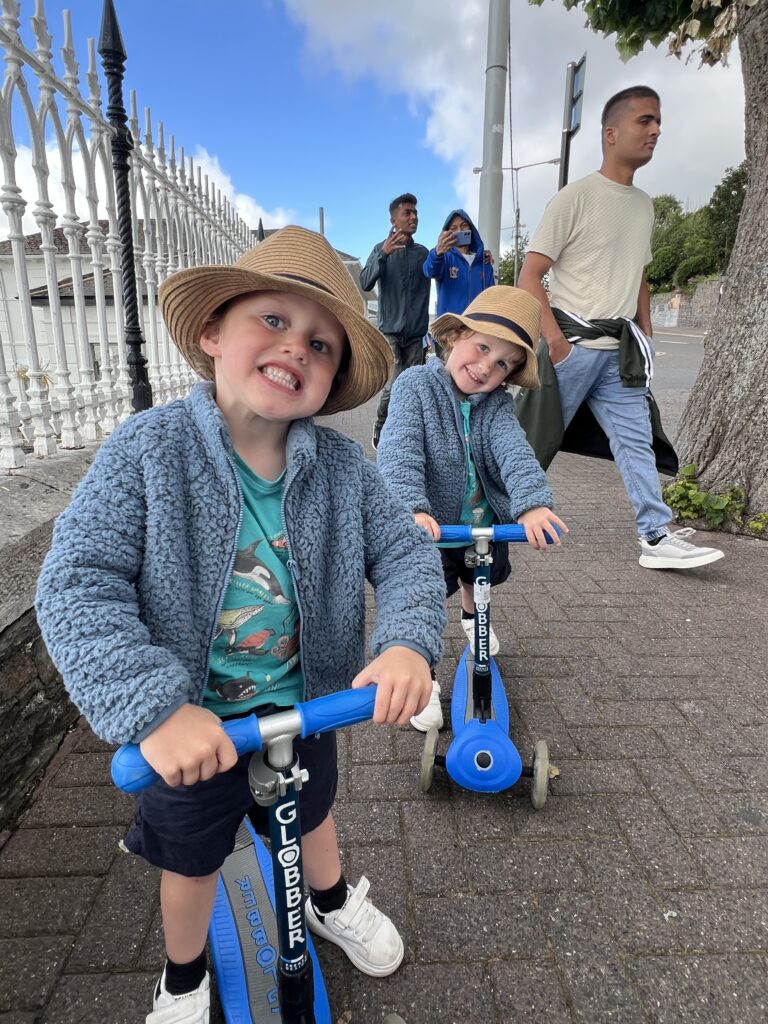
Be sure to check out the faces around the world as we captured two young children (think they were twins) on their scooters with their mother. Their outfits were awesome and their poses were outstanding.
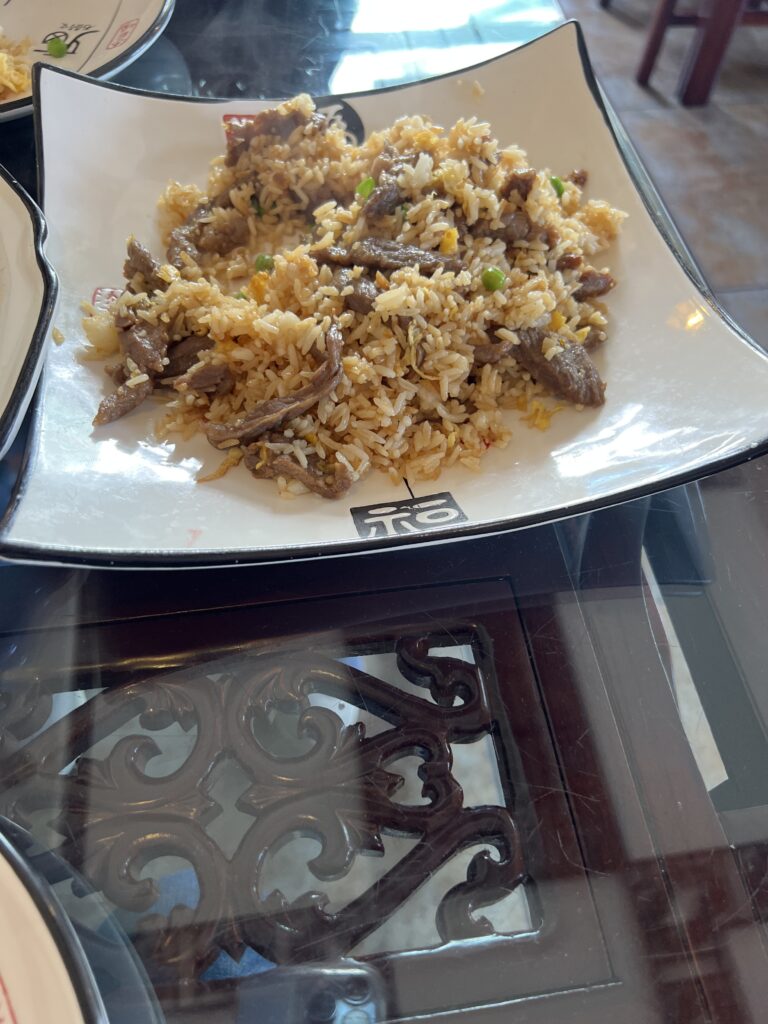
It was great to see so many crew members walking around the city. We ate at a Chinese Restaurant today and paid the meals for six of the crew that were there eating the same time as us. It is the least we could do as they have been amazing our entire cruise.
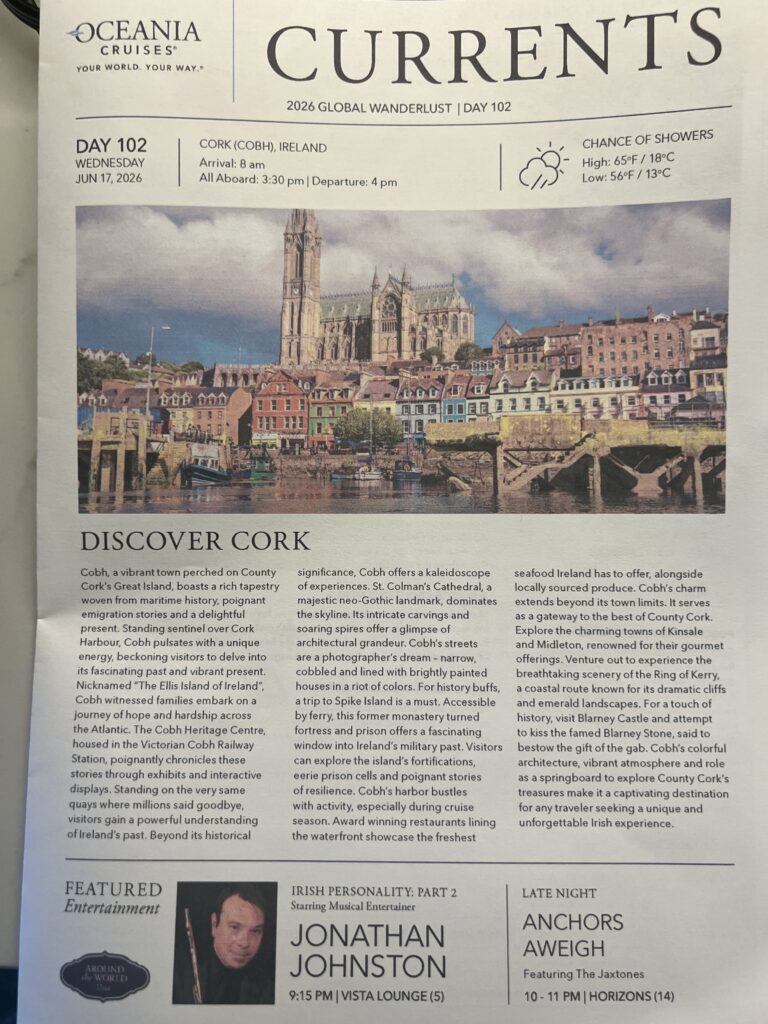
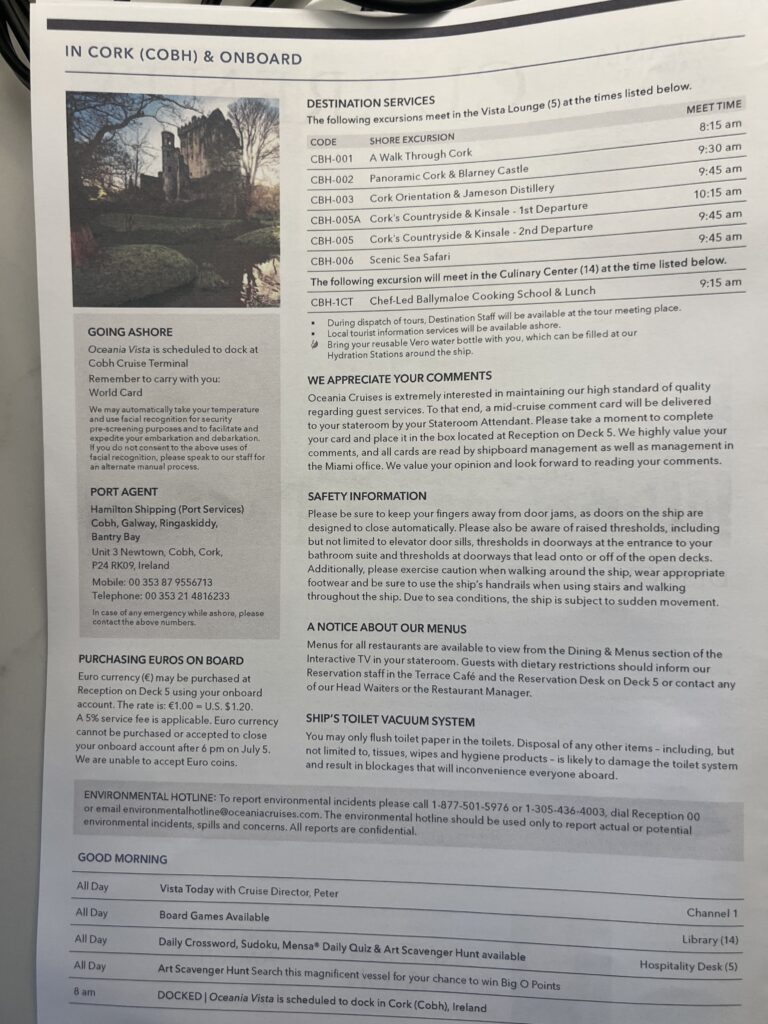
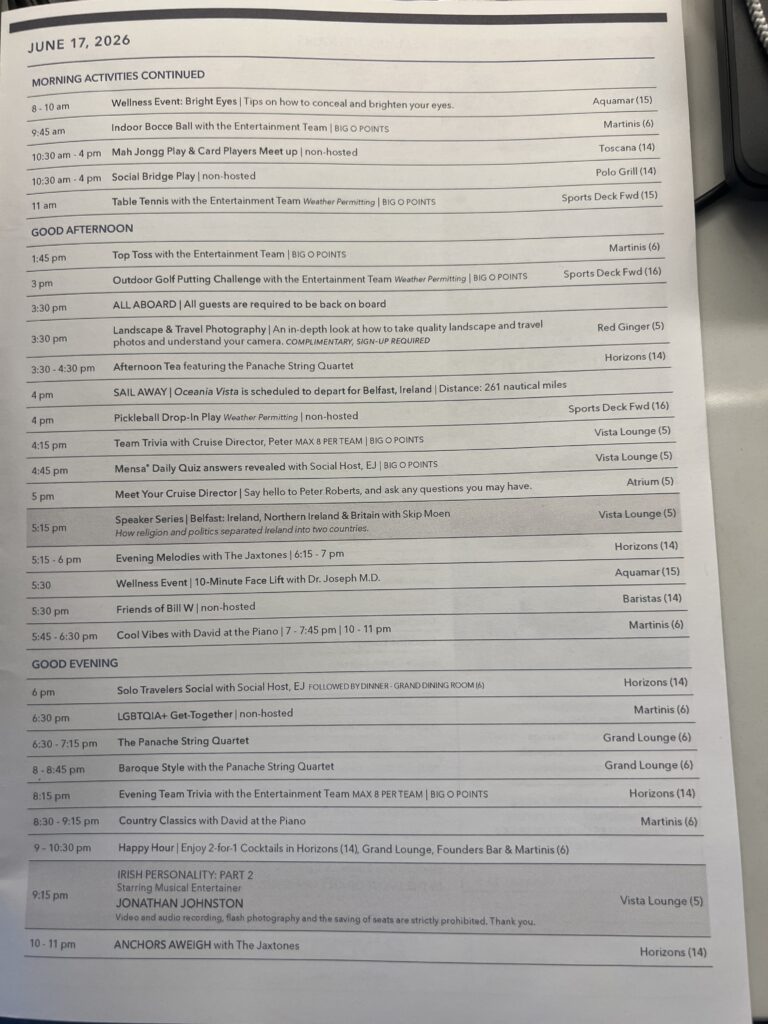

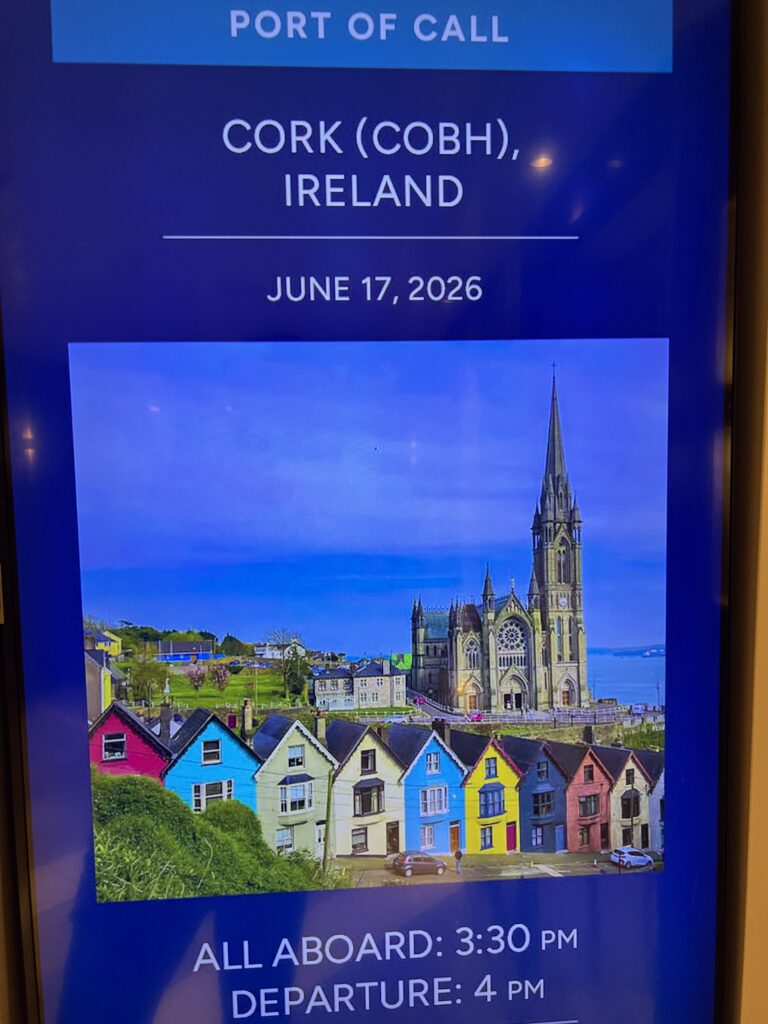
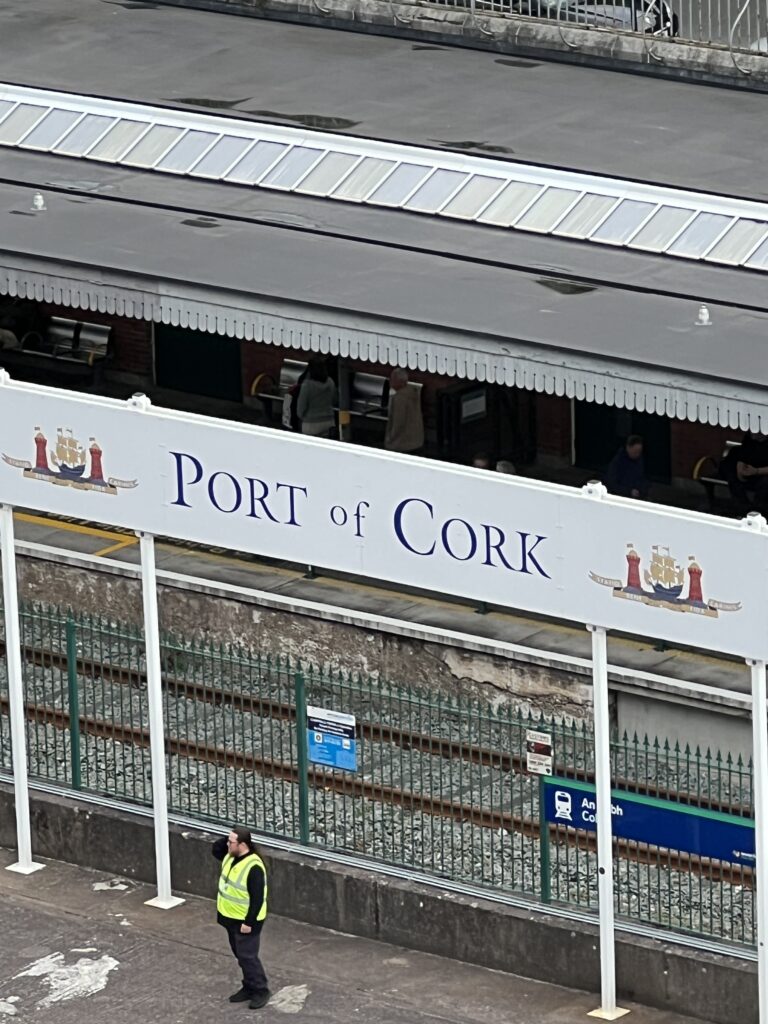
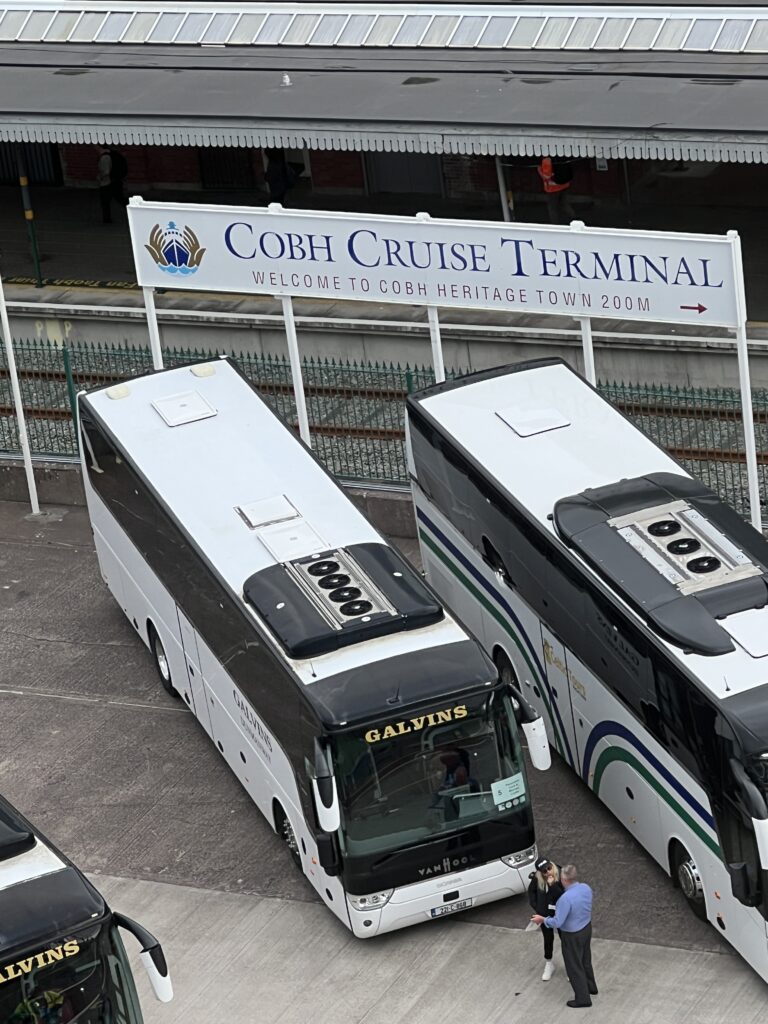
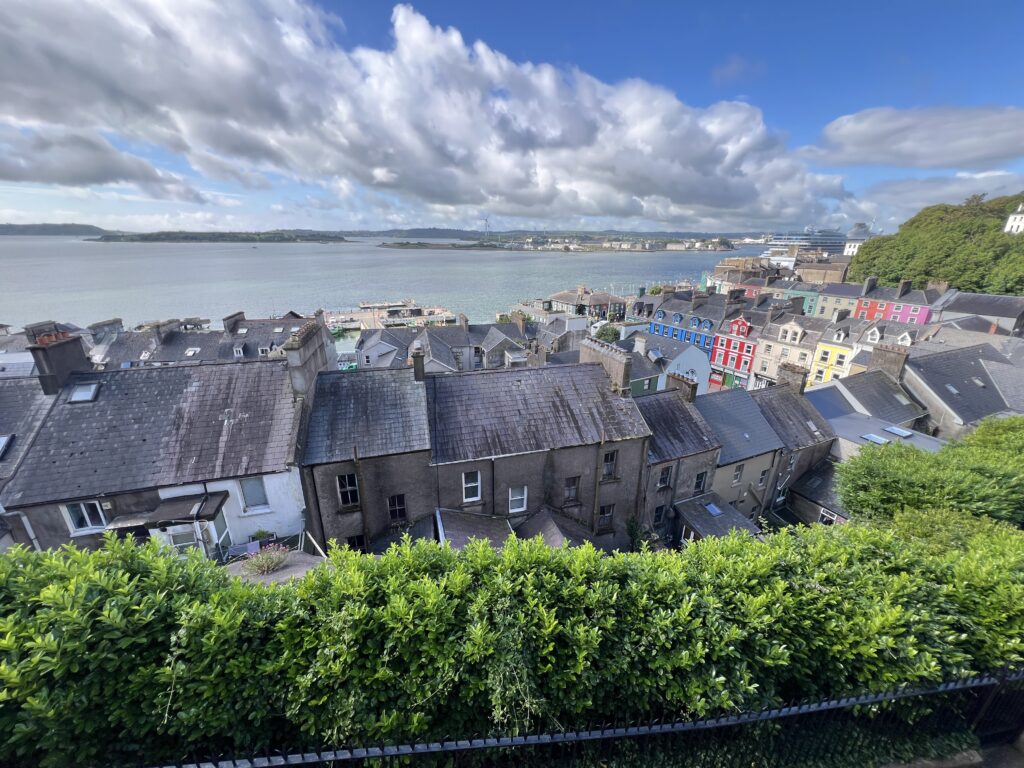
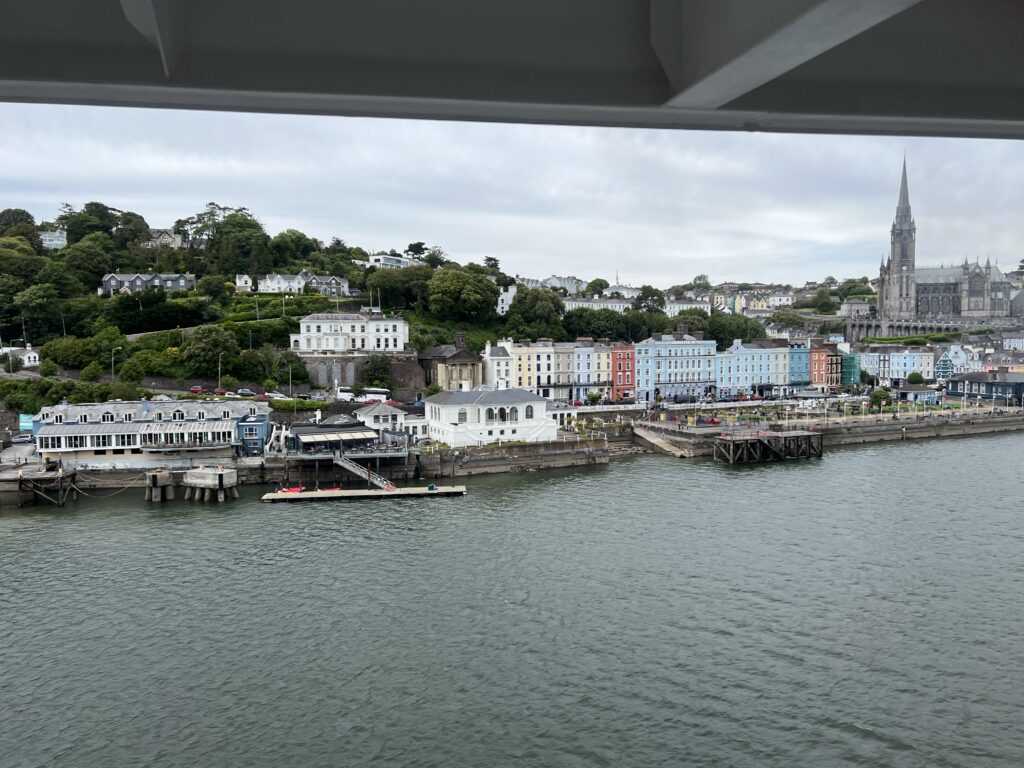
The view of the port area after we docked this morning. It was a cool day but we had sunshine all day. A beautiful start to our views today. The train station was right at the dock and we could have taken the train to Cork, but decided just to stay in Cobh today.
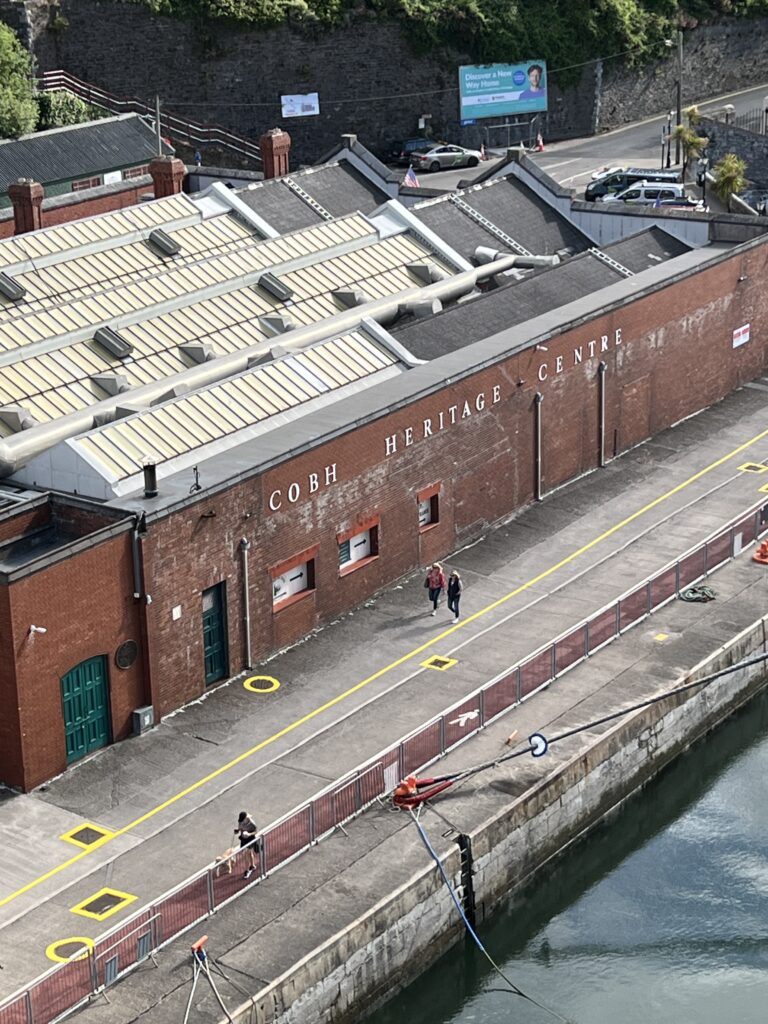
We visited this museum later in the afternoon. It was quite interesting and also sad. Tomorrow we have a tour of the Titanic Museum in Belfast. I am not sure how we will manage emotions in that museum as this one was tough in some places.
Cobh Heritage Centre | Discover The History of Cobh
School children heading for a class trip to Spike Island, which is Ireland’s answer to Alcatraz.
The history of Spike Island began over 1,300 years ago, when St Mochuda founded an early Christian monastery at the site. Despite the island being ravaged by Vikings in the 9th century, there are reports of a monastic settlement lasting here until the 16th century. Today, visitors can follow in the footsteps of the monks by embarking on their daily pilgrimage on the outer island walking trail.
Spike Island first became an island prison during the mid 1600s, when thousands of prisoners were kept here during the Cromwellian conquest of Ireland. This identity stuck, and the island would again become a prison during the Great Famine in 1847. In fact, at this time it was the largest known prison in the world! One can explore the chilling Punishment Block and “dark cells” from this troubled time.
Even in modern times, Spike Island remained a prison, only closing its prison gates for the last time in 2004. Tours take you around modern prison cells, as well as the dubiously named “Shivs and Shanks” exhibition!
The iconic star-shaped Fort Mitchel that still stands strong to this day was built by the British army in the early 1800s. It’s so big, you could fit the whole of Alcatraz Island inside it! Visitors can get up close and personal with the towering entrance walls, huge parade ground, as well as many buildings and tunnels. There’s even a military Gun Park featuring tanks, cannons and artillery guns. A must for any military enthusiasts.
Spike Island – Discover Ireland’s Historic Island
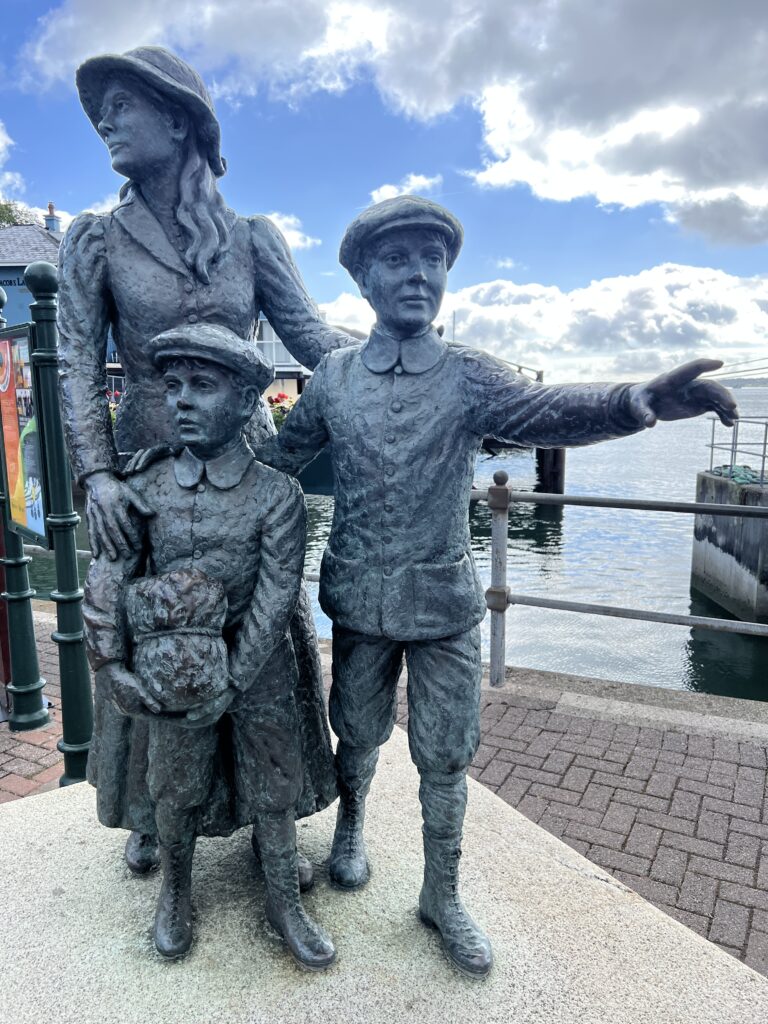
The most famous and prominent statue on the Cobh dock is the bronze monument of Annie Moore and her two younger brothers, located right on the waterfront near the cruise ship terminal and the Cobh Heritage Centre.
Who: Sculpted by Jeanne Rynhart, the statue commemorates 15-year-old Annie Moore and her brothers, Anthony and Philip.
The Story: On January 1, 1892, Annie Moore made history as the very first immigrant to be processed at the newly opened Ellis Island in New York.
Significance: The monument serves as a poignant, moving tribute to the millions of Irish emigrants who left their homeland from the port of Cobh (formerly Queenstown) in search of a better life in America.
The Twin: A twin statue sculpted by Rynhart also stands at the arrival point on Ellis Island.
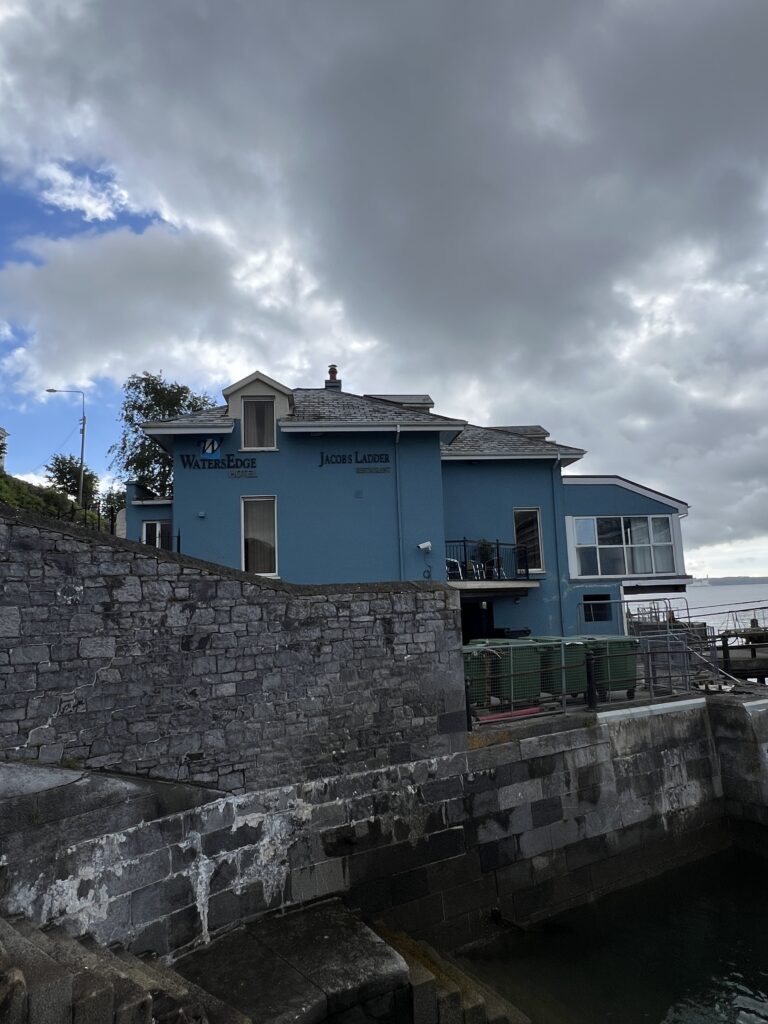
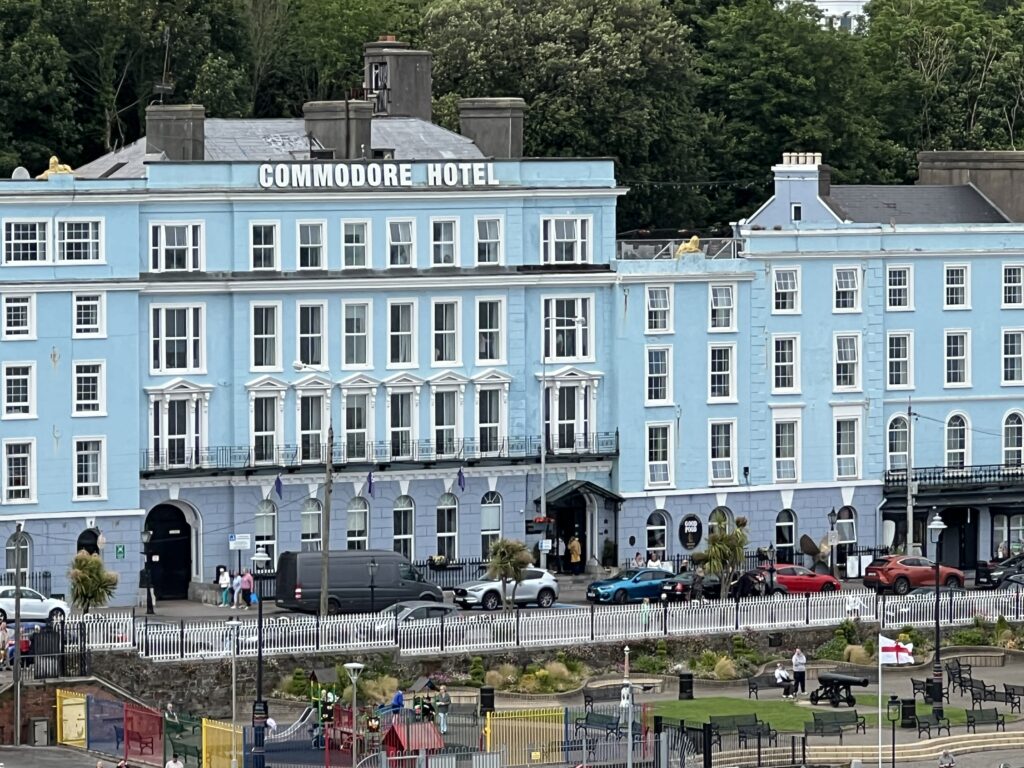
Hotel and restaurant on the dock not far from the cruise ship. Hotels in Cobh – Hotels in Cork – WatersEdge Hotel Cobh Co Cork Jacobs Ladder Restaurant Cobh Co Cork – View Menus – WatersEdge Hotel
These kids were great and a couple of hams 🙂
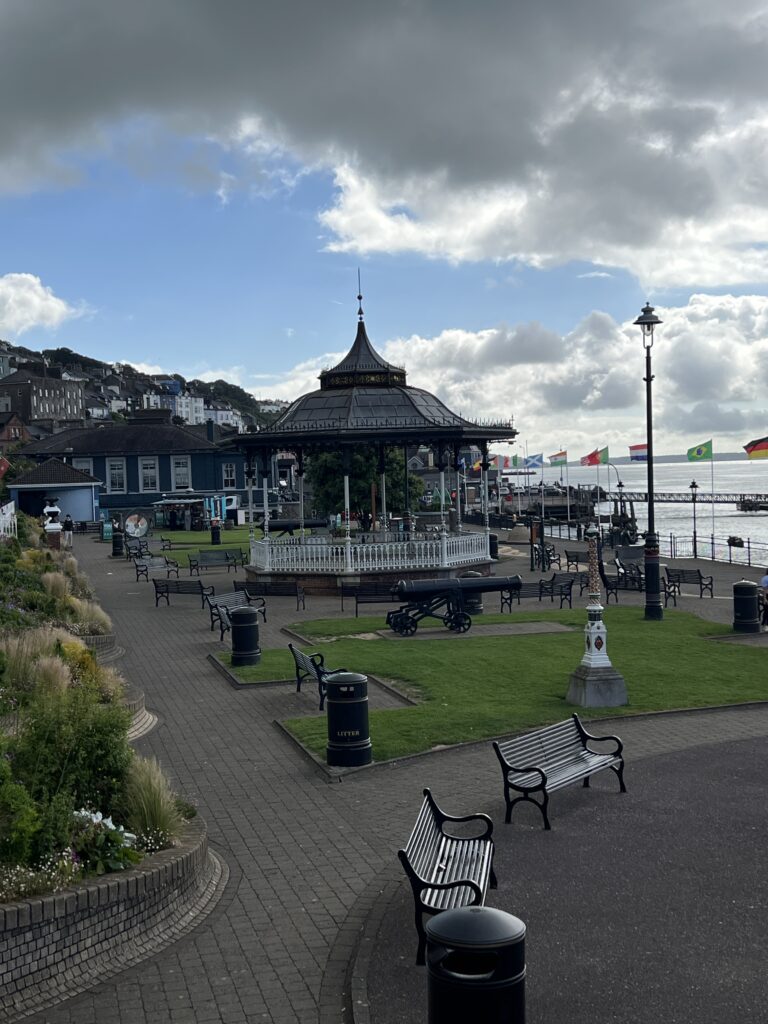
Cobh waterfront park, officially known as the President John F. Kennedy Memorial Park (or The Promenade), is a picturesque seafront space located in the heart of Cobh, Ireland. It offers sweeping panoramic views of Cork Harbour, Spike Island, and passing cruise ships.
This is all uphill to get to The Cathedral
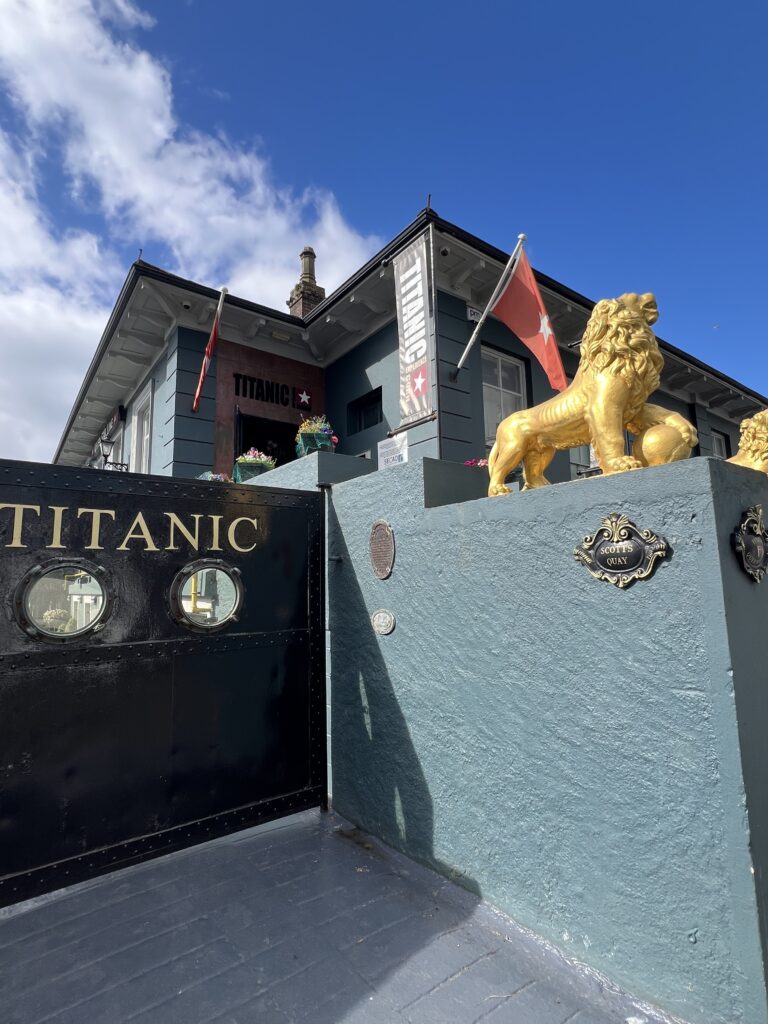
The Titanic Experience along the Cobh Shoreline is housed in the former offices of the company that owned The Titanic (White Star Line). We are going to a Titanic Museum tomorrow in Belfast so we skipped this one.
Visit Titanic’s last port of call | Titanic Experience Cobh
Walking in the city making our way to The Cathedral. Notice how the road and walk go down and then back up. All day of this type of walking. 🙂
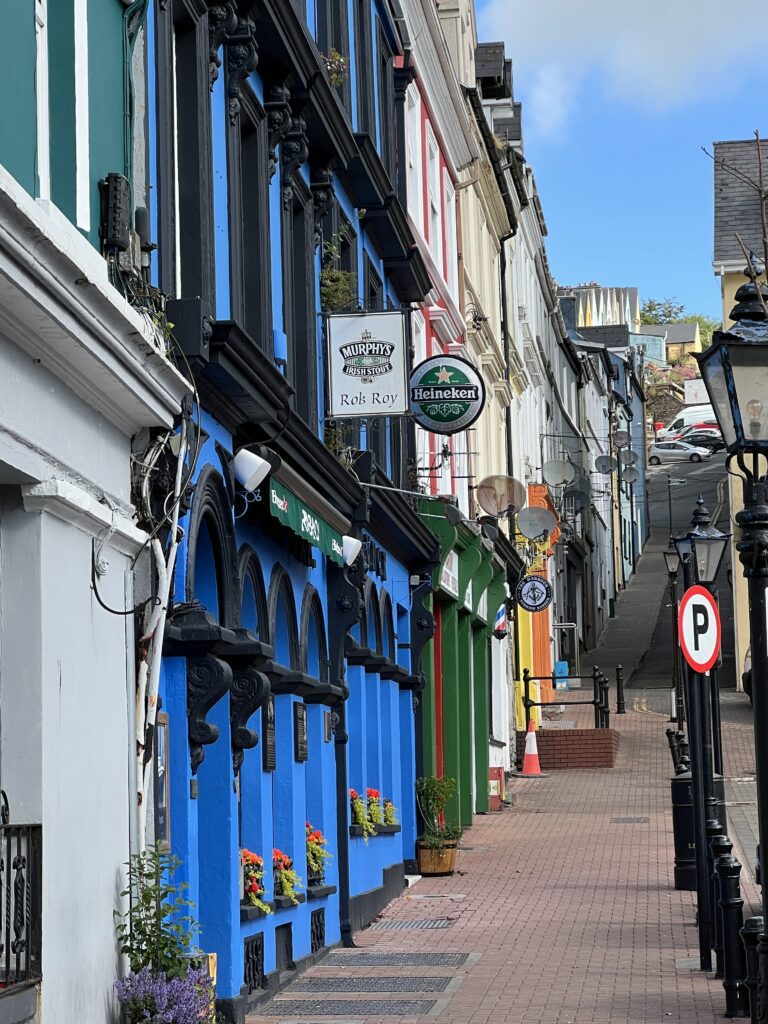
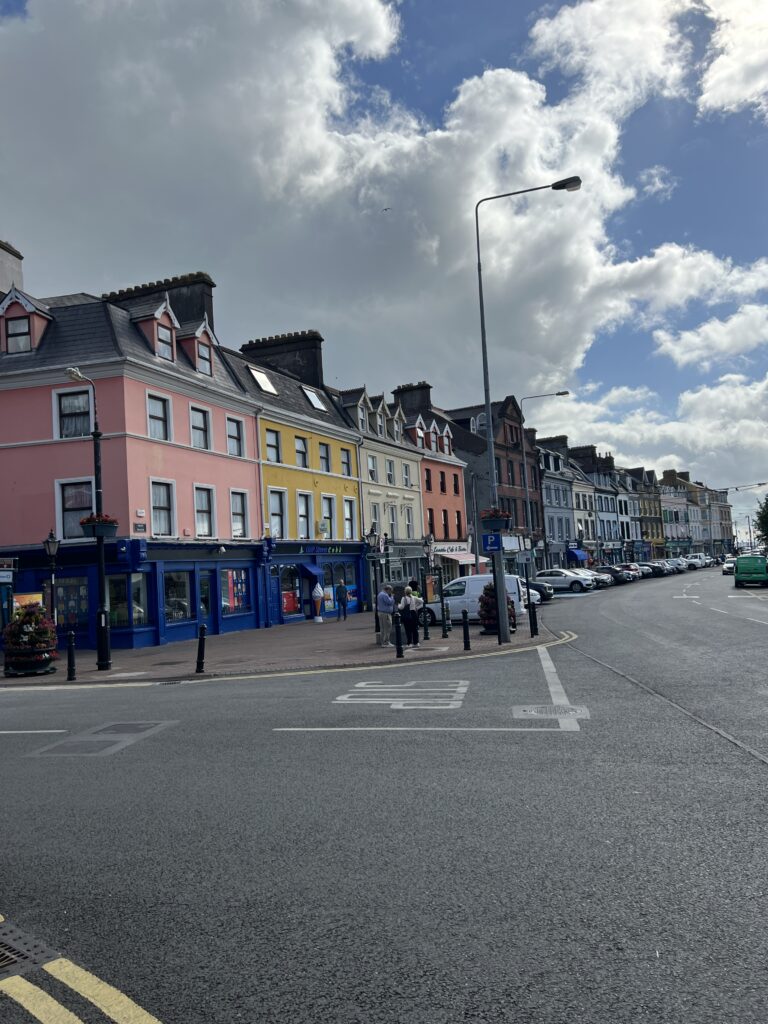
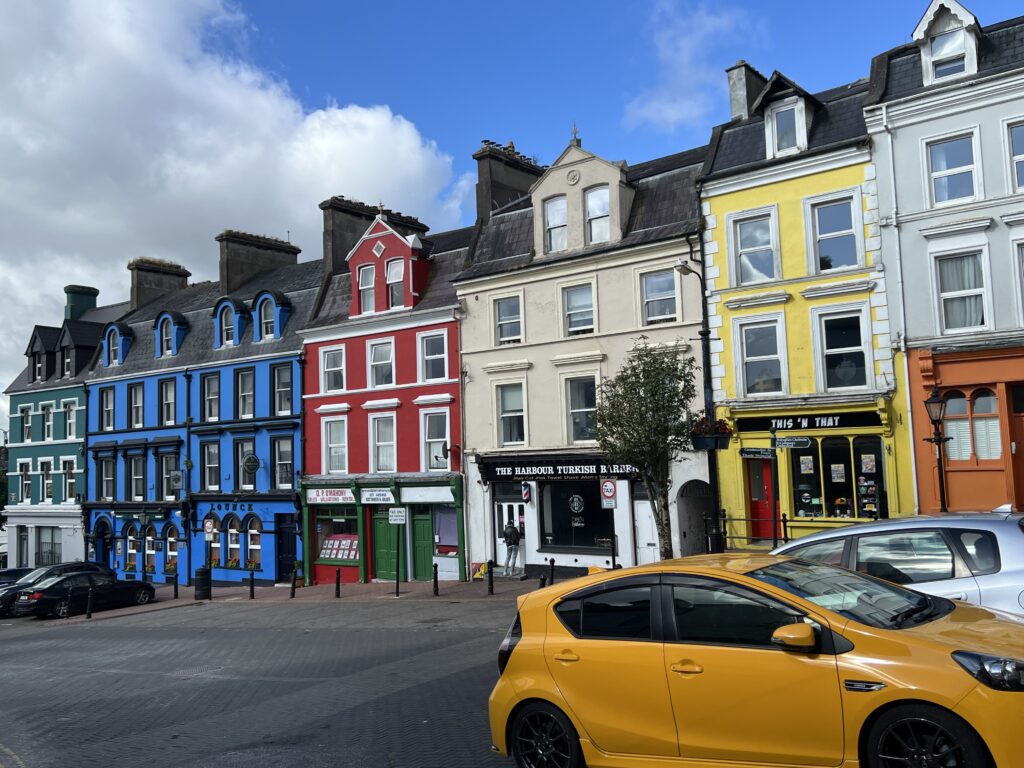
A photo for Leslie Juban, D.D.S.
Photo looking back as we are making our slow climb up.
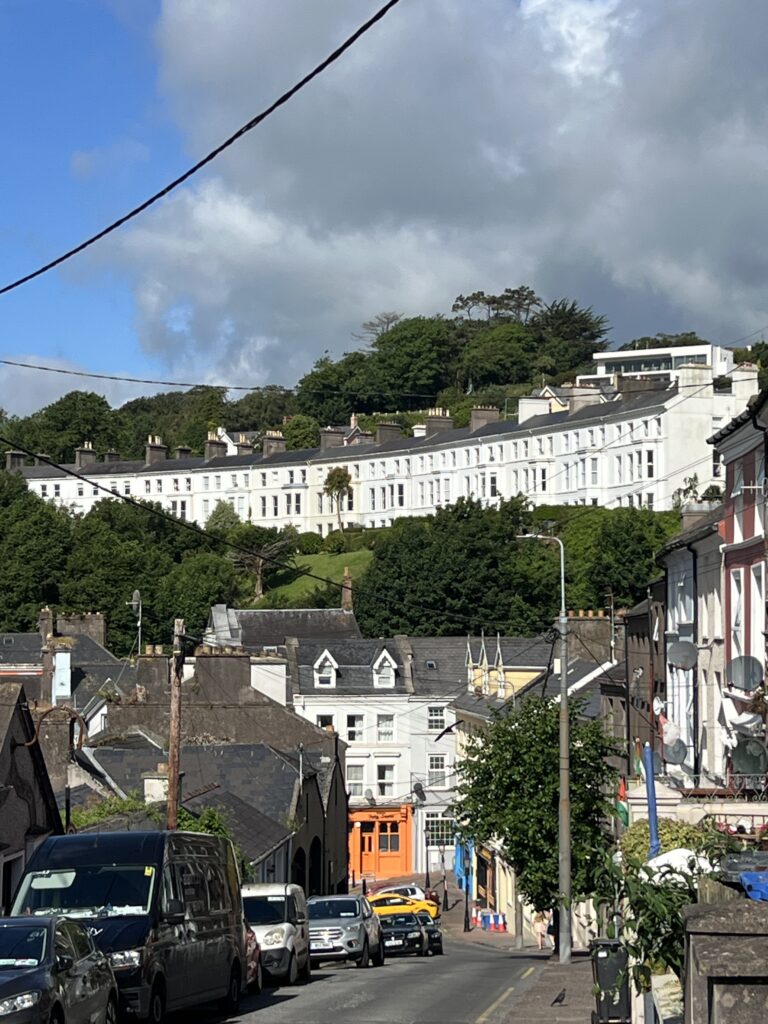
Looking down towards the harbor on our climb
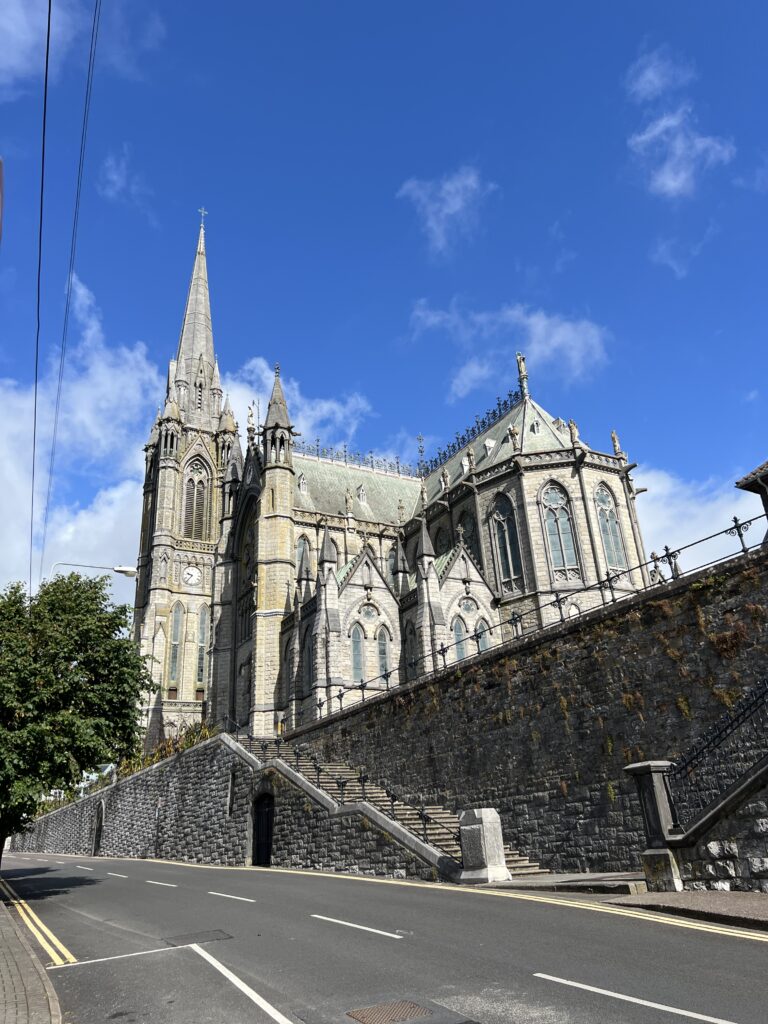
Getting closer, this is the backside of The Cathedral
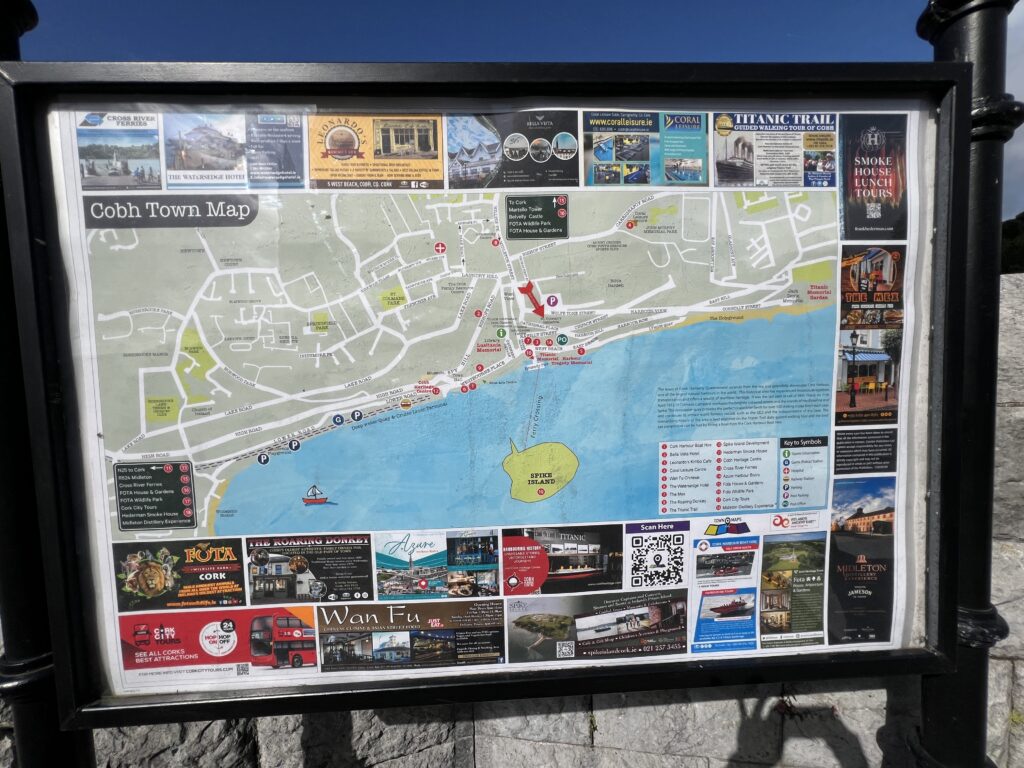
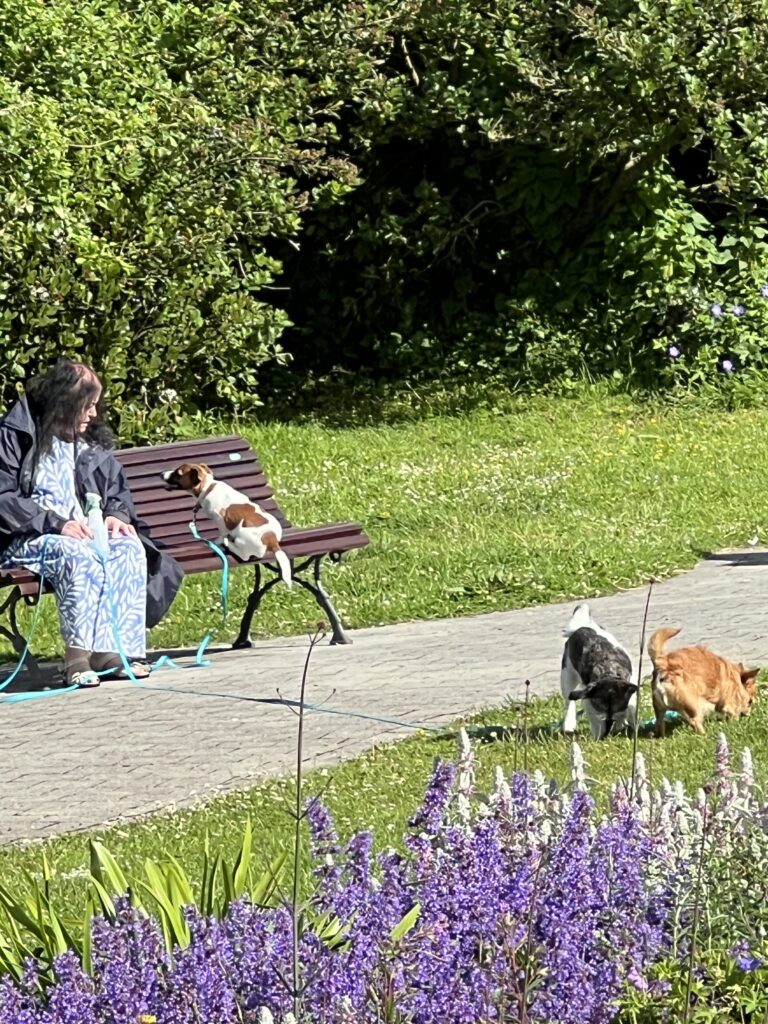
Small park sitting area right outside The Cathedral
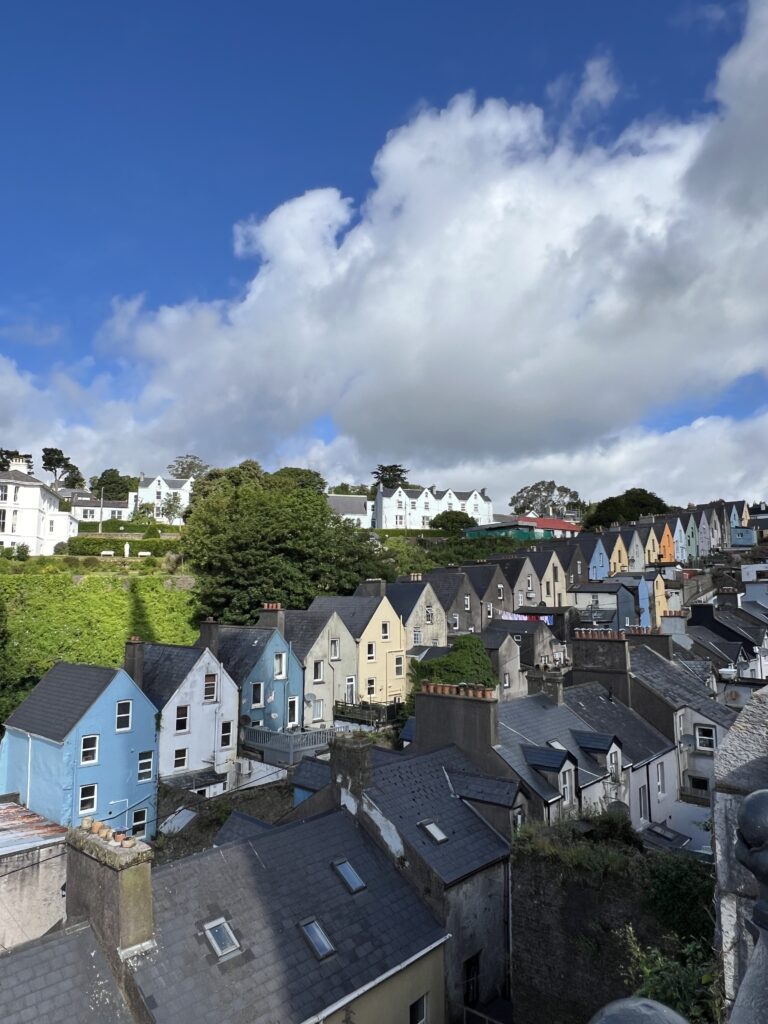
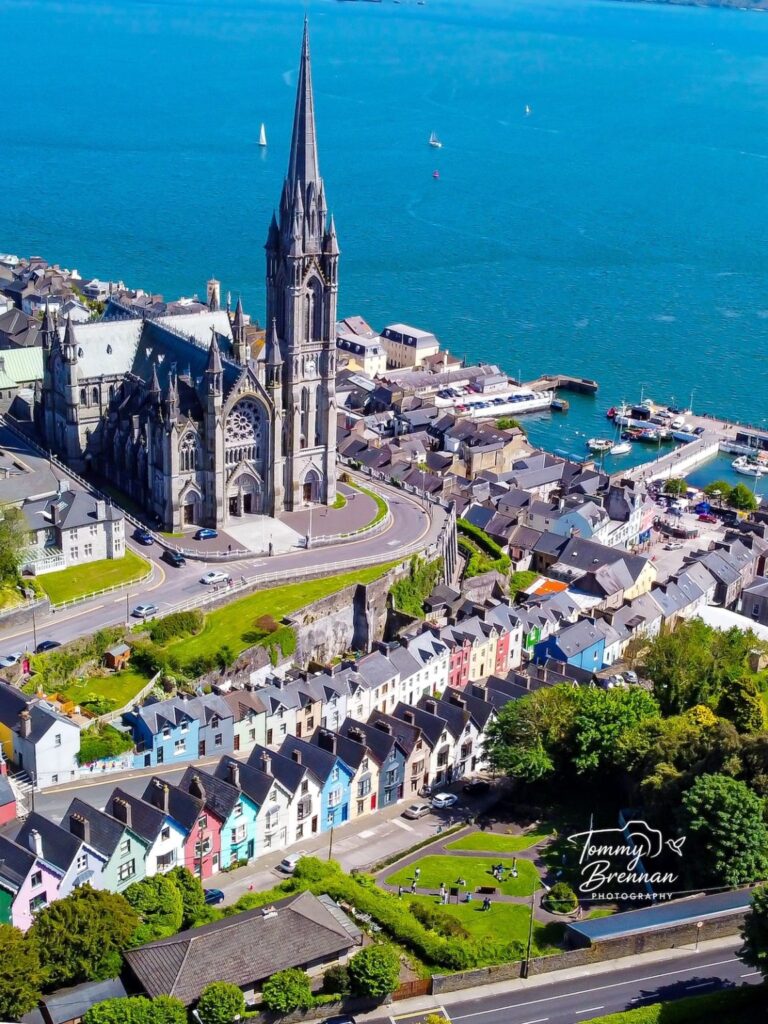
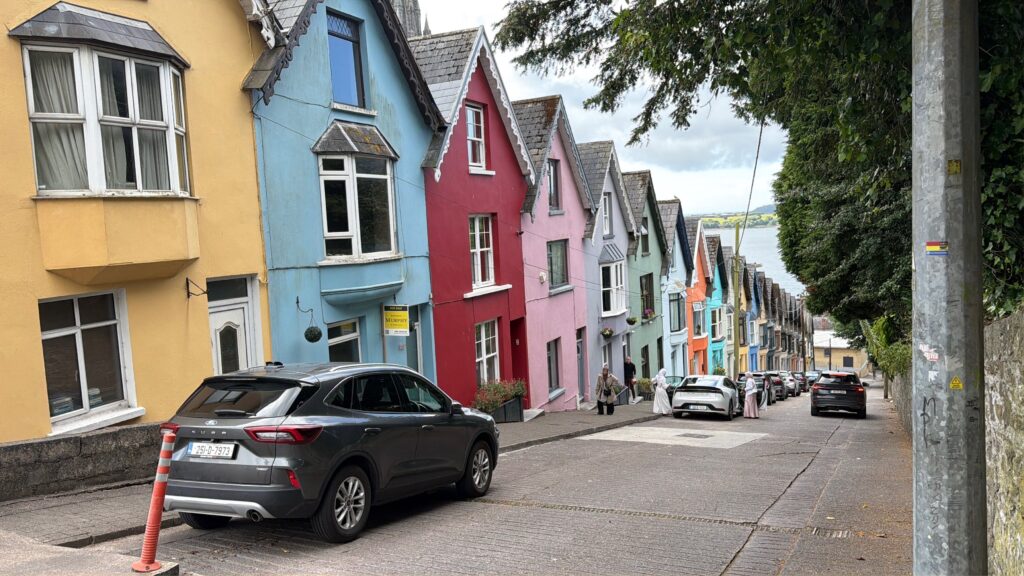
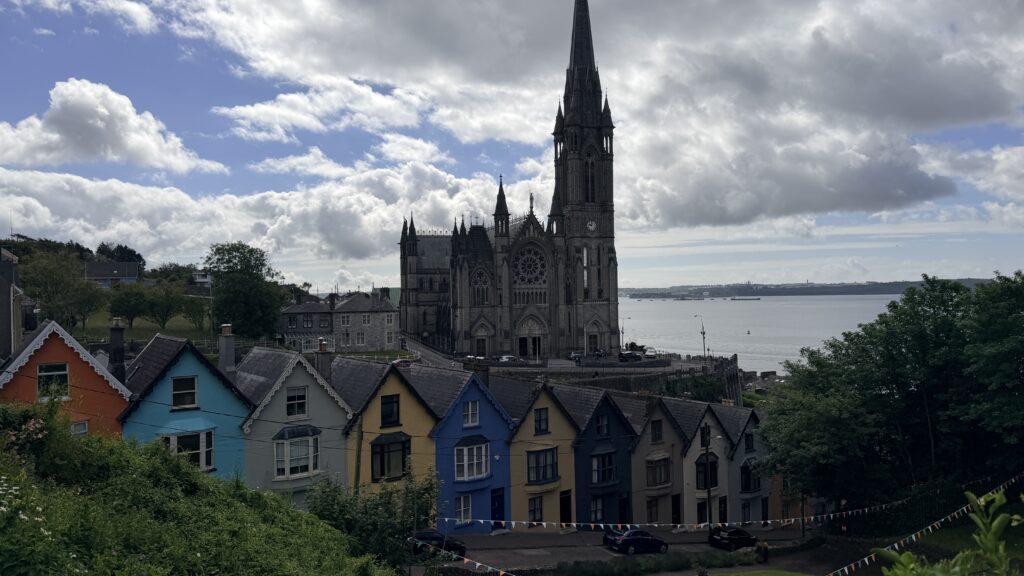
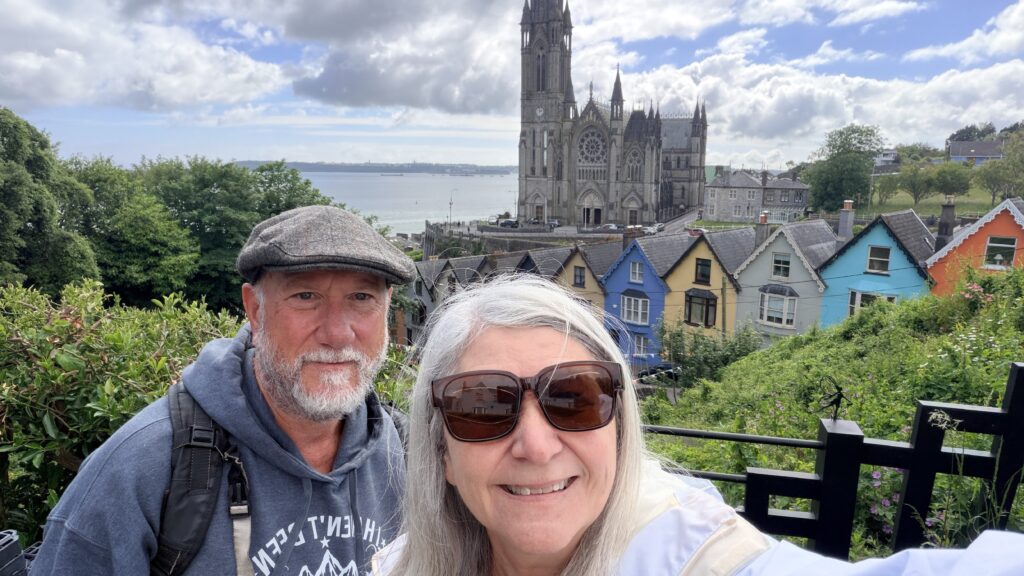
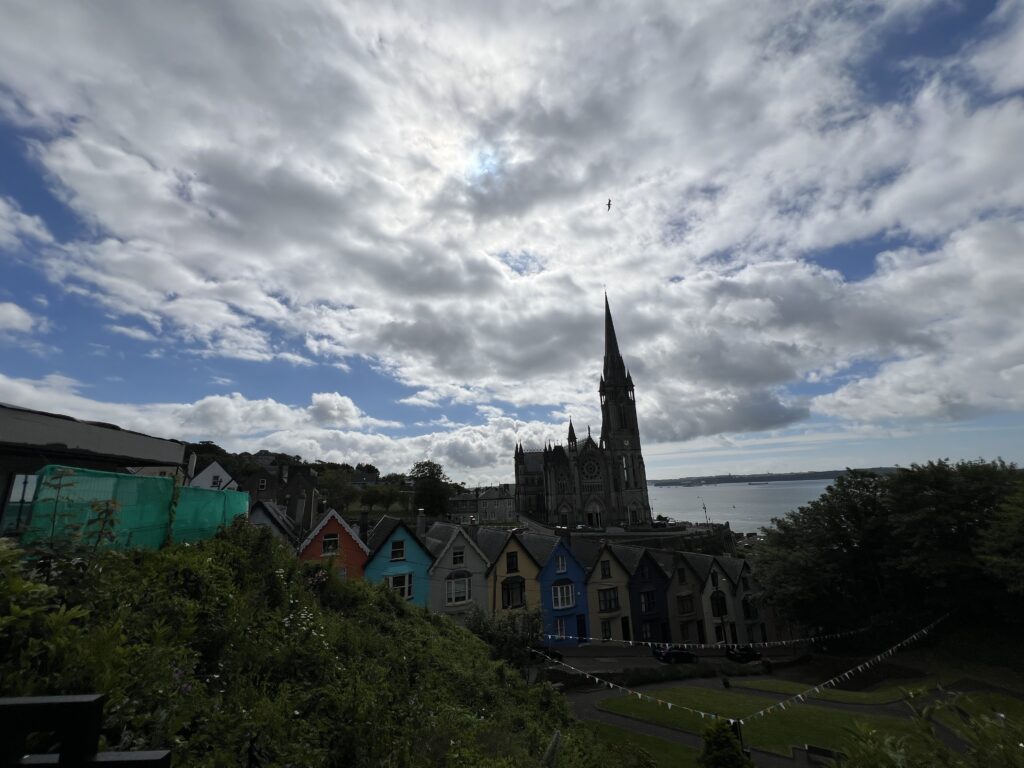
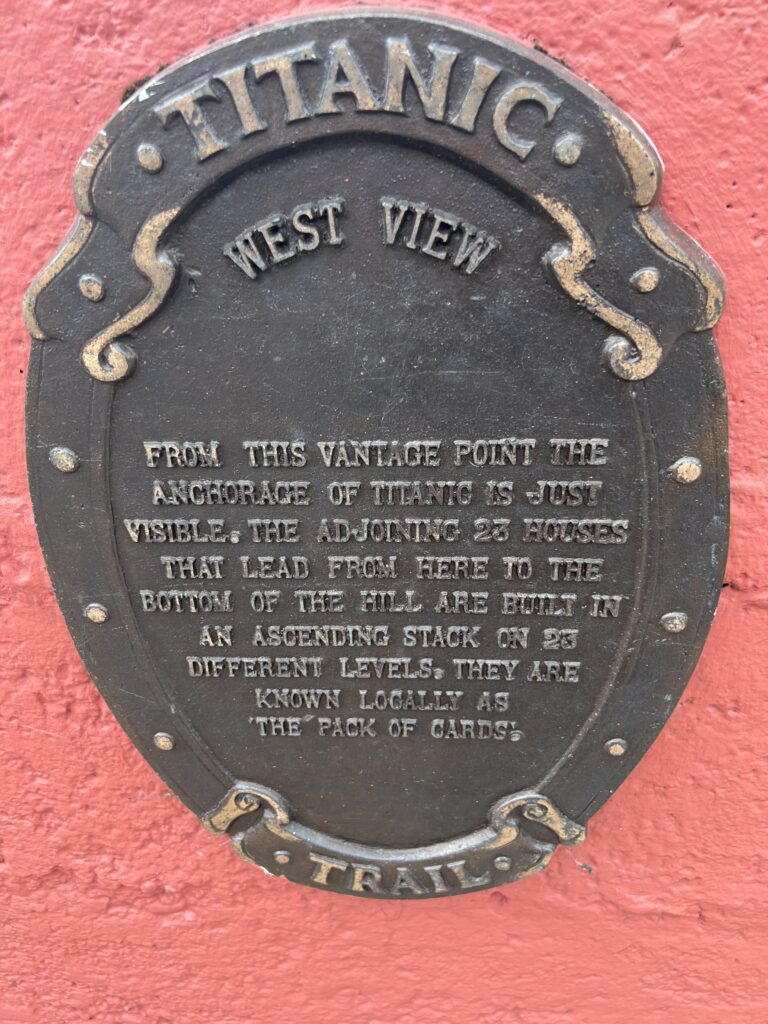
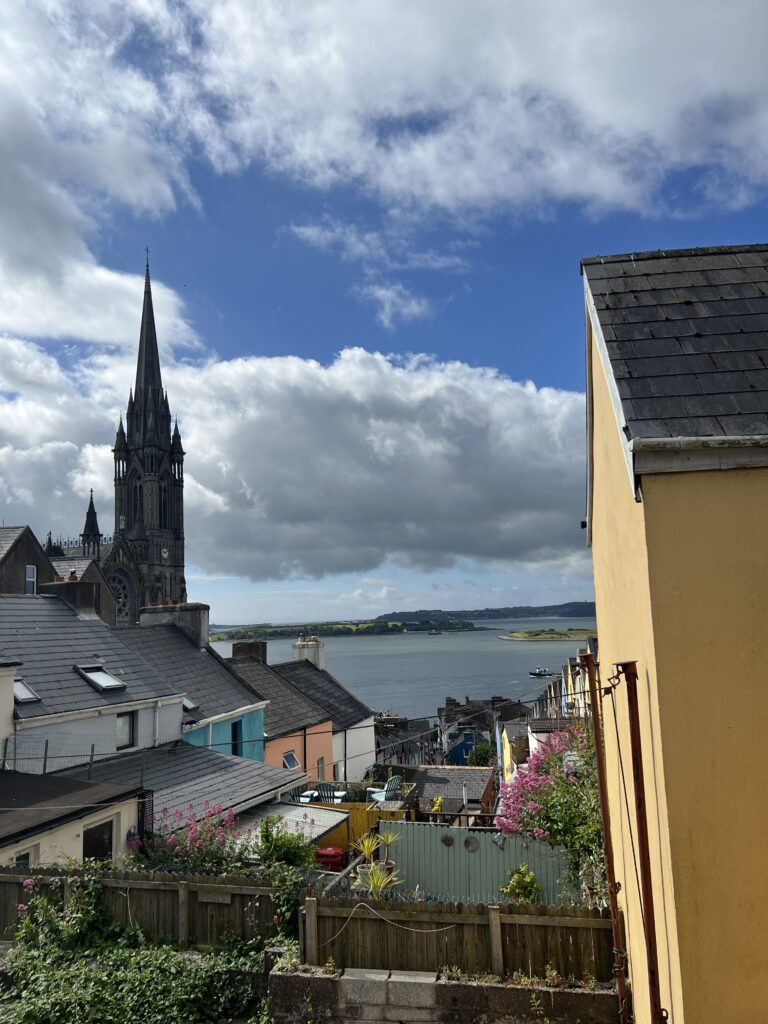
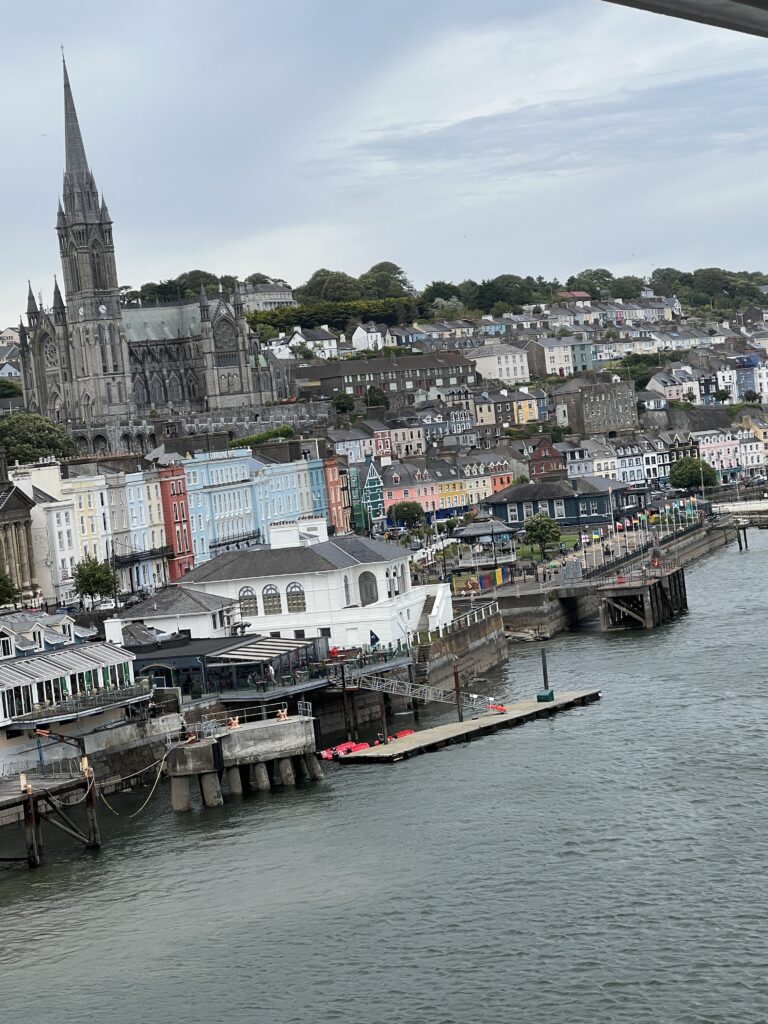
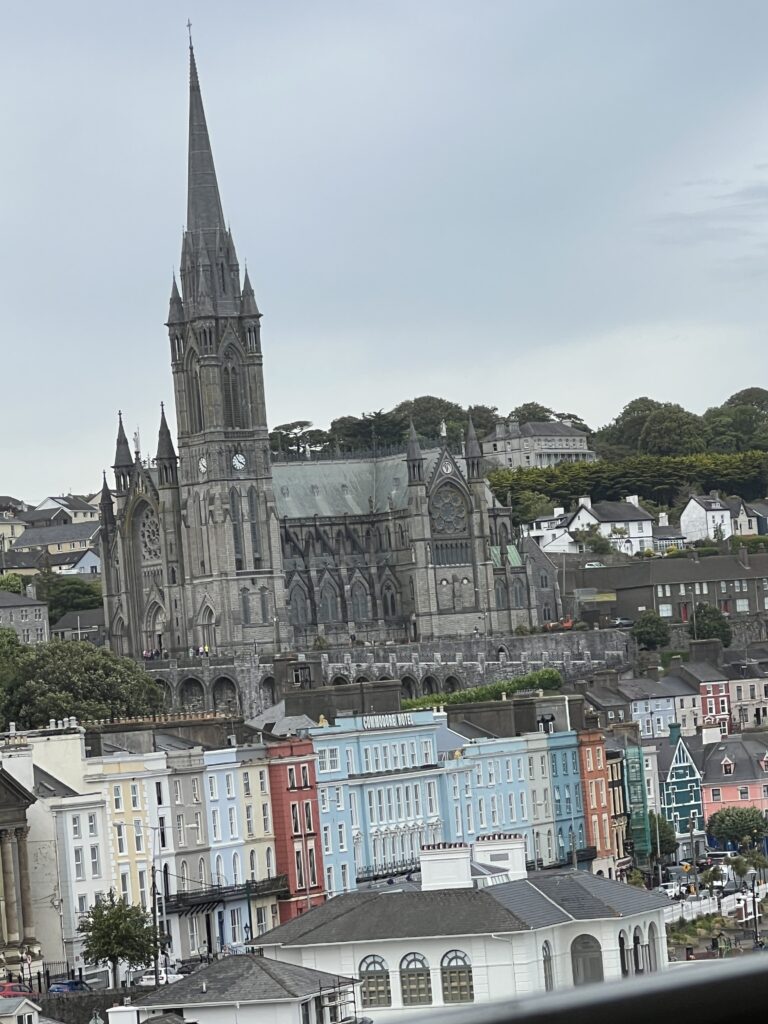
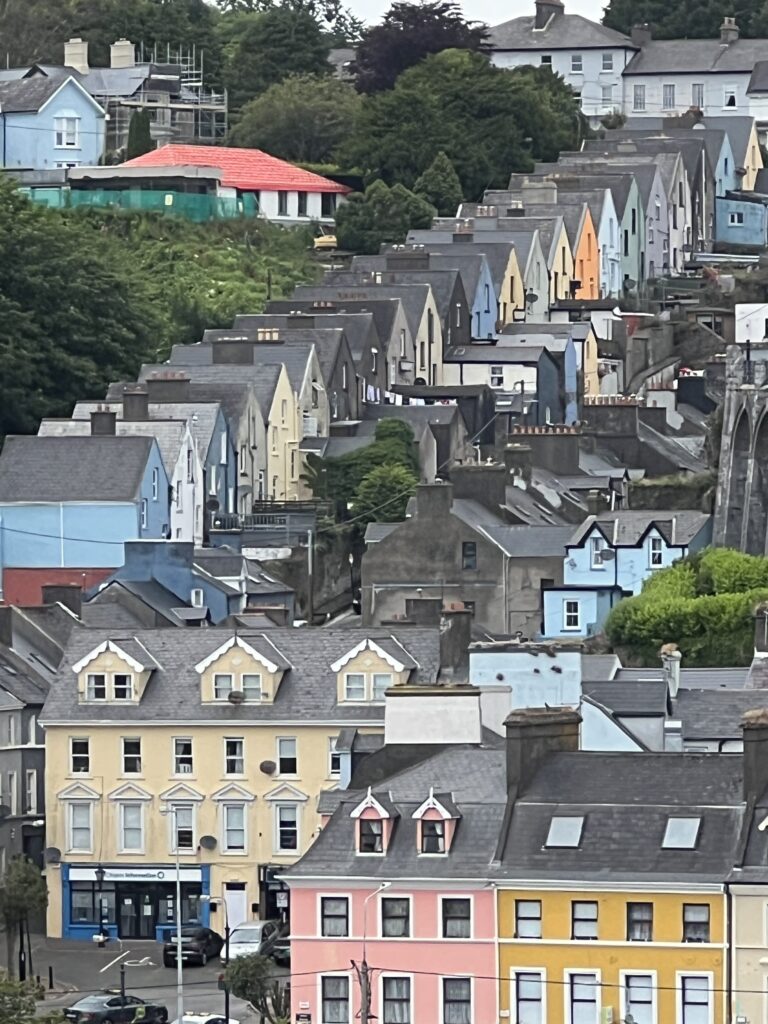
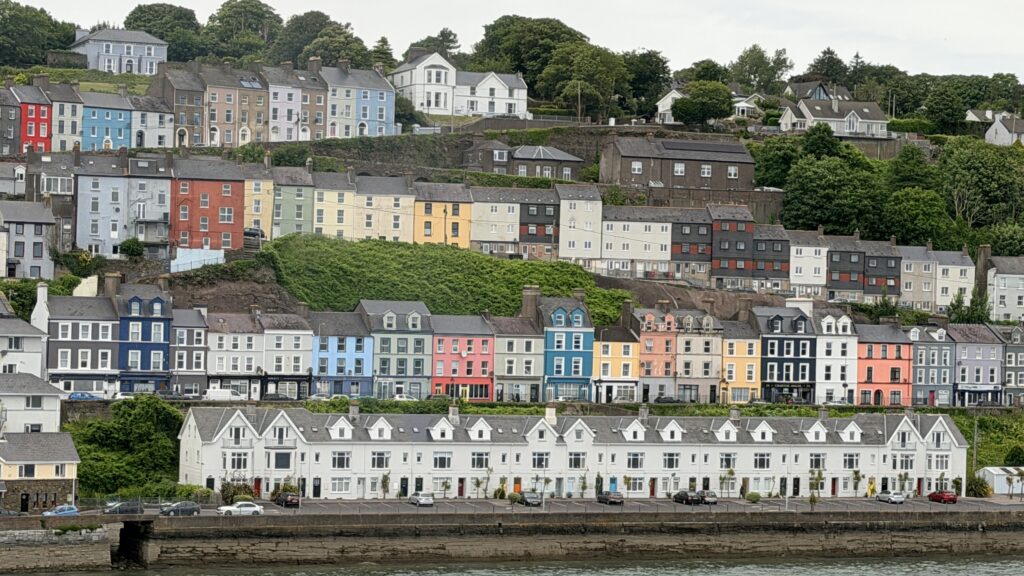
The “Deck of Cards” (often referred to as the House of Cards) is an iconic row of 23 brightly colored, Victorian-era terrace houses cascading down a steep hill on West View street in the historic harbor town of Cobh, County Cork, Ireland. Framed perfectly by the towering spire of St. Colman’s Cathedral in the background, it is one of the most photographed and recognizable vistas in the entire country. I will post additional photos later in the blog
Welcome » St Colmans Cathedral
Stock photo of St Colmans Cathedral
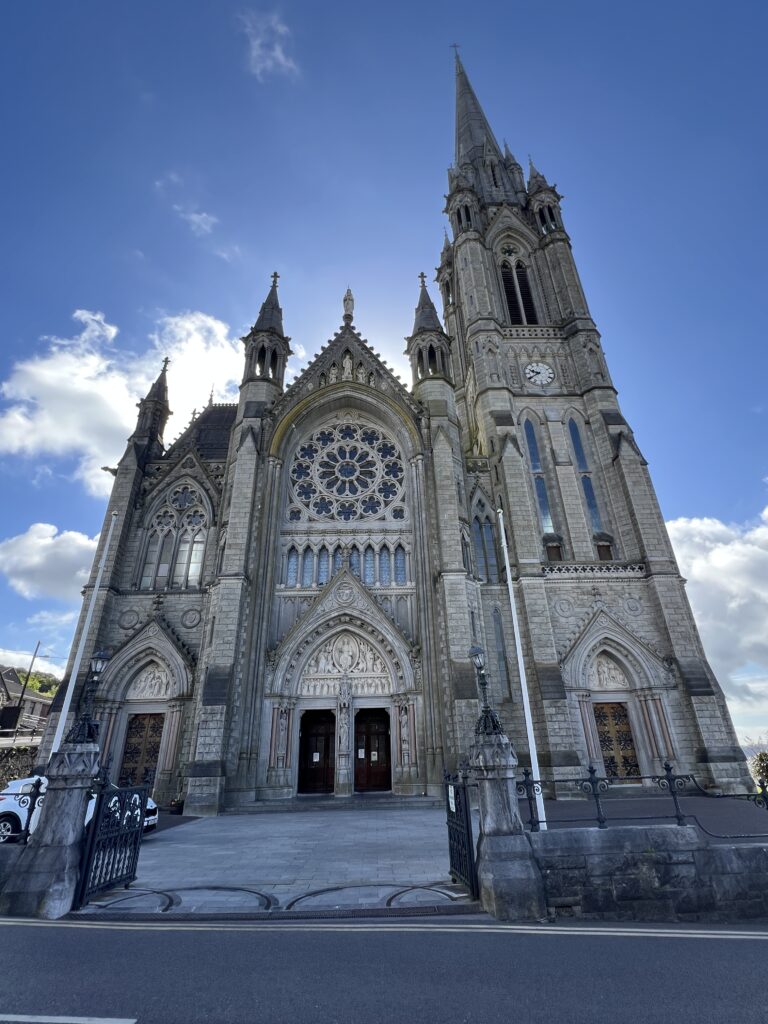
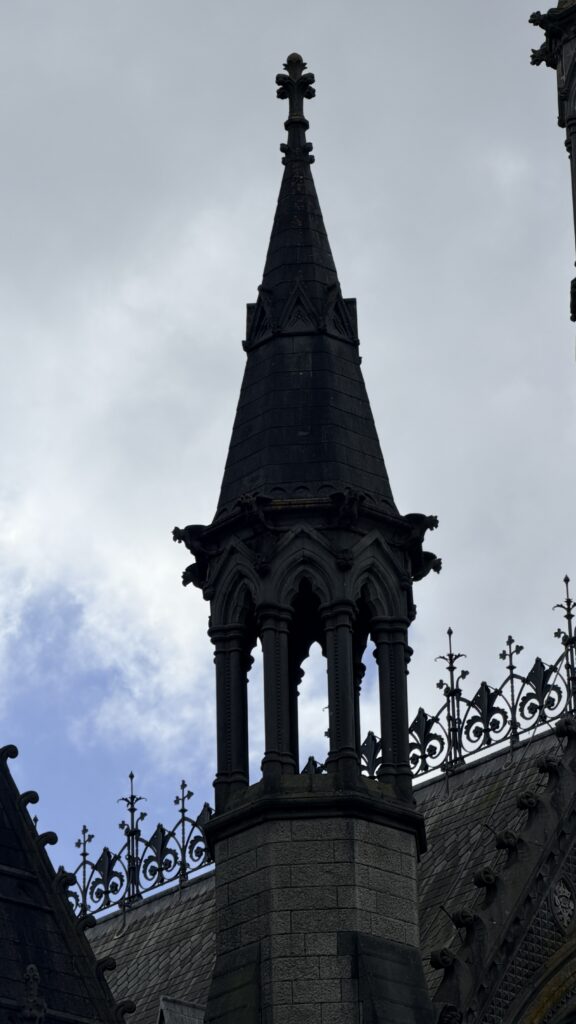
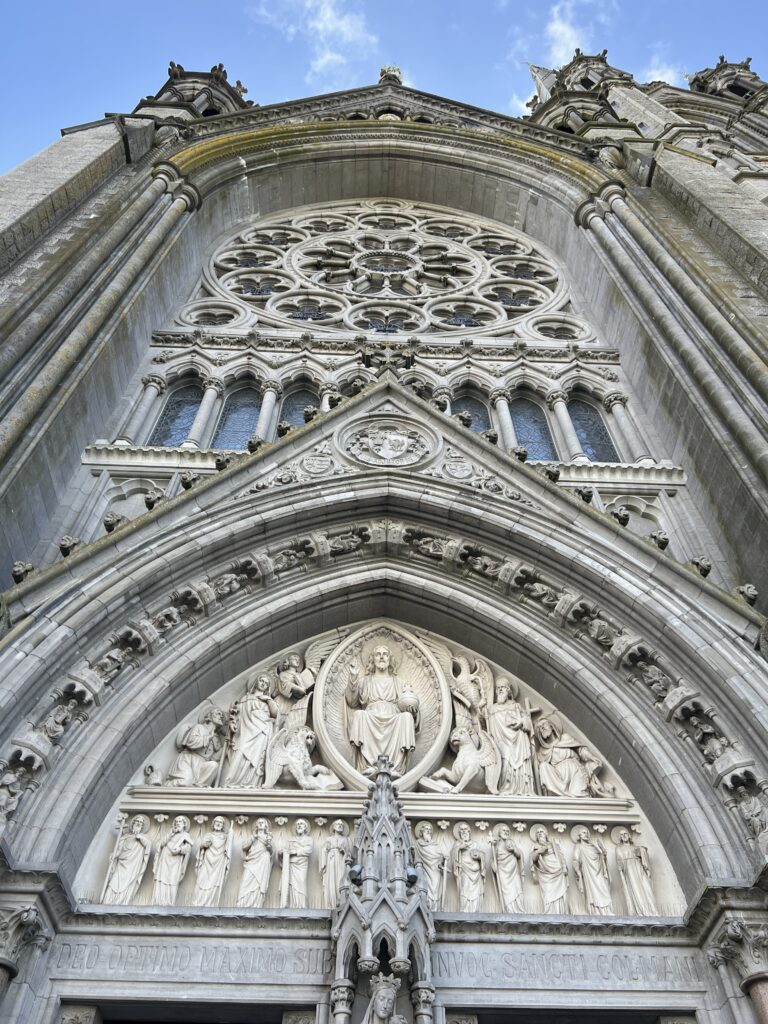
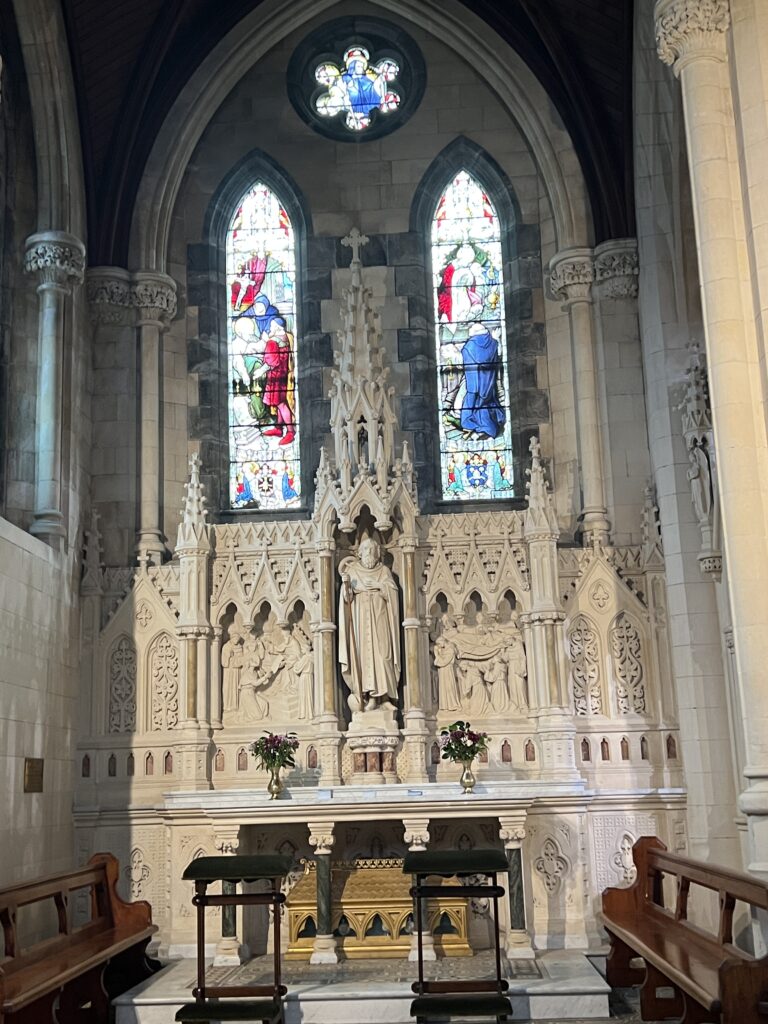
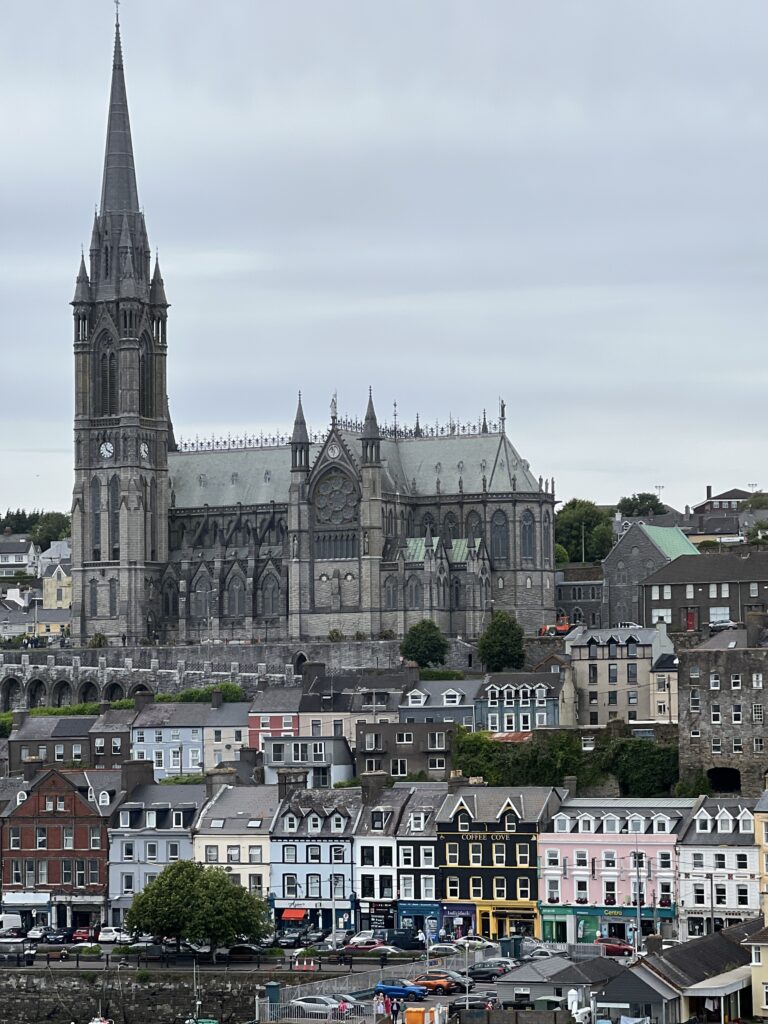
The Cathedral Church of St. Colman (Irish: Ardeaglais Naomh Colmán), usually known as Cobh Cathedral, or previously Queenstown Cathedral, is a single-spire cathedral in Cobh, Ireland. It is a Roman Catholic cathedral and was completed in 1919. Built on Cathedral Place, it overlooks Cork harbour from a prominent position, and is dedicated to Colmán of Cloyne, patron saint of the Diocese of Cloyne. It serves as the cathedral church of the diocese.
Construction began in 1868 and was not completed until over half a century later due to increases in costs and revisions of the original plans. With the steeple being 91.4 metres tall (300 ft), the cathedral is the tallest church in Ireland. It was considered to be the second-tallest, behind St John’s Cathedral in Limerick which was believed to be 94 metres tall; newer measurements have shown that the St John’s spire is in fact 81 metres tall and therefore only the fourth tallest church in Ireland. It is frequently cited as one of Ireland’s most beautiful church buildings.
A small church, known to parishioners as the “Pro-Cathedral” had been on the site of the present cathedral since 1769. On the death of Bishop Timothy Murphy in 1856, the dioceses of Cloyne and Ross were split, and Bishop William Keane decided that Cloyne should have a purpose-built cathedral.
In 1867, a diocesan building committee made the decision to erect a new cathedral in Cobh, then named Queenstown. The committee obtained designs from three firms, Edward Welby Pugin & George Ashlin, James Joseph McCarthy, and George Goldie. Goldie and McCarthy were unhappy with the conditions of the competition, which they felt to be unfair. Firstly, they felt that the cost limit of IR£25,000 may be ignored by the committee, and they also believed that Pugin and Ashlin had powerful family connections to the selection committee: the bishop was a family friend of Ashlin’s, and the assistant to the building committee’s administrator was his brother. As a result, Pugin & Ashlin were the only firm which accepted the conditions of the competition, and were awarded the commission. The clerk of works was Charles Guilfoyle Doran, who supervised the project until his death in 1909.
In 1867, parishioners collectively gave £10,000 towards the construction of the cathedral, and Puglin & Ashlin’s draft plans were accepted in December that same year. Due to the need to level a 24-foot fall between the north and south walks, the foundations of the cathedral were costly, amounting to a total cost of £5,000.After construction of a temporary church on Bishop Street in February 1868, the old parish church was demolished. Excavation of the site began in 1868, and though the cornerstone was laid on 30 September that same year, the main contract was not let until April 1869. The total cost of the contract was given as £33,000.
After construction had begun, and the walls had reached a height of 3.5m, Bishop Keane, unsatisfied with the proposed cathedral, advised that he preferred a more elaborate design. Consequently, with the exception of the ground plan, none of the original plans were followed. Pugin & Ashlin adjusted their plans, and added flying buttresses, traceried parapets, arcading, niches, and more. These extra works increased by many thousands of cubic feet of stone the quantity already provided for and substantially increased the cost. The builder, Michael Meade, refused to renegotiate the contract and withdrew from the site. After a brief period of inactivity on the site, work resumed on the site. When Pugin died in 1875, Ashlin took on the services of a Dublin architect, Thomas Aloysius Coleman, to assist him in the completion of the project. By 1879, work had progressed sufficiently to enable the congregation to gather in the cathedral, and mass was celebrated by Bishop John McCarthy, Bishop Keane’s successor, for the first time on 15 June. Works continued until 1883, at which point the builders had run out of money, at construction ceased for six years.
Construction restarted under Bishop McCarthy in 1889. The west front was finished the following year, by which point construction had already cost £100,000.
Work on the interior began in 1893, and included cladding the walls with Bath and Portland stone, and sheeting the roof with vaults of pitch pine.
The spire was erected between 1911 and 1915, and rises to a height of 300 feet.
The building was completed in 1919 for a total cost of £235,000, far exceeding the original limit, and making it one of the most expensive churches ever built in Ireland.
The cathedral was consecrated on 24 August 1919 by the Right Reverend Robert Browne, Bishop of Cloyne, in the presence of three of Ireland’s archbishops Michael Logue, John Harty and Thomas Gilmartin.
The cathedral measures 65 meters long, 37.5 meters wide, and at the highest point of the spire is 95.3 meters high.
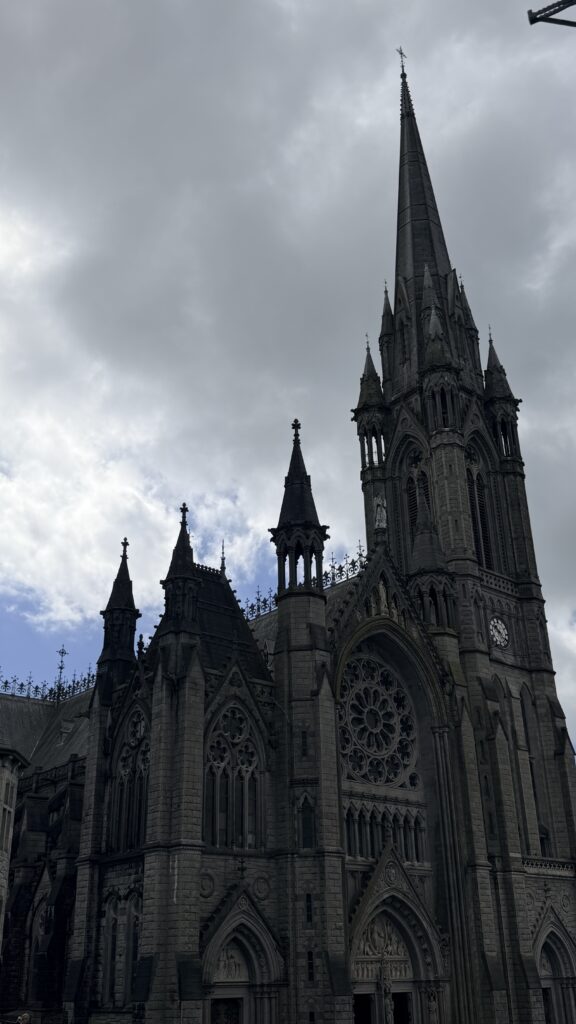
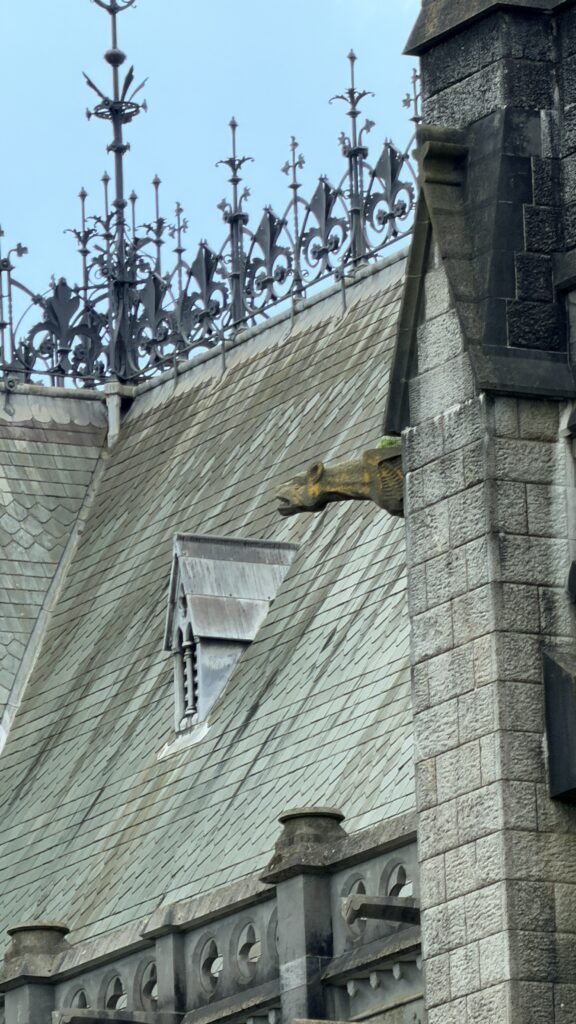
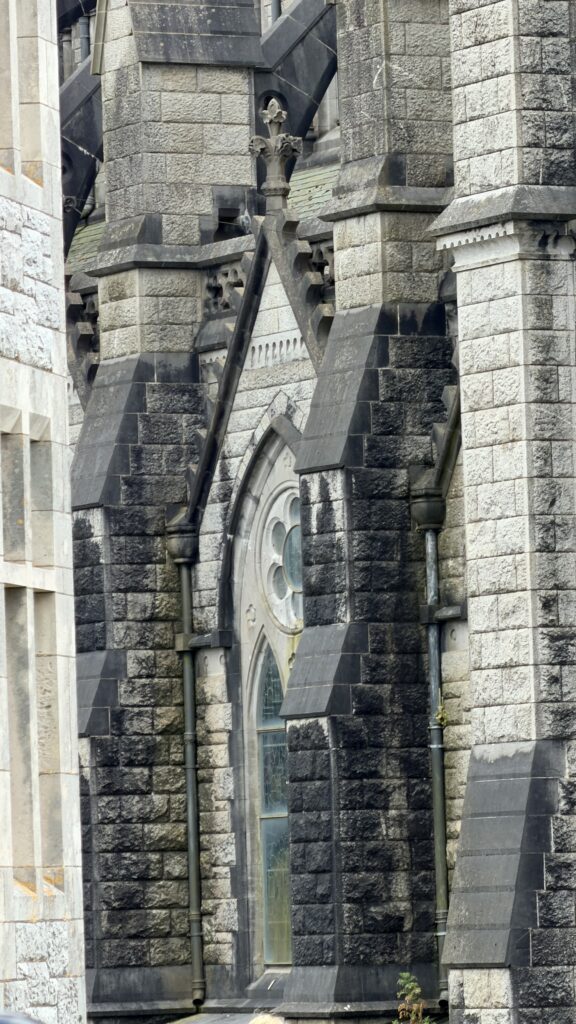
The architectural style is Gothic Revival, modelled in particular in an elaborate French Gothic style. It is primarily constructed of blue Dalkey granite with Mallow limestone dressings. The foundation is built of a large bed of sandstone, quarried at Carrigmore and Castle Oliver. The roof is made of Belgian blue slate.
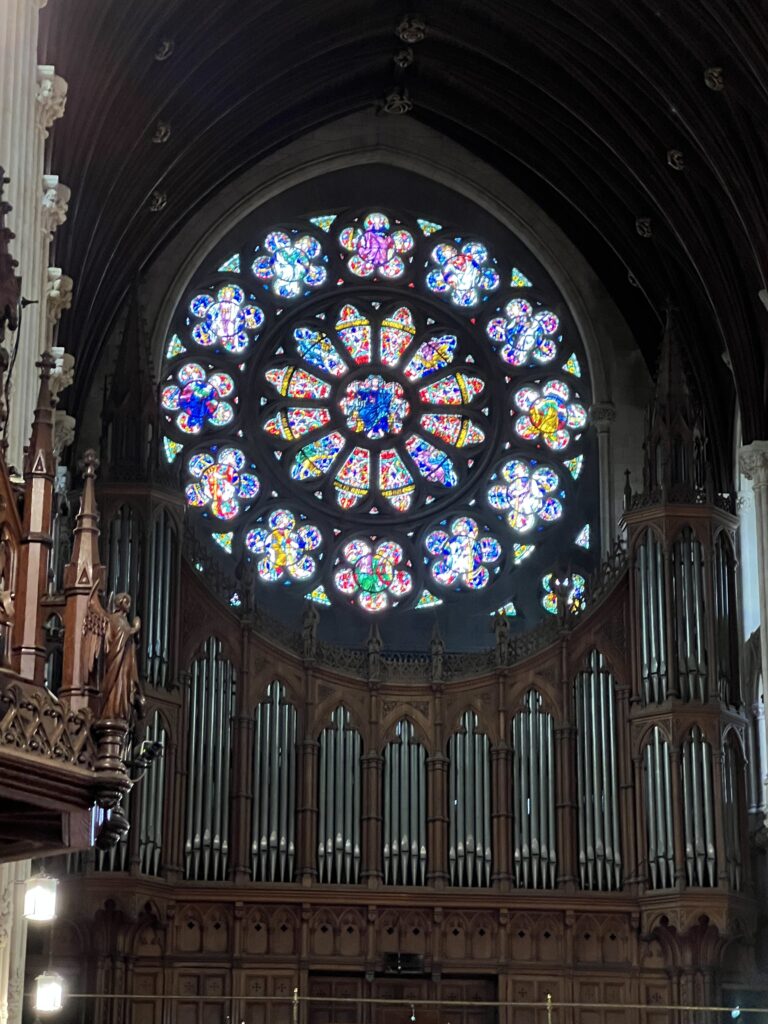
The tower contains Ireland’s only carillon, which with 49 bells is the most of any in the British Isles. It contains Ireland’s largest bell, named St Colman, which weighs 3.6 tons. Originally installed in 1916, the carillon was restored in 1998. The Telford Organ, which was installed at the turn of the twentieth century, is one of the Cathedral’s distinguishing features. The organ is a unique instrument because it is played on the set of bells in the belfry.
An automated system strikes the hour and 15-minute intervals while it also rings the bells in appropriate form for Masses, funerals, weddings and events. The carillon is also played on special occasions and generally every Sunday afternoon by its current carillonneur Adrian Gebruers.
St. Joseph
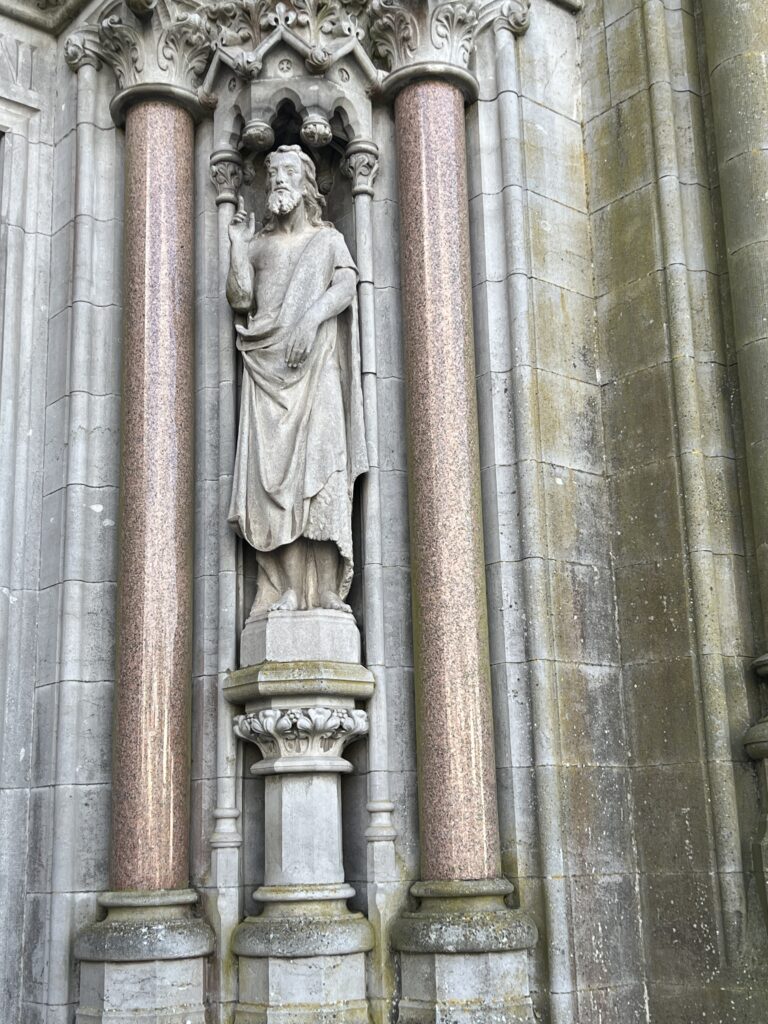
St. John the Baptist
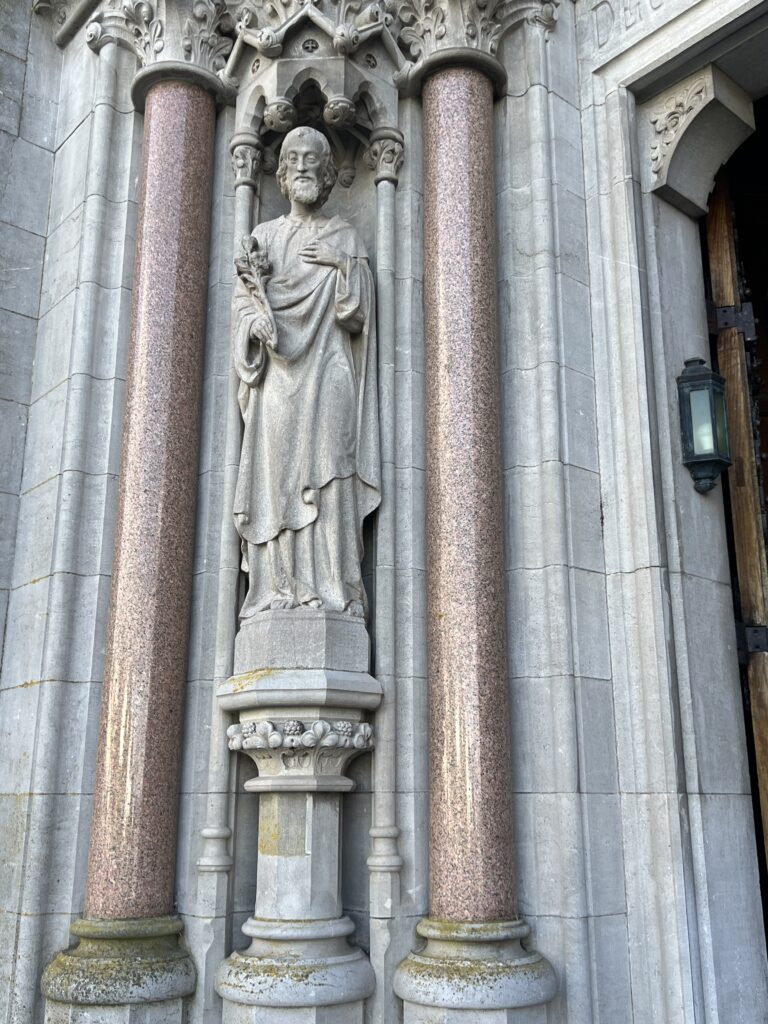
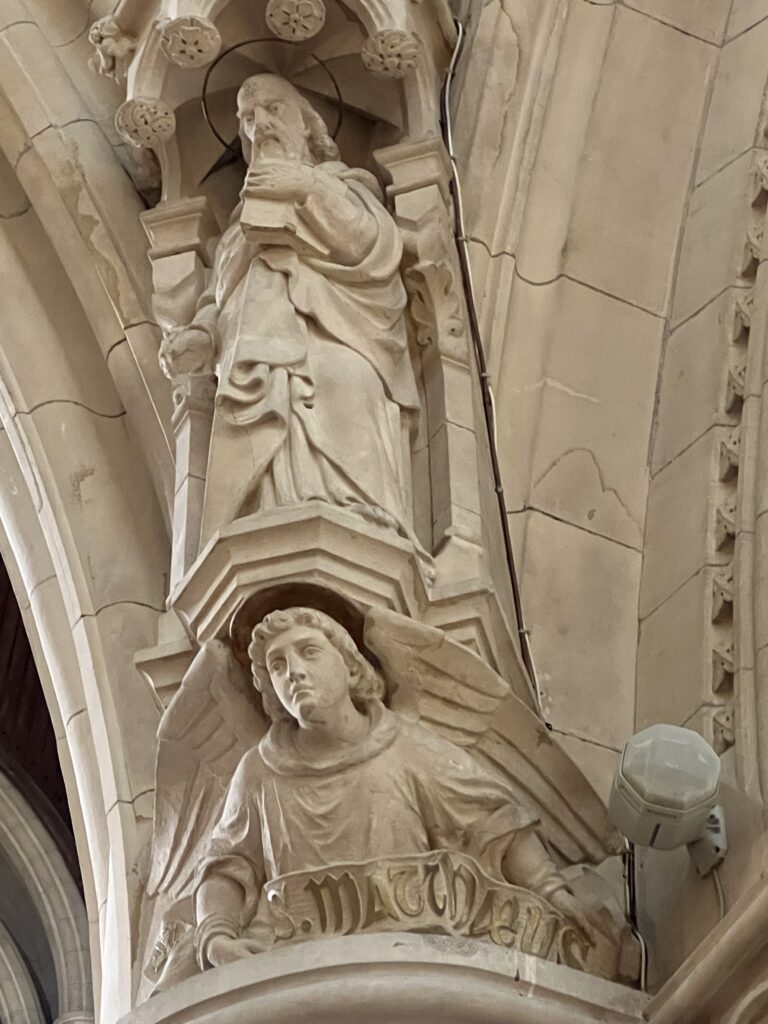
A website that identifies all the statues in the church
Cobh – An Cóbh – Sculptures at St. Colman’s Cathedral
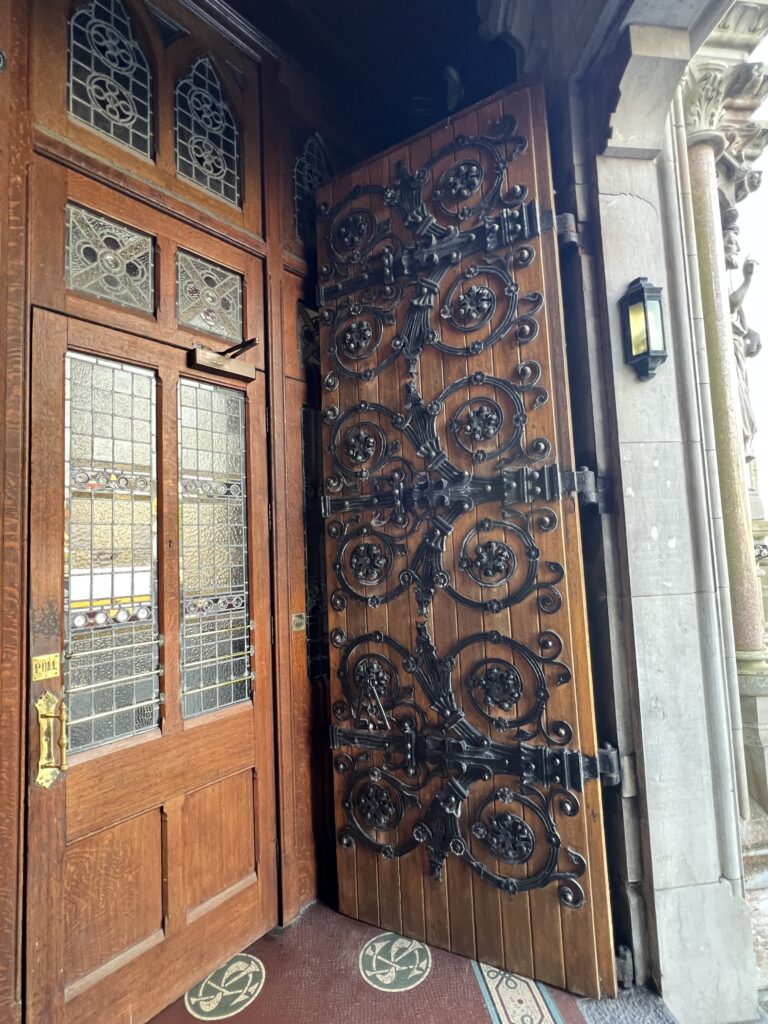
The front doors of the church were huge and beautiful
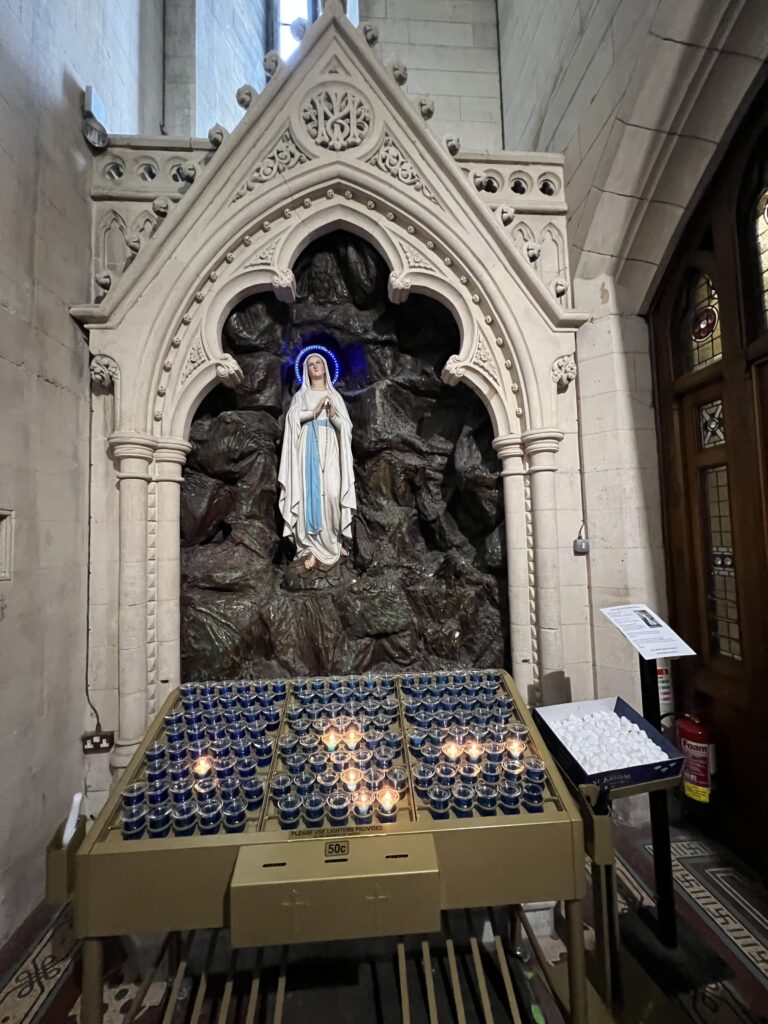
There were prayer rooms on either side of the entrance
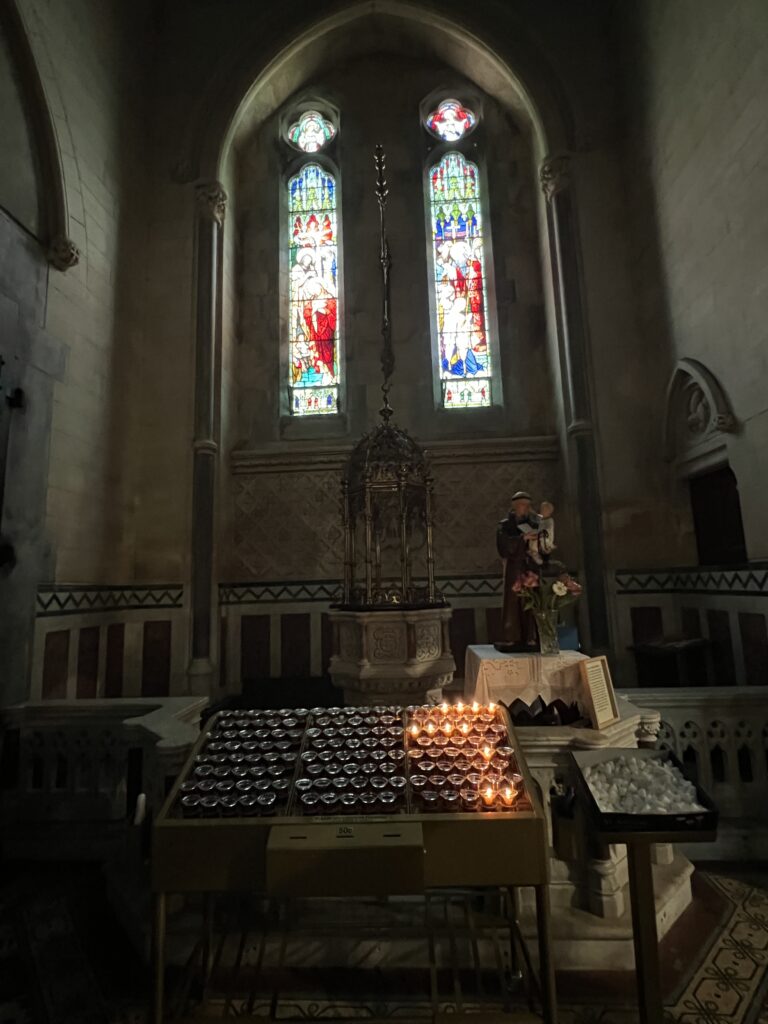
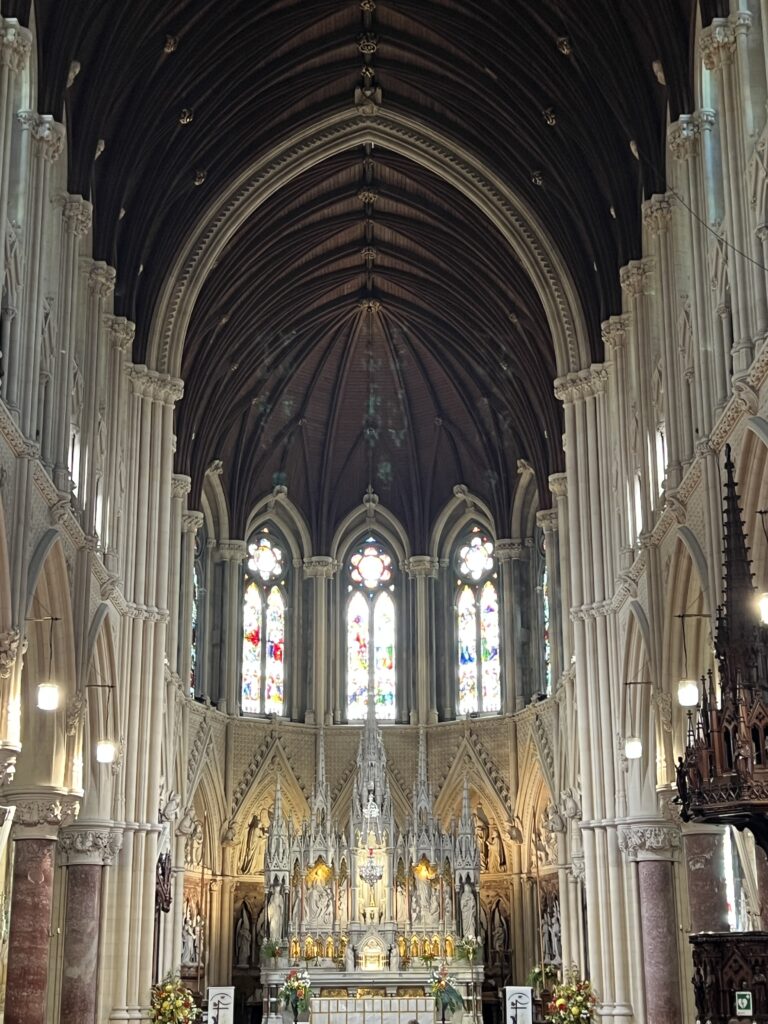
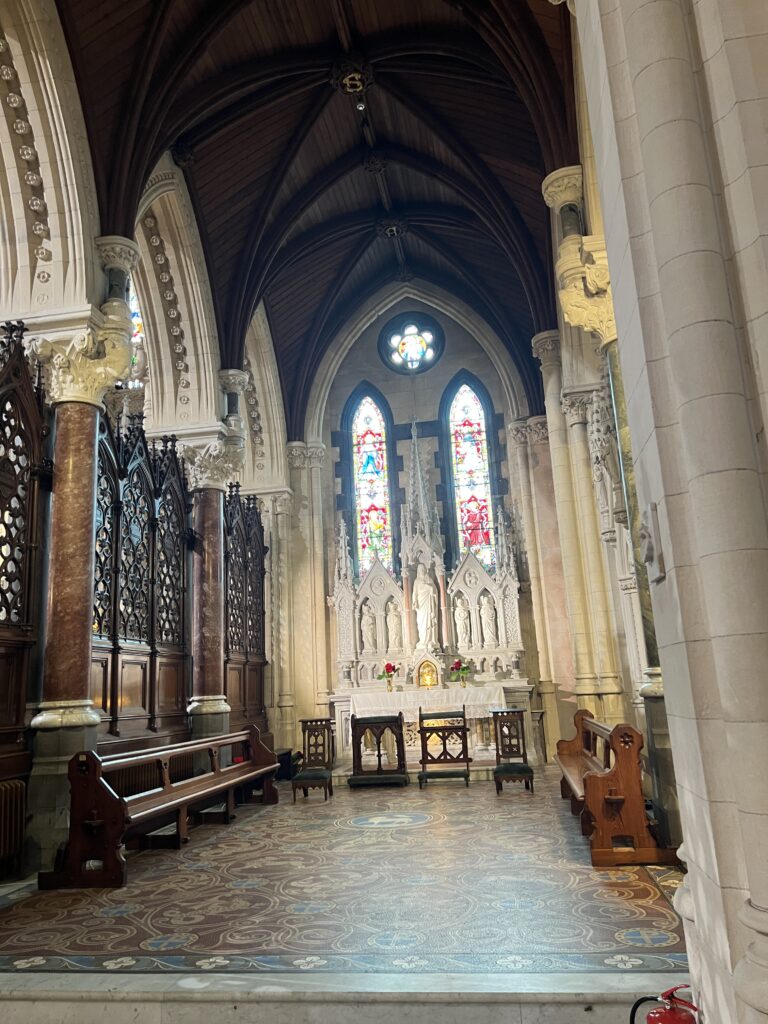
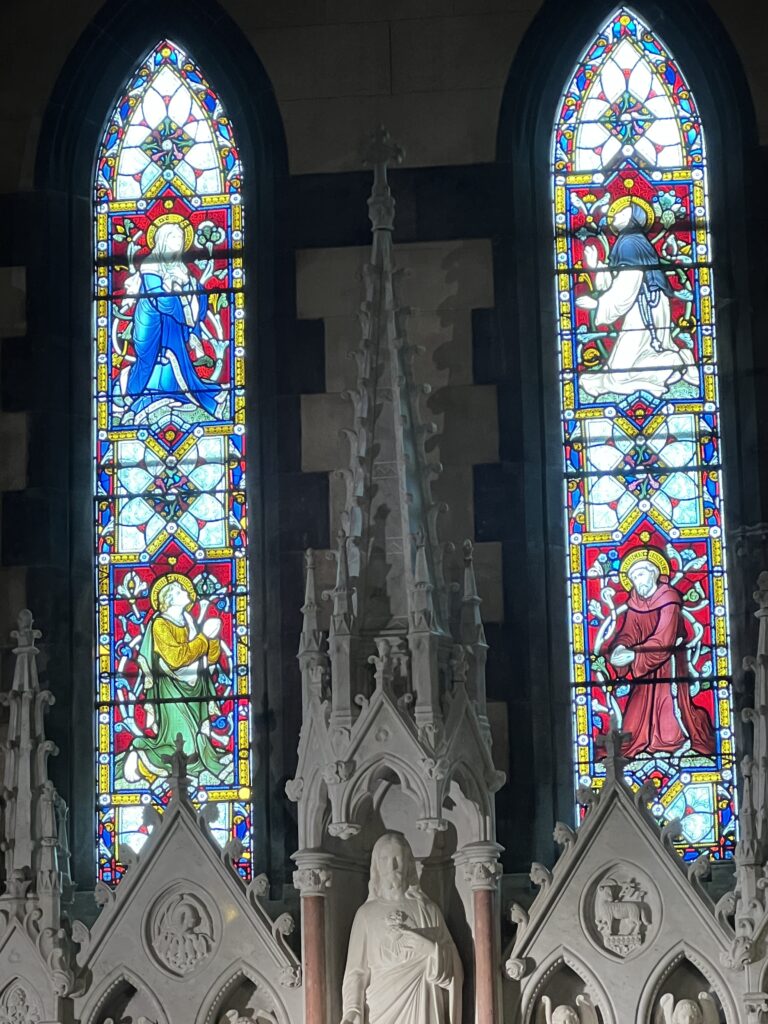
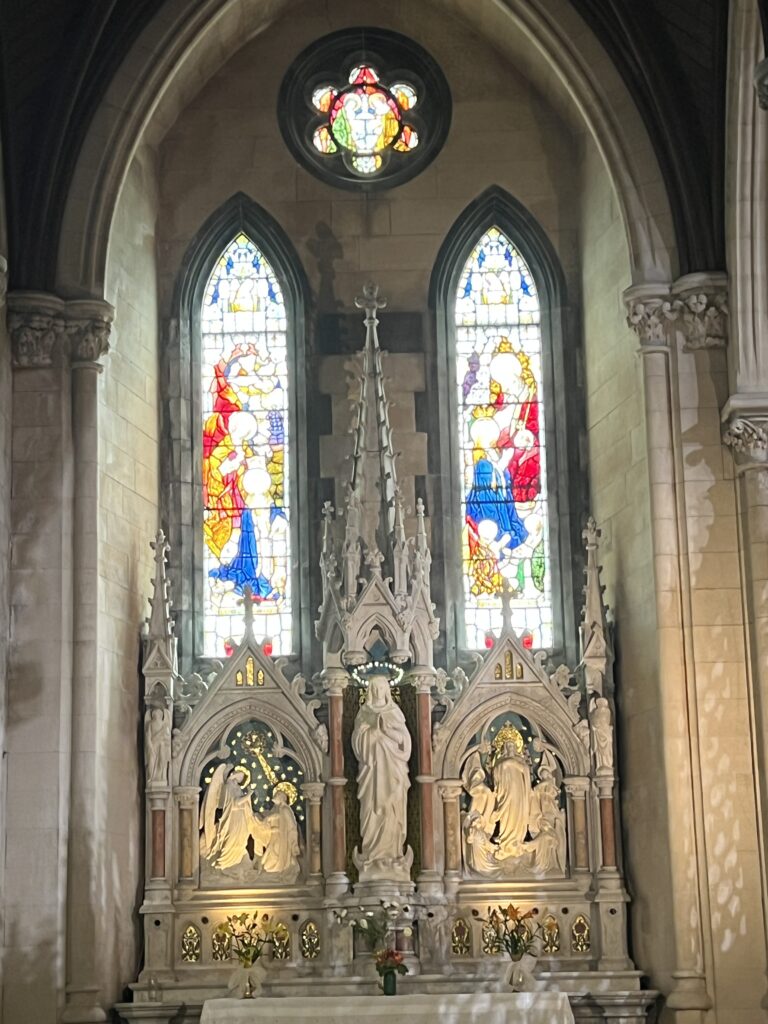
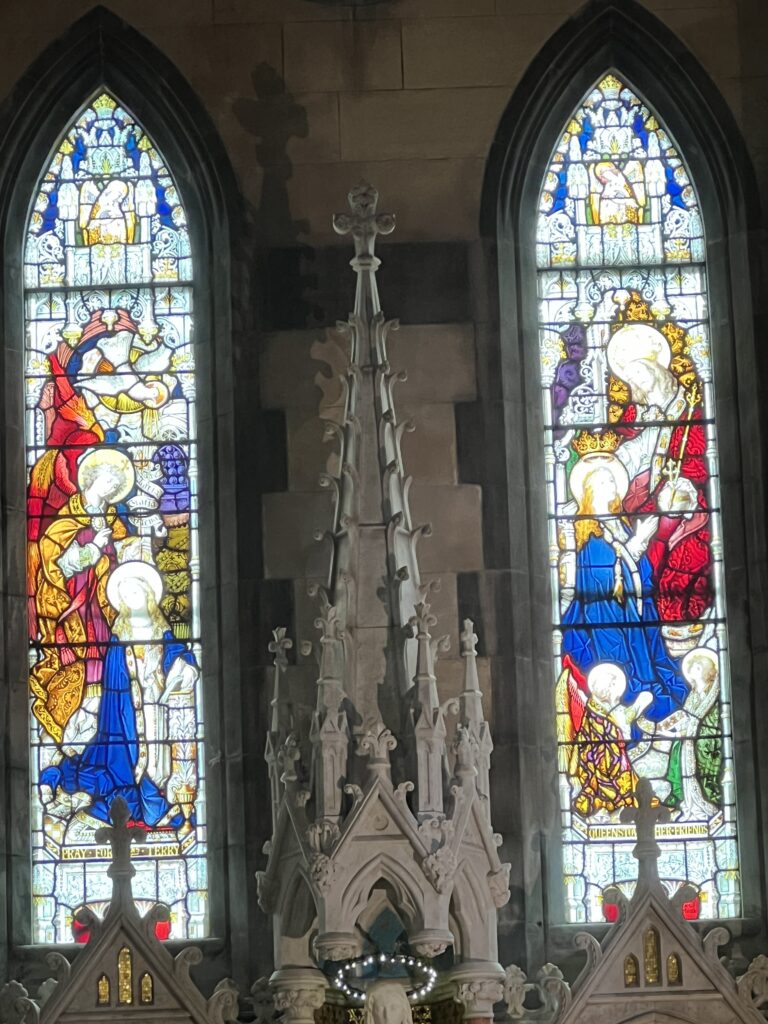
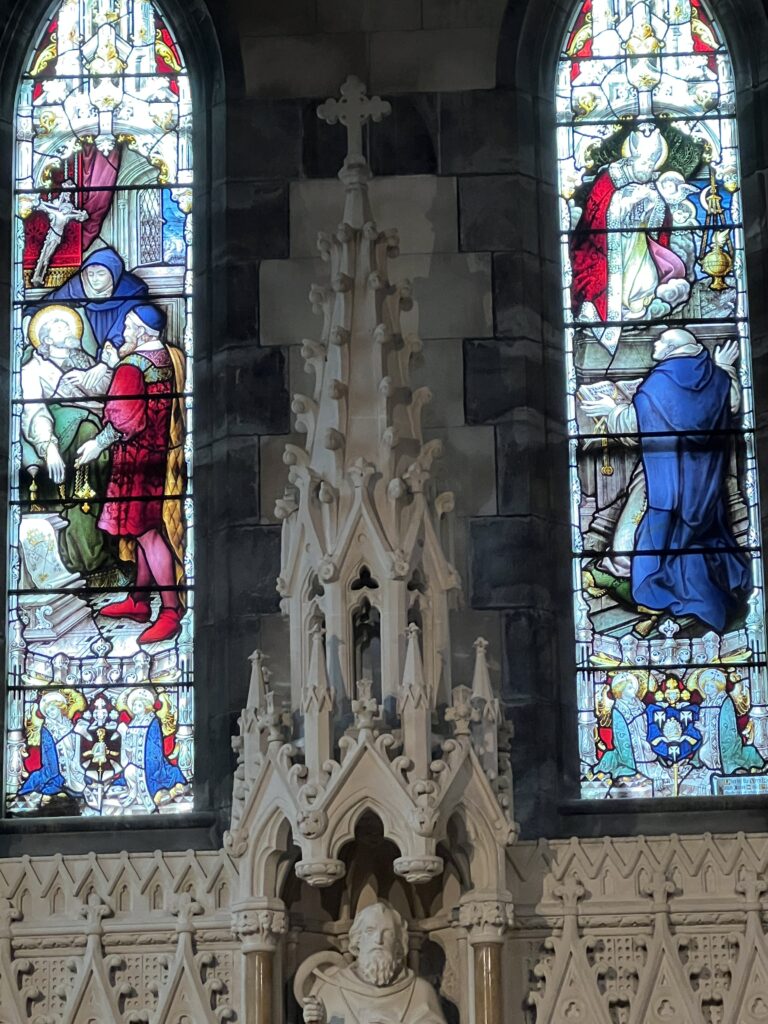
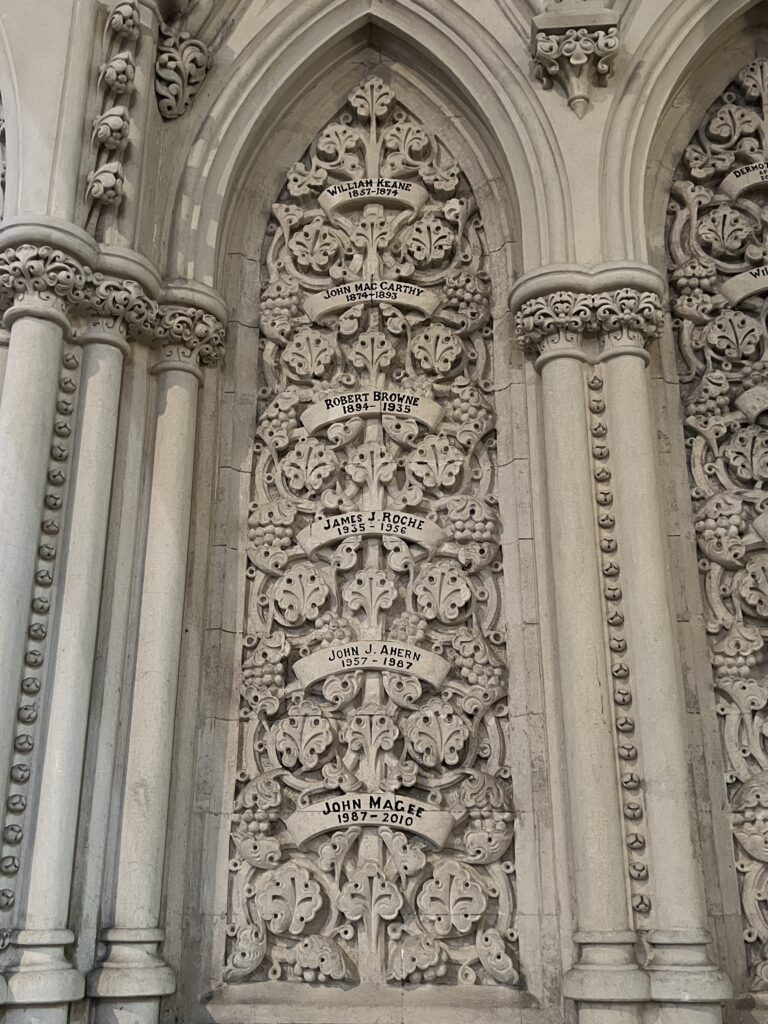
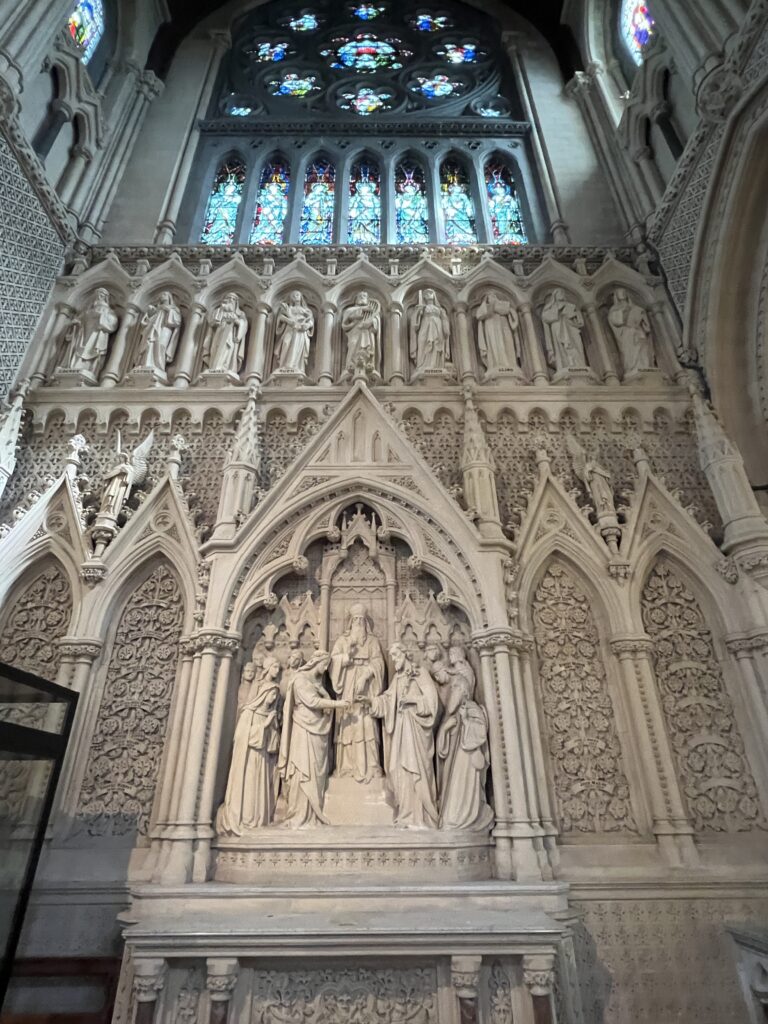
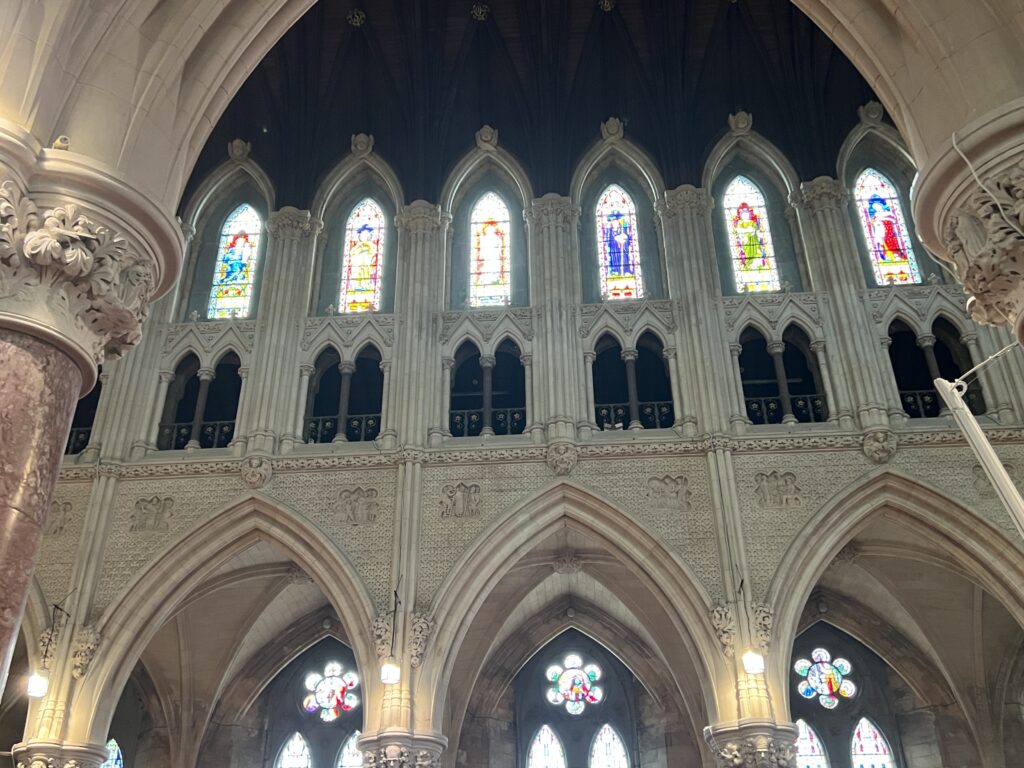
Photos from the interior of The Cathedral
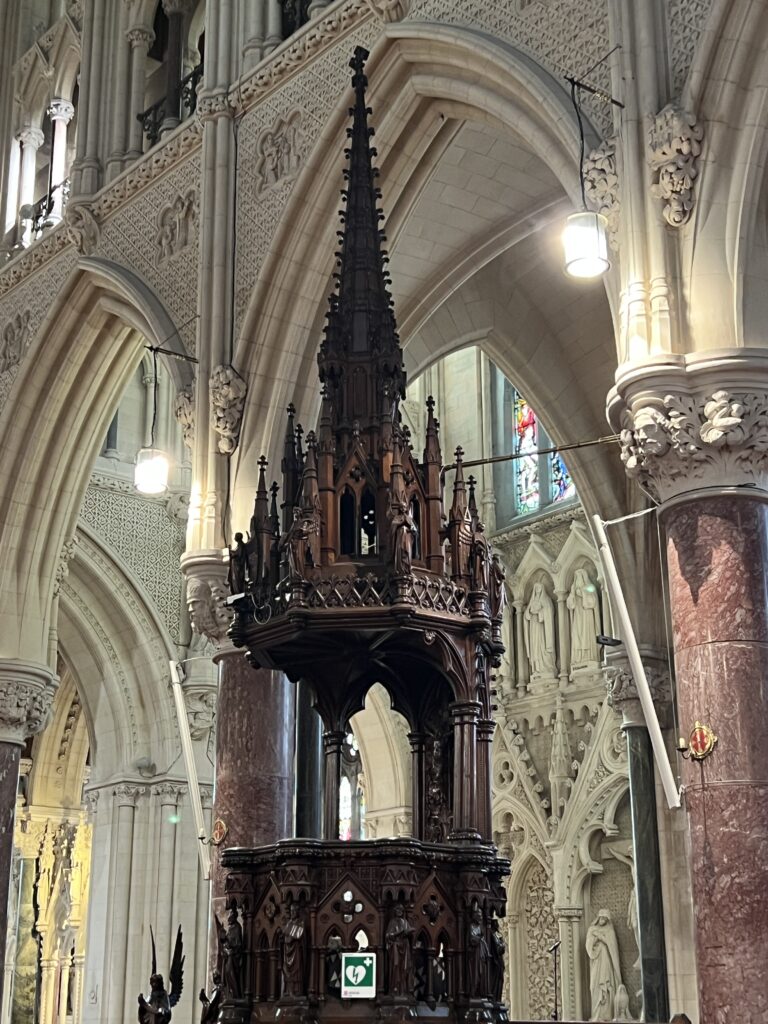
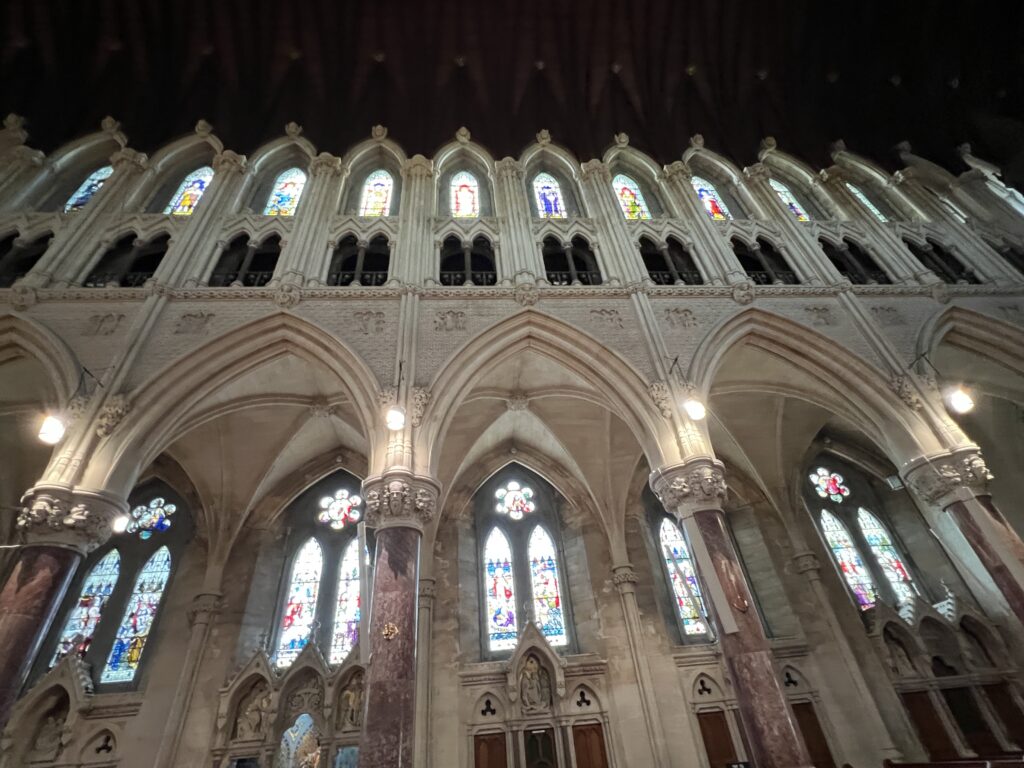
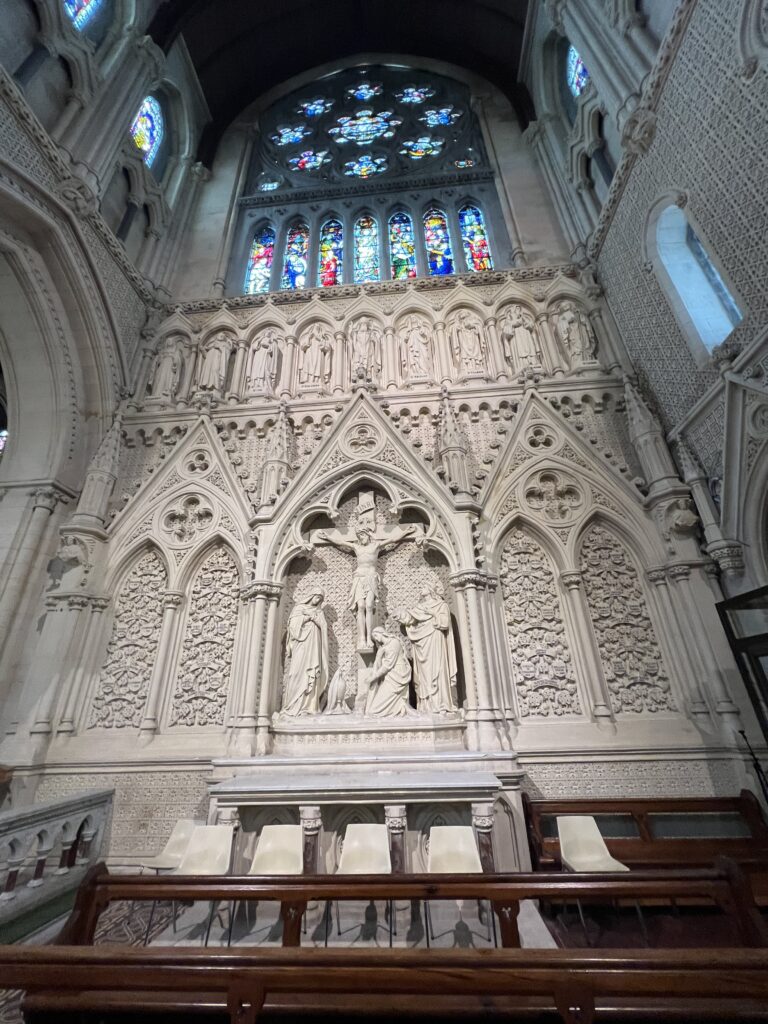
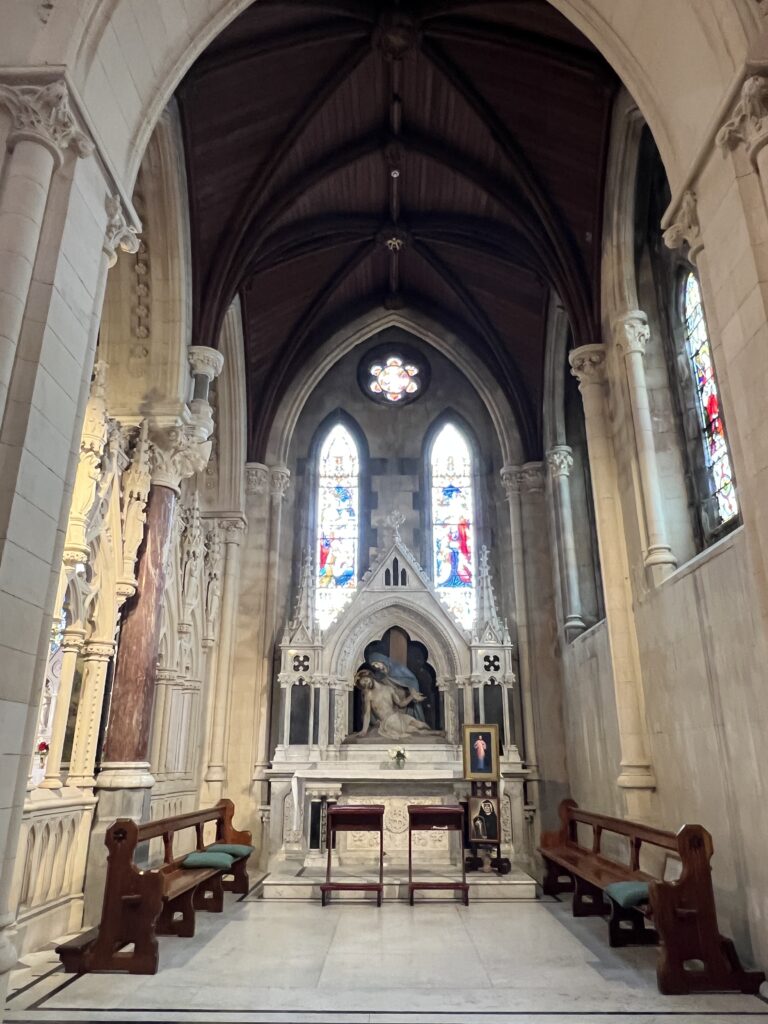
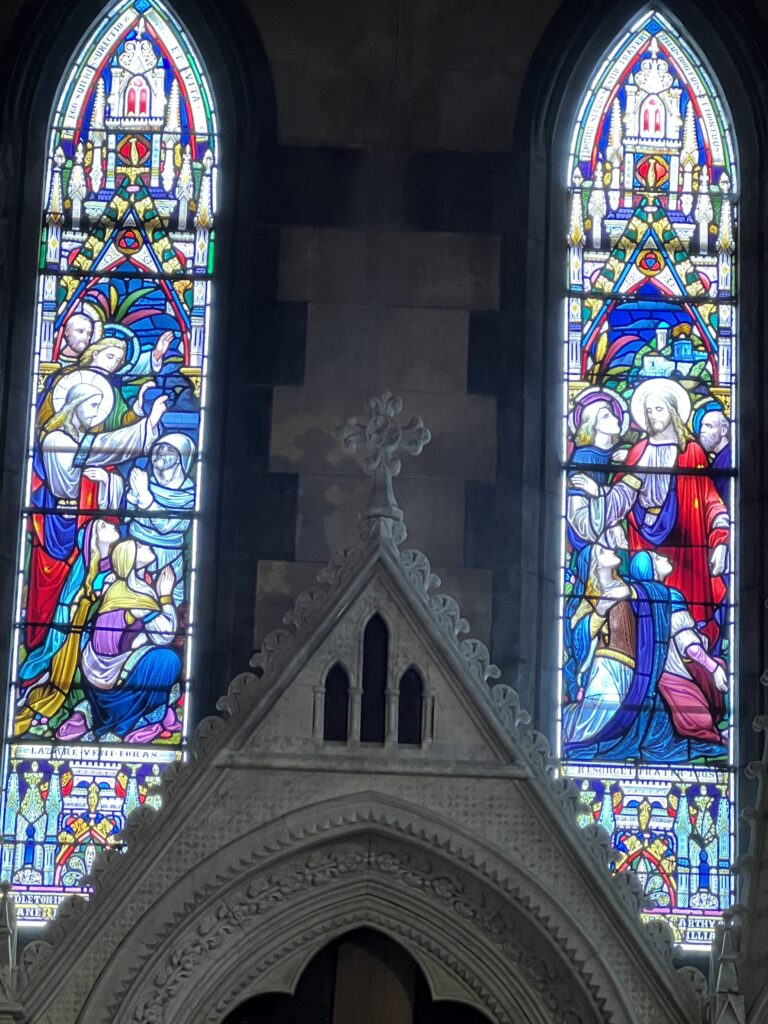
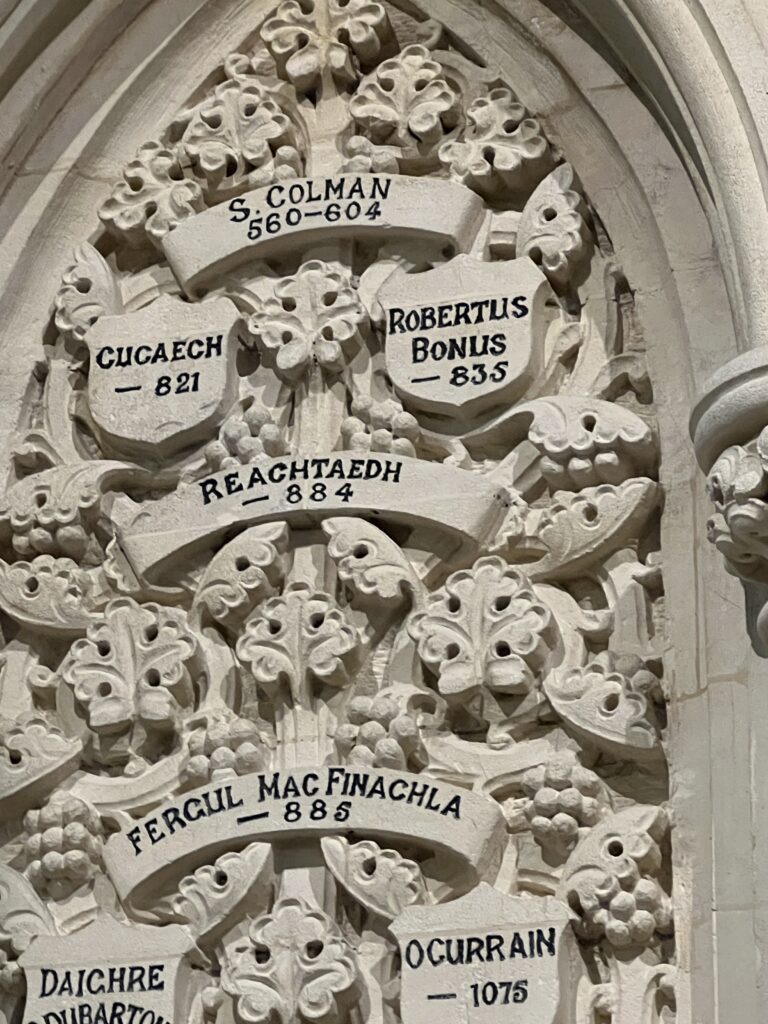
The stonework was unbelievable
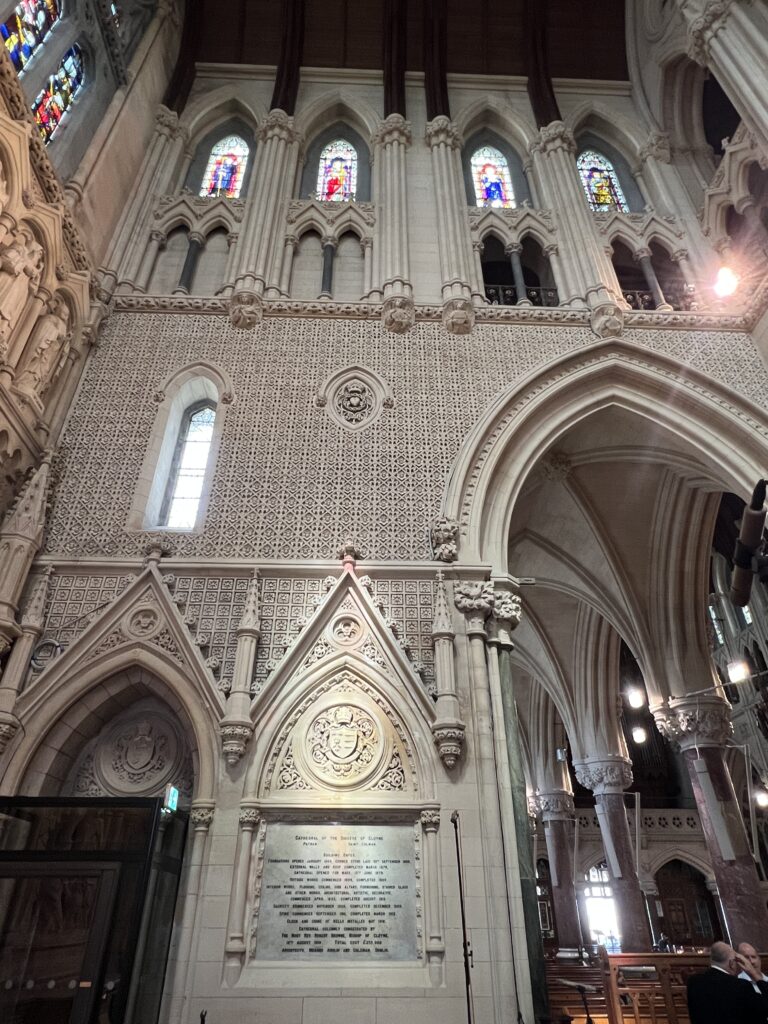
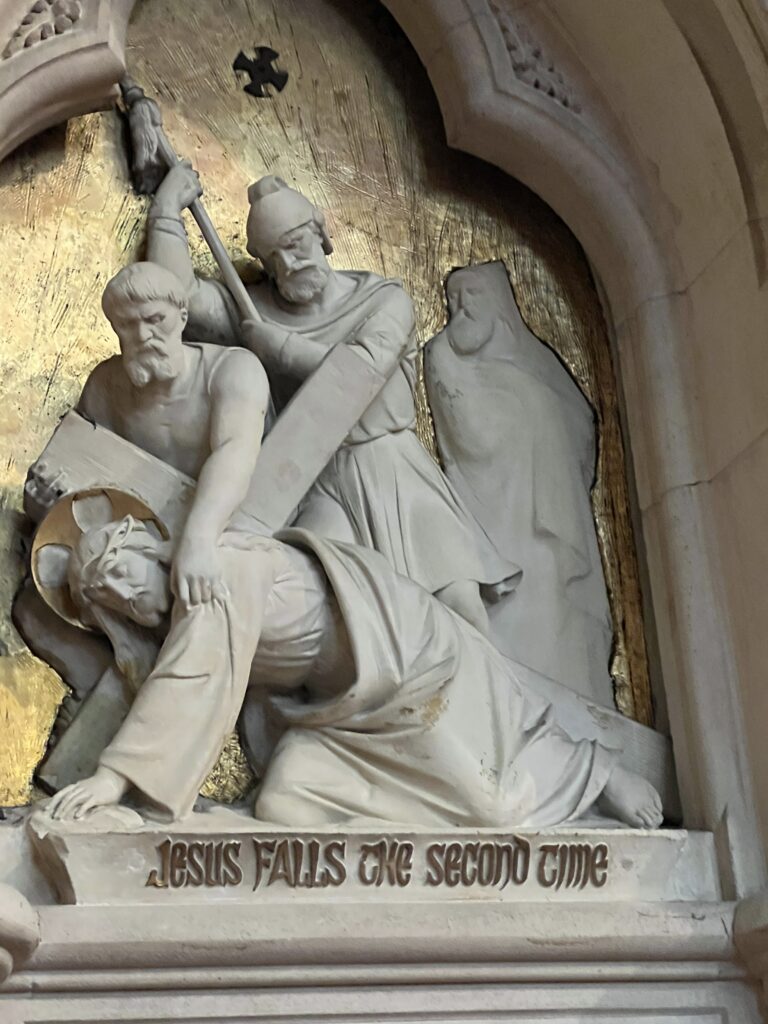
How the Stations of The Cross were in the Cathedral
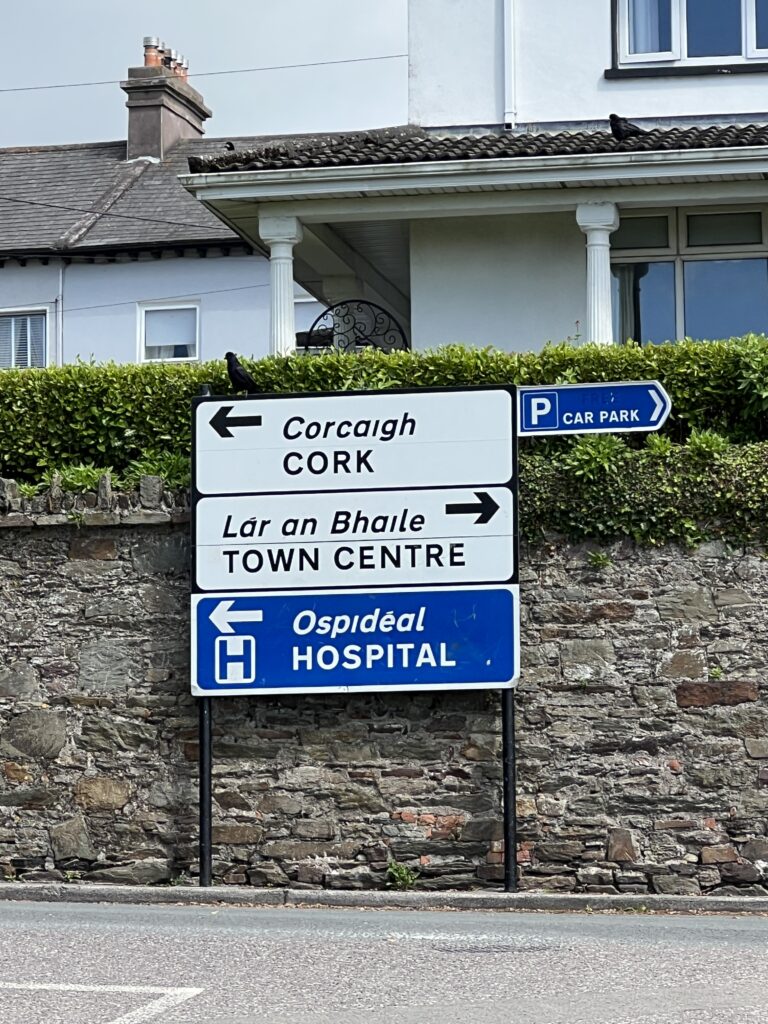
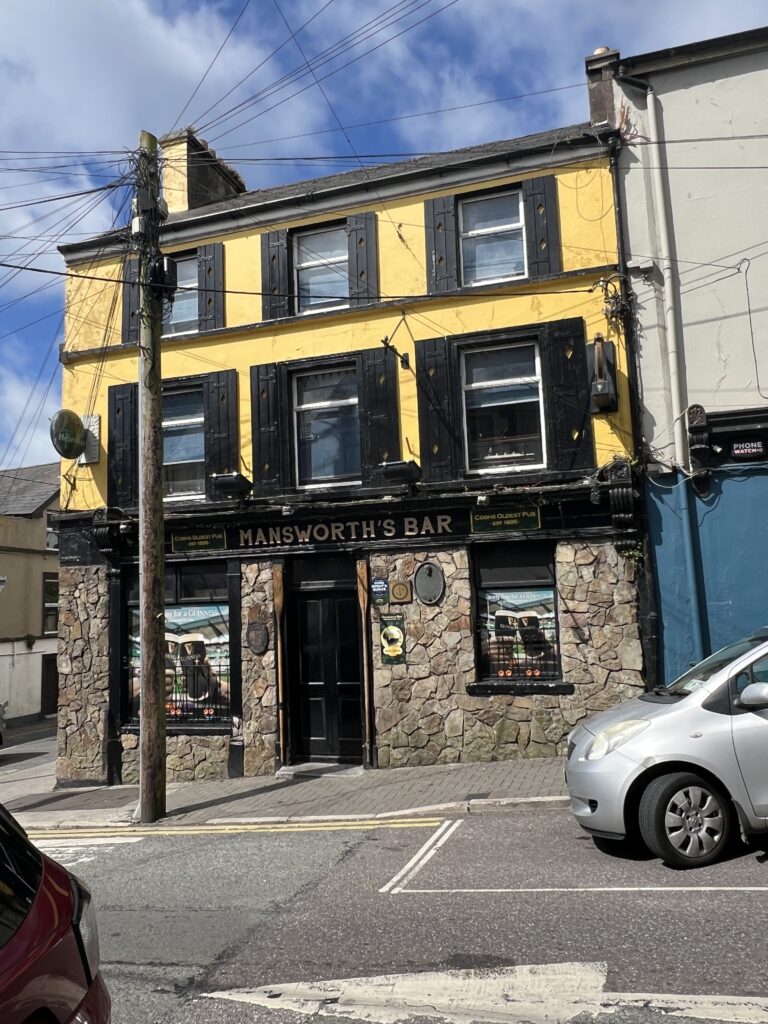
We left The Cathedral and started walking around the city of Cobh. Here are photos we took
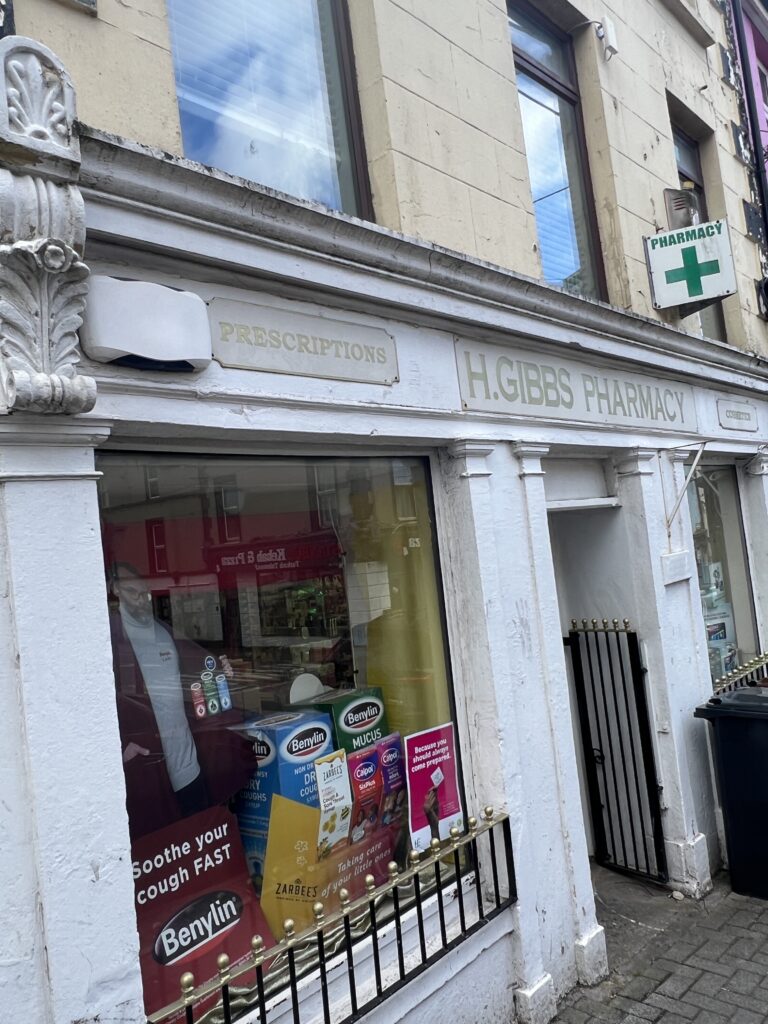
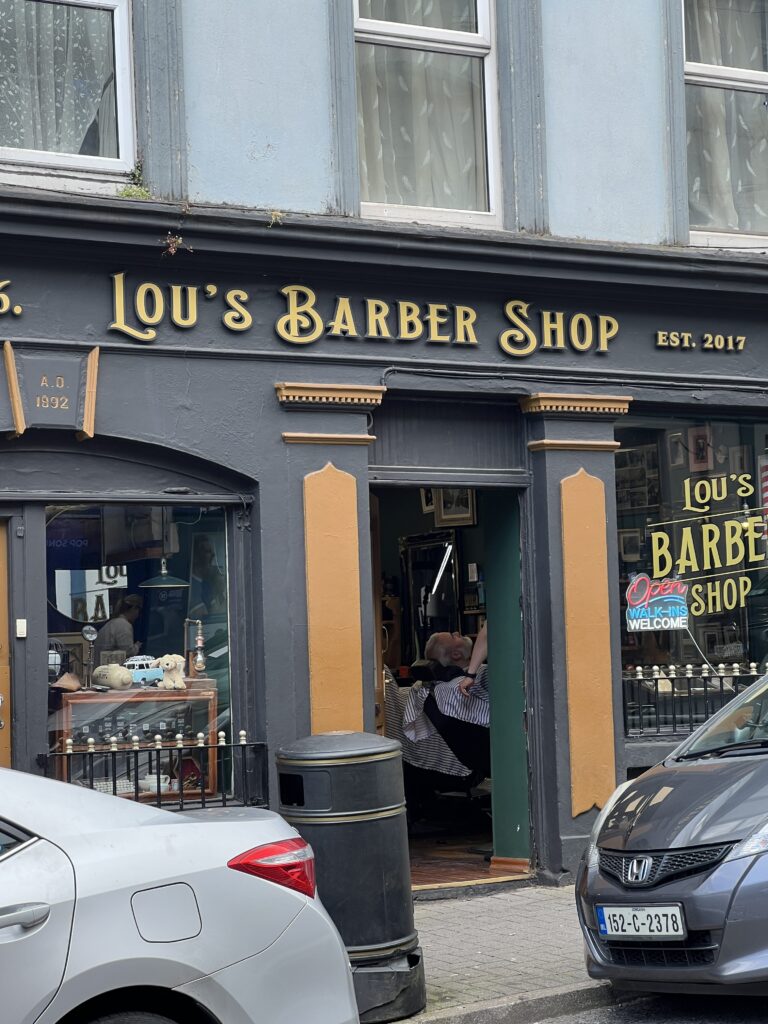
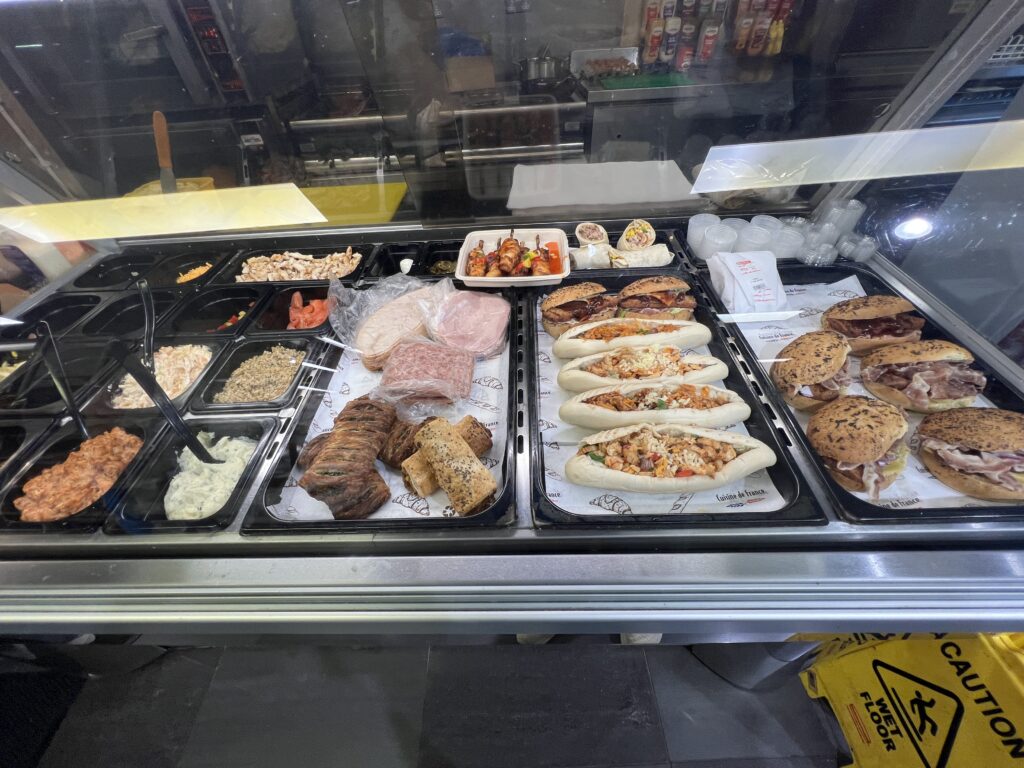
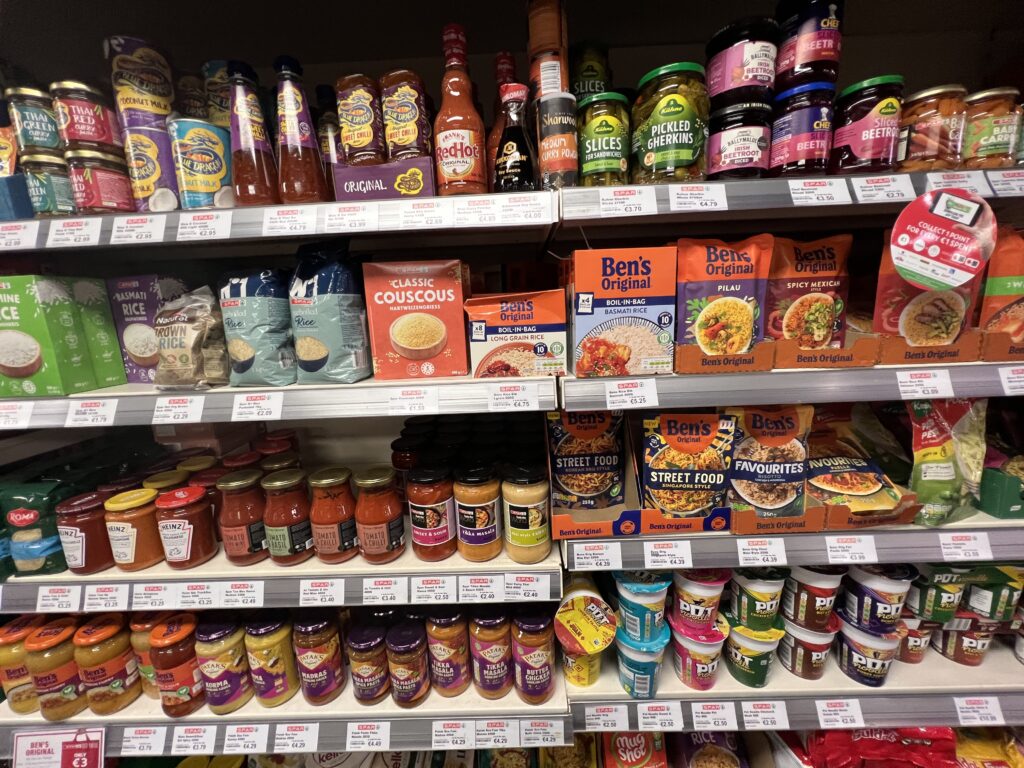
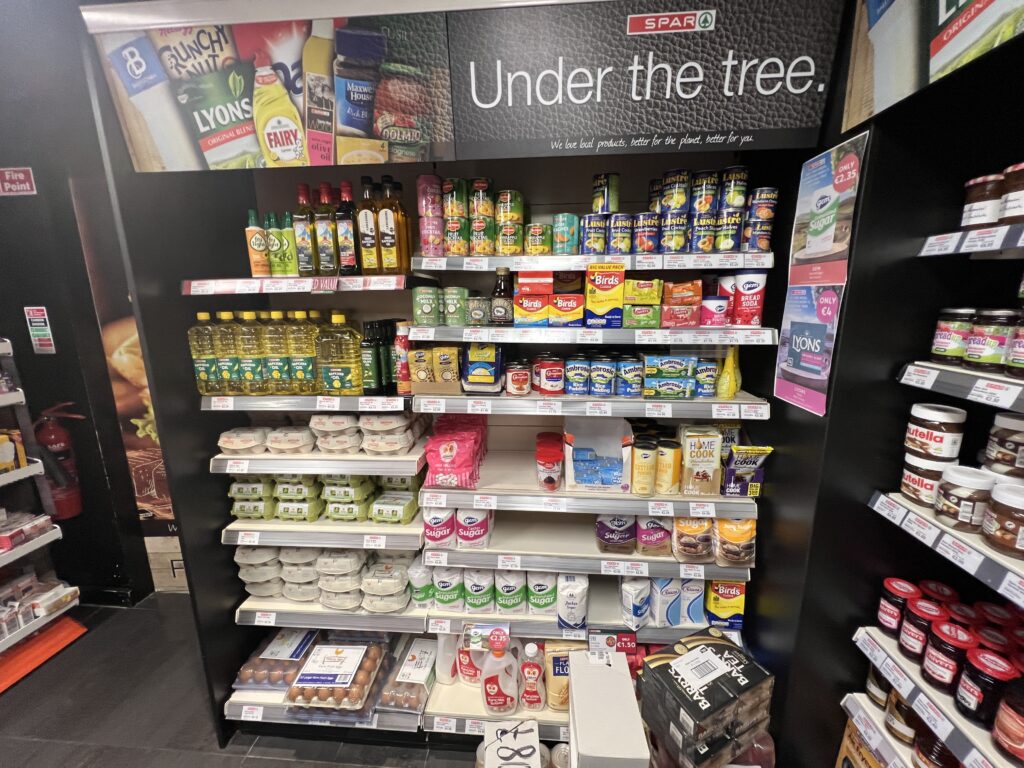
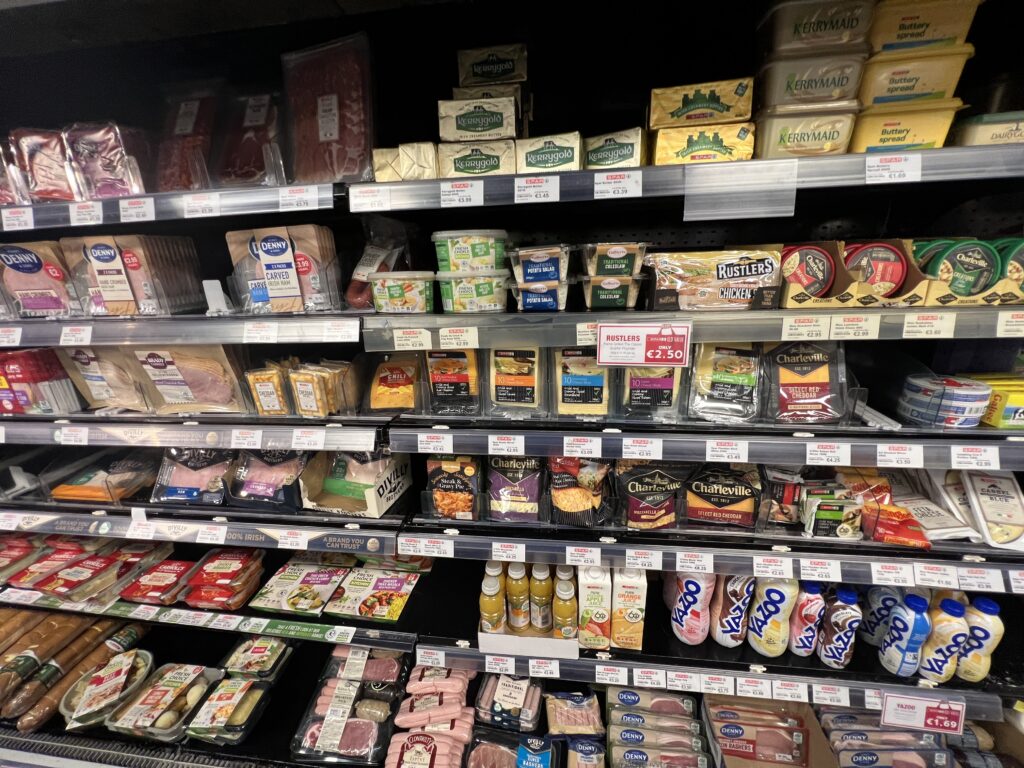
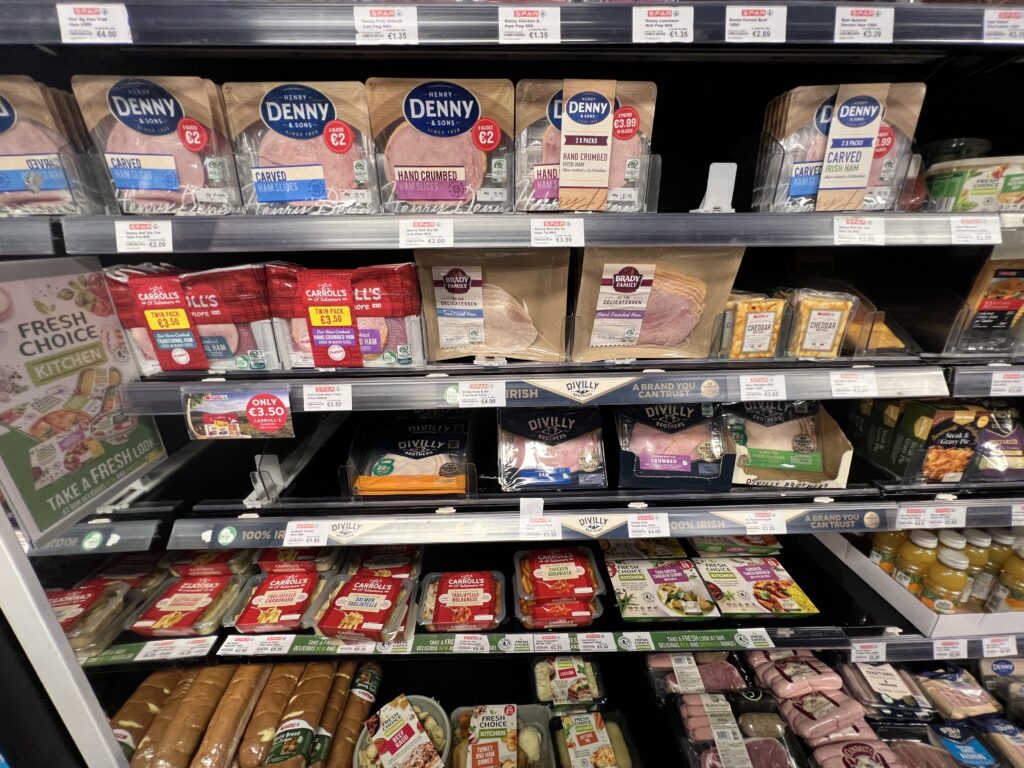
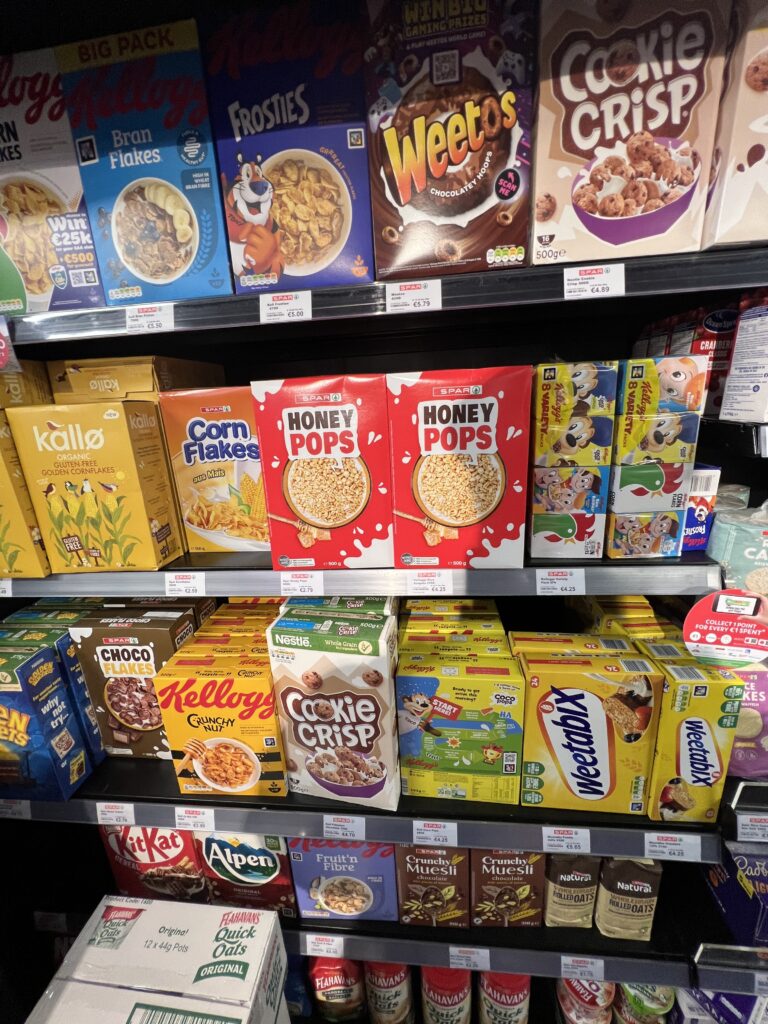
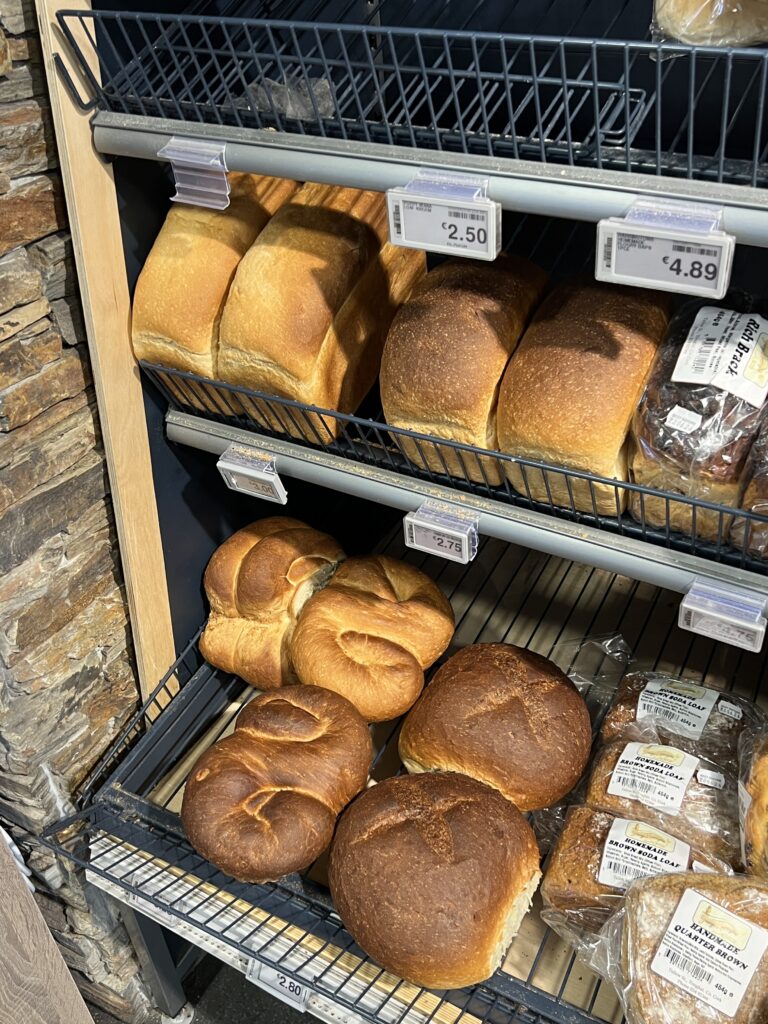
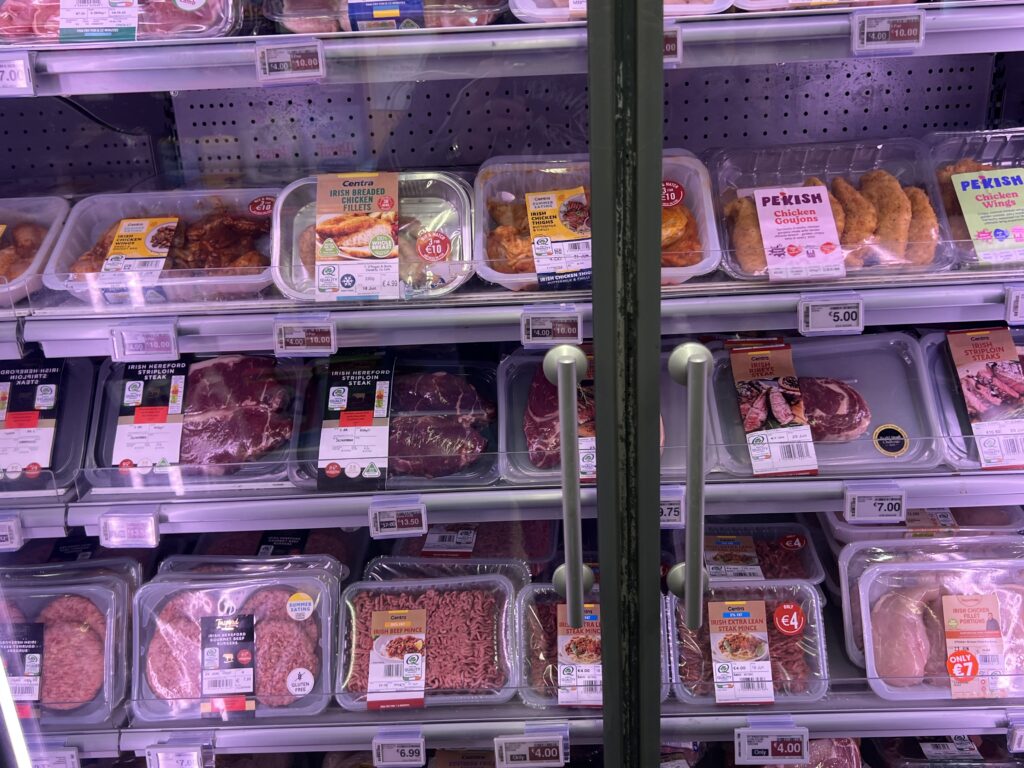
We walked into a grocery store to look around
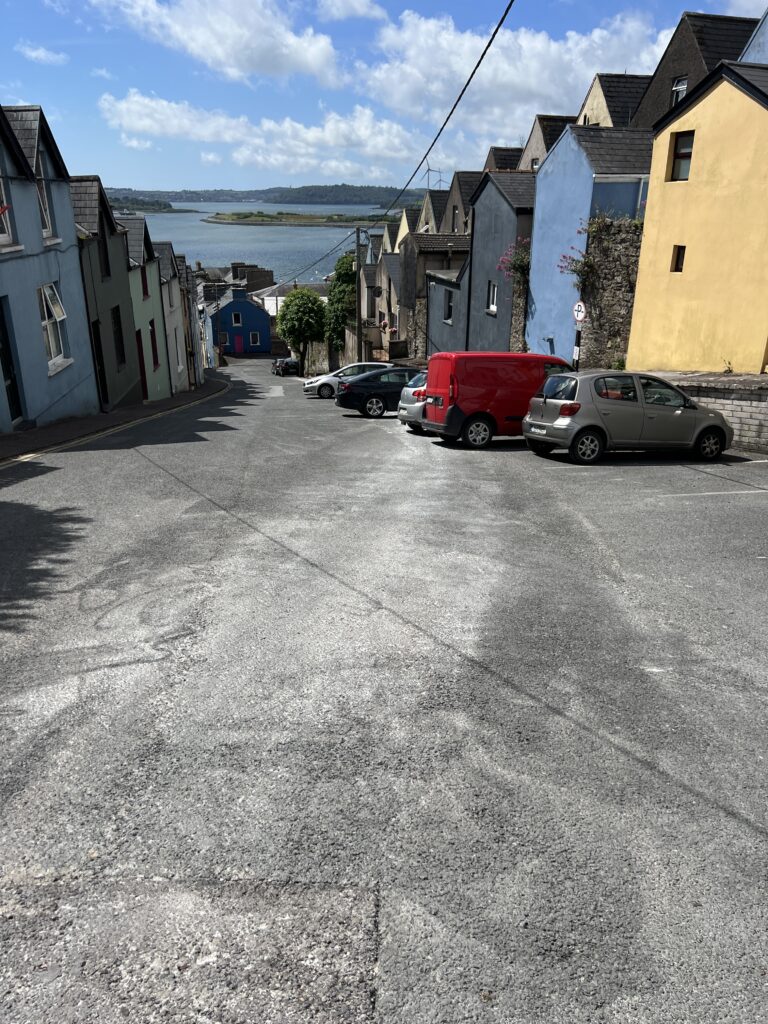
Photos of the Deck of Cards. Check out the slope going downhill
Walk up the Deck of Cards | Visit Cobh
Deck of Cards Houses – In Cobh
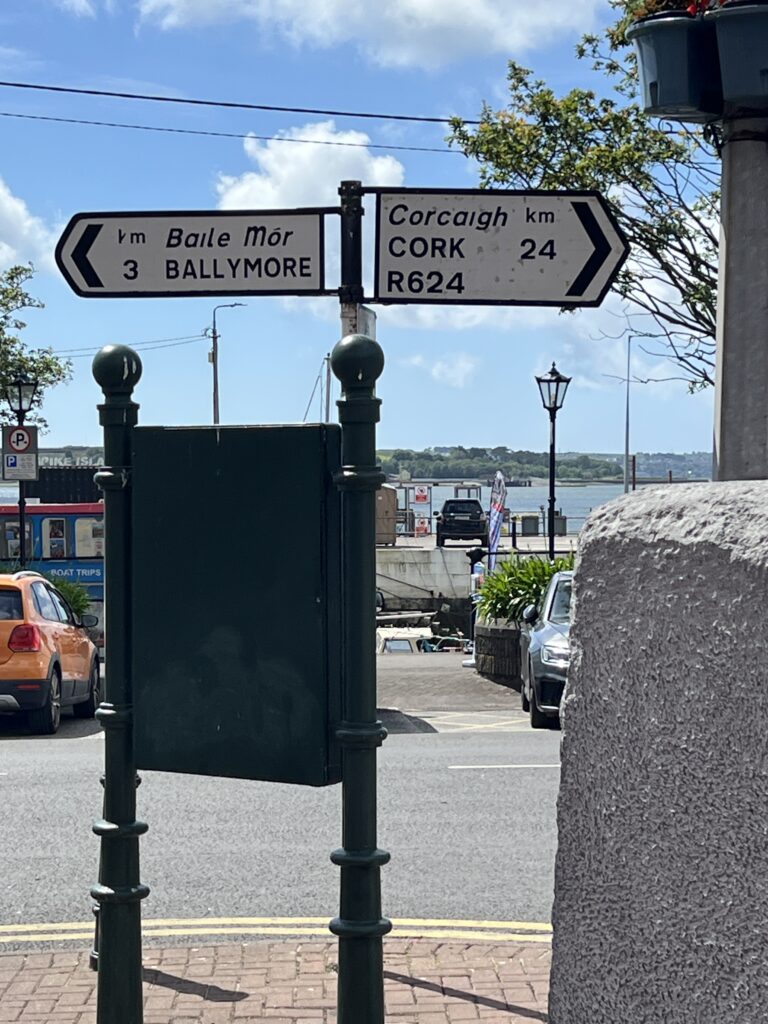
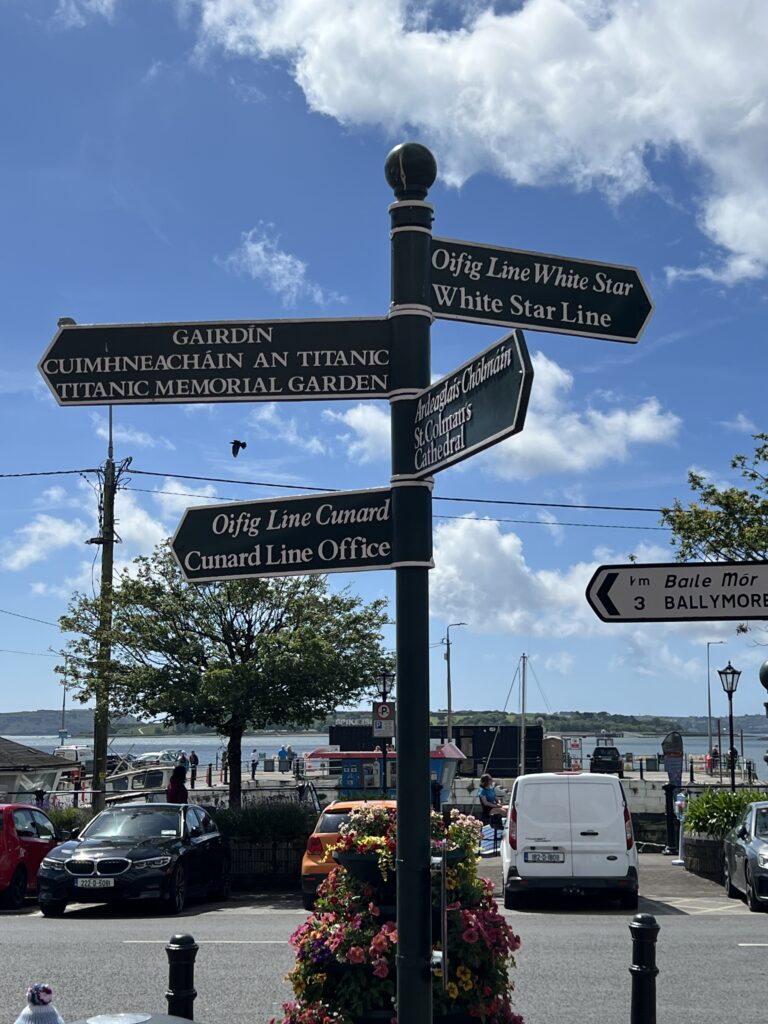
We had lunch at a Chinese Restaurant in the city
The restaurant was in a cool looking building on the harbor


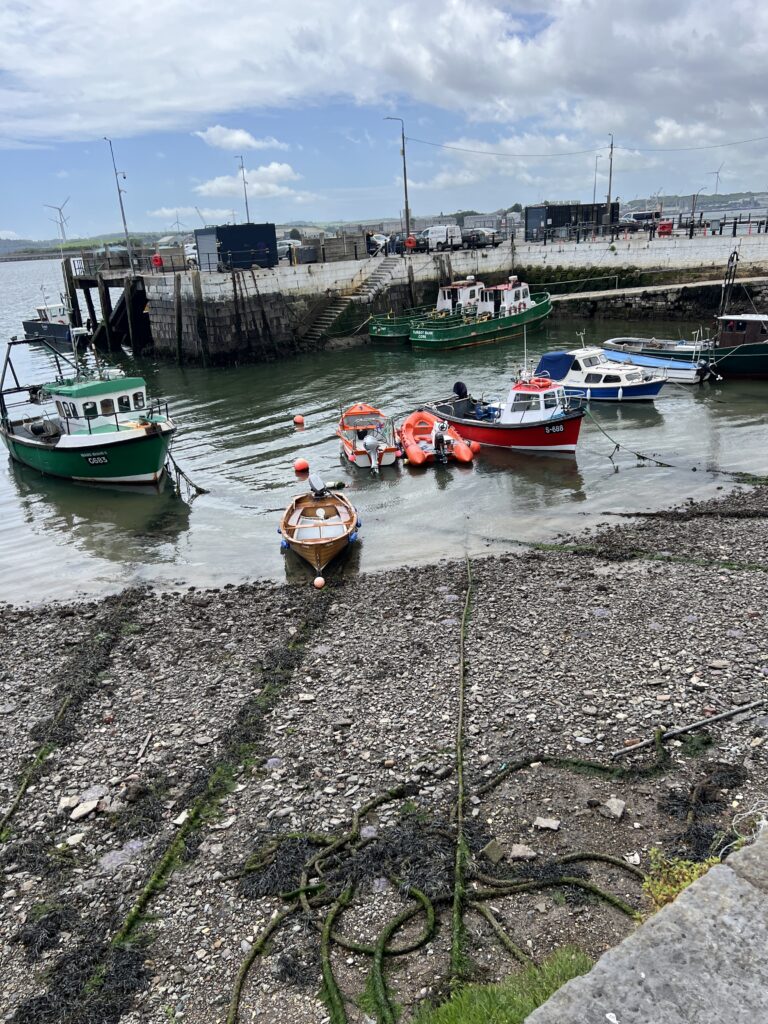
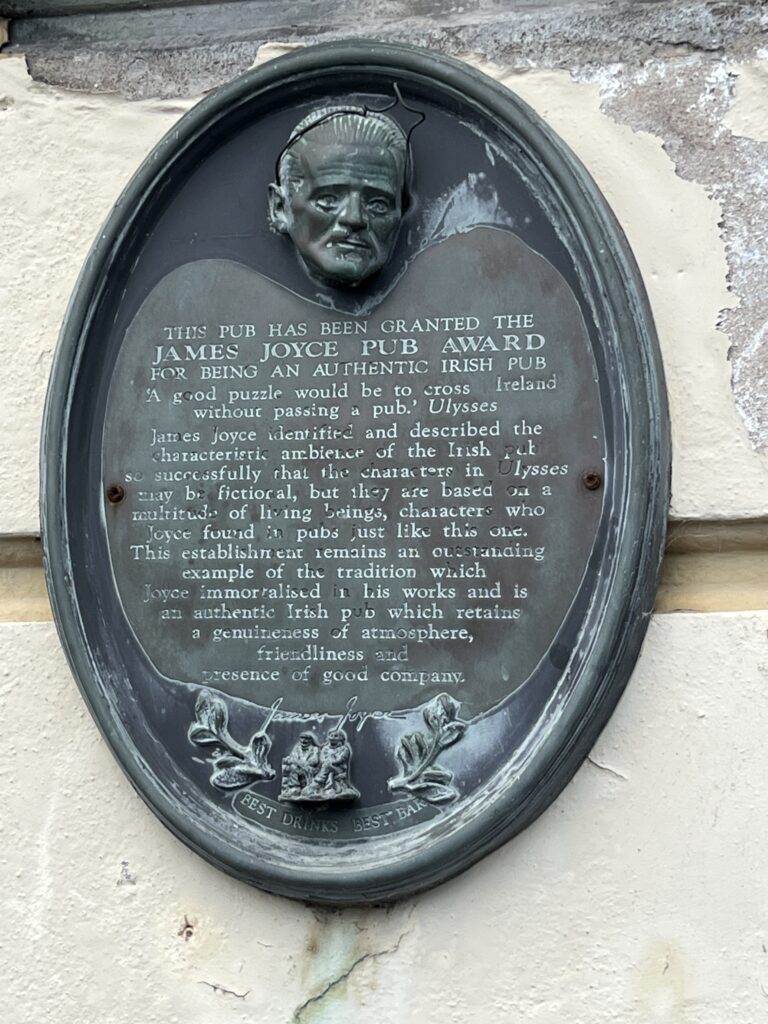
After lunch we walked back to the ship to drop off some things we bought and here are the photos taken on the way back
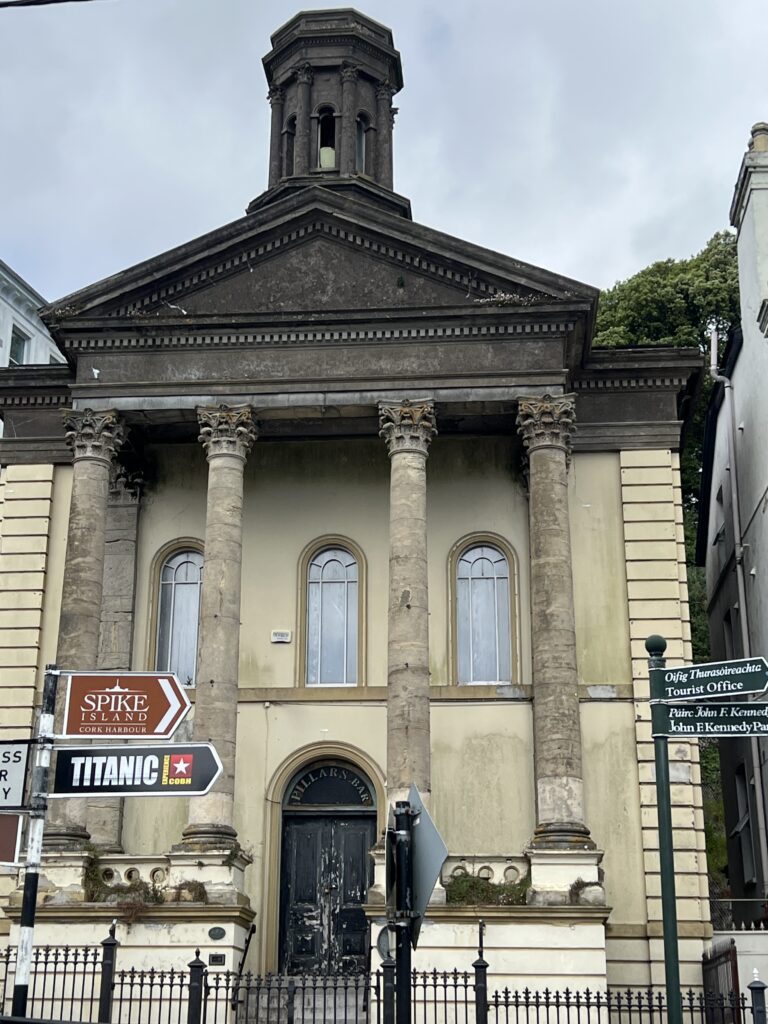
On top of the hill overlooking the port was what we thought was another church but is The Cobh Museum. Luckily, we looked it up before climbing the stairs to get there because it was closed.
Cobh Museum – A Gem in Ireland’s Ancient East
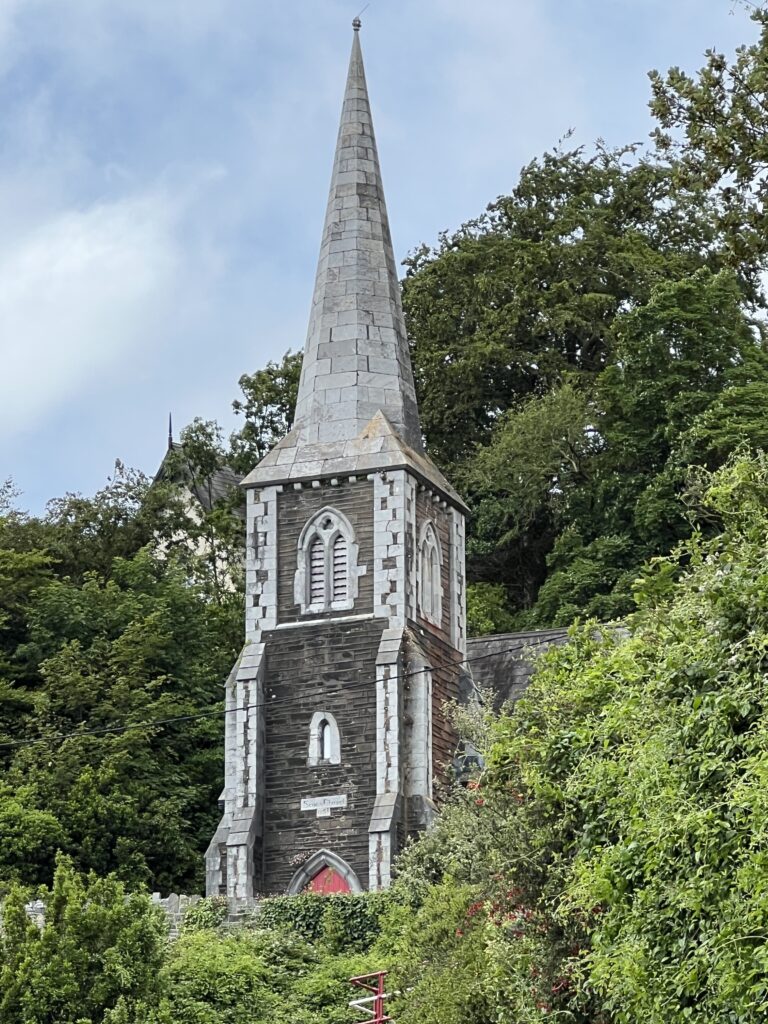
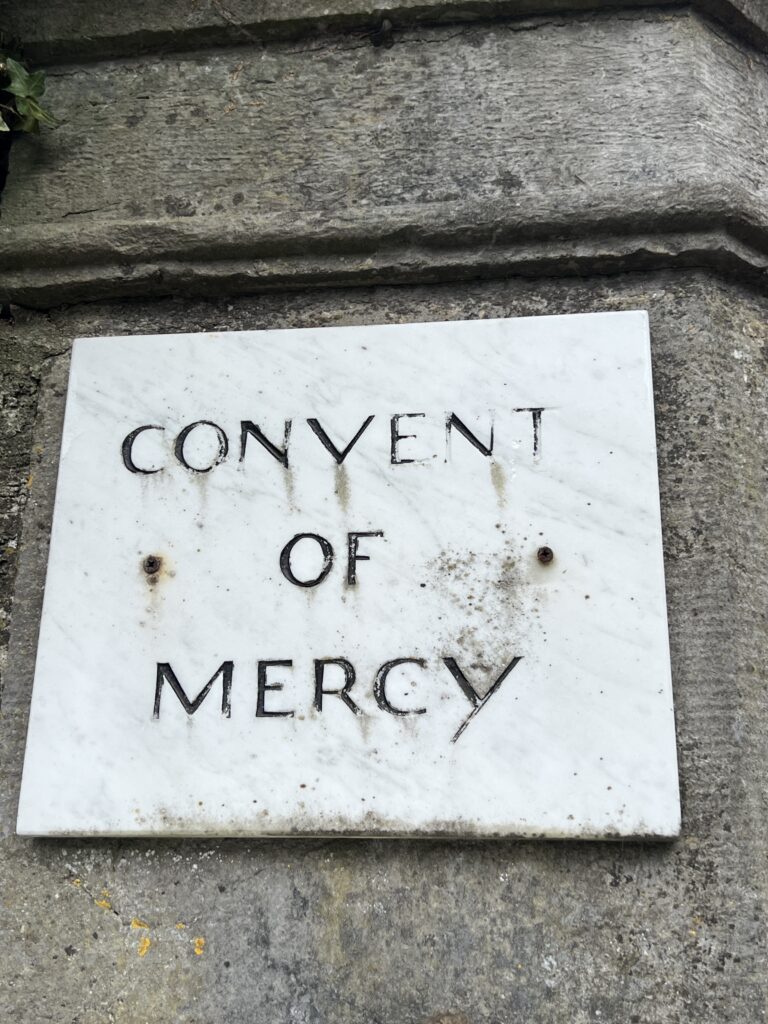
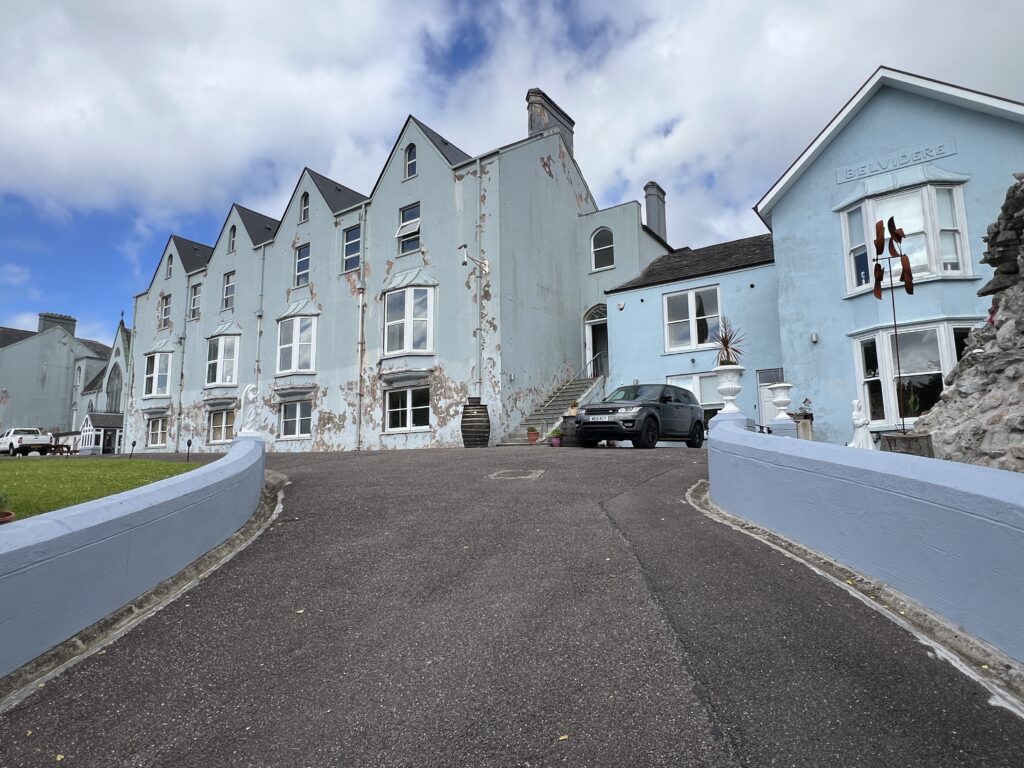
The Convent of Mercy in Cobh, located on Spy Hill, was established in 1850 by the Sisters of Mercy. The historic 4-story complex, built in 1860, features oriel windows and striking views of Cork Harbour. The order ceased using it as a convent in 2009.
Founding Mission: The Sisters arrived in response to the Great Famine to provide education for girls, shelter for young women, and aid to the sick and poor.
Facilities: The property historically housed about 40 sisters, complete with a chapel and boarding facilities.
Sale: The property was put on the market and sold, with funds earmarked for State trusts assisting victims of clerical abuse.
Local Schooling Impact: The convent laid the groundwork for local education in Cobh. You can learn more about their long-running educational legacy in the area via the Coláiste Muire History Guide.
After a quick break and picking up our items in the cabin we ventured out again to visit the Cobh Heritage Museum that was located on the dock
Cobh Heritage Centre | Discover The History of Cobh
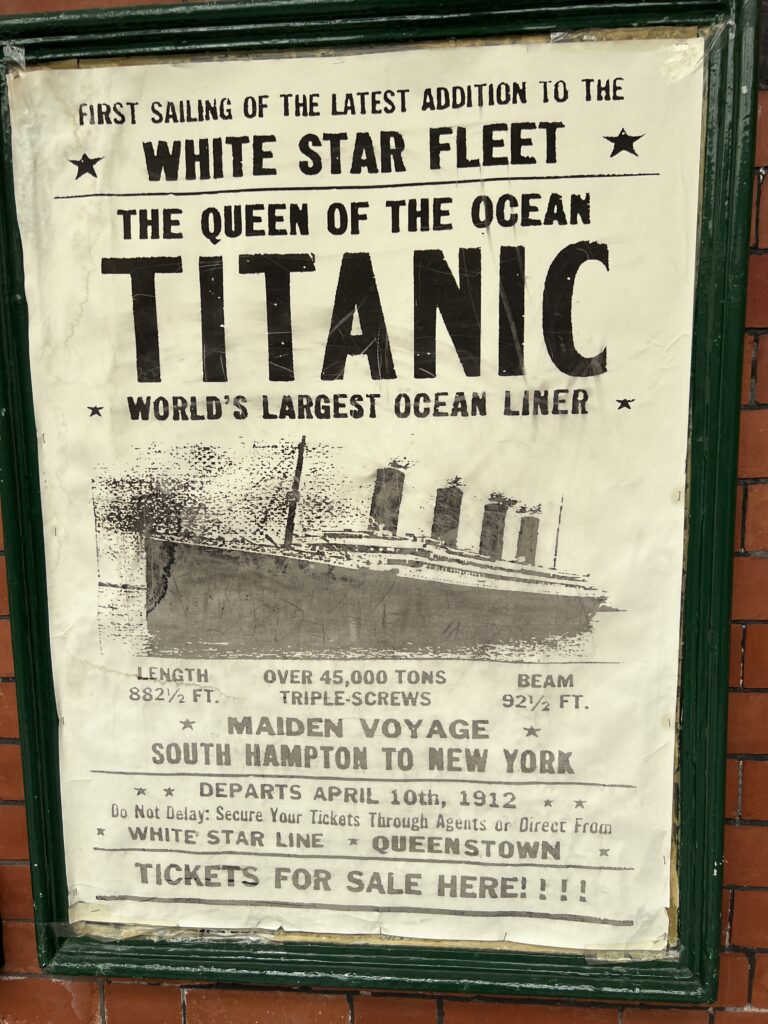
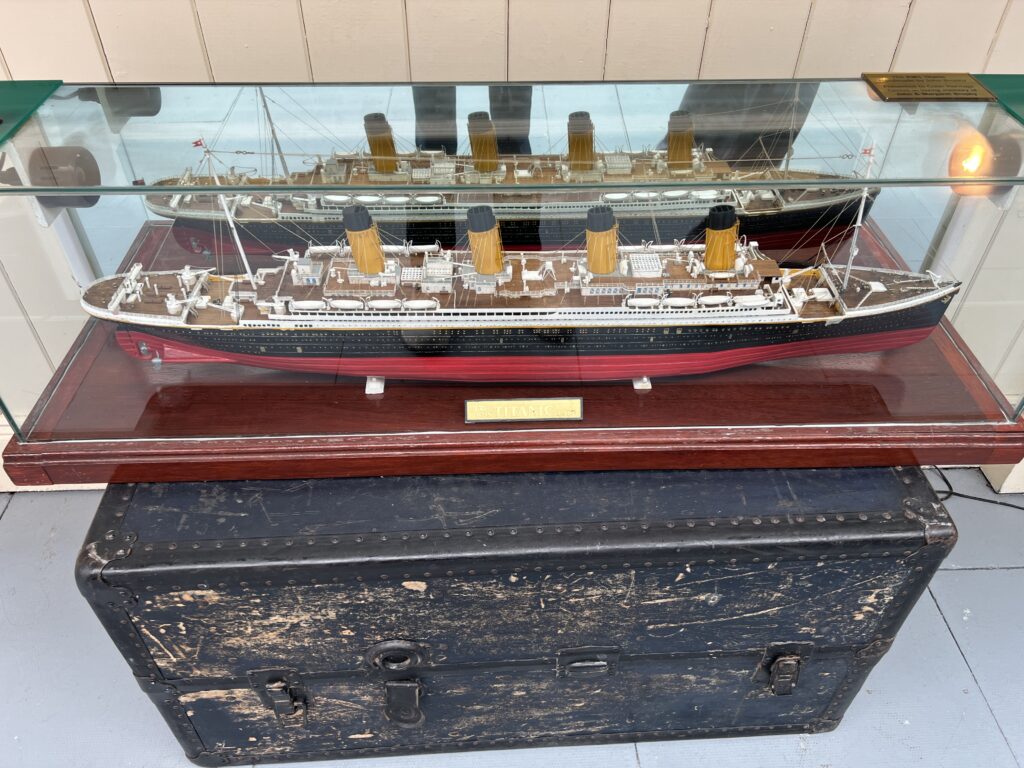
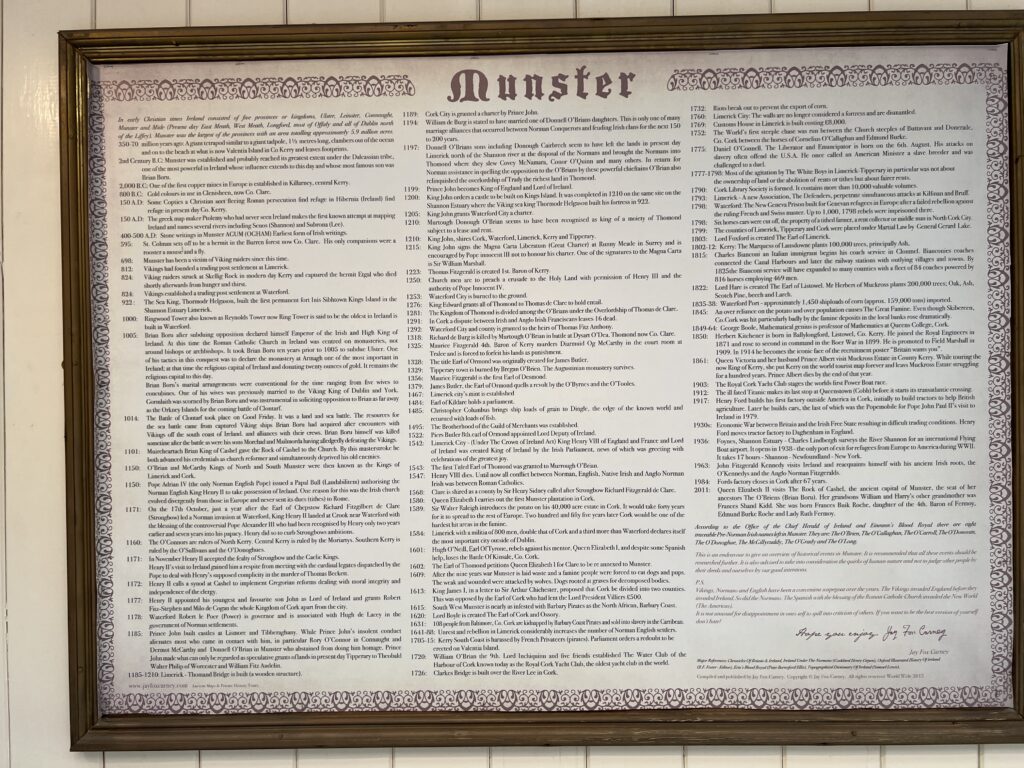
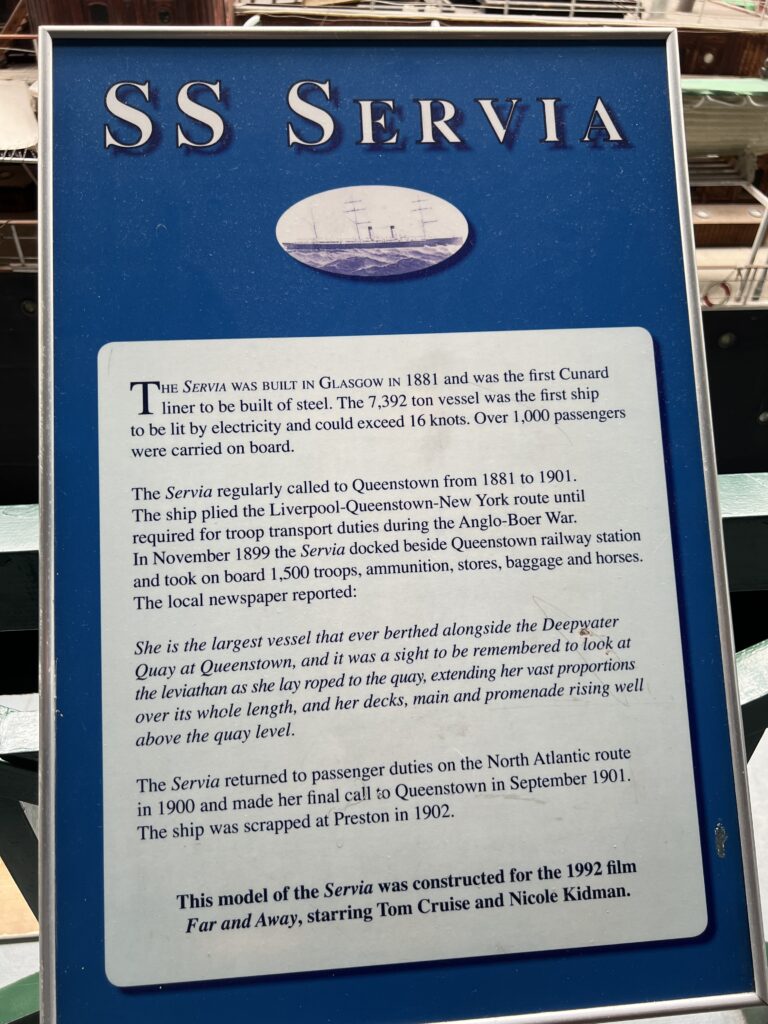
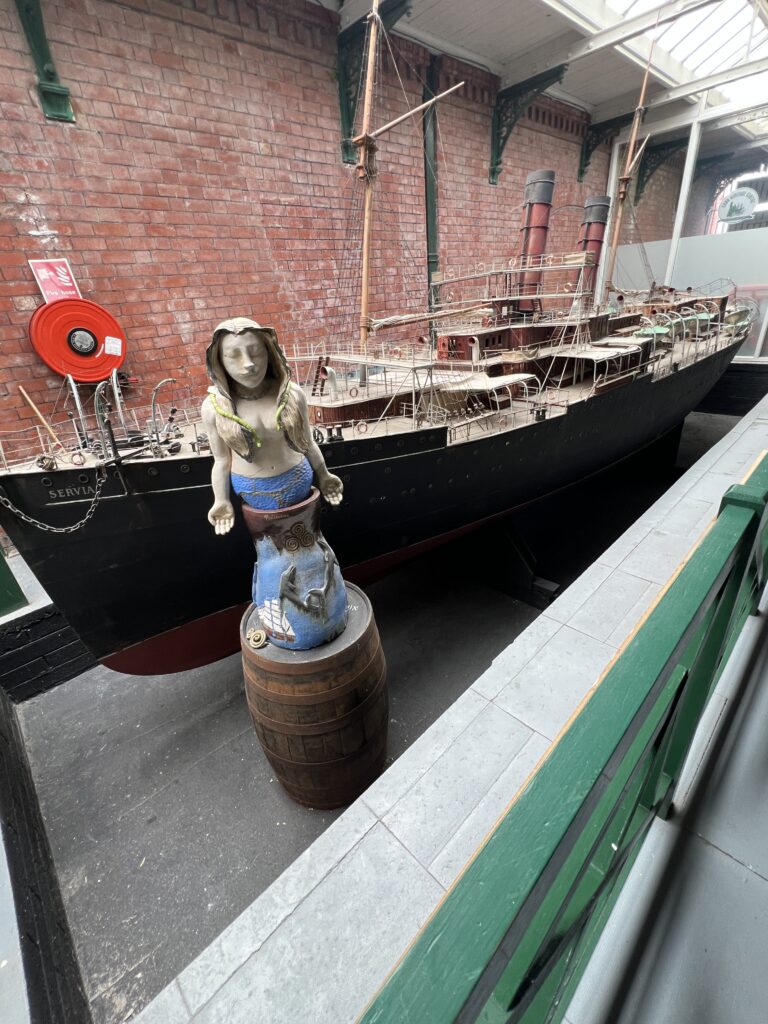
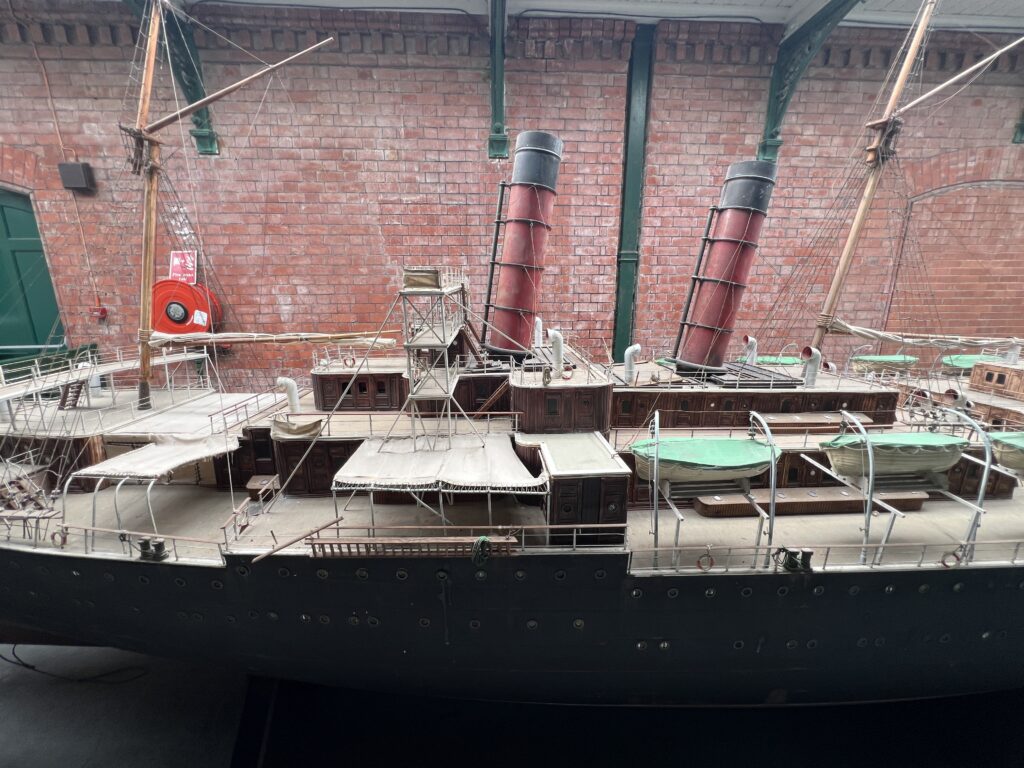
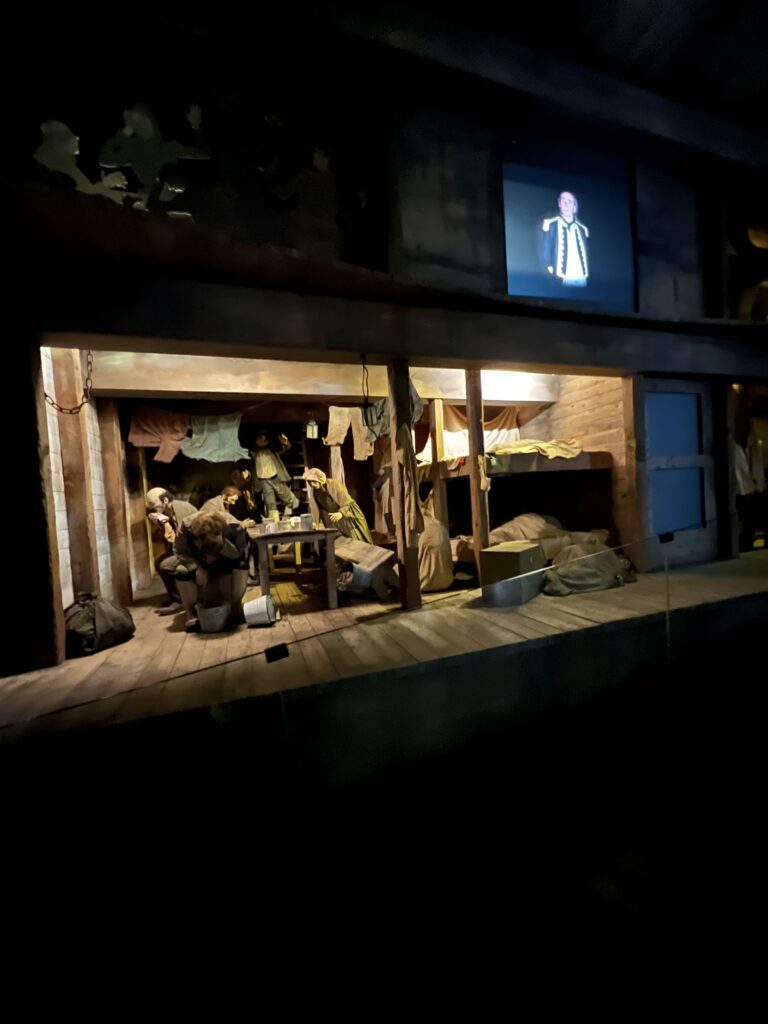
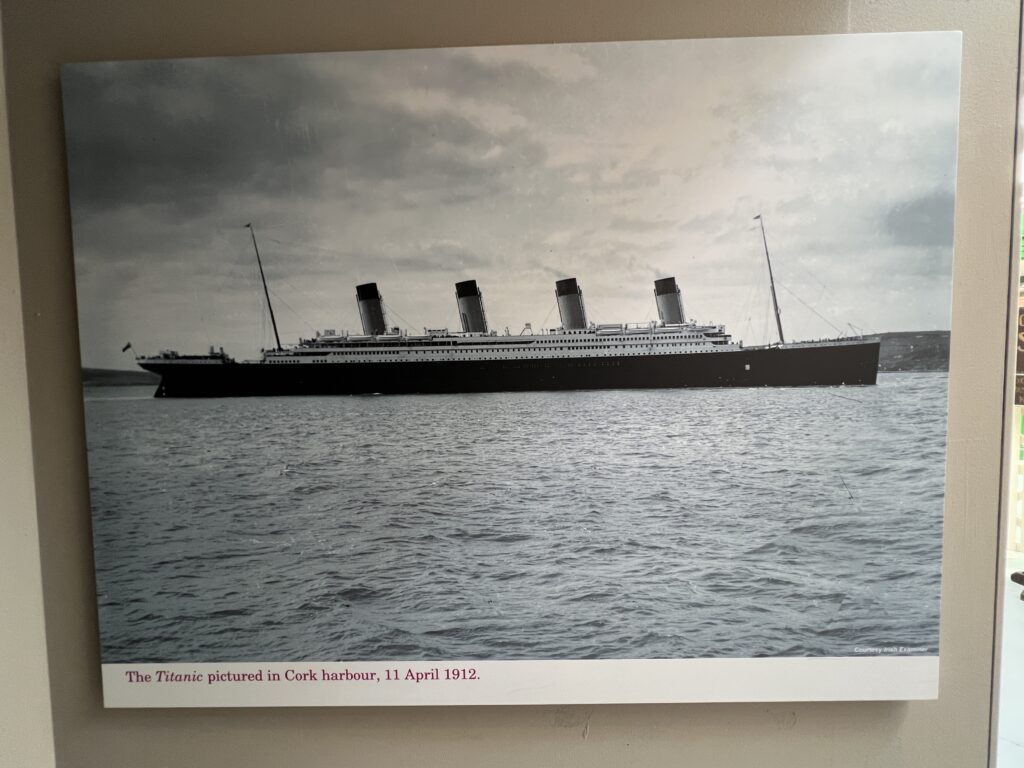
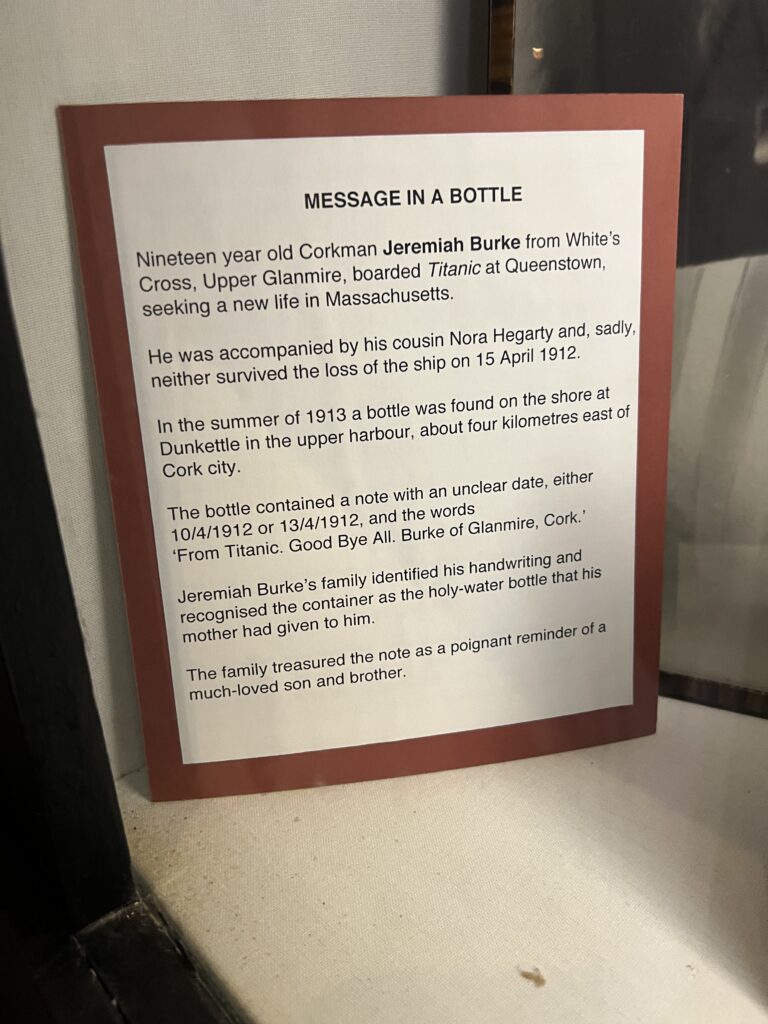
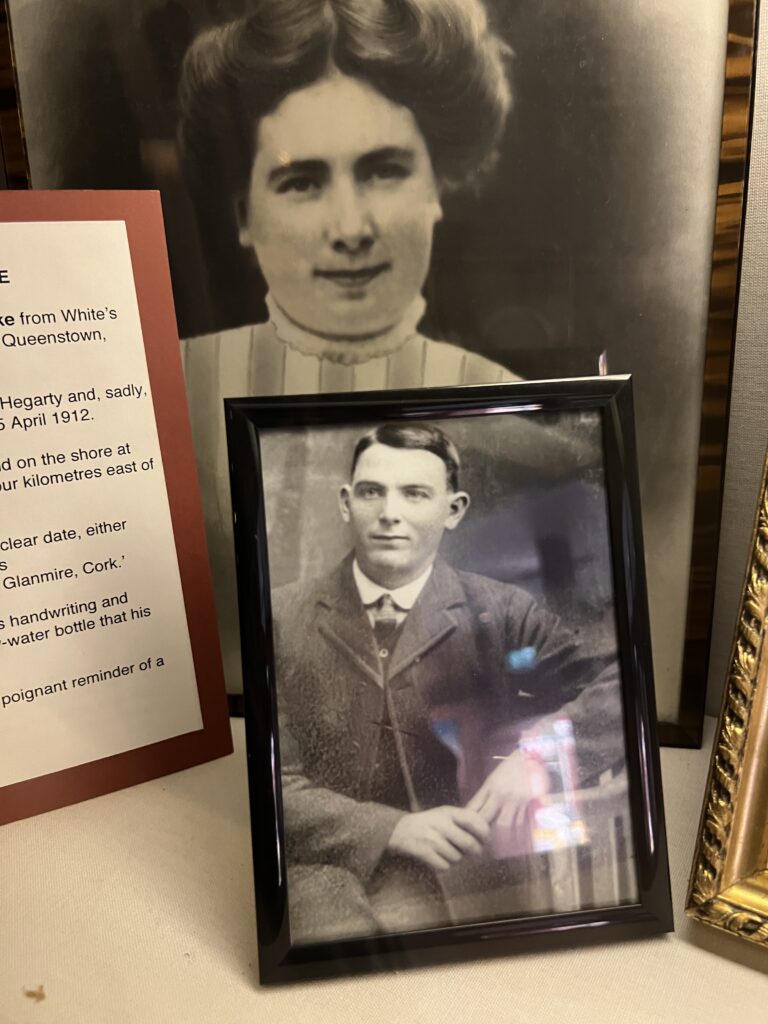
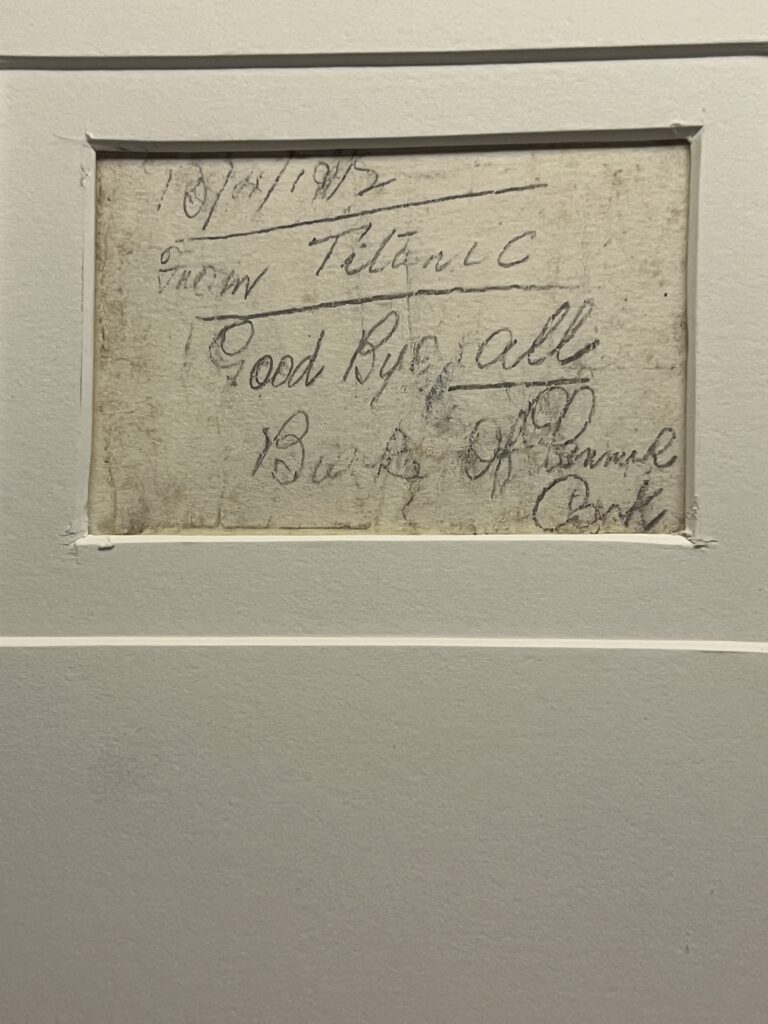
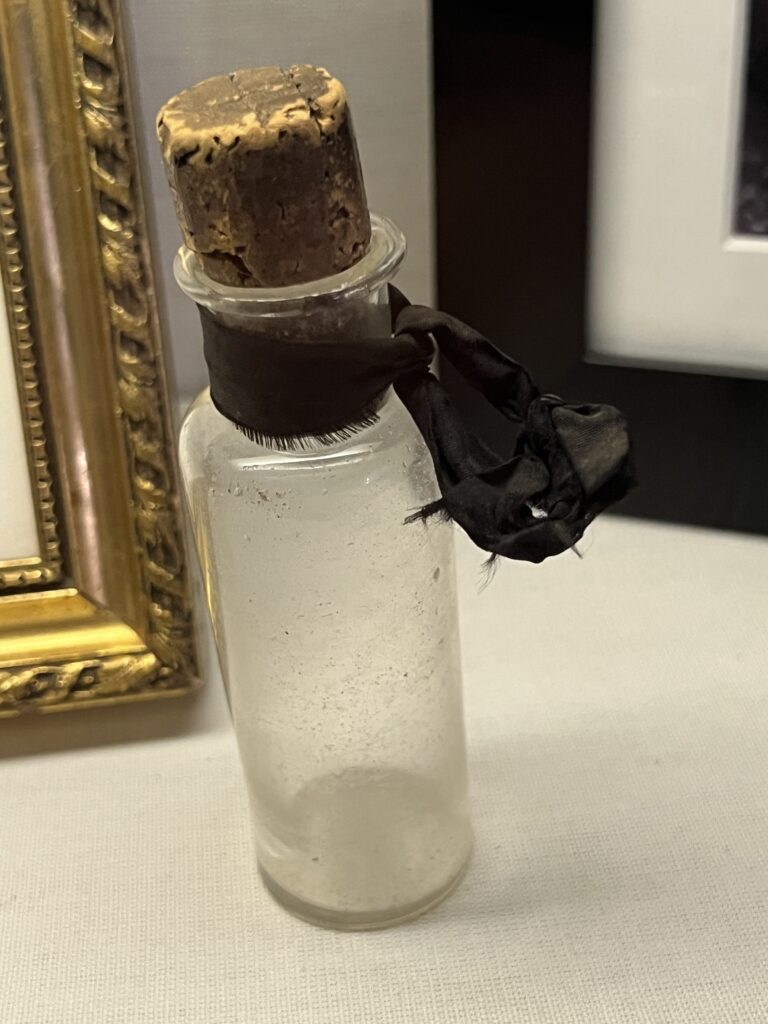
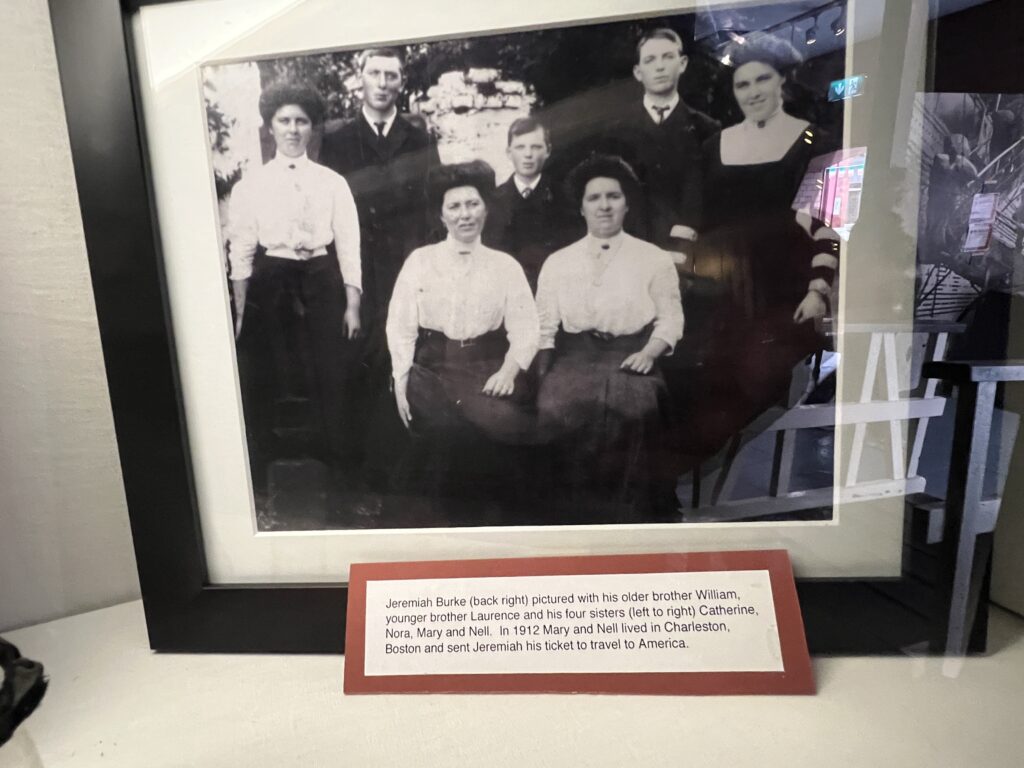
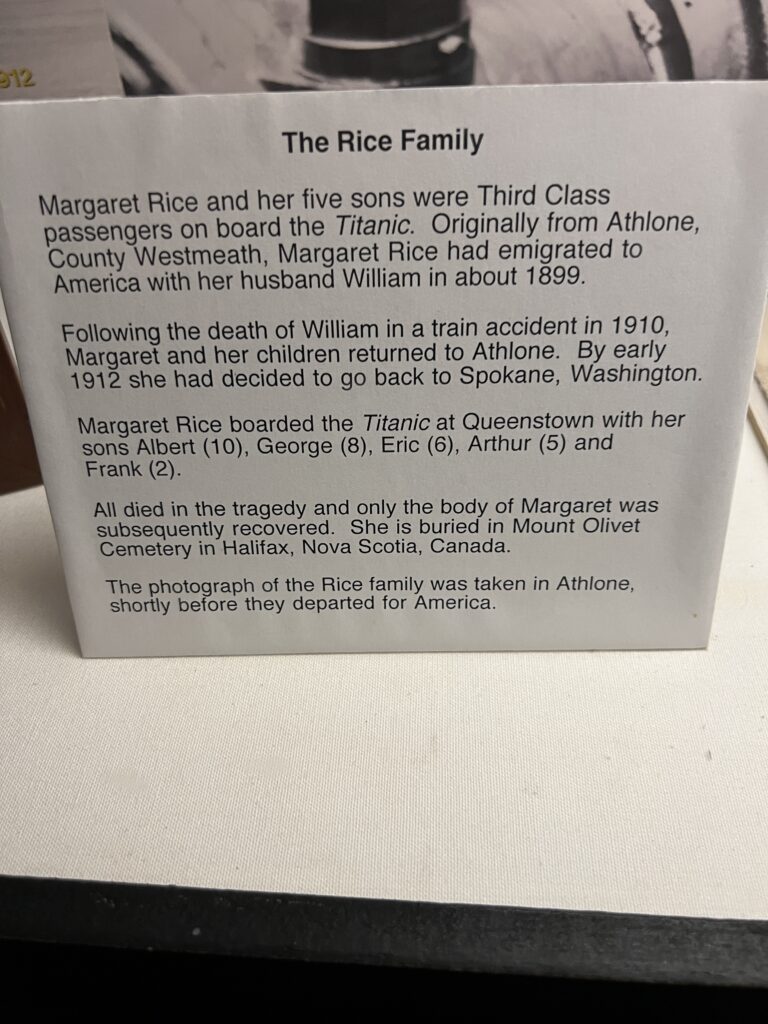
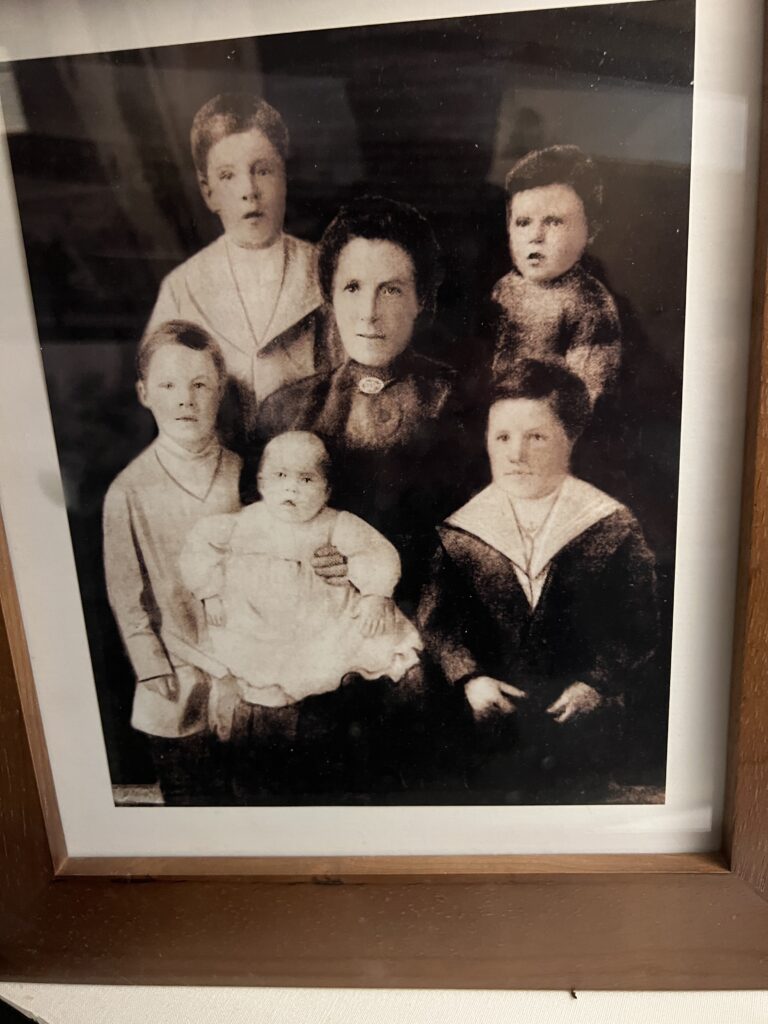
Couple of sad stories from The Titanic
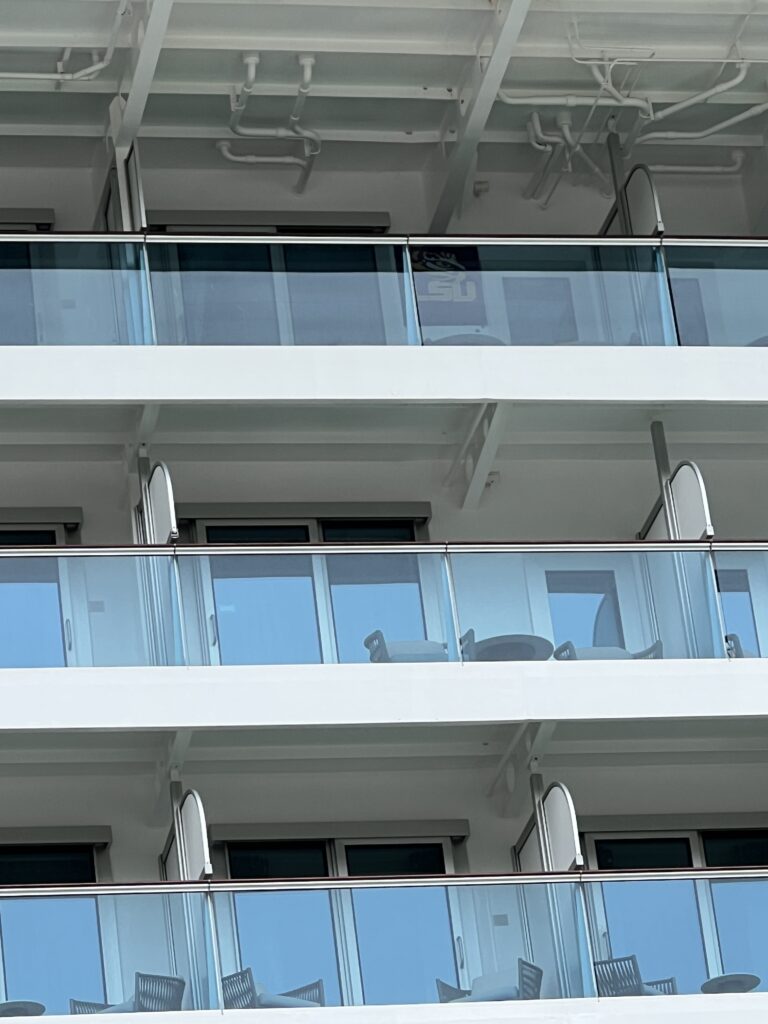
Captured the LSU flag on our balcony again. Biggest problem with this balcony are all the pipes above the balcony, some of which leak.
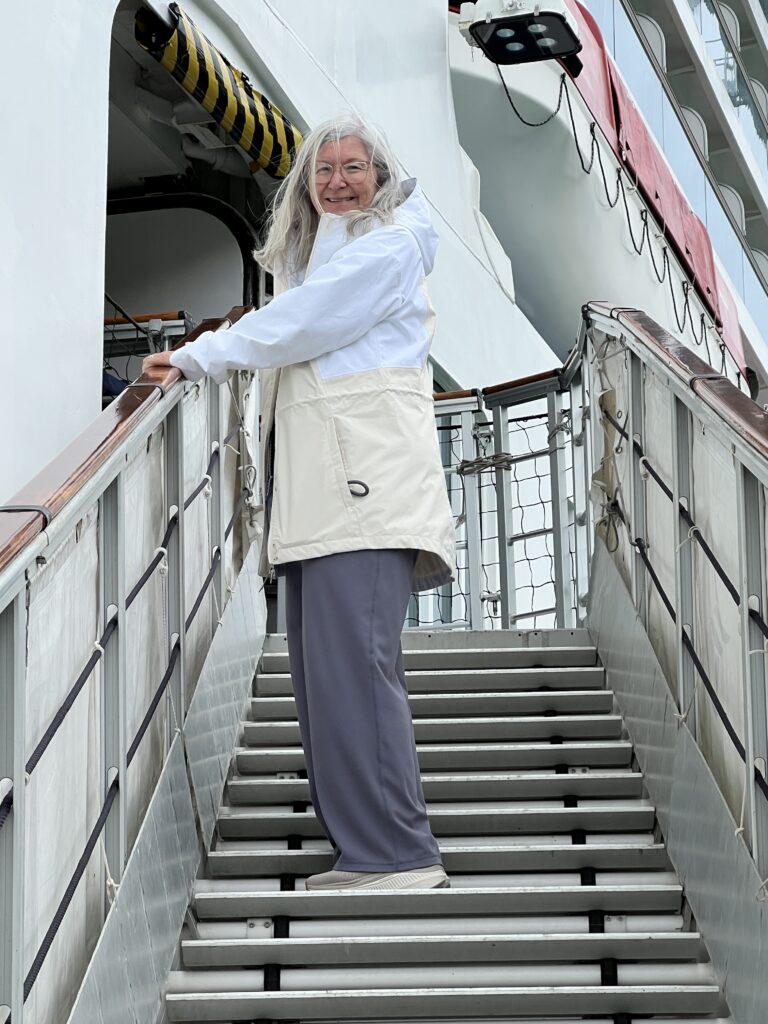
Climbing the stairs to board the ship for departure
While sitting on our balcony making use of the cellular service to download and upload photos and videos for the blog a group of school children walked by below us on the dock.
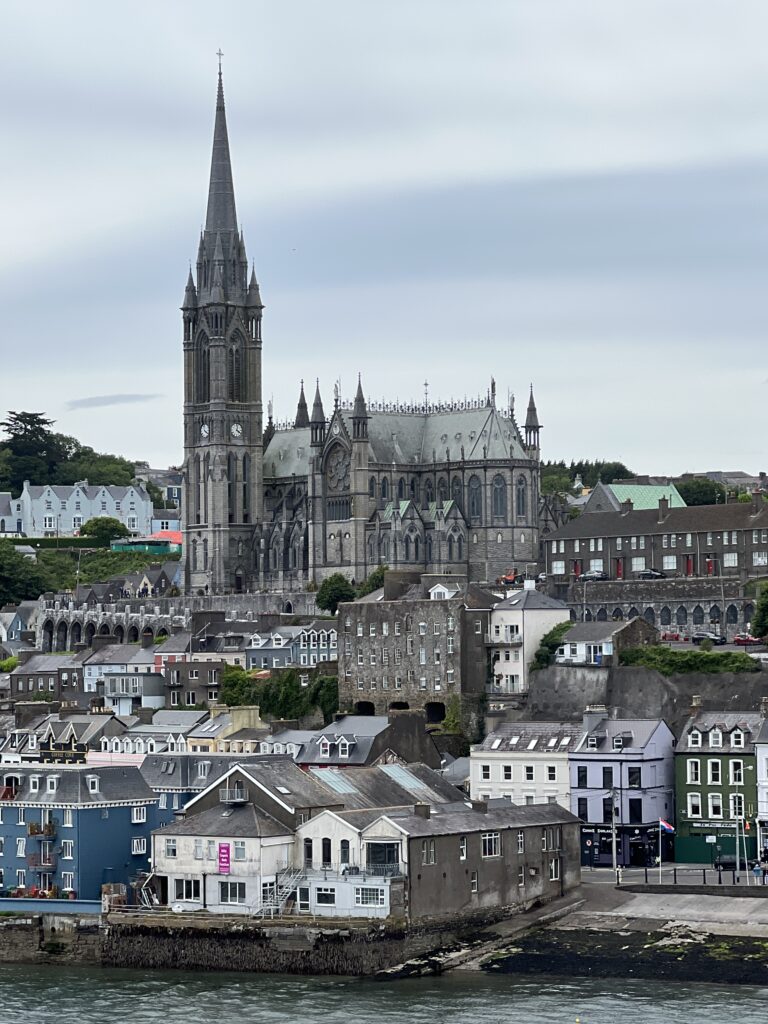
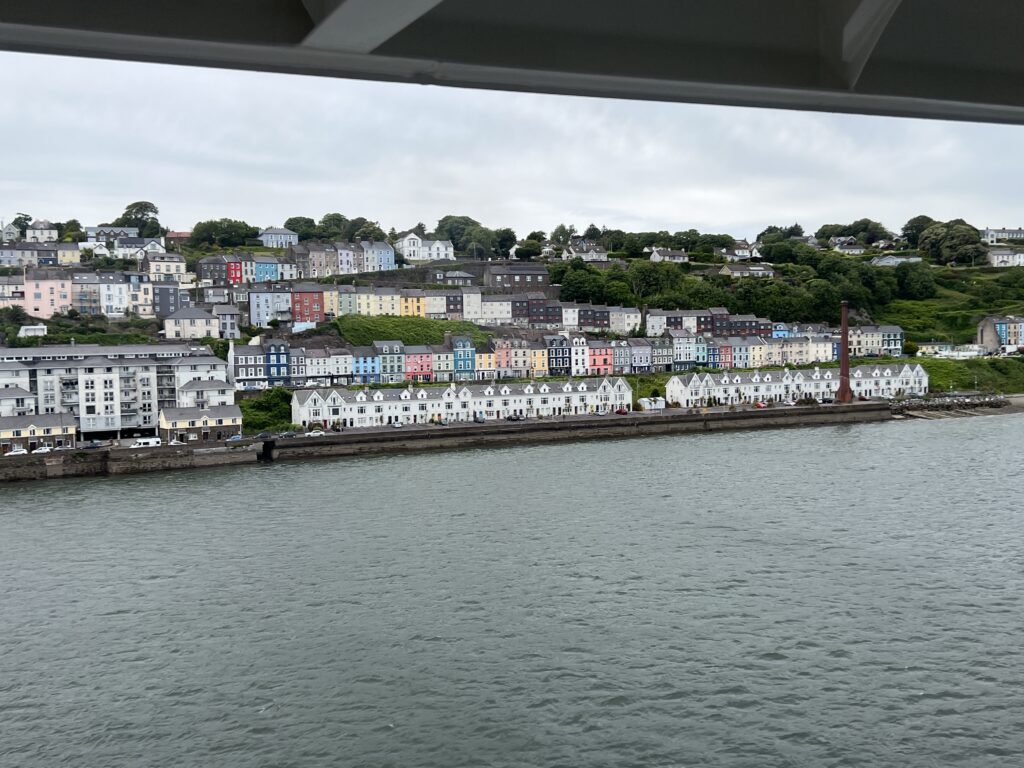
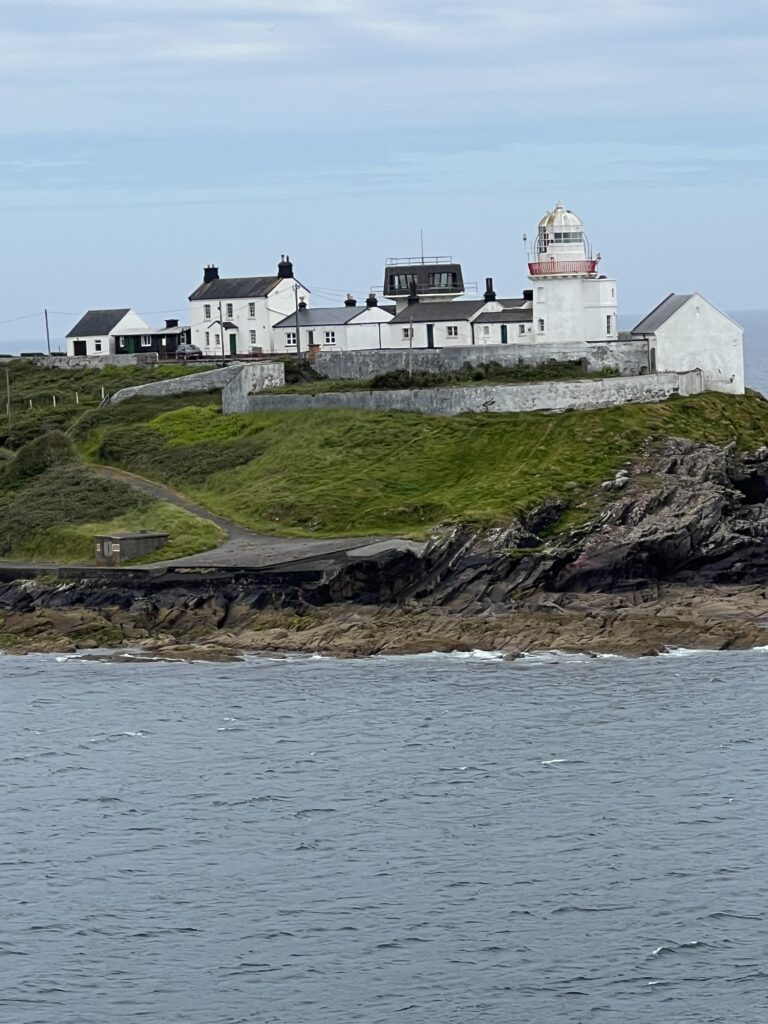
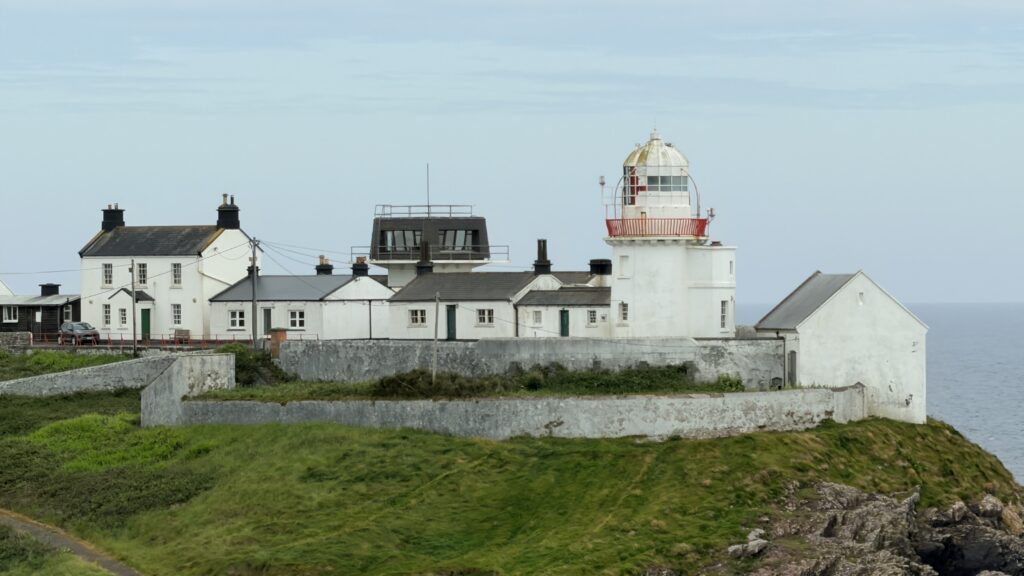
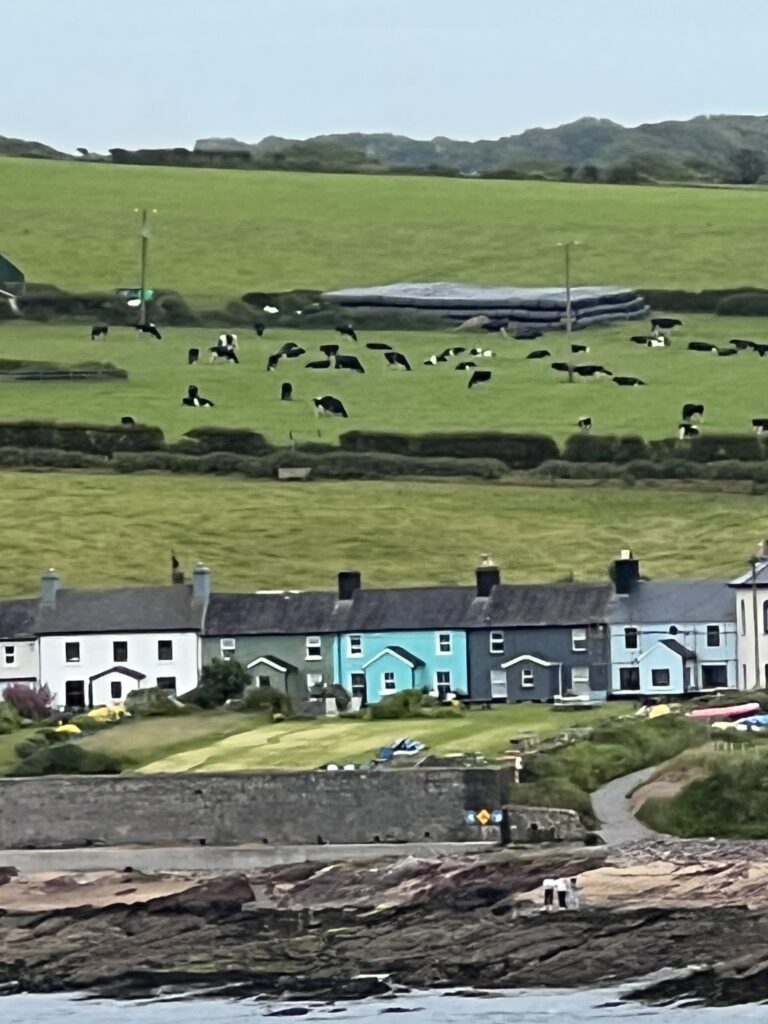
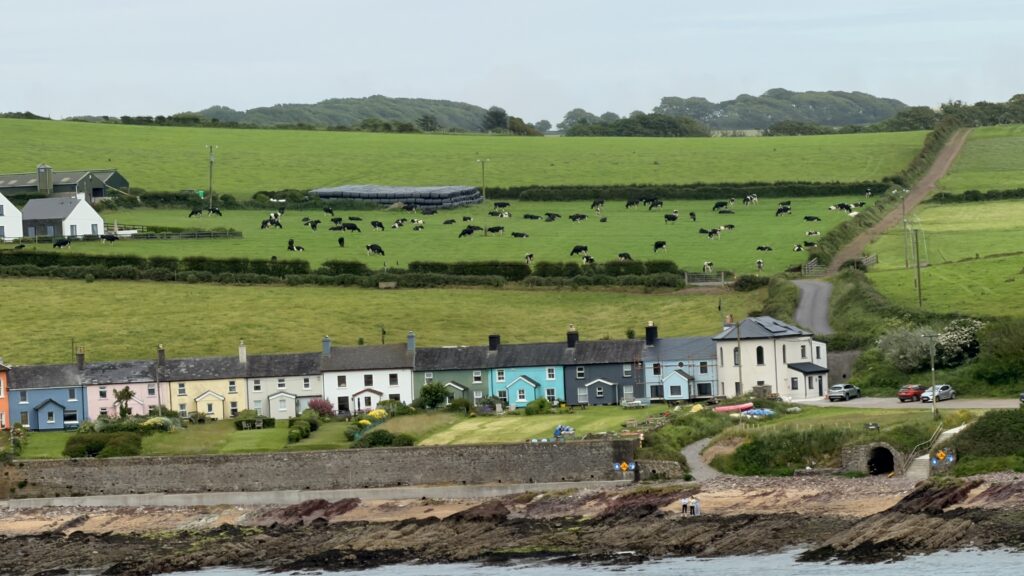
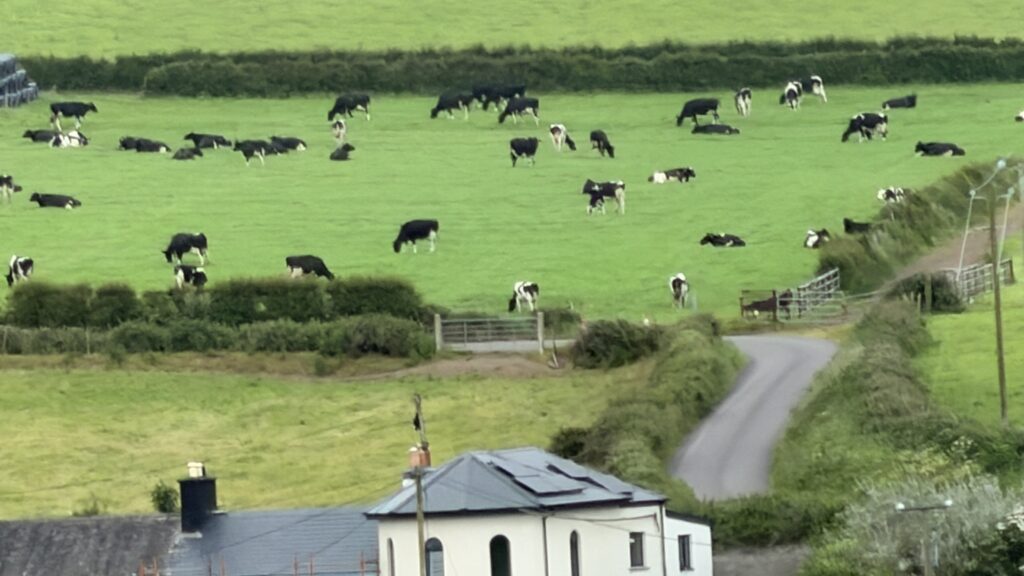
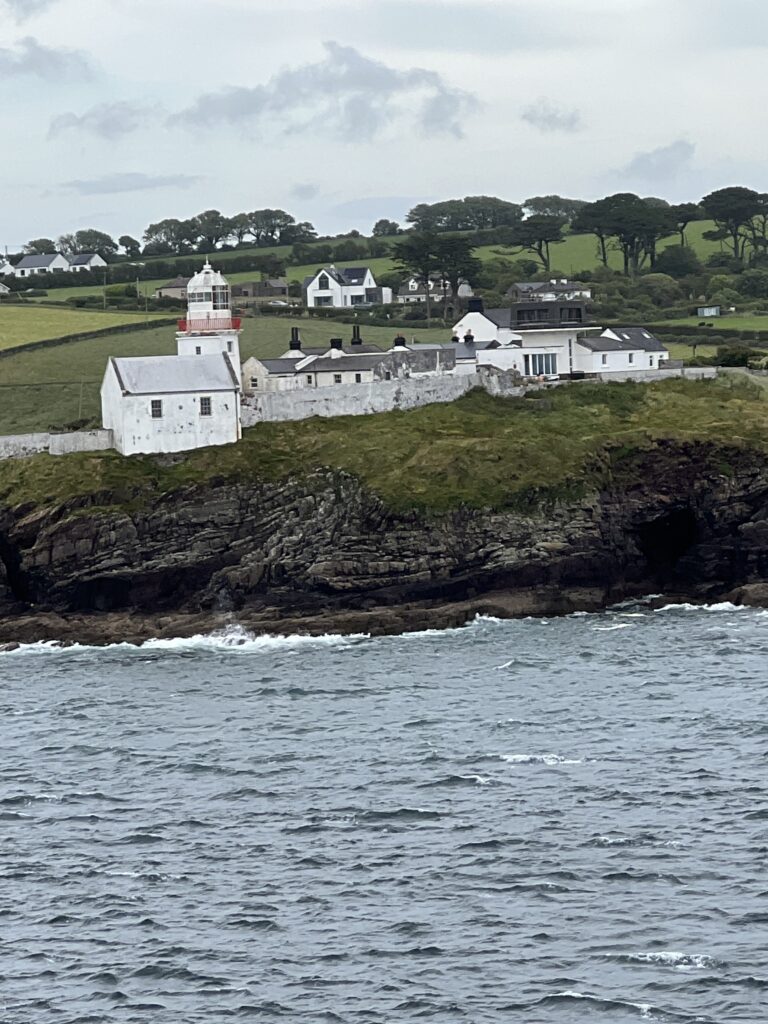
Photos and a video as we sailed away from the port of Cobh
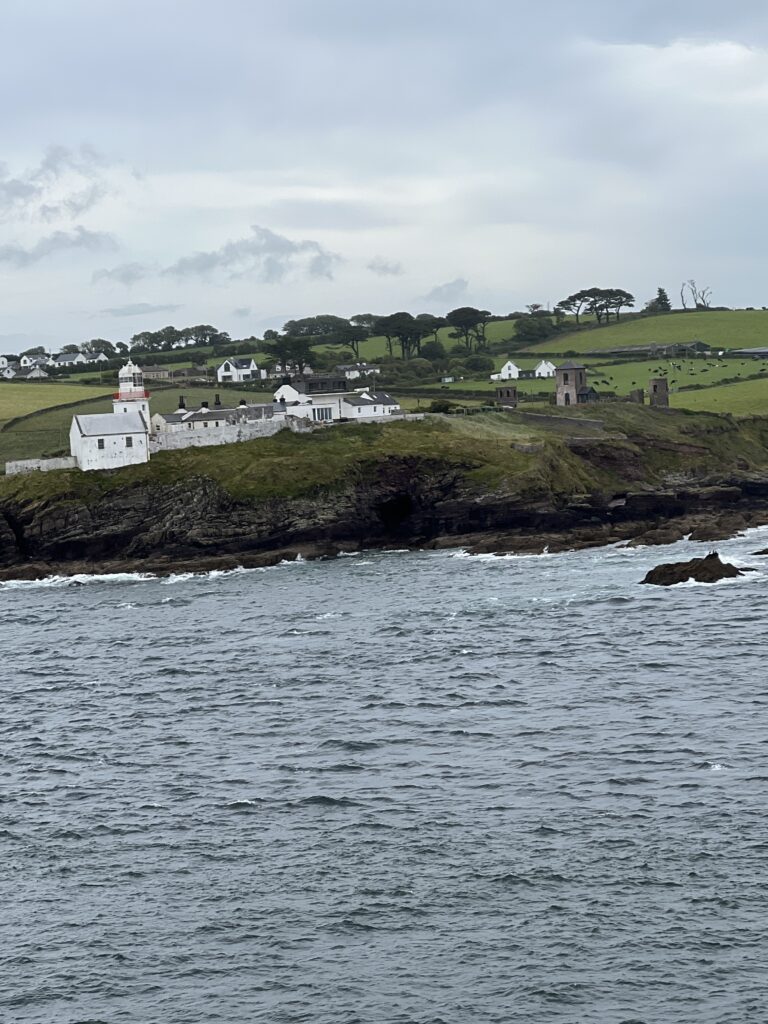
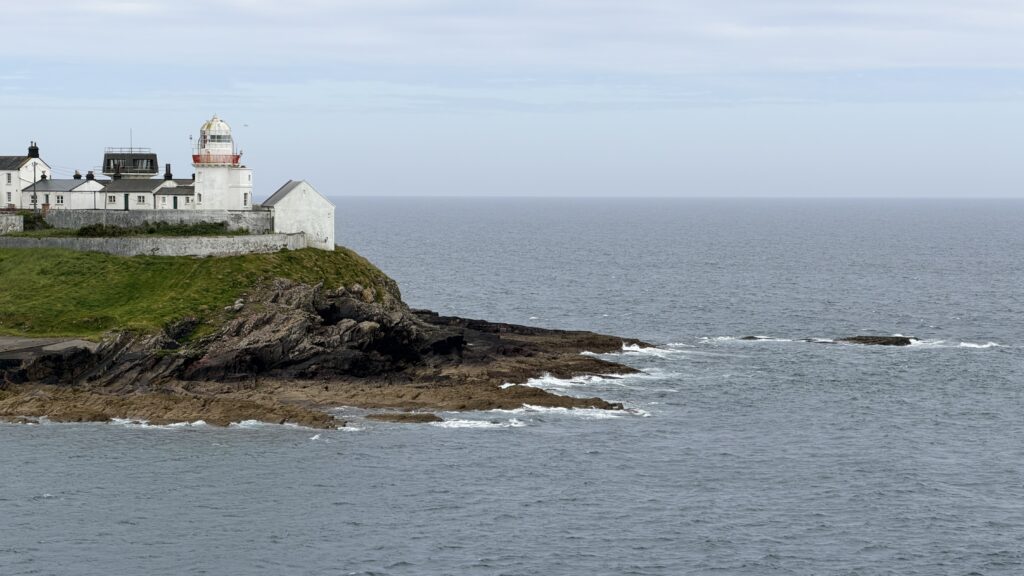
Tomorrow we are in Belfast, Northern Ireland