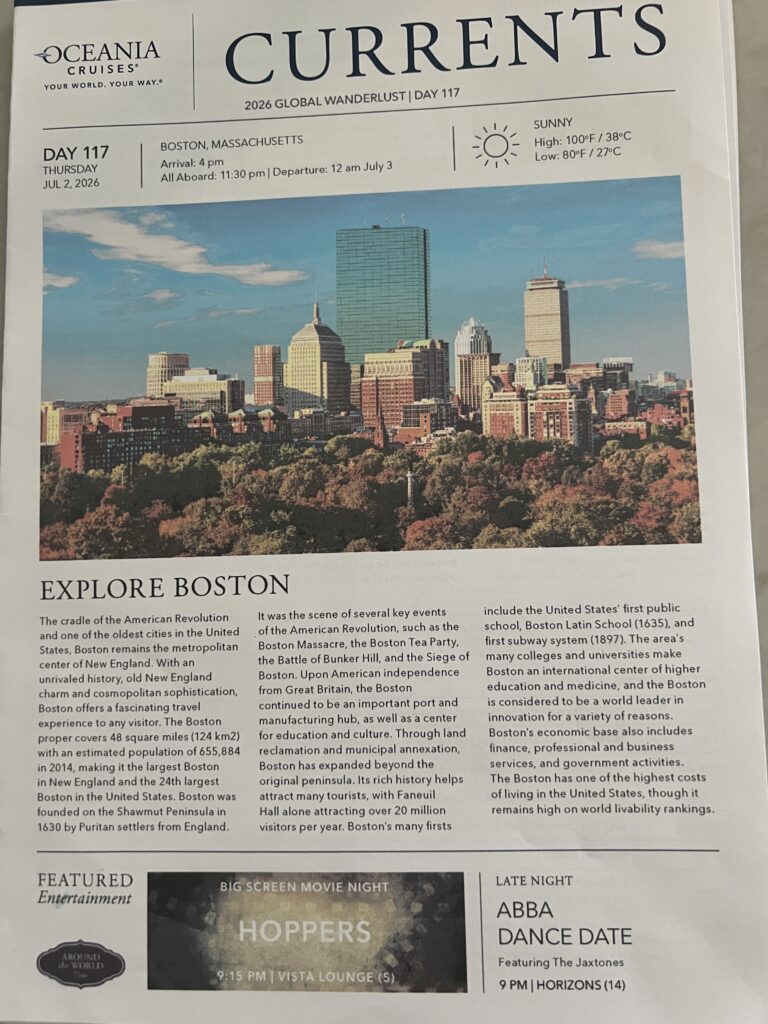
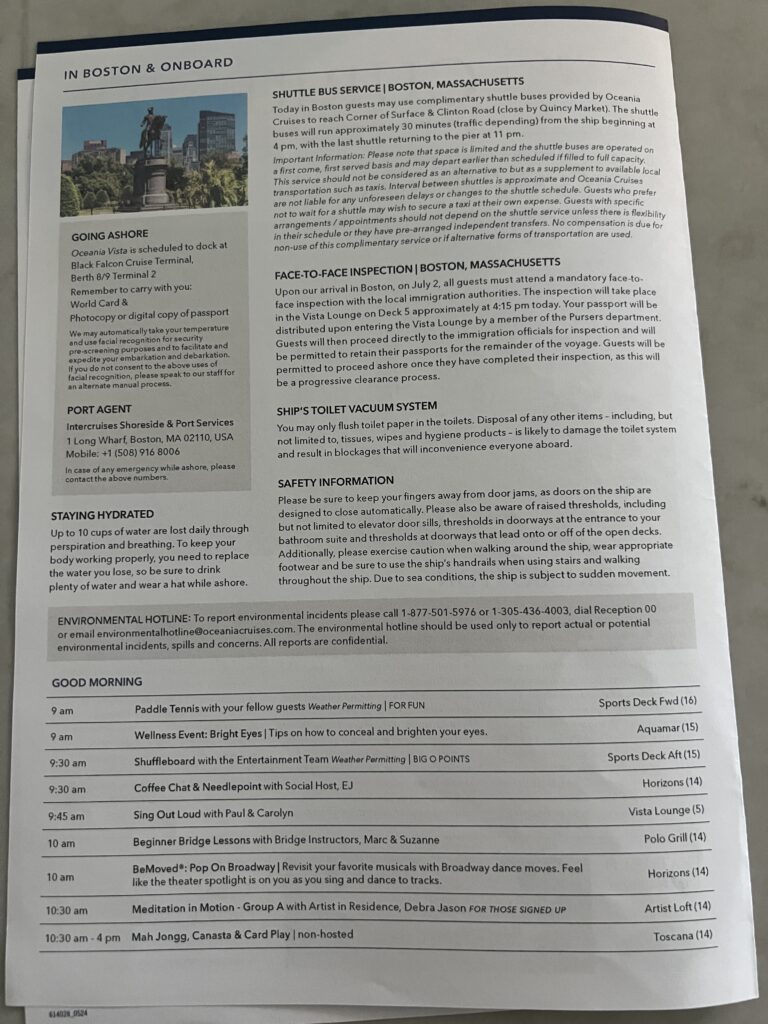
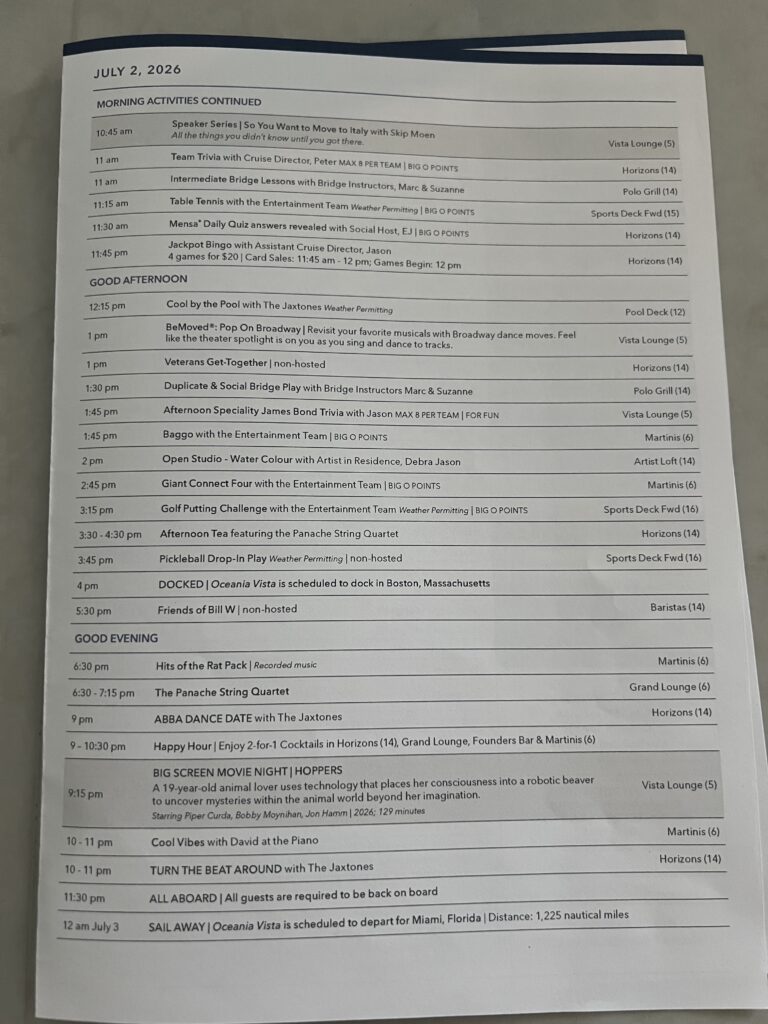
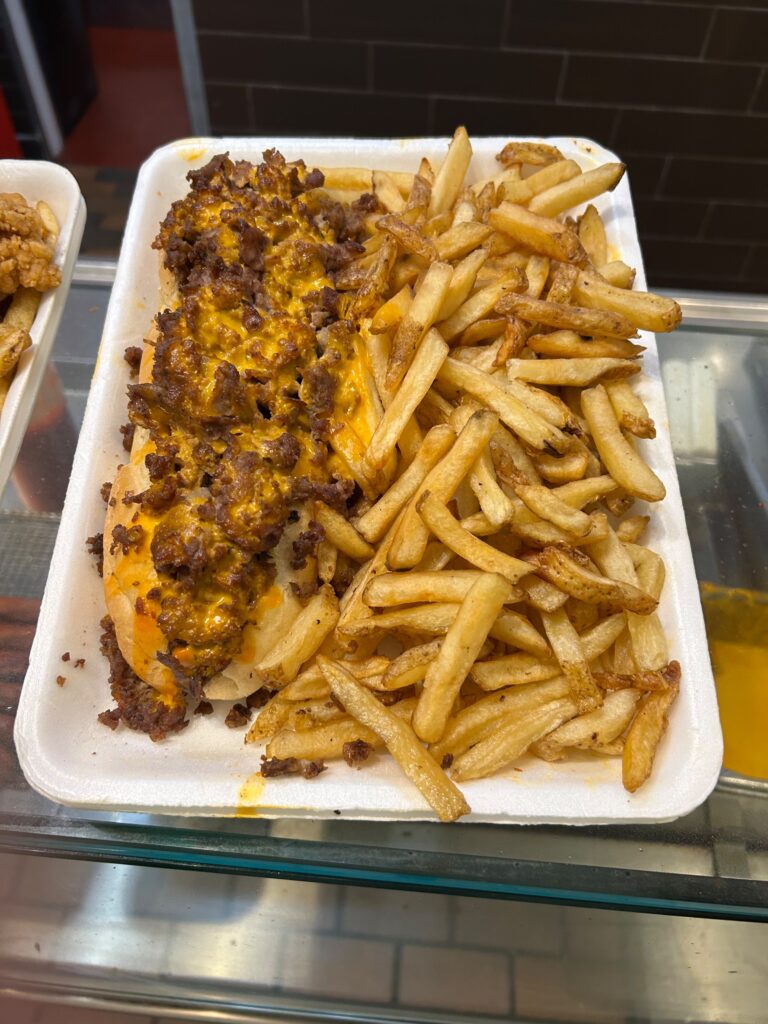
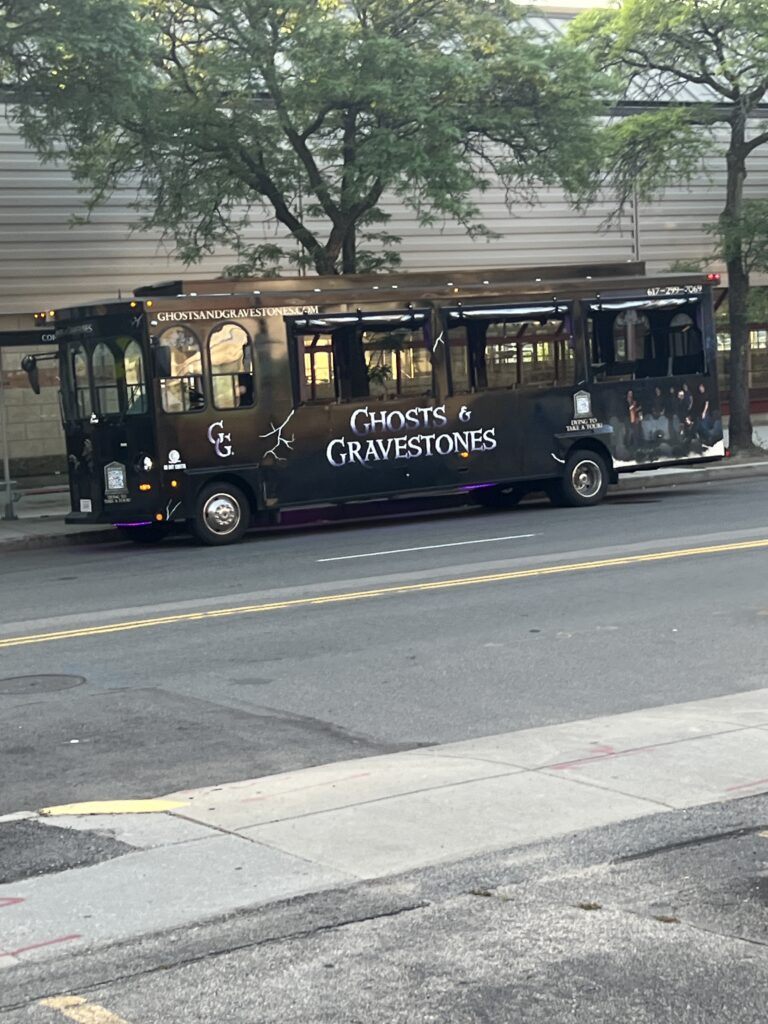
Day 117 Thursday July 2nd (3 days to go) — We arrived in Boston at 4pm and had to clear customs before heading out into the city. We took a free shuttle bus to the marketplace. For the evening, we booked a ghost and gravestones tour with Marta, Joan and John. Before the tour we grabbed a bite to eat at the marketplace. Then, we left on the tour which was a fun evening. I think if we had more time in Boston and it had been during the day we would have visited more of the historic sites in the city. We finished off the evening by attending a fireworks show over the Boston Harbor.

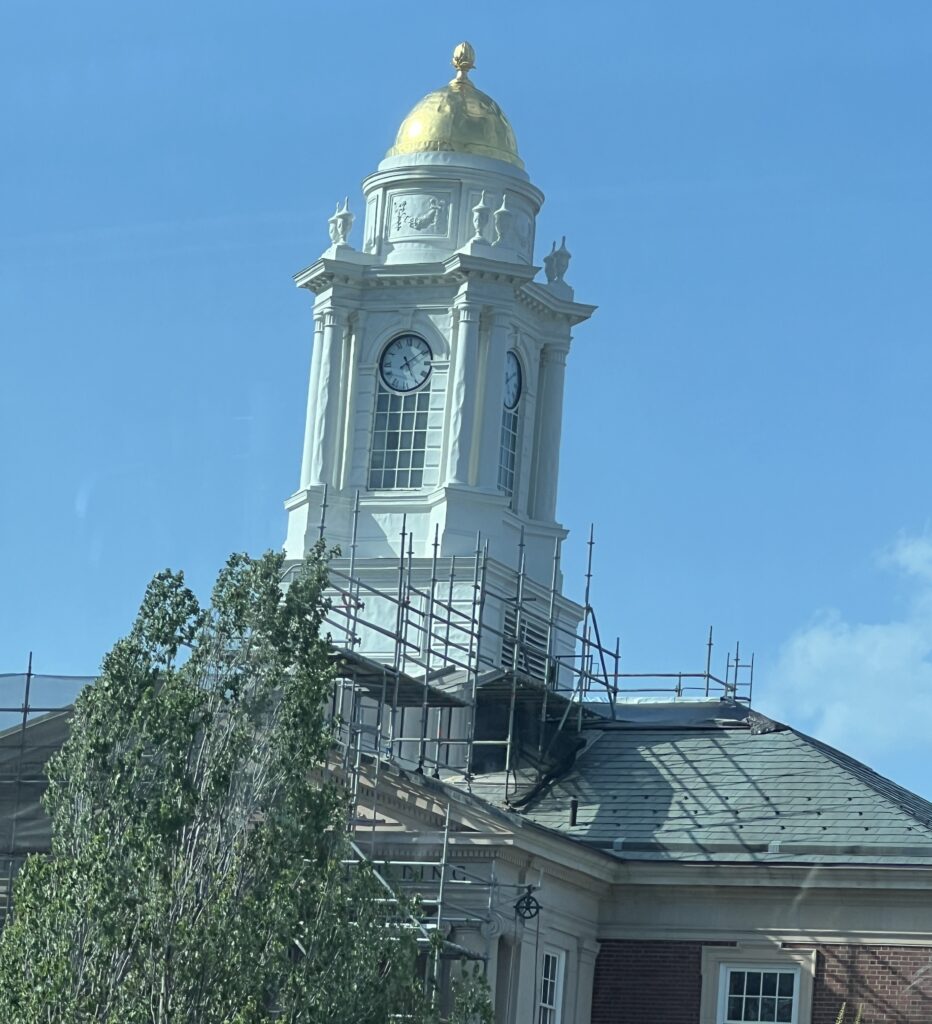
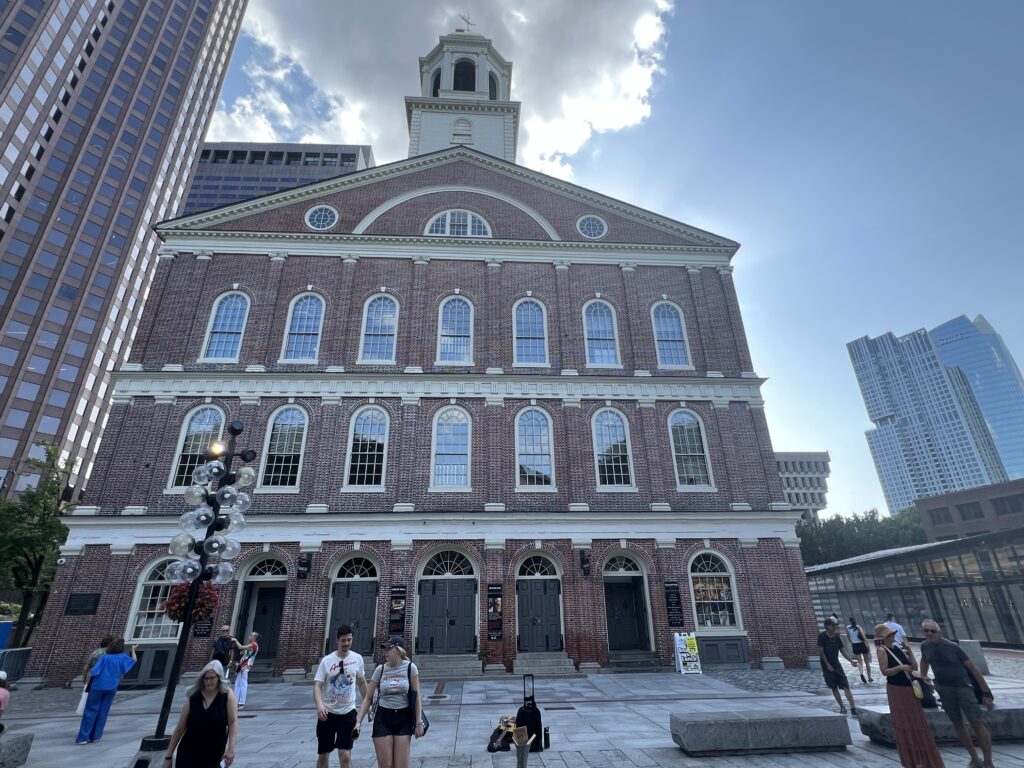
Faneuil Hall (/ˈfænəl/, /ˈfʌnəl/, or /ˈfænjəl/) is a historic building in Downtown Boston, Massachusetts, United States. Opened in 1742, the building was designed by artist John Smibert as a marketplace and meeting hall. Faneuil Hall is sometimes referred to as “the Cradle of Liberty”, having been the site of many speeches, debates, and other events over its history. Over the years, the building, and especially its Great Hall meeting room, has received commentary for its symbolism. Faneuil Hall is part of Boston National Historical Park and is designated as a National Historic Landmark. It is owned by the Boston government and operated as part of the Faneuil Hall Marketplace.
Faneuil Hall hosted regular events and speeches before the American Revolutionary War, along with a marketplace at ground level. The original building burned down in 1761 and was rebuilt over the next decade. Faneuil Hall was remodeled and expanded by Charles Bulfinch in 1806, and it was renovated again in 1827 after the nearby Quincy Market opened. The interiors were rebuilt of noncombustible materials in 1898–1899, and Cram and Ferguson oversaw another renovation between 1923 and 1925. Further modifications took place throughout the 20th century, including several cleaning, fireproofing, restoration, and accessibility projects. The building was renovated again in the 21st century.
Faneuil Hall has four stories including the attic, and is made of red brick, divided vertically into several bays. There are entrances and arched sash windows on the first floor, and additional windows on the other stories, each separated by pilasters of varying designs. The slate gable roof has a cupola and a grasshopper-shaped weathervane. Inside, the basement is used for offices and education, while the first floor contains a market area measuring 76 by 100 feet (23 by 30 m). A stair from the main eastern entrance ascends through the building. On the second and third floors is the Great Hall, measuring 28 feet (8.5 m) high and 76 by 76 feet (23 by 23 m) across with various pieces of artwork. There are also small offices on the second floor. The fourth-story attic houses the Ancient and Honorable Artillery Company of Massachusetts, and there is a commandery room just beneath the cupola.
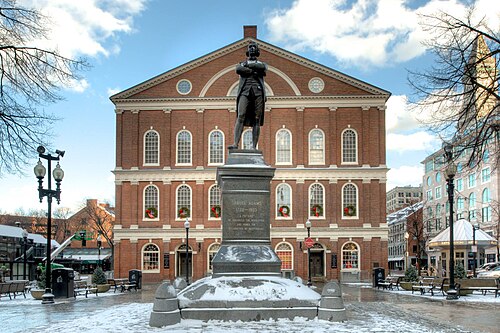
West of the building is an 1880 sculpture of Samuel Adams. Created by Anne Whitney, the Adams sculpture is cast in bronze and is a replica of a similar sculpture at the United States Capitol. This sculpture sits on a Quincy granite pedestal with polished and unpolished sections.
Stock photo as we did get a picture of the statue
Historic Faneuil hall has served as a marketplace and meeting hall since 1742 when it was built by Peter Faneuil.
It provided a platform for the country’s most famous orators. It is where colonists first protested the Sugar Act in 1764 and established the doctrine of “no taxation without representation”. It is where Samuel Adams rallied the citizens of Boston to the cause of independence from Great Britain and George Washington toasted the nation on its first birthday. Through the years, Faneuil Hall has played host to many impassioned speakers, from Oliver Wendell Homes and Susan B. Anthony to Bill Clinton and Barack Obama.
The first floor is used as a lively marketplace. Faneuil Hall Marketplace is a lively core of Boston’s historic waterfront, and the nation’s premier urban marketplace. Housed in 3 beautifully restored 19th century buildings, its 112 shops and 13 restaurants offer tantalizing delicacies & unique gifts in a festive atmosphere that spills onto cobblestone streets filled with an amazing variety of street performers and signature events.
Faneuil Hall Marketplace | Boston, MA
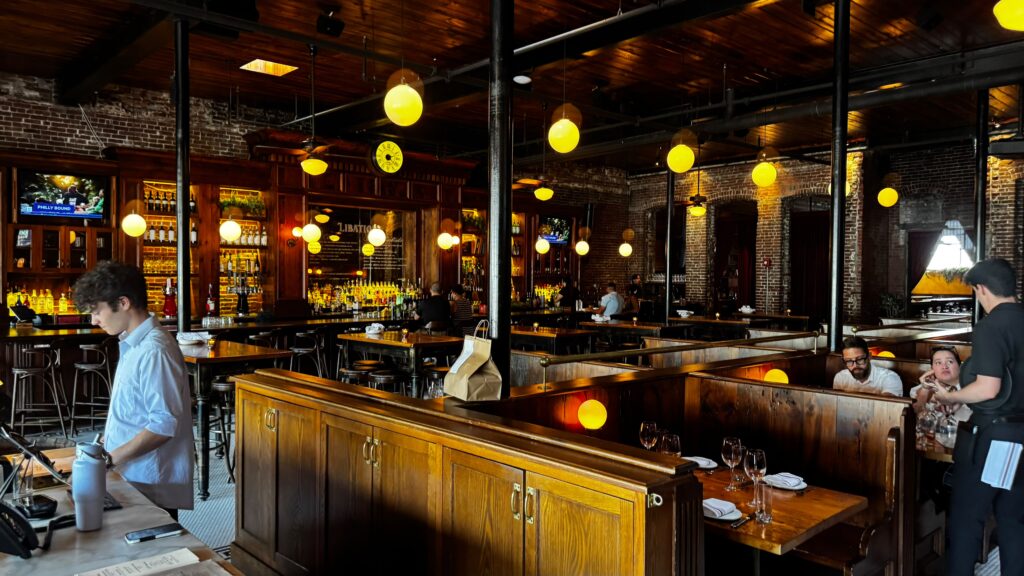
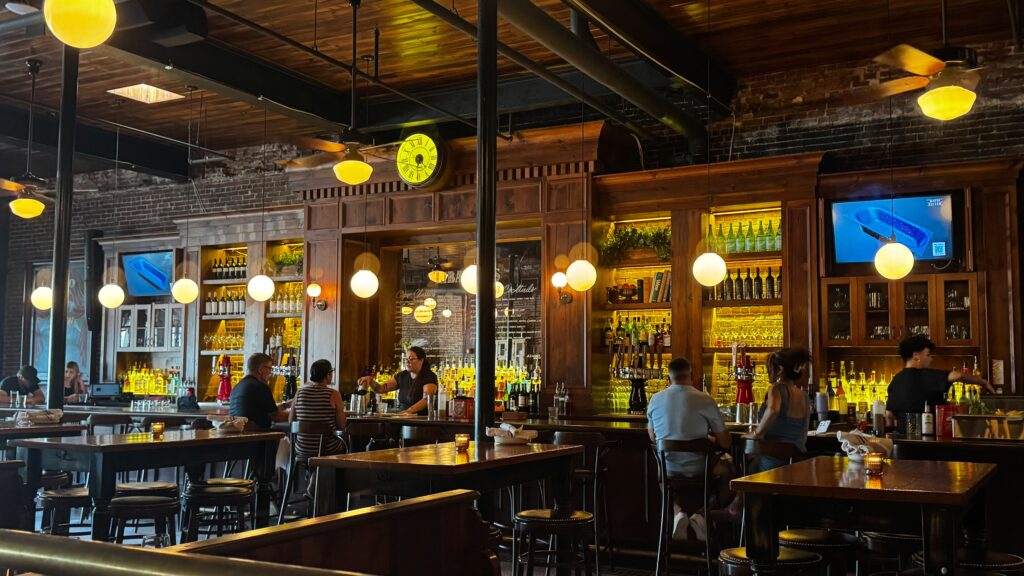

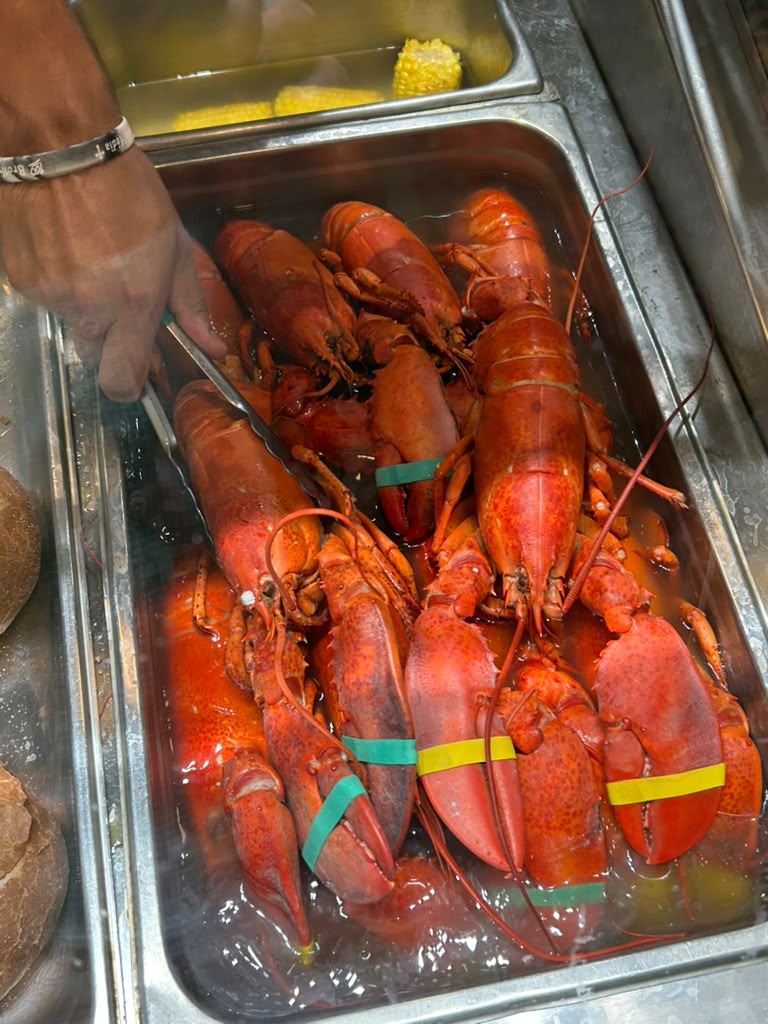
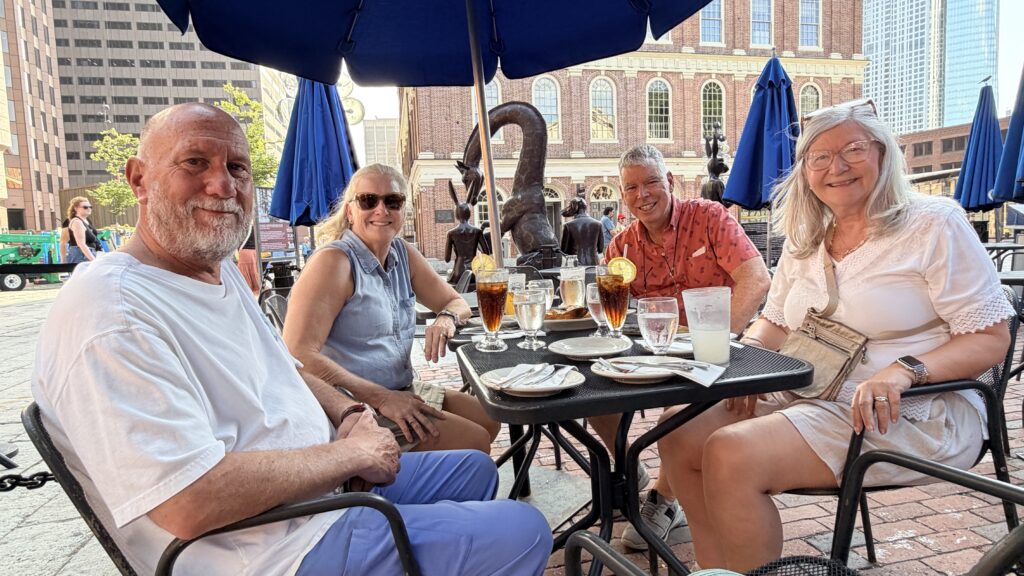
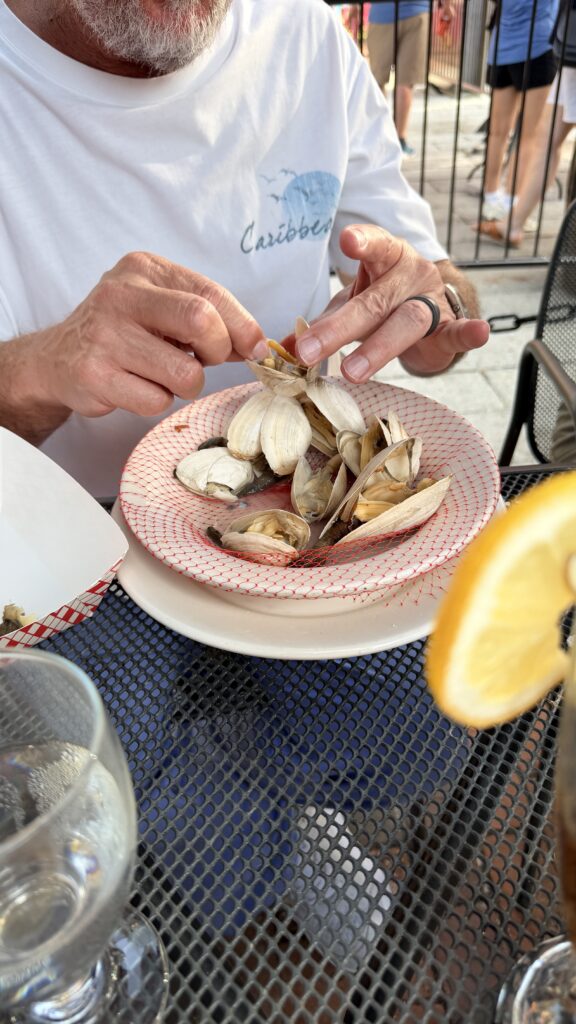
Having outdoor dinner with Joan and John Meyer. We also had Marta with us (she is taking this photo).
Walk amongst the dead in burying grounds nearly four hundred years old, hear stories of those whose mortal remains lie beneath your feet, and listen to tales of many of the sordid practices that went along with them.
Hear all about Boston’s darker side!
In a city nearly four hundred years old – troubled with war, murderers, strife and the occasional bout of stray molasses, it is hardly any wonder that Boston remains one of the most haunted cities in America and stories of the glory days of Colonial Boston only scratch the surface of Boston’s darker side.
Explore some of Boston’s most haunted sites…
See Boston’s most haunted hotel: The Omni Parker House. As you pass by, you’ll hear stories of the hotel’s more bizarre and permanent tenants. Hear the gruesome saga of the Boston Strangler, and see where his final victim breathed her last.
King’s Chapel Burying Ground
The oldest burying ground within the confines of downtown Boston; this is the final resting place of many of Boston’s first inhabitants. Here you may peer inside a decrepit charnel house which contains the jumbled bones of hundreds of forgotten souls and learn of Ephraim Littlefield and his shocking black-market body trading scandal of the Victorian era. Or perhaps you will hear the tale of King’s Chapel’s Strangers Tomb and the ghost who haunts it.
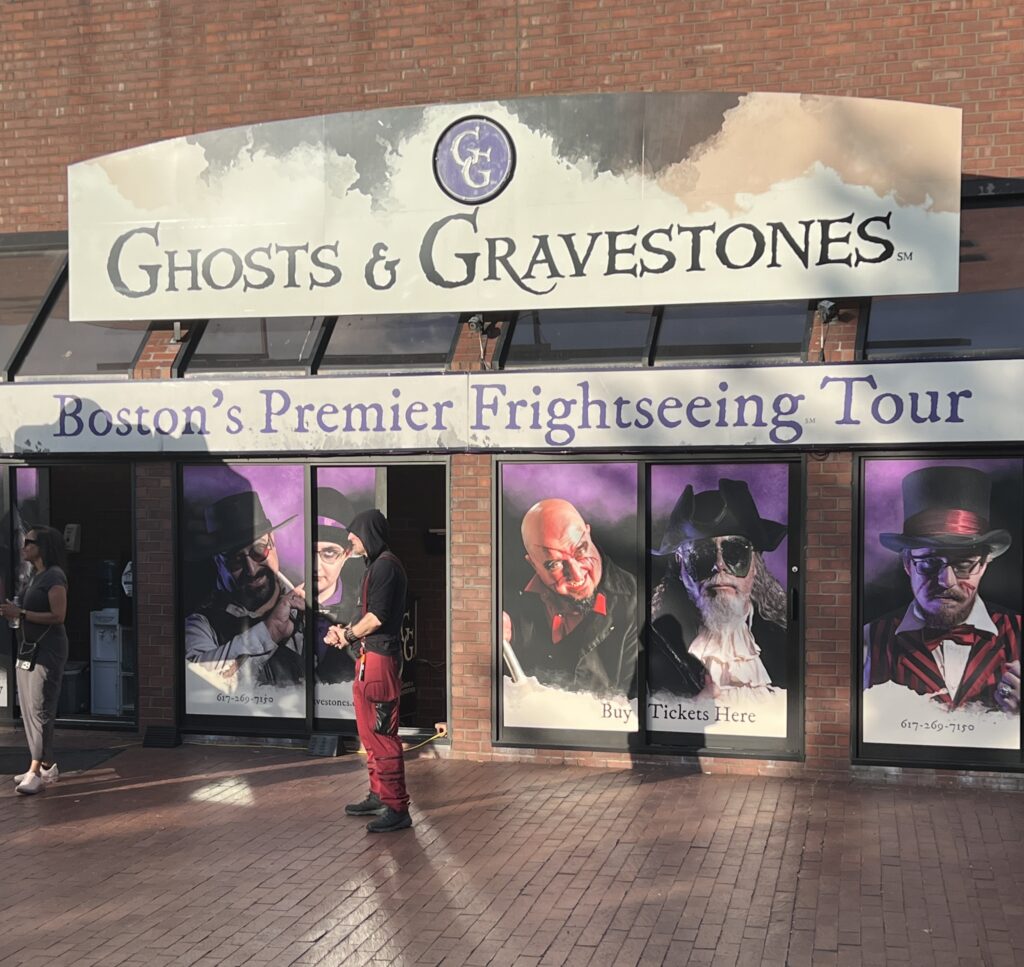
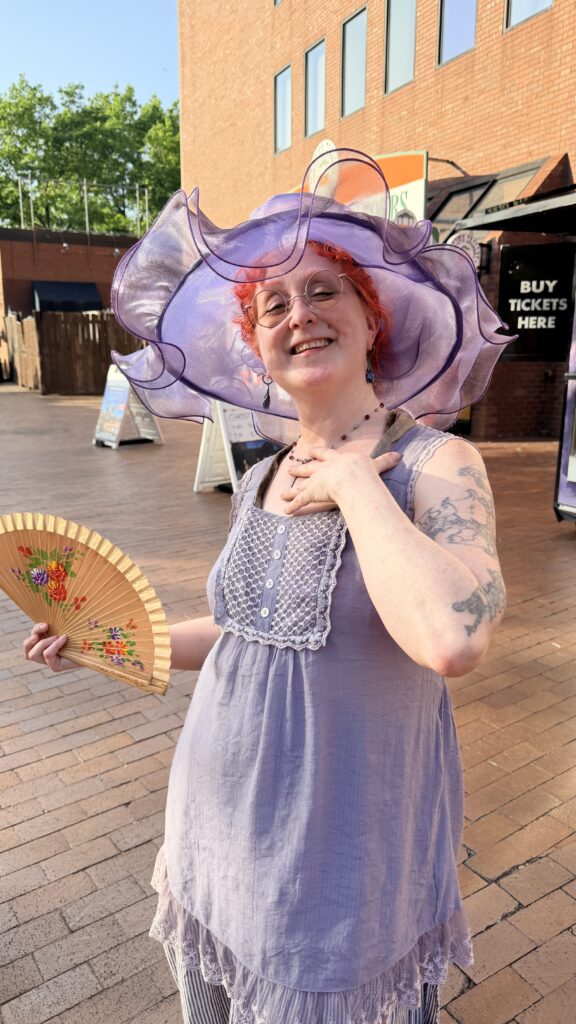
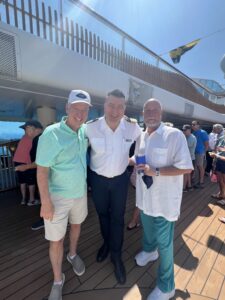
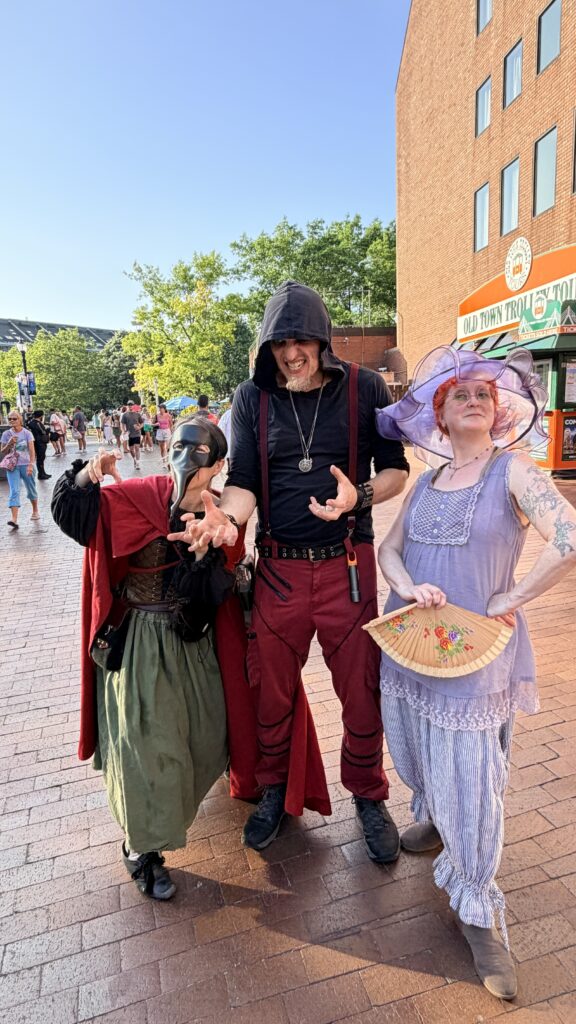
The middle guy was our guide for the evening’s tour
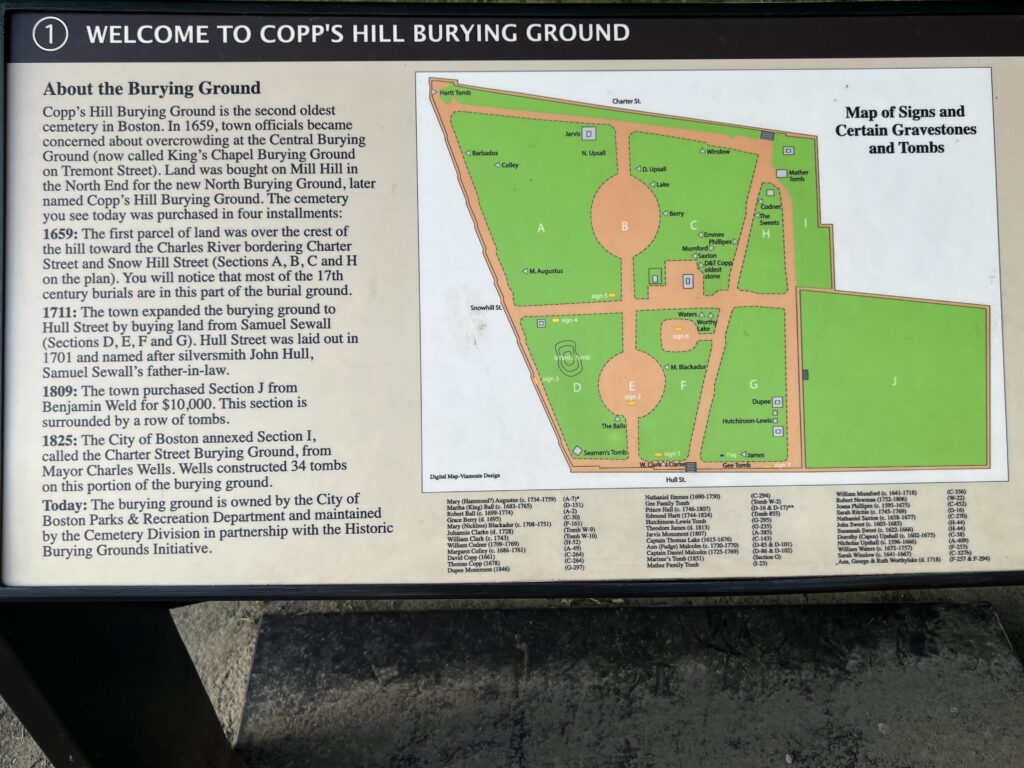
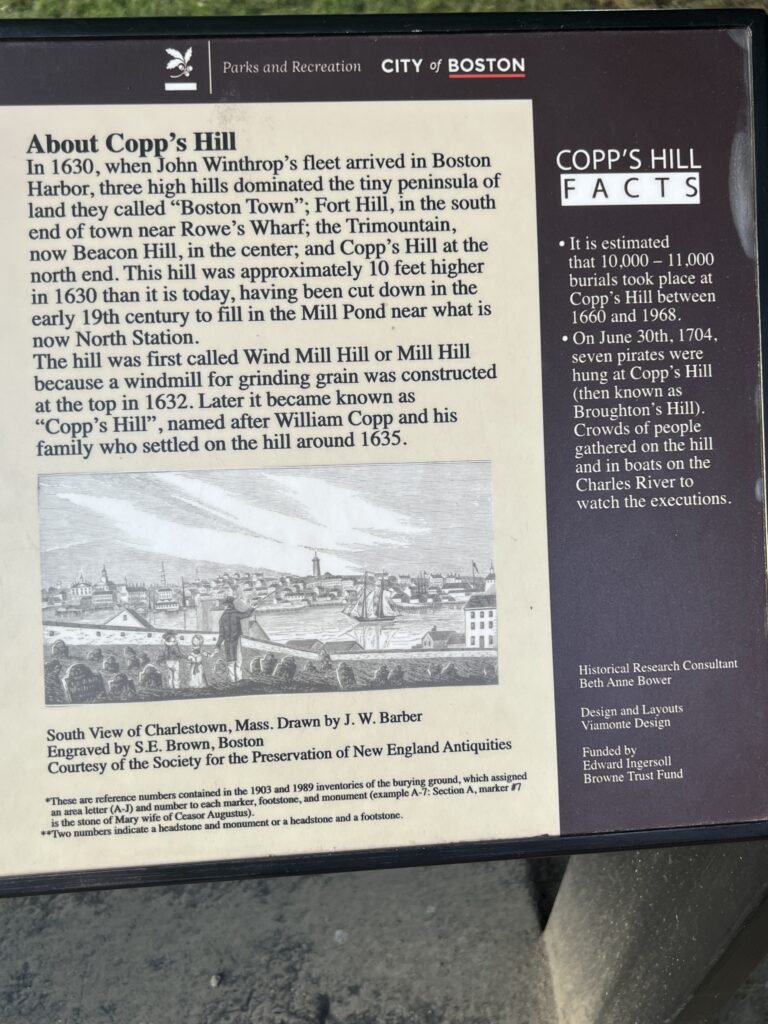
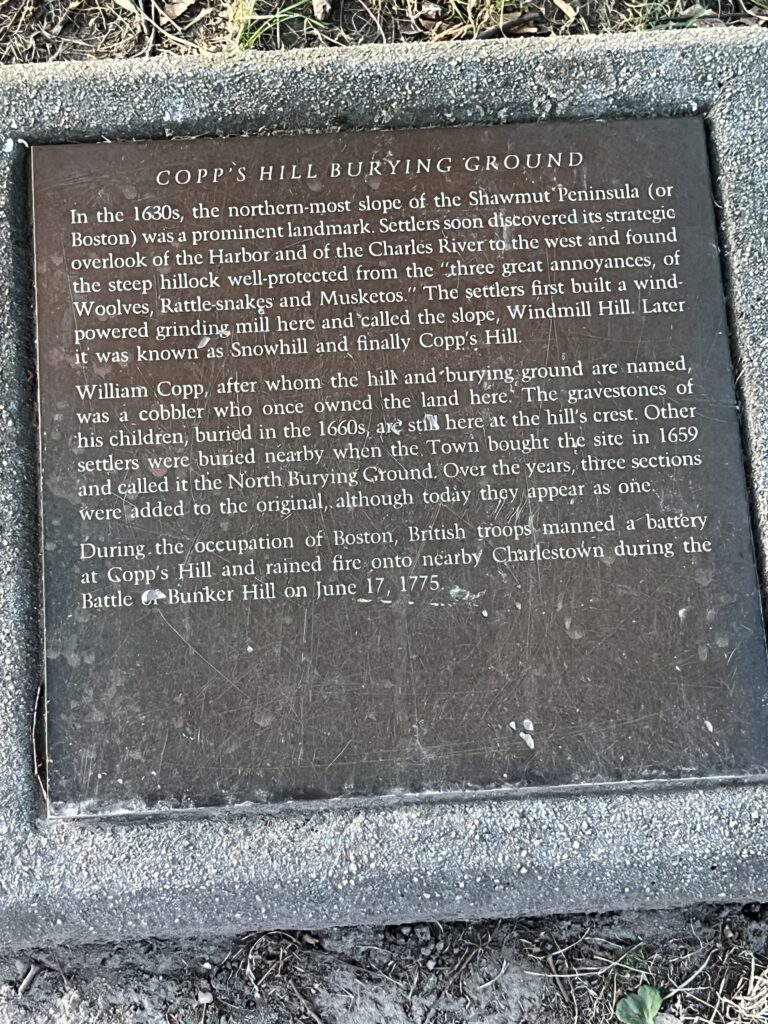
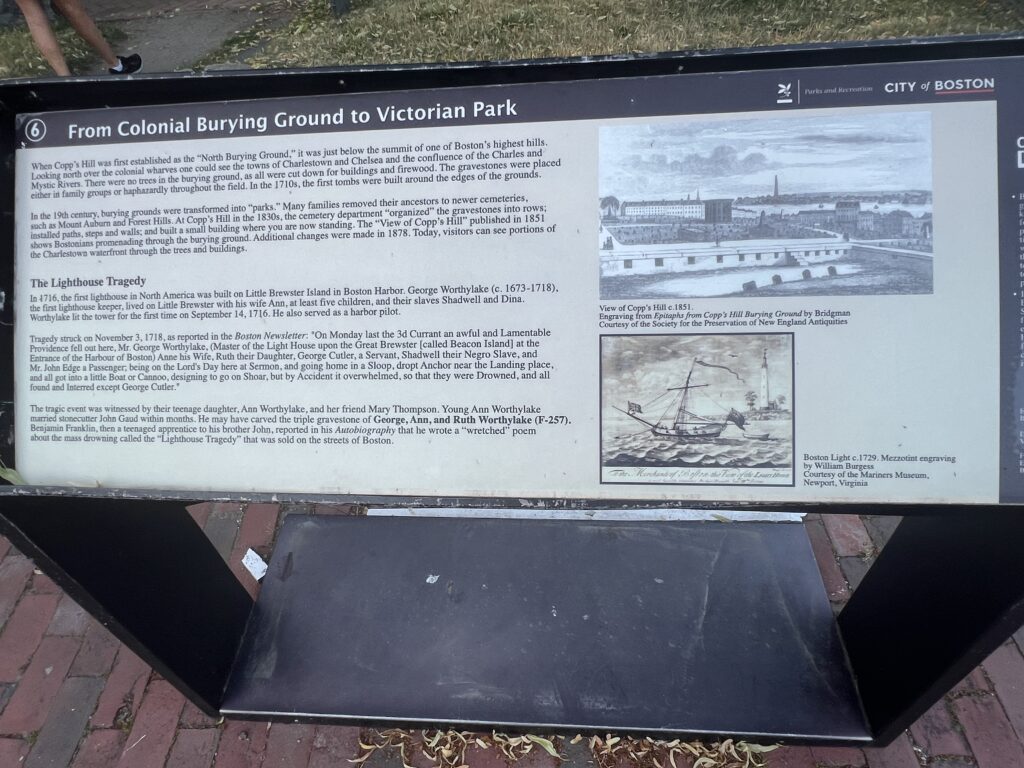
Located on a hill on which a windmill once stood, the land was given to the town. Copp’s Hill was Boston’s largest colonial burying ground, dating from 1659.
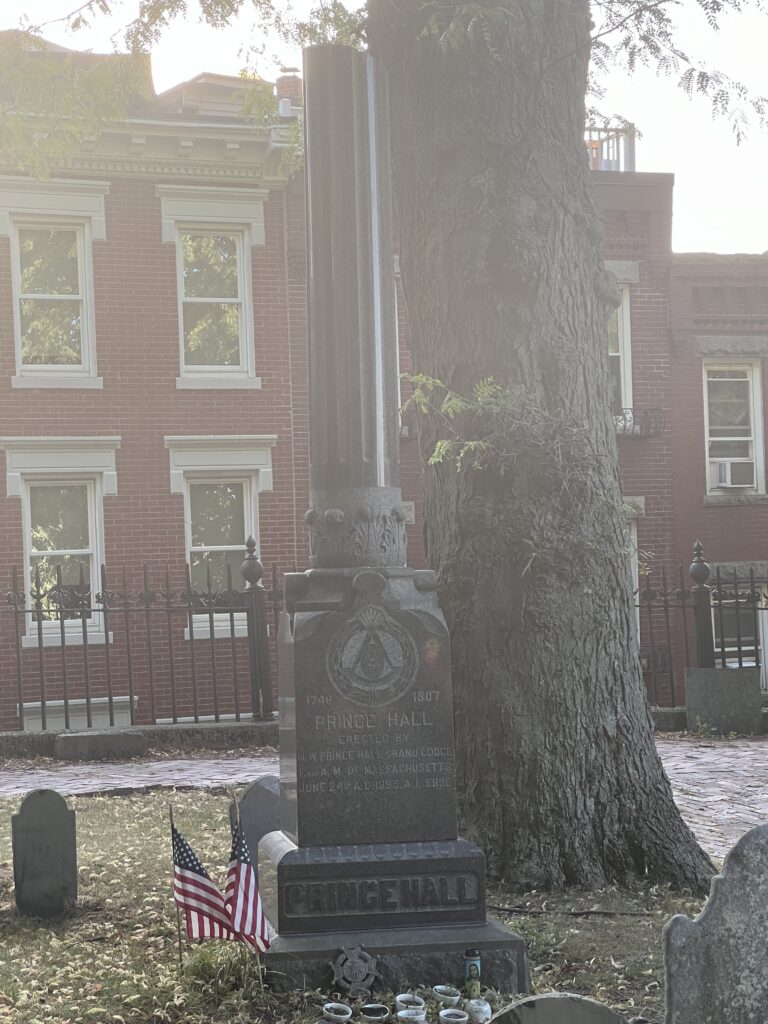
Some notables buried in Copp’s Hill are fire-and-brimstone preachers Cotton and Increase Mather, two Puritan ministers closely associated with the Salem witch trials, and Black Freemasonry founder Prince Hall. The burying ground also holds Old North Church sexton Robert Newman, the man who hung the lanterns on the night of Paul Revere’s midnight ride, and Edmund Hartt, builder of the USS Constitution. Countless free African-Americans are buried in a potter’s field on the Charter Street side of the site. Because of its height and panoramic vistas, the British used this vantage point to train their cannons on Charlestown during the Battle of Bunker Hill in 1775.
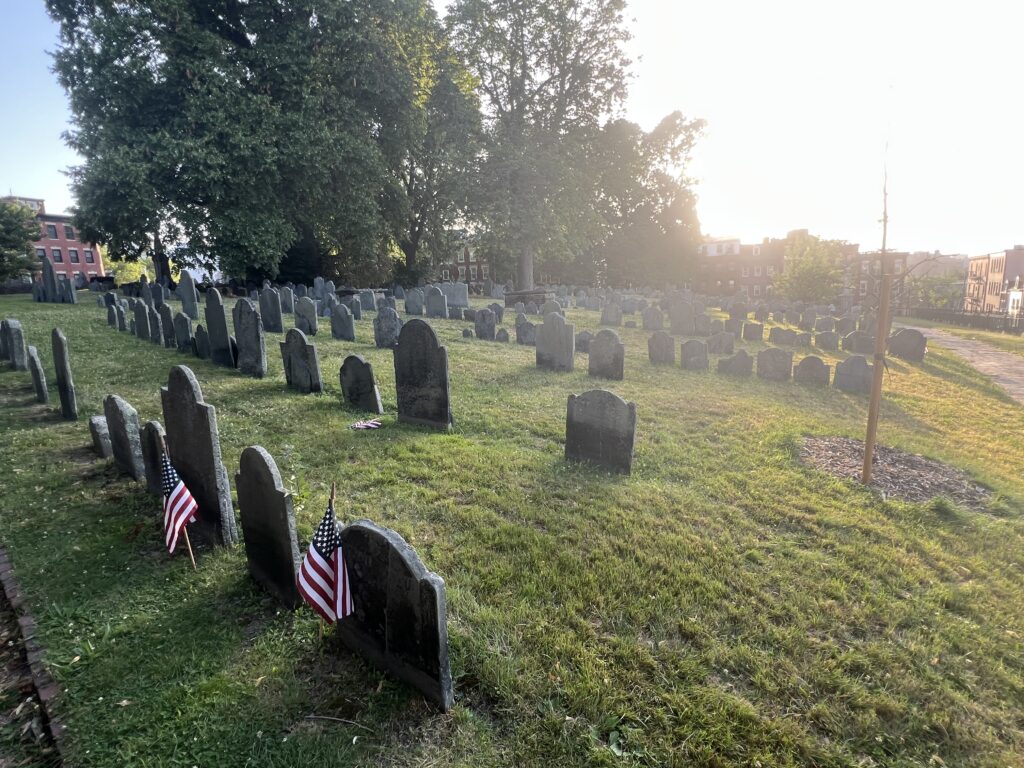
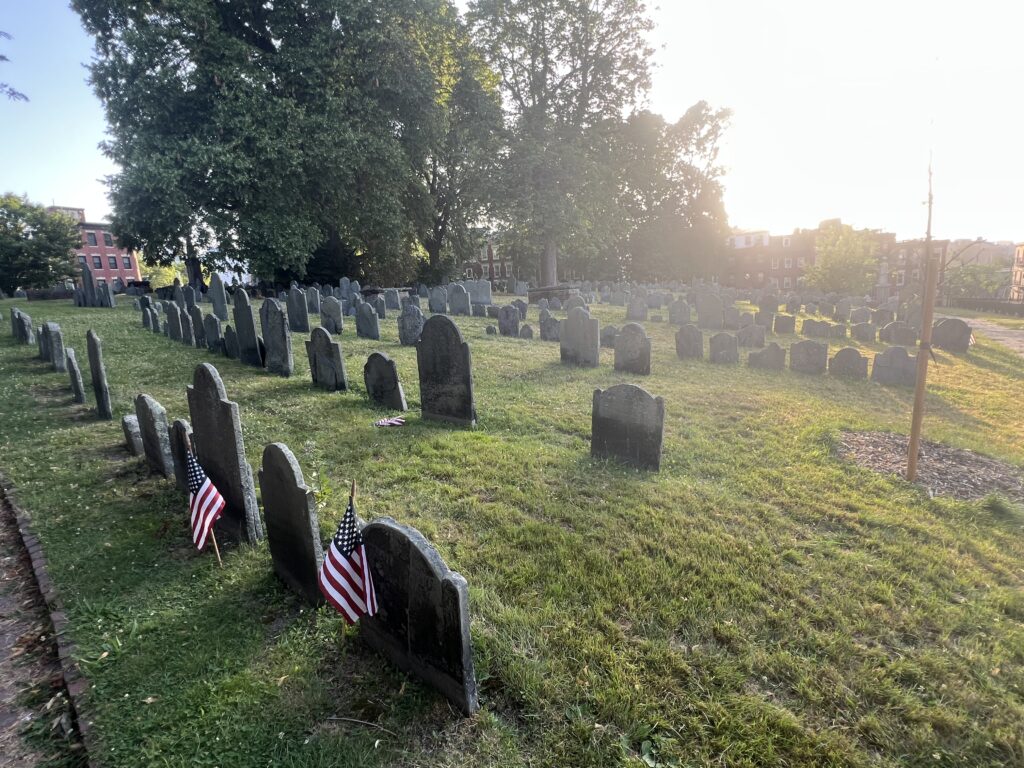
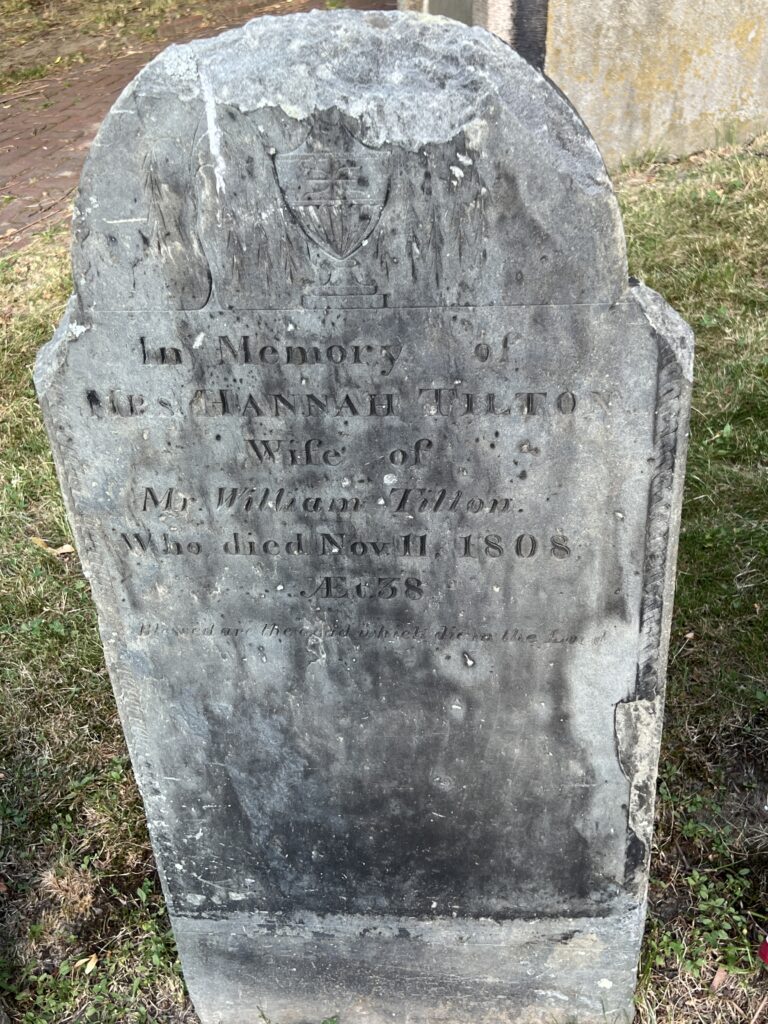
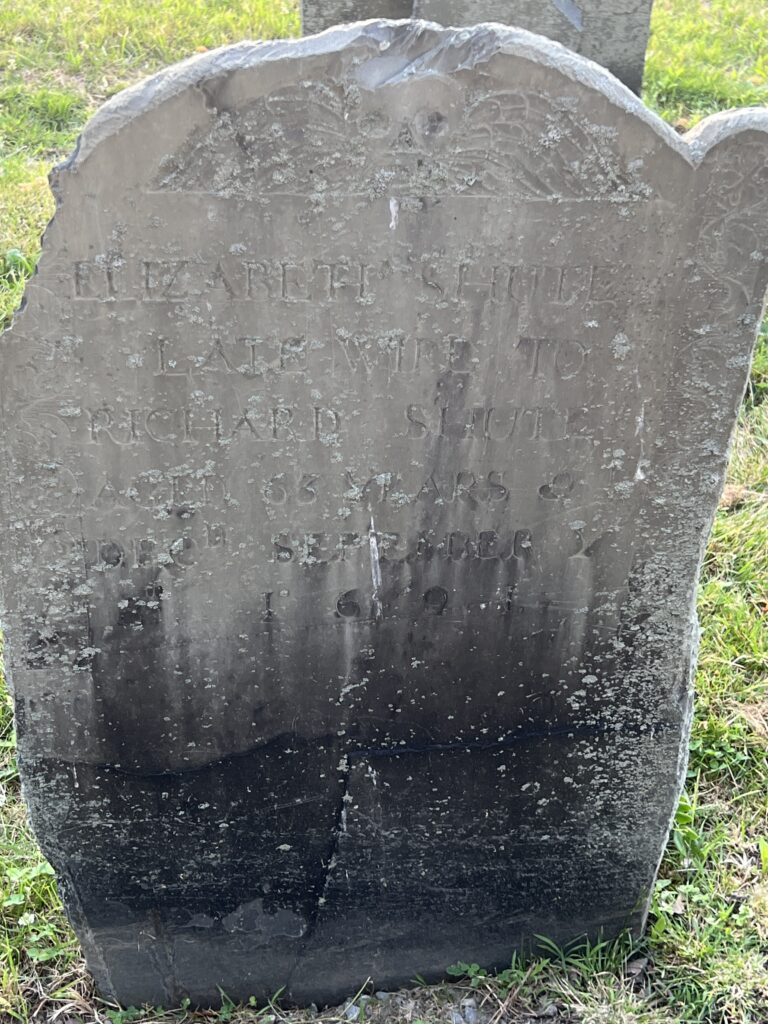
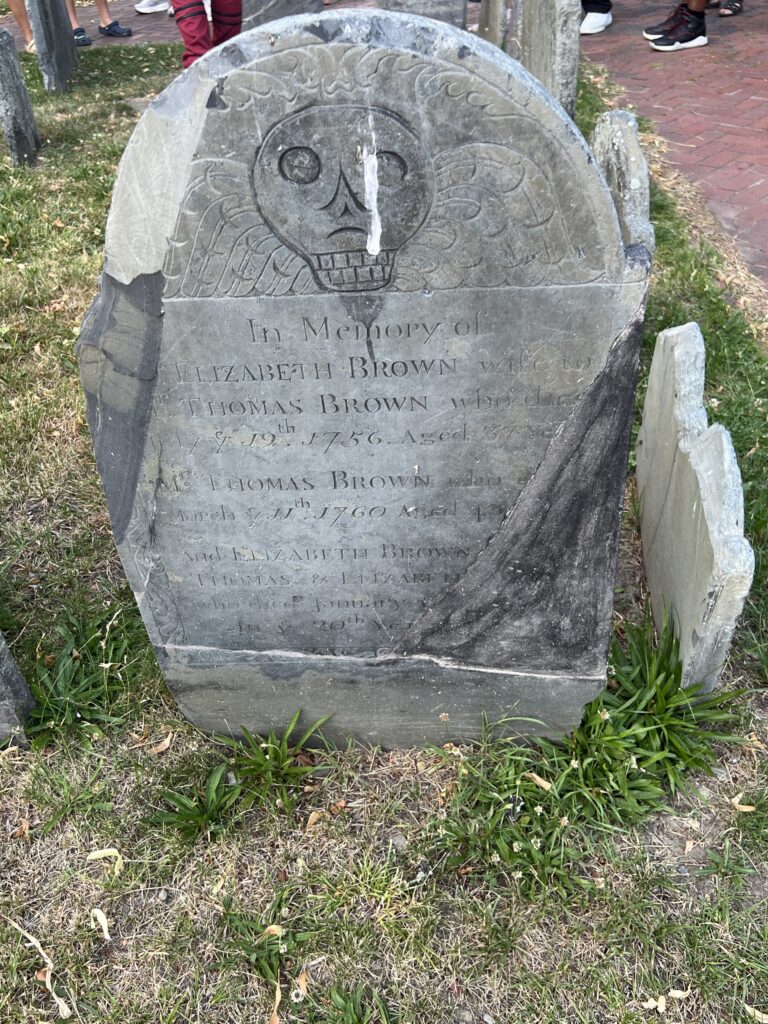
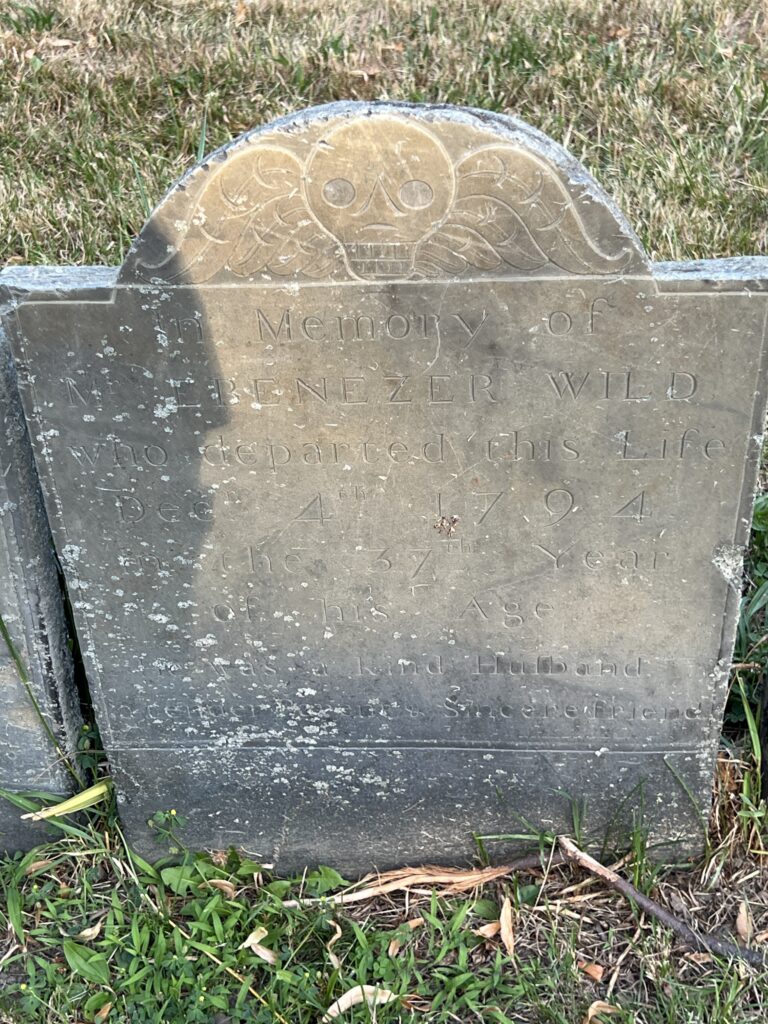
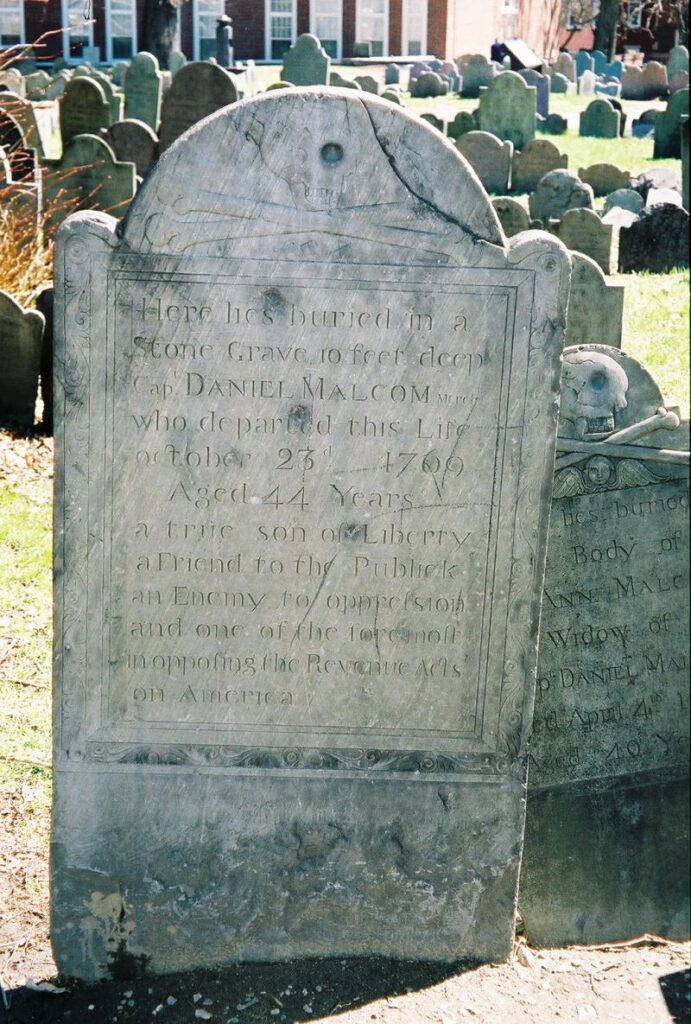
North End resident and member of the Sons of Liberty, Capt. Daniel Malcolm’s claim to fame is smuggling 60 casks of wine without paying the duty on it. He was a well known smuggler and supporter of the Sons of Liberty. Daniel Malcolm was born in 1724 and died in 1769. The epitaph on Captain Daniel Malcolm’s tombstone is well marked and the tombstone is riddled with the marks of vengeful British bullets.
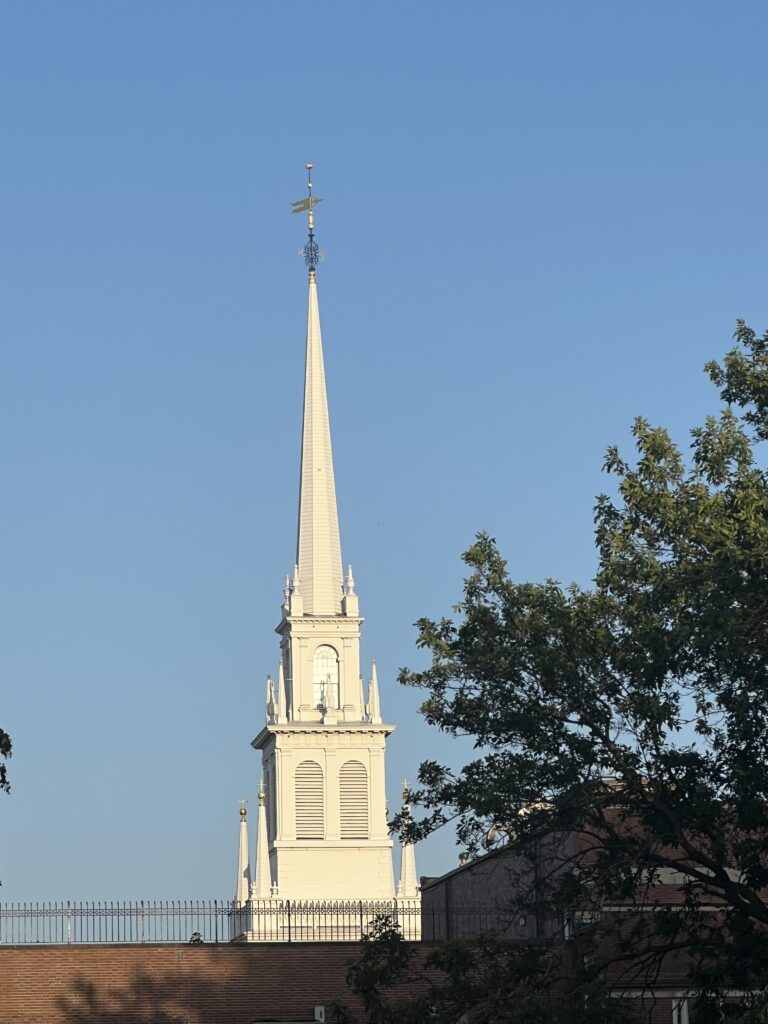
The Park Street Church steeple
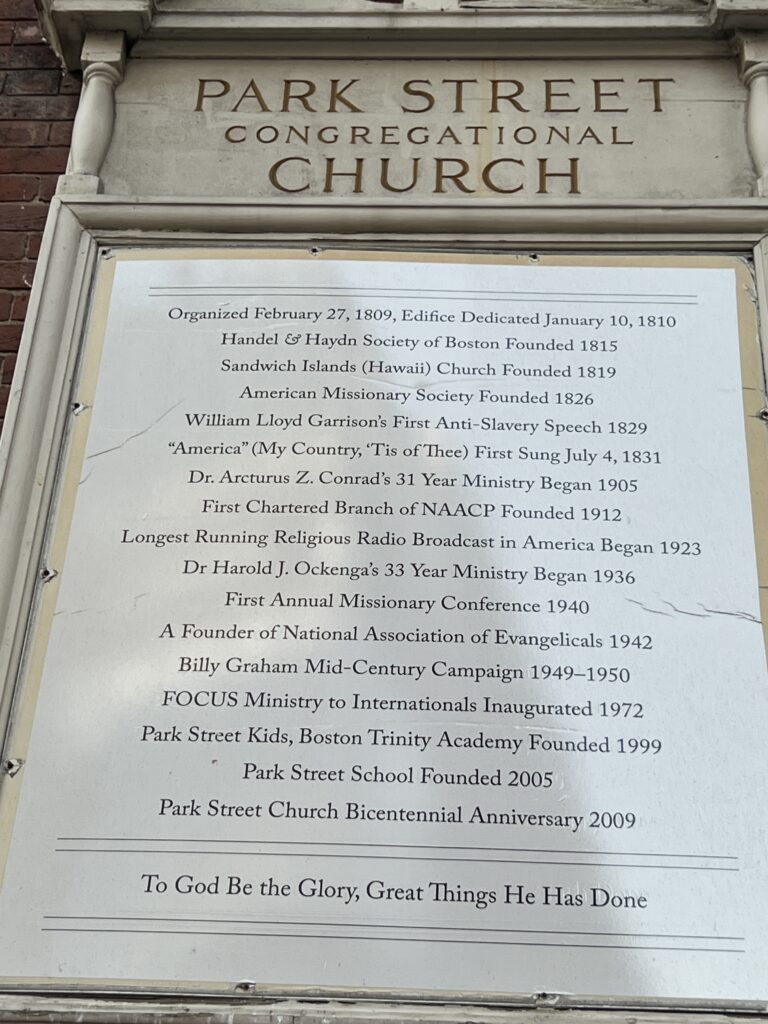
Park Street Congregational Church, founded in 1809, is a historic and active evangelical congregational church in Downtown Boston, Massachusetts, United States. The Park Street Church is a member of the Conservative Congregational Christian Conference. Church membership records are private, but the congregation has over 1,200 members. The church is located at 1 Park Street, at the corner of Tremont Street.
Park Street Church | Jesus above all.
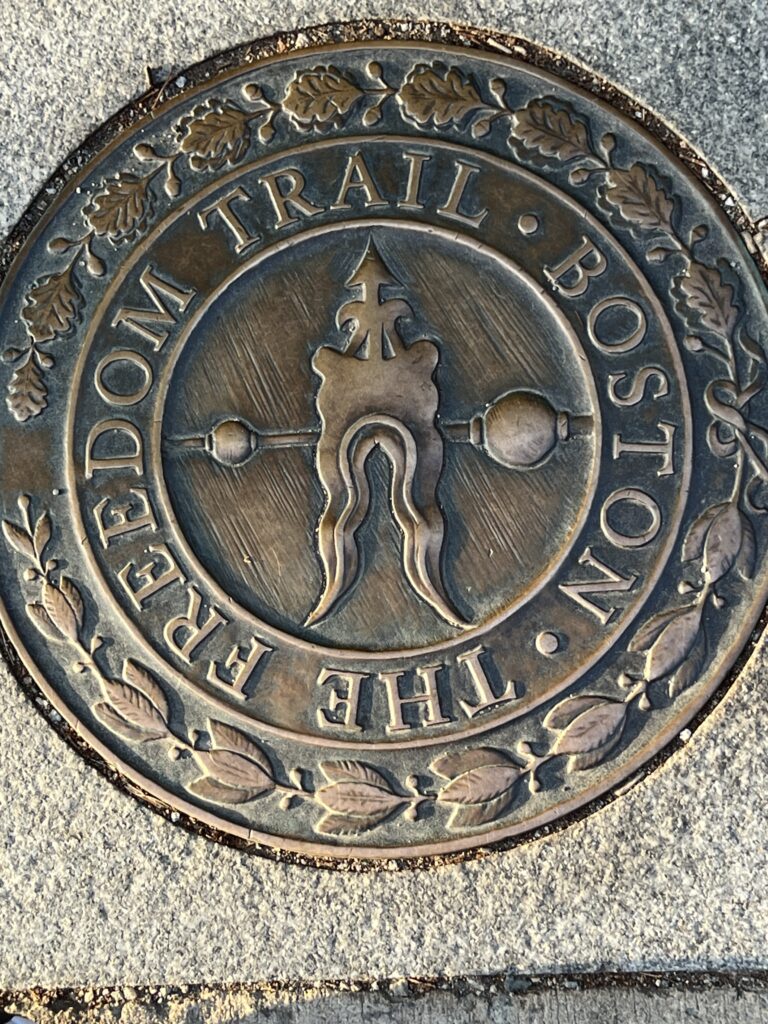
The Freedom Trail is a 2.5-mile-long (4.0 km) path through Boston, Massachusetts, that passes by 16 locations significant to the history of the United States. It winds from Boston Common in downtown Boston to the Old North Church in the North End and the Bunker Hill Monument in Charlestown. Stops along the trail include simple explanatory ground markers, graveyards, notable churches and buildings, and a historic naval frigate. Most of the sites are free or suggest donations, although the Old South Meeting House, the Old State House, and the Paul Revere House charge admission. The Freedom Trail is overseen by the City of Boston’s Freedom Trail Commission and is supported in part by grants from various non-profit organizations and foundations, private philanthropy, and Boston National Historical Park.
The Freedom Trail was conceived by journalist William Schofield in 1951, who suggested building a pedestrian trail to link important landmarks. Boston mayor John Hynes decided to put Schofield’s idea into action. By 1953, 40,000 people were walking the trail annually. In 2026, an augmented reality tour called Relive 1776 was introduced along the Freedom Trail.
The National Park Service operates a visitor center on the first floor of Faneuil Hall, where they offer tours, provide free maps of the Freedom Trail and other historic sites, and sell books about Boston and United States history.
Some observers have noted the tendency of the Freedom Trail’s narrative frame to omit certain historical locations, such as the sites of the Boston Tea Party and the Liberty Tree
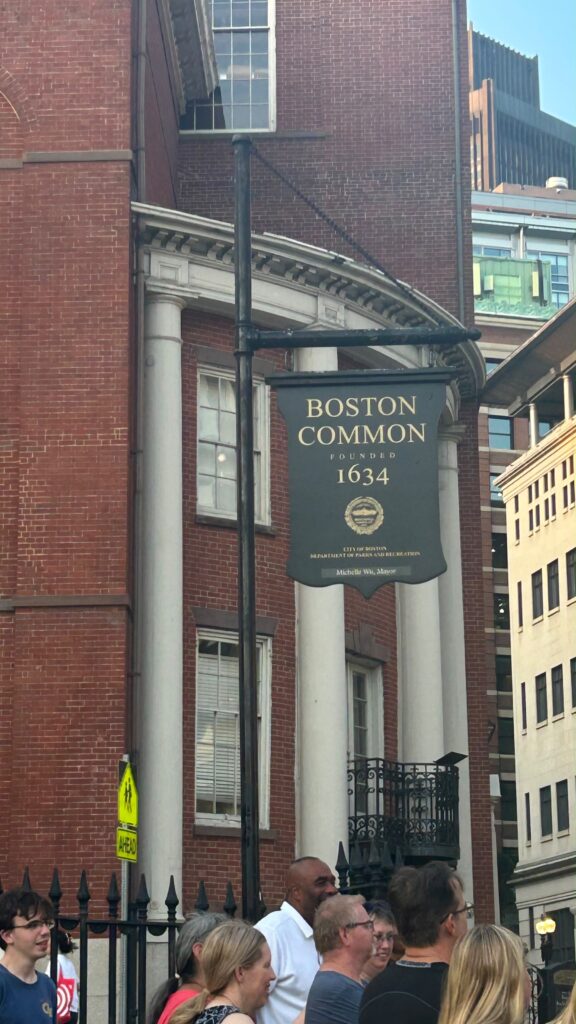
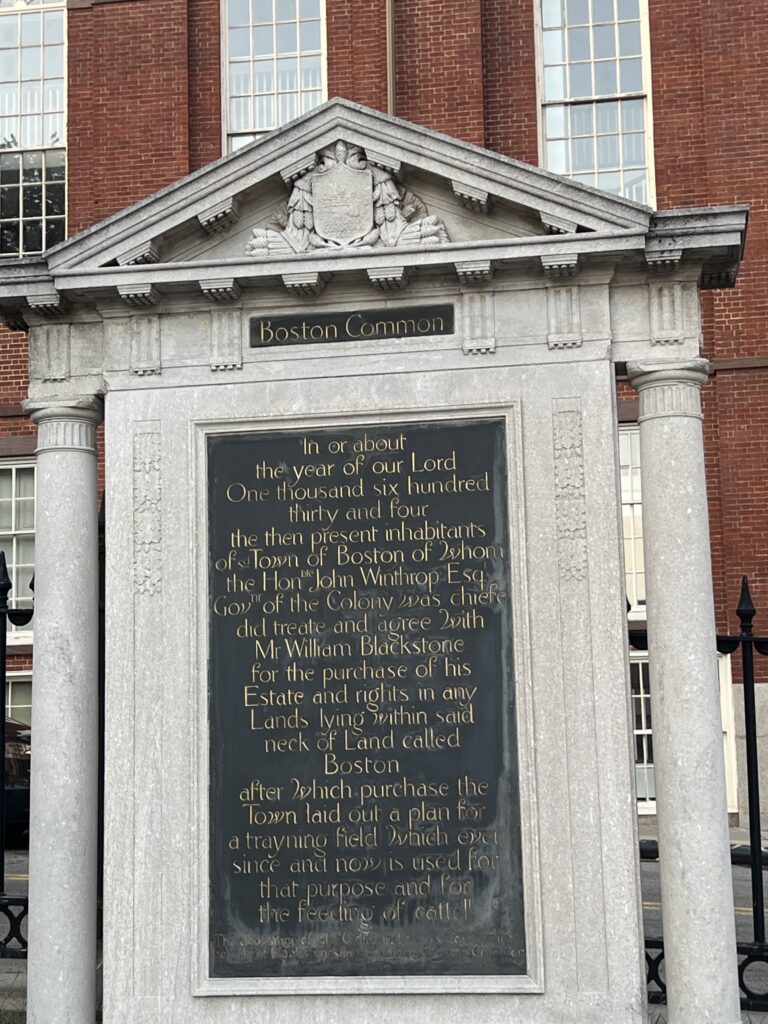
The Boston Common is a public park in downtown Boston, Massachusetts. It is the oldest city park in the United States. Boston Common covers 50 acres (20 ha) of land bounded by five major Boston streets: Tremont Street, Park Street, Beacon Street, Charles Street, and Boylston Street.
The Common is part of the Emerald Necklace of parks and parkways that extend from the Common south to Franklin Park in Jamaica Plain, Roxbury, and Dorchester. Immediately to the west is Boston Public Garden. The visitor center for the city of Boston is located on the Tremont Street side of the park.
The Central Burying Ground is on the Boylston Street side of Boston Common and contains the graves of artist Gilbert Stuart and composer William Billings. Also buried there are Samuel Sprague and his son, Charles Sprague, one of America’s earliest poets. Samuel Sprague was a participant in the Boston Tea Party and fought in the Revolutionary War. The Common was designated as a Boston Landmark by the Boston Landmarks Commission in 1977
Today, Boston Common is celebrated as a gathering place for both locals and visitors, but it harbors a history that is far more sinister. Venture back to the 1600s on the Underground Boston Ghost Tour: Gravestones & Gunpowder and learn about this historic site that was once horrifying, home to public executions.
Quakers, accused witches, and convicted criminals all met their end under the great elm tree that once stood at its center. Learn about the British soldiers that camped here, and the sounds of those who perished in the battles after the Boston Massacre believed to still echo among the trees.
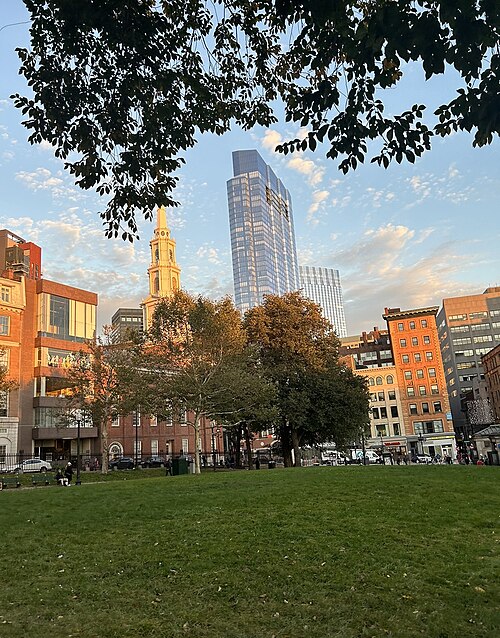
View of Boston Common and Park Street church at sunset
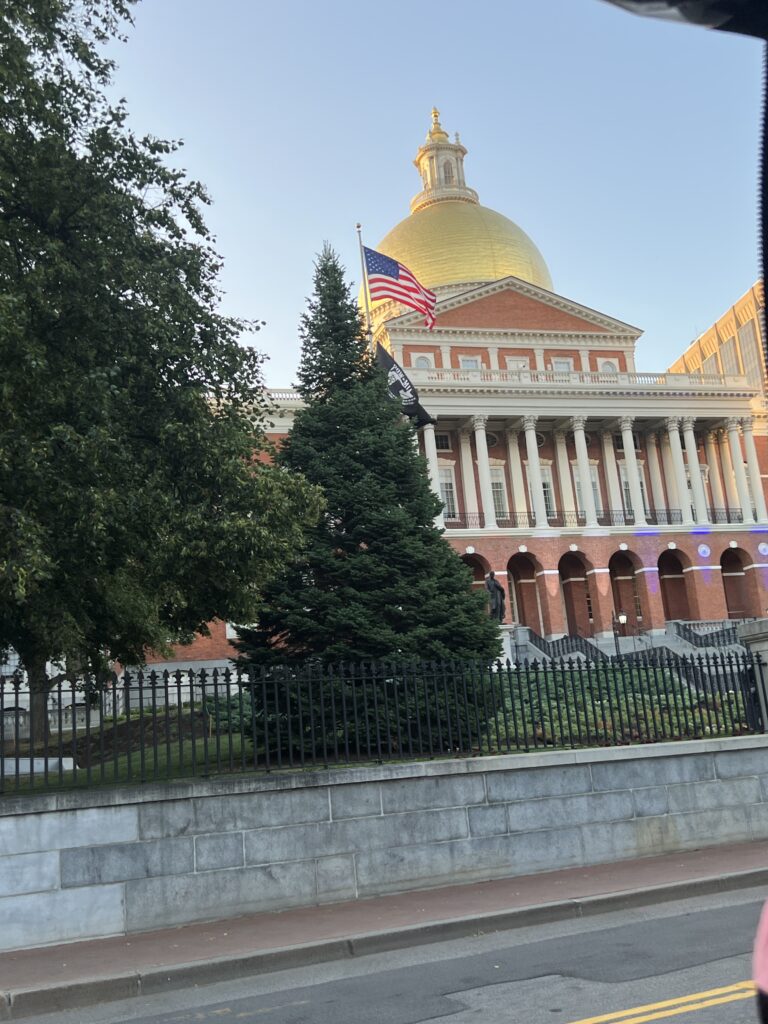
Massachusetts State House
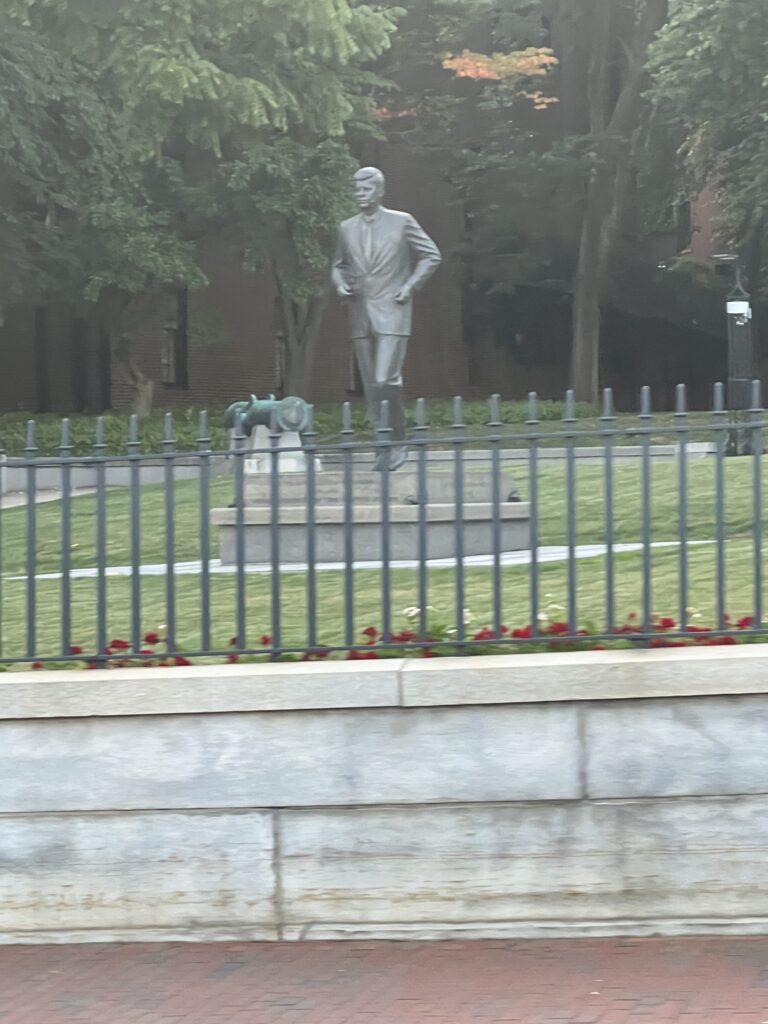
In front of the building is an equestrian statue of General Joseph Hooker] Other statues in front of the building include Daniel Webster, educator Horace Mann, and former U.S. President John F. Kennedy. The statues of Anne Hutchinson and Mary Dyer are located on the lawns below the east and west wings. Inside the building is a statue of William Francis Bartlett, an officer in the Civil War.
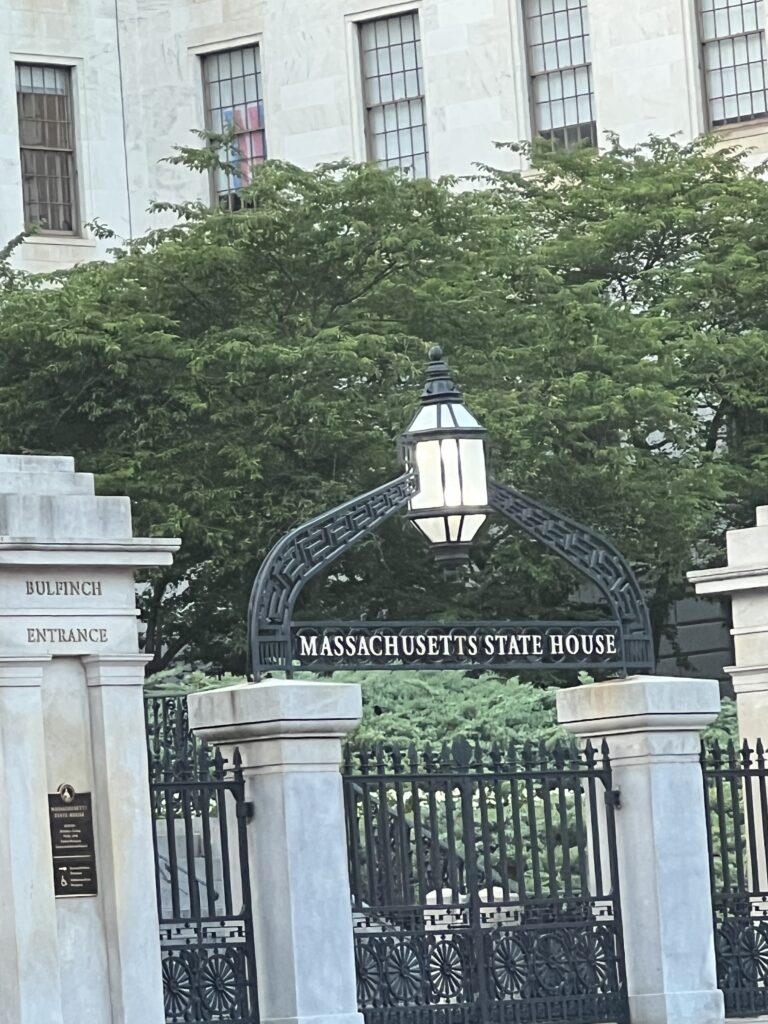
The Massachusetts State House, also known as the Massachusetts Statehouse or the New State House, is the state capitol and seat of government for the Commonwealth of Massachusetts, located in the Beacon Hill neighborhood of Boston. The building houses the Massachusetts General Court (state legislature) and the offices of the Governor of Massachusetts. The building, designed by architect Charles Bulfinch, was completed in January 1798 at a cost of $133,333 (more than five times the budget), and has repeatedly been enlarged since. It is one of the oldest state capitols in current use. It is considered a masterpiece of Federal architecture and among Bulfinch’s finest works, and was designated a National Historic Landmark for its architectural significance.
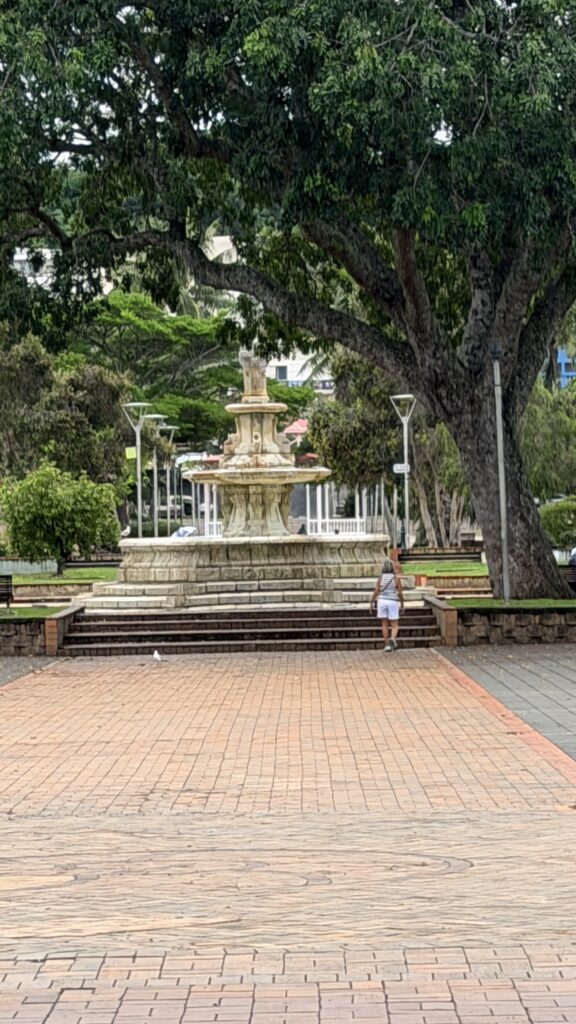
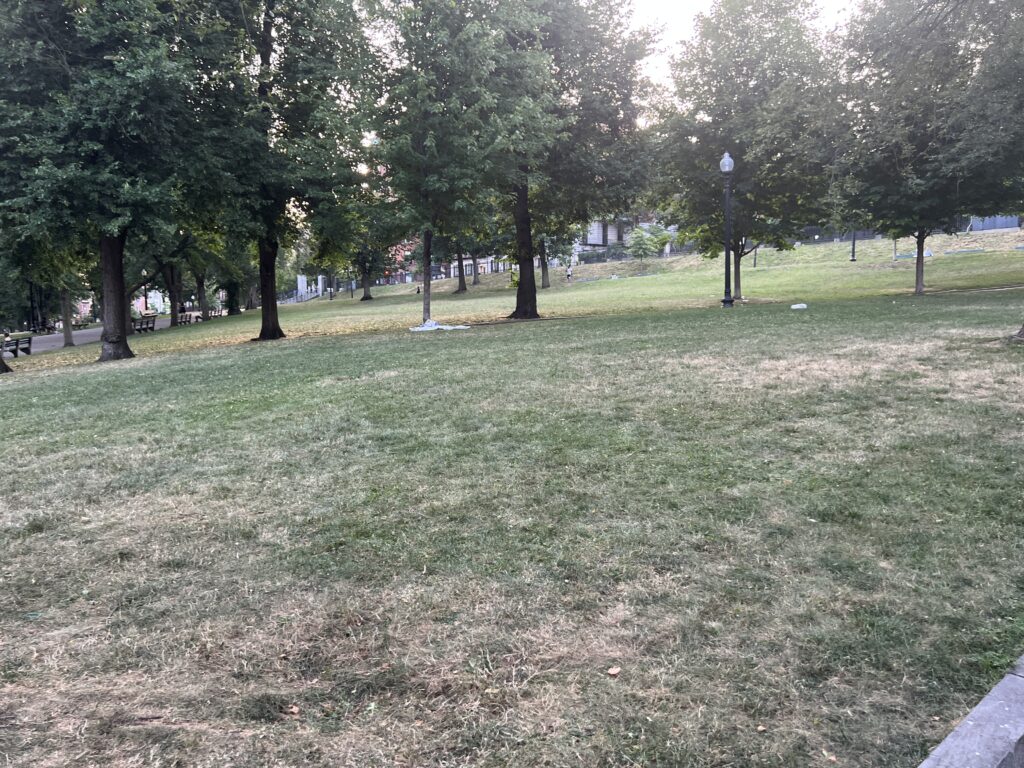
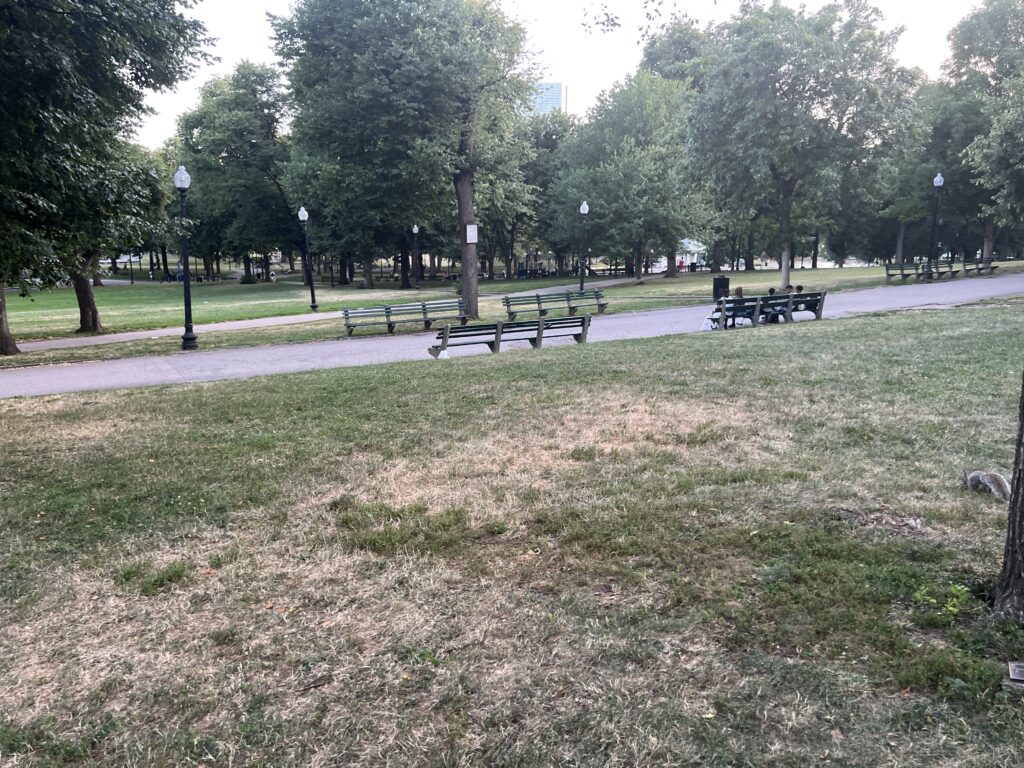
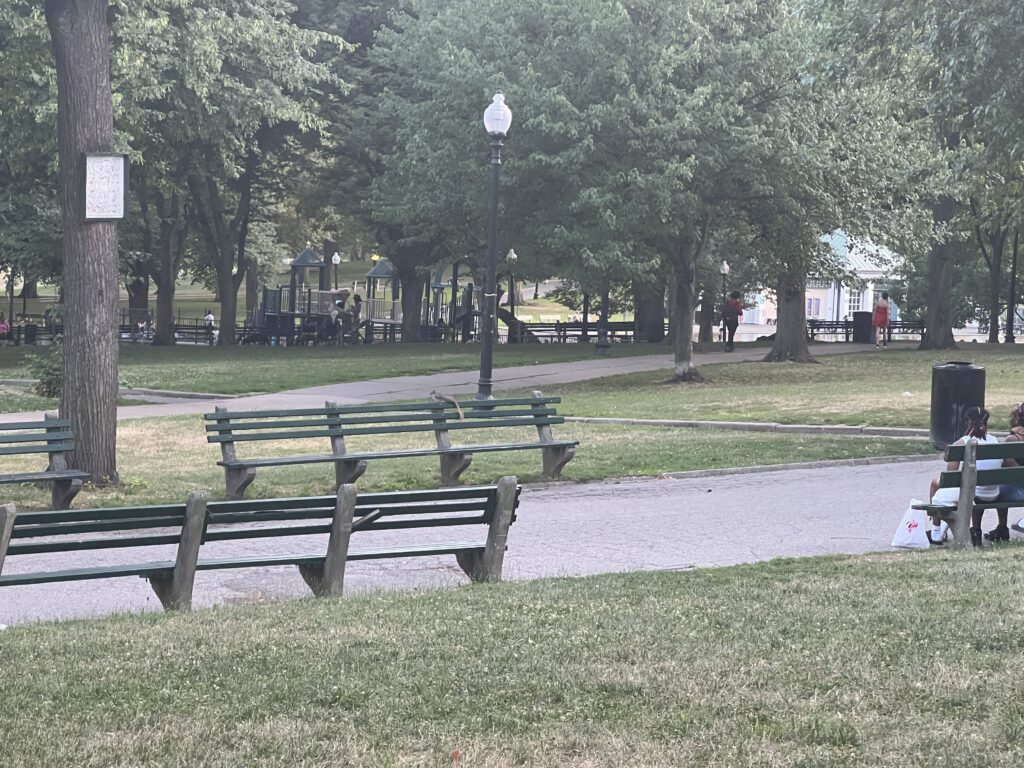
Being one of the oldest cities in America, Boston has quite a fascinating past—one peopled with ghosts. From massacres to witch hunts, there are endless tales that solidify its reputation as one of the country’s most haunted towns.
The Old Granary Burial Ground is an excellent stop on our tour since it’s considered such a historic cemetery. Learn more about the history of the Old Granary Burial Ground and why it’s such a popular destination for visitors interested in the historical as well as the haunted.
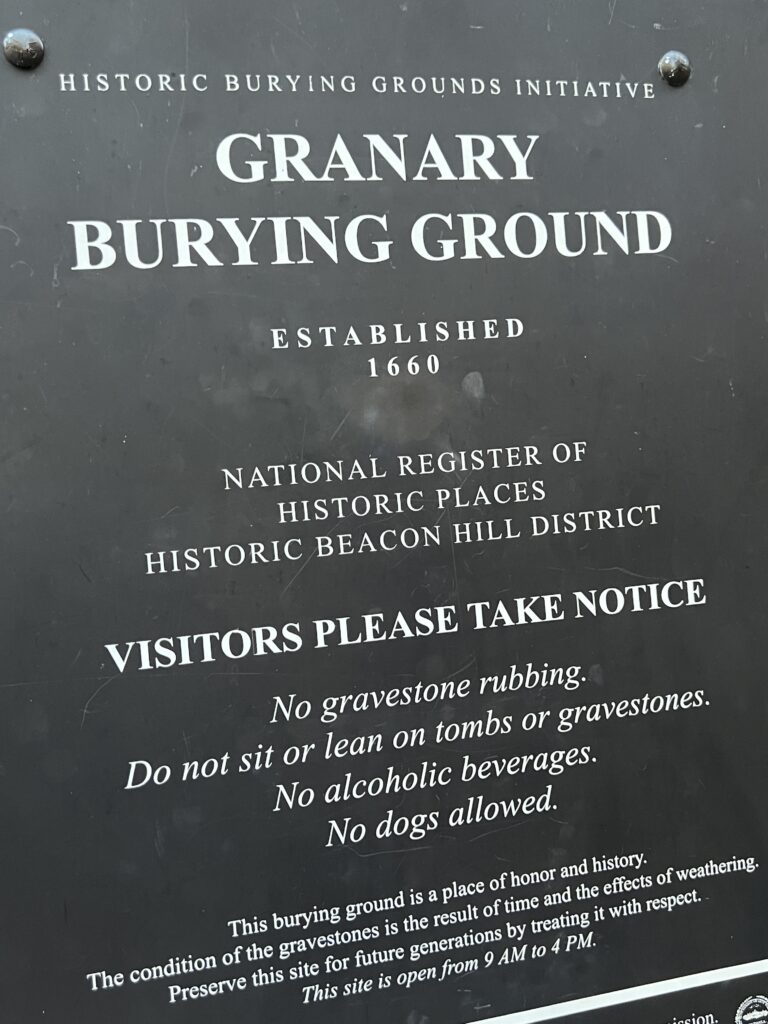
The Old Granary Burial Ground’s history dates back to 1660. It was developed to replace the King’s Chapel cemetery since it had run out of room. Before becoming a burial ground, the area held livestock. The location was once a part of the Boston Common, the oldest public park in the United States.
Surrounding the area were public houses and buildings. In 1737, the lot was officially named the Granary Burial Ground. People were laid to rest in the burial ground for roughly 200 years, the last being in 1880.
Like most places in America, the cemetery went through renovations during the Victorian era, intended to protect the site from growing problems like grave-robbing and trespassing onto the grounds. Moreover, the remodeling would prevent the graves from unearthing and flooding into the streets during a heavy rainstorm.
The project completely transformed the aesthetics of the cemetery. Before, it was nothing short of a small farm field. It eventually became a historical park in 1830 where people could walk around respecting the dead.
The Granary Burying Ground in Massachusetts is the city of Boston‘s third-oldest cemetery, founded in 1660 and located on Tremont Street. It is the burial location of Revolutionary War-era patriots, including Paul Revere, the five victims of the Boston Massacre, and three signers of the Declaration of Independence: Samuel Adams, John Hancock, and Robert Treat Paine. The cemetery has 2,345 grave-markers, while historians estimate that as many as 5,000 people are buried there.
The cemetery is adjacent to Park Street Church, behind the Boston Athenæum and immediately across from Suffolk University Law School. It is a site on Boston’s Freedom Trail. The cemetery’s Egyptian revival gate and fence were designed by architect Isaiah Rogers (1800–1869), who designed an identical gate for Newport’s Touro Cemetery.
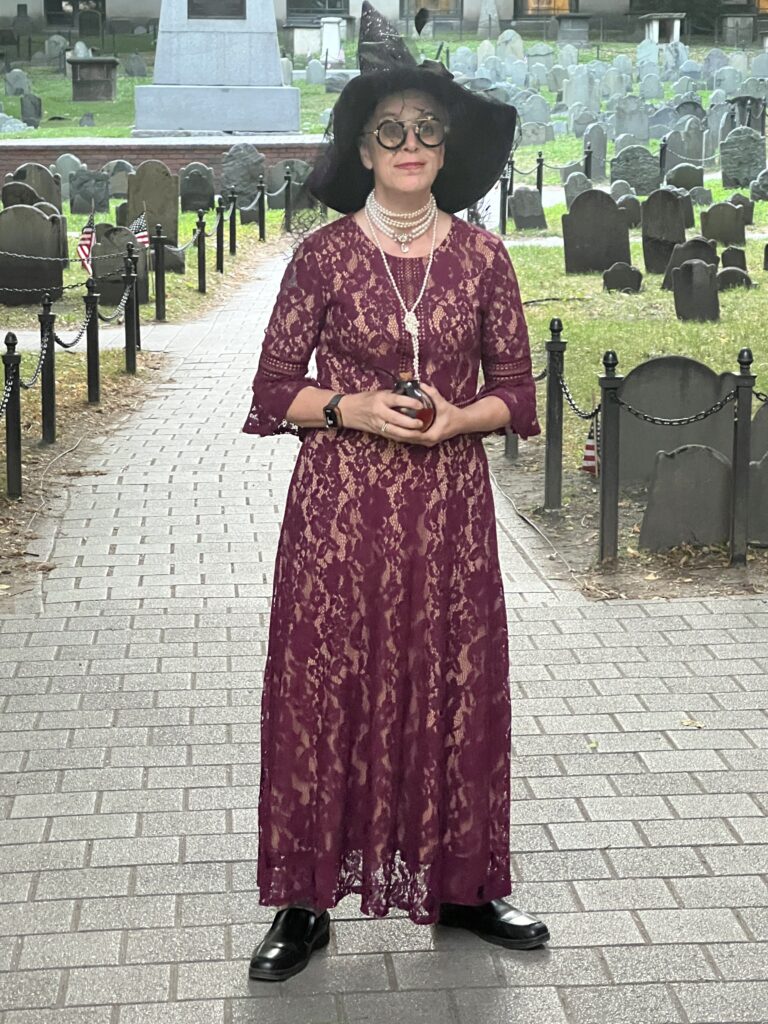
Our guide inside the cemetery
The final resting place of patriots like Paul Revere and John Hancock, this cemetery is known for whispers stirring the air.
Monument erected to point out the gravesite for Paul Revere
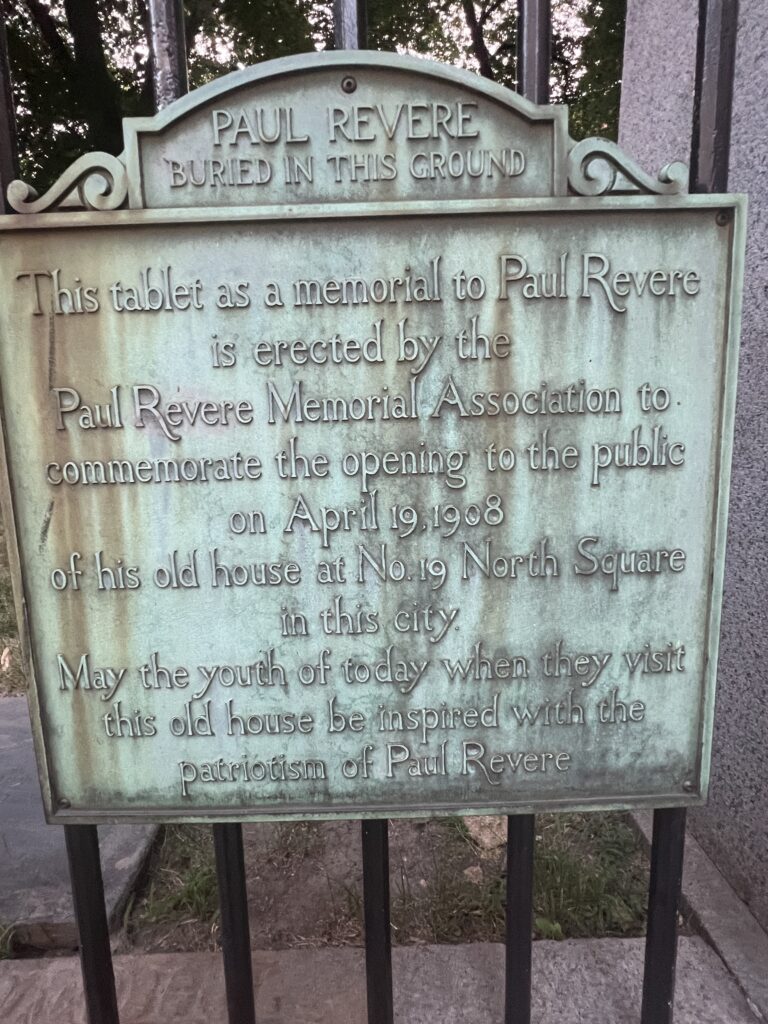
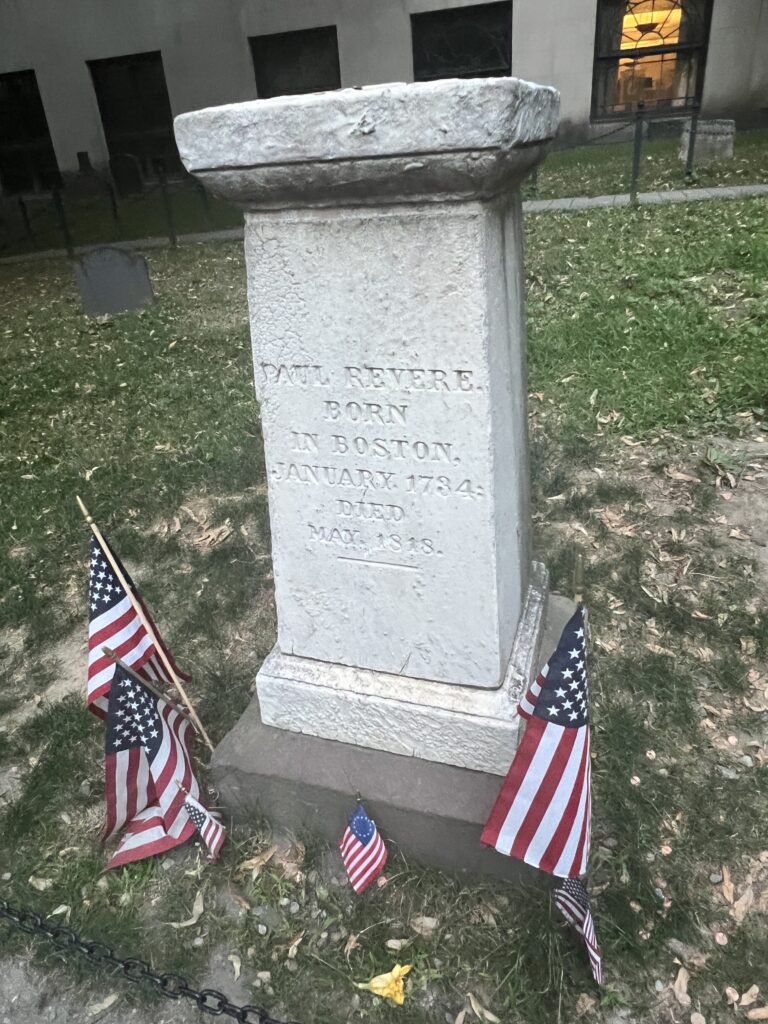
Being one of the oldest burial grounds in America, it’s natural that some of the country’s prominent figures were laid to rest in Old Granary. You can find the graves of Benjamin Franklin’s parents along with famous Founding Father John Hancock.
Moreover, three people who signed the Declaration of Independence call the cemetery their eternal resting place. As a result, it’s worth a visit if you’re a US history buff in Boston.
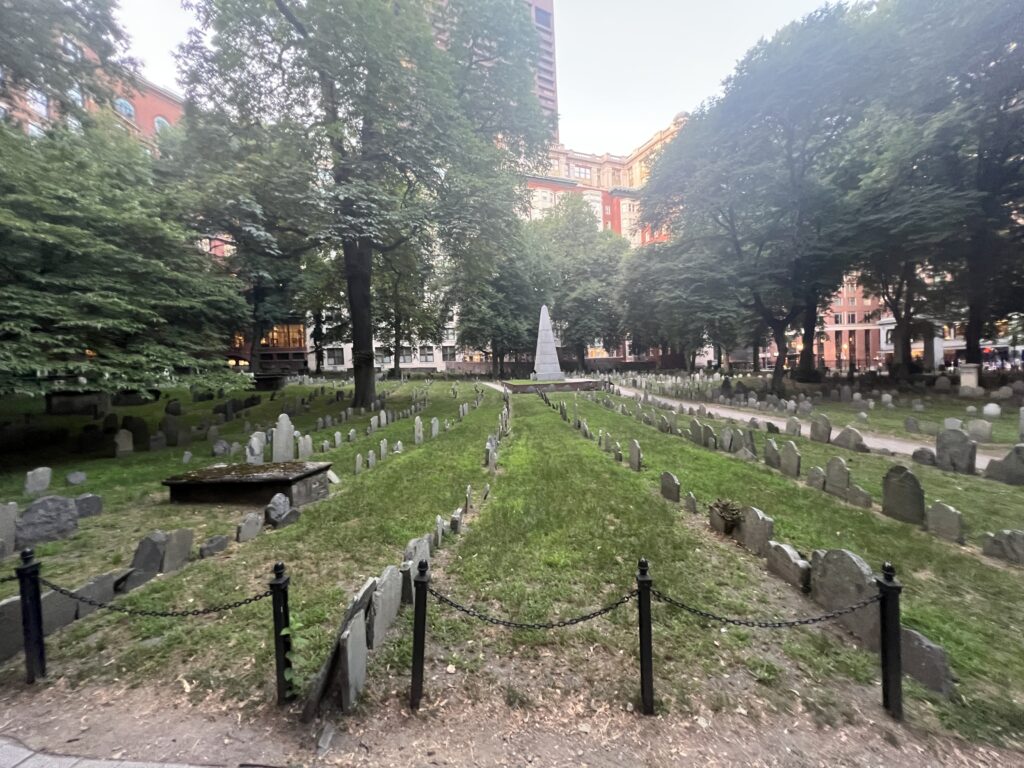
Paul Revere’s burial site. He did not want a large tombstone as he was tired of the notoriety he had received during his life.
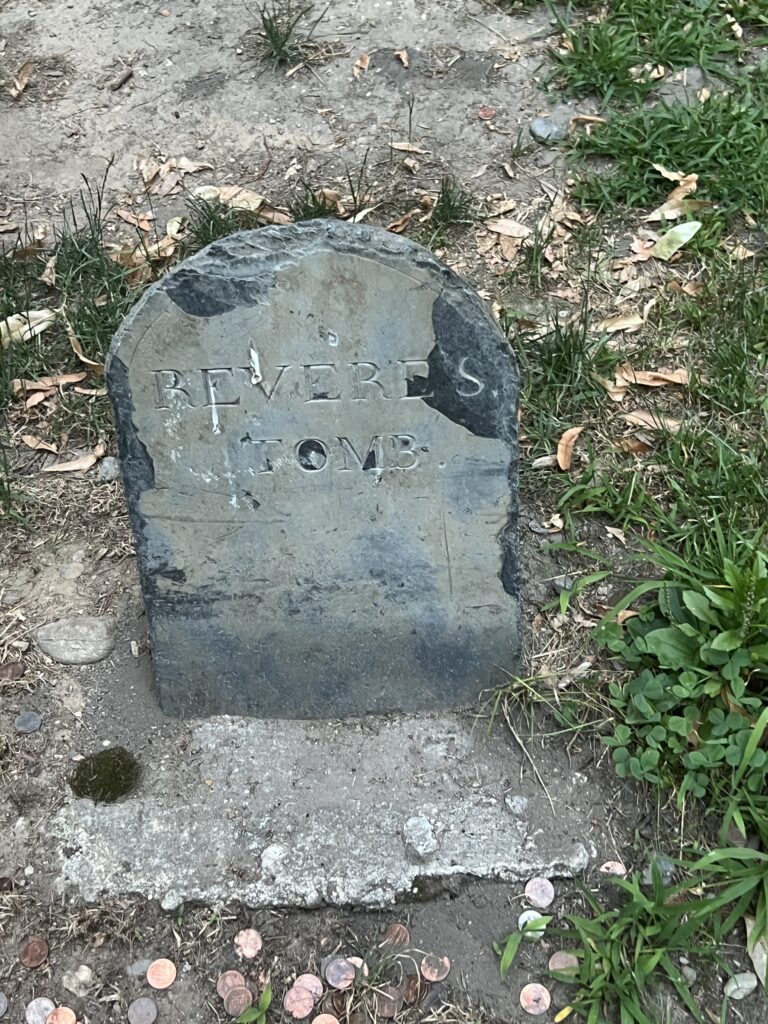
Joan was being pulled into one of the graves by the spirits. 🙂
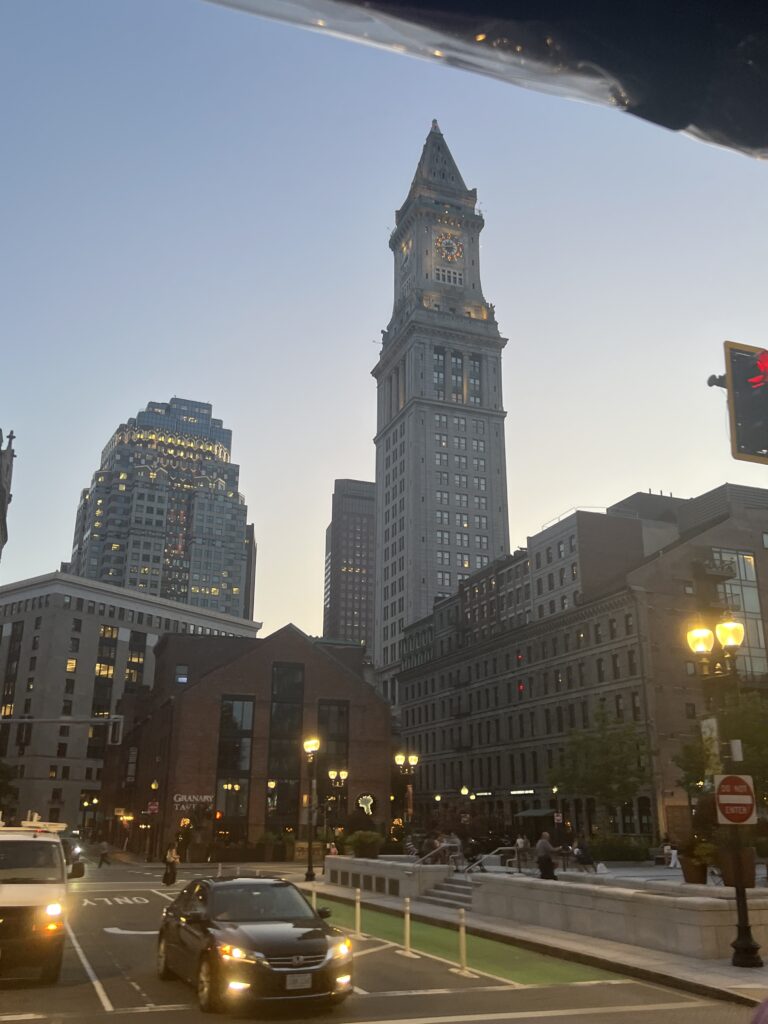
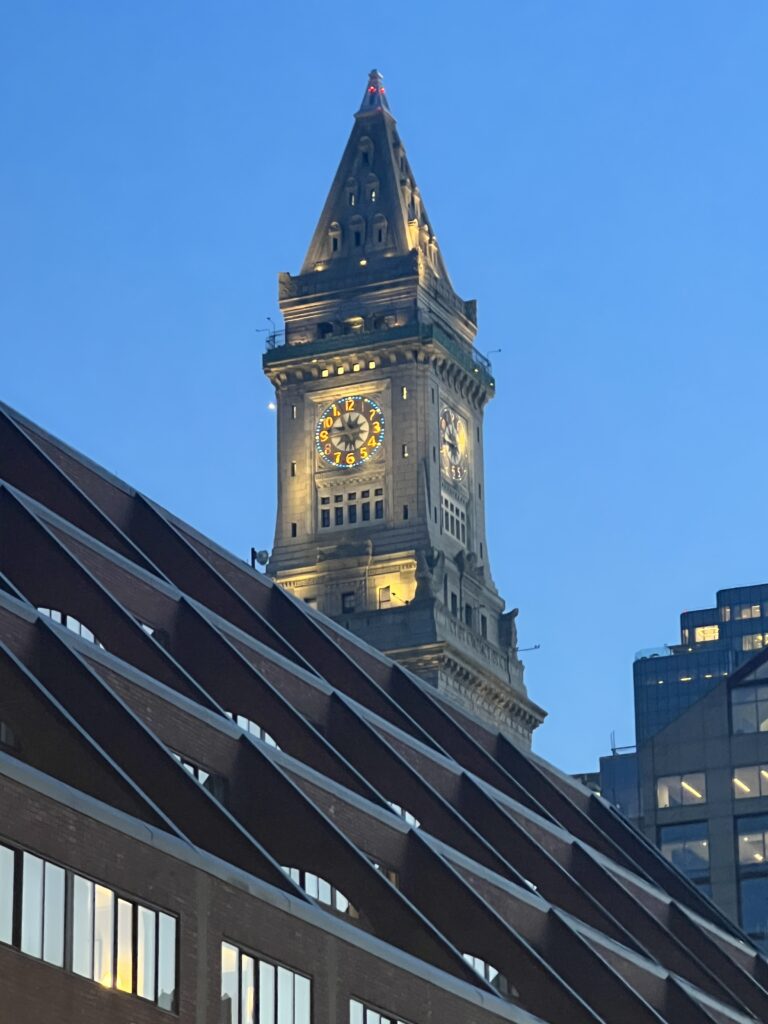
The Custom House Tower, also known as the Boston Clock Tower, is a historic landmark in Boston, notable for its height, architectural style, and observation deck offering stunning city views.
The Custom House Tower is located in McKinley Square, in the Financial District of Boston. Originally constructed between 1837 and 1847 as the Custom House, it was designed by Ammi Burnham Young in the Greek Revival style. The iconic tower was added between 1913 and 1915, designed by Peabody and Stearns, and stands at 496 feet (151 m) tall, making it one of the tallest buildings in Boston at the time of its completion
The tower features a 22-foot (6.7 m) diameter clock, which was started on April 6, 1916. The clock’s hands were originally made of gold leaf painted California redwood and weigh 101 and 141 pounds, respectively. The tower’s design includes a rotunda made of Vermont white marble, covered by a dome, and it is adorned with a balcony that offers panoramic views of the city
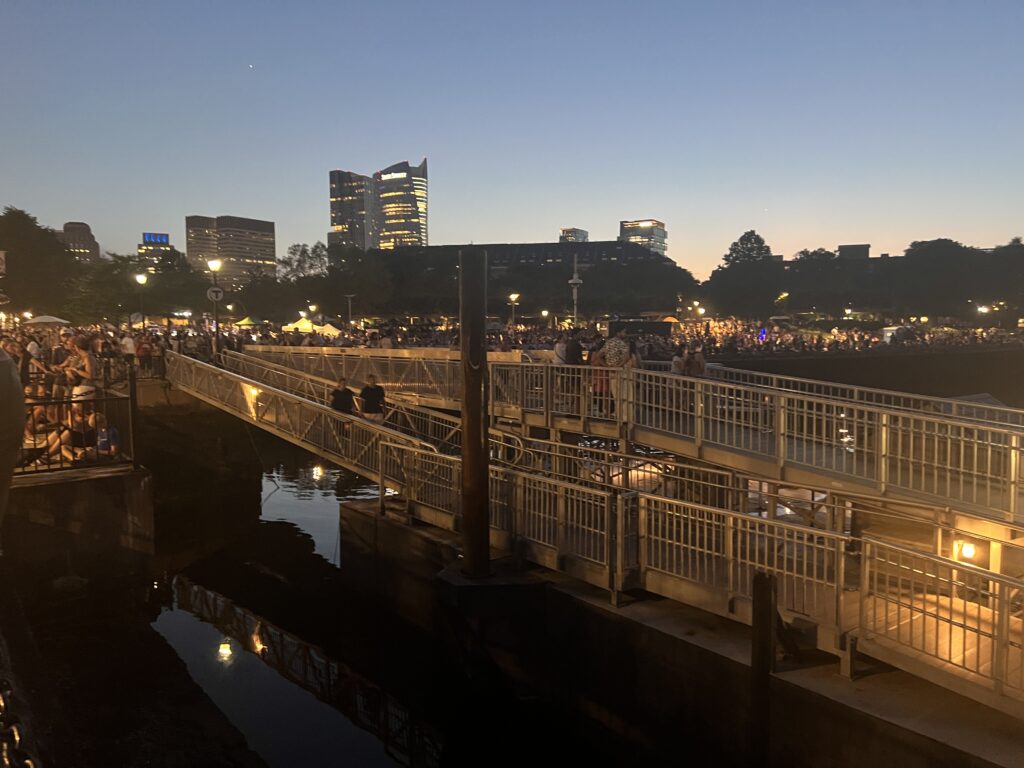
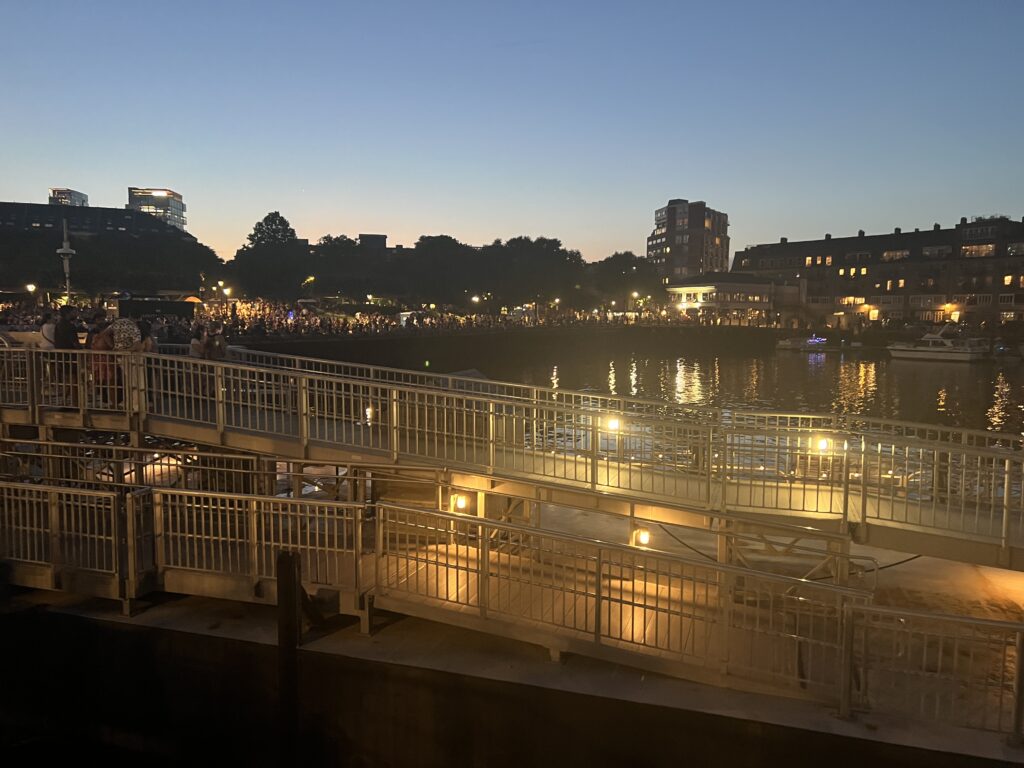
The huge group of people beginning to arrive for the fireworks show over Boston Harbor.
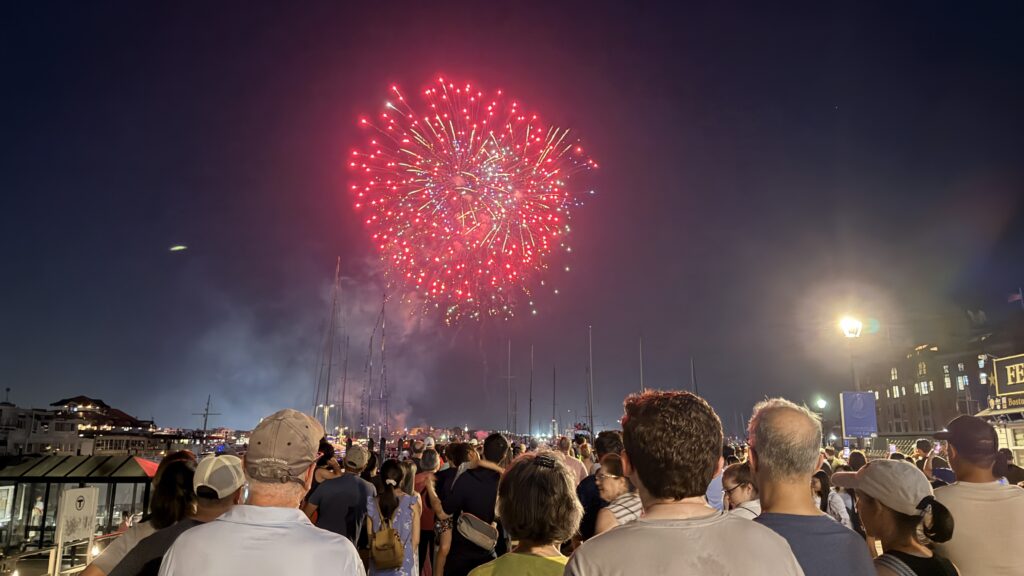
Videos of the fireworks show
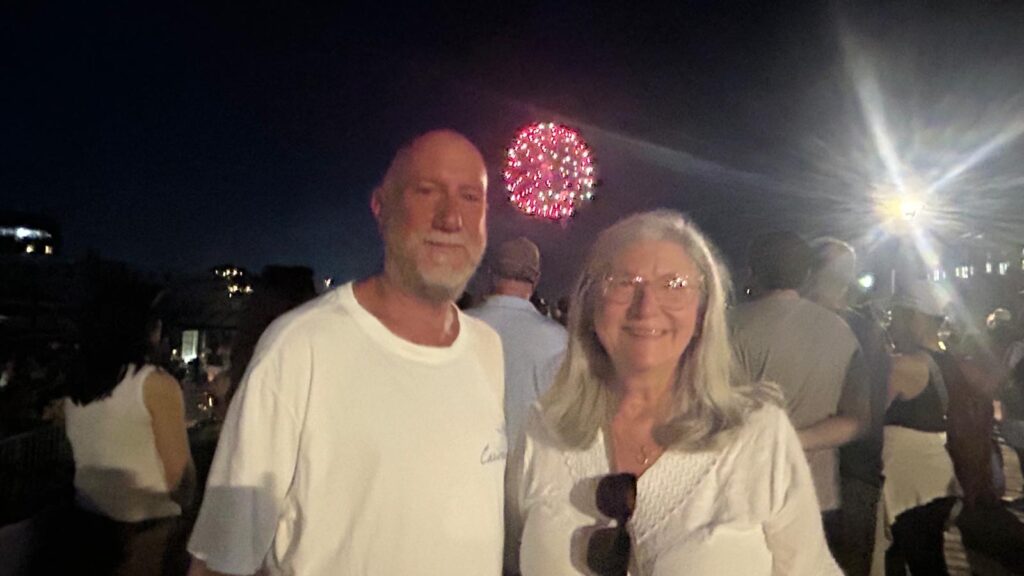
Tomorrow, we start our last three days at sea on the way to Miami