Day 43 Saturday April 18th (77 days to go) — We had a 8:00am flight from Sydney to Darwin so even though we are dead tired we had to be up at 5:00am to get to the airport. As we drove in the taxi through the streets of Sydney it was like any other big city, the activity never stops. It was great to hear explanations or answers to our questions we posed to the taxi driver. Some interesting information we picked up on the drive to the airport:
Citizens are not allowed to own a gun. Only people who are allowed to own a gun are farmers. Citizens are allowed to hunt but must leave their guns at the hunting lodge. Police must check in their guns at the end of their shifts and check out their guns when their shift begins. The same with their police uniforms. They report to work in regular clothes changing in and out of their uniforms at the station. To own a gun, you must be 100km outside a city limit.
The city of Sydney is so safe that women can walk through the streets of Sydney alone at all hours of the day or night. We did not see trash on the sidewalks or along the roadways. There is a few homeless and they had small cans for money, but no begging or pestering you.
Another interesting item we picked up on was for our flights from Townsville to Sydney and Sydney to Darwin, we never had our identification checked. Never had our passports or driver licenses checked. For our checked luggage we checked it in ourselves at the airport. We printed the tag, scanned the tag and matched it against our ticket on the monitor and placed the luggage on the conveyor belt to the plane. We did have to have a body scan performed and our carryon bags passed through the x-ray units. It was a really refreshing way to travel without TSA employees screaming at you and passengers being sent through like cattle at the butcher house.


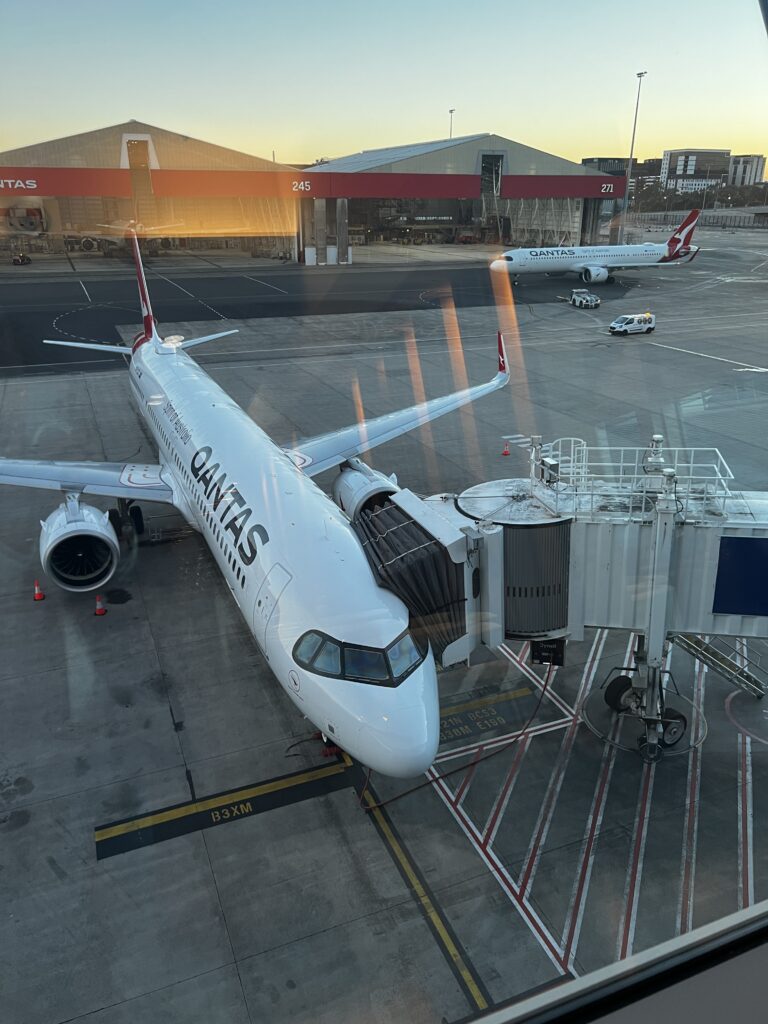
Our plane for the 4-hour 45-minute flight from Sydney to Darwin. It was a comfortable flight. Many people don’t realize that Australia is really large, in-fact it’s about the same size as continental USA. The land area of Australia is 2.989 million square miles compared to the land area of the US at 3.797 million square miles. When we booked the flights, we were surprised by the length but then when we looked at a map of Australia, we realized how large of a country it is.
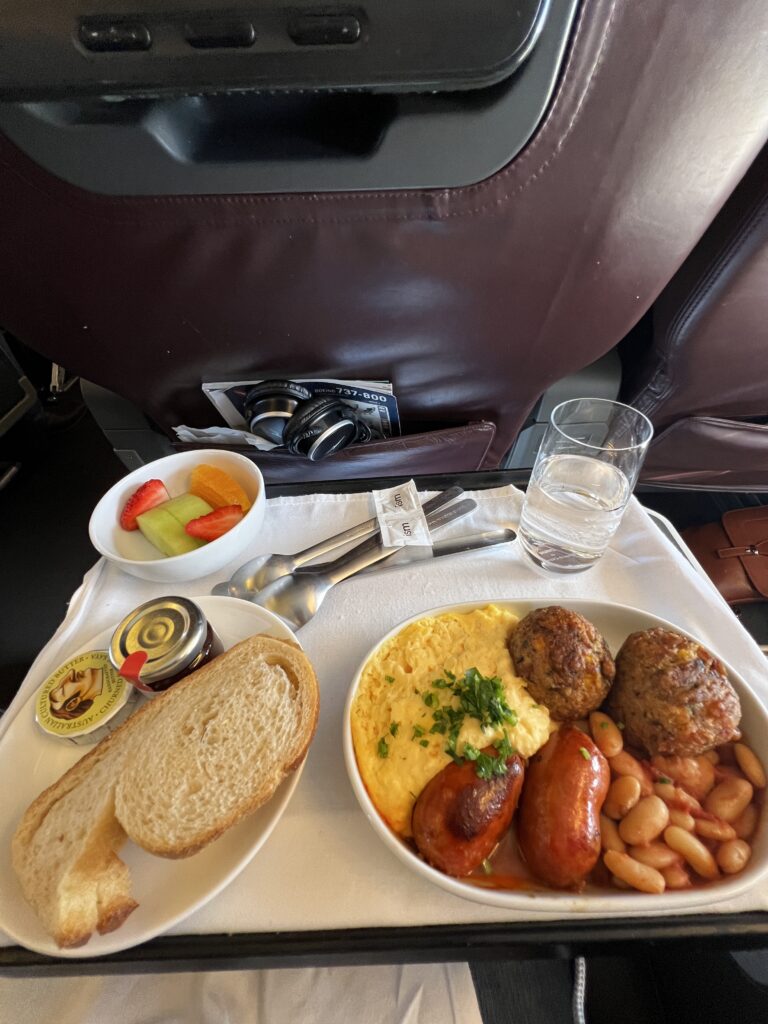
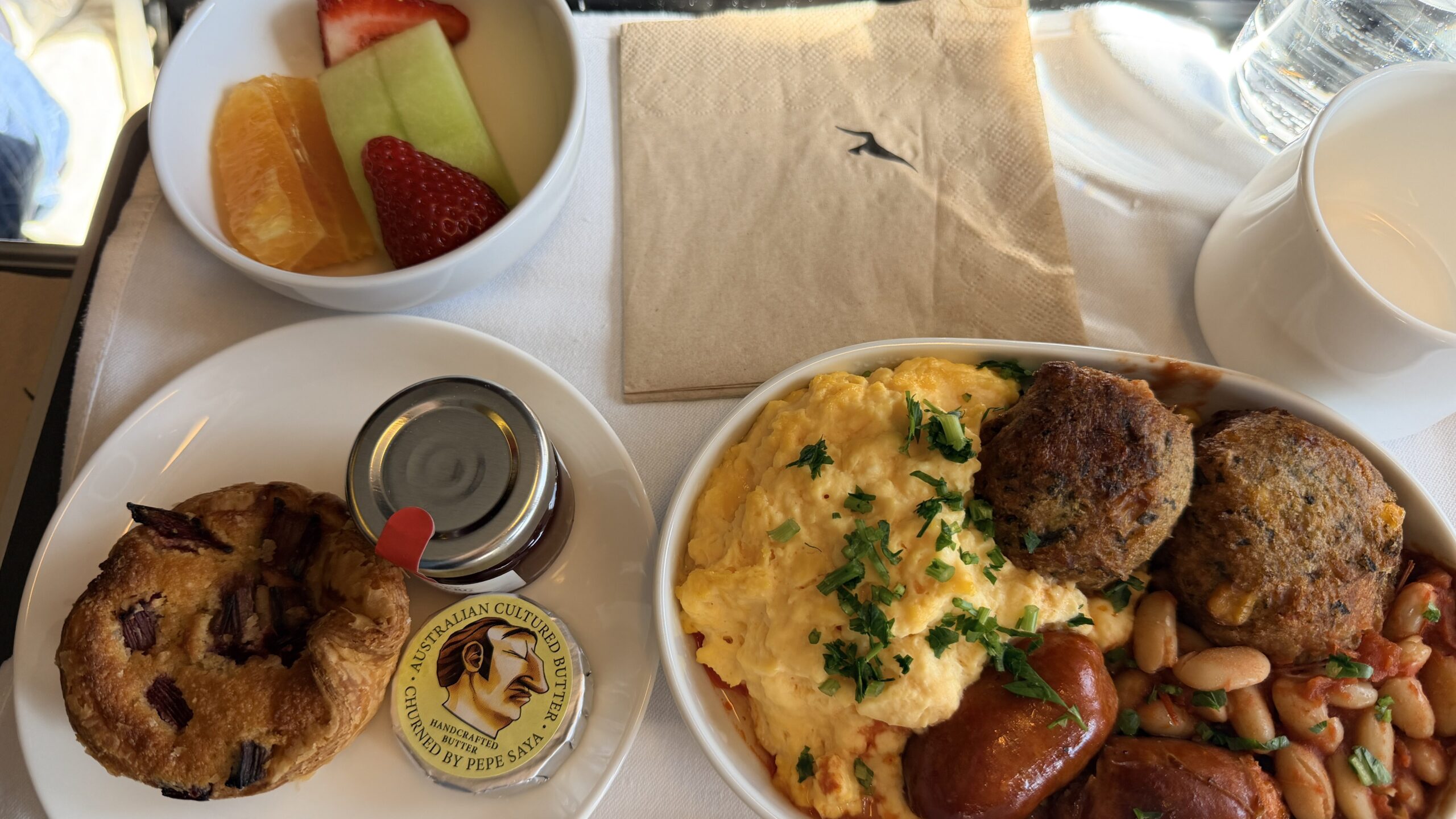
They served us breakfast on the flight. We were the last row of our section; we received the leftover breakfasts…laughing. It was not bad except for someone weird like me that doesn’t like their food touching their other food. 🙂 The only difference between our meals I took sour dough bread and Jackie took a rhubarb muffin, which she said was fantastic!
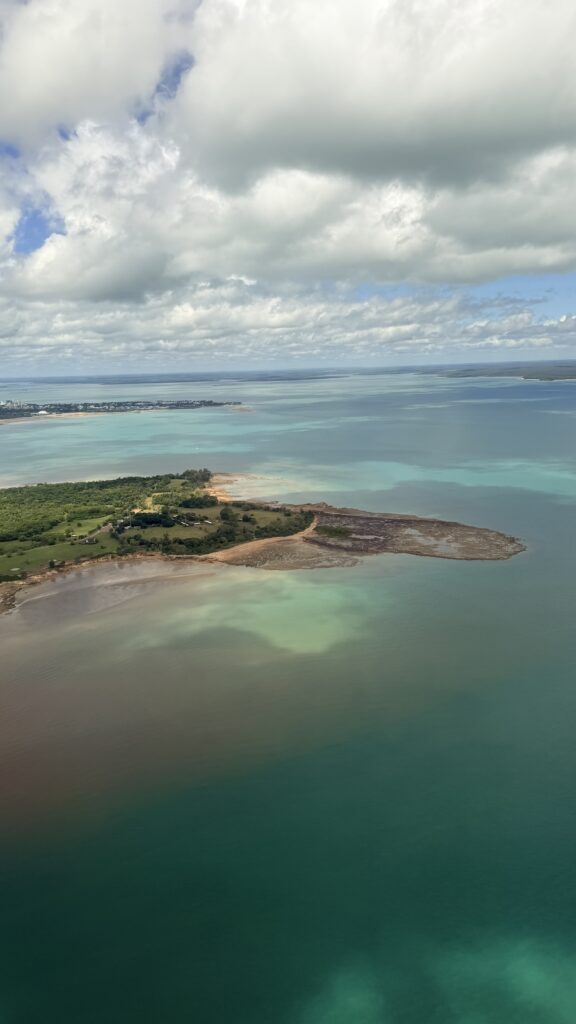
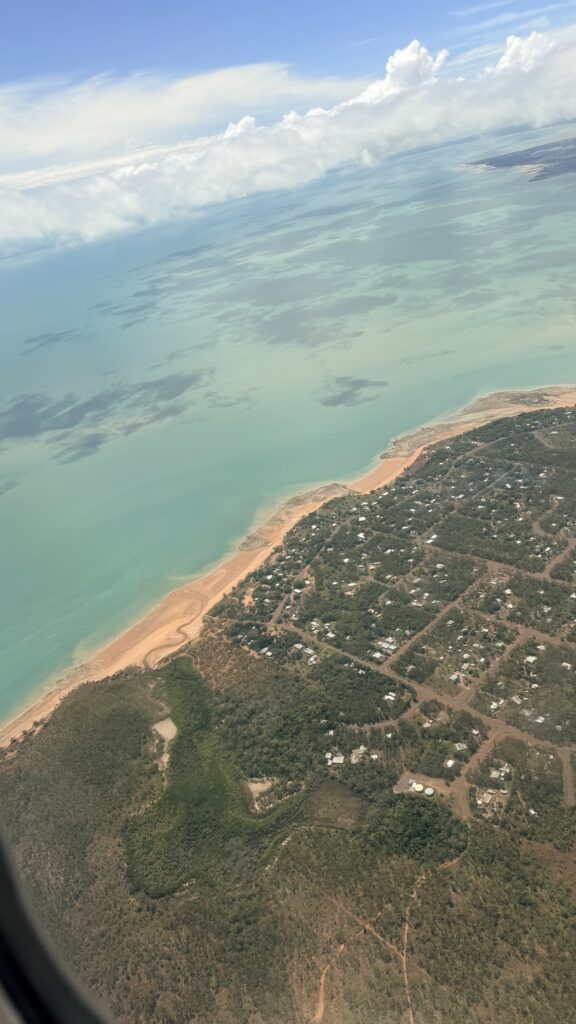
A couple of photos of Darwin’s coast as we landed
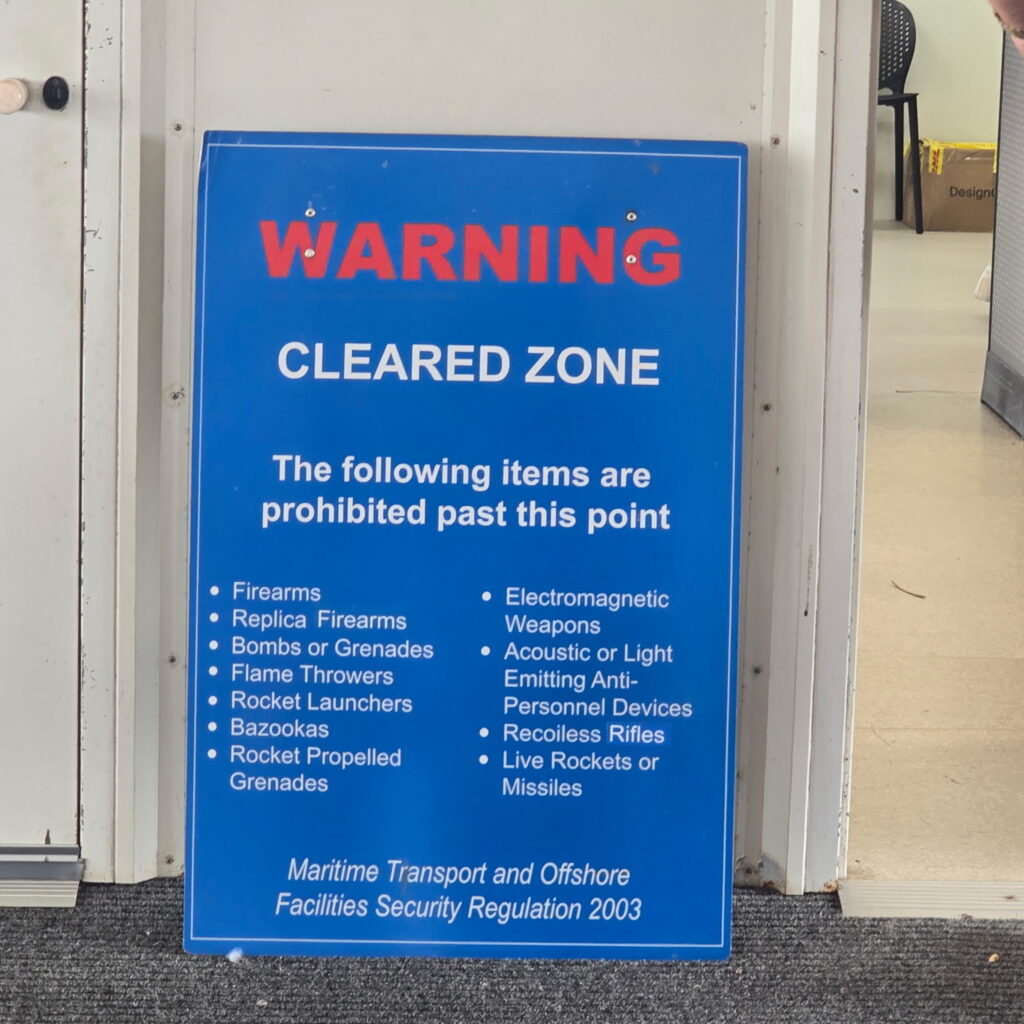
This a sign that greeted us at the cruise terminal port. I am glad that I did not purchase the bazooka, rocket propelled grenade or rocket launcher that Jackie was screaming for. Geez, she made such a scene when I refused to buy these things. 🙂
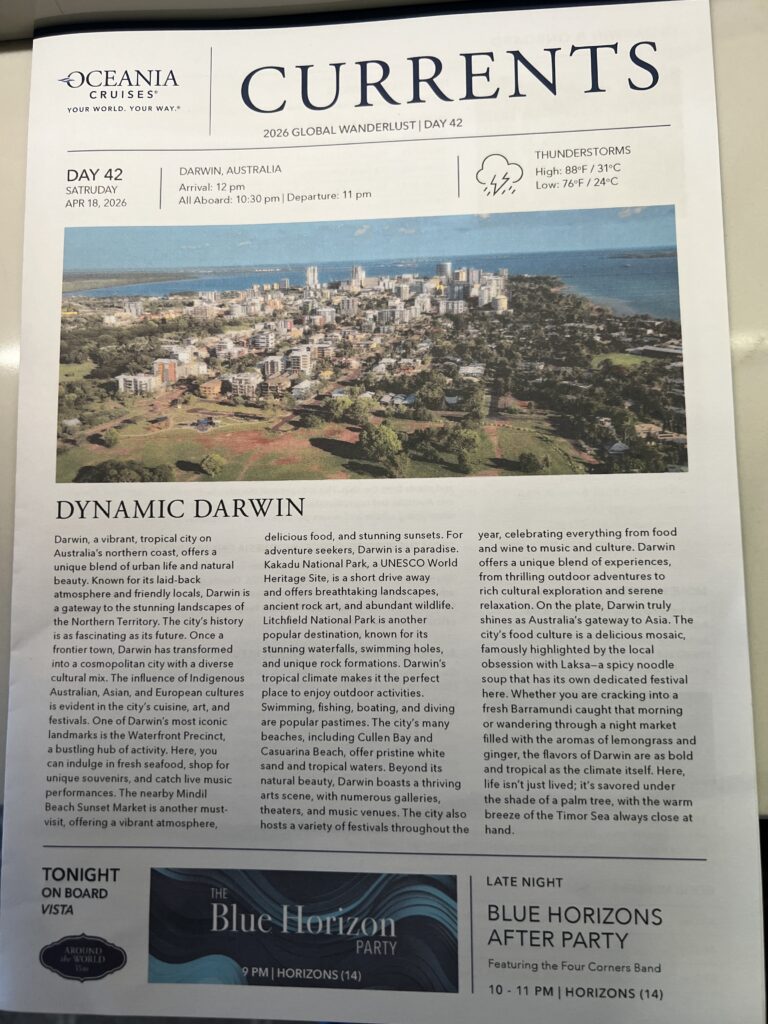
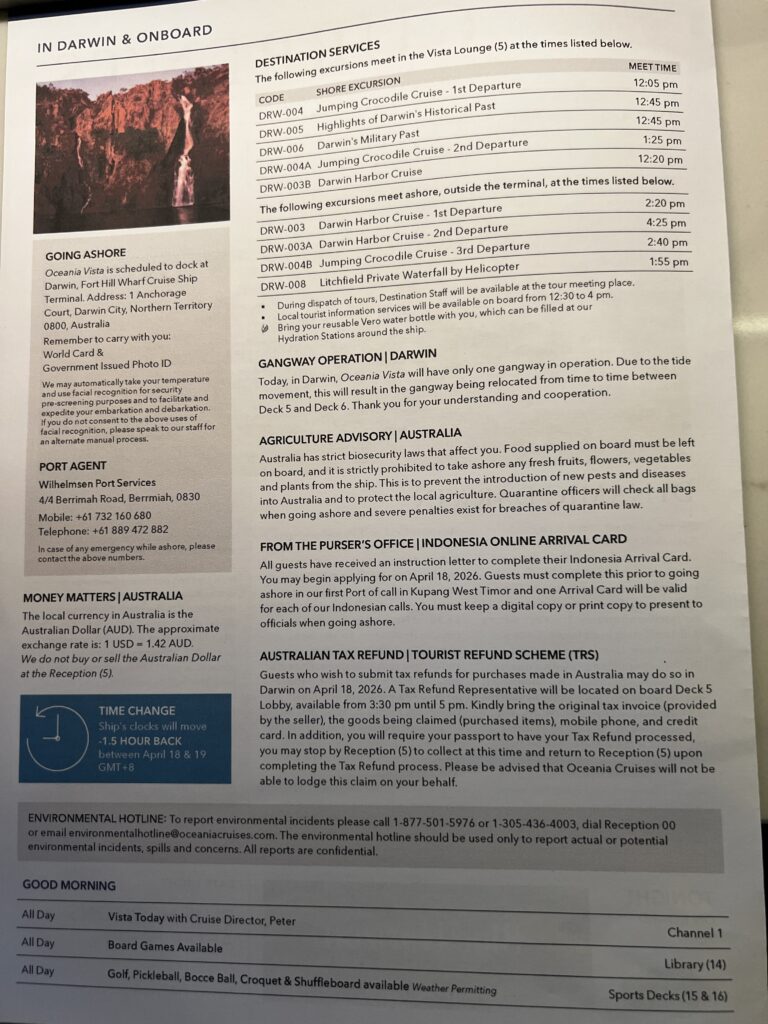
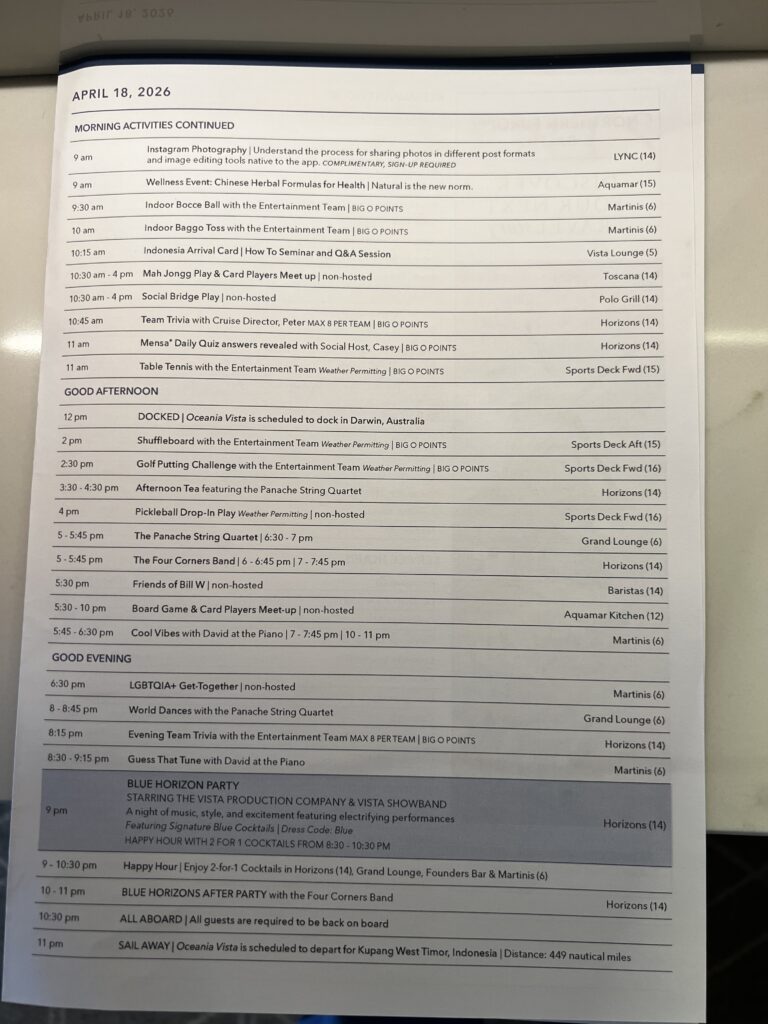
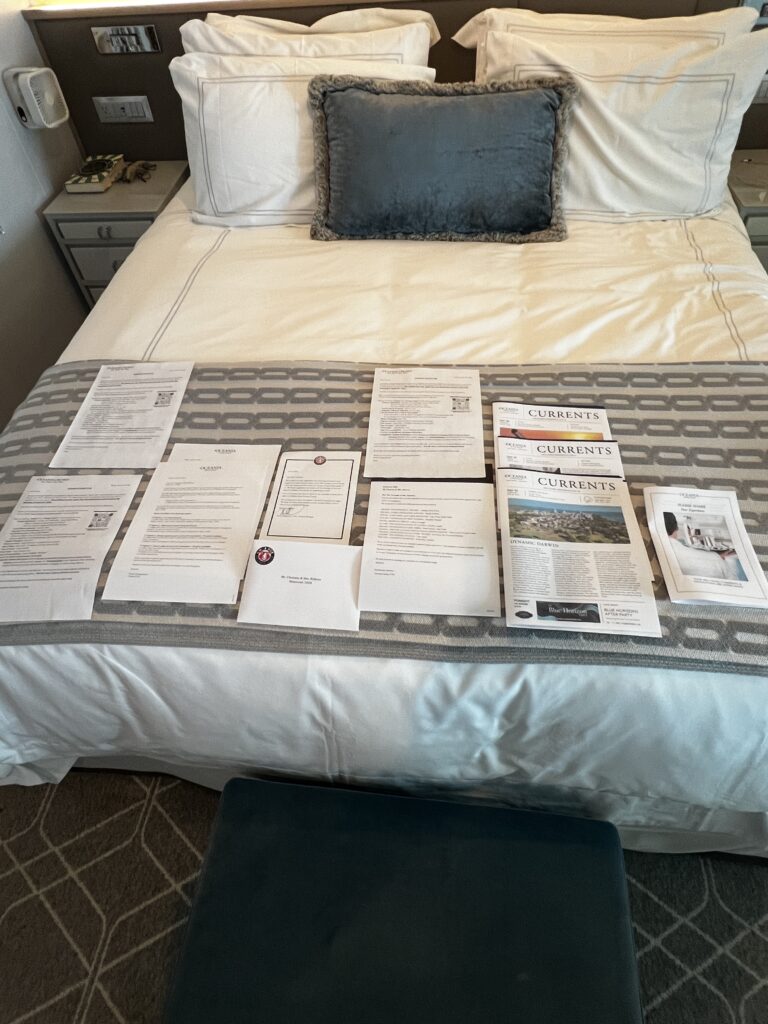
Four days of papers awaited us upon our return to the cabin. There were forms to complete and instructions to obtain online Indonesian admission forms, a cruise survey, two more parties coming up, and the document indicating our excursions for Africa.
This is the Darwin cruise terminal.
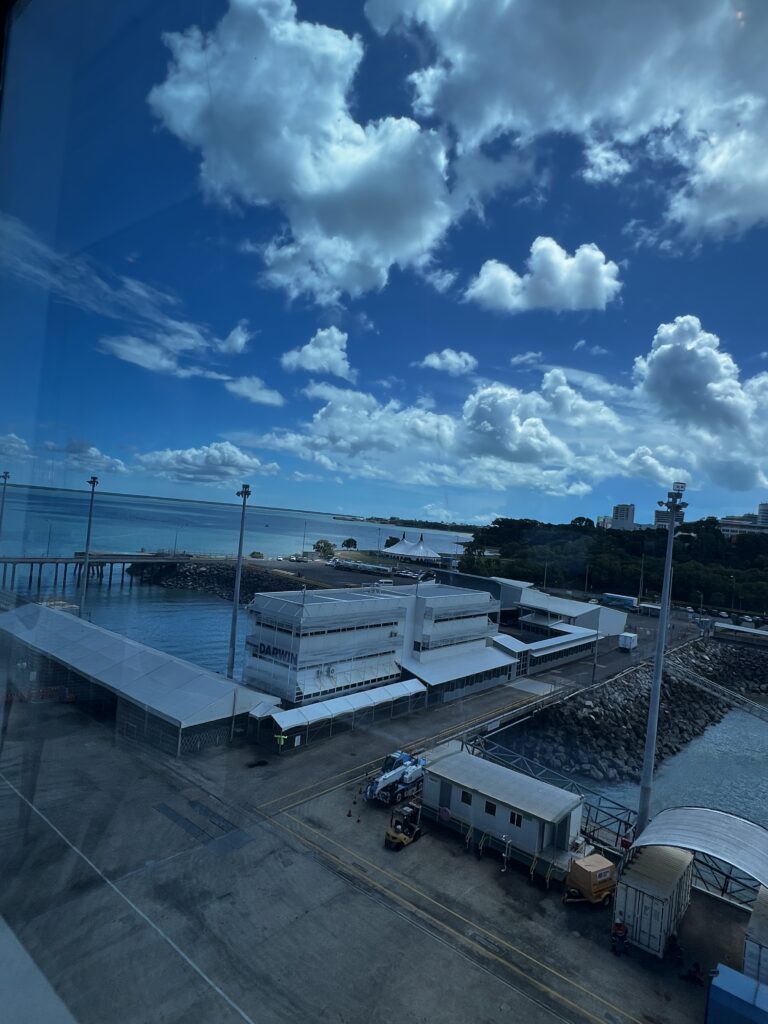
We made an attempt to leave the ship and got called back to the ship to meet face to face with Australian border patrol agents. The best part about this was seeing the agent’s frustration in trying to connect to the ship’s Wi-Fi, which they were unable to do. Welcome to The Oceania Vista Wi-Fi system!!!! Because they could not connect to the Wi-Fi, they only looked at our faces and looked at our passports and cleared us. We had waited an hour for this review.
It was funny because later in the evening when we returned to the ship, the agents had given up on the ship’s Wi-Fi and taken up position in the terminal building to review all the passenger’s passports and travel Visa information.
Finally able to leave the ship we picked up this map of Darwin. Unfortunately, by the time we left the ship the rain had come in and our plans to walk on a path from the terminal to the city was squashed.
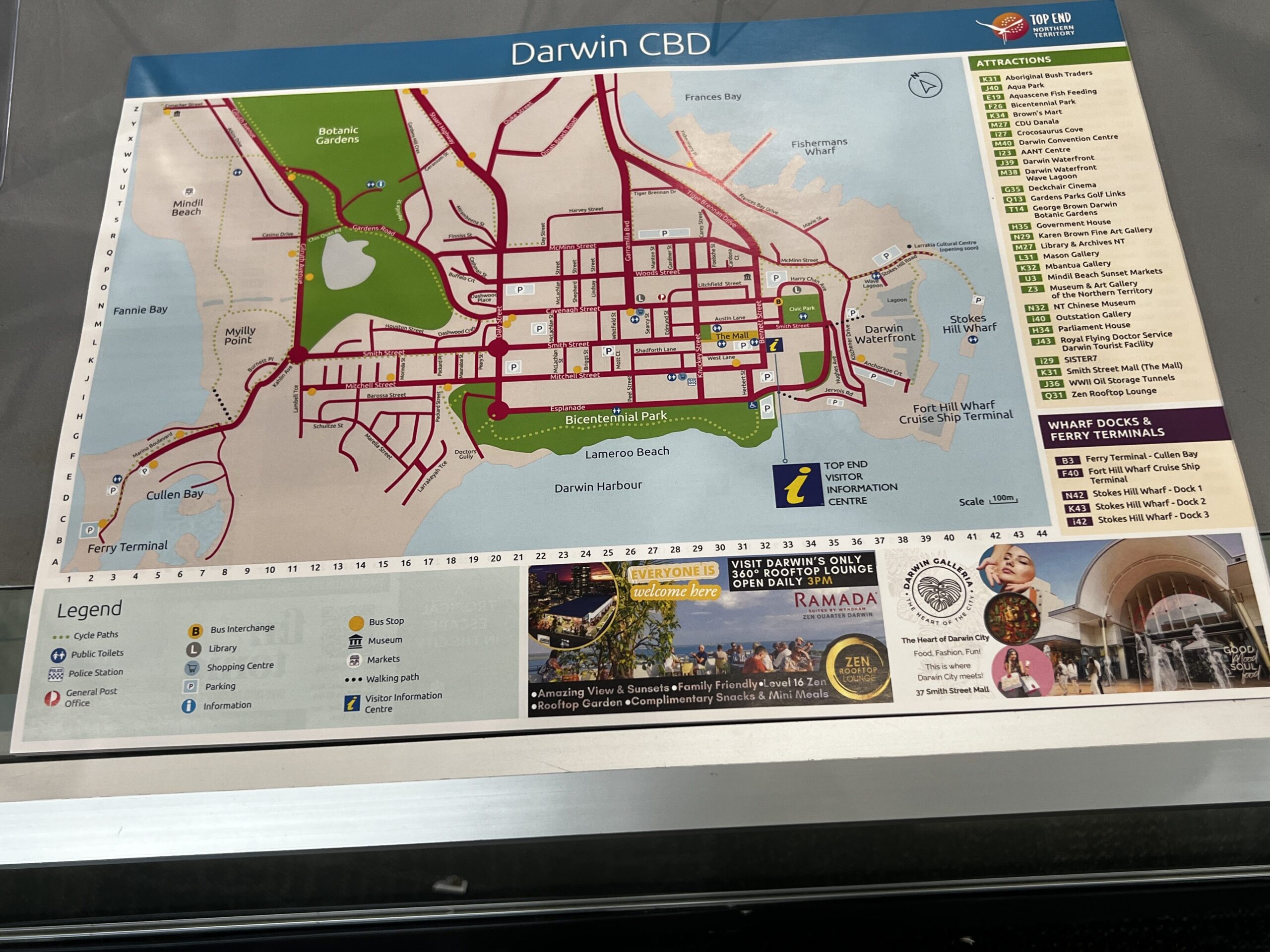
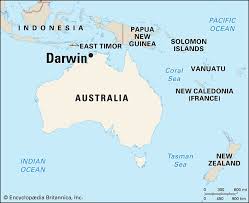
Darwin’s proximity to Southeast Asia makes it a key link between Australia and countries such as Indonesia and Timor-Leste. The Stuart Highway begins in Darwin and extends southerly across central Australia through Tennant Creek and Alice Springs, concluding in Port Augusta, South Australia. The city is built upon a low bluff overlooking Darwin Harbour. Darwin’s suburbs extend to Lee Point in the north and to Berrimah in the east. The Stuart Highway extends to Darwin’s eastern satellite city of Palmerston and its suburbs.
The Darwin region, like much of the Top End, has a tropical climate, with a wet and dry season. A period known locally as “the build up” leading up to Darwin’s wet season sees temperature and humidity increase. Darwin’s wet season typically arrives in late November to early December and brings with it heavy monsoonal downpours, spectacular lightning displays, and increased cyclone activity. During the dry season, the city has clear skies and mild sea breezes from the harbor.
The Larrakia people are the traditional owners of the Darwin area, and Aboriginal people are a significant proportion of the population. On 9 September 1839, HMS Beagle sailed into Darwin Harbour during its survey of the area. John Clements Wickham named the region “Port Darwin” in honour of Charles Darwin, who had sailed with them on the ship’s previous voyage. The settlement there became the town of Palmerston in 1869, but was renamed Darwin in 1911. The city has been almost entirely rebuilt four times, following devastation caused by a cyclone in 1897, another one in 1937, Japanese air raids during World War II, and Cyclone Tracy in 1974.
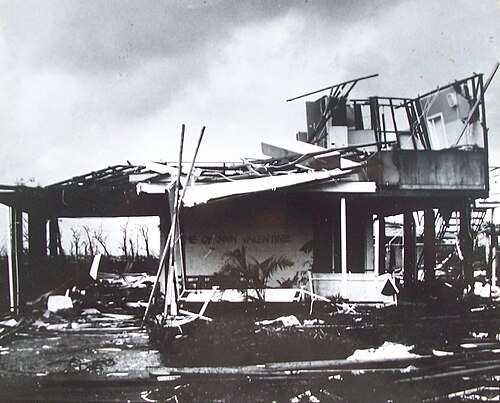
I pulled information on the cyclone Tracy that hit Darwin in 1974. The reason I pulled this information and found these photos from Wikipedia because of the devastation to the area and the damage to people’s psyche. Fifty years later the storm was mentioned to us by people in Darwin and in Sydney. It was this area’s Betsy or Camille or recently for down the bayou Ida. The city was caught off guard as the storm hit on Christmas Day.
Severe Tropical Cyclone Tracy was a small but destructive tropical cyclone that devastated the city of Darwin, in the Northern Territory of Australia, in December 1974. The small but developing easterly storm was originally expected to pass clear of the city, but it turned towards it early on 24 December. After 10:00 p.m. ACST, damage became severe, with wind gusts reaching 217 km/h (117 kn; 135 mph) before instruments failed. The anemometer in Darwin Airport control tower had its needle bent in half by the strength of the gusts.
Residents of Darwin were celebrating Christmas, and they did not immediately acknowledge the emergency, partly because they had been alerted to an earlier cyclone (Selma) which passed west of the city, not affecting it in any way. Additionally, news outlets had only a skeleton crew on duty over the holiday.
The fatality count from Tracy was 66 people, while the damage it caused was A$837 million (about A$7.69 billion in 2022; approximately US$5.2 billion in 2022). It destroyed more than 70 percent of Darwin’s buildings, including 80 percent of houses. It left more than 25,000 out of the 47,000 inhabitants of the city homeless prior to landfall and required the evacuation of over 30,000 people, of whom many never returned. After the storm passed, the city was rebuilt using more stringent standards “to cyclone code”.
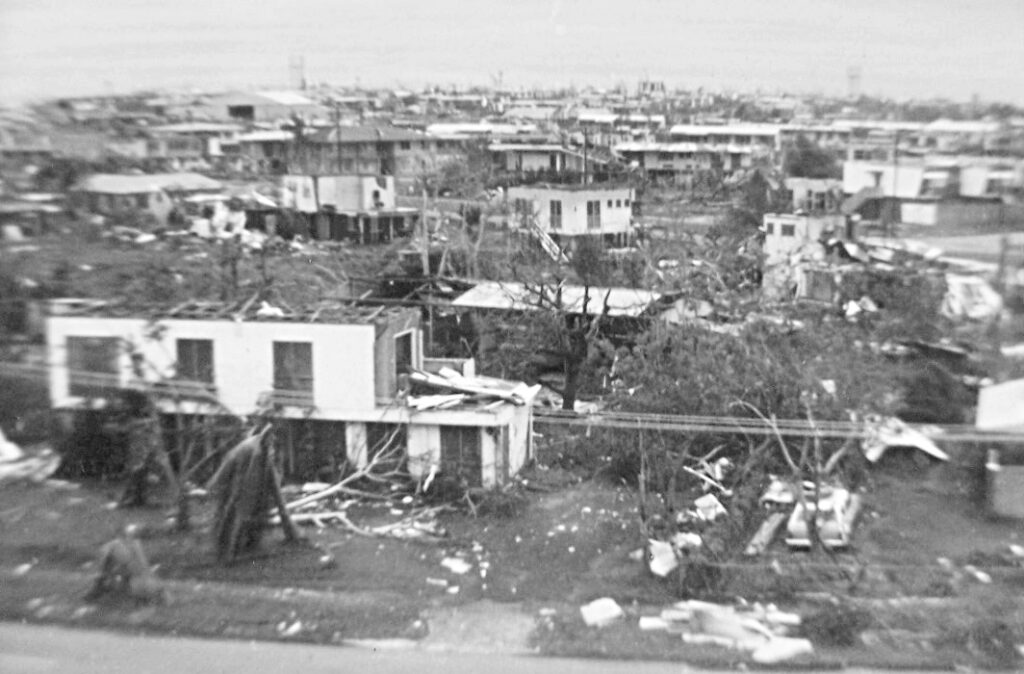
Cyclone Tracy destroyed about 80% of the Darwin city. 94% of housing was uninhabitable. At Darwin Airport, thirty-one aircraft were destroyed and another twenty-five badly damaged.
Aerial view of Darwin after Cyclone Tracy
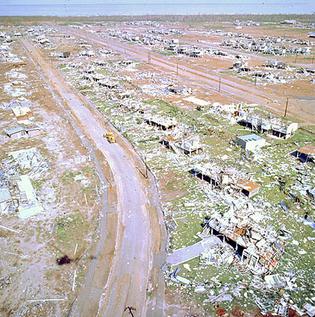
A home after Cyclone Tracy
Houses after the cyclone
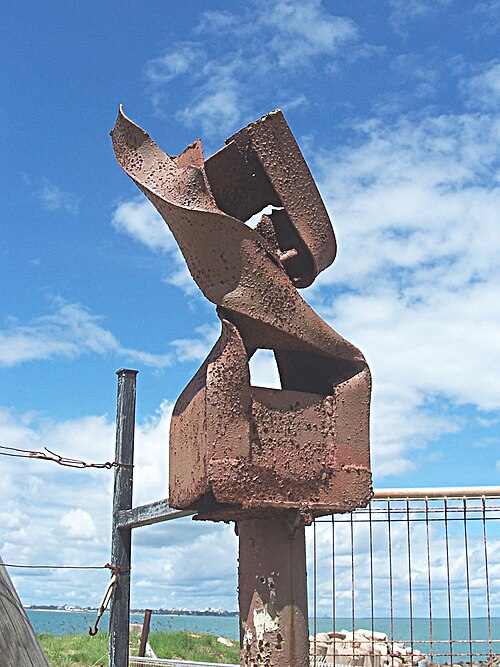
The base of a power pole
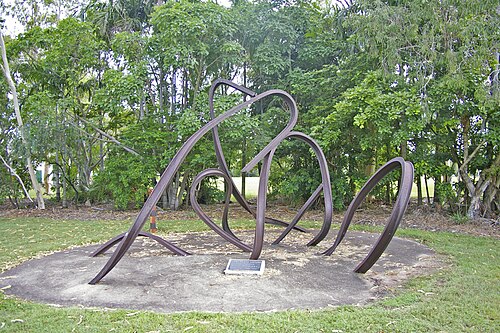
Three twisted house girders that landed in a school yard and is now a memorial
So, we called an Uber and were able to take a few photos of the marina area around the terminal. The city was much different from Sydney. Darwin is the capital of Australia’s Northern Territory and a former frontier outpost. It’s also a gateway to massive Kakadu National Park. Its popular waterfront area has several beaches and green areas like Bicentennial Park. Also near the water is the Museum and Art Gallery of the Northern Territory, displaying Southeast Asian and Pacific art, plus a pearling lugger and other seafaring vessels. Darwin has a population of 140,000 and we were surprised to learn this as our drive was mostly through rural areas.
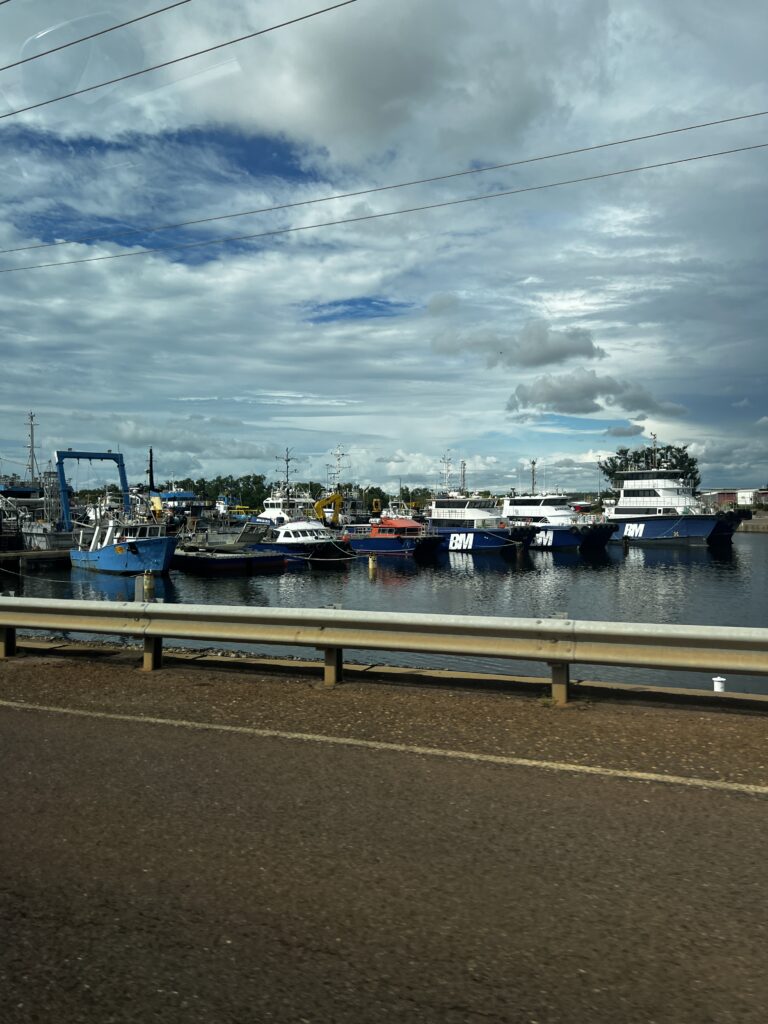
The Australian barramundi industry is relatively established, with an annual production of more than 9,000 tons. In the broader Southeast Asian region, production is estimated to exceed 30,000 tons.
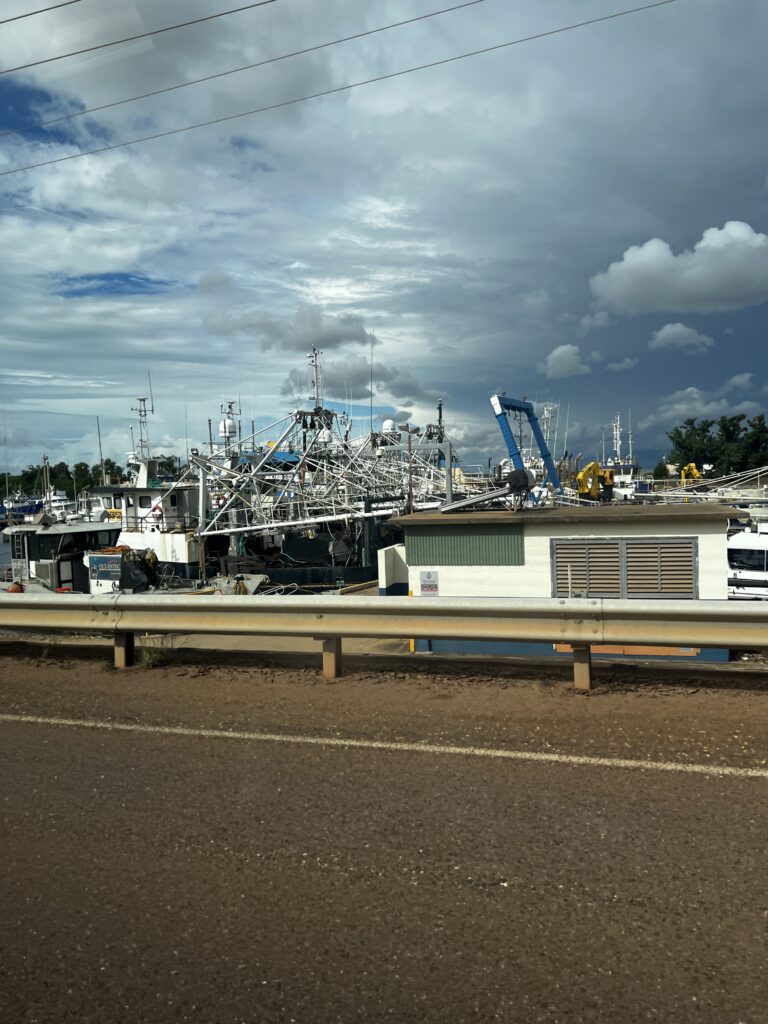
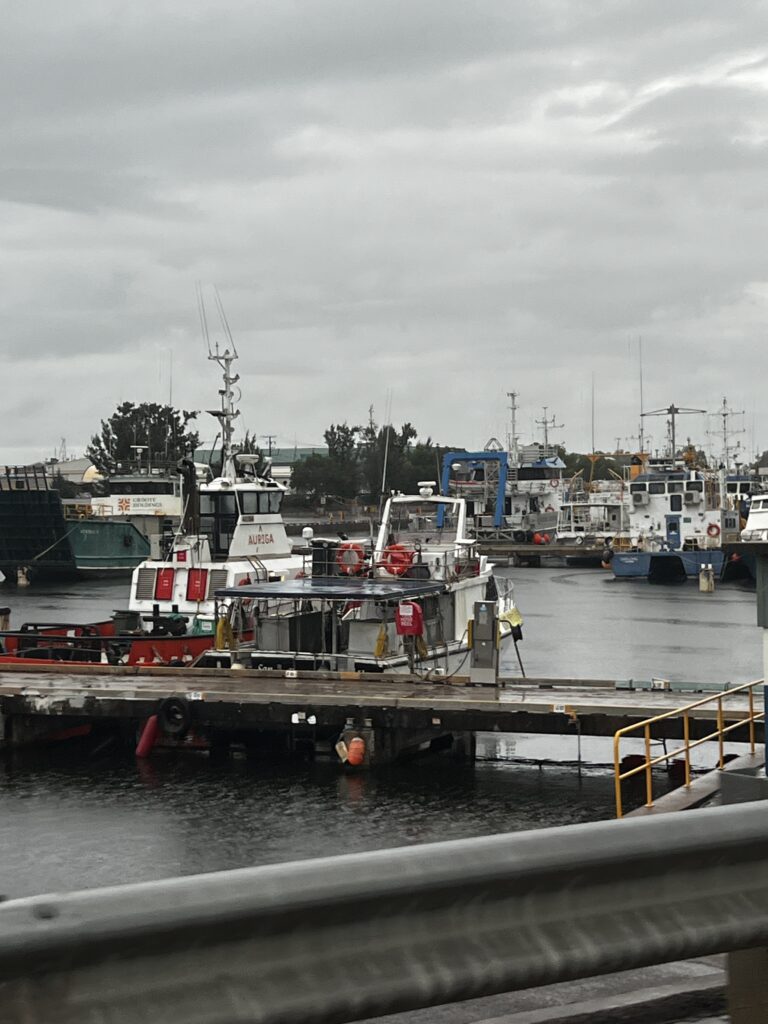
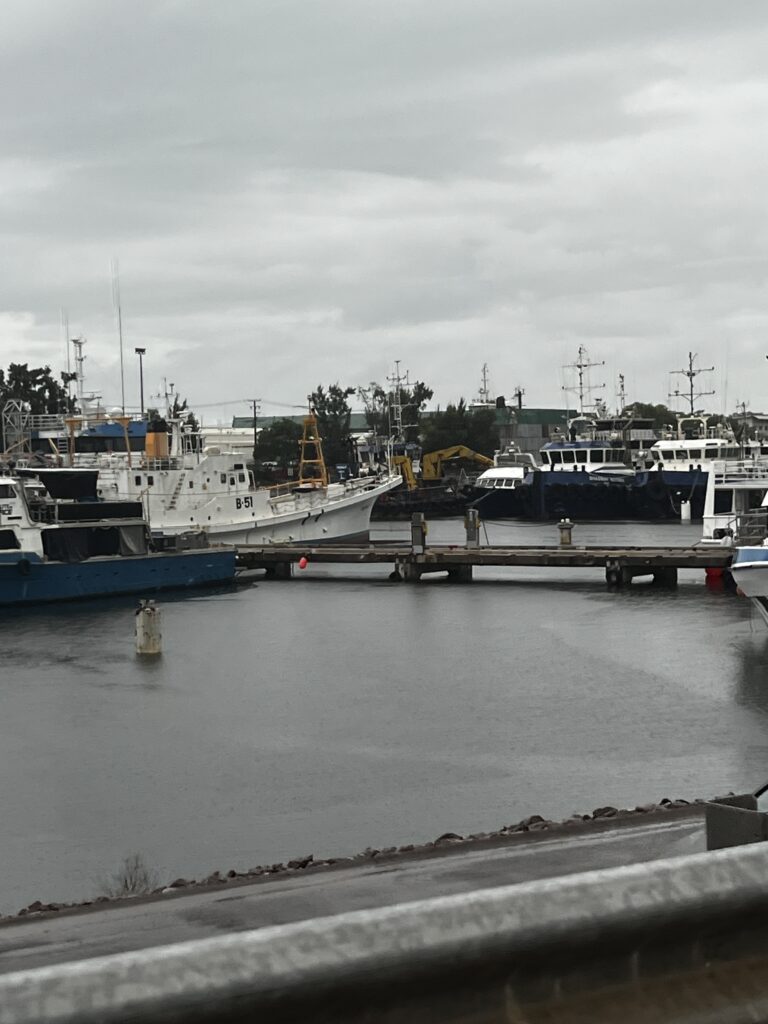
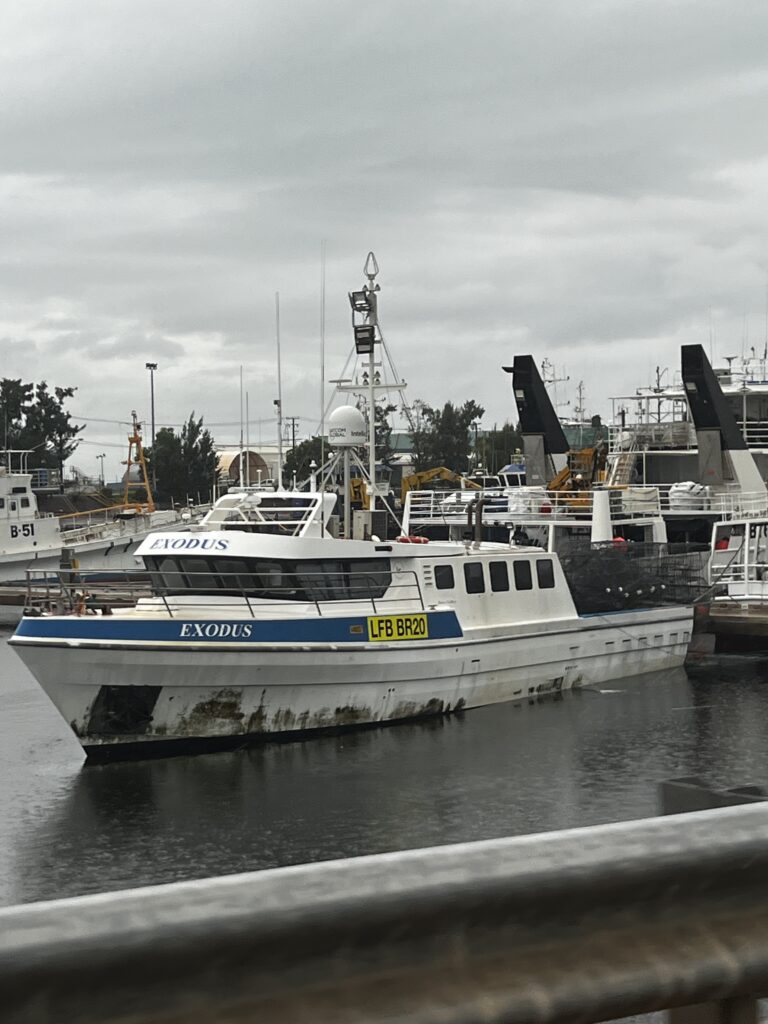
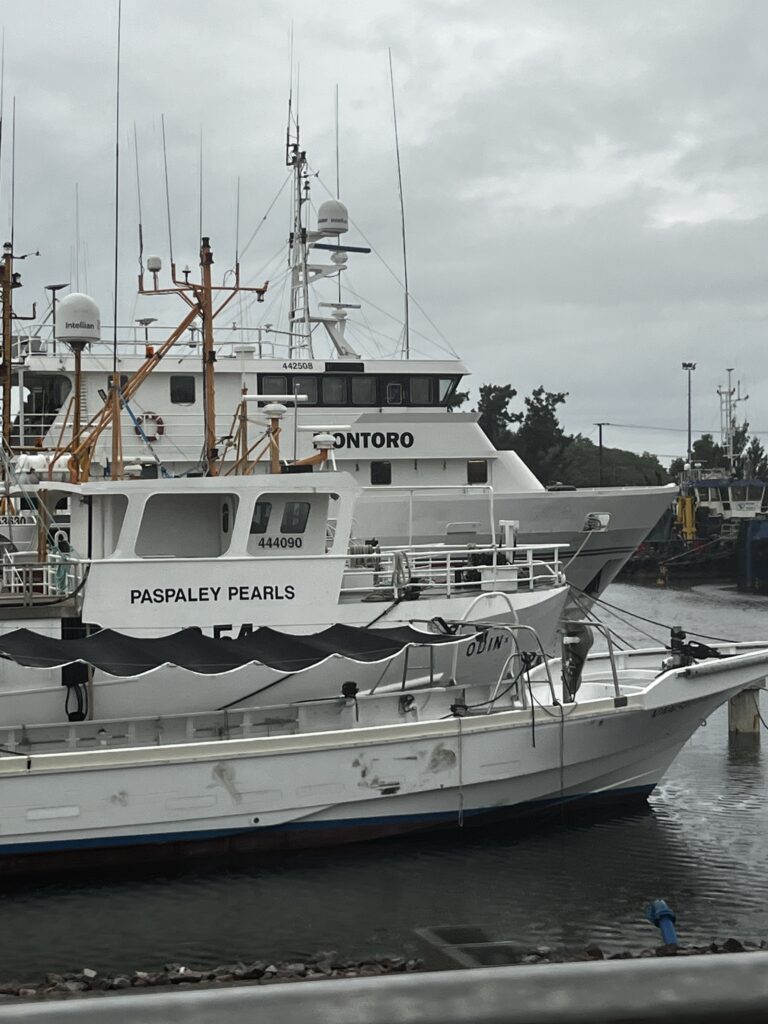
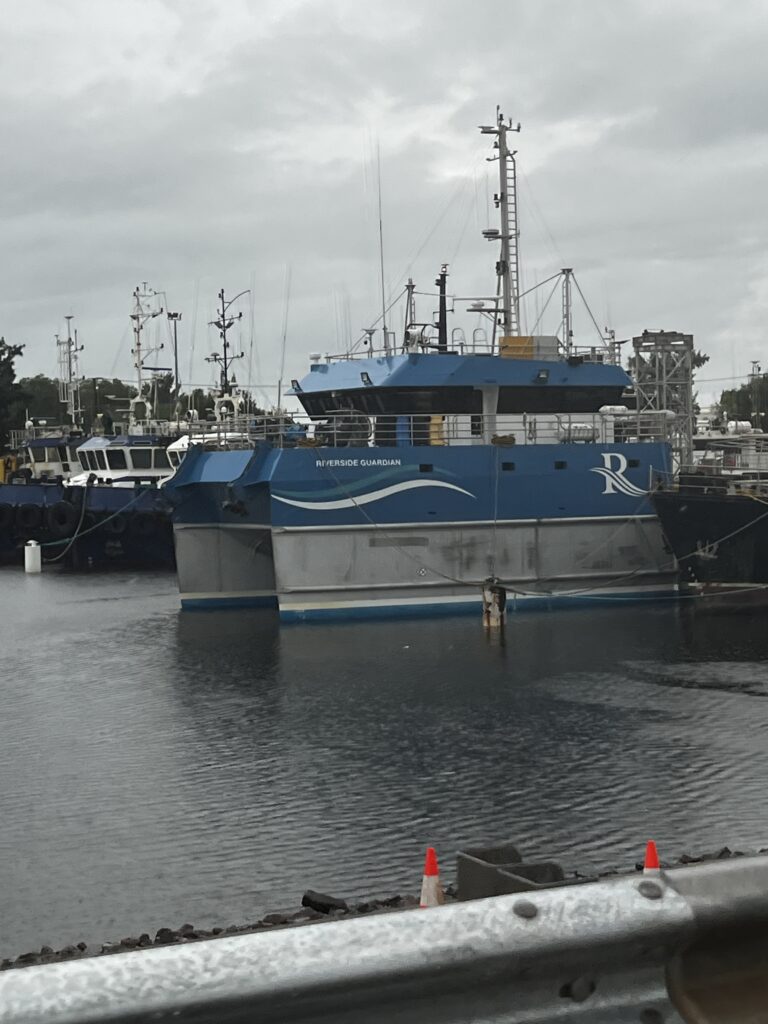
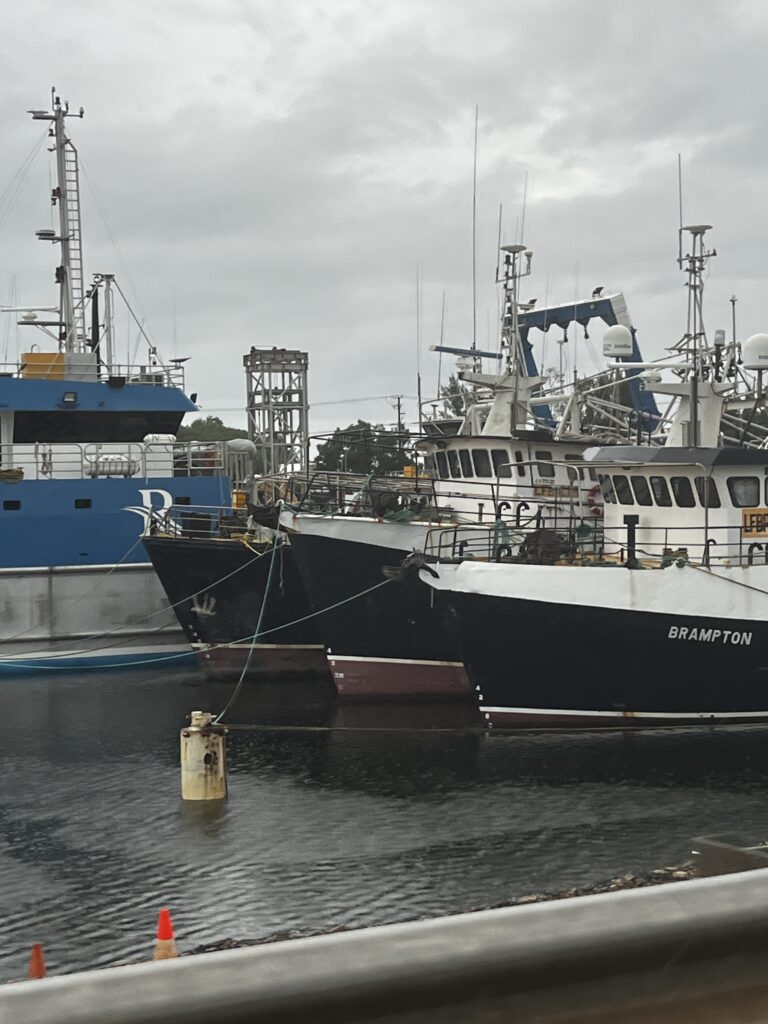
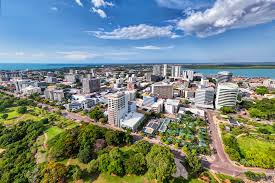
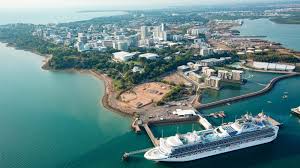
Two stock photos of Darwin that I found
Because the rain cut short our plans to walk around the city, we stopped at a nice size mall. To prevent myself from an allergic reaction to the shopping mall, I found the best remedy that I could find and sat on a bench like a good husband and enjoyed the people watching and my popcorn. 🙂


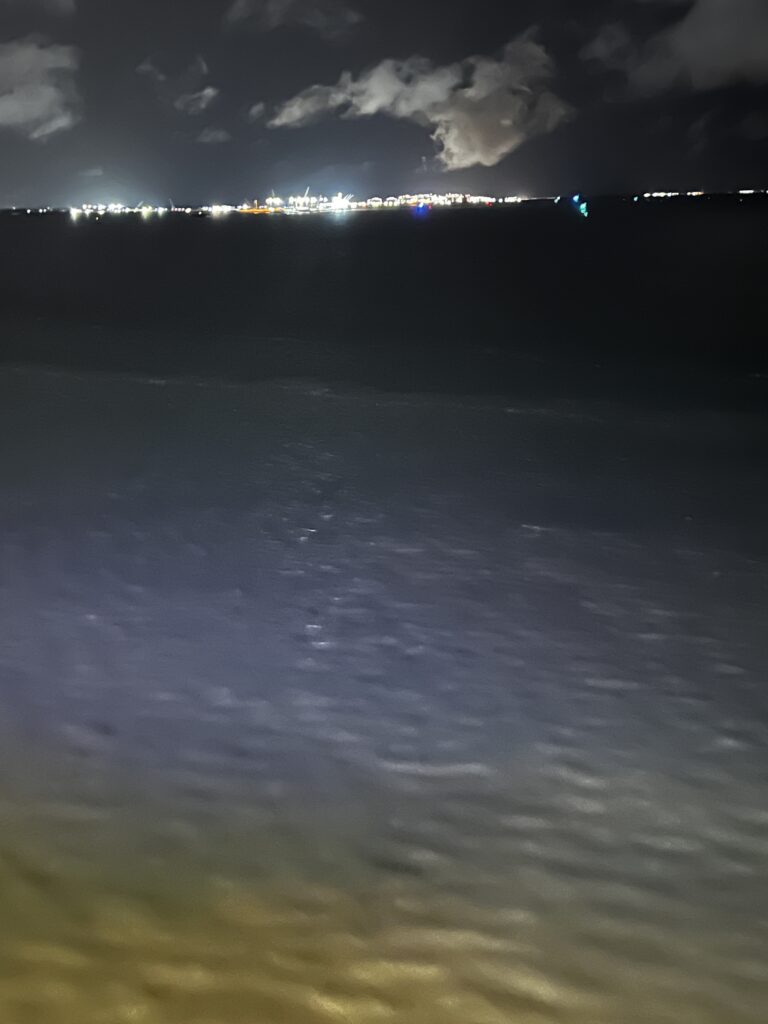
View of Darwin before he headed to sleep at 8pm totally exhausted from our visit to Sydney and the flight to the ship.
Tomorrow is a sea day and hope we get to sleep late although with us picking up two more hours I am sure we will be awake at 6am 🙂