
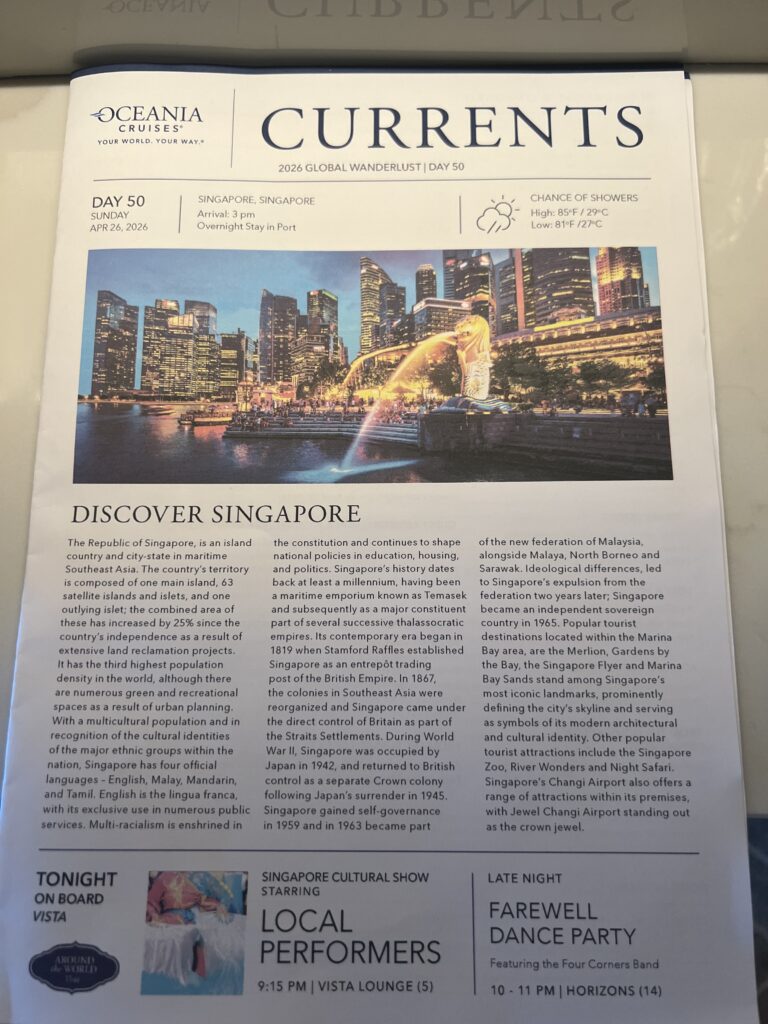
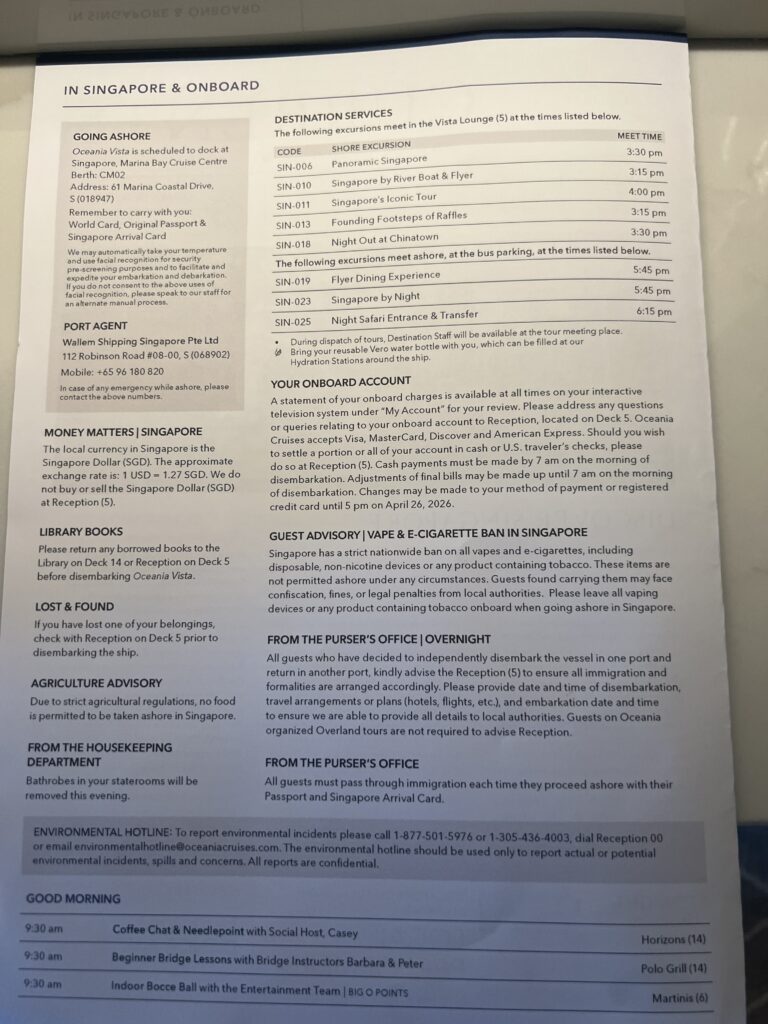
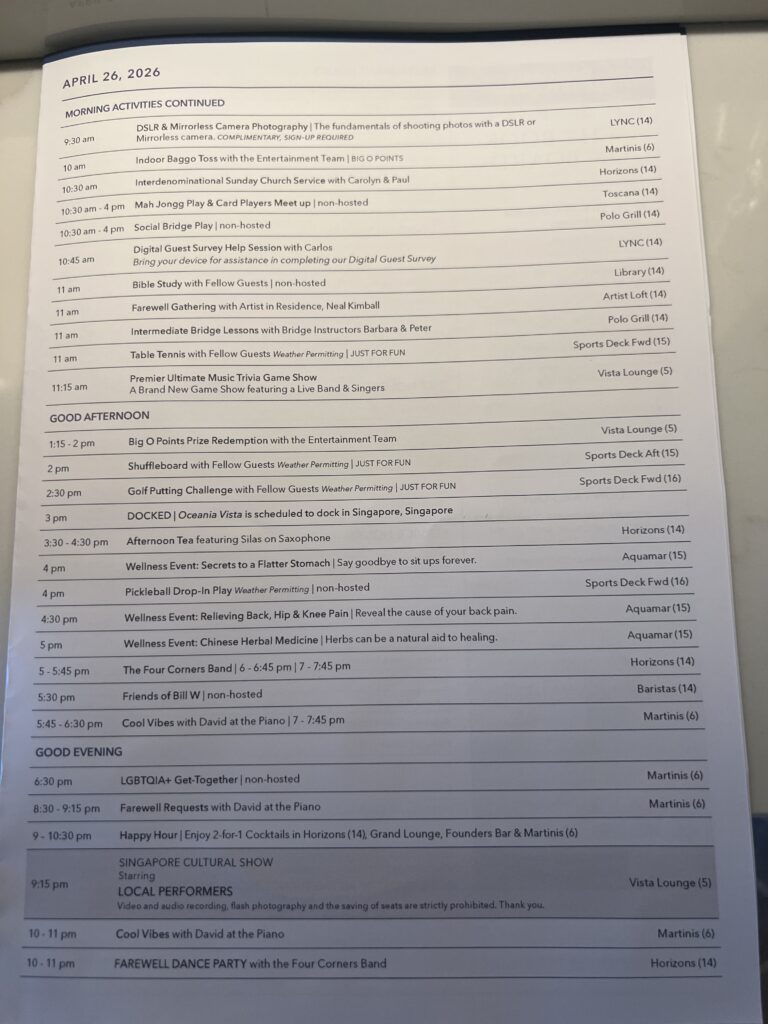
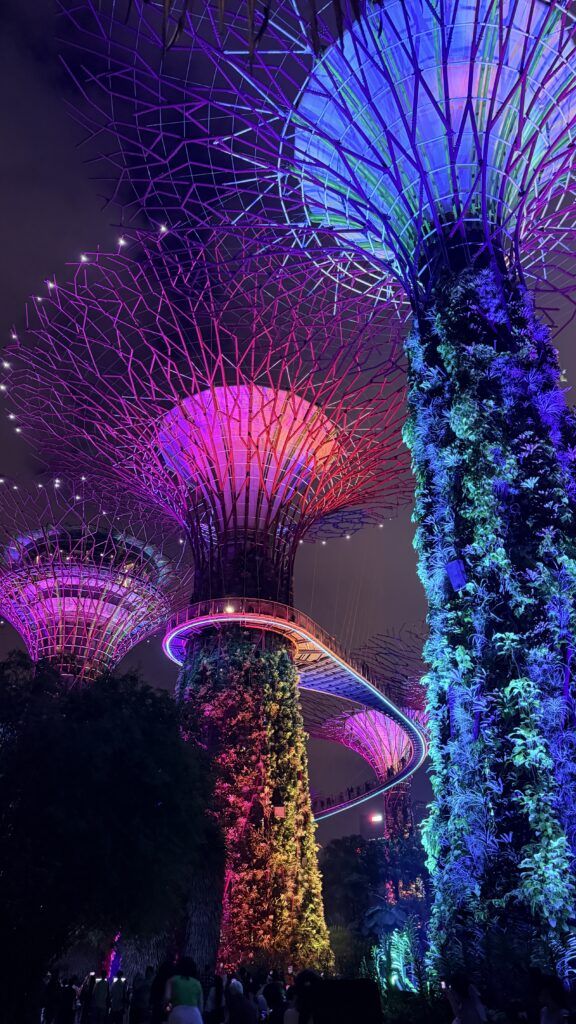
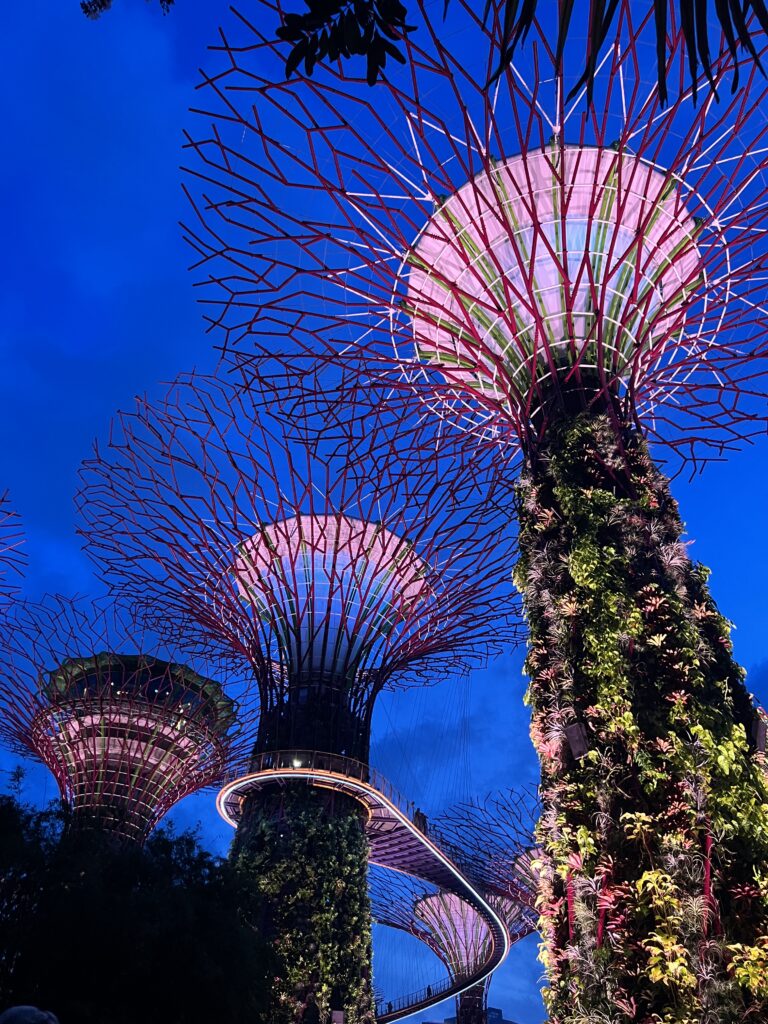
Day 50 Sunday April 26th (70 days to go) — The Vista arrived to Singapore for an overnight stay. While is presented as a two day stay in Singapore we arrived at 3pm and depart tomorrow at 5pm so in reality it is a one day stay. Oceania had an excursion for Around the World passengers called Singapore by Night which would do a drive through the city and then a gala with music, custom Singaporean traditions and food. Since we had done Singapore a couple of years ago we decided to skip the Oceania offering and do our own thing. We left the ship with two things in mind: Dinner in Chinatown and viewing the light show at The Super Grove Trees.
It was super hot and humid, with the humidity probably higher than the temperature which was 92F. We had a great night and got back to the ship about 10pm totally drained.
I am looking at the videos below and realize that I uploaded them in a backward order.

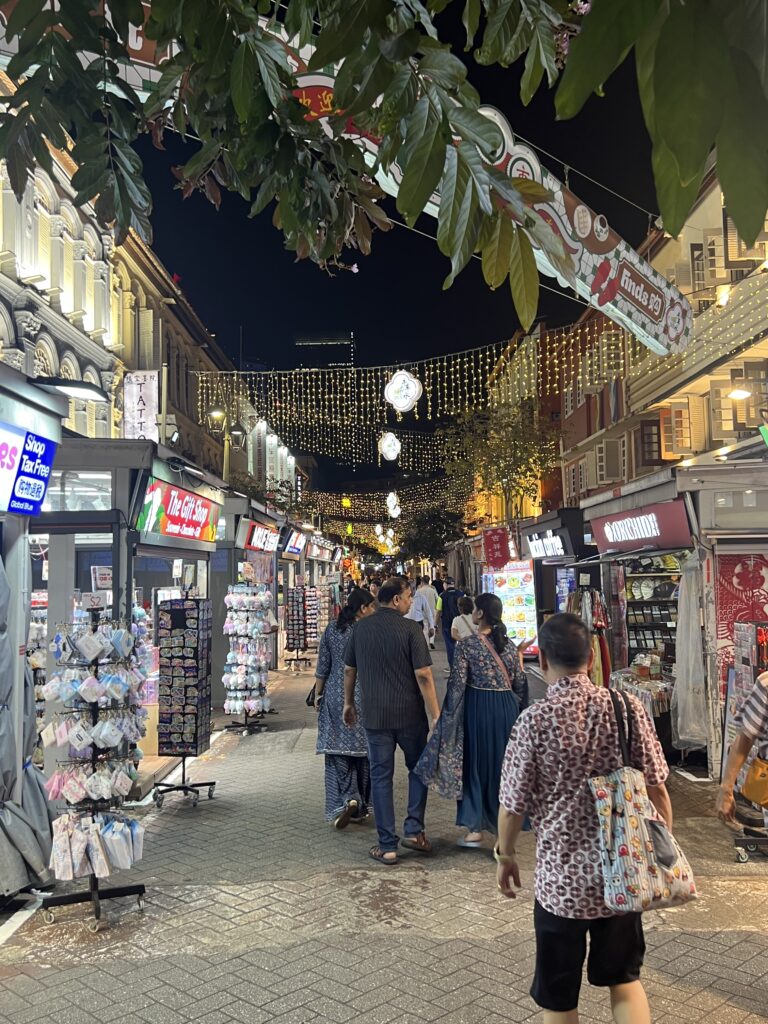
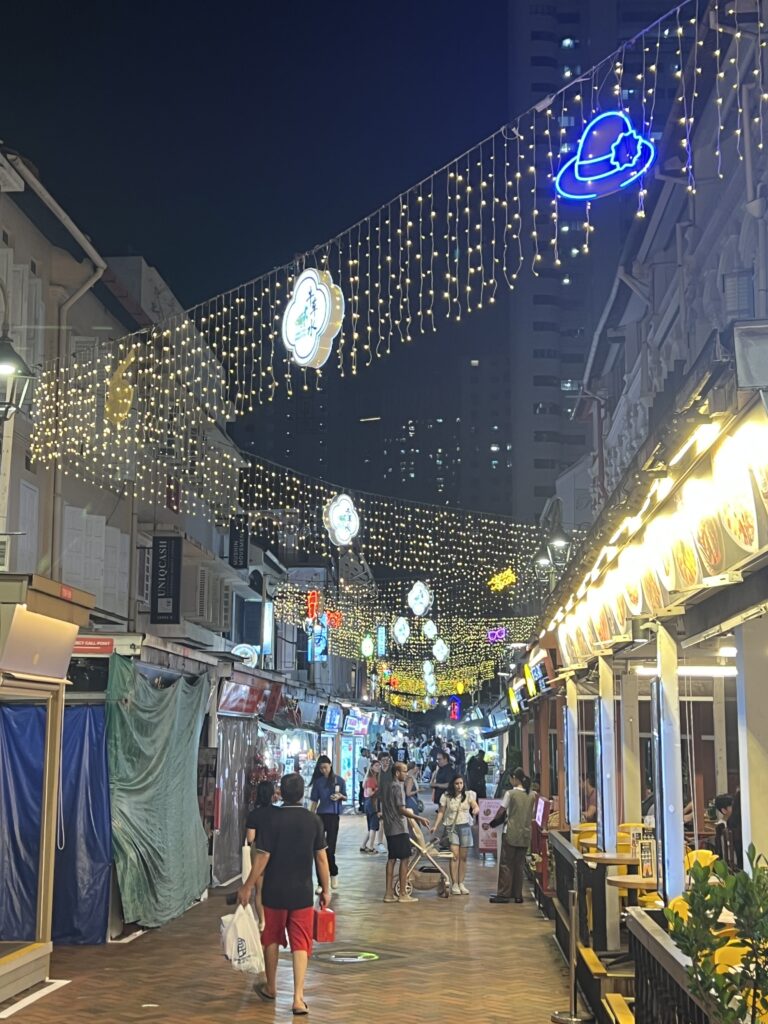
After visiting the SUper Grove and viewing the light show we returned to Chinatown to see the lights at night. Below is what we saw when we first got off the MRT (subway). It is a public karaoke party. As people sing (think they are singing) other people get involved and start dancing or participating. It was super funny.
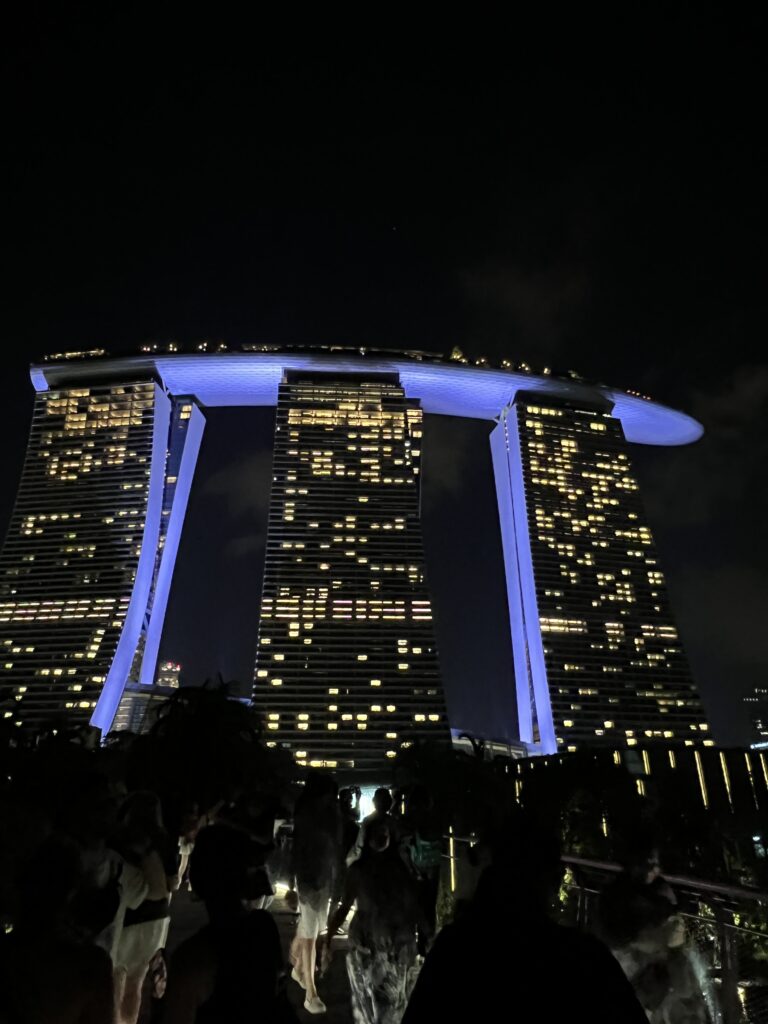
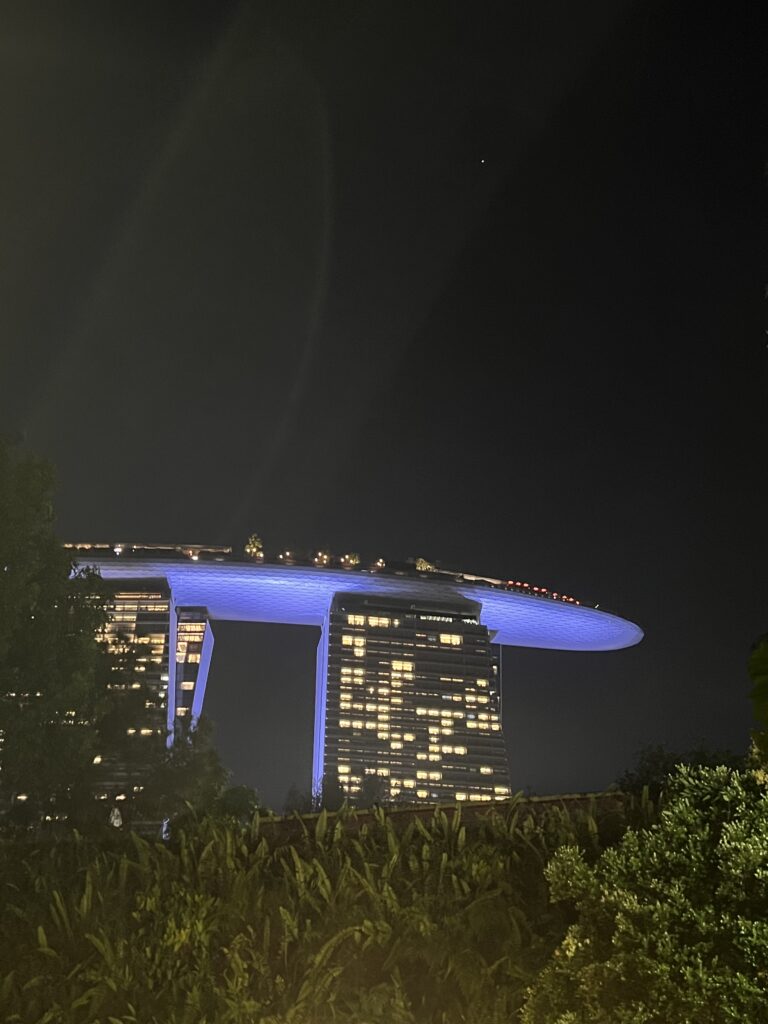
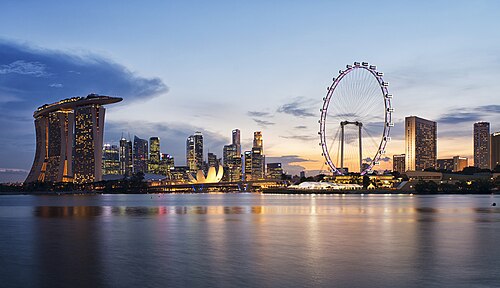
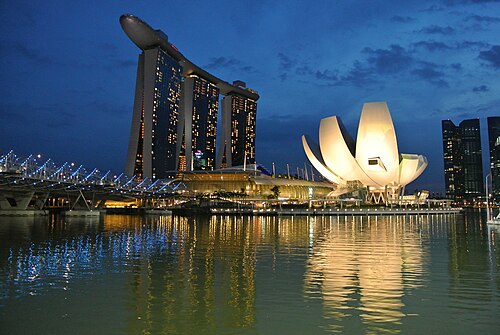
Marina Bay Sands (often colloquially shortened to ‘MBS’) is an integrated resort fronting Marina Bay in Singapore and a landmark of the city. At its opening in 2010, it was deemed the world’s most expensive standalone casino property at S$8 billion (US$6.88 billion). The resort includes a 1,850-room hotel, a 120,000-square-metre (1,300,000 sq ft) meetings and conventions facility at Sands Expo & Convention Centre, a 74,000-square-metre (800,000 sq ft) luxury shopping mall, The Shoppes at Marina Bay Sands, an ArtScience museum, a 2,183-capacity theatre, the world’s first floating Apple store, the world’s first Louis Vuitton Island Maison, celebrity chef and signature restaurants, and a casino with 500 tables and 3,000 electronic gaming machines. The complex includes three towers topped by the Sands Skypark, a 340-metre-long (1,120 ft) skyway connecting the towers with a capacity of 3,902 people and a 150 m (490 ft) infinity swimming pool, set on top of the world’s largest public cantilevered platform, which overhangs the north tower by 66.5 m (218 ft). The 20-hectare resort was designed by Moshe Safdie. The main contractor was Ssangyong Engineering and Construction.
The resort is owned by Las Vegas Sands in agreement with the Singaporean authorities. Marina Bay Sands was originally set to open in 2009, but its construction faced delays caused by escalating costs of material and labour shortages from the outset exacerbated by the 2008 financial crisis. This pressured Las Vegas Sands to delay its projects elsewhere to complete the integrated resort. Its owner decided to open the integrated resort in stages, and it was approved by the Singapore authorities. The resort and SkyPark were officially opened on 23 and 24 June 2010 as part of a two-day celebration, following the casino’s opening on 27 April that year. The SkyPark opened the following day. The theatre was completed in time for the first performance of Riverdance on 30 November. The indoor skating rink, which uses artificial ice, opened to a performance by Michelle Kwan on 18 December. The ArtScience Museum opened to the public and the debut of a 13-minute light, laser and water show called Wonder Full on 19 February 2011, marked the full completion of the integrated resort.
The opening of Marina Bay Sands was held on 17 February 2011. It also marked the opening of the seven celebrity chef restaurants. The last portion of the Marina Bay Sands, the floating pavilions, were finally opened to the public when the two tenants, Louis Vuitton and Pangaea Club, opened on 18 and 22 September 2011, respectively. The property is currently being expanded to include a fourth hotel tower, an arena and additional convention space.
Marina Bay Sands | Iconic Luxury 5-star Hotel in Singapore
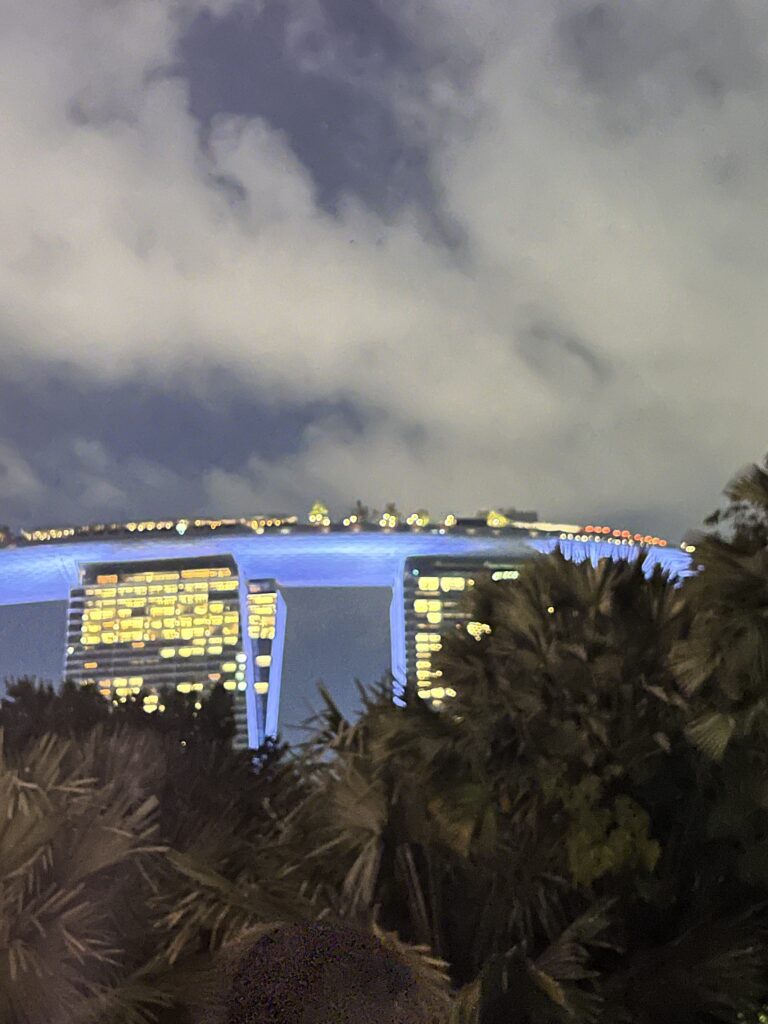
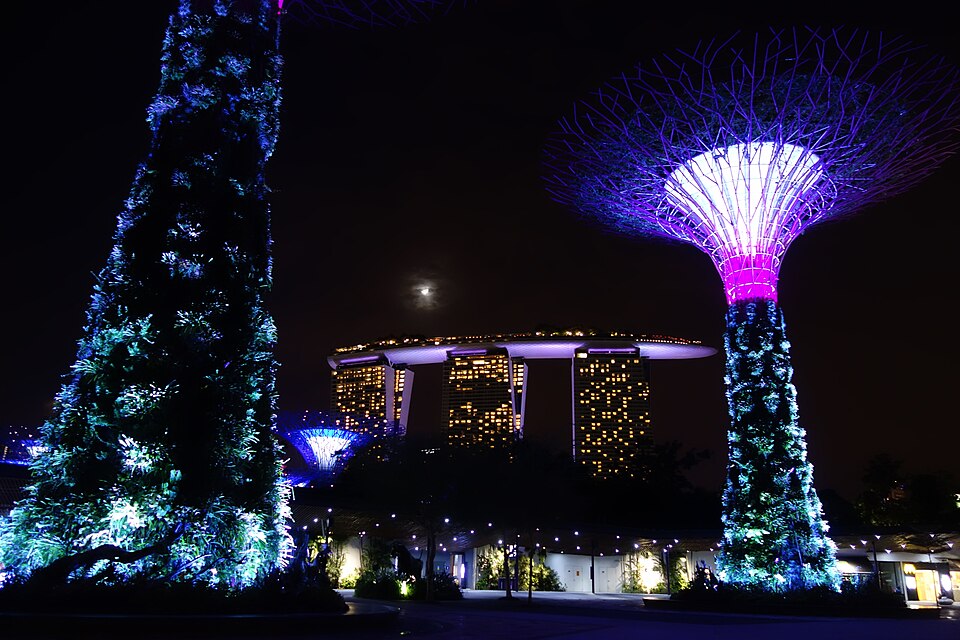
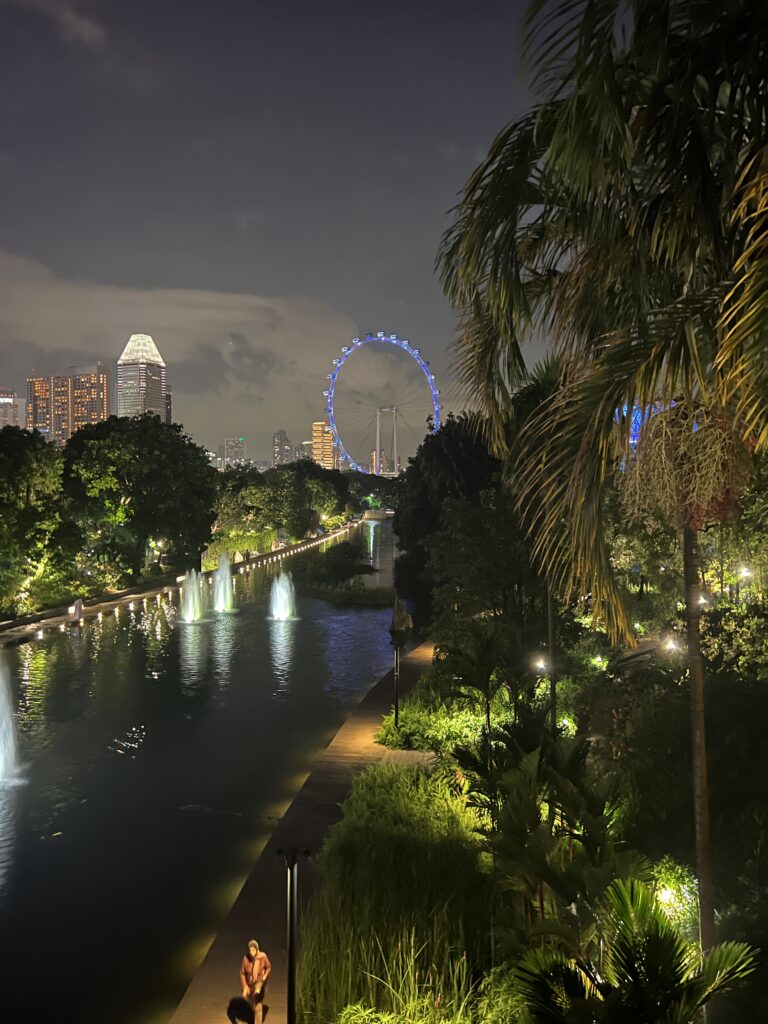
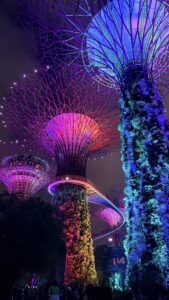
We went to the light show at the Garden Bay’s Supertree Grove. We had seen the show previously but we were on top of the Marina Bay Sands having dinner. We wanted to view the show under the trees. Originally, we had planned to bring towels and lay in the grass under the trees, but a torrential rainstorm this afternoon put a halt to those plans.
Garden Rhapsody is a free nightly light and sound show at Gardens by the Bay’s Supertree Grove, featuring dazzling LED lights on the vertical gardens synchronized to music. The show runs daily at 7:45 PM and 8:45 PM, lasting 10–15 minutes. The theme changes monthly, with the best viewing spots at the base of the trees.
Garden Rhapsody – Gardens by the Bay
We fell in love with the Singapore Subway System two years ago. It is unbelievably clean and fast and more importantly very easy to use. The walk from the cruise terminal to the subway station was 600 meters but with the heat and humidity it felt like 600 miles. It is very quiet in the subway although some riders do speak unlike Japan when there is no noise.
The Mass Rapid Transit (MRT) is a rapid transit system in Singapore and the island country’s principal mode of railway transportation. After two decades of planning, the system commenced operations in November 1987 with an initial 6 km (3.7 mi) stretch consisting of five stations. The network has since grown to span the length and breadth of the country’s main island – with the exception of the forested core and the rural northwestern region – in accordance with Singapore’s aim of developing a comprehensive rail network as the backbone of the country’s public transportation system, averaging a daily ridership of 3.49 million in 2025.
The MRT network encompasses approximately 242.6 km (150.7 mi) of grade-separated route on standard gauge. As of 2024, there are currently 143 operational stations dispersed across six operational lines arrayed in a circle-radial topology. Two more lines and 44 stations are currently under construction, in addition to ongoing extension works on existing lines. In total, this will schedule the network to double in length to about 460 km (290 mi) by 2040. Further studies are ongoing on potential new alignments and lines, as well as infill stations in the Land Transport Authority‘s (LTA) Land Transport Masterplan 2040. The island-wide heavy rail network interchanges with a series of automated guideway transit networks localized to select suburban towns — collectively known as the Light Rail Transit (LRT) system — which, along with public buses, complement the mainline by providing a last mile link between MRT stations and HDB public housing estates.
The MRT is the oldest, busiest, and most comprehensive heavy rail metro system in Southeast Asia. Capital expenditure on its rail infrastructure reached a cumulative S$150 billion in 2021, making the network one of the world’s costliest on both a per-kilometer and absolute basis. The system operates under a semi-nationalized hybrid regulatory framework. Construction and procurement are overseen by the Land Transport Authority (LTA), a statutory board of the government, which grants operating concessions to the for-profit operators SMRT and SBS Transit. SMRT is a state-owned enterprise under Temasek, while SBS Transit is owned by the public company ComfortDelGro. These operators are responsible for asset maintenance on their respective lines, and also run bus services, facilitating operational synchronicity and the horizontal integration of the broader public transportation network.
The MRT is fully automated and has an extensive driverless rapid transit system. Asset renewal works are periodically carried out to modernize the network and ensure its continued reliability; all stations feature platform screen doors, Wi-Fi connectivity, lifts, climate control, and accessibility provisions, among others. Much of the early network is elevated above ground on concrete viaducts, with a small portion running at-grade; newer lines are largely subterranean, incorporating several of the lengthiest continuous subway tunnel sections in the world. A number of underground stations double as purpose-built air raid shelters under the operational authority of the Singapore Civil Defense Force (SCDF); these stations incorporate deep-level station boxes cast with hardened concrete and blast doors fashioned out of reinforced steel to withstand conventional aerial and chemical ordnance.
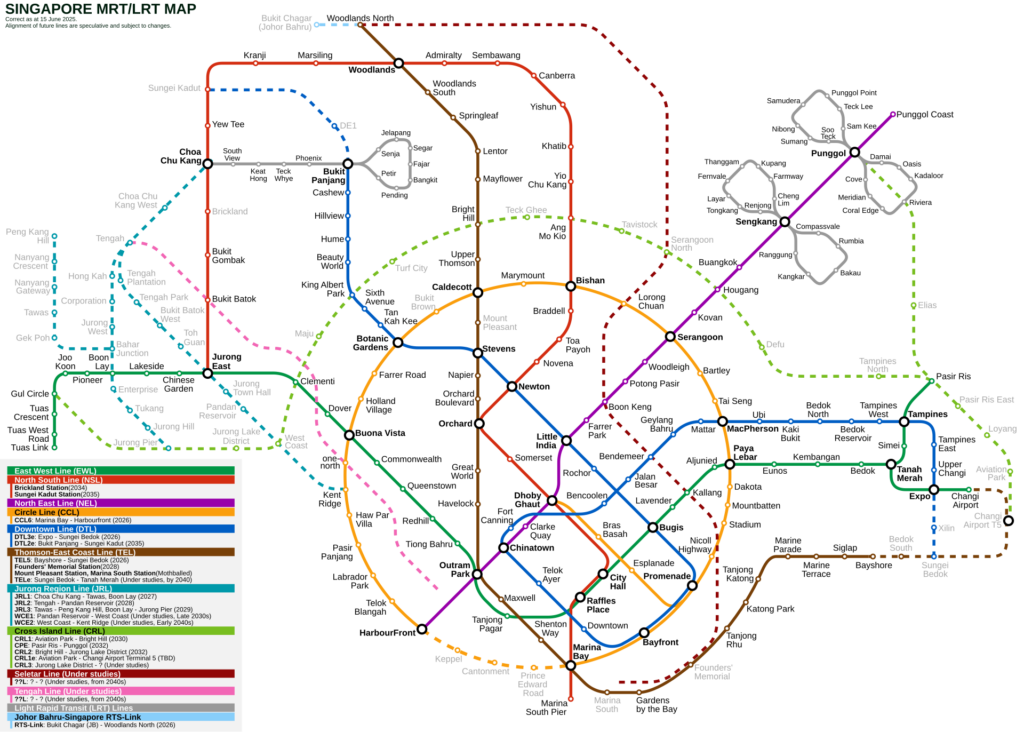
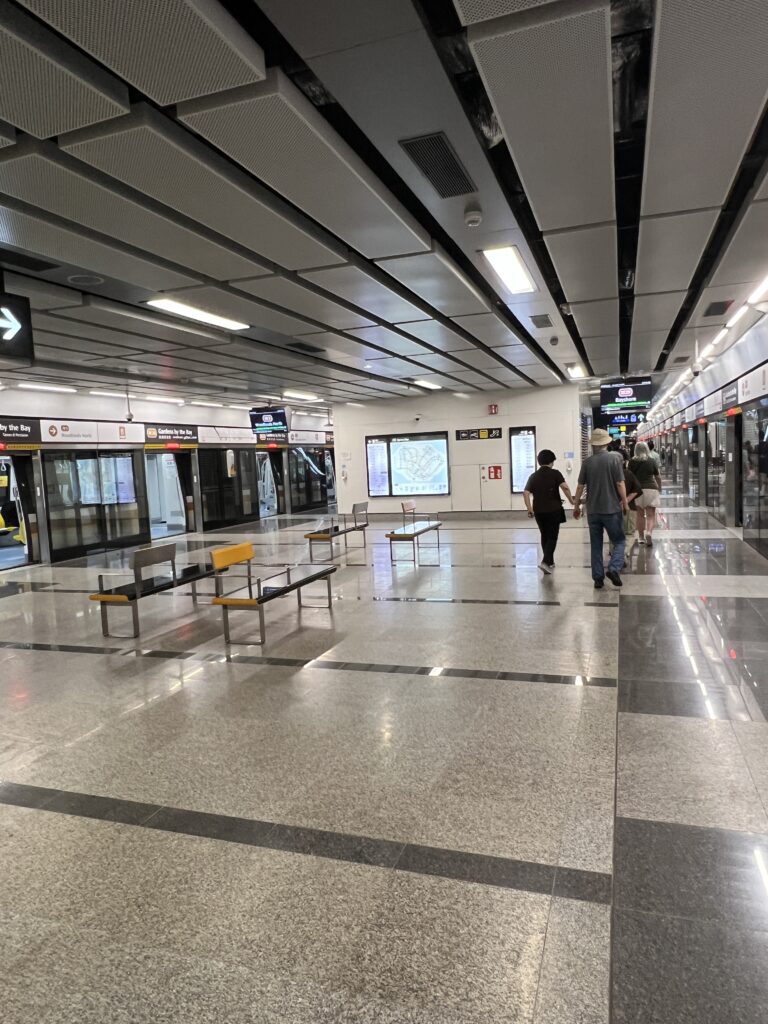
Photo of a subway station as we exited a train.
Chinatown’s maze of narrow roads includes Chinatown Food Street, with its restaurants serving traditional fare like Hainanese chicken rice, noodles and satay. Souvenir shops and indie boutiques dot the area, offering clothes, crafts and antiques, while Club Street is full of trendy wine bars. Cultural institutions here include the 1827 Sri Mariamman Temple and the ornate Buddha Tooth Relic Temple and Museum.
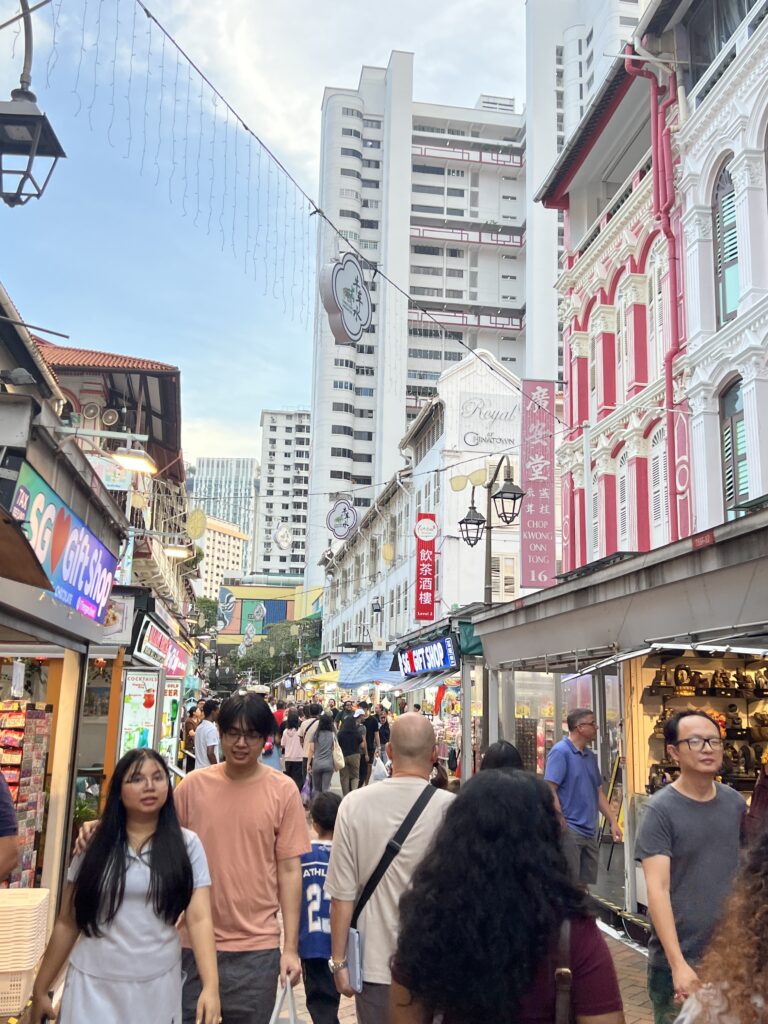
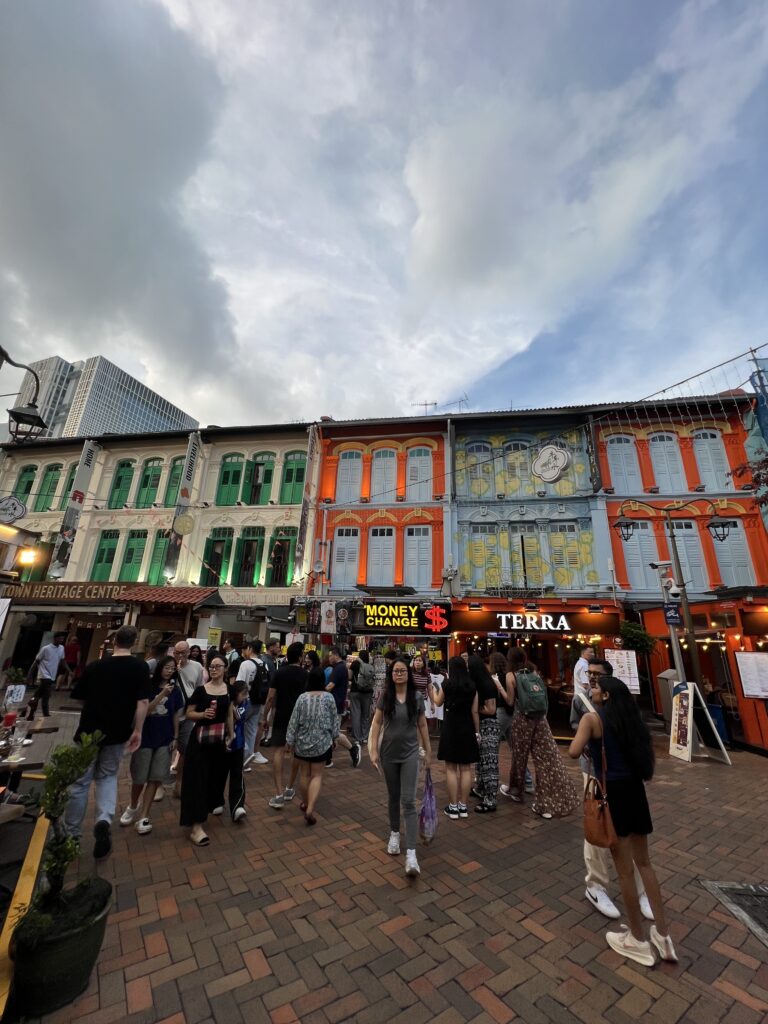
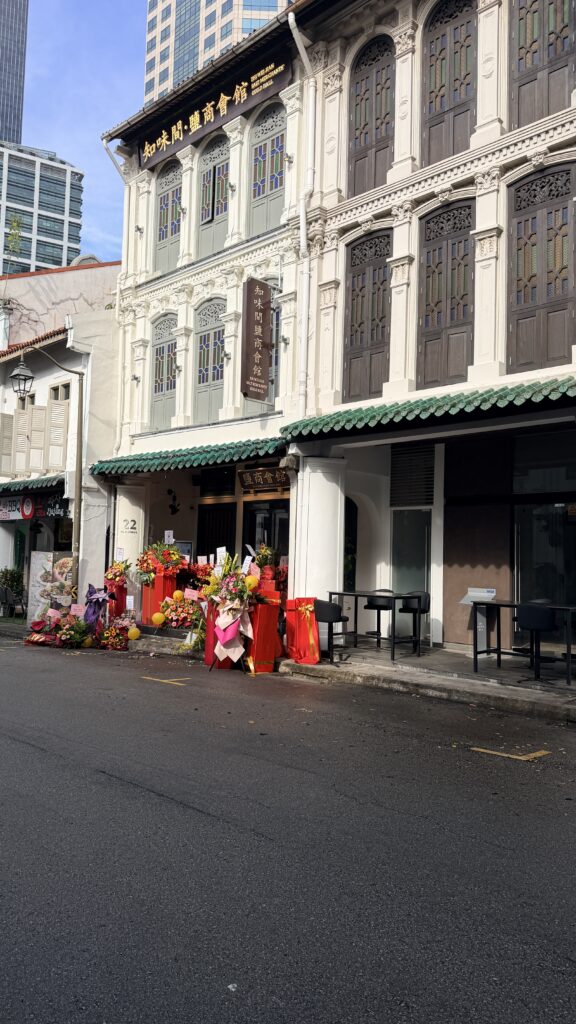
I thought this street sign went perfectly with this restaurant 🙂
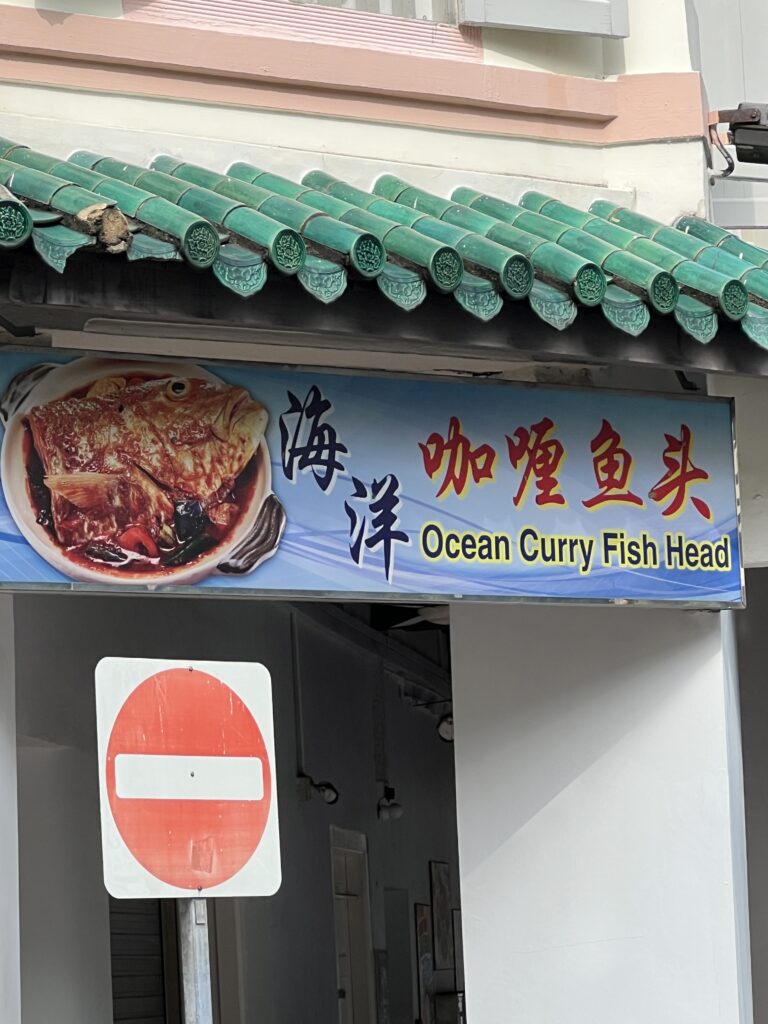
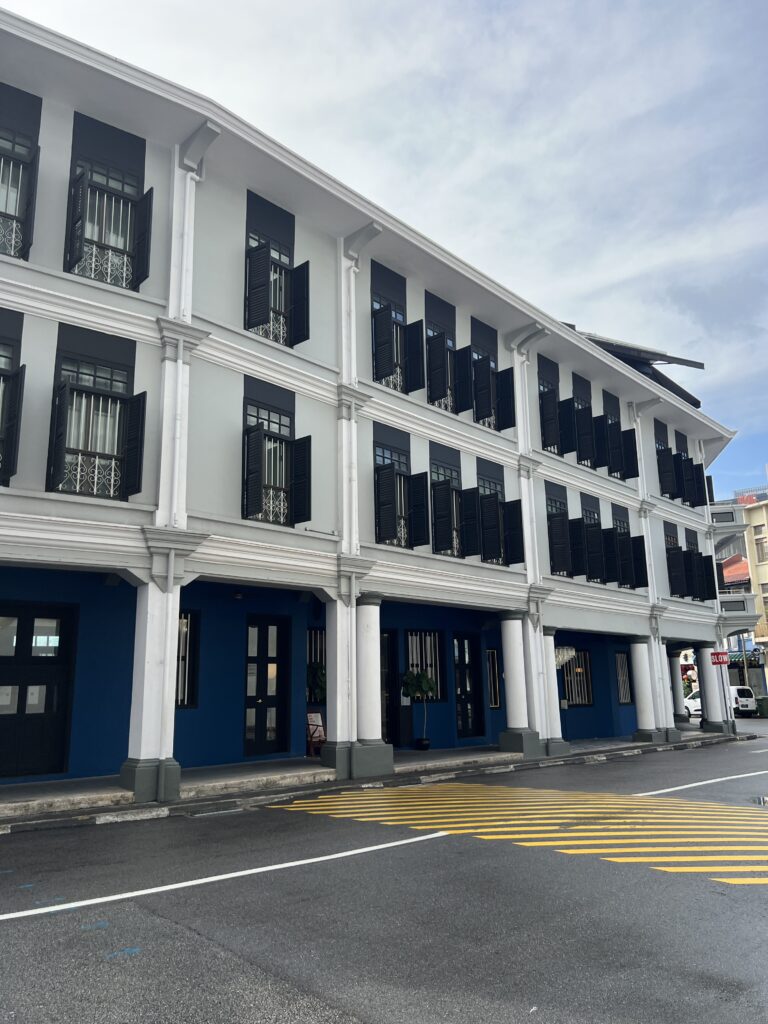
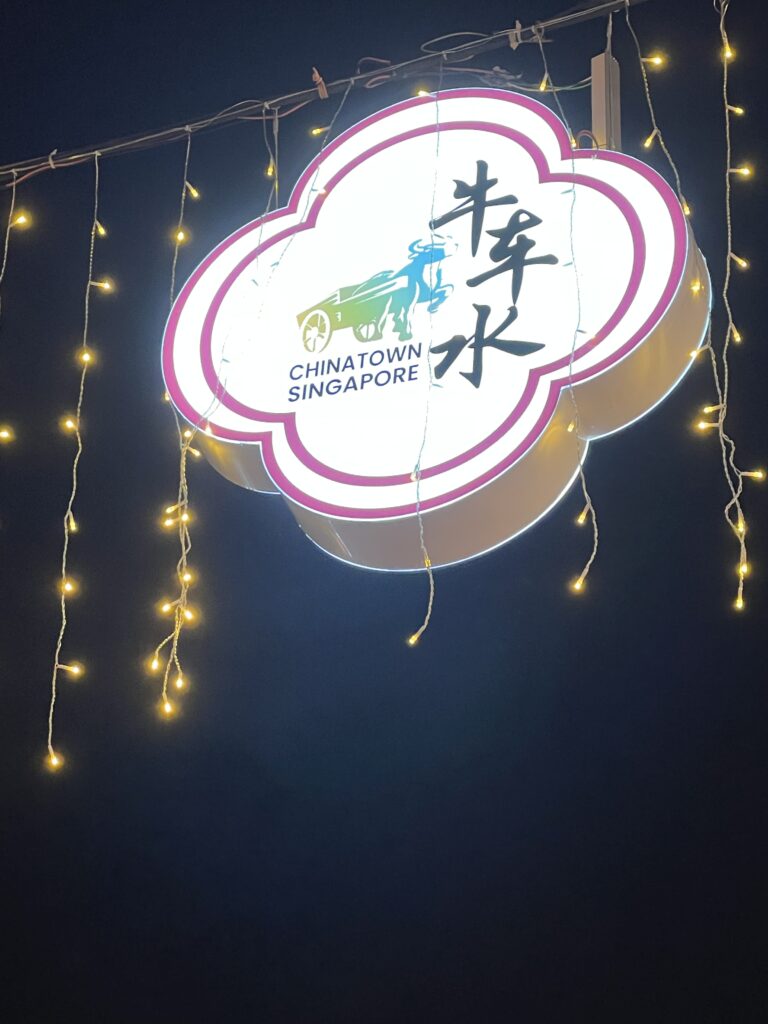
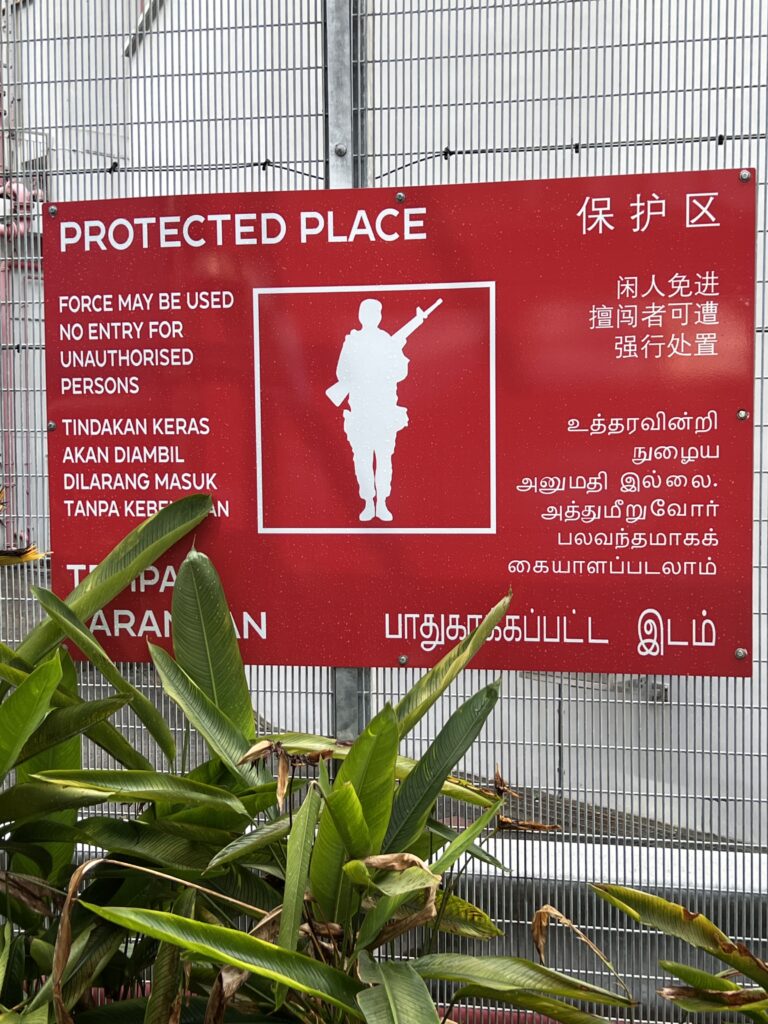
We walked around the area surrounding Chinatown and there was a place that we had to detour through an area and came across this sign.
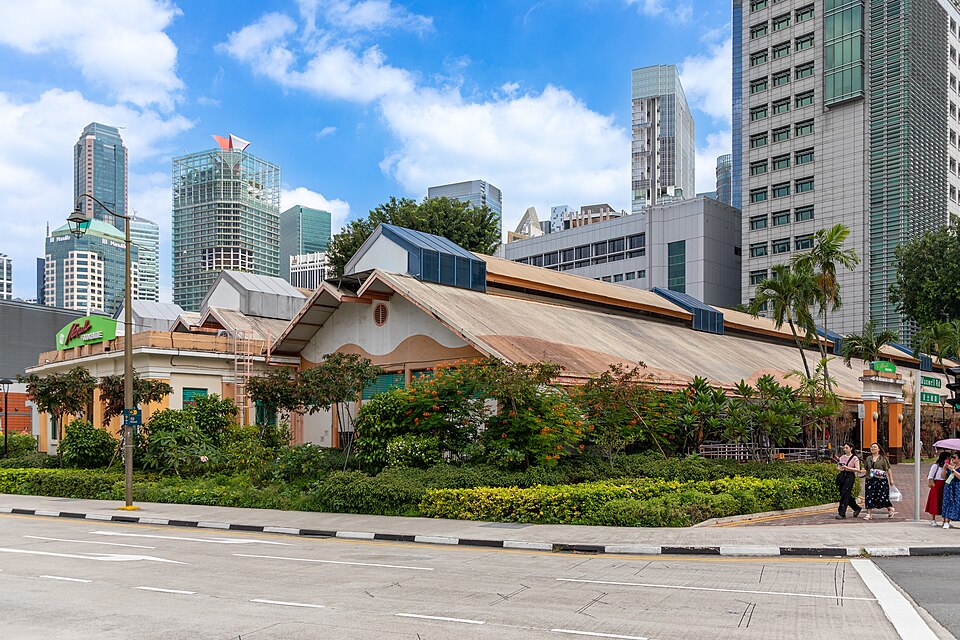
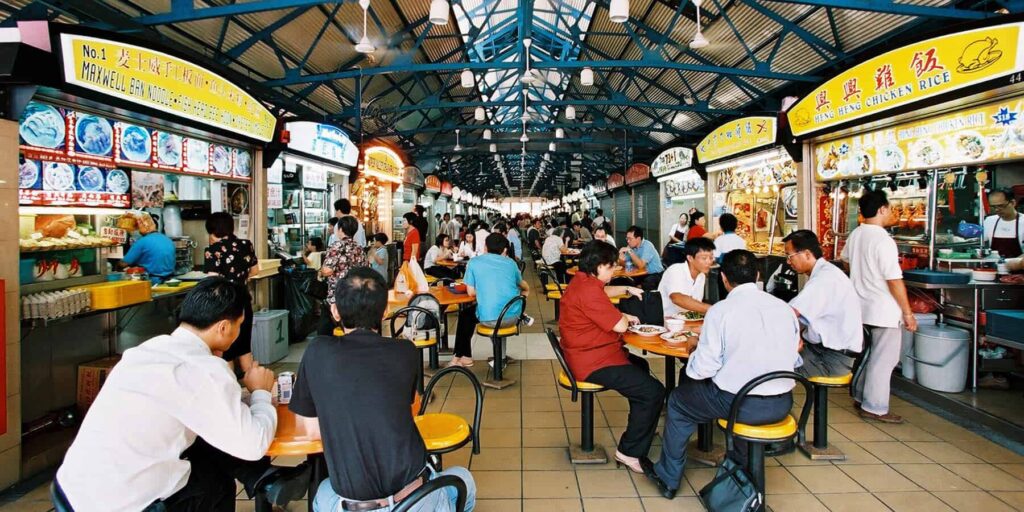
Maxwell Food Centre is a hawker center located in Tanjong Pagar, at the junction of Maxwell Road and South Bridge Road. The hawker center is part of the Downtown Core planning area.
Maxwell is one of the most popular hawker centres in Singapore, featuring 103 hawkers selling a wide variety of local and international cuisines. Popular dishes include ham chim peng, ngo hiang, and herbal broths made from home-brewed recipes.
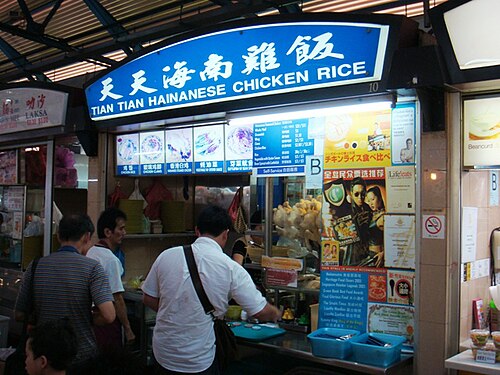
Maxwell is one of the most popular hawker centers, and the most featured hawker center on Instagram, with more than 13,200 posts. In 2016, Tian Tian Hainanese Chicken Rice, a Hainanese chicken rice stall ran by husband and wife Mr and Mrs Loy Chee San, was the first stall in the hawker center to be awarded a Bib Gourmand.
Celebrities, like singer Dua Lipa, Lady Gaga and actress Drew Barrymore, and foreign dignitaries, such as Vietnam Minister of Foreign Affairs Bùi Thanh Sơn and New Zealand Prime Minister Christopher Luxon, have also dined at the hawker center.
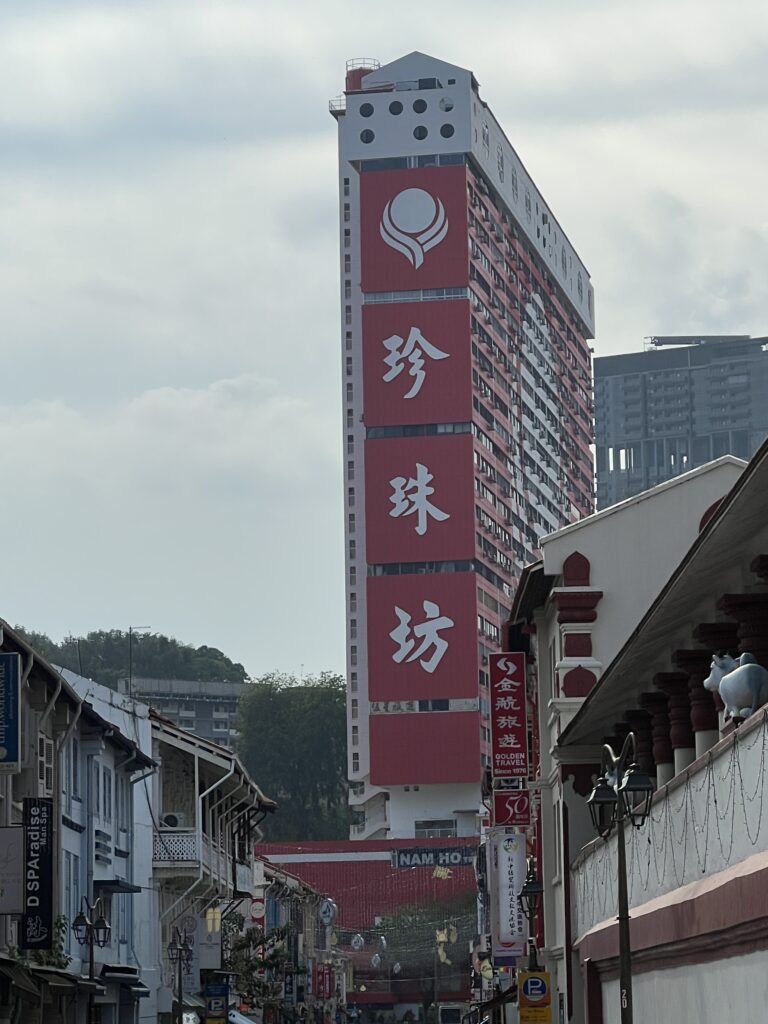
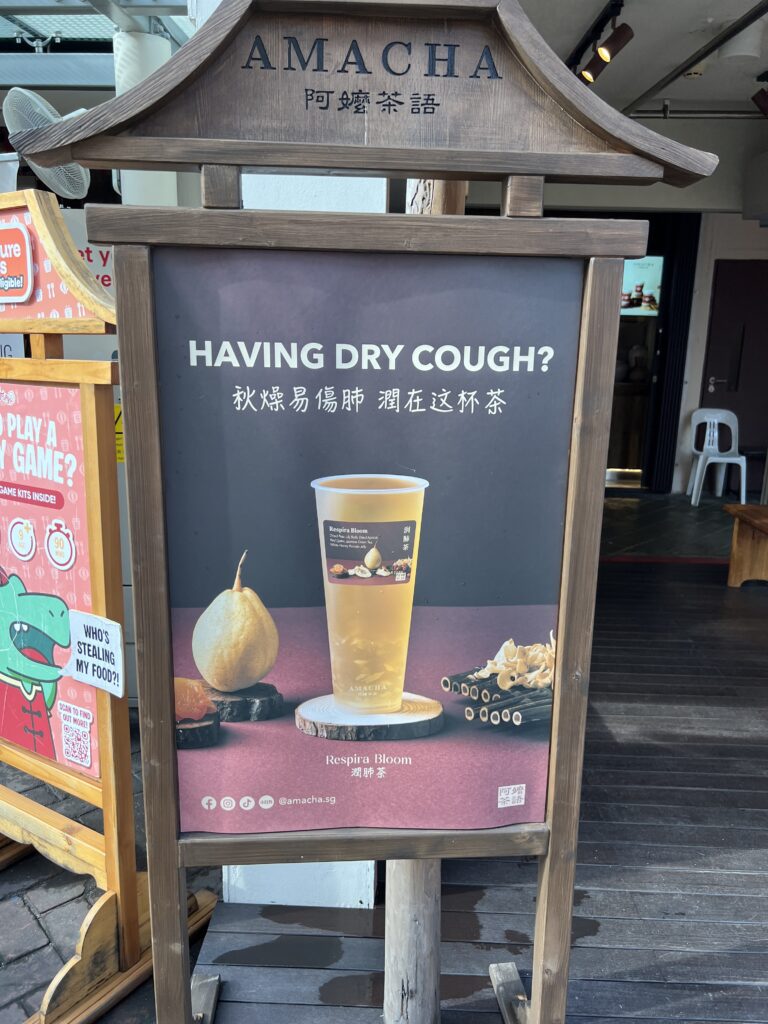
As we walked around Chinatown I saw this sign and if they sold this stuff in a bottle I would have bought a number of bottles as our “cool” group has dry hacking coughs.
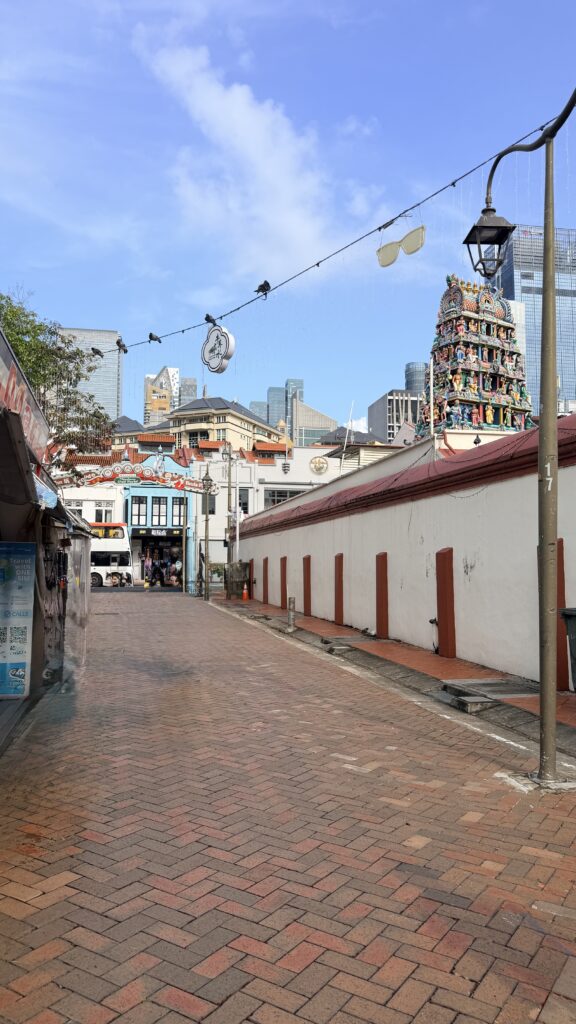
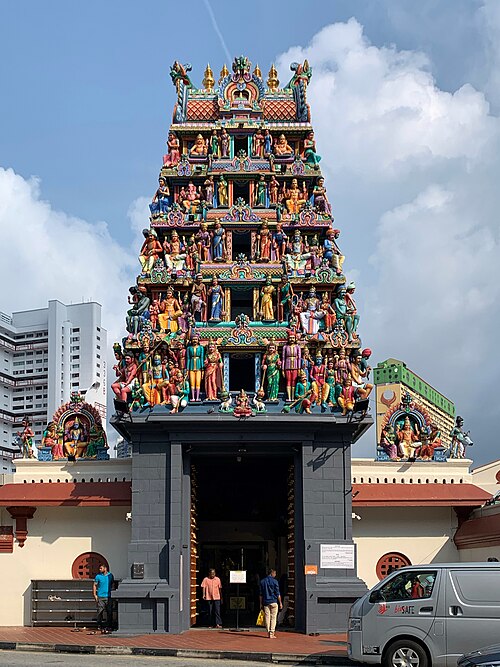
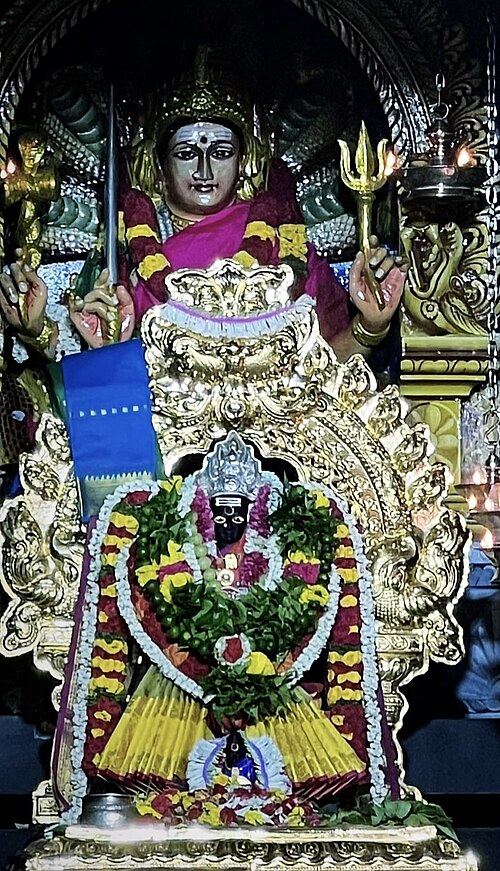
The Sri Mariamman Temple (Tamil: ஸ்ரீ மாரியம்மன் கோவில், romanized: Srī Māriyam’maṉ Kōvil) is Singapore‘s oldest Hindu temple. It is an agamic temple, built in the Dravidian style. Located at 244 South Bridge Road, in the downtown Chinatown district, the temple serves the majority Hindu Singaporeans, Tamilians, in the city-state. Due to its architectural and historical significance, the temple has been a National Monument and is a major tourist attraction.
The Sri Mariamman Temple was founded in 1827 by Naraina Pillai, eight years after the East India Company established a trading settlement in Singapore. Pillai was a government clerk from Penang who arrived in Singapore with Sir Stamford Raffles on his second visit to the island in May 1819. Pillai went on to set up the island’s first construction company, and also entered the textile trade. He rapidly established himself in business and was identified as a leader of the Indian community.
The gopuram (entrance tower) of Sri Mariamman Temple. We visited this temple two years ago and because of the shortness of time we did not go inside on this visit.
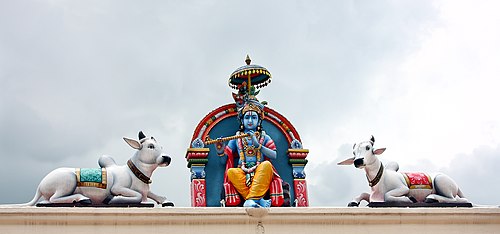
Detail of the temple exterior showing Krishna flanked by two cows.
Shrine of the presiding deity Mariamman in the temple
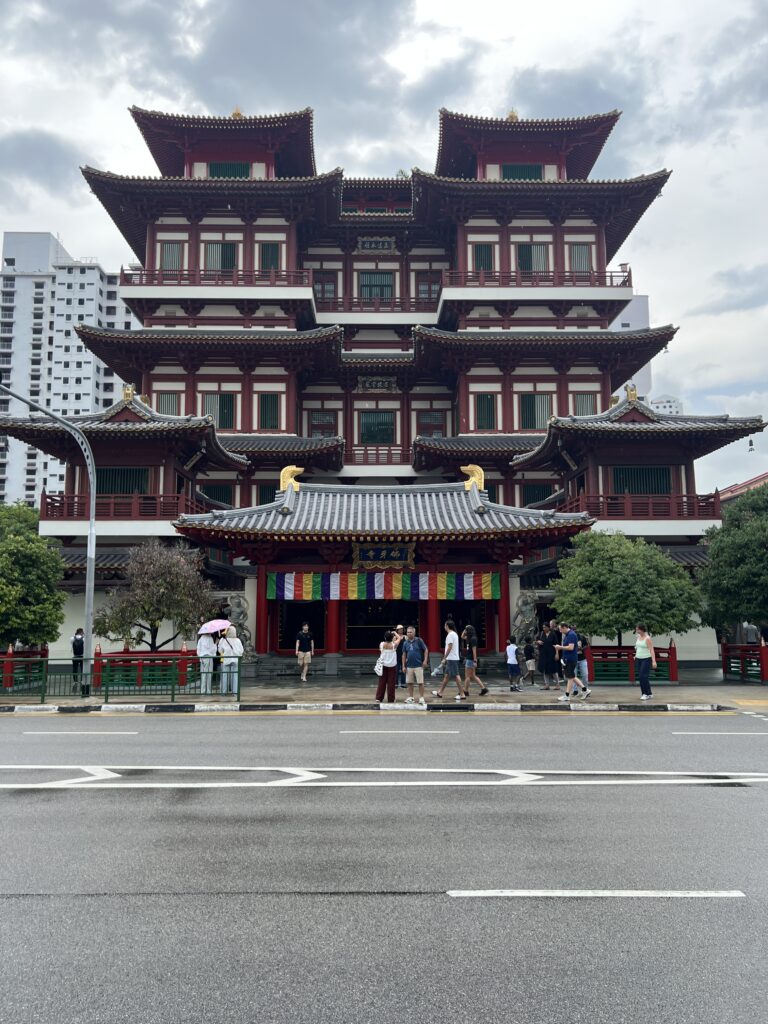
The Buddha Tooth Relic Temple and Museum (Chinese: 新加坡佛牙寺龍華院) is a Buddhist temple and museum complex located in the Chinatown district of Singapore. The temple’s monastics and devotees officially practice Chinese Buddhism.
The temple was built based on the Chinese Buddhist architectural style of the Tang dynasty (as well as incorporating slight Japanese and Tibetan Buddhist influences in certain rooms) to house the tooth relic of the historical Buddha. It is claimed that the relic of Buddha from which it gains its name was found in a collapsed stupa. The size of the tooth – measuring 7.5 cm – is also far too long for a human tooth. The relic can be viewed by the public at the 4th floor of the temple.
We visited this temple also a couple of years ago and only took this photo from the outside today.
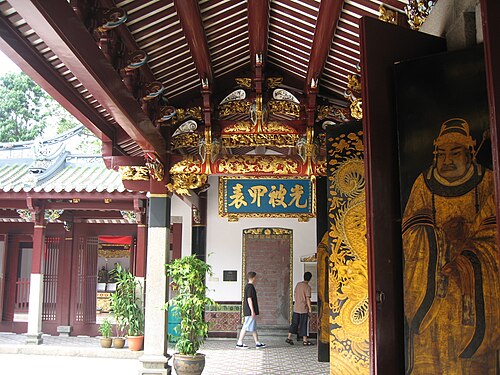
Thian Hock Keng Temple (Chinese: 天福宮; Pe̍h-ōe-jī: Thian-hok-keng; pinyin: Tiānfú Gōng or the Tianfu Temple, literally “Palace of Heavenly Happiness”), is a temple built for the worship of Mazu, a Chinese sea goddess, in Outram, Singapore.
It is the oldest and most important temple of the Hokkien (Hoklo) people in the country. At the back is a Mahayana Buddhist shrine dedicated to Guanyin, the bodhisattva of mercy. Thian Hock Keng was gazetted as a national monument on 6 July 1973.
Entrance hall of the temple
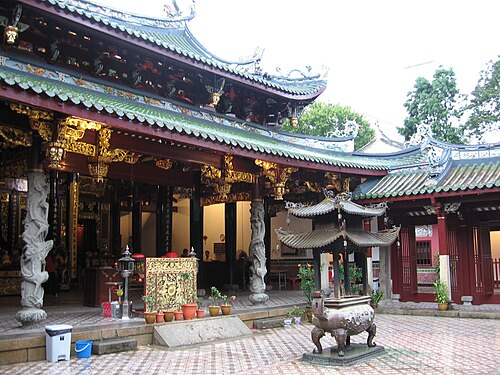
Courtyard and front of main temple
The main deity worshiped in the temple is Mazu (媽祖婆, “Ma Cho Po” in the local dialect), a 10th-century Fujianese shamaness deified as a Chinese Sea Goddess. Early immigrants to Singapore offered incense to the Goddess to give thanks for a safe passage across the sea from China. Today’s worshippers come to the temple to pray for peace, protection and good health.
Altar to Mazu
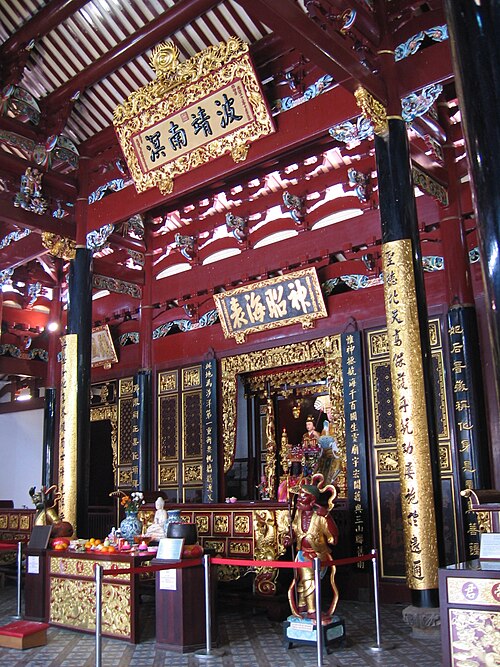
Walking into the temple
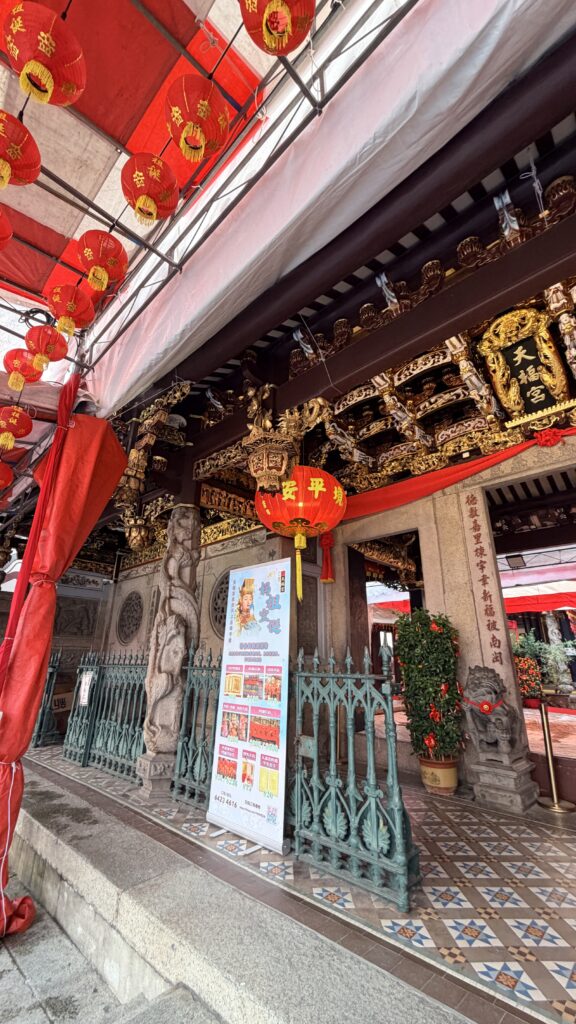
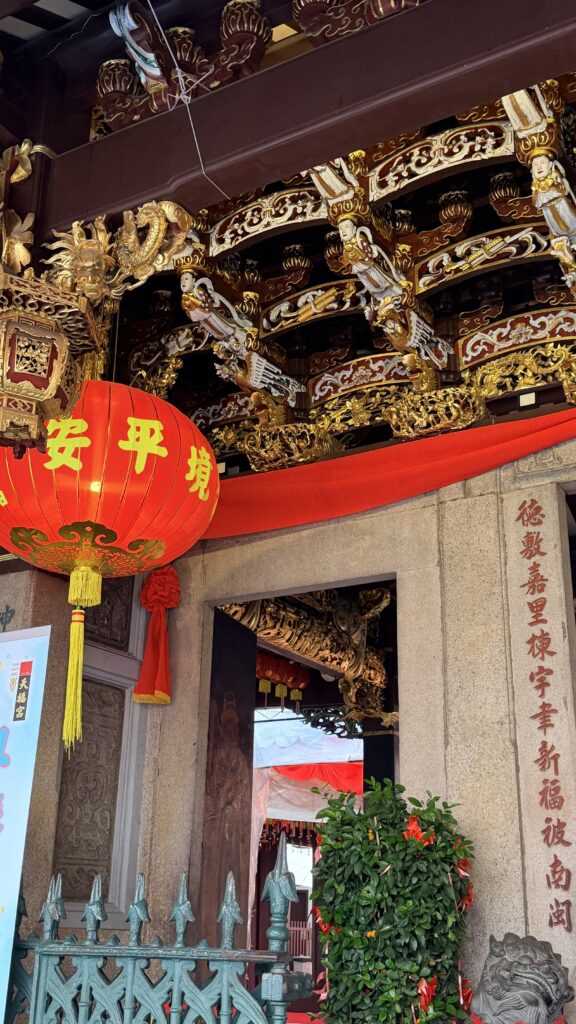
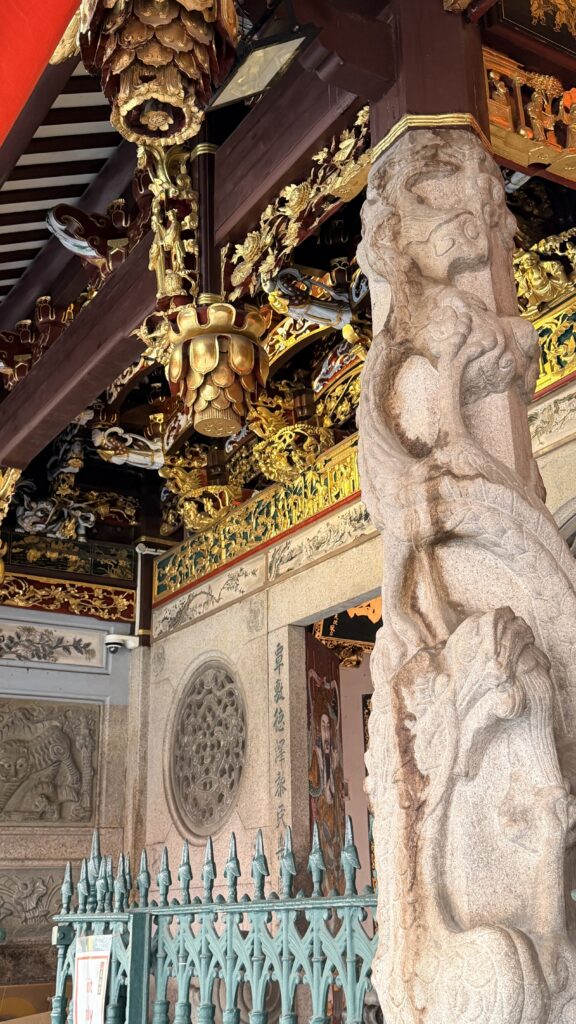
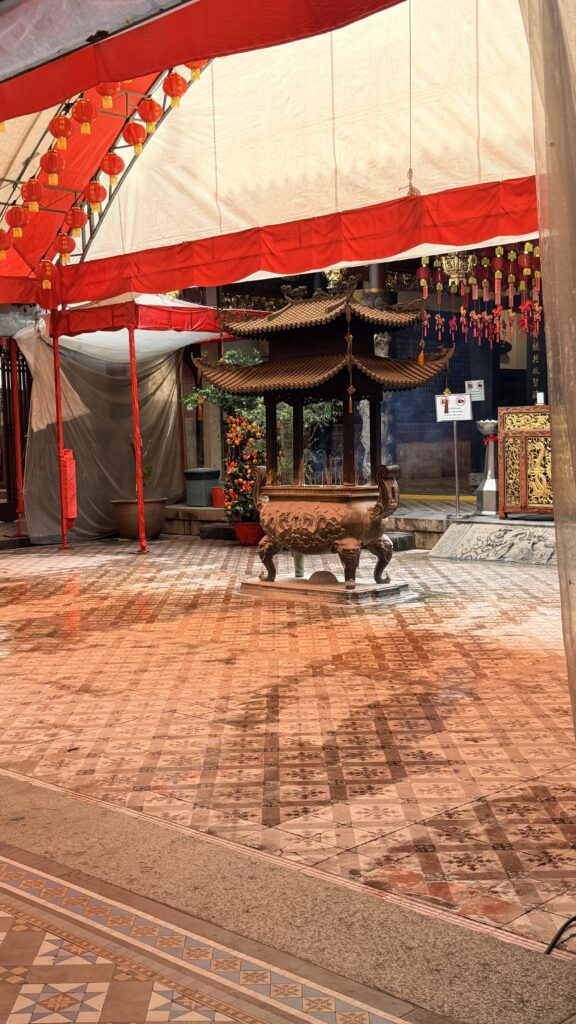
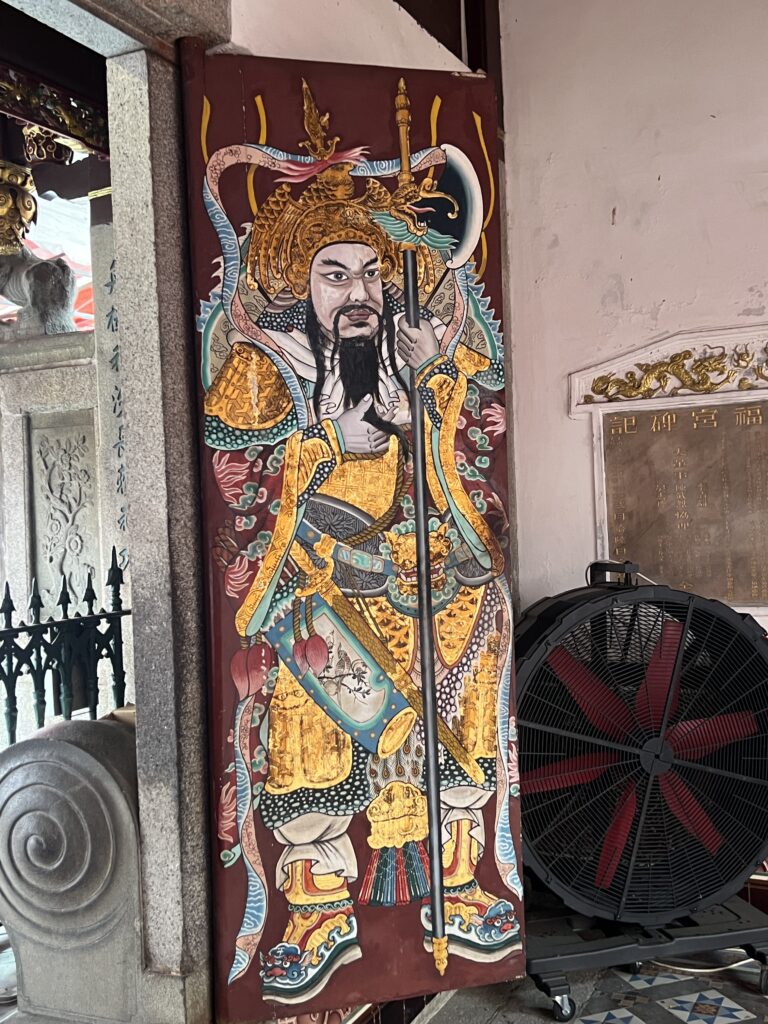
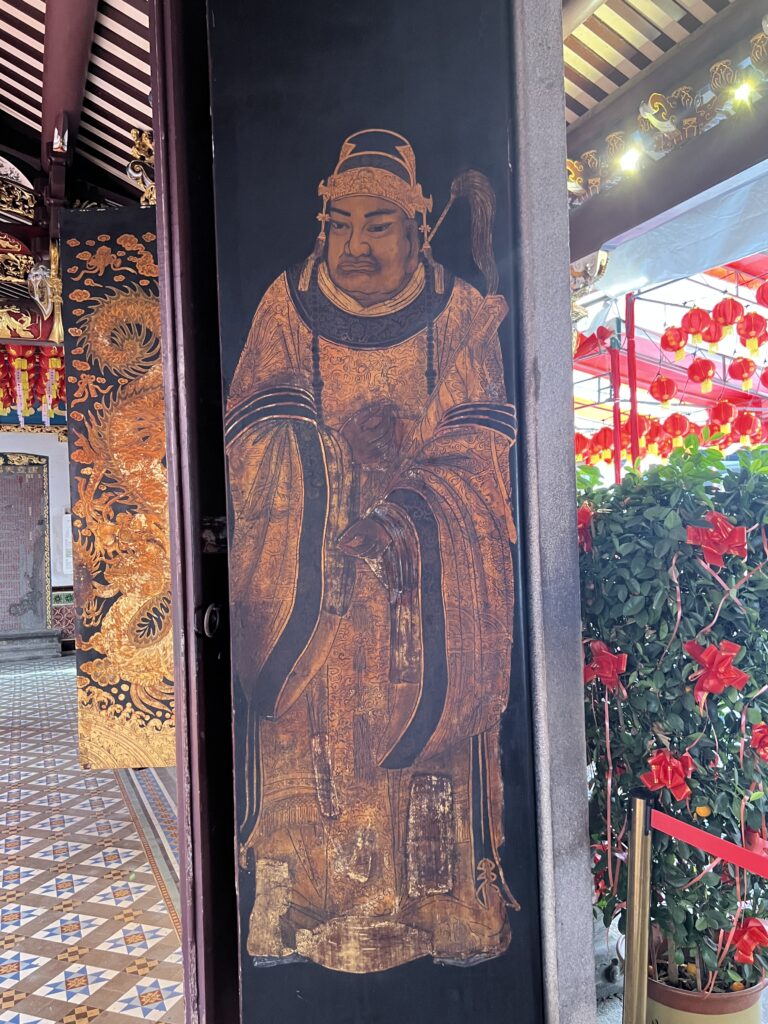
The paintings of the temple’s front doors were outstanding
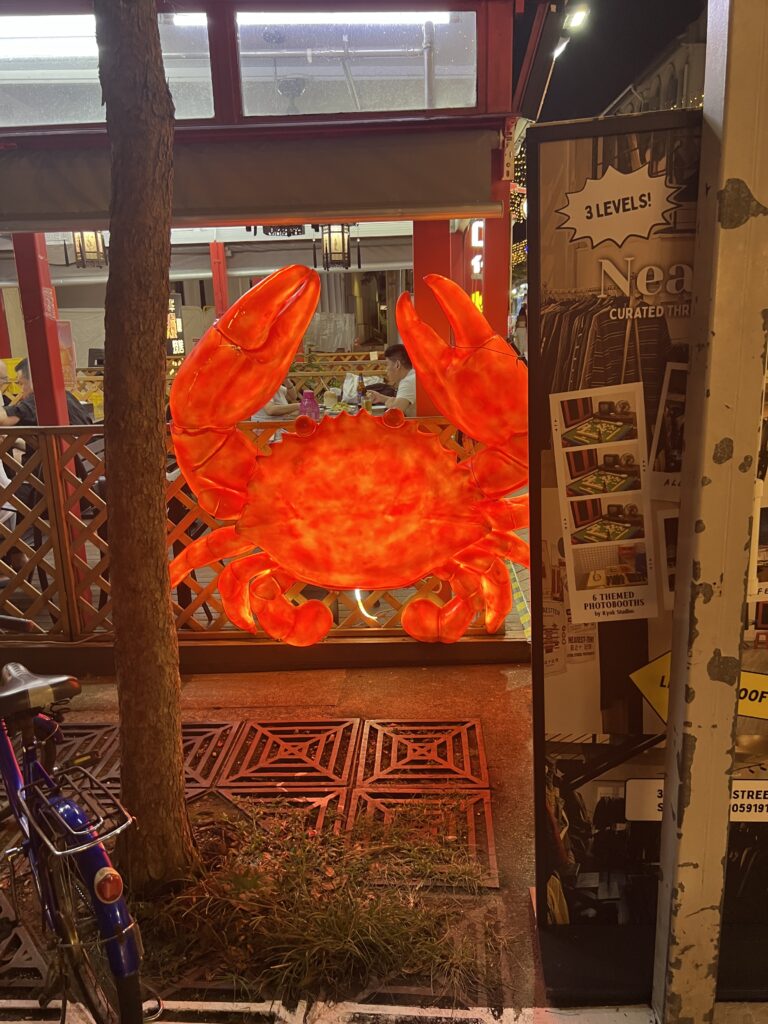
We finally picked a spot for dinner in Chinatown
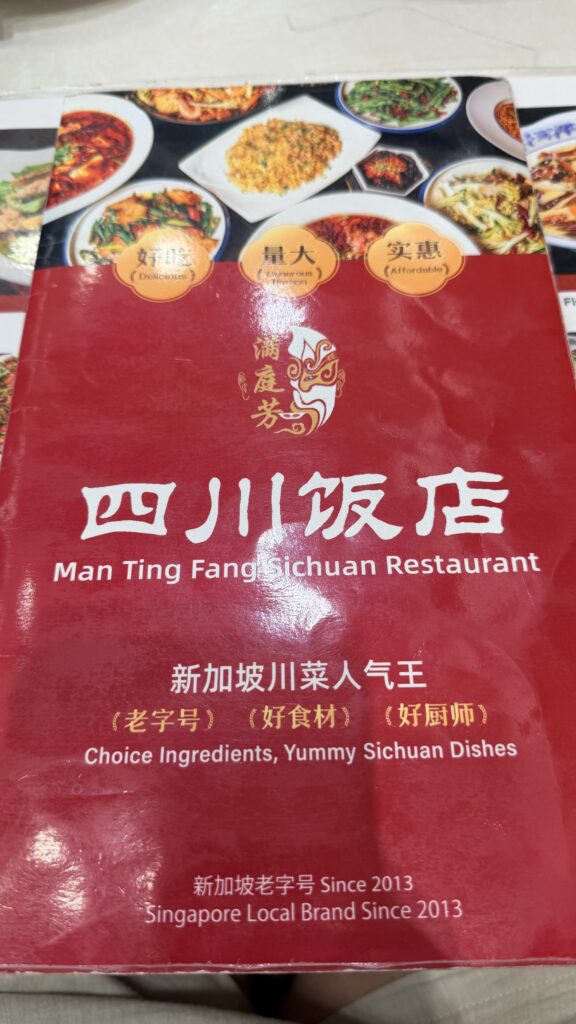
We could not decide on which of these entrees we would order.
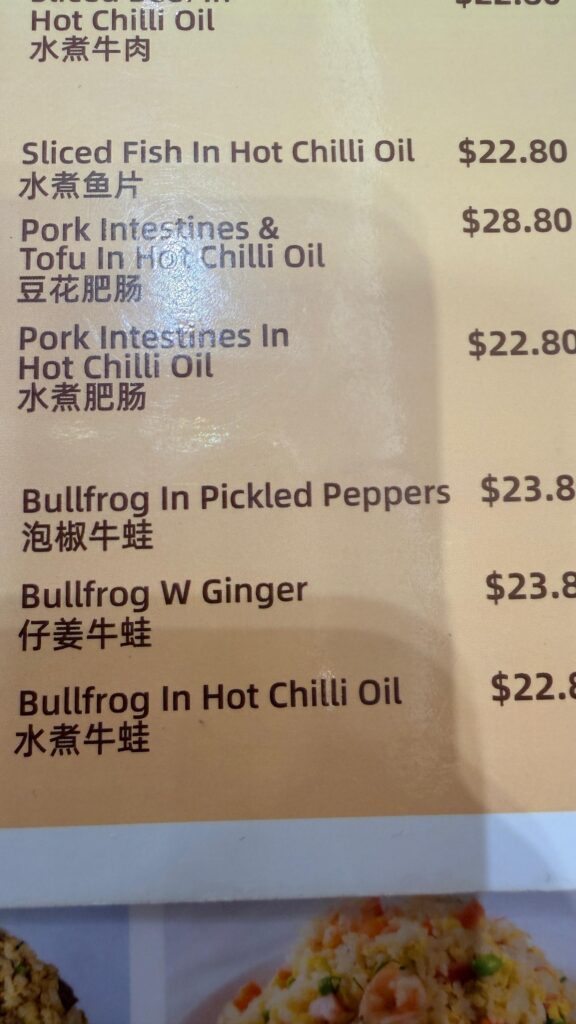
So, we went with these choices instead
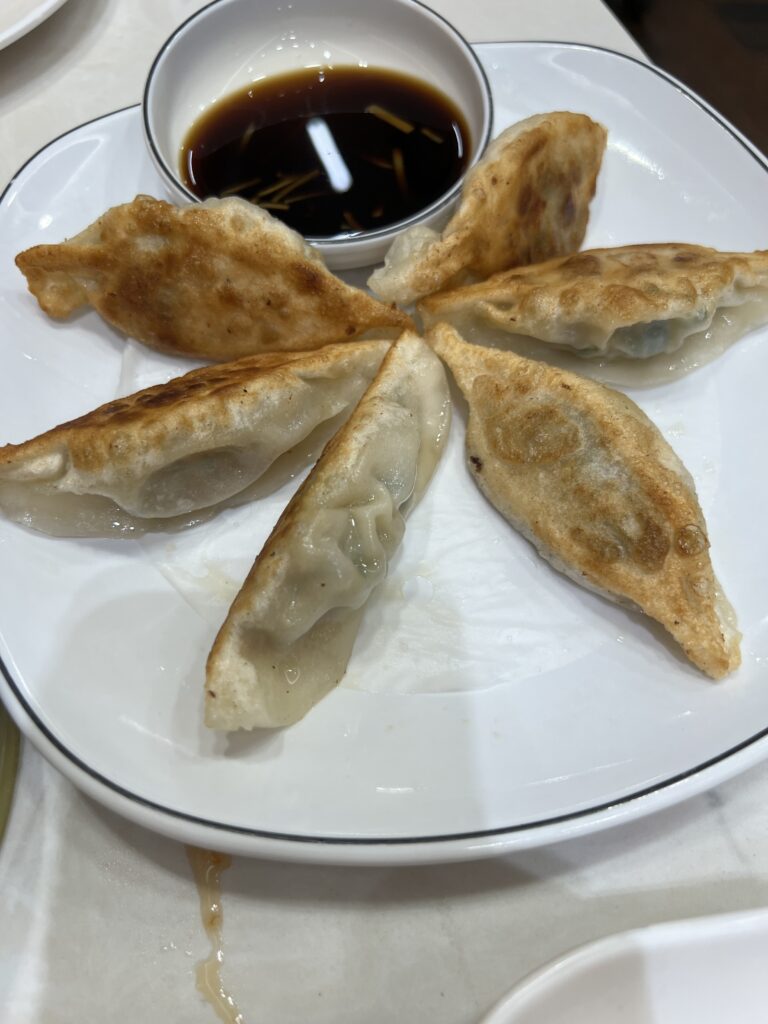
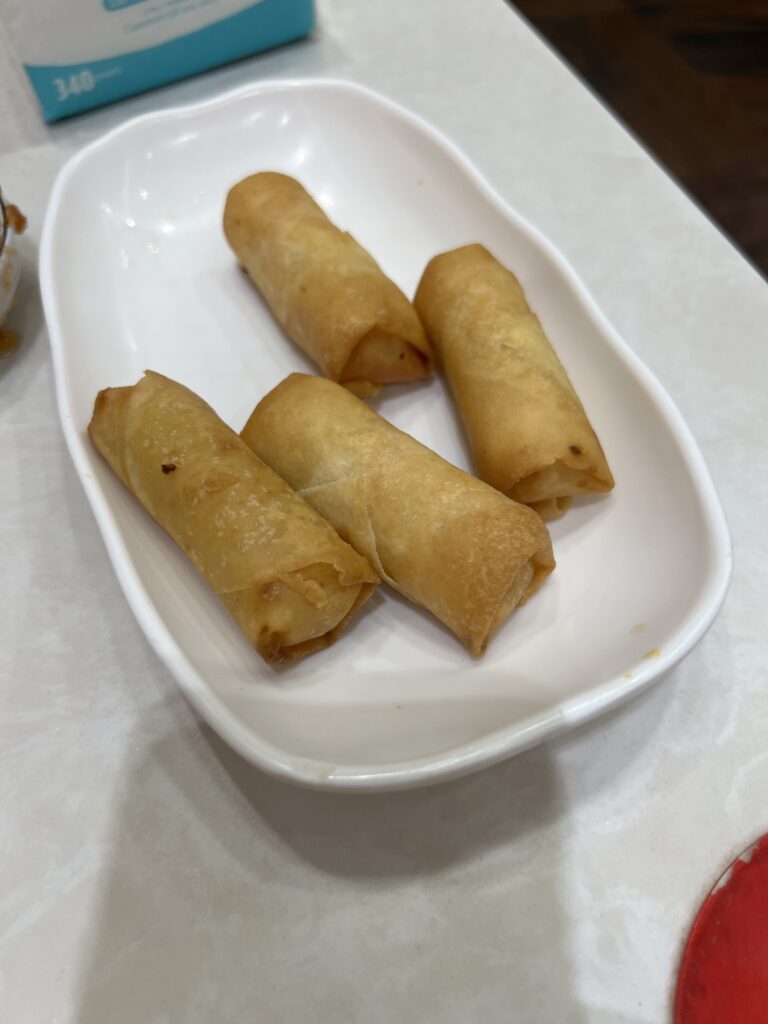
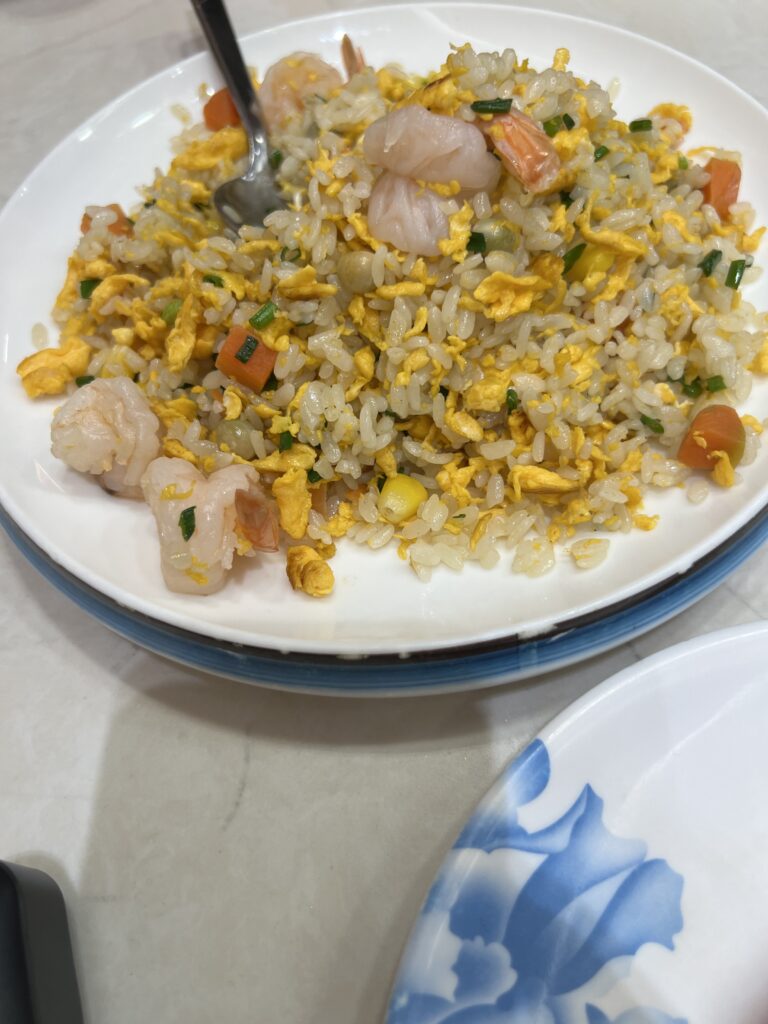
Jackie said Galliano Twist quality ice cream cone which she had after dinner for her dessert.
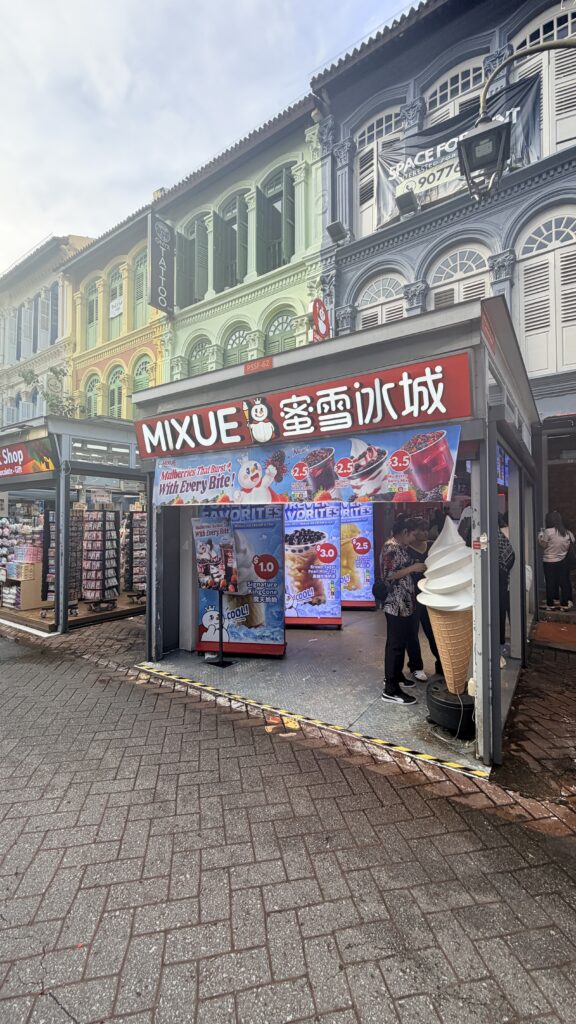
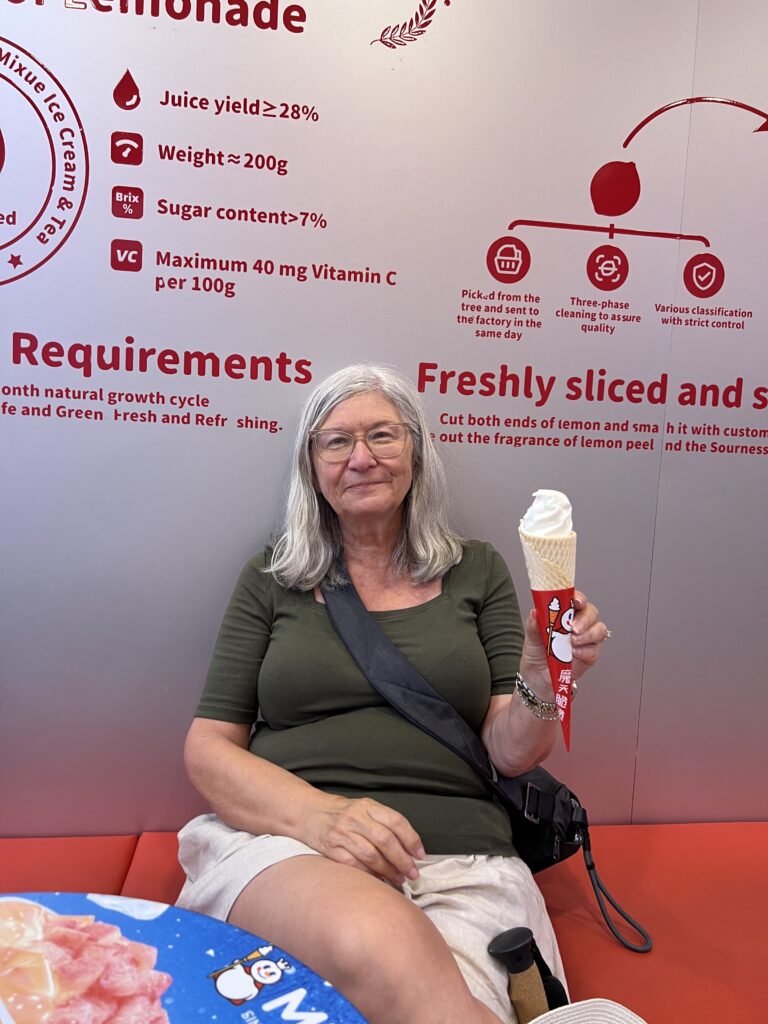
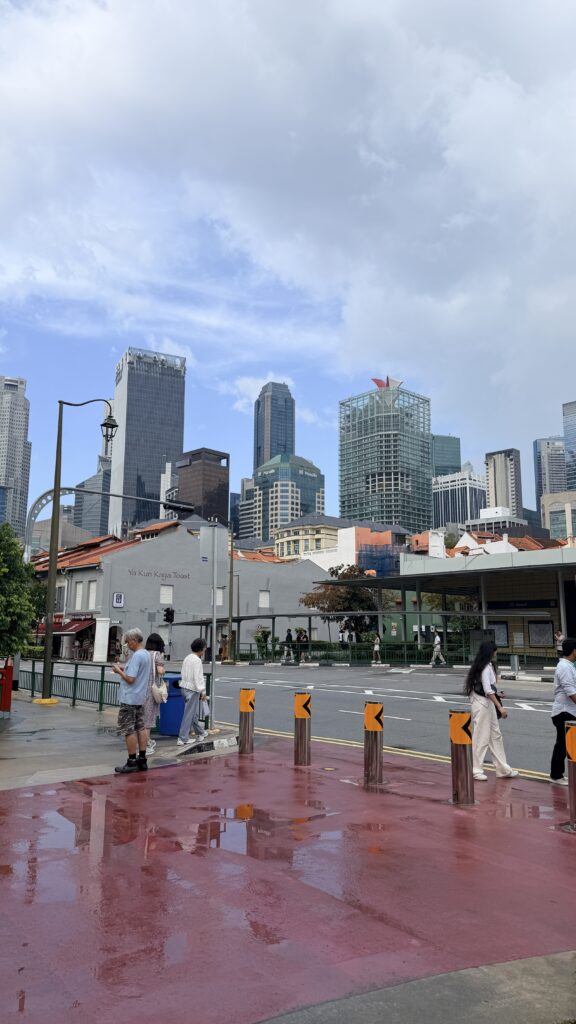
It had just finished raining and the humidity from the rain with the heat made for a difficult afternoon and evening
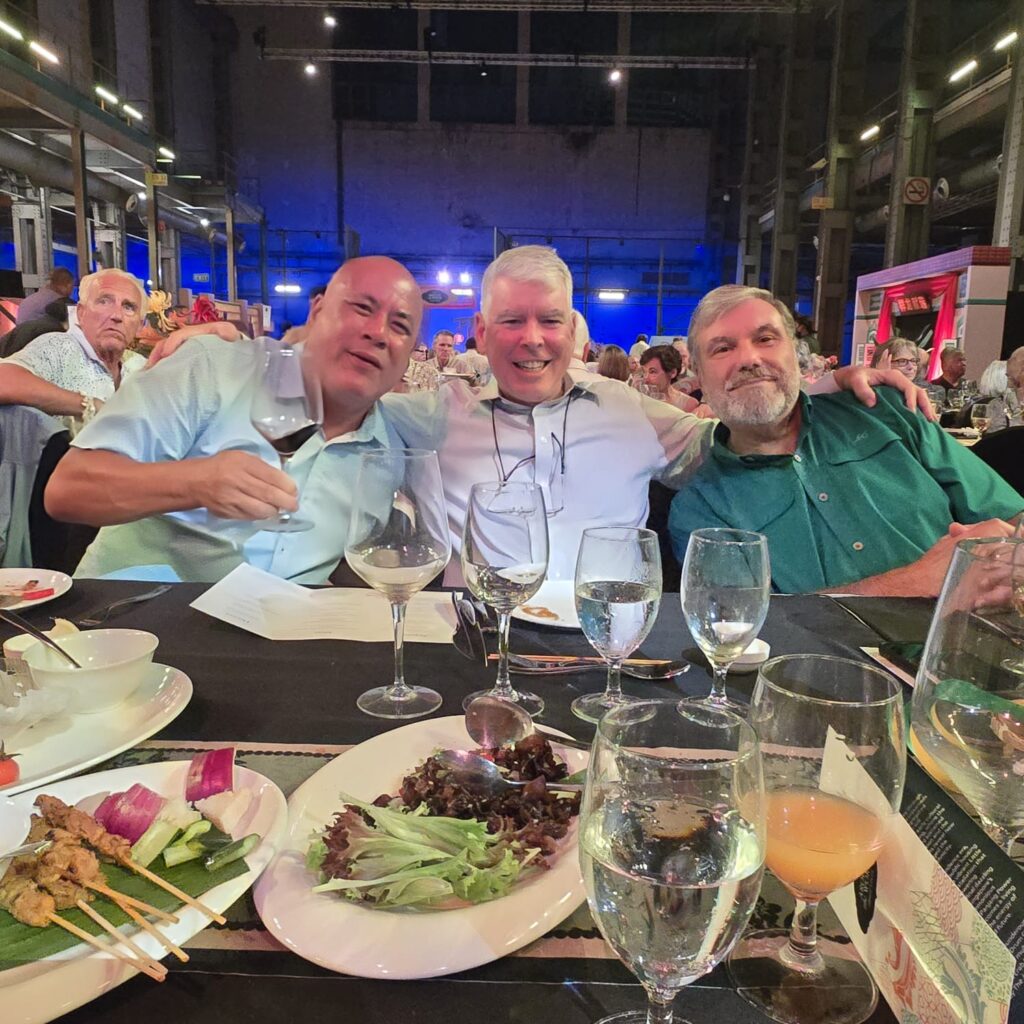
While we were running around Singapore the rest of the group attended the Oceania function and had a great time. In the photo below are Holly, Joan and Marta
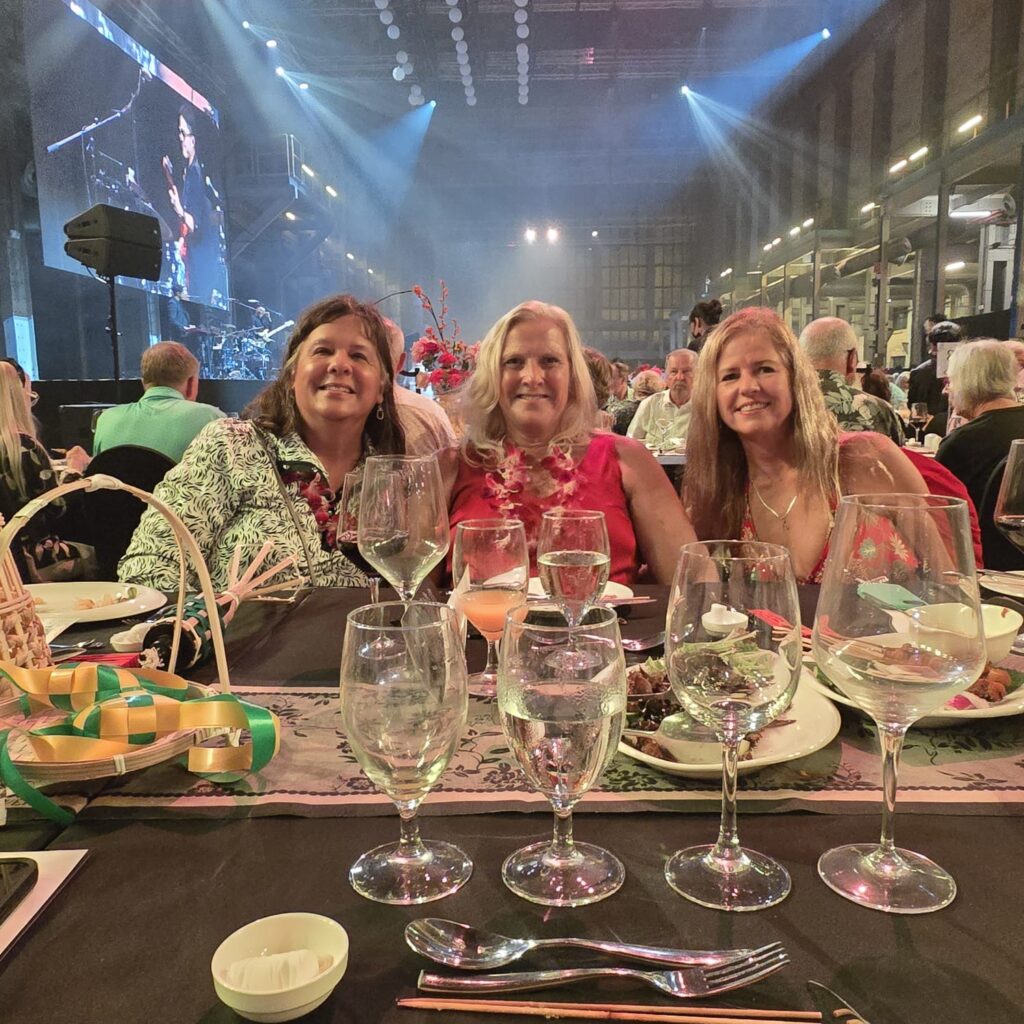
Below are Dave, John and Kevin
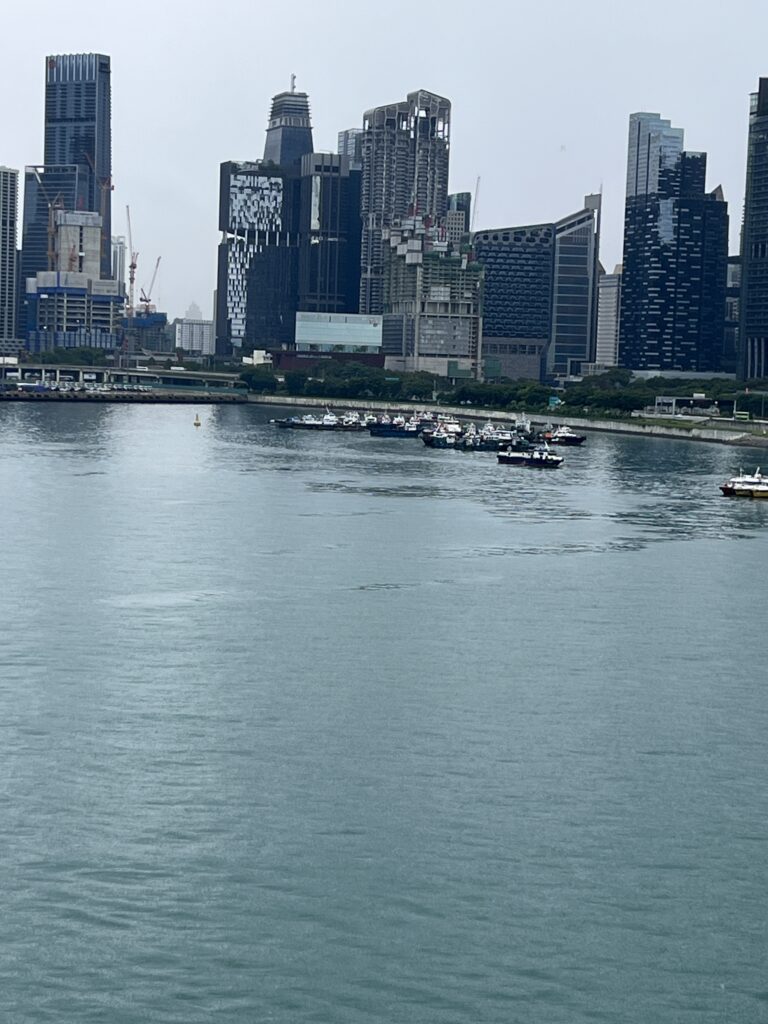
Photos and videos as we come into the port of Singapore
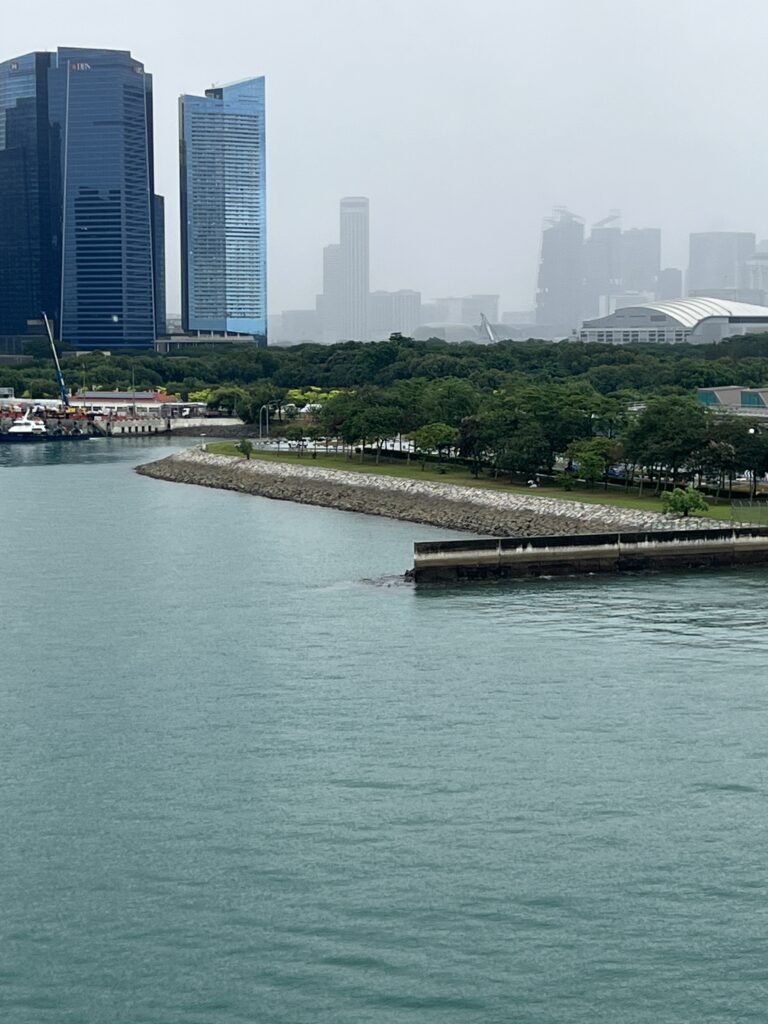
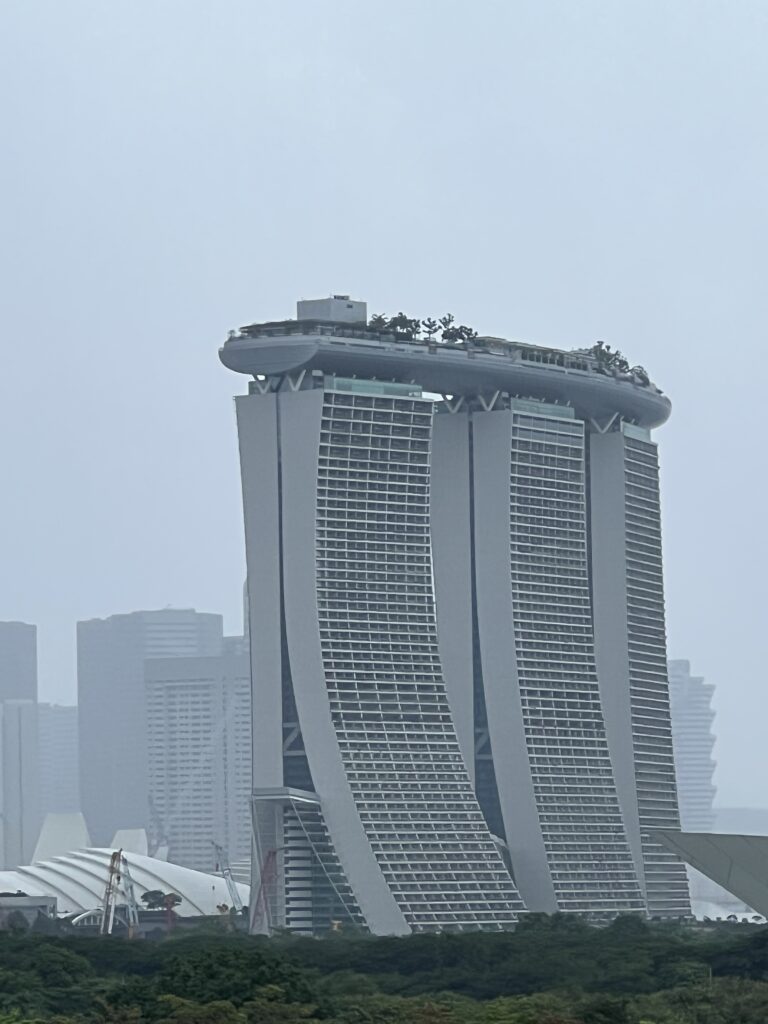
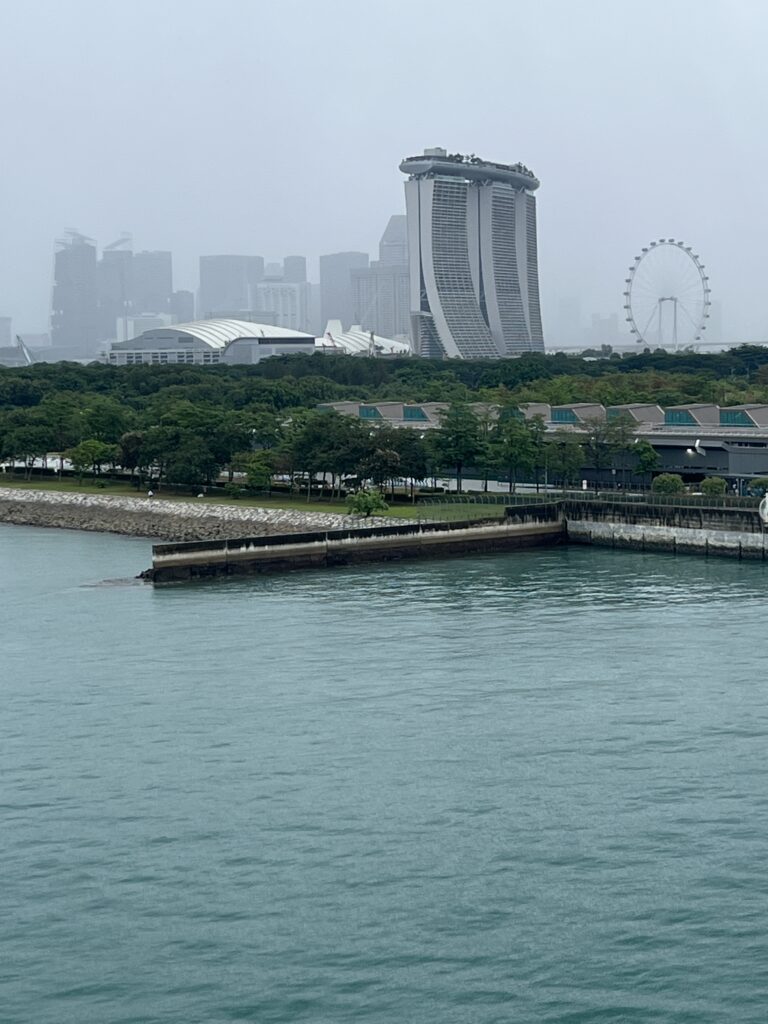
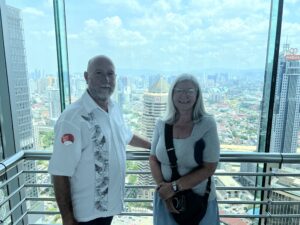
Tomorrow we are in Singapore again and will run around the city with Kevin and Holly Guidry
2 thoughts on “Day 50 April 26 – Singapore”
Wow Lane! You put some work into this post. Great job! Singapore looks amazing.
Thank you Steve!!!
Learning a few shortcuts to make the posts easier.