Day 101 Tuesday June 16th (19 days to go) — Today we toured Dublin on our own taking a train from the port to the downtown area of Dublin. We were on a mission to knock gifts off the list and accomplished the task. Along the way we managed to have fun visiting around in the city, visiting a couple of churches and eating some BBQ.
Dublin is the vibrant capital city of Ireland, famed for its rich literary history, thriving pub culture, and picturesque setting where the River Liffey meets the Irish Sea. Framed by the Dublin Mountains, the city perfectly blends ancient Viking heritage with a buzzing, modern European lifestyle.
Must-See Attractions
- Guinness Storehouse: Learn the history behind Ireland’s most famous stout and enjoy a pint with a 360-degree view of the city at the Gravity Bar.
- Trinity College Dublin: Walk the historic cobblestone campus and visit the breathtaking Long Room of the Old Library, which houses the ancient 9th-century Book of Kells.
- Kilmainham Gaol: Step into the dramatic history of Irish nationalism at this formidable former prison, offering deeply moving guided tours.
- Dublin Castle: Explore the heart of British rule in Ireland for centuries, featuring the stunning State Apartments and the medieval Undercroft.
- Saint Patrick’s Cathedral: Visit the magnificent national cathedral of the Church of Ireland, famously associated with its first dean, Jonathan Swift.
Top Neighborhoods to Explore
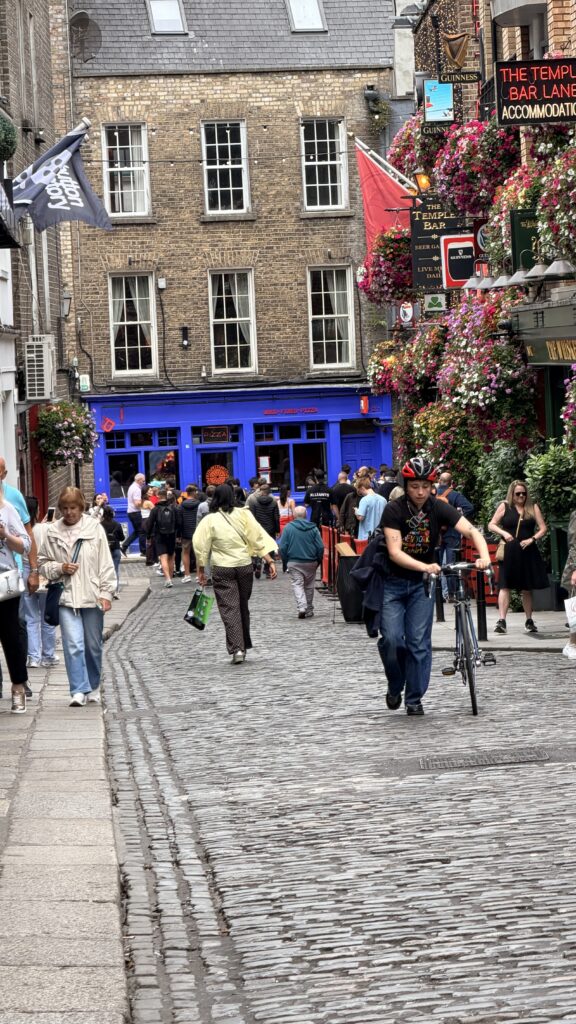
- Temple Bar: Dublin’s cultural quarter, packed with colorful cobblestone streets, street performers, and traditional pubs playing live music.
- Grafton Street: The bustling heart of Dublin shopping, offering upscale boutiques, department stores, and world-class street buskers.
- The Liberties: A historic, rapidly evolving district known for its working-class roots, trendy cafes, and craft distilleries like the Dublin Liberties Distillery.
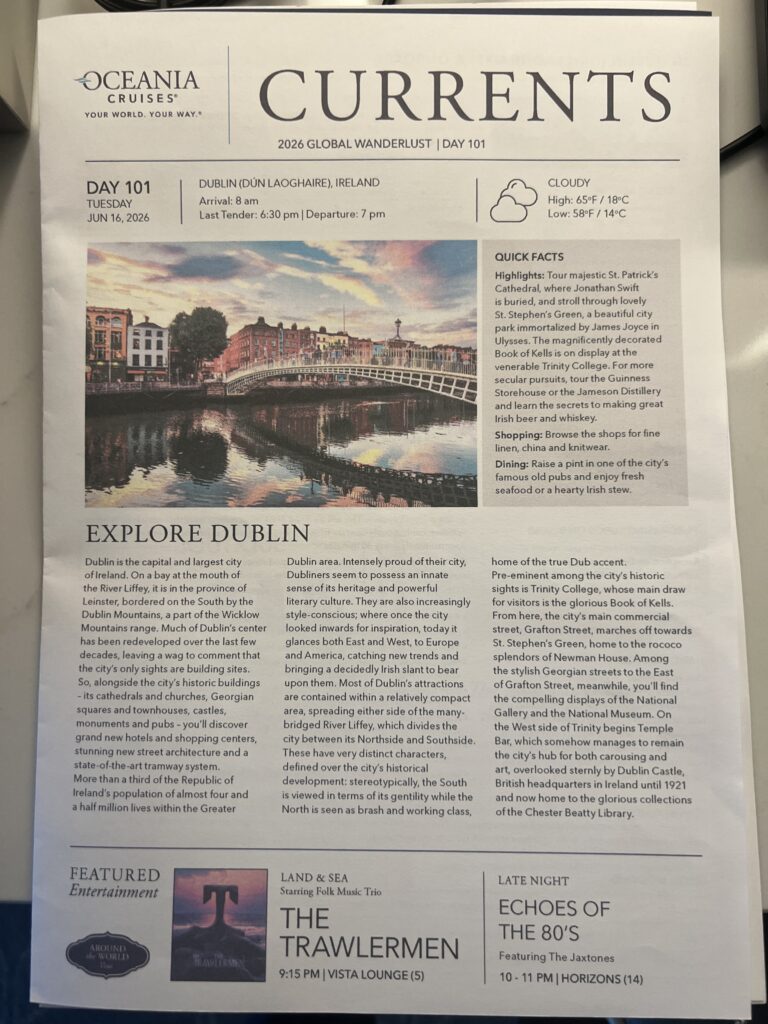
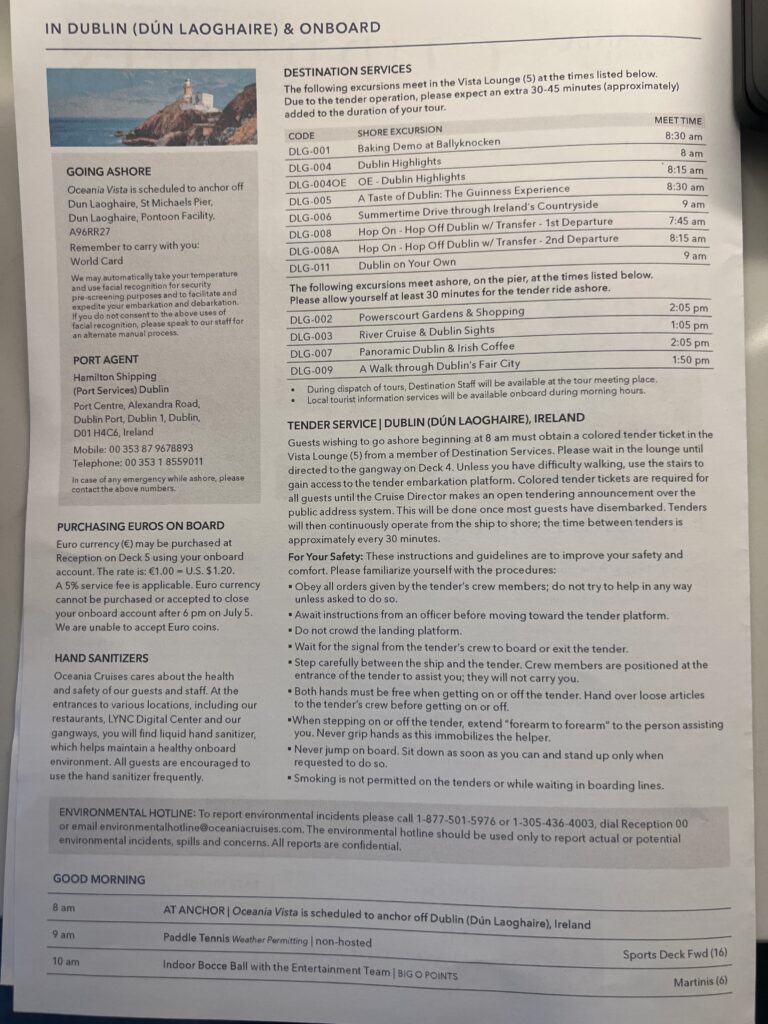
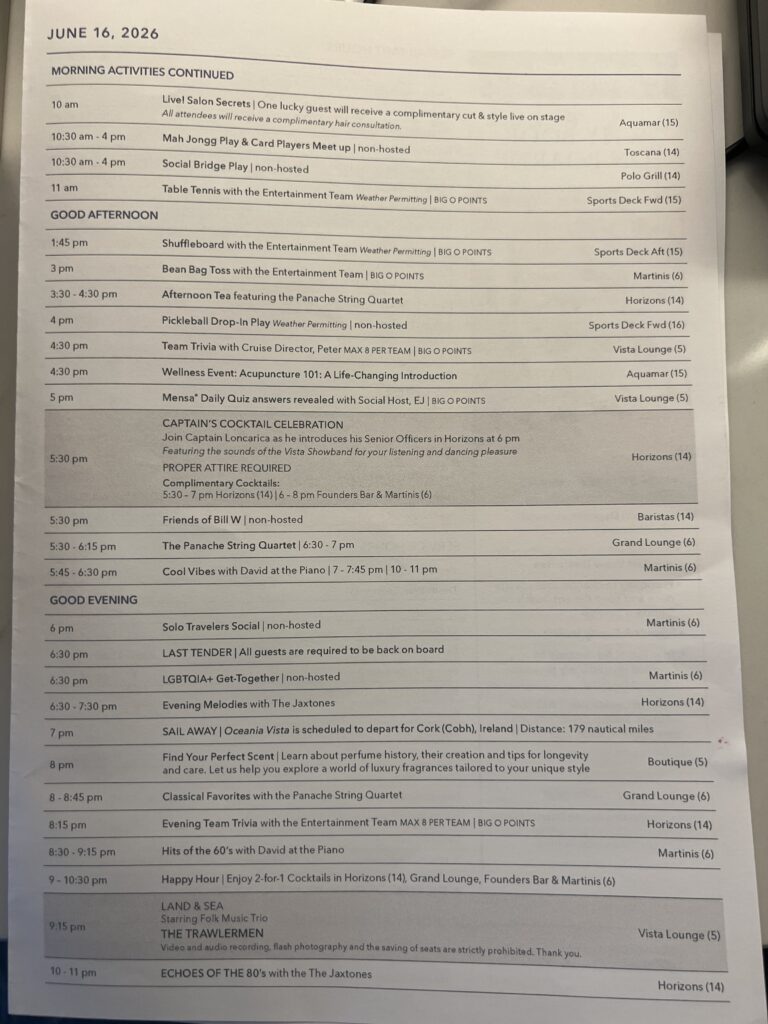

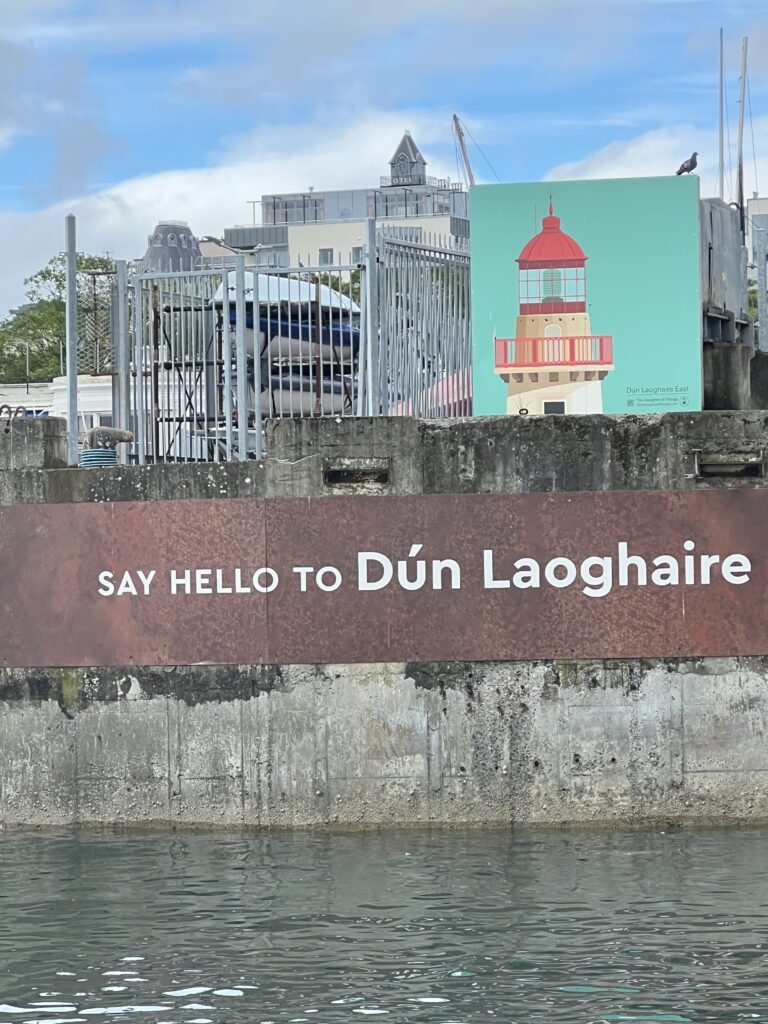
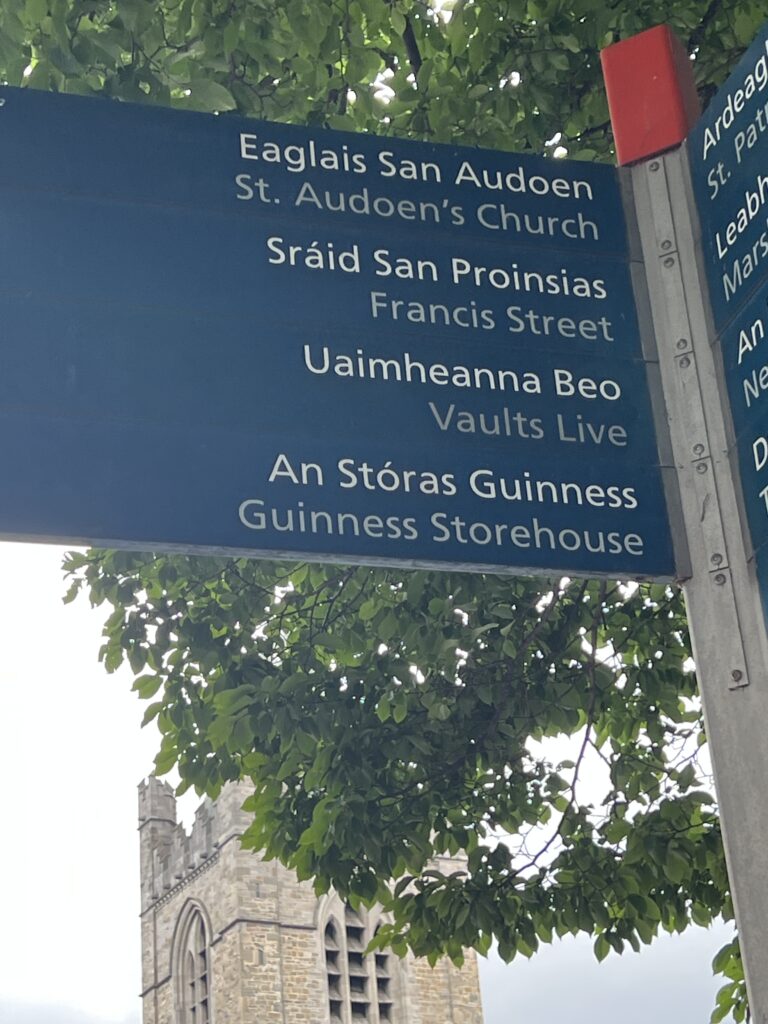
Sign at the dock. We had to tender in to the dock and then we jumped on an elevated train to the center of Dublin.
Riding the elevated train to the city center of Dublin from the port
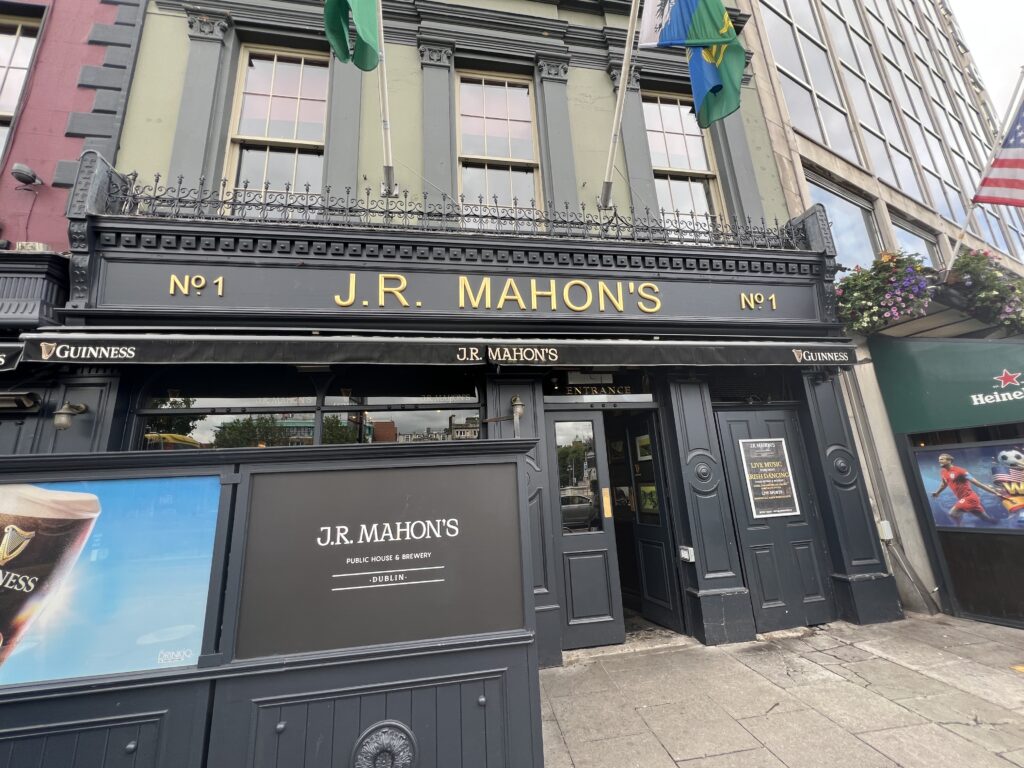
There are pubs everywhere you look in Dublin
JR Mahon’s Dublin | Live Irish Music, Food & Craft Beer
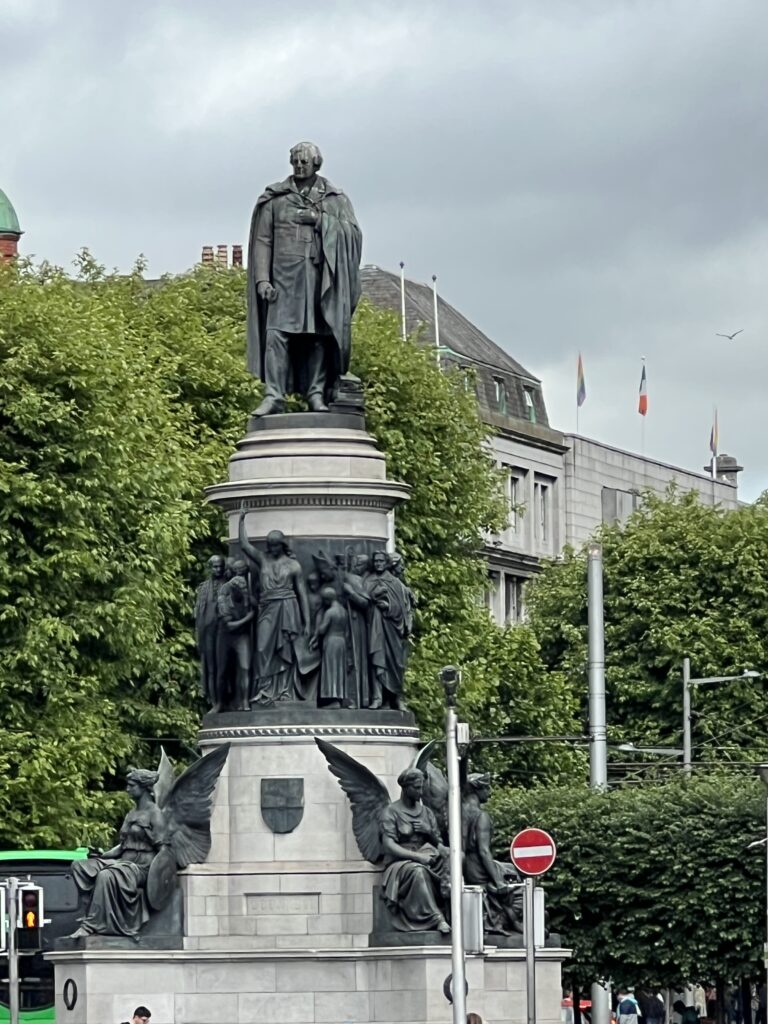
Daniel O’Connell (Irish: Dónall Ó Conaill; 6 August 1775 – 15 May 1847), hailed in his time as The Liberator, was the acknowledged political leader of Ireland’s Roman Catholic majority in the first half of the 19th century. His mobilization of Catholic Ireland, down to the poorest class of tenant farmers, secured the final installment of Catholic emancipation in 1829 and allowed him to take a seat in the United Kingdom Parliament to which he had been twice elected.
At Westminster, O’Connell championed liberal and reform causes (being internationally renowned as an abolitionist) but he failed in his declared objective for Ireland – the repeal of the Act of Union 1800 and the restoration of an Irish Parliament.
In 1843, the Dublin Castle administration used troops to induce O’Connell to call a halt to an unprecedented campaign of open-air mass meetings. The loss of prestige, combined with the perceived indifference of the Whigs he had supported in government to the Great Famine, dispirited and divided his following. In his final year, criticism of his political compromises and of his system of patronage split the national movement that he had singularly led.
Irish nationalists continued to dispute O’Connell’s legacy — honoured in 1922 in the renaming of Dublin’s principal thoroughfare. Biographers have suggested that his combination of confessional politics and liberal principle, which had early imitators in Germany, was a forerunner of European Christian democracy.
Known as “the Liberator” for successfully campaigning for the right of Irish Catholics to become Members of Parliament, Daniel O’Connell is celebrated by the O’Connell Monument on the street which bears his name. O’Connell himself stands surrounded by a frieze of figures depicting elements of Irish society. Immediately underneath O’Connell is the Maid of Erin, symbolising Ireland, who is pointing at the Liberator and holding in her other hand the Act of Emancipation, while her former shackles lie broken at her feet.
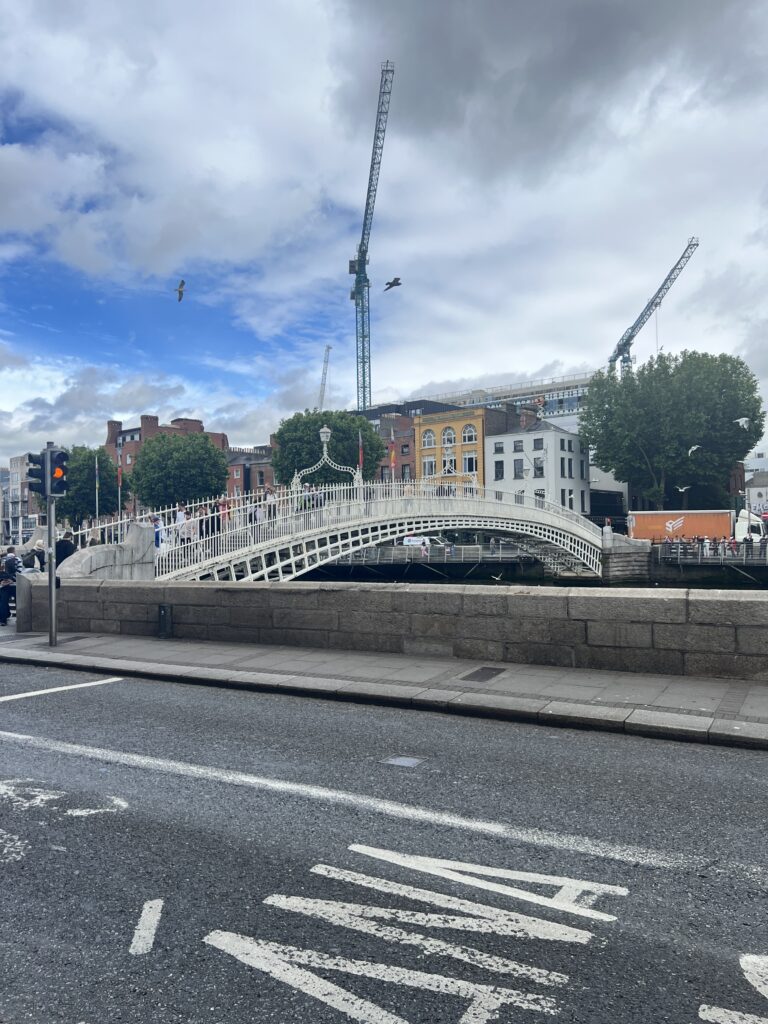
The Ha’penny Bridge (/ˈheɪpni/ HAYP-nee; Irish: Droichead na Leathphingine, or Droichead na Life), known later for a time as the Penny Ha’penny Bridge, and officially the Liffey Bridge, is a pedestrian bridge built in May 1816 over the River Liffey in Dublin, Ireland. Made of cast iron, the bridge was cast in Shropshire, England.
Before the Ha’penny Bridge was built there were seven ferries, operated by William Walsh, across the Liffey. The ferries were in bad condition and Walsh was informed that he had to either fix them or build a bridge. Walsh chose the latter option and the bridge was opened in May 1816, with Walsh holding the right to extract a ha’penny toll from anyone crossing it for 100 years.
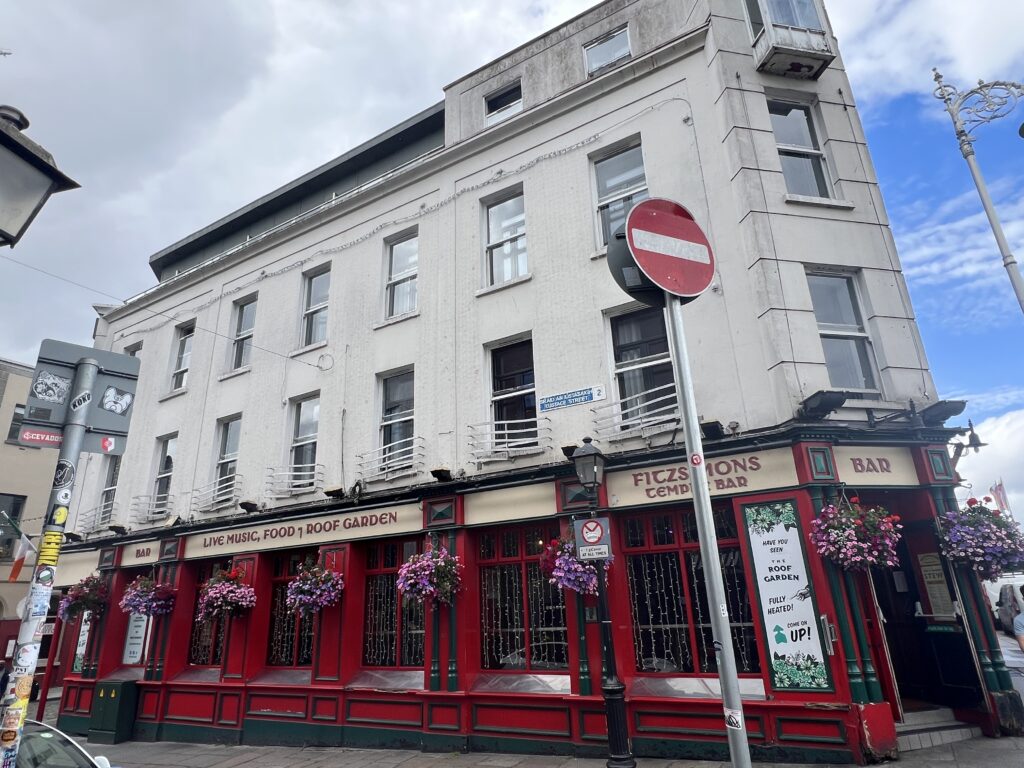
Fitzsimons Temple Bar | World Famous Live Music Venue & Bar
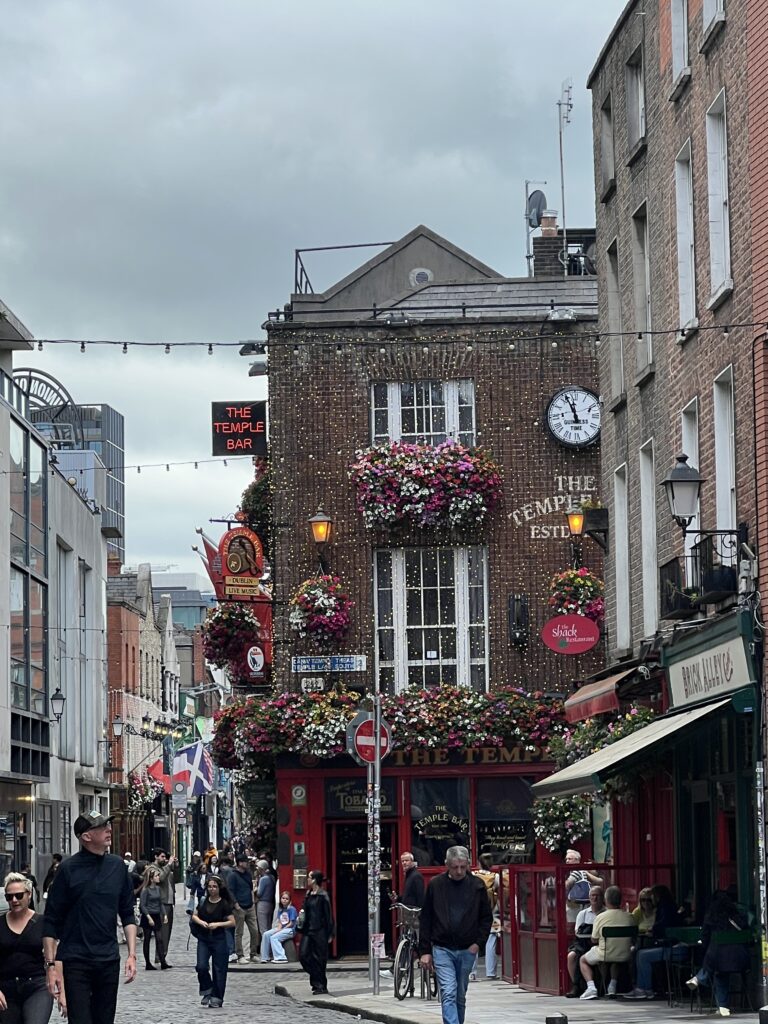
The Temple Bar Pub | Dublin, Ireland
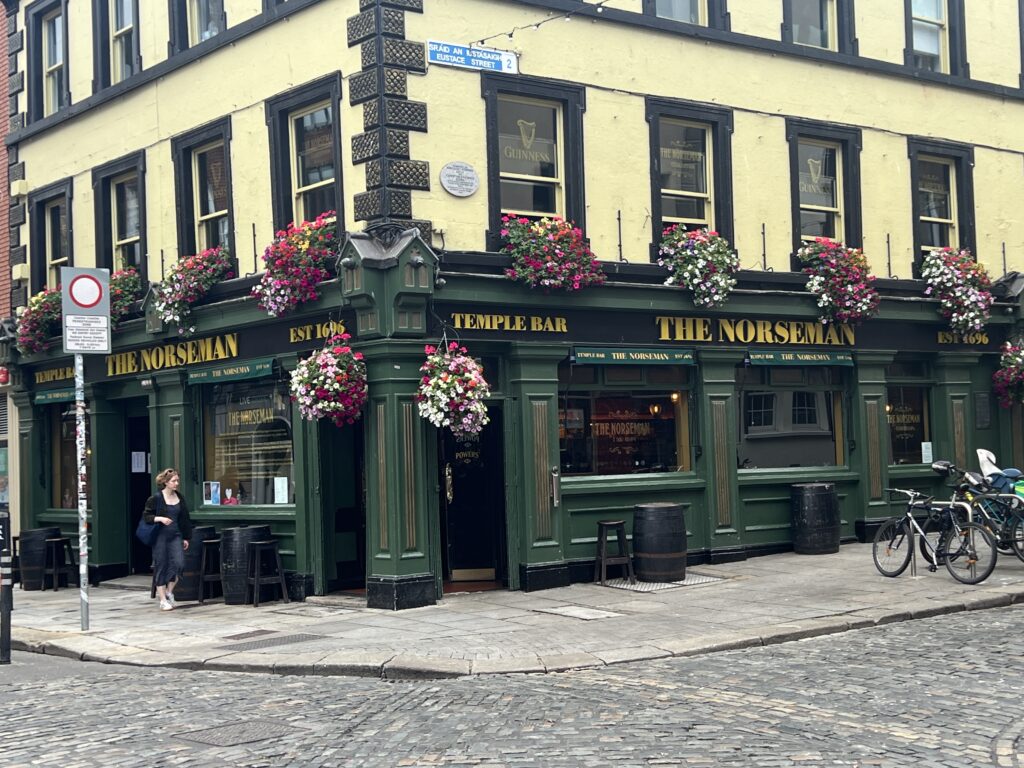
The Norseman Dublin | Temple Bar Pubs | Official Website
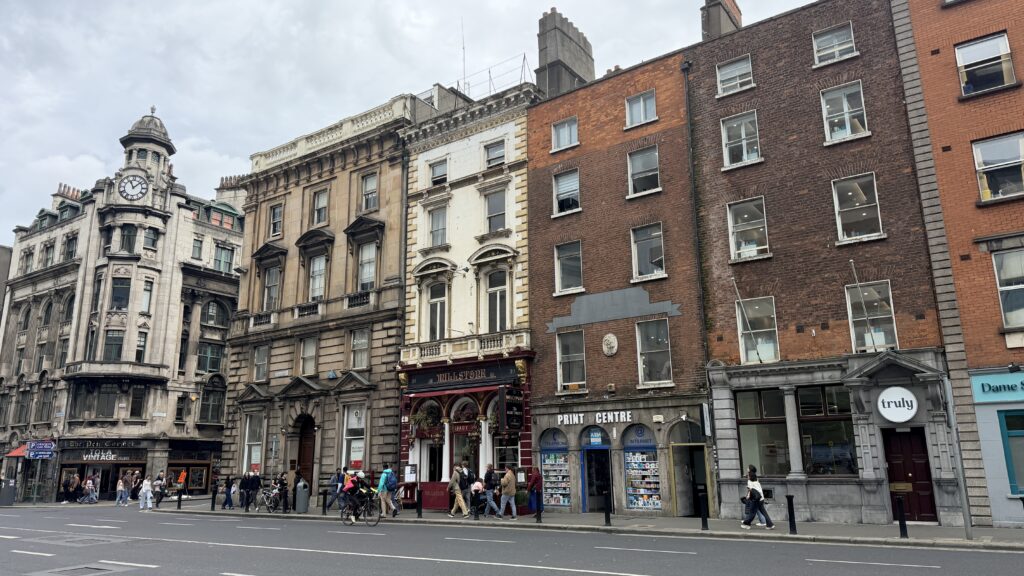
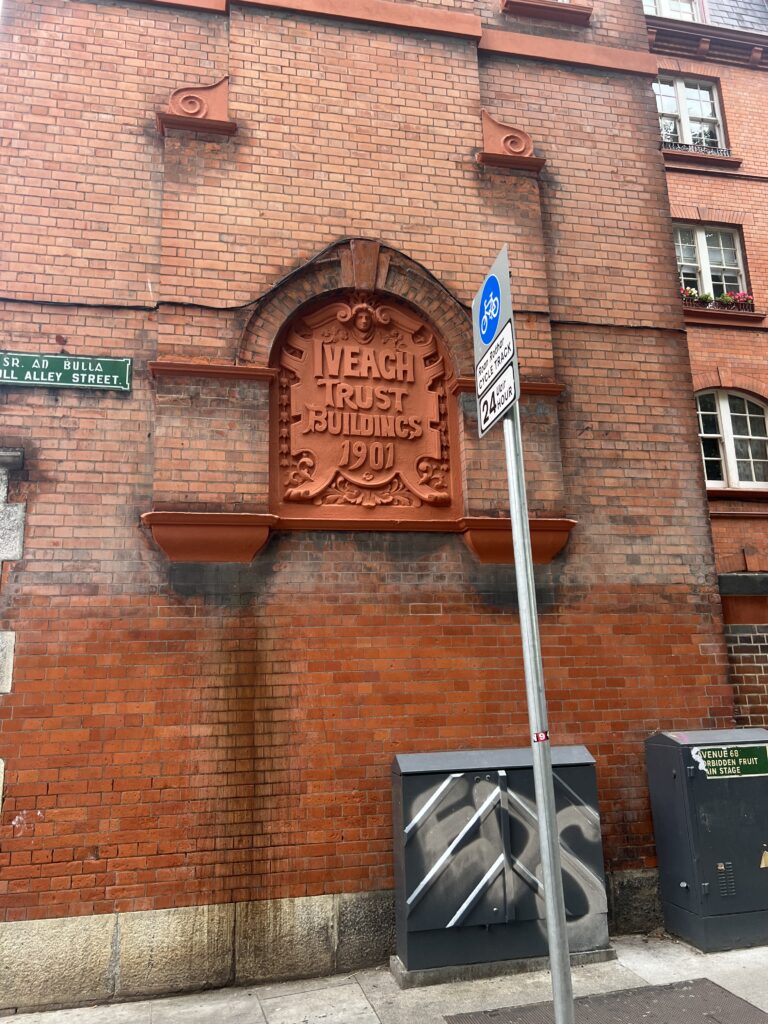
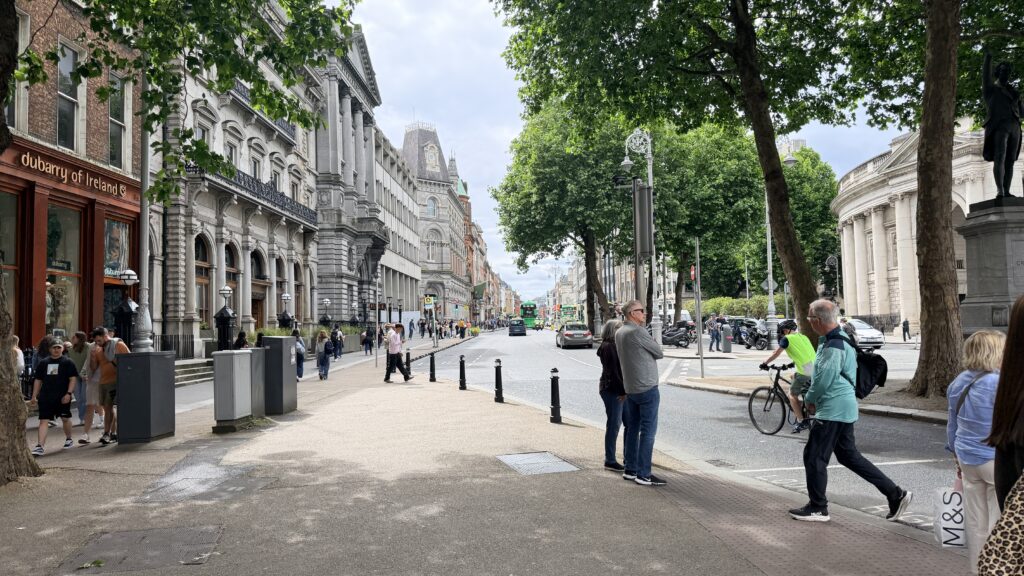
Dublin street in the city center
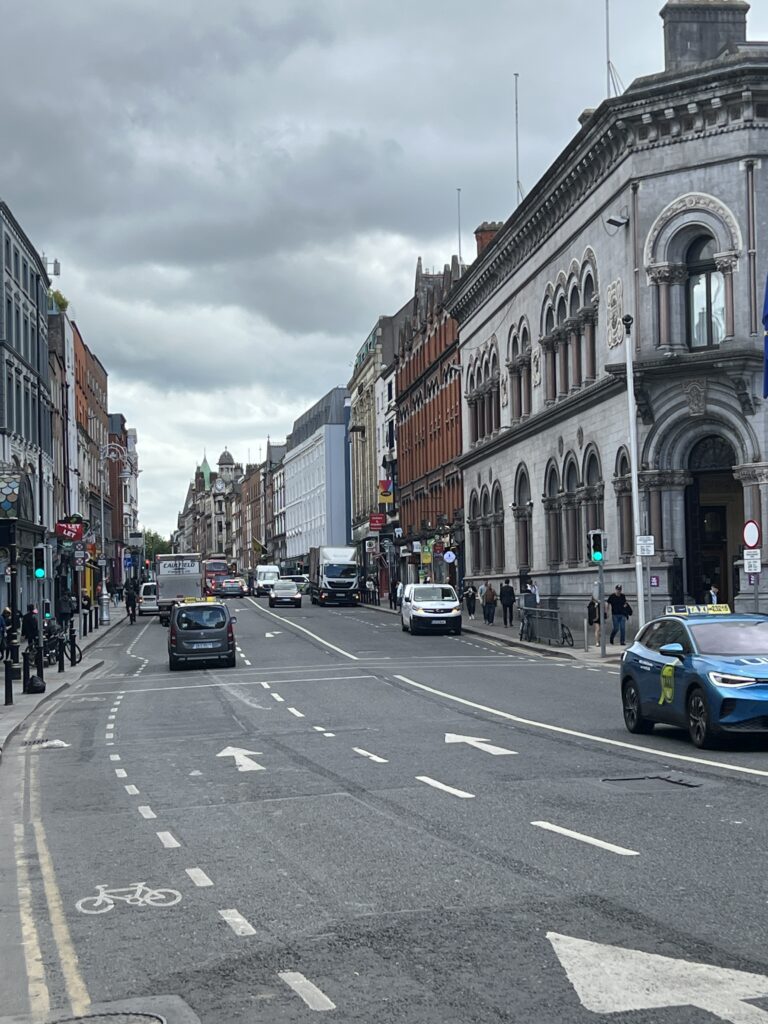
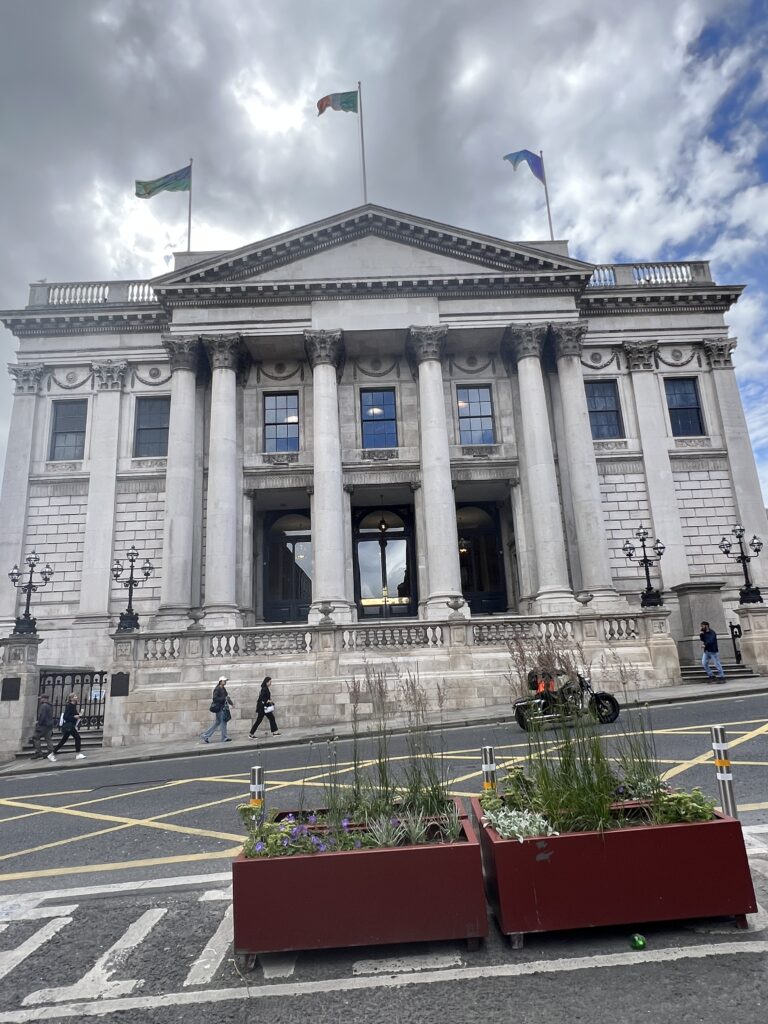
The Custom House (Irish: Teach an Chustaim) is a neoclassical 18th century building in Dublin, Ireland which houses the Department of Housing, Local Government and Heritage. It is located on the north bank of the River Liffey, on Custom House Quay between Butt Bridge and Talbot Memorial Bridge.
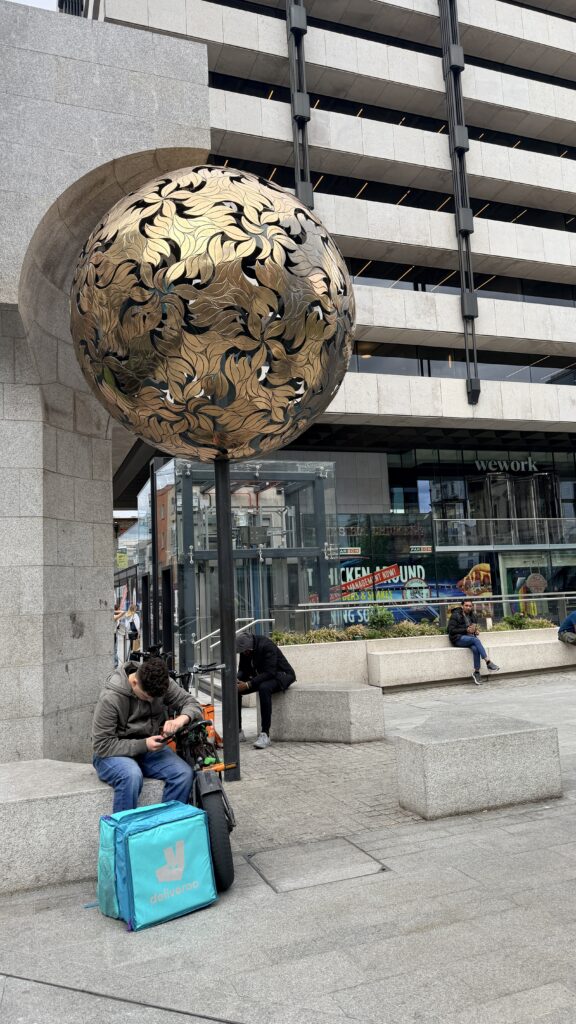
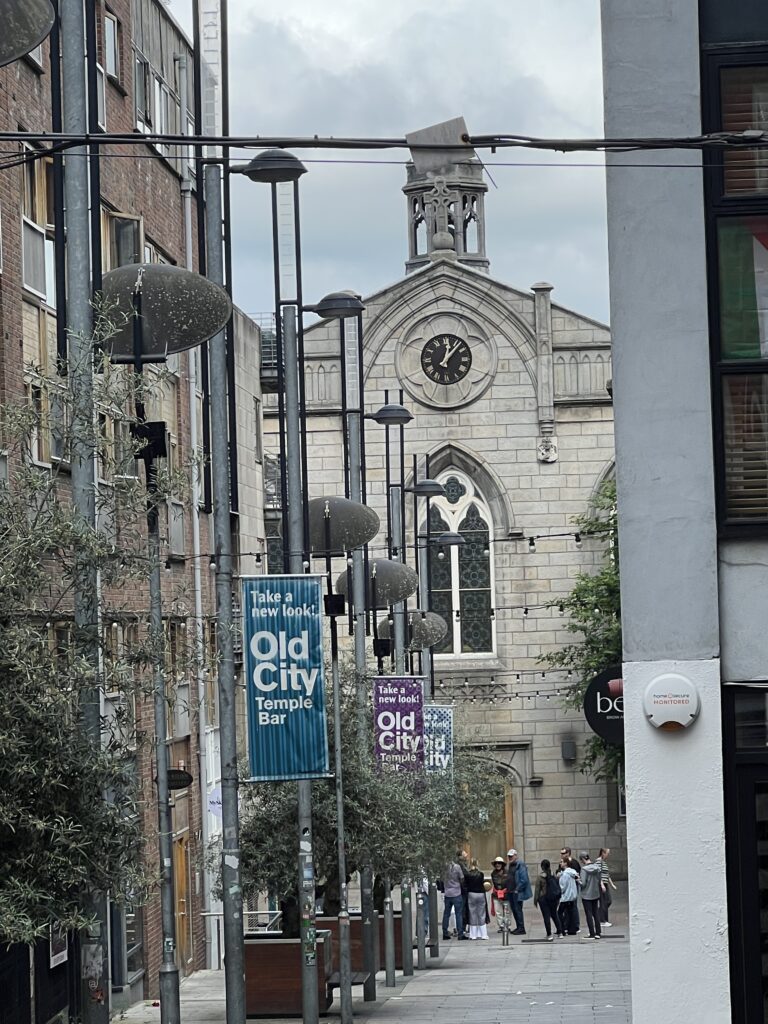
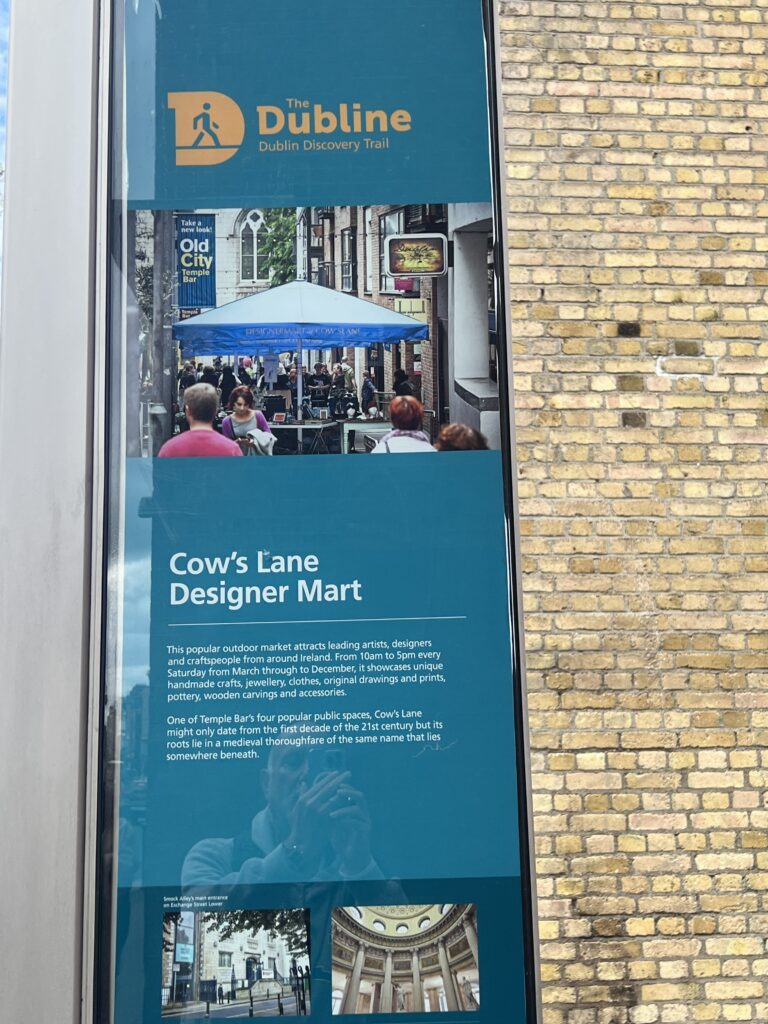
Pedestrian walking area in the city center
Christ Church Cathedral, more formally The Cathedral of the Holy Trinity (Irish: Ardeaglais Theampall Chríost), is the cathedral of the United Dioceses of Dublin and Glendalough and the cathedral of the ecclesiastical province of the United Provinces of Dublin and Cashel in the (Anglican) Church of Ireland. It is situated in Dublin, Ireland, and is the elder of the capital city’s two medieval cathedrals, the other being St Patrick’s Cathedral.
The cathedral was founded in the early 11th century under the Viking king Sitric Silkenbeard. It was rebuilt in stone in the late 12th century under the Norman potentate Strongbow, and considerably enlarged in the early 13th century, using Somerset stones and craftsmen. A partial collapse in the 16th century left it in poor shape and the building was extensively renovated and rebuilt in the late 19th century, giving it the form it has today, including the tower, flying buttresses, and distinctive covered footbridge.
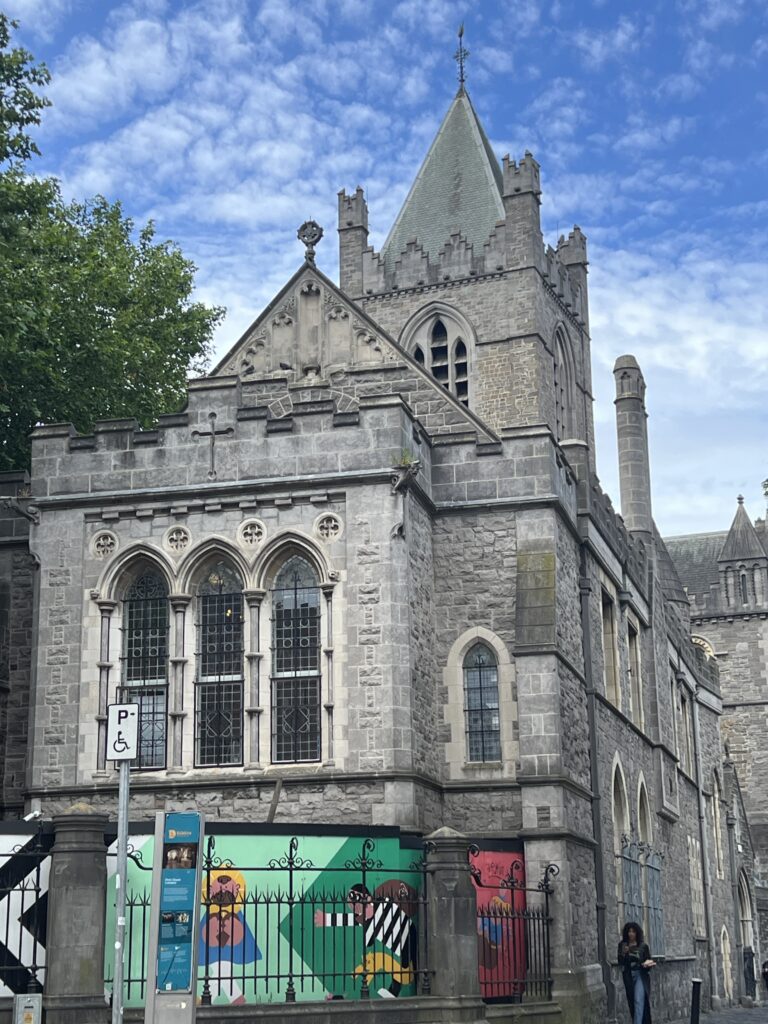
Home | Christ Church Cathedral
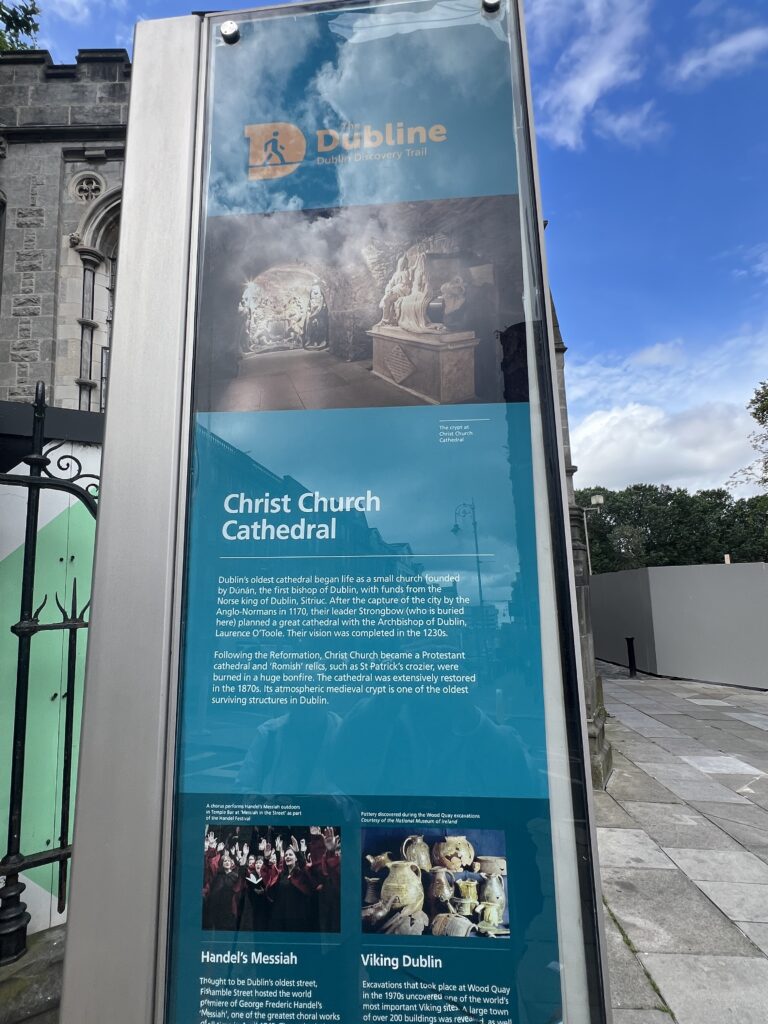
The history of the Christ Church is in this link
History | Christ Church Cathedral
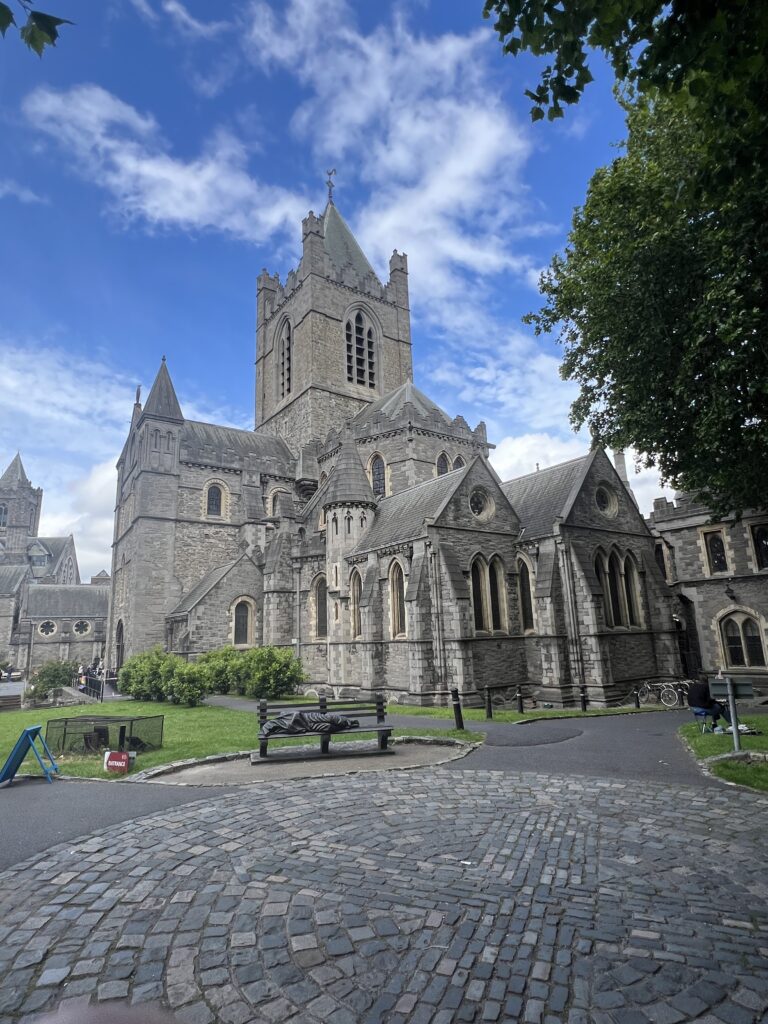
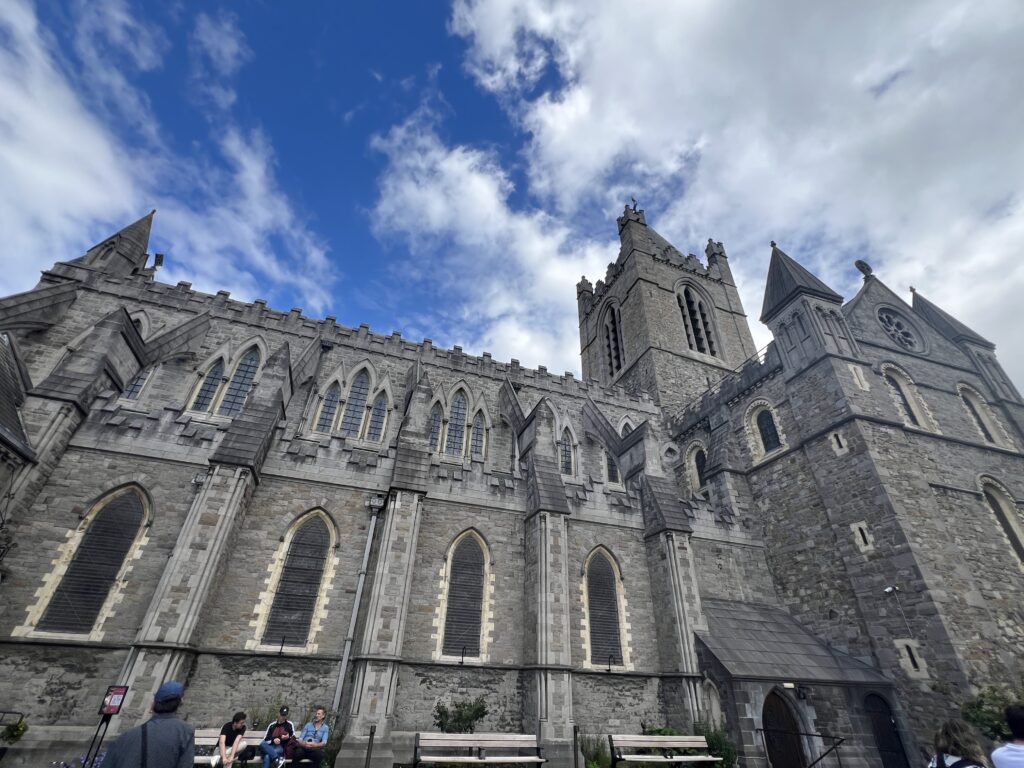
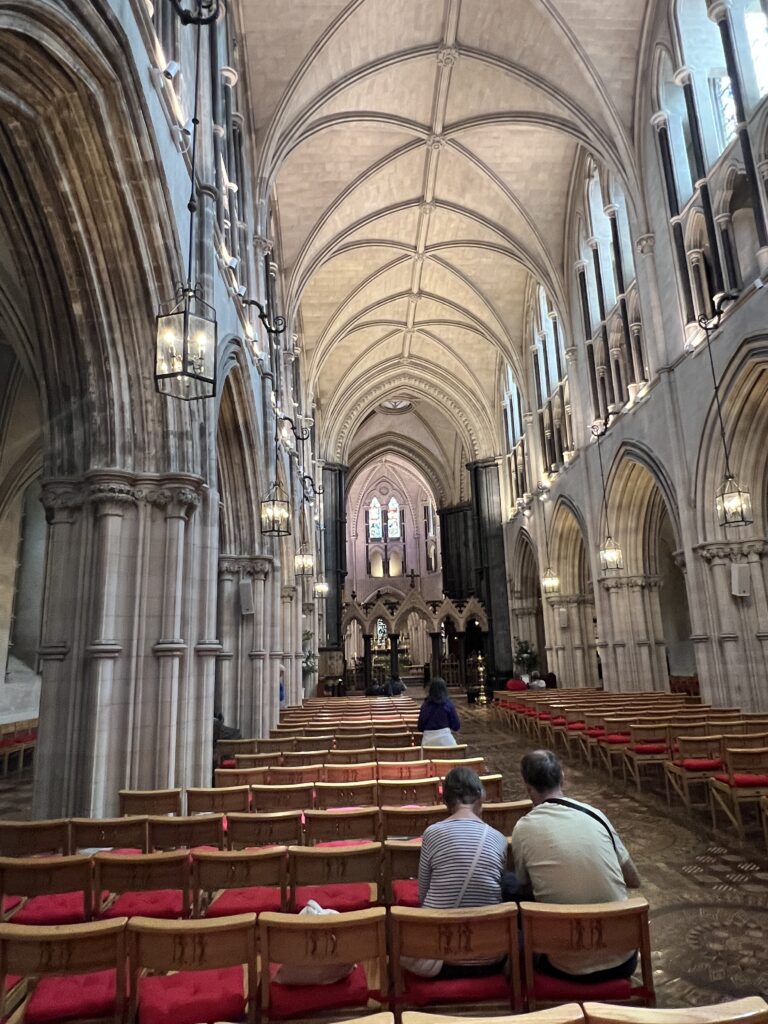
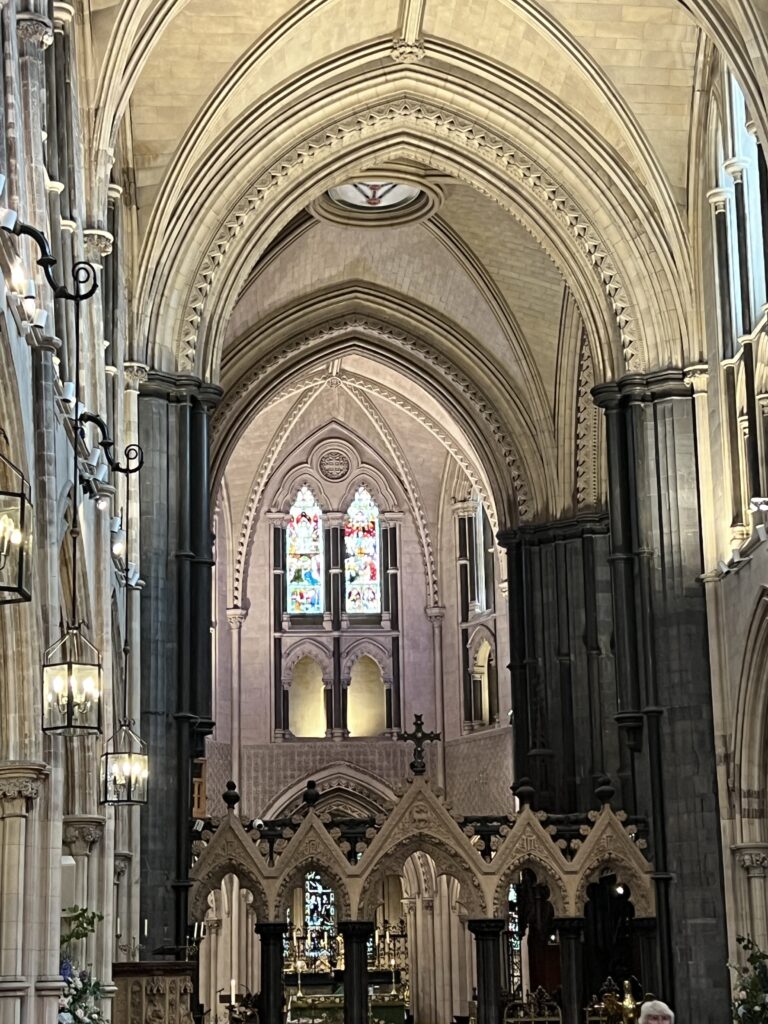
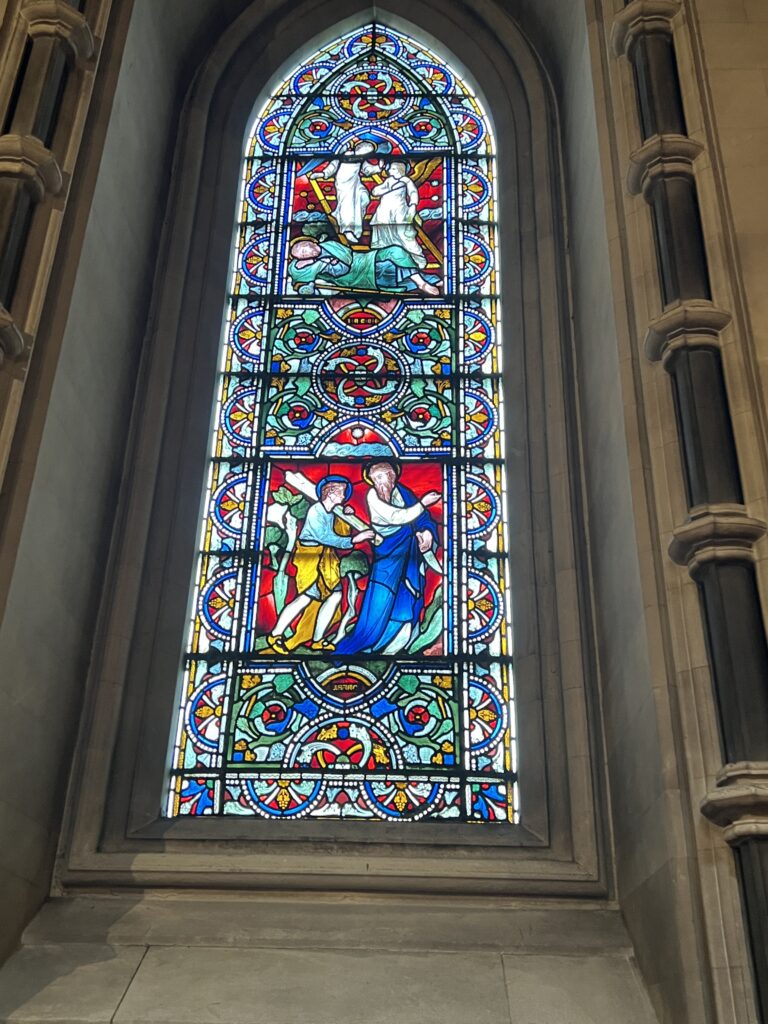
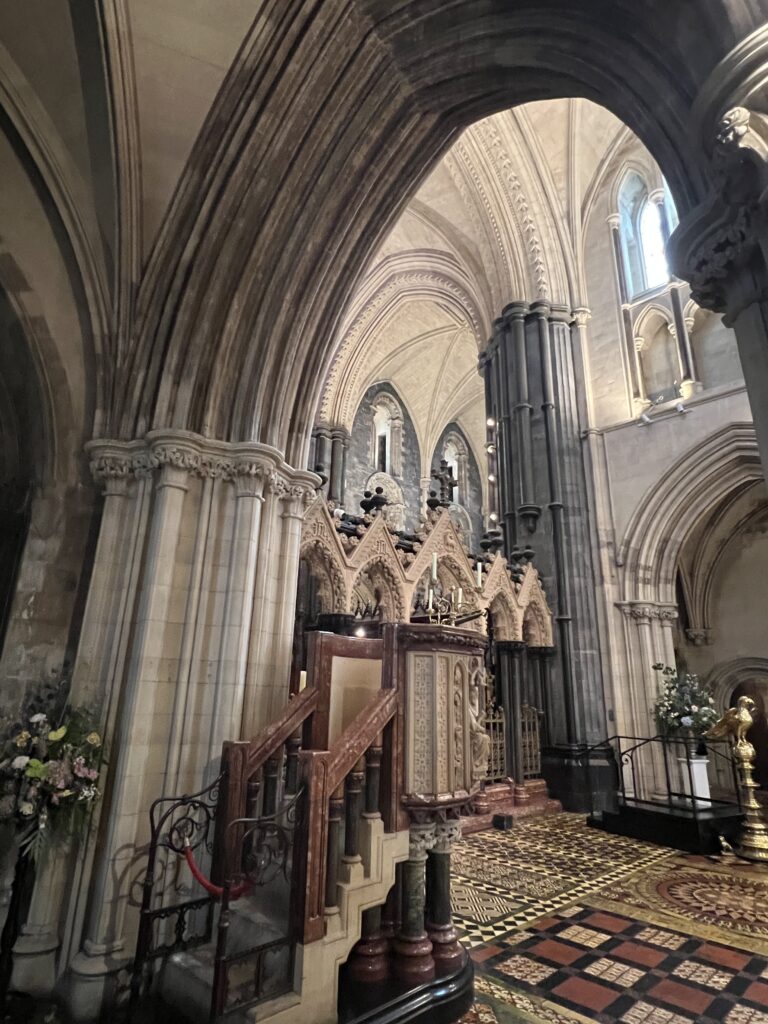
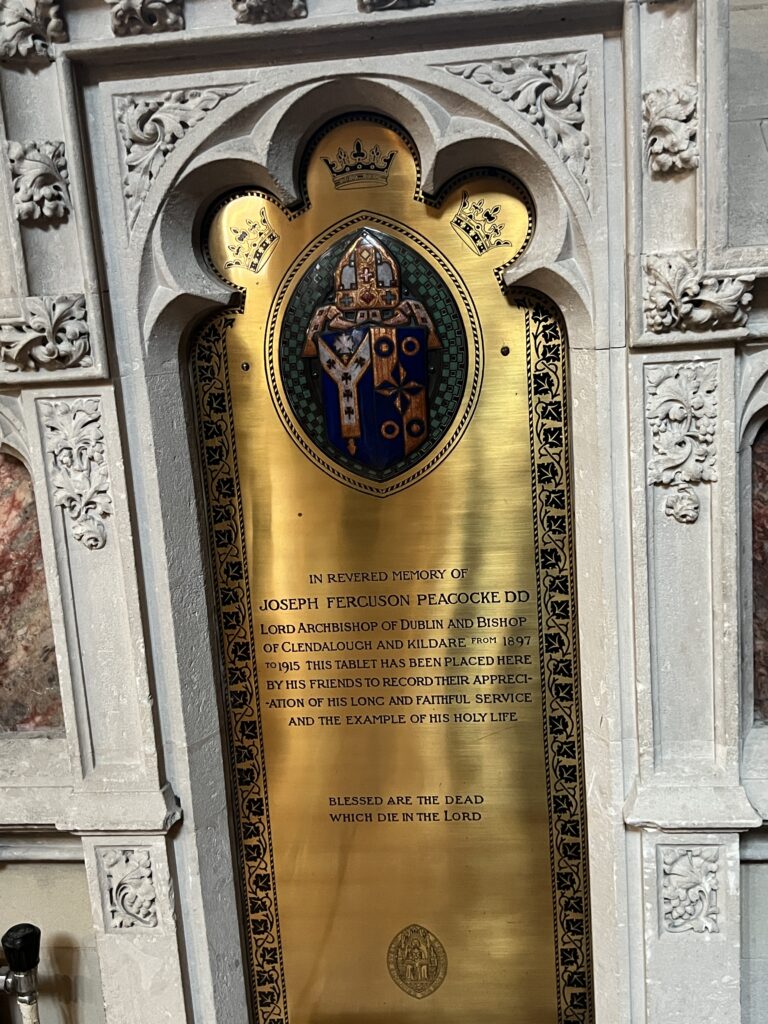
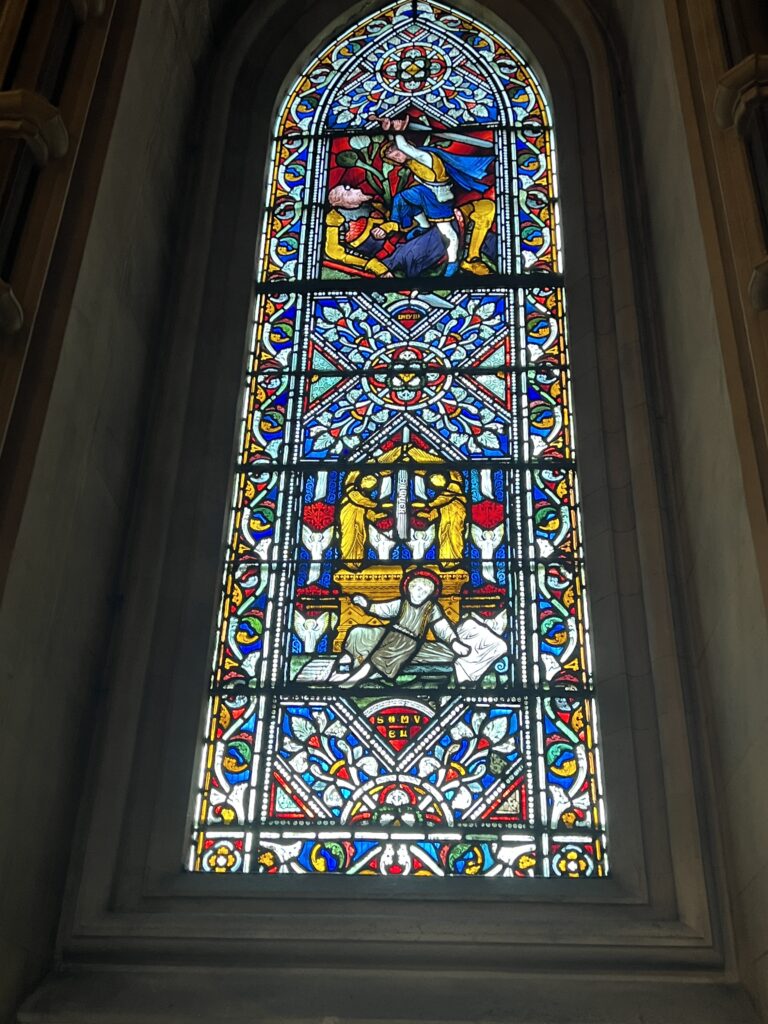
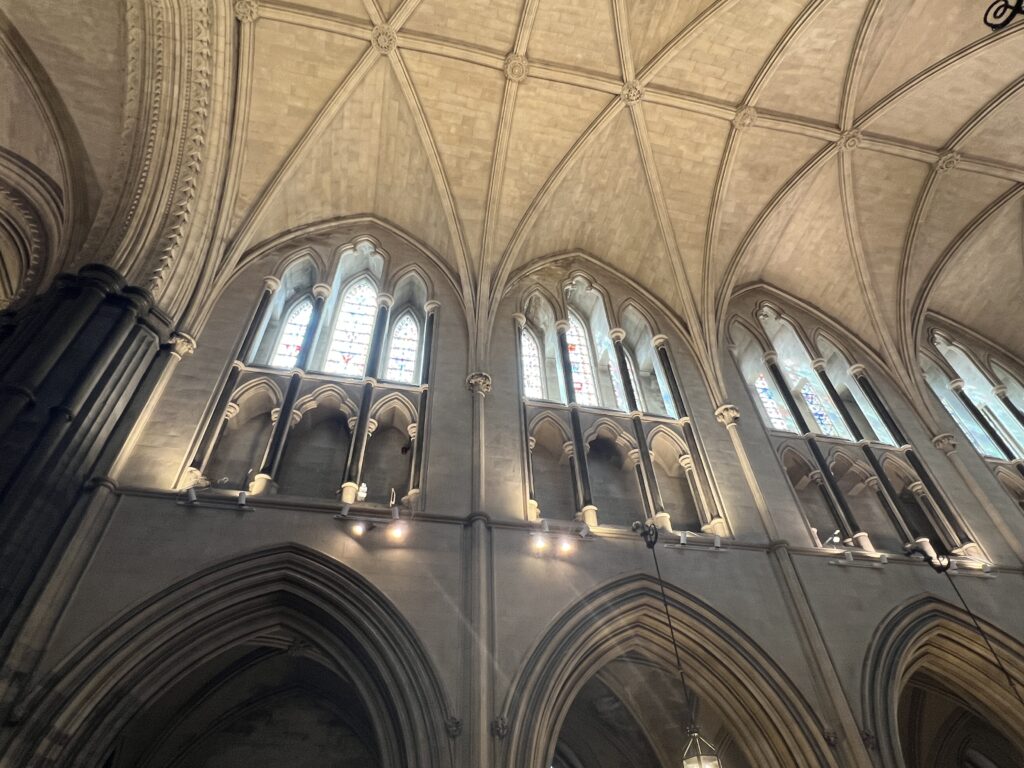
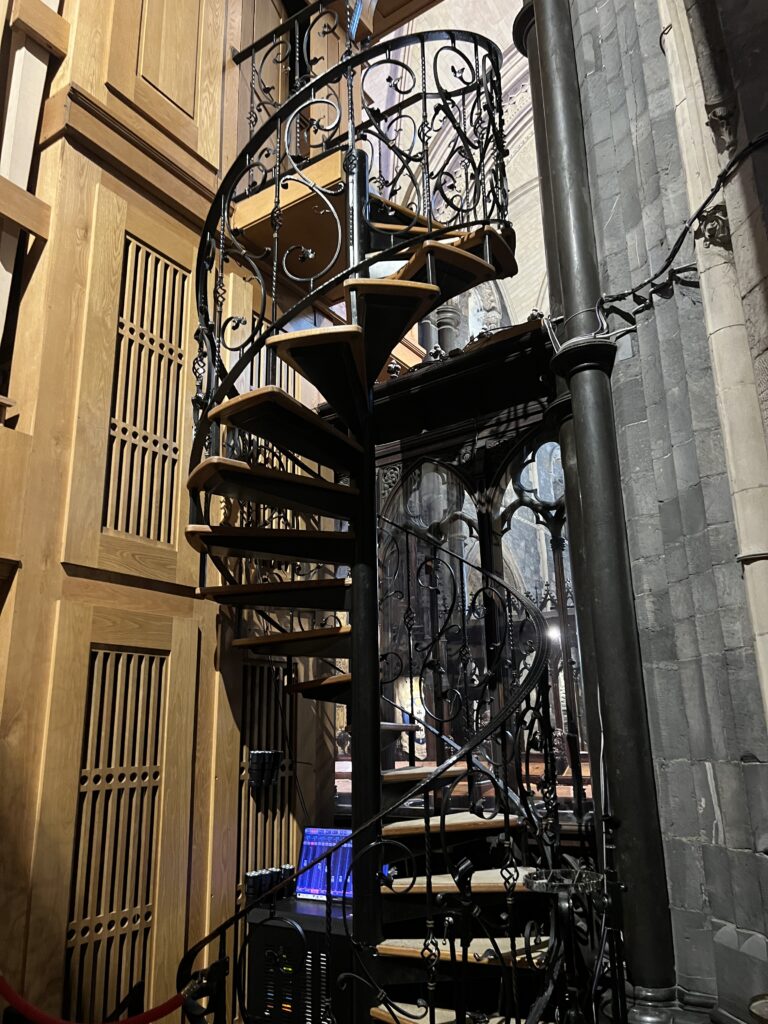
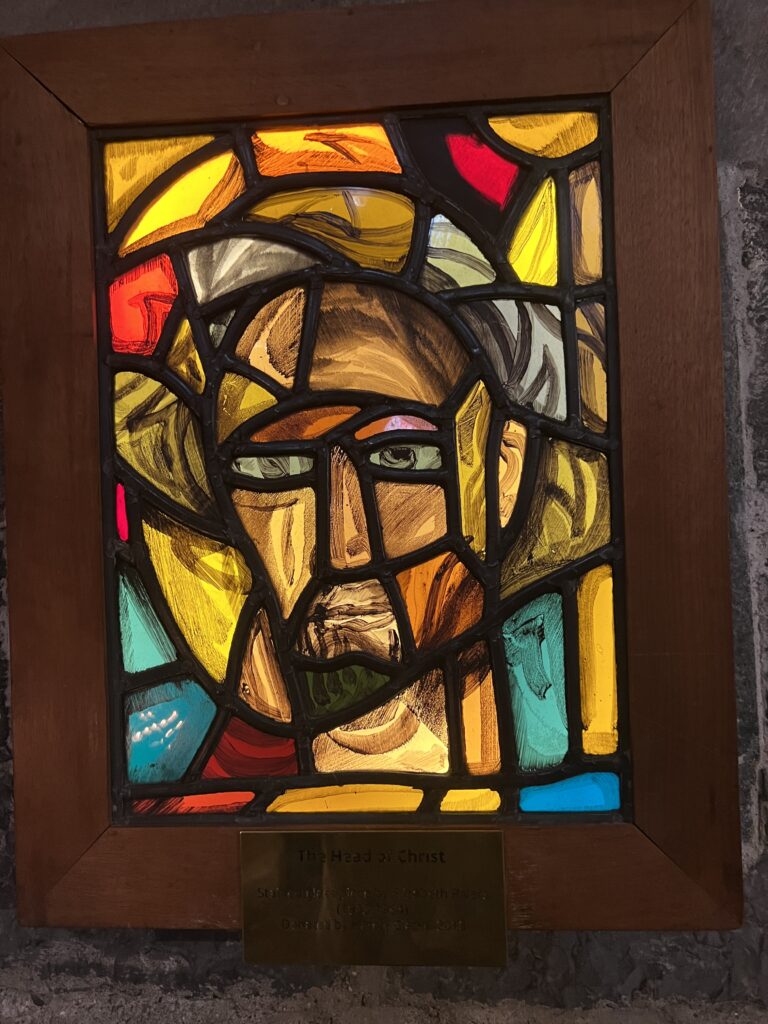
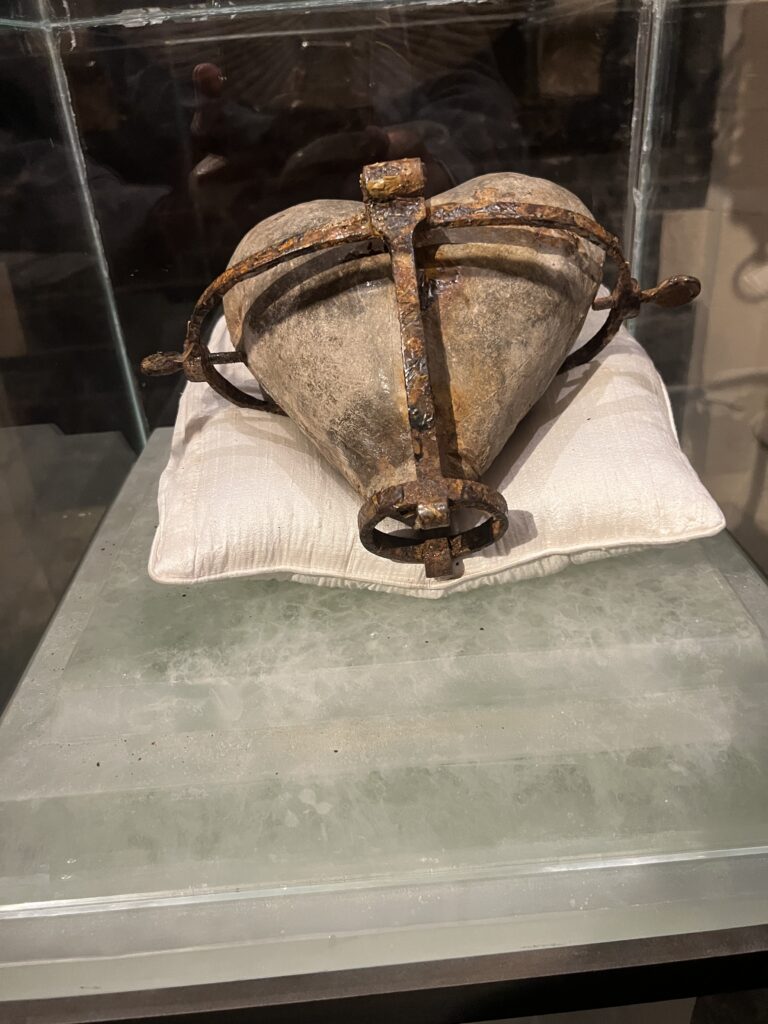
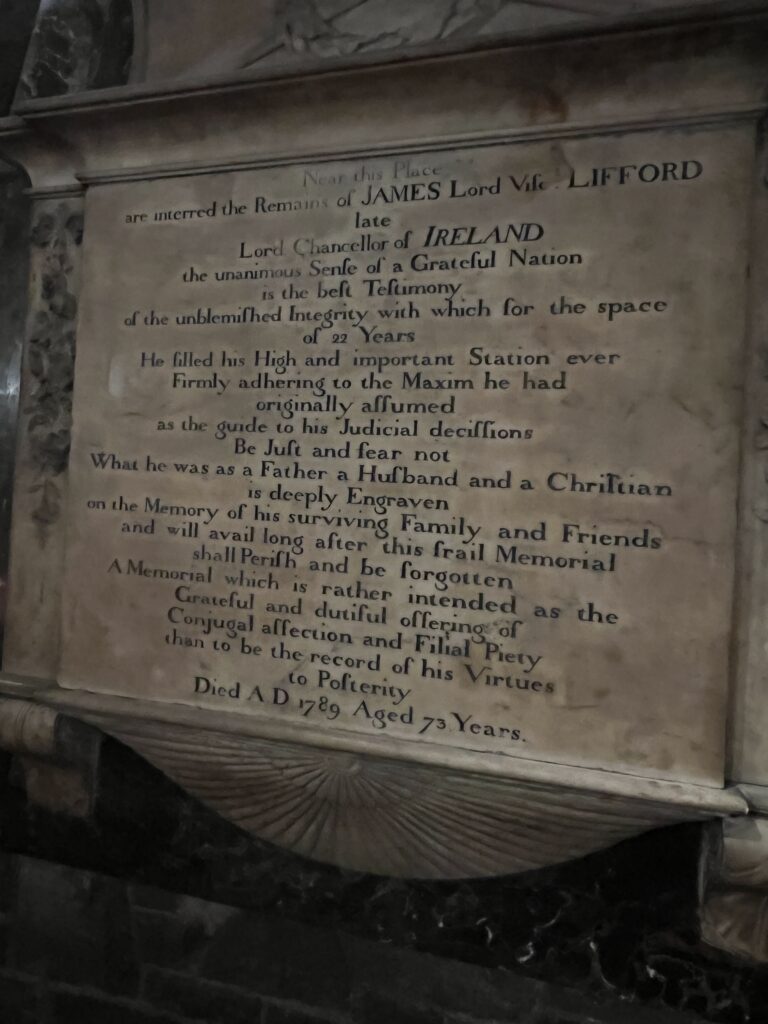
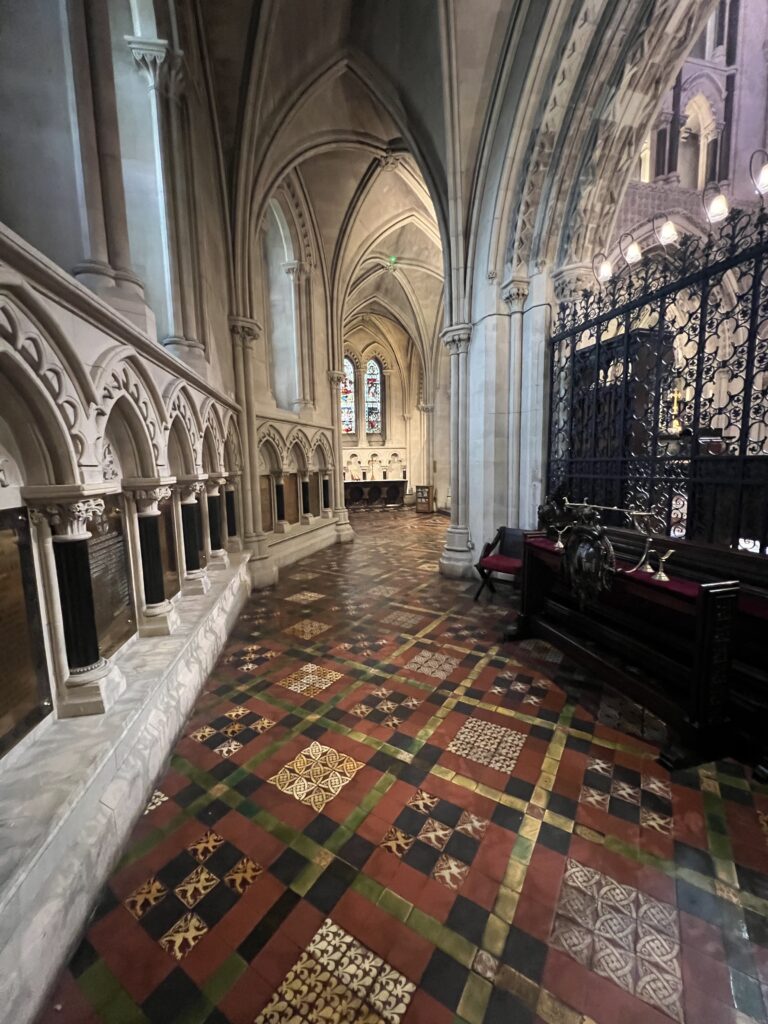
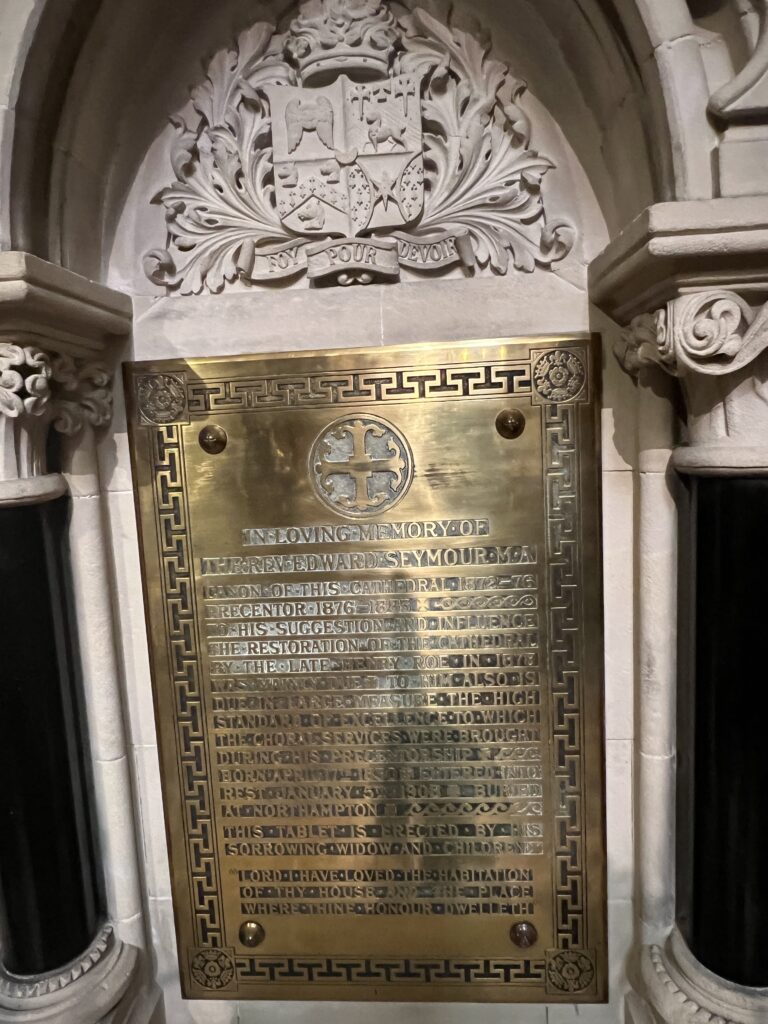
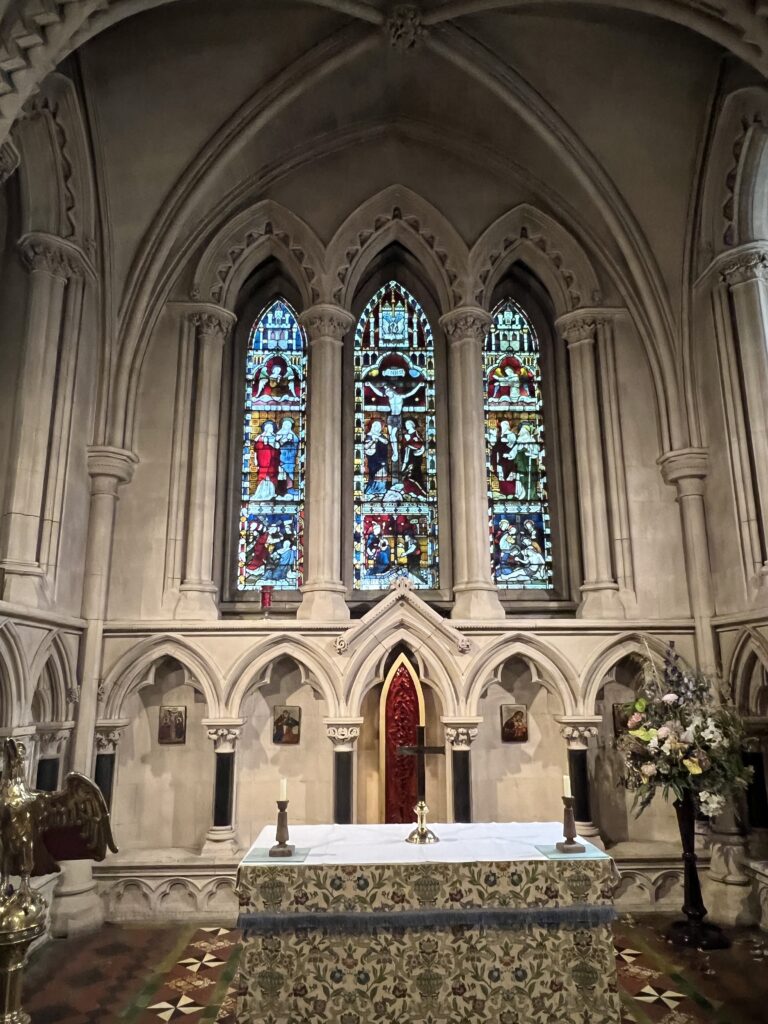
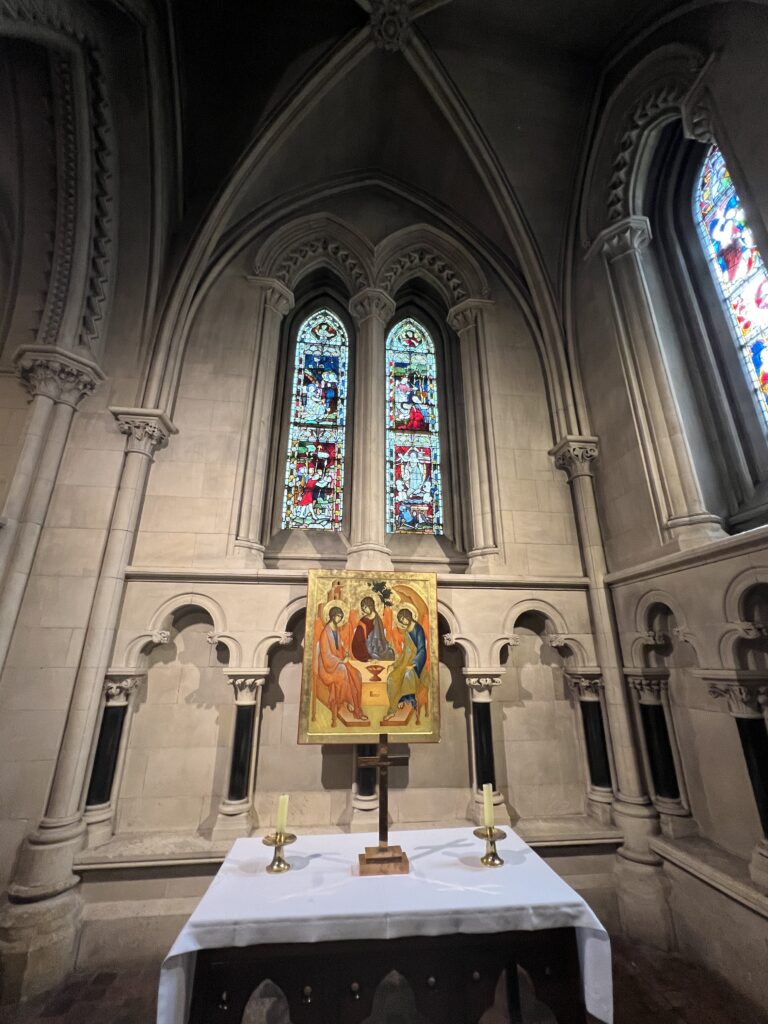
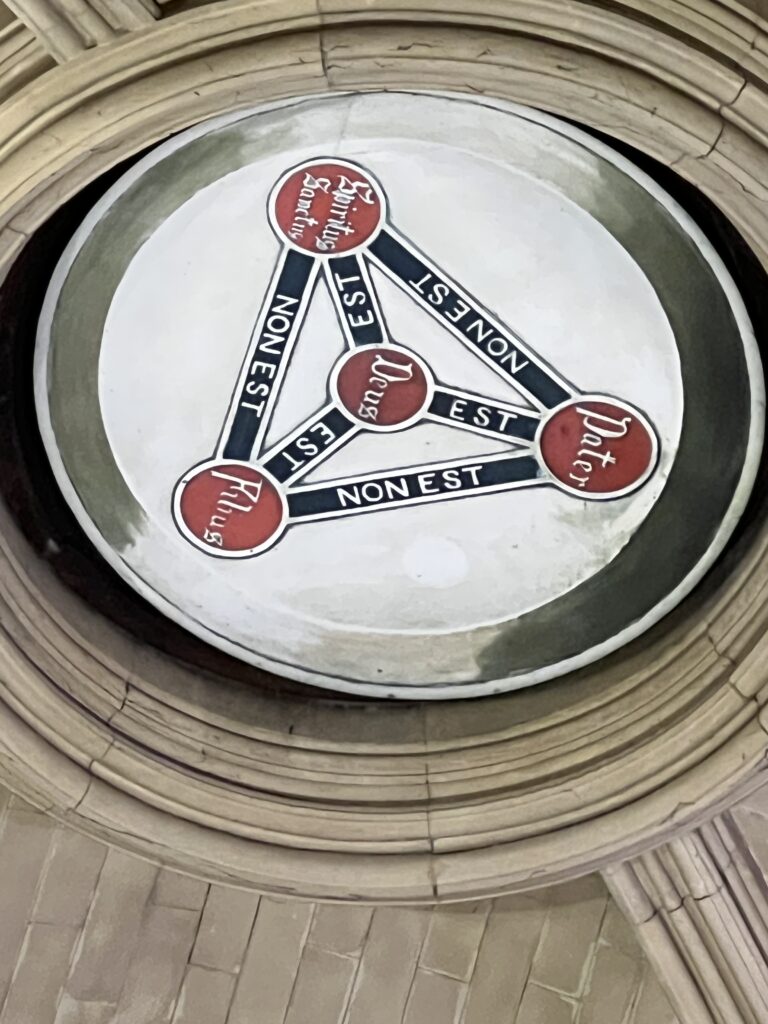
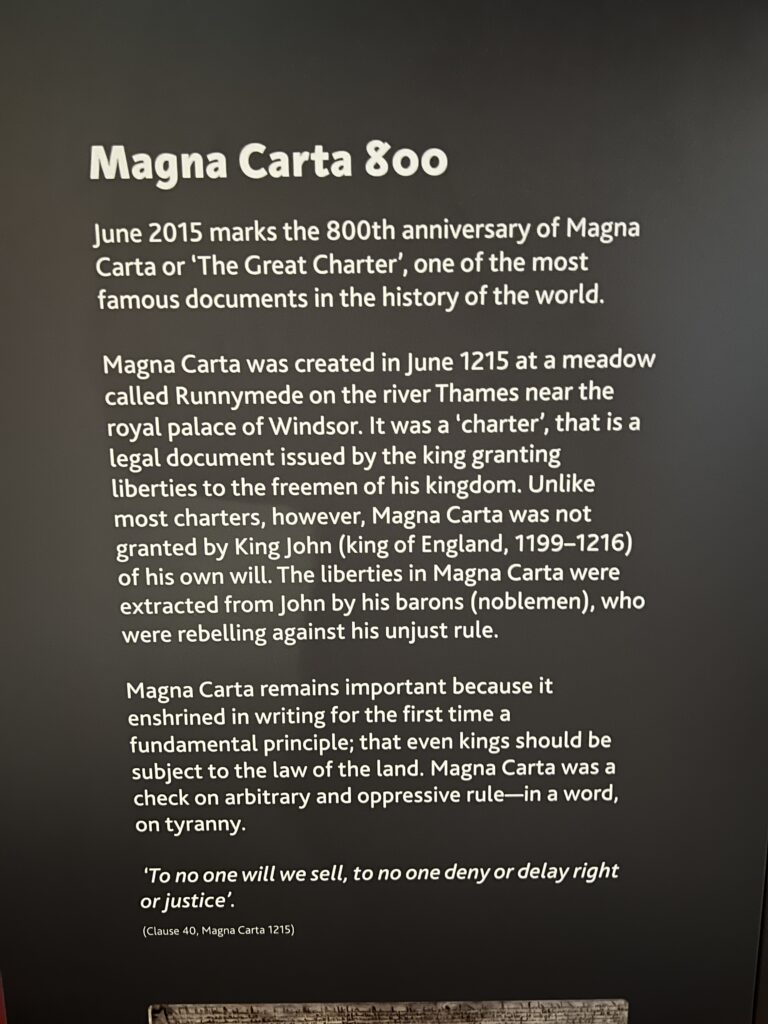
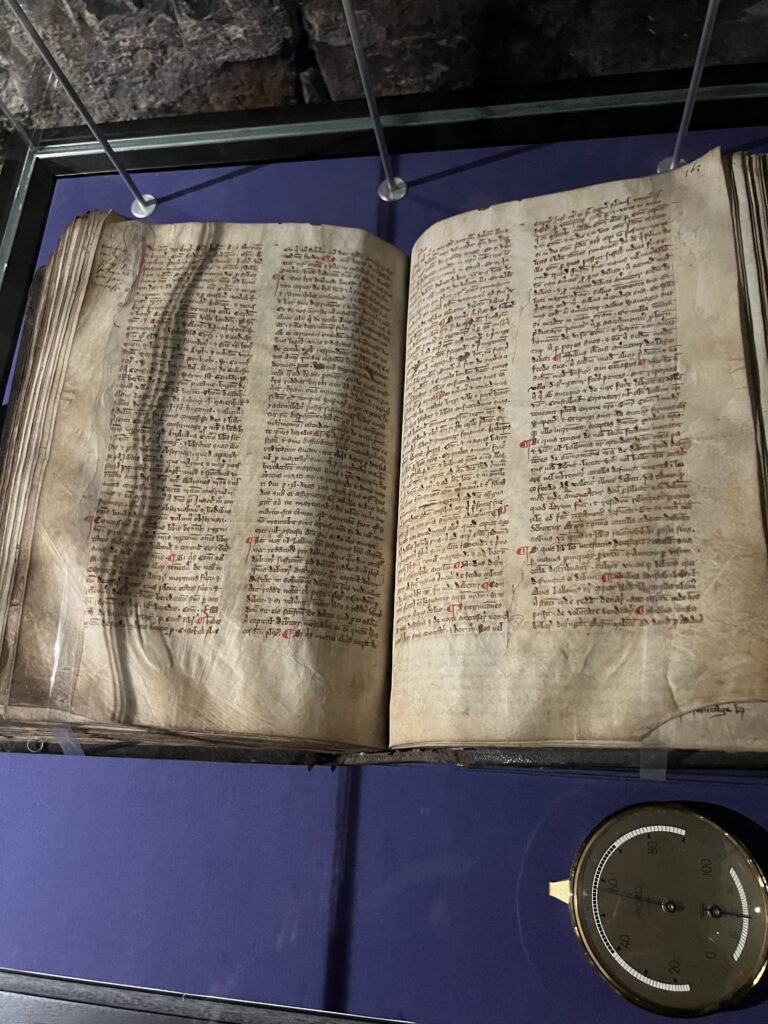
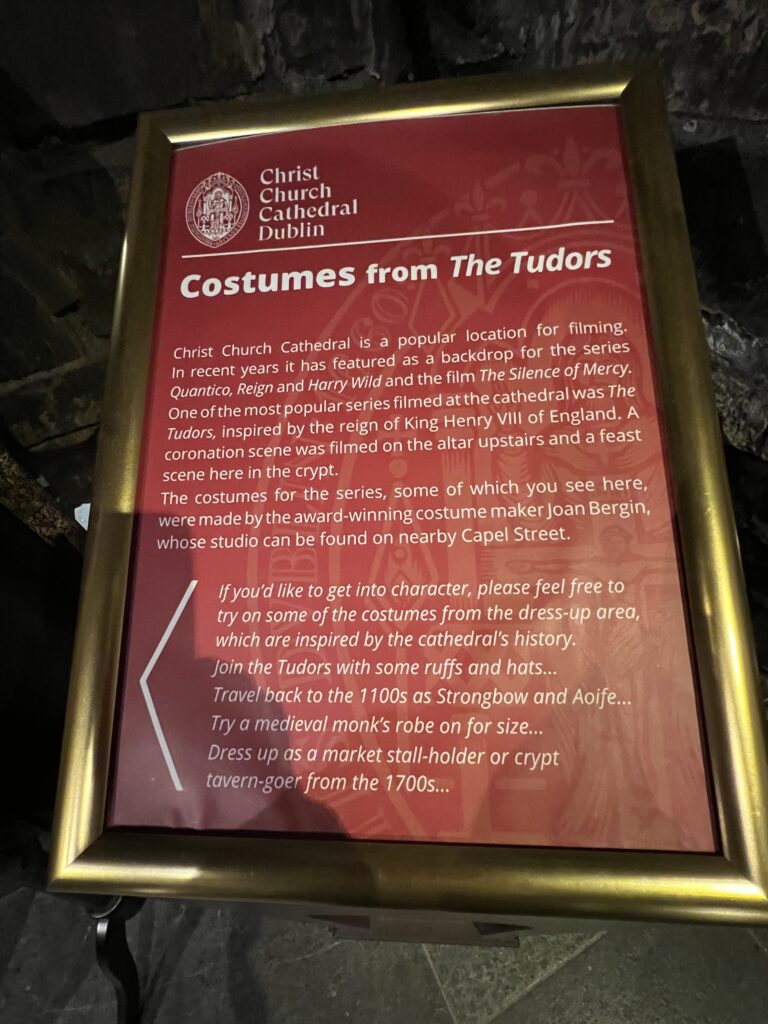
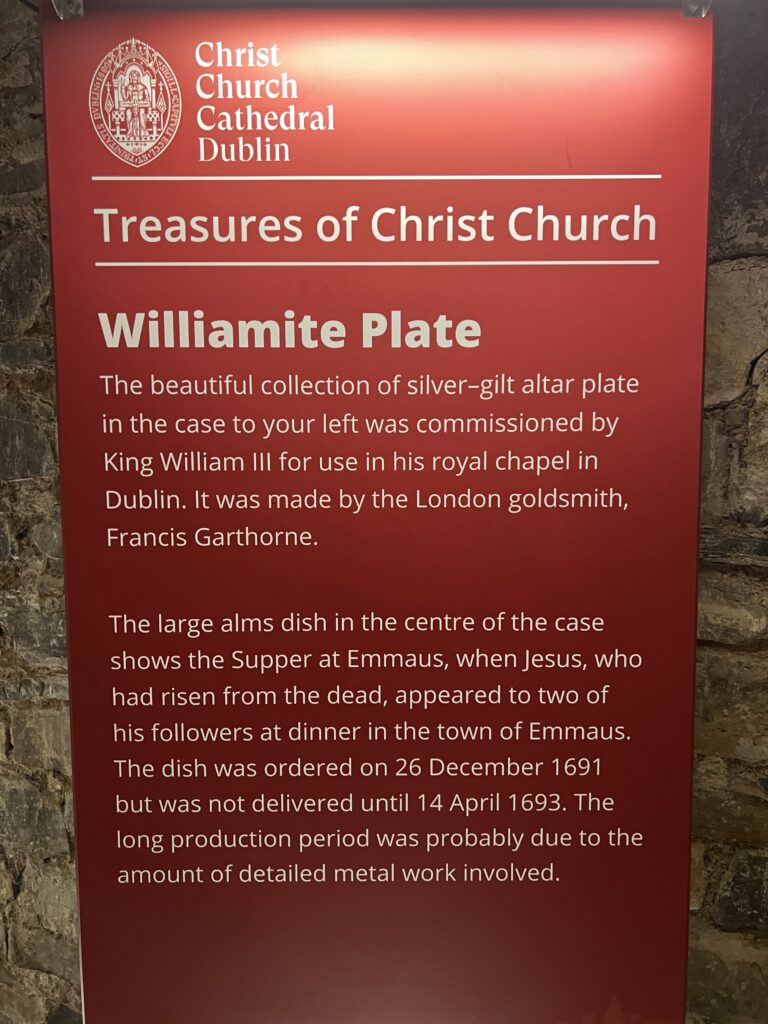
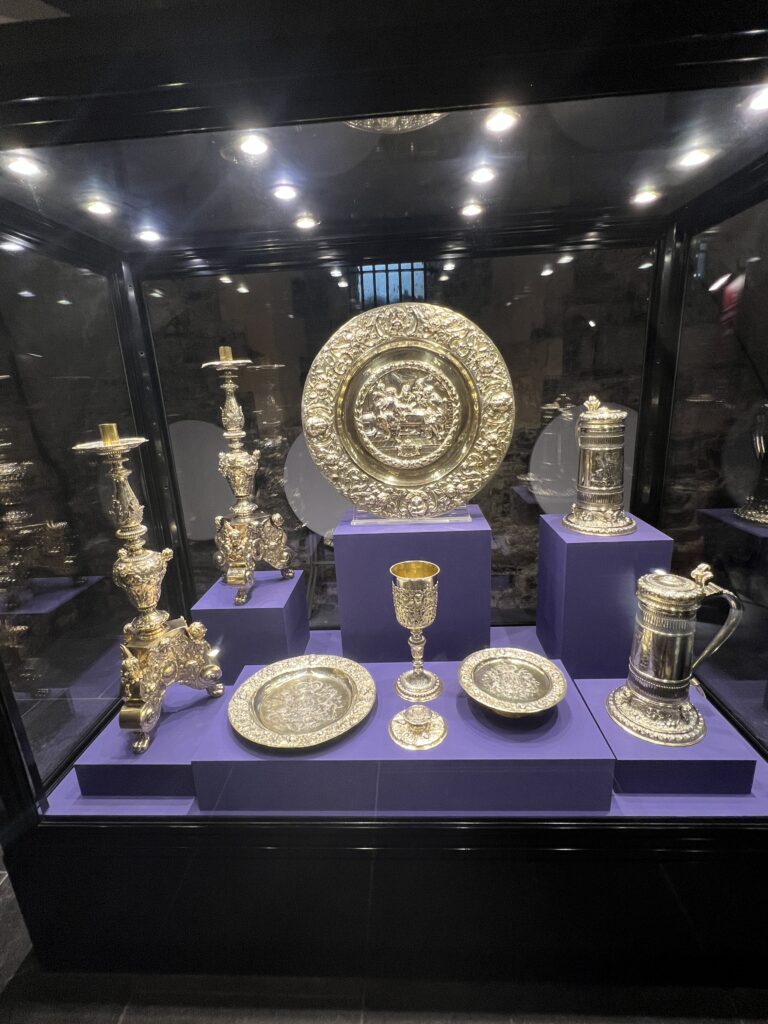
Beneath the church is a large museum with items such as an original copy of the Magna Carta
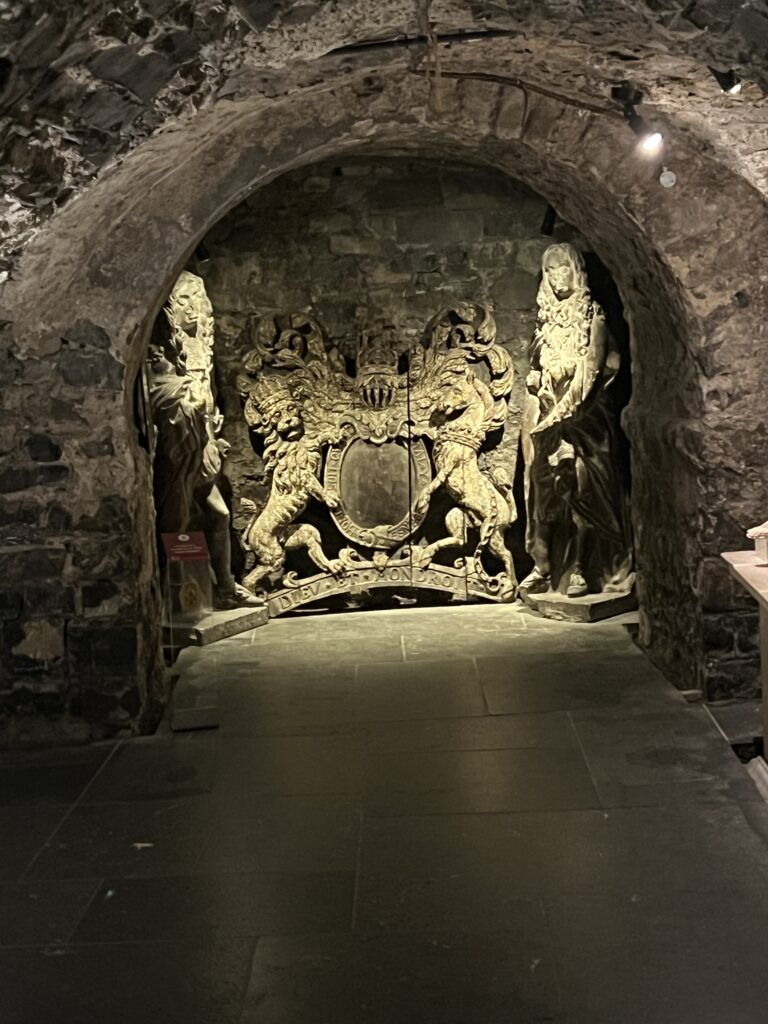
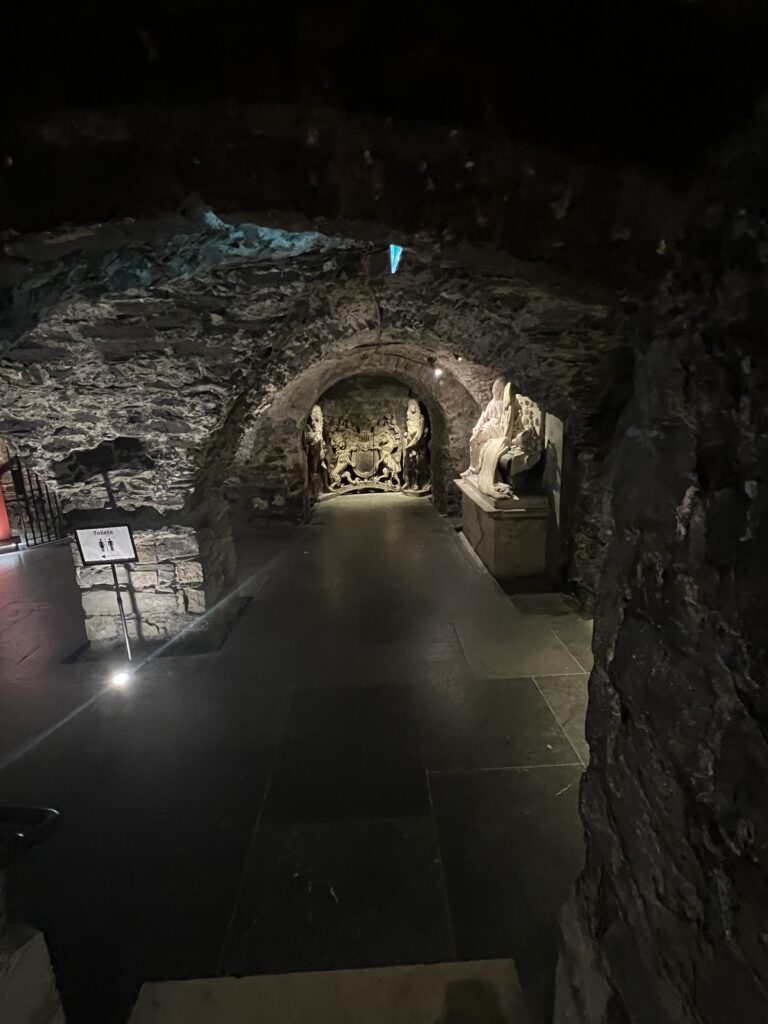
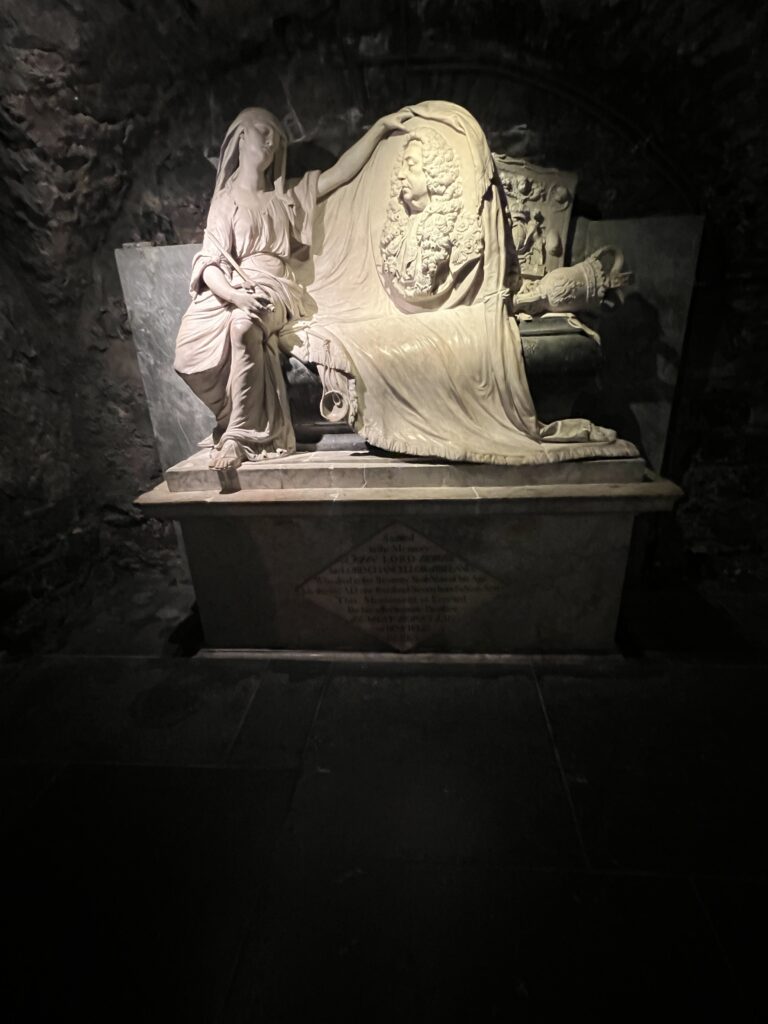
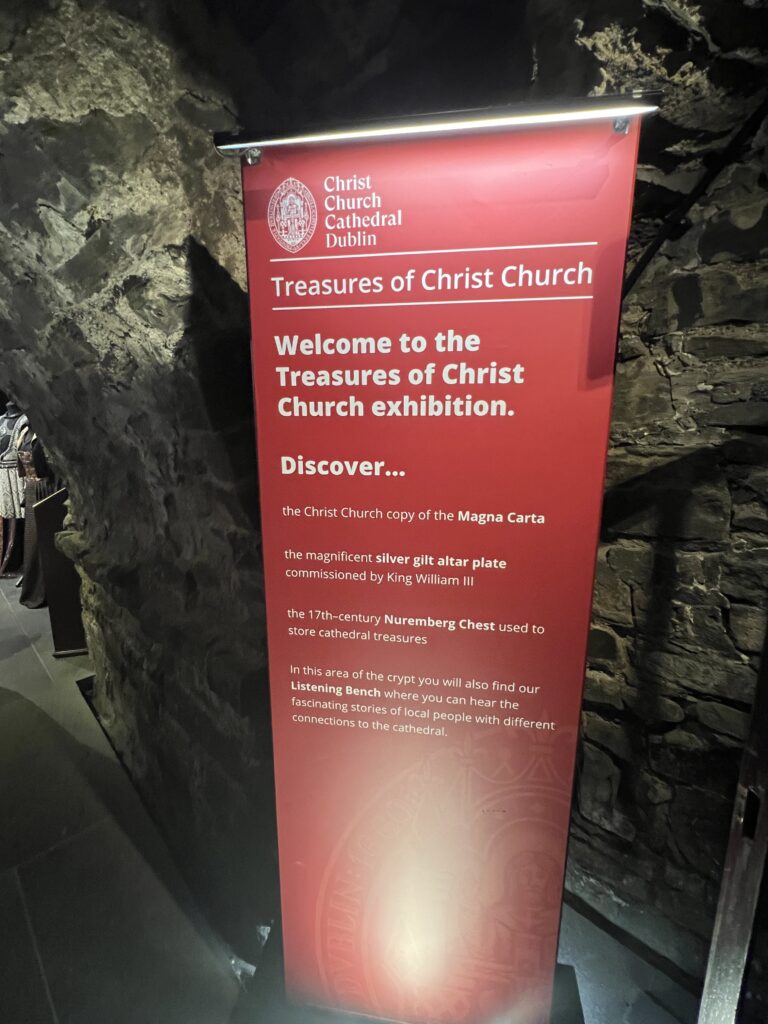
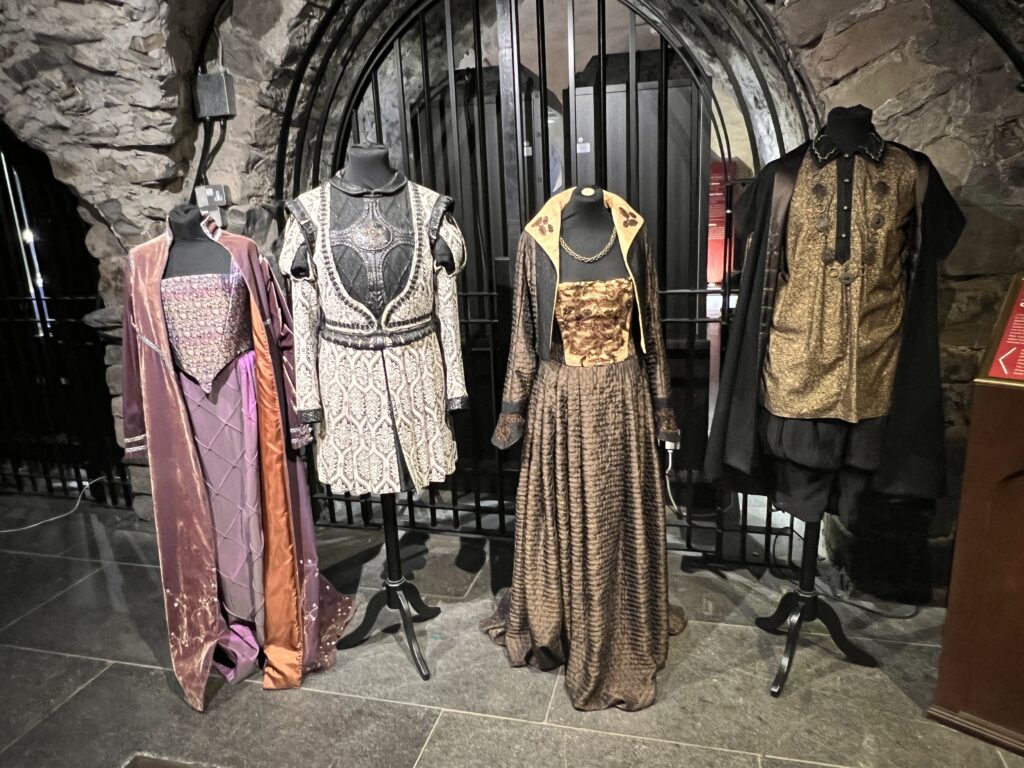
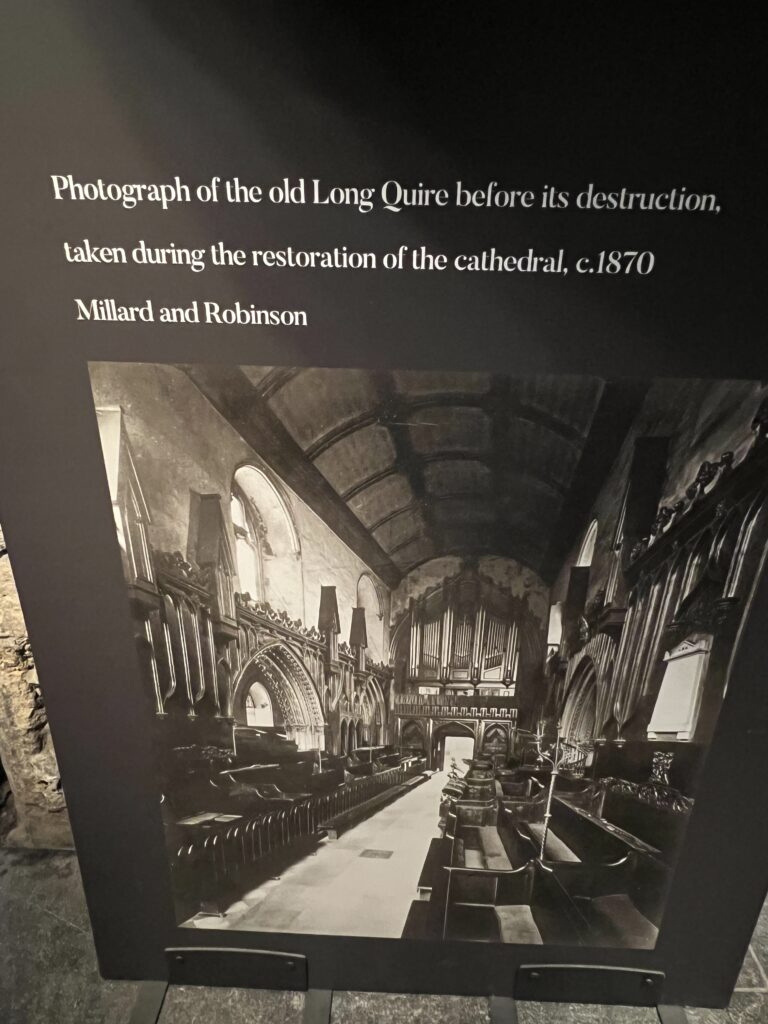
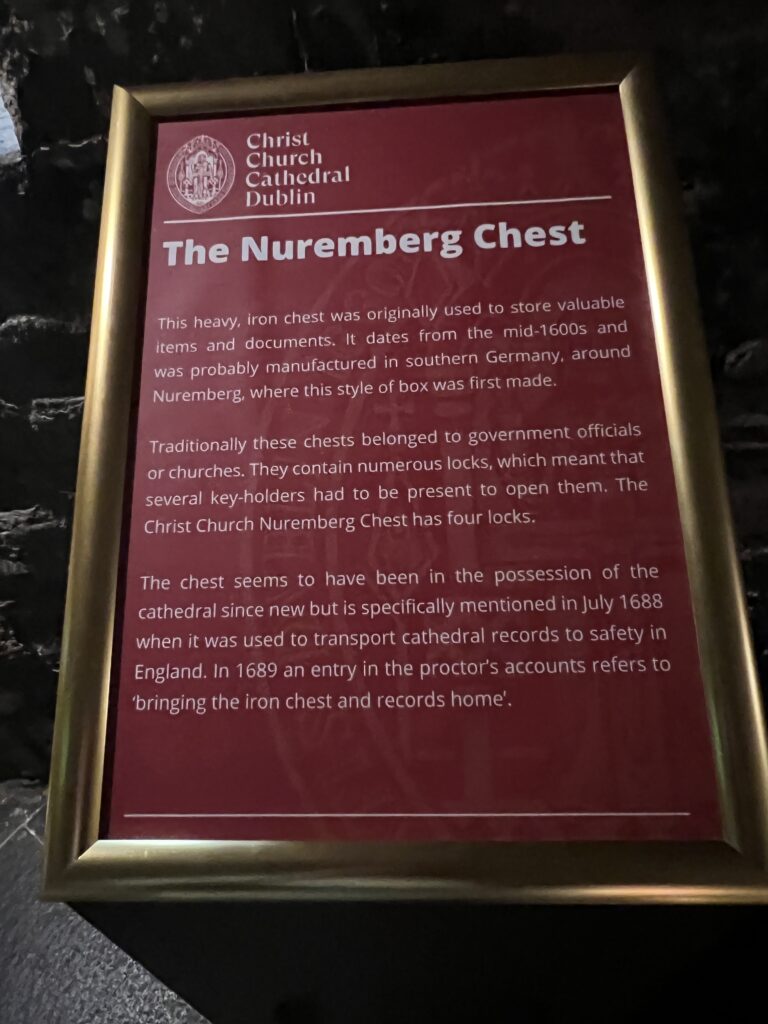
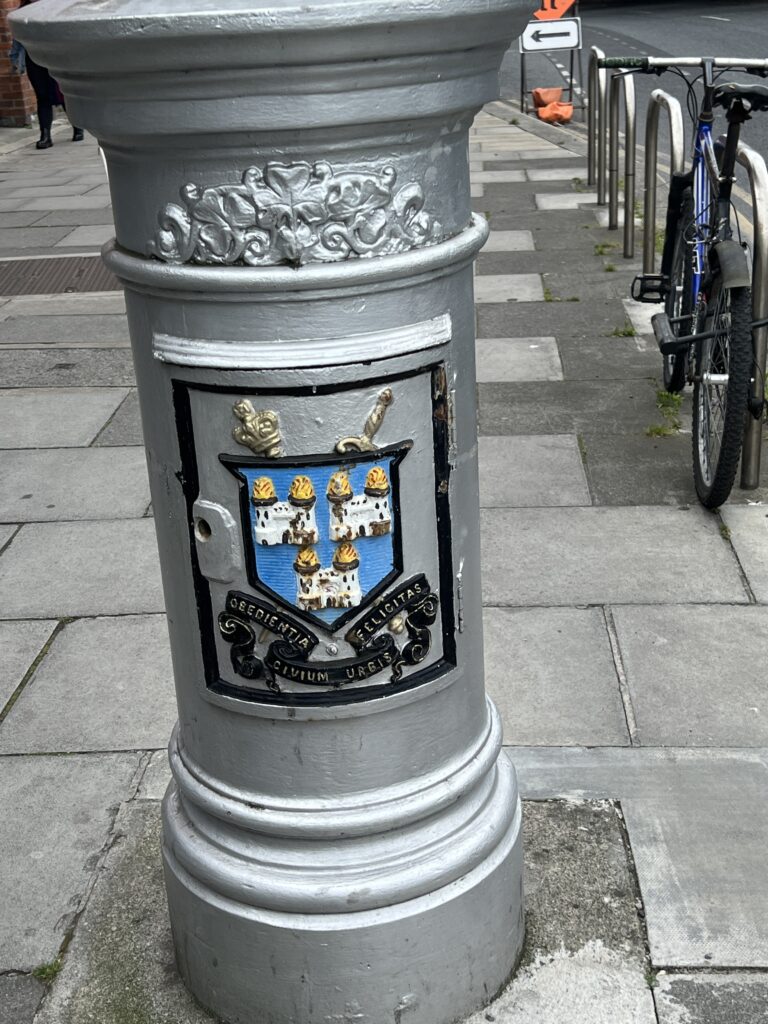
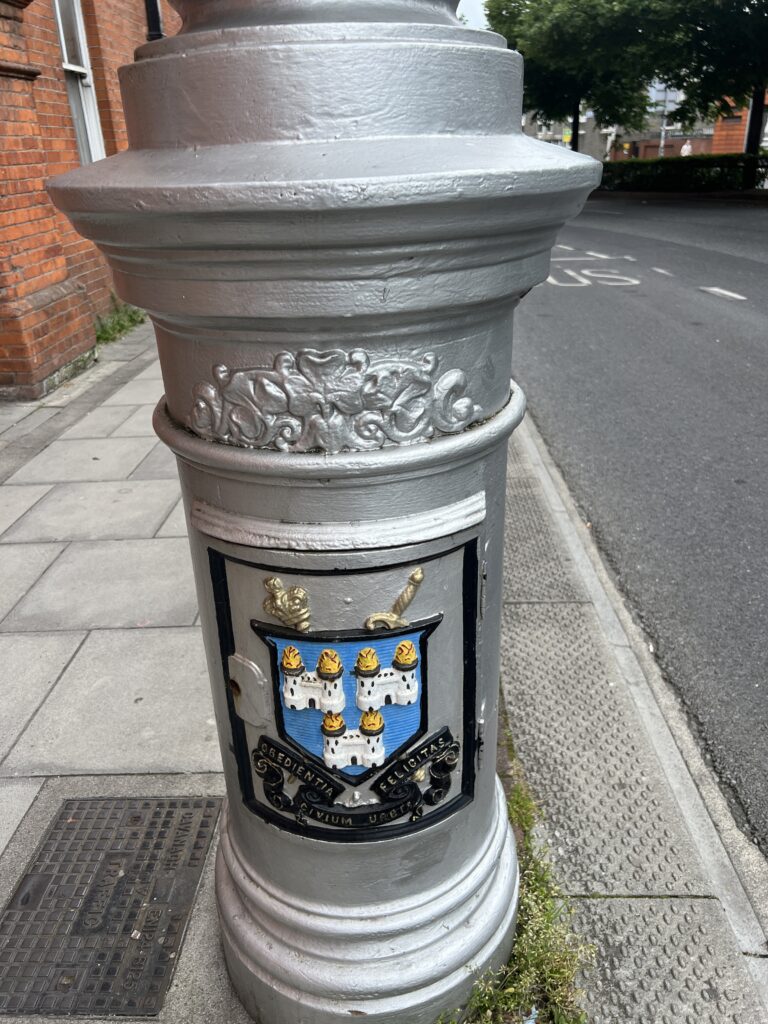
The light poles are all decorated and painted like this
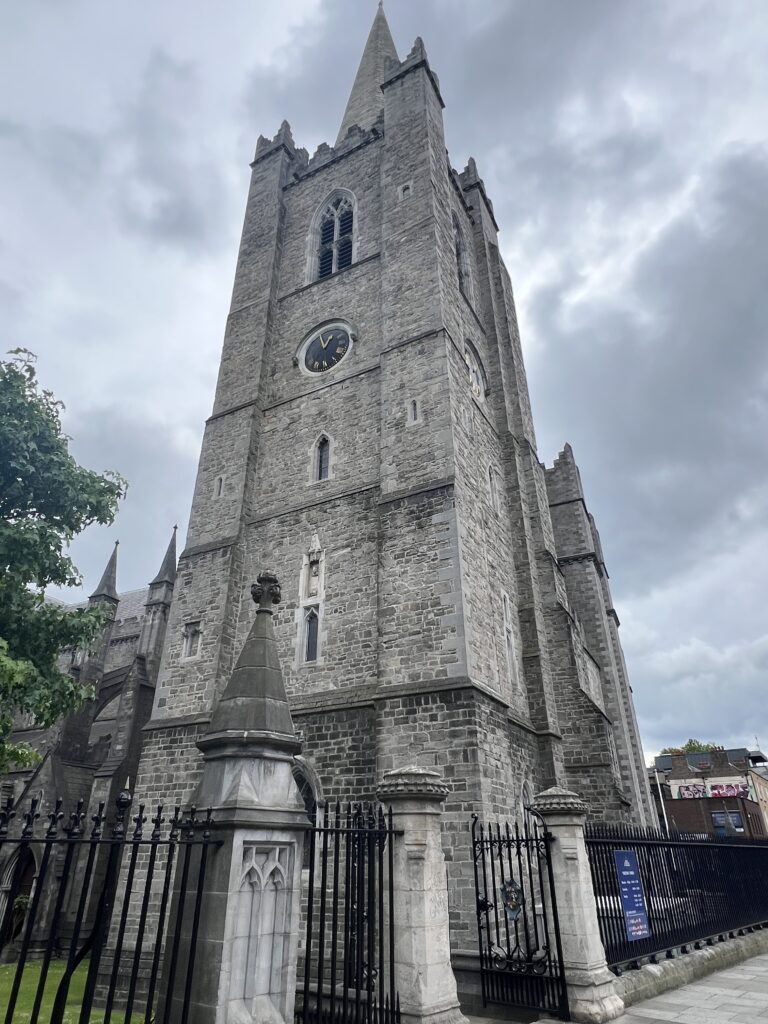
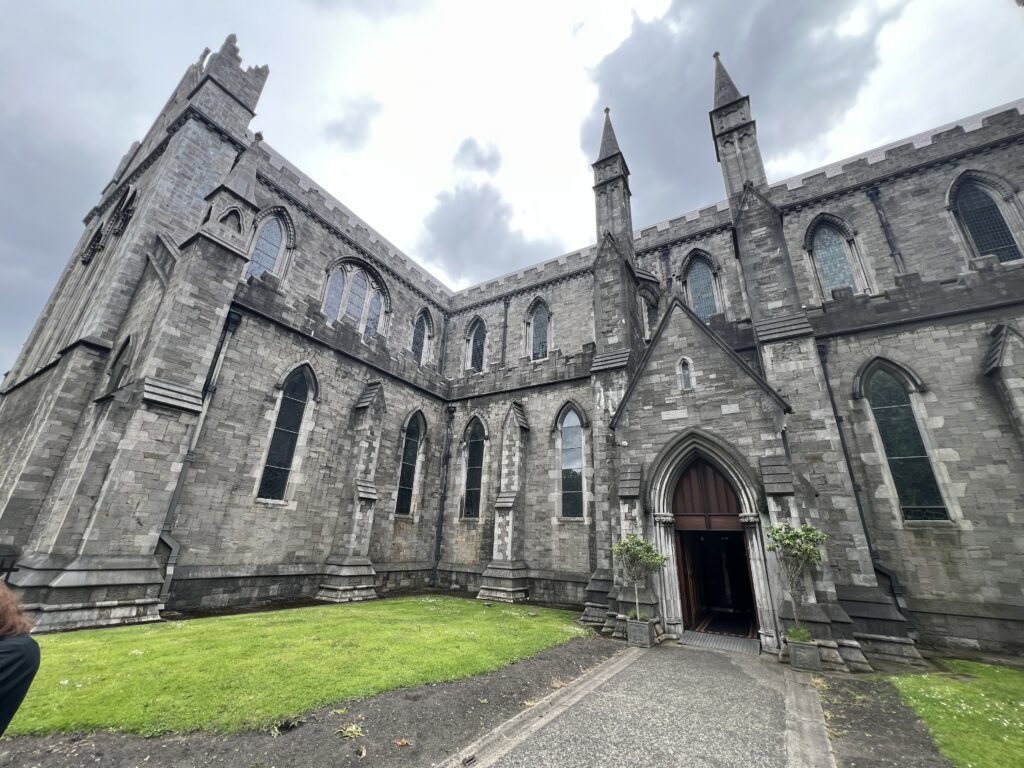
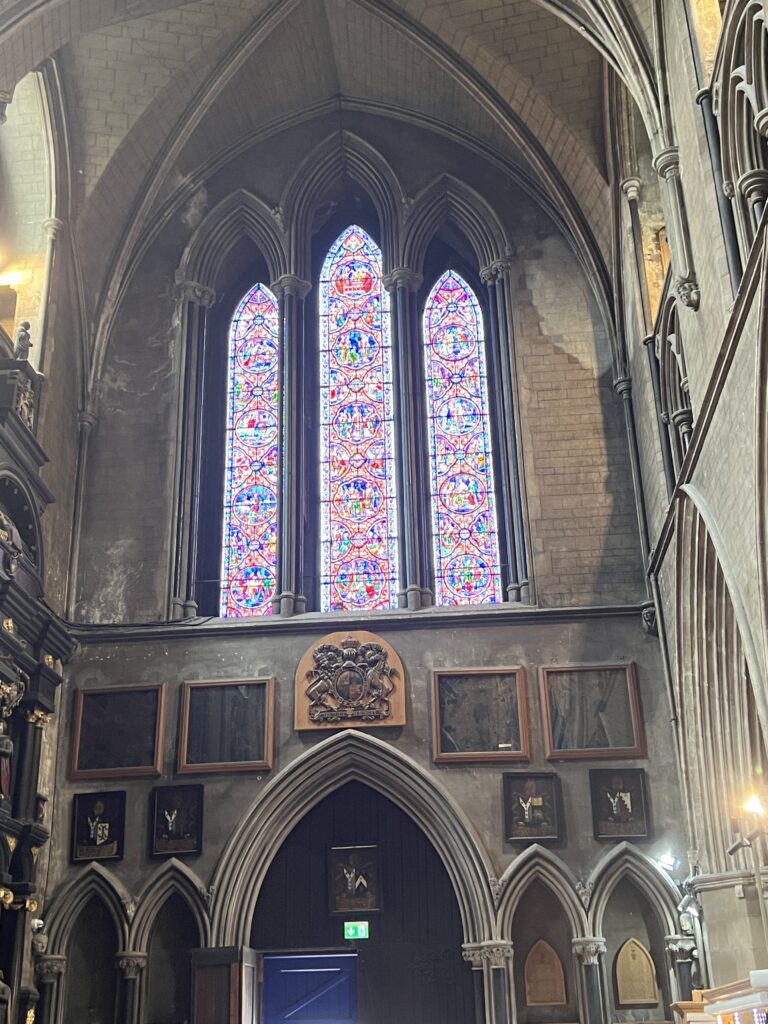
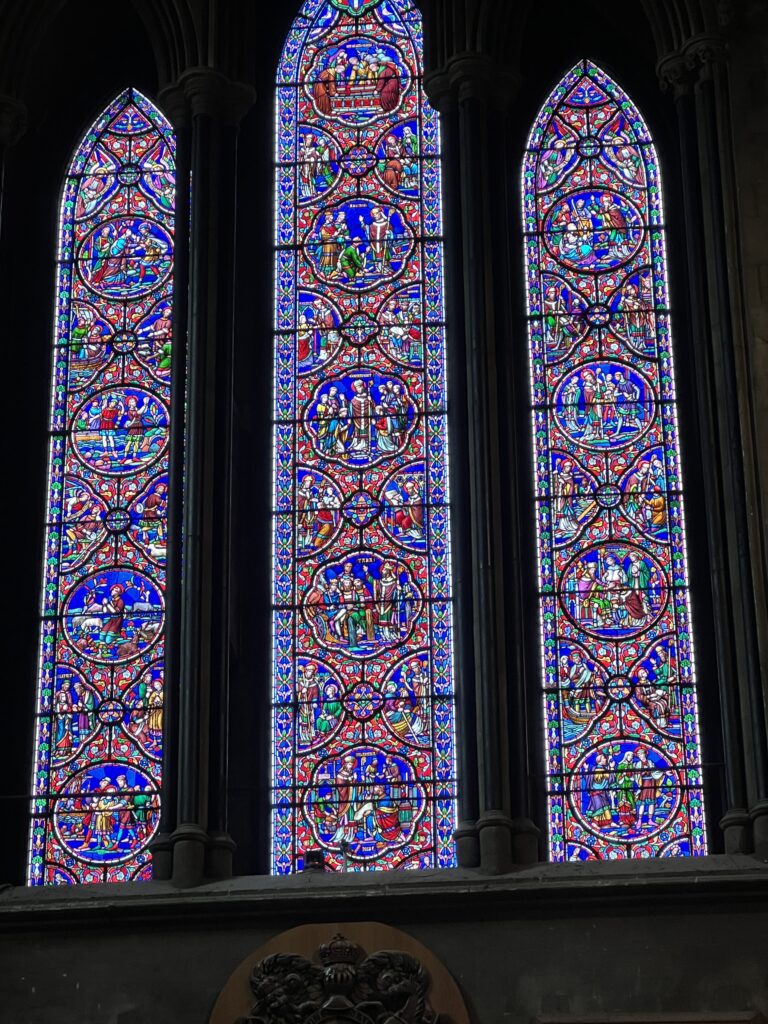
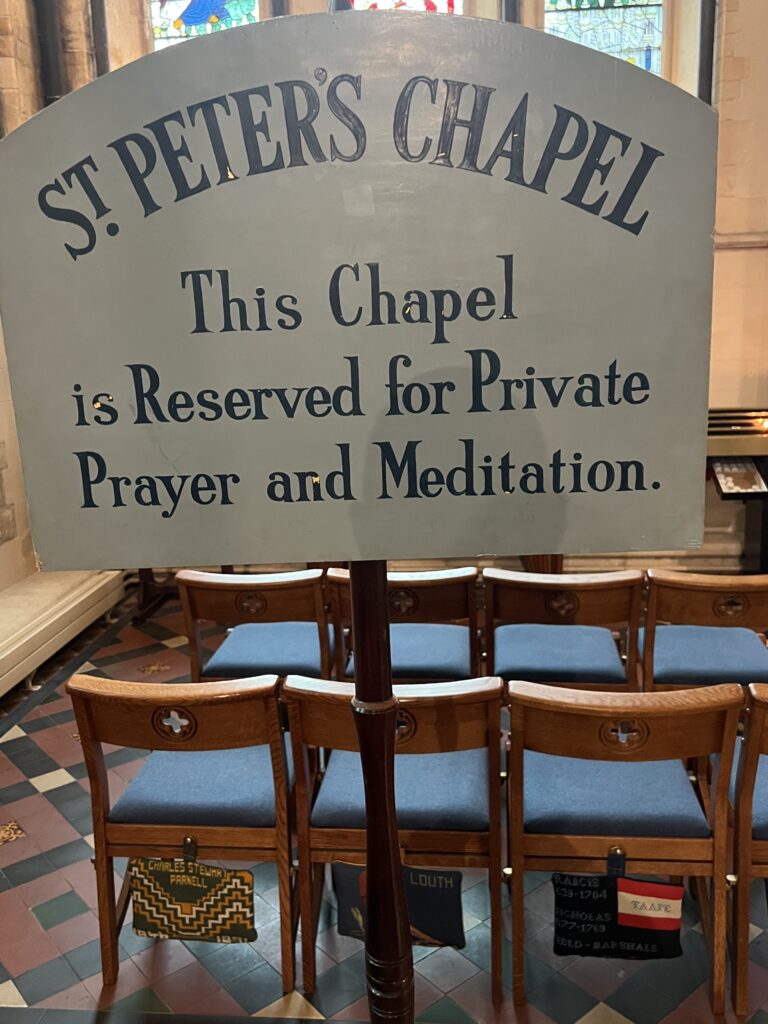
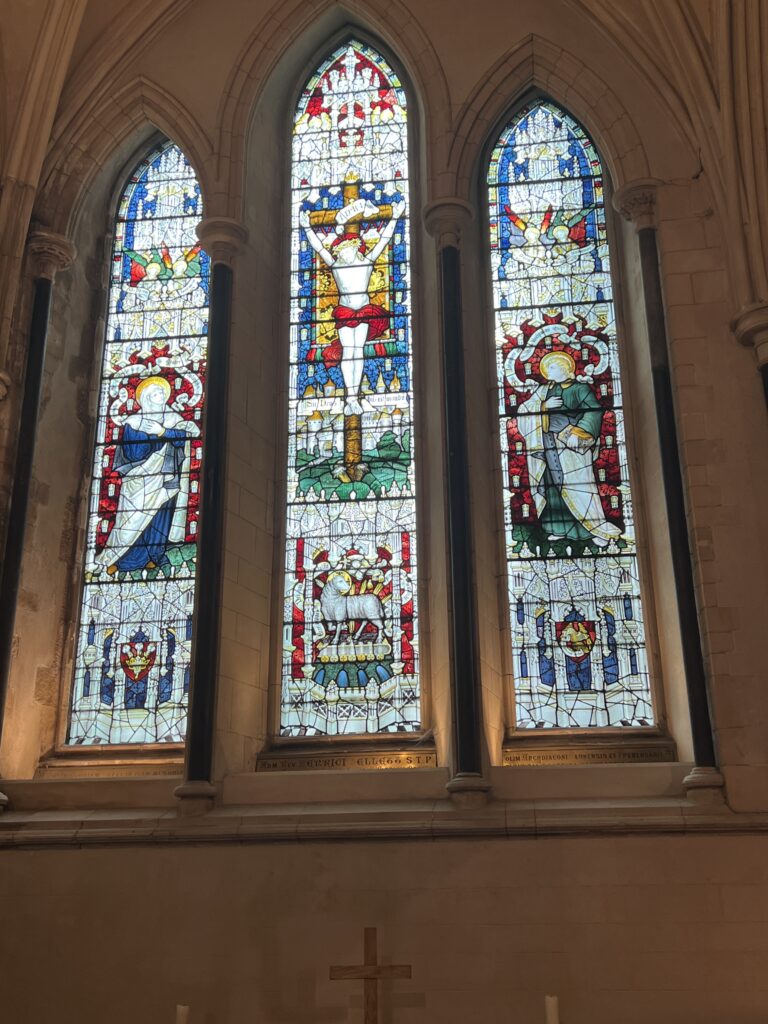
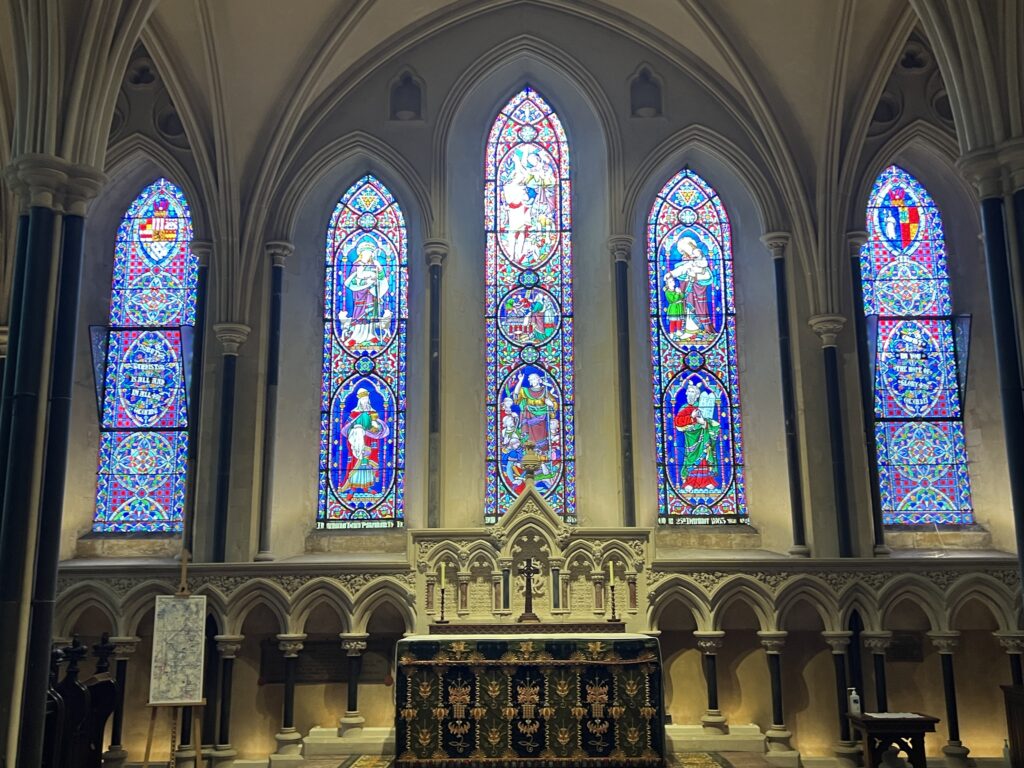
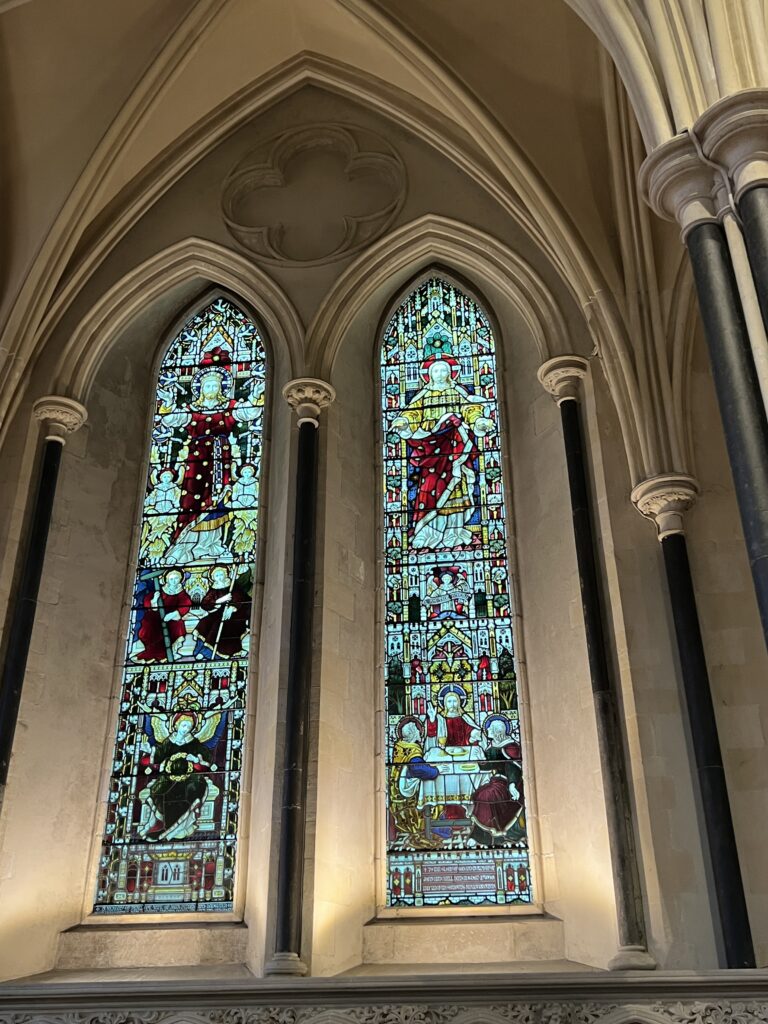
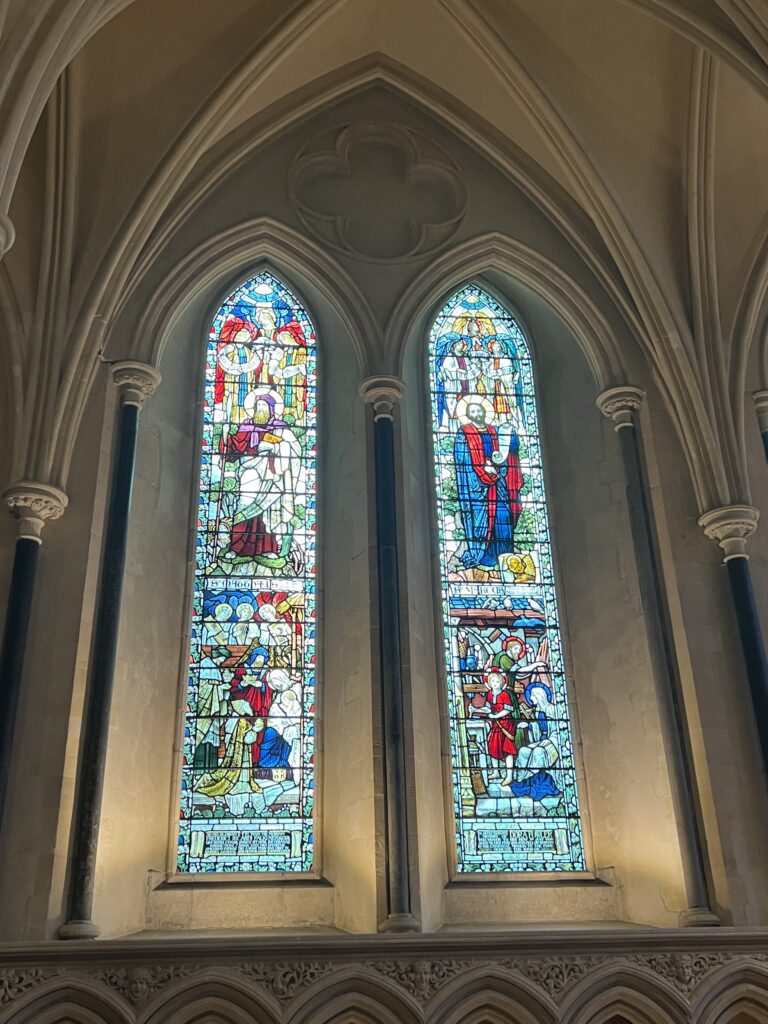
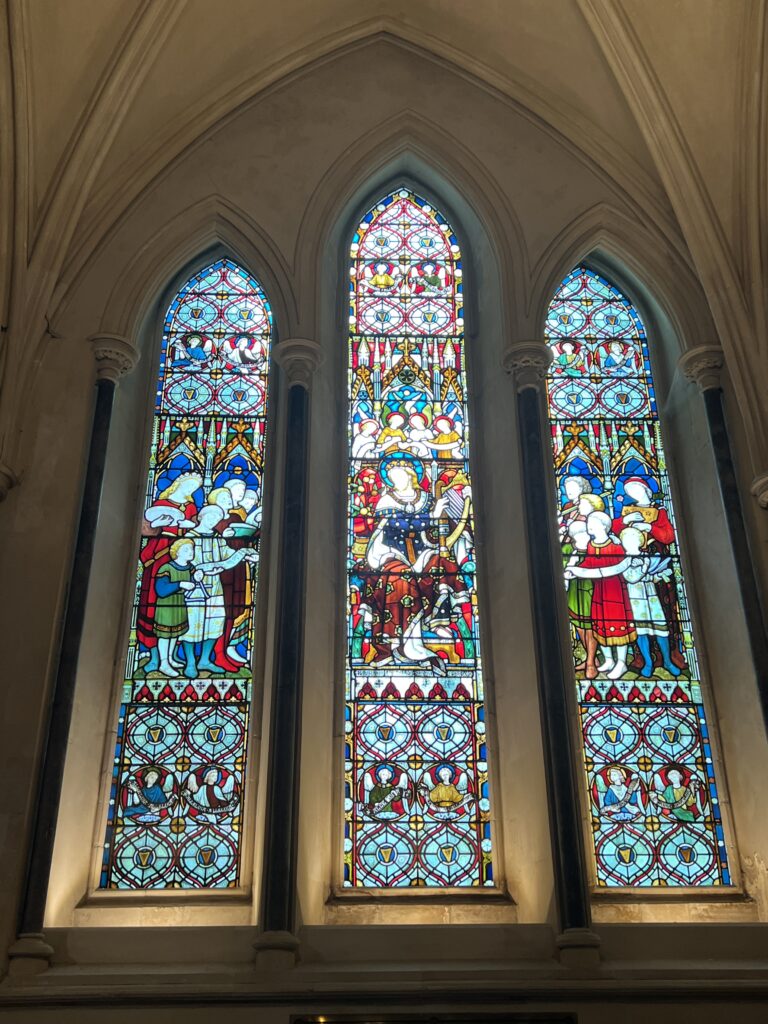
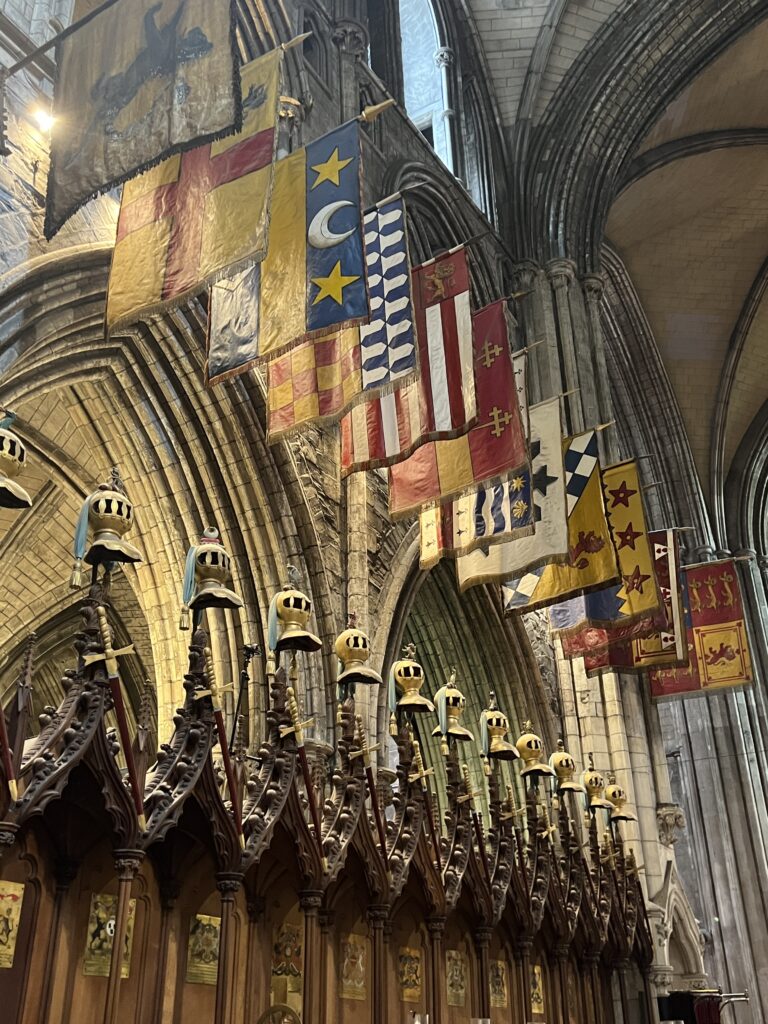
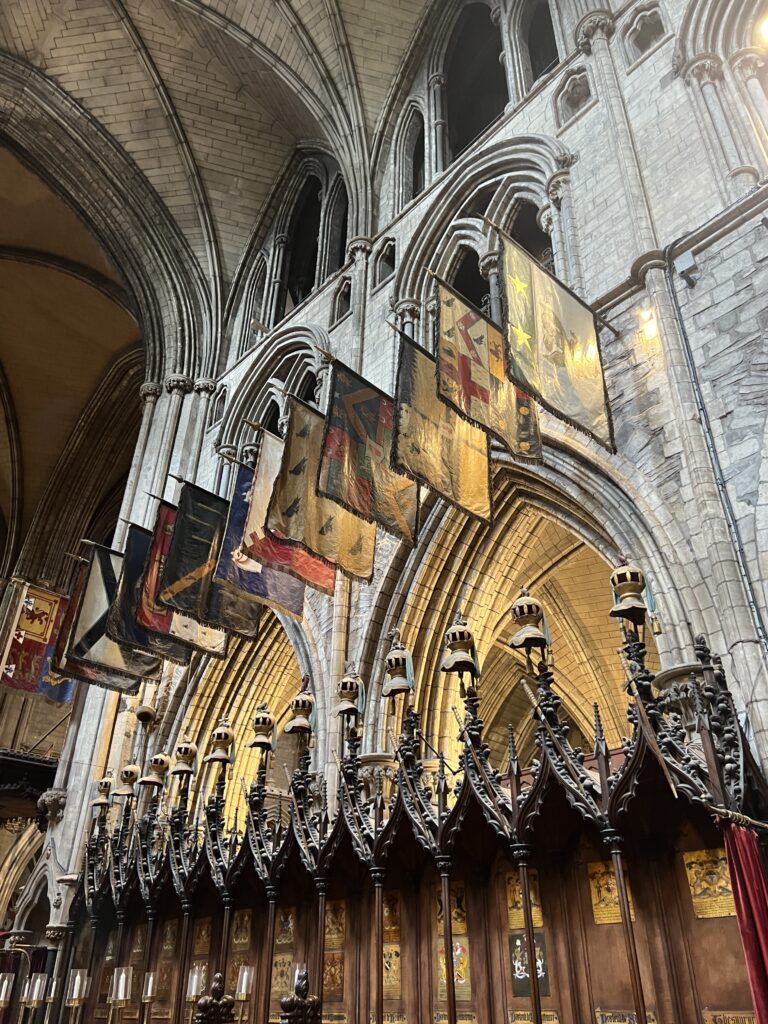
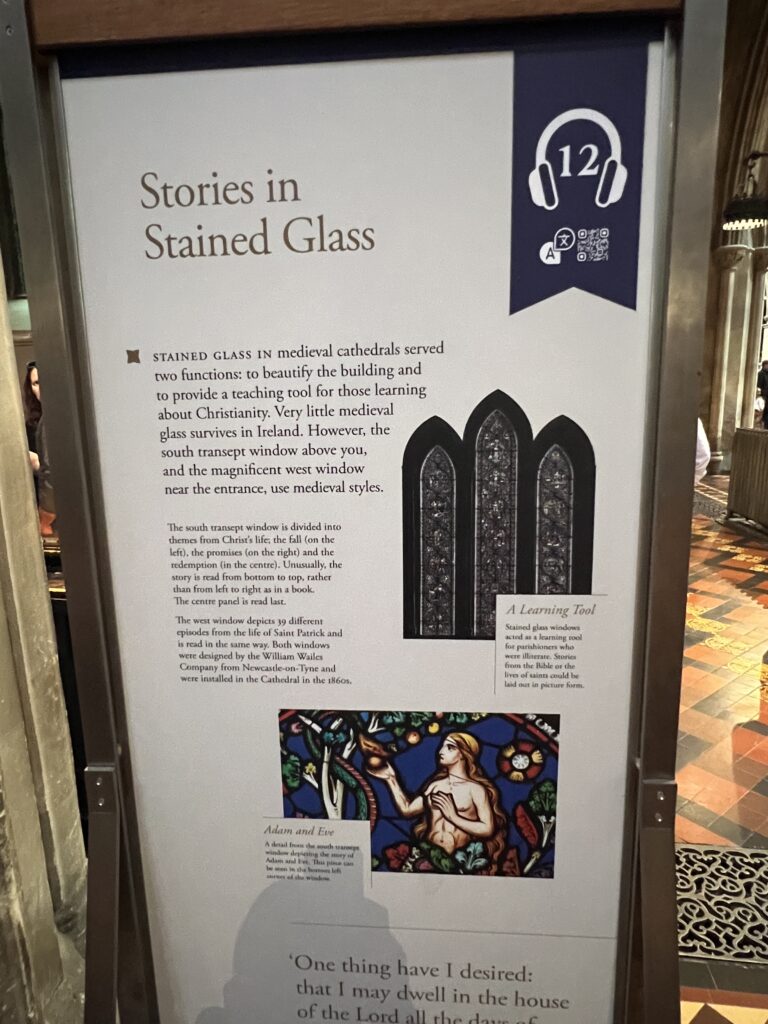
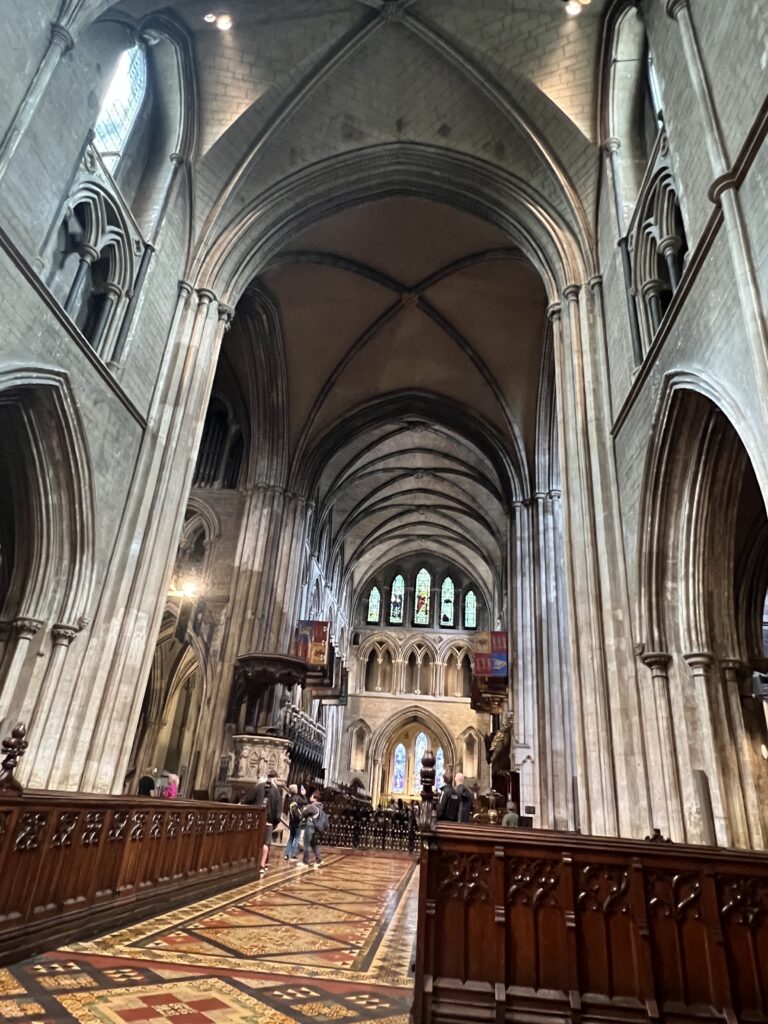
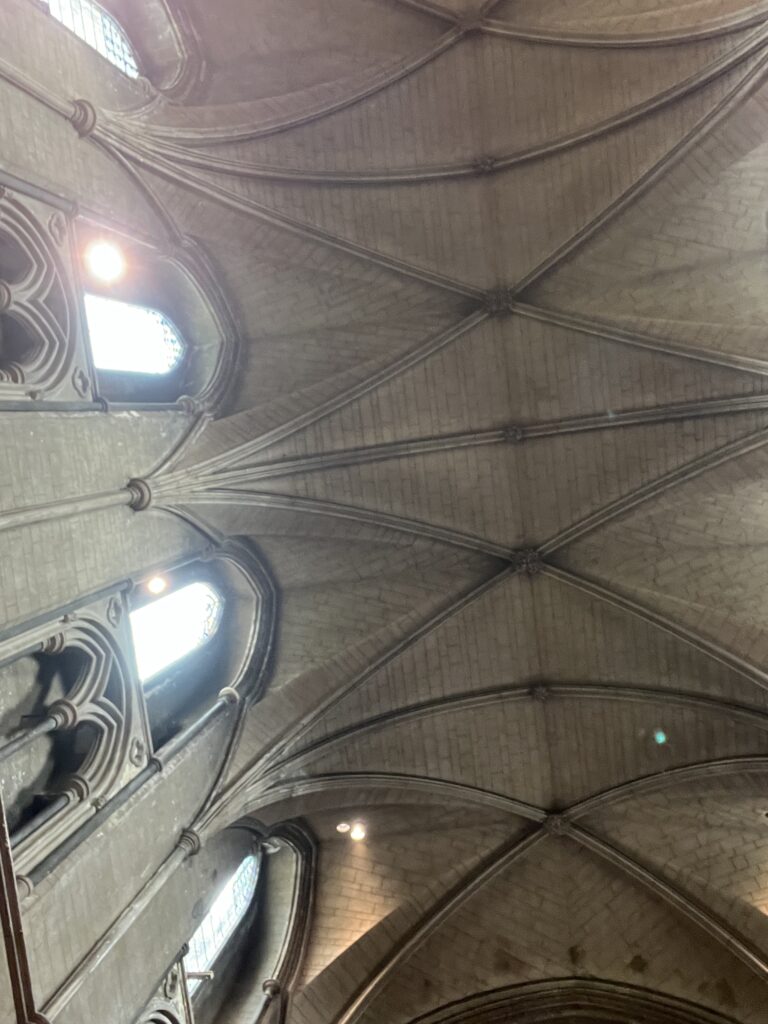
Saint Patrick’s Cathedral (Irish: Ard-Eaglais Naomh Pádraig) in Dublin, Ireland is the national cathedral of the Church of Ireland. Christ Church Cathedral, also a Church of Ireland cathedral in Dublin, is designated as the local cathedral of the Diocese of Dublin and Glendalough.
Unusually, St Patrick’s is not the seat of a bishop, as the Archbishop of Dublin has his seat in the nearby Christ Church Cathedral; the two cathedrals are about 400 meters apart. Since 1870, the Church of Ireland has designated St Patrick’s as the national cathedral for the whole of Ireland, drawing chapter members from each of the 12 dioceses of the Church of Ireland. The dean is the ordinary for the cathedral; this office has existed since 1219. The most famous office holder was Jonathan Swift.
Saint Patrick’s Cathedral Dublin, Ireland
Some believe it was intended that St Patrick’s, a secular (diocesan clergy who are not members of a religious order, i.e. under a rule and, therefore, “regular”) cathedral, would replace Christ Church, a cathedral managed by an order.
A confrontational situation persisted, with considerable tension, over the decades after the establishment of St Patrick’s, and was eventually settled, more or less, by the signing of a six-point agreement of 1300, Pacis Compositio. Still extant, and in force until 1870, it provided that:
The consecration and enthronement of the Archbishop of Dublin was to take place at Christ Church – records show that this provision was not always followed, with many archbishops enthroned in both, and at least two in Saint Patrick’s only
. Christ Church had formal precedence, as the mother and senior cathedral of the diocese
. Christ Church was to retain the cross, mitre and ring of each deceased Archbishop of Dublin
. Deceased Archbishops of Dublin were to be buried alternately in each of the two cathedrals, unless they personally willed otherwise
. The annual consecration of chrism oil for the diocese was to take place at Christ Church
. The two cathedrals were to act as one and shared equally in their freedoms.
. Over the following centuries, the two cathedrals functioned together in the diocese, until in the period of disestablishment of the Church of Ireland, the current designation of one as the cathedral of Dublin and Glendalough, and one as the national cathedral, was developed.
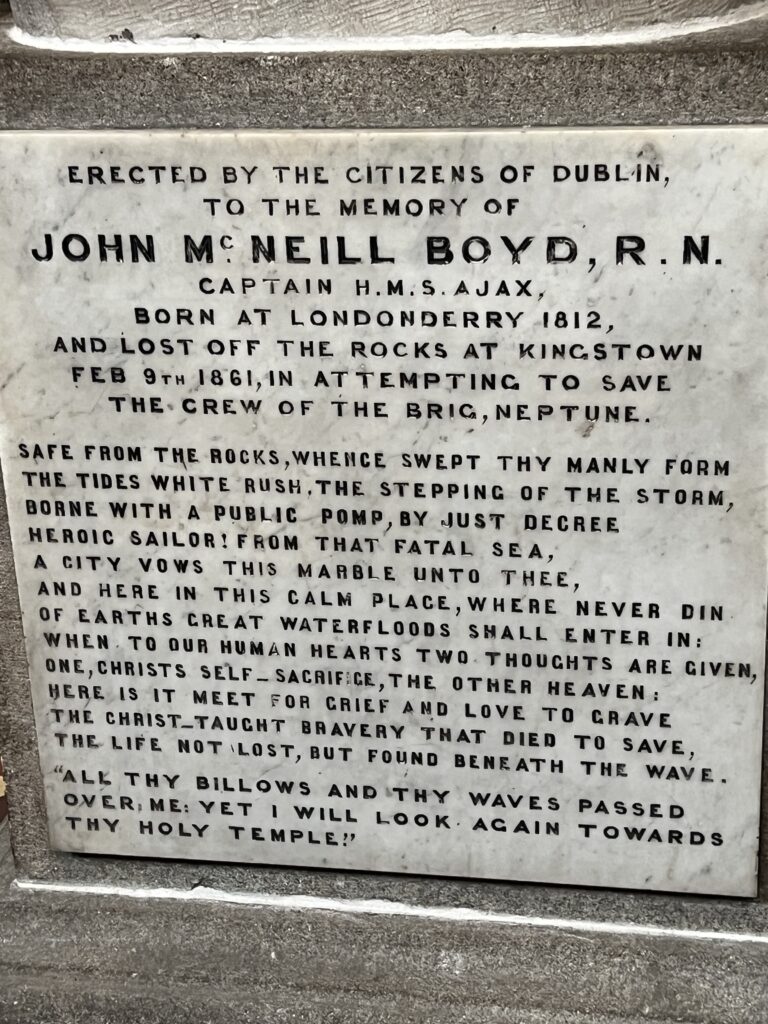
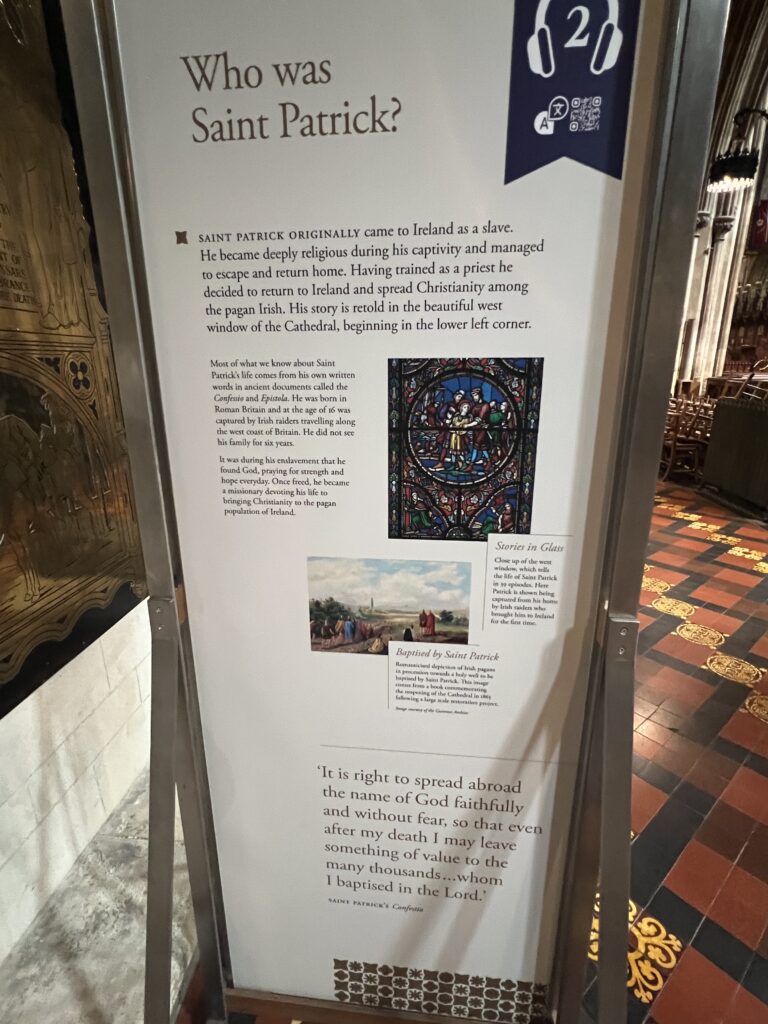
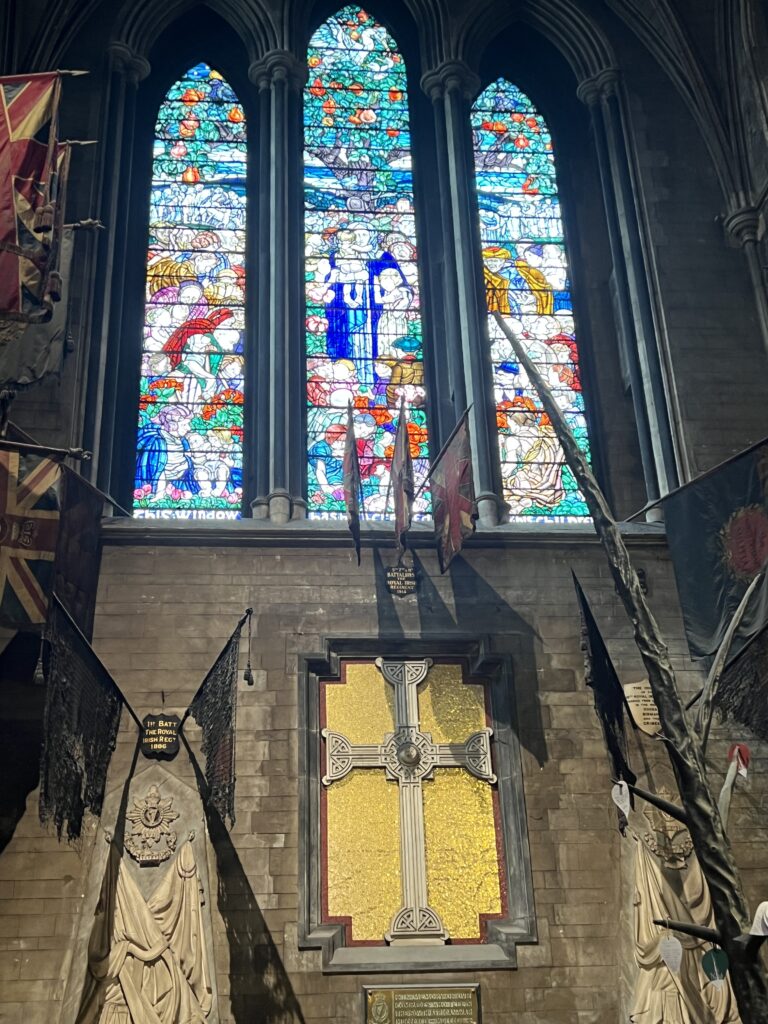
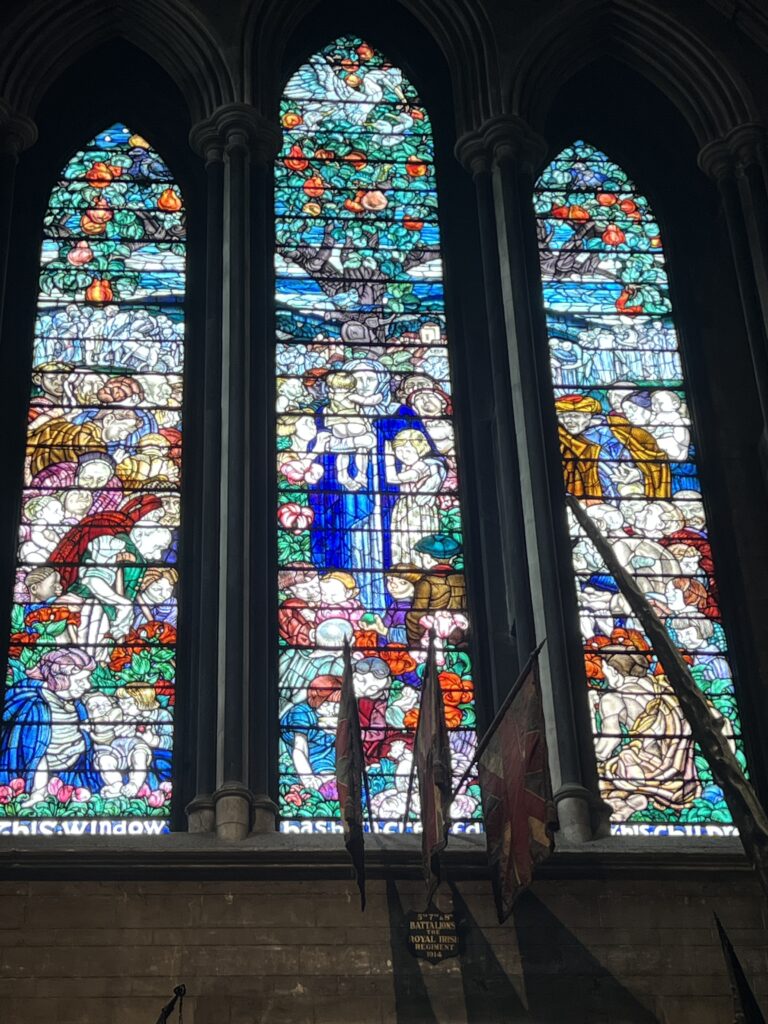
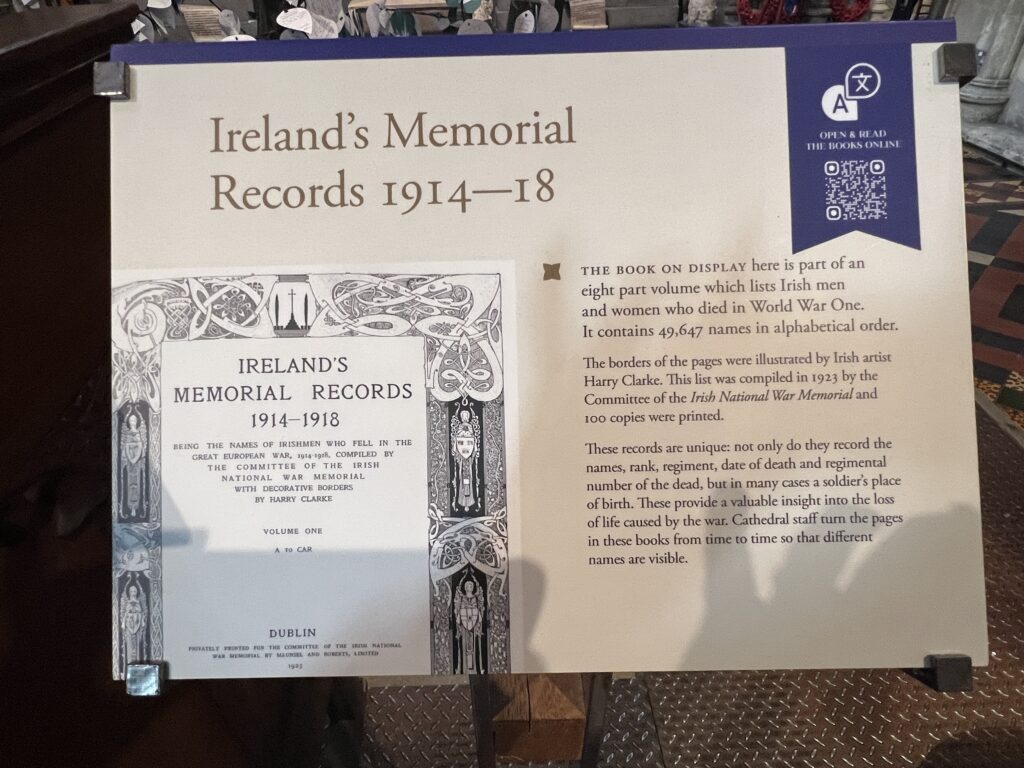
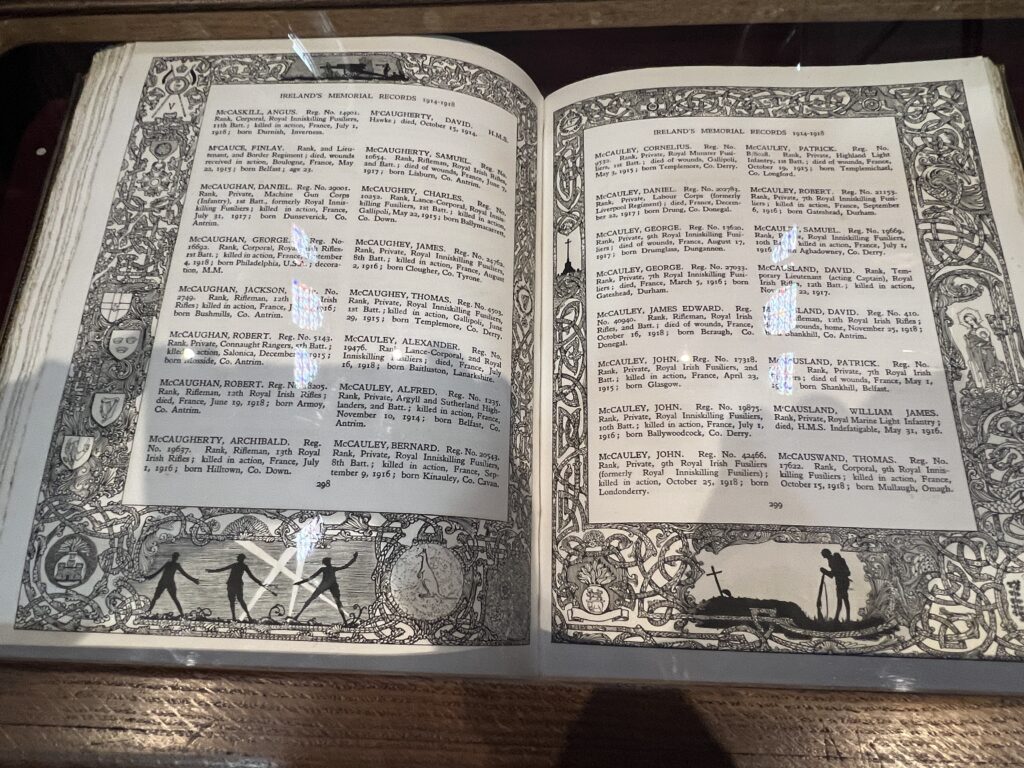
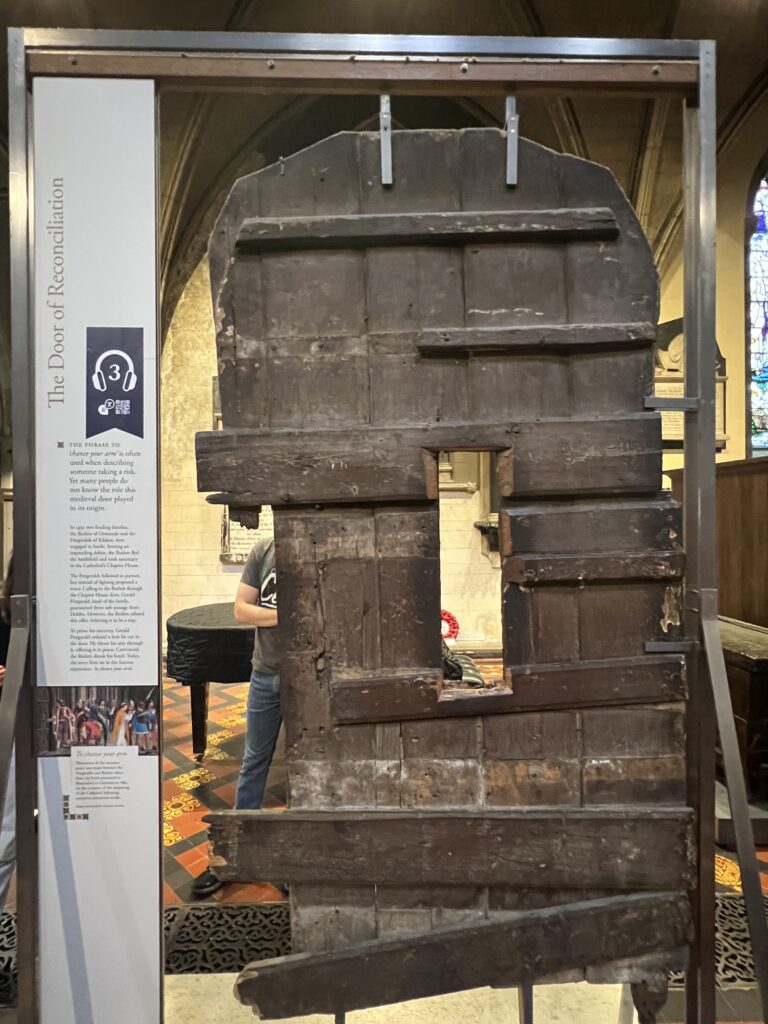
Legend has it that Saint Patrick’s was the place where the expression “chancing your arm” (meaning to take a risk) originated, when The 8th Earl of Kildare cut a hole in a door there, still to be seen, and thrust his arm through it to shake hands in friendship, in an effort to call a truce in the Butler–FitzGerald dispute with James, Earl of Ormond, in 1492.
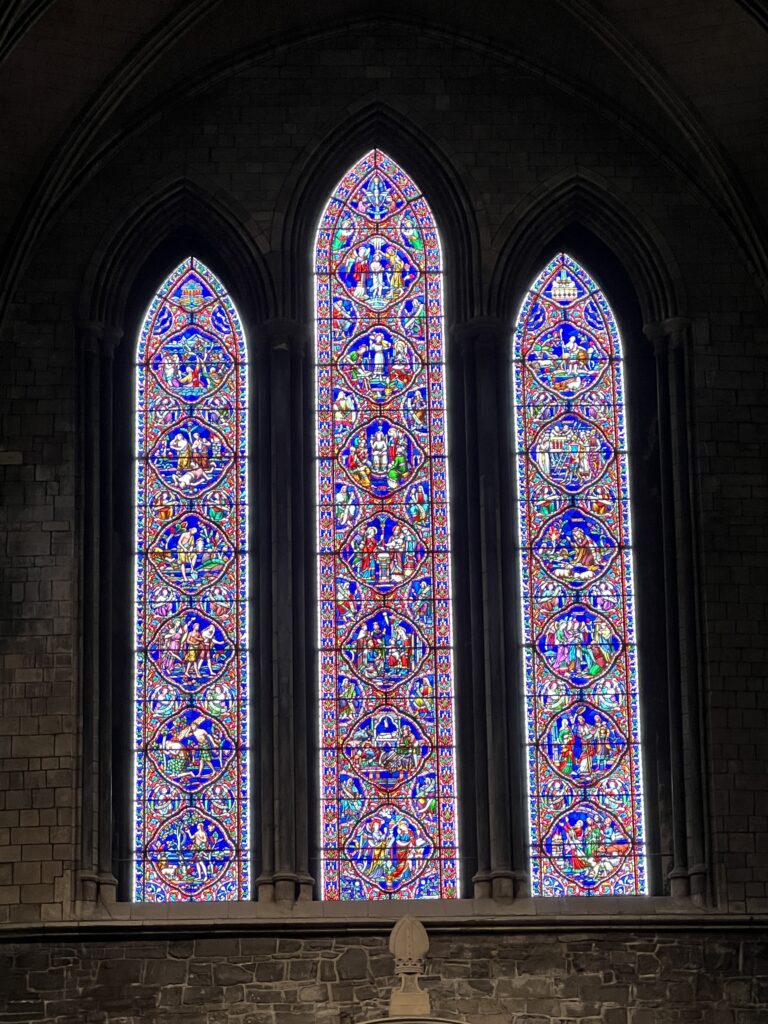
Dublin Castle (Irish: Caisleán Bhaile Átha Cliath) is a major Irish government complex, conference centre, and tourist attraction. It is located off Dame Street in central Dublin.
Originally a motte-and-bailey castle chosen for its position at the highest point of central Dublin, it was mostly rebuilt, from the late 17th century onward, as a Georgian palace. Many of the current buildings date from the 18th century, though a castle has stood on the site since the days of King John, the first Lord of Ireland. The Castle served as the seat of English, then later British, government of Ireland under the Lordship of Ireland (1171–1541), the Kingdom of Ireland (1541–1800), and the United Kingdom of Great Britain and Ireland (1801–1922).
Until 1922 it was the seat of the British government’s administration in Ireland. After the signing of the Anglo-Irish Treaty in December 1921, the complex was ceremonially handed over to the newly formed Provisional Government led by Michael Collins. It now hosts the inauguration of each President of Ireland and various State receptions.
The castle was built by the dark pool (Dubh Linn in Irish) which gave Dublin its name. This pool lies on the lower course of the River Poddle before its confluence with the River Liffey; when the castle was built, the Liffey was much wider, and the castle was effectively defended by both rivers. The Poddle today runs under the complex.
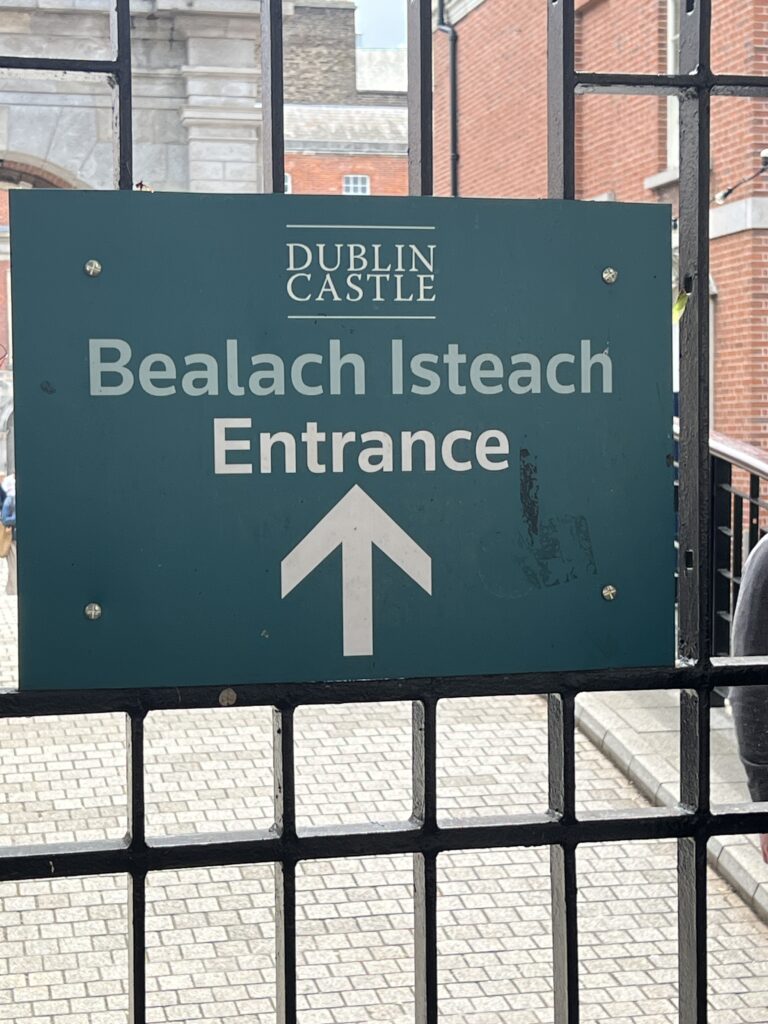
The Dublin Castle closed for six months beginning the day before we arrived in Dublin. Below on the website is the explanation for the closing. The photos below are stock photos.
Dublin Castle | The nerve centre of historical power in Ireland
Dublin Castle was first founded as a major defensive work by Meiler Fitzhenry on the orders of King John of England in 1204, sometime after the Norman invasion of Ireland in 1169, when it was commanded that a castle be built with strong walls and good ditches for the defence of the city, the administration of justice, and the protection of the King’s treasure. It was the first administrative centre for the English Crown in Ireland since the unsuccessful first expedition of John to Ireland in 1185 when he built and issued royal charters from Ardfinnan Castle.
Largely complete by 1230, the castle was of typical Norman courtyard design, with a central square without a keep, bounded on all sides by tall defensive walls and protected at each corner by a circular tower. Sited to the southeast of Norman Dublin, the castle formed one corner of the outer perimeter of the city, using the River Poddle as a natural means of defence along two of its sides. The city wall directly abutted the castle’s northeast Powder Tower, extending north and westwards around the city before rejoining the castle at its southwestern Bermingham Tower.
In January 1592, Red Hugh O’Donnell and brothers Art and Henry O’Neill escaped from the castle after a period of imprisonement. Once free of the castle, Henry O’Neill went his own direction and returned safely to Ulster, whereas O’Donnell and Art, alongside a guide sent to help them, continued south to the rural valley of Glenmalure, a rebel stronghold where they knew they would find safety. The escape and subsequent journey to Glenmalure at night in winter, during which Art died of exposure, has been commemorated officially every January since 2009 by the annual Art O’Neill Challenge endurance race/walk.
Dublin Castle, seen from the park to the south, outside the walls
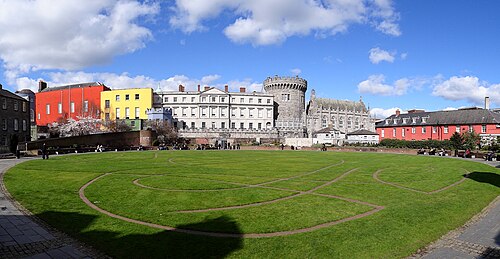
View of Dublin Castle showing from left to right, gateway to the Dubhlinn Gardens, Chapel Royal, Record Tower, gateway to the upper yard, Treasury Building, visitor reception center, and Palace Street Gate
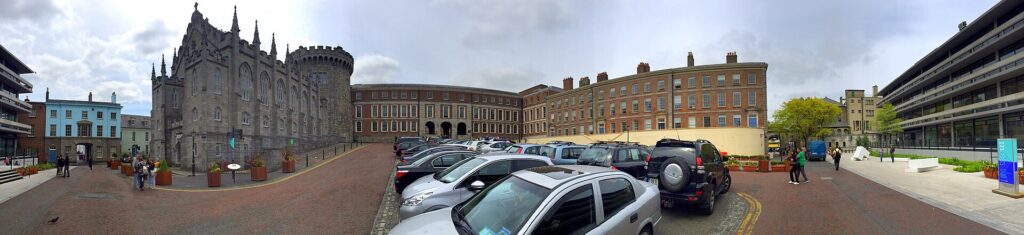
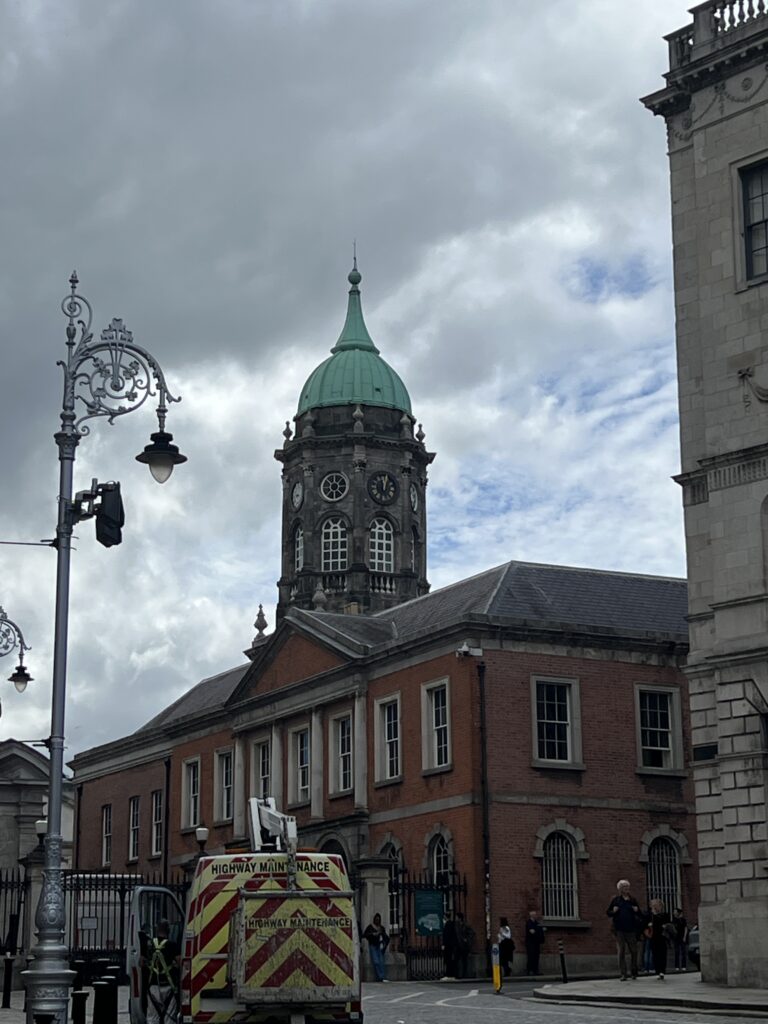
The upper yard of the Dublin Castle, Dublin, Ireland. The view shows, from left to right: Conference Centre, Bedford Hall flanked by the Gates of Fortitude and Justice, Revenue Commissioners, entranceway from the Chapel Royal/Record Tower yard, and finally States Apartments and Dubhlinn Tearooms.
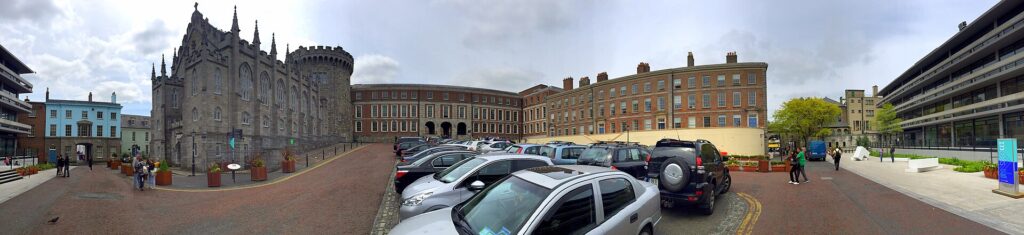
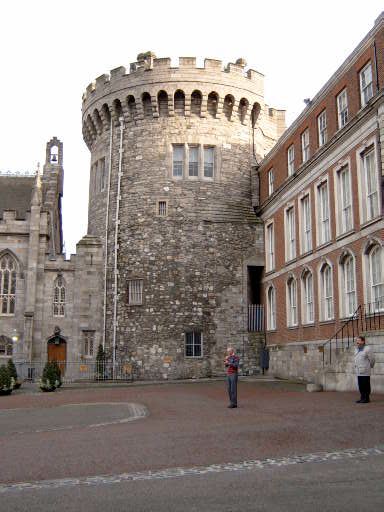
The Record Tower, the sole surviving tower of the medieval castle dating from c. 1228. To its left is the Chapel Royal. The Record Tower at the southeast corner is another original part of the castle. Also known as the Wardrobe Tower, it originally dates from the 1220s. It was restored between 1810 and 1813 by Francis Johnston.
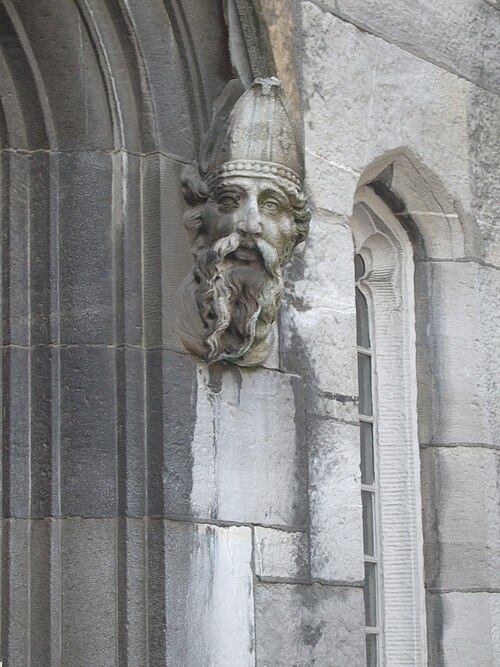
A carved head of Saint Patrick on the Chapel Royal
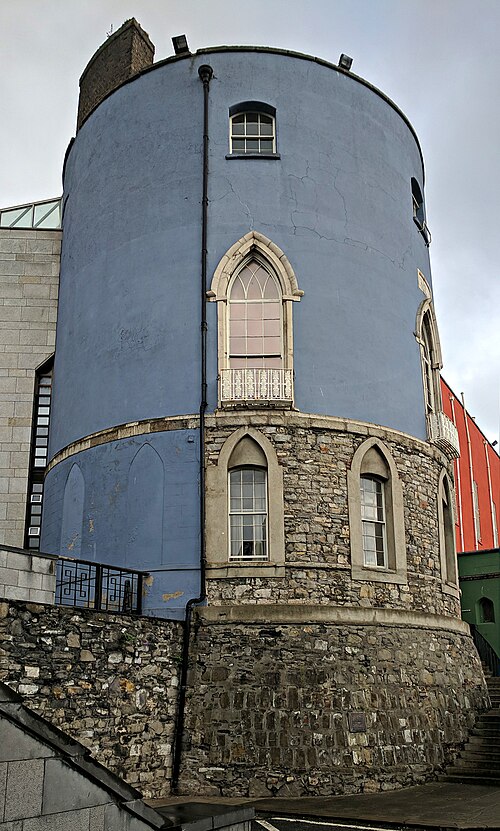
Bermingham Tower at the southwest corner of Dublin Castle. The base of the original Bermingham Tower is one of the few remaining parts of the original castle. At the southwest corner of the castle, the tower has a modern upper part. It is unclear which member of the De Bermingham family the tower was named for; perhaps William or Walter or John or Sir Walter.
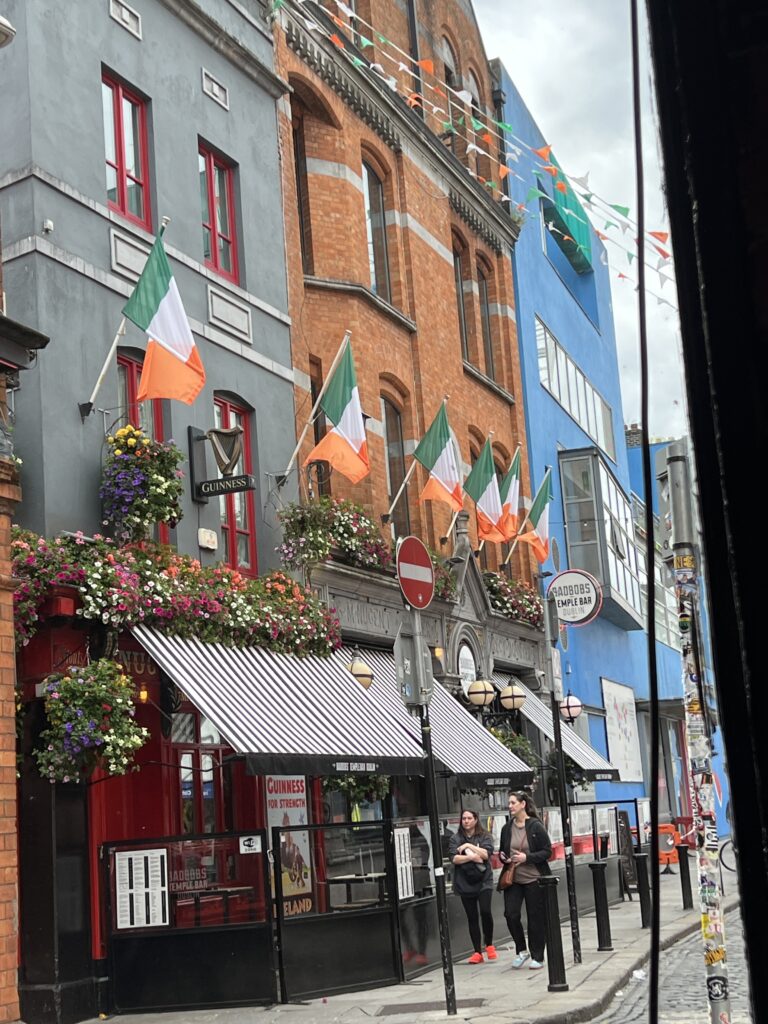
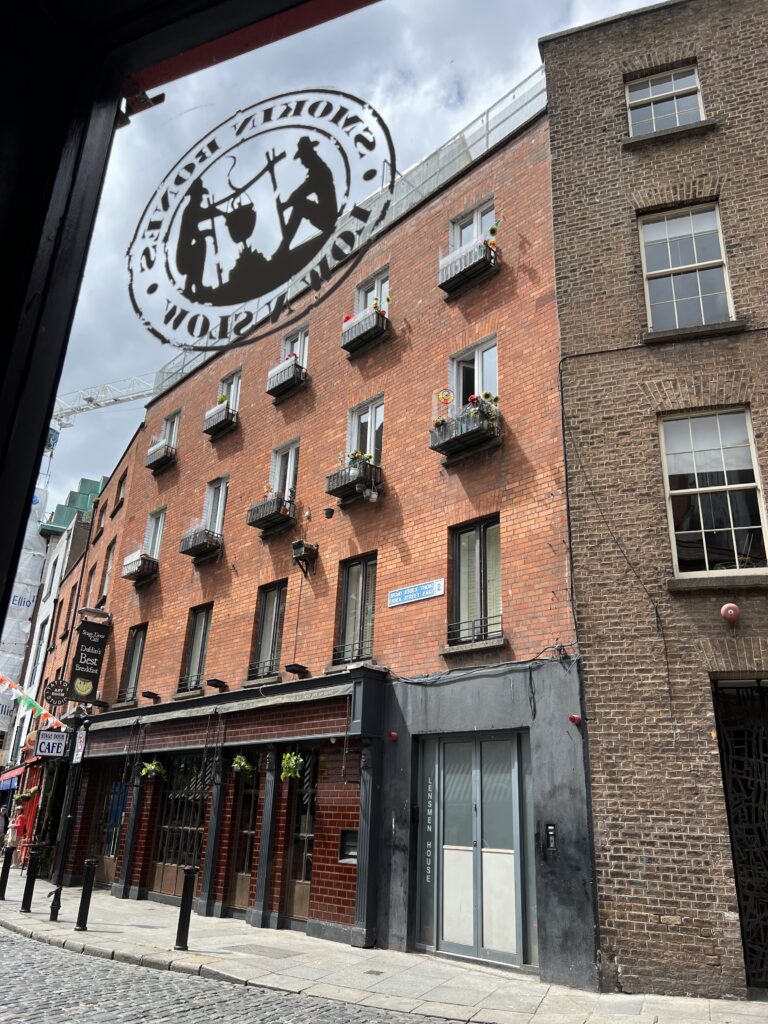
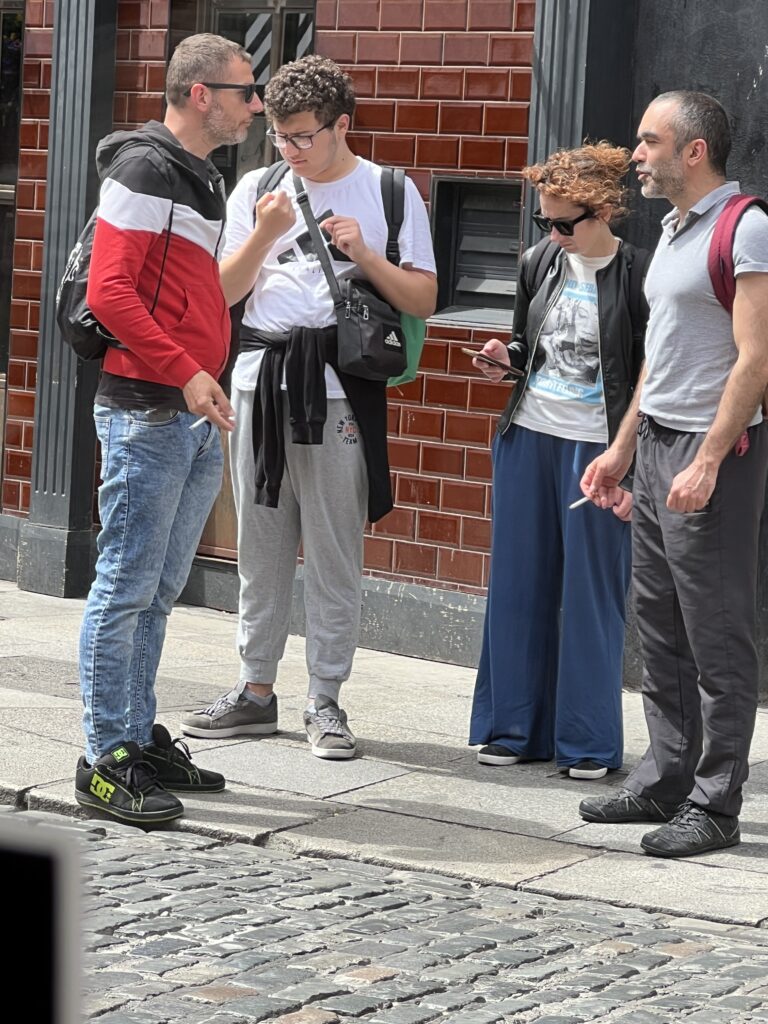
Found a city where people smoke cigarettes on the streets
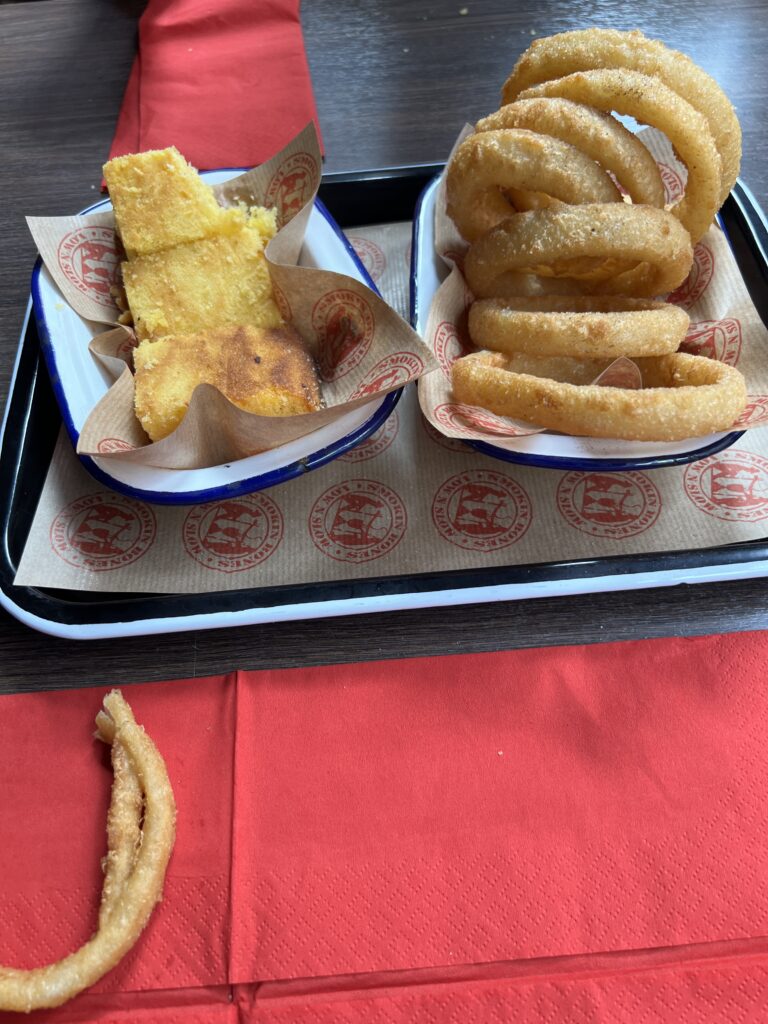
Fried onion rings and cornbread to start
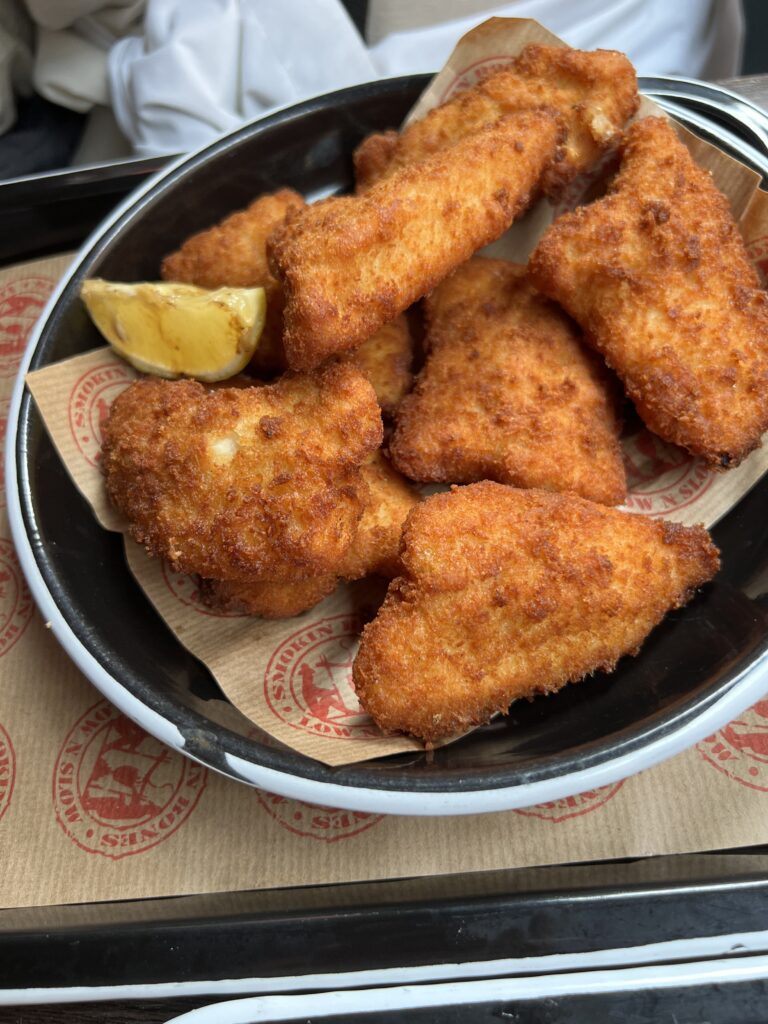
Jackie has been wanting chicken tenders as none served on the ship. She did not realize an order was three chickens 🙂
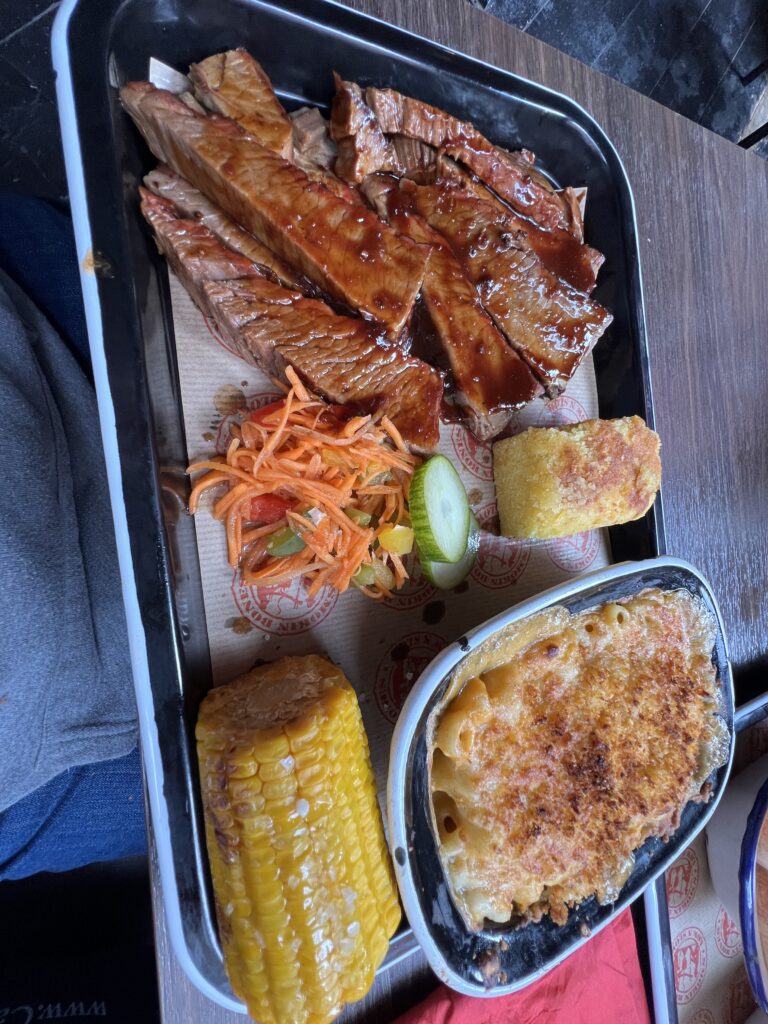
The beef brisket was very good and I ate everything you see here on the plate
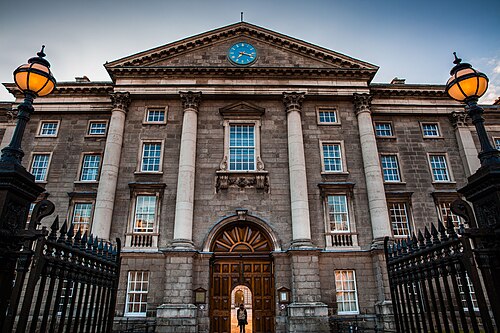
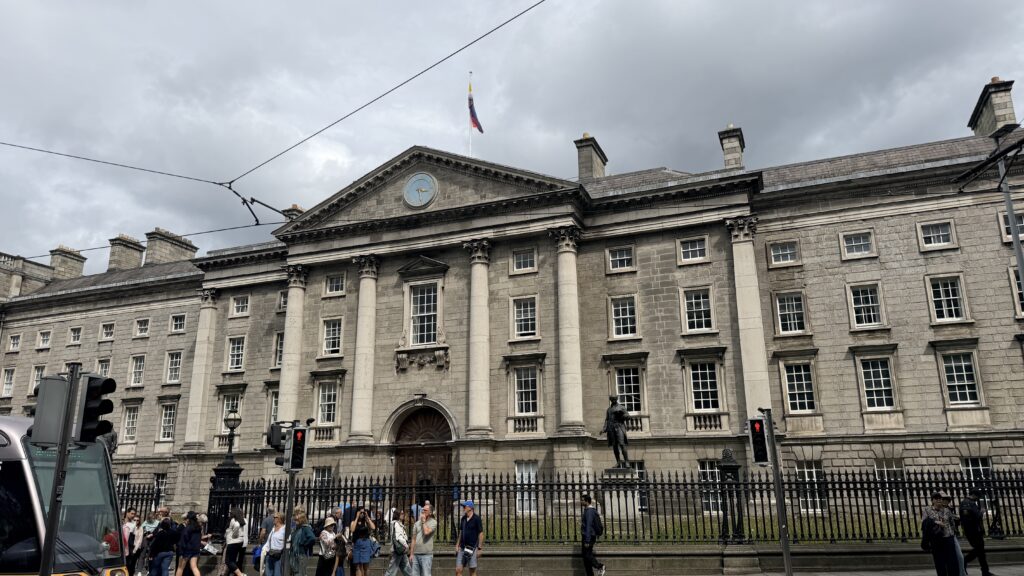
The College of the Holy and Undivided Trinity of Queen Elizabeth near Dublin, branded by the board as Trinity College, the University of Dublin, and officially incorporated as Trinity College Dublin (TCD) (Irish: Coláiste na Tríonóide, Baile Átha Cliath), is the sole constituent college of the University of Dublin in Ireland. Founded in 1592 by Queen Elizabeth I through a royal charter, it is one of the seven ancient universities of Great Britain and Ireland. As Ireland’s oldest university, Trinity contributed to Irish literature during the Victorian and Georgian eras and played a notable role in the recognition of Dublin as a UNESCO City of Literature.
Trinity was established to consolidate the rule of the Tudor monarchy in Ireland, with Provost Adam Loftus christening it after Trinity College, Cambridge. Built on the site of the former Priory of All Hallows demolished by King Henry VIII, it was the Protestant university of the Ascendancy ruling elite for over two centuries and was therefore associated with social elitism for most of its history. Trinity has three faculties comprising 25 schools, and affiliated institutions include the Royal Irish Academy of Music, the Lir Academy, and the Irish School of Ecumenics. It is a member of LERU and the Coimbra Group. Trinity College Dublin is one of the two sister colleges of both Oriel College, Oxford, and St John’s College, Cambridge, and through mutual incorporation, the three universities have retained an academic partnership (Oxon, Cantab and Dubl) since 1636.
The college contains several landmarks such as the Campanile, the GMB, and The Rubrics, as well as the 16th century Trinity library. Its legal deposit library serves both Ireland and the United Kingdom, and has housed the Book of Kells since 1661, the Brian Boru harp since 1782, and a copy of the Proclamation of the Irish Republic since 1916. A major destination in Ireland’s tourism, the college receives over two million visitors annually and has been used as a location in movies and novels. Trinity also houses the world’s oldest student society, The Hist, which was founded in 1770.
Notable alumni of Trinity include literary figures such as Oscar Wilde, Jonathan Swift, Samuel Beckett, Bram Stoker, Sheridan Le Fanu, J. M. Synge, Thomas Moore, Oliver Goldsmith, William Congreve, and three of the best-selling novelists of all time; statesman Éamon de Valera; philosophers George Berkeley and Edmund Burke; and recipients of the Nobel Prize and the Booker Prize. Trinity alumni invented the binaural stethoscope, steam turbine, and hypodermic needle; pioneered seismology, leprosy cure, radiotherapy, and linear algebra; performed the first artificial nuclear transmutation; and coined the term electron. Additionally, the university is associated with two prime ministers, two attorney generals, four presidents, and fourteen chief justices of Ireland.
Visit Trinity College Dublin | Trinity Visitors
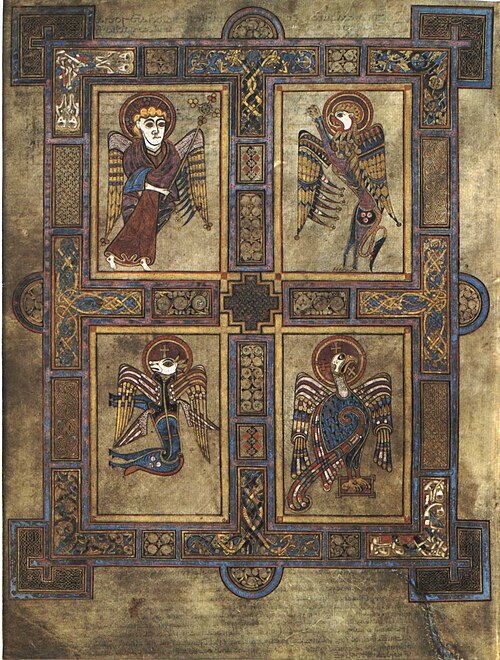
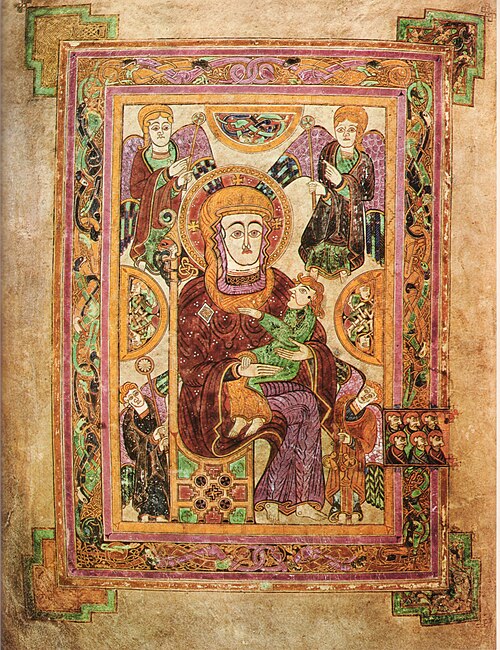
The Book of Kells (Latin: Codex Cenannensis; Irish: Leabhar Cheanannais; Library of Trinity College Dublin, MS A. I., sometimes known as the Book of Columba) is an illustrated manuscript and Celtic Gospel book in Latin, containing the four Gospels of the New Testament together with various prefatory texts and tables. It was created in a Columban monastery in Scotland and may have had contributions from various Columban institutions from Scotland and Ireland. It is believed to have been created c. 800 AD. The text of the Gospels is largely drawn from the Vulgate, although it also includes several passages drawn from the earlier versions of the Bible known as the Vetus Latina. It is regarded as a masterwork of Western calligraphy and the pinnacle of Insular illumination. The manuscript takes its name from the Abbey of Kells, County Meath, which was its home for centuries.
The Book of Kells is one of the finest and most famous, and also one of the latest, of a group of manuscripts in what is known as the Insular style, produced from the late 6th through the early 9th centuries in monasteries in Britain and Ireland and in continental monasteries with Hiberno-Scottish or Anglo-Saxon foundations. These manuscripts include the Cathect of St. Columba, the Ambrosiana Orosius, fragmentary Gospel in the Durham Dean and Chapter Library (all from the early 7th century), and the Book of Durrow (from the second half of the 7th century). From the early 8th century come the Durham Gospels, the Echternach Gospels, the Lindisfarne Gospels, and the Lichfield Gospels. Among others, the St. Gall Gospel Book belongs to the late 8th century and the Book of Armagh (dated to 807–809) to the early 9th century.
The Book of Kells, circa 800, showing the lavishly decorated text that opens the Gospel of John
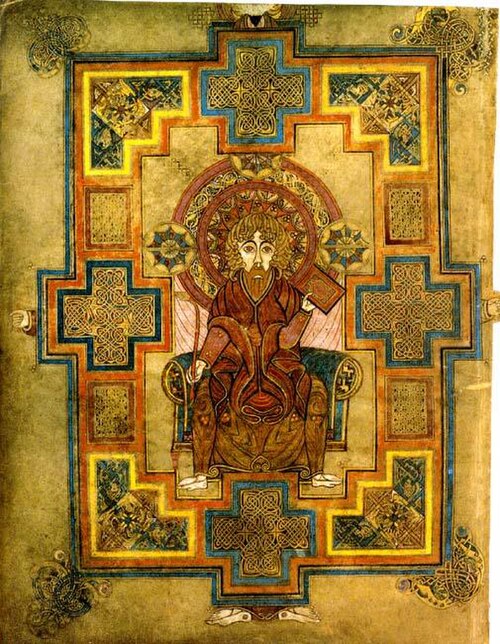
Christ enthroned.
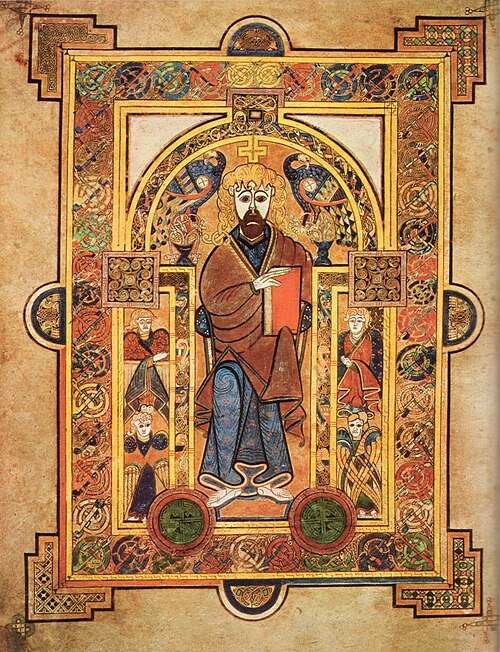
The symbols of the Four Evangelists (clockwise from top left): an angel (Matthew), a lion (Mark), an eagle (John) and an ox (Luke)
An image of the Virgin and Child. This is the oldest extant image of the Virgin Mary in a Western manuscript.
Entrance gateway on College Green
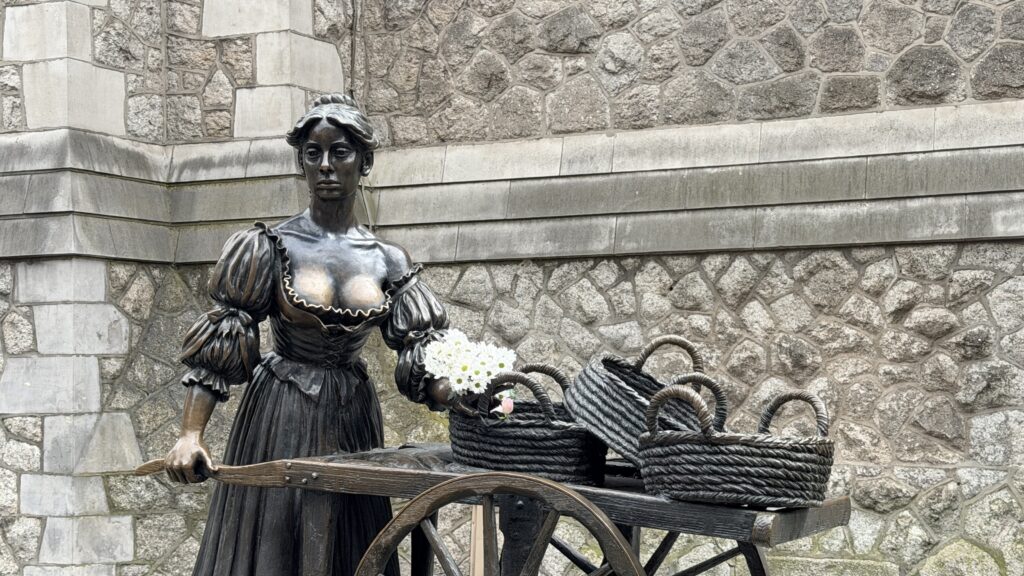
“Molly Malone” (Roud 16932; also known as “Cockles and Mussels” or “In Dublin’s Fair City”) is a song set in Dublin, Ireland, which has become the city’s unofficial anthem.
A statue representing Molly Malone, designed by Dublin artist Jeanne Rynhart, was unveiled on Grafton Street during the 1988 Dublin Millennium celebrations by then Lord Mayor of Dublin, Ben Briscoe. In July 2014, the statue was relocated to Suffolk Street, in front of the Tourist Information Office, to make way for Luas track-laying work at the old location.
The song tells the fictional tale of a fishwife who plied her trade on the streets of Dublin and died young, of a fever. In the late 20th century, a legend grew up that a historical Molly lived in the 17th century. She is typically represented as a hawker by day and a part-time prostitute by night. In contrast, she has also been portrayed as one of the few chaste female street hawkers of her day.
There is no evidence that the song is based on a real woman in the 17th century or any other time. The name “Molly” originated as a familiar version of the names Mary and Margaret. Many such “Molly” Malones were born in Dublin over the centuries, but no evidence connects any of them to the events in the song. Nevertheless, the Dublin Millennium Commission in 1988 endorsed claims made for a Mary Malone who died on 13 June 1699 and proclaimed 13 June to be “Molly Malone Day”.
Sometime before 2014, reportedly at the instigation of an “imaginative tour guide”, tourists began rubbing the statue’s bosom area “for luck”. The relatively new practice has been criticized by a number of people, including Dublin-born singer Imelda May, who associated it with the objectification of women and questioned how “the only statue in Dublin with breasts is basically assaulted in front of our children’s eyes daily”. In February 2024, a busker initiated a “Leave Molly Alone” campaign to draw attention to the trend and call for it to end. In 2025, Dublin City Council hired stewards in a trial to discourage the practice. The trial was not viewed as successful by the city council, and a decision was made to place flowerbeds around the base as a physical barrier.
Train heading away from the port. We almost got on this train until Jackie realized we had got on the wrong platform and had to exit and then find the correct platform
Beside visiting the two cathedrals we did some shopping for the grandchildren and ended up having to buy another suitcase later on during the trip to carry the stuff home. I think this is the 6th or 7th piece of luggage we have purchased on trips. And not a single piece match another 🙂