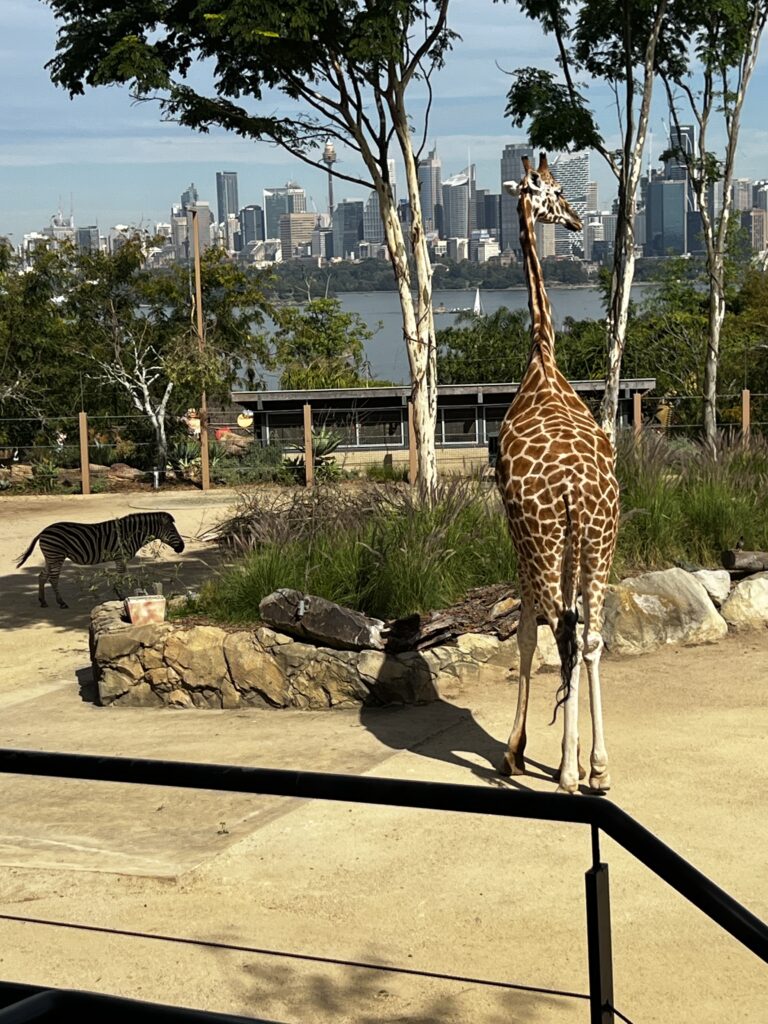
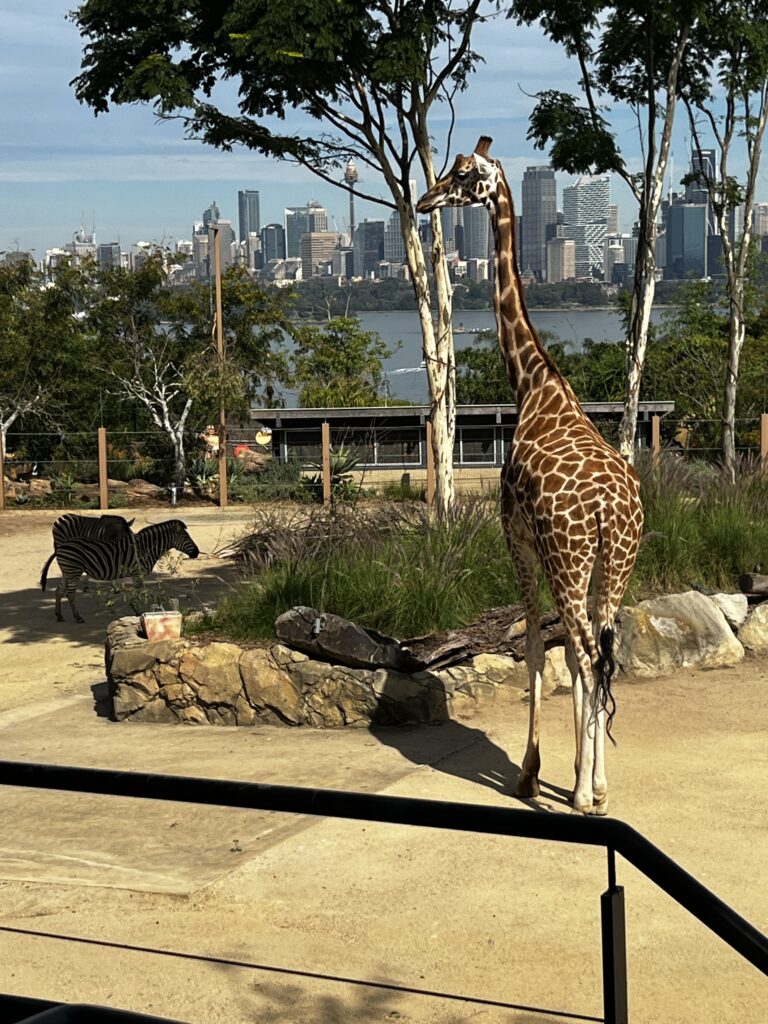
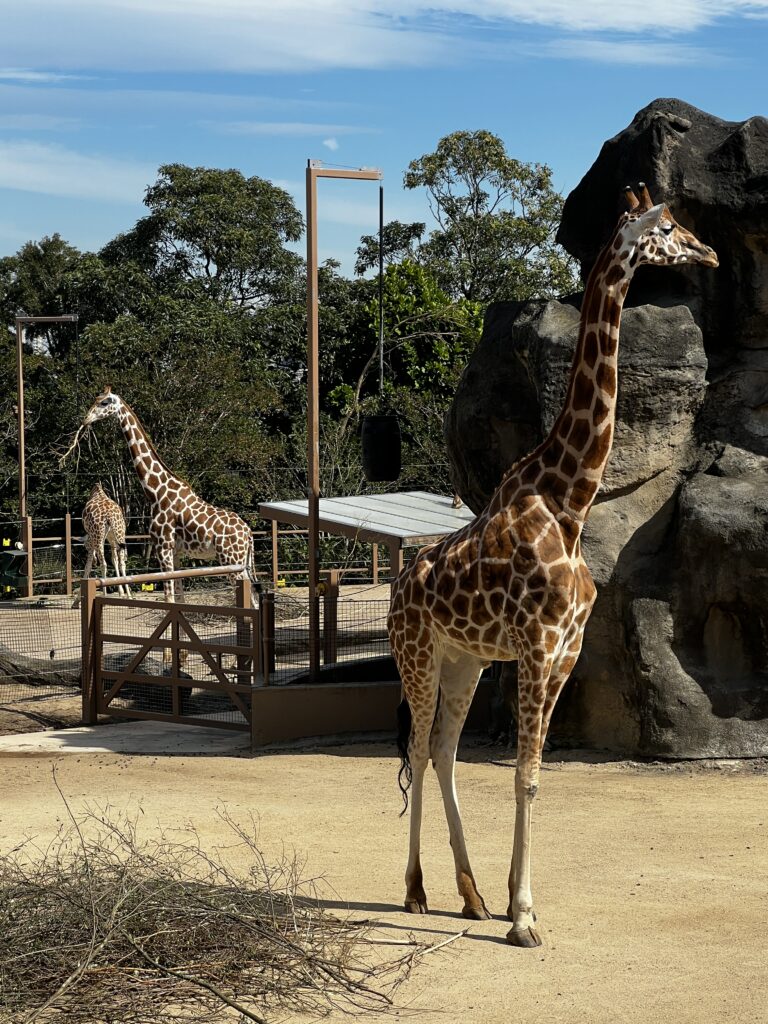
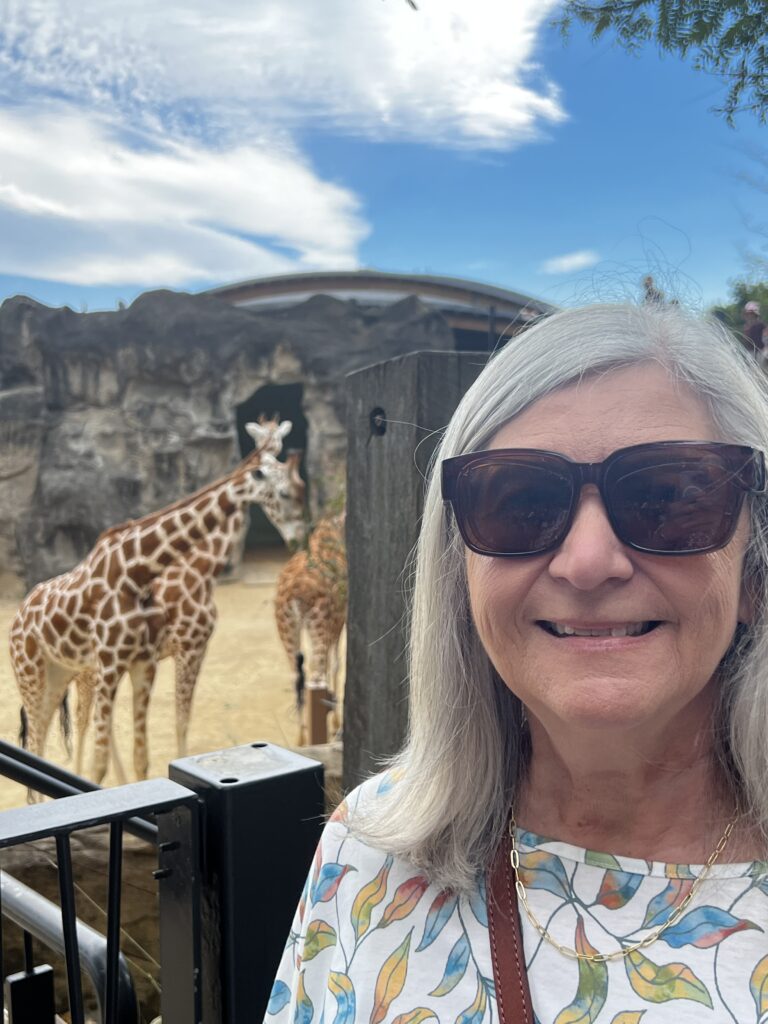
Day 42 Friday April 17th (78 days to go) — Our last day in Sydney and it was another full day. We got started this morning with a ferry ride to Tarongo Zoo. We were on a mission to see some Australian animals that we had not seen before. It was a good four-hour visit before we headed to Manly, Australia.
On the way to Manly, we got on a bus that we thought was bringing us back to the ferry. We ended up riding on a Sydney public transit bus, but since we thought it was a zoo transfer bus we rode 45 minutes for free. A lady on the bus helped us figure out we were on the wrong bus going the wrong way but explained to us what to do and also spoke to the bus driver when she got off to make sure that we got off at the right stop. Cut Off population 2,500 coming to Sydney population 5.31 million. It happens when traveling because we don’t have busses, ferries, subways or trains in Cut Off. That is the excuse we are sticking with…. laughing.
After getting back to our starting area that we recognized around the hotel and Sydney Harbour we jumped on another ferry to Manly where we hung out for a couple of hours before making our way back to the hotel for a quick shower and then to the Sydney Opera House for a ballet performance. I missed my tryout at the Oslo Ballet because the flight was delayed getting to Oslo. I was asked to tryout tonight, but I am too tired. It is a shame because I KNOW that I can add much to the ballet here in Sydney.
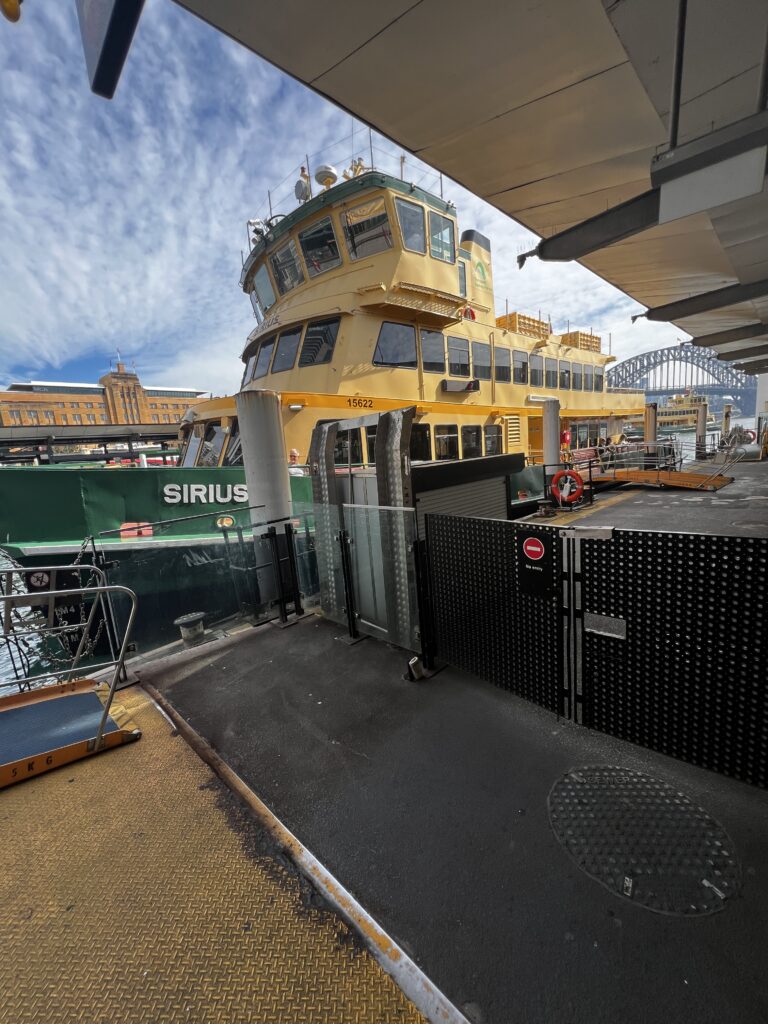
Ride to the zoo on the ferry was 30 minutes. The ferry system in Sydney is great. The number of ferries moving about the harbor are numerous and non-stop.
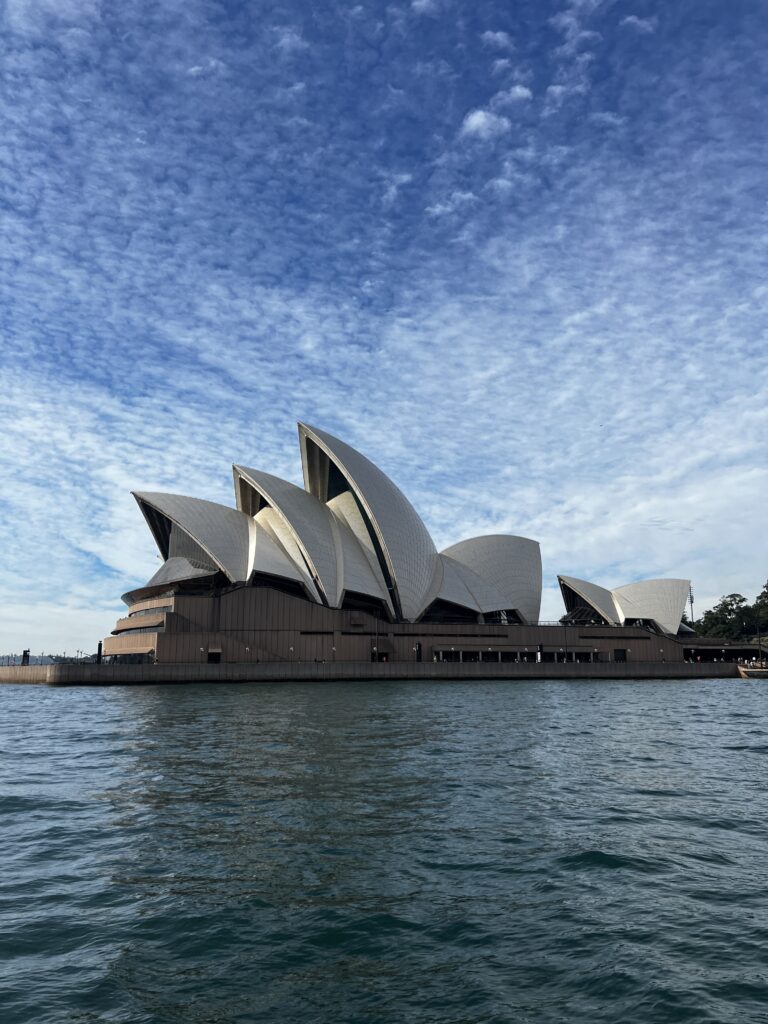
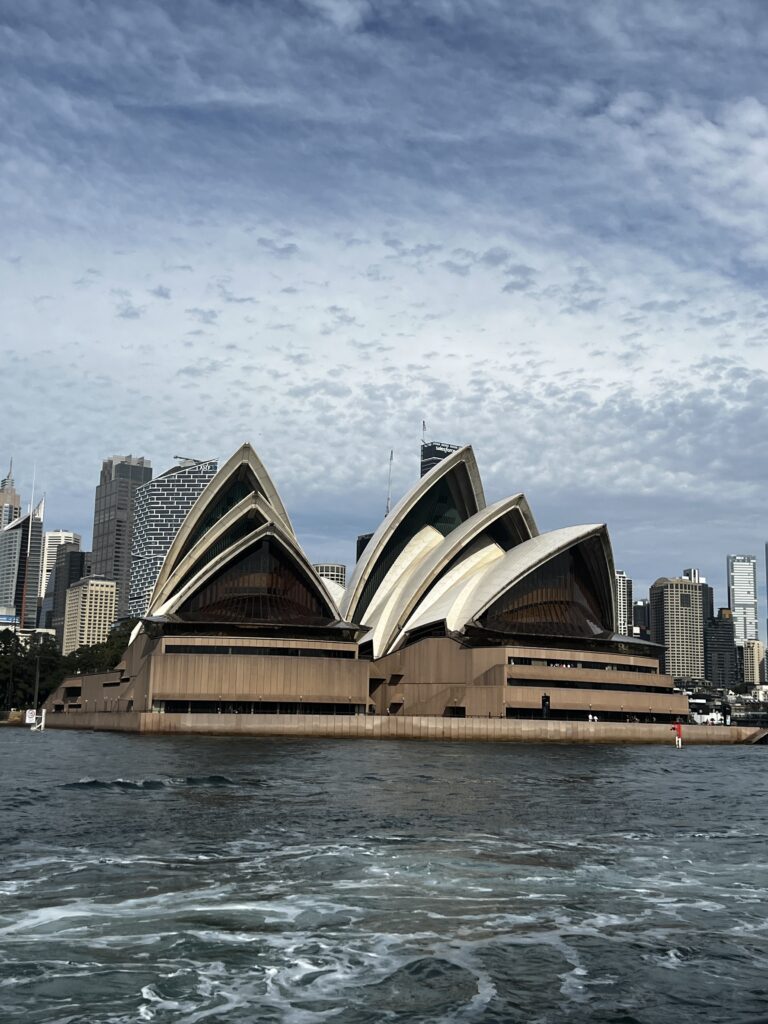
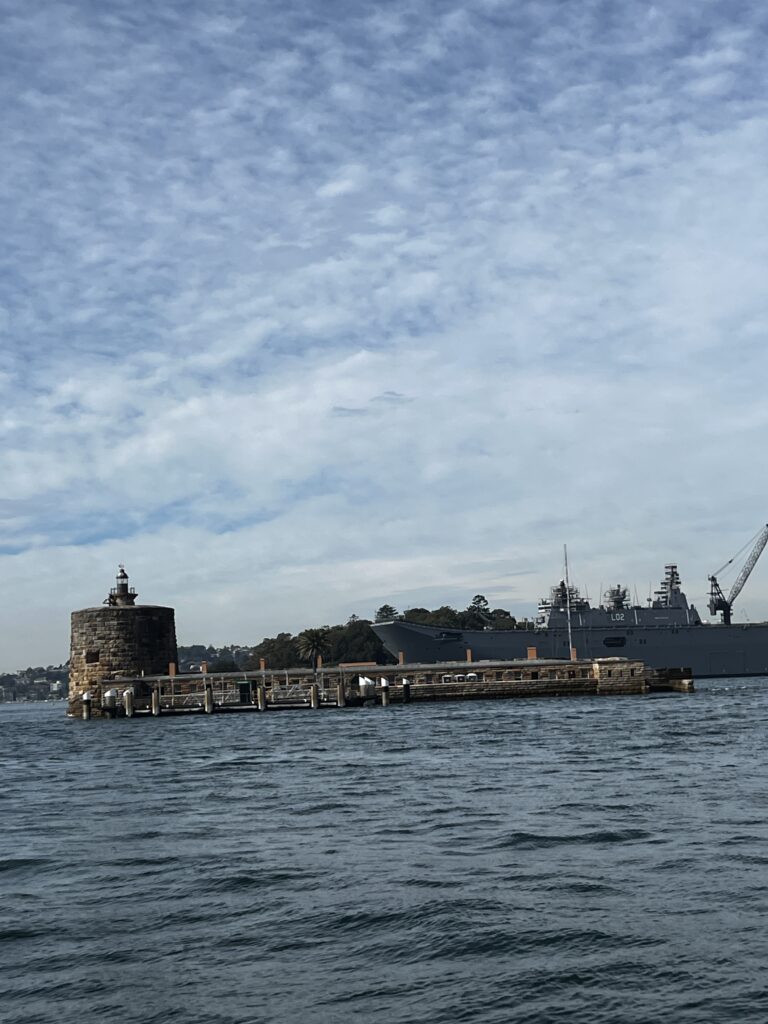
Fort Denison, part of the Sydney Harbour National Park, is a heritage-listed former penal site and defensive facility occupying a small island located north-east of the Royal Botanic Garden and approximately 1 kilometer (0.62 mi) east of the Opera House in Sydney Harbour, New South Wales, Australia. The island may have been known as Mattewanye or Muddawahnyuh in the Eora language [citation needed], and as Pinchgut Island.
The site contains time gun, navigational aids and tide gauge facilities. Correctional and military facilities were designed by George Barney and built from 1840 to 1862 by William Randle. The property is owned by the Office of Environment & Heritage, an agency of the Government of New South Wales. It was added to the New South Wales State Heritage Register on 2 April 1999. In 1978 the former fortress was listed on the (now defunct) Register of the National Estate, and is currently used as a national park, nature reserve, tourist facility, and as a function space.
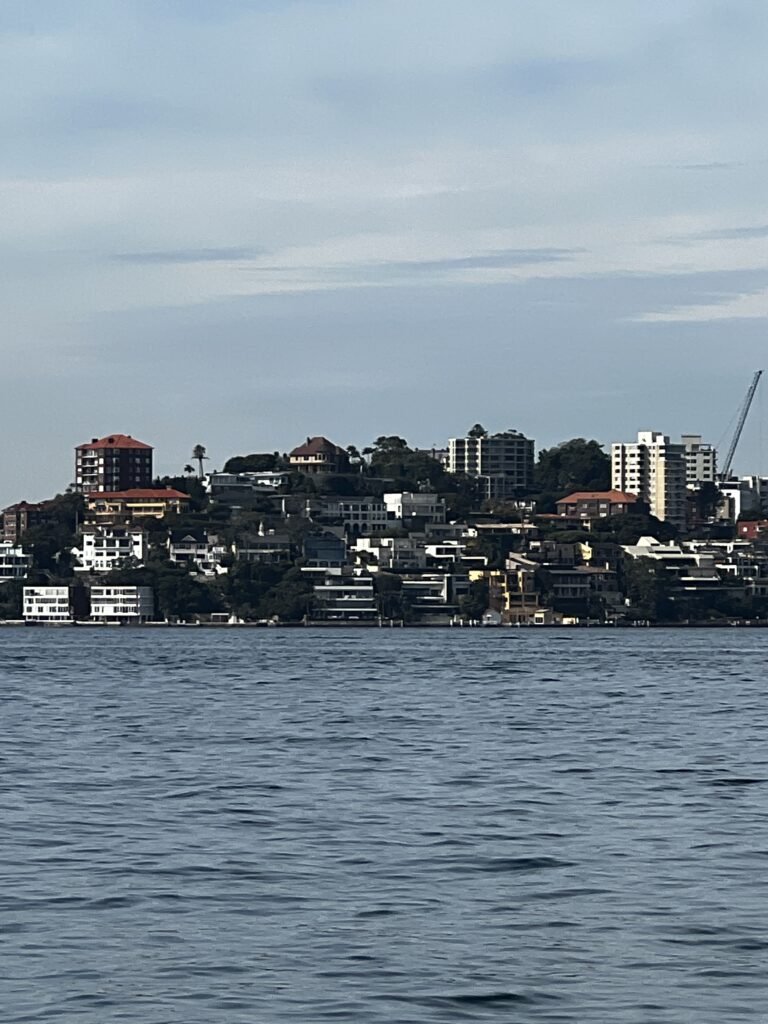
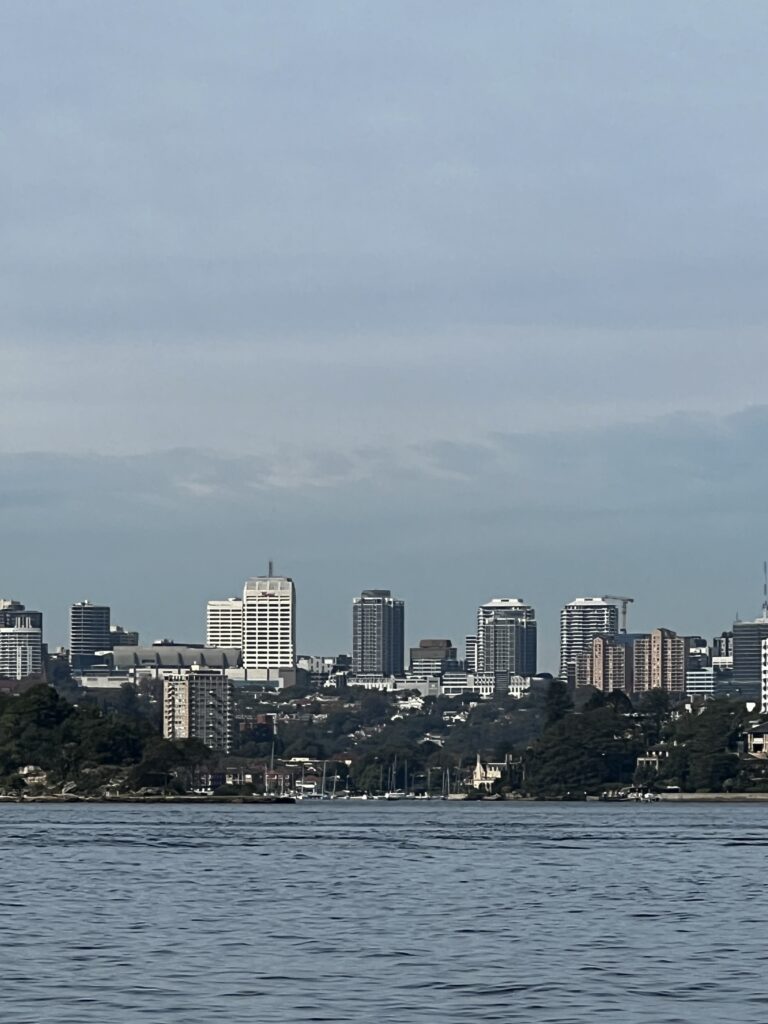
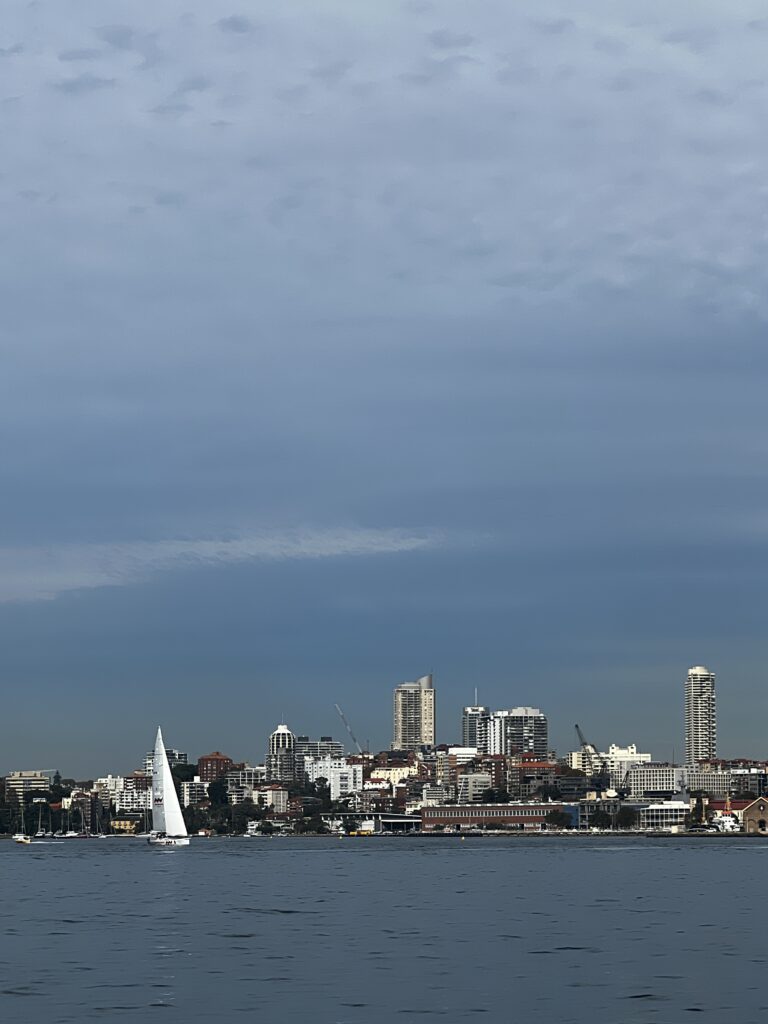
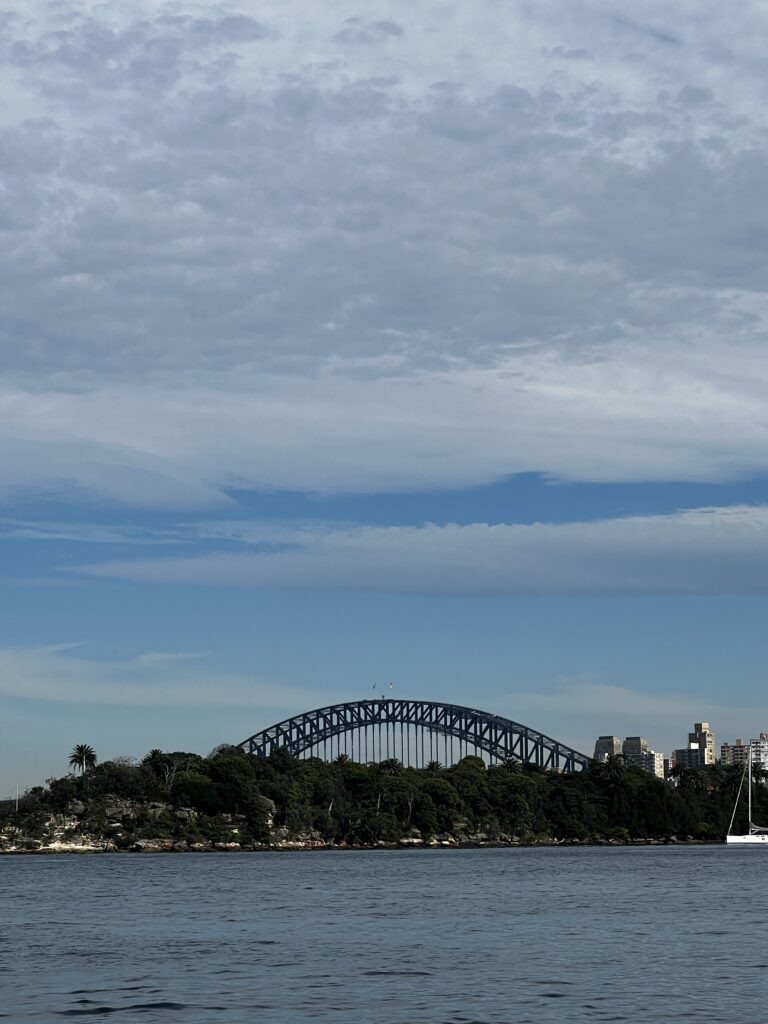
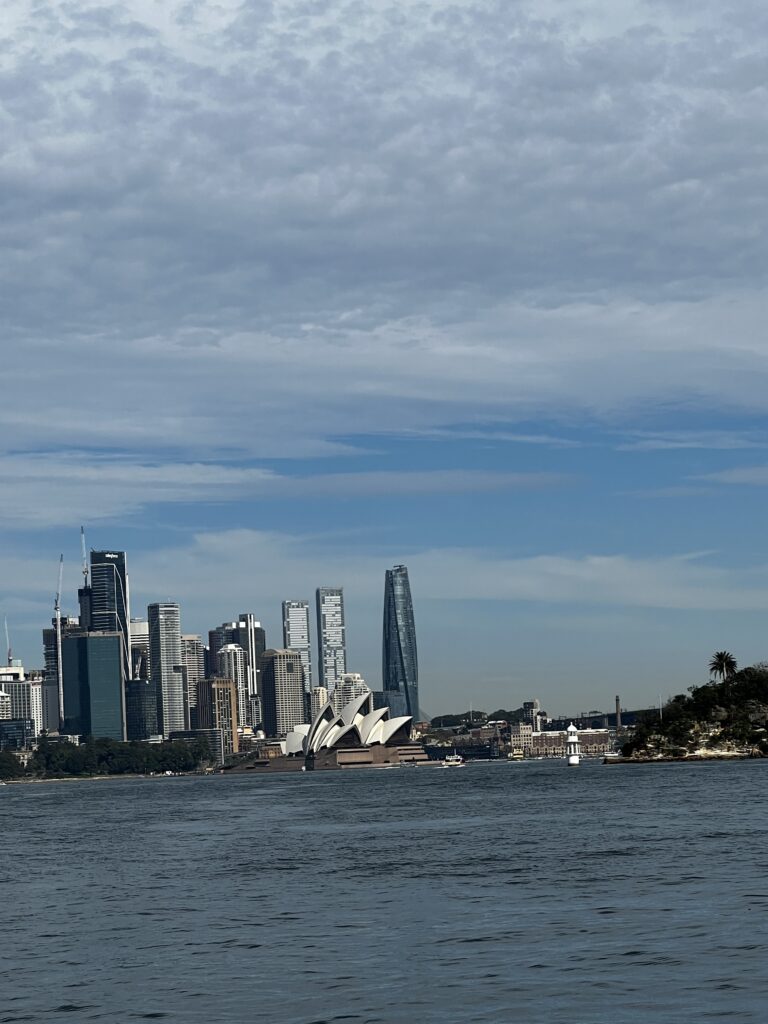
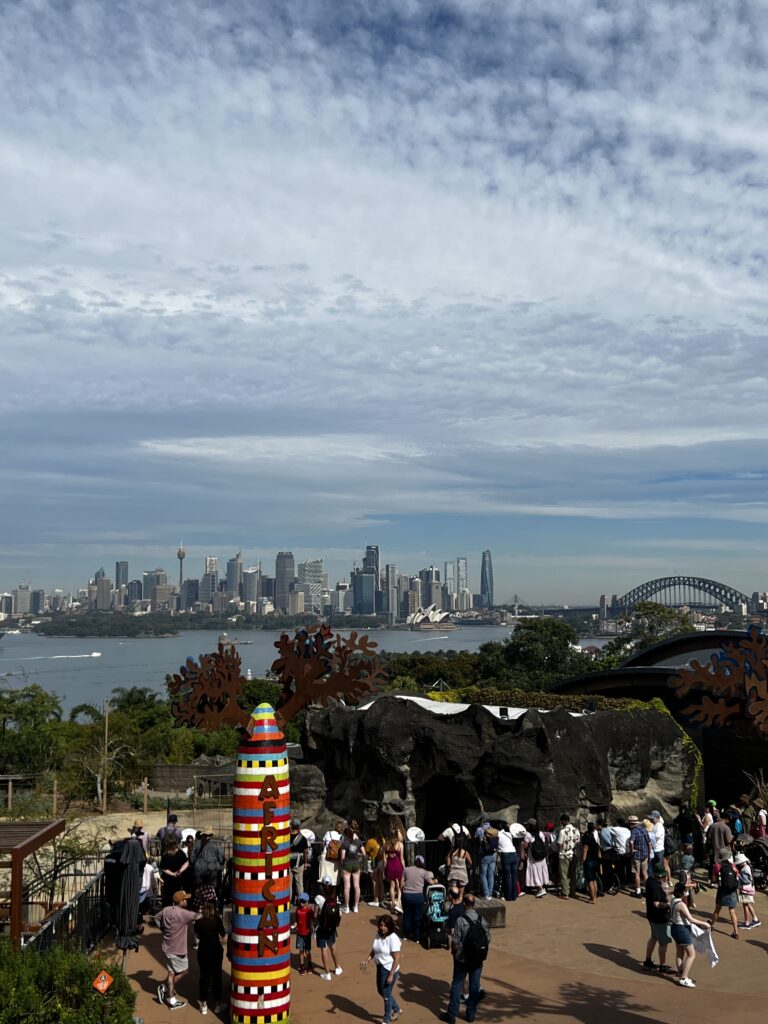
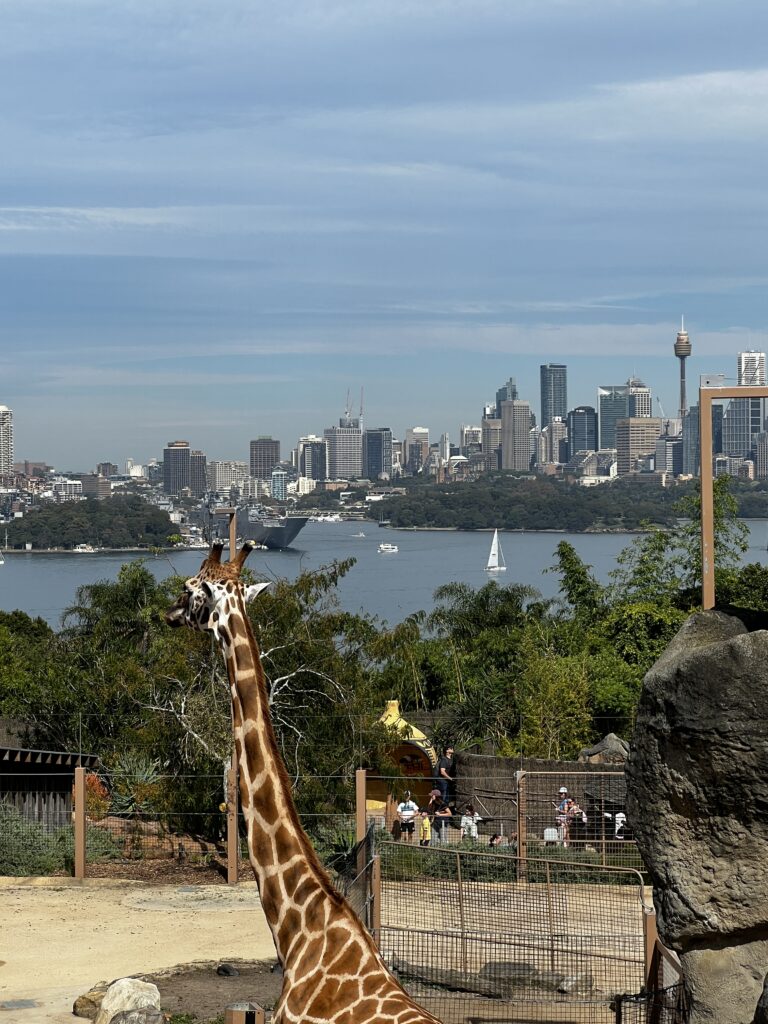
Taronga Zoo Sydney is a government-run public zoo located in Sydney, New South Wales, Australia, in the Lower North Shore suburb of Mosman, on the shores of Sydney Harbour. It offers great views of Sydney Harbour and the city. The opening hours are between 9:30 a.m. to 4:30 p.m. (May to August) and 9:30 am to 5:00 pm (September to April). Taronga is an Aboriginal word meaning “beautiful view”.
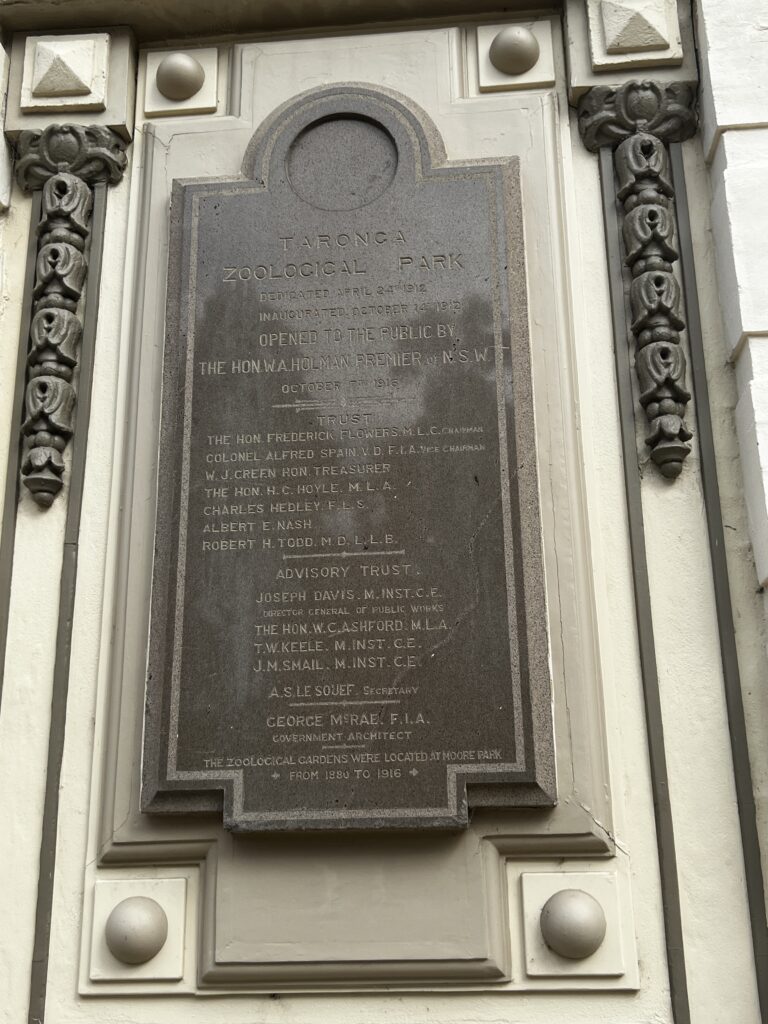
It was officially opened on 7 October 1916. Taronga Zoo Sydney is managed by the Zoological Parks Board of New South Wales, under the trading name Taronga Conservation Society, along with its sister zoo, the Taronga Western Plains Zoo in Dubbo.
Divided into various zoogeographic regions, the 28-hectare (69-acre) Taronga Zoo Sydney is home to more than 5,000 animals of approximately 350 different species. It has a zoo shop, a cafe, and an information center.
This zoo is amazing especially against the backdrop of the city of Sydney offering an amazing backdrop. The zoo is very clean and manned by a number of volunteers that are always available to help with questions.
Taronga Zoo Sydney | Taronga Conservation Society Australia
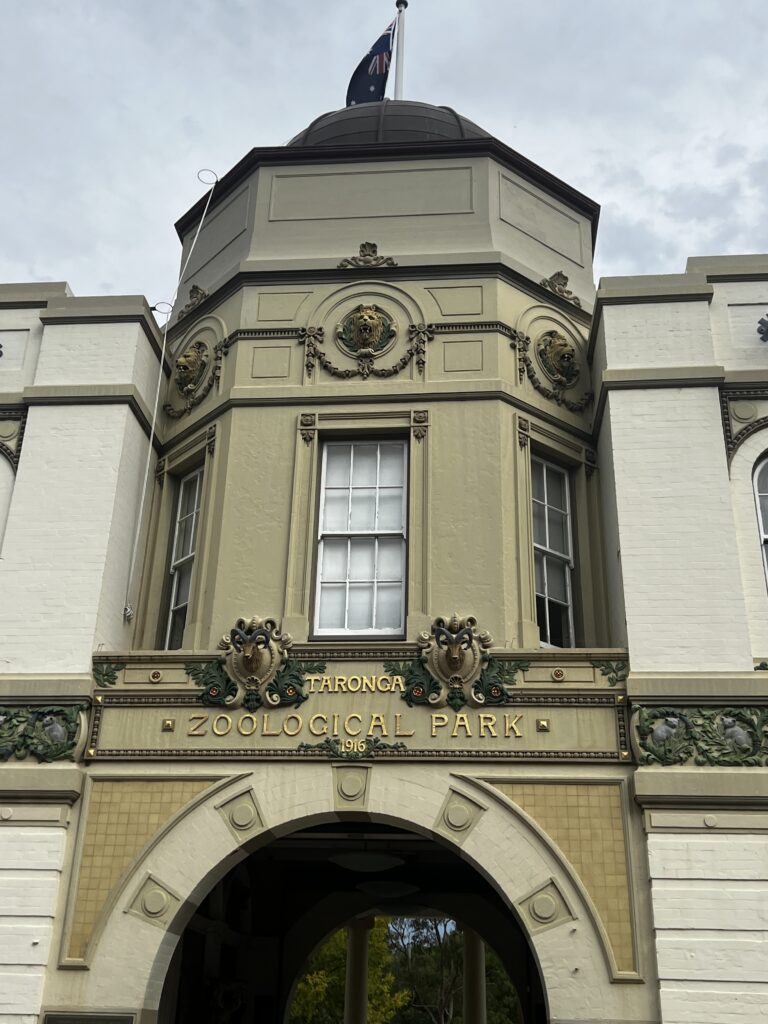
The Royal Zoological Society of New South Wales opened the first public zoo in New South Wales in 1884 at Billy Goat Swamp in Moore Park, on a site now occupied by Sydney Boys High School and Sydney Girls High School. Inspired by a 1908 visit to the Hamburg Zoo, the secretary of the zoo, Albert Sherbourne Le Souef, envisioned a new zoo based on the bar-less concept. After realising that the Moore Park site was too small, the NSW Government granted 43 acres (17 ha) of land north of Sydney Harbour. A further 9 acres (3.6 ha) were later granted in 1916, and the zoo at its current site opened to the public on 7 October 1916.
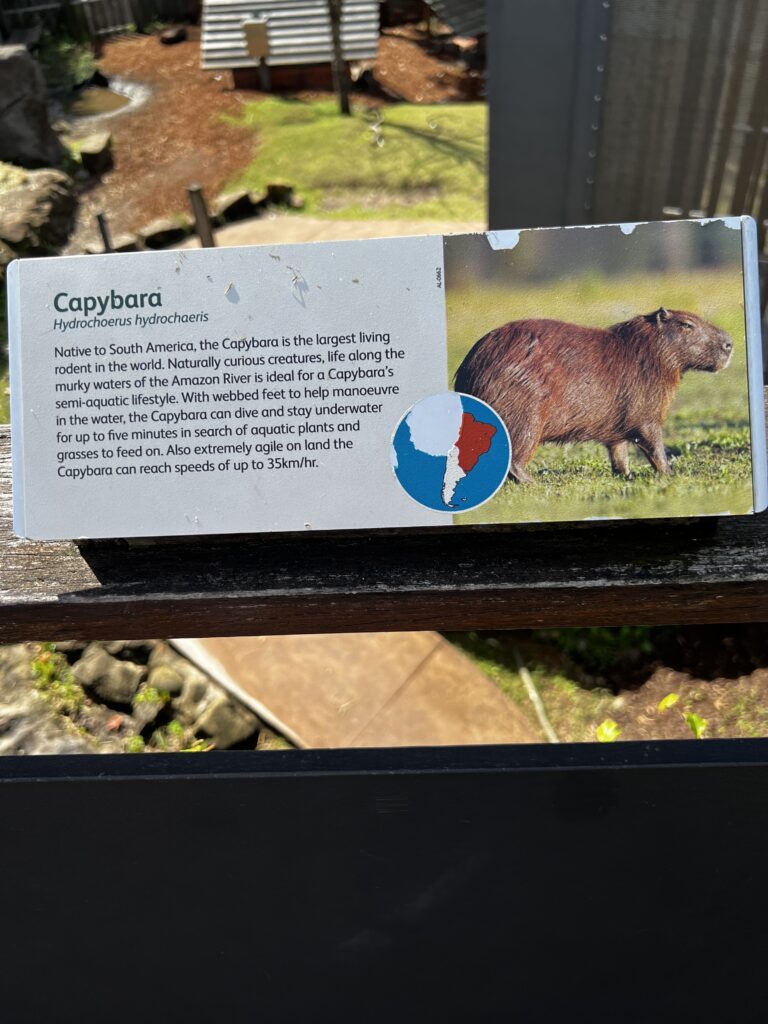
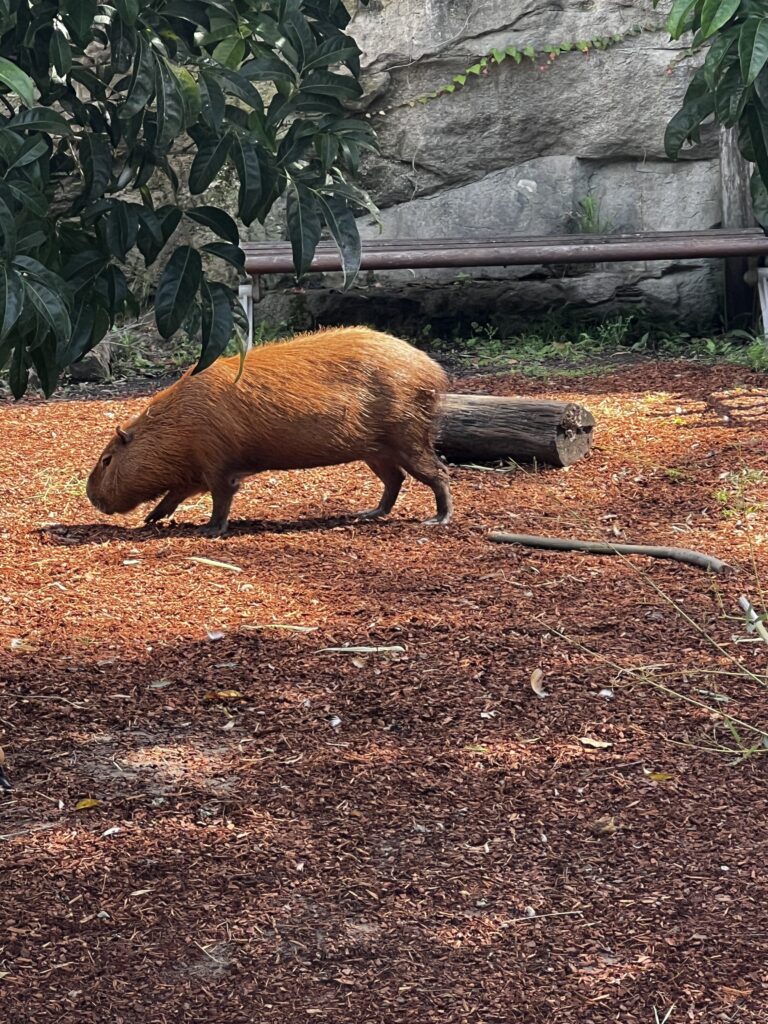
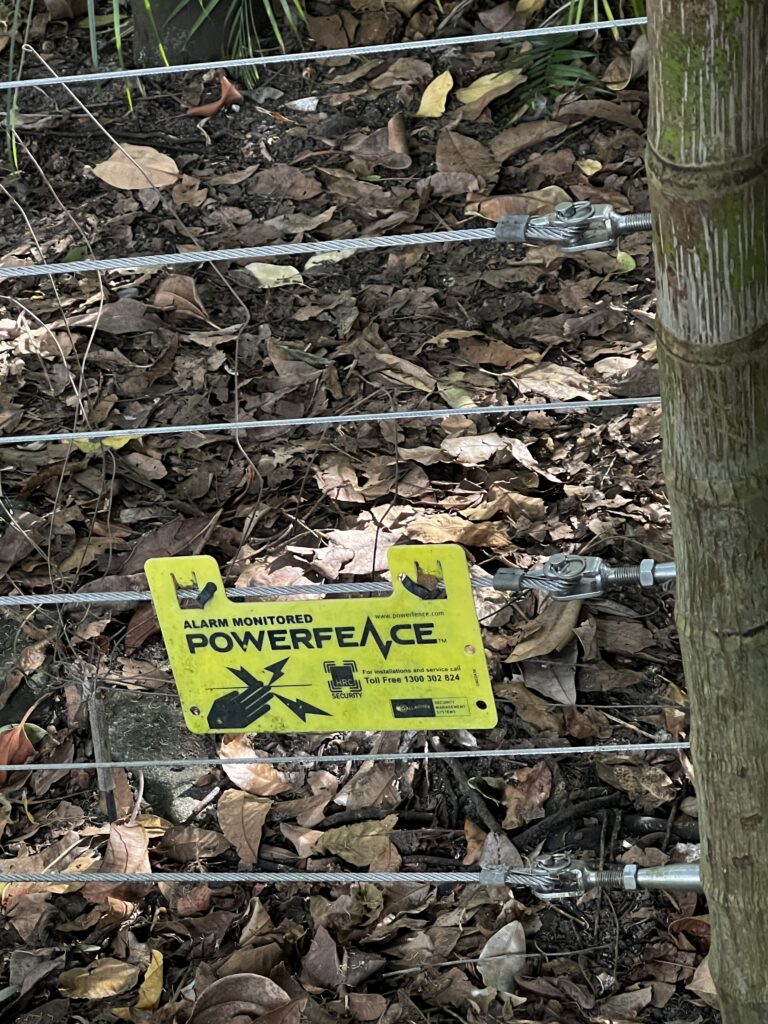
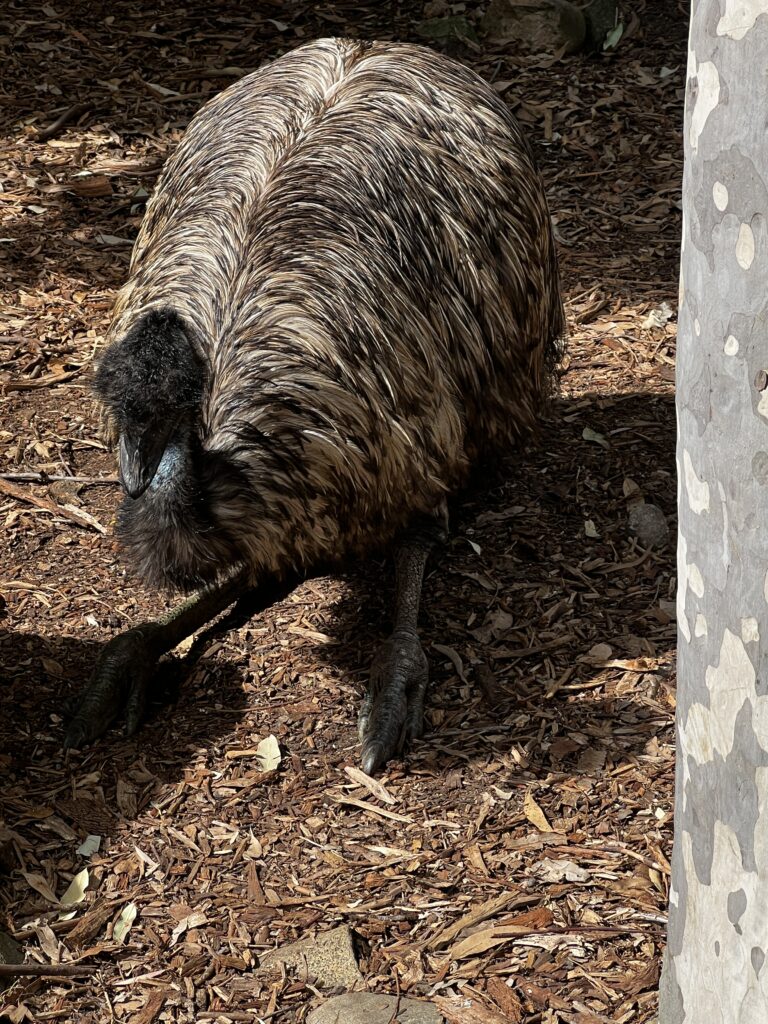
We came across this fence with the sign on it and I thought oh oh……Jurassic Park, but the fence is for a dangerous bird. So, yeah, Jurassic Park 🙂
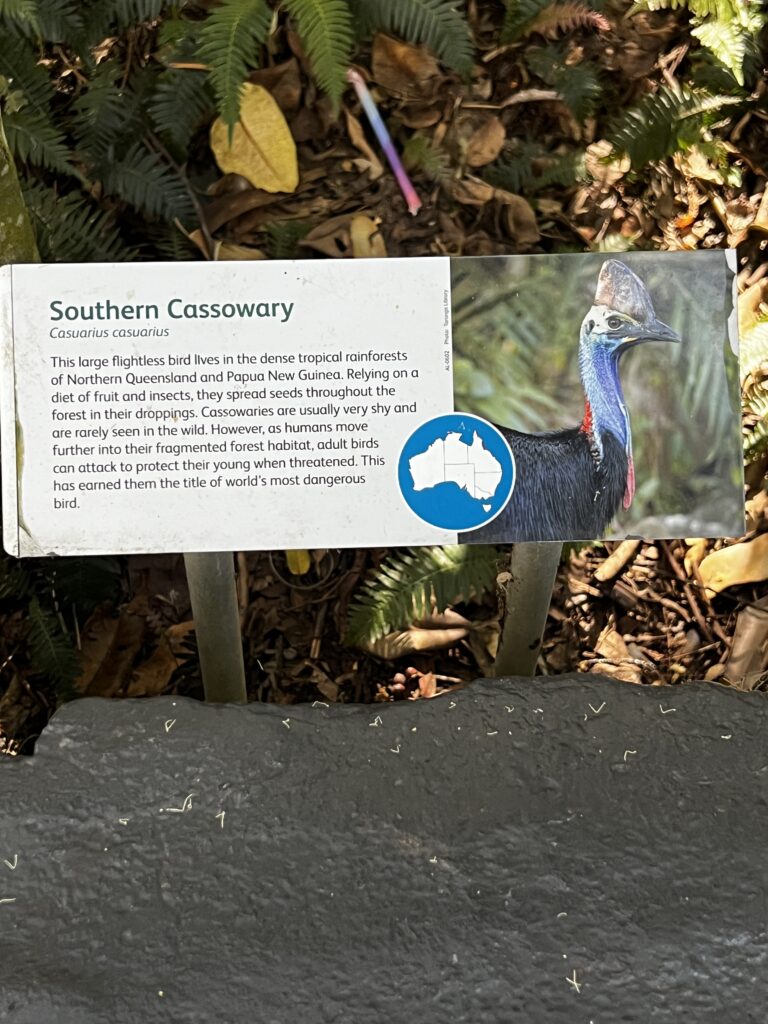
It took us a few minutes but with the help of a zoo volunteer, we found HER. Jackie said there he is and the volunteer quickly corrected Jackie and said HER. Dangerous bird, so I don’t care if him or her, just keep it on the other side of the fence. I saw on Jurassic Park that bird dinosaur thing spit and blinded the guy in the movie. Actually, this bird was on Jackie’s list of must need to see animals.
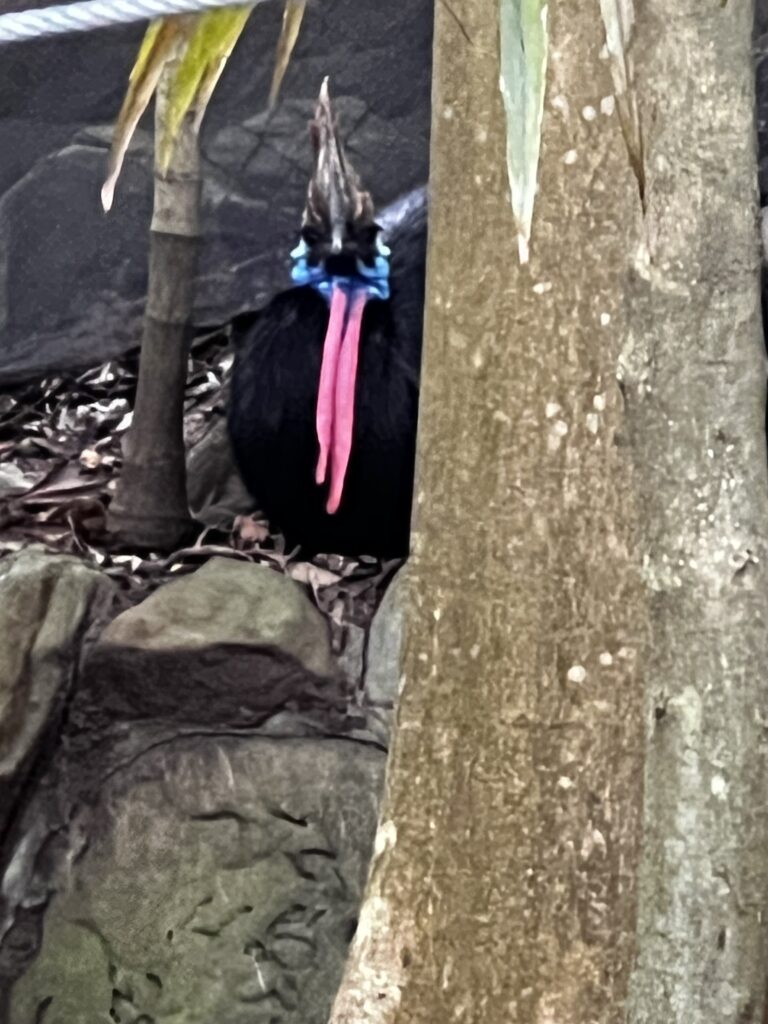
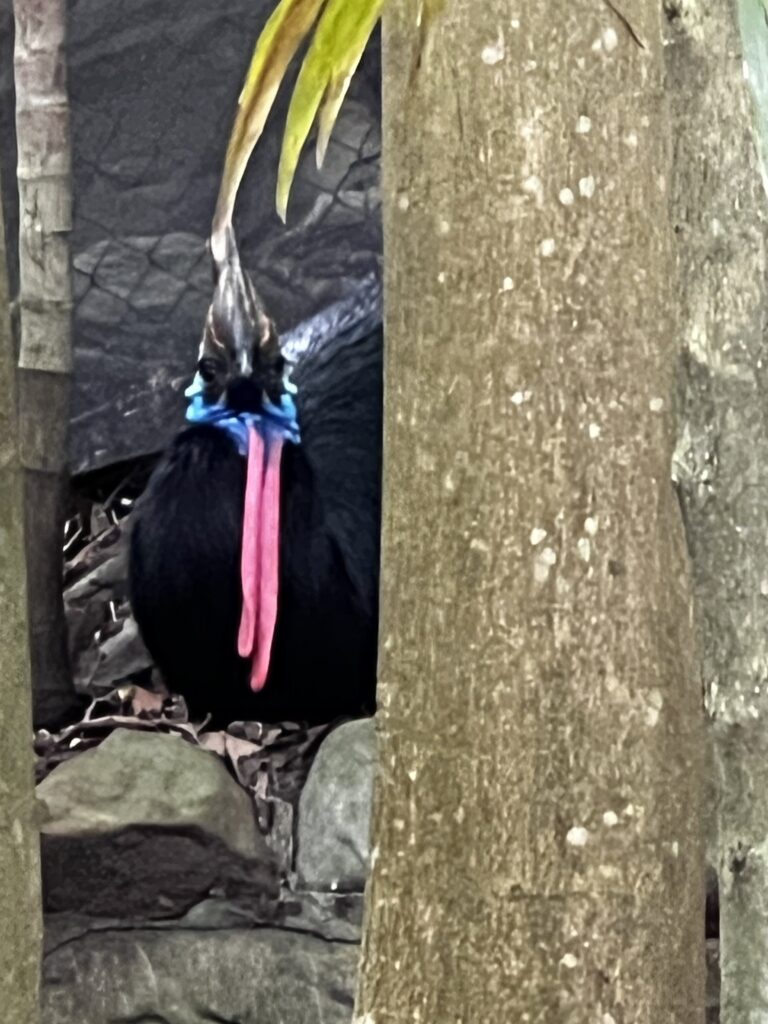
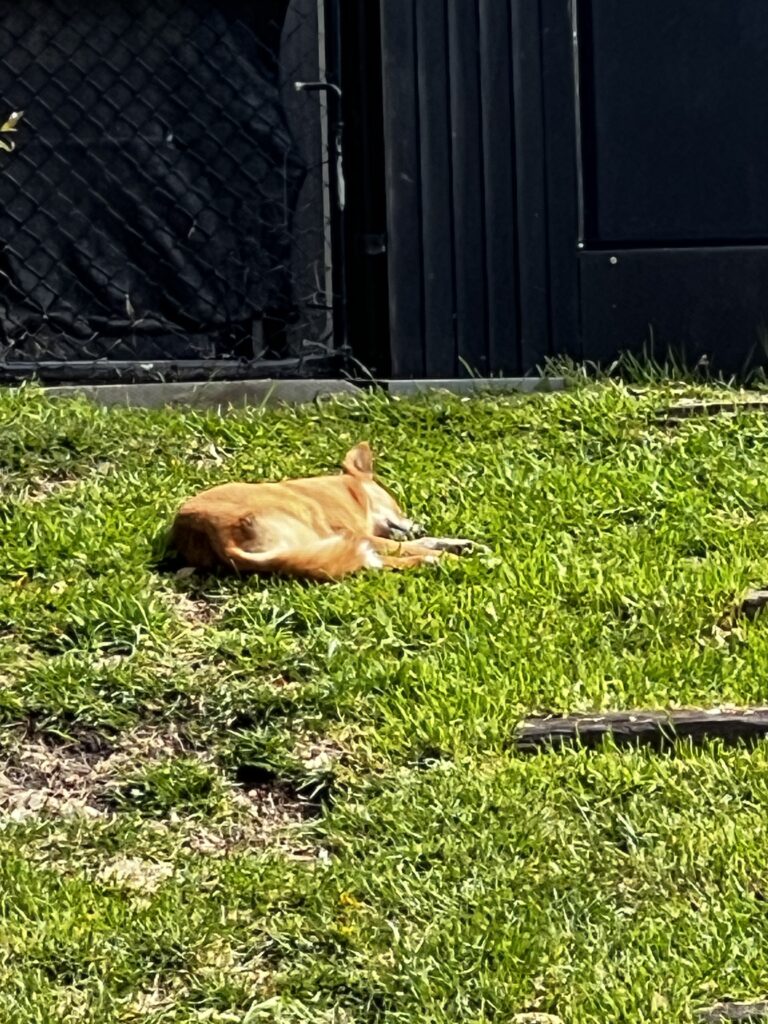
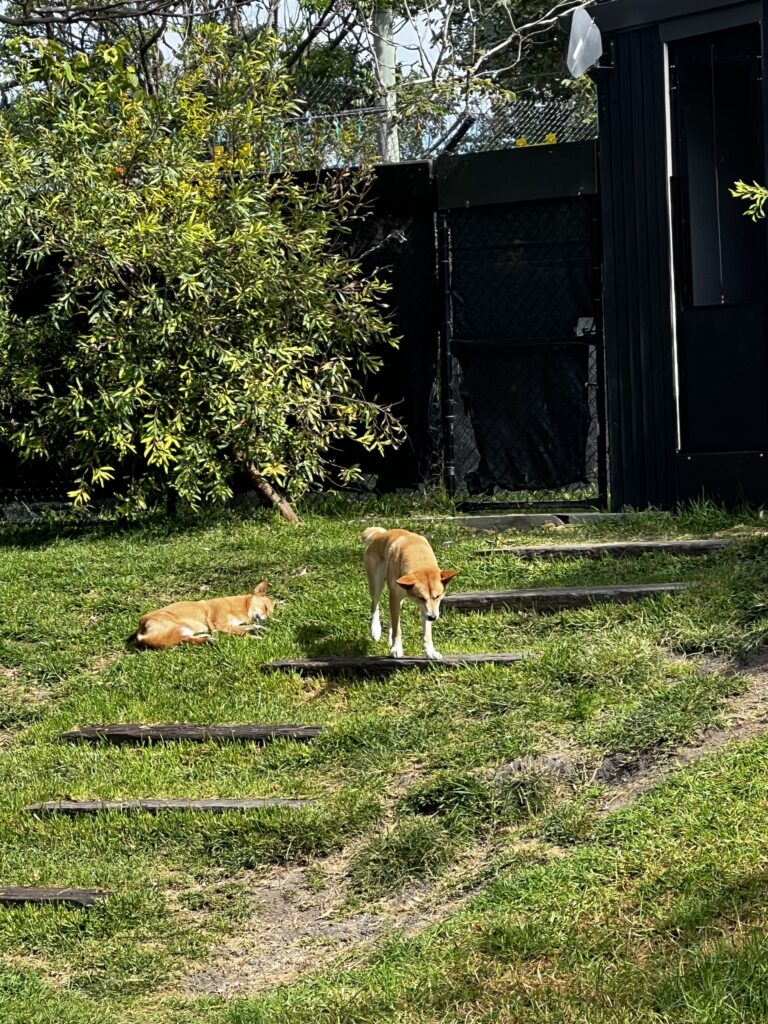
The next animal was a dingo.
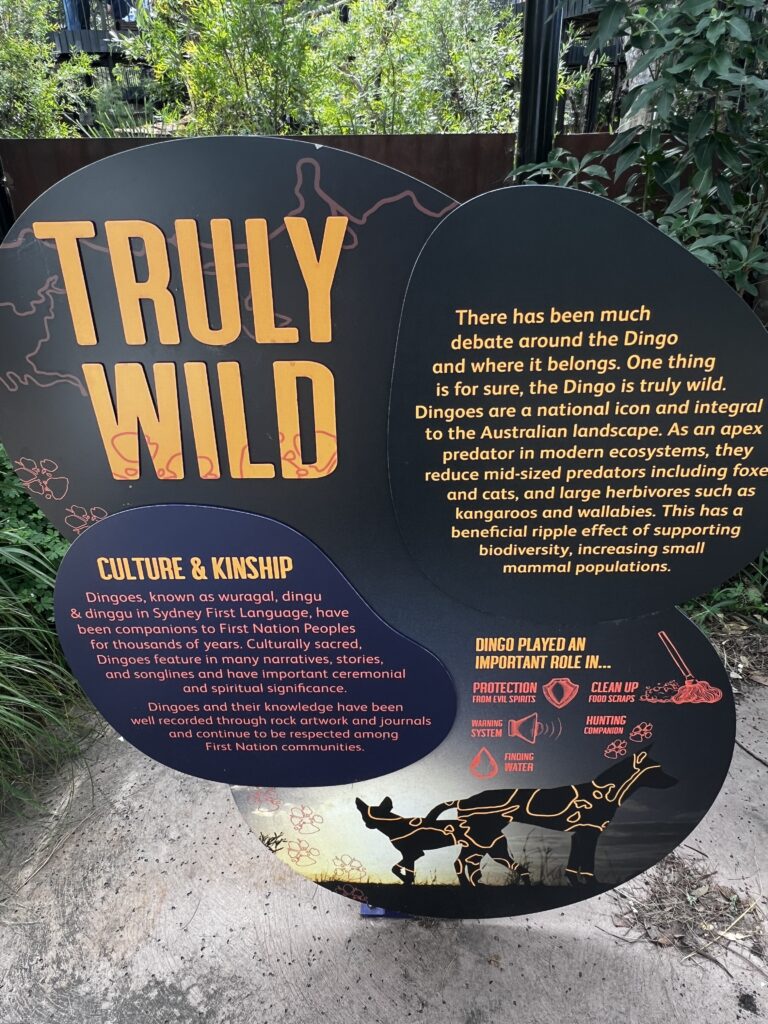
Yeah well, not much excitement from this one.
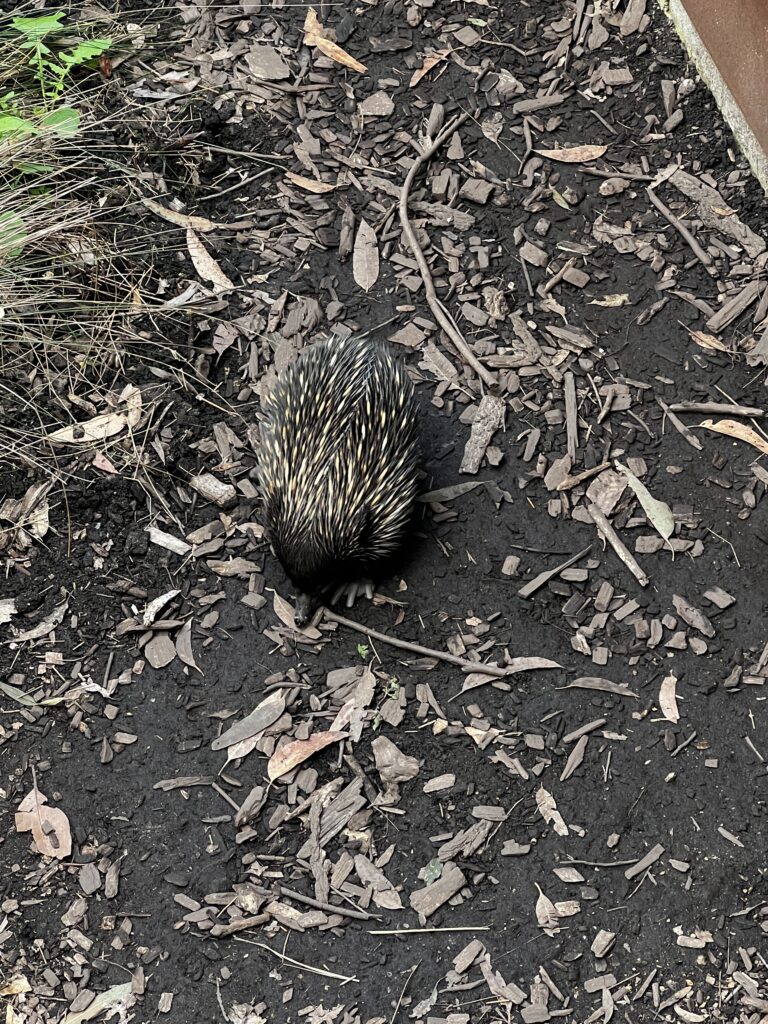
I said this was a porcupine, but Jackie told me it is called something else.
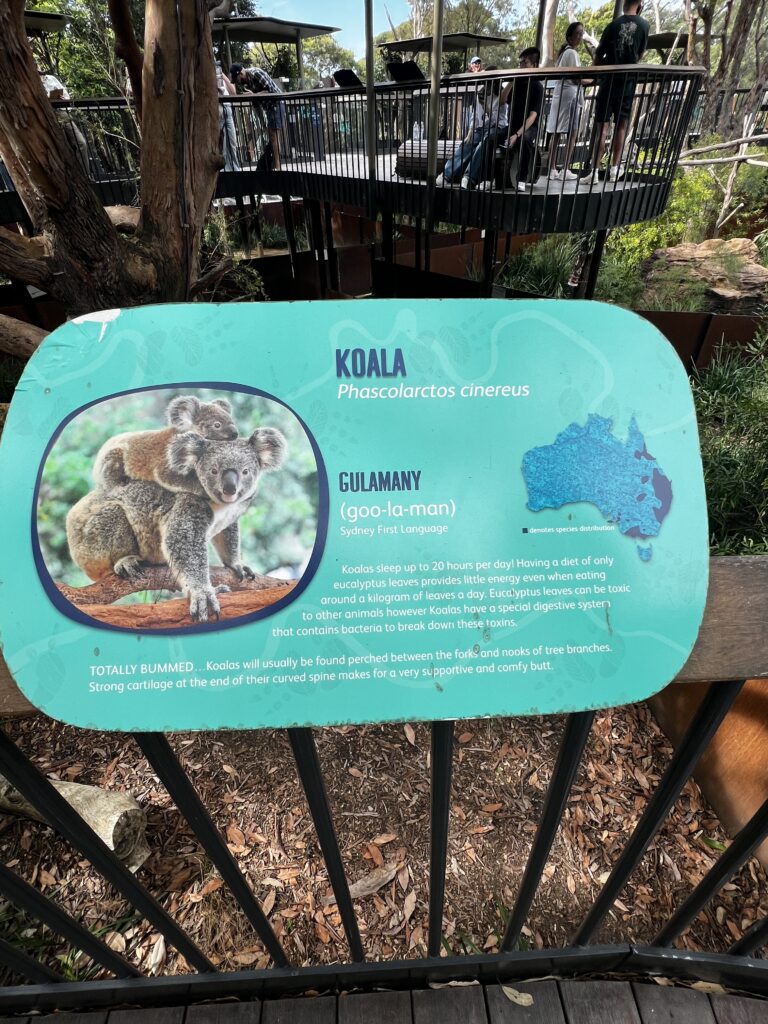
The next animal we came to see was the koala.
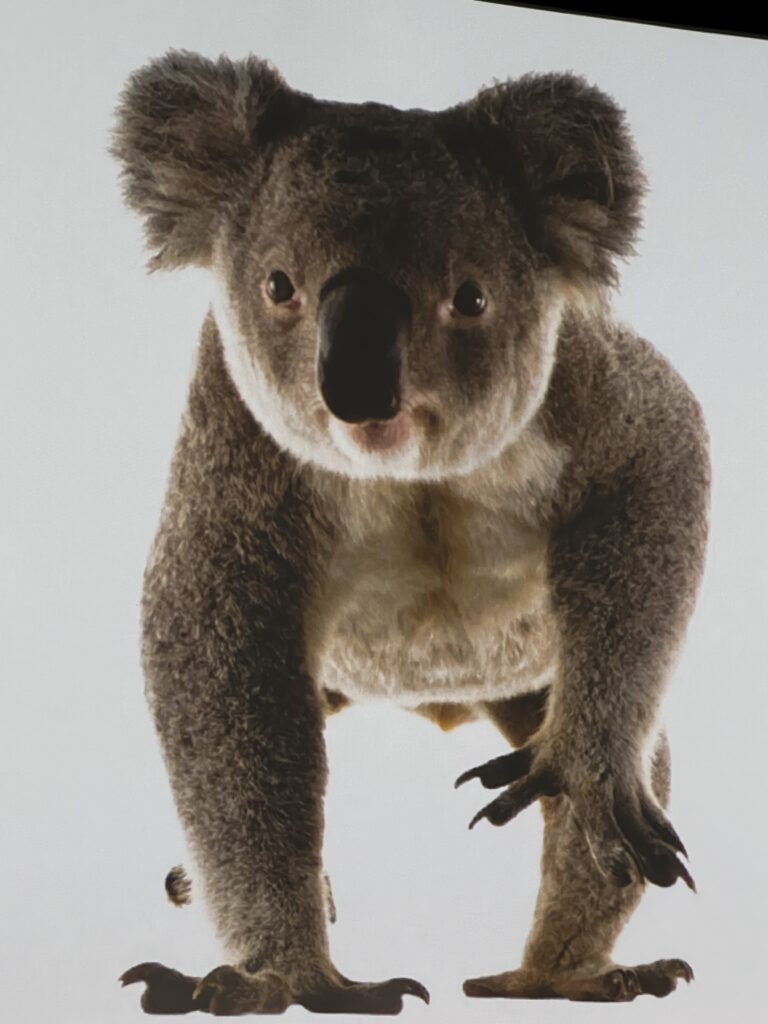
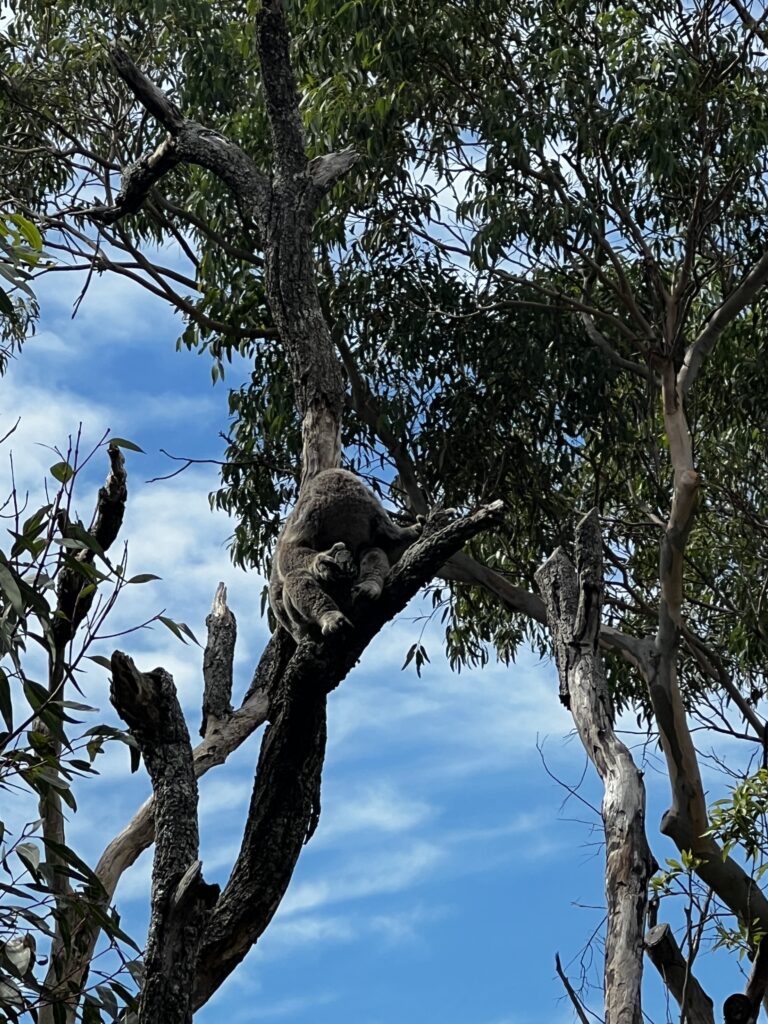
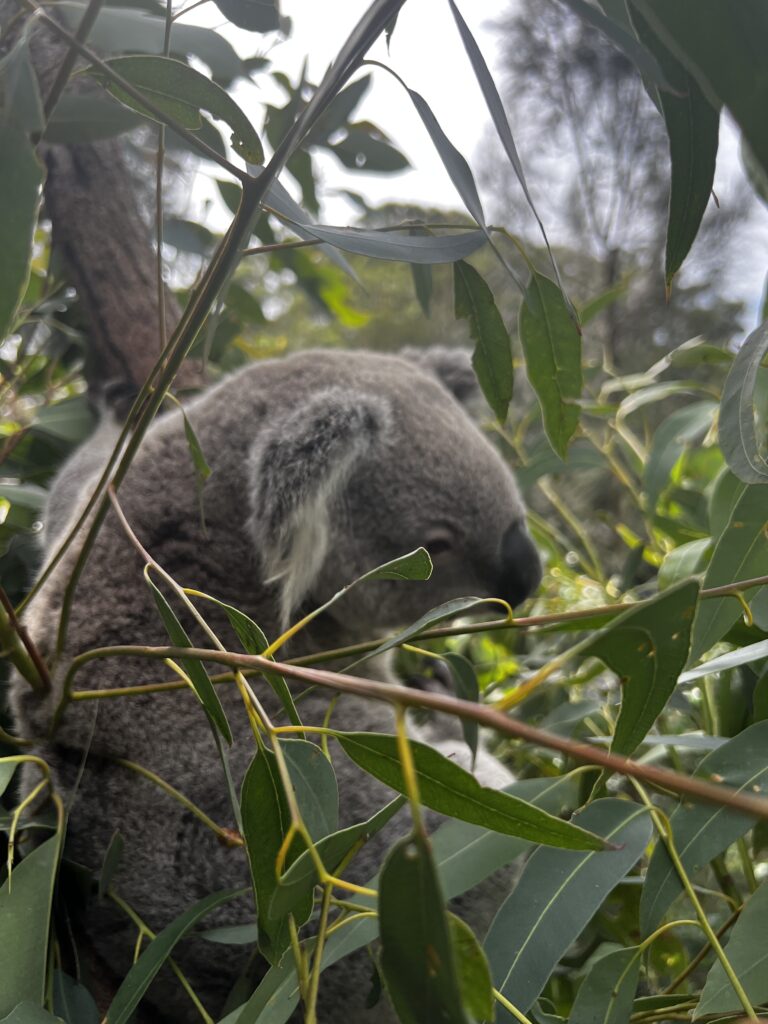
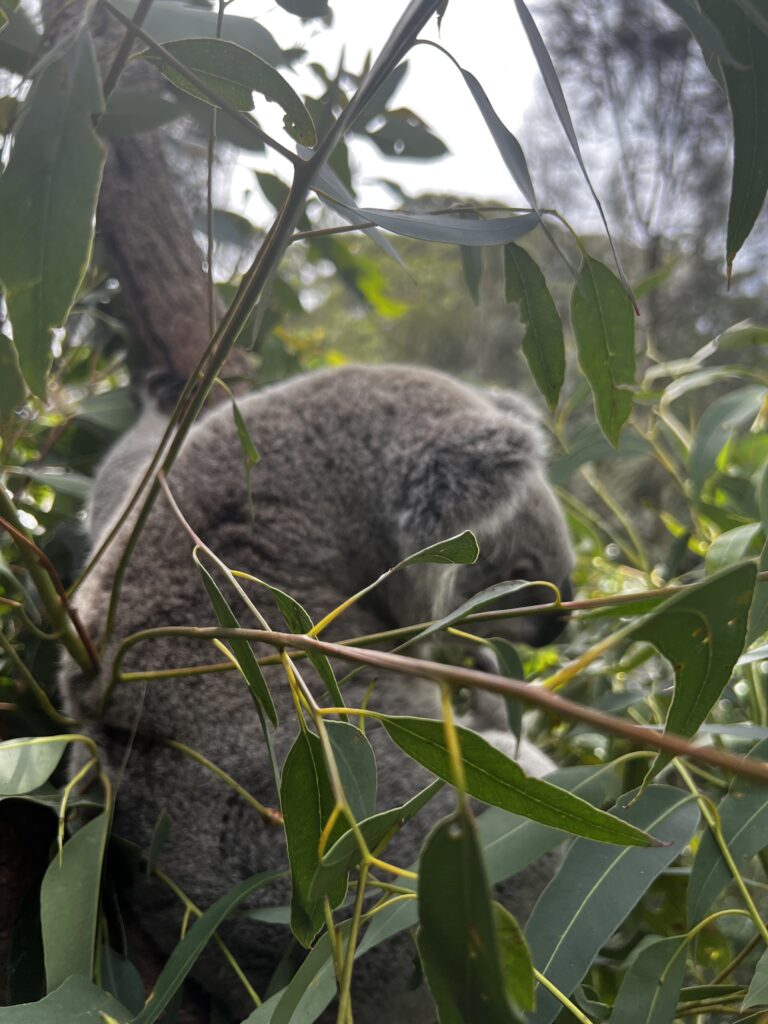
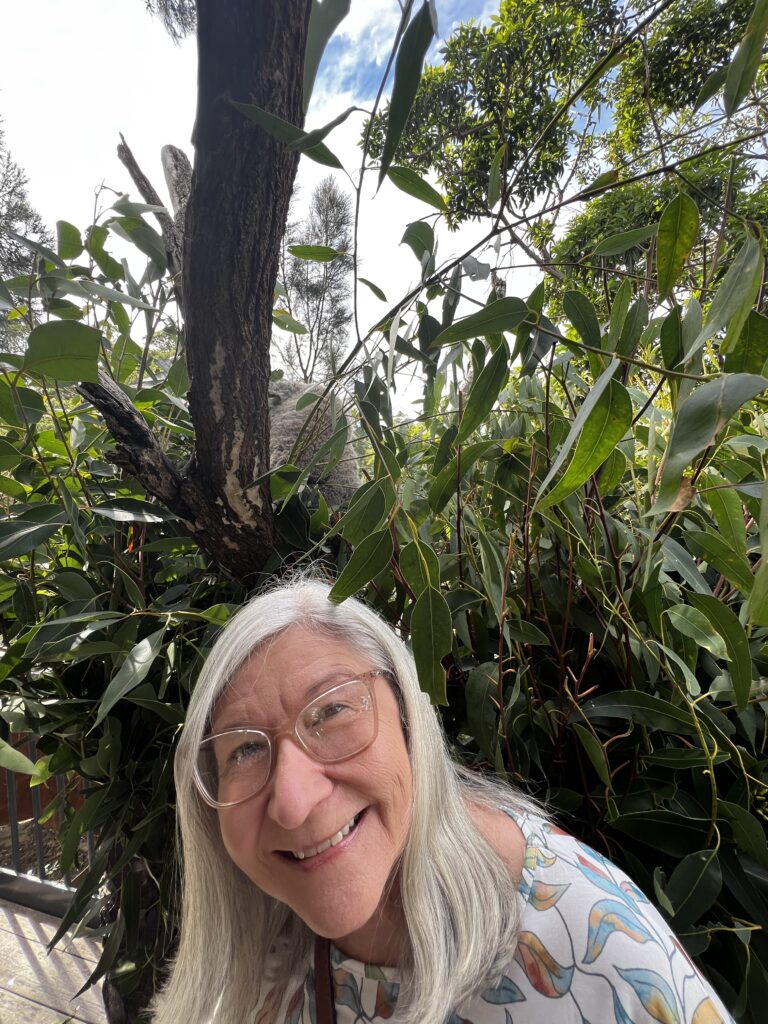
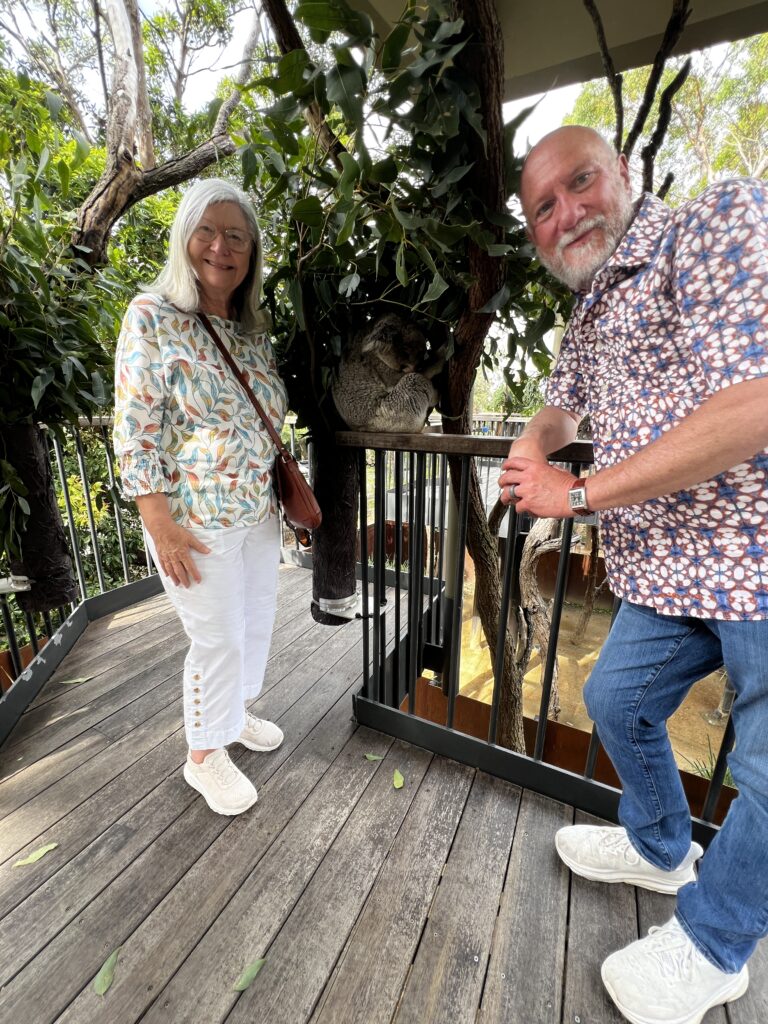
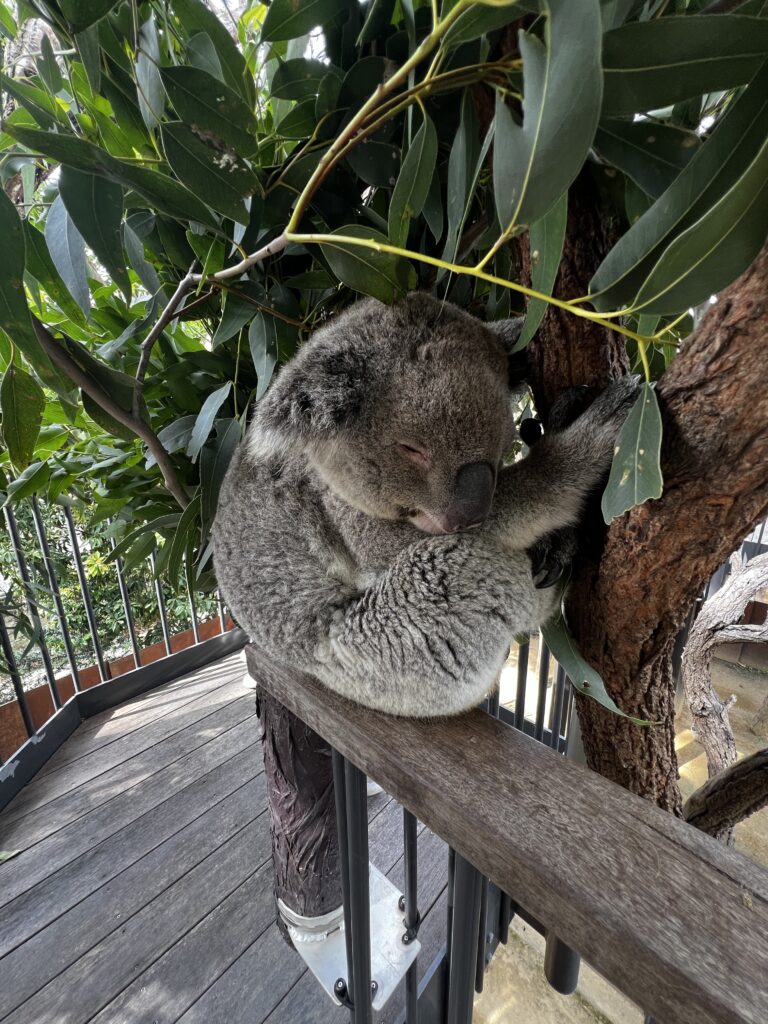
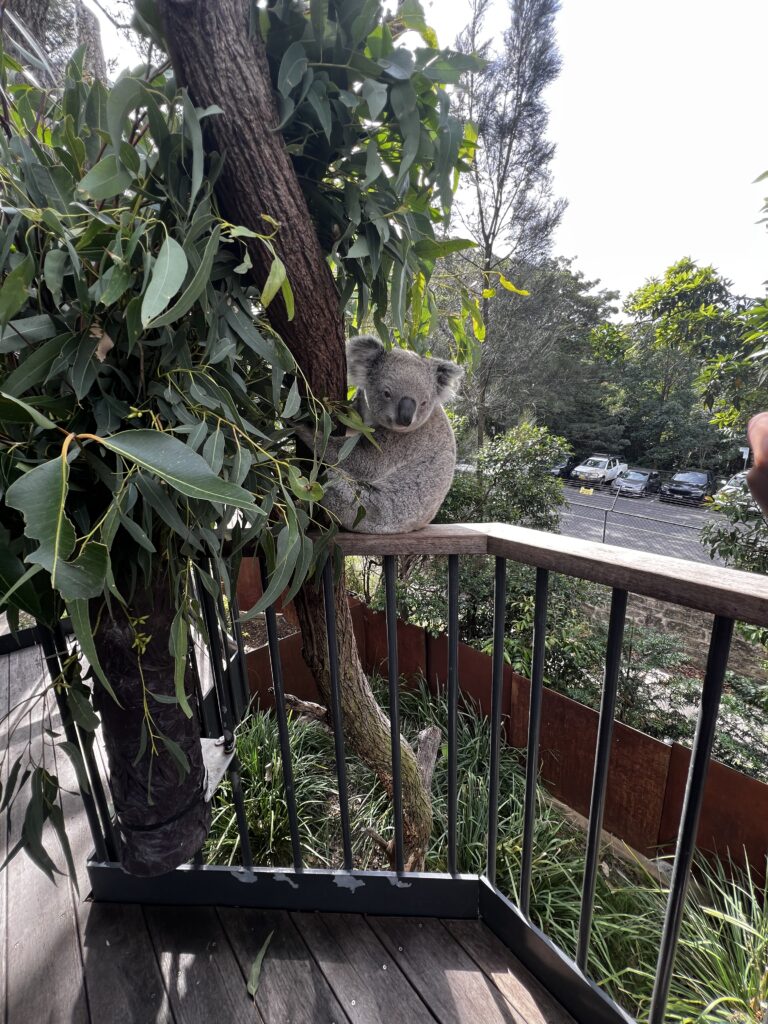
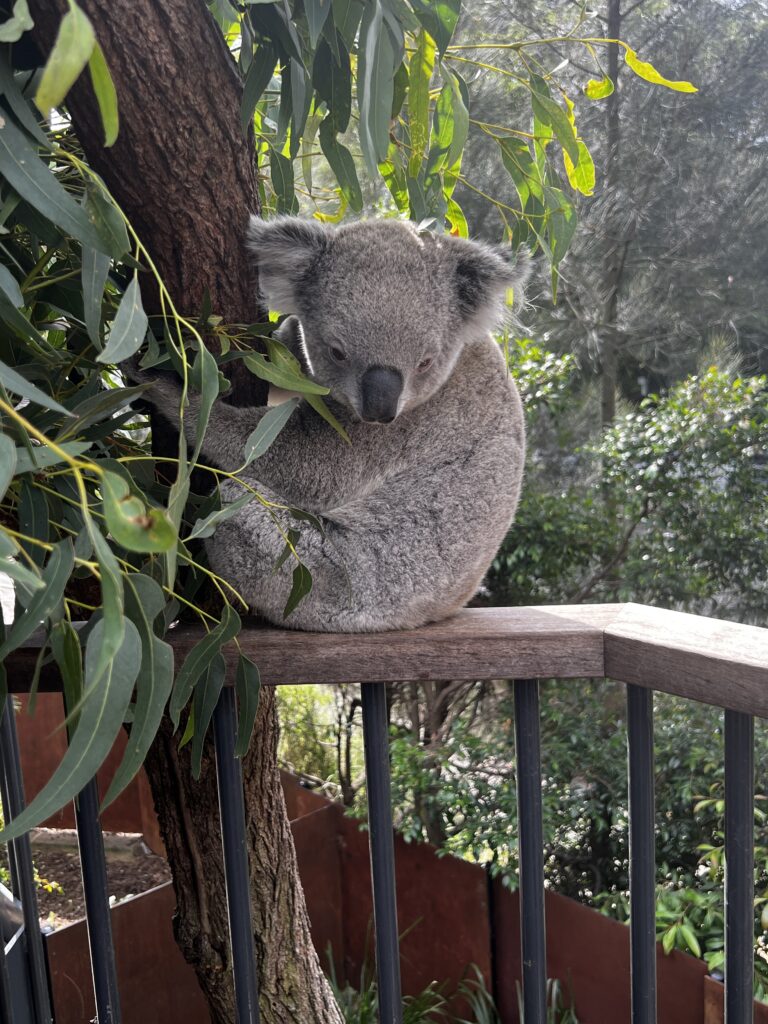
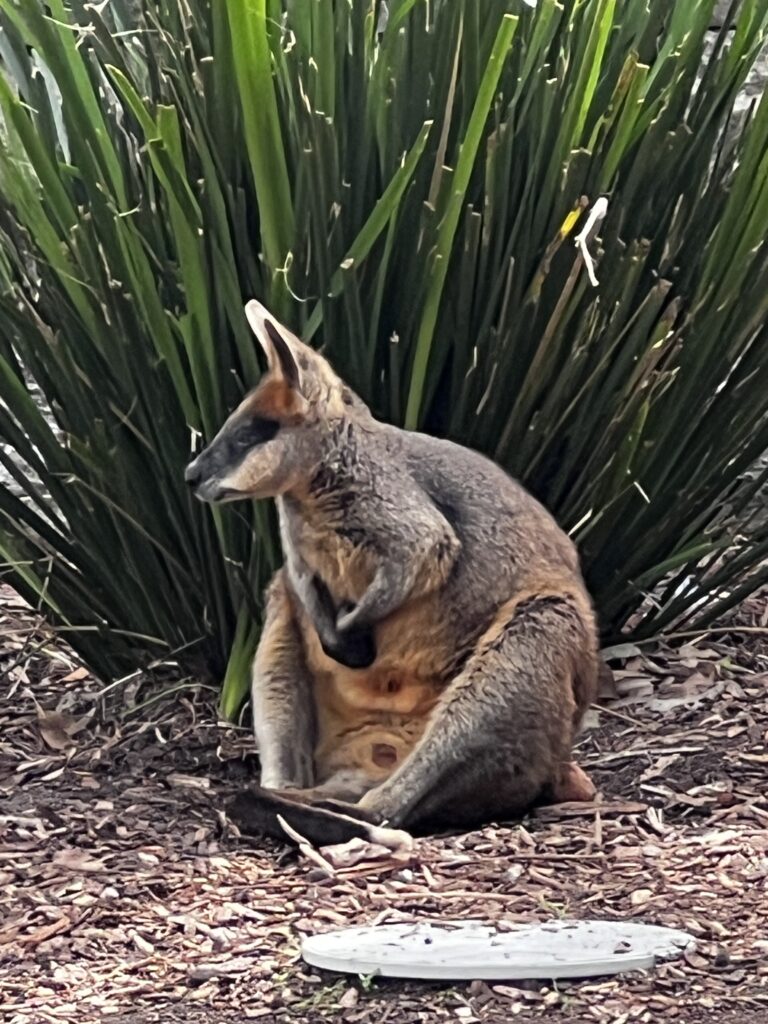
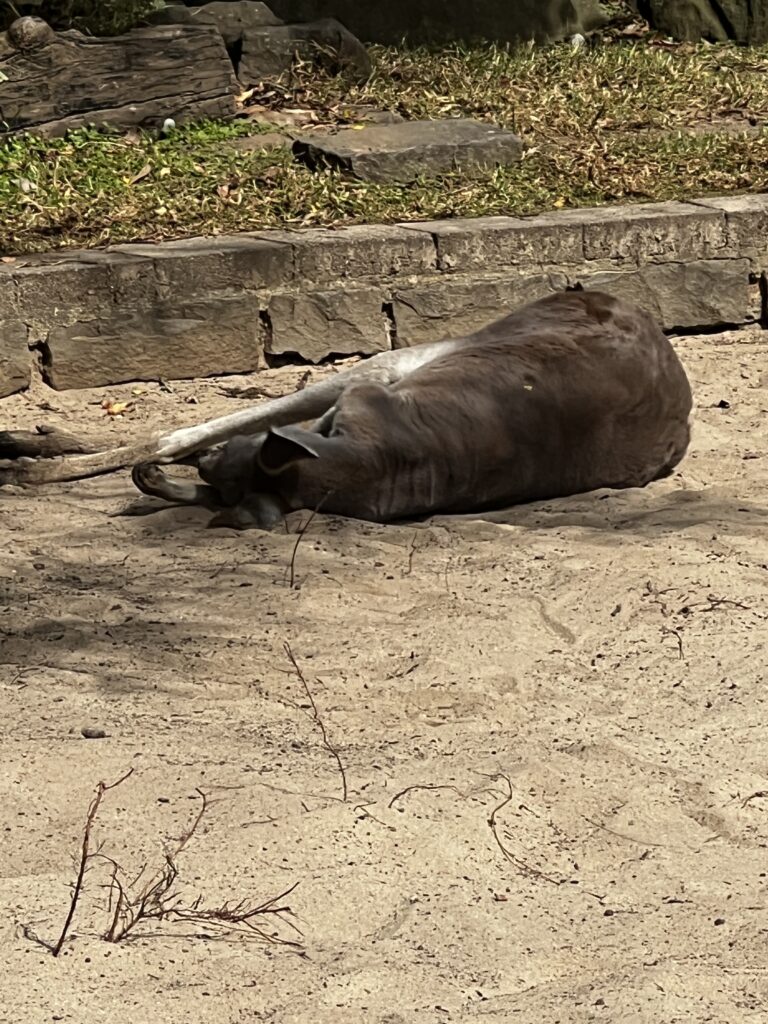
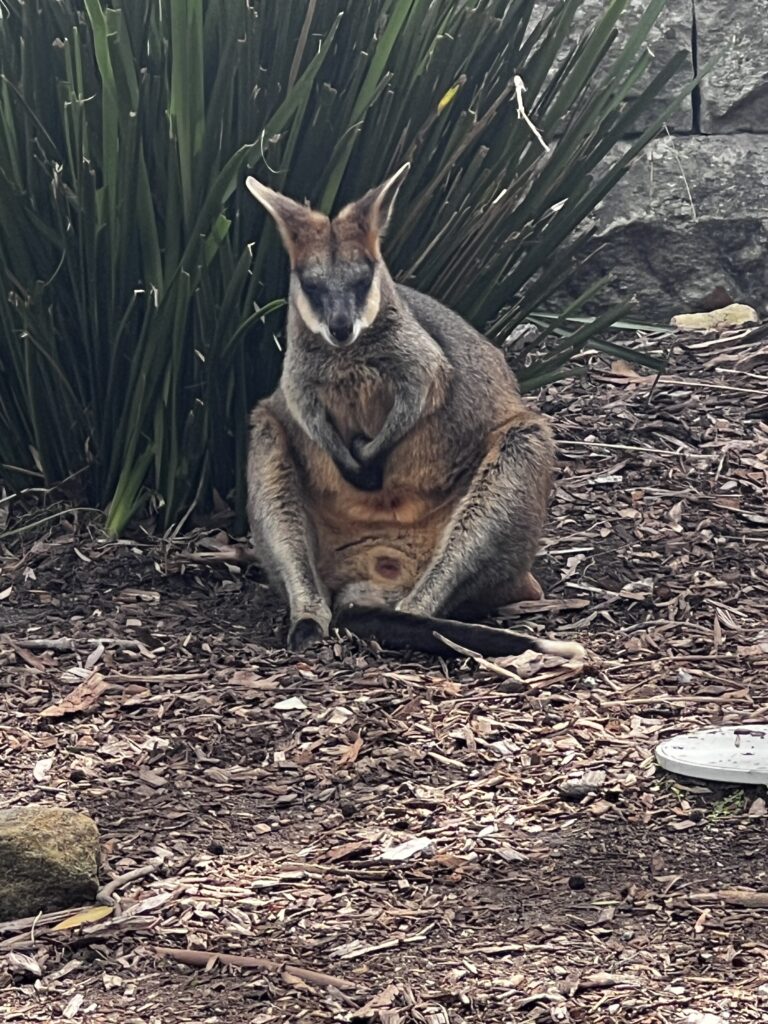
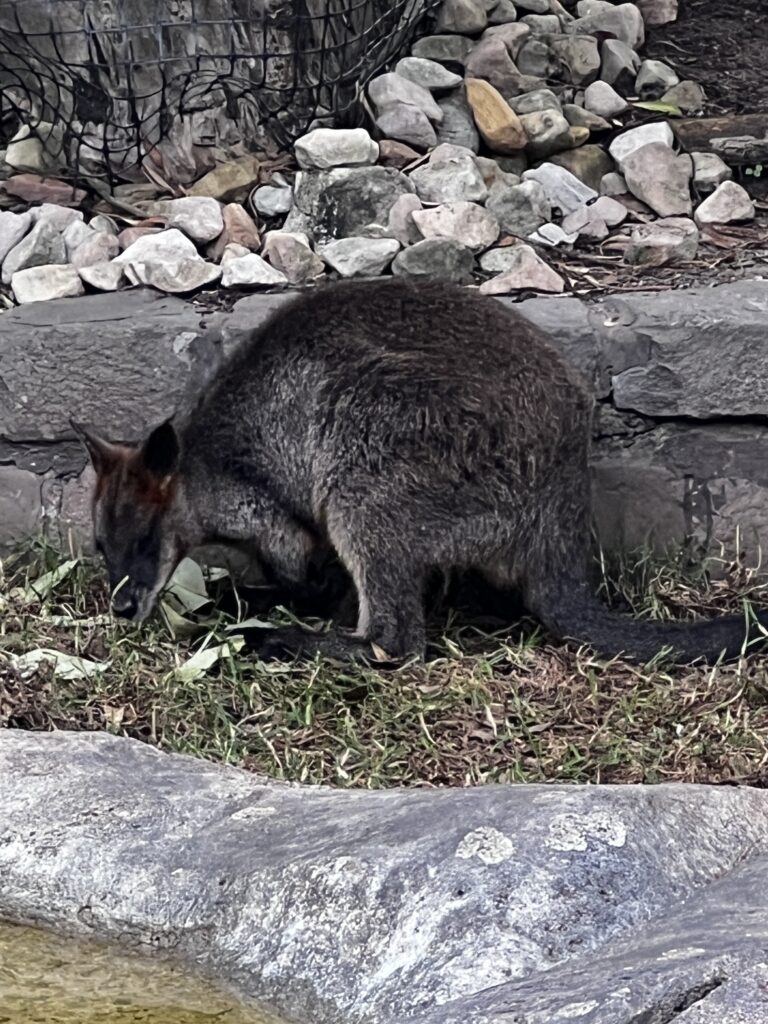
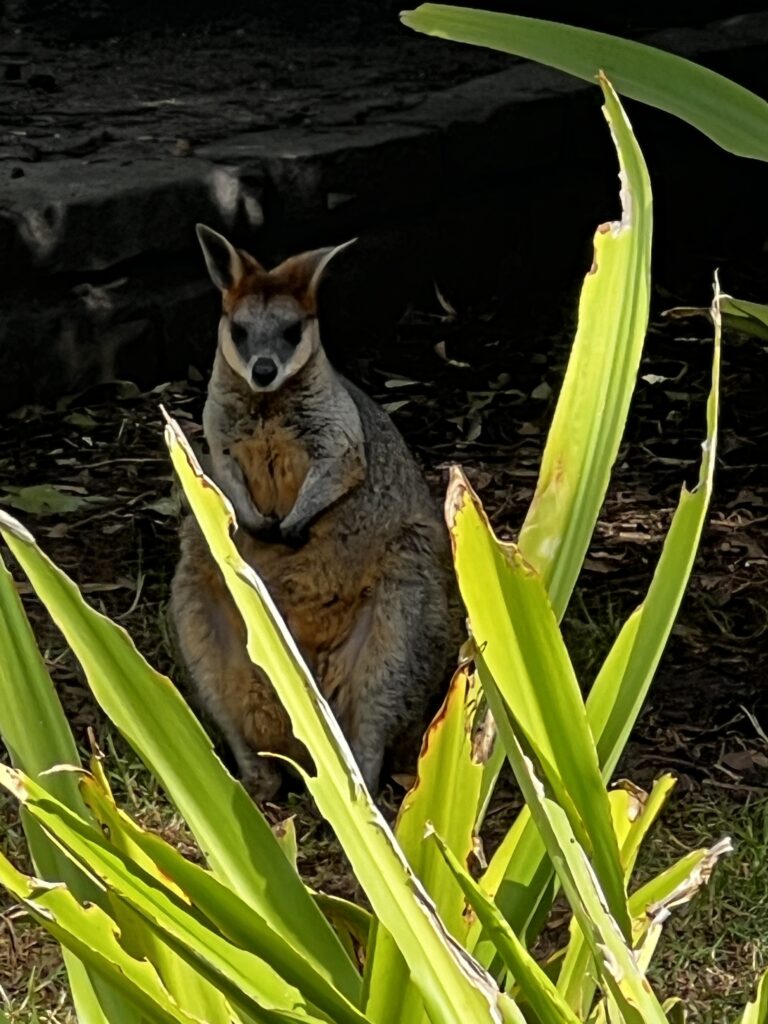
I told the family that I was bringing each one of them one of these animals
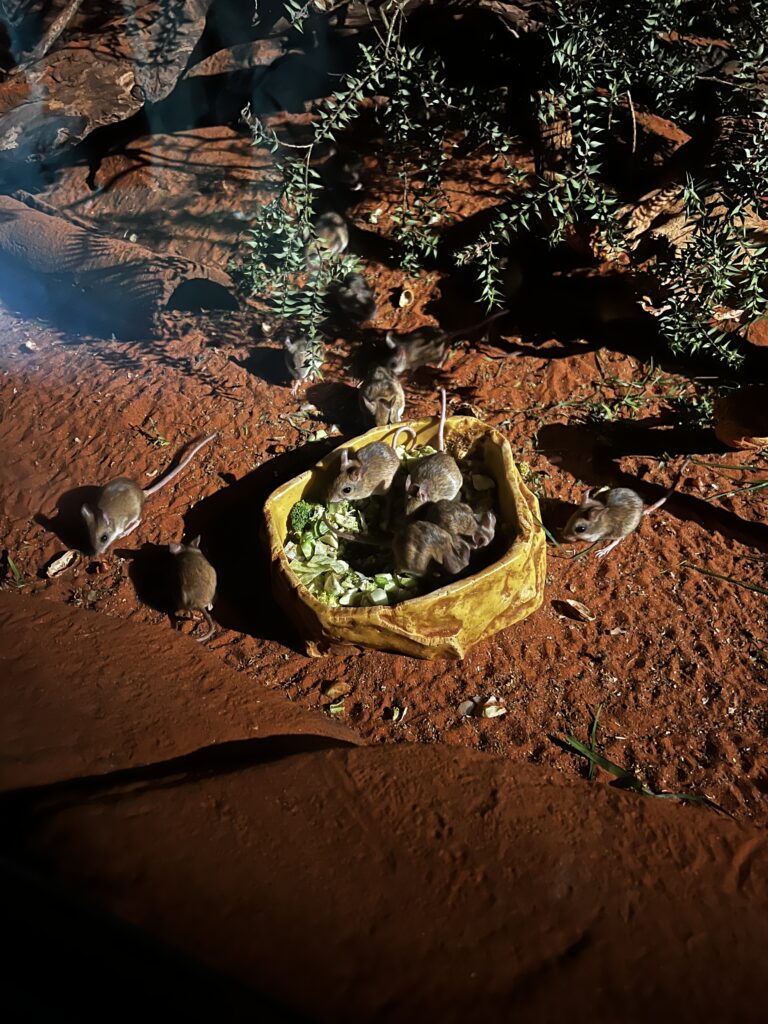
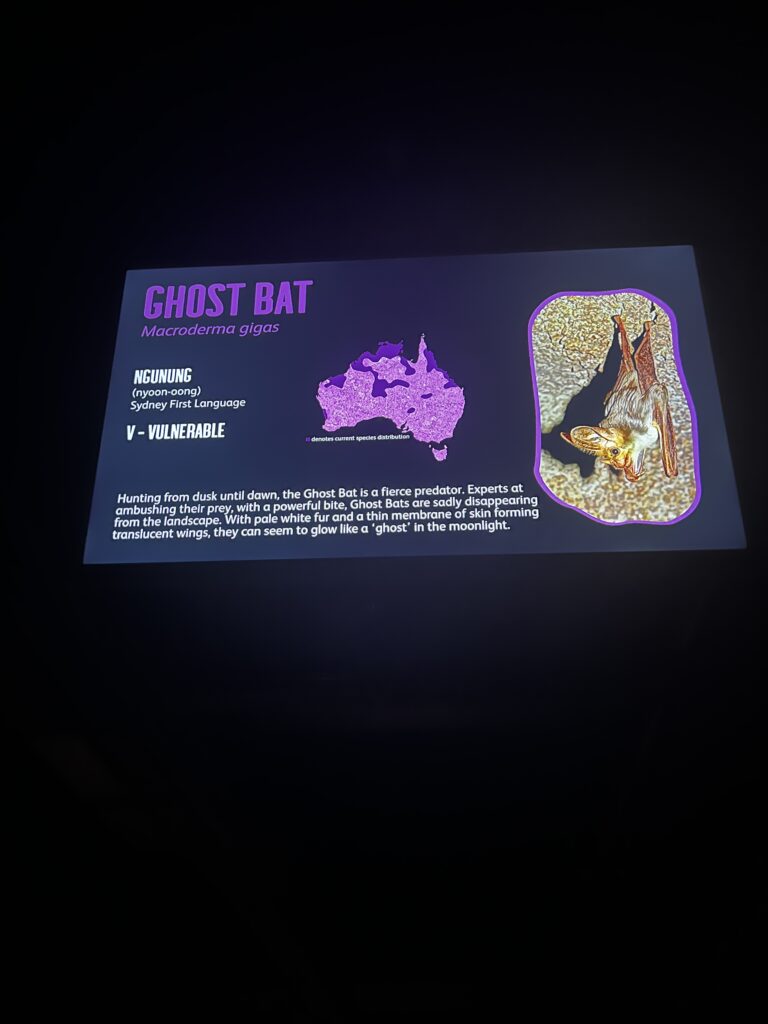
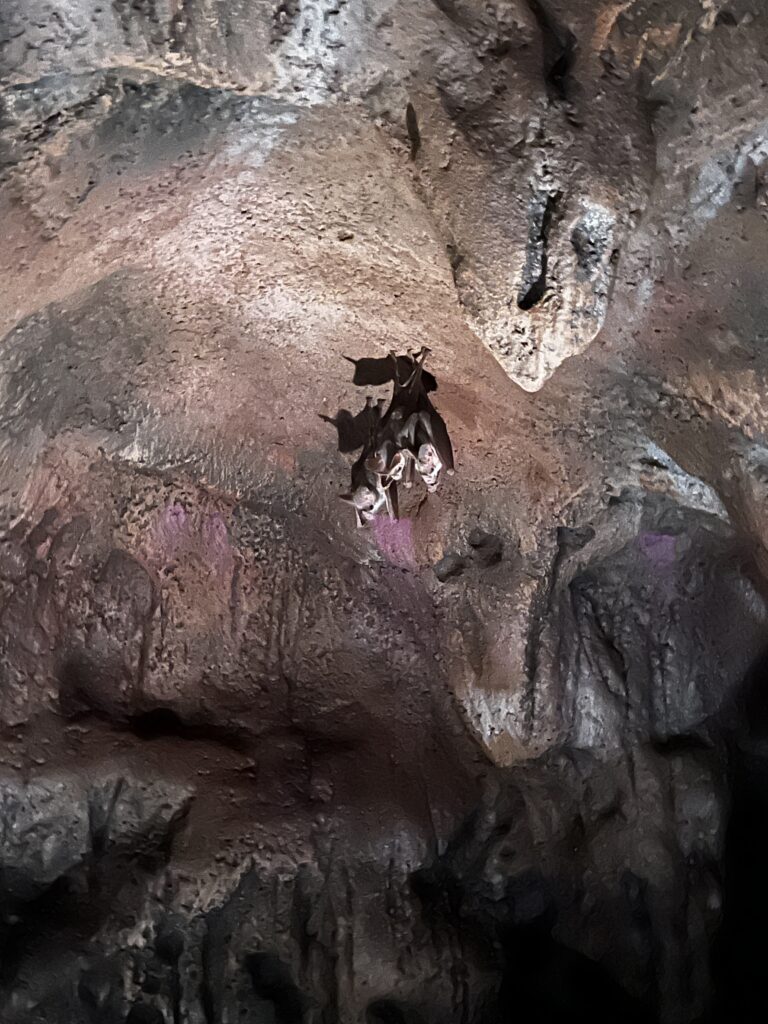
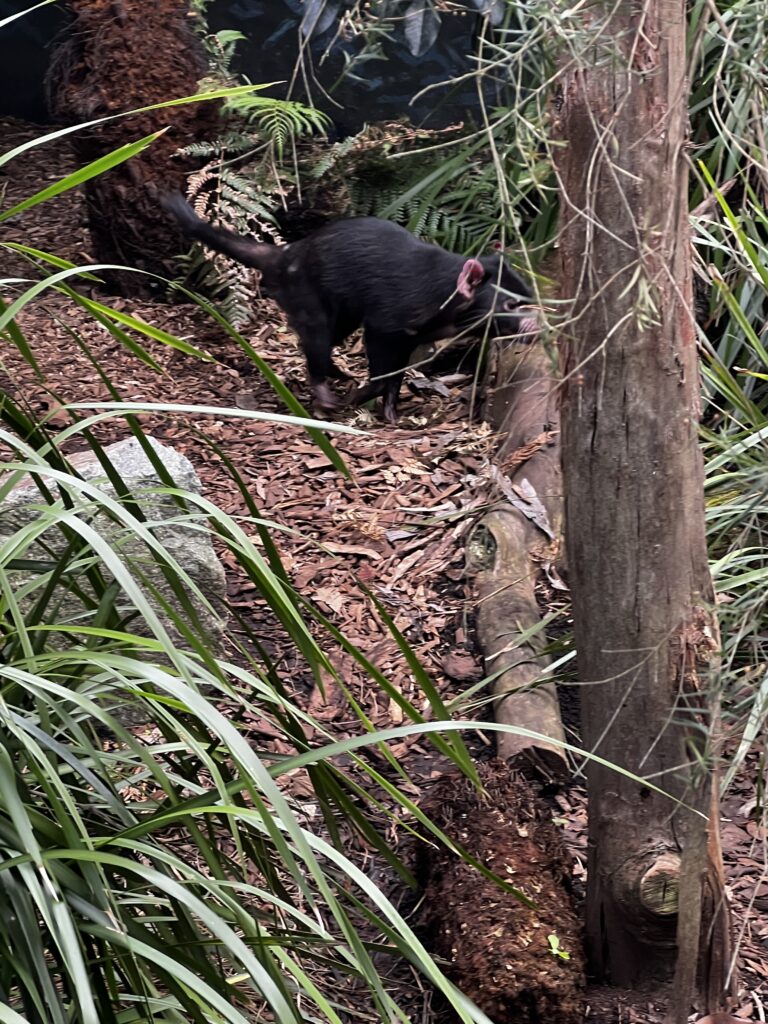
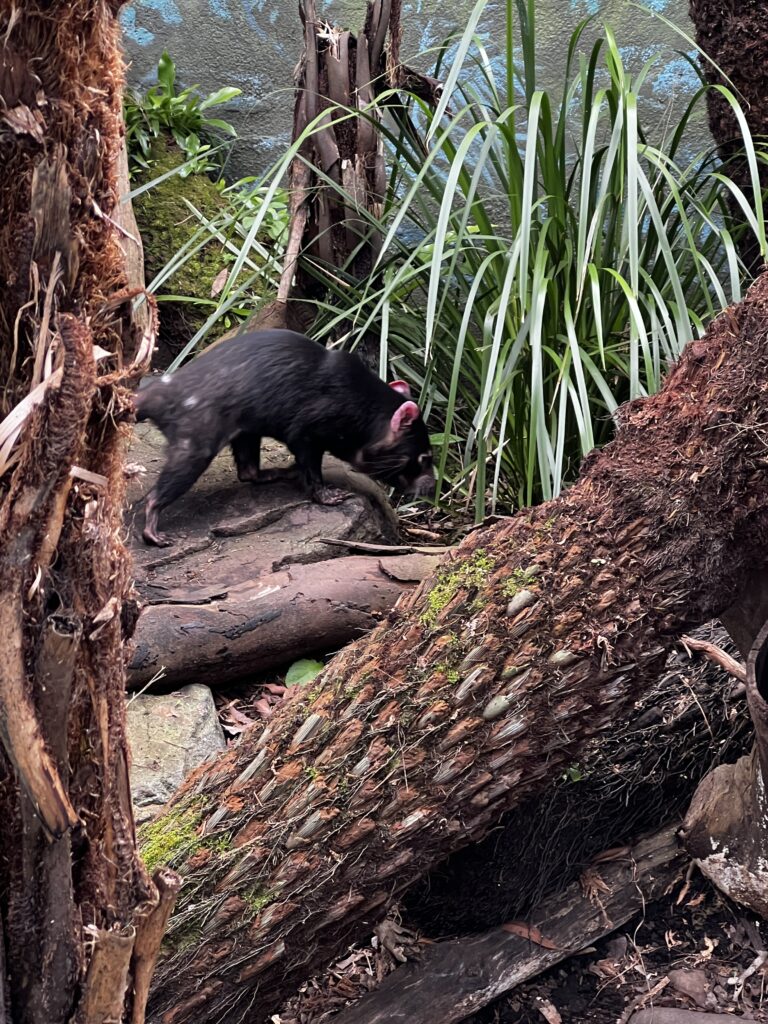
I had a difficult time photographing or videoing this next one
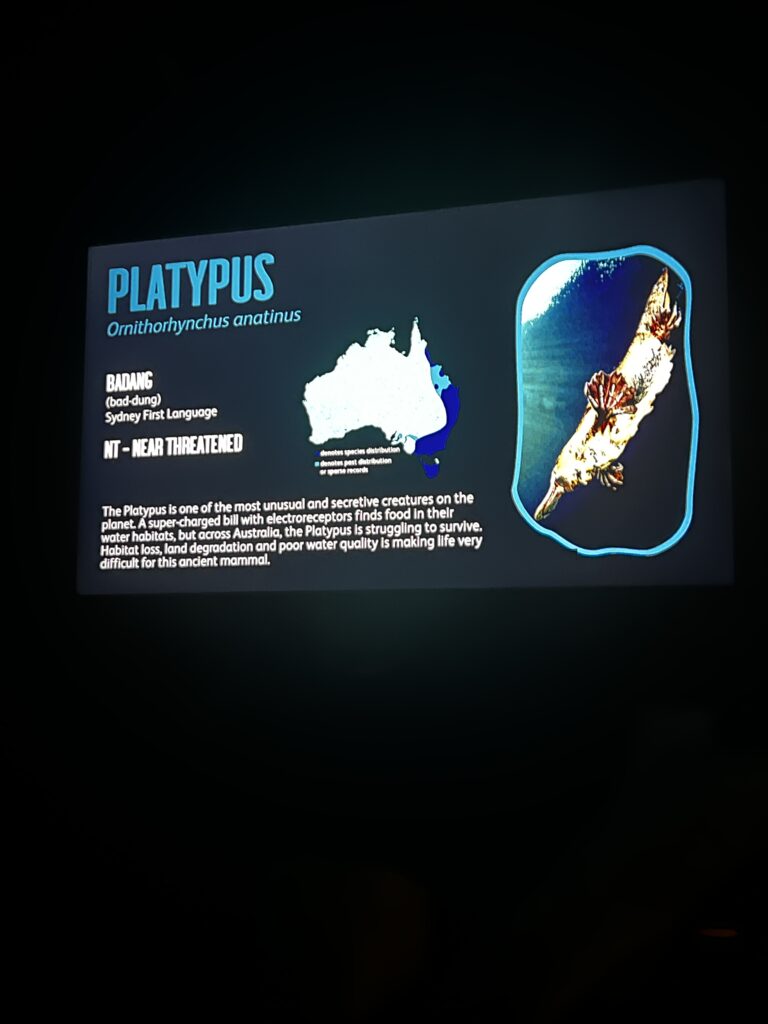
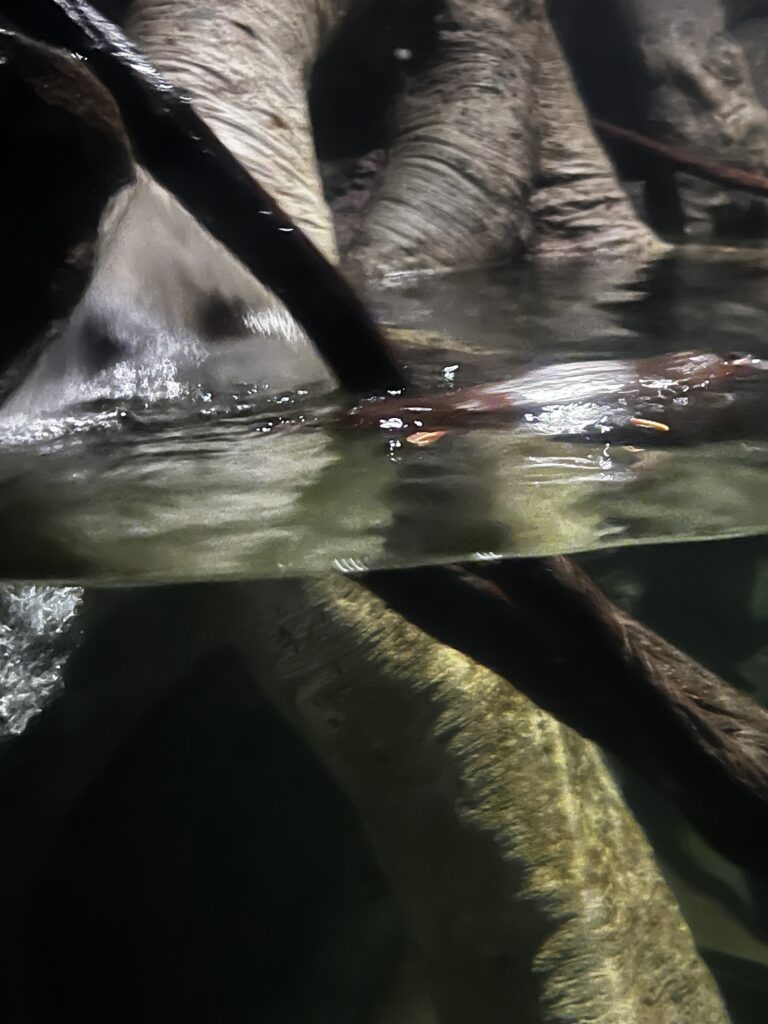
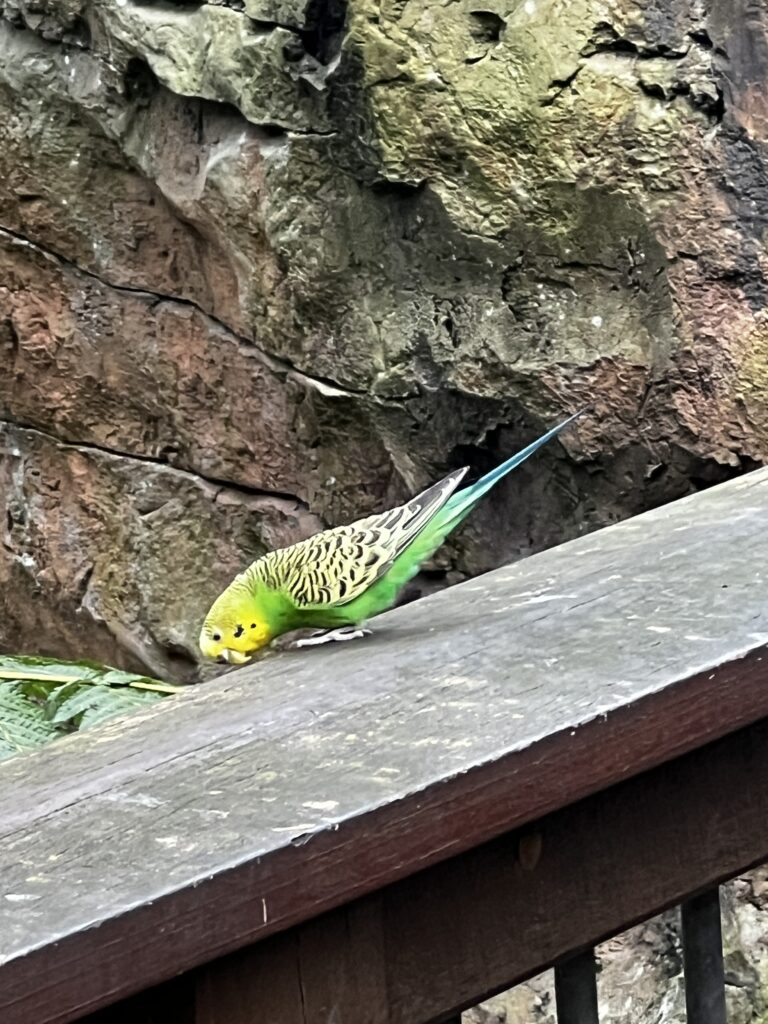
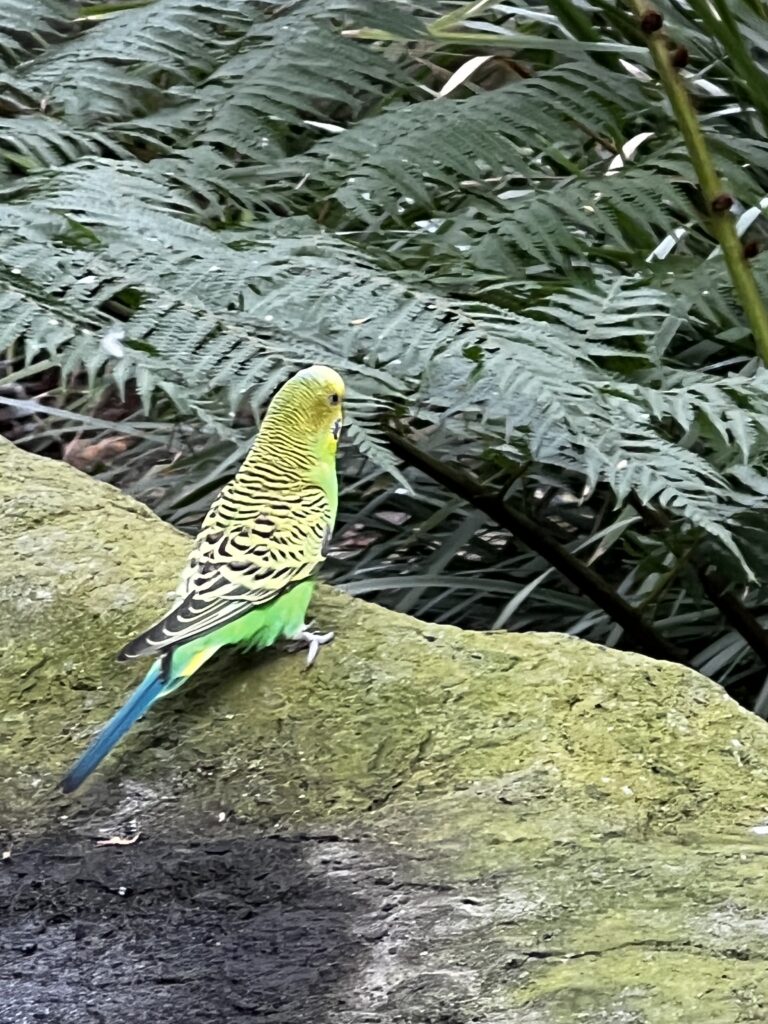
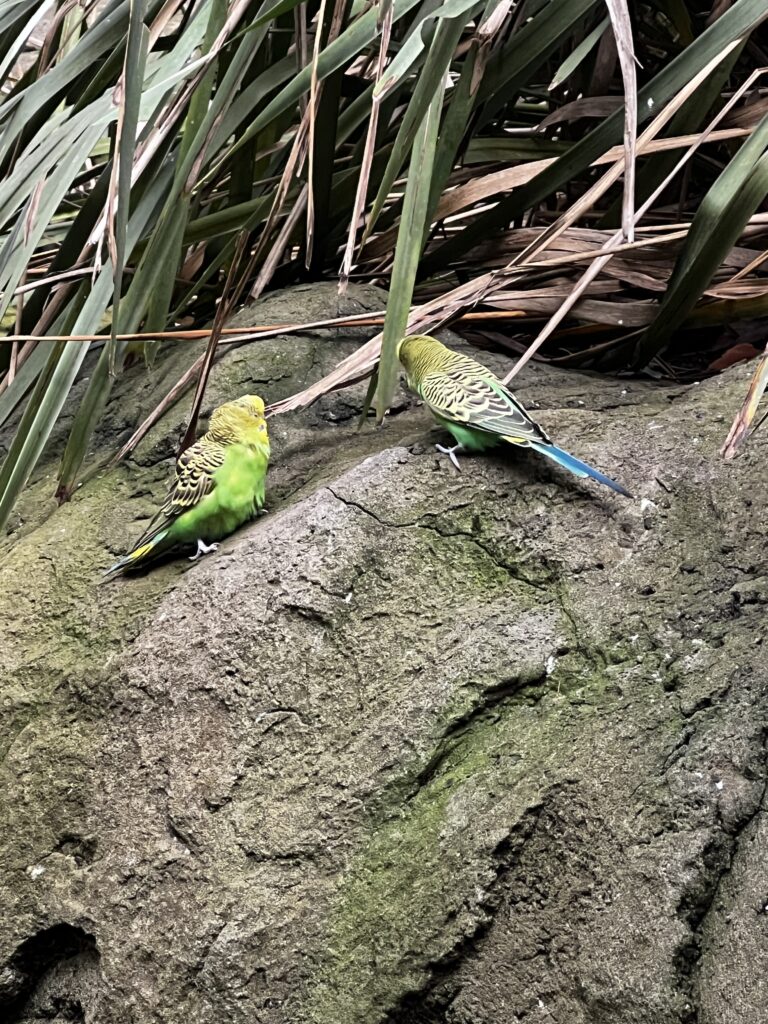
Tasmanian Devil
Manly is a beach-side suburb of northern Sydney, in the state of New South Wales, Australia. It is 17 kilometres (11 mi) north-east of the Sydney central business district and is currently one of the three administrative centres of the local government area of Northern Beaches Council. Manly has a long-standing reputation as a tourist destination, owing to its attractive setting on the Pacific Ocean and easy accessibility by ferry.
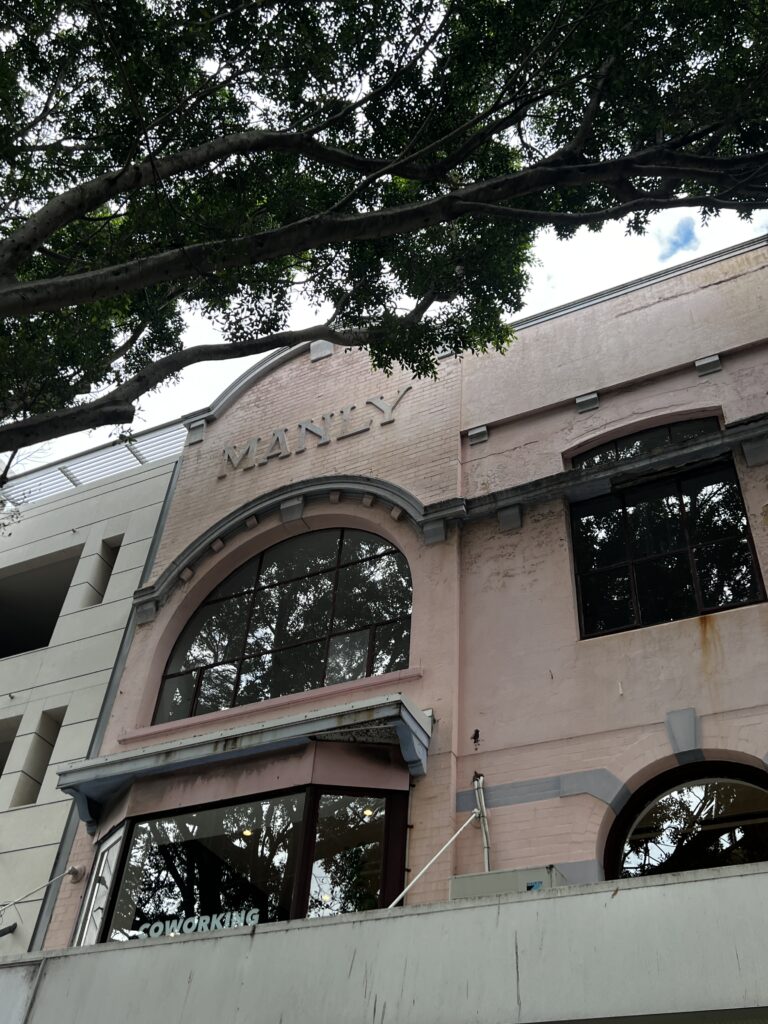
We arrived into Manly at the Manly Beach Cove which had been named Manly by Captain Arthur Phillip for the Aboriginal Australians living there, stating that “their confidence and manly behaviour made me give the name of Manly Cove to this place”. These men were of the Kay-ye-my clan (of the Dharug-speaking Gayemaygal people). While scouting for fresh water in the area, Phillip encountered members of the clan, and after a kidnapping he was speared in the shoulder by one of the clan as a punishment ritual; the progressively-minded Phillip ordered his men not to retaliate.
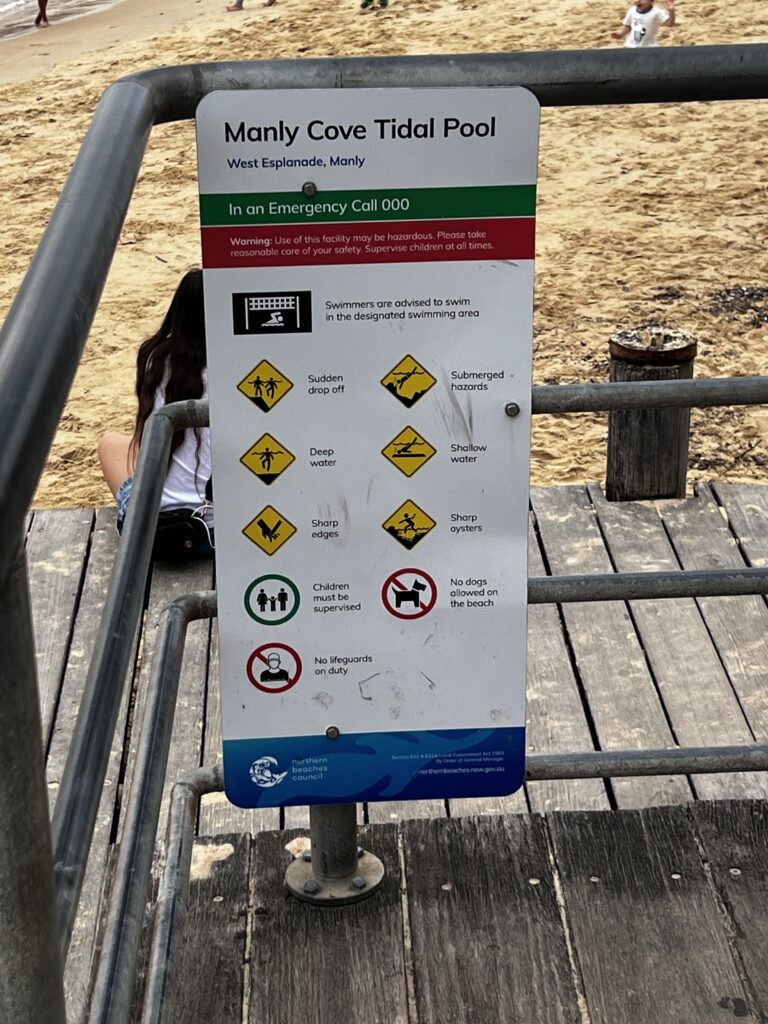
Look at the netting to keep sharks away from the beach
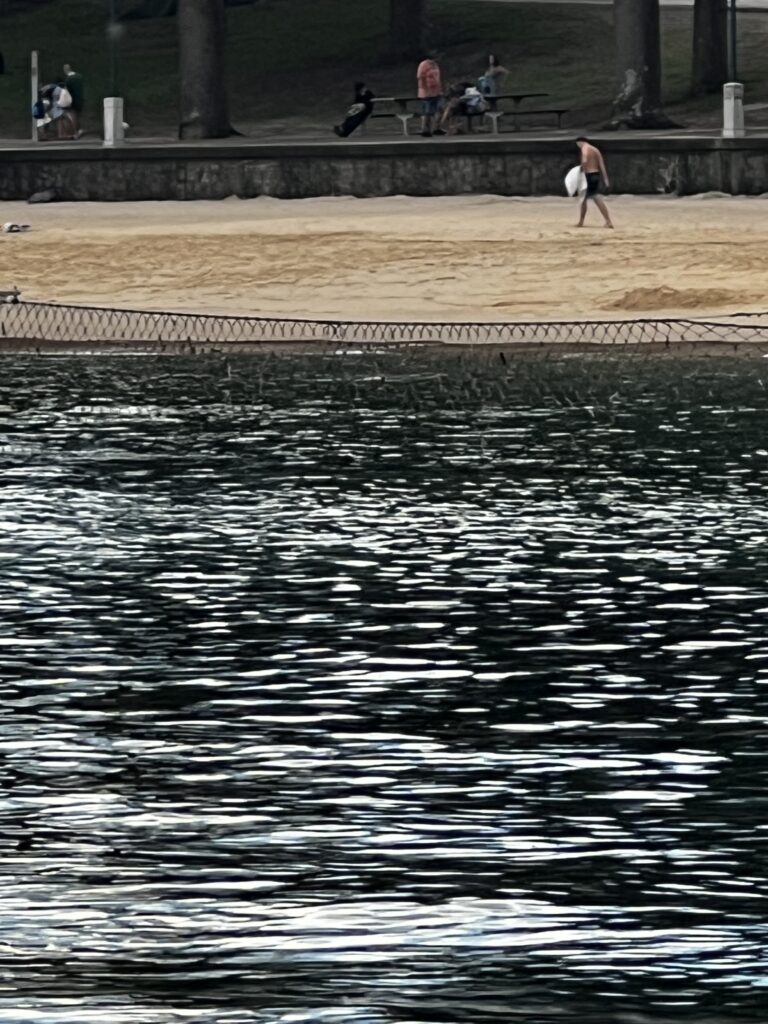
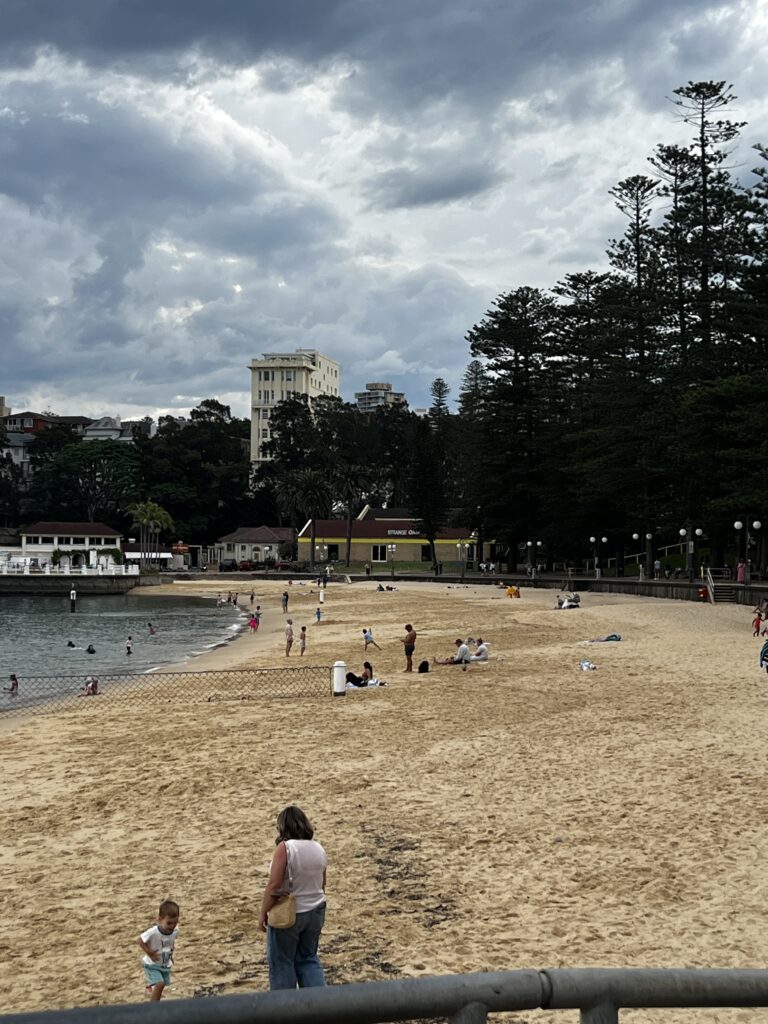
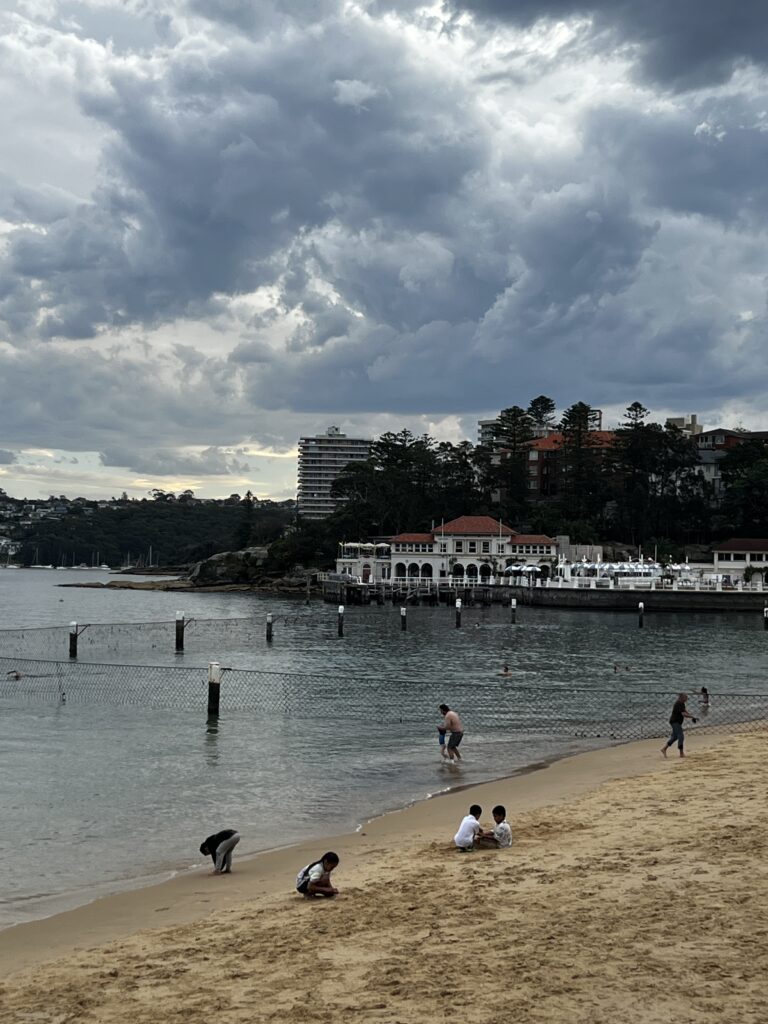
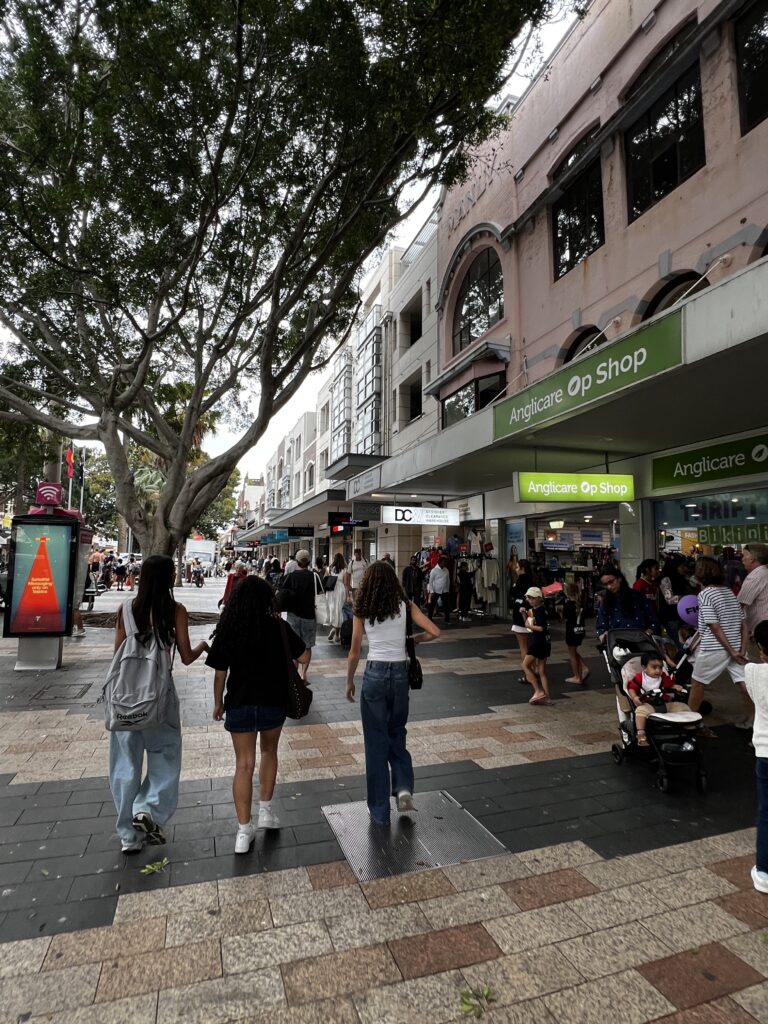
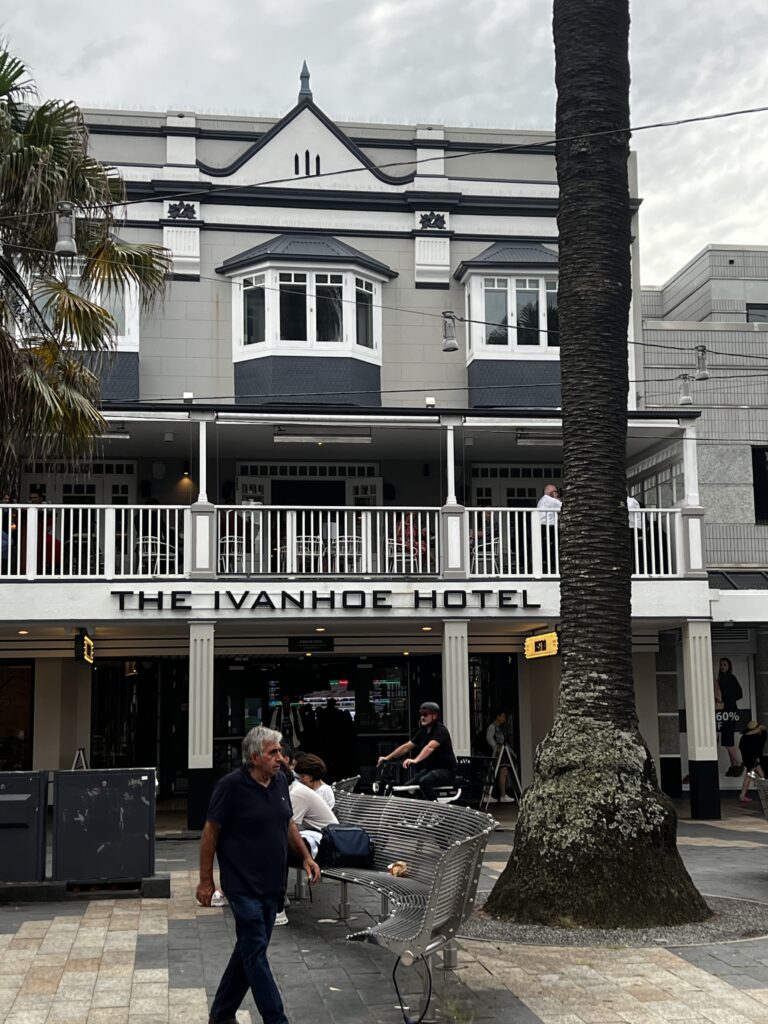
The commercial center in Manly is around the Corso, which runs from the harbor side at Manly wharf to the ocean side at Manly Beach. Part of the Corso is a mall which allows outdoor dining for cafés and restaurants. The commercial area extends to surrounding streets with more cafes and restaurants concentrated along the ocean and harbor shores.
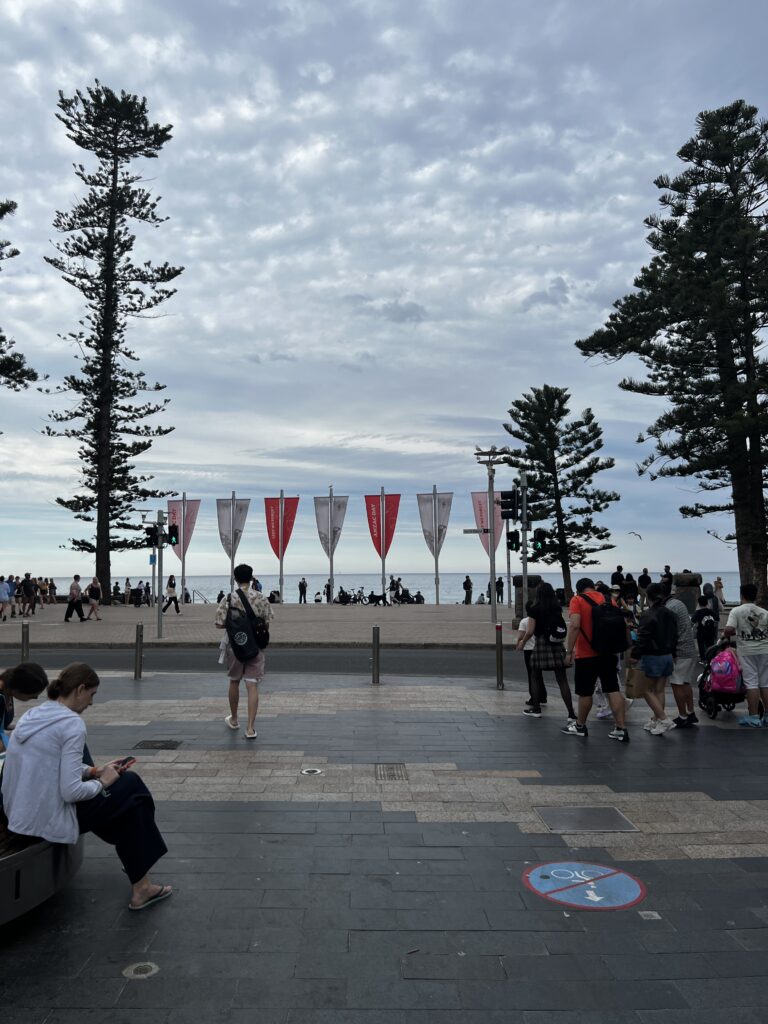
We saw a number of banners for Anzac Day and I looked it up when we got back to the hotel this evening.
We commemorate Anzac Day on 25 April. This date is the anniversary of the day Australian and New Zealand soldiers landed on the beaches of Gallipoli in 1915 as part of the Allies’ invasion. We recognise more than 2 million people who have served Australia in all conflicts, wars and peace operations since 1914. It’s also a time to remember some 103,000 Australians who lost their lives while serving.
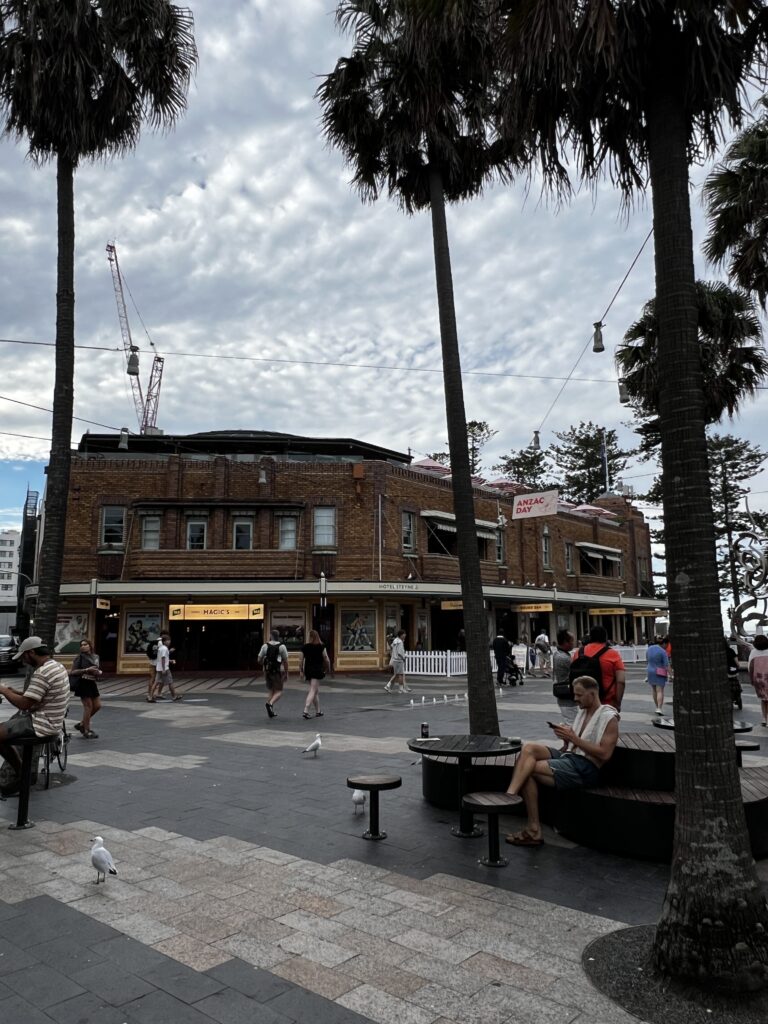
Manly Beach
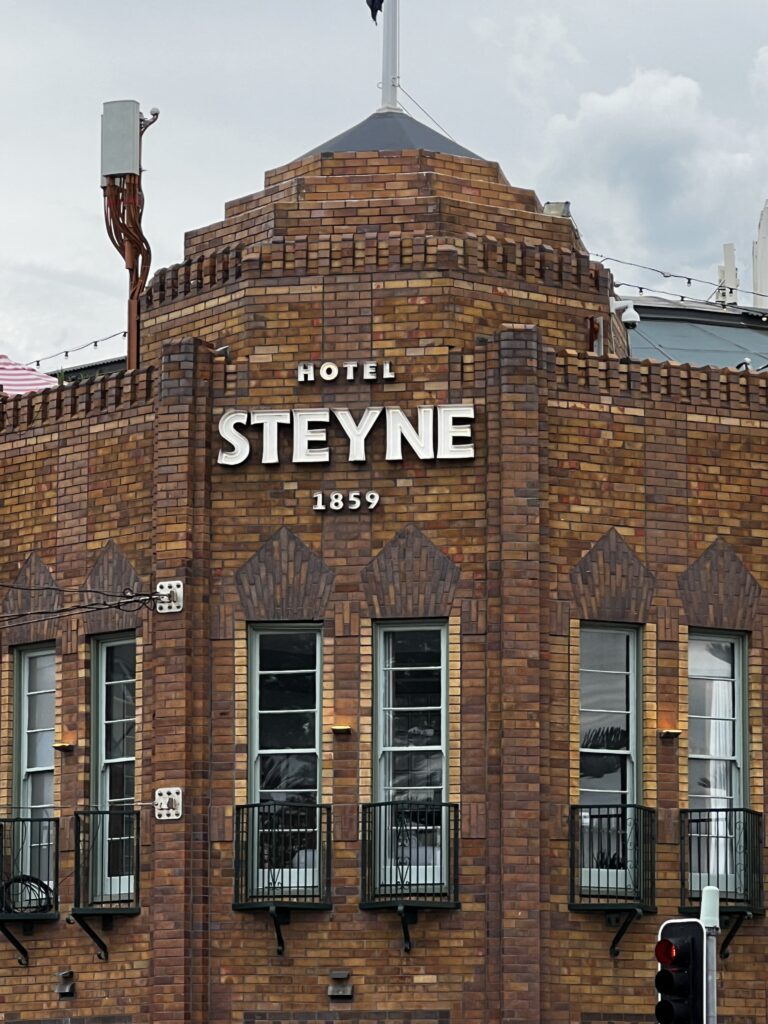
Manly is most notable for its beaches, which are popular tourist destinations. Manly features a long stretch of sand on the ocean side, that runs from Queenscliff through North Steyne to South Steyne. This is followed by rock pools and sandy beaches called Fairy Bower and Shelly Beach. There are also a number of beaches on the harbour side of the peninsula being Collins Beach, Store Beach, Little Manly, East Manly Cove, West Manly Cove, Delwood Beach and Fairlight Beach. Norfolk Island pine trees are symbolic of Manly and are a prominent feature of both the ocean and harbour beaches.
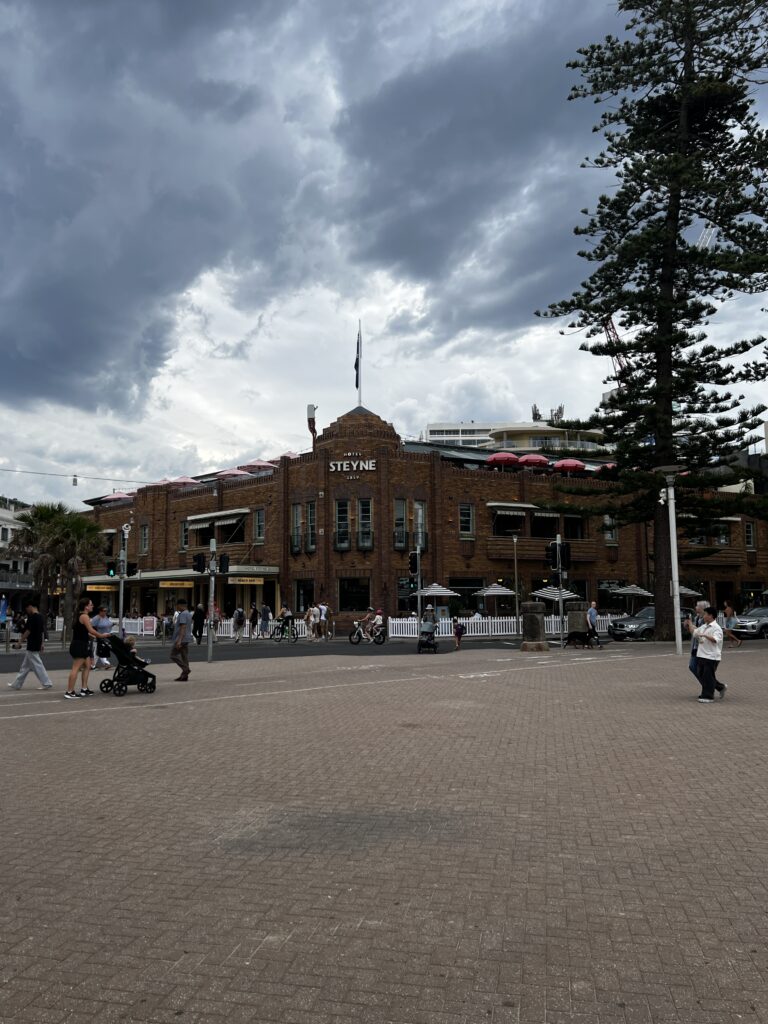
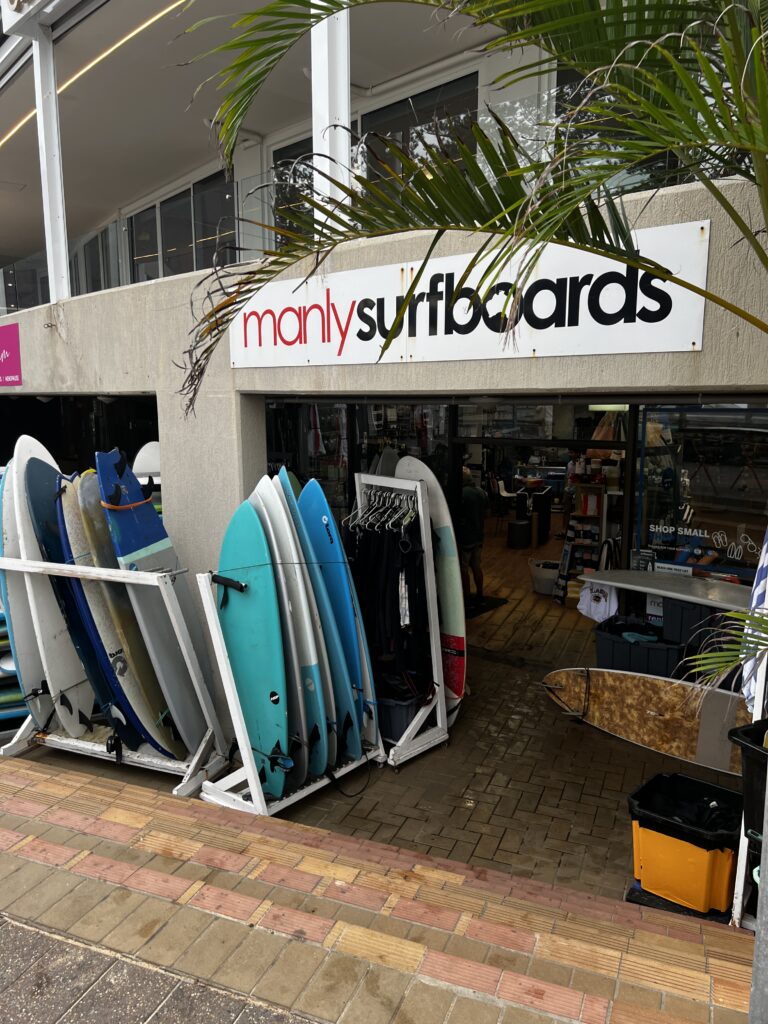
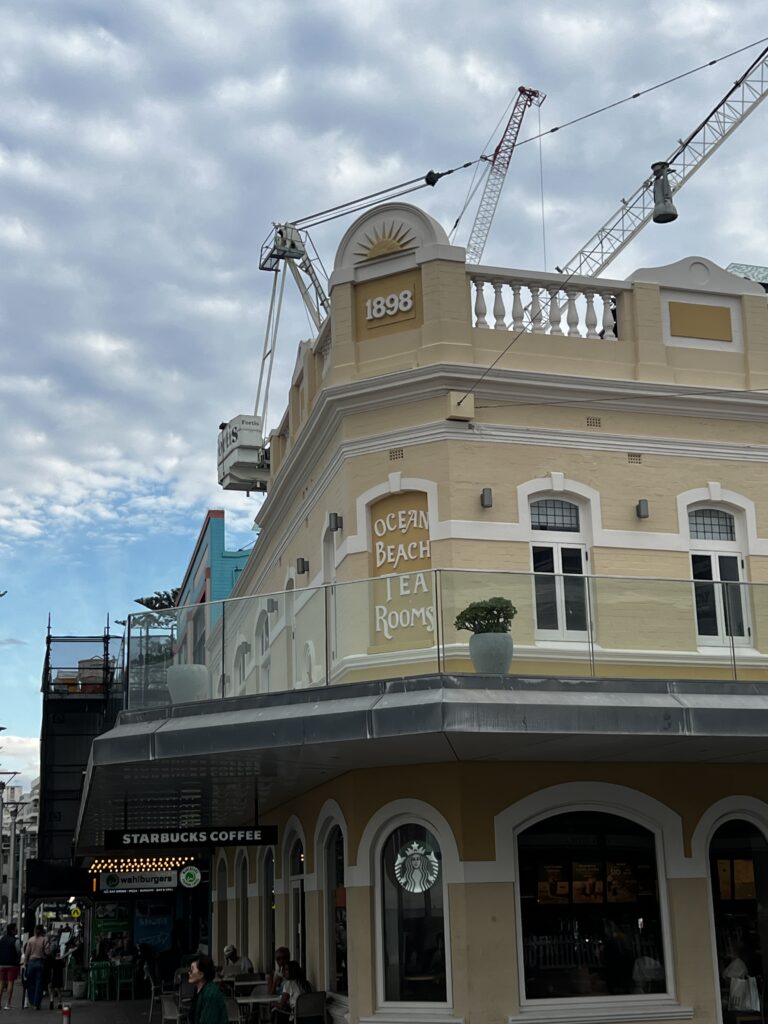
On the way back to the ferry we stopped for crepes
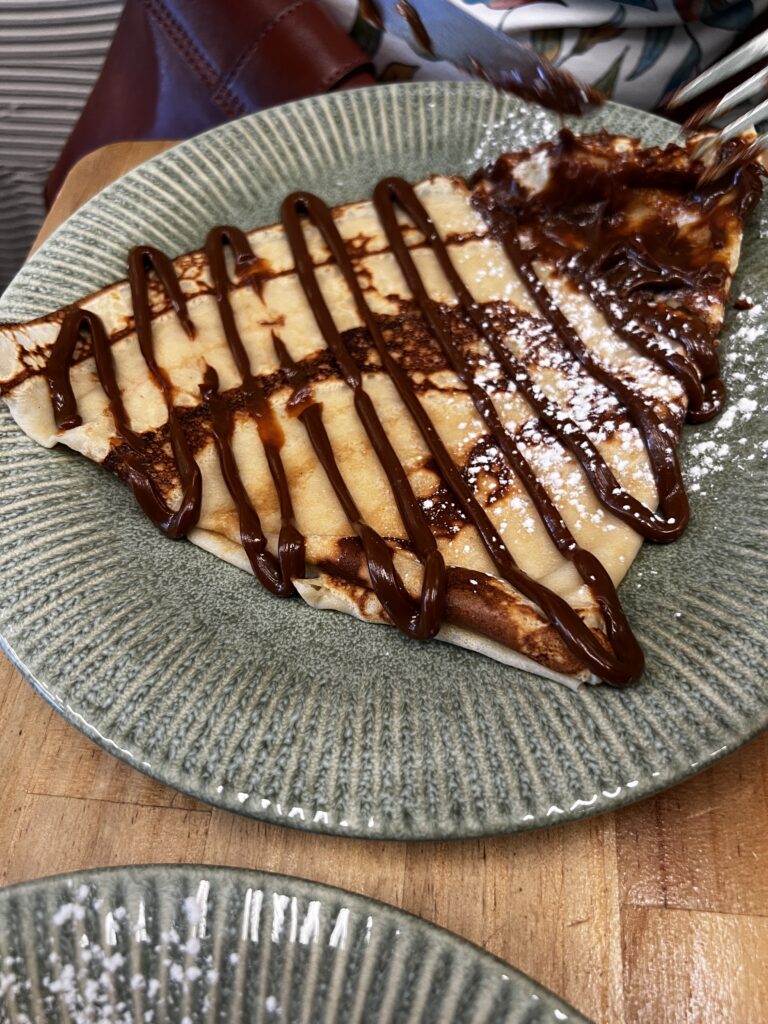
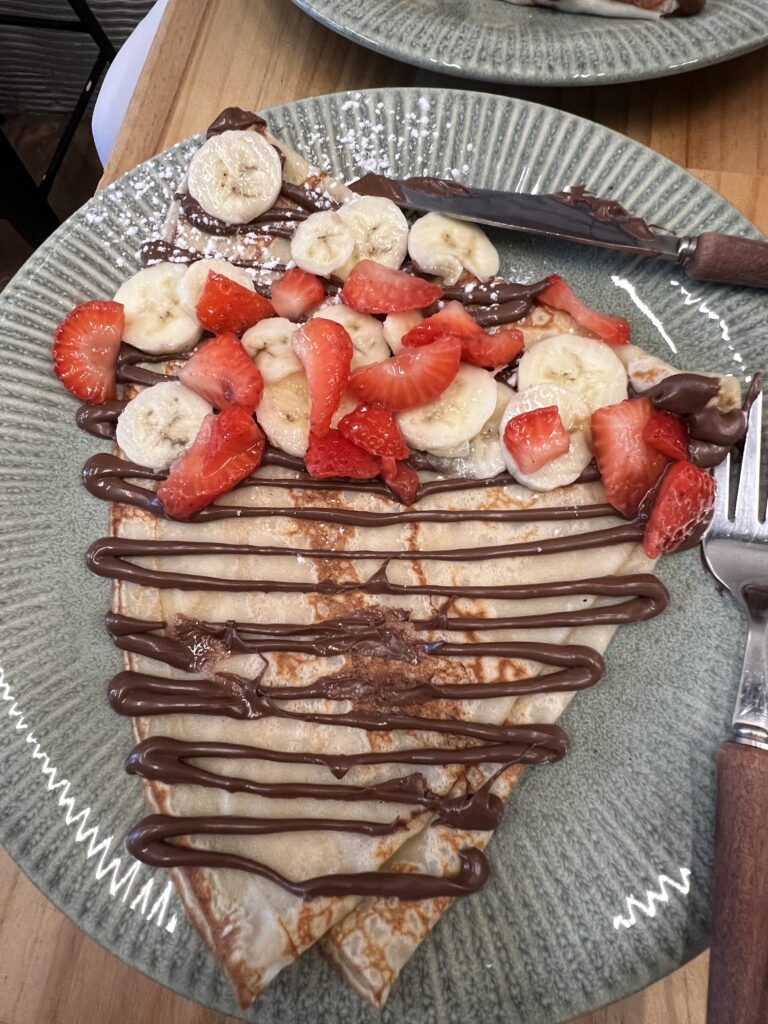
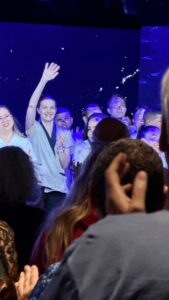
Tonight we attended the ballet Flora. Below is information regarding the performance and after the last photo I will provide my thoughts.
Flora (2026) is a landmark collaboration between The Australian Ballet and Bangarra Dance Theatre, choreographed by Frances Rings, that explores the evolution of Australian flora as a metaphor for the resilience of First Nations people. It traces the life cycle of native plants, their spiritual significance, the impact of colonisation, and eventual regeneration.
Key Themes and Structure
- Act I: Mother Seed & Country: Explores deep time and the ancestral journey, featuring the “Sleeping Yams” (representing subterranean, interconnected life) and “Grass Keepers” (spinifex and weaving women). It emphasizes the nurturing of plants by First Nations people.
- Impact of Colonisation: The narrative moves into the impact of settlement, with scenes depicting the introduction of foreign elements (hooves and weeds) that disturb the landscape.
- Regeneration & Fire: Highlights the resilience of flora, specifically through “Fire Song”—the use of fire for renewal and survival.
- Visuals and Sound: Features an original score by William Barton and costume designs by Grace Lillian Lee that evoke colors of the landscape, along with sets that represent root systems and the natural world.
Flora highlights the connection between the enduring nature of native plants and the continuous culture of Australia’s First Peoples.
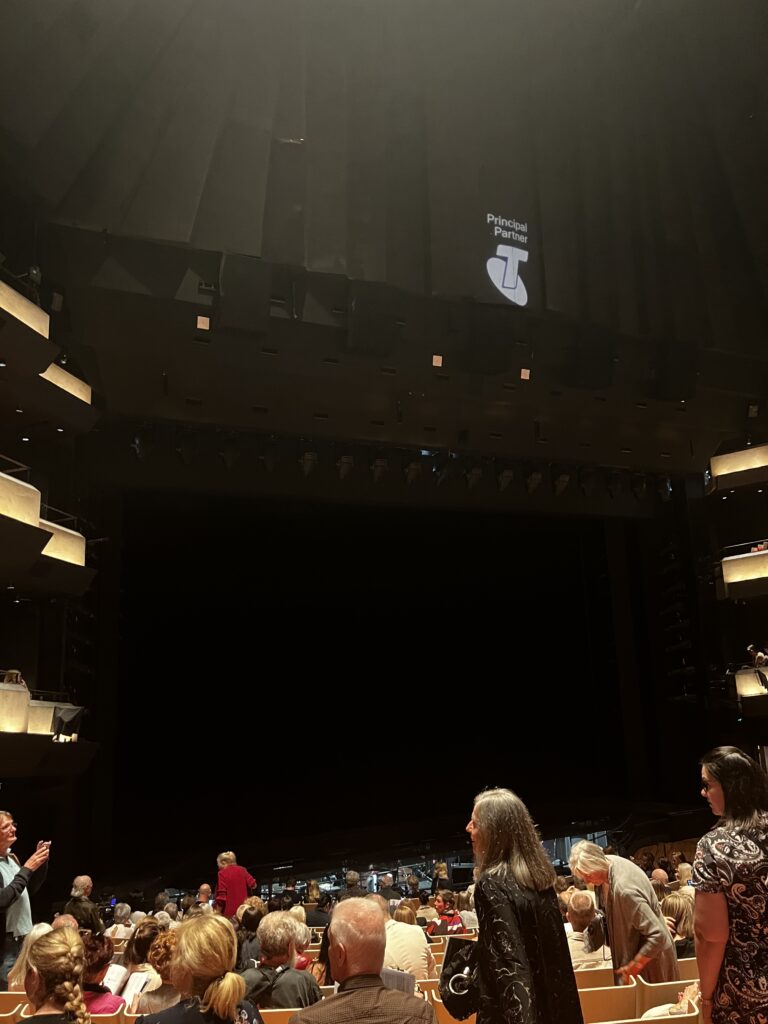
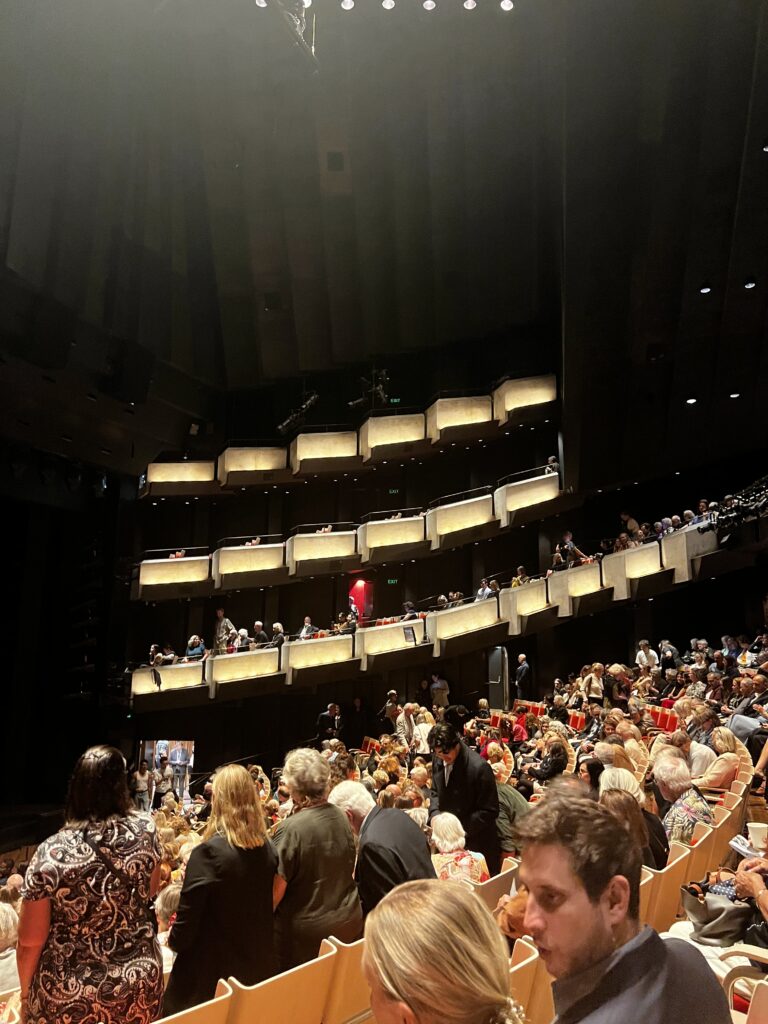
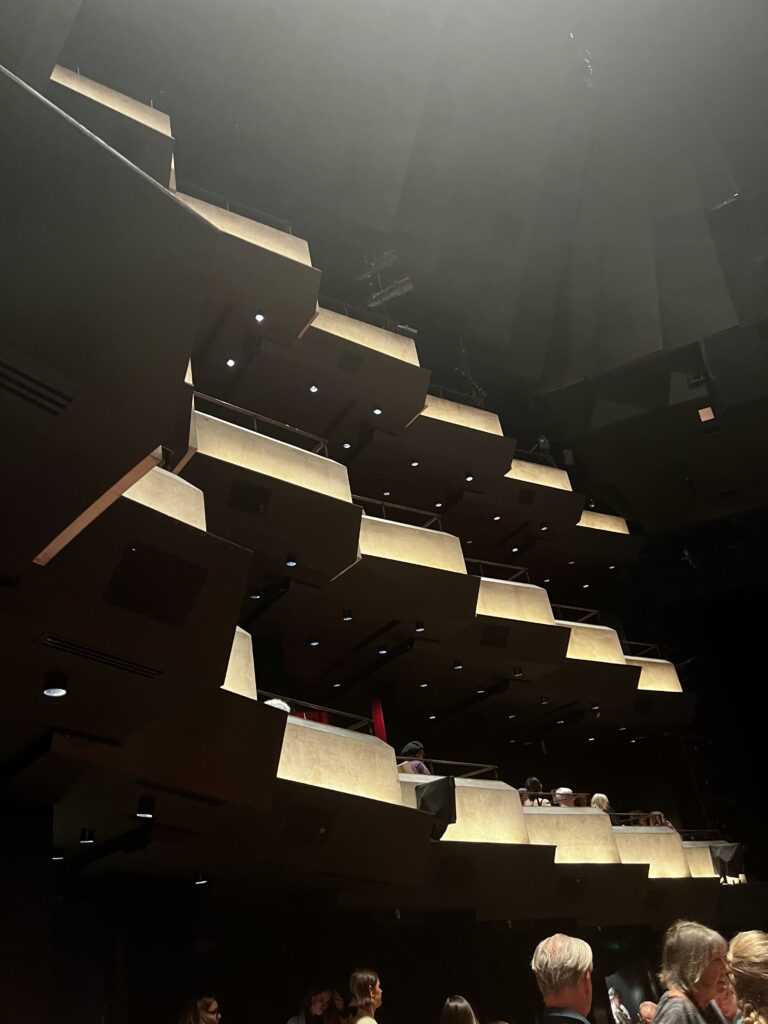
At the intermission I asked Jackie, “What in the hell was that?” She said it was an interpretative dance. I could tell from her face she had not interpretated anything, so I did not ask her…laughing. Okay, look… Hamilton confused me because they didn’t speak and only sang. The symphony on Wednesday night was awesome, but I had zero clue what I was supposed to be getting from the music. Tonight, they didn’t talk or sing and I was supposed to interpret what was going on during the performance. My takeaway from tonight is that I need a lot more culture or I need to take classes in interpretation before I can return to a ballet. 🙂
5am wakeup tomorrow (Saturday) morning for our flight back to the ship in Darwin, Australia.