
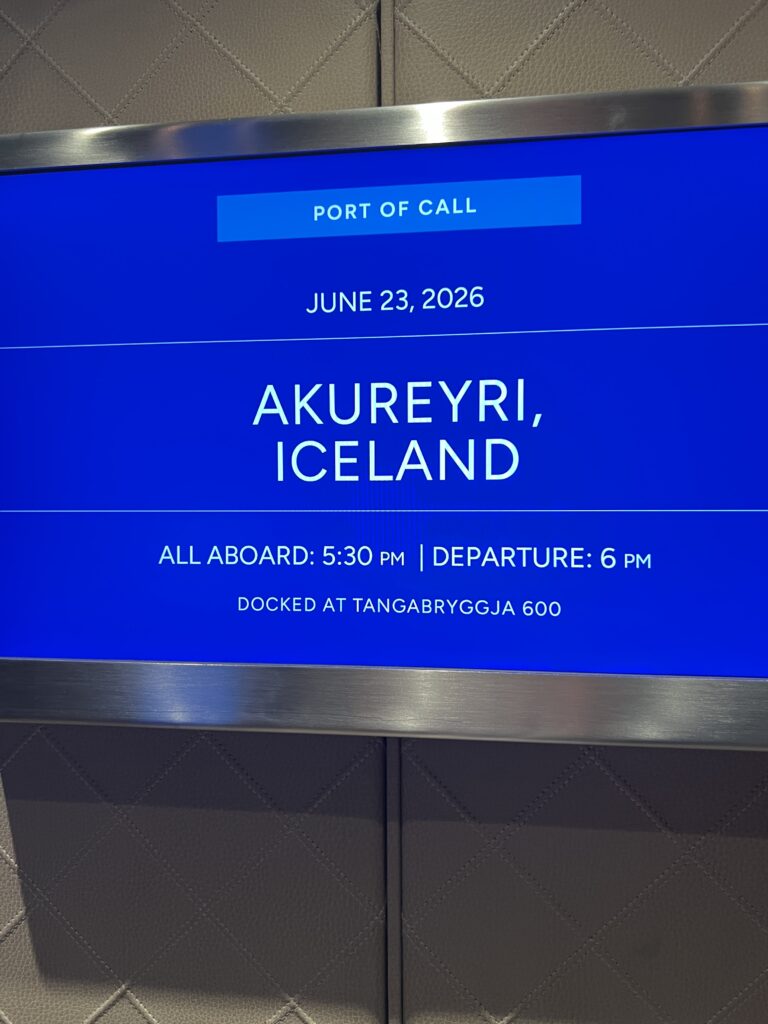
Day 108 Tuesday June 23rd (12 days to go) — Today we booked an excursion with a company called Bus Travel Iceland and have excursions booked with them for the next two ports in Iceland. The excursion took us to the Myvatn region, which is known for volcanic landscapes, lava fields, hot springs and a beautiful waterfall.
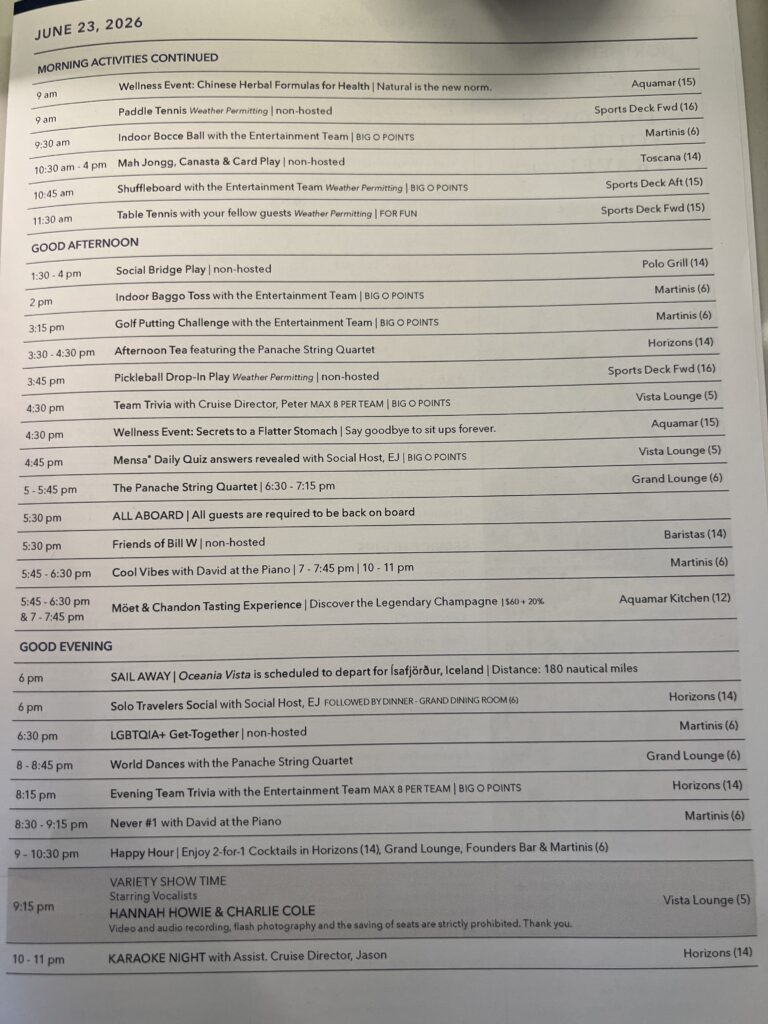
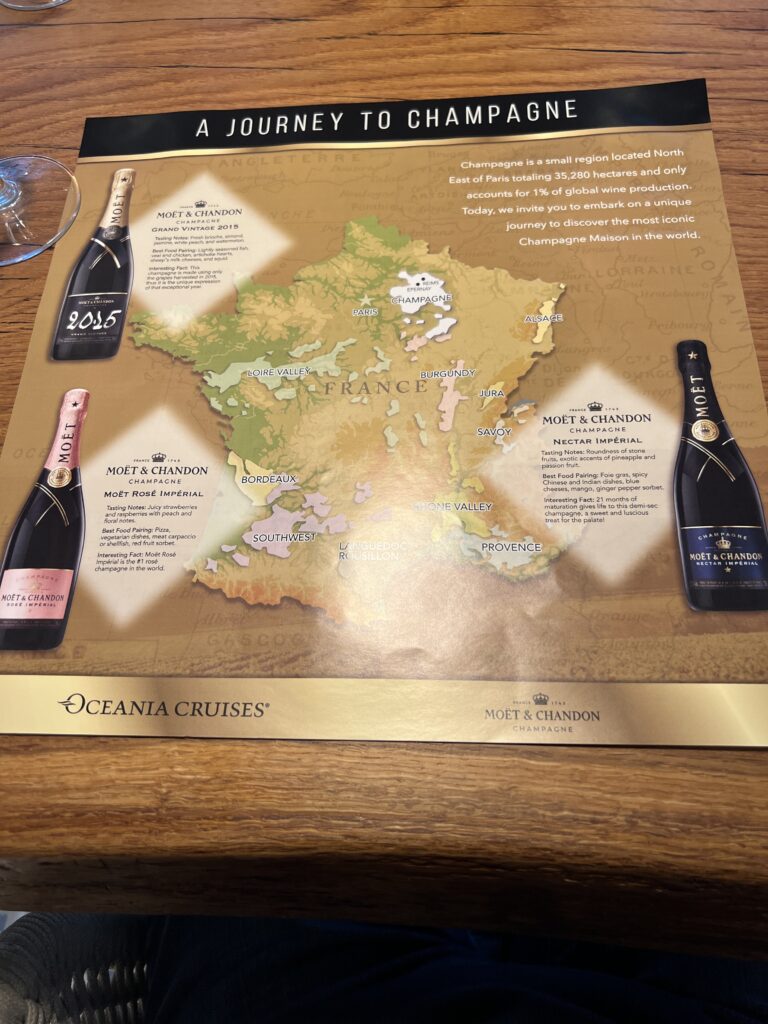
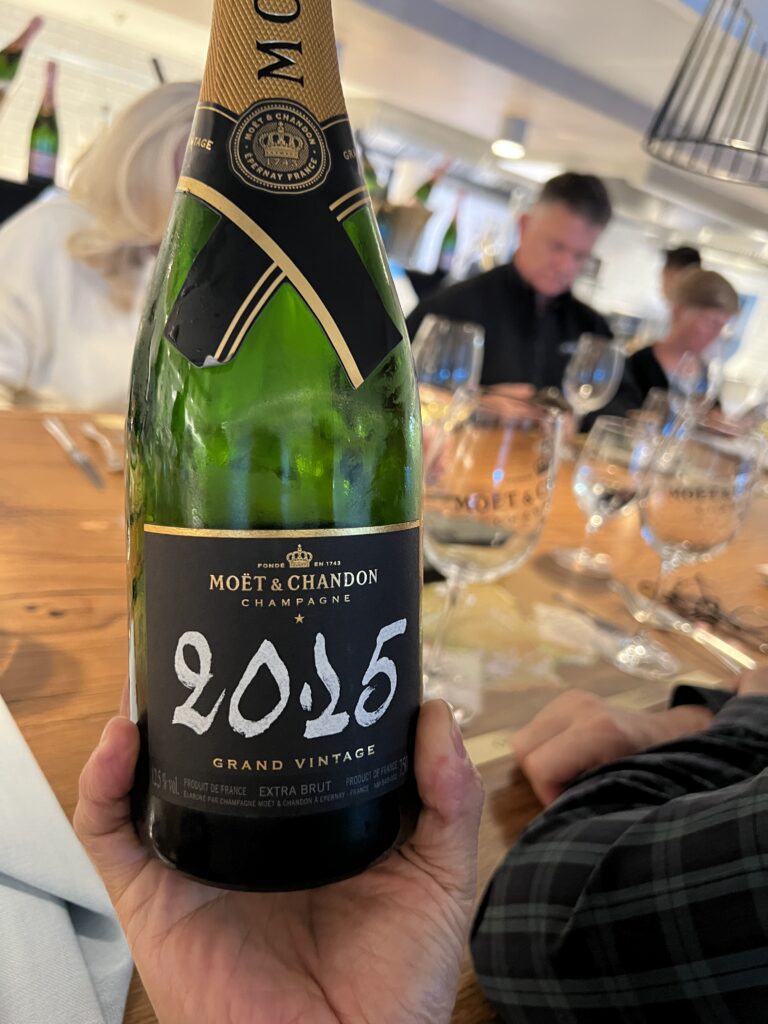
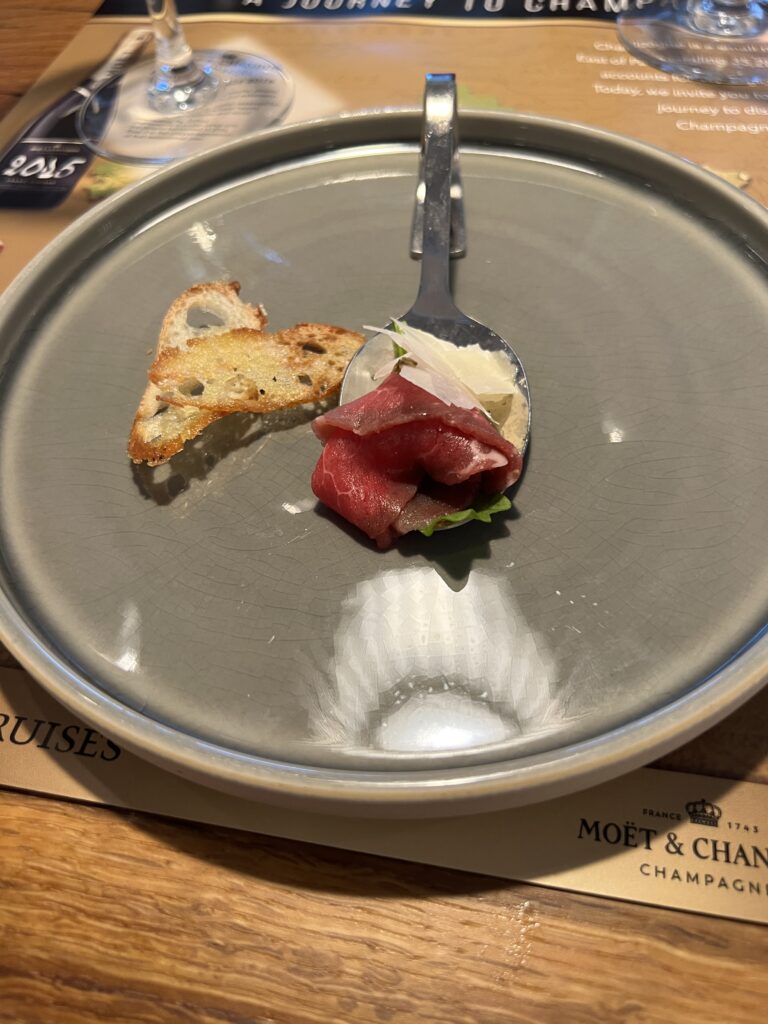
We returned to the ship late in the afternoon and took a walk through the town of Akureyri before returning back to the ship to attend a champagne tasting with John and Joan.
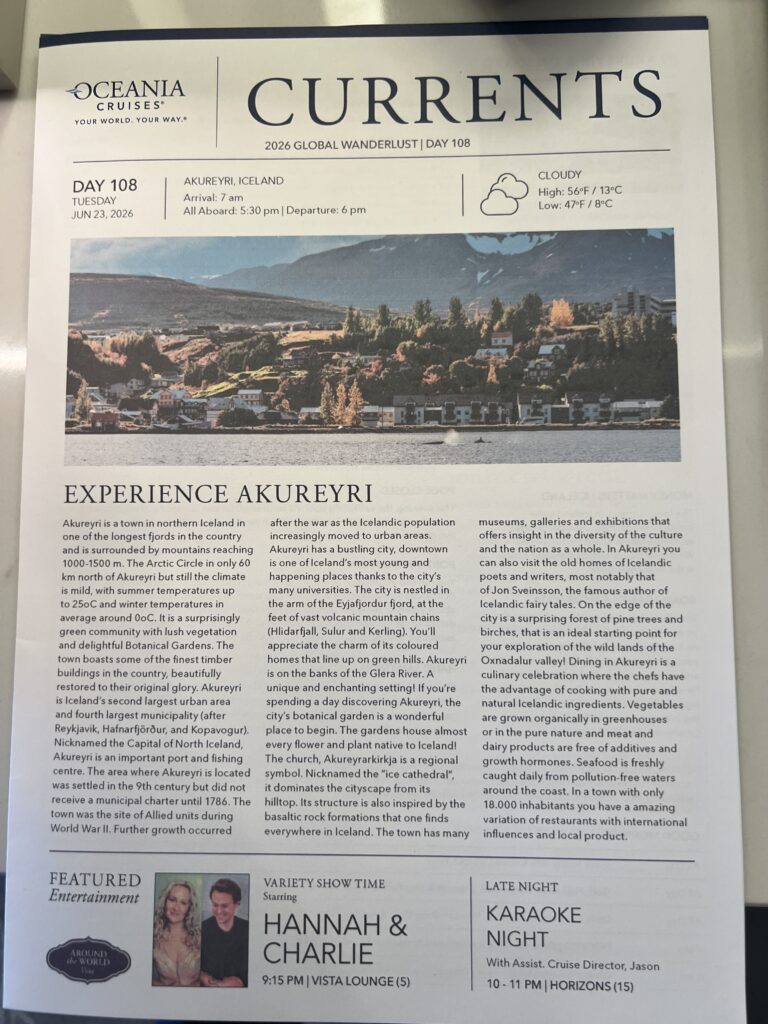
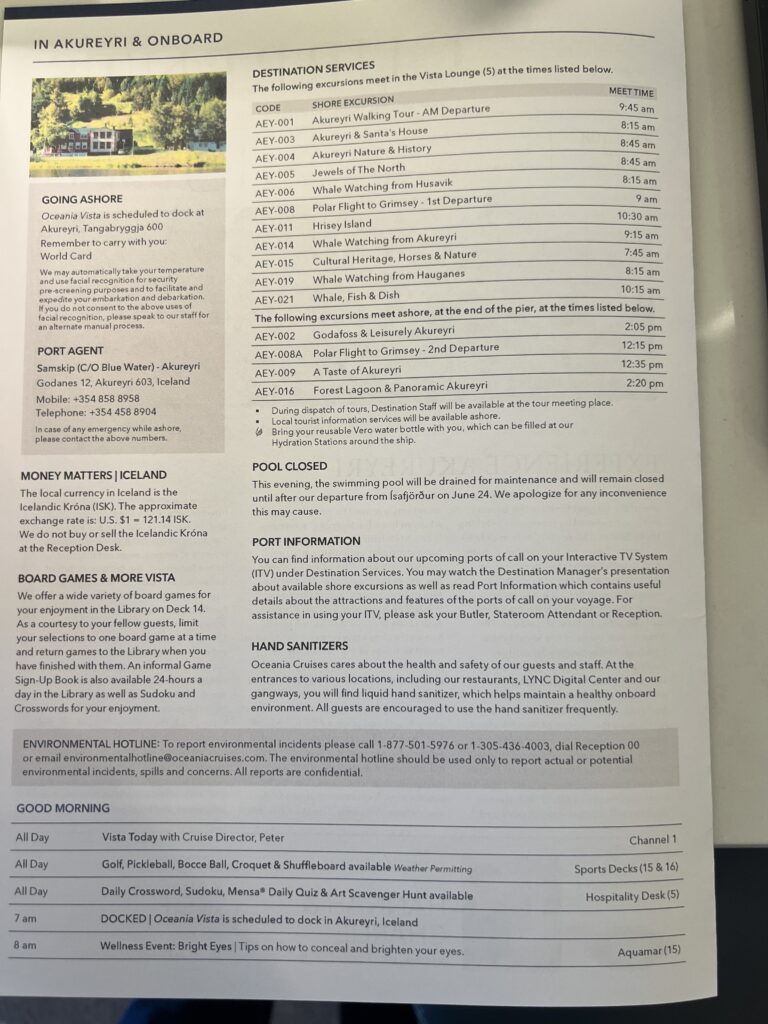


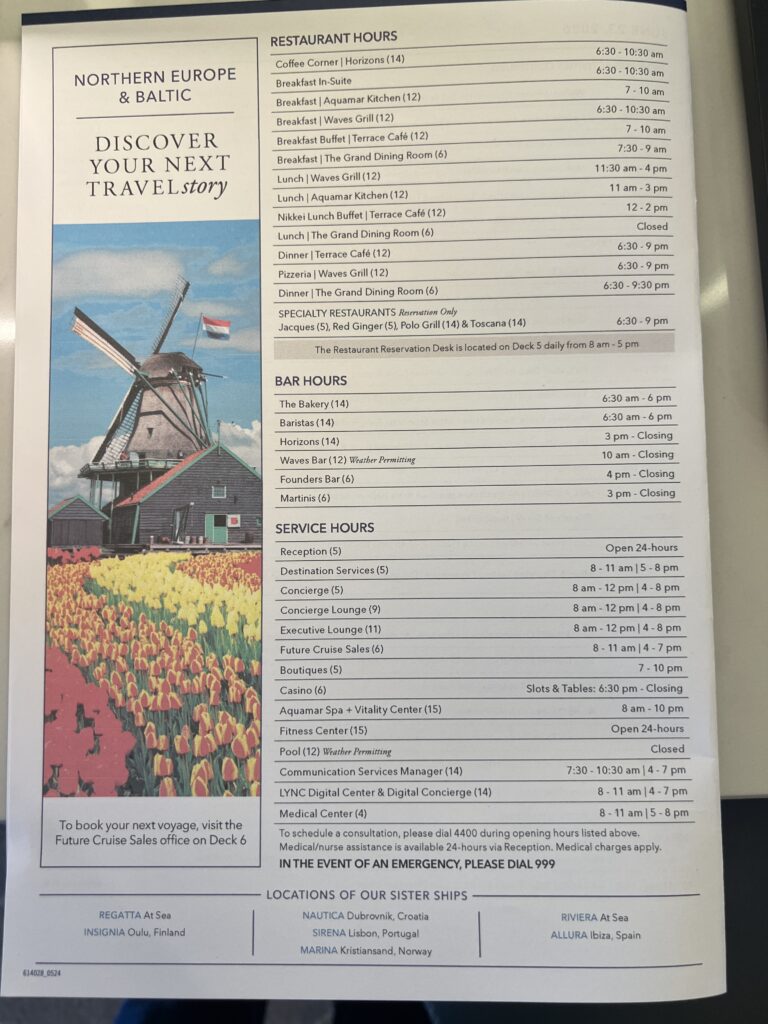
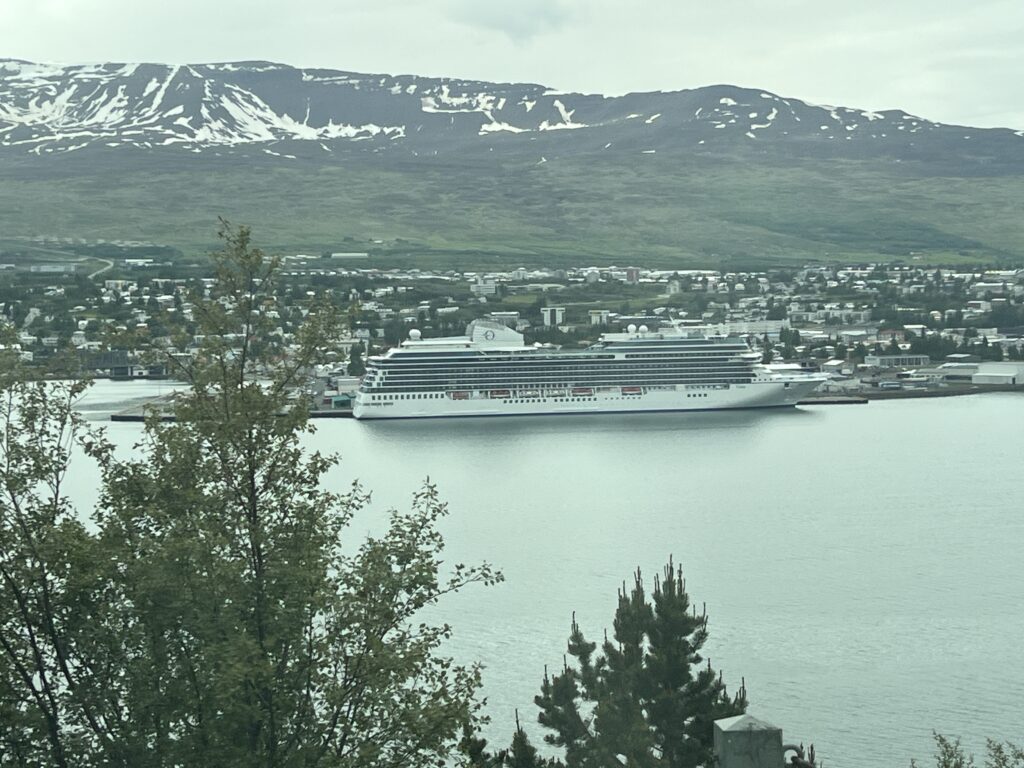
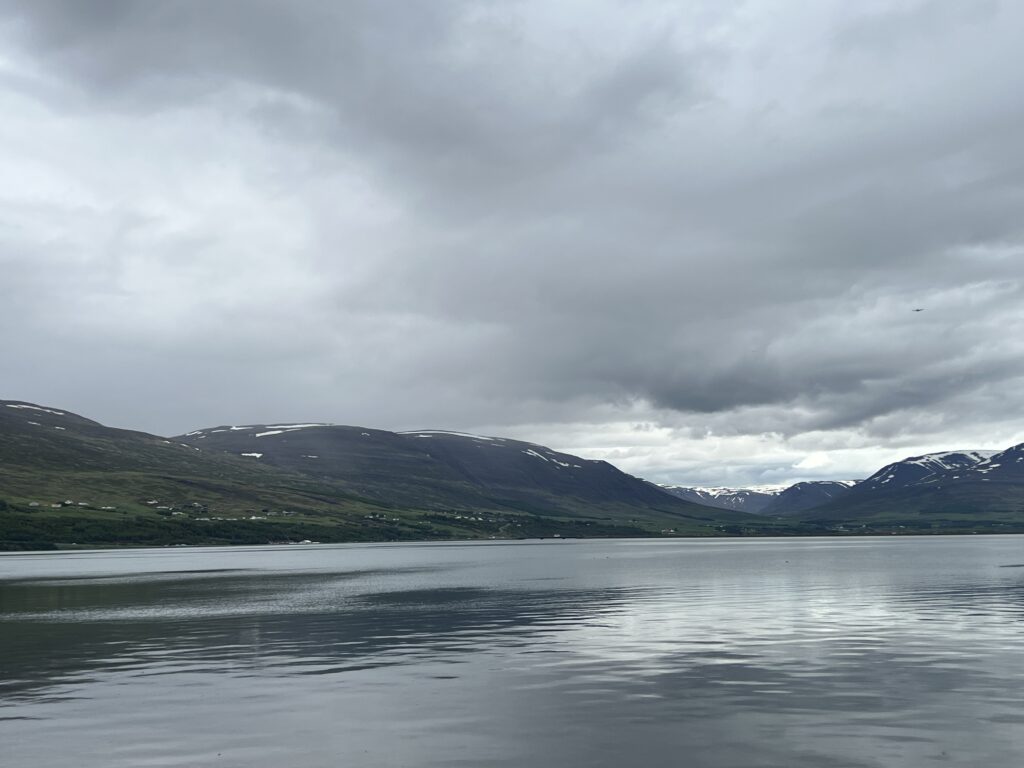
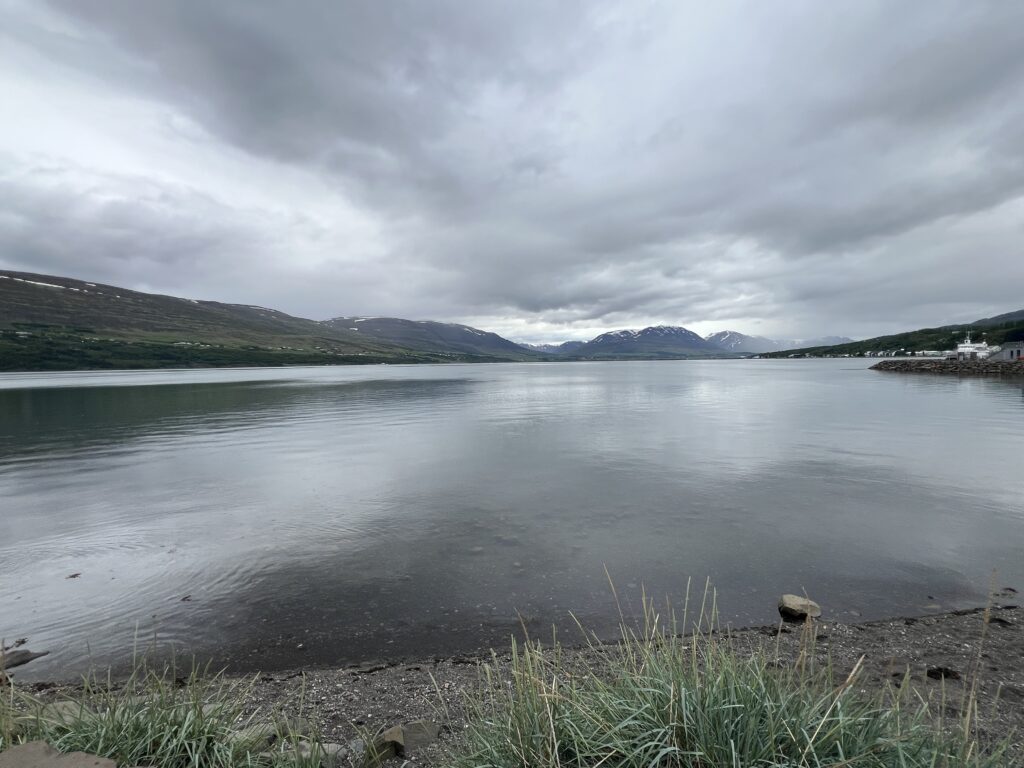
Looking out over Akureyri from our balcony
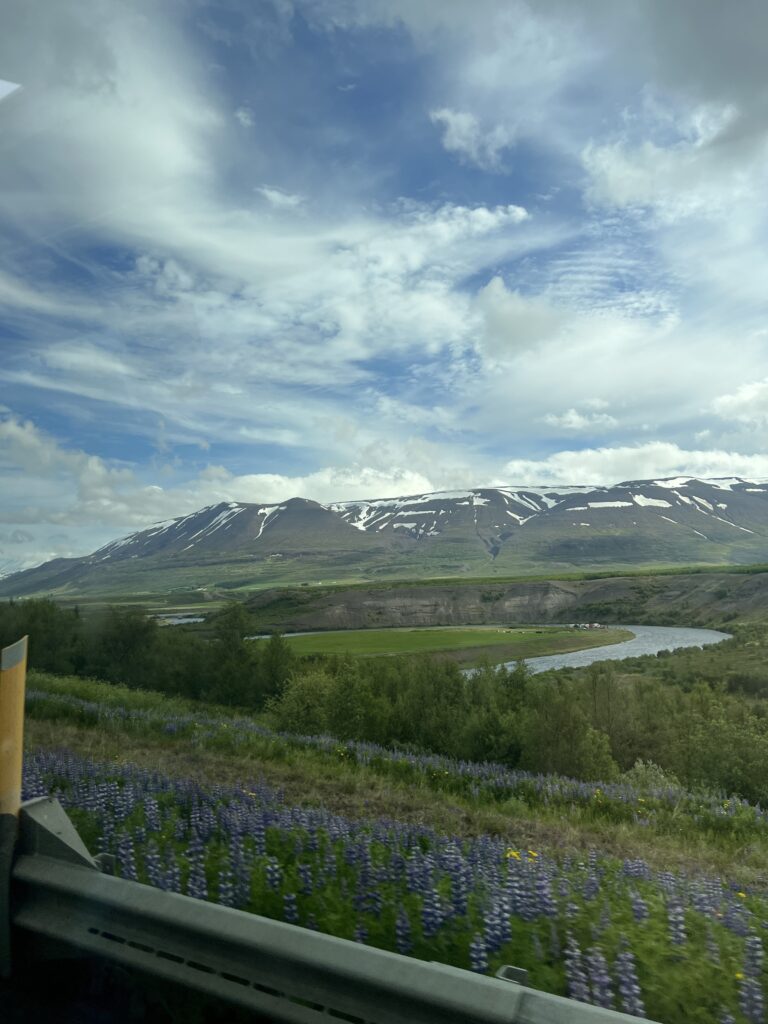
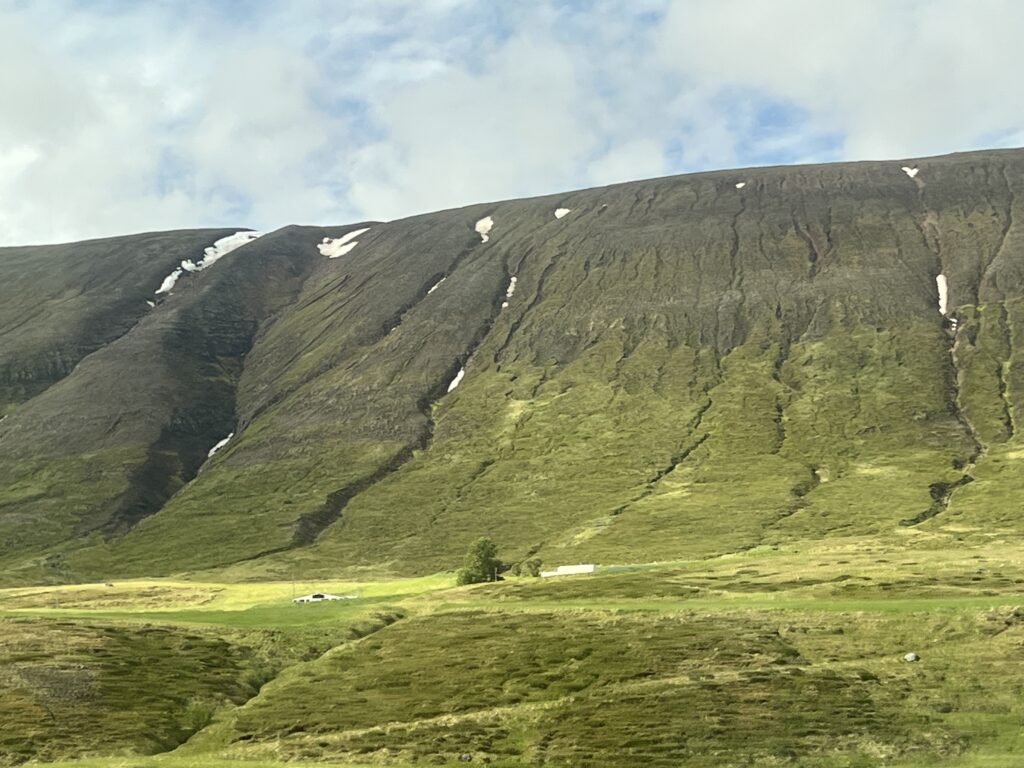
Scenery as we drove on the bus to our first stop
Goðafoss (Icelandic pronunciation: [ˈkɔːðaˌfɔsː] ⓘ) is a waterfall in northern Iceland. It is located along the country’s main ring road at the junction with the Sprengisandur highland road, about 45 minutes from Akureyri. The water of the river Skjálfandafljót falls from a height of 12 metres over a width of 30 metres. A 1.8-mile hiking trail loops around the waterfall area.
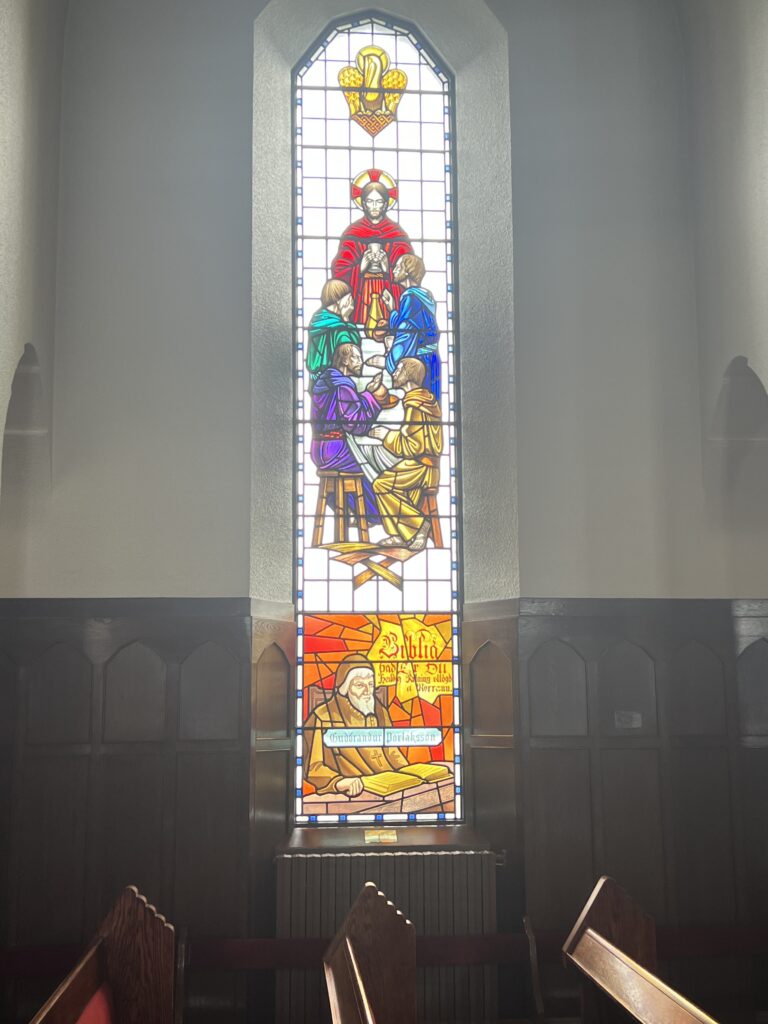
The origin of the waterfall’s name is not completely clear. In modern Icelandic, the name can be read either as “waterfall of the goð (gods)” or “waterfall of the goði (chieftain).” Linguist and placename expert Svavar Sigmundsson suggests that the name derives from two crags at the falls which resemble pagan idols. In 1879–1882, a myth was published in Denmark according to which the waterfall was named when the lawspeaker Þorgeir Ljósvetningagoði made Christianity the official religion of Iceland in the year 999 or 1000. Upon returning home from the Alþingi, Þorgeir supposedly threw his statues of the Norse gods into the waterfall. However, although the story of Þorgeir’s role in the adoption of Christianity in Iceland is preserved in Ari Þorgilsson’s Íslendingabók, no mention is made of Þorgeir throwing his idols into Goðafoss. The legend appears to be a nineteenth-century fabrication. Nevertheless, a window in Akureyrarkirkja, the main church at Akureyri, illustrates this story.
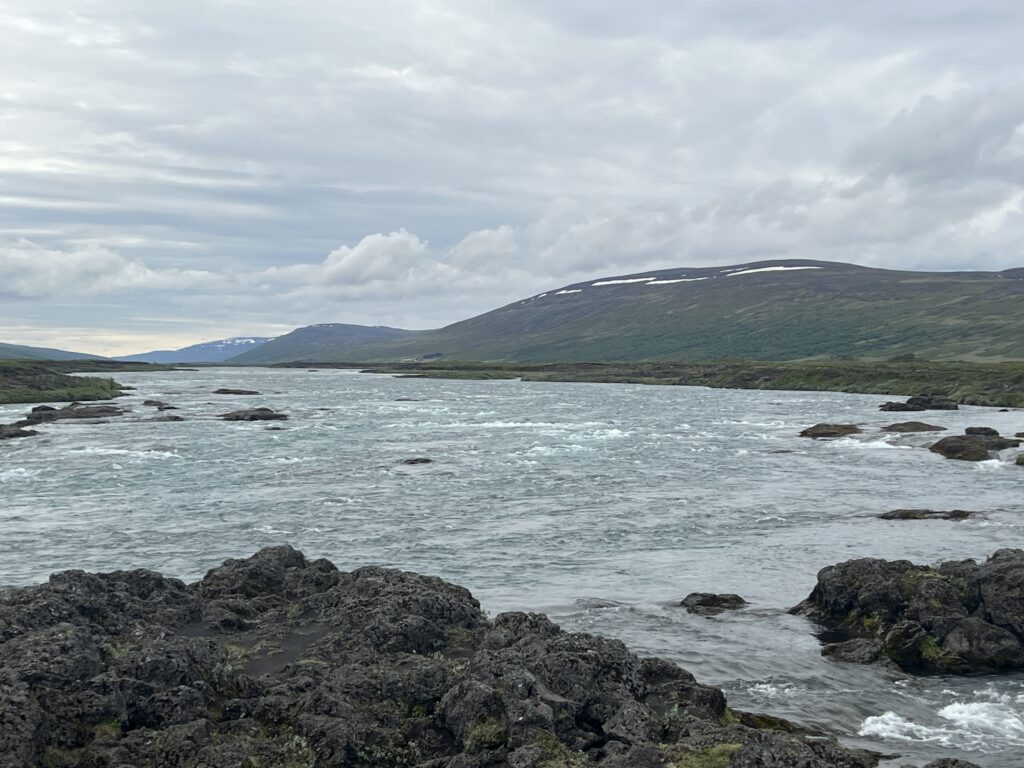
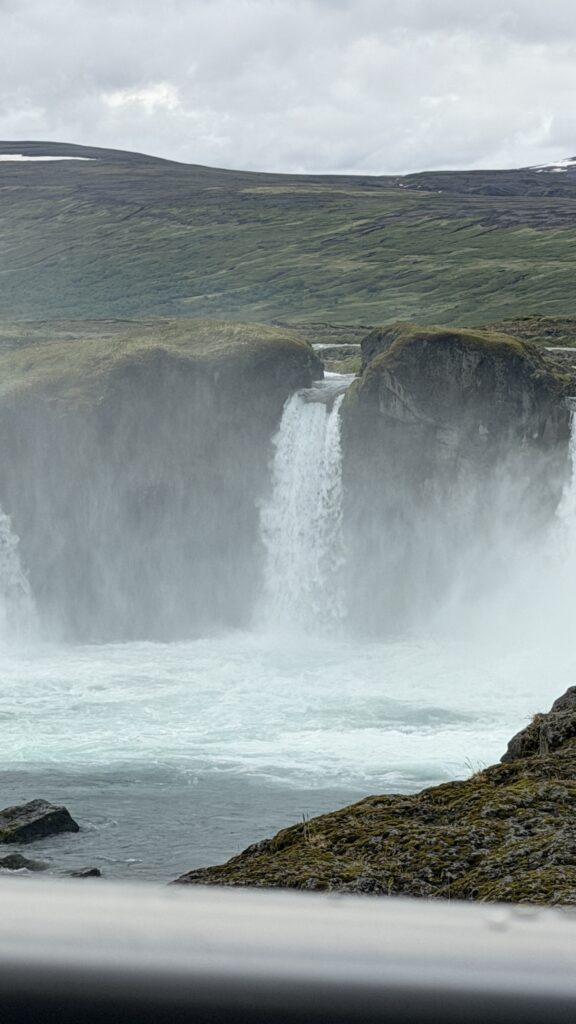
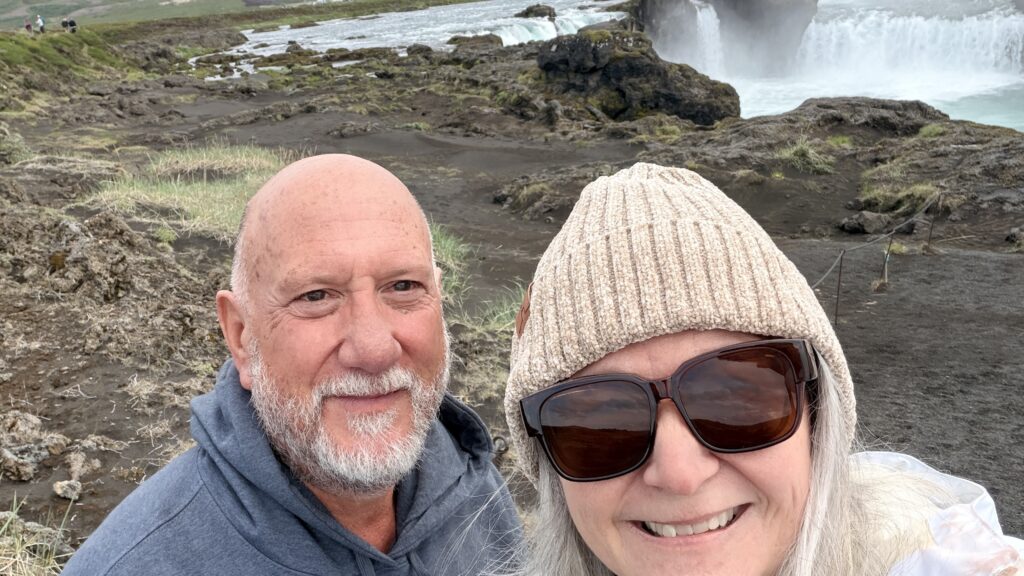
This started as a photograph but then she realized that she was shooting a video
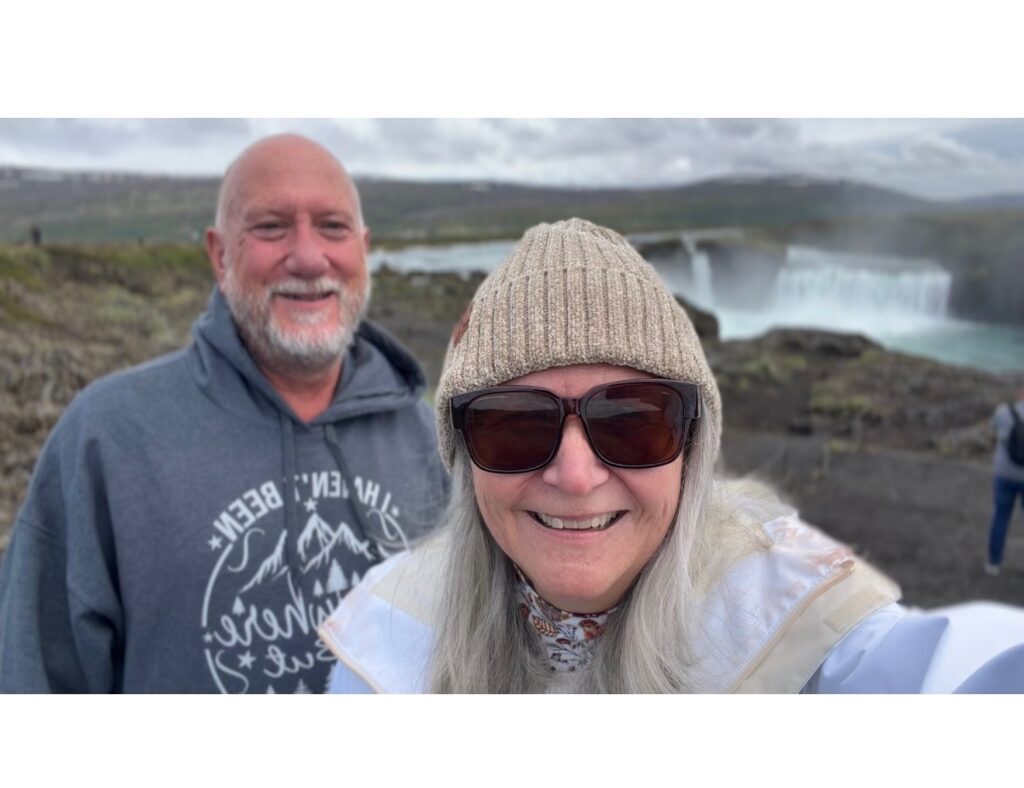
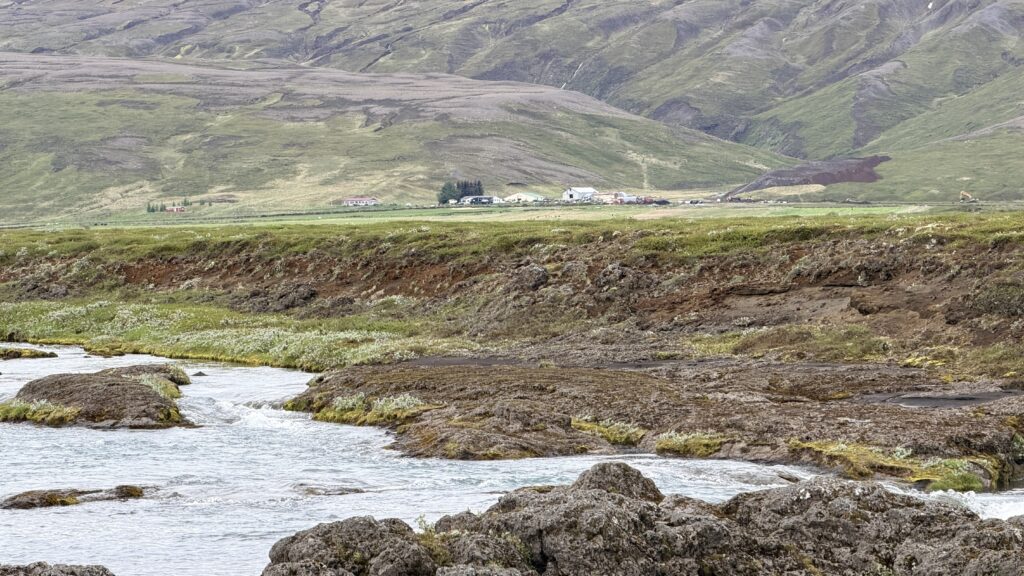
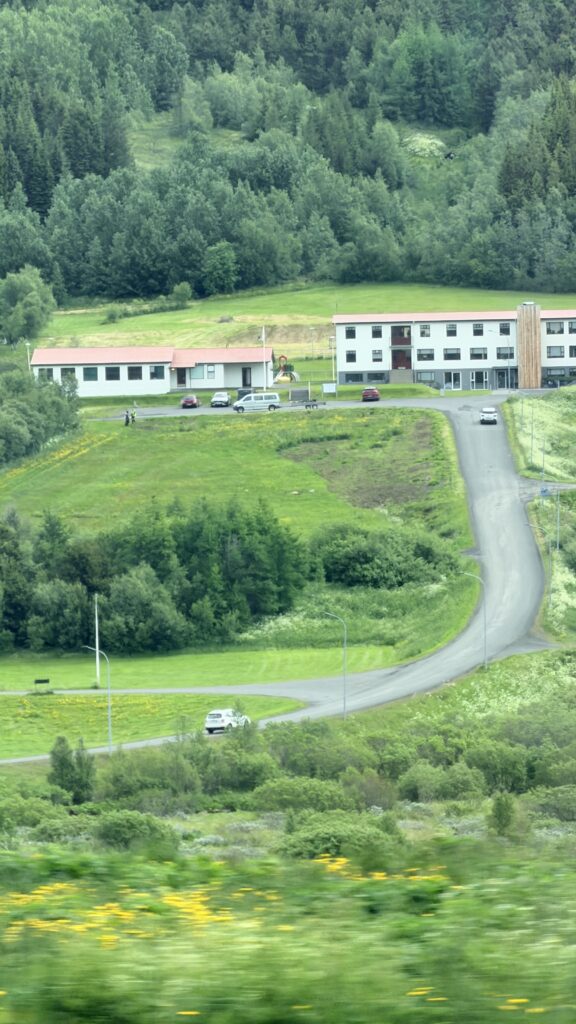
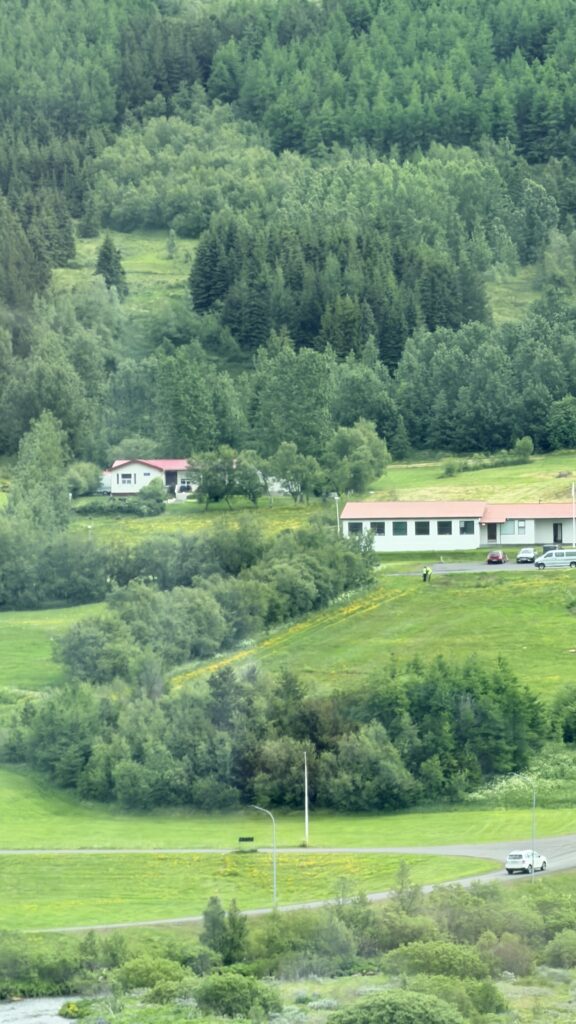
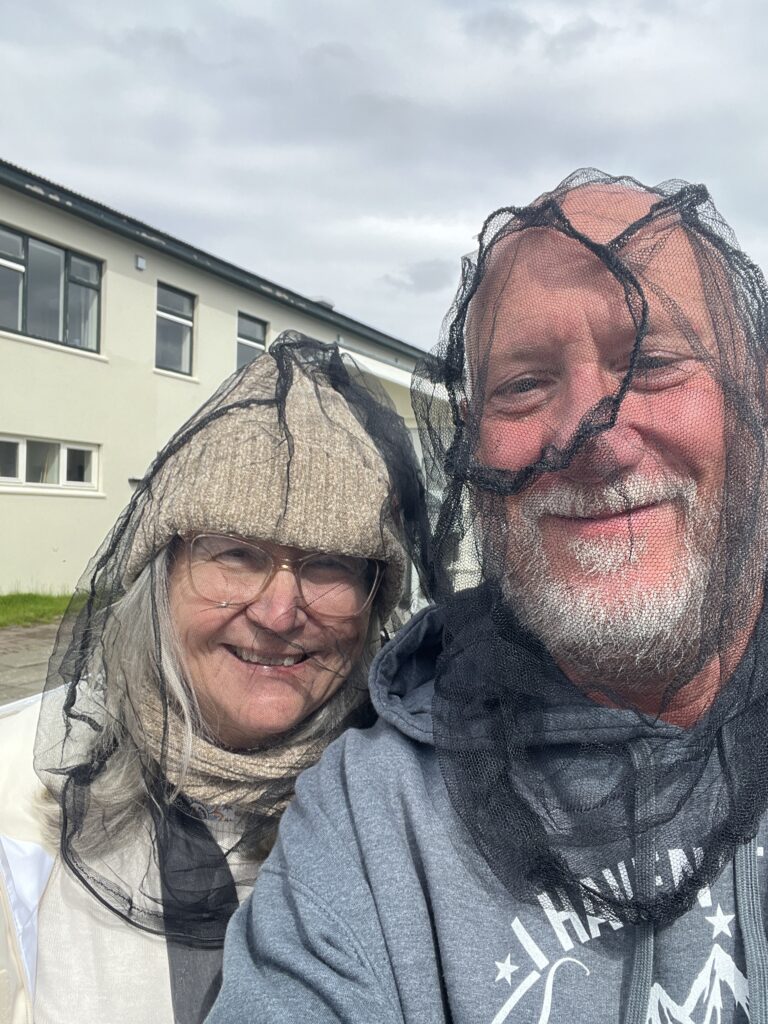
There are small flies in Iceland called Midges. These things are all over the place waiting for you to leave your vehicle. They do not bite like a gnat, but without the nets it would have been difficult to do any part of the excursion today as they got in our eyes, nose and mouth.
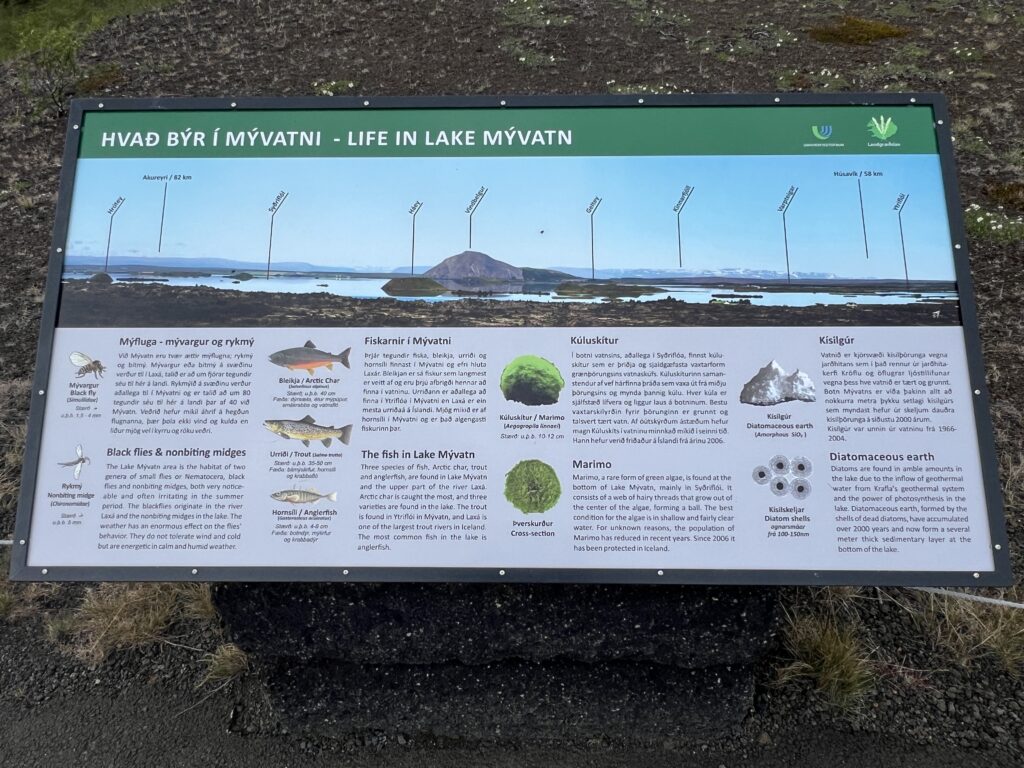
The midge, a tiny flying insect of many species, is as Icelandic as the puffin or the sheep. The lake Mývatn is named after them, its name literally meaning “midge lake”. While there are numerous species in Iceland, there are two in particular that are most common: Chironomidae, also known as lake midges, and Simuliidae, also known as the black fly. Fortunately, they look pretty different from one another because one is your friend and the other your sworn enemy. The lake midge doesn’t bite or sting. The most damage they do to us is kind of swarm in your face on a hot day, especially one near a body of standing water, and generally, annoy you. But they are crucial to the ecosystem of Mývatn, and won’t hurt you.
Lake Mývatn is a stunning volcanic lake in North Iceland, famous for its otherworldly lava formations, bubbling geothermal fields, and rich birdlife. Located along Route 1 (the Ring Road), it is a key highlight of the Diamond Circle route.
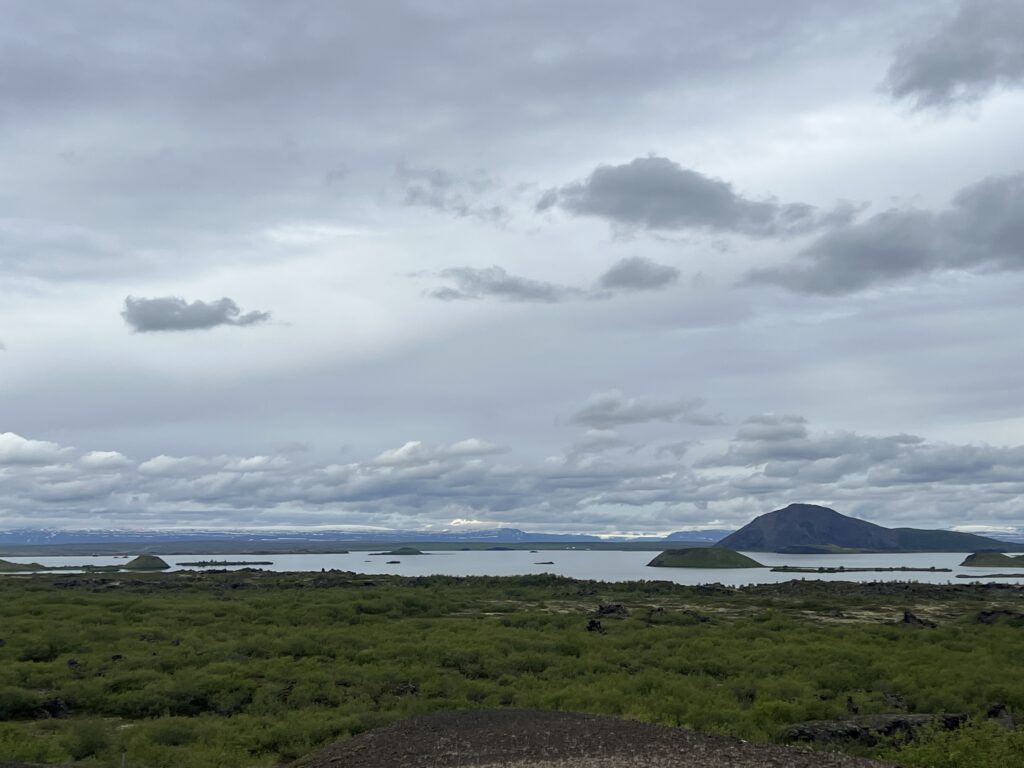
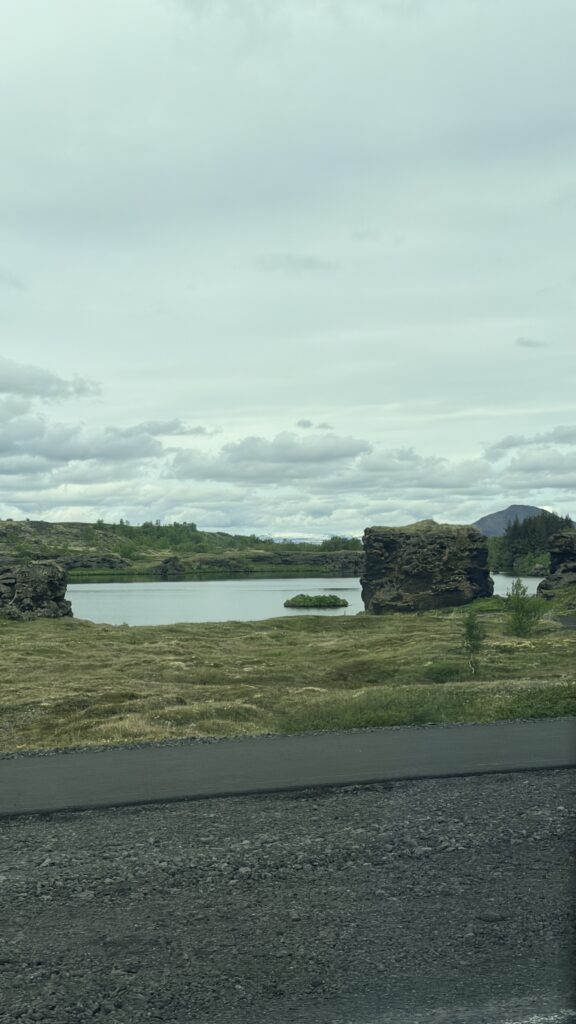
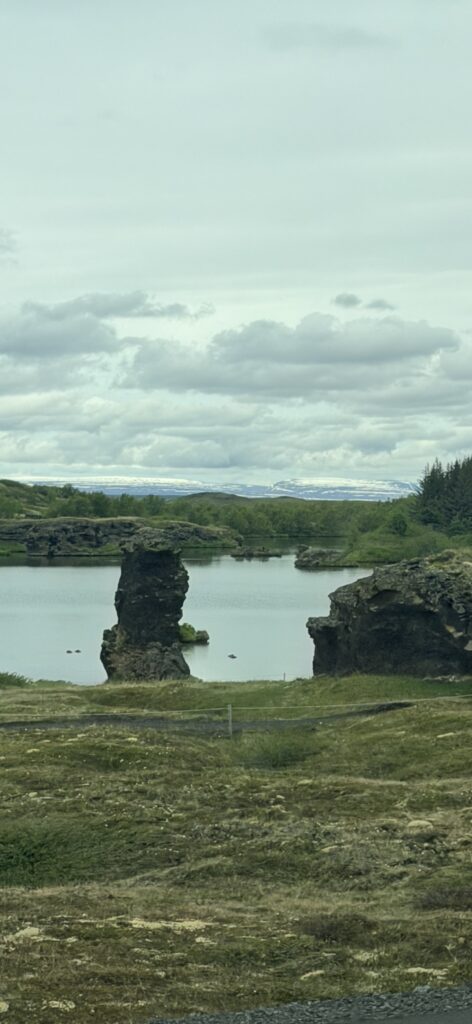
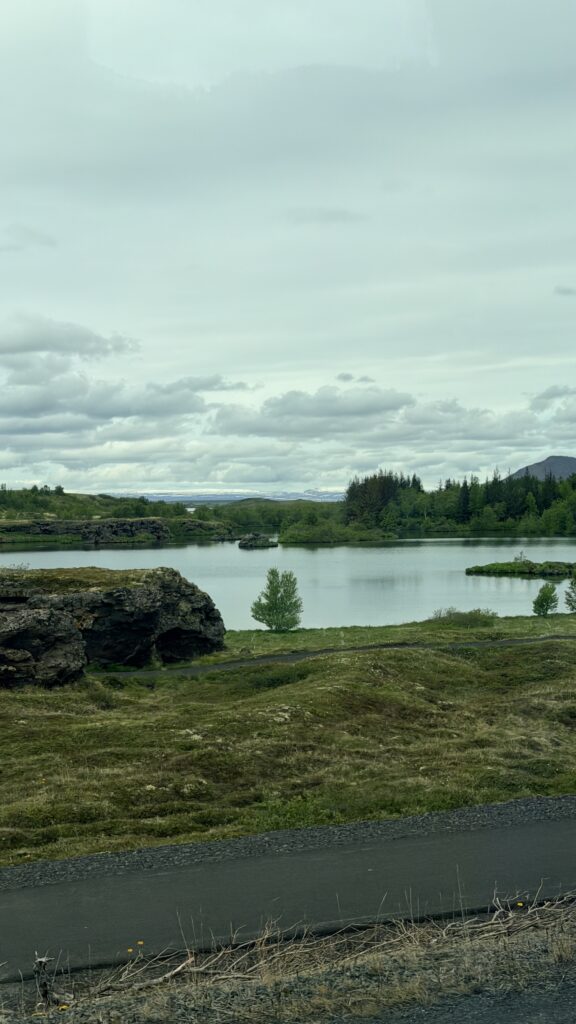
Stock photo of Lake Myvatn

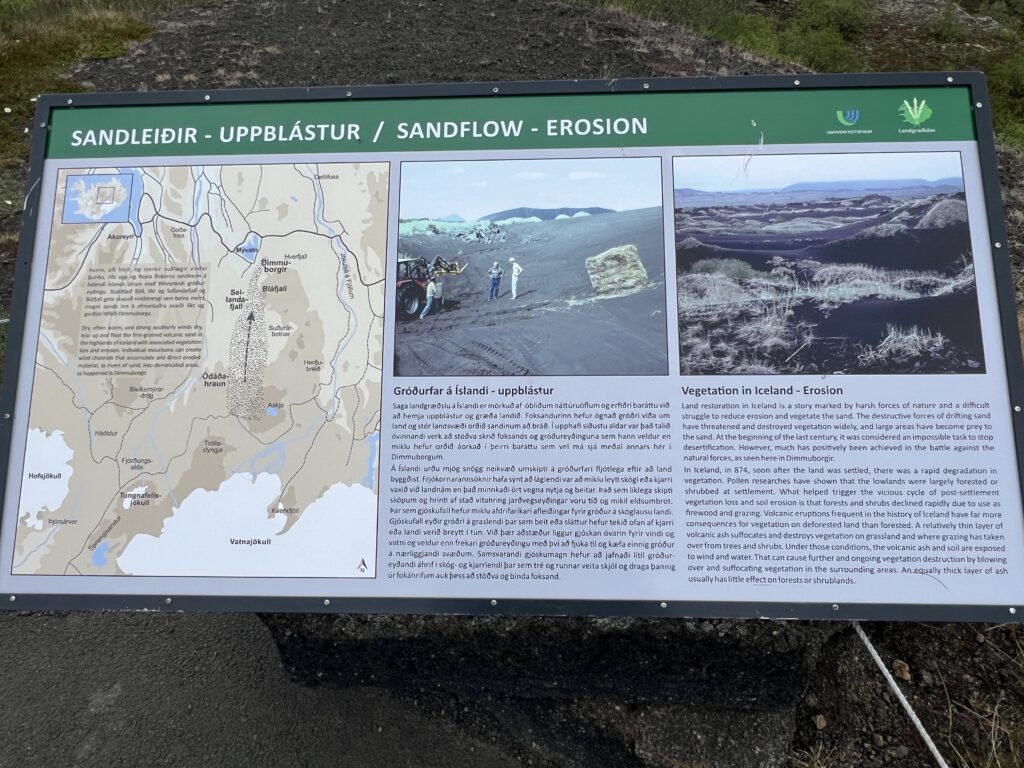
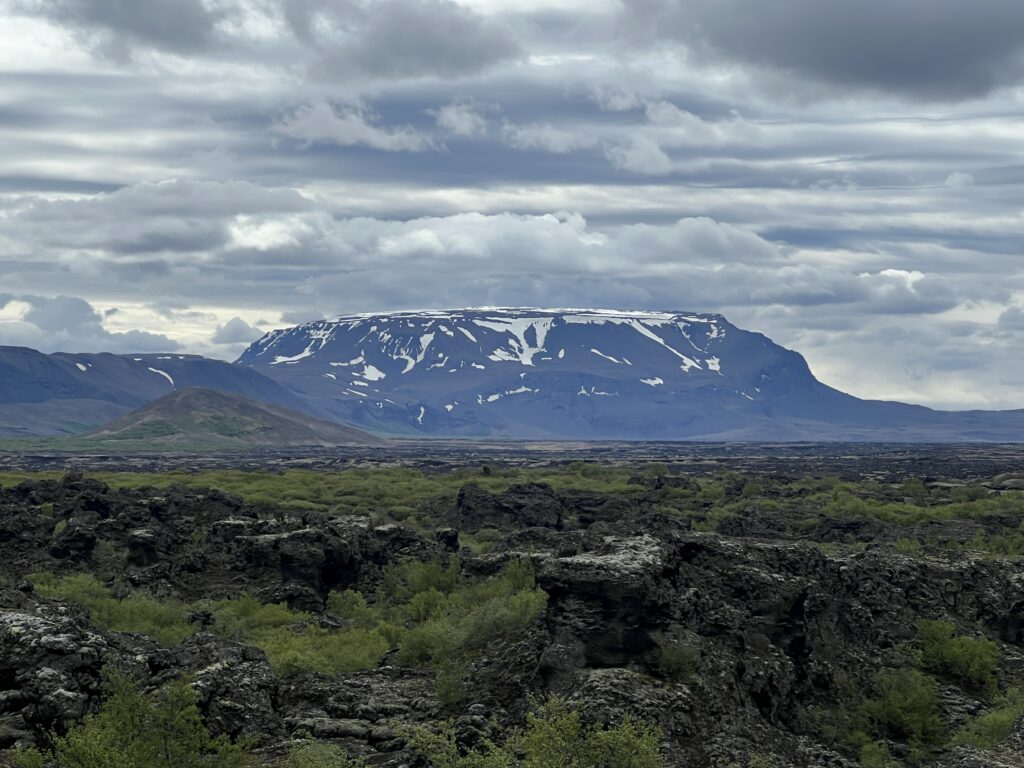
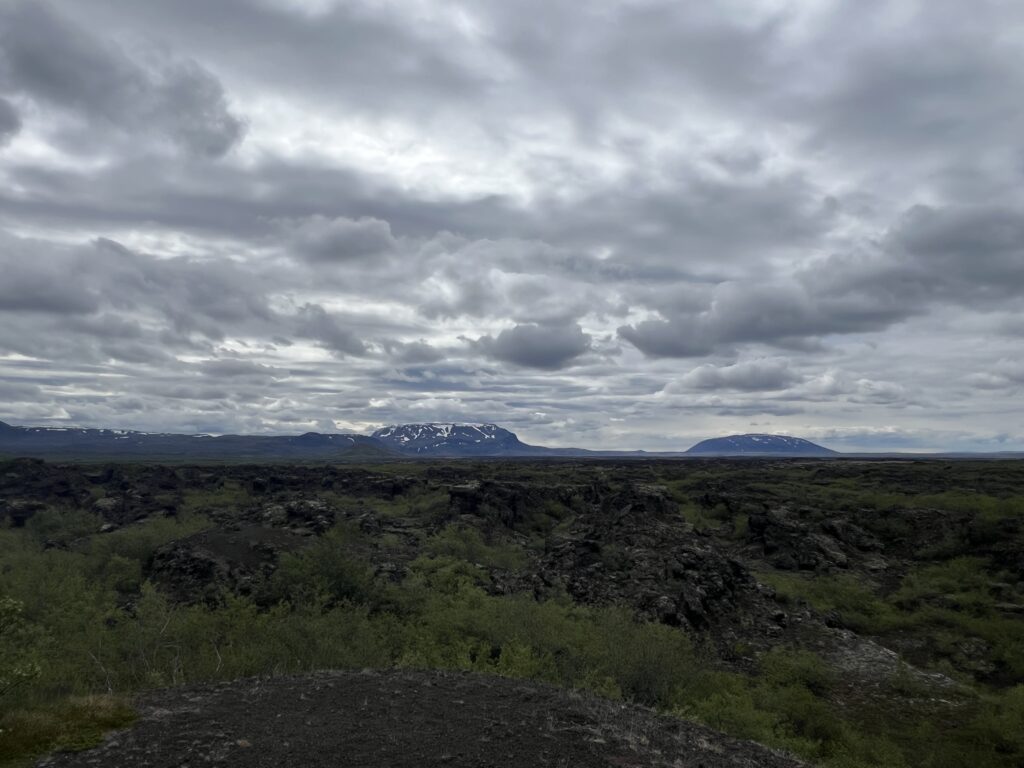
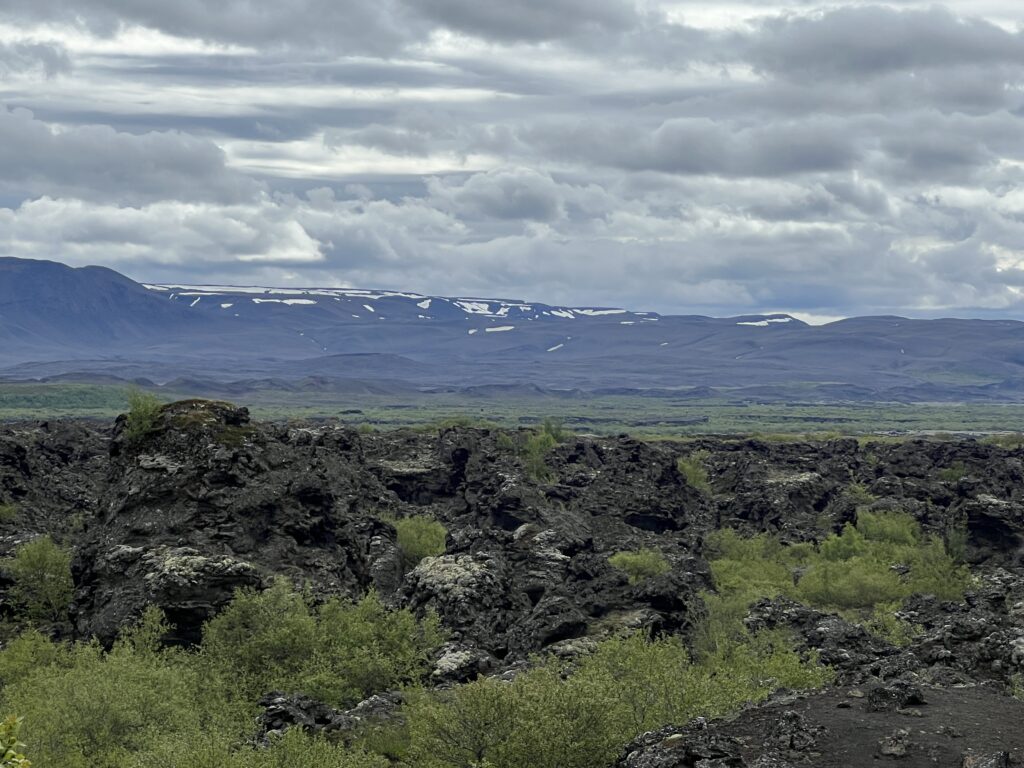
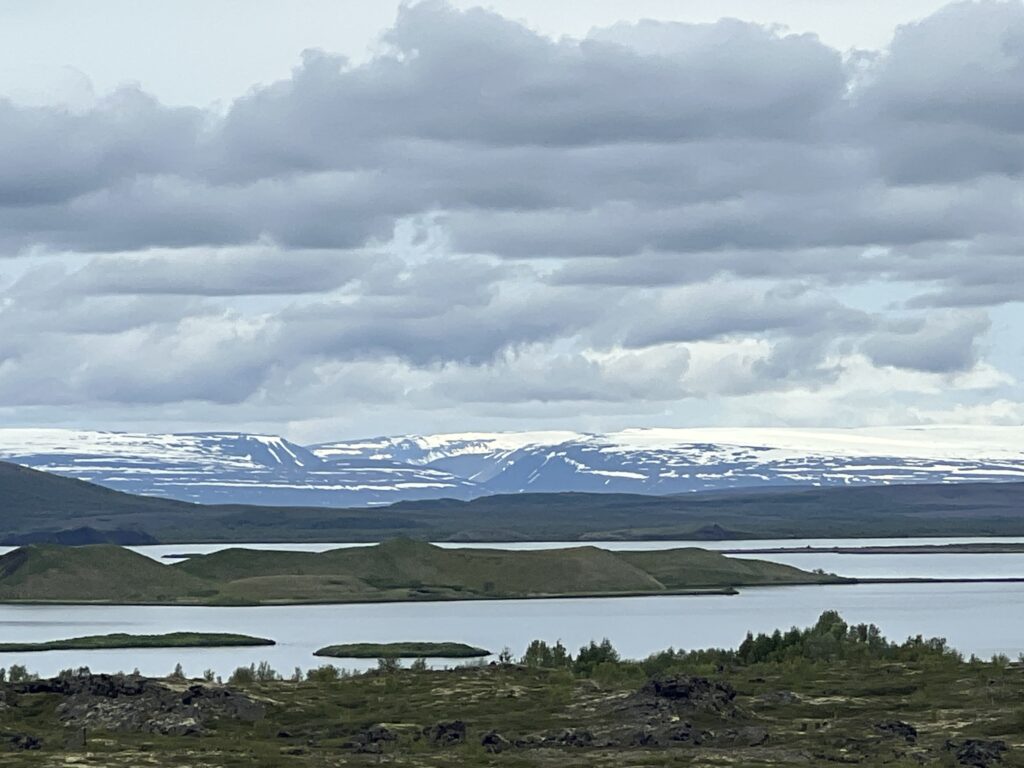
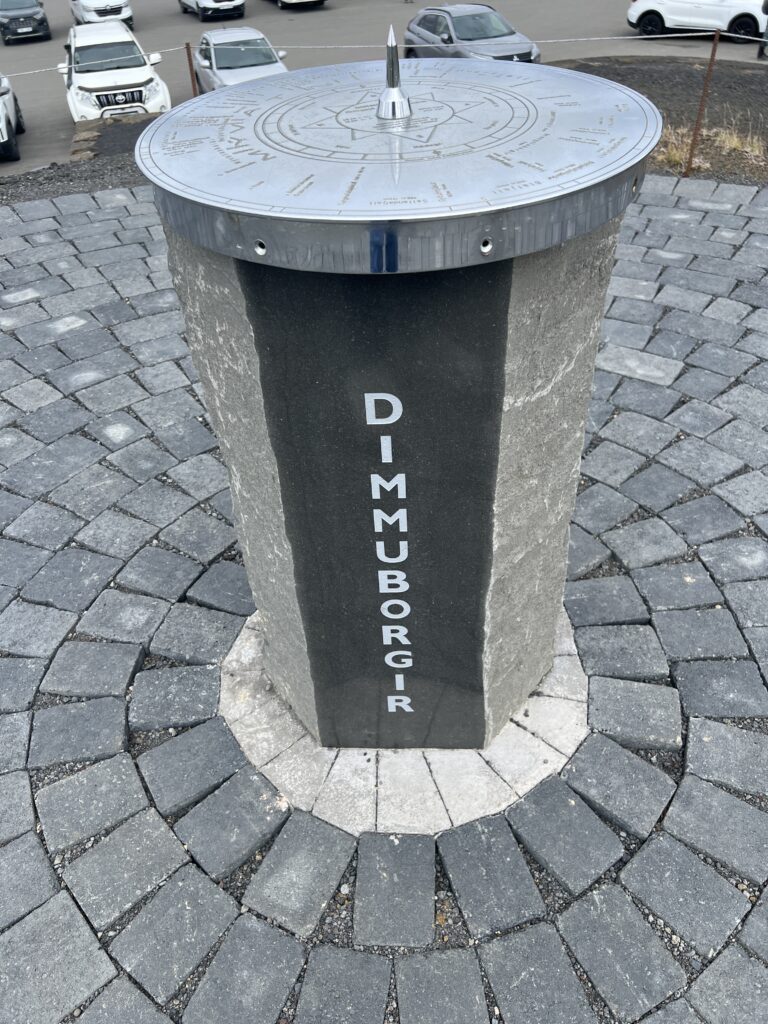
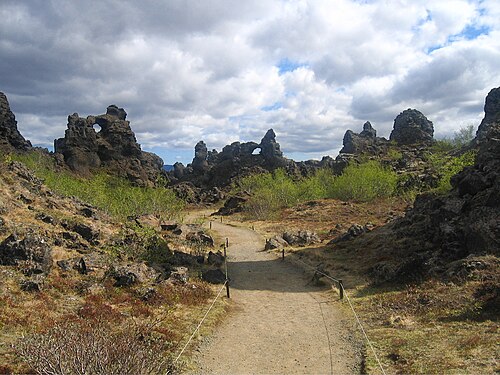
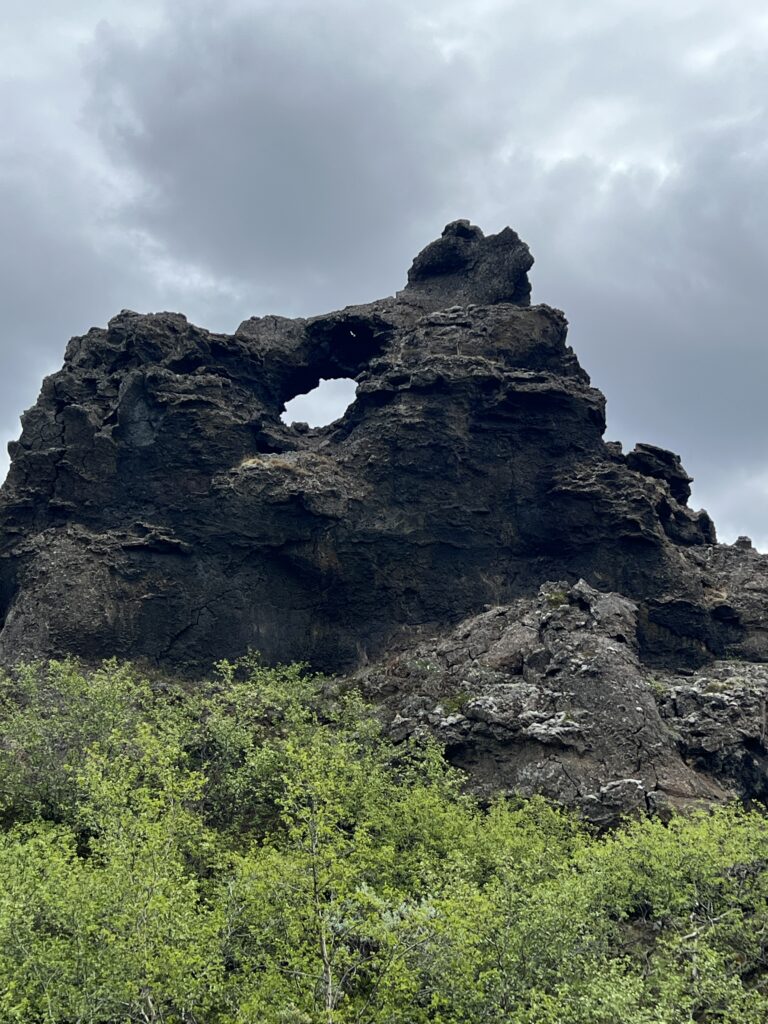
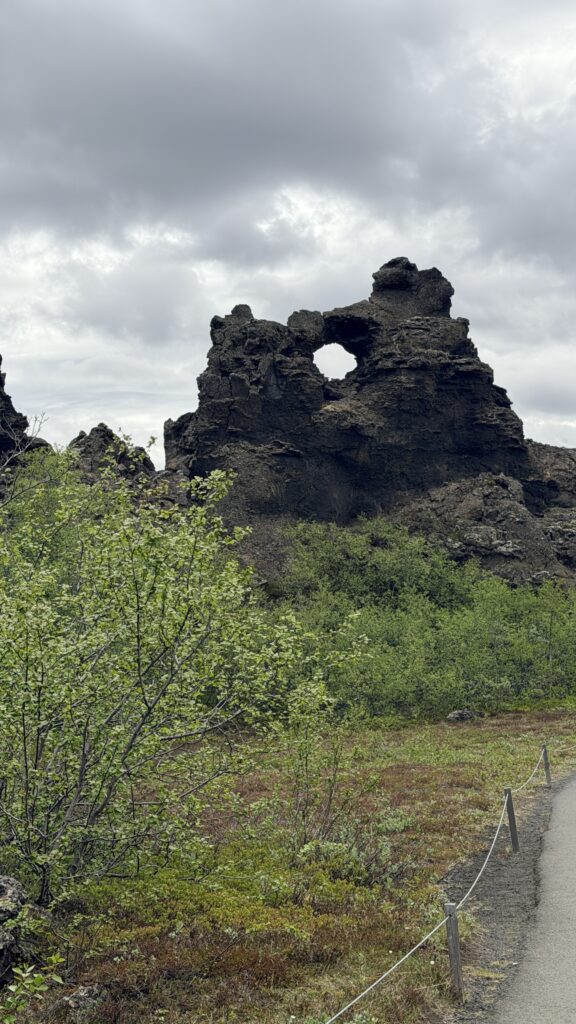
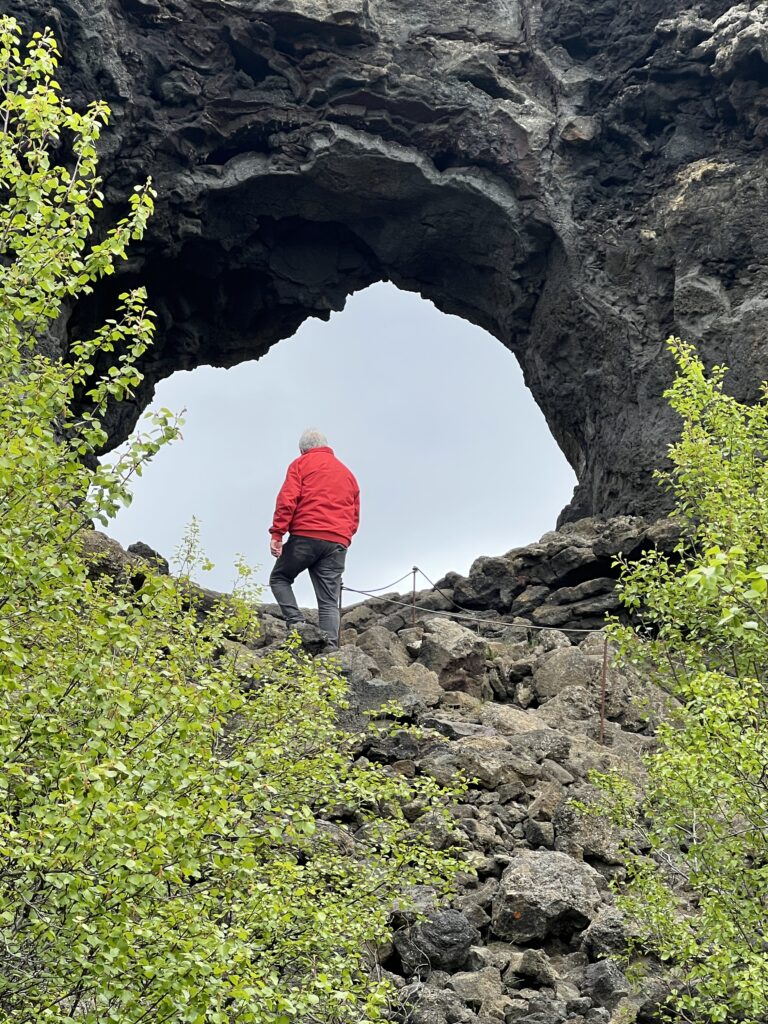
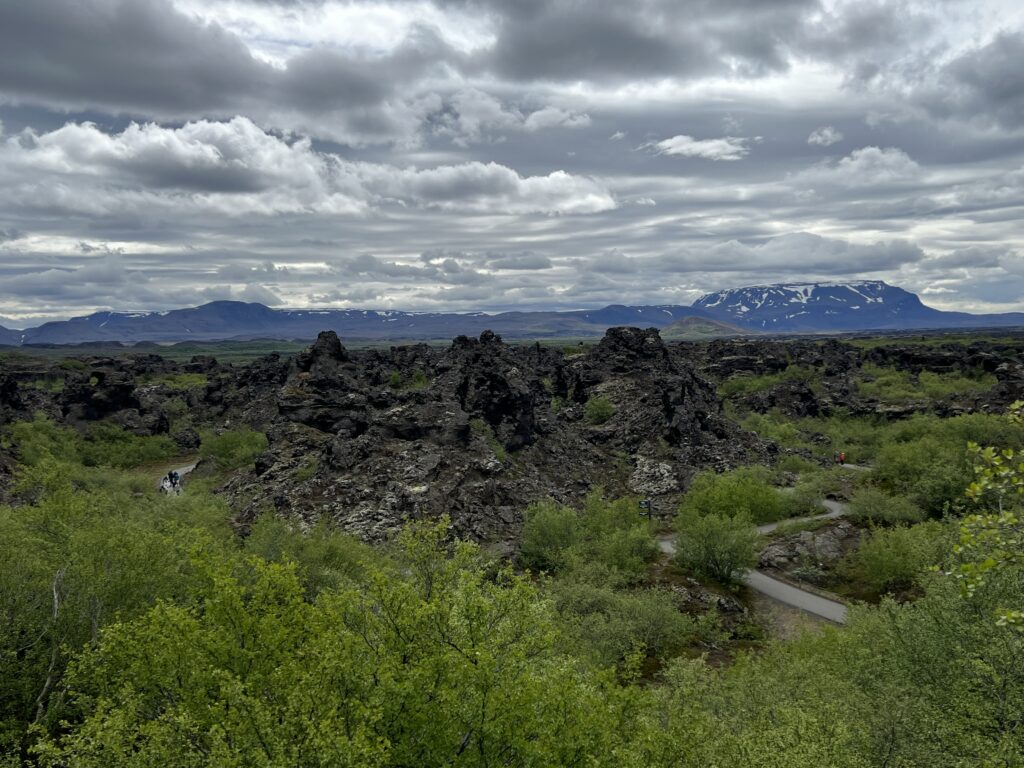
Dimmuborgir (dimmu “dark”, borgir “cities” or “forts”, “castles”; pronounced [ˈtɪmːʏˌpɔrcɪr̥]) is a large area of unusually shaped lava fields east of Mývatn in Iceland. The Dimmuborgir area is composed of various volcanic caves and rock formations, reminiscent of an ancient collapsed citadel (hence the name). The dramatic structures are one of Iceland’s most popular natural tourist attractions.
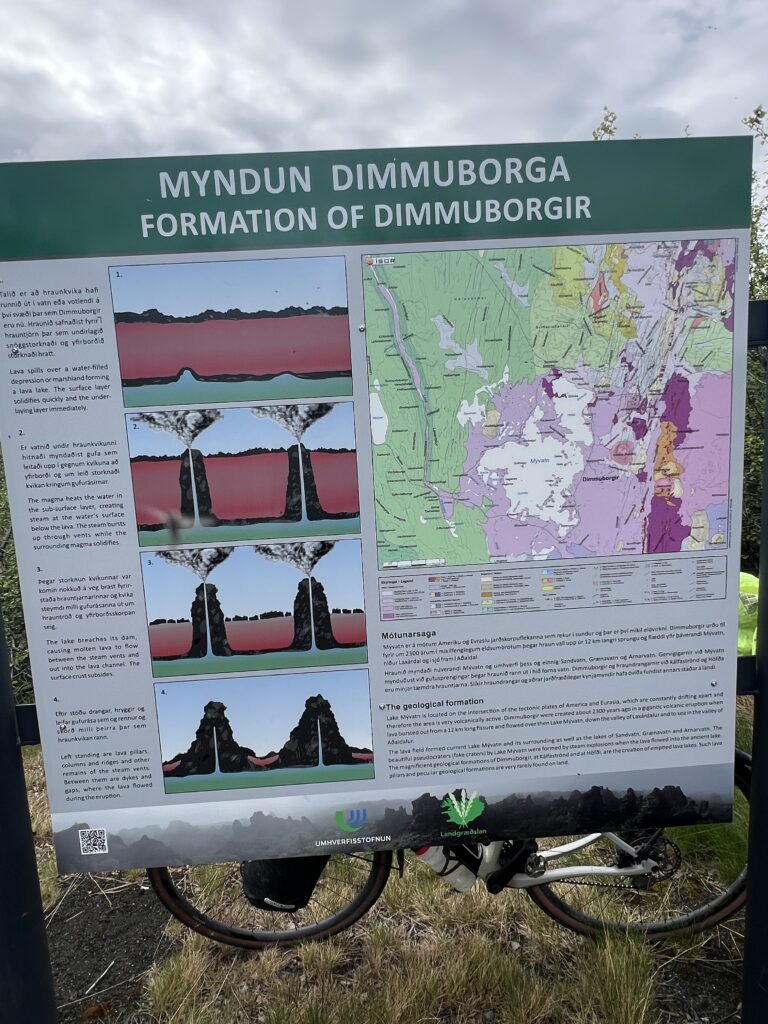
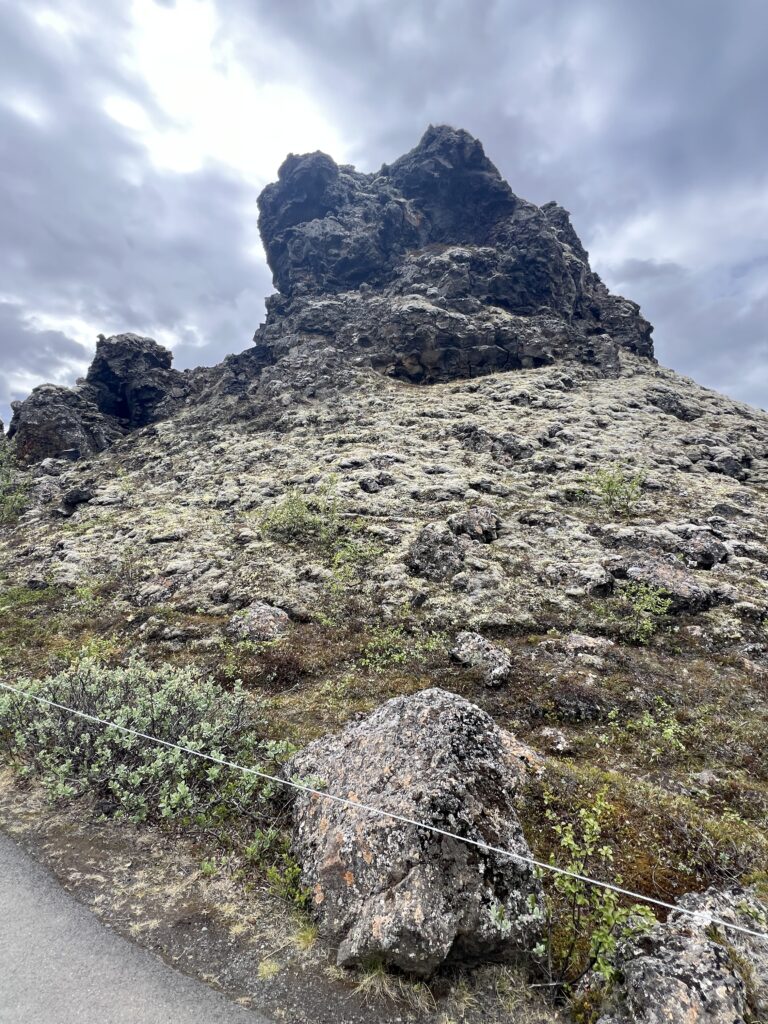
The Dimmuborgir area consists of a massive, collapsed lava tube formed by a lava lake flowing in from a large eruption in the Þrengslaborgir and Lúdentsborgir crater row to the East, about 2300 years ago. At Dimmuborgir, the lava pooled over a small lake. As the lava flowed across the wet sod, the water of the marsh started to boil, the vapour rising through the lava forming lava pillars from drainpipe size up to several meters in diameter. As the lava continued flowing towards lower ground in the Mývatn area, the top crust collapsed, but the hollow pillars of solidified lava remained. The lava lake must have been at least 10 meters deep, as estimated by the tallest structures still standing.
The lava flow surface remains partly intact around the Dimmuborgir area, so that the Dimmuborgir itself sits below the surrounding surface area. The area is characterised by large hollow cell- or chamber-like structures formed around bubbles of vapour, and some dramatically standing lava pillars. Several of the chambers and pillar bases are large enough to house humans, giving rise to the term “castles” (borgir).
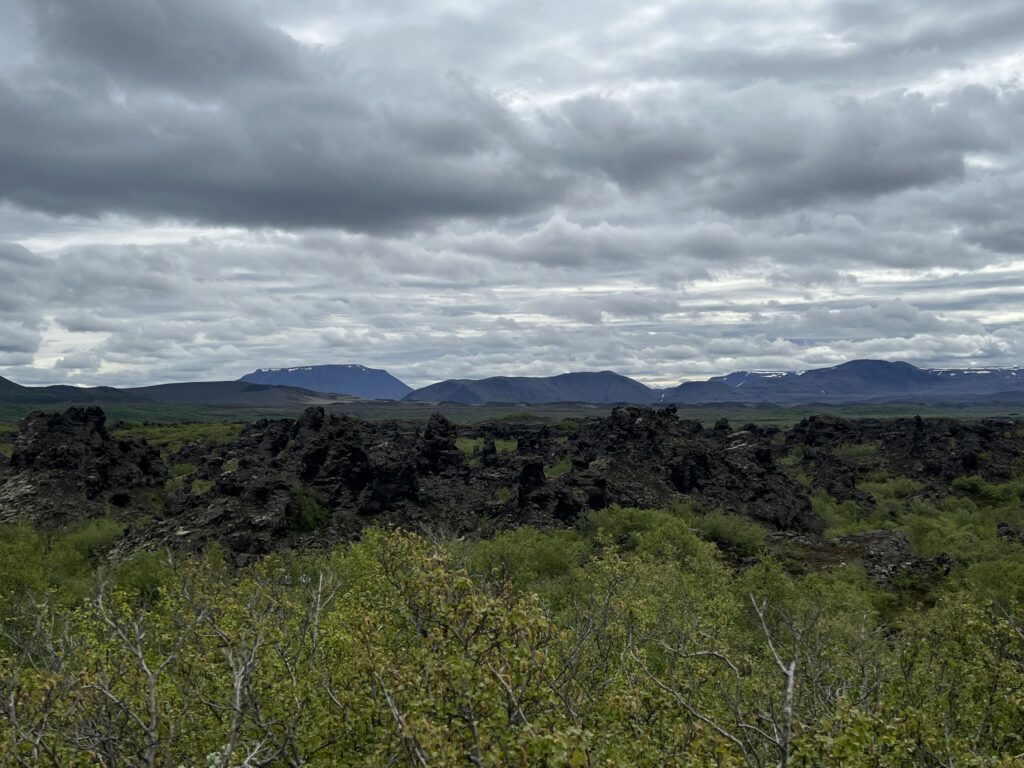
In Icelandic folklore, Dimmuborgir is said to connect earth with the infernal regions. In Nordic Christian lore, it is also said that Dimmuborgir is the place where Satan landed when he was cast from the heavens and created the apparent “Helvetes katakomber” which is Norwegian for “The Catacombs of Hell”.
Dimmuborgir was used as a shooting location for HBO‘s fantasy TV-series Game of Thrones. Dimmuborgir forms the background of Mance Rayder‘s wildling camp.
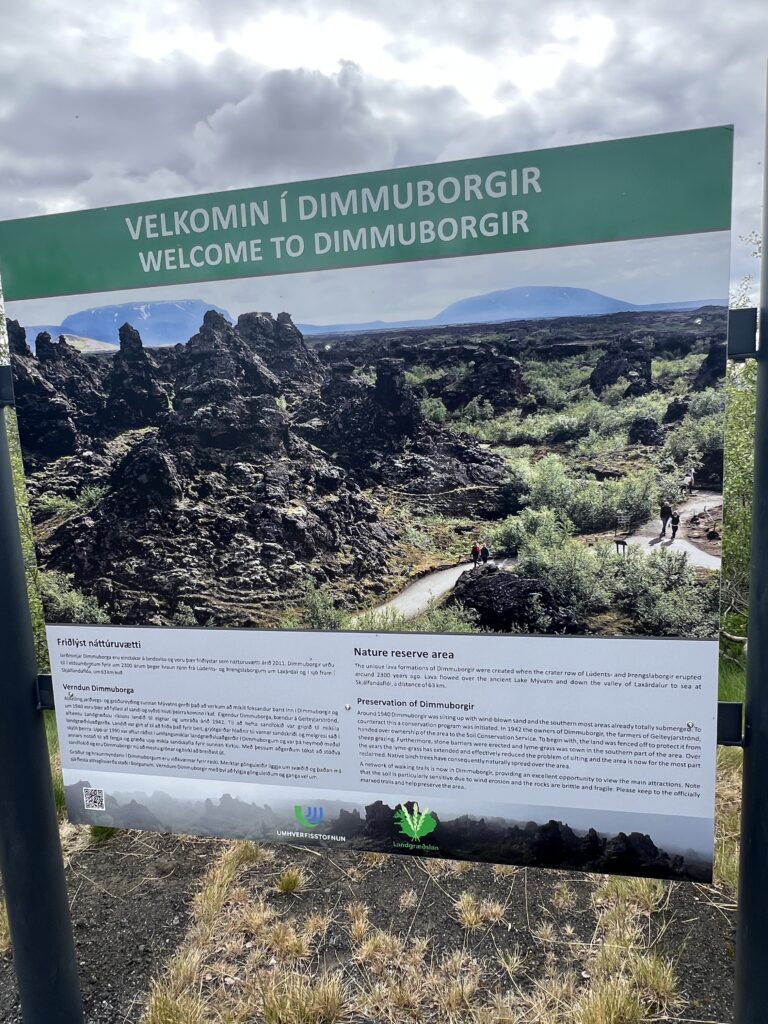
Dimmuborgir, the “Dark Castles”
Over 2,000 years ago, the pressure of magma beneath the Icelandic surface built into a volcanic eruption that spewed hot gases, ash, and lava into the air. The landscape changed forever. This eruption, one of many in Iceland’s geologic history, sent lava flowing across the land until it reached a lake. Water turned to steam, rapidly cooling and shattering the molten stone.
The result of this violent event produced an otherworldly landscape of towers and deep caverns, unlike anything else on Earth. This is Dimmuborgir.
Dimmuborgir serves as an important nesting site for various bird species, including falcons. The combination of rugged terrain and a peaceful environment makes it an ideal habitat for these birds. As you explore, be sure to stay on designated paths to avoid disturbing the wildlife and protect the delicate ecosystem.

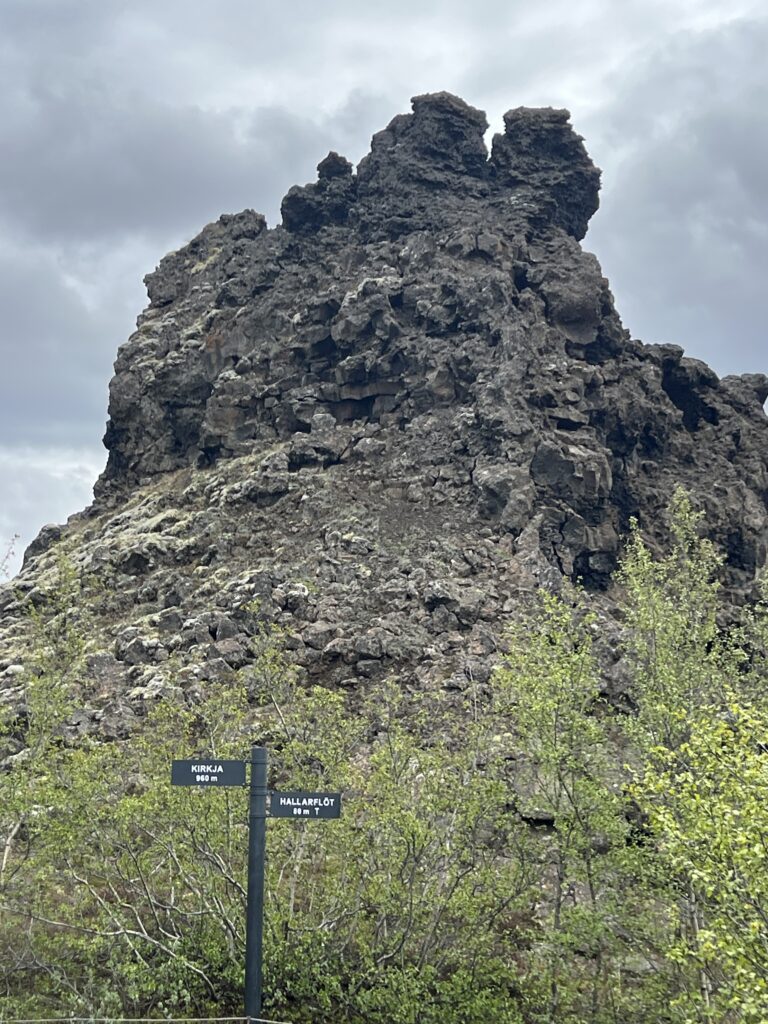
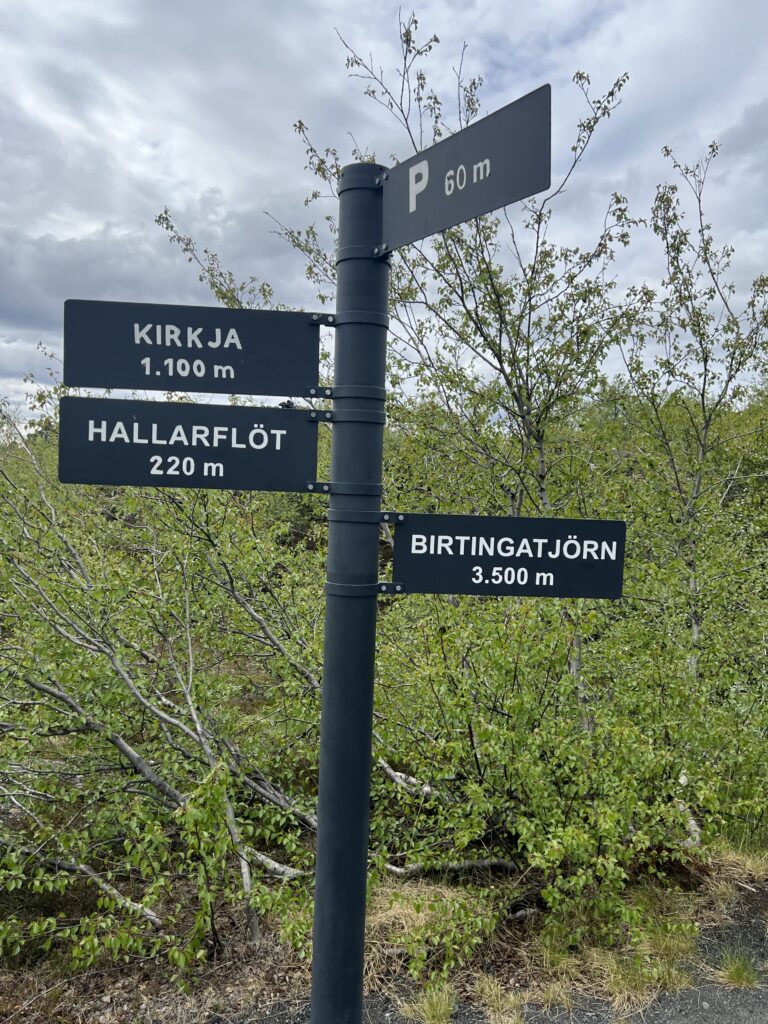
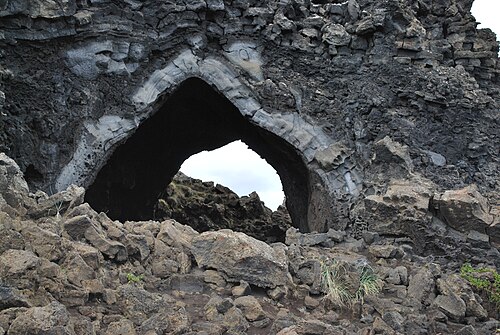
One of Dimmuborgir’s most iconic features is the Lava Church (Kirkjan) formation, a lava tube structure with a dome-like ceiling that resembles the inside of a grand cathedral. The eerie, gothic architecture of this formation makes it one of the most photographed sites in the area.
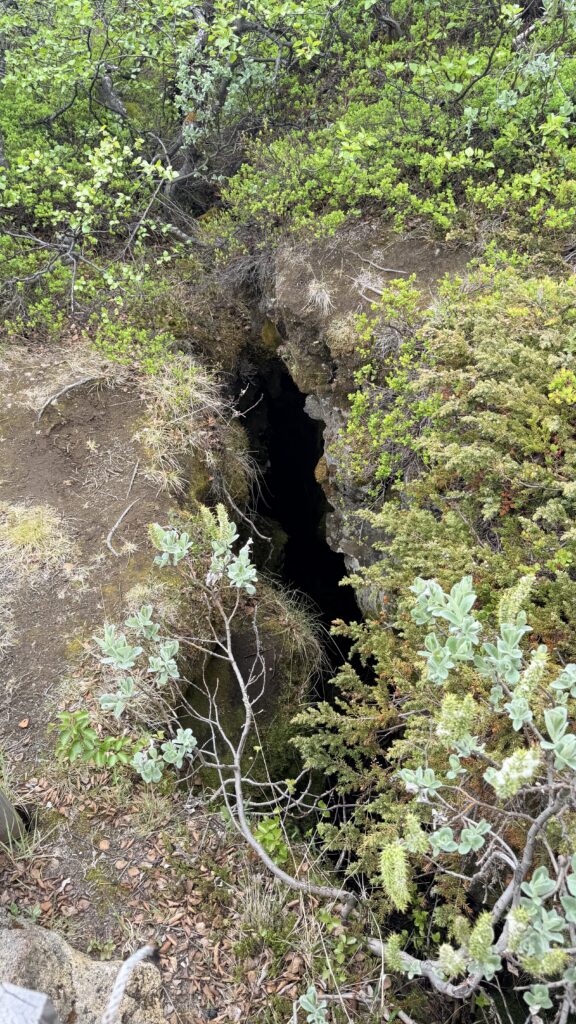
Made the climb up to see the cave of the Yule Lads
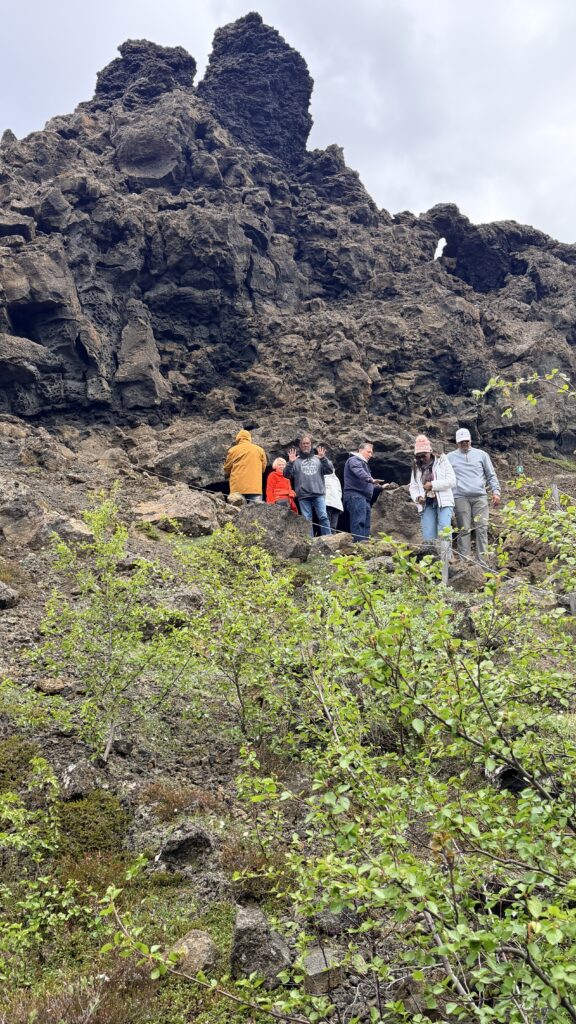
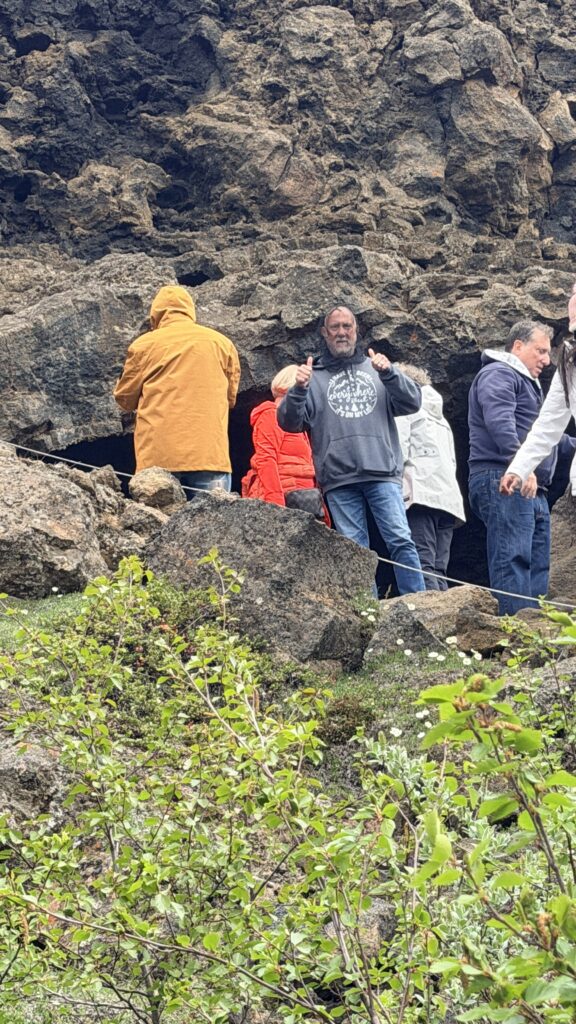
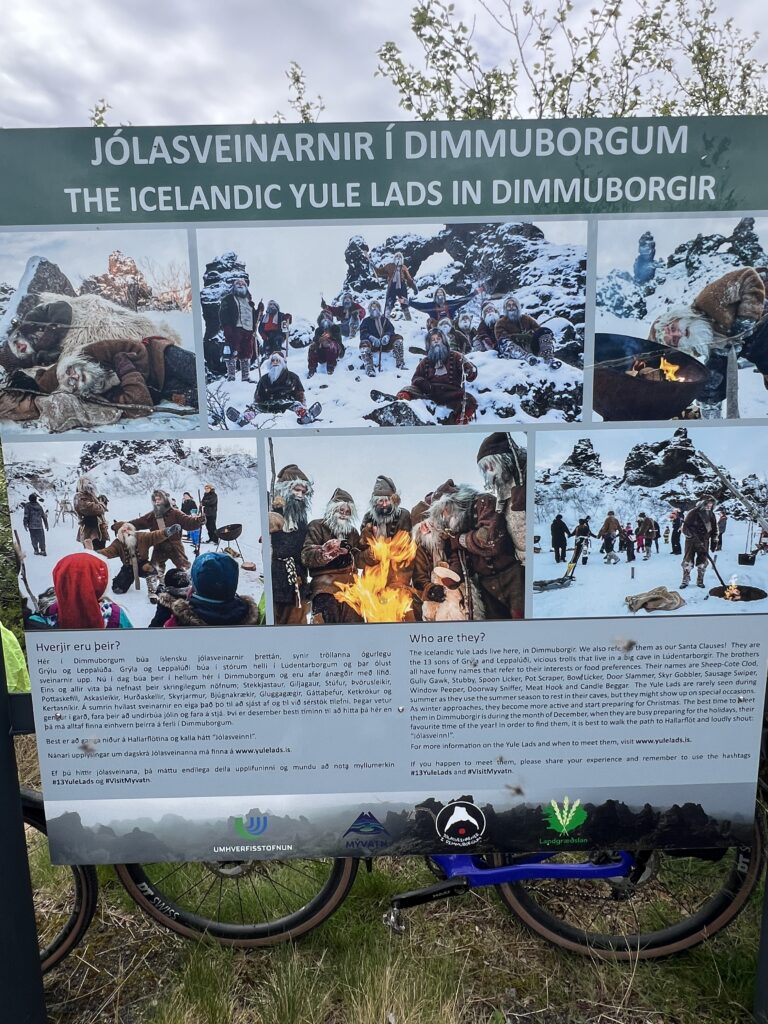
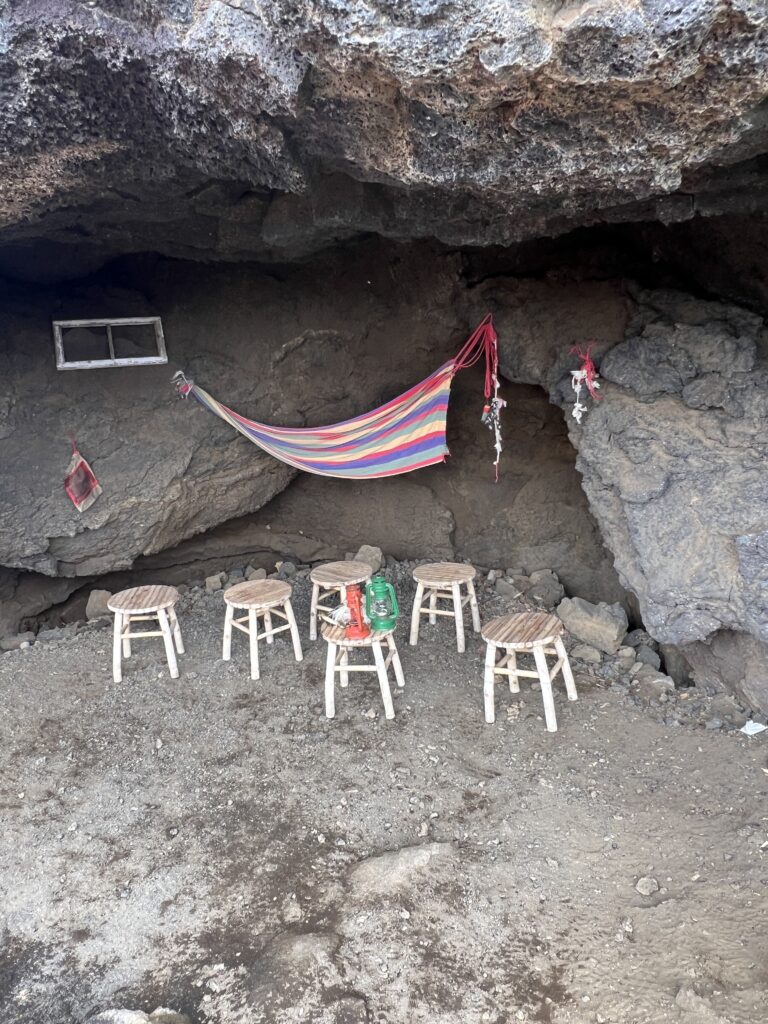
According to Icelandic folklore, Dimmuborgir is the home of the Yule Lads, a group of mischievous trolls who appear one by one in the 13 nights leading up to Christmas. The Yule Lads’ Cave, said to be their hideout, adds an extra layer of magical charm to Dimmuborgir.
In Icelandic Christmas tradition, the caves of Dimmuborgir are said to be the homes of trolls—mysterious, fearsome creatures who lurk in the shadows. Among the most notorious of these is Grýla, a half-troll, half-ogre known for her insatiable hunger for children who misbehave during the Christmas season.
With her giant pet cat that feasted on misbehaving youngsters who didn’t receive new clothes for Christmas, Grýla’s legend served as both a warning and a way to encourage children to complete their seasonal chores, like knitting and sewing.
Grýla, along with her lazy husband Leppalúði, raised 13 mischievous sons in Dimmuborgir, now famously known as the Yule Lads. Each of these trolls had a distinct personality and a peculiar habit that earned them their names. These habits typically revolved around stealing Christmas treats or creating mischief in homes during the festive period.
For example, Sheep-Colt Clod would harass livestock; Skyr-Gobbler would steal and savor the house’s supply of skyr (Iceland’s yogurt-like treat); and Window-Peeper would peer into windows, seeking items to pilfer.
Dimmuborgir has not only captivated locals with its dark history and folklore but also made its mark in popular culture. Game of Thrones famously featured the site as the location where Mance Rayder held his wildling army, setting the stage for some of the show’s dramatic moments. This makes it a key stop on Game of Thrones tours.
The twisted lava formations and haunting atmosphere make Dimmuborgir an ideal setting for stories of fantasy, mystery, and the supernatural. That’s why it has been used in several other films and TV shows.
Additionally, the popular Norwegian black metal band Dimmu Borgir takes its name from this mystical location. The band, known for its dark, melodic music, draws inspiration from the eerie landscapes of Dimmuborgir, further cementing the site’s place in both folklore and modern cultural imagination.
This connection to pop culture, combined with its unique history, has brought a new wave of visitors. Many come to see where their favorite scenes were filmed and to experience the magic and mystery of Dimmuborgir firsthand.
Verslun was a convivence store and supermarket. While the building was small compared to supermarkets at home, it was well stocked and very clean.

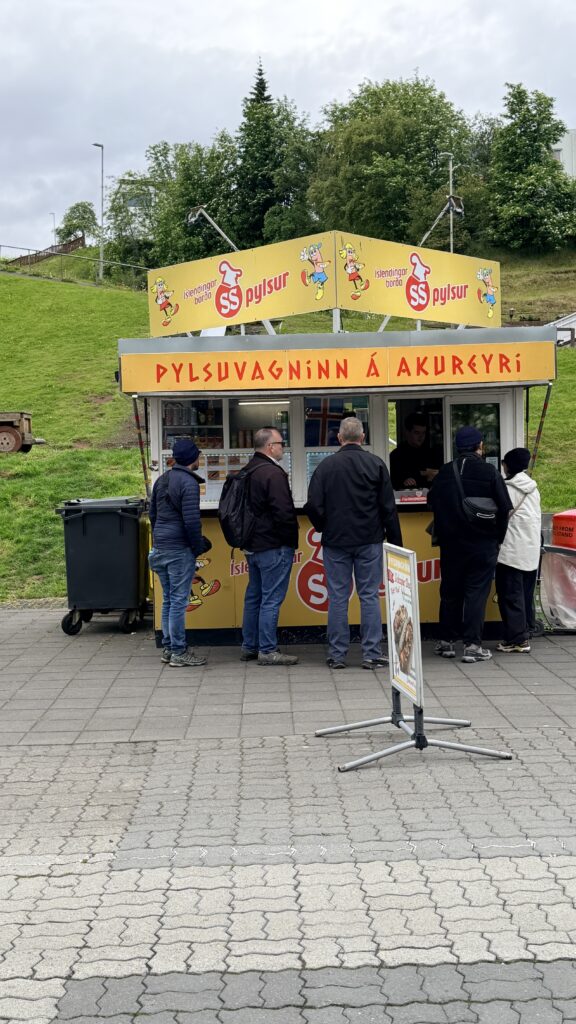
Picked up my first Icelandic hotdog. It was fantastic!!!

Grjotagja is a small lava cave with a vivid geothermal spring tucked beneath jagged volcanic rock. Once a popular bathing spot, it rose to fame after appearing in Game of Thrones. The cave lies just east of Lake Myvatn in North Iceland. Due to rising temperatures, bathing in the spring is no longer allowed.
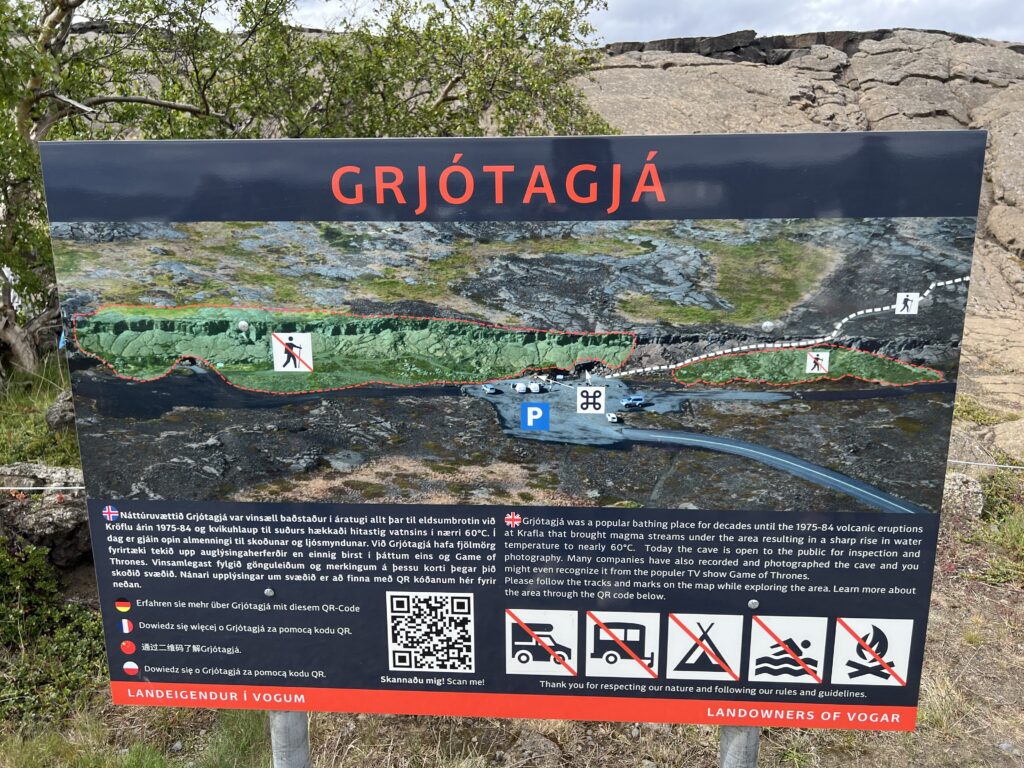
The crack in the rock at Grjótagjá cave in North Iceland is part of a dramatic volcanic fissure marking the boundary between the Eurasian and North American tectonic plates. It gained global fame as Jon Snow and Ygritte’s romantic hideaway in Game of Thrones.
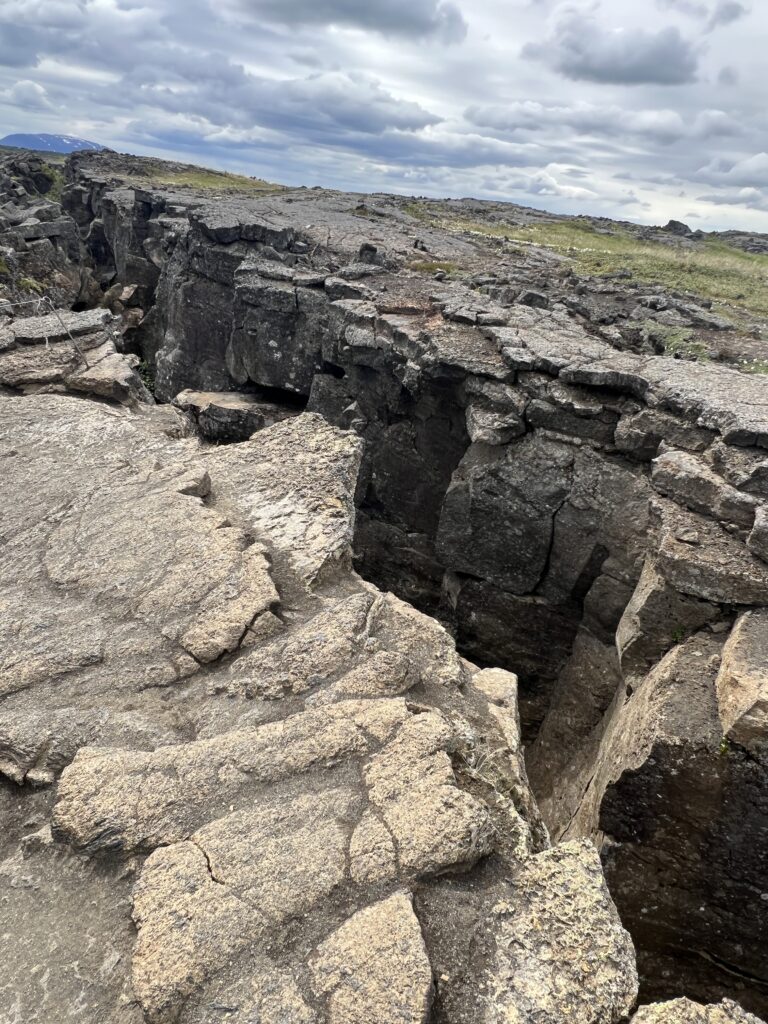
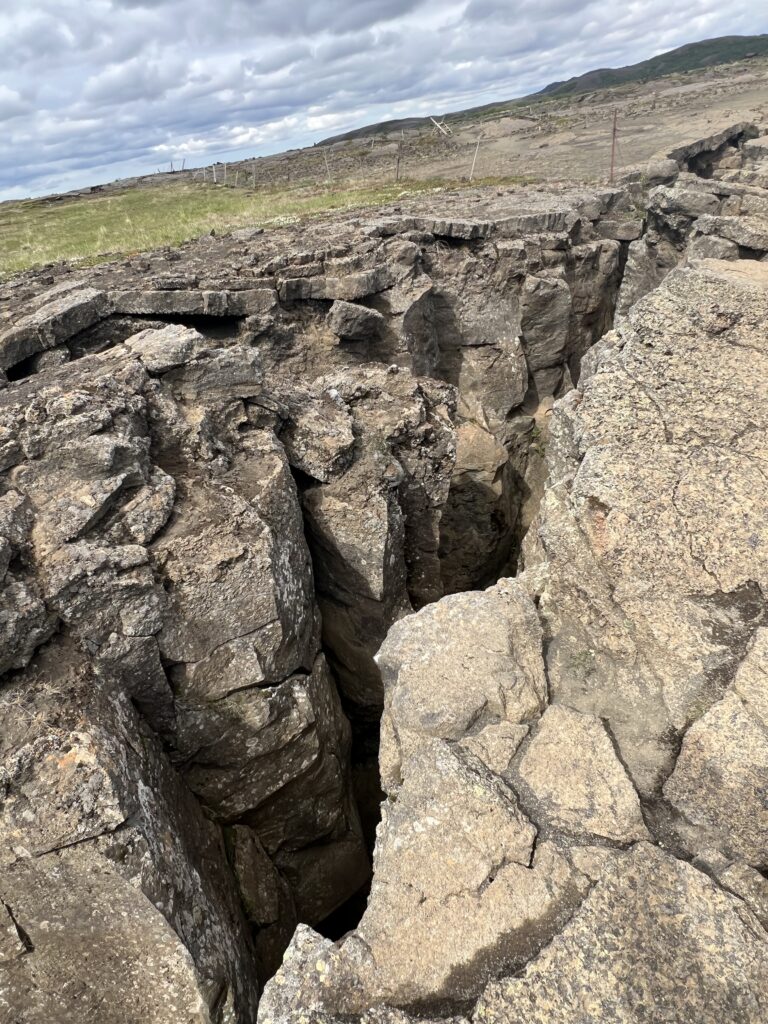
Grjótagjá (Icelandic pronunciation: [ˈkrjouːtaˌcauː]) is a small lava cave near lake Mývatn in Iceland. It has a thermal spring inside.
In early 18th century the outlaw Jón Markússon lived there and used the cave for bathing. Until the 1970s Grjótagjá was a popular bathing site. But during the eruptions from 1975 to 1984 the temperature of the water rose to more than 50 °C (122 °F), though the temperature is slowly decreasing and has fallen below 50 °C again. The nearby lava cave of Stóragjá is being used as an alternative bathing site.
Grjótagjá was used as a location for filming the fifth episode of the third season of Game of Thrones, called “Kissed by Fire“.
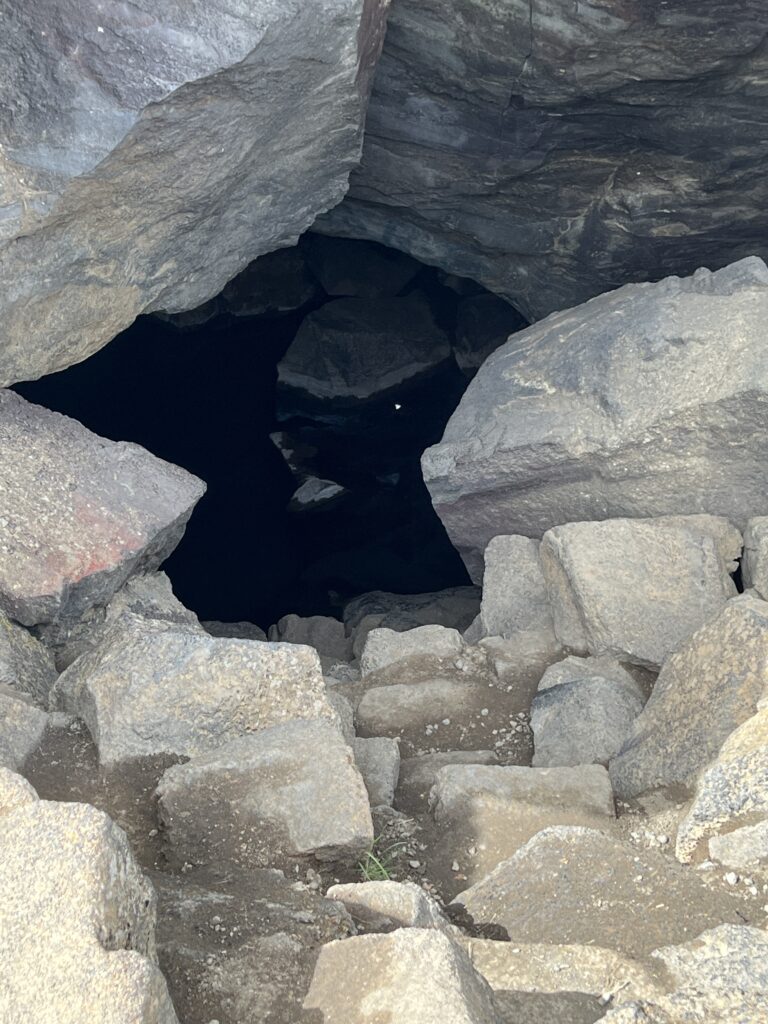
The formation of the Grjotagja lava cave is rooted in Iceland’s dynamic geology. It was created by volcanic activity during the eruptions of Krafla Caldera. Molten lava that flowed beneath the Earth’s crust carved the cave out and sculpted its dynamic look.
As the surface cooled and hardened, it formed a hollow passage. This would later house the naturally heated waters in the Grjotagja lava cave.
Grjotagja’s known history begins in the early 18th Century when it was known to be the home of outlaw Jón Markússon. Throughout Iceland’s history, the icy, jagged rocks, total darkness, and reputation for trolls meant that law-abiding folk avoided Iceland’s lava caves. They were thus the perfect spots for bandits who had been ostracised from Icelandic society by the parliament.
Little is known about Jón, but after his death, fears of his cave gave way to excitement at its potential. It was used by locals as a hot spring in the decades that followed until the 1970s, when Iceland’s unpredictable geothermal forces prevented them from doing so.
From 1975 to 1984, the Krafla Volcanic System erupted nine times, making the water in the caves boiling and unusable. After 1984, the temperature slowly cooled, but it was known to heat again rapidly.
In the surrounding area, liquid rock is just over a mile (two kilometers) under the surface of the Earth, meaning it can be very unpredictable. As a result, bathing is no longer allowed in Grjotagja Cave.
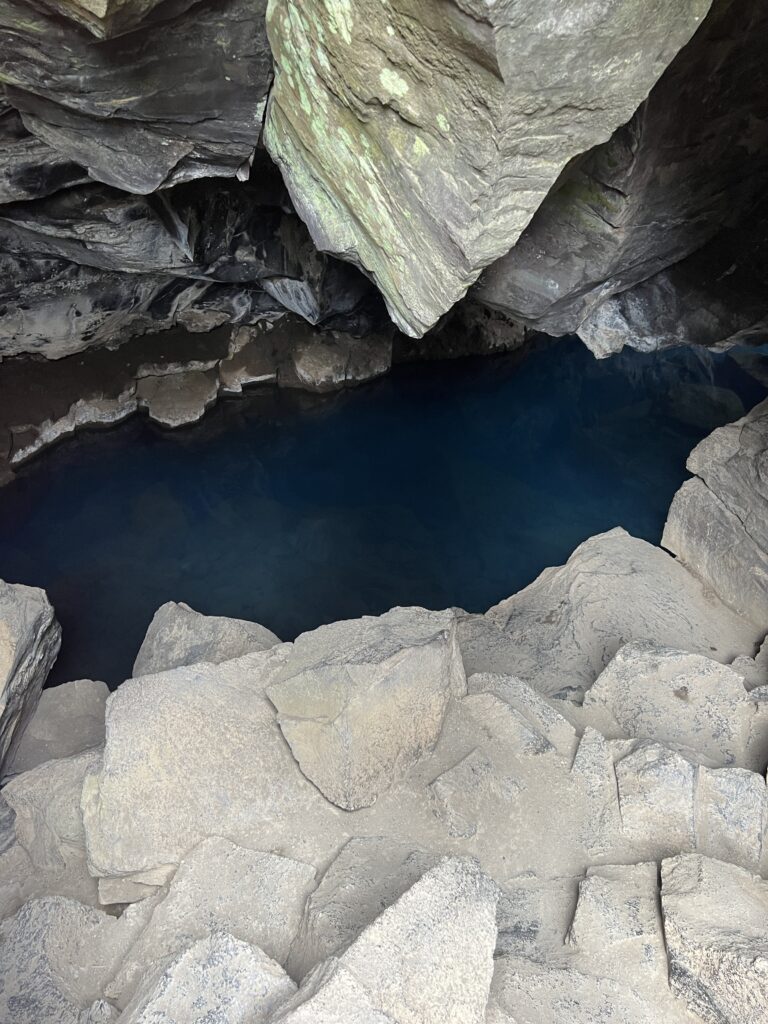
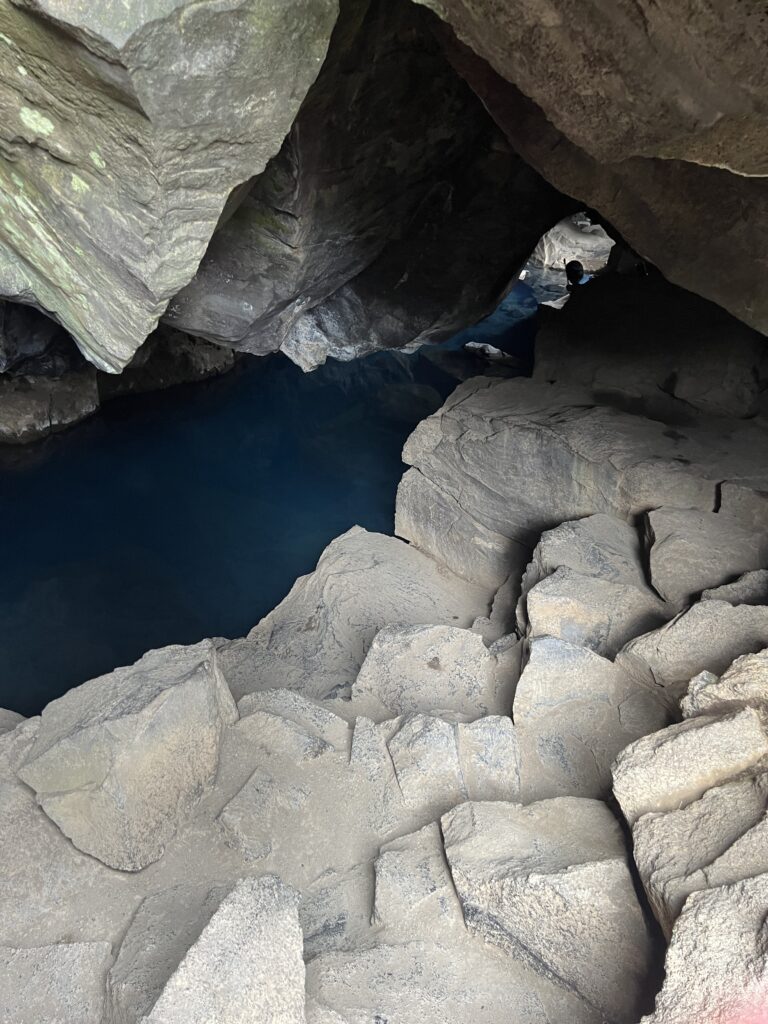
I could not capture the real blue color like I saw in person, so I am using two stock photos to show just how deep blue the water was.


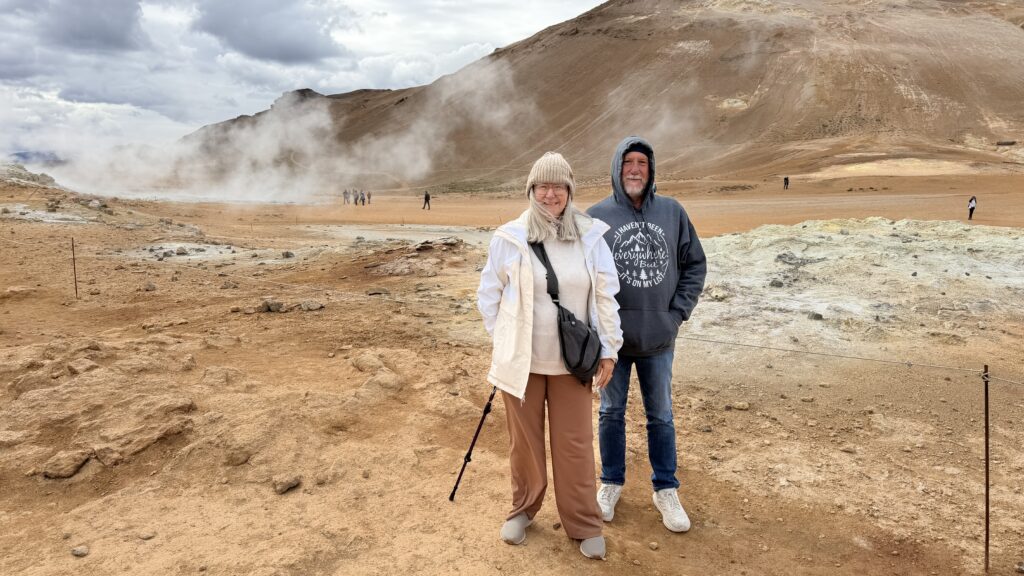
The Hverir Geothermal Area is one of the most striking geothermal sites in Iceland, drawing visitors with its bubbling mud pools, powerful steam vents, and vividly colored mineral ground. The site can be visited on exciting self-drive tours around North Iceland or on Diamond Circle tours, making it an accessible stop for both independent travelers renting a car and joining guided tours.
Set beside the Ring Road near Lake Myvatn, Hverir offers close-up views of active geothermal features in an open, barren landscape, with steam constantly rising and shifting across the area. The geothermal activity is concentrated in a compact space, allowing you to experience the site without a long walk.
Hverir|Iceland’s Most Active Geothermal Area – Mývatn Travel Guide
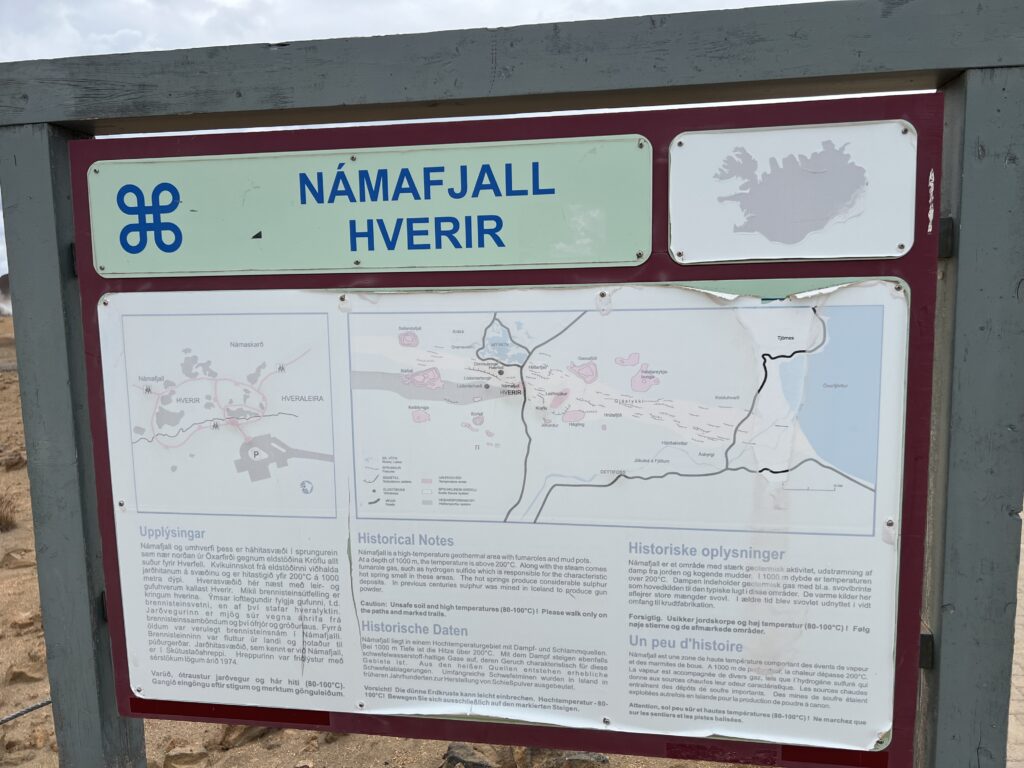
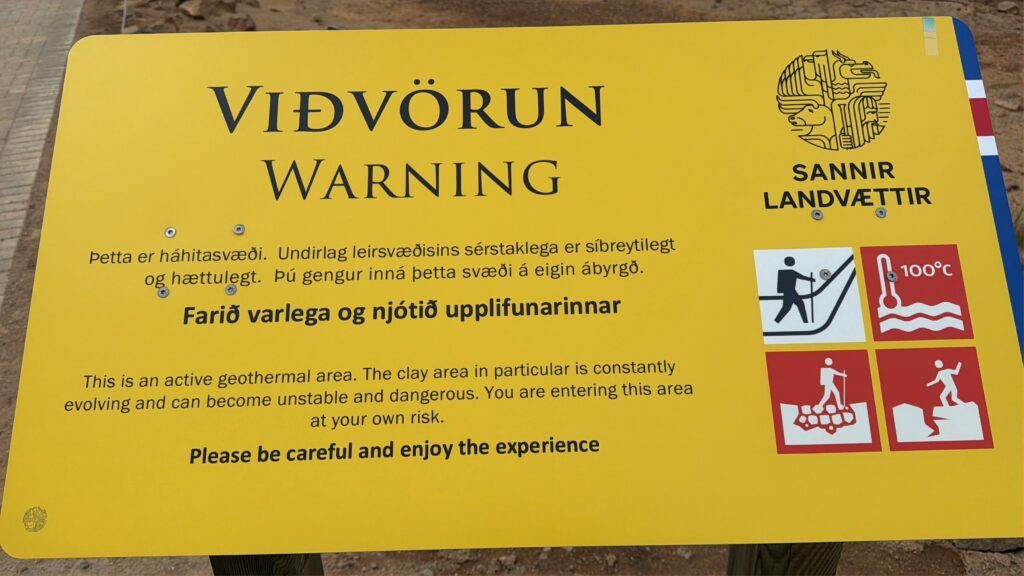
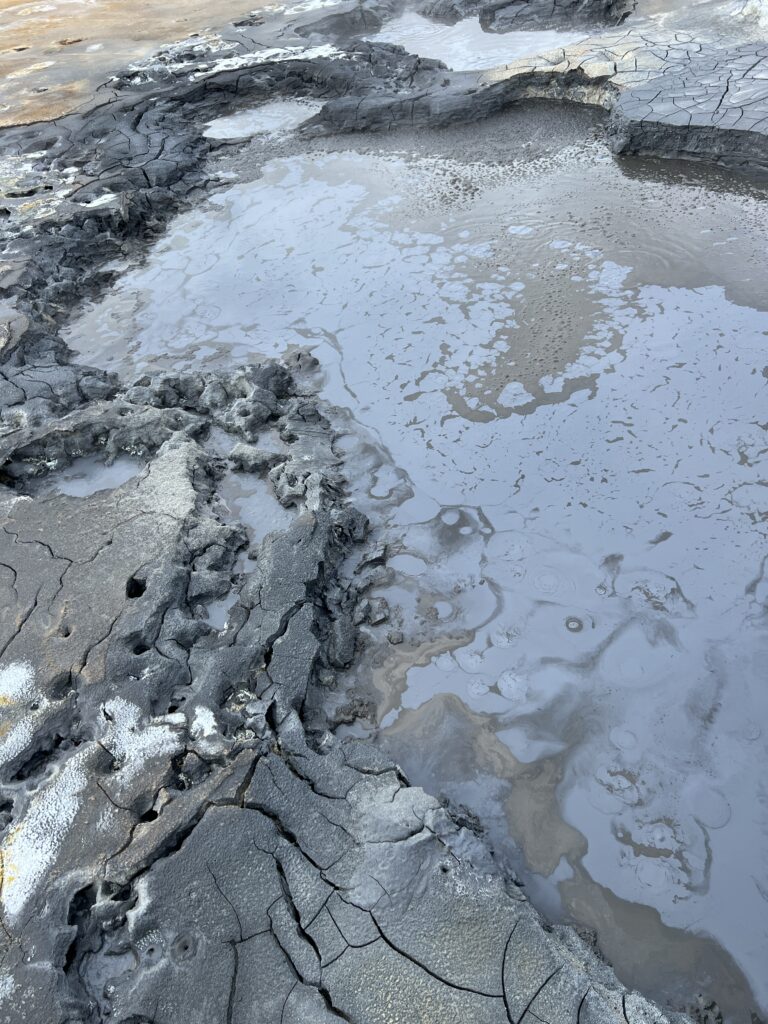
From the marked paths, you can see thick mud boiling at the surface, hear steam hissing from vents, and observe bright yellow, red, and orange mineral deposits spread across the ground. The lack of vegetation and the constant movement of steam give Hverir a raw, exposed feel that clearly shows the volcanic forces shaping the region.
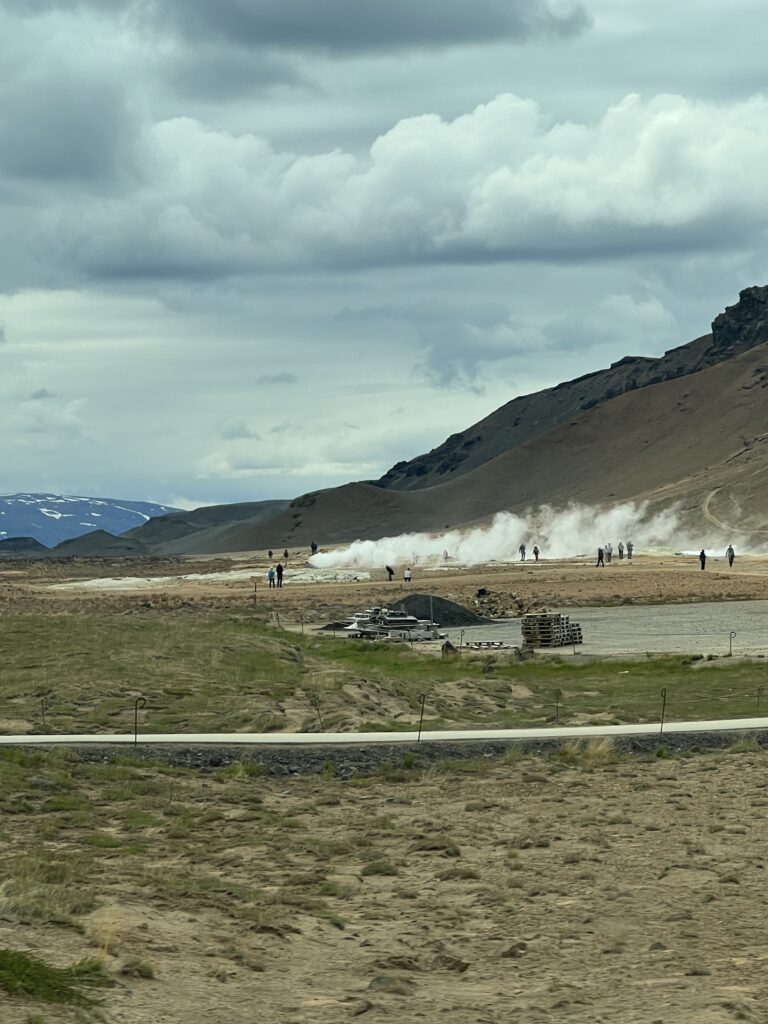
Steam vents, also known as fumaroles, release hot steam and volcanic gases into the air throughout the area. These vents can produce hissing or roaring sounds, depending on underground pressure and weather conditions. A strong sulfur smell is often noticeable, particularly on calm days with little wind.
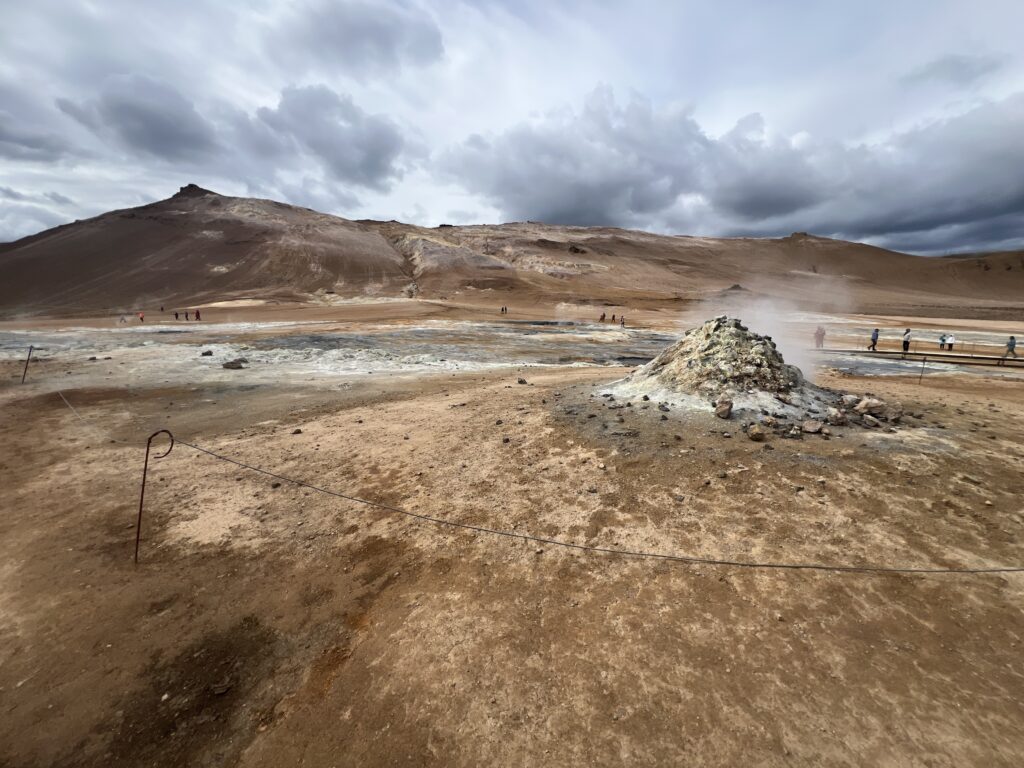
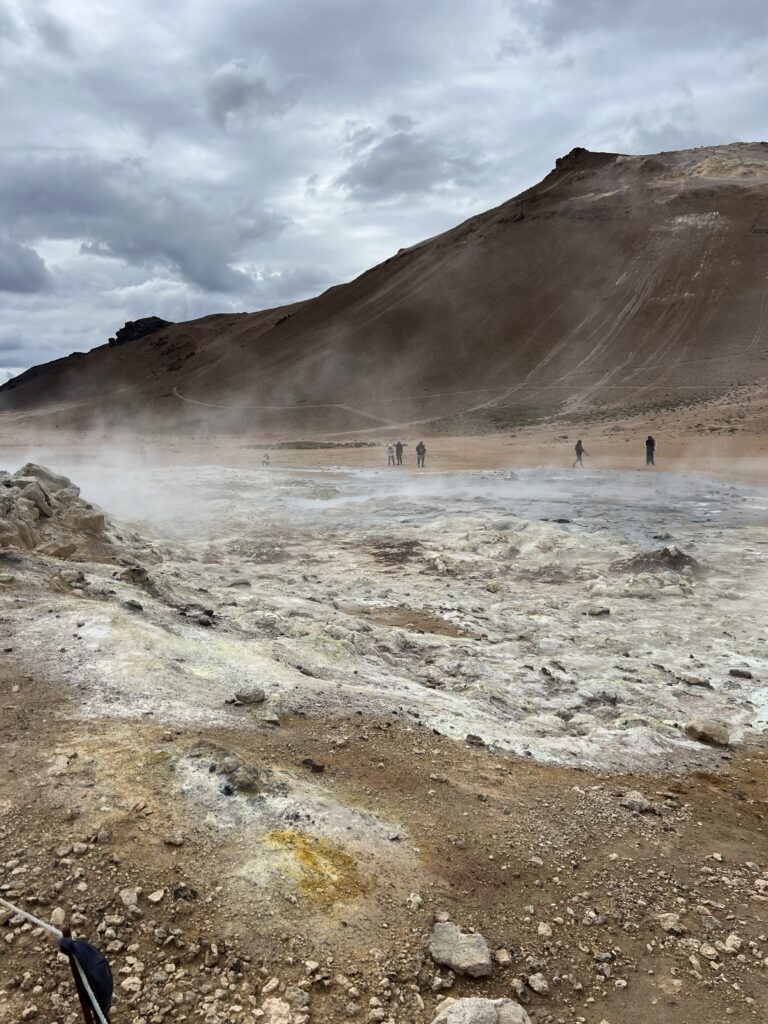
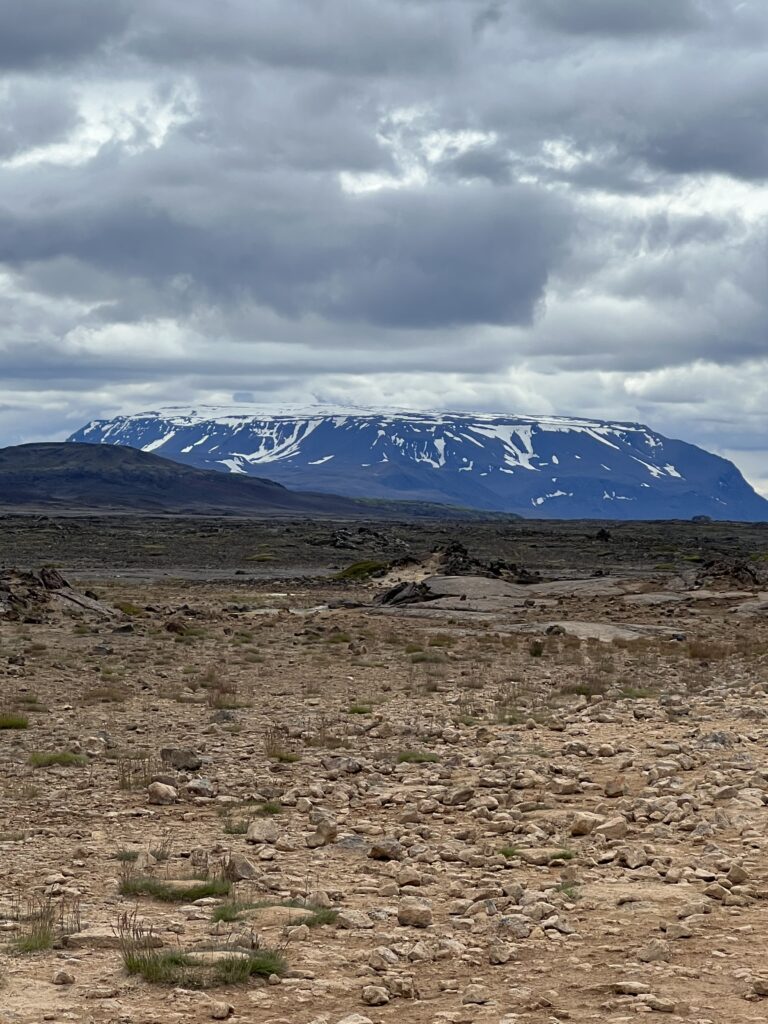
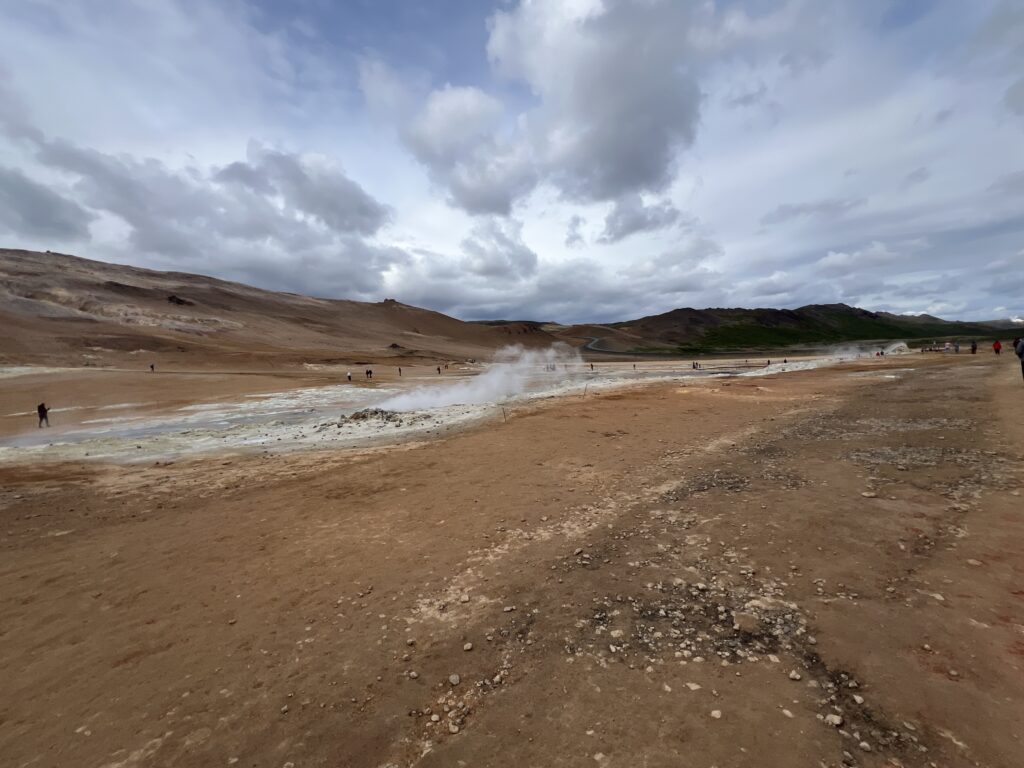
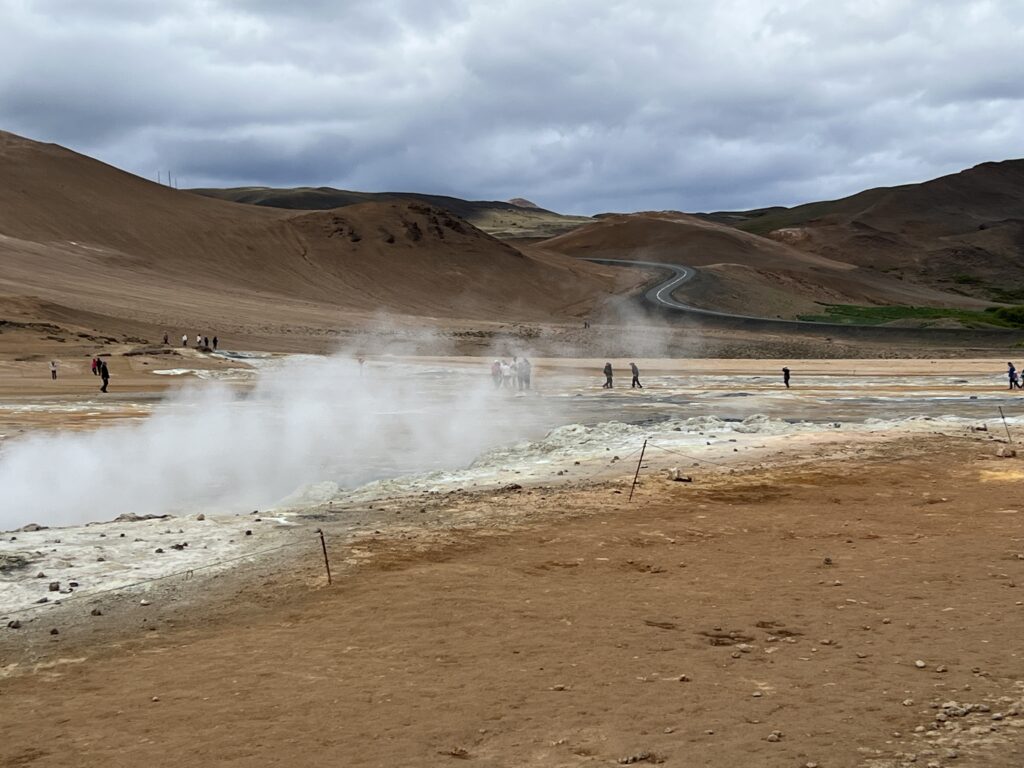
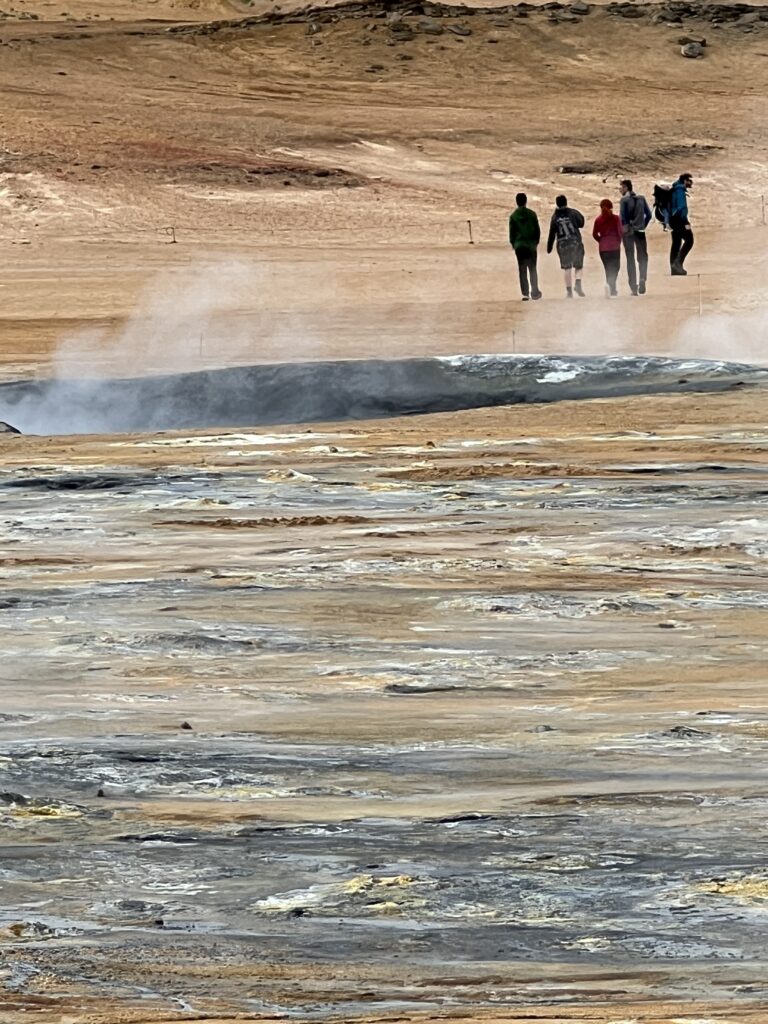
The mud pools at Hverir contain thick grey and brown mud that bubbles as hot gases escape from below the surface. Activity varies between pools, with some bubbling gently and others more vigorously. Mineral deposits around the pools create visible patches of yellow, red, and orange across the ground.
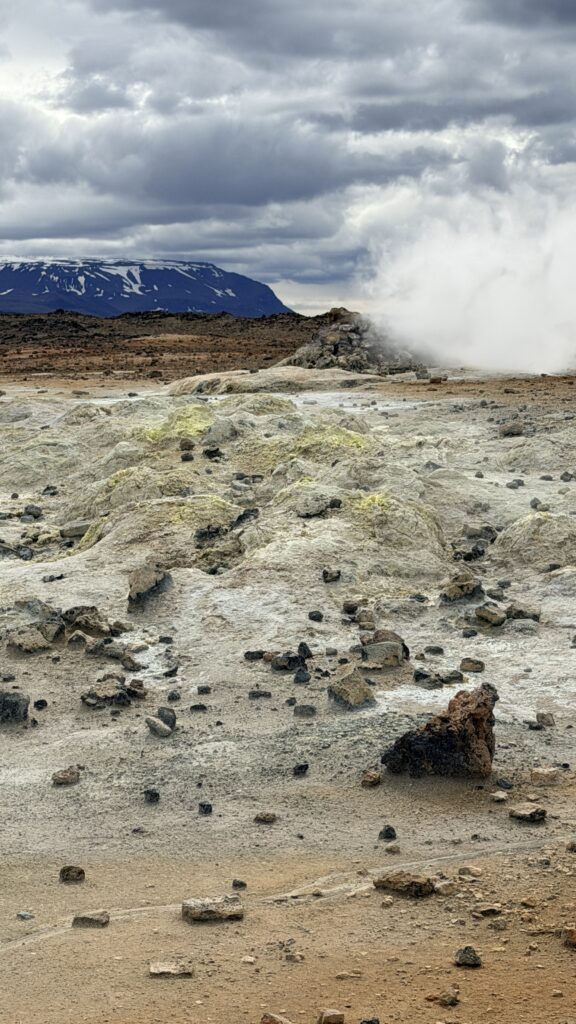
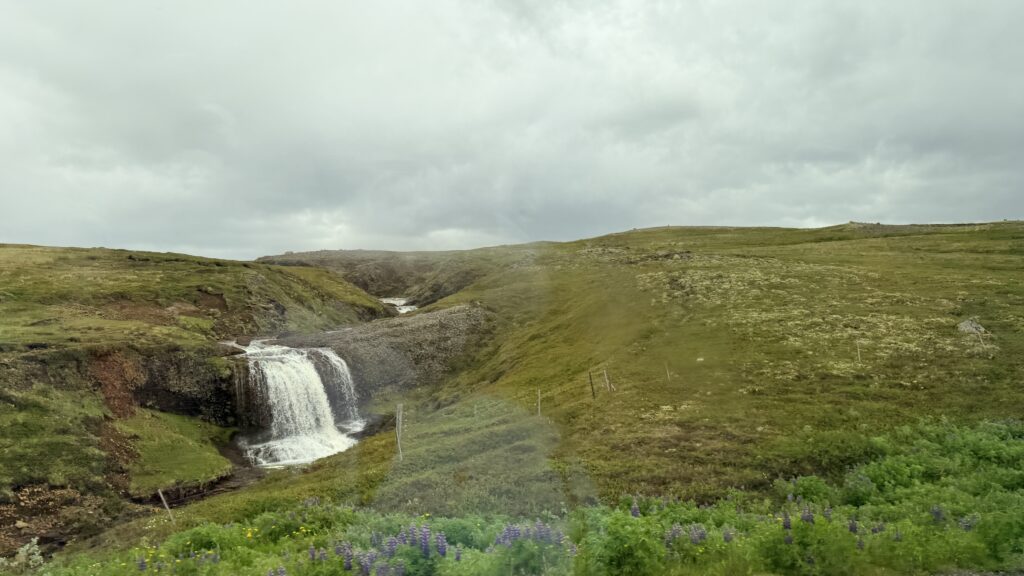
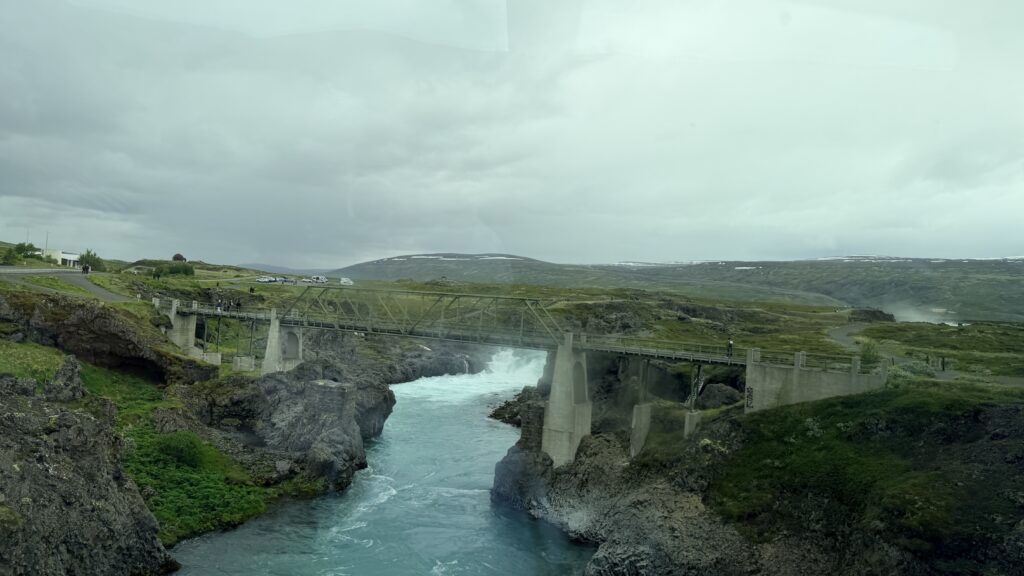
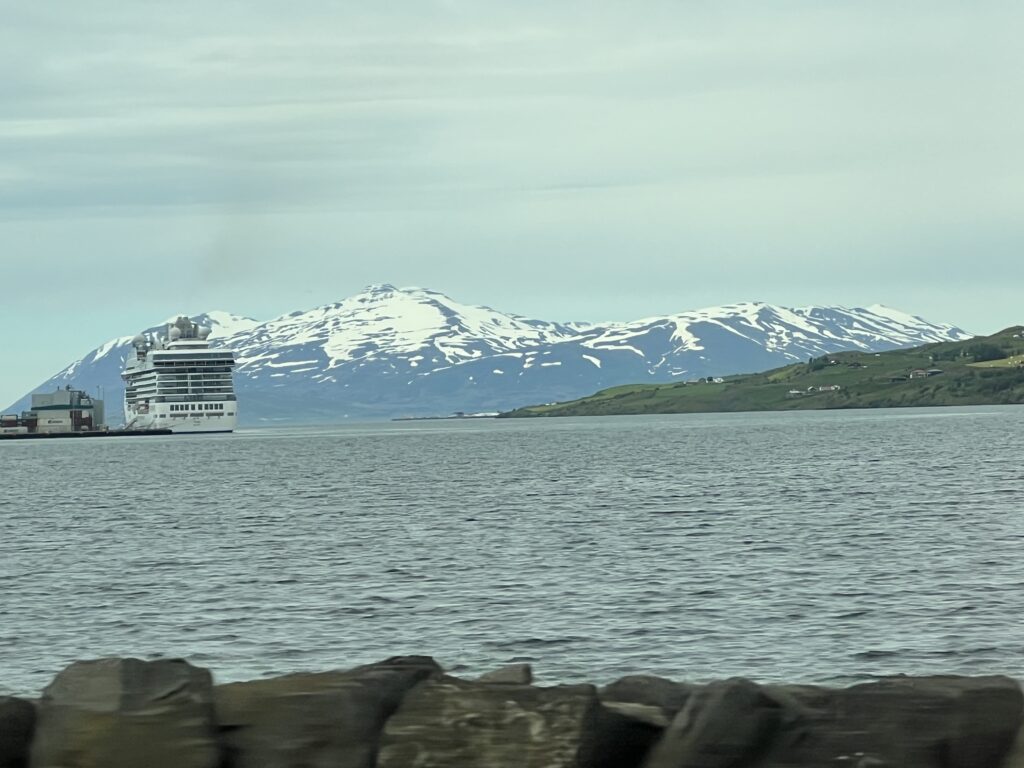
Scenery driving back to the cruise port
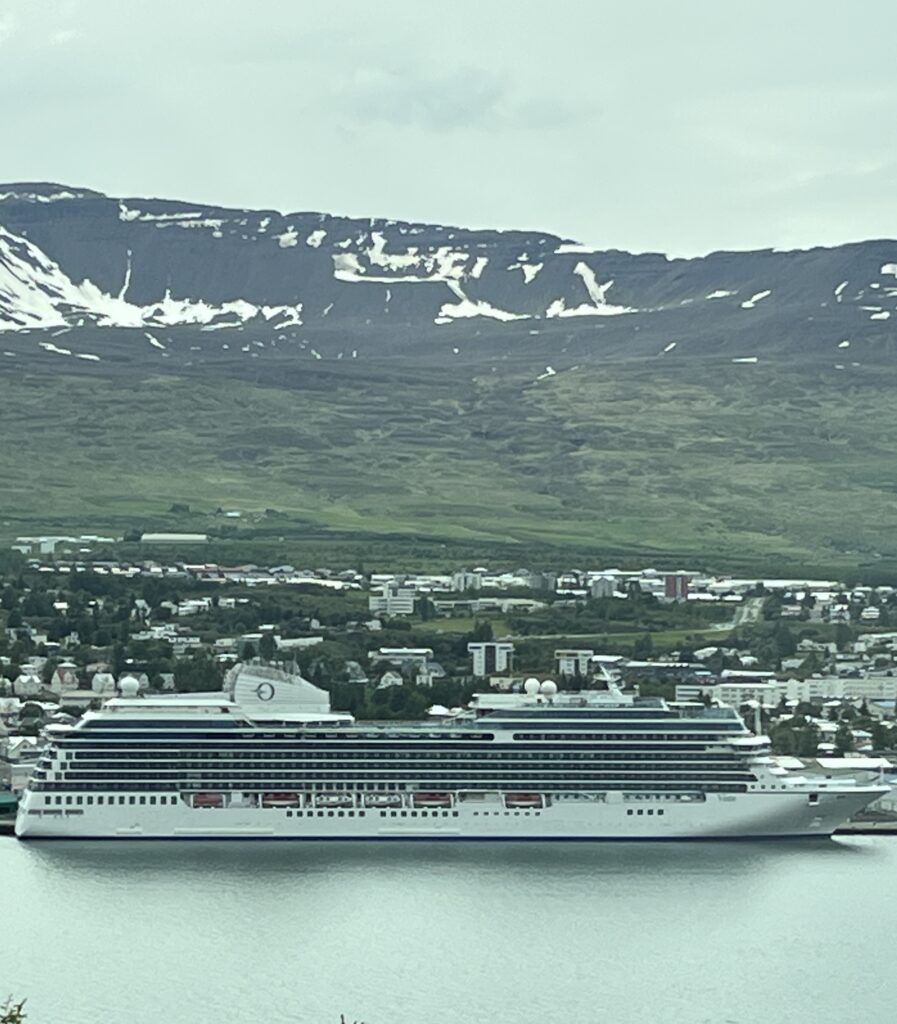
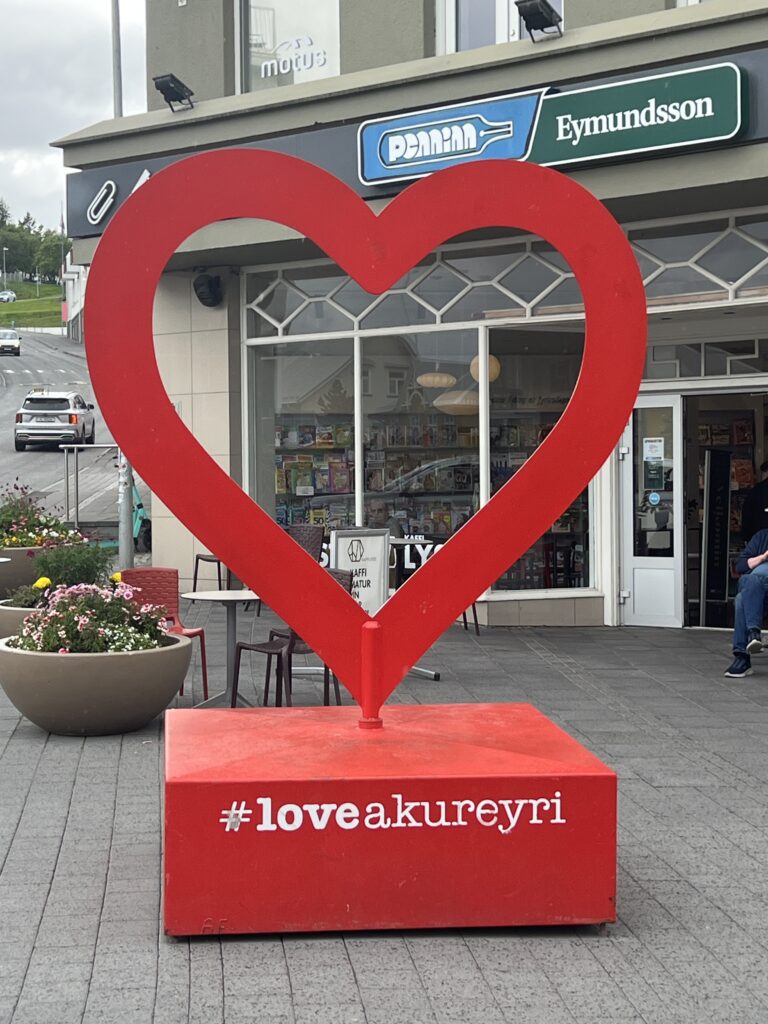
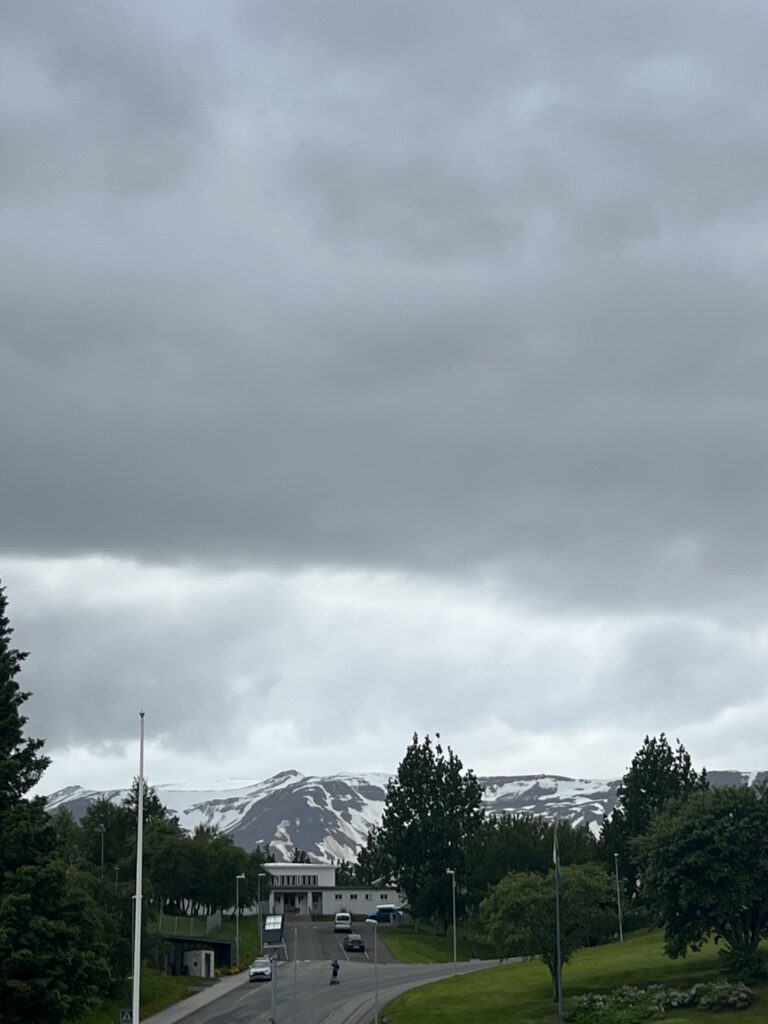
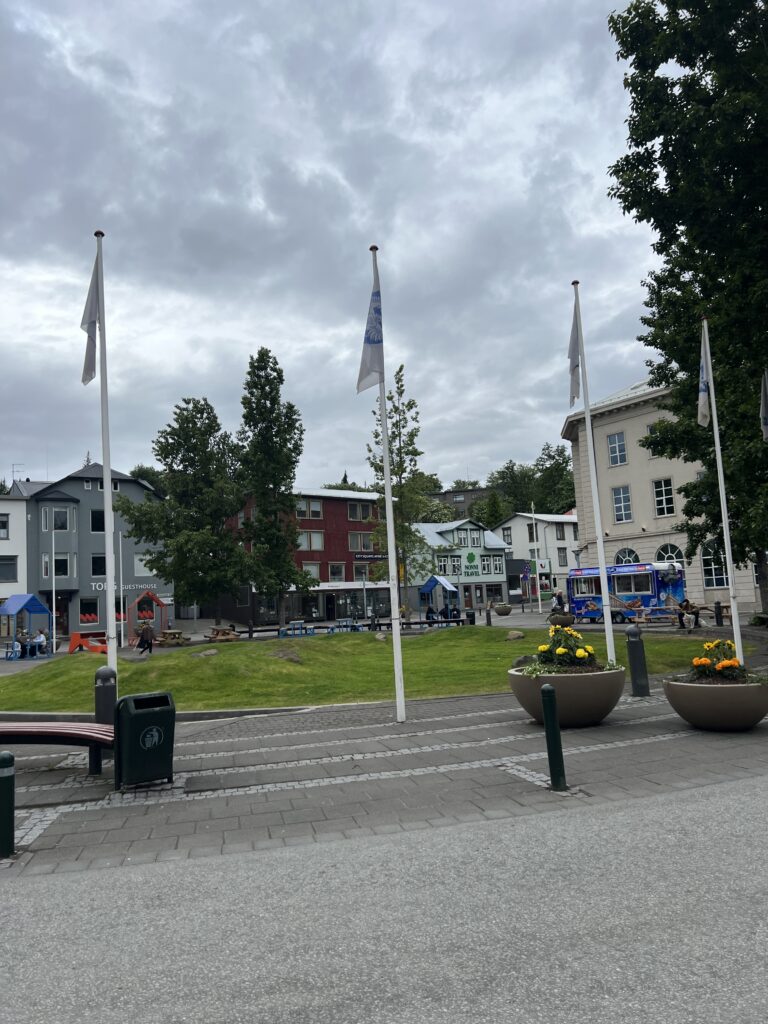
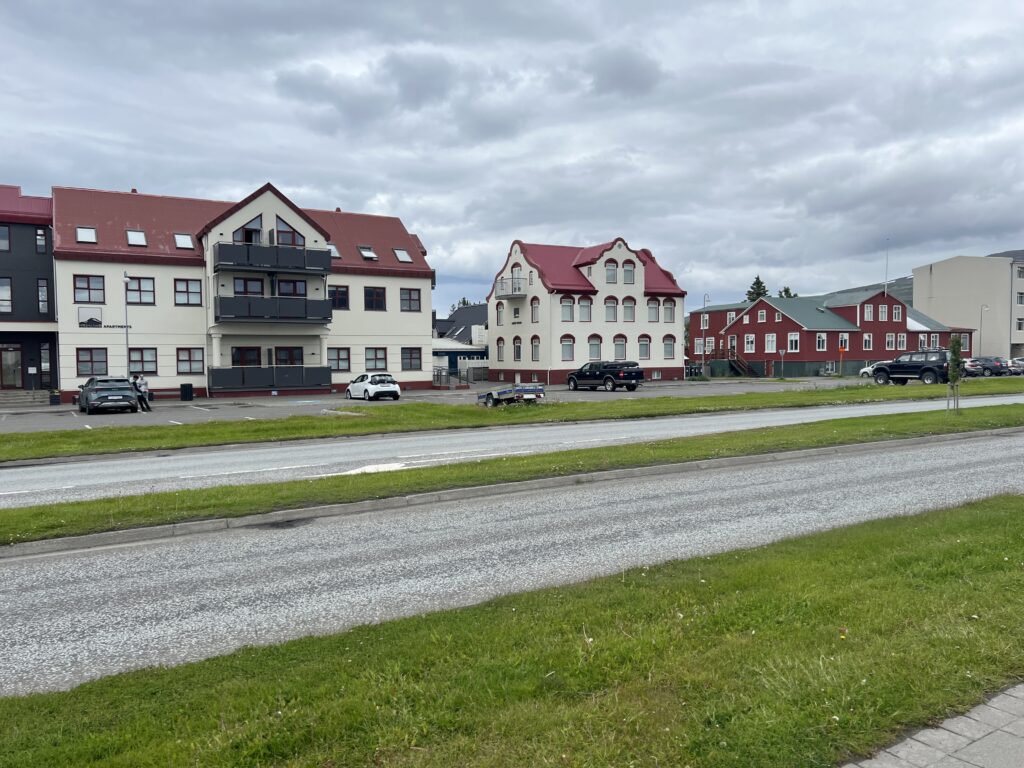
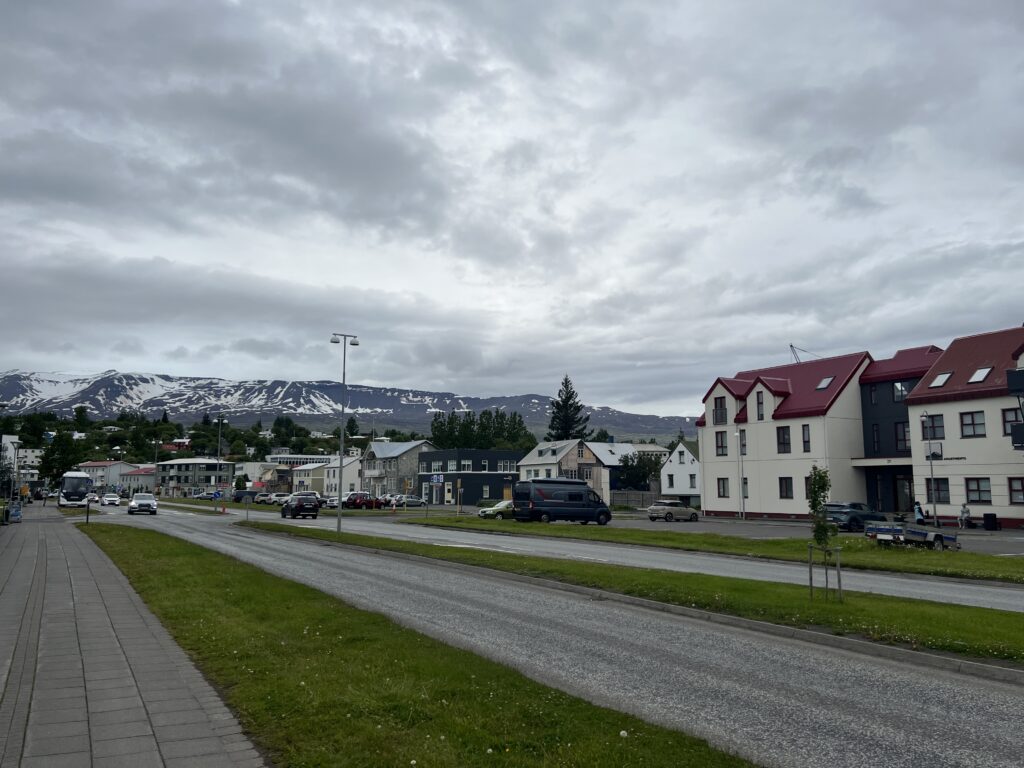
We walked around the small town of Akureyri after the excursion was over.
Affectionately known as the “Capital of the North”, Akureyri is Iceland’s largest town outside the Reykjavik region, home to about 19,000 residents. Nestled at the base of the spectacular Eyjafjörður fjord, it serves as the ultimate hub for exploring North Iceland’s volcanic landscapes, geothermal pools, and whale-watching waters.
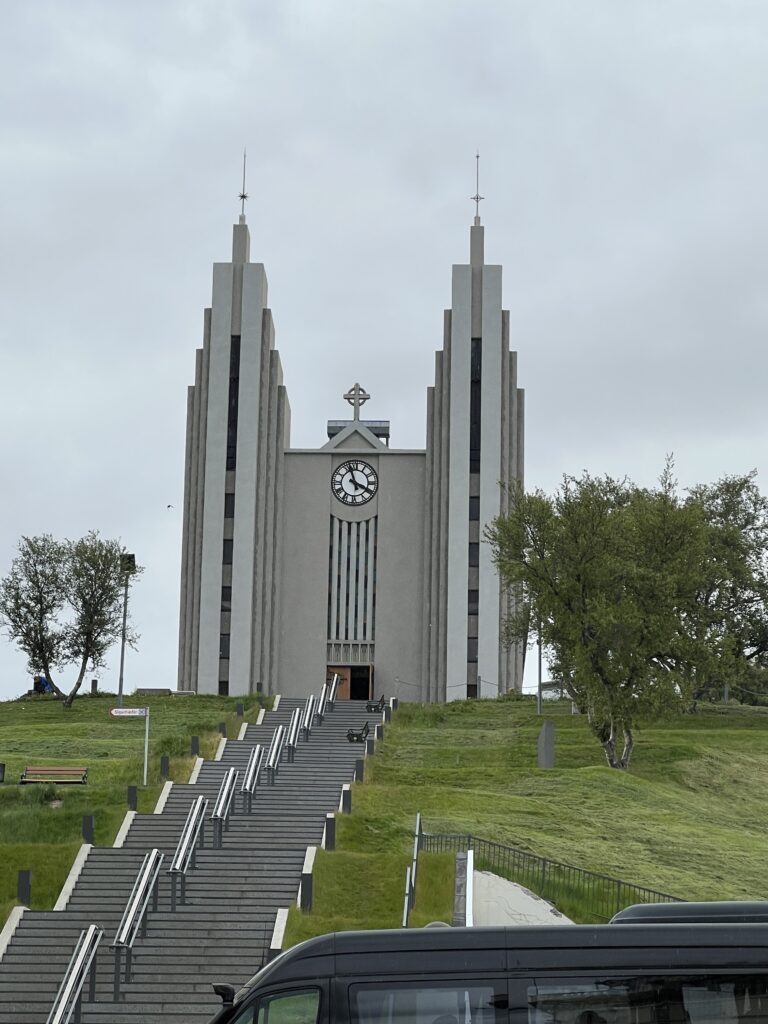
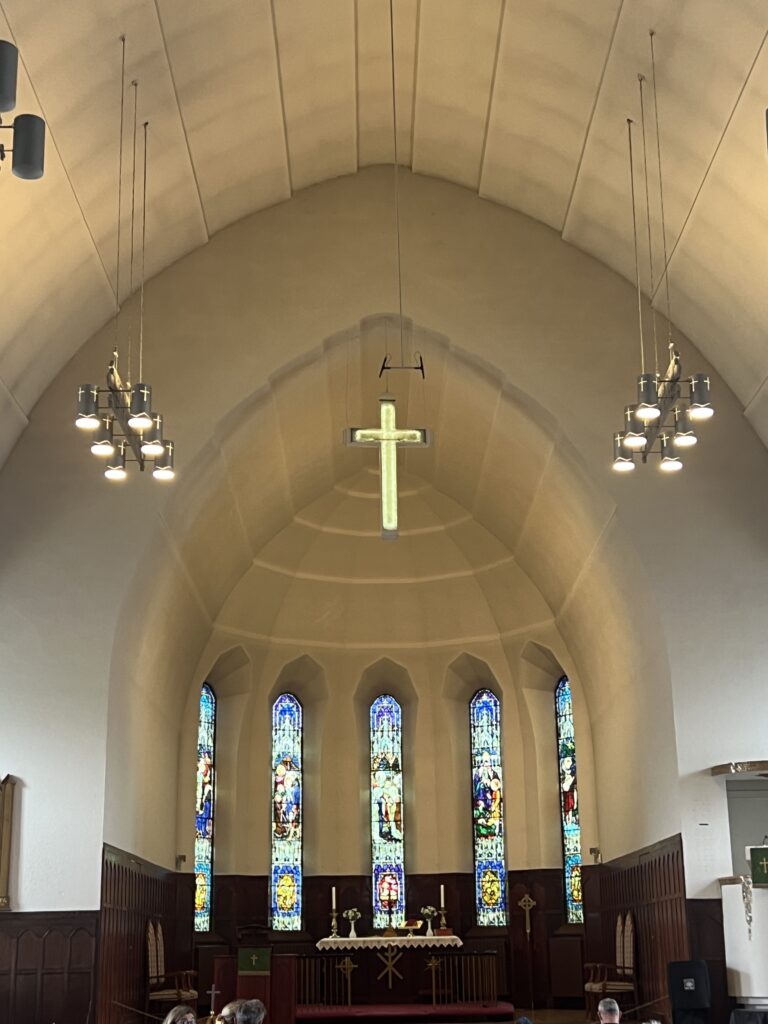
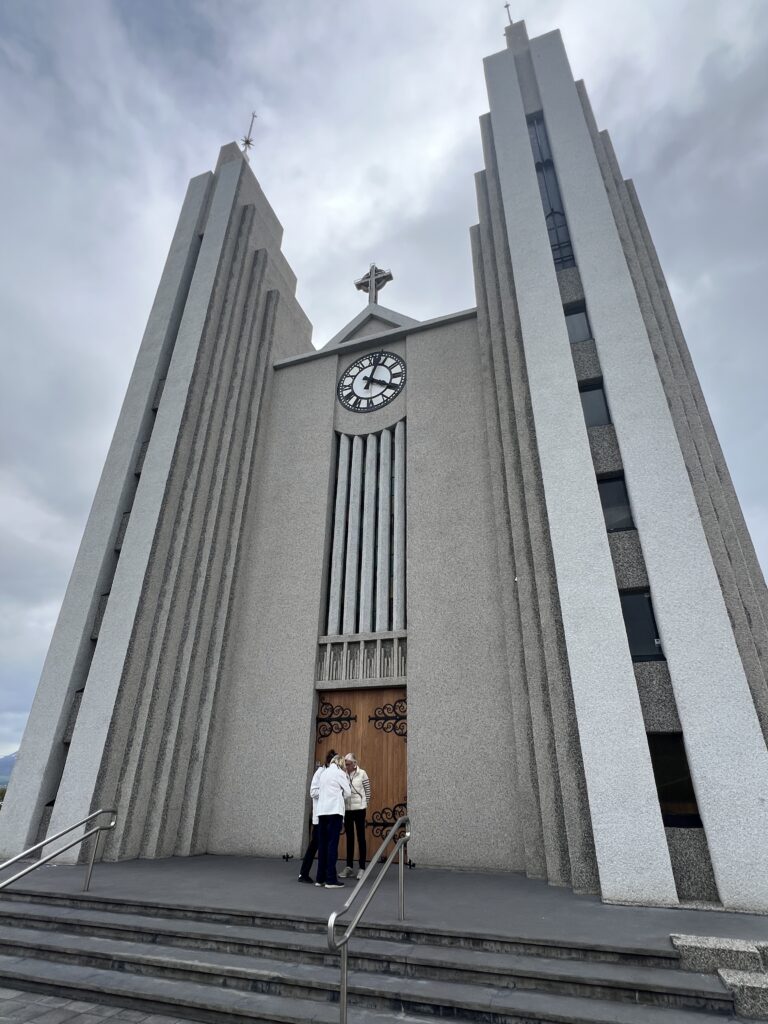
Akureyri Church (Akureyrarkirkja): A striking modernist church dominating the town skyline, featuring distinctive twin towers and stained-glass windows.
Akureyri Botanical Garden (Lystigarðurinn): The world’s most northerly botanical garden, offering beautifully curated paths and a quaint café.
Downtown Walk: Explore the steep streets lined with brightly painted wooden houses, and don’t miss the famous heart-shaped traffic lights in the city center.
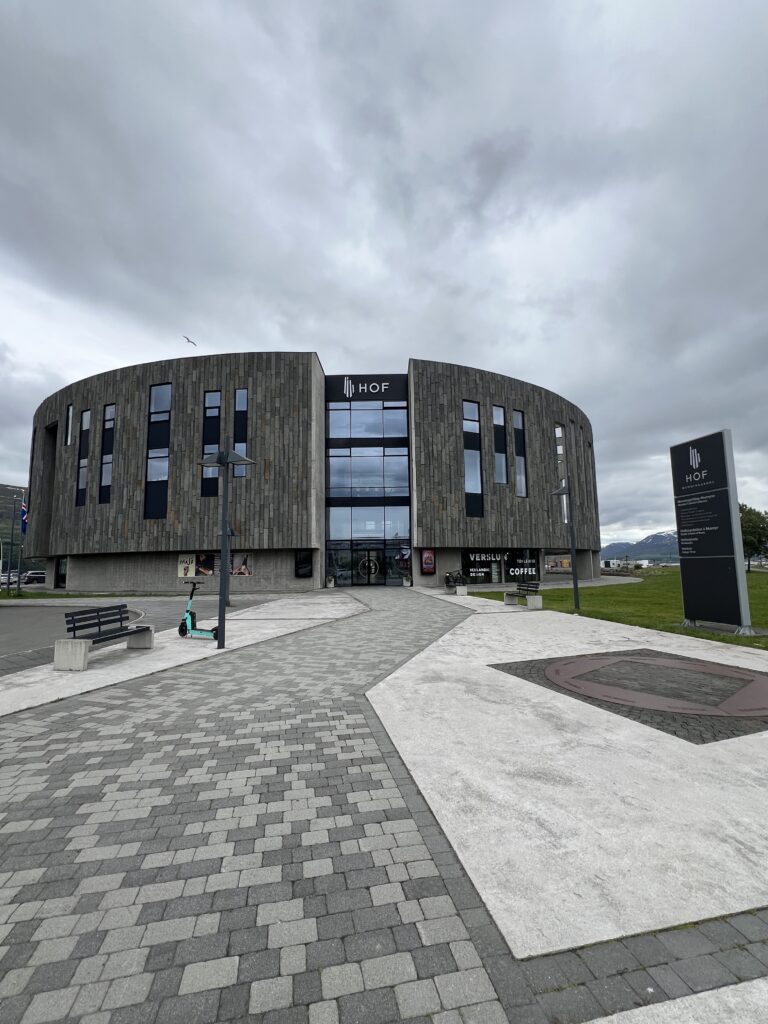
Hof Cultural and Conference Center: Located near the harbor, this distinctive, circular building hosts concerts, theater, and local art exhibitions.
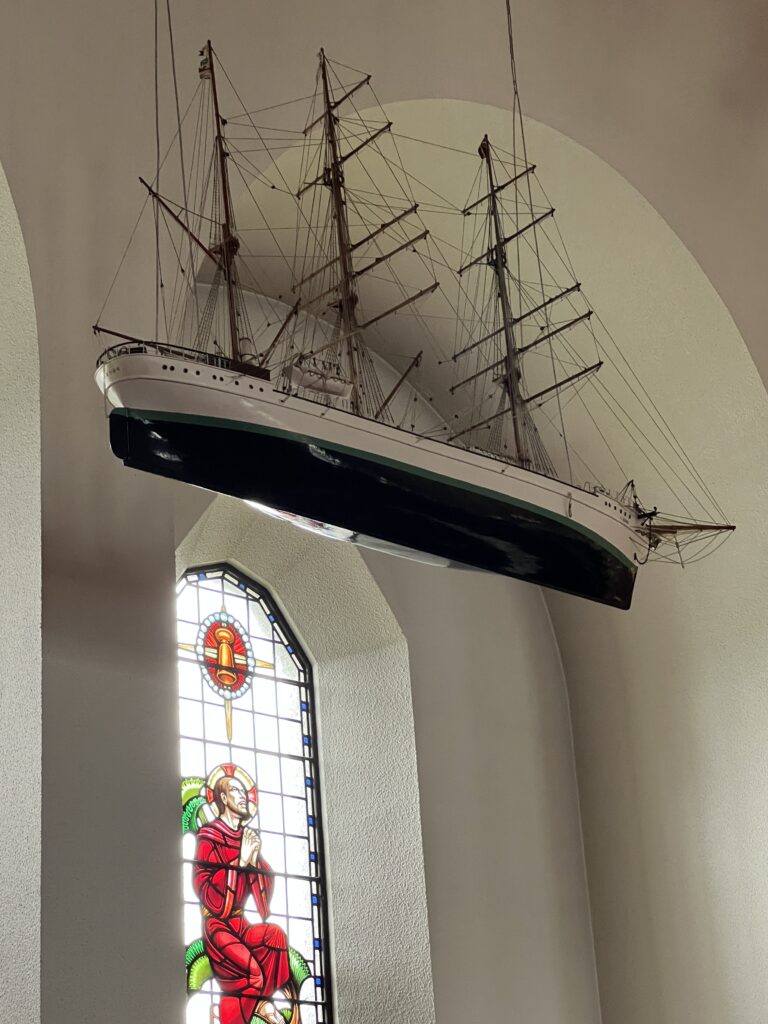
The Akureyri church is the symbol of Akureyri. It is a Lutheran church and was designed by the famous architect Gudjon Samuelsson and consecrated in 1940. The central stained glass window above the altar formed a part of a set originating from England. The bas-reliefs on the nave balcony are by sculptor Asmundur Sveinsson and the baptismal font is a replica of a work by sculptor Bertel Thorvaldsen.
These stairs were a killer.
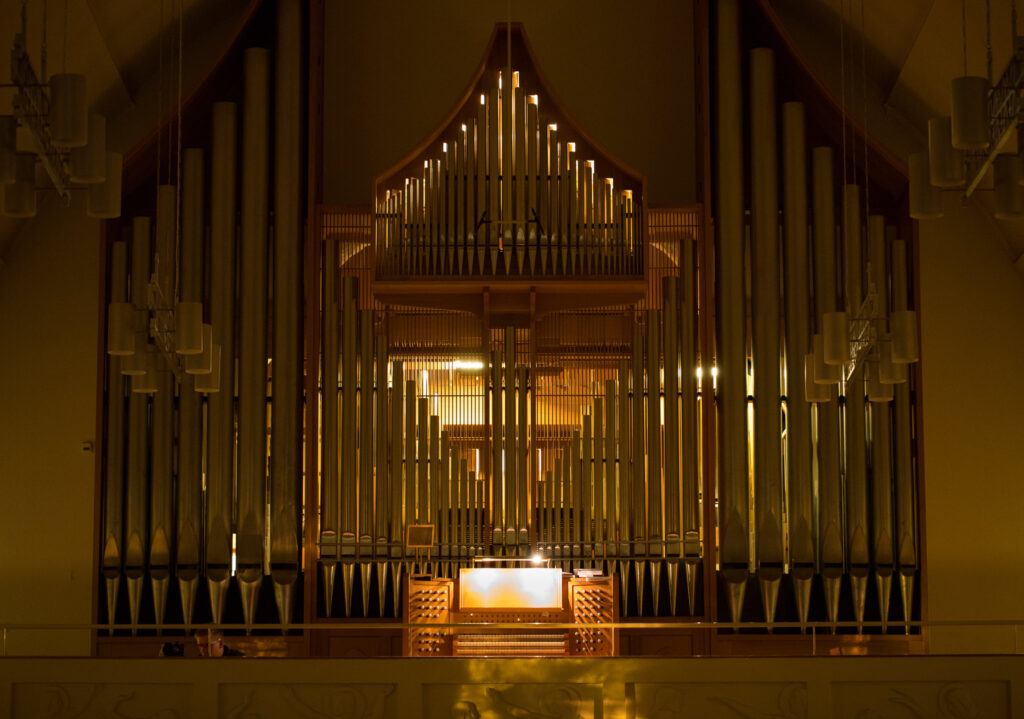
Akureyrarkirkja contains a notably large 3,200-pipe organ. The bas-reliefs on the nave balcony are by sculptor Ásmundur Sveinsson (1893–1982). The altarpiece dates to 1863 and was designed by Danish artist Edvard Lehmann (1815–1892). The windows were designed and made by J. Wippel & Co. of Exeter, Devon in Britain. The Italian white marble baptismal font is made by Florentine sculptor Corrado Vigni (1888–1956). The angel baptismal font is a replica of a work by noted Danish sculptor Bertel Thorvaldsen (1770–1844). The original work is situated at Copenhagen Cathedral (Vor Frue Kirke)
I could not get a good photo of the organ so I am using a stock photo below.
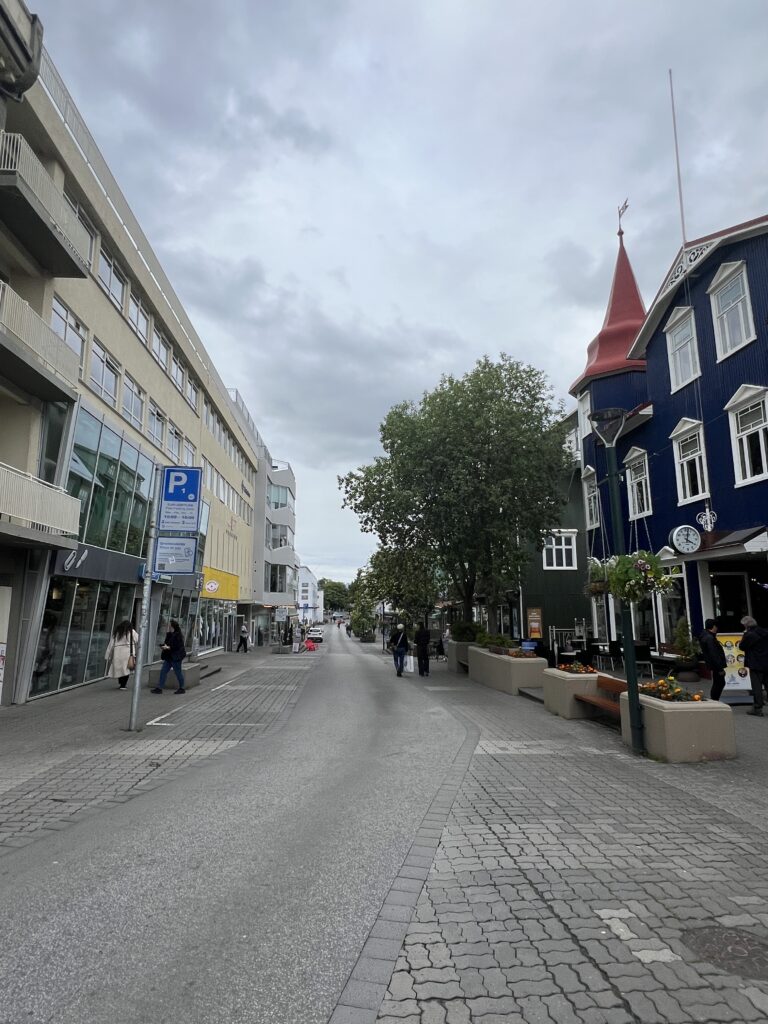
The shopping area of Akureyri
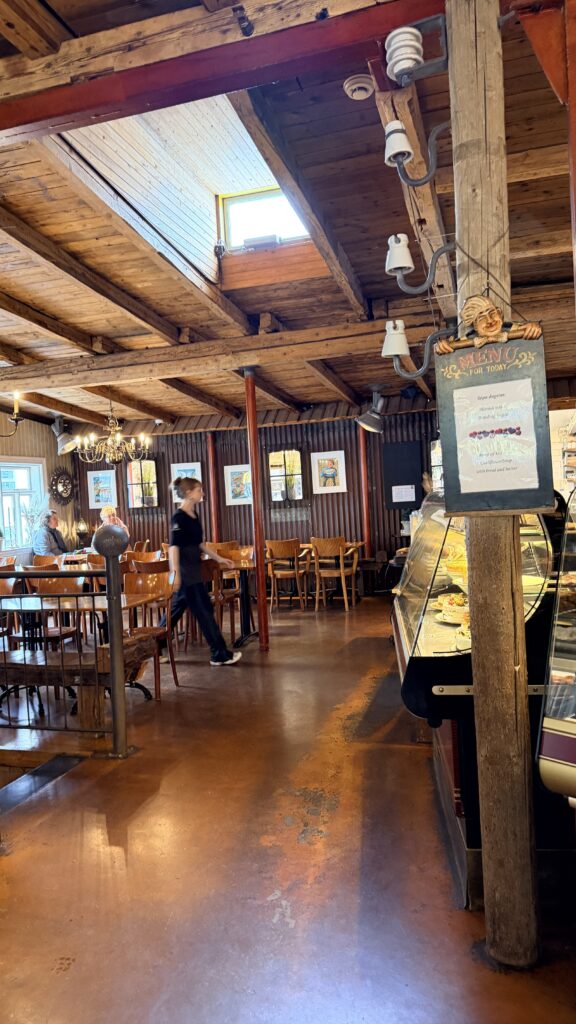


Hof Cultural Centre is located in down town Akureyri and is one of the greatest landmarks of the town. With the circular building’s exterior being inspired by the Icelandic columnar igneous rocks, the building makes a clear and deserved mark on the town and attracts a number of guests all year round. Hof is an information centre for travellers and is therefore a popular destination for tourists visiting Akureyri. The majestic design of the building’s exterior as well as interior creates a welcoming atmosphere and is admired by both guests and those just passing by.
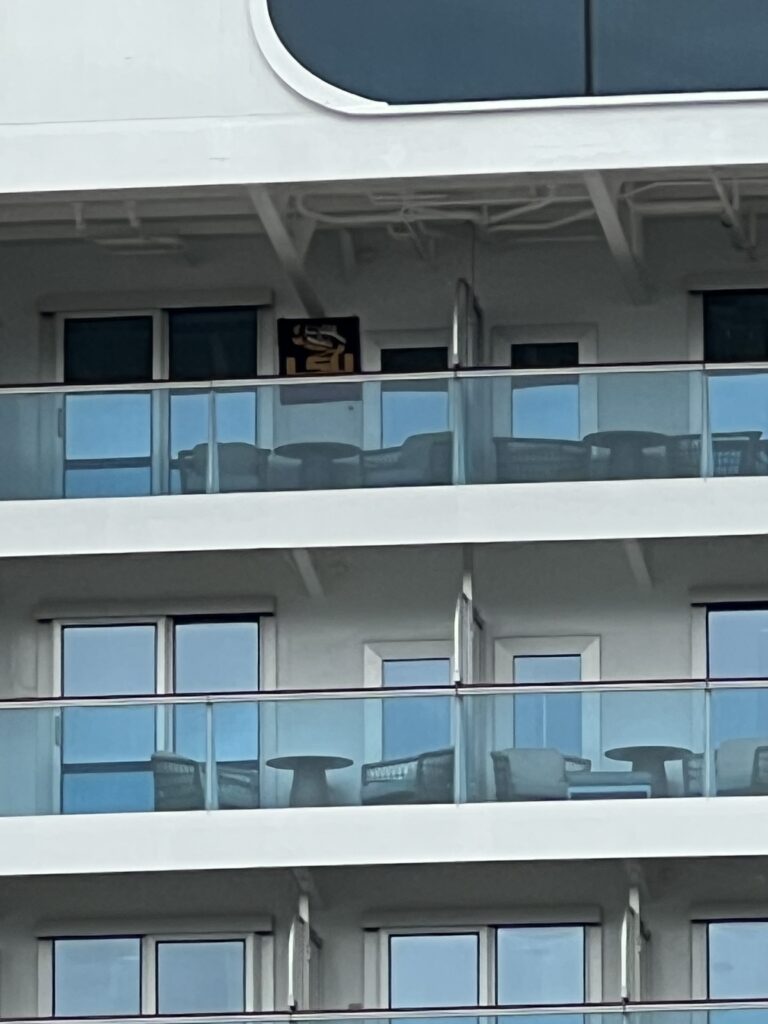
Have to capture the banner hanging outside the cabin. It has taken a beating on this World Cruise
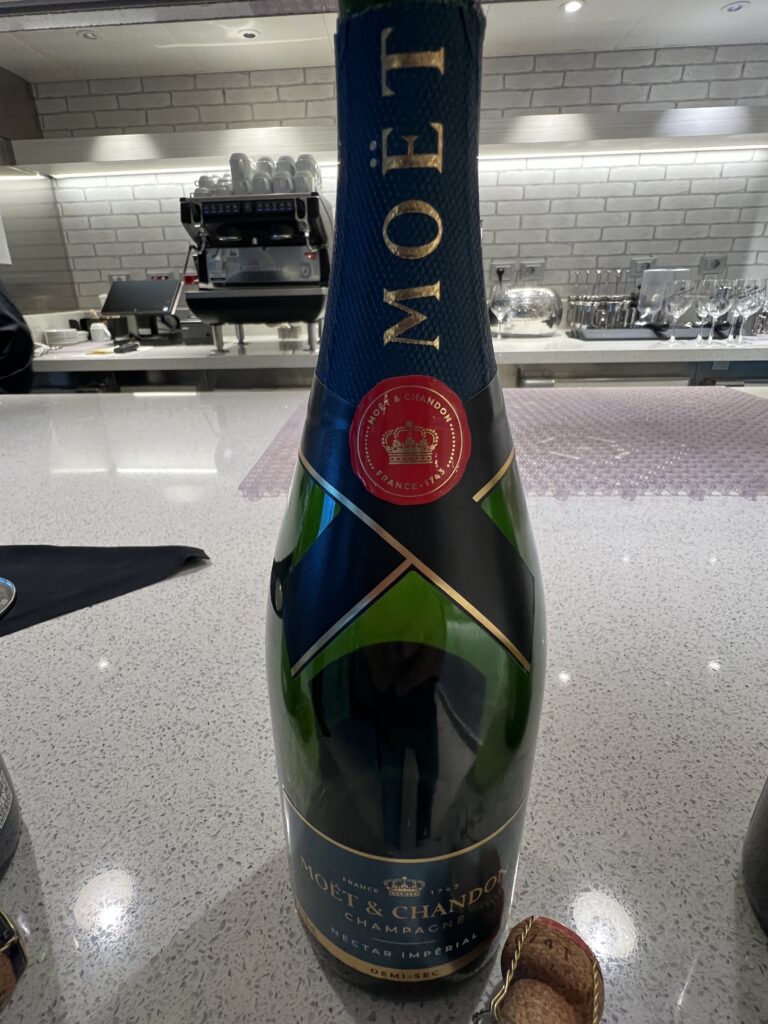
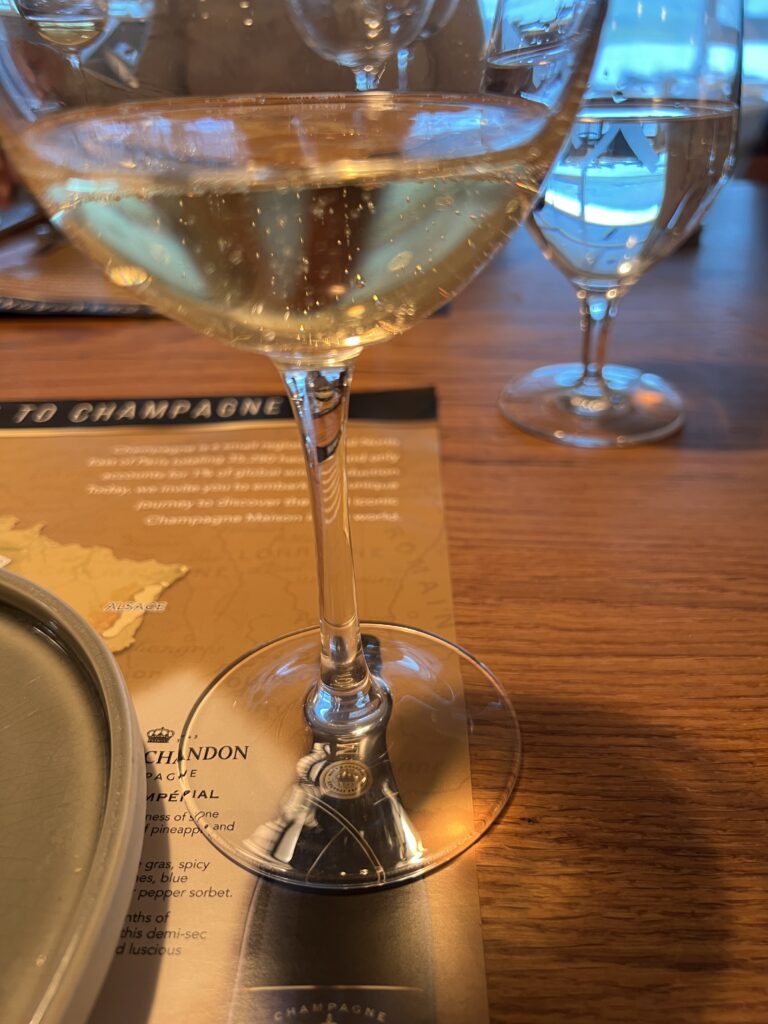
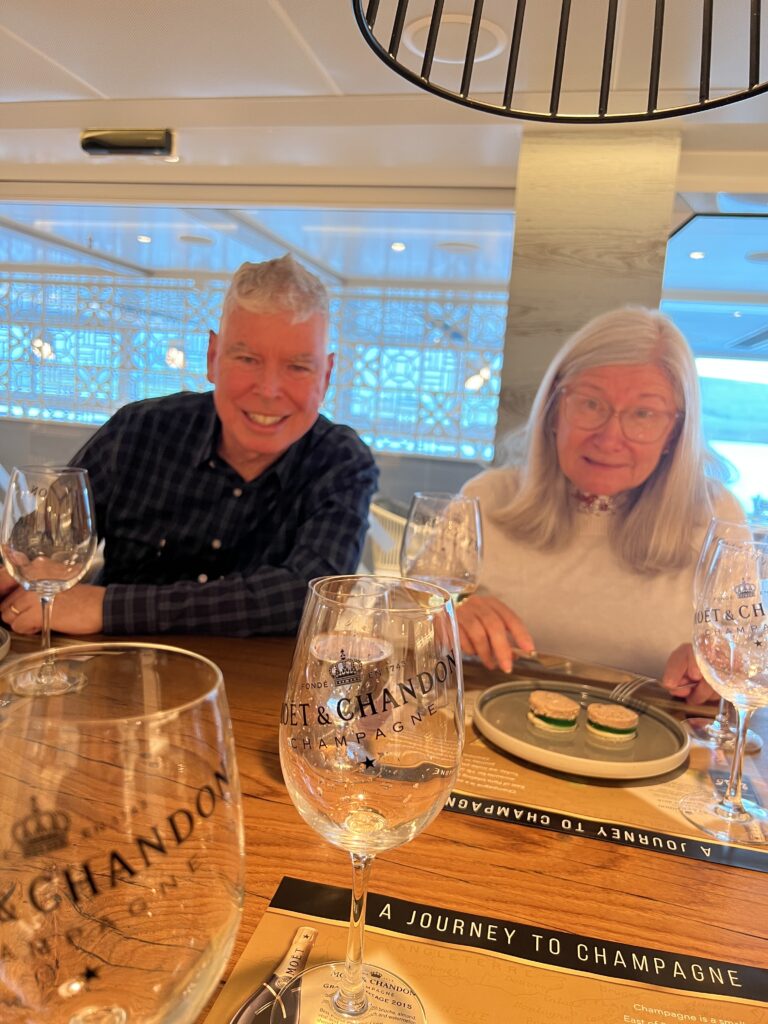
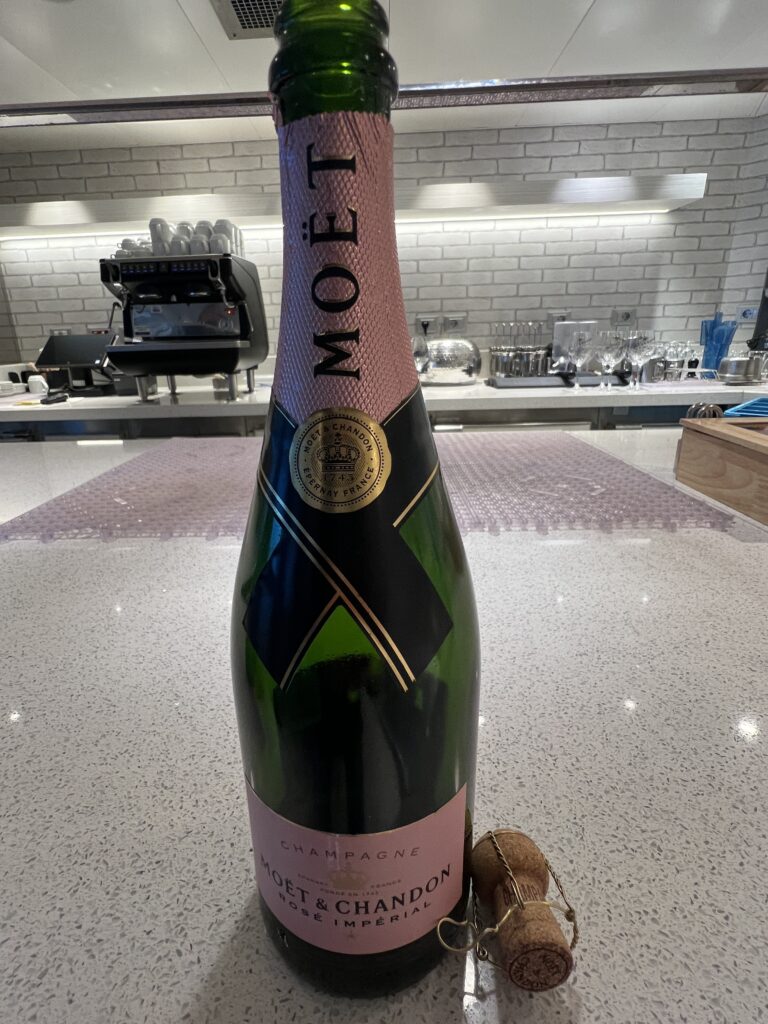
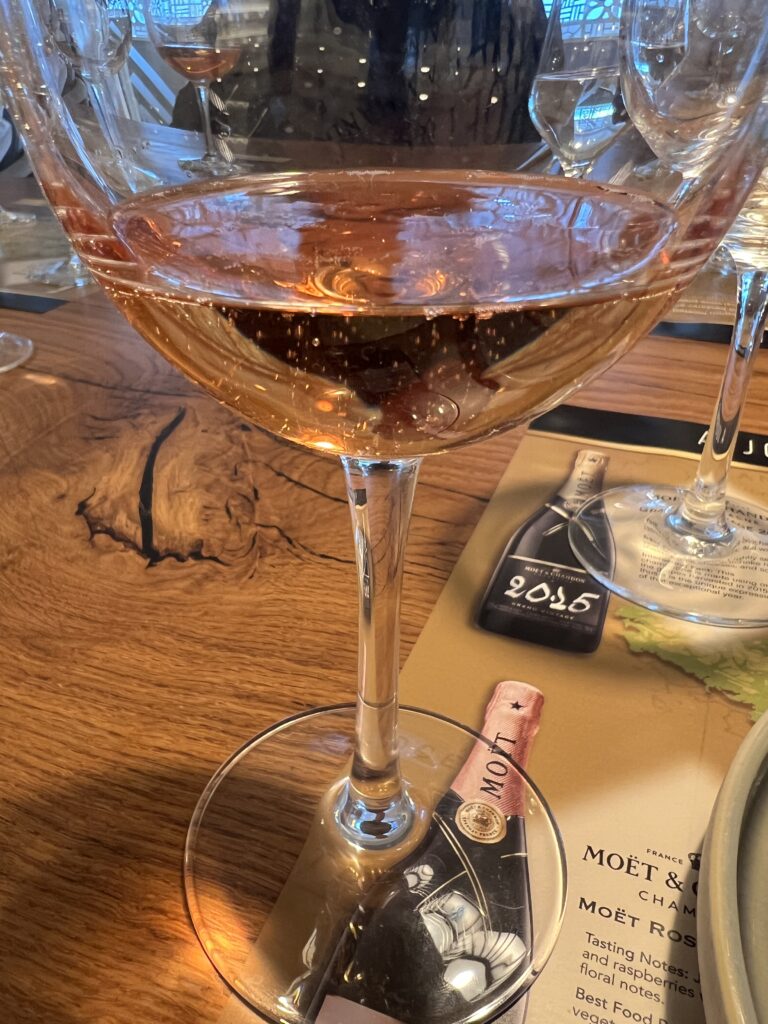
We went to a champagne tasting with John and Joan when we returned to the ship

i

Tomorrow we are in Isafordeur, Iceland



4 thoughts on “Day 108 June 23 – Akureyri, Iceland”
Your pictures bring back memories of our visit.
I loved Isafjordot! Have fun!
We are leaving in 6 days for a cruise in Scandinavia.
Enjoy the Scandinavian cruise!!! We are doing Norway in November 2027 and fully expect to freeze….laughing. Scandinavia is a beautiful place, you guys will love it
What astounding experiences you and Jackie are getting to enjoy on this World Cruise. Thanks for sharing all the fantastic pictures and adding your comments to each. These are memories the two of you can treasure forever. Keep enjoying your cruise!
The environment looks so clean and the pictures are great.