
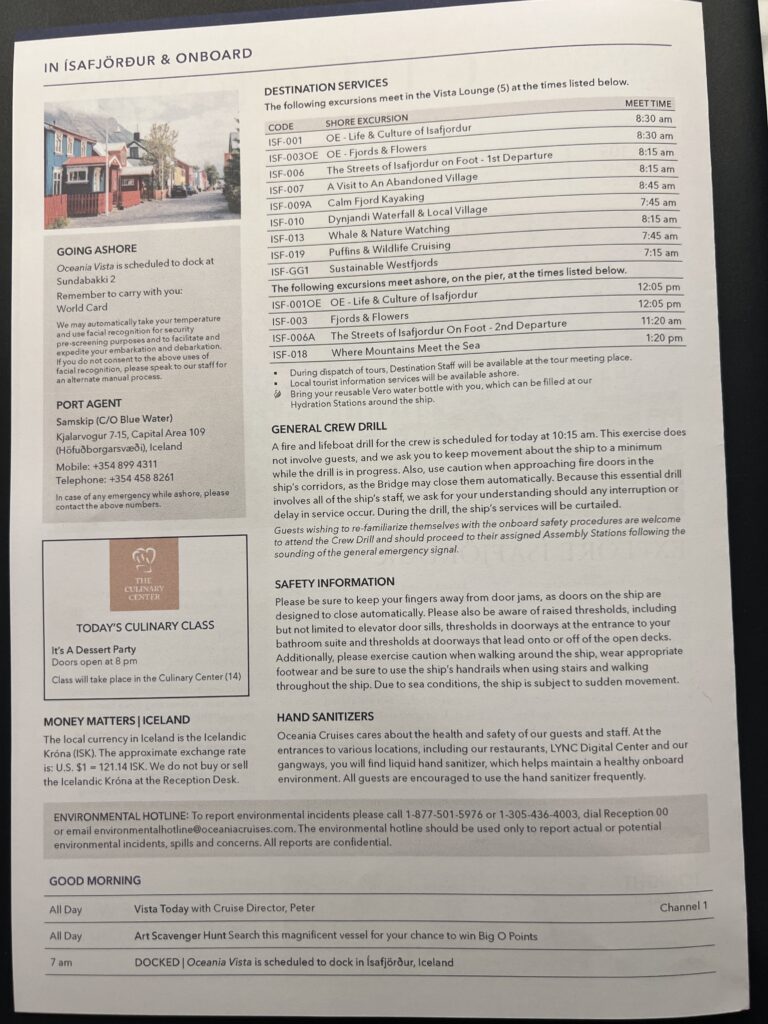
Day 109 Wednesday June 24th (11 days to go) — We had a half day tour with a Bus Travel Iceland to visit the Dynjandi Waterfall and the Gemlufall Farm. Then, we returned to the ship and headed out for a walk in the small village of Isafjordur.
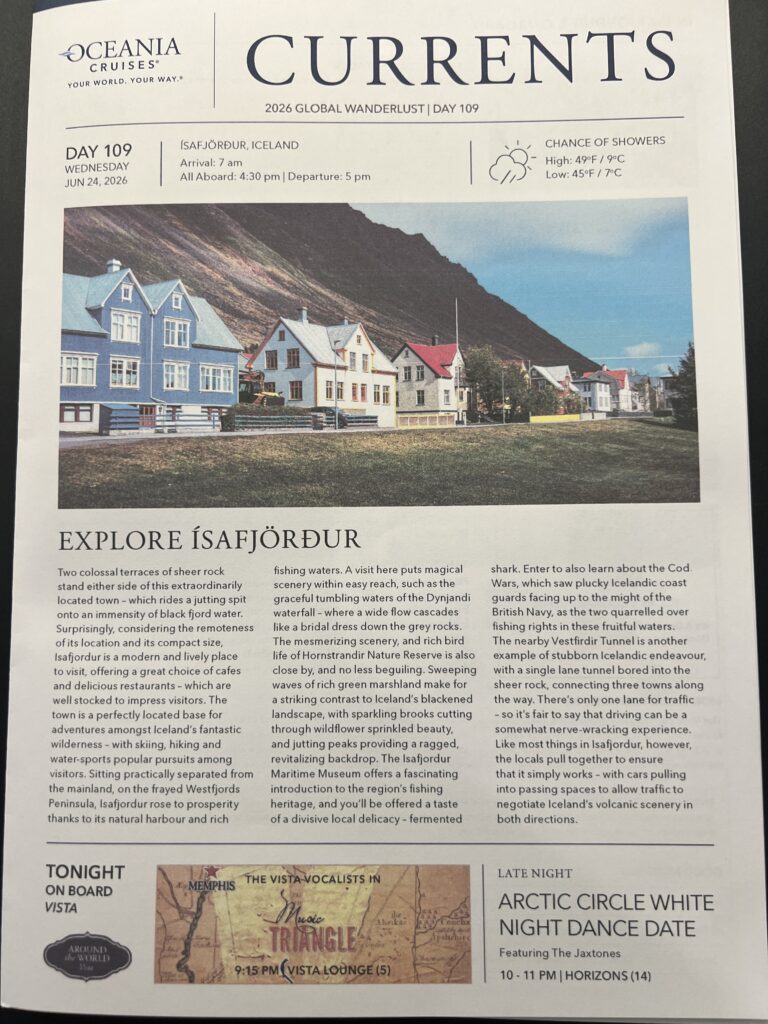
Ísafjörður is the unofficial capital and largest town of the Westfjords region in northwest Iceland. Home to about 2,700 residents, it is a remote, culturally vibrant settlement famous for its dramatic fjord scenery, historic 18th-century timber houses, and rich maritime heritage.
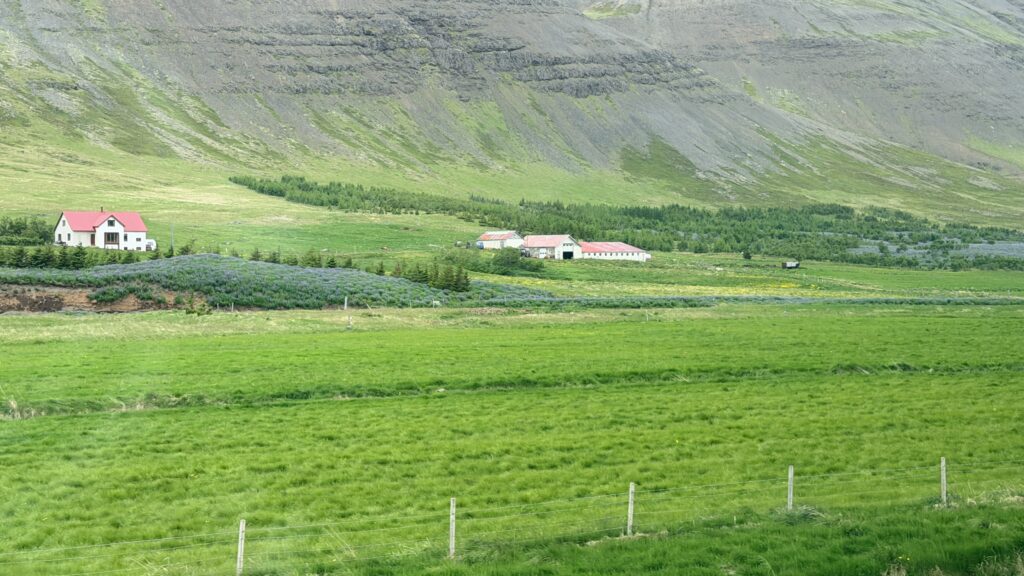
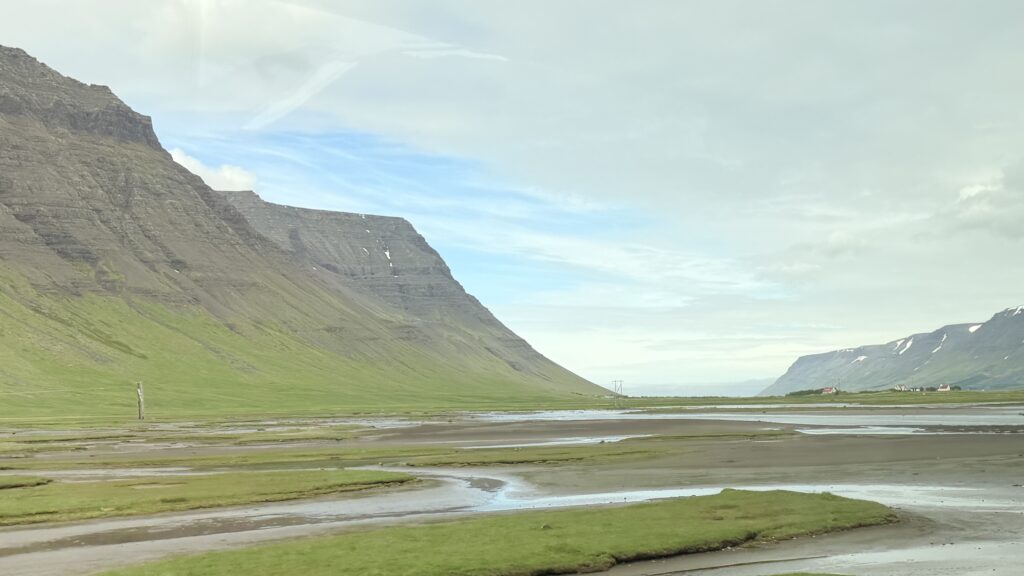
Personally, I am not sure if I have ever seen a more beautiful place in my life. Driving to the falls, the landscapes were unbelievable. Even in the small town, the mountains were huge and rose straight out of the ground high into the air. Now, with the lack of night in the summer and lack of sun in the winter, I could not live here. I can only imagine how cold it gets here. We were supposed to have rain during the day, but no rain and no wind. We were told it was unusual for the town not to have both or at least one.


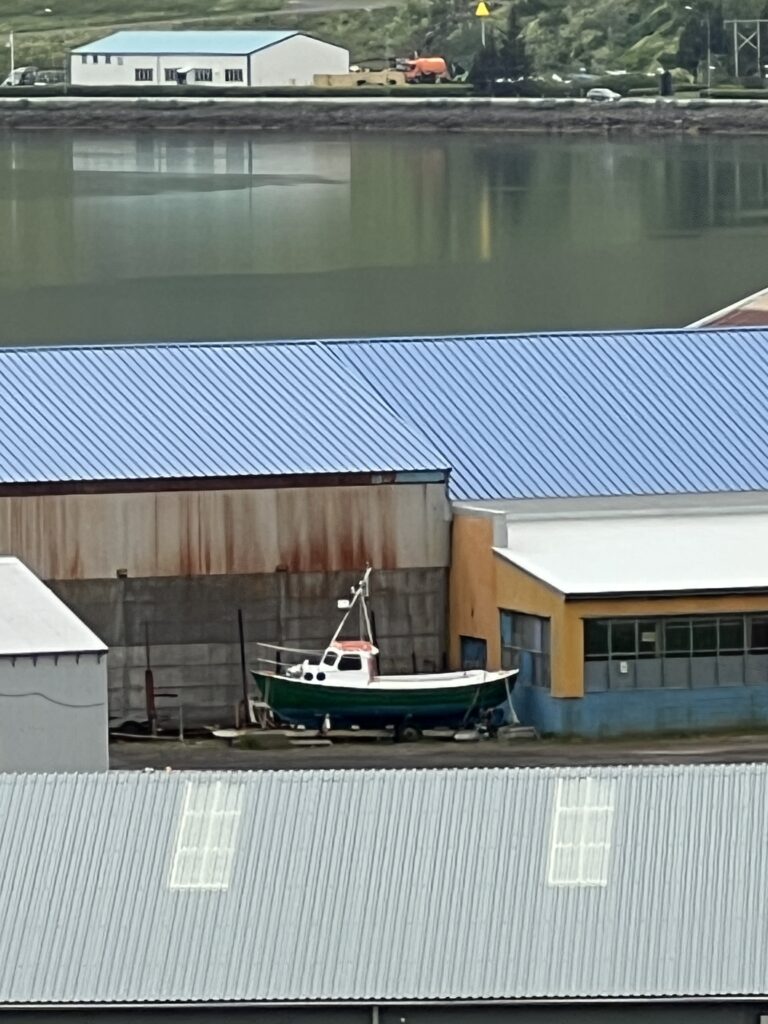
View from our balcony in the morning when we arrived
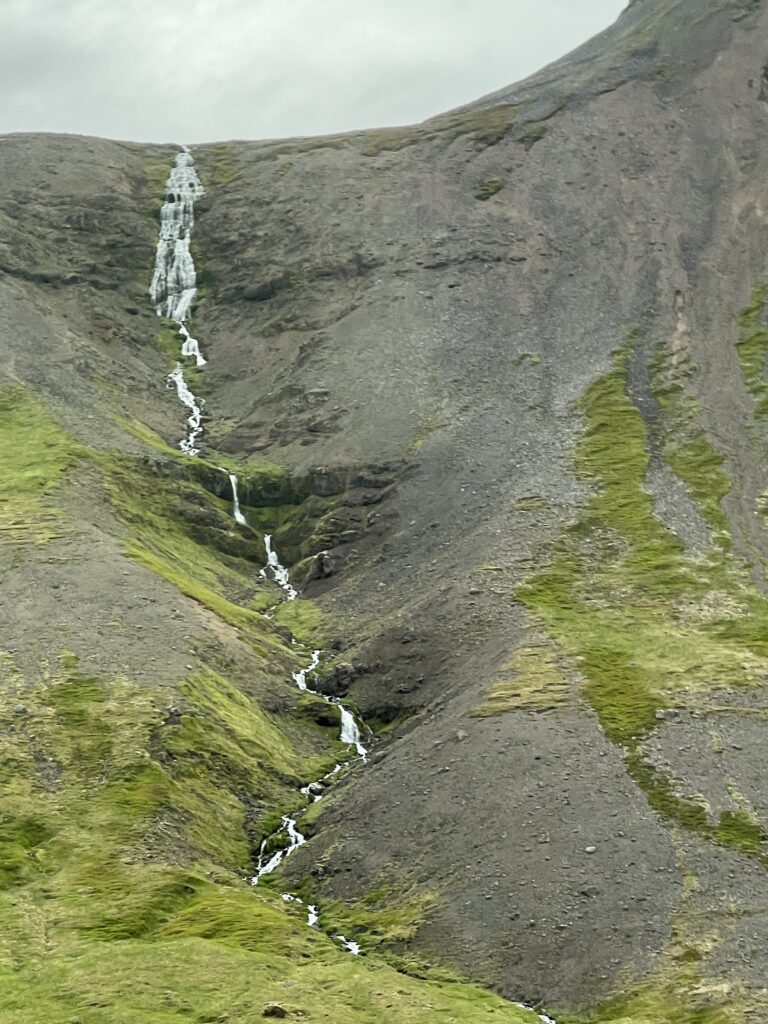
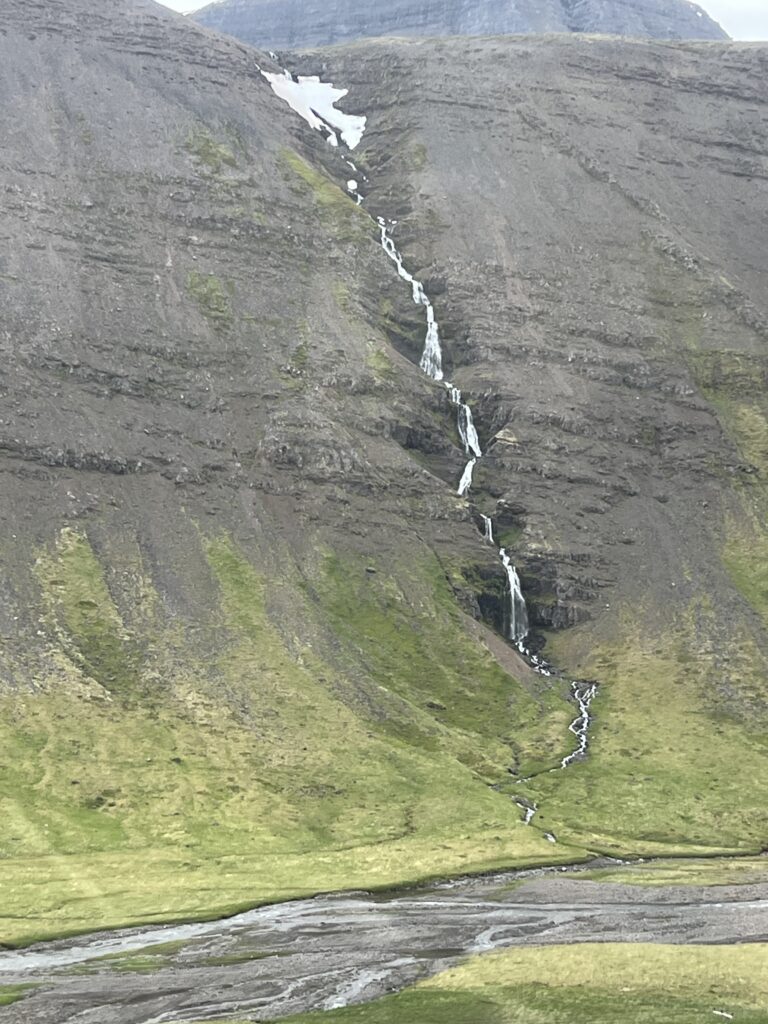
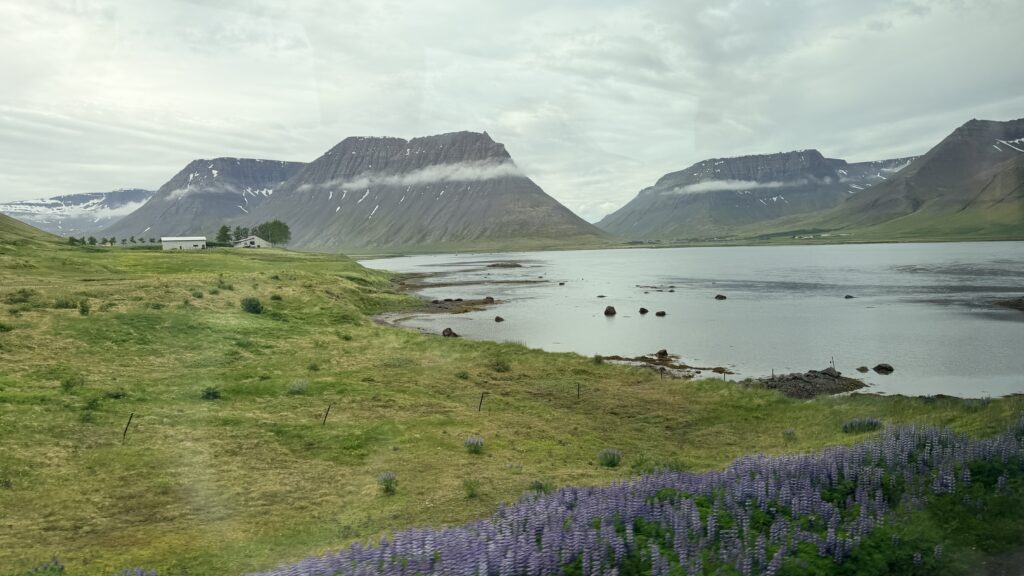
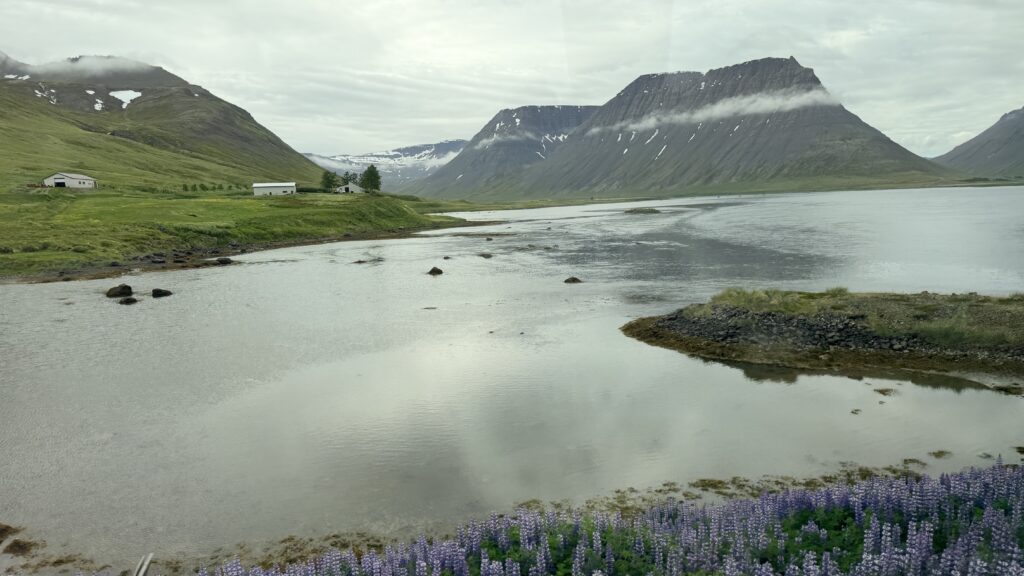
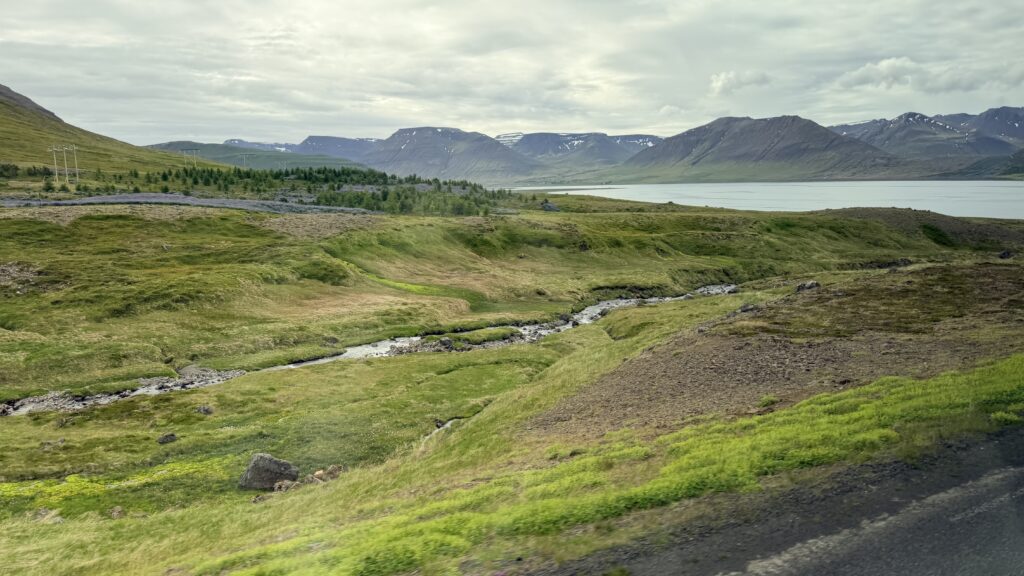
Scenery as we drove out of the port. There were waterfalls all over the place as the snow continued to melt.
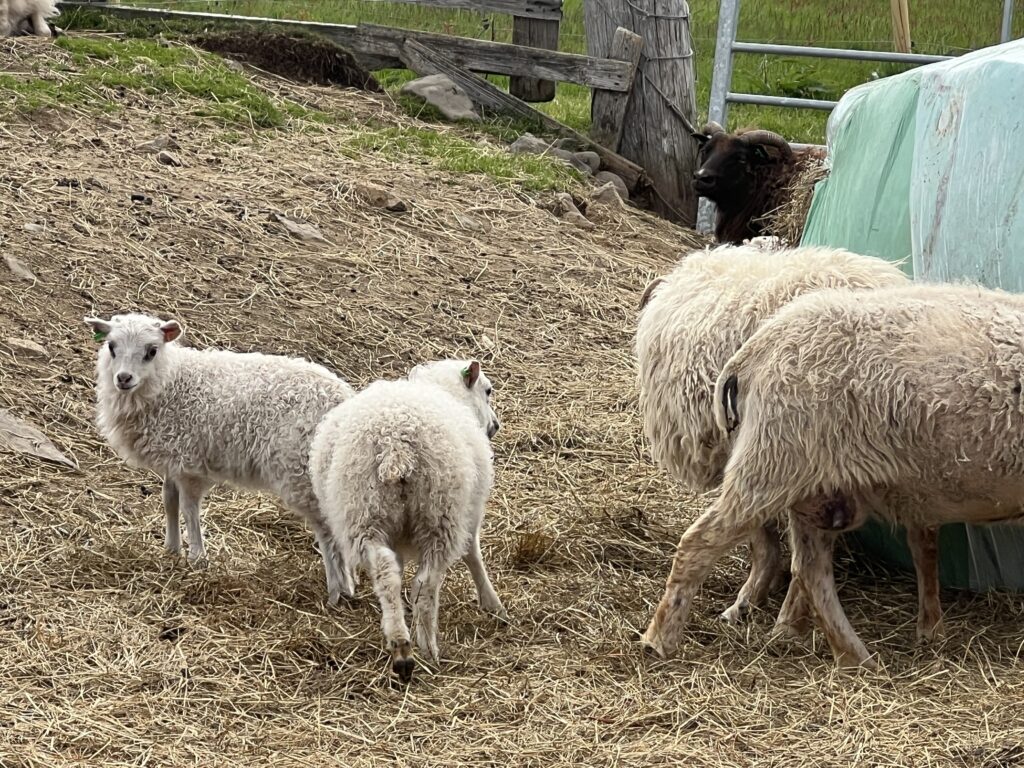
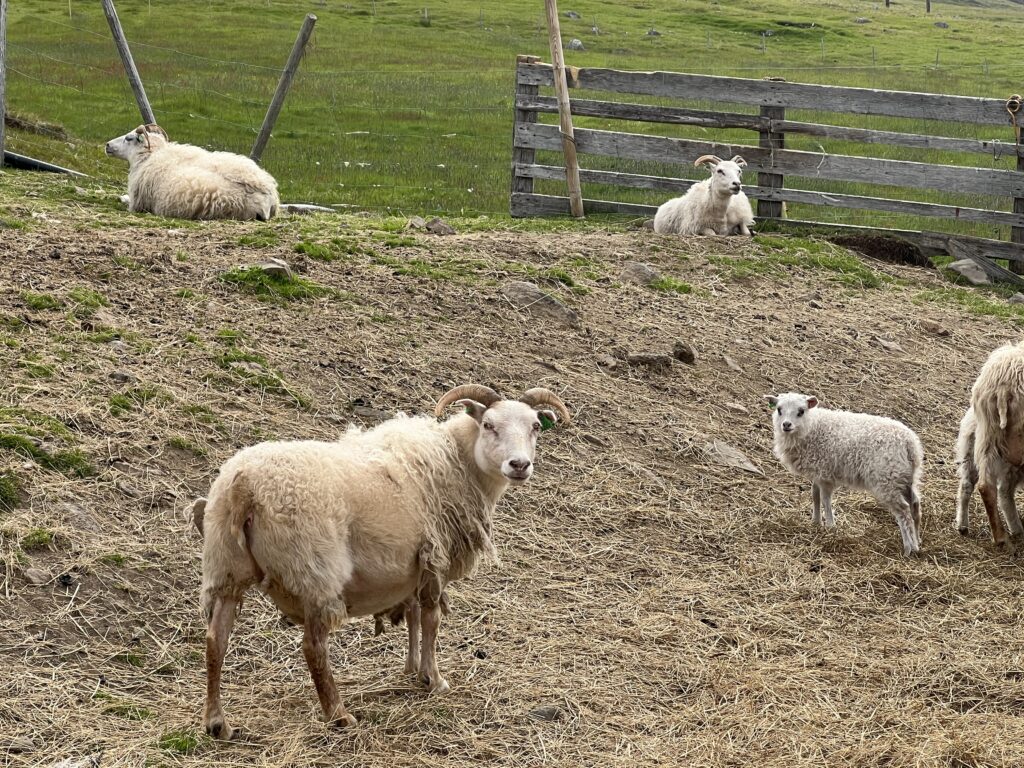
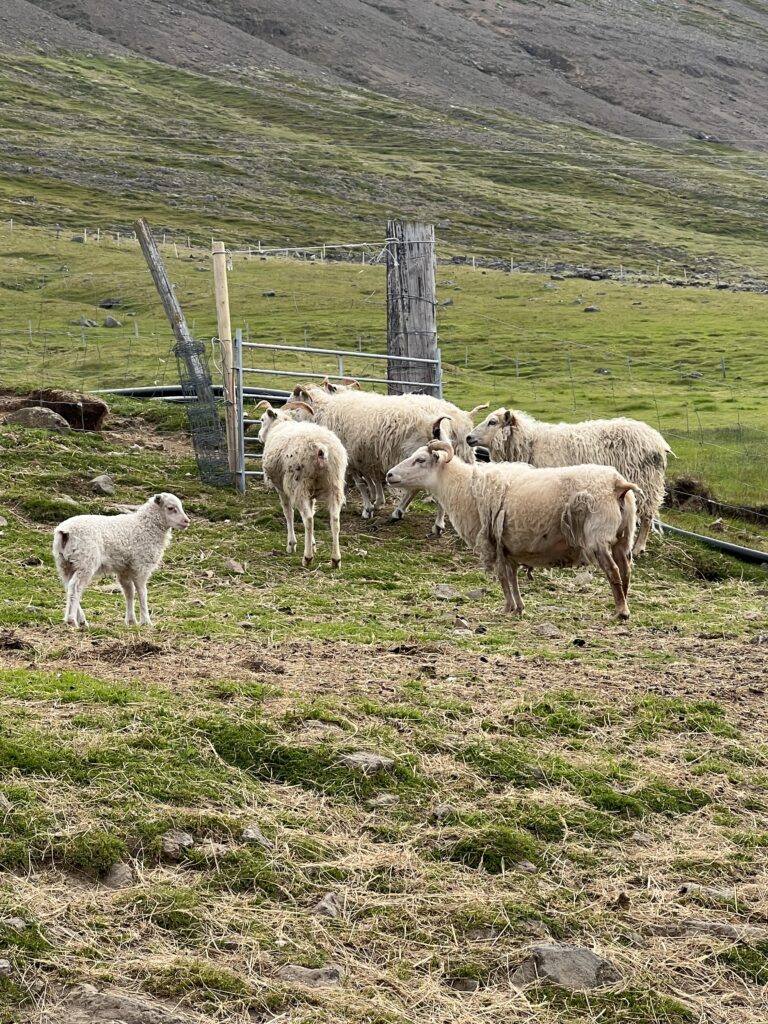
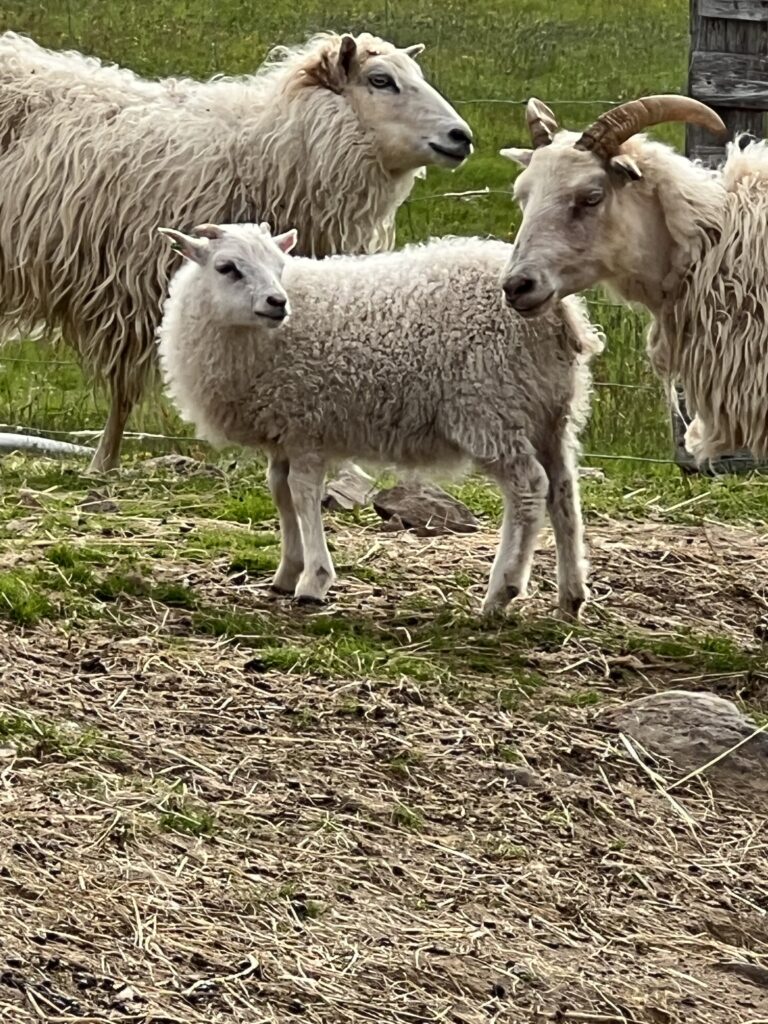
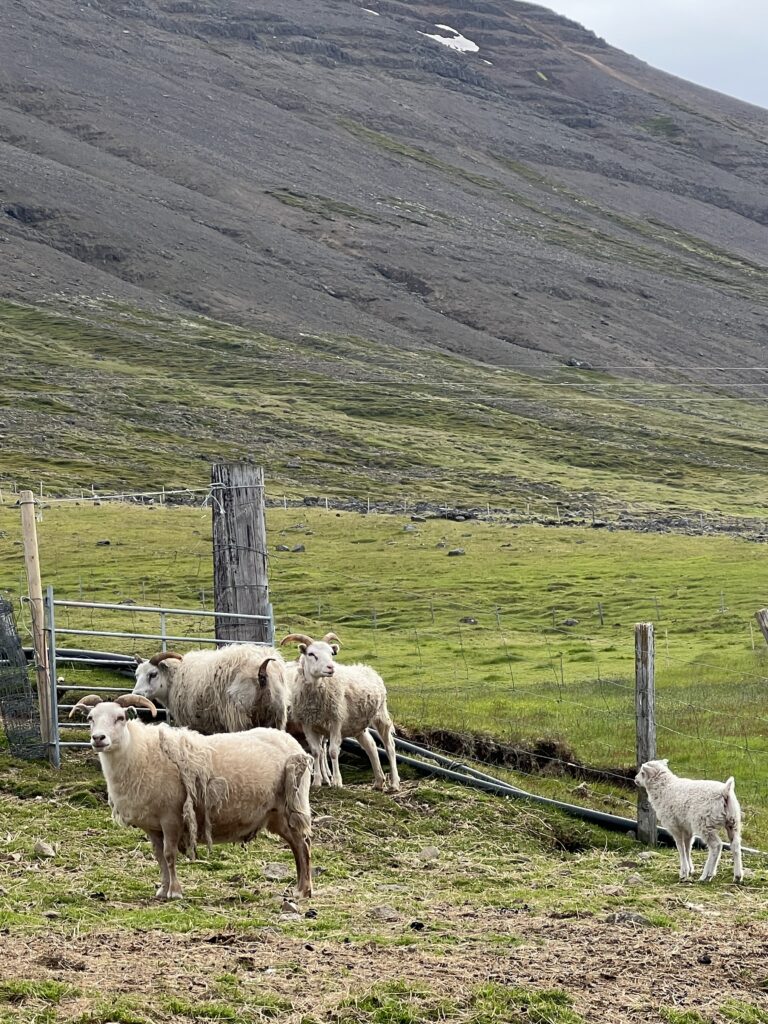
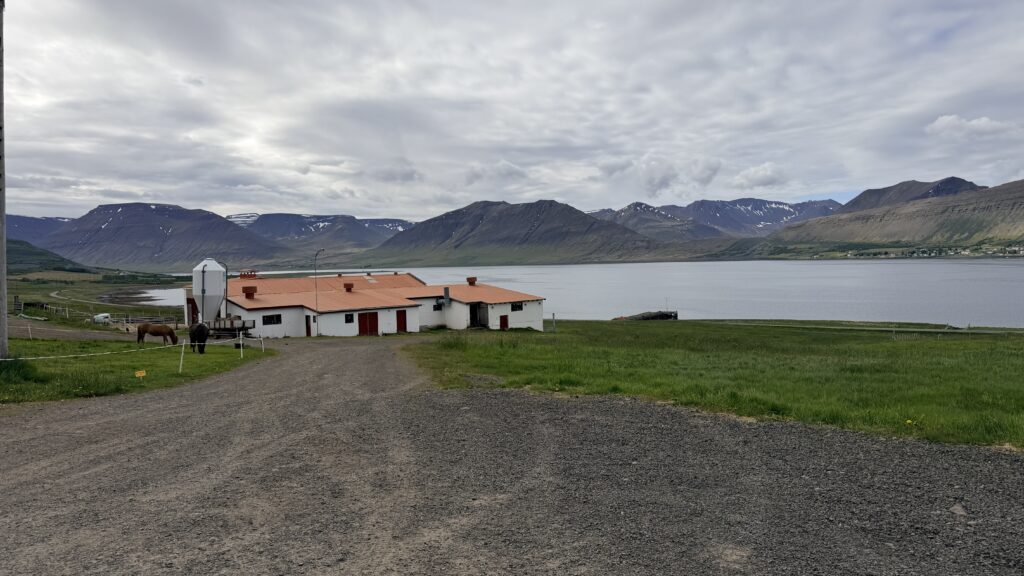
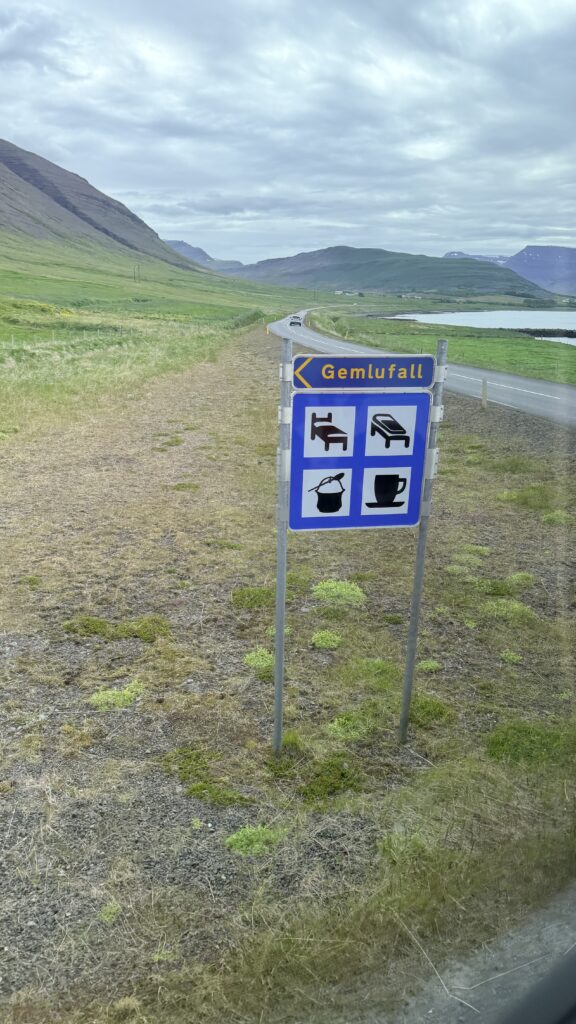
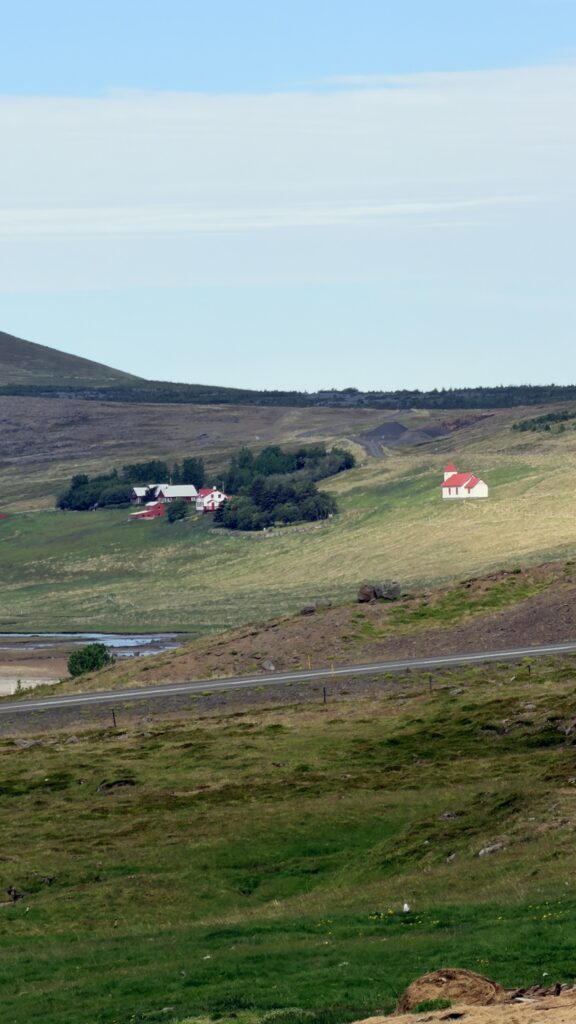
Our first stop was at The Gemlufall Farm. Gemlufall is a traditional, working sheep farm and guesthouse located in the stunning Westfjords of Iceland. Nestled between dramatic mountains and the Dýrafjörður fjord near the village of Þingeyri, the farm offers visitors authentic rural Icelandic hospitality, cozy accommodations, and local café treats. When we arrived the bus was given coffee and desserts. I think we had four people on the tour from our cruise ship. The rest were from Viking and Princess cruise ships in port. I laughed and said it appeared those poor people had not received food on their cruises the way they attacked the offered snacks and coffee. 🙂
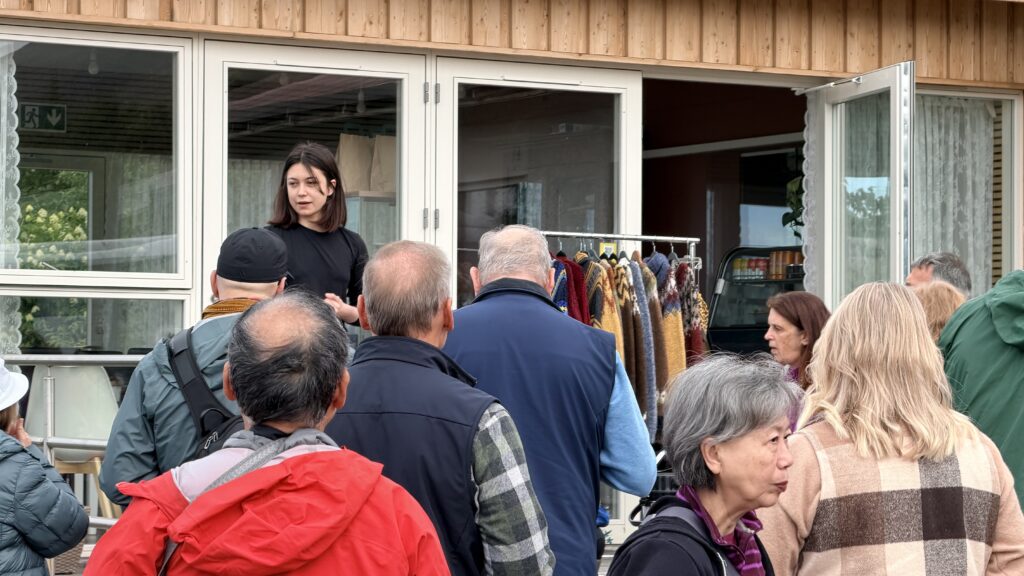
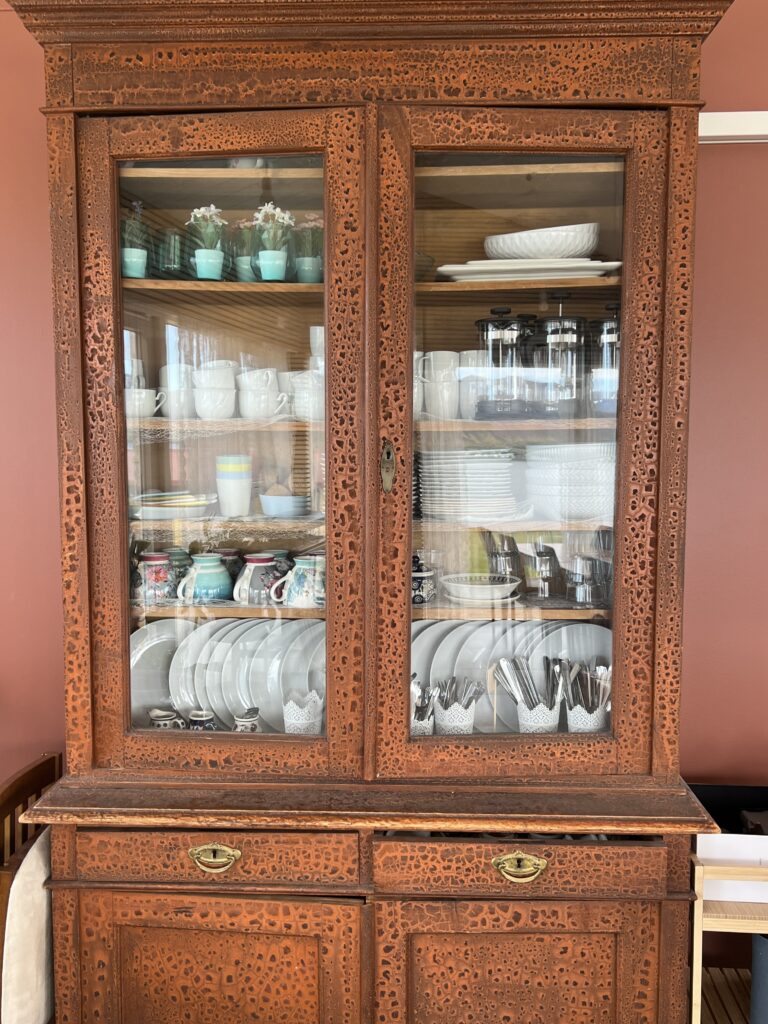
Gemlufall Café: A family-style coffeehouse located on the property serving traditional soups, Scandinavian-European fare, and hot drinks.
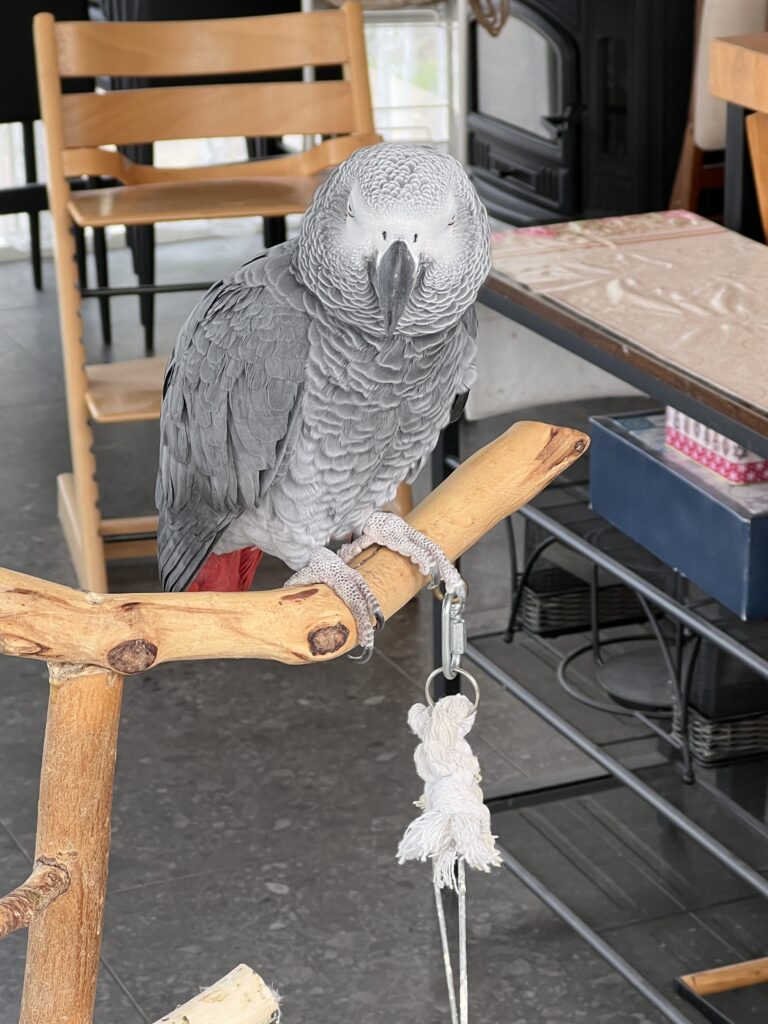
The family parrot was on display in the small cafe
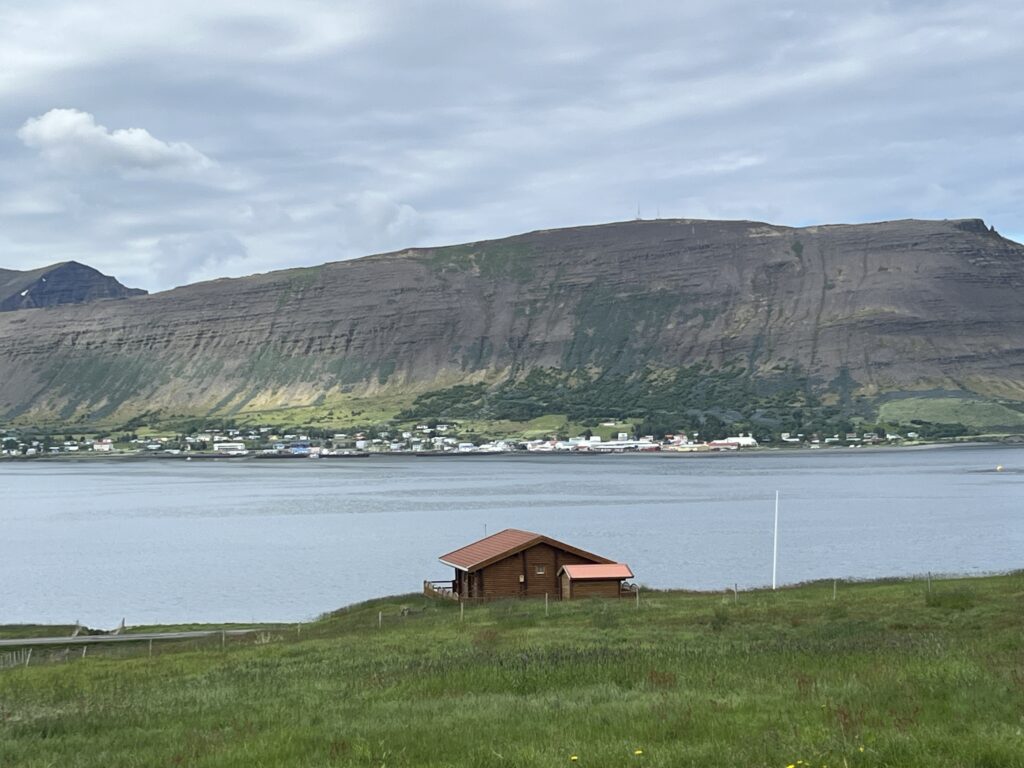
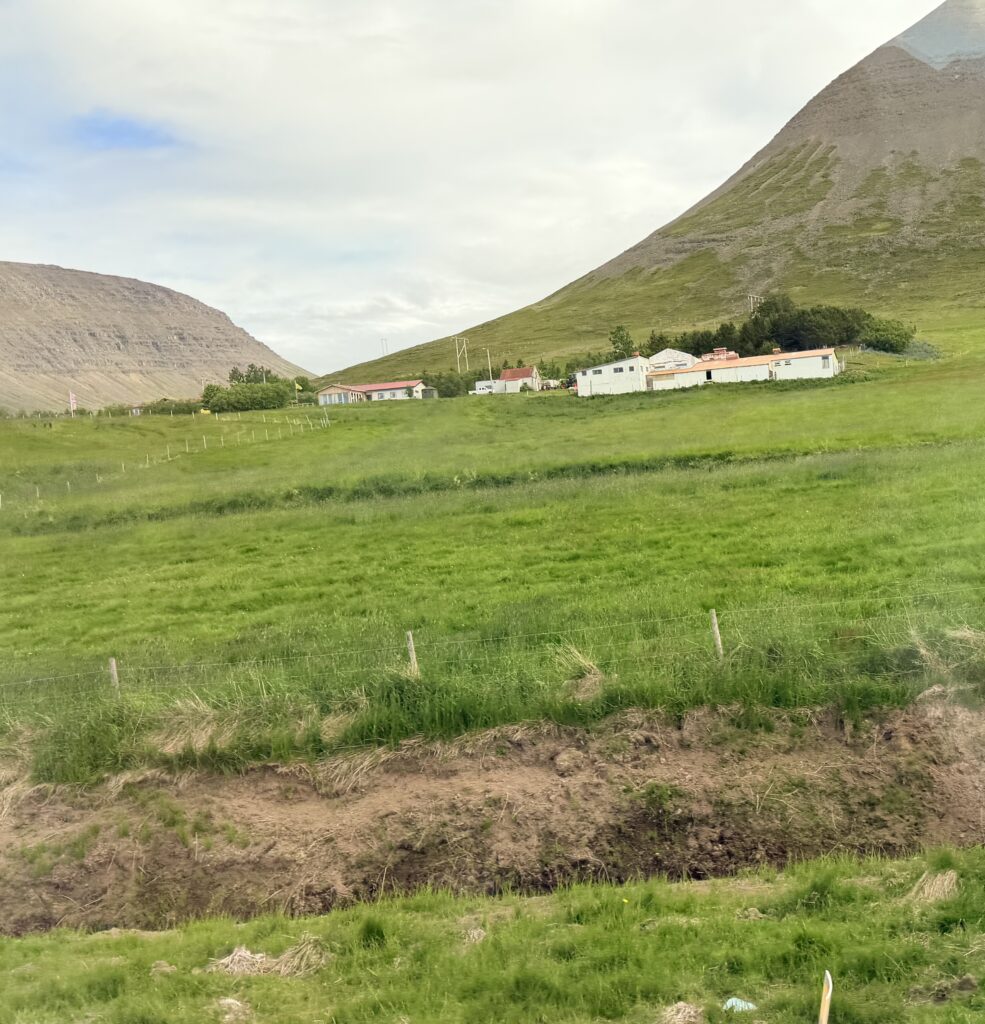
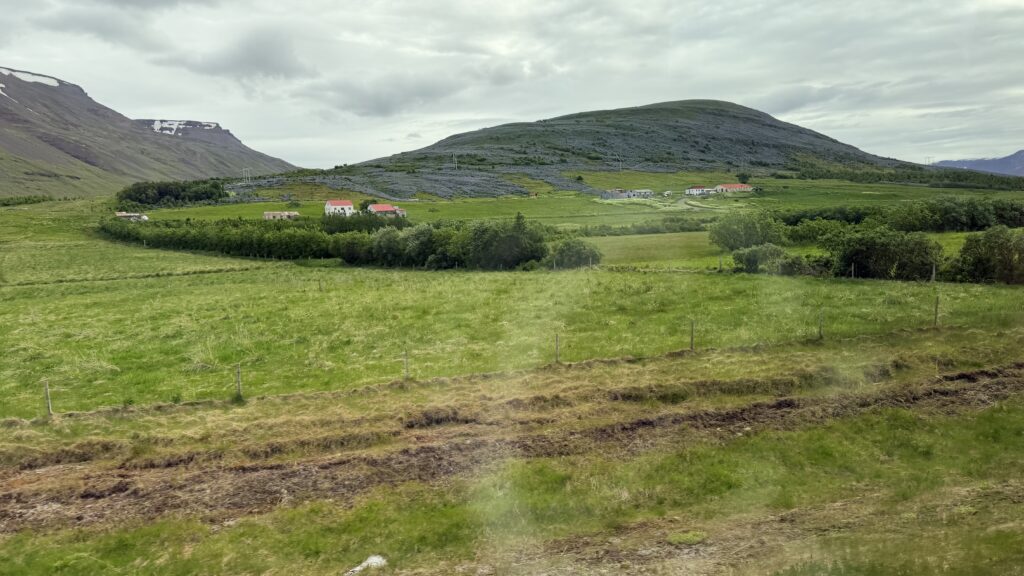
Scenery looking out from the farm
Stables for the horses and sheep. There was also a chicken pen also in the building
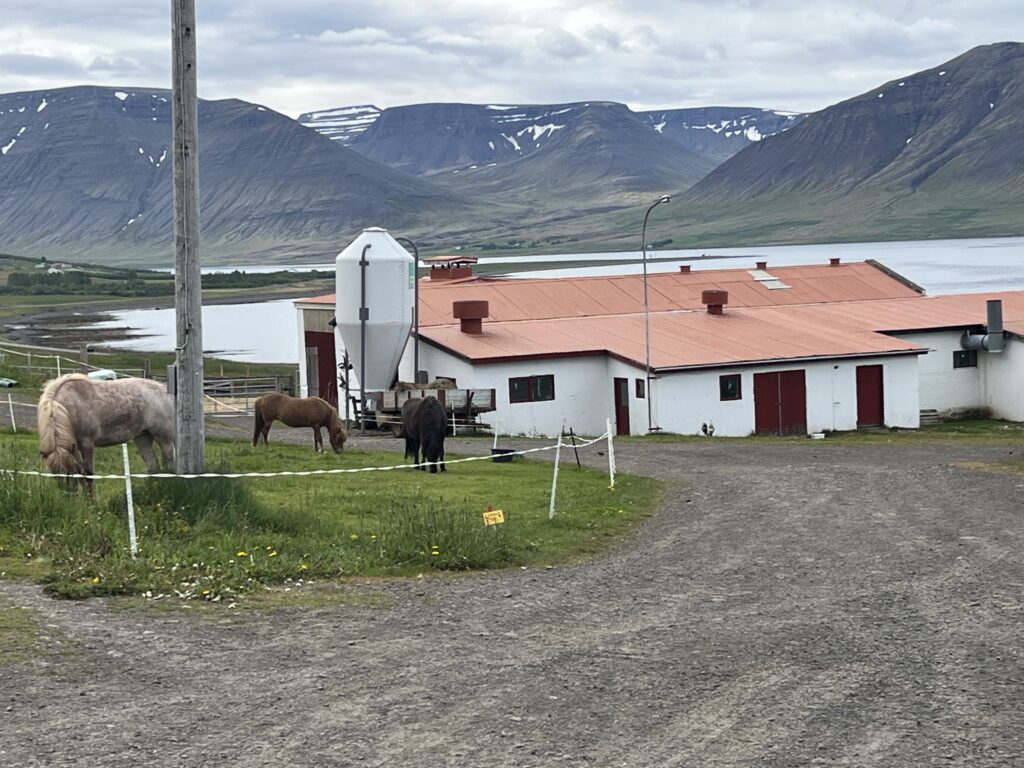
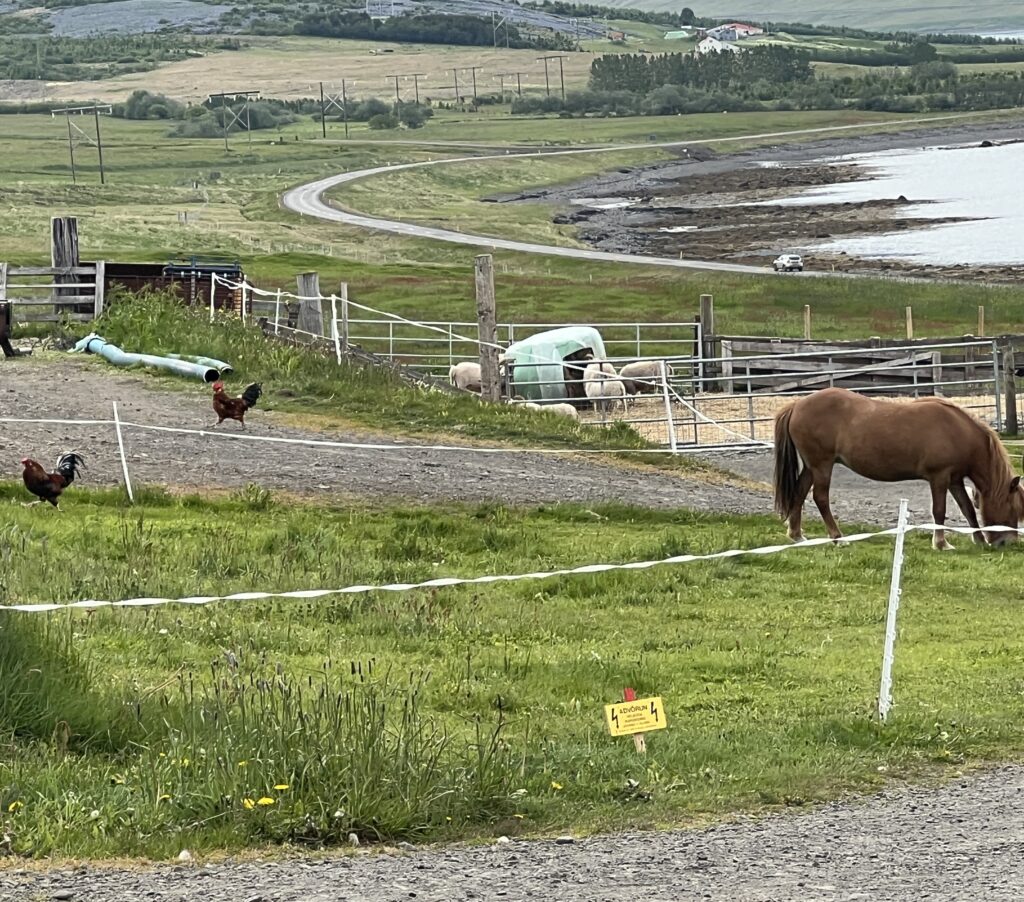
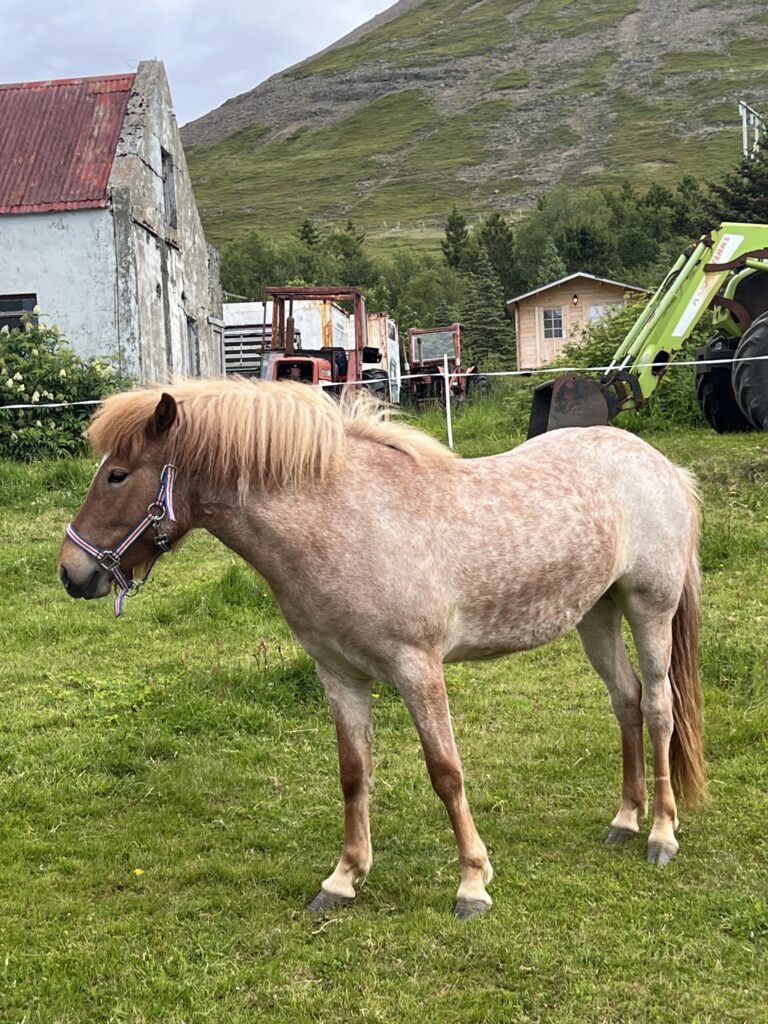
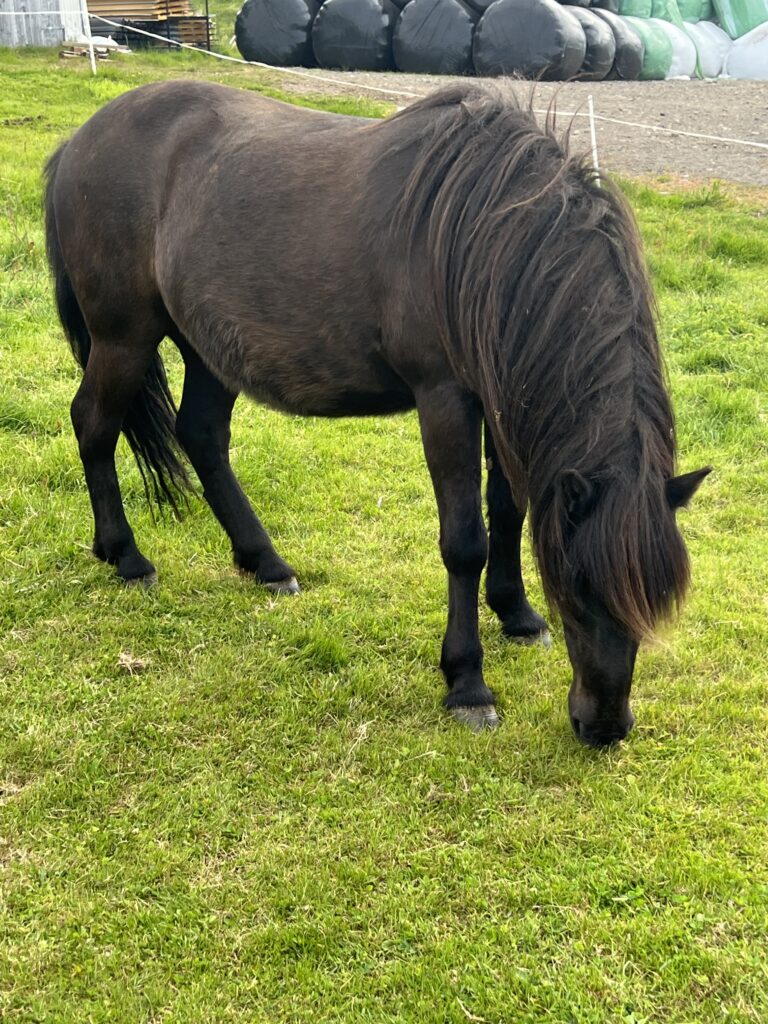
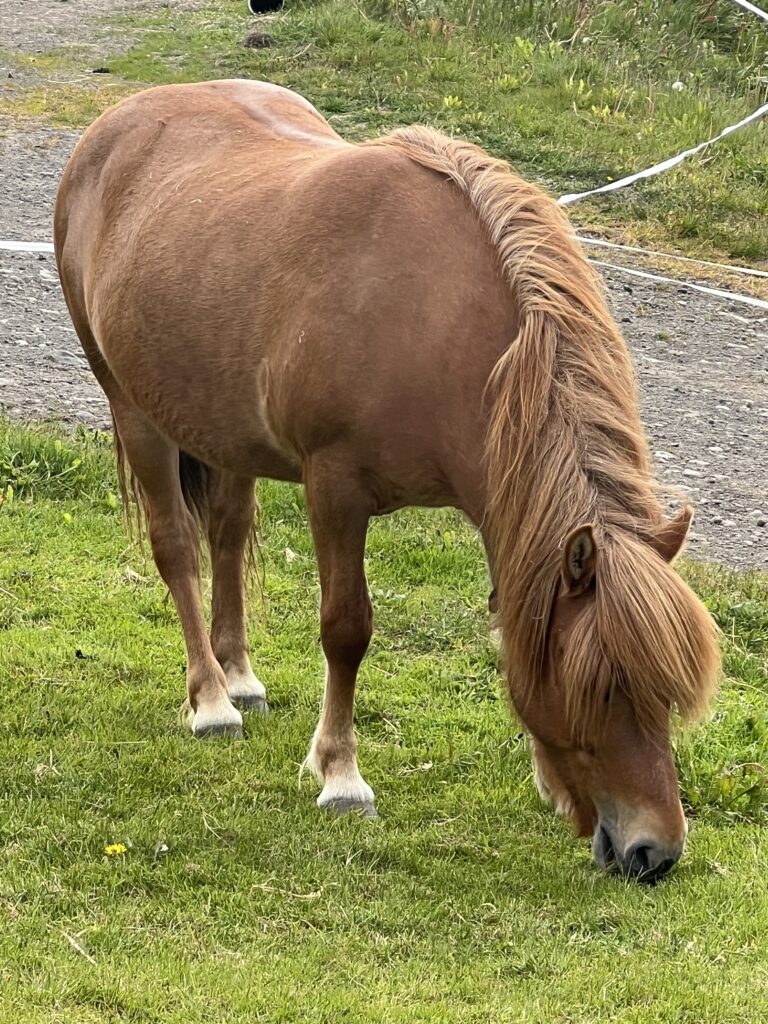
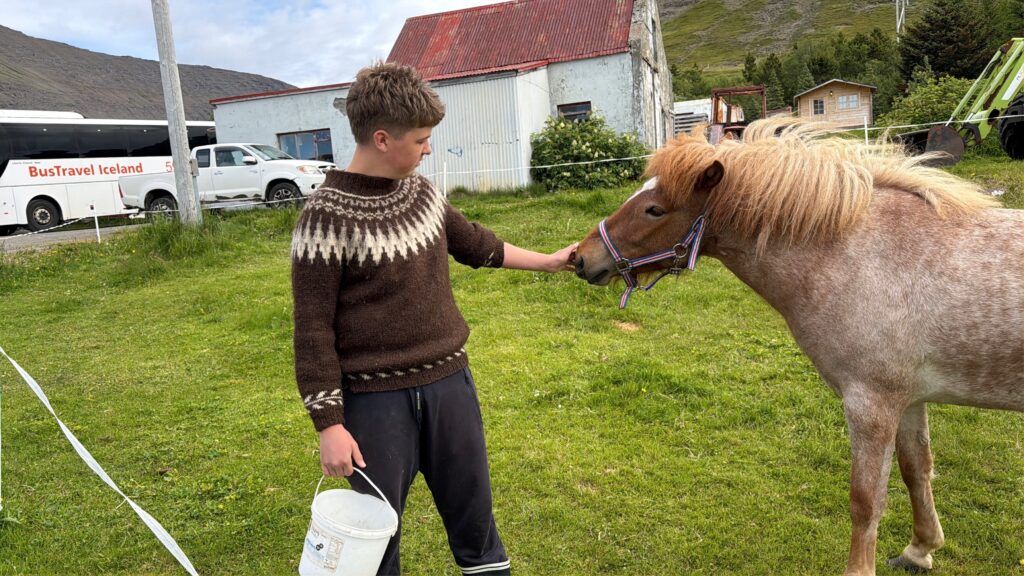
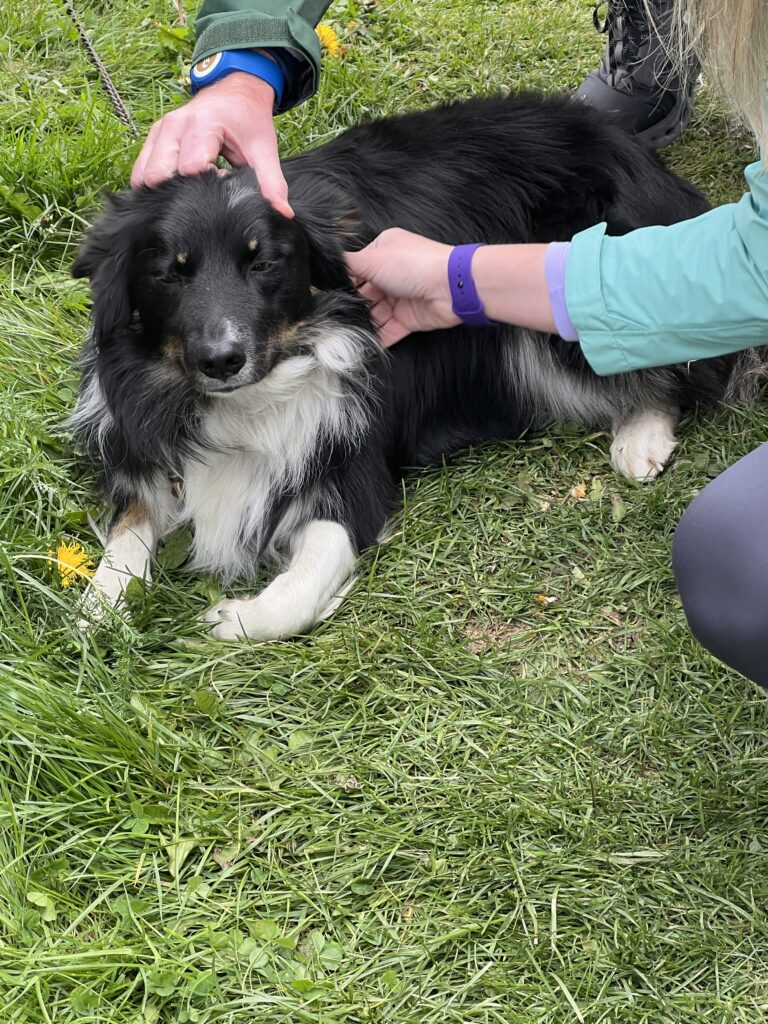
Highlight of the farm visit was this young boy who was the farm tour guide. He started the tour introducing us to the horses and telling us that he would not take any questions about the horses because he didn’t know anything about horses, but he was a sheep expert and we could ask him questions about the sheep. 🙂

He caught the group by surprise when telling us the names of the horses, he said this horse was a “Shithead” because the horse did not listen. 🙂
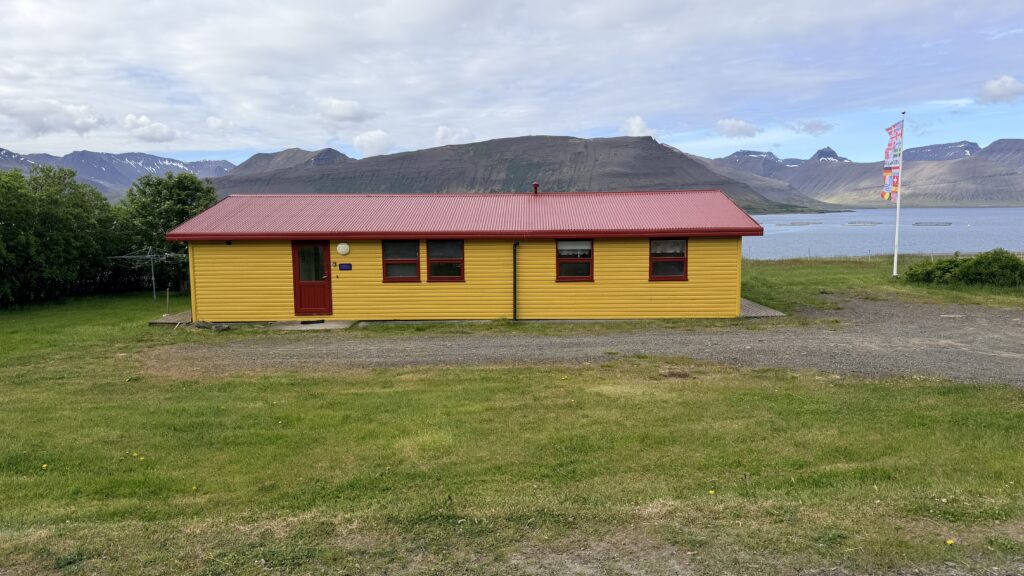
Gemlufall Guesthouse: Features a beachfront 3-bedroom, 1-bathroom home with a fully equipped kitchen, barbecue facilities, and sweeping sea and mountain views.
Gemlufall Duplex – Farm stay and guesthouse in Icelandic nature
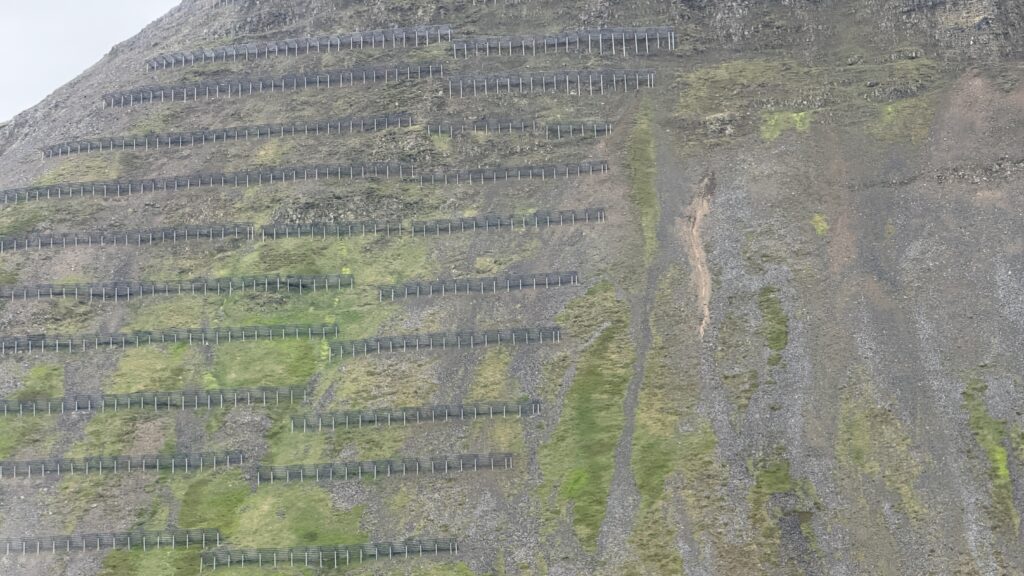
These are man made devices built to stop avalanches. Iceland protects vulnerable towns (like Flateyri and Siglufjörður) using three main types of manmade avalanche devices: massive earthen catching/deflecting dams at the base, and snow-supporting metal fences high up on the mountain ridges.
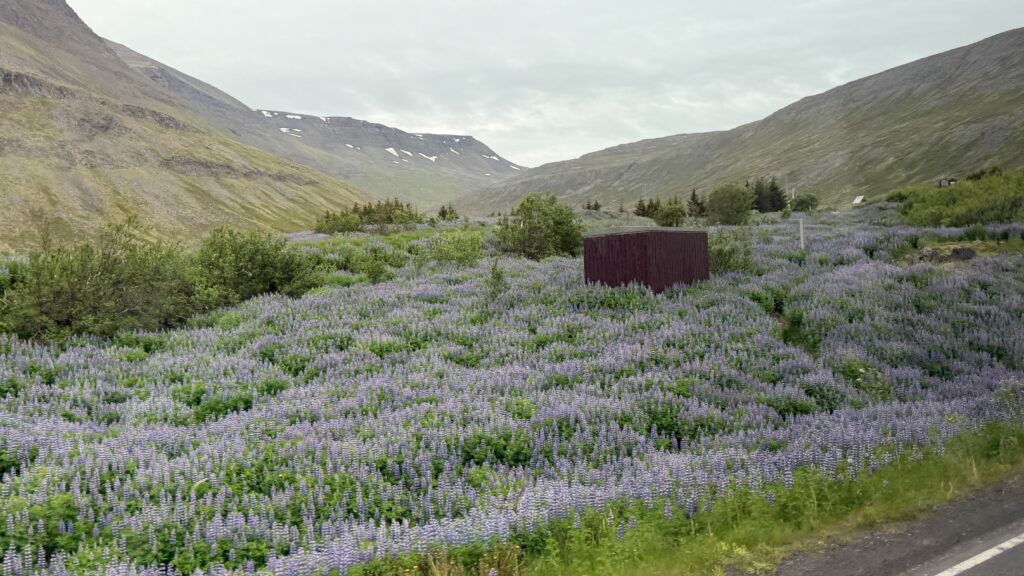
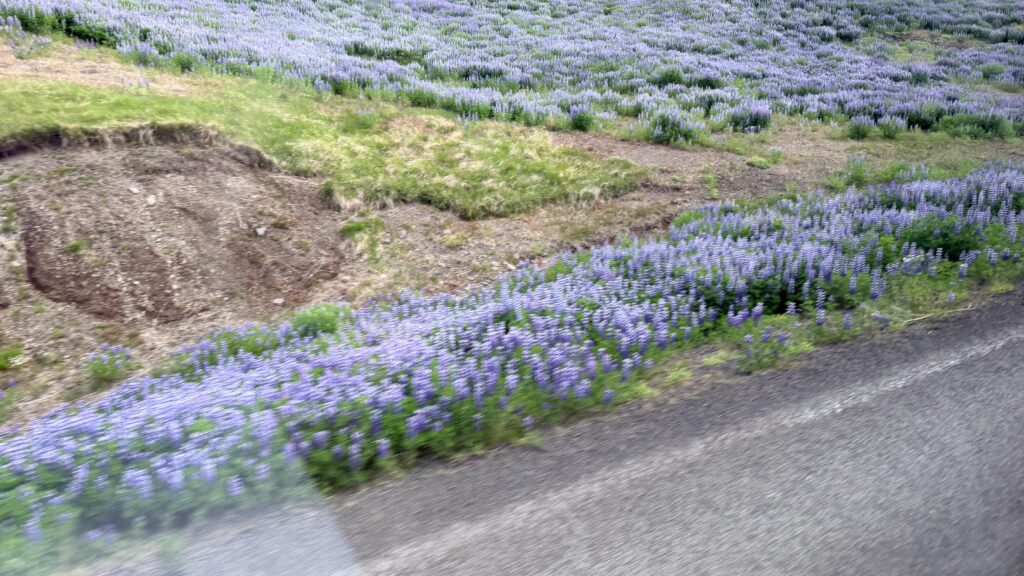
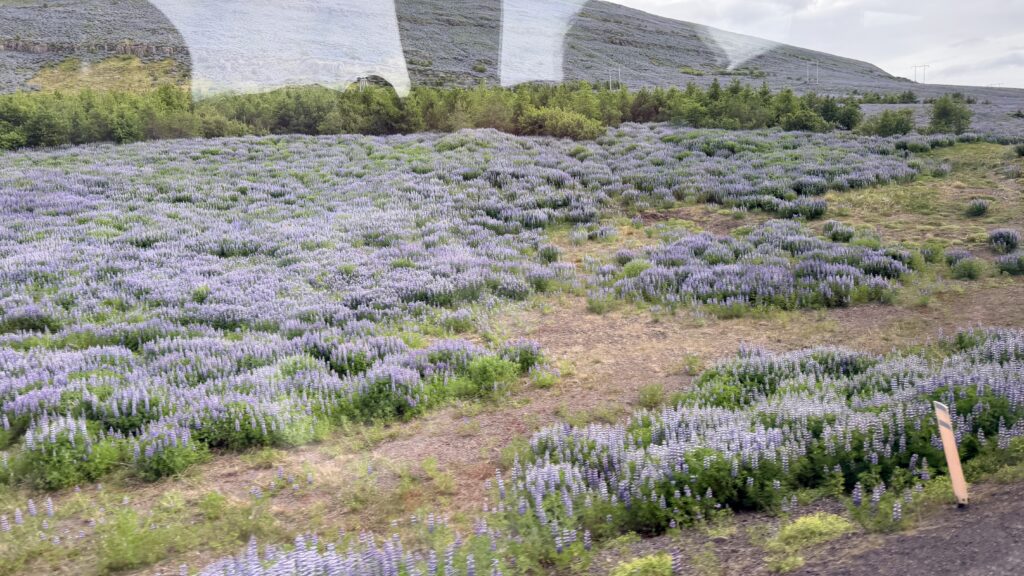
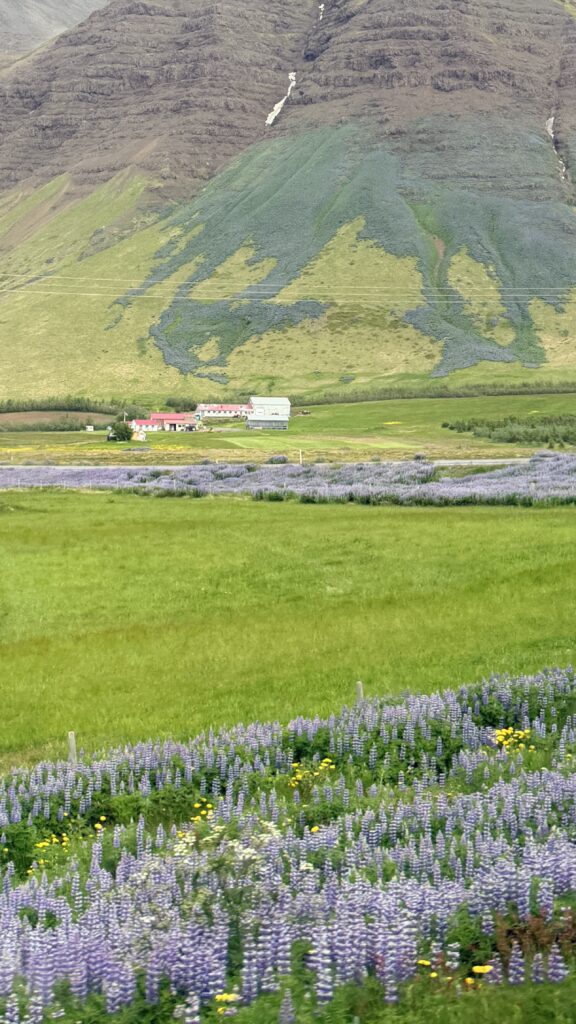
Those striking purple flowers blanketing Iceland’s landscapes are Nootka lupines (Lupinus nootkatensis). Originally from North America, they were introduced in the 1940s to restore barren soil and prevent erosion.
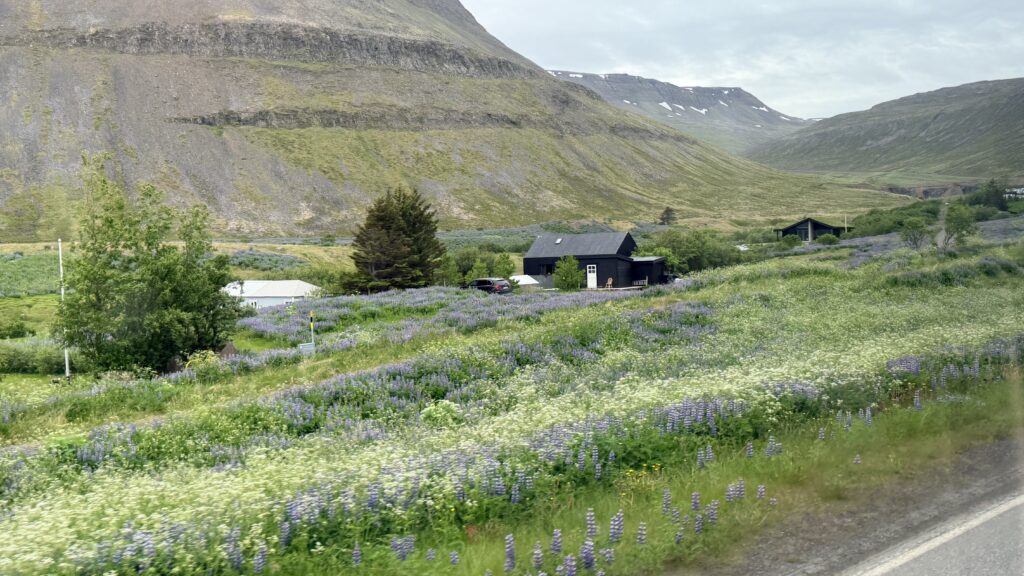
They grow abundantly across the country. Some of the most dramatic fields frame the South Coast (particularly near the village of Vík í Mýrdal), Skaftafell, and the Golden Circle.
While beautiful and effective at enriching soil, lupines are considered an invasive species that spreads rapidly and crowds out native flora.
Lupines in Iceland: Beauty, Controversy, and Environmental Impact | Guide to Iceland
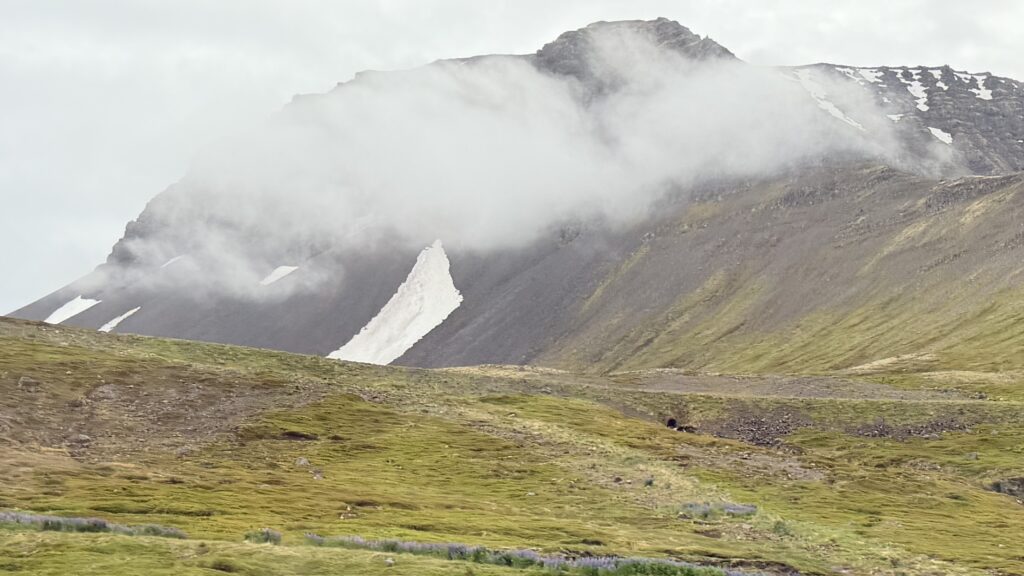
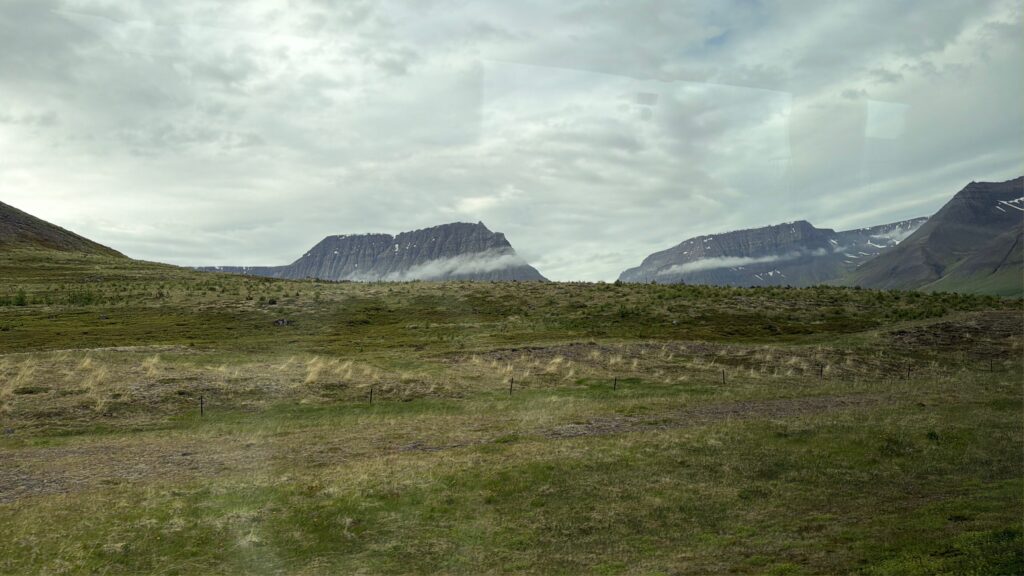
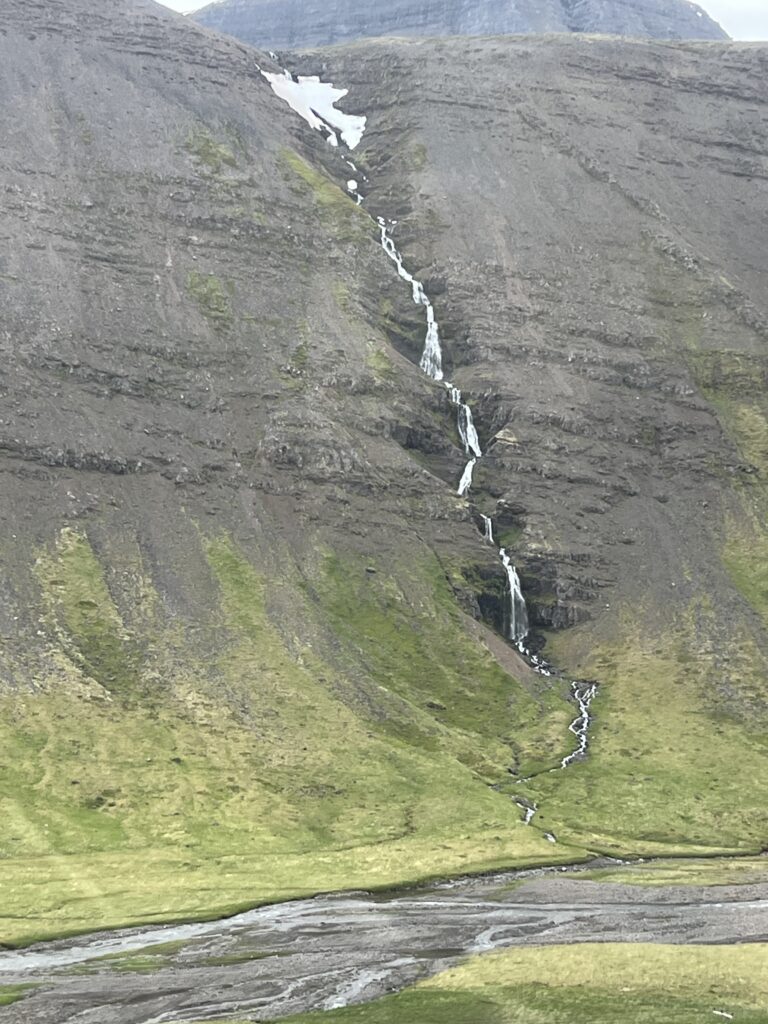
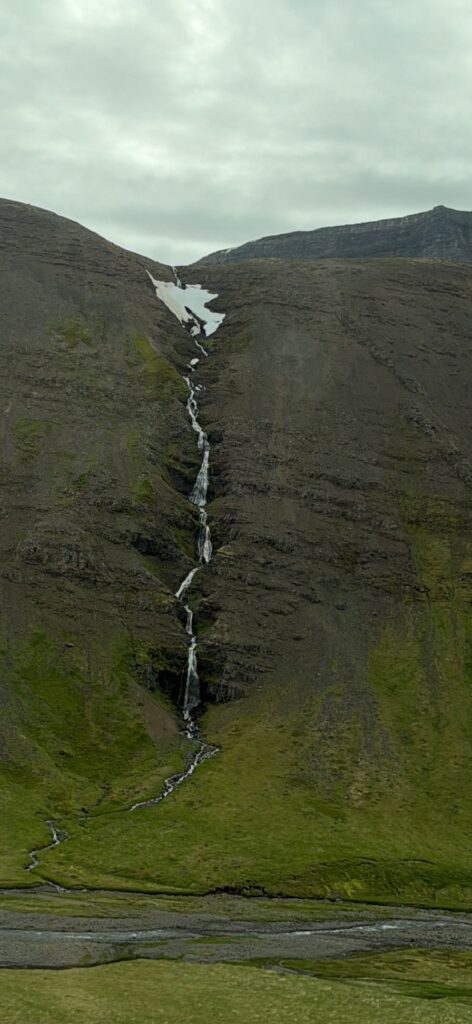
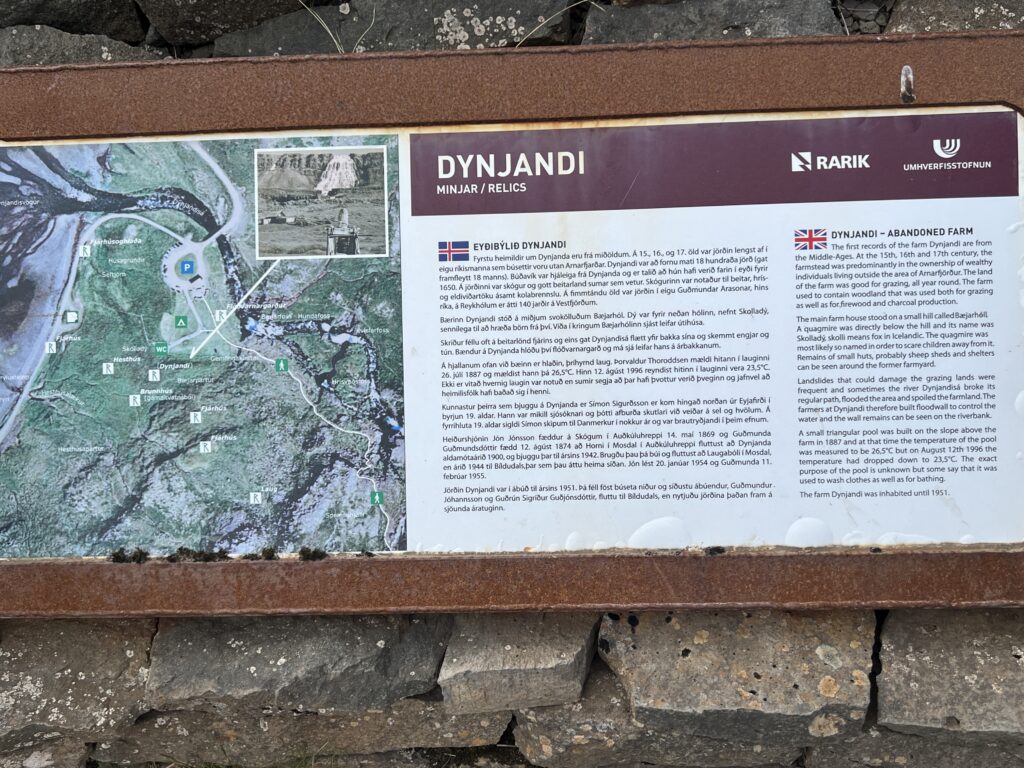
Dynjandi is a waterfall located in Arnarfjörður in the Westfjords region of Iceland. It is the largest waterfall in the Westfjords and has a total height of 100 meters.
Video showing the area when we arrived in the parking lot for the falls
Dynjandi cascades some 99-100 meters, looking exactly like a beautiful bridal veil.
At the top, it is 30 meters wide and widens to 60 meters at the bottom.
There are six other waterfalls below Dynjandi, which one passes on the way up to the biggest waterfall.
It is quite a scenic route, with an elevation gain of some 200 meters to the largest waterfall.
The names of the other waterfalls are from above, according to the map by the parking lot:
Hæstahjallafoss
Strompgljúfrafoss (Strompur)
Göngumannafoss
Hrísvaðsfoss
Kvíslarfoss
Hundafoss
Bæjarfoss (Sjóarfoss)
You can see that all these waterfalls end in -foss, which is the Icelandic term for a waterfall.
To reach Dynjandi, there is a bit of a hike, no more than 15 minutes or so, though, and on the way up, you can stop by all the smaller waterfalls.
A rocky path, made by volunteers back in 1996, leads up to the waterfalls, and it is a bit of a climb to reach the biggest waterfall, Dynjandi.
Video put together by Jackie
The cascading Dynjandi waterfalls
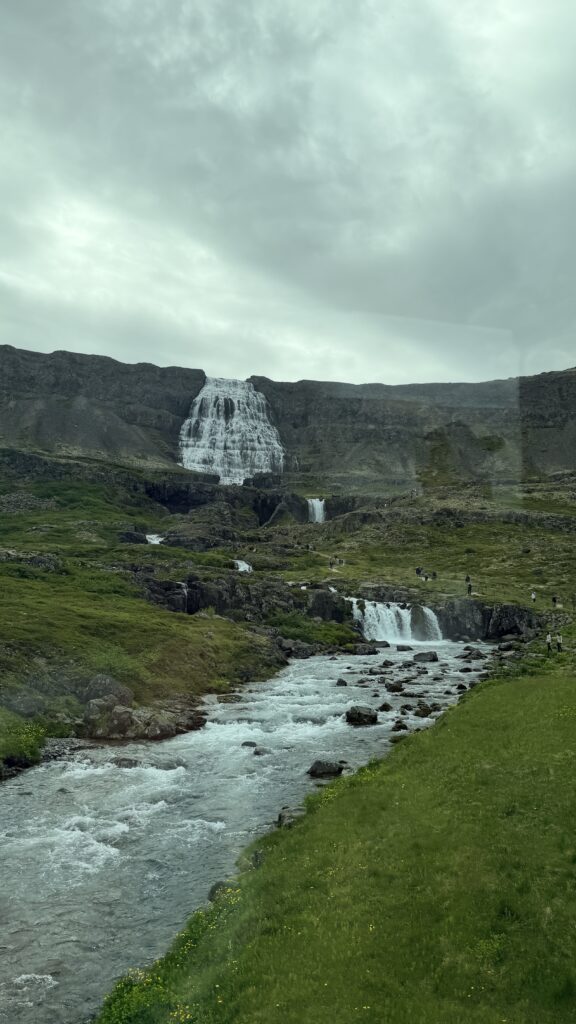
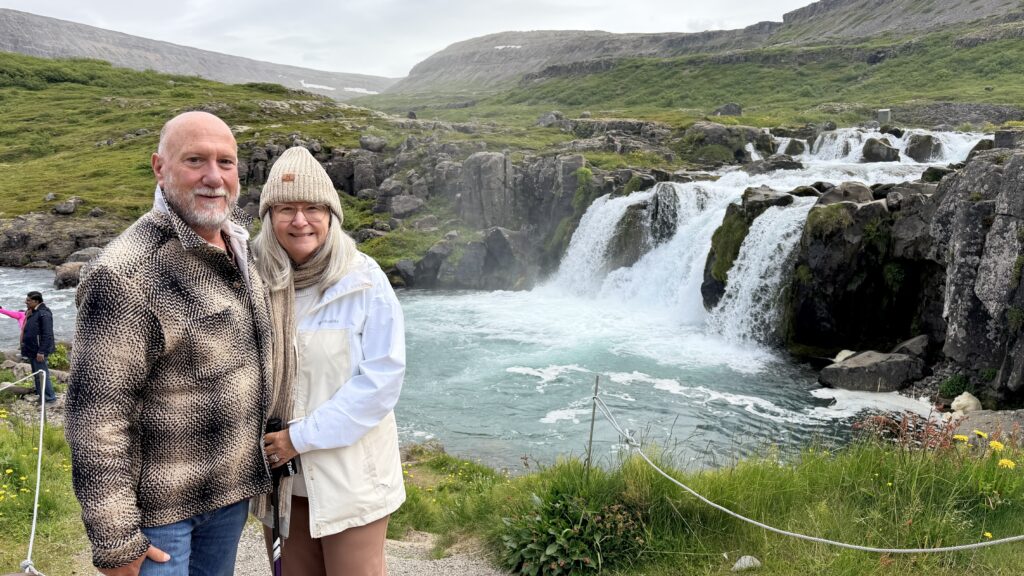
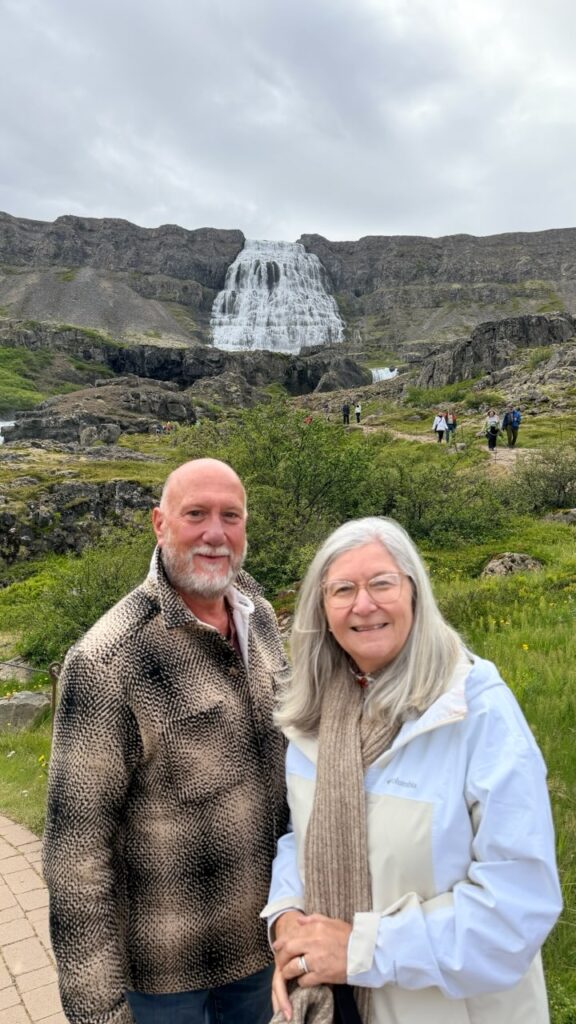
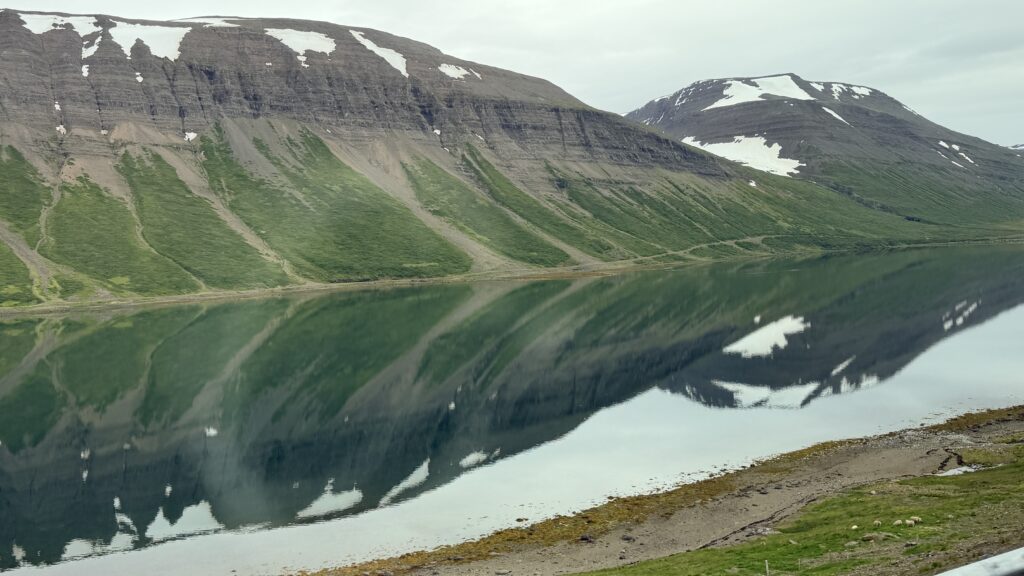
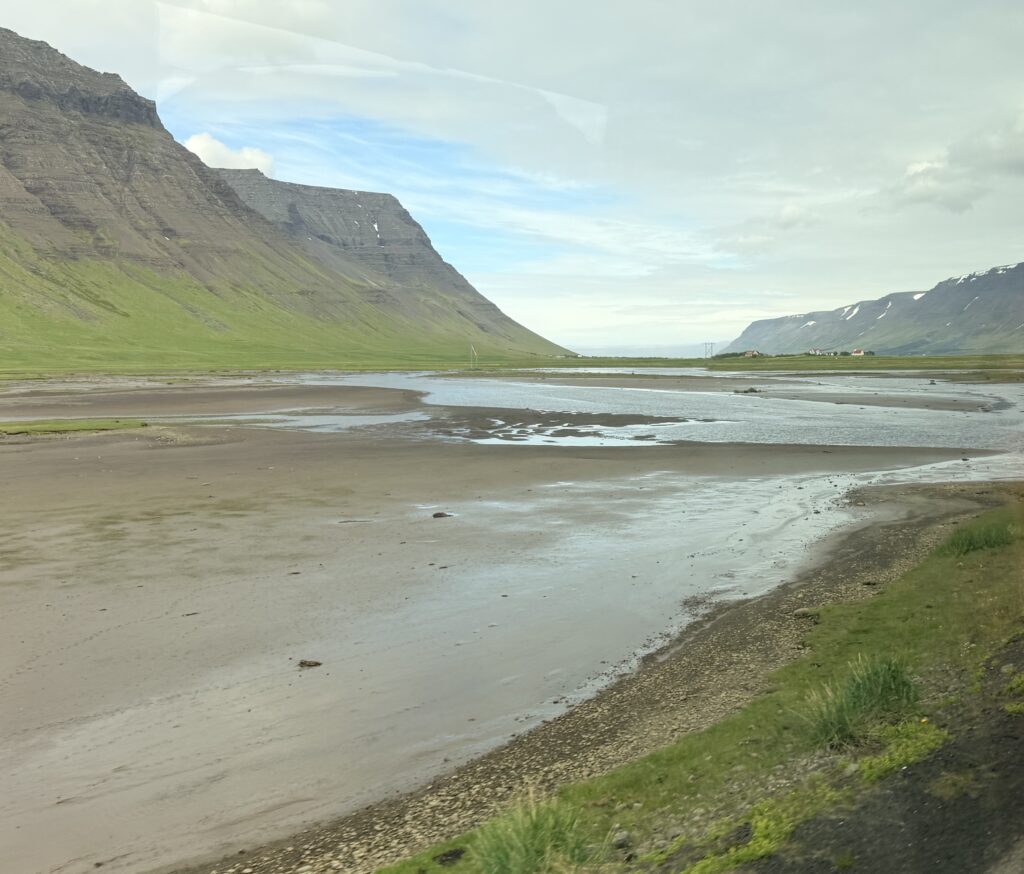
Photo of a fjord as we drove back to the port
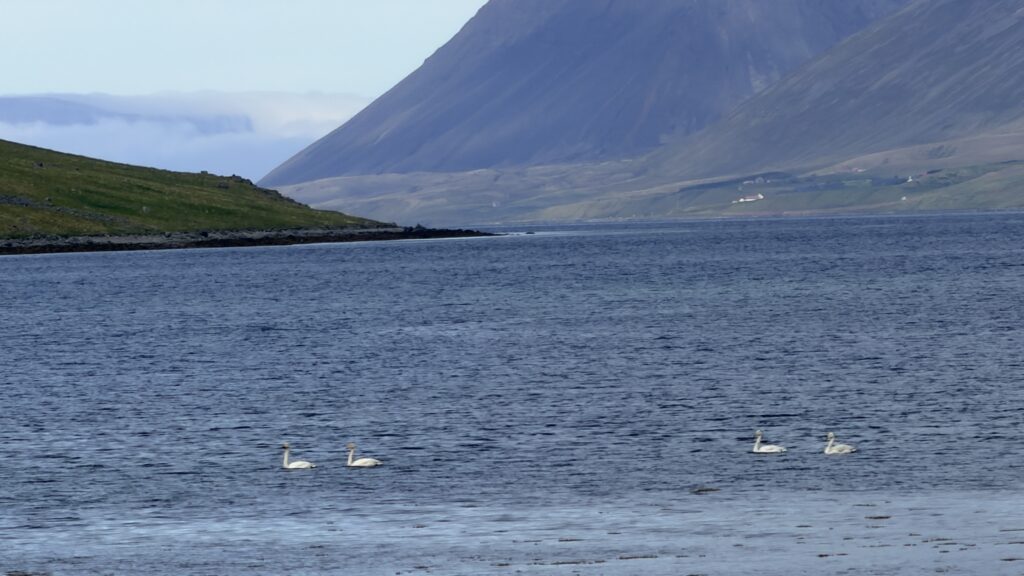
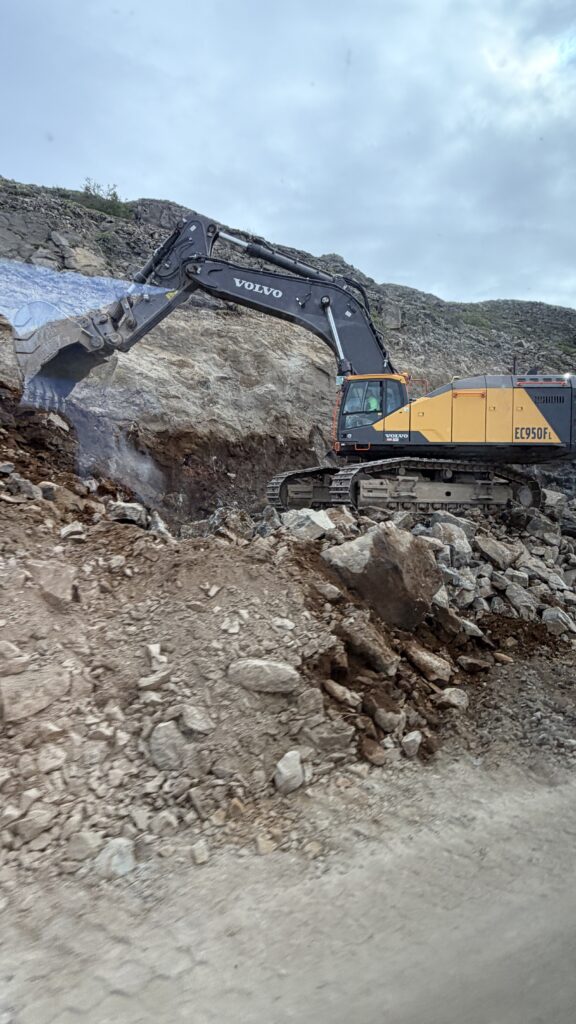
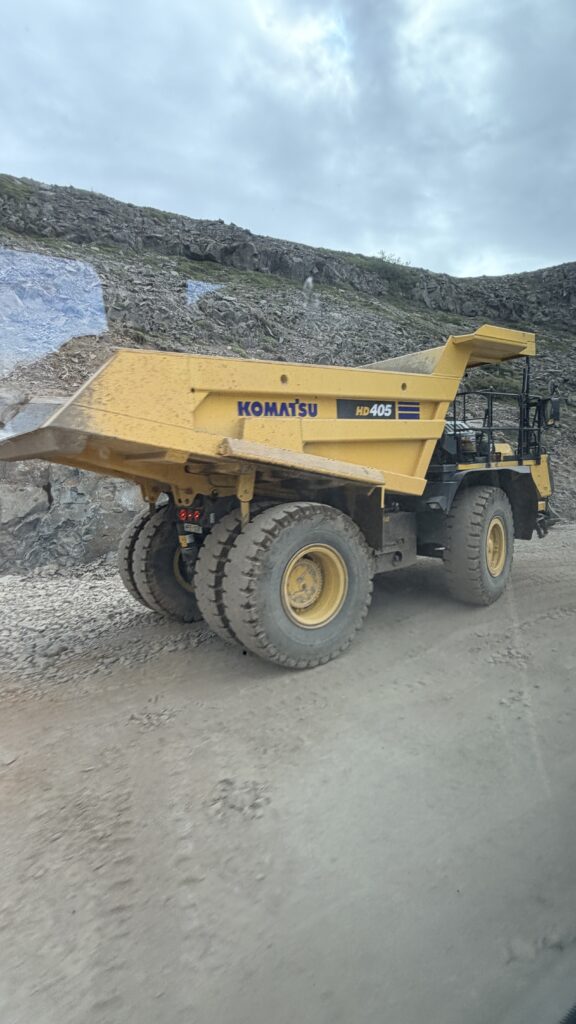
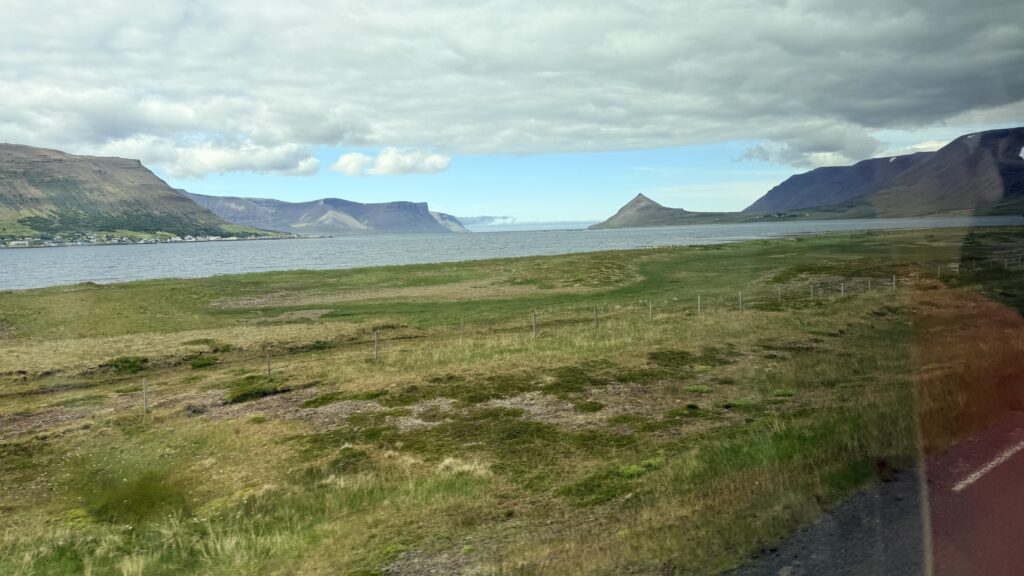
The road driving to the waterfall is very narrow and in the past two summers there has been work to make the road wider.
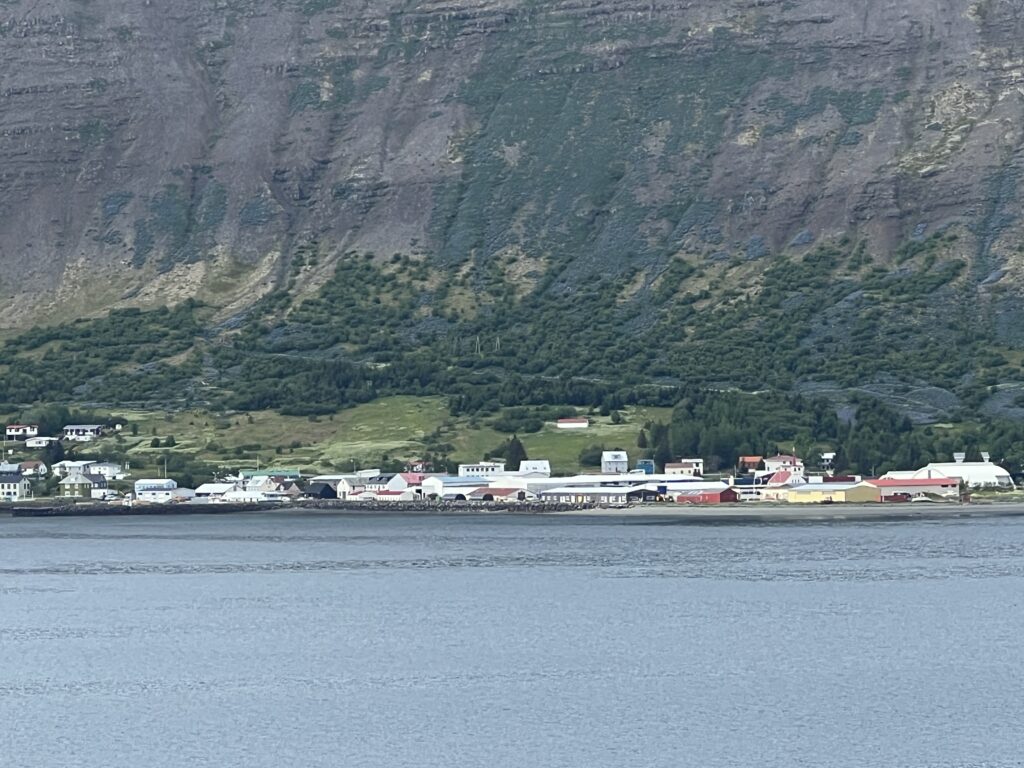
We walked around the town of Isafjordur. Ísafjörður (pronounced [ˈiːsaˌfjœrðʏr̥] ⓘ, meaning ice fjord, literally fjord of ices) is a town in the northwest of Iceland.
The oldest part of Ísafjörður with the town centre is located on a spit of sand, or eyri, in Skutulsfjörður, a fjord which meets the waters of the larger fjord Ísafjarðardjúp. With a population of about 2,700, Ísafjörður is the largest settlement in the peninsula of Vestfirðir (Westfjords) and the administration centre of the Ísafjarðarbær municipality, which includes—besides Ísafjörður—the nearby villages of Hnífsdalur, Flateyri, Suðureyri, and Þingeyri.
The town is connected by road and a 5.4 kilometres (3.4 miles) road tunnel to Bolungarvík which lies 15 km (9 mi) to the northwest, and to the village of Súðavík to the east. The partly one-lane Vestfjarðagöng (Vestfirðir Tunnel), completed in 1996, leads to the towns of Flateyri and Suðureyri, and to the western parts of the Westfjords. Ísafjörður has an airport with regular flights to Reykjavík.
Fishing has been the main industry in Ísafjörður, and the town has one of the largest fisheries in Iceland. A severe decline in the fishing industry for a variety of reasons, such as fishing restrictions in the early 1980s, and a decline in the fish population, has led the inhabitants to seek work elsewhere, leading to a decline in the town’s population. The harbor also serves ferries to nearby settlements as well as larger cruise ships for tourists visiting the area. The tourist industry is growing; it is a major access point to the nature reserve on the Hornstrandir Peninsula, an uninhabited wilderness area to which ferries run daily during summer.
Despite its size, small population, and historical isolation from the rest of the country, the town has a relatively urban atmosphere. Ísafjörður has a school of music, as well as a hospital. The older former hospital building now accommodates a cultural center with a library and showrooms. Recently, the small town has become known in the country as a center for alternative music outside of Iceland. A yearly festival, Aldrei fór ég suður, provides a platform for local musicians and bands from around Iceland and even from overseas. A university center, Háskólasetur Vestfjarða, which acts as a distance learning center for the 7,000 residents of the Westfjords, was established in March 2005.
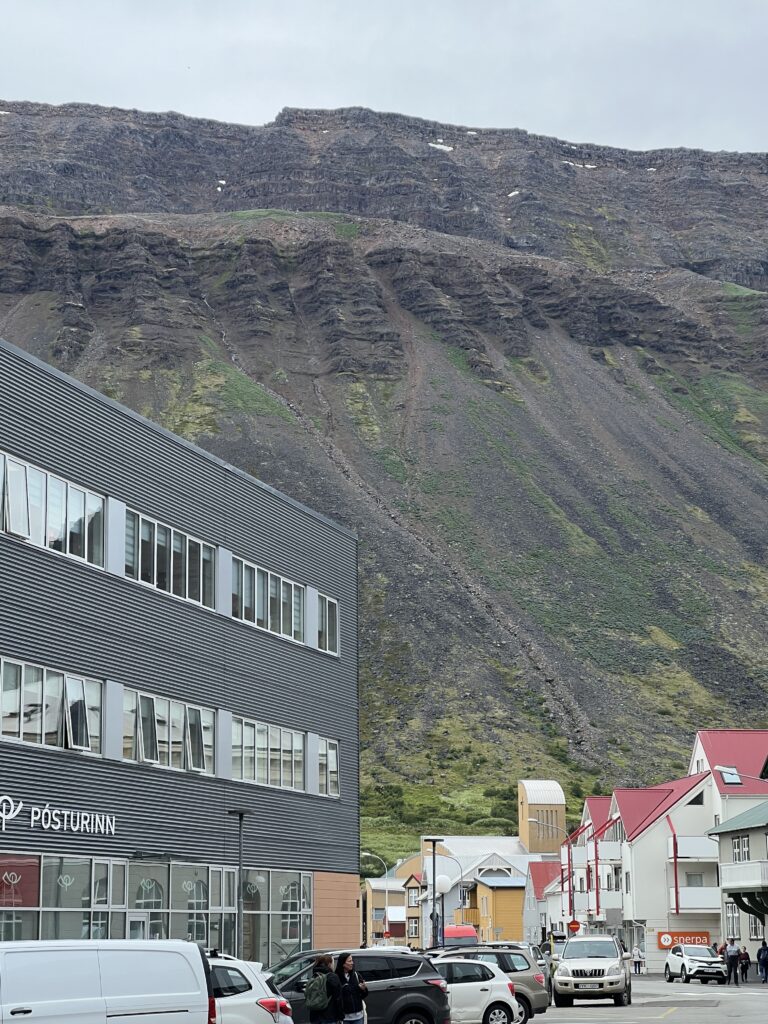
The huge mountains overlook the entire town. According to the Landnámabók (the book of settlement), Skutulsfjörður was first settled by Helgi Magri Hrólfsson in the 9th century. In the 16th century, the town grew as it became a trading post for foreign merchants. Witch trials were common around the same time throughout the Westfjords, and many people were banished to the nearby peninsula of Hornstrandir, now a national nature reserve. The town of Ísafjörður was granted municipal status in 1786.
The former Danish trading post Neðstikaupstaður, established in the 18th century, contains the oldest collection of timber frame houses in Iceland. These include Krambúð (1757), Faktorshús (1765), now the Danish consulate, Tjöruhúsið (1781), now a restaurant, and the site of the Westfjords Heritage Museum Turnhúsið (1784).
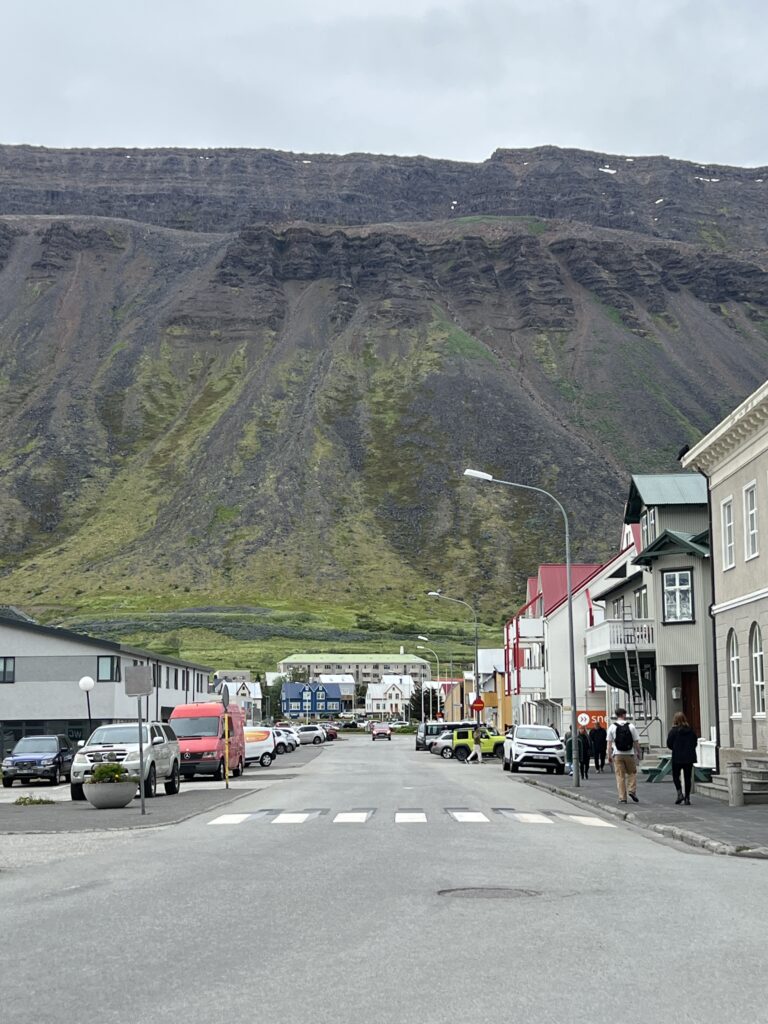
The Westfjords are known to be the coolest area in Iceland at sea level. Ísafjörður has a tundra climate (Köppen climate classification: ET), closely bordering on either a dry-summer subarctic climate (Köppen climate classification: Dsc) or a cold-summer mediterranean climate (Köppen climate classification: Csc), depending on using the 0 °C (32.0 °F) or the −3 °C (26.6 °F) isotherm. The climate is characterised by cold winters and cool summers. The warmest month is July with the mean temperature of 9.9 °C (49.8 °F); the wettest is November with 120 mm (4.7 in) of precipitation. The climate has significantly warmed in recent years due to climate change. Ísafjörður experiences high winds and very few clear days throughout the year.
Faktorshúsið in Neðstikaupstaður in Ísafjörður (built 1765)
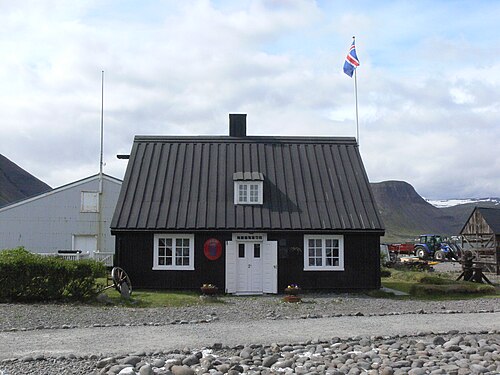
Street in the center of the town
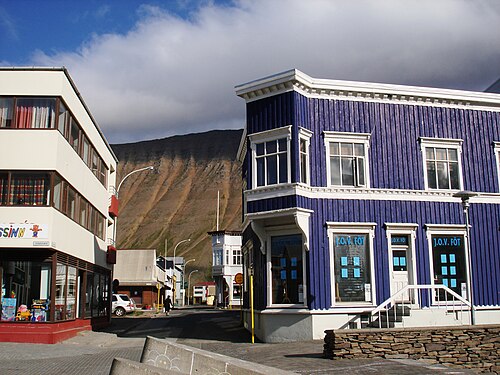
Homes in the town
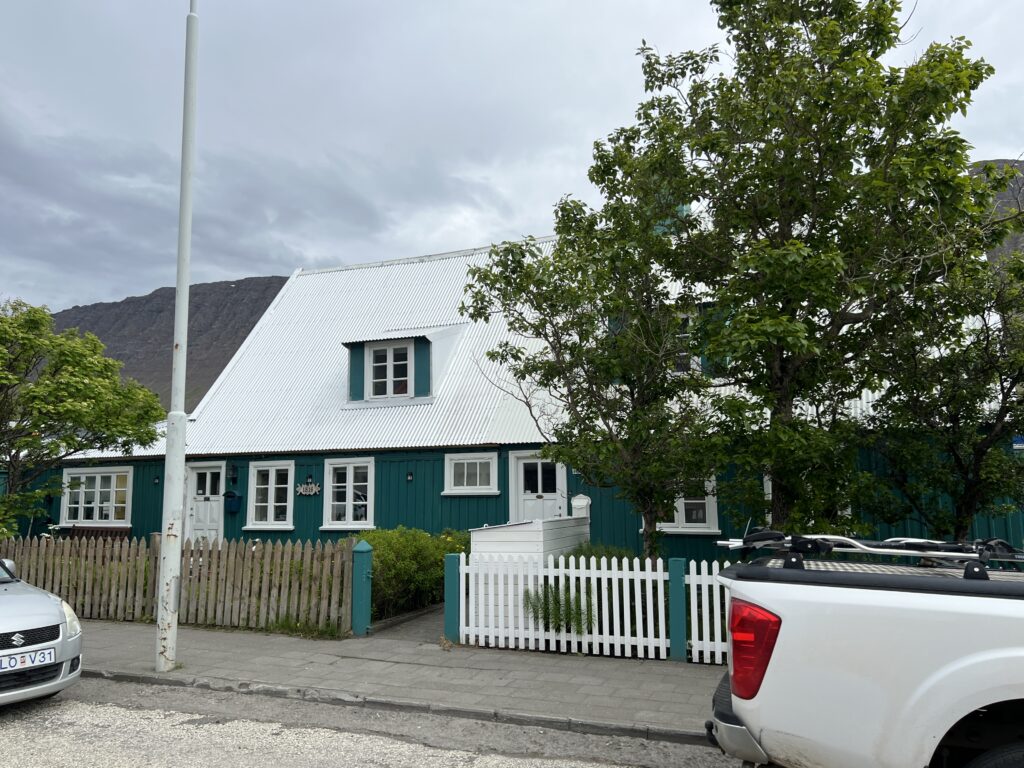
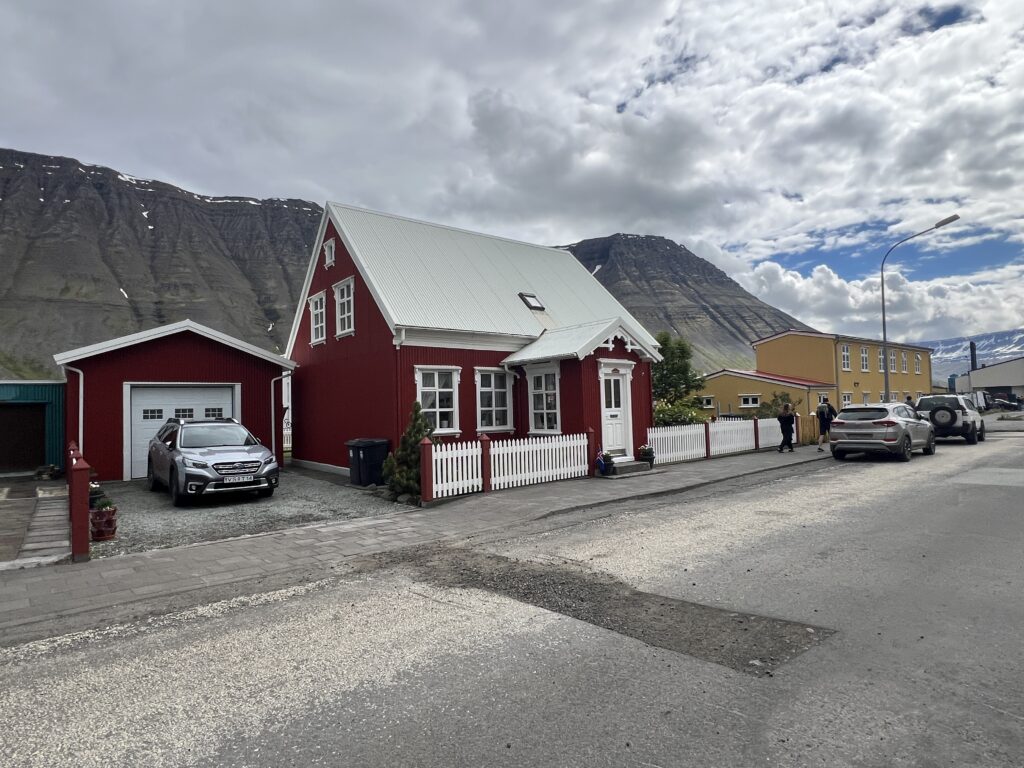
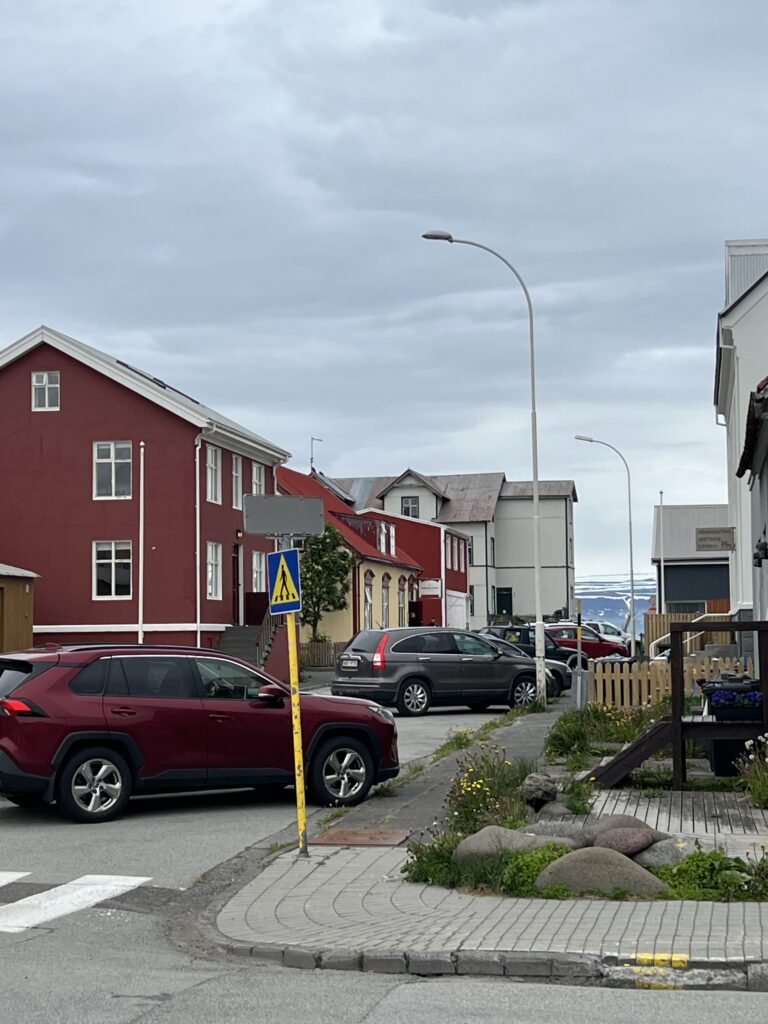
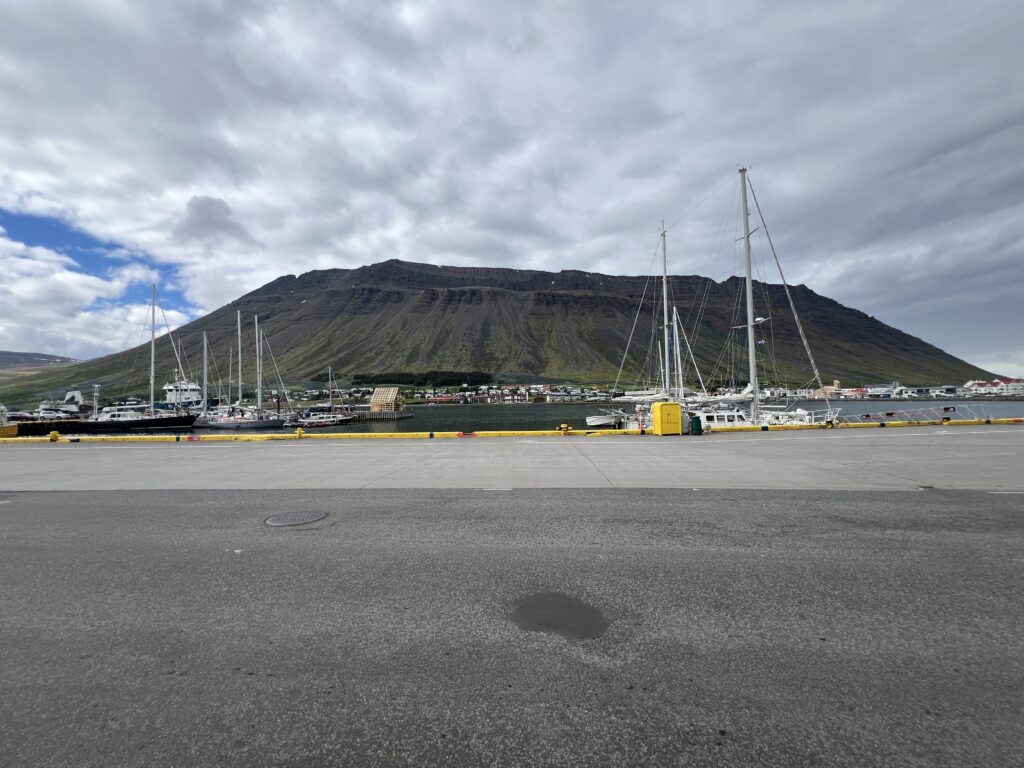
View of the town’s harbor with a volcanic crater in the background
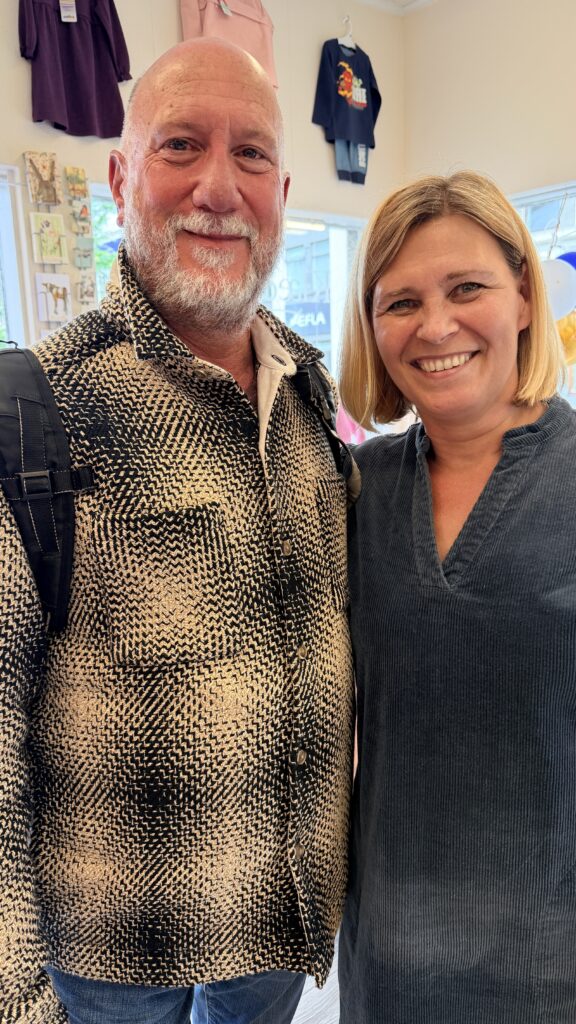
A fellow passenger Marta who we have been hanging around with on the ship has family living in Isafjordour. One of her cousin’s is Dora who owns a shop in town. David Chen told us to visit the store, and he explained how she would look. He told us to walk into the store and tell her “Hello Dora” and watch her expression, so we did this. We caught her by surprise and then she laughed and said my cousin!!! She has a nice shop with baby’s clothing and also sewing and knitting materials. This is a photo with Dora before leaving her store.
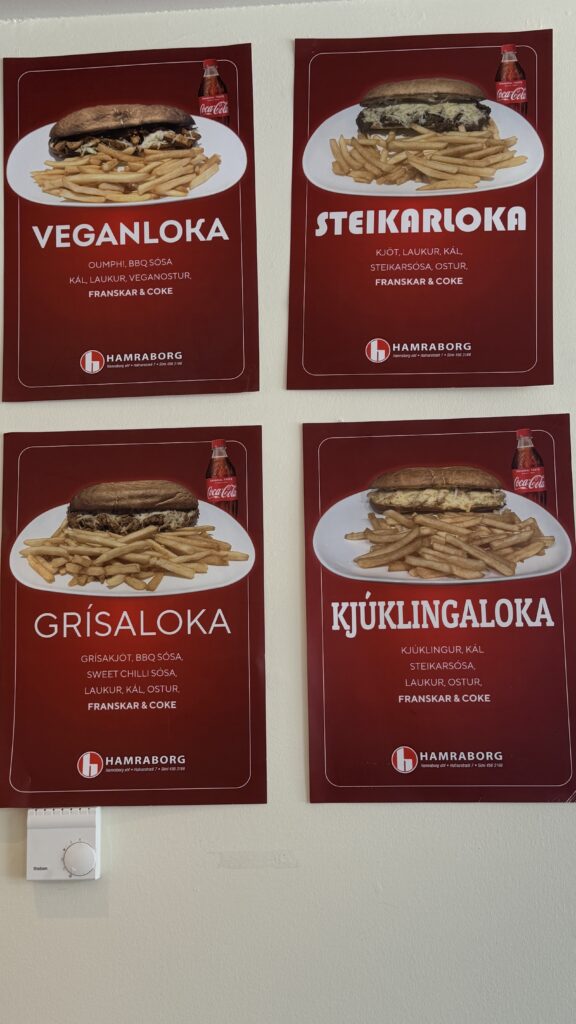
I was searching for an Icelandic hotdog and after visiting a couple of locations, we were told by Marta and her relatives to stop by this place.
The hot dog was so good, I ate a second one

I stuck to the basics….mustard and onions

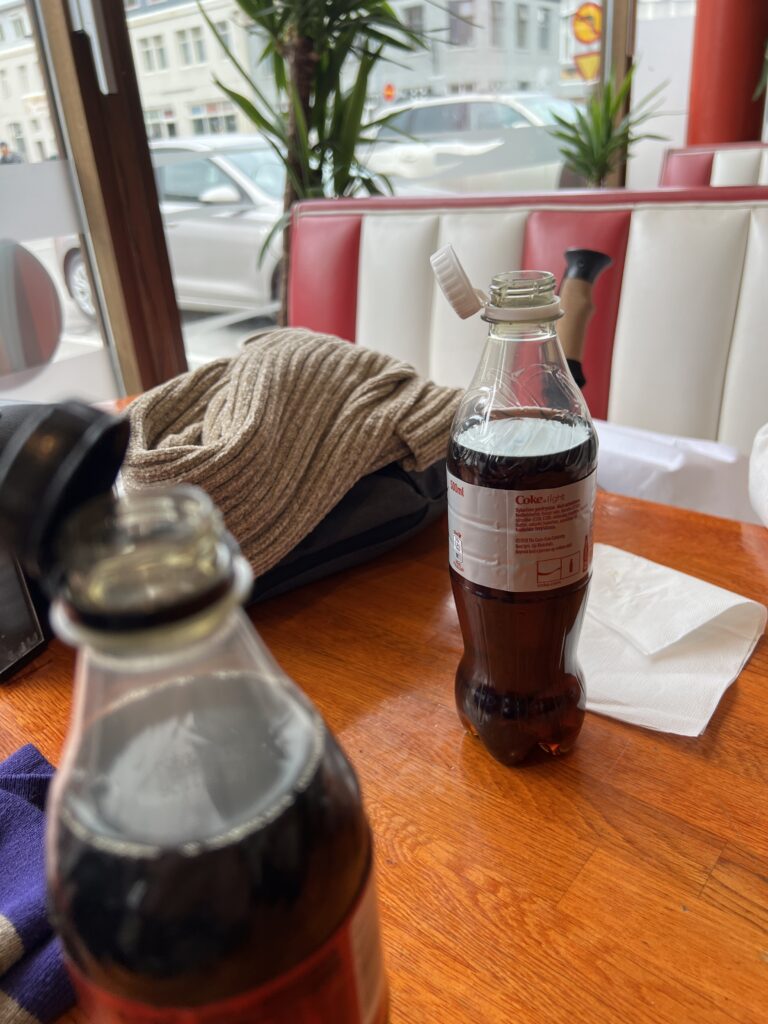
Love the tops that cannot be removed from the bottle
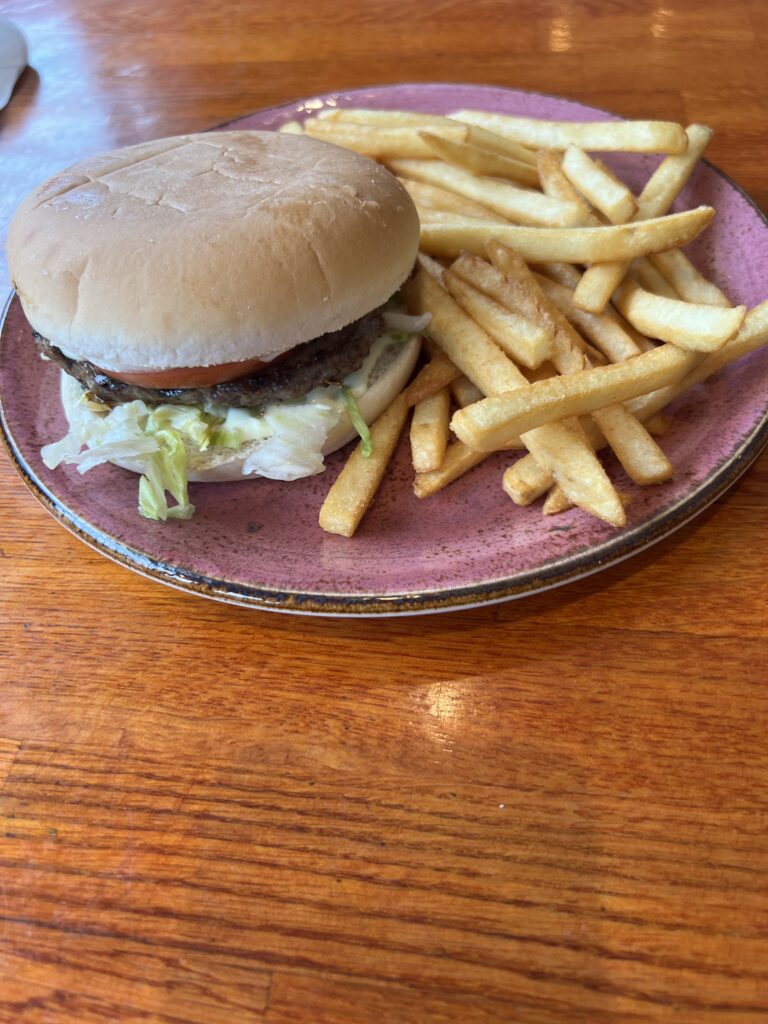
The hamburger Jackie ordered was good and the fries were fantastic
Huge crater and mountains looming over the cruise ship.
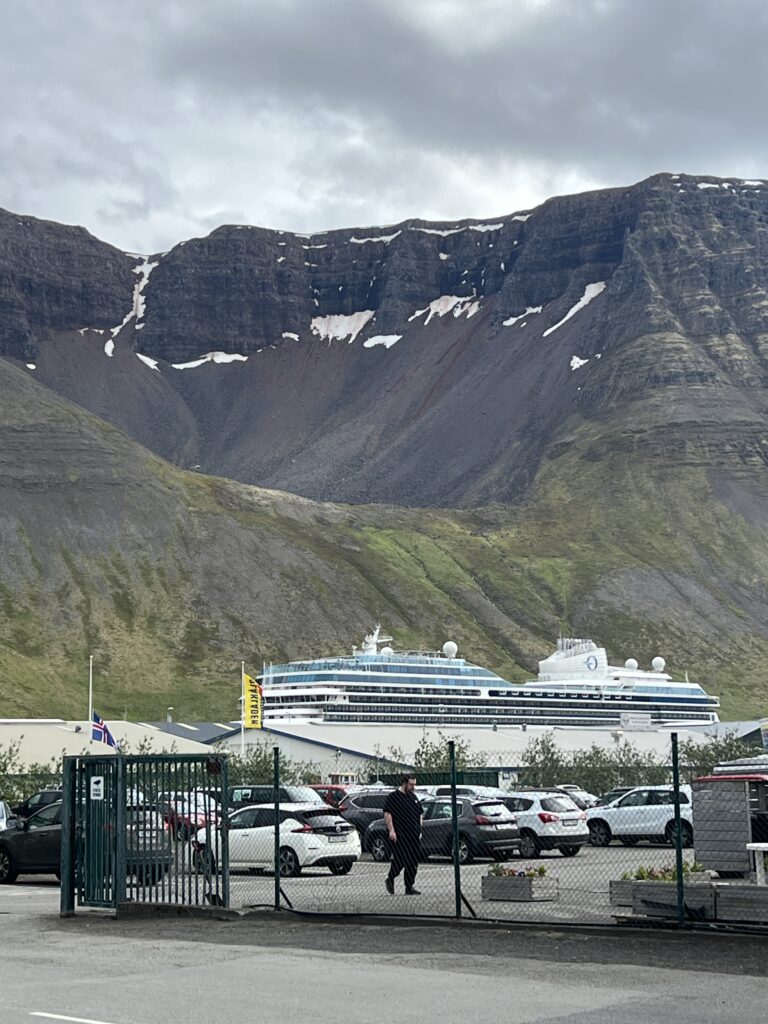
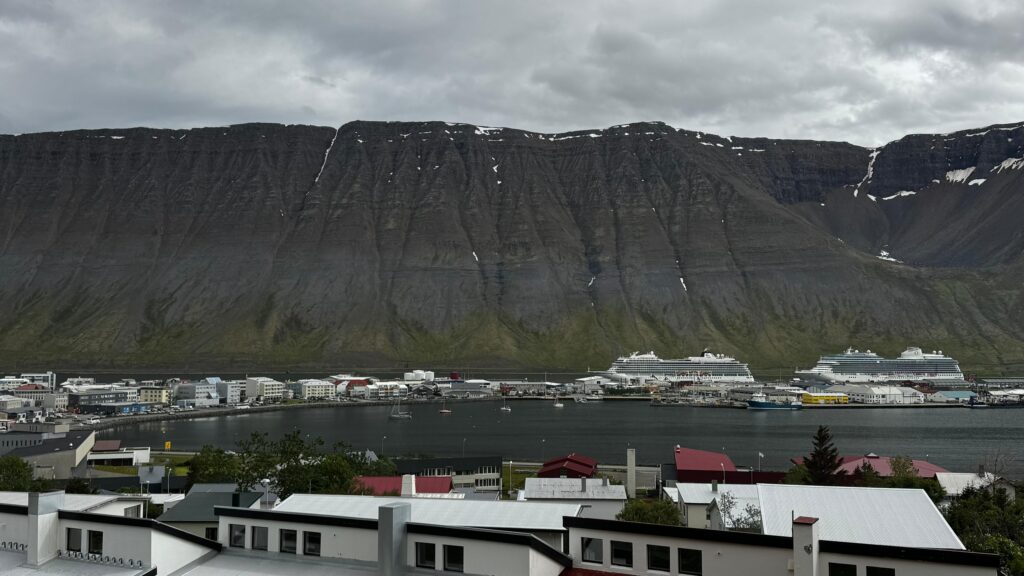
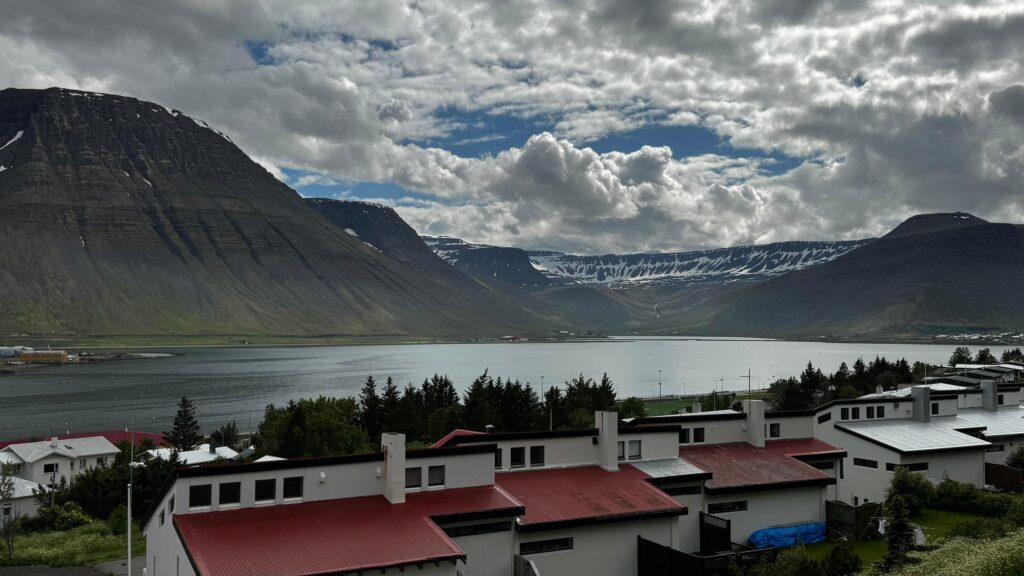
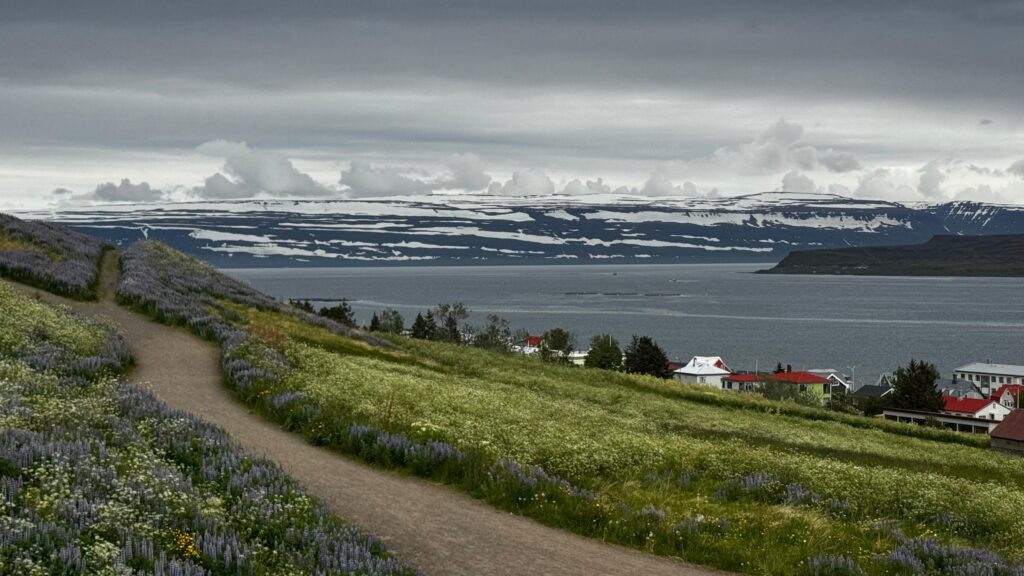
Dave and Marta were the last two passengers to make it back to the ship. It was great for her family to visit the ship and then they spent time together on shore.
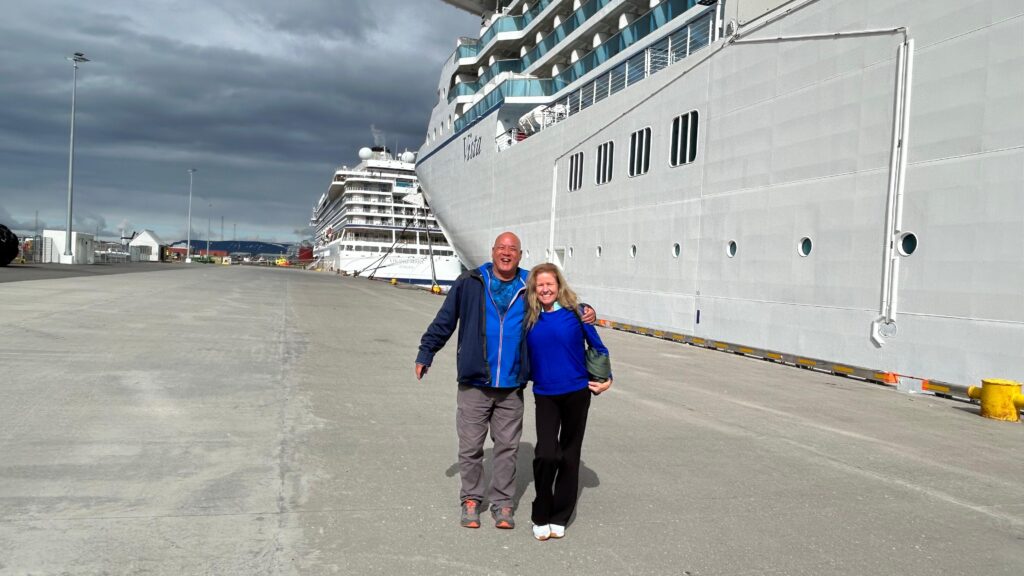
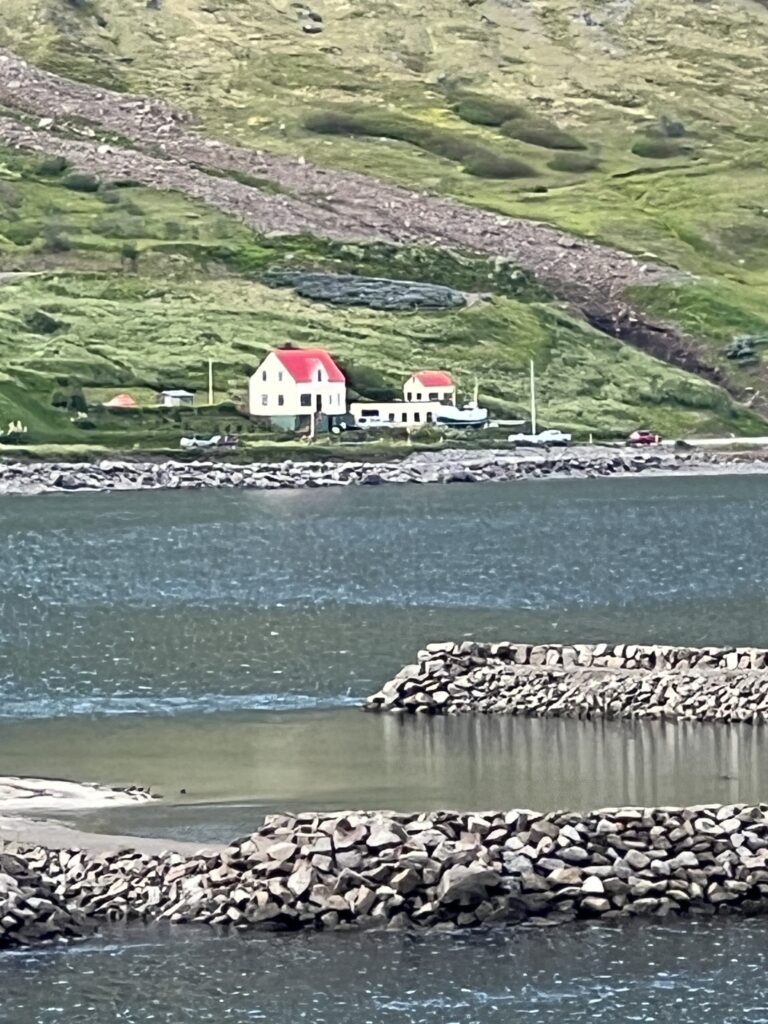
Sailing away from Isafjordour catching the Viking Mars cruise ship in the video. At 24 second mark there is a two-story home with a red roof and at the base of the mountain. This is the home that Marta’s mother grew up in.
Tomorrow we are in Reykjavik, Iceland

2 thoughts on “Day 109 June 24 – Isafjordur, Iceland”
Doesn’t Jackie call you a shithead?
Sometimes that is the nice thing she calls me 🙂